Afghanistan-Pakistan Cross-Border Conflict and Regional Tensions
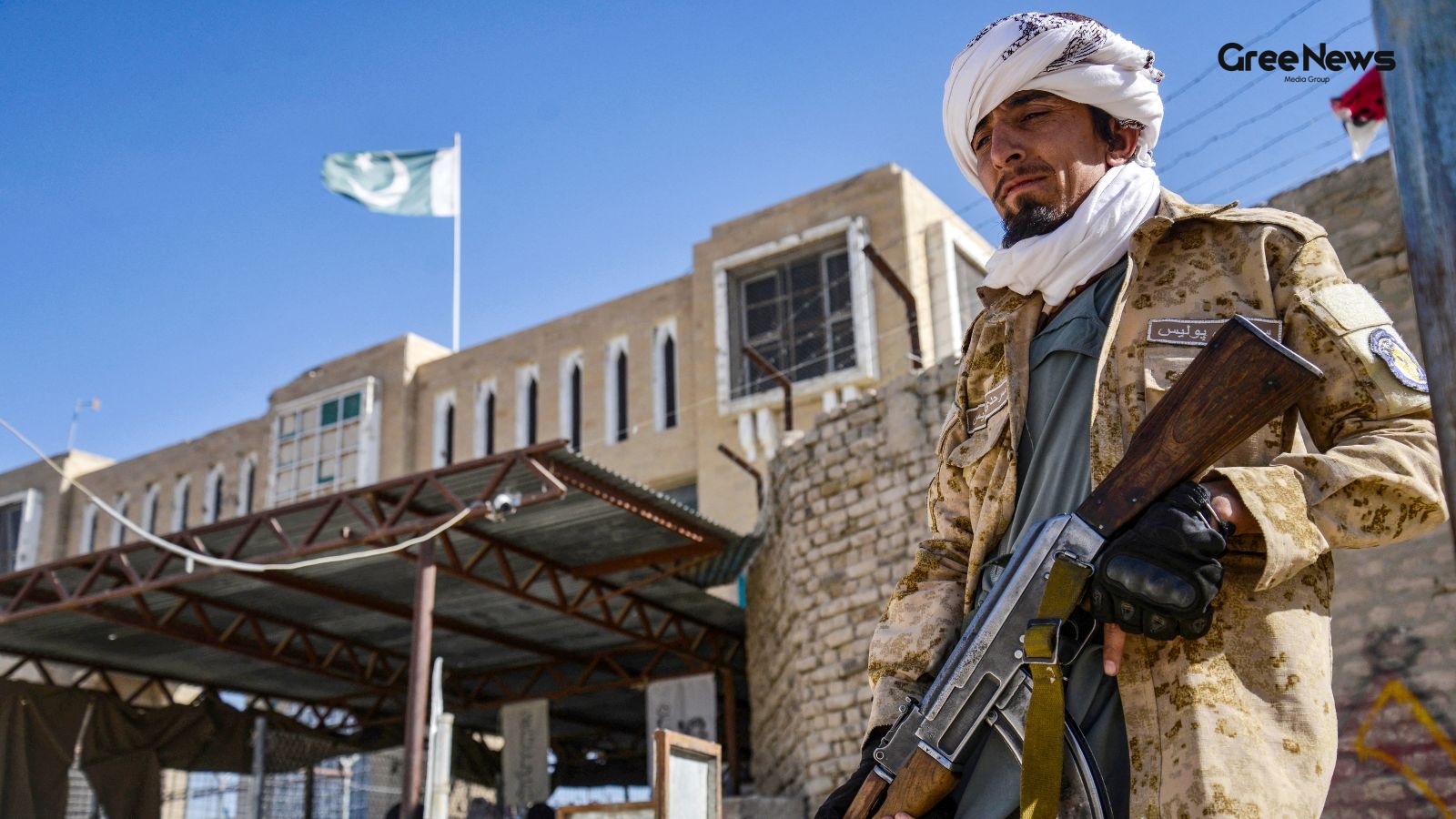
Afghanistan’s Taliban government just claimed their air force hit alleged ISIS hideouts inside Pakistan. A cross-border strike. That's what they said, and it immediately cranks up the tension between Kabul and Islamabad.
The Afghan Ministry of Defence framed the operation as targeting “centres of evil and corruption.” They specified these were Daesh facilities supposedly operating in Pakistan’s Balochistan and Khyber Pakhtunkhwa provinces. But that framing is where things get messy.
Kabul insists it was a counterterrorism move, not an attack on Pakistan itself. The message they sent out was clear: the target wasn't Islamabad; it was ISIS infrastructure allegedly running from Pakistani soil.
But there’s this shadow hanging over everything the timing of the strike raises serious questions about who actually carried out the action. Did Afghanistan use Russian drones? Or some other military backing? That possibility surfaced right after Taliban Defence Minister Mullah Mohammad Yaqoob Mujahid made that big move to Moscow, announcing a military-technical cooperation deal.
Yaqoob returned to Kabul on May 30th. He called the trip successful, said implementation would start soon. Intelligence whispers suggest Afghanistan got Russian gear weapons, air-defence rockets, drones and other security help from Moscow. It’s that kind of stuff you have to wonder about when these cross-border incidents happen.
Then Yaqoob issued a warning toward Pakistan. Islamabad wouldn't dare attack Afghan territory anymore. This came right after repeated Pakistani attacks inside Afghanistan.
Pakistan, meanwhile, has its own story. They maintain their strikes were aimed at sanctuaries used by the Tehreek-e-Taliban Pakistan, or TTP, groups planning attacks domestically. It’s a classic standoff. Kabul rejects any idea that they shelter these groups. They keep accusing Pakistan of violating Afghan sovereignty.
It just spirals. Now you have two neighbors essentially throwing accusations back and forth about who is harboring the terrorists responsible for all this violence spilling over the border.
Pakistan faces these sanctuary allegations constantly. It’s not new. India, for instance, has long accused Pakistan of supporting groups like Lashkar-e-Taiba and Jaish-e-Mohammed. These groups have been blamed for major attacks in India. Both sides are UN designated terrorist organizations. They show up in the records as Pakistan-based entities.
India’s own actions also feed into this mess. New Delhi has struck terrorist infrastructure inside Pakistan, especially during Operation Sindoor back in May 2025. Nine sites linked to groups like LeT and JeM were targeted after that Pahalgam terror attack. Remember the Balakot strike from 2019 against what they called a JeM training camp? It all connects.
Then there's Russia’s growing pull into Afghanistan. Moscow became the first country to formally recognize the Taliban government when they came back in August 2021. Since then, Kabul and Moscow have been moving toward closer security cooperation, counterterrorism stuff, defence links. A strange alliance forming amidst all this instability.
The ISIS-K problem is still huge. They’ve attacked Afghanistan, obviously. And they’re linked to attacks against Russian interests too like that deadly assault on a concert hall near Moscow back in 2024. That shared threat gives Russia and the Taliban something in common, even though their history has been full of friction. It creates this strange security interest.
Written by Gree News Team — Senior Editorial Board
Gree News Team covers international news and global affairs at Gree News. Our collective of senior editors is dedicated to providing independent, accurate, and responsible journalism for a global audience.
More from World
View All
Hantavirus Outbreak and International Response on the *Hondius*
The quarantine orders for the *Hondius*, that cruise ship hit by the hantavirus outbreak they finally lapsed. Nearly seven weeks later. The passengers and crew are home now. There were twelve confirmed cases, one probably. Spread across twenty-three nationalities. Three people died along the way. Th
Jun 20, 2026 by Gree News Team
The Shifting Dynamic Between Trump and Meloni
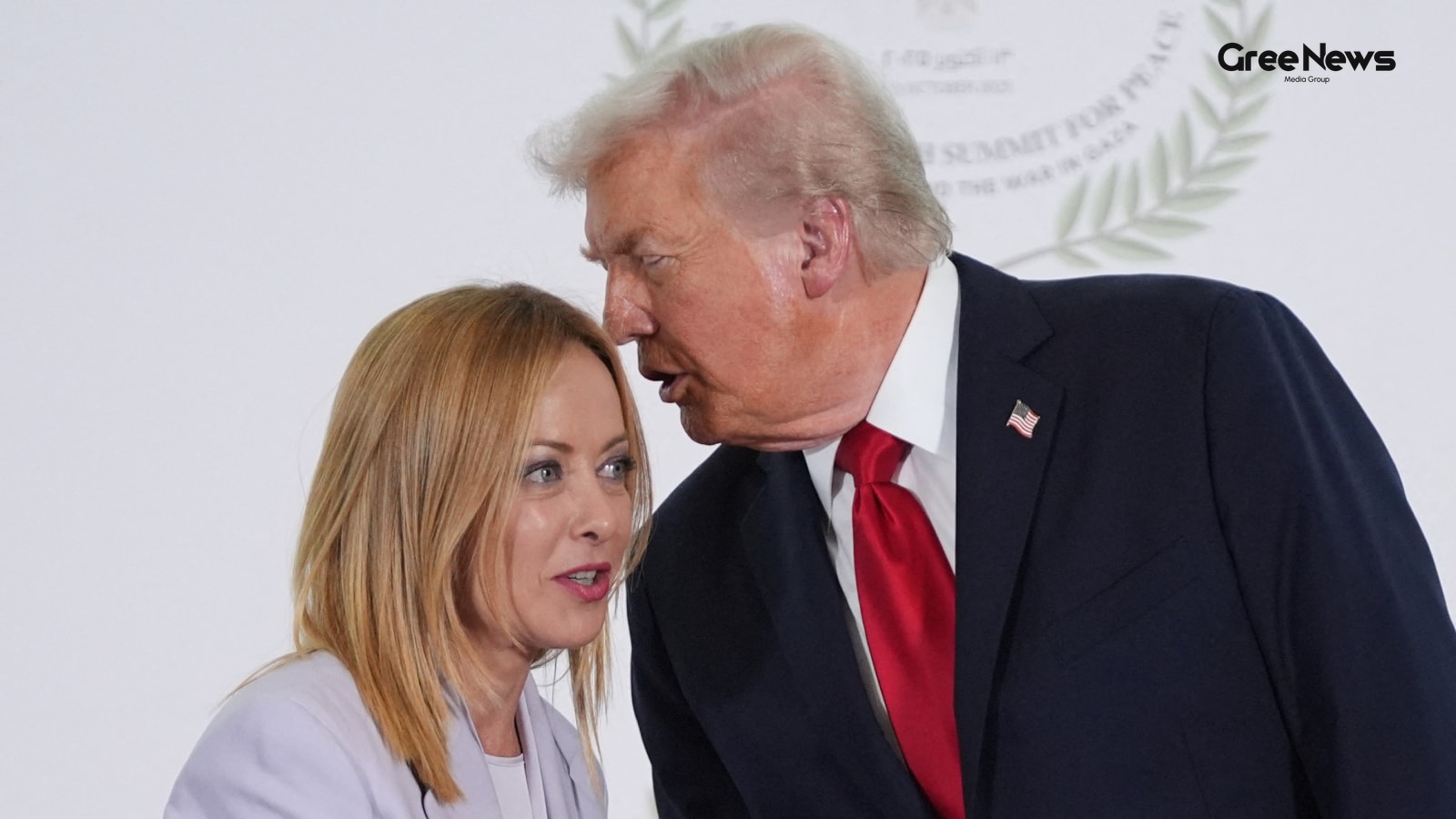
The whole thing started with Trump making that claim about Meloni. That she had supposedly "begged" him for a photo at the G7 Summit. It was instantly explosive. Then comes the back and forth. In an interview with *La7*, Meloni just shut it down completely. She said those claims were entirely made u
Jun 20, 2026 by Gree News Team
Donald Trump's Diplomatic Style and Personal Attacks
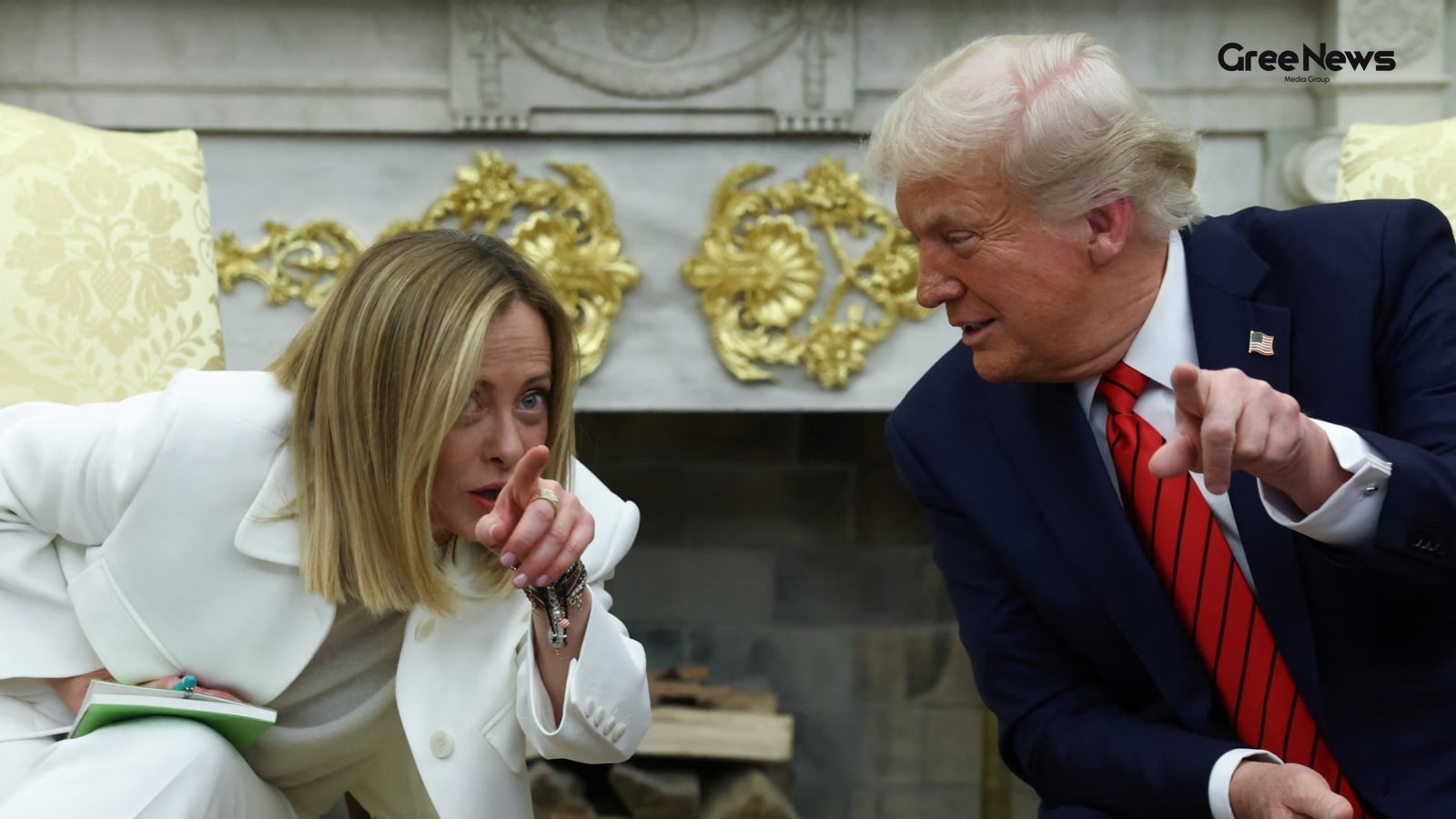
Donald Trump seems to have this habit of just going straight for the jugular in his interactions with world leaders. It’s less about policy disagreements and more personal jabs, often leaving everyone else scrambling. Take the recent spat with Italy. He claimed that Prime Minister Giorgia Meloni had
Jun 20, 2026 by Gree News Team
Intelligence Warnings on the US-Iran Memorandum of Understanding
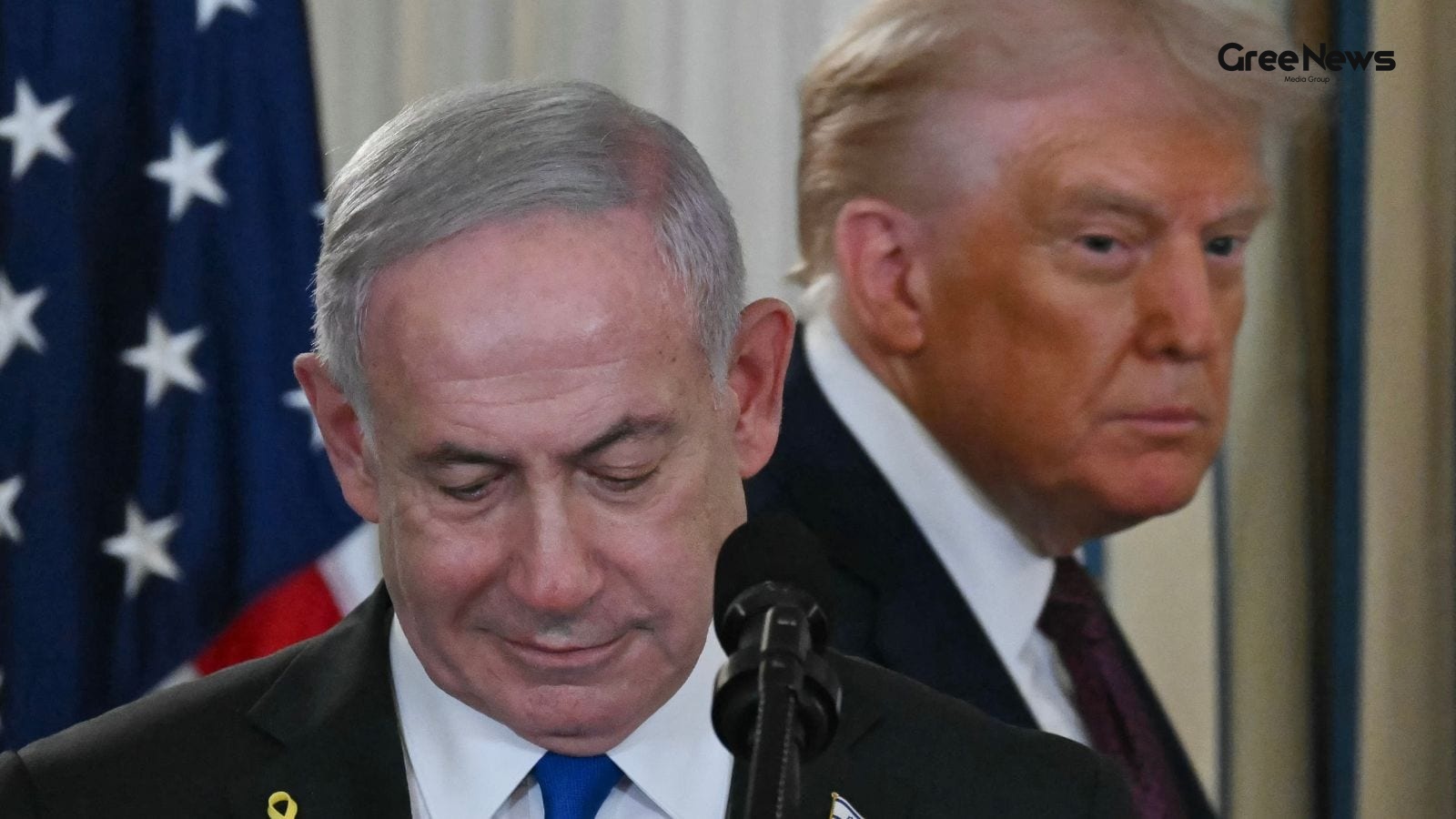
US intelligence agencies sent out these warnings to the Trump administration about what Prime Minister Netanyahu might do next. They suggested it could mess up that whole memorandum of understanding, the one they signed regarding ending the war between the US and Iran. It came out on Friday. Just a
Jun 20, 2026 by Gree News Team
Latest Headlines
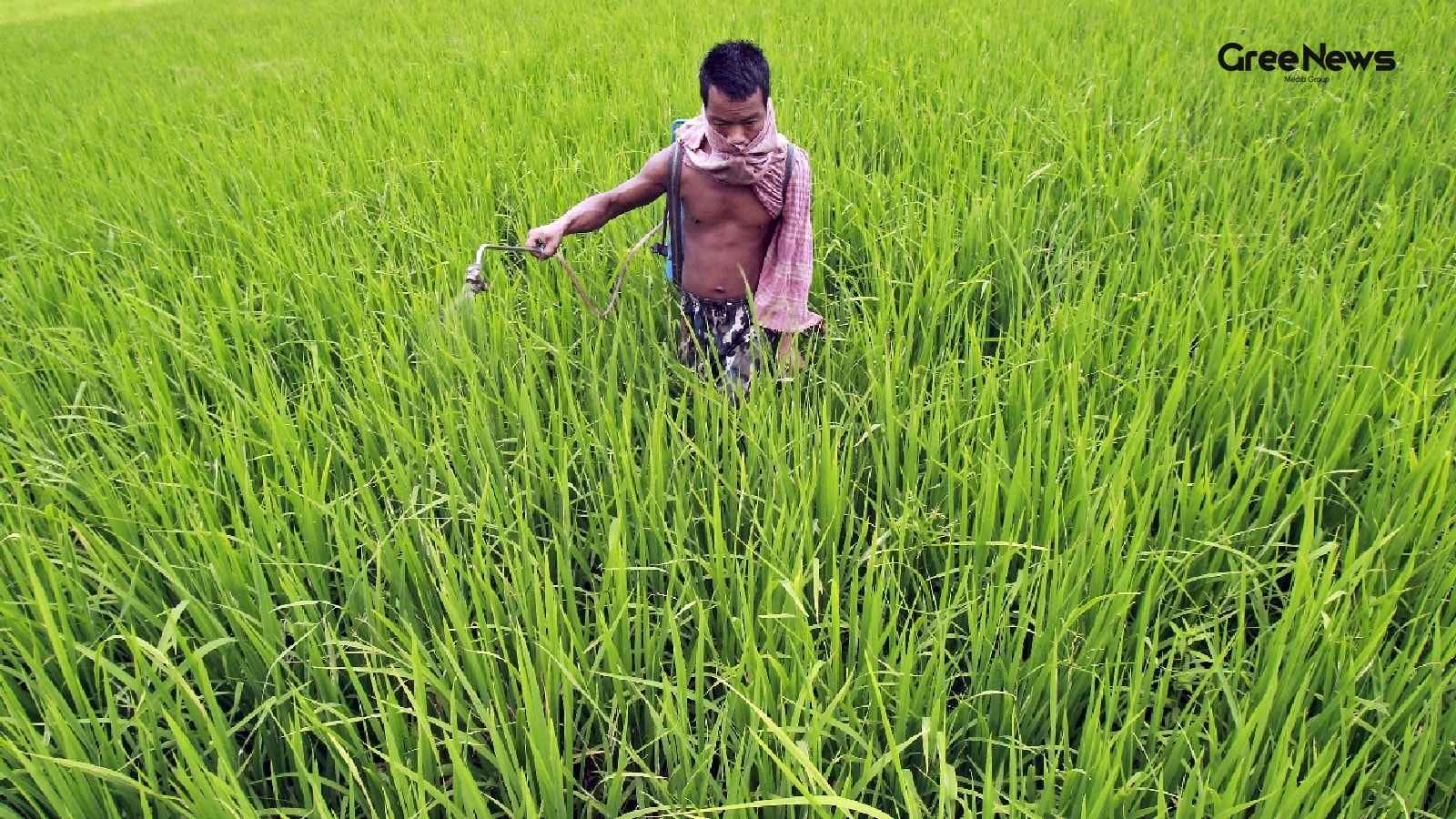
Strait of Hormuz Easing Impacts India's Fertilizer Supply and Geopolitics
The easing up around the Strait of Hormuz is finally giving some breathing room for India’s agriculture sector. Officials are saying that fertilizer shipments, which had been stuck way back in that critical maritime corridor, should now be able to move without hitting major snags. It was a real head
Jun 20, 2026 by Gree News Team

EPFO Overhaul: Bringing Faster Access to Provident Fund Money
The Employees’ Provident Fund Organisation is pushing forward with a massive overhaul. They are rolling out a new mobile application that’s going to link directly to members’ bank accounts. Think UPI integration BHIM and other digital payment apps connecting straight into the system. The whole aim h
Jun 20, 2026 by Gree News Team
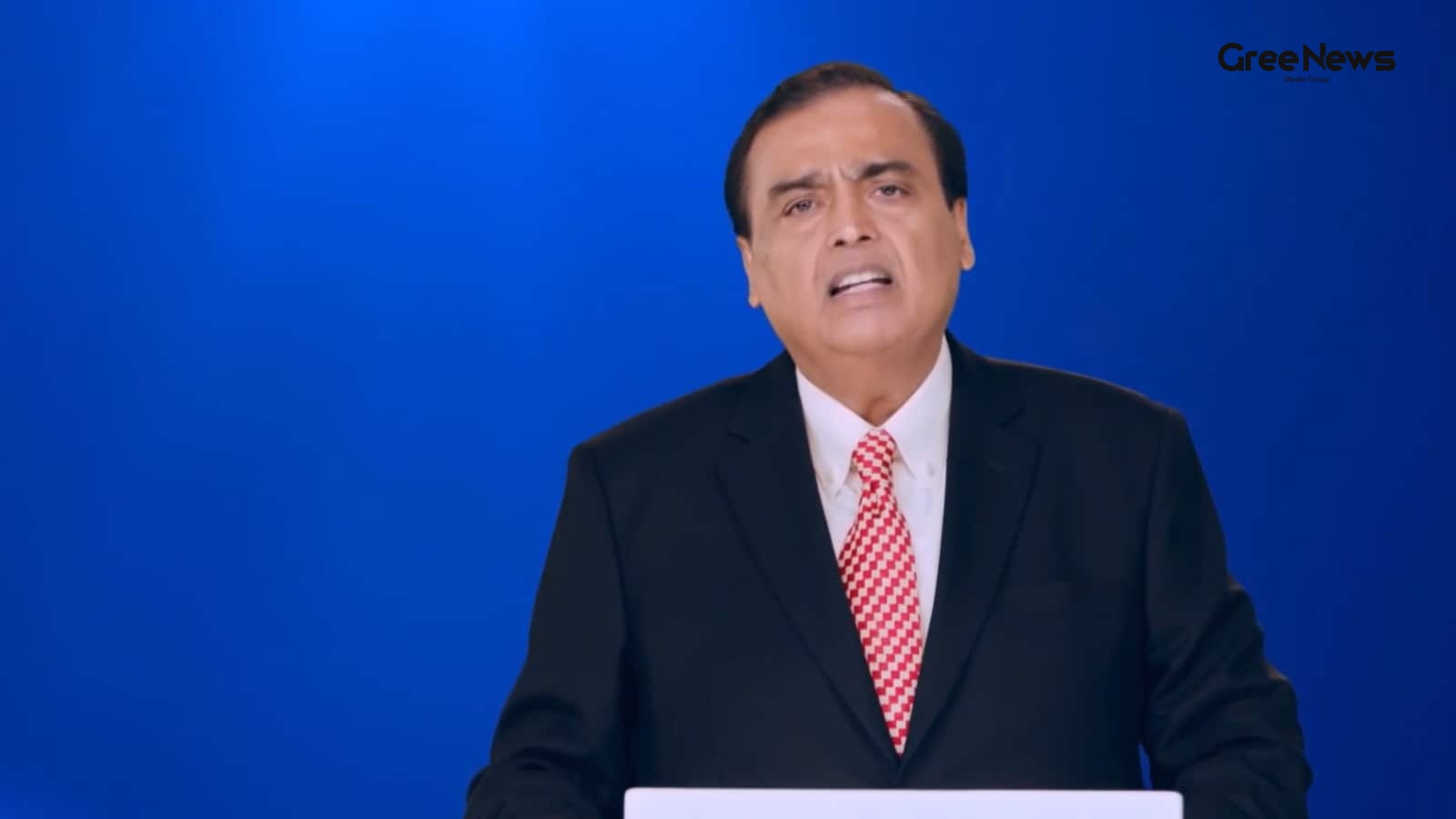
Mukesh Ambani on PM Modi's Tenure and India's Global Role
Mukesh Ambani, the Chairman and Managing Director of Reliance Industries, started Friday extending greetings to Prime Minister Narendra Modi. It was tied to a specific milestone: Modi emerging as the longest-serving head of an elected government. Twelve years in office. That’s what he clocked in. Th
Jun 20, 2026 by Gree News Team

The Fragmentation of Modern Political Reality and Trust
It’s just… moving fast these days. You see the way things shift? It’s not some clean timeline thing. It’s more like watching shadows stretch out across the pavement, you know? Political stuff isn't neat. There’s this constant hum under everything. A low frequency anxiety that just settles in your ch
Jun 20, 2026 by Gree News Team
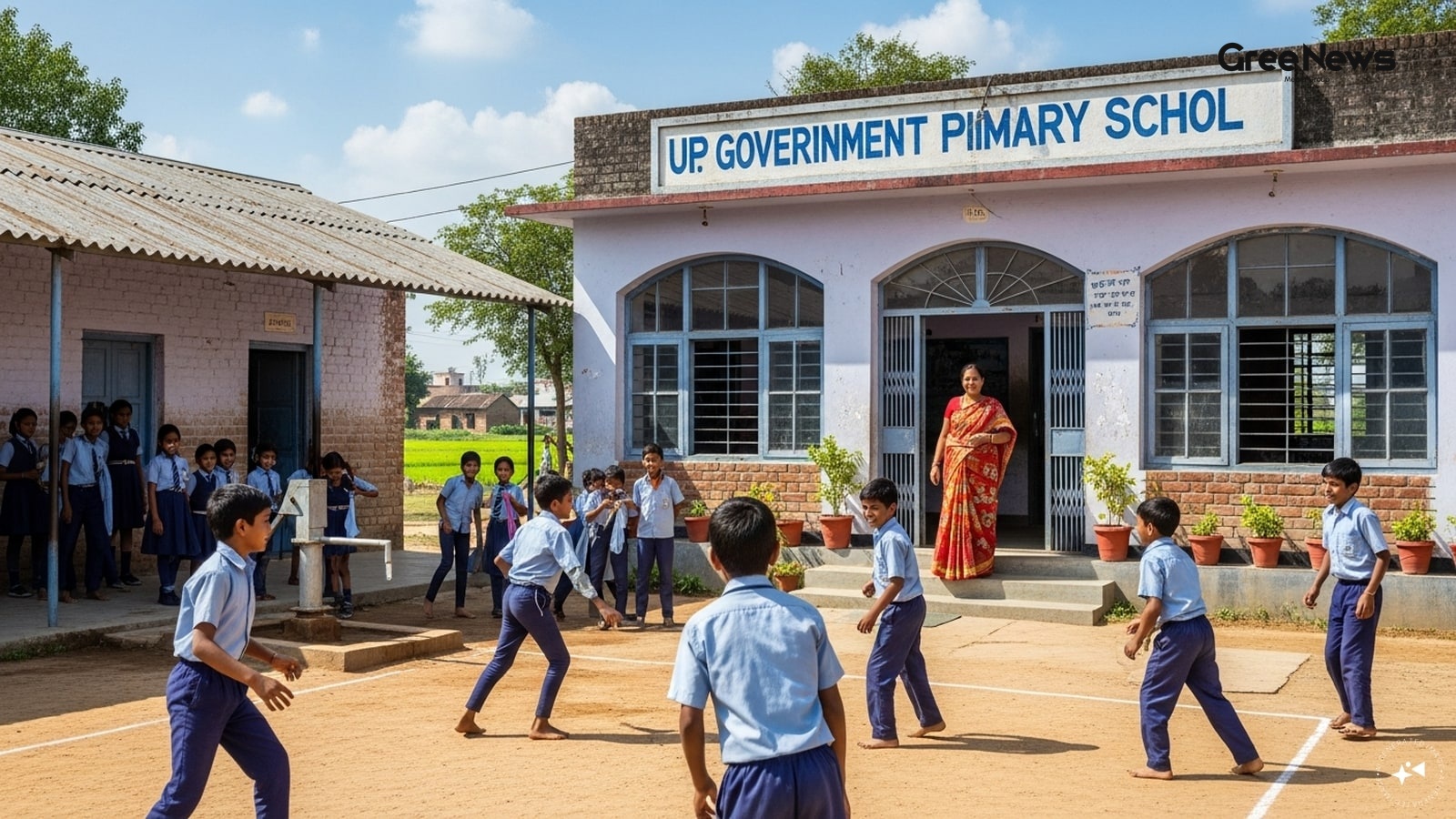
Uttar Pradesh Schools Achieve National Recognition for Clean and Sustainable Education
Uttar Pradesh managed to snag a pretty good spot nationally for clean and sustainable schools. Eleven institutions from the state made the cut for the Government of India’s Swachh Evam Harit Vidyalaya Rating, or SHVR, for the 2025-26 cycle. It wasn't just about a simple grade though. The rankings ac
Jun 20, 2026 by Gree News Team
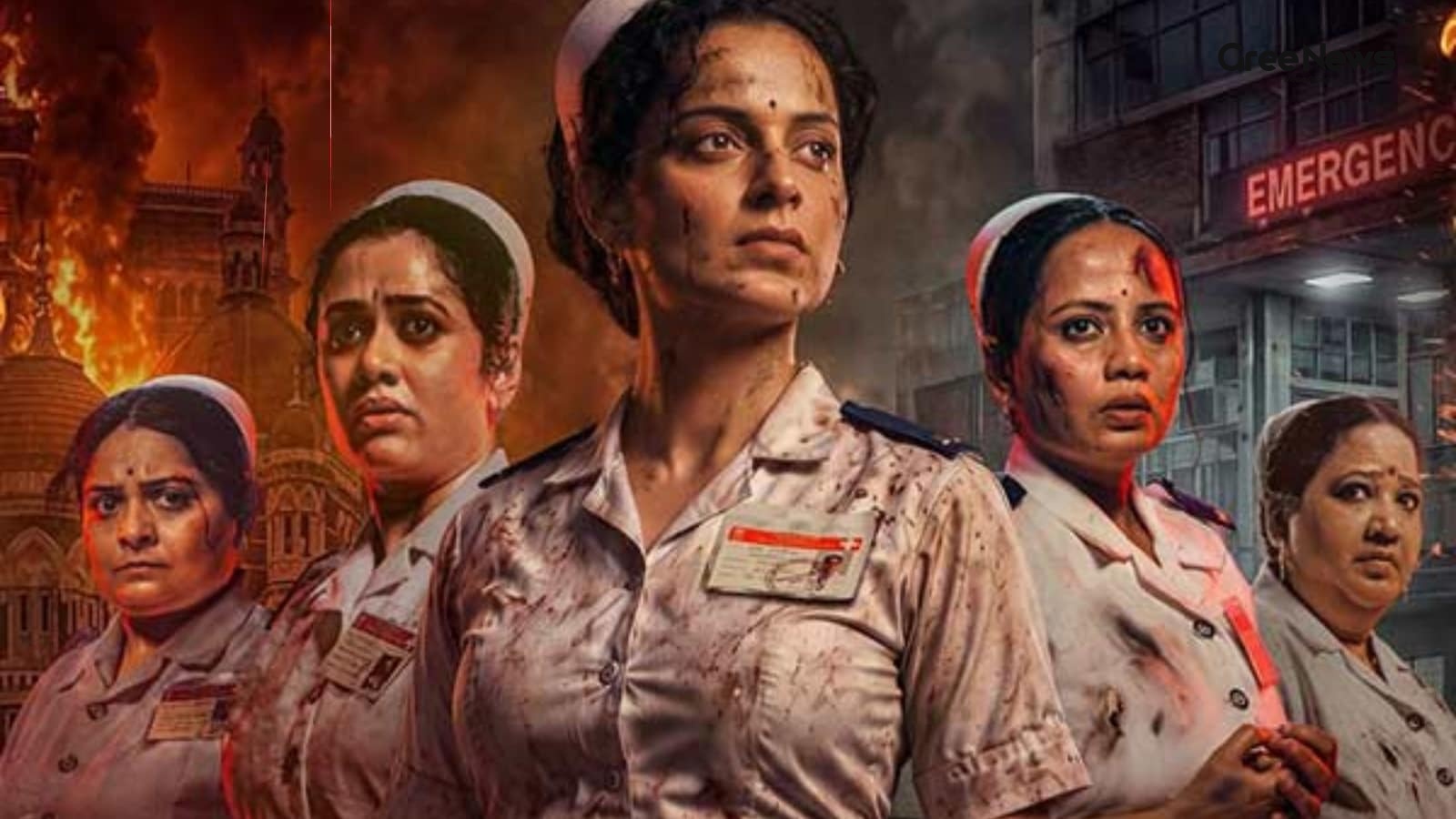
Analysis of *Bharat Bhhagya Viddhaata*'s Box Office Performance and Industry Buzz
Box office stuff always gets weird in the opening week. You see that right after the weekend rush, things just… shift. And this film is one of those examples. It’s had a decent start but honestly, it hasn't managed to keep that momentum. Manoj Tapadia’s *Bharat Bhhagya Viddhaata*, with Kangana Ranau
Jun 20, 2026 by Gree News Team

Health Gadgets and Jio's Satellite Vision
Your father probably doesn't talk about his health as much as he should. He skips the doctor’s appointment, brushes off that occasional chest tightness, just insists he’s fine. So what do you give him this Father’s Day? Not something sitting on a shelf. Something that actually keeps an eye on him ev
Jun 20, 2026 by Gree News Team

Sidharth Malhotra and Tamannaah Bhatia Team Up for Vvan: Force of the Forest
Sidharth Malhotra and Tamannaah Bhatia are teaming up again for *Vvan: Force of the Forest*. It’s a folk thriller, and things seem to be heating up behind the scenes. There’s talk now about extending the shooting schedule. They're planning an extra ten days just to nail those key sequences. Especial
Jun 20, 2026 by Gree News Team

The Tragic Fire and Legacy of Paul Avery
A quiet neighborhood in Blairstown Township, New Jersey that’s where things got really dark. A devastating fire took two lives there. It ended a long journey for a couple who were so deeply rooted in that community. It started as an emergency call early Tuesday morning. June 16th. But it quickly bec
Jun 20, 2026 by Gree News Team

Ten Yoga Props Worth Looking At for 2026
Look, if you’re wrestling with a stiff back, tight hips, or just trying to make yoga feel less painful the right gear can genuinely flip things around for your practice. It's not about chasing perfect flexibility first. Honestly, comfort and support? That matters way more when you start out. That’s
Jun 20, 2026 by Gree News Team
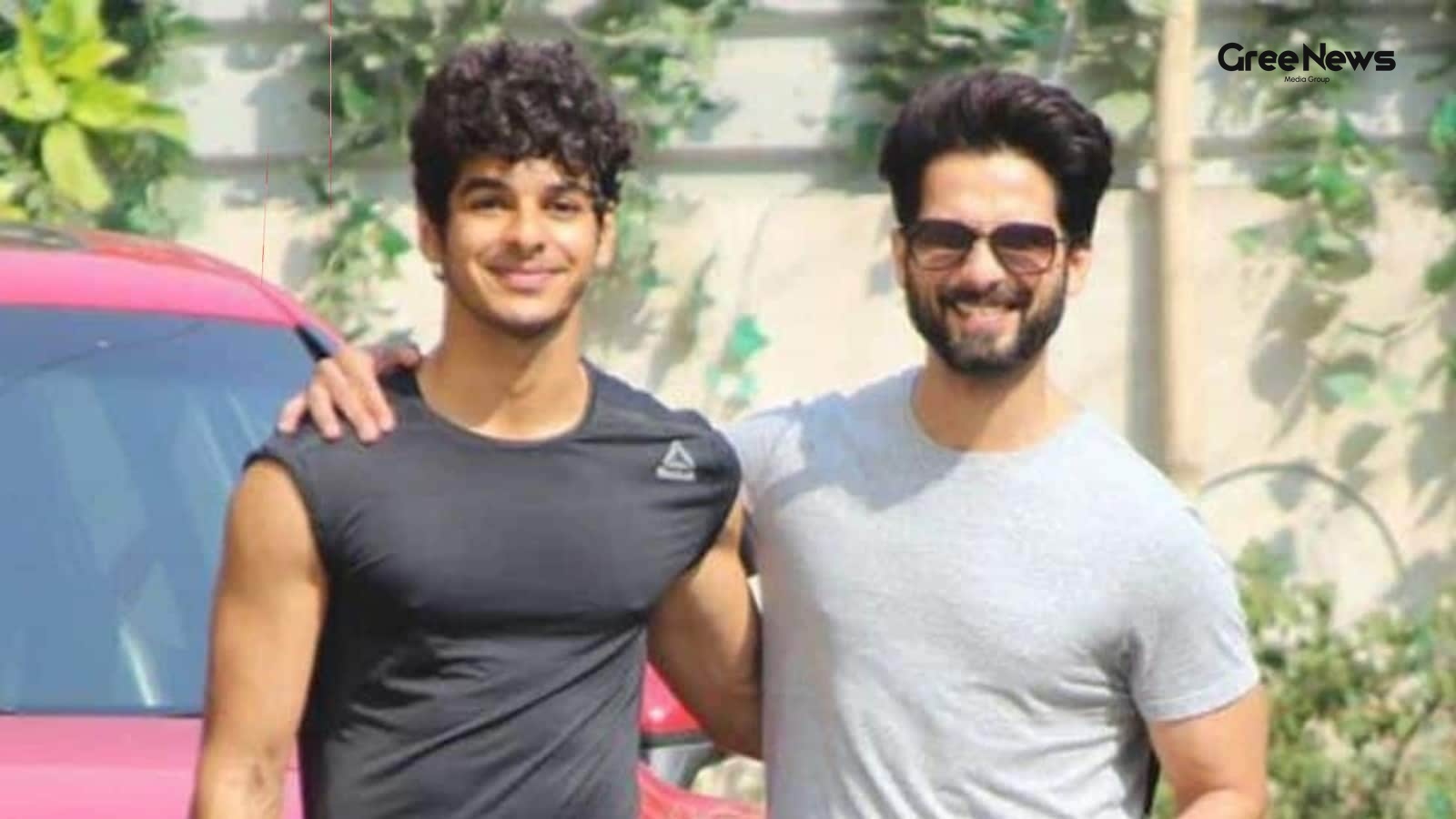
Ishaan's Reflections on Relationships and Sacrifice
Ishaan also reflected on his relationship with Shahid. The actor is fifteen years his senior. Ishaan said Shahid became a parental figure for him in many ways over the years. There’s this interesting dynamic, right? They are more like pals than brothers, but there's still that line of respect hangin
Jun 20, 2026 by Gree News Team

Agentic Canvas: Building an AI-Native Creative Team for Storytelling
Collective Artists Network just dropped some news about expanding Galleri5 AI Studio with something called Agentic Canvas. It’s a new platform, built specifically for filmmakers, brands, authors anyone making visual or written stuff and it’s aiming to get people from that initial idea right into exe
Jun 20, 2026 by Gree News Team

Viral Moment: From Parade Chaos to Social Media Meltdown
The parade itself was already pure chaos. Blue and orange jerseys everywhere. Fans just piled up, shoving against traffic lights. Fireball shots were flying down Church Street, smoke hanging heavy over Manhattan downtown. It was loud, frantic. But then there’s this one moment from the celebration th
Jun 20, 2026 by Gree News Team

Navi Mumbai Airport Leak Sparks Controversy Over Construction Quality
Days after getting that international nod one of those seven most beautiful airports from Prix Versailles the Navi Mumbai International Airport is suddenly in hot water. Not for its architecture anymore. A viral video popped up showing actual leakage. Water running right over the luggage belt during
Jun 20, 2026 by Gree News Team
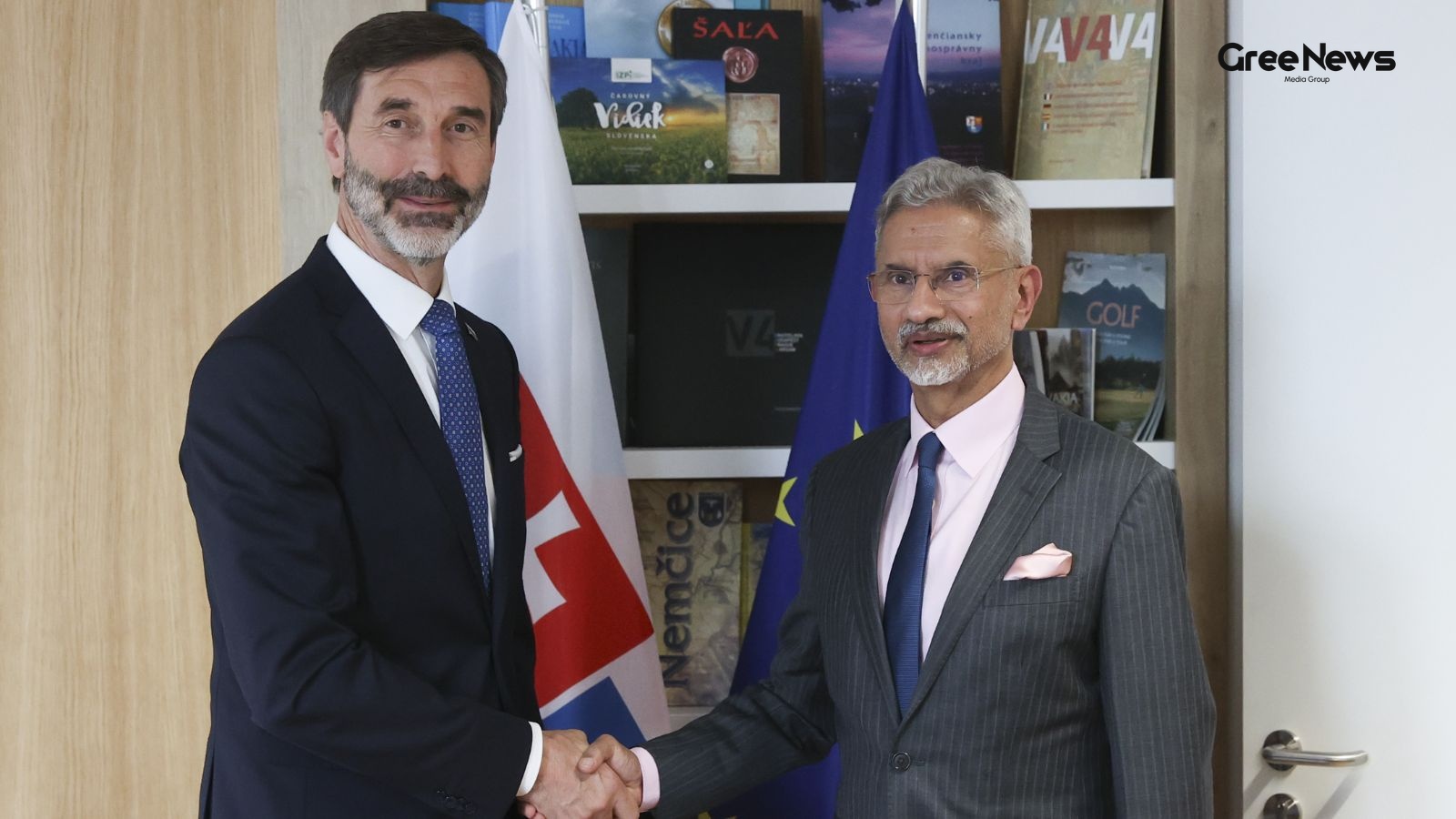
India-Slovakia Partnership: Geopolitics, Technology, and Energy
Narendra Modi landing in Bratislava. It’s not something that happens every week. But it did happen. The first time an Indian Prime Minister landed there, and it wasn't just a ceremony. There were all those expected optics thrown in. High-level chats with Robert Fico and Peter Pellegrini, upgrading t
Jun 20, 2026 by Gree News Team