Air Cooler vs. Air Conditioner: The Ultimate Guide to Cooling and TV Choices
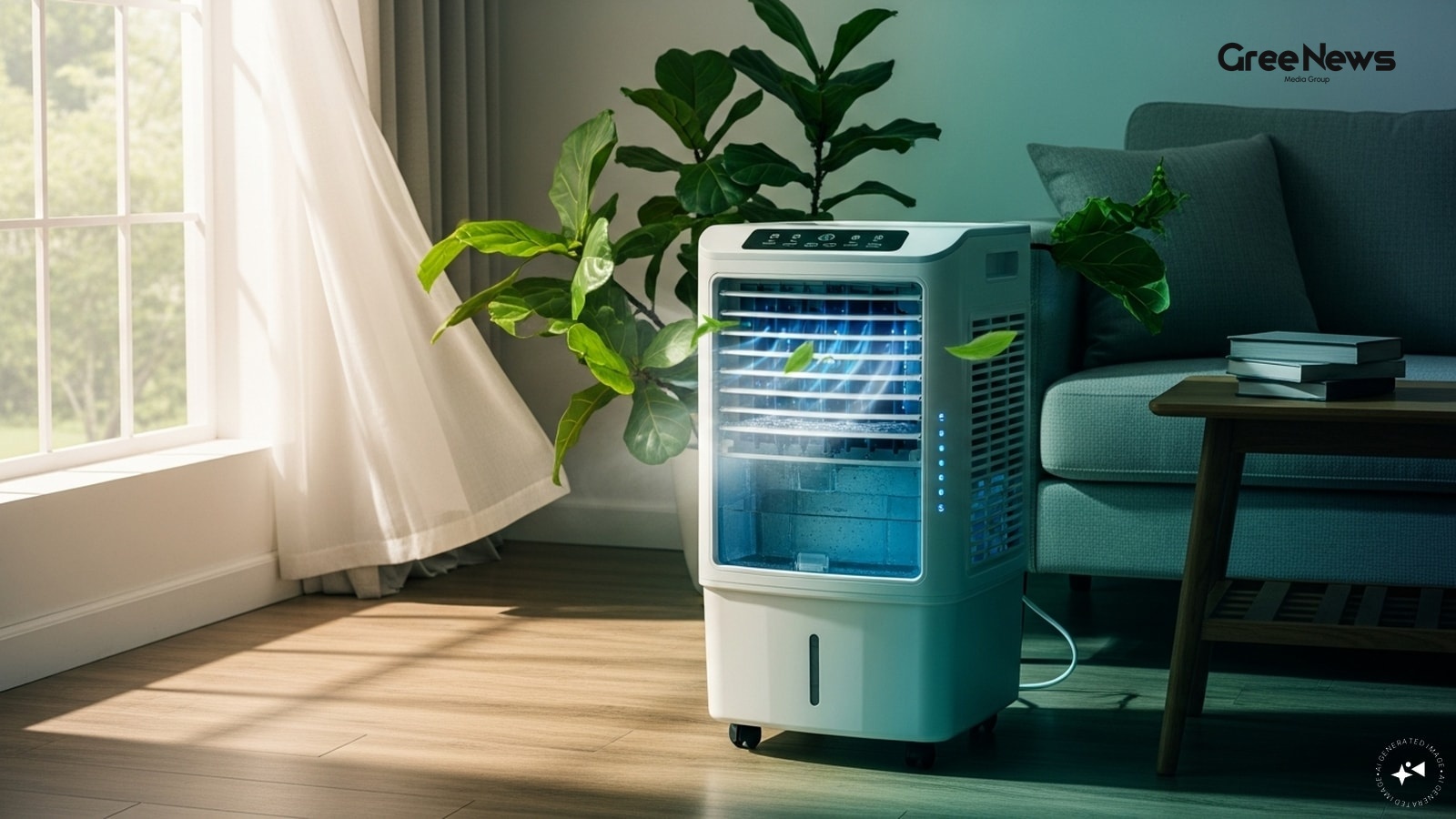
Choosing between an air cooler and an air conditioner . That’s the classic summer dilemma, right?
At first glance, it seems simple enough. Coolers cost way less money upfront. They use minimal electricity. But then you look closer. Air conditioners push out much stronger cooling. They come with a higher price tag for buying and running them. The reality is always a little messier than that.
The real choice isn't just about which one cools better. It depends entirely on where you live, the size of your room, how you use the space all the time, and what your budget actually allows. An AC that feels like an absolute necessity in Mumbai might be totally overkill for someone living somewhere else entirely. Same goes for coolers. One works great when it’s dry out there, but they start to struggle badly once humidity kicks in.
Both things have their spots. Both have clear limits. The question isn't which one is inherently superior. It really comes down to what makes the most financial sense for your specific home situation right now.
So, if you want the low-cost route? Go with an air cooler. Think about this:
- If you need the absolute lowest price tag to start? Get a cooler.
- Are electricity bills your biggest worry? Coolers win there hands down.
- Do you live somewhere dry or moderately dry? That’s ideal for evaporative cooling.
- Need something portable? A cooler is easy to move around.
- You’re just trying to cool a small room or one specific spot? Easy fix.
But if you’re in that brutally hot and humid city? Then an air conditioner usually becomes the only sensible option. Maximum cooling power is what you need then. You spend long hours inside, right? Precise temperature control matters more. And when you want true dehumidification, ACs are the way to go. They actively remove heat using a refrigeration cycle, completely ignoring the humidity issues that plague coolers.
Look at the numbers for a second. An air cooler usually pulls between 100 and 250 watts. An inverter AC, especially a 1.5-ton unit, can chew up between 1,000 and 1,700 watts depending on how it’s running. That difference over an entire summer? It gets substantial.
For pure comfort? The air conditioner usually pulls ahead. It cools faster, handles humidity, and keeps a steady temperature. Coolers might make the room feel cooler, sure, but they just add moisture to the air when they run. ACs actively manage that moisture.
Where this all hits home depends heavily on geography. In dry regions? An air cooler offers incredible value because the initial outlay is tiny. But in humid metros like Chennai or Kolkata, an AC delivers far superior comfort and actual cooling performance. Many people end up doing both coolers for mild weather, and kicking on the AC when the heat gets truly oppressive.
So, what’s the takeaway? Coolers win on saving money upfront. ACs win on total environmental control.
The 43-Inch TV Market in India
Now, switching gears completely. Let's talk about screens. Specifically, that 43-inch TV market in India. It remains huge. People flock to it for a bedroom setup or a smaller living area. It offers a decent viewing experience compared to the old Full HD stuff and it fits nicely into a mid-range budget.
But choosing one is tough. There are dozens of models out there, all fighting for that same price point. Everyone is promising better picture quality, smarter software, and better sound. You have to look past the hype. We looked at display quality, smart features, gaming capability, audio performance, connectivity everything.
We were hunting specifically for 43-inch 4K smart TVs under thirty-five thousand rupees as of June 2026. What came up?
For the overall package, you see TCL taking the lead with the 43P6L. It just seems to get most things right. If you need a TV that can handle Netflix, those big IPL matches, YouTube, some gaming, and just everyday family viewing without blowing the budget, this TCL is arguably the strongest all-around deal in this segment.
Then there are specialists. Samsung’s Crystal 4K Vista is good for movies. Xiaomi has the X Pro QLED if you really want premium features mixed in. LG’s UHD series is solid reliability the UQ or UR lines. And then you have others like Vu Vibe QLED, Toshiba, and Philips.
The choice often splits between what you prioritize. If you just need reliable performance? Go with the LG line. If you're chasing pure visual punch through QLED tech, the Xiaomi X Pro QLED is flashy. Or maybe a bit more understated? The Philips 8100 Series QLED offers strong color and value without the mainstream brand baggage.
If you lean into smart content discovery if streaming is your main focus the path shifts. That’s where the Google TV options shine, like the TCL again, or the Vu Vibe series. It makes finding what to watch much easier.
Then there's Toshiba, specifically that 43M450RP. It stands out because it’s just simple. No fuss. It focuses on giving you a straightforward smart TV experience. You notice things look cleaner, especially those cable channels, and the interface feels snappy.
But don't forget what you're actually buying. The real takeaway here is that picture quality versus software complexity isn't always a straight line. Some people chase QLED for richer colors and that’s great. Others find that sticking with established brands like Samsung offers better long-term support, even if the specs aren't flashy right now.
If you want to really push the visual boundaries and aim for rich colors, look at those QLED options. But be warned: brand visibility matters. Service availability changes based on where you are. The real focus shouldn’t just be on the numbers printed on the box. Focus on how it will feel when you use it every single day.
And finally, don't let yourself get too obsessed with built-in speakers. A decent soundbar can make a massive difference later on.
Ultimately, for most folks looking at this space? The TCL 43P7K or the P755 seems to strike that best balance between picture quality, smart features, and value. It just works well. You’ll notice things look sharp, and you get solid gaming support without feeling completely overwhelmed by every single setting available.
Remember, whatever you pick, most quality smart TVs should keep up for seven or ten years with normal use. Just don't let the marketing trick you into buying something based purely on a spec sheet if it doesn't match your actual usage goals.
Written by Gree News Team — Senior Editorial Board
Gree News Team covers international news and global affairs at Gree News. Our collective of senior editors is dedicated to providing independent, accurate, and responsible journalism for a global audience.
More from Tech
View All
Health Gadgets and Jio's Satellite Vision
Your father probably doesn't talk about his health as much as he should. He skips the doctor’s appointment, brushes off that occasional chest tightness, just insists he’s fine. So what do you give him this Father’s Day? Not something sitting on a shelf. Something that actually keeps an eye on him ev
Jun 20, 2026 by Gree News Team

Best Power Banks for Travel: Capacity, Speed, and Value
A dead phone battery? Rarely a big deal when you’re just chilling at home. But throw yourself onto a road trip, that changes everything. Suddenly your phone is running the whole show maps, music blasting, booking hotels, snapping pictures, video calls with everyone. And then bam. That battery that u
Jun 20, 2026 by Gree News Team
Choosing the Best Mixer Grinder for Indian Cooking
A mixer grinder. It’s one of those things you completely ignore until it finally kicks the bucket. It's not like a microwave or an air fryer. You use those maybe once in a while. But a mixer grinder? That thing is practically glued to your daily life. It’s there constantly. You need that ginger-garl
Jun 20, 2026 by Gree News Team
Premium Noise Cancelling Headphones vs. Kitchen Appliances
Premium noise cancelling headphones aren't just some fancy gadget anymore. They’ve completely changed how people listen to music, watch stuff, or even just try to block out the noise in a noisy apartment or on a long flight. But here’s the snag. The best models now cost a fortune we’re talking anywh
Jun 19, 2026 by Gree News Team
Latest Headlines
Political Crisis: Lok Sabha MPs Jump Ship to Shinde's Shiv Sena
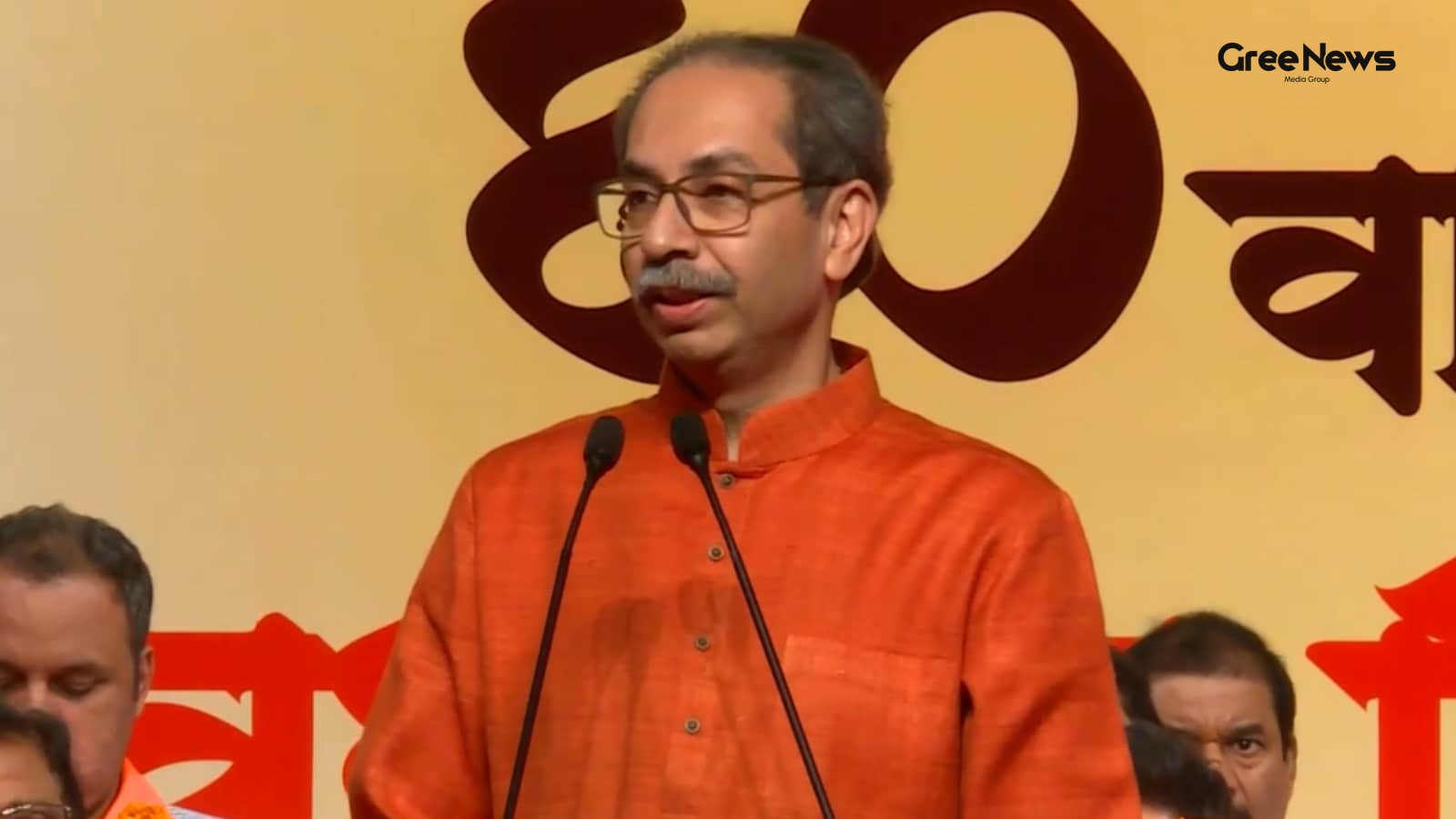
Uddhav Thackeray is taking a serious hit right now. Six of his party’s nine Lok Sabha MPs are expected to jump ship to Eknath Shinde's Shiv Sena this Monday. It’s a big blow, plain and simple. Media reports are swirling that these MPs will formally merge with the Shinde faction around three in the a
Jun 22, 2026 by Gree News Team
Choosing the Best Lunch Box: Materials, Capacity, and Portability
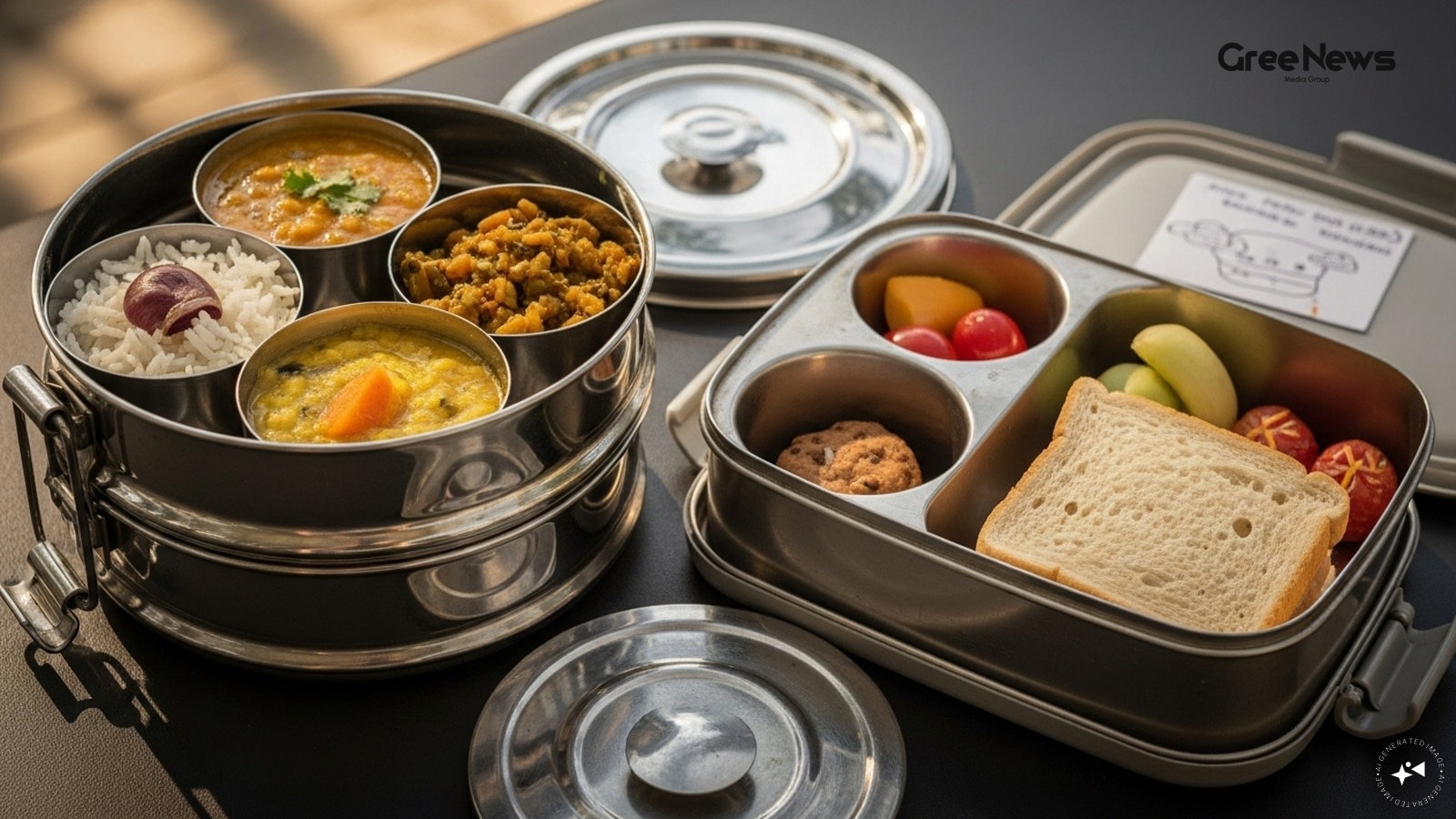
Look, whether you’re dealing with a packed office lunch or just trying to manage a simple homemade meal for college, a decent lunch box actually makes carrying food way easier. Seriously. Nobody wants curry leaking all over their backpack or some container, leaving yesterday’s smells hanging around
Jun 22, 2026 by Gree News Team

Traffic, Politics, and Anxiety: The NEET Exam Chaos
The whole thing started with students. NEET aspirants and their parents. They were talking about traffic in Bengaluru. Severe congestion. Delays reaching those exam centers. It wasn't just a commute; it became this big political headache. The opposition parties the Janata Dal (Secular) and the BJP t
Jun 22, 2026 by Gree News Team

Netanyahu Defends Military Presence in Southern Lebanon
Netanyahu defended the military presence in southern Lebanon recently. He made this comparison to how the United States would react if they faced similar threats right across their own borders. He was speaking at some public event, laying out his view. Israeli forces, he said, will stay in that secu
Jun 22, 2026 by Gree News Team

Standoff at Nagrasu Gurdwara: Police Engage Nihangs Over Dispute
A standoff. That’s what was happening at Nagrasu Gurdwara in Uttarakhand’s Rudraprayag district on Sunday. A group of Nihangs had essentially occupied part of the religious complex, making demands about four members from their sect who were arrested following a clash back in Chamoli earlier this mon
Jun 22, 2026 by Gree News Team
Non-stick vs. Stainless Steel for Indian Cooking
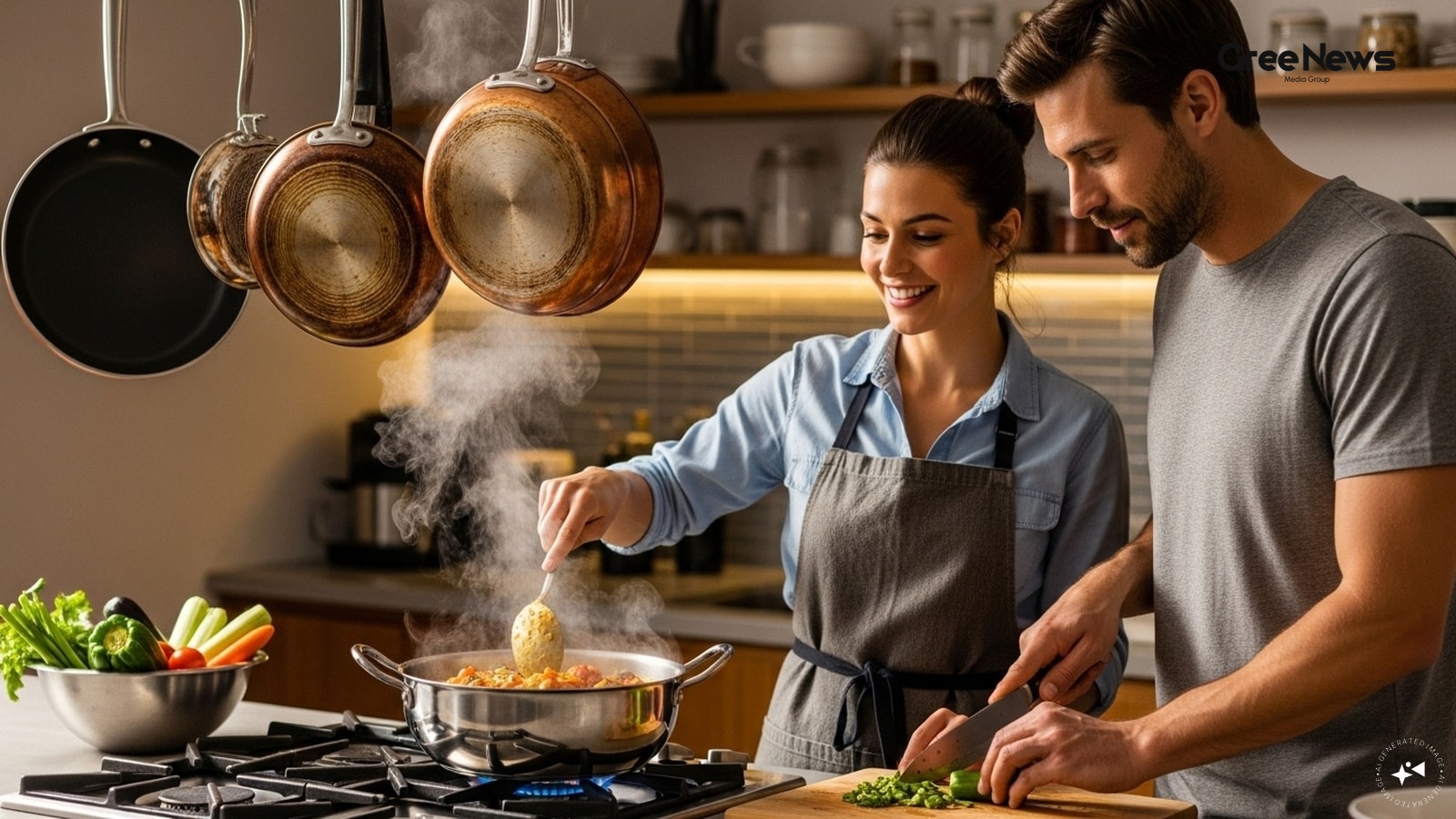
Indian cooking... it just demands a lot from your cookware. High heat, heavy spices, all that oil-rich gravy stirring for ages. It puts a totally different kind of stress on pots and pans compared to what you see in many Western styles. That’s where the kitchen debates always land: non-stick versus
Jun 22, 2026 by Gree News Team
Virat Kohli on Karan Aujla’s Music and the Power of Persistence
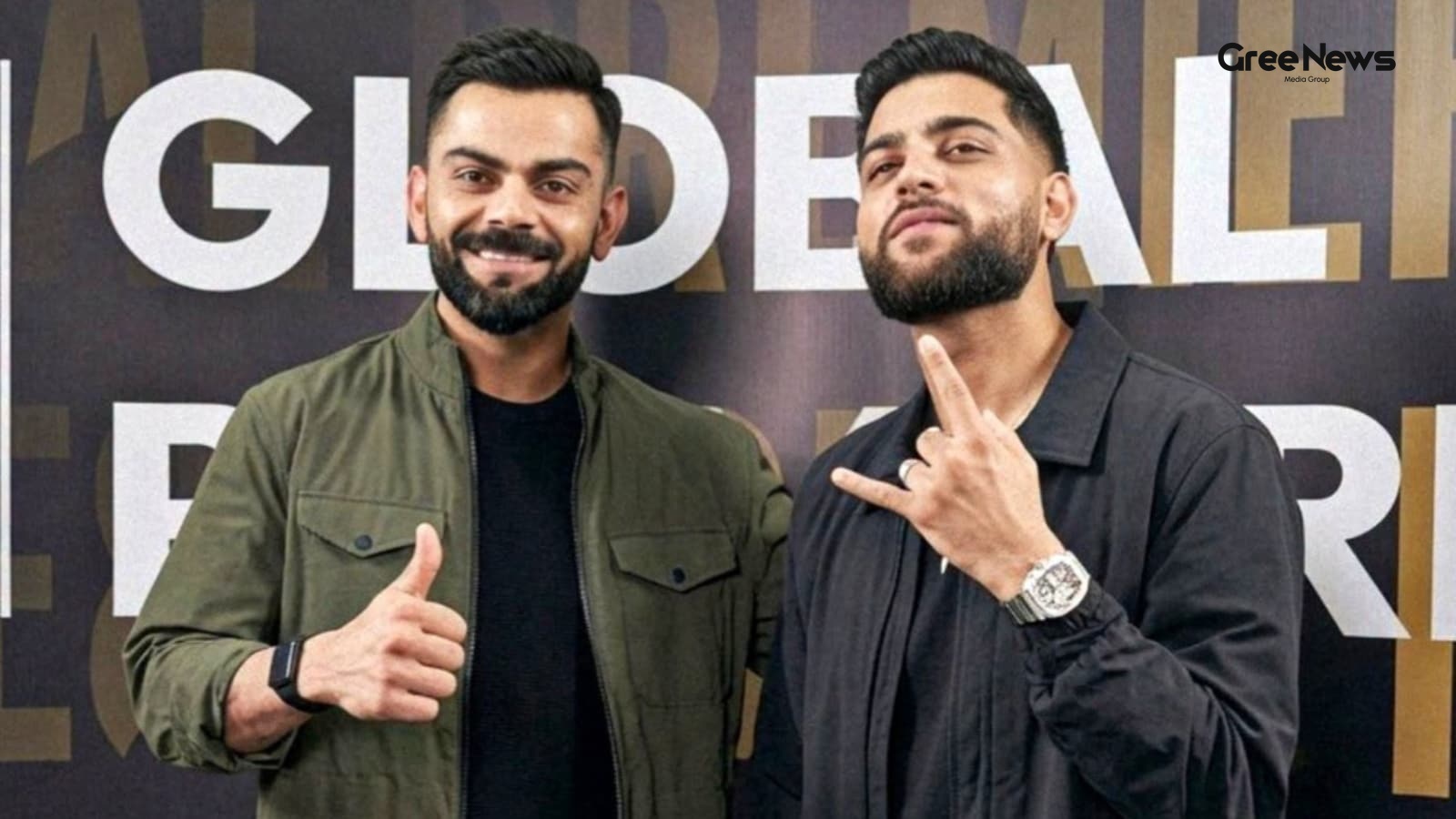
Virat Kohli brought up Karan Aujla’s music recently, talking about how one of his tracks really sticks with him because it mirrors his own path. He mentioned ‘Winning Speech’ stands out for him more than anything else from Aujla’s catalogue. It just hits differently. He said the song connects on a p
Jun 22, 2026 by Gree News Team

Main Vaapas Aaunga Box Office Performance and Story
A real shift is happening with *Main Vaapas Aaunga*. Imtiaz Ali’s romantic drama is pulling momentum, especially now that we hit the second week. What started out as a modest opening? It's morphed into something riding on genuine word-of-mouth and growing theatre demand across different markets. Box
Jun 22, 2026 by Gree News Team

Akansha Ranjan Kapoor on Reproductive Health and Career
Women’s Day. Akansha Ranjan Kapoor used social media for it. She talked about egg freezing. It seemed like that ticking clock really pushed her. Made her take control of her reproductive health. She mentioned going through injections, dealing with bloating, mood swings, and medications before she fi
Jun 22, 2026 by Gree News Team

Market Update: Asian Performance and Business News
The market is starting the week off a bit better than expected, it seems. The Gift Nifty was trading higher at 24,117 this morning around 8:40 am, suggesting a generally positive sentiment heading into the trading session. Across Asia, things were mostly up on Monday. That AI-driven technology stock
Jun 22, 2026 by Gree News Team

Ambassador Greer's Visit to New Delhi for US-India Trade Negotiations
Ambassador Jamieson Greer is heading to New Delhi this week. He’s going for talks with Union Commerce and Industry Minister Piyush Goyal and some other senior Indian officials. The whole thing is about pushing forward negotiations for that proposed India–US Bilateral Trade Agreement, and reviewing w
Jun 22, 2026 by Gree News Team
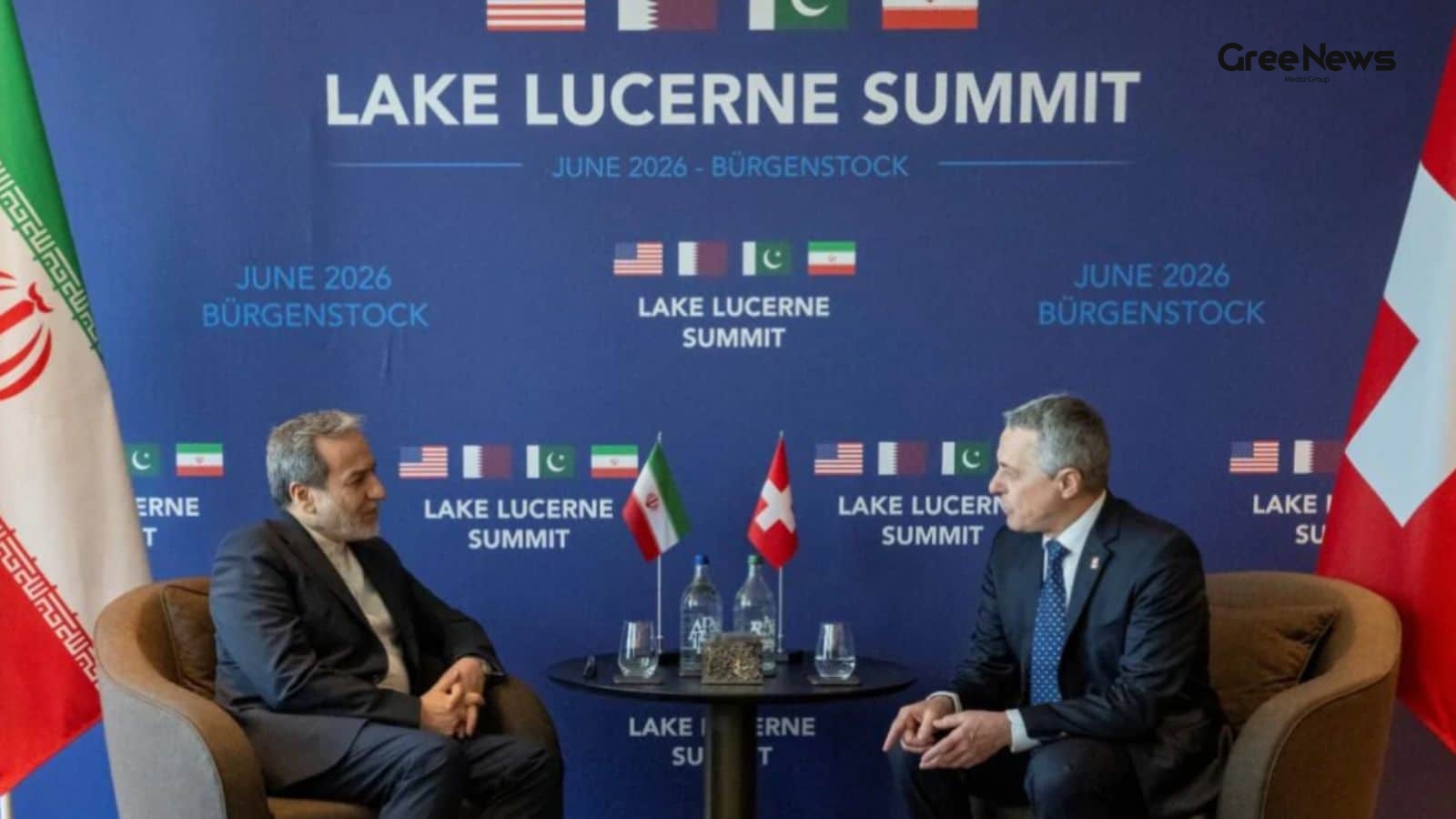
Progress and Next Steps from the Islamabad Memorandum of Understanding
The first big session under that Islamabad Memorandum of Understanding. It wrapped up at Burgenstock, Switzerland. Representatives from Iran, the US, and the folks mediating Qatar and Pakistan were there for it. Just getting started, you know? They called it a positive and constructive atmosphere. P
Jun 22, 2026 by Gree News Team
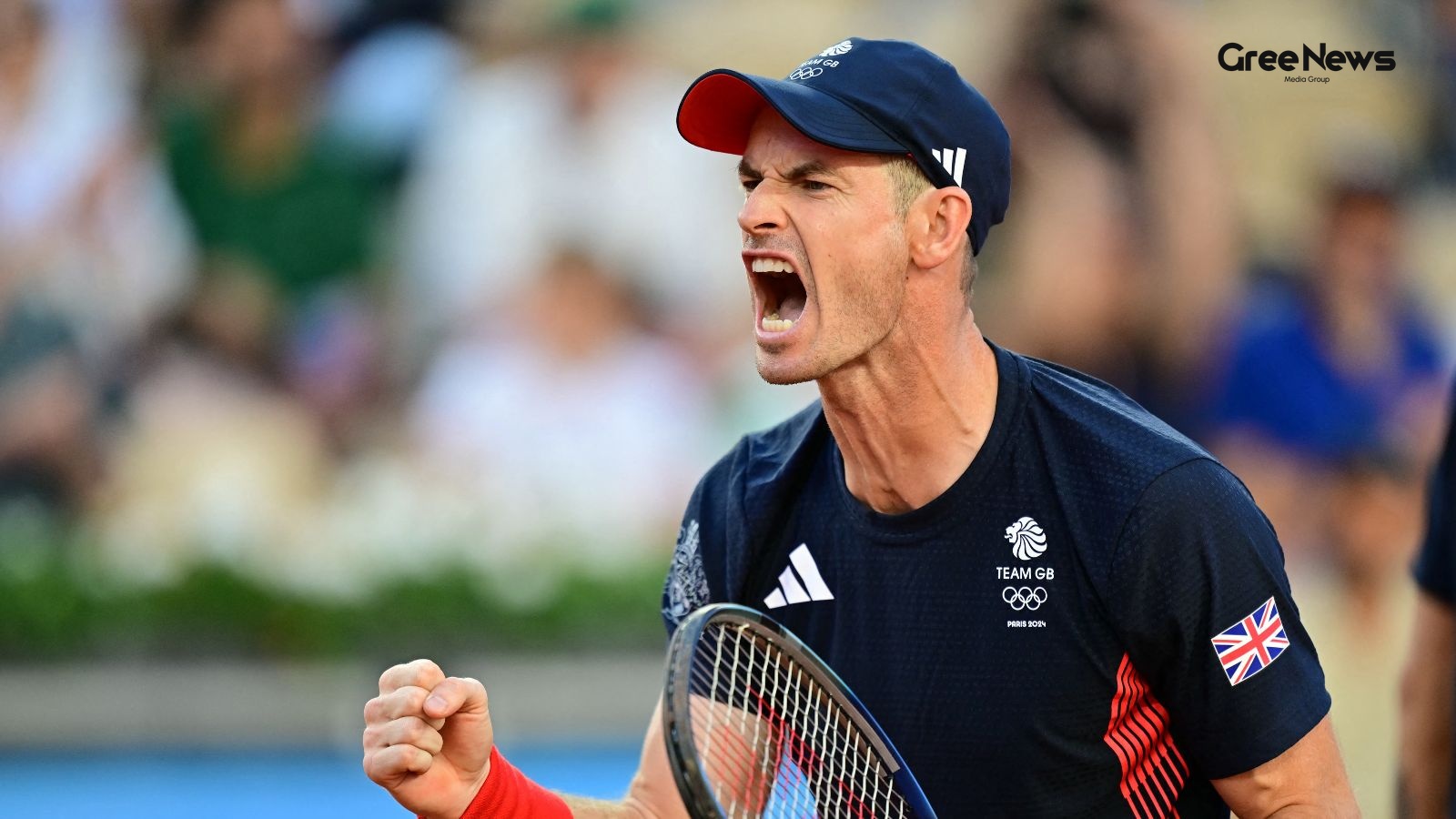
Andy Murray, Djokovic, and the Coaching Rumors
Andy Murray finally blew up that Instagram rumor about him asking Novak Djokovic for a huge sum like a hundred thousand dollars, or 94 lakh rupees to coach him. It was one of those things that just surfaces online, right? A viral claim, totally unsubstantiated noise. He didn't just ignore it, though
Jun 22, 2026 by Gree News Team

Morning Stock Market Updates and Performance Analysis
Stock market updates this morning felt relatively positive, you know? It opened up in the green. That easing sentiment came from a few places less worry about whatever is going on in West Asia, plus crude oil prices were sitting lower than expected, and overall global markets seemed to be breathing
Jun 22, 2026 by Gree News Team
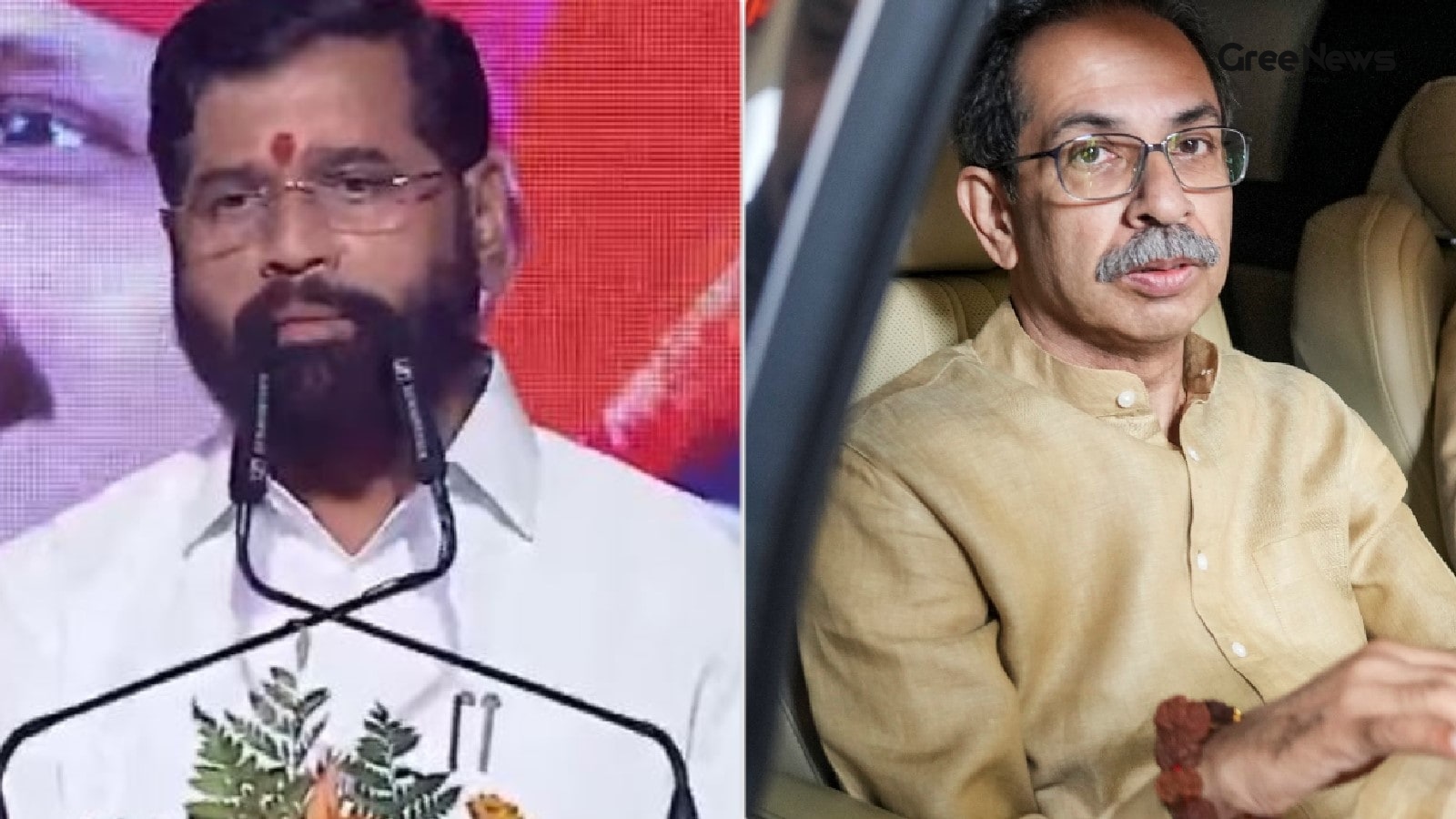
Internal Conflict and 'Operation Tiger' within Shiv Sena (UBT)
Amid all this talk about a possible split inside the Shiv Sena (UBT) parliamentary party, whispers of ‘Operation Tiger’ swirling around, things got sharp. Saamana, the party mouthpiece, went straight for an attack on Union Home Minister Amit Shah, and Eknath Shinde, the Deputy Chief Minister of Maha
Jun 22, 2026 by Gree News Team