Iran's Strategic Shift and the Post-Agreement Landscape
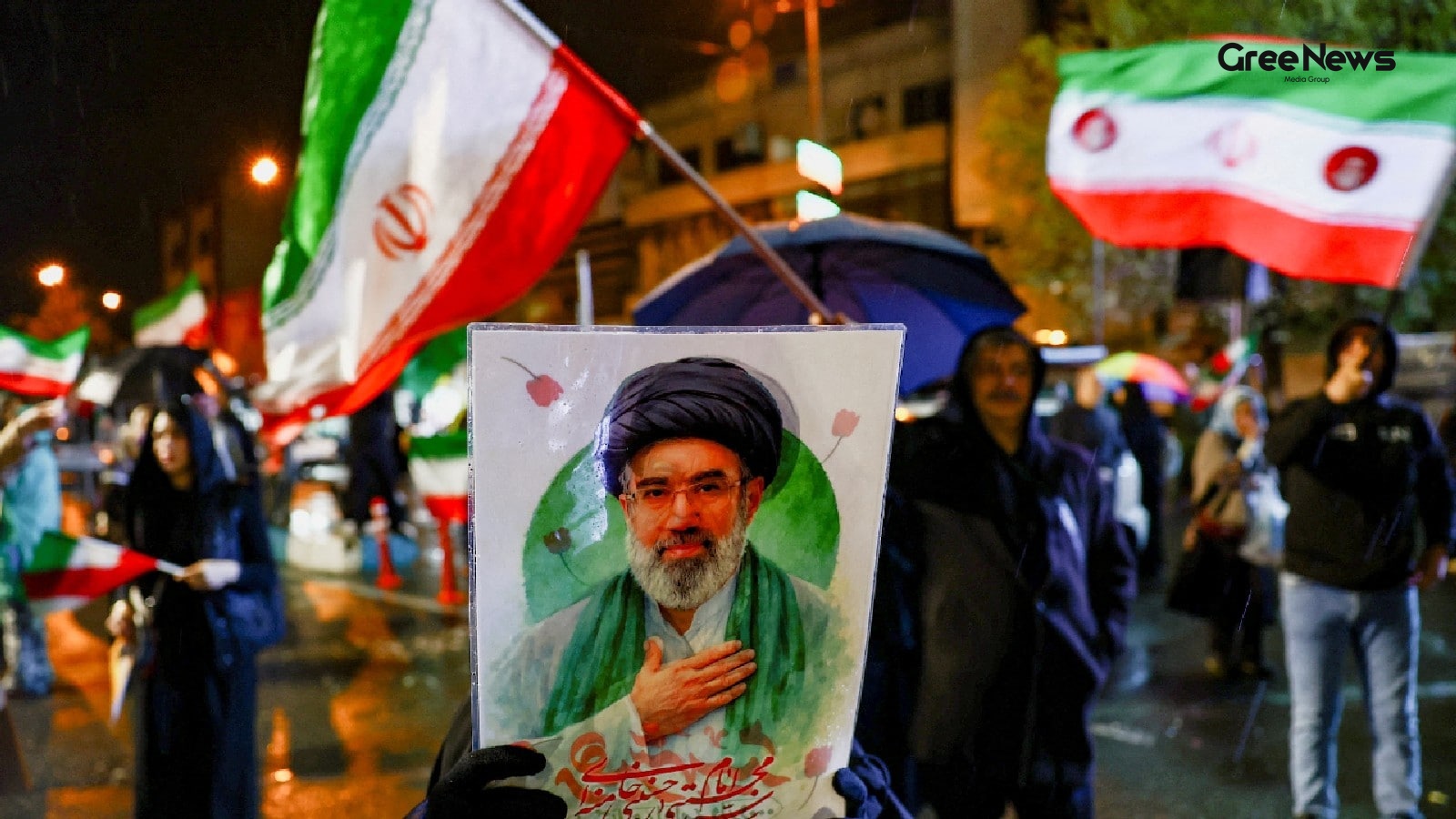
Iran ended what felt like a hundred days of war militarily weaker than when it started. But Tehran sees something different in that aGreement with the United States. They believe it handed them something the actual battlefield couldn't offer: a chance to turn mere survival into some kind of strategic advantage .
For Iran, just surviving itself became a form of victory. That’s the core thing.
The initial drive wasn’t about defeating anyone on the military front. It was about regime survival . They entered the conflict already facing a much tougher conventional coalition. The regional network Hamas, Hezbollah was already under heavy strain from those October 7 attacks and everything that followed. Iranian facilities were being hammered directly. The ability of their so-called Axis of Resistance to project power across the Middle East? That was definitely challenged.
So the main objective shifted. It wasn't about crushing the US or Israel on the ground. It was ensuring the Islamic Republic stayed intact. Leadership kept functioning. They kept a seat at the table, surviving. That’s the three things that underpin their claim of victory.
Former Israeli intelligence official Avi Melamed talked about this emerging strategy. He described it as recovery after survival. "The Iranian regime is now entering the strategy of what I call surviving, recovering, and rebuilding," he put it. And then he added something sharp: "The Iranian regime marked a triumph."
Why did the initial terms favor Tehran? Well, look at the Memorandum of Understanding itself. It formally ended fighting everywhere. It set up a sixty-day negotiation window over the nuclear program. It recognized mutual respect for sovereignty and opened the door to reopening the Strait of Hormuz getting that US naval blockade lifted from Iranian shipping.
Iran’s immediate commitments are there, sure. They aGreed to help keep commercial traffic safe through Hormuz. They reaffirmed they wouldn't pursue nuclear weapons. And they aGreed to talk about their highly enriched uranium and what happens next with enrichment programs. But those parts feel relatively limited.
Washington’s side seems to have aimed for more. The deal suggested that the US would start lifting the blockade, issue waivers on oil exports, make restricted assets available, and ease sanctions. There was also a massive economic package mentioned a reconstruction plan worth at least $300 billion with regional partners. These provisions offer real strategic breathing room. They put significant economic benefits within reach for Iran without demanding they immediately dismantle their nuclear infrastructure or hand over their enriched uranium. That full delivery still depends on where the 60 days end up going.
The sticking point, obviously, remains Washington’s demands. Before this deal, the US was pushing hard for Iran to remove or destroy its highly enriched uranium and wanted the entire enrichment program dismantled. They insisted Iran must be denied any path toward a nuclear weapon. The framework doesn't settle those big questions yet. It leaves the final status of that enriched uranium, the enrichment capacity, and the damaged facilities hanging over the next sixty days.
And don’t forget the missiles. The deal doesn't seem to touch the future of Iran’s ballistic missile program either. That remains a huge source of regional influence. Outside the immediate aGreement.
This is where things get interesting for the Gulf states. The understanding might actually strengthen Iran indirectly by planting seeds of doubt about US reliability among Arab nations. There was this narrative, circling for years, that America wasn't a truly reliable ally. And now something shifts in the region. Several Gulf countries had hoped the war would permanently shrink Iran’s regional sway. Instead, seeing a potential understanding with Washington raises real concerns.
Regional observers are looking at Tehran recovery. That prospect makes neighboring states rethink their own security strategies. Dalia Ziada, an analyst from ISGAP research fellow, pointed this out clearly. She argued that fragmentation is coming. What we thought was a unified Gulf Cooperation Council or opposition? It’s being dismantled severely. She predicted Iran's neighbors would start acting individually. They won't be shy about it.
That split could actually help Tehran. If the regional rivals stop having one unified front against them, they gain space. The idea is that this fragmentation benefits Tehran by denying its rivals a solid position to hold against it. It changes the math for those states entirely.
Written by Gree News Team — Senior Editorial Board
Gree News Team covers international news and global affairs at Gree News. Our collective of senior editors is dedicated to providing independent, accurate, and responsible journalism for a global audience.
More from World
View All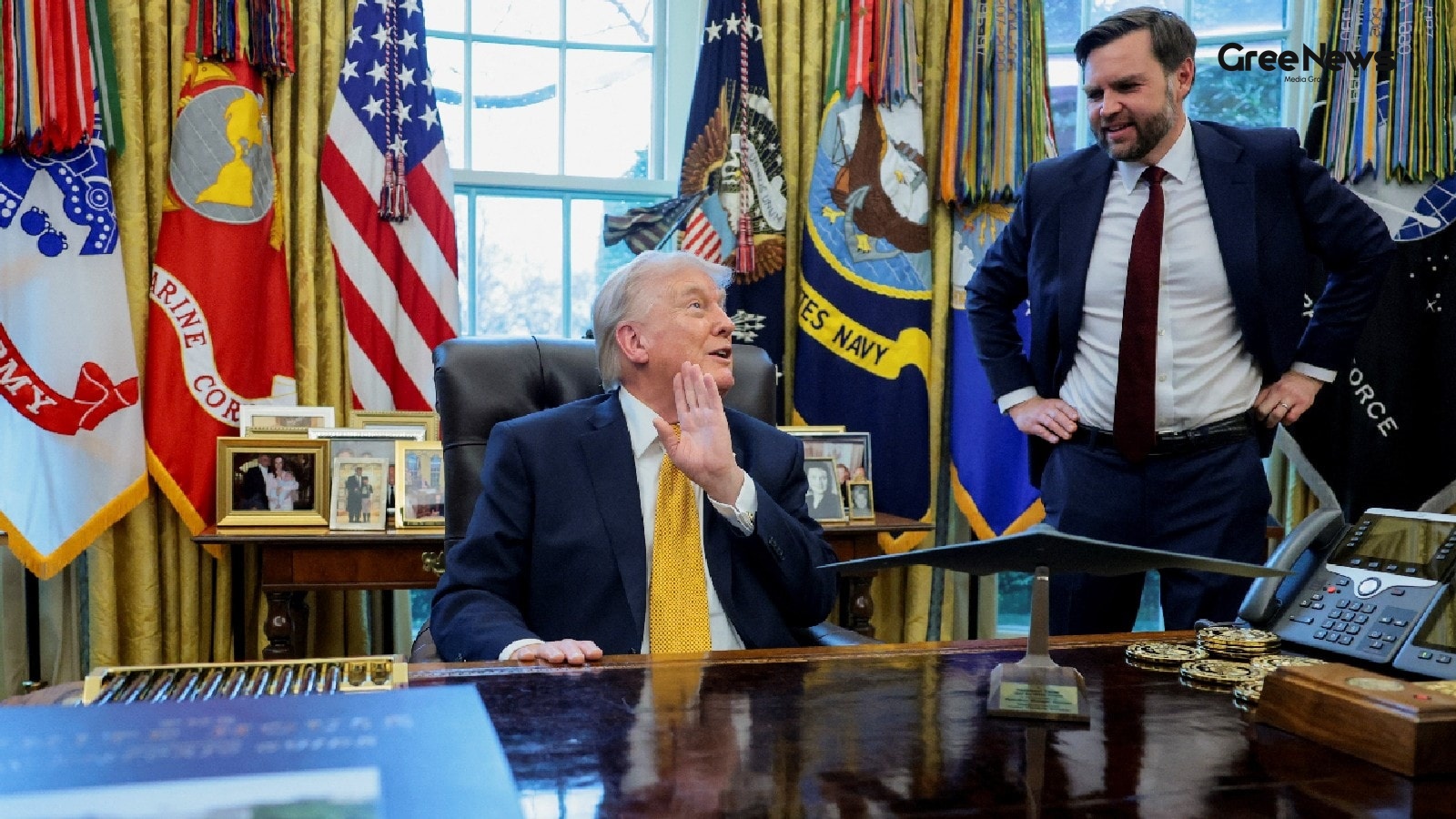
Trump on Iran Deal and Vice President Vance
Trump joked about blaming Vice President Vance if the preliminary deal with Iran falls apart. He said it on Wednesday when speaking to reporters. A laugh about taking responsibility for failure. “If it works out, I’m going to take the credit. If it doesn’t work out, I’m blaming JD,” Trump quipped. T
Jun 21, 2026 by Gree News Team
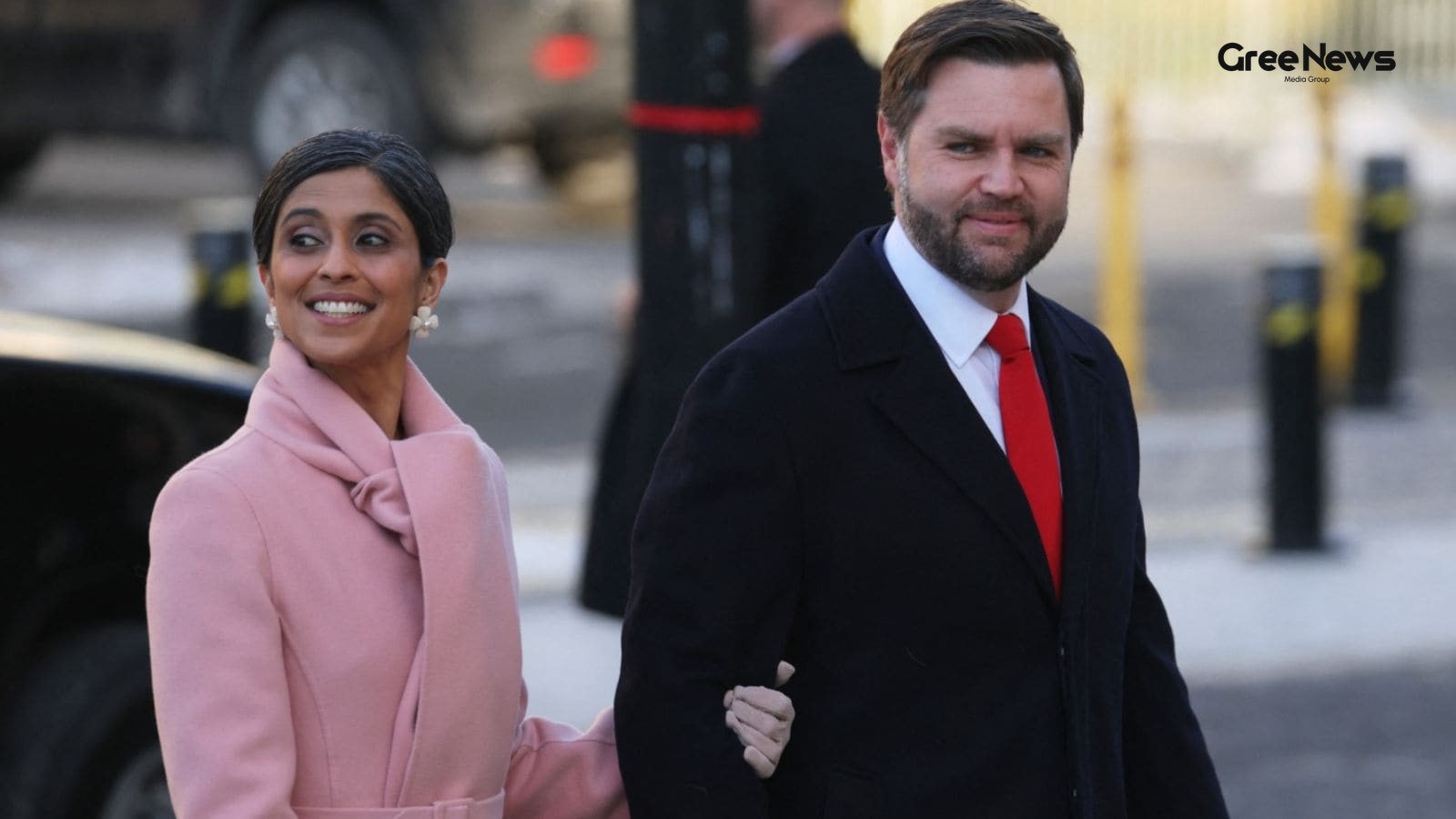
The Complex History Behind Vice President Vance and Usha Vance
You know, when you dig into what people talk about behind closed doors, especially with someone like Vice President Vance, it always pulls up these layers. It’s not just politics you get; it’s the messy reality of personal history bleeding right into public view. He talks a lot about his life, and t
Jun 20, 2026 by Gree News Team
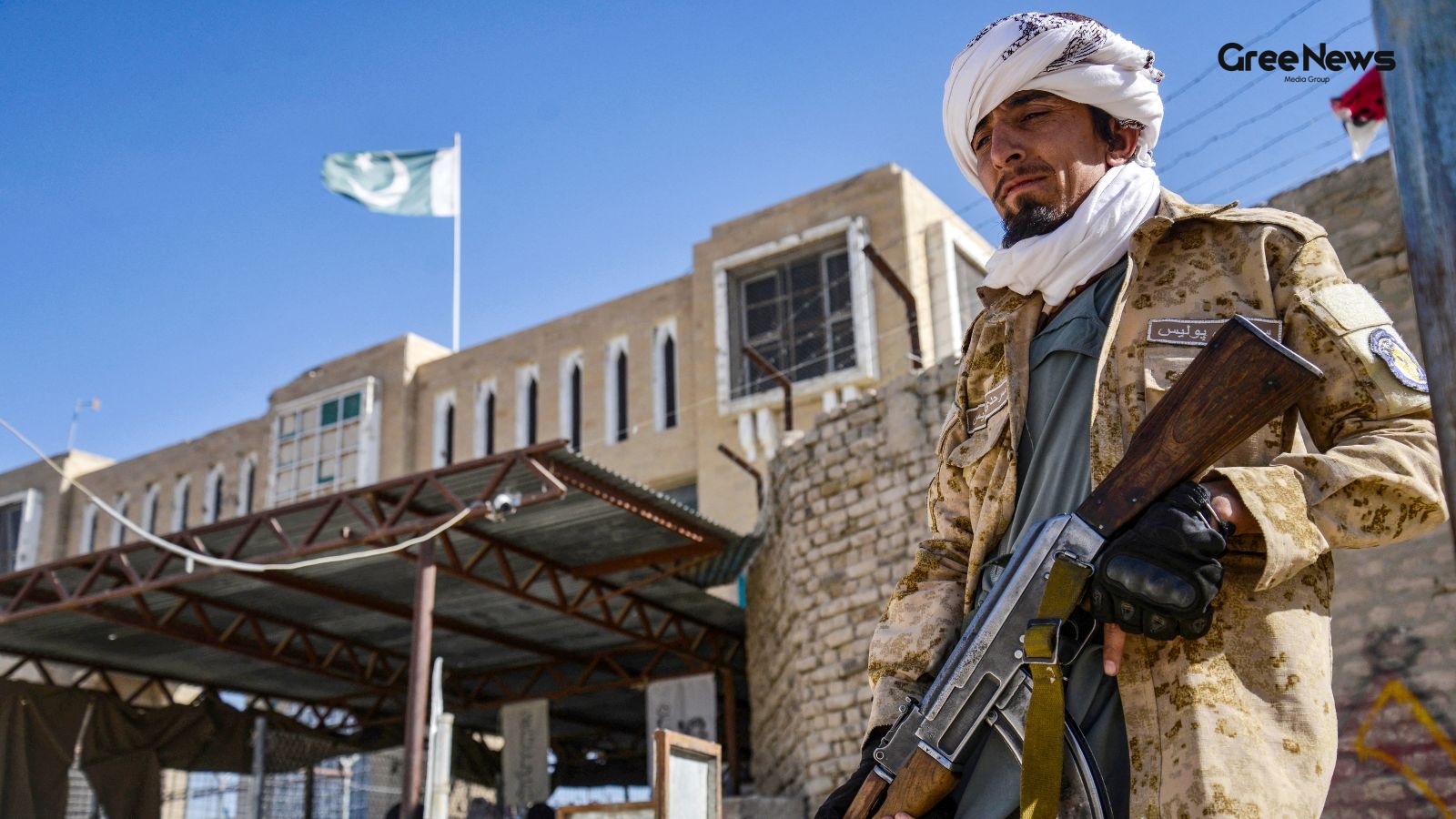
Afghanistan-Pakistan Cross-Border Conflict and Regional Tensions
Afghanistan’s Taliban government just claimed their air force hit alleged ISIS hideouts inside Pakistan. A cross-border strike. That's what they said, and it immediately cranks up the tension between Kabul and Islamabad. The Afghan Ministry of Defence framed the operation as targeting “centres of ev
Jun 20, 2026 by Gree News Team

Hantavirus Outbreak and International Response on the *Hondius*
The quarantine orders for the *Hondius*, that cruise ship hit by the hantavirus outbreak they finally lapsed. Nearly seven weeks later. The passengers and crew are home now. There were twelve confirmed cases, one probably. Spread across twenty-three nationalities. Three people died along the way. Th
Jun 20, 2026 by Gree News Team
Latest Headlines

The Ultimate Luxury: Inside Etihad Airways 'The Residence' Suite
What if flying wasn't just about sitting back in business class? What if it meant stepping straight into your own private apartment floating up there? That’s what Etihad Airways is pushing with ‘The Residence’. It’s this ultra-luxury suite that everyone talking about travel calls the most exclusive
Jun 21, 2026 by Gree News Team
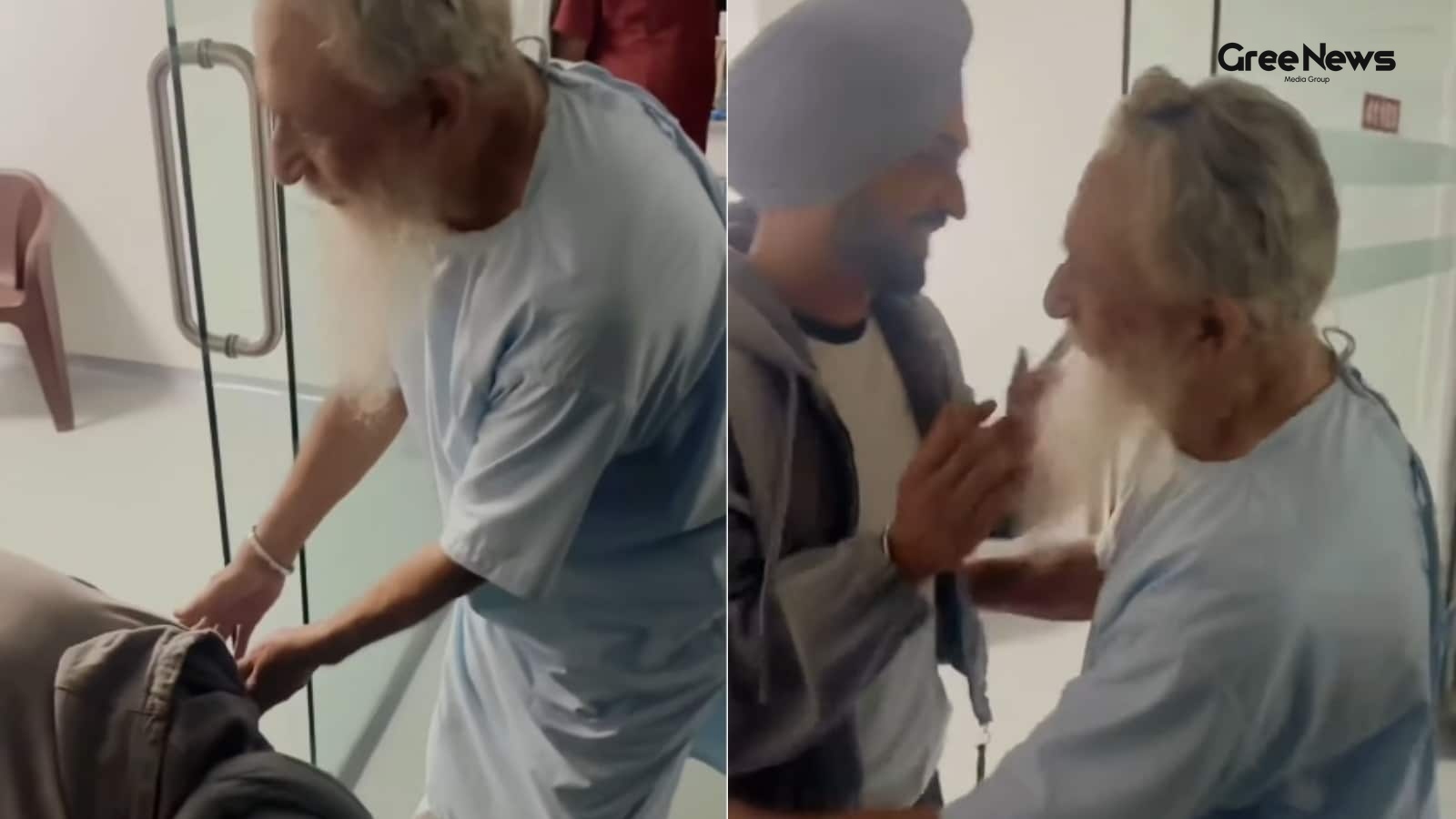
Main Vaapas Aaunga: Behind-the-Scenes Magic and Story
Main Vaapas Aaunga is just blowing up right now. Everyone’s talking about it. Diljit Dosanjh, man, he really won hearts online recently after some behind-the-scenes footage leaked. It was a warm moment, seriously. Between him and Naseeruddin Shah on the sets. The clip caught them interacting Diljit
Jun 21, 2026 by Gree News Team
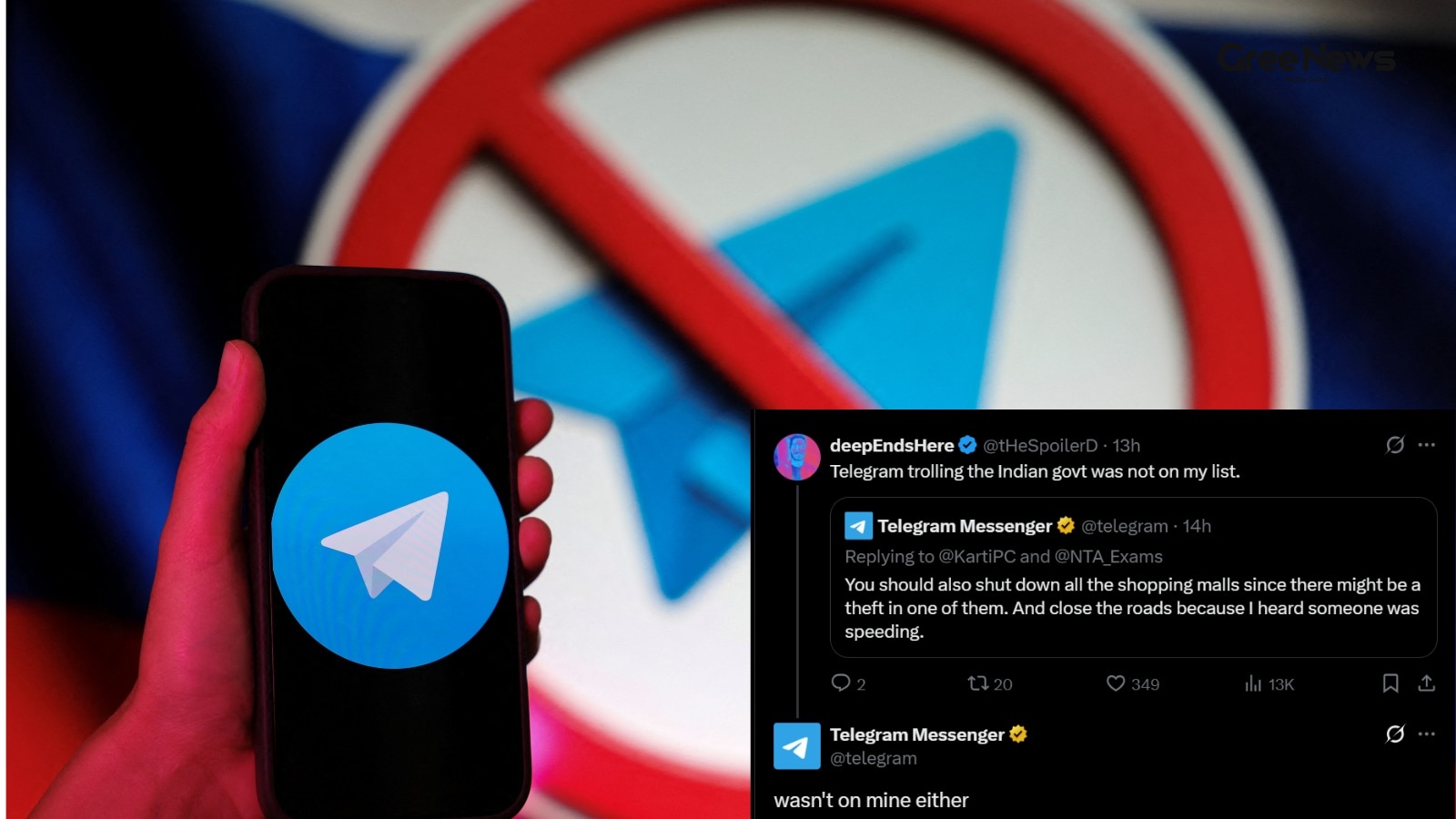
Telegram Ban: Legal Rulings, Cybercrime Allegations, and the NEET Re-test
Telegram ban. That’s what happened. The Delhi High Court finally backed the Centre on Friday. They upheld the decision to temporarily block Telegram. Why? It was all about the June 21 NEET-UG re-test. The government wanted to stop any potential leaks or misuse of the platform during that exam period
Jun 21, 2026 by Gree News Team
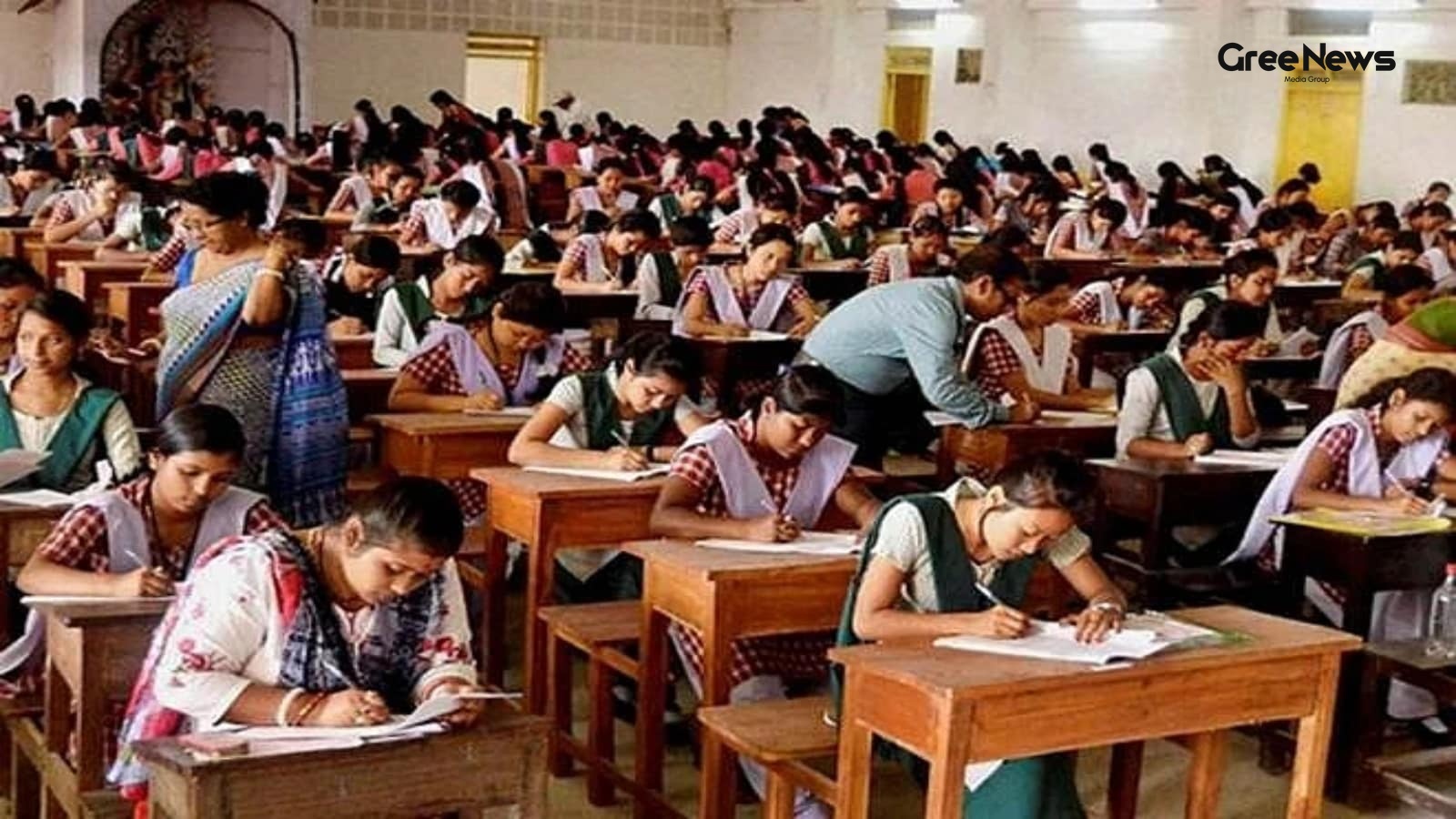
NEET UG Re-exam Guidelines and Rules for Sunday, June 21st
The National Testing Agency just dropped some serious guidelines for the upcoming NEET UG re-exam set for Sunday, June 21st. It’s a lot to keep track of. Students need to be ready for specific requirements right from the start. They have to bring essential papers the original admit card with photos
Jun 21, 2026 by Gree News Team
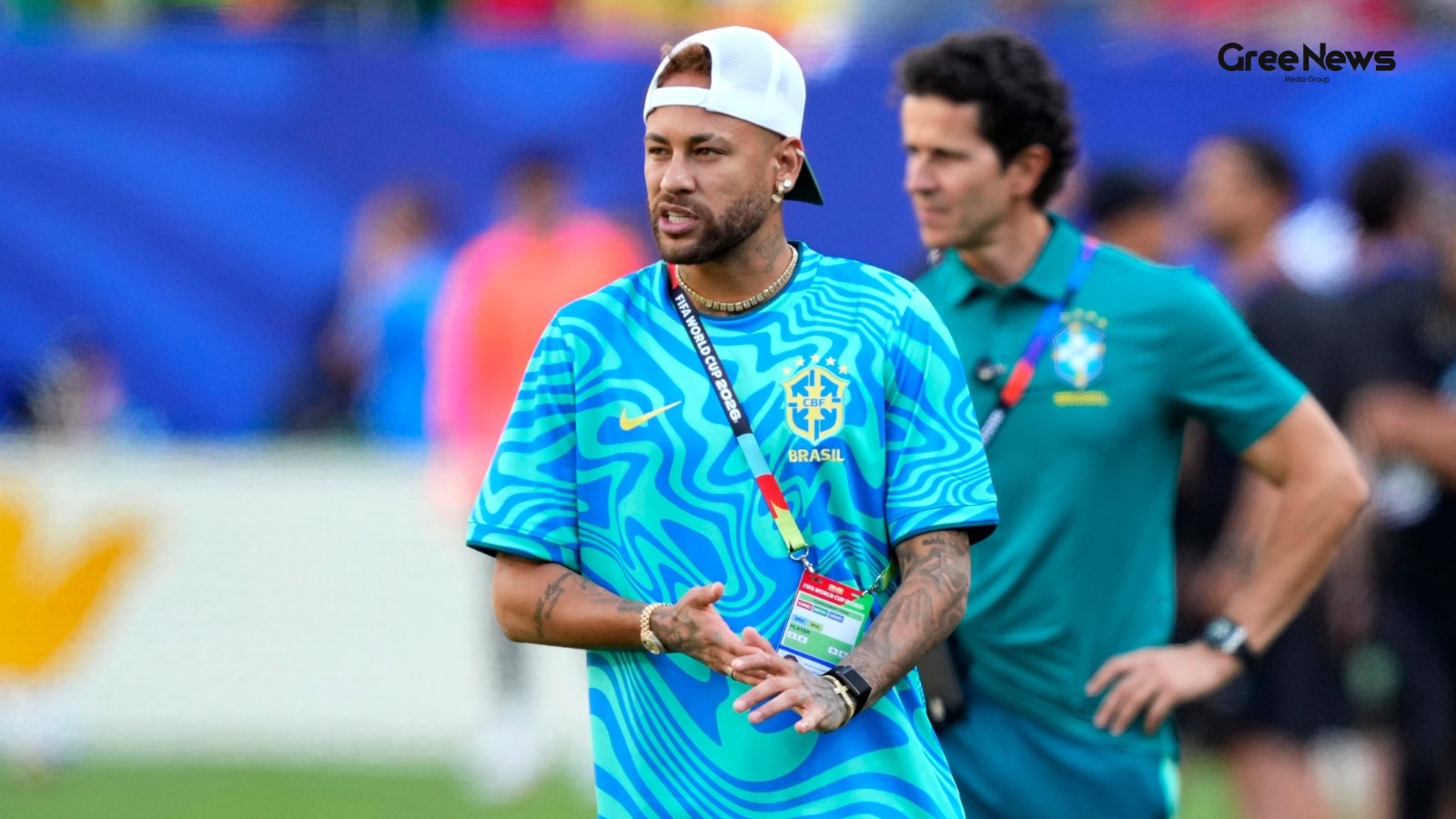
Neymar's Recovery: Why the Wait for the Pitch is Going to Be Longer
The long wait for Neymar back on the pitch? It’s going to be a little longer. That much is confirmed. Brazil officially said it Thursday. The veteran forward won't be traveling. He won't be playing in that FIFA World Cup Group C match against Haiti on Friday. Why? Because they are still focused enti
Jun 21, 2026 by Gree News Team
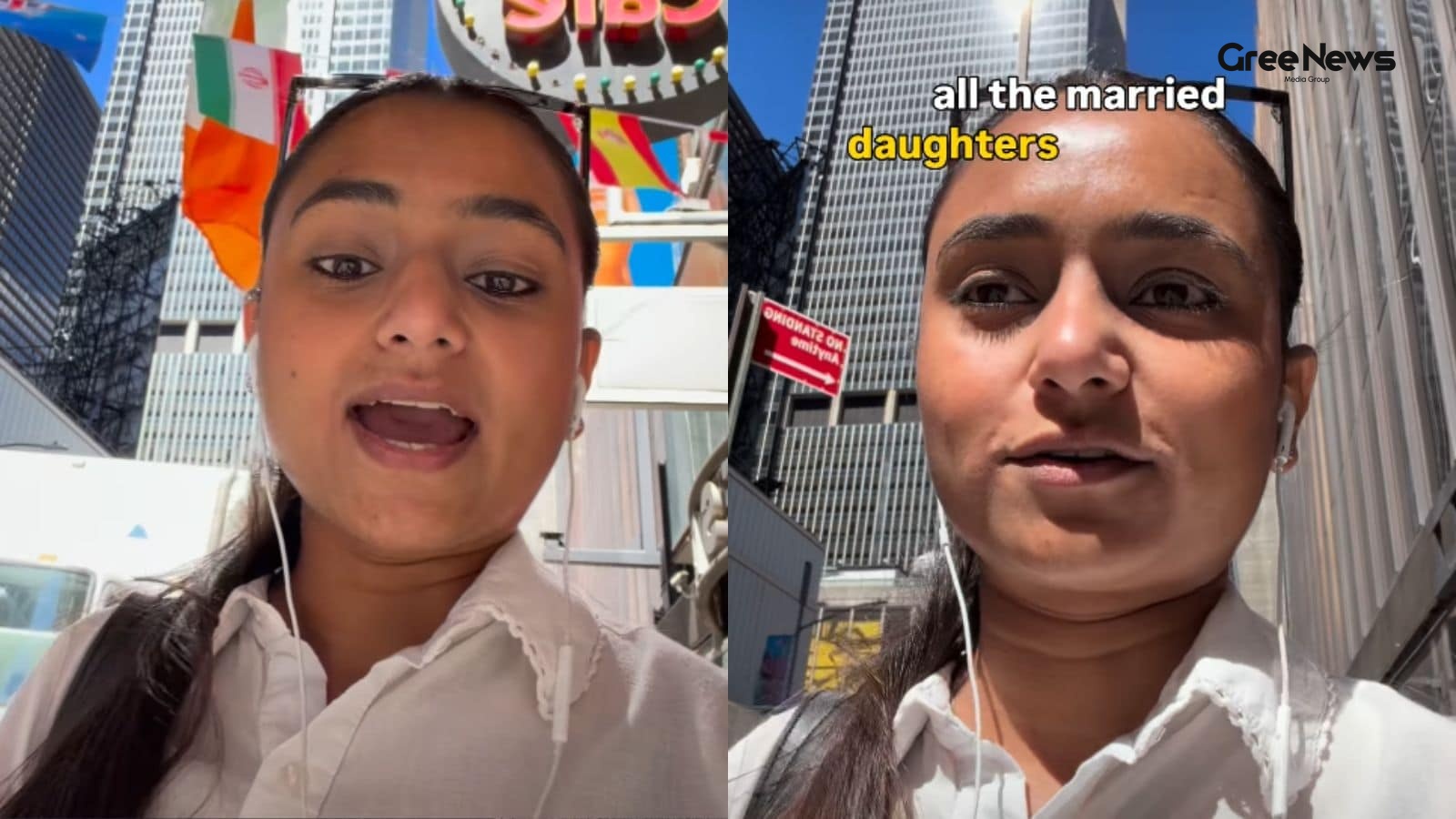
The Power of Self: Redefining Success Beyond Tradition
So, you see this thing that went viral? It’s about a senior executive up in New York, someone who just posted something really personal about family stuff, and it blew up into a massive chat about marriage, success, and what women are actually chasing. Hemakshi Motka, she’s the President of Priya Gr
Jun 21, 2026 by Gree News Team
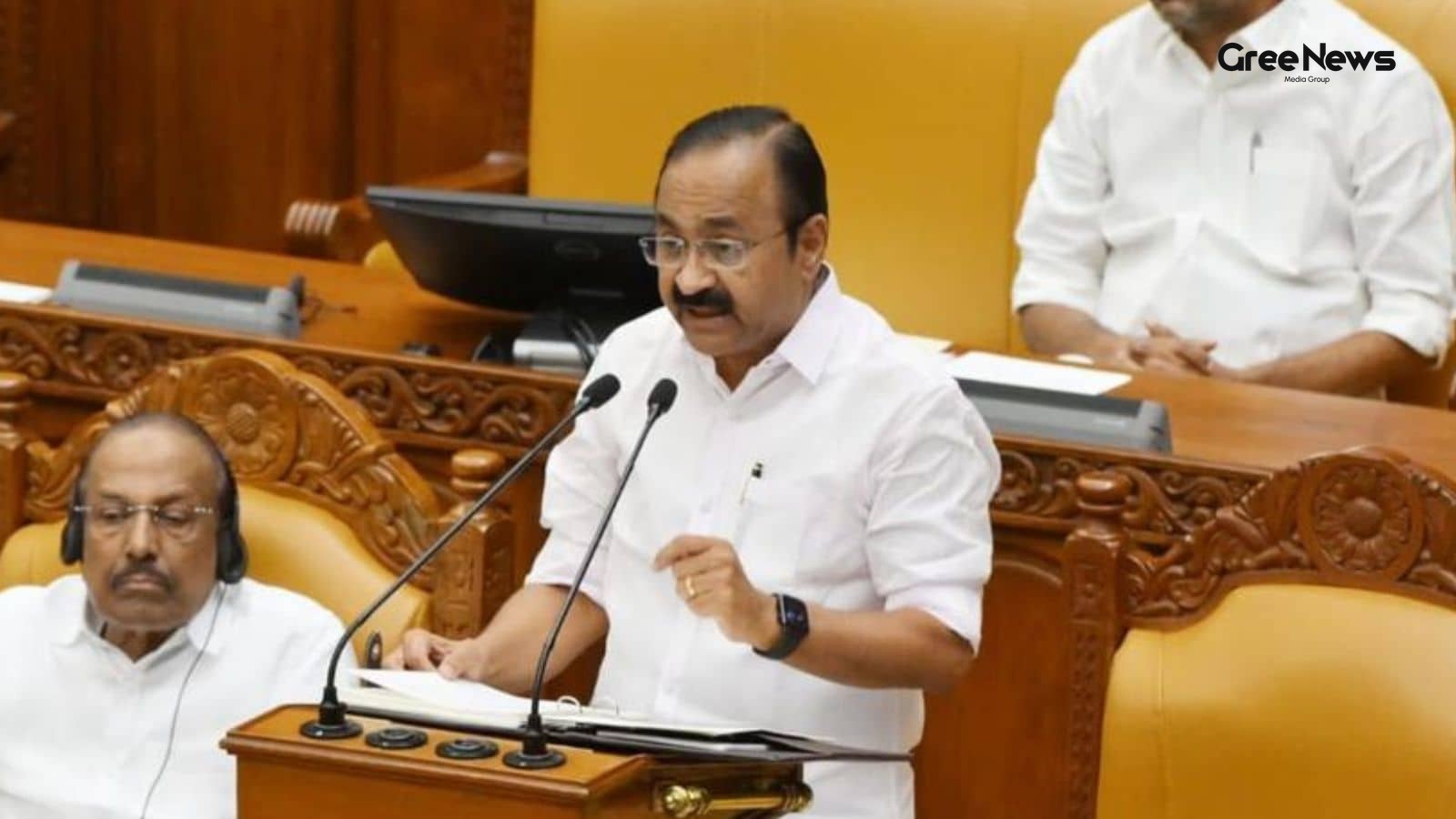
Kerala Budget 2026-27: A Five-Year Roadmap for "New Era Keralam"
Satheesan, the Kerala Chief Minister, put forward the first budget for 2026-27 this Friday. It wasn’t just numbers though; it was framed as a five-year roadmap a whole vision for what they call "New Era Keralam." Health, education, creating jobs, welfare, and infrastructure development. That’s the b
Jun 21, 2026 by Gree News Team
Trump on Iran Deal and Vice President Vance
Trump joked about blaming Vice President Vance if the preliminary deal with Iran falls apart. He said it on Wednesday when speaking to reporters. A laugh about taking responsibility for failure. “If it works out, I’m going to take the credit. If it doesn’t work out, I’m blaming JD,” Trump quipped. T
Jun 21, 2026 by Gree News Team
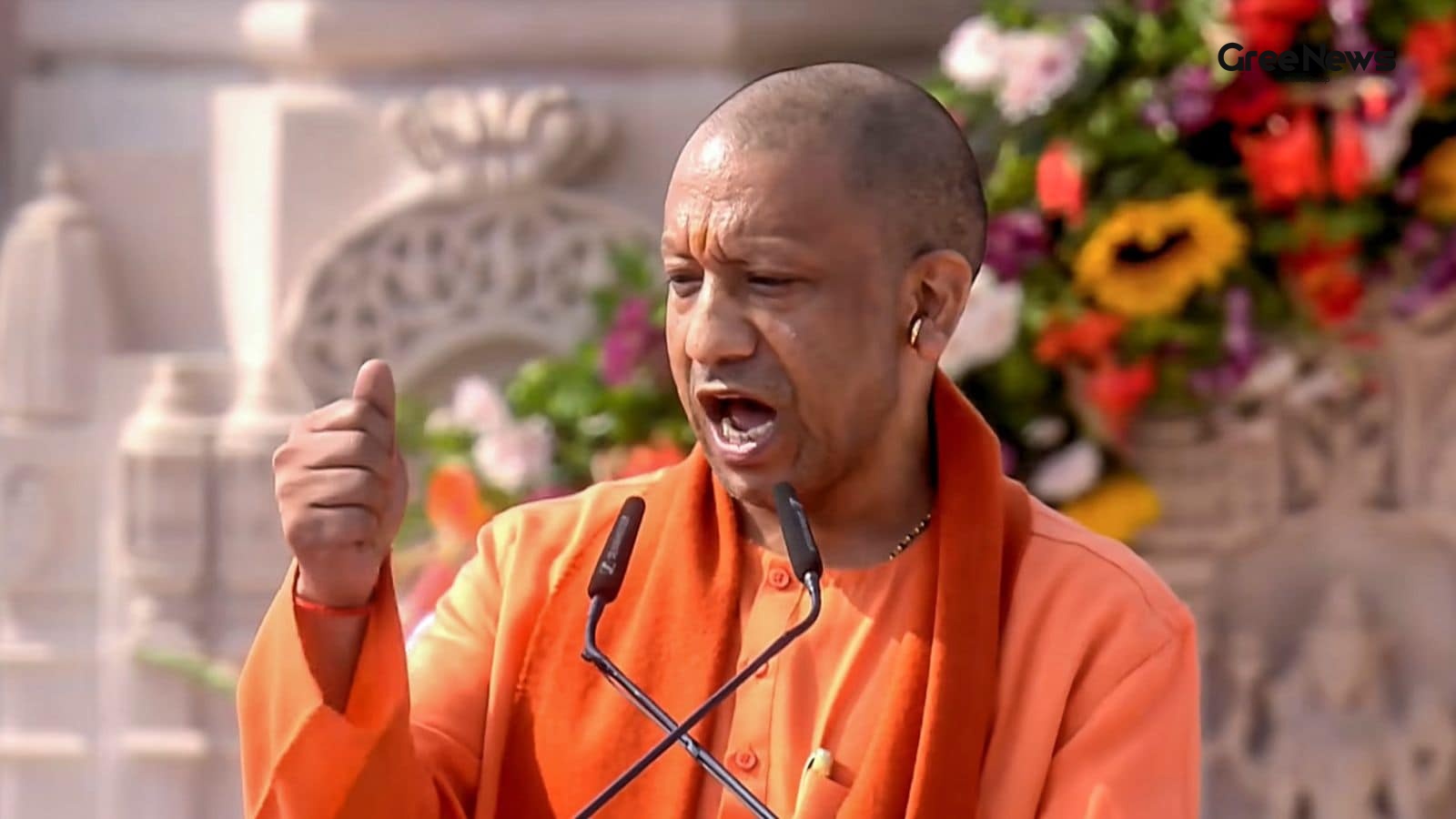
Yogi Adityanath on Ram Temple Donation Theft Investigation
Yogi Adityanath, the Chief Minister of Uttar Pradesh, talked about the case involving the theft at the Ram Temple donation. He said the culprits wouldn’t be spared, no matter who they are. A Special Investigation Team, an SIT, has been set up to look into this whole thing. He made these remarks duri
Jun 21, 2026 by Gree News Team
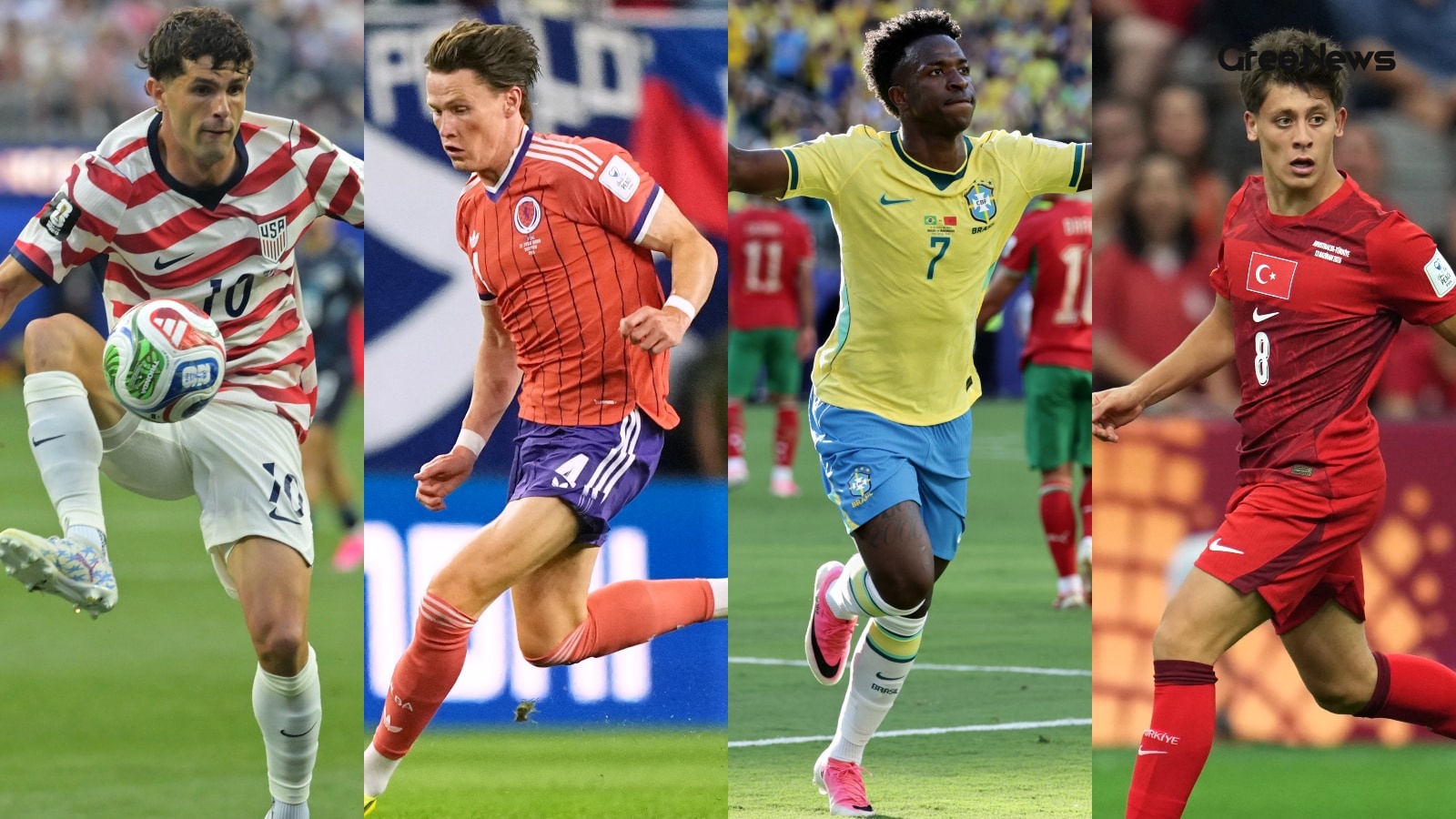
Matchday Two Group Analysis and Predictions
Matchday Two is shaping up to be a real mess in Groups C and D. It’s all about who slips through, who gets knocked out before things get really interesting later on. Some teams are already looking pretty good for that Round of 32 spot. Scotland, they're standing right on the edge. That one win again
Jun 21, 2026 by Gree News Team
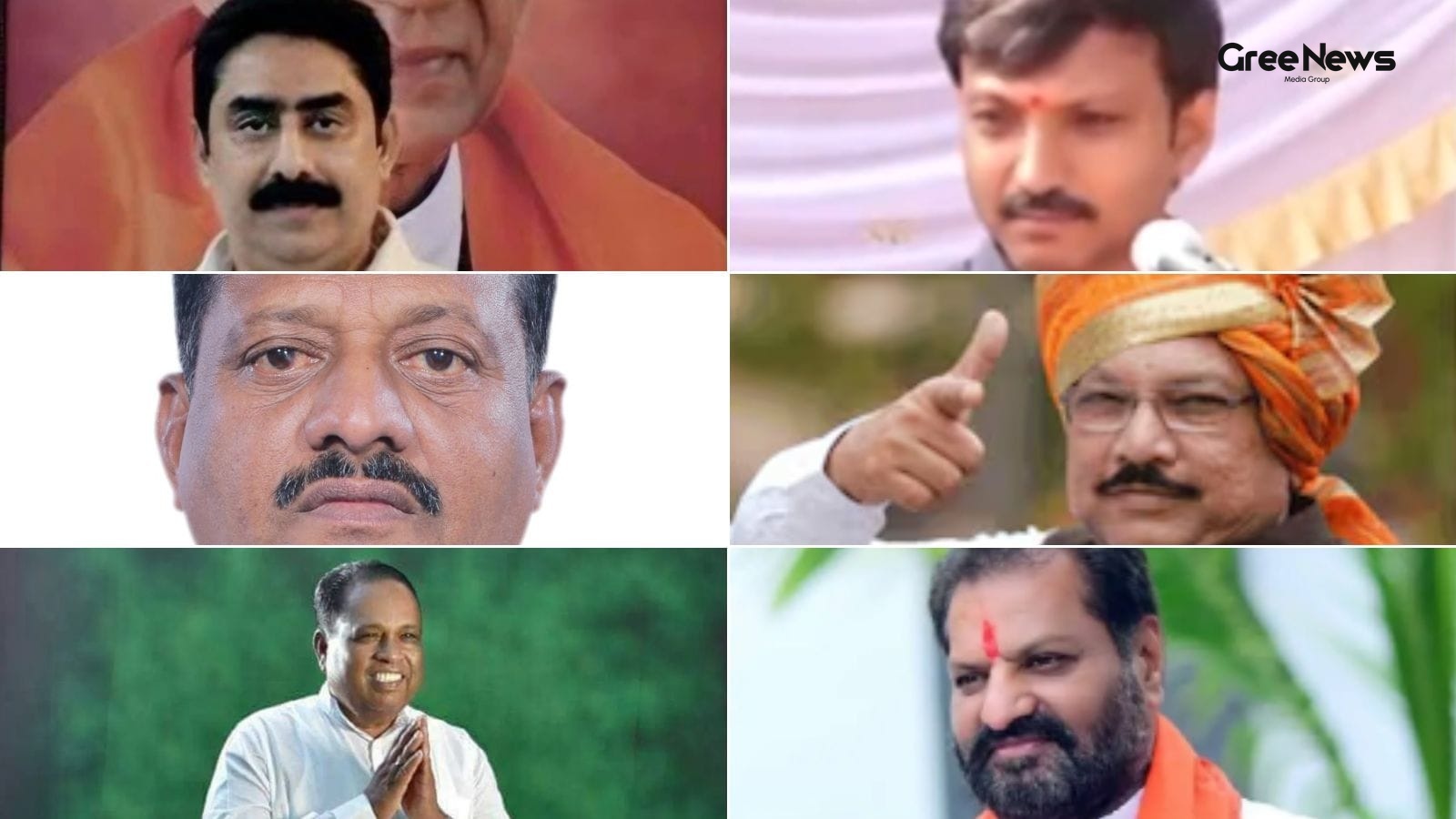
Shiv Sena UBT MP Defection and Political Fallout
Shiv Sena UBT. It’s all about those six MPs who just walked out. They’ve actively rebelled against Uddhav Thackeray’s leadership, and now the whispers are getting louder that they might actually jump ship. Sources are saying they could formally join Eknath Shinde's Shiv Sena faction by June 21st. Th
Jun 21, 2026 by Gree News Team
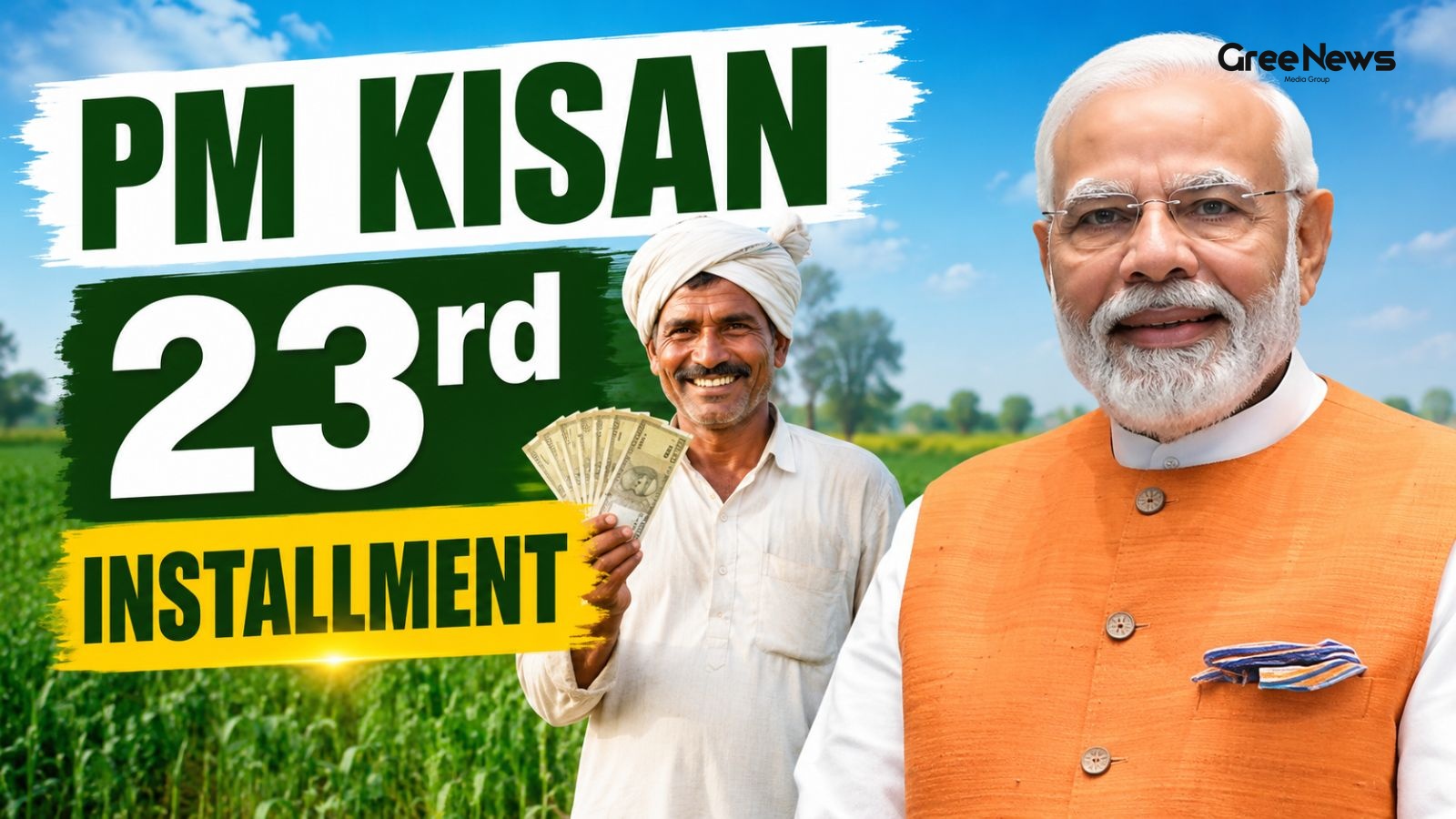
PM Kisan 23rd Installment: Eligibility, Process, and Roadblocks
The wait for the 23rd installment of PM Kisan seems to be finally over. Prime Minister Narendra Modi is set to release about eighteen thousand eight hundred eighty crore rupees on Saturday, June 20, 2026. That money is slated for over nine point four four crore farmers. The announcement comes from T
Jun 21, 2026 by Gree News Team
Leaked Video and Buzz from Shakti Shalini Sets
Aneet Padda and Vishal Jethwa, you know, that leaked video from the sets of *Shakti Shalini*? It’s just blown up social media. People are talking about it nonstop. It’s one of those candid clips, pure fun, really lighthearted between them. They were running around somewhere in the set. Aneet was hol
Jun 21, 2026 by Gree News Team
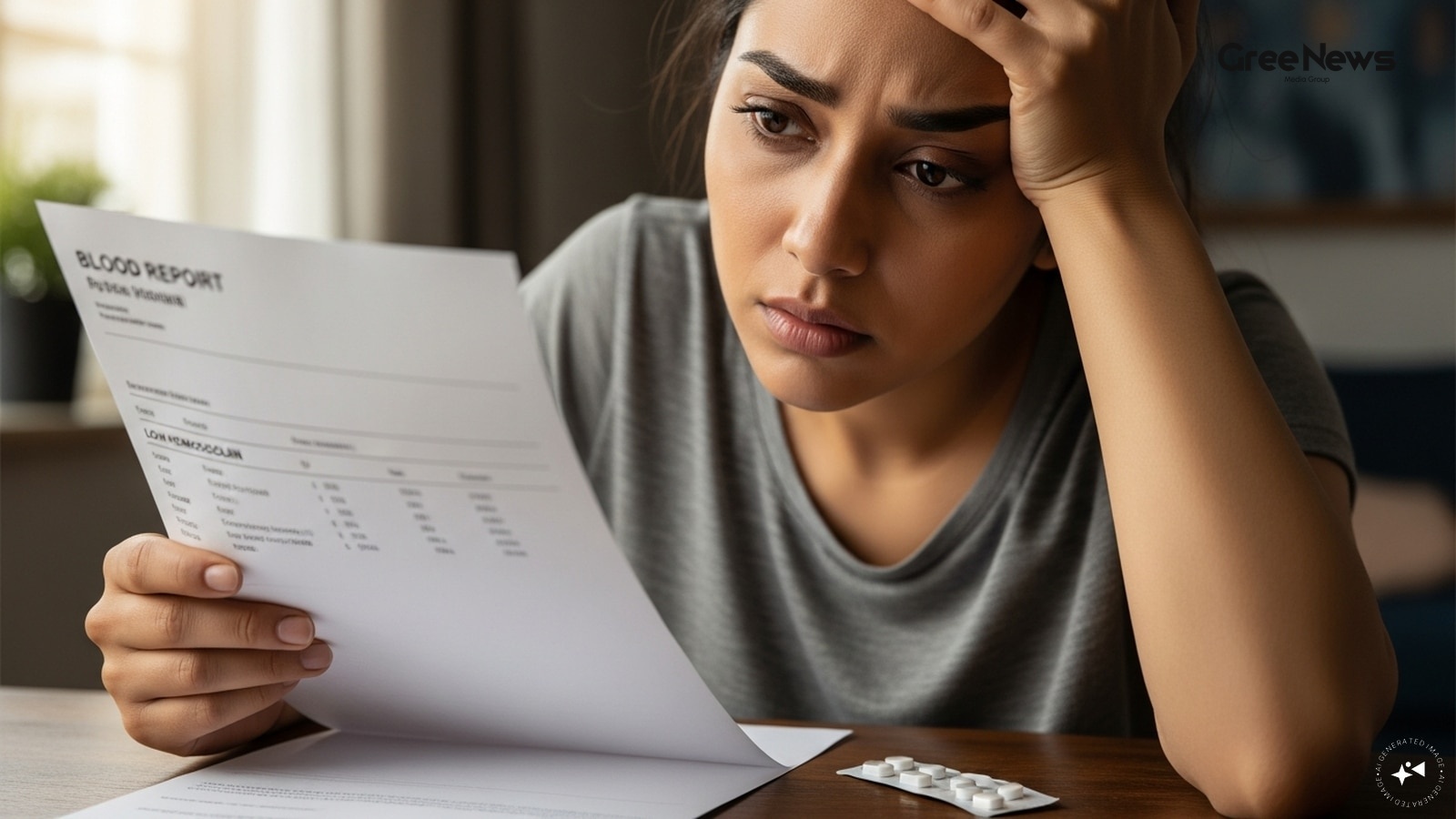
Low Haemoglobin: Understanding the Causes, Risks, and the Need for Medical Investigation
low haemoglobin is one of those things you see popping up on a blood test, right? it’s super common. but that doesn't make it any less confusing. people jump straight to the conclusion that they have iron deficiency. then bam over-the-counter supplements. no doctor check first. and honestly, that mo
Jun 21, 2026 by Gree News Team
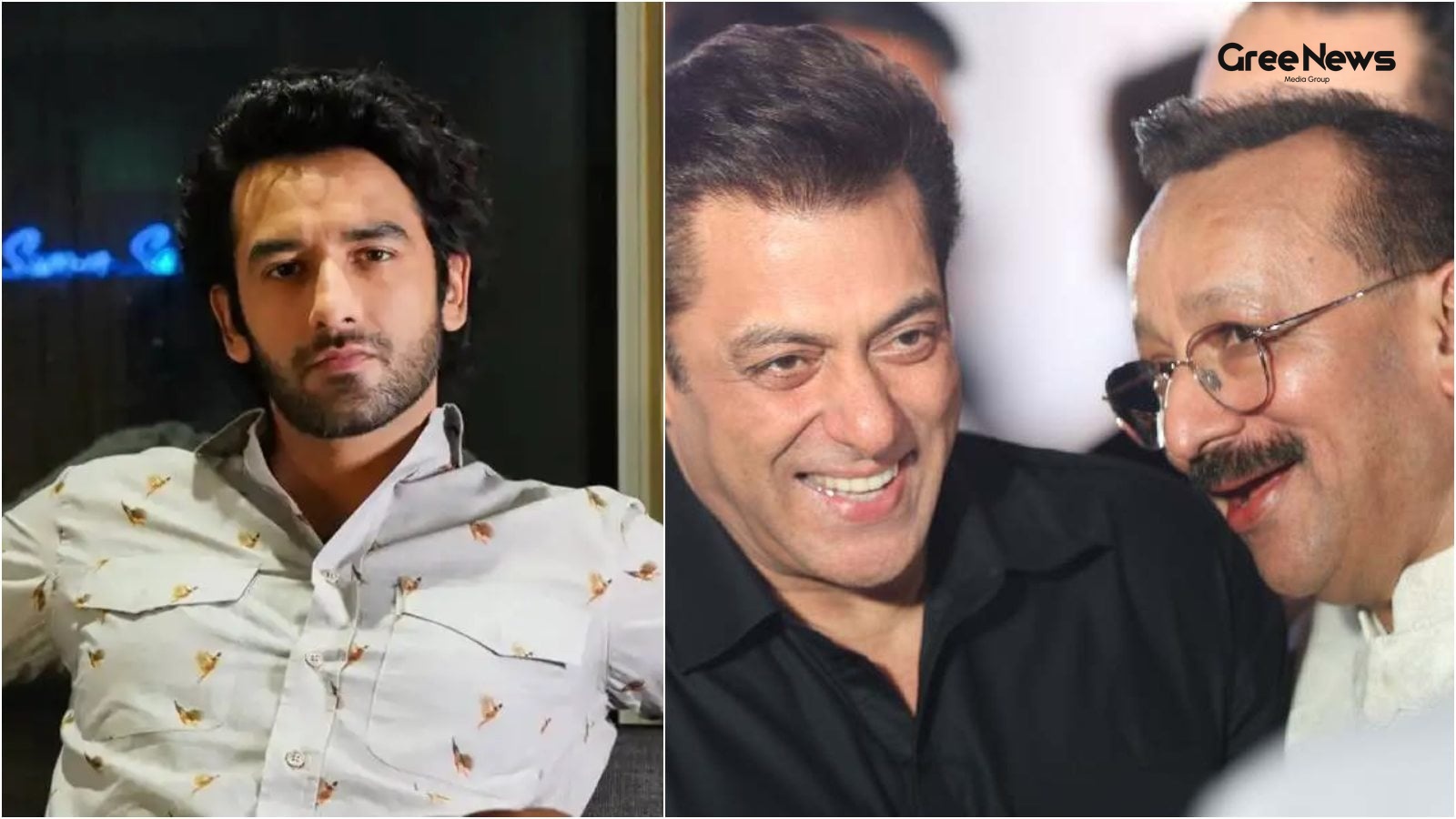
Salman Khan's Experience Filming Sikandar and Personal Loss
Salman Khan was last seen in Sikandar with Rashmika Mandanna. But behind the scenes, things were really rough for him. He’d suffered a personal loss while that film was being made his close friend and politician, Baba Siddique, had been killed. That kind of shockwaves through everything. It hit the
Jun 21, 2026 by Gree News Team