Telegram Ban: Legal Rulings, Cybercrime Allegations, and the NEET Re-test

Telegram ban. That’s what happened.
The Delhi High Court finally backed the Centre on Friday. They upheld the decision to temporarily block Telegram. Why? It was all about the June 21 NEET-UG re-test. The government wanted to stop any potential leaks or misuse of the platform during that exam period. A major setback for Telegram, clearly.
A single judge, Justice Tejas Karia, delivered the order. He said the move made sense. Necessary. To protect the integrity of the whole examination process. That was the official line.
But you get the real story, don’t you?
Telegram pushed back immediately. They argued that this temporary ban felt way too much. Unlawful, they claimed. Excessive. The court didn't buy it. It sided with the government anyway. The logic seemed to be: it was proportionate. It was taken under emergency circumstances. That kind of stuff always gets tossed aside when things are moving fast.
The bench observed that the Centre had actually chosen the least restrictive option available. They followed the procedure laid out in Section 69A of the Information Technology Act for issuing those blocking orders. Nothing outside the legal framework, they said.
Telegram’s argument about arbitrariness? Rejected. The court noted the government acted based on real material. No non-application of mind there. It wasn't arbitrary.
It all kicked off because access was restricted ahead of that June 21 exam. Telegram had appealed to the High Court earlier this week after the Centre started restricting platform access.
The government’s defense, though... it painted a very dark picture. They argued Telegram was being used for more than just leaks. It was about scams targeting NEET candidates. The real issue, they claimed, is how the platform itself has been exploited.
It’s not just exam papers. Authorities alleged and this is where things get ugly that Telegram channels are now linked to serious illegal stuff. Cybercrime, financial fraud, drug trafficking, child exploitation... all of it.
The Centre described Telegram as a “new dark web.” That was the big allegation made during the hearing. Criminal actors use these channels to link up with deep web networks. They hide their identities really well. It makes tracking and attributing criminals incredibly hard for the authorities.
“Telegram has become the new dark web, linking threat actors,” they said. The flow of information just moves in this murky space now.
And the leaks? The exam content itself. The government cited Telegram’s role in spreading unauthorized papers NEET papers, specifically. It argued that the platform was repeatedly used to push out illegal exam material and facilitate scams aimed at students.
The privacy features? They became a problem here. Telegram’s whole setup, the anonymity they pride themselves on, turned into a preferred route for illegal activities. That's the real kicker.
What exactly are we talking about when you list the exploitation? Cybercrime. Drug trafficking. Financial fraud. Terrorism and extremism spreading violent content. Child Sexual Exploitative and Abuse Material that’s flagged too. Then there’s the cyber threat actors coordinating attacks, distributing malware, and sharing stolen data. It's a whole ecosystem running through those channels.
Even things like pirated movies and web series were mentioned as losses to creators, adding another layer of IP concern onto this chaos. But that’s secondary to the danger. The radical content being spread by extremist groups? That part was also flagged heavily. Misinformation spreading around public order that worries people.
And don't forget the hacking angle. They claimed certain channels were running “Malware-as-a-Service” operations. Selling and distributing malicious software toolkits. Investigators pointed out channels advertising ways to bypass security on Google Play Protect, methods for bypassing banking or UPI security. That’s a whole different level of threat emerging from these platforms.
The ban itself was pushed through because the National Testing Agency and the Department of Higher Education recommended it. They needed that protection for the re-test. The NTA stressed that this action was necessary to stop leaked material and keep the credibility of the test intact.
And there’s an extra layer they added. The government also told Telegram, effectively, to disable its message-editing feature in India until June 30th. An additional safeguard. Just trying to lock things down tighter before the exam date.
Pavel Durov, the CEO, reacted strongly. He felt the restriction was unfair. It hit over 150 million users in India without stopping the actual people responsible for leaking those papers. That kind of frustration is palpable when you’re dealing with a massive user base suddenly caught in this crossfire.
The re-test itself is still happening, scheduled for June 21st. And it's being held under heightened security arrangements. The tension remains thick around the issue.
Written by Gree News Team — Senior Editorial Board
Gree News Team covers international news and global affairs at Gree News. Our collective of senior editors is dedicated to providing independent, accurate, and responsible journalism for a global audience.
More from India
View All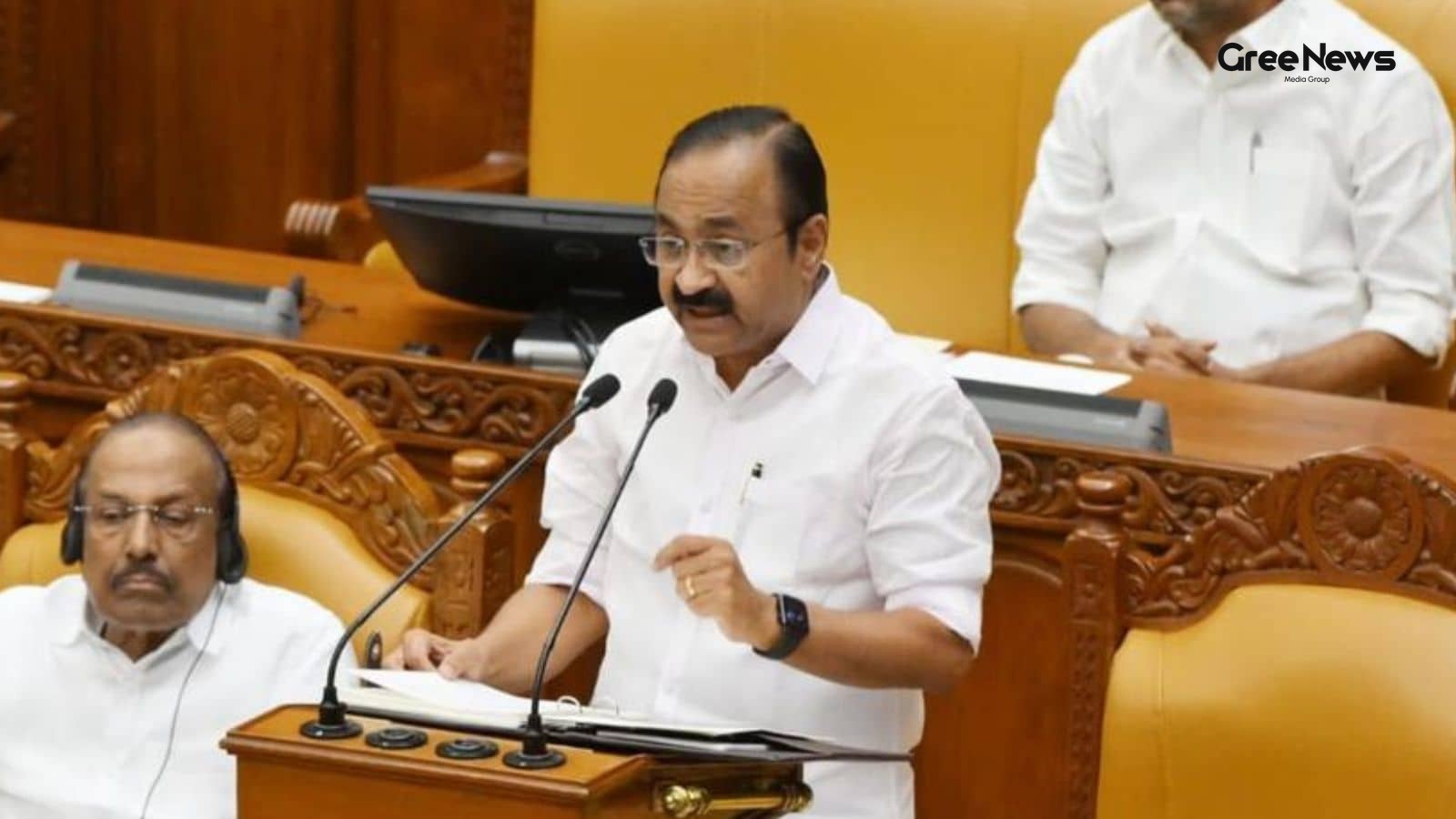
Kerala Budget 2026-27: A Five-Year Roadmap for "New Era Keralam"
Satheesan, the Kerala Chief Minister, put forward the first budget for 2026-27 this Friday. It wasn’t just numbers though; it was framed as a five-year roadmap a whole vision for what they call "New Era Keralam." Health, education, creating jobs, welfare, and infrastructure development. That’s the b
Jun 21, 2026 by Gree News Team
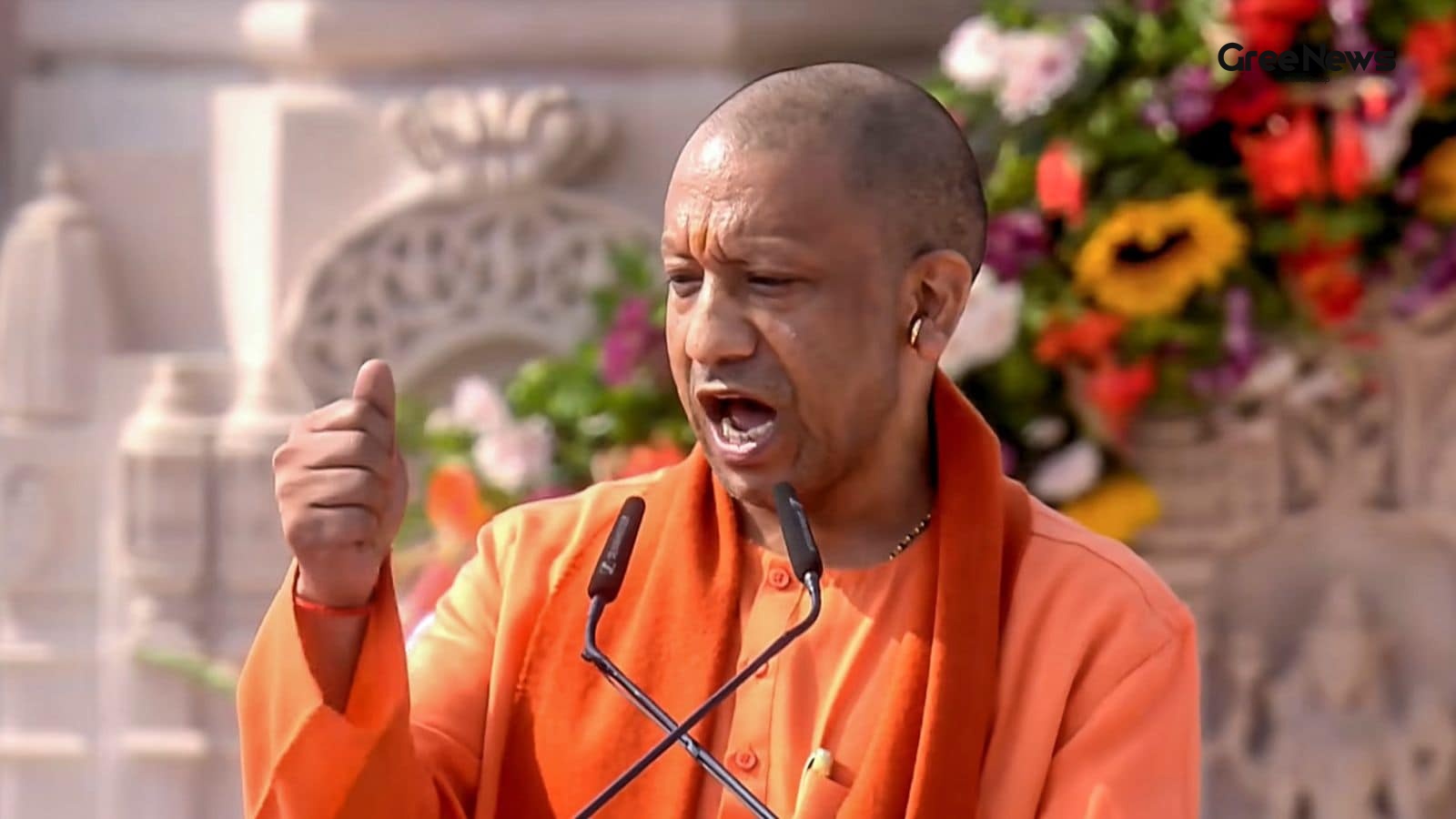
Yogi Adityanath on Ram Temple Donation Theft Investigation
Yogi Adityanath, the Chief Minister of Uttar Pradesh, talked about the case involving the theft at the Ram Temple donation. He said the culprits wouldn’t be spared, no matter who they are. A Special Investigation Team, an SIT, has been set up to look into this whole thing. He made these remarks duri
Jun 21, 2026 by Gree News Team
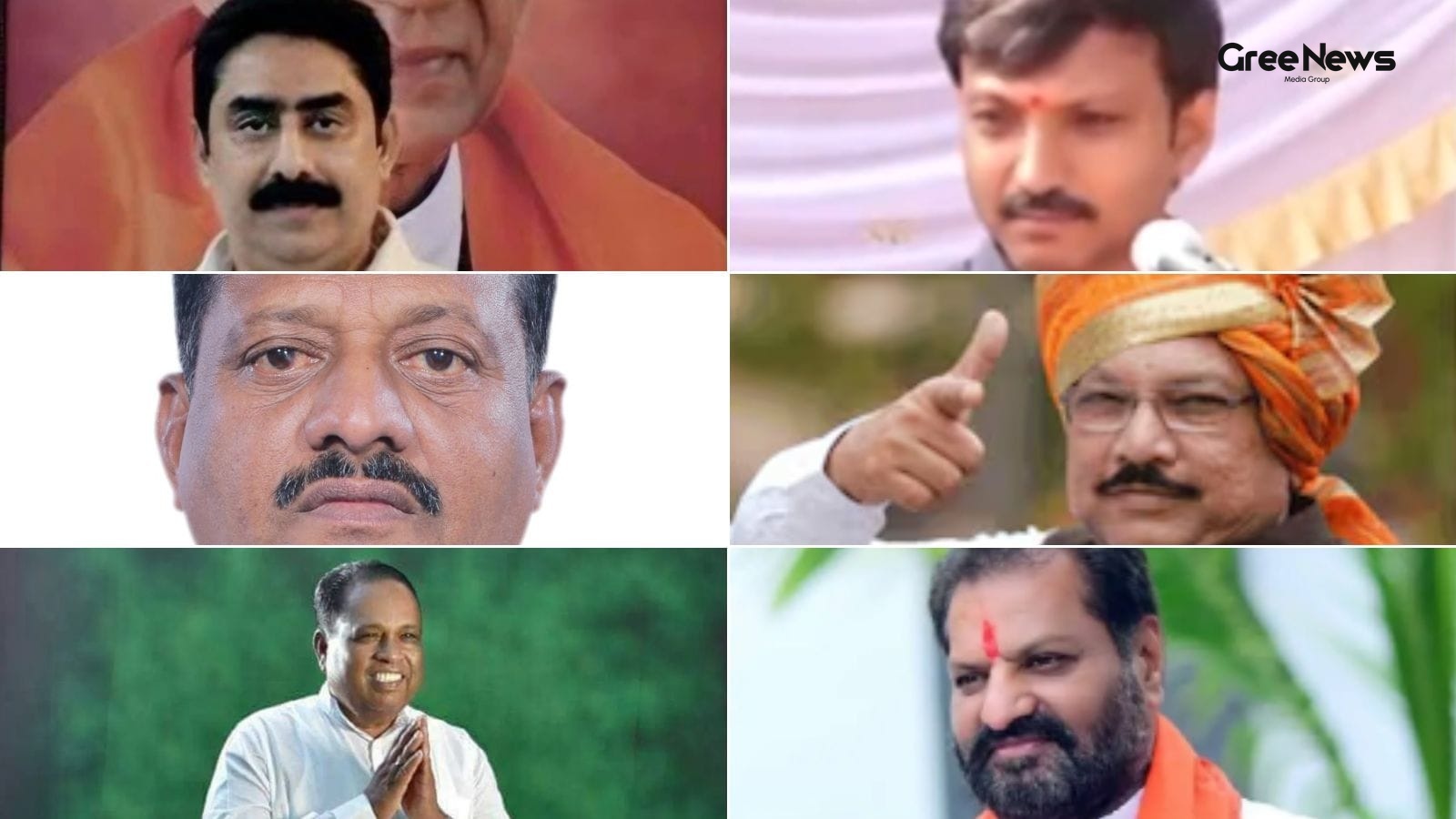
Shiv Sena UBT MP Defection and Political Fallout
Shiv Sena UBT. It’s all about those six MPs who just walked out. They’ve actively rebelled against Uddhav Thackeray’s leadership, and now the whispers are getting louder that they might actually jump ship. Sources are saying they could formally join Eknath Shinde's Shiv Sena faction by June 21st. Th
Jun 21, 2026 by Gree News Team
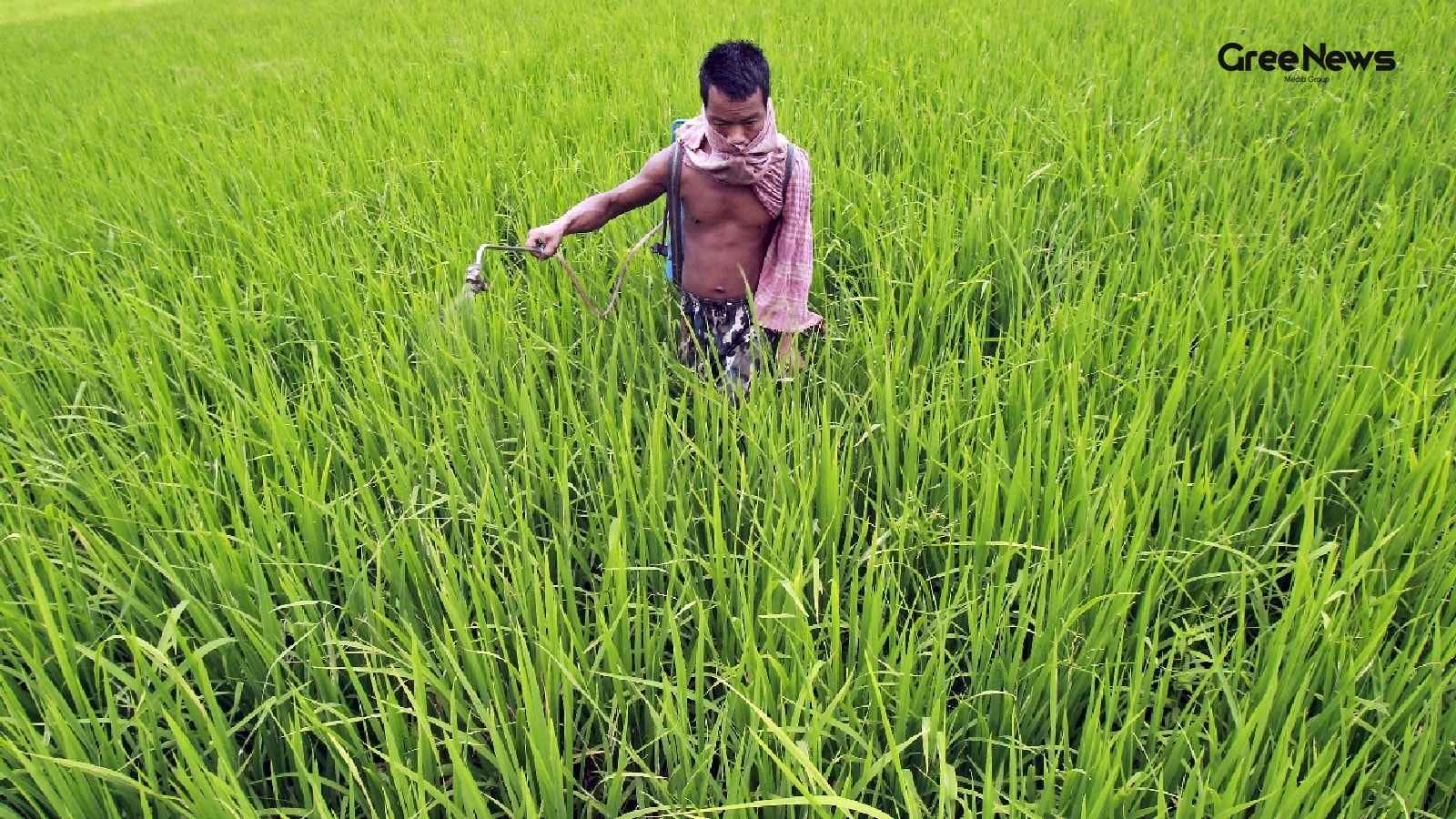
Strait of Hormuz Easing Impacts India's Fertilizer Supply and Geopolitics
The easing up around the Strait of Hormuz is finally giving some breathing room for India’s agriculture sector. Officials are saying that fertilizer shipments, which had been stuck way back in that critical maritime corridor, should now be able to move without hitting major snags. It was a real head
Jun 20, 2026 by Gree News Team
Latest Headlines
Donald Trump, Power, and the Iran Deal
Donald Trump, he said it was an "unconditional surrender" by Tehran. That’s what he claimed about the deal signed with Iran. He also went further, talking about power he asserted his power has no limits at all. It felt… absolute. He spoke to Axios on Thursday evening about this whole situation. The
Jun 21, 2026 by Gree News Team
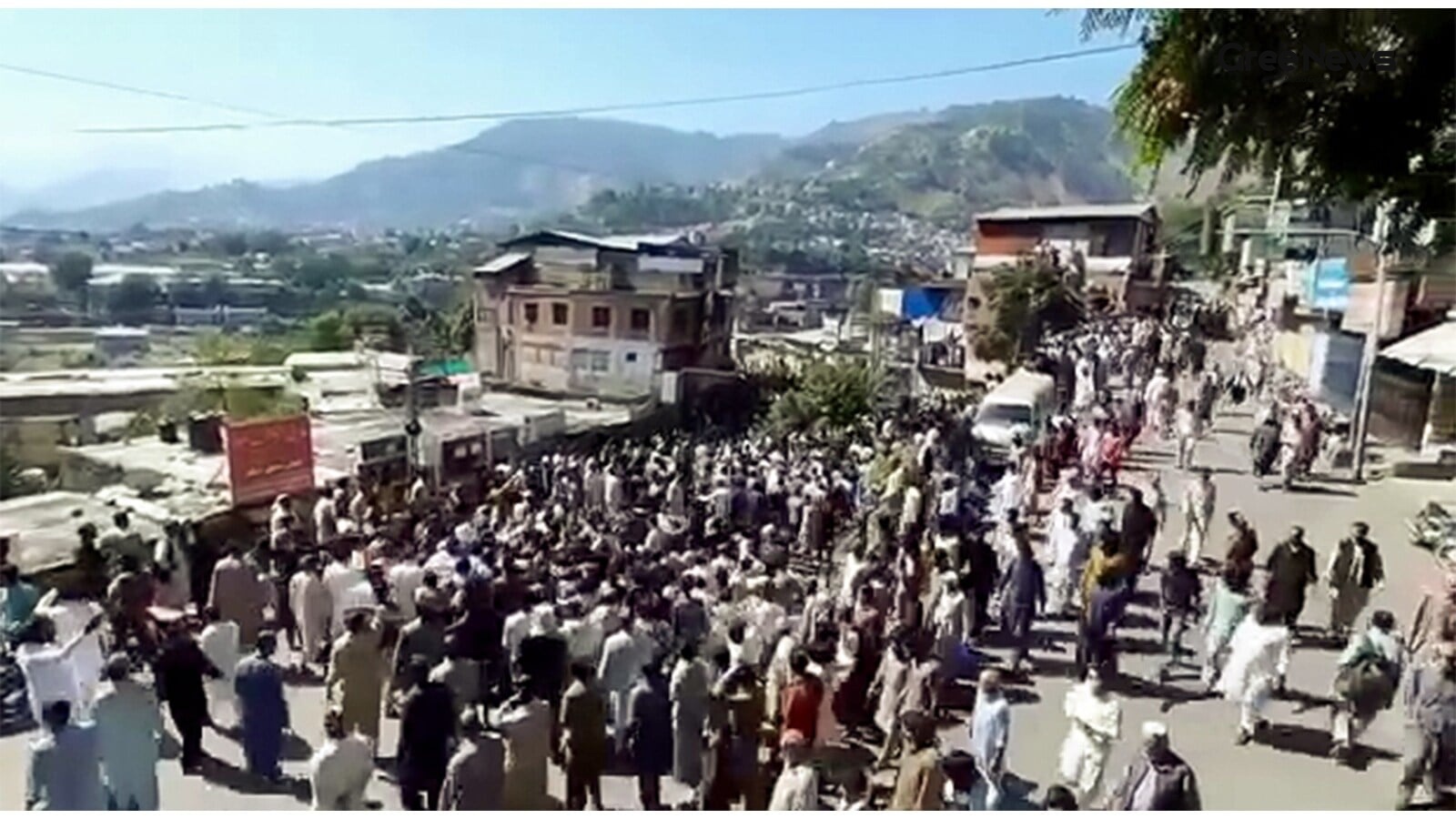
Crackdown in Pakistan-occupied Kashmir Against JAAC Activists
A real crackdown is happening in Pakistan-occupied Kashmir right now. Authorities are allegedly moving against some members of the Jammu & Kashmir Joint Awami Action Committee the JAAC. They’ve put about 150 people under the Fourth Schedule of the Anti-Terrorism Act. That just throws political tensi
Jun 21, 2026 by Gree News Team
Gold and Silver ETF Performance and Market Drivers
Gold and silver exchange-traded funds were hit hard in early Friday trading. Selling pressure was intense across the board, reflecting a general weakness in international precious metal prices right off the bat. Gold ETFs dipped around two to two and a half percent. Silver funds, though, took a much
Jun 21, 2026 by Gree News Team

Indian IT Stocks Hit by Cautious Demand Outlook
Indian IT stocks took a massive hit in early Friday trading. It all happened because Accenture dropped a cautious demand outlook, which immediately reignited worries about how much money clients are actually willing to spend on tech and discretionary spending globally. The Nifty IT index just didn't
Jun 21, 2026 by Gree News Team

The Ultimate Luxury: Inside Etihad Airways 'The Residence' Suite
What if flying wasn't just about sitting back in business class? What if it meant stepping straight into your own private apartment floating up there? That’s what Etihad Airways is pushing with ‘The Residence’. It’s this ultra-luxury suite that everyone talking about travel calls the most exclusive
Jun 21, 2026 by Gree News Team
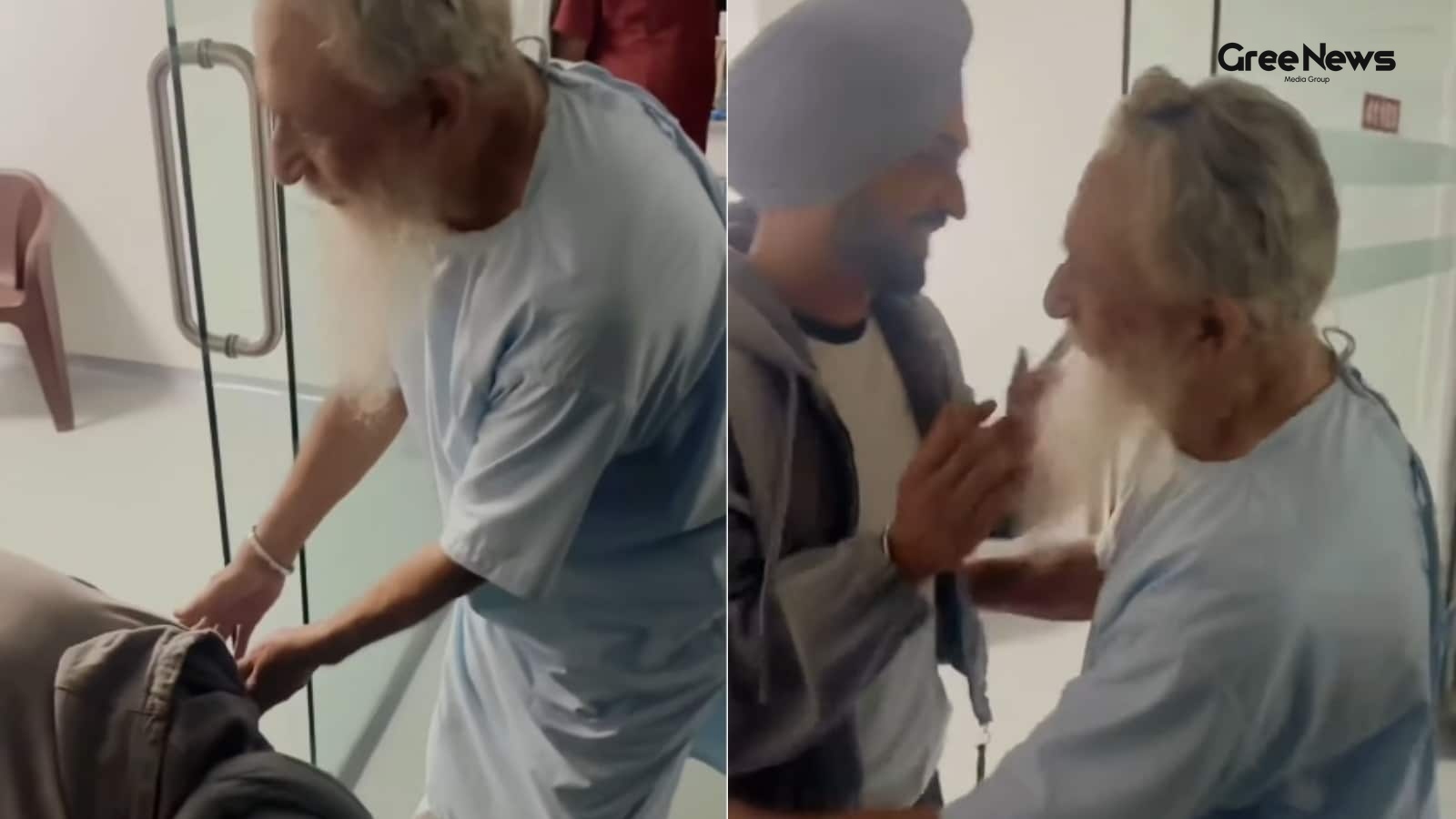
Main Vaapas Aaunga: Behind-the-Scenes Magic and Story
Main Vaapas Aaunga is just blowing up right now. Everyone’s talking about it. Diljit Dosanjh, man, he really won hearts online recently after some behind-the-scenes footage leaked. It was a warm moment, seriously. Between him and Naseeruddin Shah on the sets. The clip caught them interacting Diljit
Jun 21, 2026 by Gree News Team
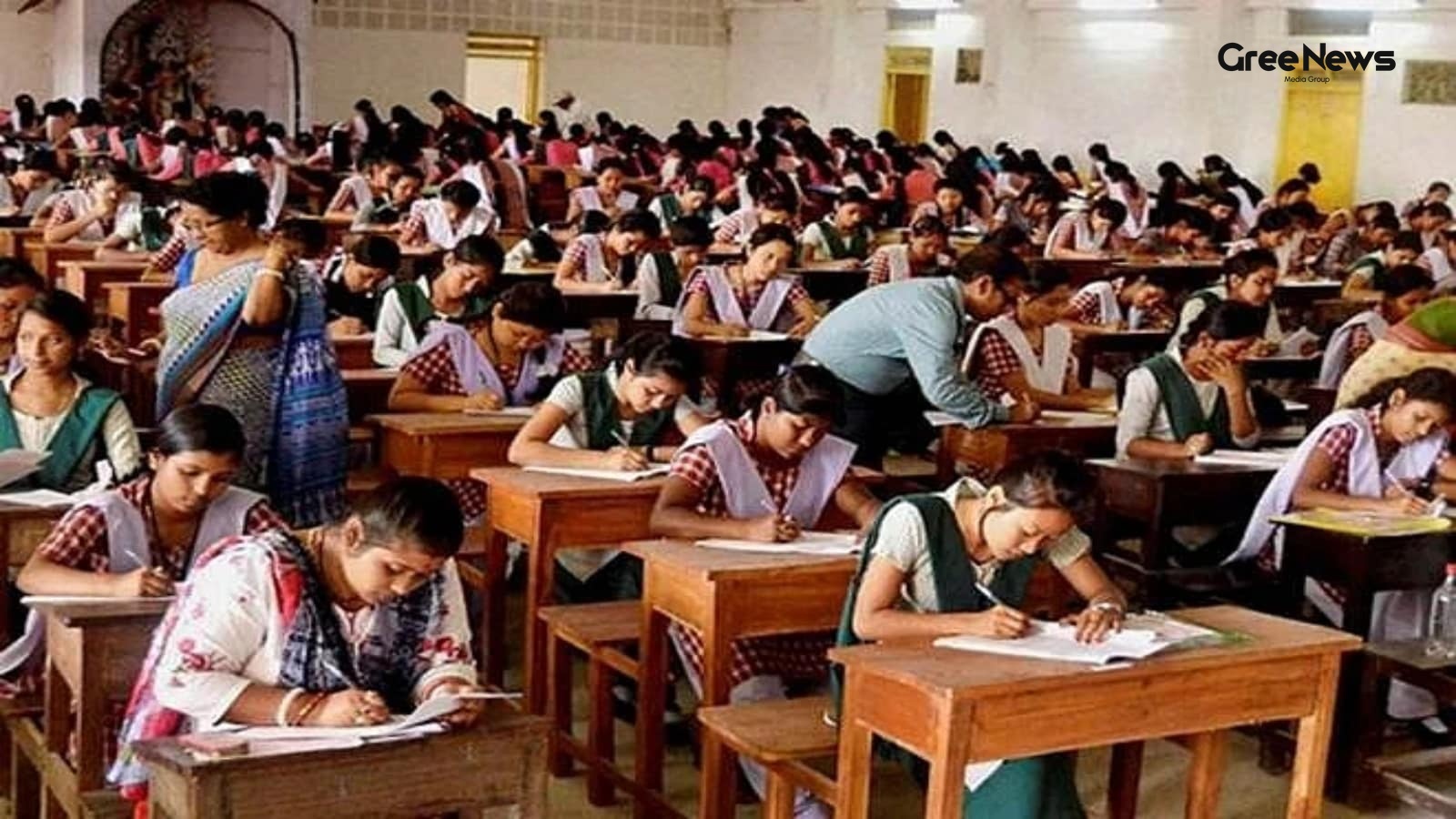
NEET UG Re-exam Guidelines and Rules for Sunday, June 21st
The National Testing Agency just dropped some serious guidelines for the upcoming NEET UG re-exam set for Sunday, June 21st. It’s a lot to keep track of. Students need to be ready for specific requirements right from the start. They have to bring essential papers the original admit card with photos
Jun 21, 2026 by Gree News Team
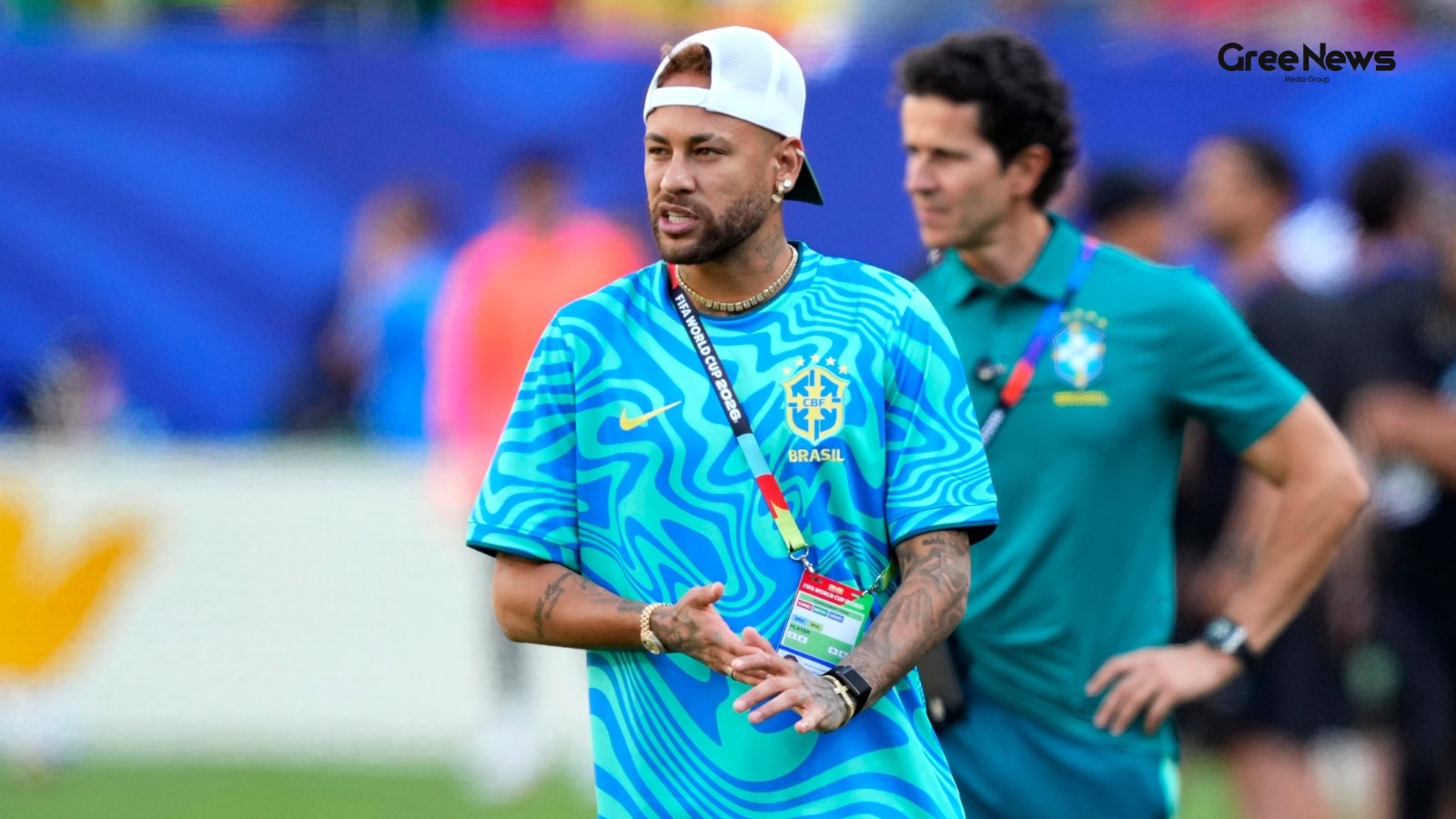
Neymar's Recovery: Why the Wait for the Pitch is Going to Be Longer
The long wait for Neymar back on the pitch? It’s going to be a little longer. That much is confirmed. Brazil officially said it Thursday. The veteran forward won't be traveling. He won't be playing in that FIFA World Cup Group C match against Haiti on Friday. Why? Because they are still focused enti
Jun 21, 2026 by Gree News Team
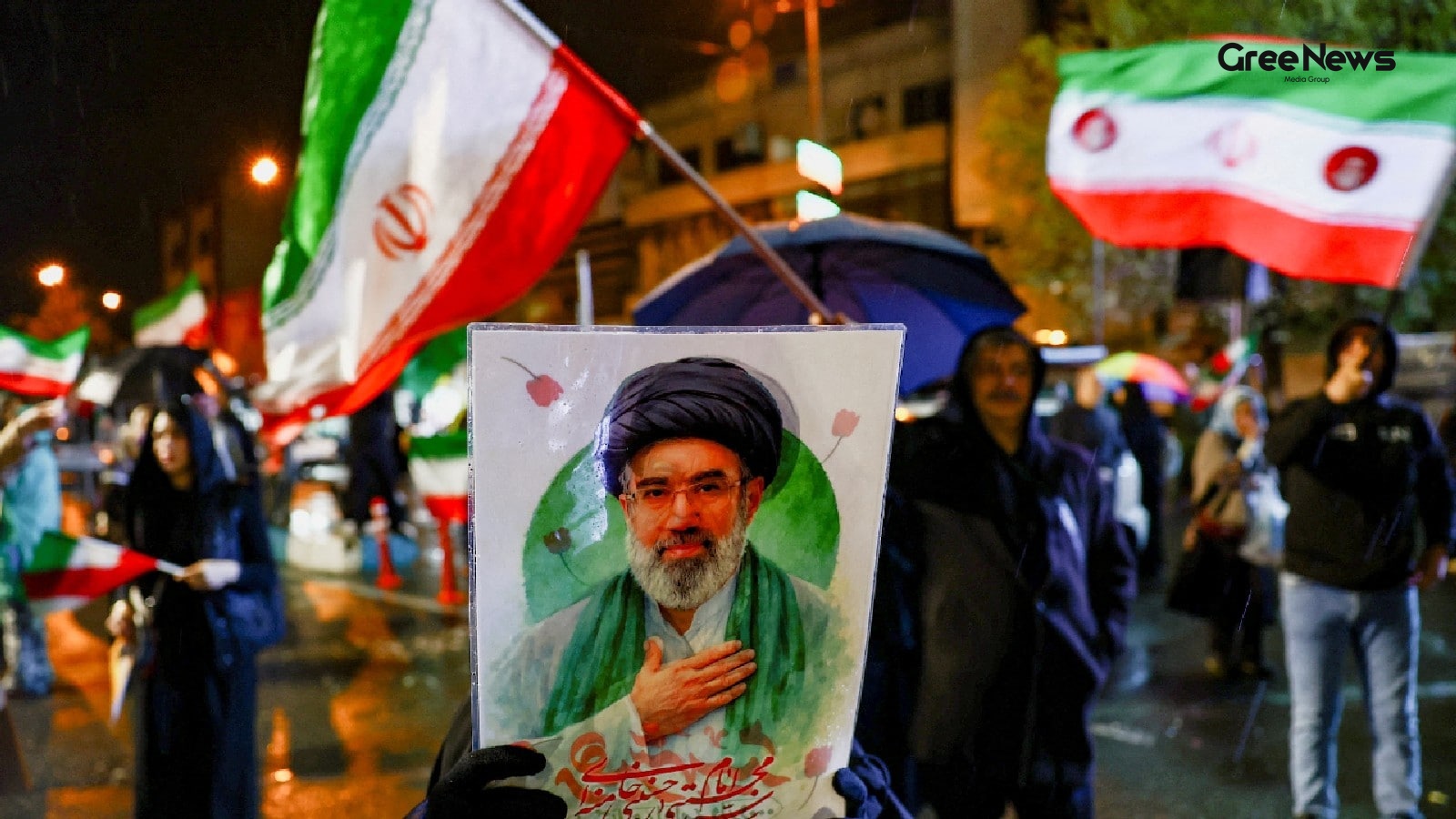
Iran's Strategic Shift and the Post-Agreement Landscape
Iran ended what felt like a hundred days of war militarily weaker than when it started. But Tehran sees something different in that agreement with the United States. They believe it handed them something the actual battlefield couldn't offer: a chance to turn mere survival into some kind of strategi
Jun 21, 2026 by Gree News Team

The Power of Self: Redefining Success Beyond Tradition
So, you see this thing that went viral? It’s about a senior executive up in New York, someone who just posted something really personal about family stuff, and it blew up into a massive chat about marriage, success, and what women are actually chasing. Hemakshi Motka, she’s the President of Priya Gr
Jun 21, 2026 by Gree News Team
Kerala Budget 2026-27: A Five-Year Roadmap for "New Era Keralam"
Satheesan, the Kerala Chief Minister, put forward the first budget for 2026-27 this Friday. It wasn’t just numbers though; it was framed as a five-year roadmap a whole vision for what they call "New Era Keralam." Health, education, creating jobs, welfare, and infrastructure development. That’s the b
Jun 21, 2026 by Gree News Team
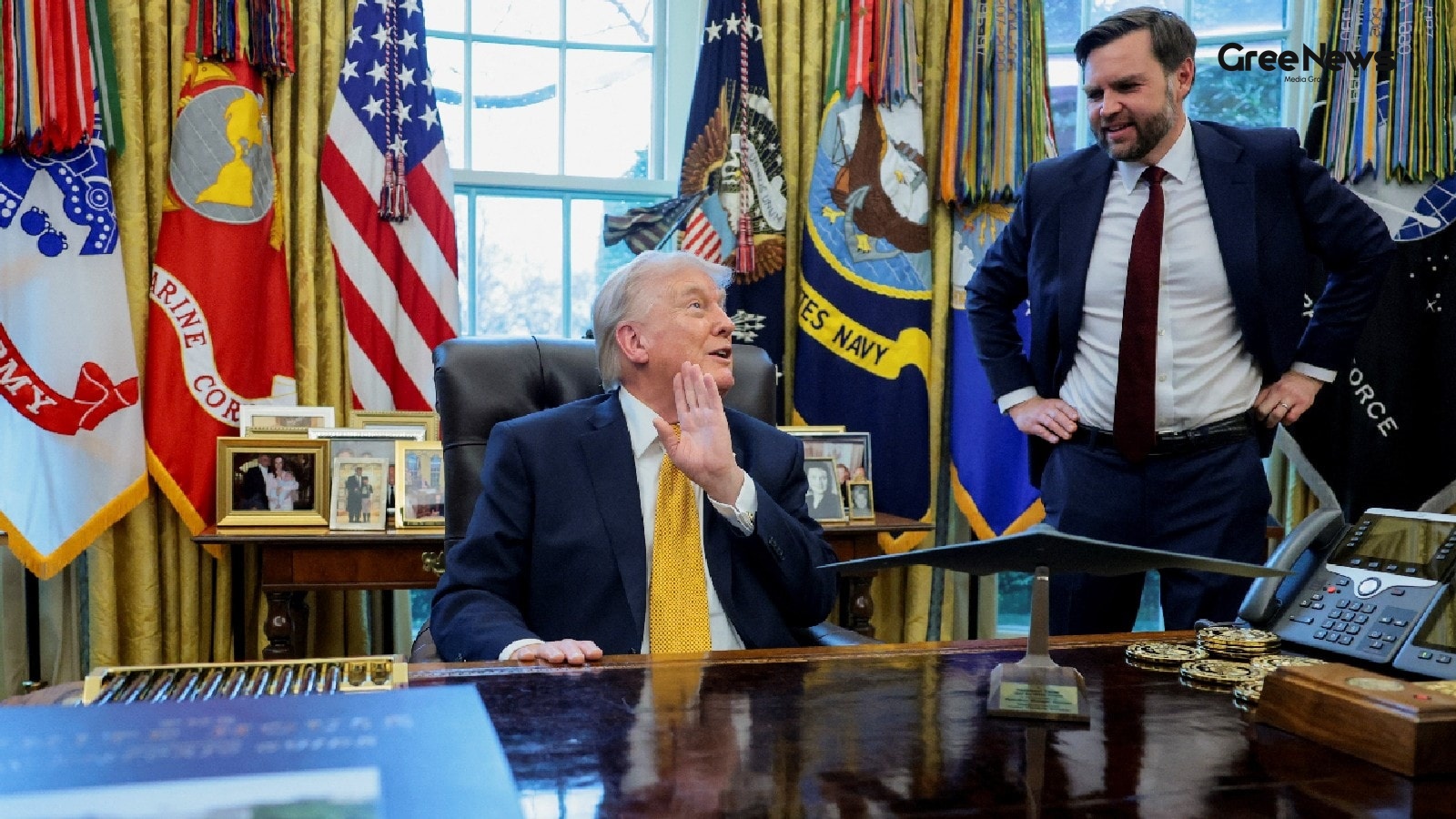
Trump on Iran Deal and Vice President Vance
Trump joked about blaming Vice President Vance if the preliminary deal with Iran falls apart. He said it on Wednesday when speaking to reporters. A laugh about taking responsibility for failure. “If it works out, I’m going to take the credit. If it doesn’t work out, I’m blaming JD,” Trump quipped. T
Jun 21, 2026 by Gree News Team
Yogi Adityanath on Ram Temple Donation Theft Investigation
Yogi Adityanath, the Chief Minister of Uttar Pradesh, talked about the case involving the theft at the Ram Temple donation. He said the culprits wouldn’t be spared, no matter who they are. A Special Investigation Team, an SIT, has been set up to look into this whole thing. He made these remarks duri
Jun 21, 2026 by Gree News Team

Matchday Two Group Analysis and Predictions
Matchday Two is shaping up to be a real mess in Groups C and D. It’s all about who slips through, who gets knocked out before things get really interesting later on. Some teams are already looking pretty good for that Round of 32 spot. Scotland, they're standing right on the edge. That one win again
Jun 21, 2026 by Gree News Team
Shiv Sena UBT MP Defection and Political Fallout
Shiv Sena UBT. It’s all about those six MPs who just walked out. They’ve actively rebelled against Uddhav Thackeray’s leadership, and now the whispers are getting louder that they might actually jump ship. Sources are saying they could formally join Eknath Shinde's Shiv Sena faction by June 21st. Th
Jun 21, 2026 by Gree News Team