Non-stick vs. Stainless Steel for Indian Cooking
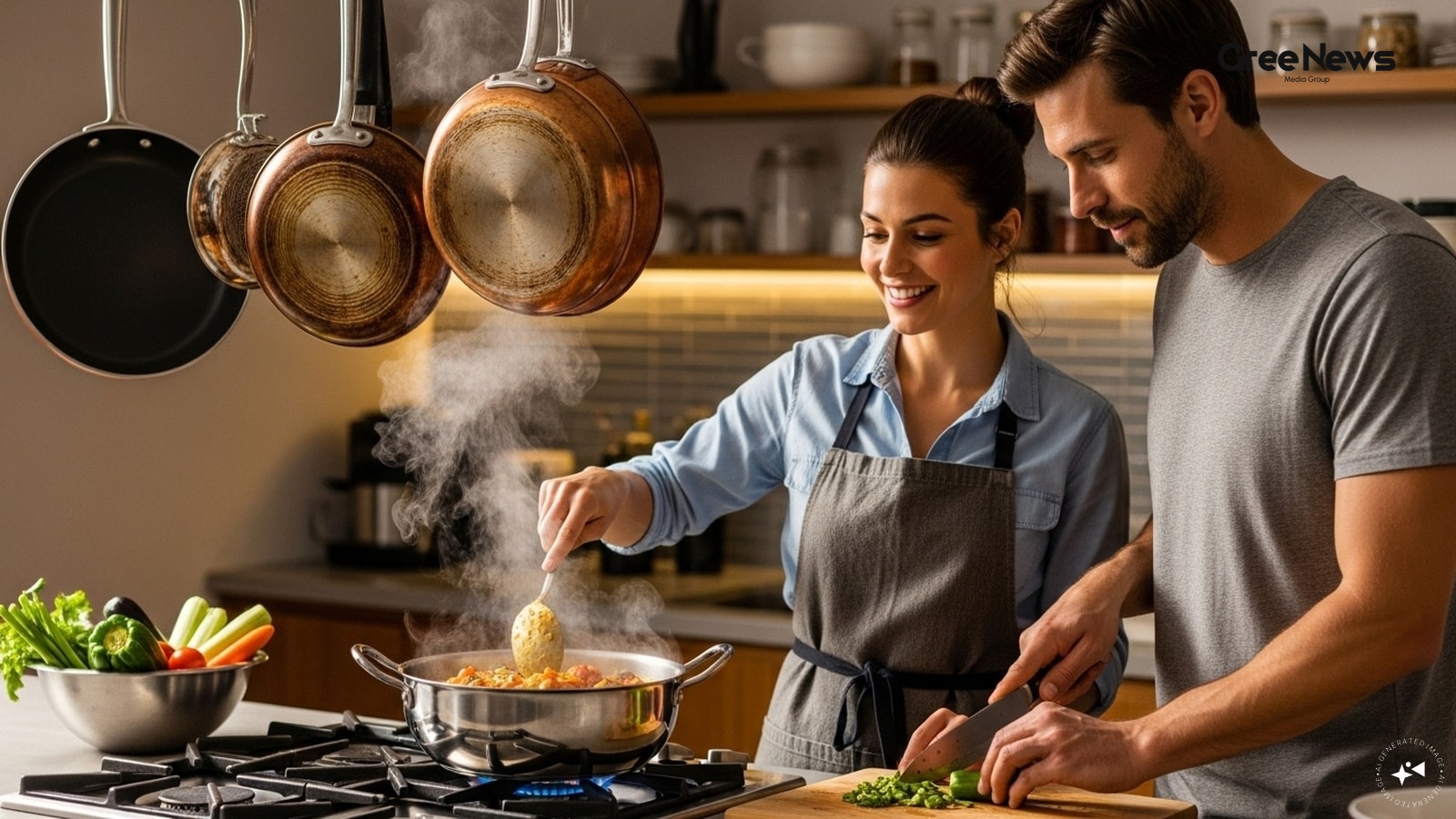
Indian cooking... it just demands a lot from your cookware. High heat, heavy spices, all that oil-rich gravy stirring for ages. It puts a totally different kind of stress on pots and pans compared to what you see in many Western styles.
That’s where the kitchen debates always land: non-stick versus stainless steel .
Non-stick promises easy cooking. Quick cleanup. That's the appeal. But then you look at stainless steel . It’s known for being tough. Versatile, durable.
Both have their upsides. And both have serious limitations.
It really comes down to what you cook. How often? How much maintenance are you actually willing to deal with?
If you're making things like eggs, dosas, pancakes delicate stuff non-stick just feels easier. Less oil used. Cleaning is a breeze. Especially if you’re just starting out in the kitchen; it cuts down on sticking and burning worries. Convenience wins there.
But for actual Indian food? Daily cooking? That shifts things.
Stainless steel takes over for many households long-term. It handles that constant high heat, all the frequent stirring, the long simmering of curries perfectly. Durability matters then. You want something that lasts years. No coating to worry about wearing off.
Metal utensils scratch it sometimes, sure. But stainless steel just shrugs it off way better than a delicate non-stick layer.
You see this everywhere in professional kitchens, though. Stainless steel is the standard. It’s built for intense use.
The coatings on non-stick? They fade. They wear down with heat and scraping. That means replacement happens sooner. It just doesn't hold up as long when you push it hard.
So, what’s the real deal? For most Indian homes, stainless steel is generally the smarter buy for longevity.
Non-stick still has its niche. Fine for those quick meals. Those delicate foods. Eggs. Dosas. Low-oil stuff. It works fine if you stick to gentle heat settings.
It's not about which one is inherently "better." It’s about how you use it. You end up with both, really. Stainless steel handles the heavy lifting of daily Indian meals. Non-stick steps in for those specific, easier tasks.
Non-stick pans make things move easily on the surface. Food just releases better. Less fuss during cleanup and less oil needed overall. That’s a definite advantage for quick cooking.
But you have to be careful with that heat. Manufacturers warn against really high temperatures. Too much heat? The coating can start to break down over time, getting damaged faster. And metal utensils they scratch it up if you’re not careful. That shortens the life of whatever pan you have.
Stainless steel just doesn't care about that kind of surface interaction. It stays solid. It handles those high temperatures and constant use without fuss.
So, is non-stick safe? Yeah. When you buy from a brand you trust and follow the instructions. But there’s always that risk with coatings wearing out eventually.
Stainless steel ? That’s stable. It's basically the most reliable material around for cookware. You can bet on it lasting decades.
Which one lasts longer? Stainless steel , hands down. Non-stick is fine for a while, then it needs replacing sooner due to wear and tear from heat exposure.
If you're making gravies, sautéing onions, or pressure cooking those heavy dishes that’s stainless steel territory. It handles the intensity without complaint.
Non-stick shines when things stick naturally. Eggs. Pancakes. Those delicate foods cook up so much easier on that surface.
Ultimately? Don't think of it as an either/or situation. For a typical household, getting a mix makes sense. Stainless steel for the heavy, daily work. Non-stick handy for those specific light jobs. It’s just practical cooking, nothing more complicated than that.
Written by Gree News Team — Senior Editorial Board
Gree News Team covers international news and global affairs at Gree News. Our collective of senior editors is dedicated to providing independent, accurate, and responsible journalism for a global audience.
More from Recipes
View All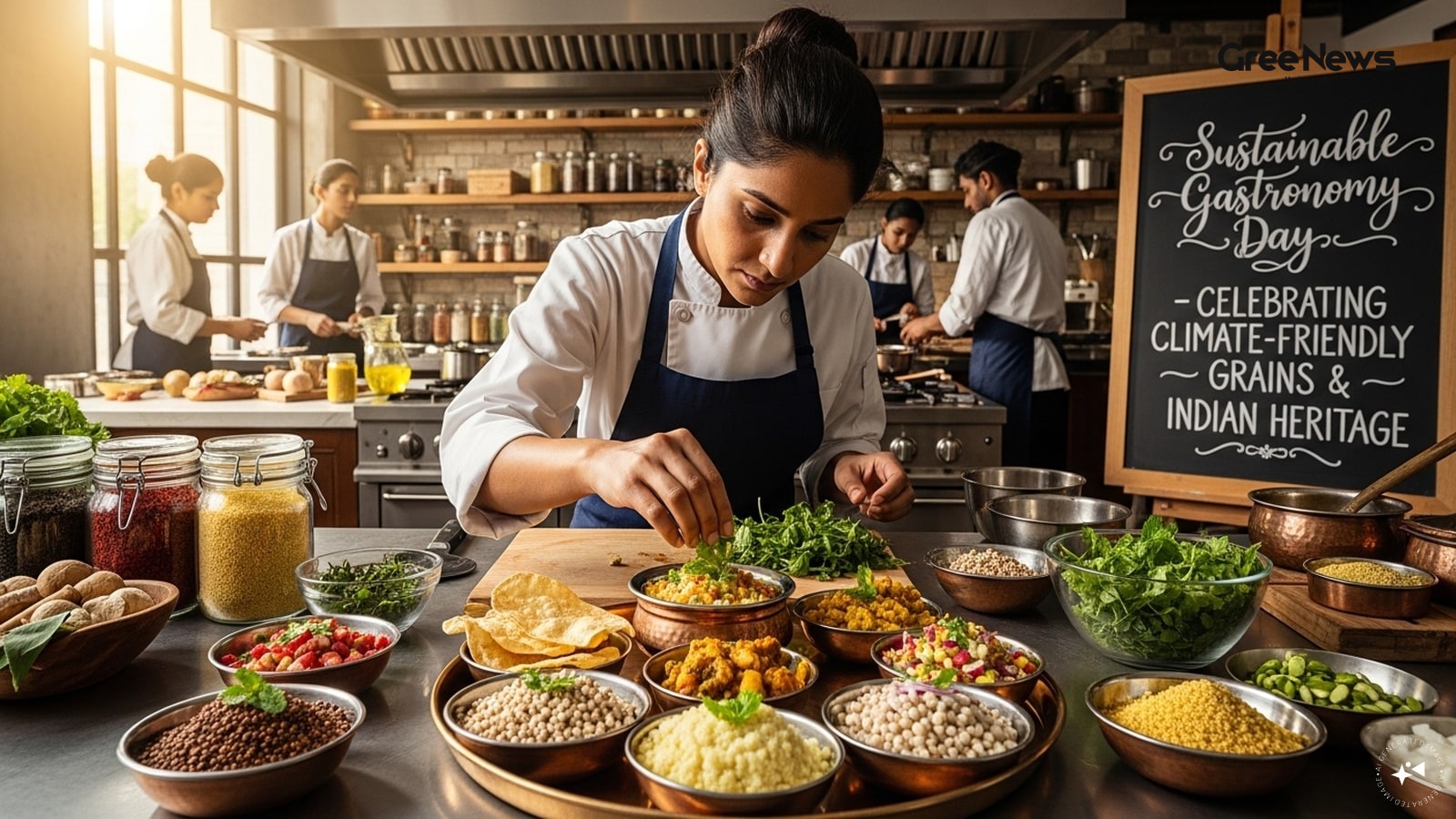
Sustainable Gastronomy and the Rise of Millets: A Path to Food Sustainability
Sustainable Gastronomy Day hits every year on June 18th. It’s supposed to be about highlighting how important sustainable food systems are. People are supposed to stop and think about everything: how food gets grown, cooked, eaten. And what impact those choices actually have on the environment, our
Jun 18, 2026 by Gree News Team
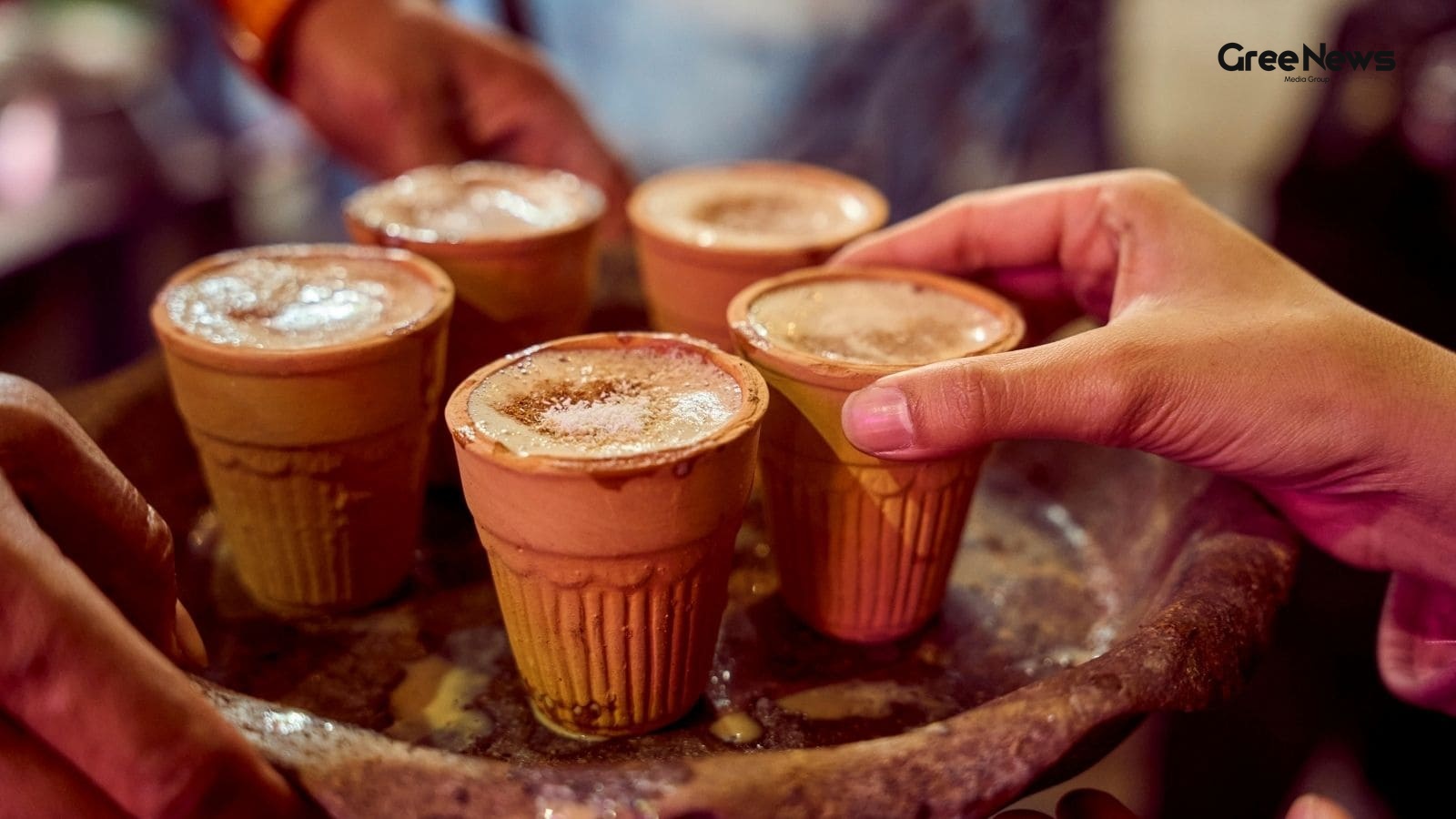
The Secret to Making Deep, Rich Masala Chai
You know that smell? That fresh masala chai aroma. It’s unbeatable. But honestly, most people struggle with making it right. They throw in ginger, cardamom, cloves, all that good stuff, and still, it just doesn't hit that deep, rich fragrance you get from a real roadside stall or your mom’s kitchen.
Jun 17, 2026 by Gree News Team
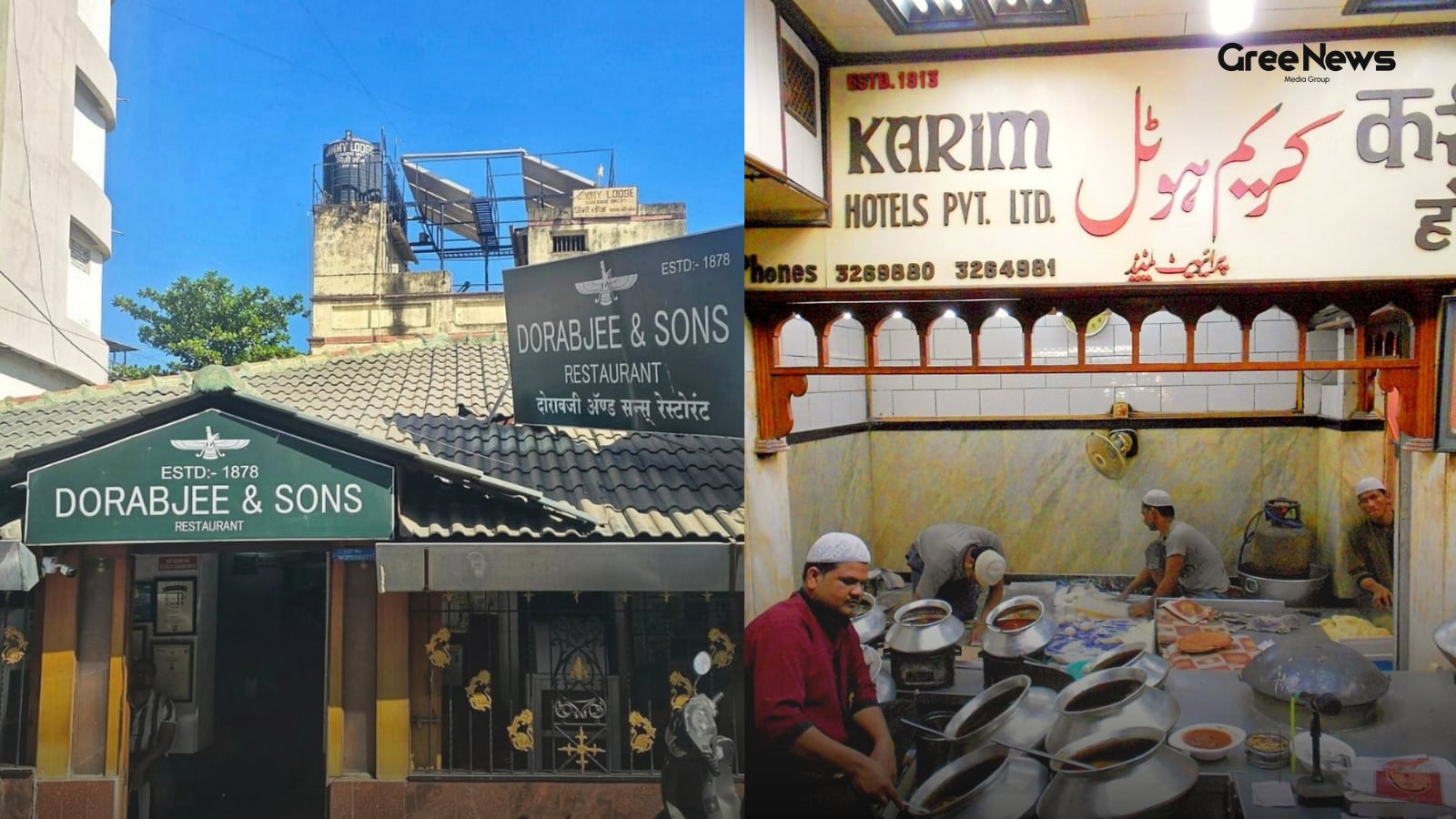
Legendary Indian Eateries: Culinary Landmarks of History
Trends come and go. Restaurants pop up with all that hype and then vanish in a few years. It’s just how things move, right? But across India, there are these places. Select few dining spots that have actually done something incredible. They’ve managed to survive for decades. Some of them even stretc
Jun 16, 2026 by Gree News Team
Cooling Down in Indian Summer: Ayurvedic Home Remedies
Indian summer isn’t just about the heat itself. It’s really about how your body tries to keep up with it. You move through those humid streets, and the discomfort you feel? That’s not just outside stuff. Your body is sending a quiet signal something needs attention. Balance. In Ayurveda, they link t
Jun 15, 2026 by Gree News Team
Latest Headlines

Netanyahu Defends Military Presence in Southern Lebanon
Netanyahu defended the military presence in southern Lebanon recently. He made this comparison to how the United States would react if they faced similar threats right across their own borders. He was speaking at some public event, laying out his view. Israeli forces, he said, will stay in that secu
Jun 22, 2026 by Gree News Team

Air Cooler vs. Air Conditioner: The Ultimate Guide to Cooling and TV Choices
Choosing between an air cooler and an air conditioner. That’s the classic summer dilemma, right? At first glance, it seems simple enough. Coolers cost way less money upfront. They use minimal electricity. But then you look closer. Air conditioners push out much stronger cooling. They come with a hig
Jun 22, 2026 by Gree News Team

Standoff at Nagrasu Gurdwara: Police Engage Nihangs Over Dispute
A standoff. That’s what was happening at Nagrasu Gurdwara in Uttarakhand’s Rudraprayag district on Sunday. A group of Nihangs had essentially occupied part of the religious complex, making demands about four members from their sect who were arrested following a clash back in Chamoli earlier this mon
Jun 22, 2026 by Gree News Team

Virat Kohli on Karan Aujla’s Music and the Power of Persistence
Virat Kohli brought up Karan Aujla’s music recently, talking about how one of his tracks really sticks with him because it mirrors his own path. He mentioned ‘Winning Speech’ stands out for him more than anything else from Aujla’s catalogue. It just hits differently. He said the song connects on a p
Jun 22, 2026 by Gree News Team

Main Vaapas Aaunga Box Office Performance and Story
A real shift is happening with *Main Vaapas Aaunga*. Imtiaz Ali’s romantic drama is pulling momentum, especially now that we hit the second week. What started out as a modest opening? It's morphed into something riding on genuine word-of-mouth and growing theatre demand across different markets. Box
Jun 22, 2026 by Gree News Team

Akansha Ranjan Kapoor on Reproductive Health and Career
Women’s Day. Akansha Ranjan Kapoor used social media for it. She talked about egg freezing. It seemed like that ticking clock really pushed her. Made her take control of her reproductive health. She mentioned going through injections, dealing with bloating, mood swings, and medications before she fi
Jun 22, 2026 by Gree News Team

Market Update: Asian Performance and Business News
The market is starting the week off a bit better than expected, it seems. The Gift Nifty was trading higher at 24,117 this morning around 8:40 am, suggesting a generally positive sentiment heading into the trading session. Across Asia, things were mostly up on Monday. That AI-driven technology stock
Jun 22, 2026 by Gree News Team

Ambassador Greer's Visit to New Delhi for US-India Trade Negotiations
Ambassador Jamieson Greer is heading to New Delhi this week. He’s going for talks with Union Commerce and Industry Minister Piyush Goyal and some other senior Indian officials. The whole thing is about pushing forward negotiations for that proposed India–US Bilateral Trade Agreement, and reviewing w
Jun 22, 2026 by Gree News Team
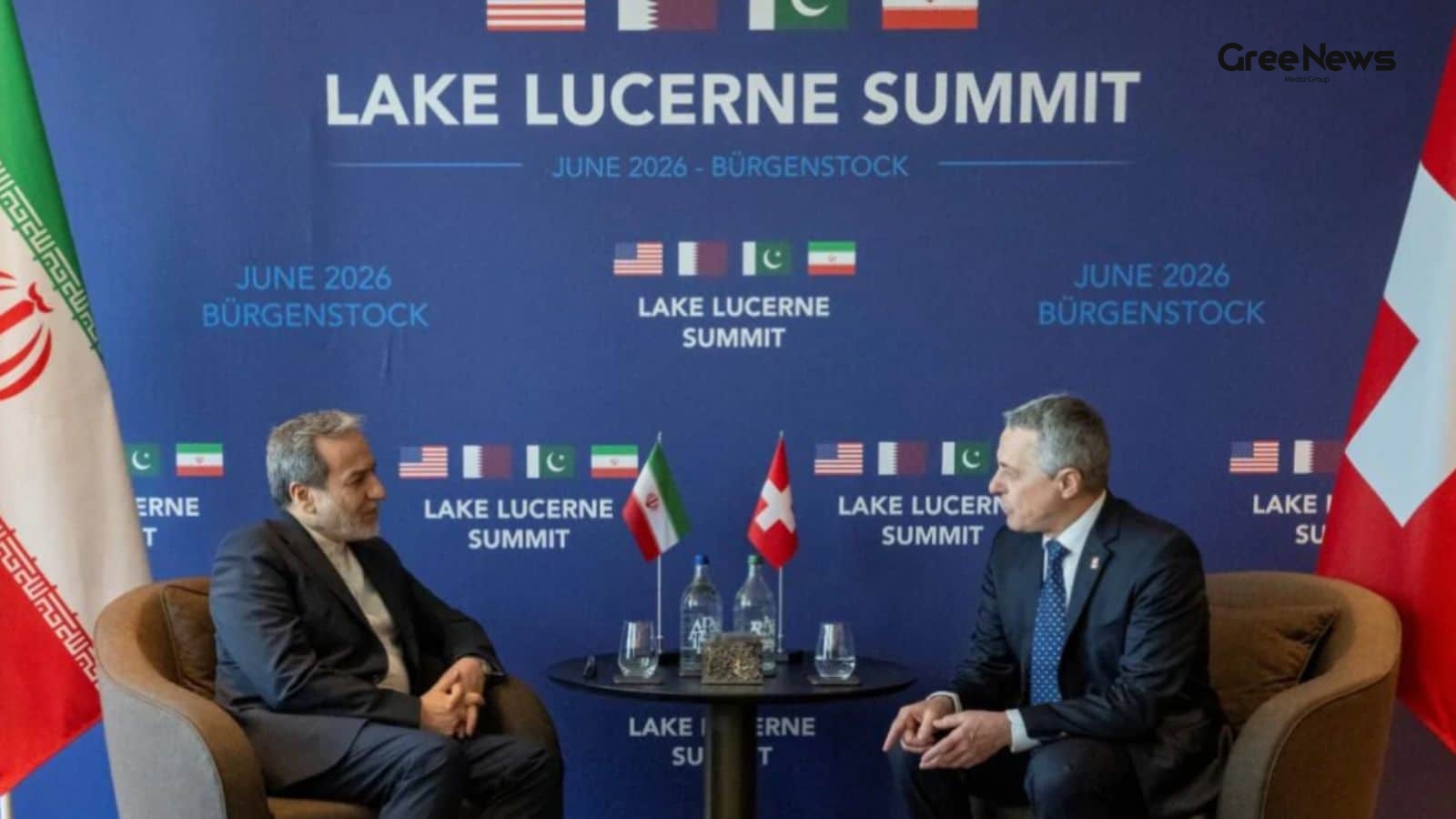
Progress and Next Steps from the Islamabad Memorandum of Understanding
The first big session under that Islamabad Memorandum of Understanding. It wrapped up at Burgenstock, Switzerland. Representatives from Iran, the US, and the folks mediating Qatar and Pakistan were there for it. Just getting started, you know? They called it a positive and constructive atmosphere. P
Jun 22, 2026 by Gree News Team

Andy Murray, Djokovic, and the Coaching Rumors
Andy Murray finally blew up that Instagram rumor about him asking Novak Djokovic for a huge sum like a hundred thousand dollars, or 94 lakh rupees to coach him. It was one of those things that just surfaces online, right? A viral claim, totally unsubstantiated noise. He didn't just ignore it, though
Jun 22, 2026 by Gree News Team

Morning Stock Market Updates and Performance Analysis
Stock market updates this morning felt relatively positive, you know? It opened up in the green. That easing sentiment came from a few places less worry about whatever is going on in West Asia, plus crude oil prices were sitting lower than expected, and overall global markets seemed to be breathing
Jun 22, 2026 by Gree News Team
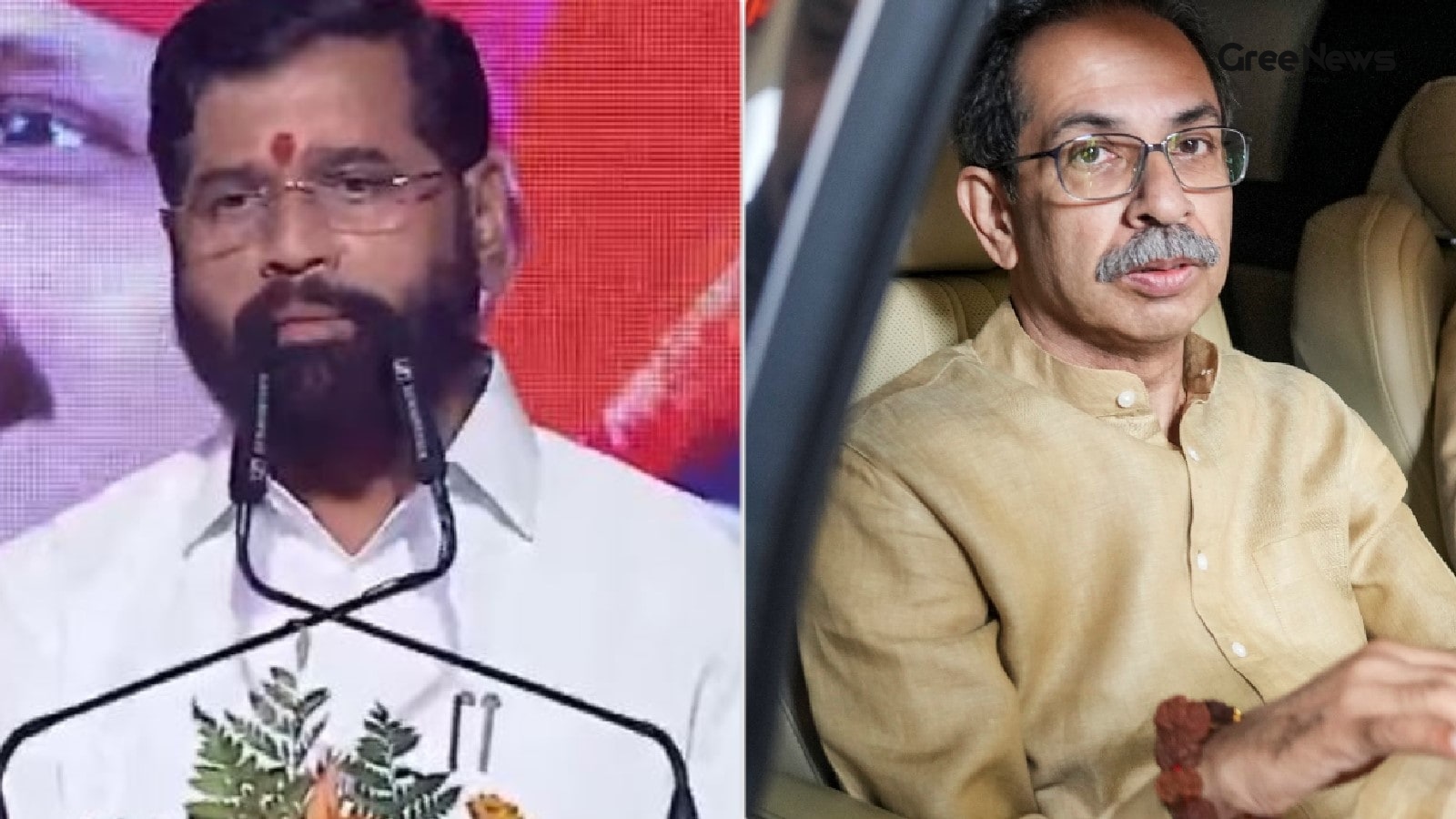
Internal Conflict and 'Operation Tiger' within Shiv Sena (UBT)
Amid all this talk about a possible split inside the Shiv Sena (UBT) parliamentary party, whispers of ‘Operation Tiger’ swirling around, things got sharp. Saamana, the party mouthpiece, went straight for an attack on Union Home Minister Amit Shah, and Eknath Shinde, the Deputy Chief Minister of Maha
Jun 22, 2026 by Gree News Team

Market Analysis: Geopolitics, Energy Shifts, and Corporate Moves
The market is just starting to move, you know? Friday’s session looks like it might be flat, maybe just hitting some nominal high. Gift Nifty is floating around 23 to 24,012 this early morning stuff. There’s been a shift in the mood lately, though. Investors seem a bit better now after that whole Ir
Jun 21, 2026 by Gree News Team
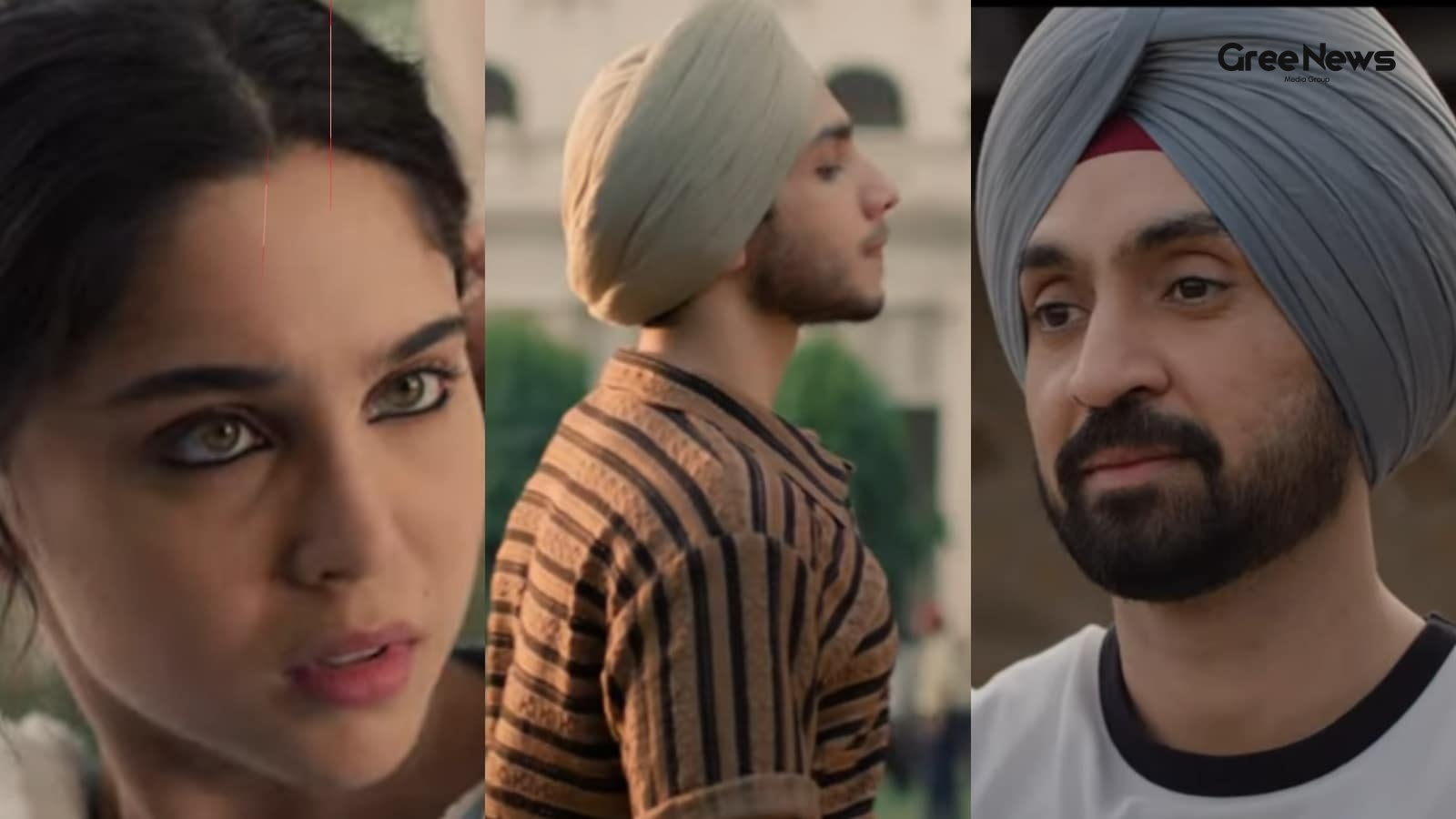
Imtiaz Ali's Film *Main Vaapas Aaunga* and Box Office Reality
Imtiaz Ali’s film, *Main Vaapas Aaunga*, it’s getting all the love right now. People are really liking it since it came out. Starring Vedang Raina, Sharvari, Naseeruddin Shah, and Diljit Dosanjh. It’s got strong performances, a compelling story. But you see this, the appreciation doesn't quite match
Jun 21, 2026 by Gree News Team
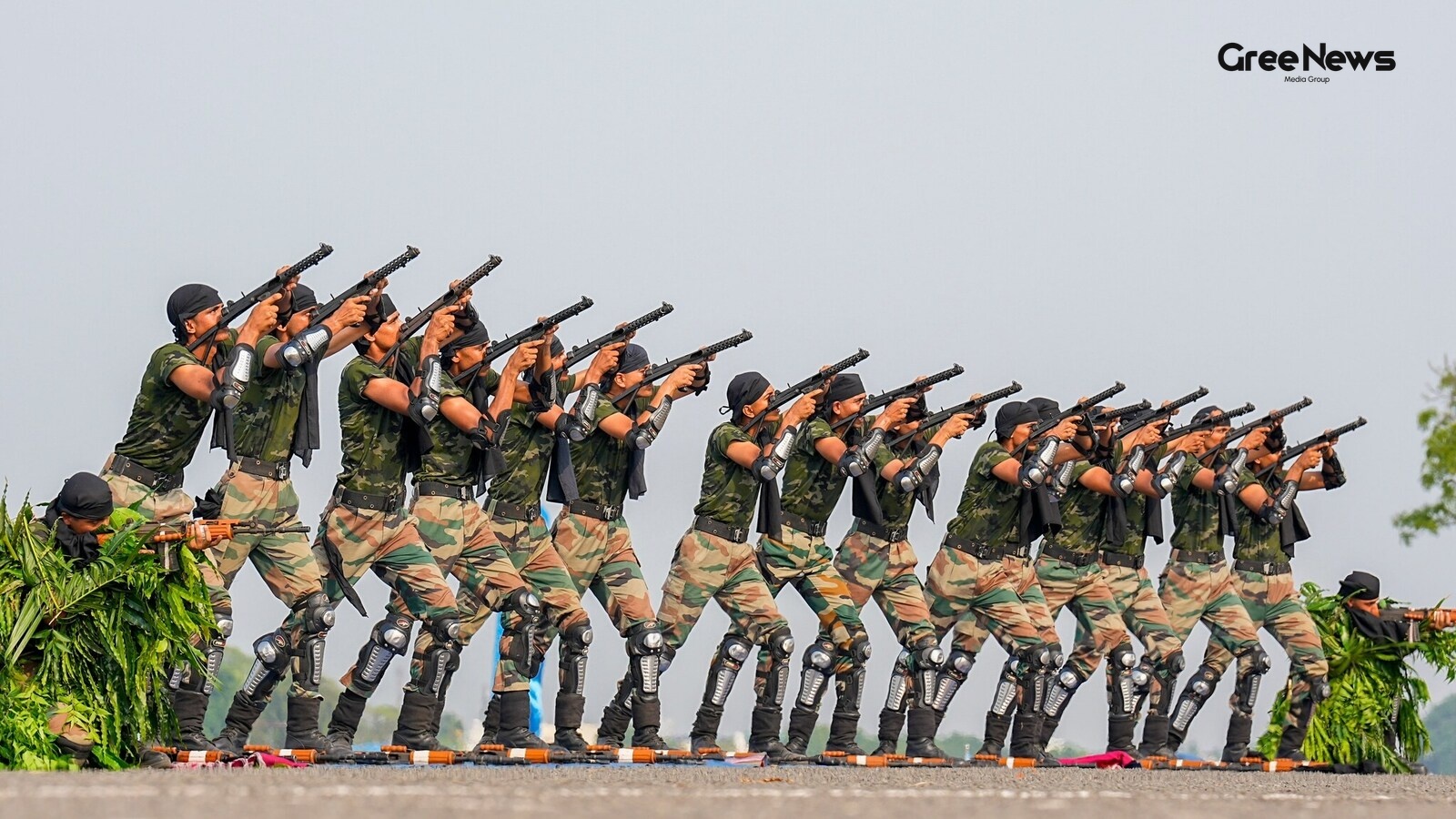
Former Agniveers Getting Reservation in Direct Recruitment for Delhi Jobs
Former Agniveers are getting a twenty per cent reservation in direct recruitment for some Group ‘C’ jobs in Delhi. That came after the Lieutenant Governor reviewed things. Departments got orders. They have to change their rules and sort out all the paperwork by June 30th if they want this quota to a
Jun 21, 2026 by Gree News Team