Indian Navy Warships: Strategic Importance and Indigenization
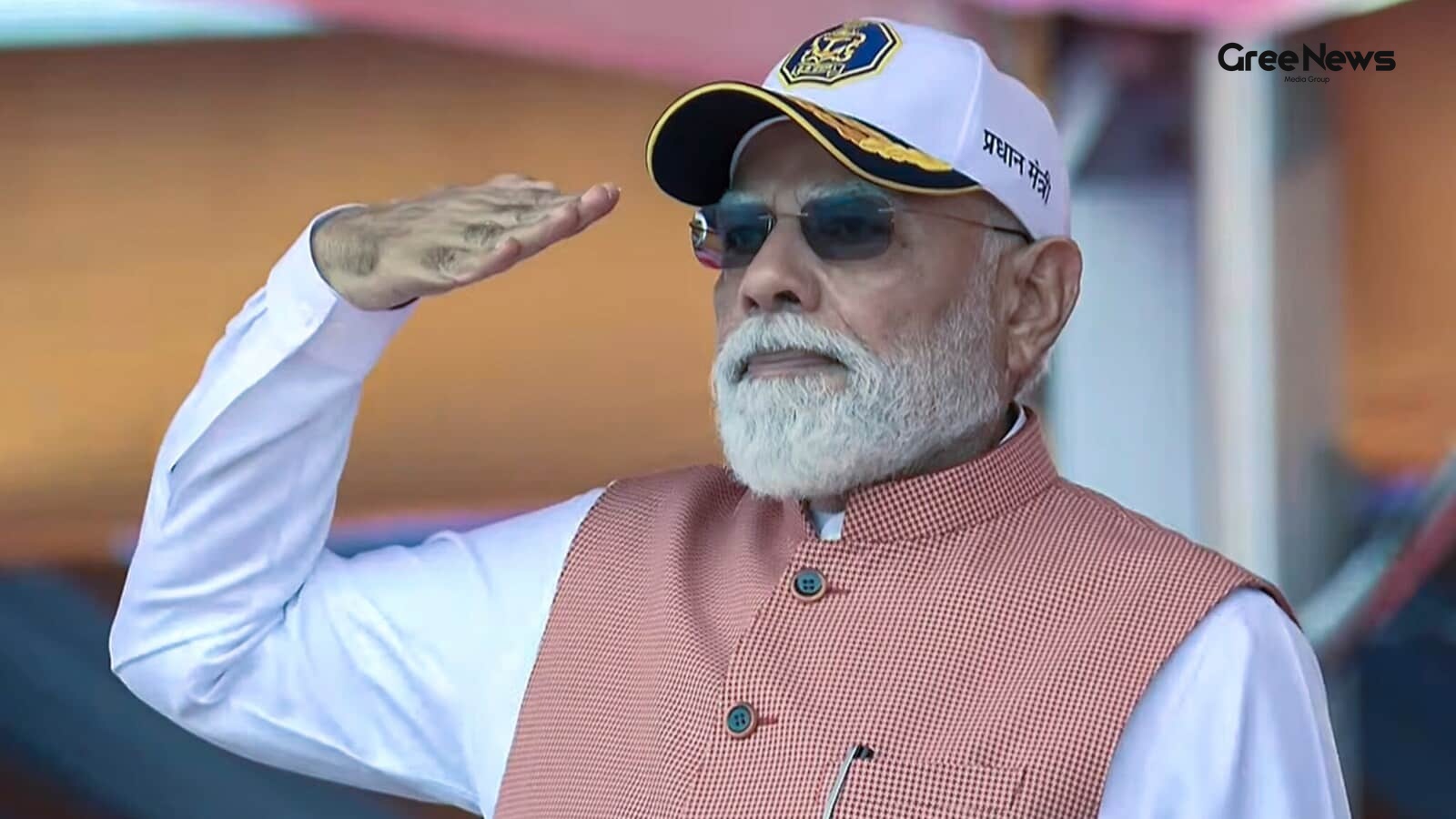
Today, June 21st. Prime Minister Modi stood on the Hooghly in Kolkata. He commissioned three Indian Navy warships built entirely at home. Dunagiri, Sanshodhak, and Agray. They landed at Garden Reach Shipbuilders & Engineers that massive public sector yard that actually built them from keel to final polish.
It wasn't just a handover ceremony. It happened right when the Navy was seriously worried. Underwater surveillance. Gaps in the Indian Ocean. That’s where things got tense.
The focus, really, is on what these ships do . They aren't just metal; they address deep strategic worries about underwater and surveillance blind spots across the region.
We have Dunagiri. It’s one of those frontline platforms. Then there’s Sanshodhak. And Agray. Three things, tied together by this single event.
The Navy had been ordering frigates for a while. Seven Project 17A frigates were on the table four from Mazagon Dock and three from GRSE. Dunagiri is the fifth one out of that batch. The second built at Garden Reach. Six of those seven are now delivered. But there’s still Vindhyagiri coming, due in 2027. That one carries BrahMos missiles and the MRSAM system. It can hit ships. Shoot down planes or incoming rockets. A real frontline piece.
And then you have Sanshodhak. This one wraps up a different class: the Survey Vessel (Large) category. GRSE signed off on all four of those back in 2018. Sandhayak, Nirdeshak, Ikshak those are already sailing around doing their mapping jobs. Sanshodhak’s job is charting everything. Ports, channels, the deep ocean floor using sonar and underwater vehicles. It might not be visible on the surface. But that capability? Strategically vital.
Agray is another piece of this puzzle. It’s part of a bigger build eight Arnala-class anti-submarine boats GRSE is working on. That contract was worth over six thousand crore rupees. Three are still being built. Ajay, the last one, is already launched. Cochin Shipyard is building eight more similar ones, the Mahe class. So the Navy ends up with sixteen of these total. Agray itself is designed for shallow water. Torpedoes. Anti-submarine rockets. Sonar. It’s about finding and hitting submarines close to shore. An area where the Navy has always felt a bit thin.
China. That shadow looms large. They've had more subs moving through the Indian Ocean these last ten years. The Navy had to recalibrate everything. Tracking what happens underwater isn't optional anymore. It’s treated like surface tracking. Because Chinese deployments keep growing, that pressure just mounts.
The seabed itself is contested terrain now. Chinese survey vessels are mapping the ocean floor. New Delhi sees this as Beijing sharpening its own submarine and oceanographic intelligence picture. And this is where a vessel like Sanshodhak comes in. It helps India build its own map. An independent view of its waters. Of those contested approaches. Knowing the ocean better than a rival? That’s part of undersea deterrence now. Not just some nice bonus later on.
Sea lane security adds another layer of pressure. The surveillance push, expanding patrol fleets like that P-8I plan it all reflects that deep concern inside the Navy. Submarine activity. Maritime competition. Surveillance gaps across the whole Indo-Pacific. Officials are saying persistent maritime domain awareness isn't optional anymore. It’s indispensable.
Dunagiri handles the strike power. Missile and air defense escort for merchant ships moving through these waters. The three commissions strike, seabed knowledge, undersea defense they fit together oddly well. An unusually complete answer to an unusually layered threat picture.
None of this would matter much if they had to buy it all from somewhere else. That’s the core issue. These ships, delivered on March 30th, 2026, bring GRSE's total tally up to 118 warships built. Eighty of those went to the Indian Navy. The yard itself has exported and won commercial deals. They even got that Navratna status this year because of that record. It proves the capability isn't just for domestic orders anymore. It’s feeding an export pipeline now.
Atmanirbhar Bharat . That phrase gets used loosely, often as a shortcut. A deal favoring a local vendor. This commissioning is actually more specific than that slogan suggests. These three platforms have over seventy-five percent indigenous content. They involve more than two hundred Indian MSMEs in the construction process. That’s what separates a ship built here from one assembled with imported parts under an Indian flag. It means sensors, weapons integration, and the hull it’s all designed and built at home.
The defense production story is huge. Under Modi's leadership, it shot up from about forty-six thousand crore in 2014-15 to nearly one lakh seventy-eight thousand crore by 2025-26. Exports jumped too. From a mere six hundred eighty-six crore to a record thirty-eight thousand four hundred twenty-four crore over that decade. That growth wasn't magic.
Tools like the Positive Indigenisation Lists stepped in. They banned imports on thousands of defense items. And portals like SRIJAN are now registering over forty thousand vendors just for components. These three ships, commissioned at one yard in Kolkata? They’re just a tiny piece of that massive decade-long push. A slice showing the policy actually working.
Three warships sliding into commission because of what they were built to do, not just where they sat. It highlights two parallel tracks shaping India's maritime strategy: watching this increasingly contested Indian Ocean, and desperately building the capability to watch it at home.
The harder test now is whether GRSE can keep up that indigenisation rate. Can they maintain that delivery pace? As the Navy’s needs get messier as the threats evolve and if those export wins turn into something lasting, not just occasional deals. For the Navy itself, this induction closes gaps in surveillance, undersea warfare, and fleet support. Another step forward. A necessary one.
Written by Gree News Team — Senior Editorial Board
Gree News Team covers international news and global affairs at Gree News. Our collective of senior editors is dedicated to providing independent, accurate, and responsible journalism for a global audience.
More from India
View All
Fire at Nagasandra Metro Station: Quick Response and Safety Concerns
A little fire started up at Nagasandra Metro Station on Sunday afternoon. It happened somewhere in Bengaluru’s Namma Metro network. People were immediately concerned when flames and smoke began showing up from the station area. This whole thing took place on the Green Line, right along that Madavara
Jun 22, 2026 by Gree News Team
Ammonia Gas Leak at Seafood Processing Unit in Tamil Nadu
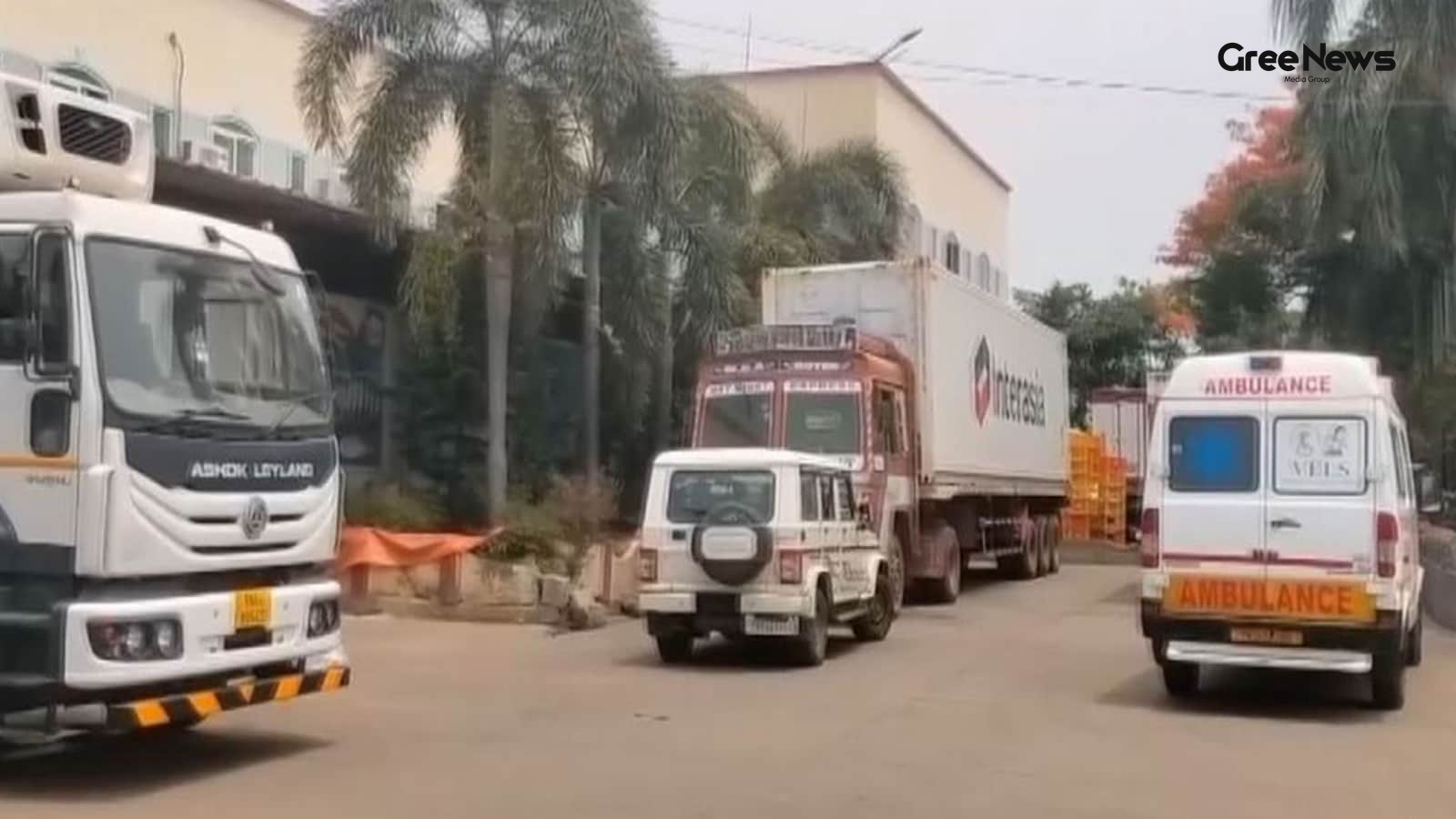
Two women died. And over sixty workers ended up hospitalized after an ammonia gas leak hit a seafood processing unit in Tamil Nadu’s Thiruvallur district on Sunday. It was just… sudden. The whole thing happened at St Peter’s Paul Seafoods Exports facility, way near Kannigaipair, by Periyapalayam. Fo
Jun 22, 2026 by Gree News Team

MP Defections and Political Splits in Shiv Sena
Days after things started heating up after skipping that parliamentary meeting and fueling all the rebellion buzz MP Omraje Nimbalkar finally made his move on Sunday. He announced he was joining the Eknath Shinde-led Shiv Sena. That decision apparently came after talking things over with supporters
Jun 22, 2026 by Gree News Team

Challenges and Irregularities in the NEET-UG Re-examination
About twenty-two lakh medical aspirants showed up for that NEET-UG re-examination on Sunday. But things got messy, especially in Uttar Pradesh’s Moradabad. Several candidates missed the entrance test entirely because Google Maps just pointed them to the wrong place when they were trying to get to th
Jun 22, 2026 by Gree News Team
Latest Headlines

JAL CEO Faces Pay Cut Over Alcohol Incident and Management Failure
JAL’s CEO is facing some serious fallout right now. He’s getting hit with a thirty percent pay cut for two months because of an alcohol issue that rocked the cabin crew and spilled over into the airline's leadership structure. It all kicked off after some cabin crew members seriously messed up compa
Jun 22, 2026 by Gree News Team

Choosing Fans and Kitchen Scales: A Guide to Home Efficiency
Choosing a fan seems simple enough. Right? But then you look at it. Should you go with that overhead ceiling fan everyone talks about? Or do you grab a pedestal fan something you can actually move wherever you need the breeze? They both move air, sure. They use way less juice than cranking up the AC
Jun 22, 2026 by Gree News Team
Fire at Nagasandra Metro Station: Quick Response and Safety Concerns
A little fire started up at Nagasandra Metro Station on Sunday afternoon. It happened somewhere in Bengaluru’s Namma Metro network. People were immediately concerned when flames and smoke began showing up from the station area. This whole thing took place on the Green Line, right along that Madavara
Jun 22, 2026 by Gree News Team
Strait of Hormuz Dispute and US-Iran Negotiations
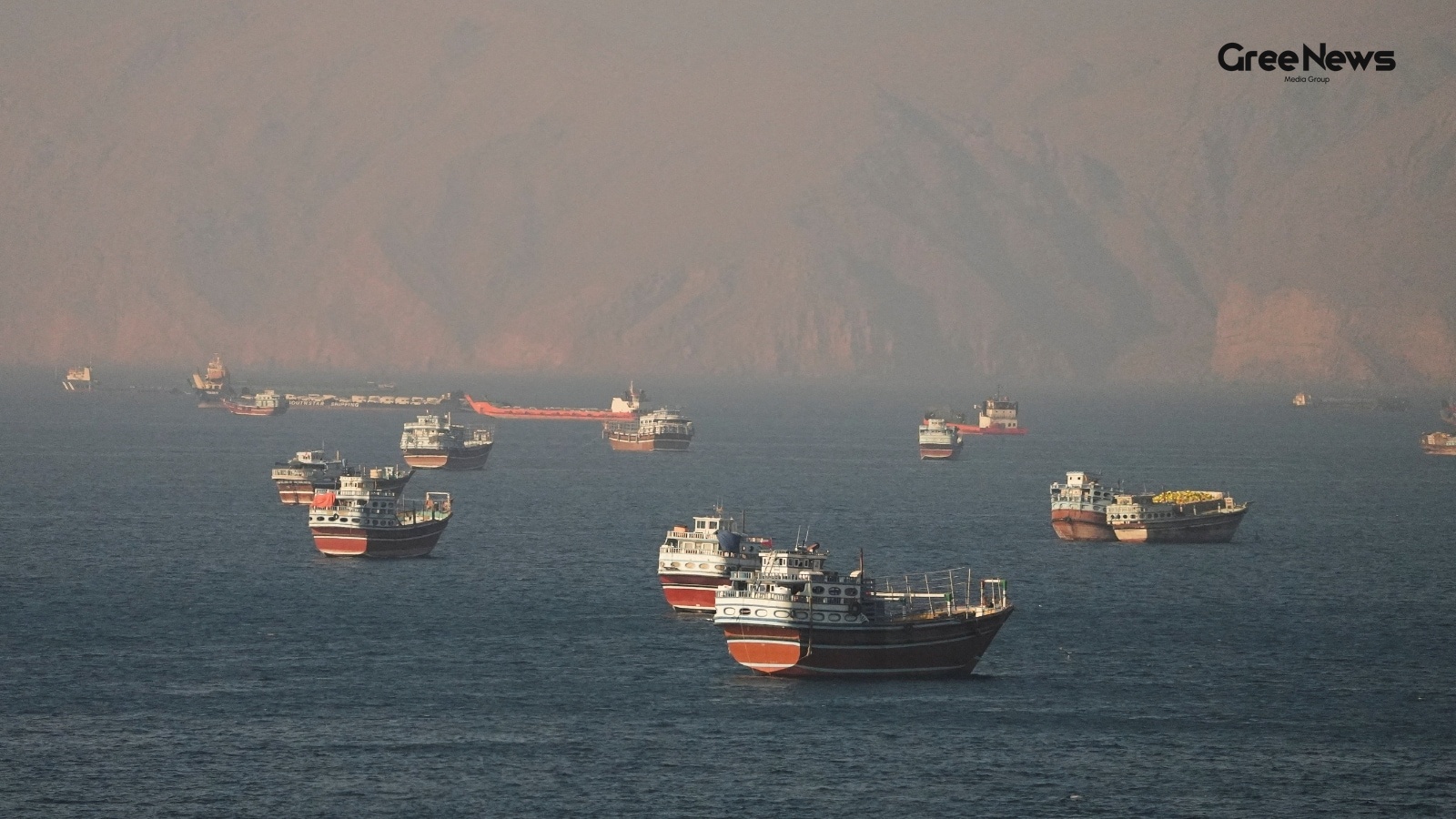
Iran said Sunday that the Strait of Hormuz is still closed. They aren't letting the Islamic Revolutionary Guard Corps Navy issue passage permits until they get more notice. That’s what Fars reported, citing some unnamed military sources. This report comes right as US and Iranian teams are getting re
Jun 22, 2026 by Gree News Team
Environmental Activism and Legal Trouble: Paul Powlesland's River Cleanup
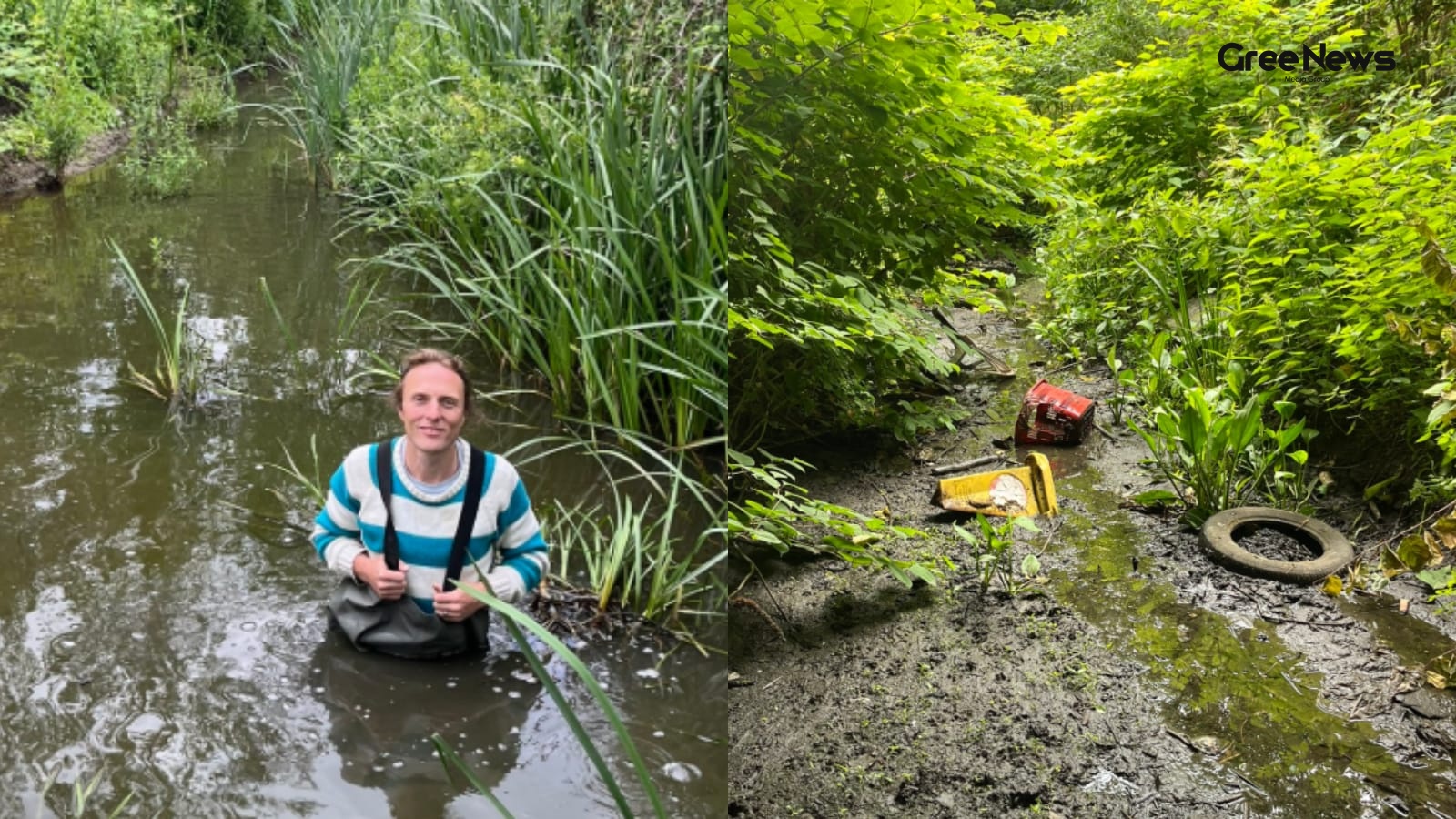
Paul Powlesland, a barrister who also gets involved in environmental campaigning, recently got himself into some serious trouble. He led a volunteer effort to clean up a heavily polluted river in East London, but now he’s facing potential jail time up to two years for doing all that work without the
Jun 22, 2026 by Gree News Team

US and Iran Talks Kick Off in Switzerland
So, US and Iran talks are actually kicking off in Switzerland this Sunday. And you hear that former advisor talking about VP Vance’s trip? He called it a "rescue mission." That all because Tehran was pushing hard for an end to the Israeli offensive down in Lebanon. Vance himself got there for these
Jun 22, 2026 by Gree News Team

How to Make Fluffy Homemade Popcorn from Corn
Most people just grab popcorn kernels from the store. They don't realize you can actually make them yourself using fresh corn. It’s kind of wild. A mature corn cob? You can turn that into fluffy movie-theater style popcorn with just a little bit of drying and some prep work. If you’re hunting for a
Jun 22, 2026 by Gree News Team
US, Iran, Qatar, Pakistan Summit in Switzerland on Middle East Conflict
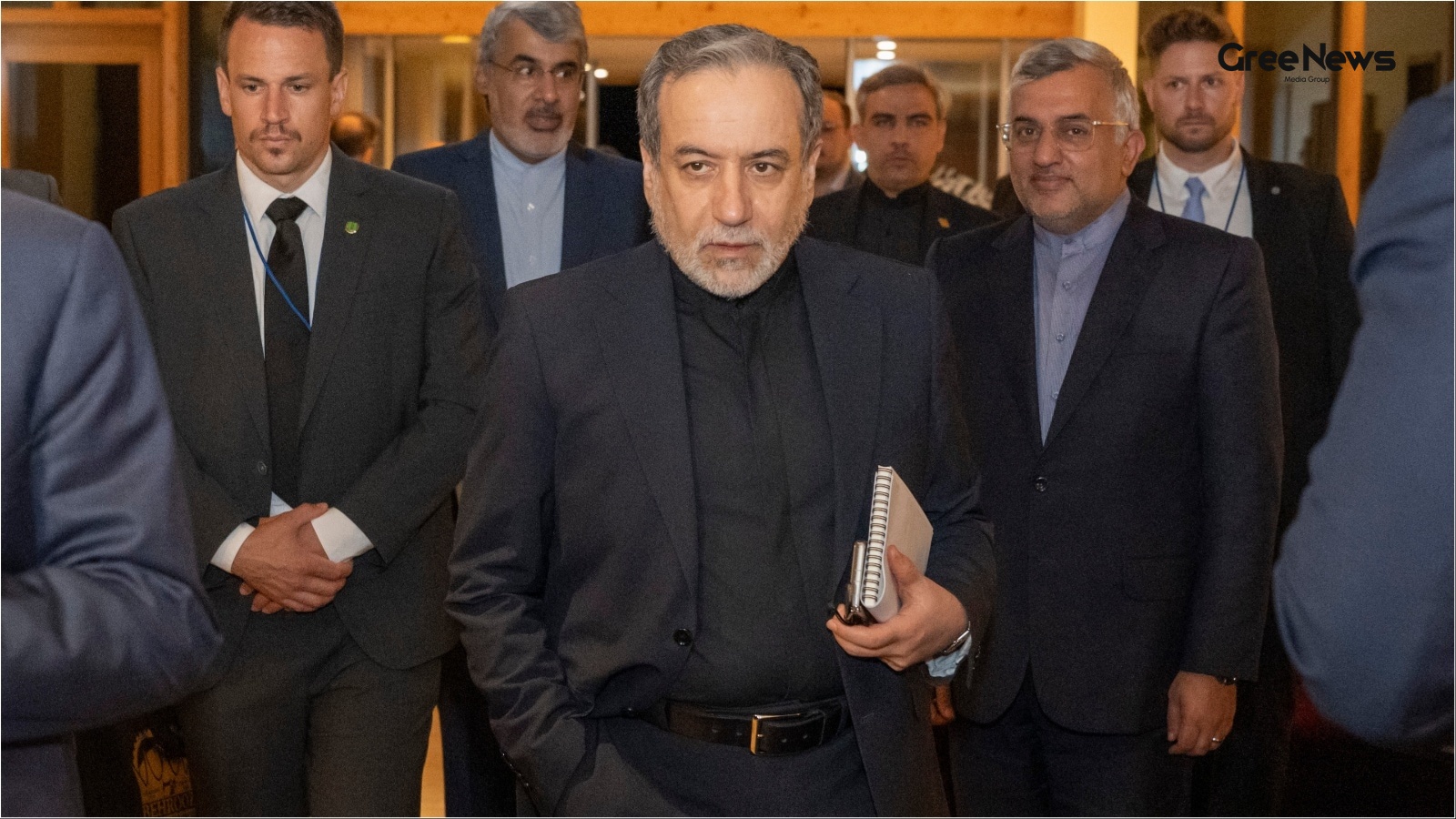
The summit is happening soon. US, Iran, Qatar, Pakistan meeting up at Burgenstock in Switzerland, overlooking Lake Lucerne. They’re trying to build on that Islamabad MoU the one meant to stop months of conflict in West Asia. Apparently, top leaders are involved. Senior officials from all four countr
Jun 22, 2026 by Gree News Team
Peter Kyle on Starmer's Future and Political Speculation
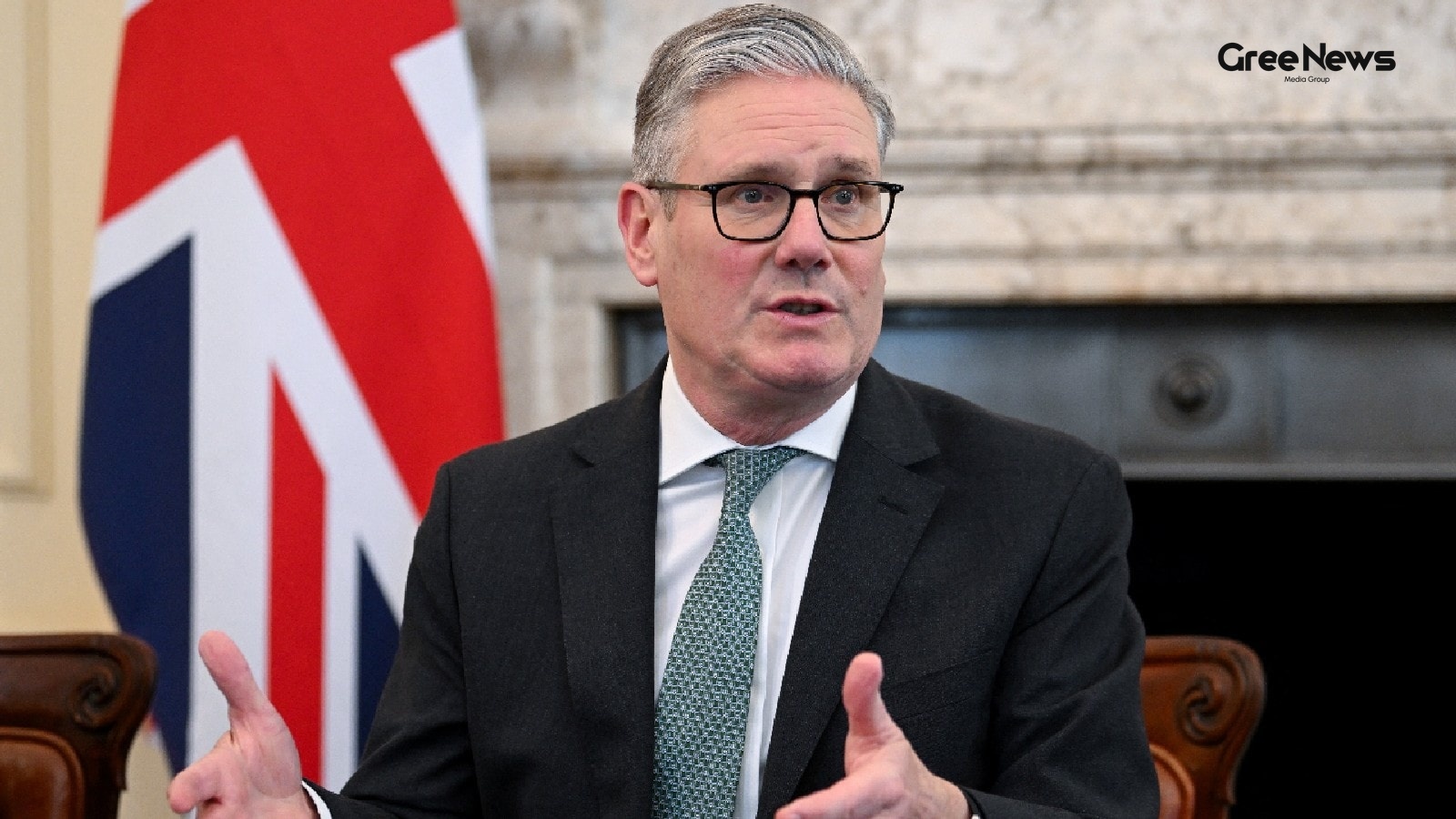
Peter Kyle, the Business Secretary, put a stop to the noise this Sunday. He dismissed the chatter that Prime Minister Starmer was getting ready to step down. Kyle basically said there’s zero proof that any announcement is coming as early as Monday. He spoke to Sky News about all the speculation swir
Jun 22, 2026 by Gree News Team

The Emotional Journey of Fathers Understanding the Creator Economy
There’s just something really tender about explaining the internet to your parents. It’s not because they aren’t curious, mind you. It’s because the world their kids are in? It looks totally different than the one they grew up in. For so many dads, the ones who spent decades believing in degrees and
Jun 22, 2026 by Gree News Team

The Emotional Legacy and Public Reflection of Kajol
It sparked something real. It felt raw. Like finding a forgotten page in an old book. And then came the caption. It wasn’t flowery or political spin. It was simple. Utterly human. Kajol wrote something that cut right through the usual celebrity noise: “Looking at old pictures and realizing how much
Jun 22, 2026 by Gree News Team
Sandeep Reddy Vanga, Kabir Singh, and Animal Park: The Cinematic Connection
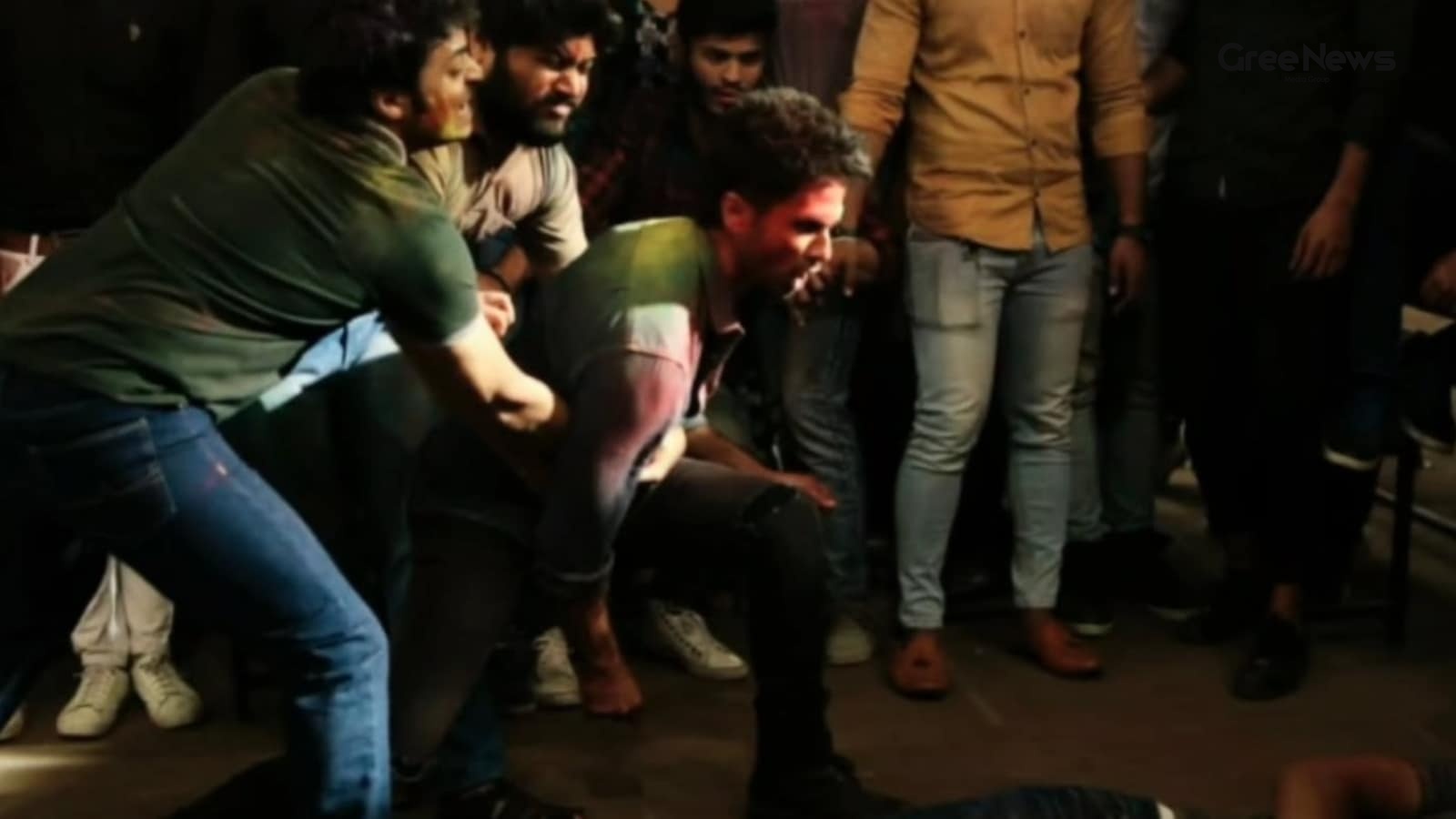
Sandeep Reddy Vanga just hit a milestone. Seven years since *Kabir Singh* came out. He dropped a post on social media celebrating it, going back to that film that everyone talks about, the one that was huge commercially. It immediately brought up some serious nostalgia for fans who still remember Sh
Jun 22, 2026 by Gree News Team

Gorillaz' Emotional Tribute to Asha Bhosle and the Weight of Loss
Gorillaz’ debut stadium show in London felt heavy that night. It wasn't just a concert; it turned deeply emotional because they paid tribute to the legendary singer Asha Bhosle. One moment really stuck with everyone, though. When Asha Bhosle’s granddaughter, Zanai Bhosle, joined the stage for a spec
Jun 22, 2026 by Gree News Team

Workplace Culture: Indian vs. Foreign Managers and Work-Life Balance
A video surfaced recently on Instagram, showing an interaction between an Indian employee and his foreign manager that really stuck with people. Saurabh Verma shared this clip, talking about the moment his manager asked him to take time off for his child's first day at preschool. It left a real impr
Jun 22, 2026 by Gree News Team
Diplomatic Progress and Regional Tensions in Middle East Talks
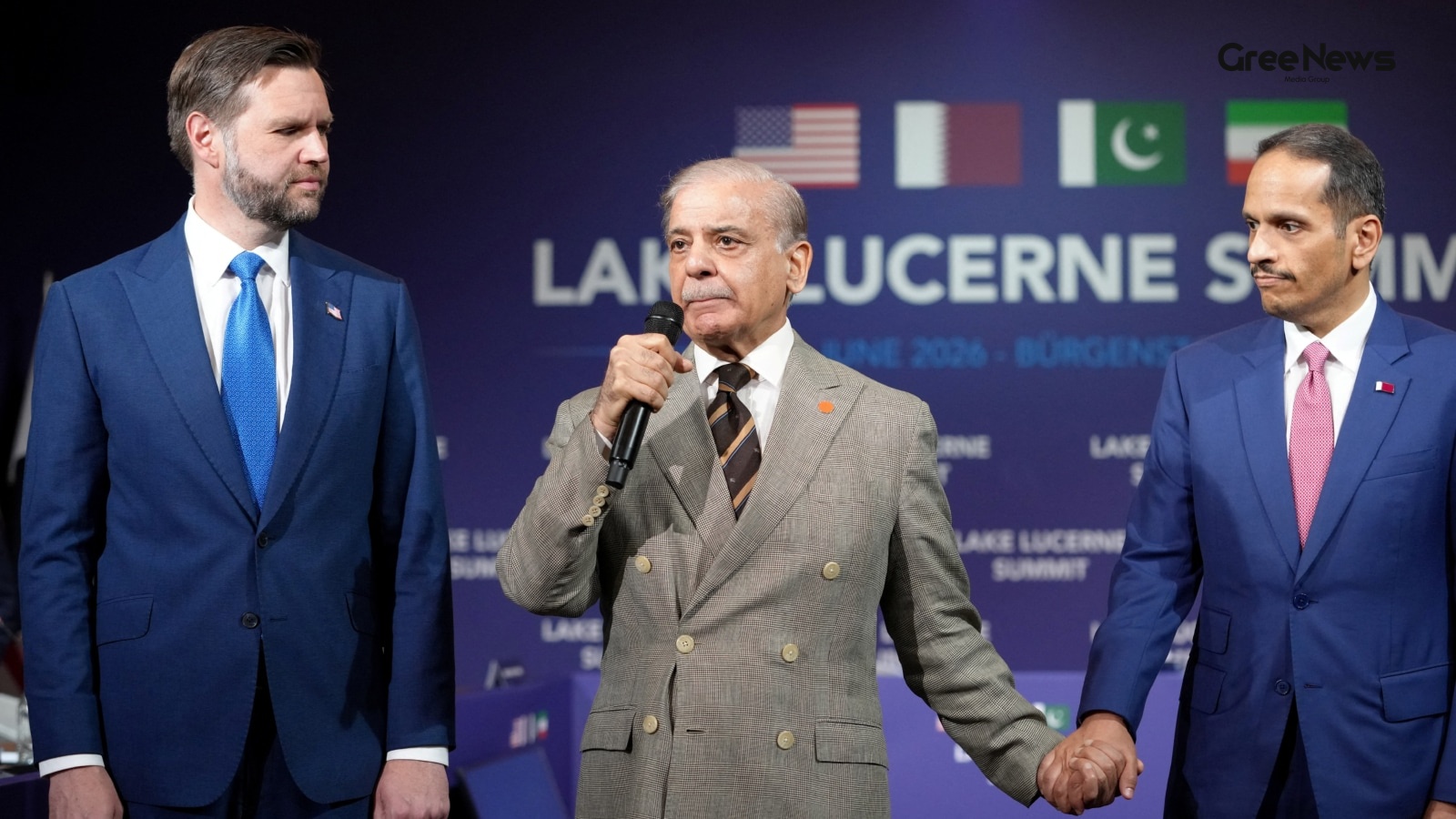
JD Vance claimed there had been some progress. Real progress. It happened during those high-level talks with Iran the first time in ten weeks they actually met up, tucked away in the Swiss mountains, Bürgenstock. He wasn't alone, though. He was talking alongside Pakistan’s Prime Minister Shehbaz Sha
Jun 22, 2026 by Gree News Team