Yogi Adityanath on Development, Self-Reliance, and the Viksit Bharat Vision
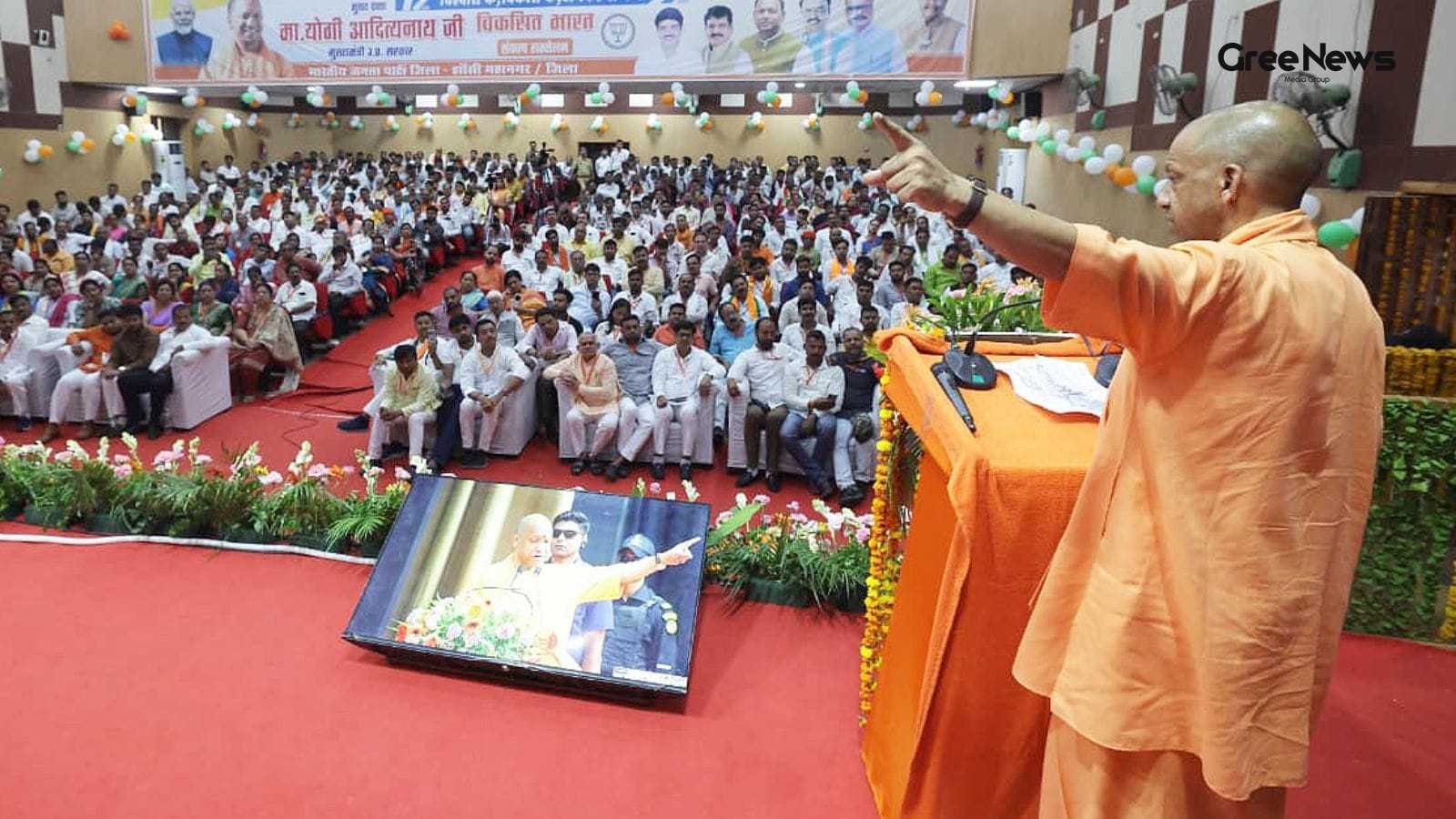
Yogi Adityanath talked about Bundelkhand being something different now. It wasn't just some forgotten area anymore. He framed it as actually emerging a new kind of development model. This came up at that ‘Viksit Bharat Sankalp Conference’ in Jhansi, where he was talking to everyone.
He kept hitting the points about what the government is doing. Focus on jobs for the young people. Getting water to farmers. Making sure villages aren't just sitting there waiting for nothing. It’s all about self-reliance , he insisted.
“Bundelkhand is no longer a symbol of backwardness,” he said. “It’s emerging as a new model of development.” He listed the things that changed the look of the region: defence manufacturing corridors, those expressways, medical colleges popping up, pharma parks all those opportunities for jobs. The face of the area has completely shifted because of these changes.
And it wasn't just about migration anymore either. He noted that the youth weren't running away looking for work. They were starting to actually participate in government jobs and industries now. That shift felt important, a real change happening on the ground level.
He tied this back to the bigger goal of a Viksit Bharat . The dream of a developed India that’s what matters. But he stressed that it won't happen unless every single district, every village, every town in Uttar Pradesh feels self-reliant and truly developed. That has to be the end game.
He paid respects first, bowing to Pandit Deendayal Upadhyay and Syama Prasad Mookerjee before diving into the main points. A brief moment of tribute, setting a certain tone for what followed.
Then came the big sweep about the Modi government. He brought up that whole philosophy: "Sabka Saath, Sabka Vikas, Sabka Vishwas, and Sabka Prayas." That vision, he argued, is what actually got India moving forward into one of the fastest-growing economies in the world. It’s a collective effort.
He talked about those 140 crore Indians. That's the foundation. When everyone moves toward the same goal when the whole country focuses then you can achieve massive things. Things like getting rid of old symbols, and building something monumental, like the grand temple of Lord Ram.
The Ram Temple itself wasn’t just a place for prayer for him. He saw it as more than that. It was marking the start of something new for India. A new beginning.
But the tone shifted quickly when he turned to the past. He took aim at what happened under the previous Congress-led UPA government. He suggested there were serious issues then corruption, economic struggles, and a dip in global standing. Things seemed very different back then.
Now, everything is different under Modi’s leadership. He pointed out the massive progress over the last twelve years. Becoming one of the world's top five economies. Infrastructure booming. Railways expanding. Air travel getting better. Defence manufacturing really kicking into high gear. It felt like a real acceleration.
Then things got sharp. He launched an attack, straight and fast, at the Congress and Samajwadi Party. He accused them of letting caste and religion run the show after they lost power. That’s where the heat was.
He said when those parties were in charge, it seemed they only looked out for their own families. Once the people took them away from power, suddenly they started dividing society over caste and religion. It felt like a betrayal of public trust.
Yogi made some pointed remarks about what these opposition parties cared about. He asked Congress what was most important to them. And he suggested they’d name the Gandhi family. For the Samajwadi Party, he implied it would be the Saifai family above everything else. A very direct jab at the priorities of the opposition leaders.
The BJP's identity, according to him, is rooted in something much bigger: "Nation First." He claimed that the party workers were committed to strengthening India’s security, its prosperity, and its cultural heritage. That was their core commitment.
Moving on to law and order in Uttar Pradesh. He made a strong statement about the mafia. The fear that used to rule things during the Samajwadi Party era that sense of chaos it had either been broken or wiped out entirely under his tenure. It was essential, he argued, to maintain social unity and nationalism for India to actually progress. And these other parties were actively trying to tear society apart.
He urged everyone, especially BJP workers, to really internalize the message of a developed India. He brought up Modi’s "Panch Pran." These five resolutions freedom from that mentality of slavery, respecting India's heritage, honoring the armed forces and security forces, ensuring social unity, and civic duty these are crucial.
He stressed that true self-reliance comes only when you shed the mindset of slavery. He reminded people that ancient Indian knowledge, culture, traditions they were weakened by invasions and colonial rule. That historical context really shapes the argument about development.
He brought up a specific cultural reference too. Talking about the tradition associated with Lord Ram Raja in Orchha, he spoke about Saint Tulsidas. Tulsidas wasn't just praying. He refused invitations to join Akbar’s court. Instead, he worked on spreading devotion to Lord Ram through things like Ramleelas and preserving Indian culture and faith. It connects the modern push for development back to deep-seated cultural roots.
The event itself had a good turnout. Leaders were there. The Legislative Council Chairman Kunwar Manvendra Singh was present. Anurag Sharma, Mayor Bihari Lal Arya, Ravi Sharma, Rajeev Singh, Jawahar Lal Rajput, Rashmi Arya, Rama Niranjan a whole group of leaders showing up to listen and witness this narrative being put forward. It wasn't just an address; it was a gathering where these ideas were being hammered out.
Written by Gree News Team — Senior Editorial Board
Gree News Team covers international news and global affairs at Gree News. Our collective of senior editors is dedicated to providing independent, accurate, and responsible journalism for a global audience.
More from India
View All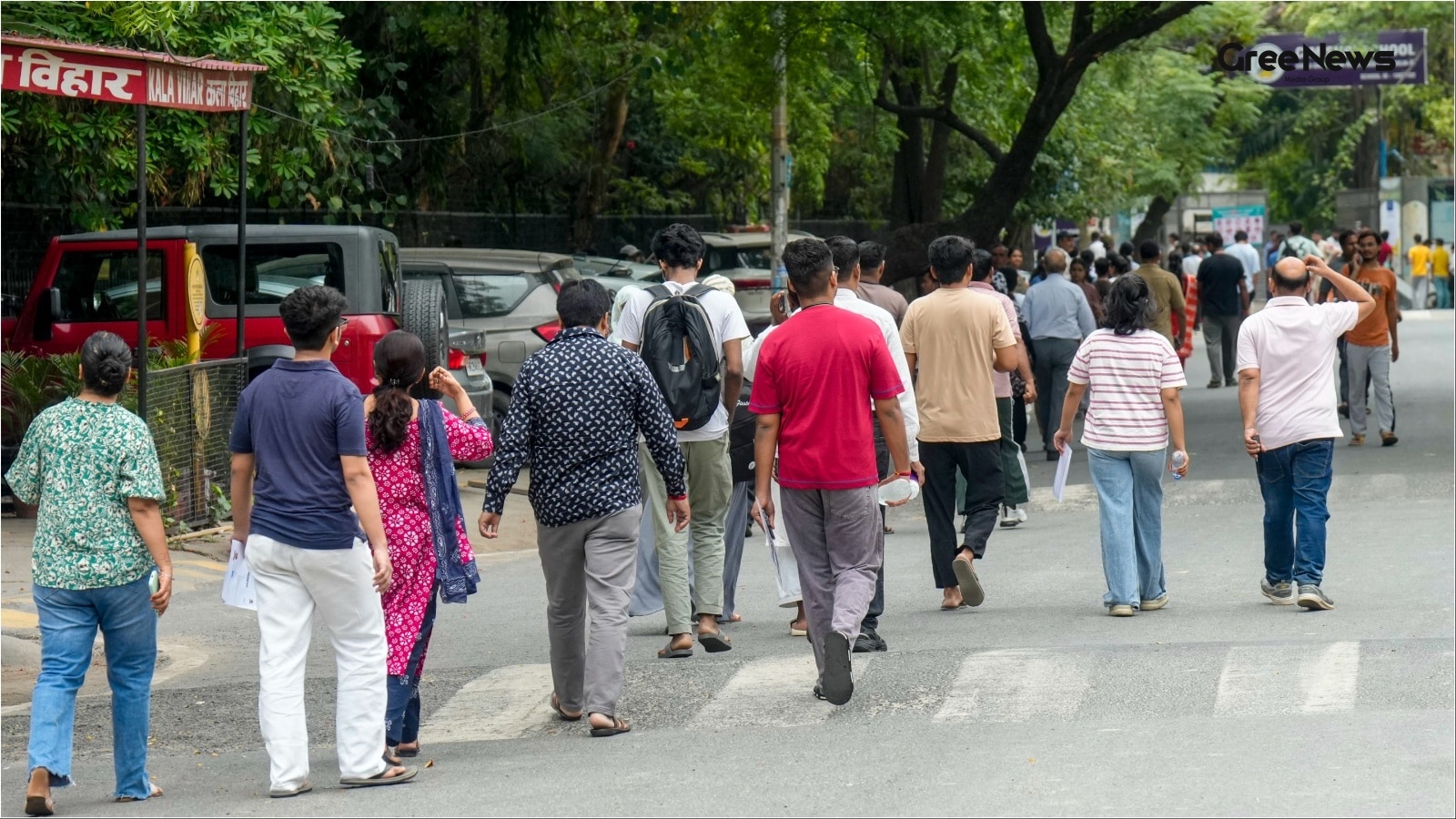
NEET-UG 2026 Exam: Security Arrangements and Controversy
The NEET-UG 2026 exam is happening again, and this time it’s under some seriously heavy security arrangements. Why? Because the original test got scrapped. There were serious allegations about a paper leak, concerns about the whole medical entrance process integrity. Now, over two million candidates
Jun 22, 2026 by Gree News Team
Speculation and Developments within the Shiv Sena Camp
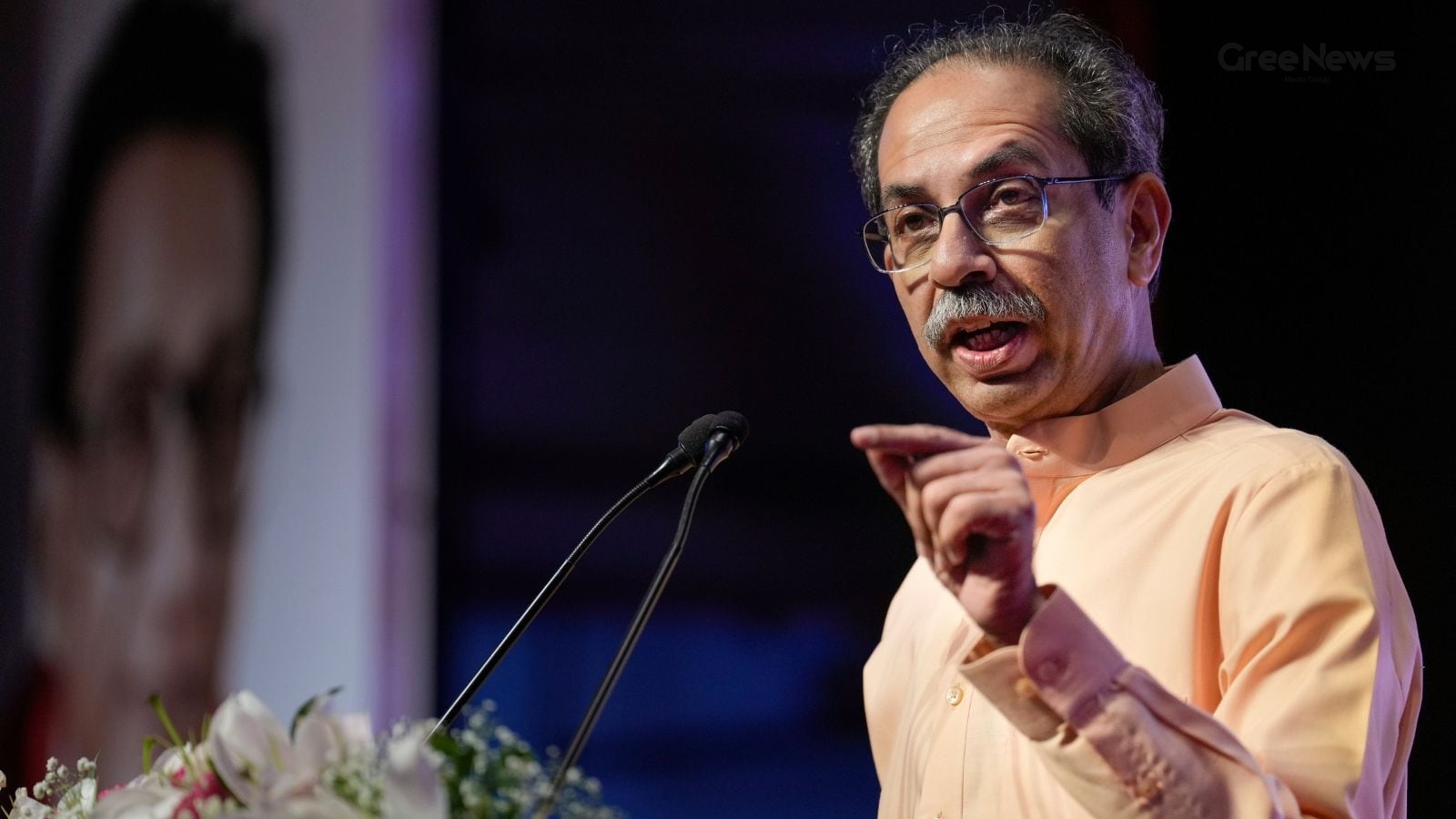
Speculation is really running wild right now about a split inside the Shiv Sena camp. People are betting it might be announced today. We expect those rebel parliamentarians to just walk up and explain their side publicly. Reports say that at some press conference today, these six rebels will release
Jun 22, 2026 by Gree News Team
Fire at Nagasandra Metro Station: Quick Response and Safety Concerns
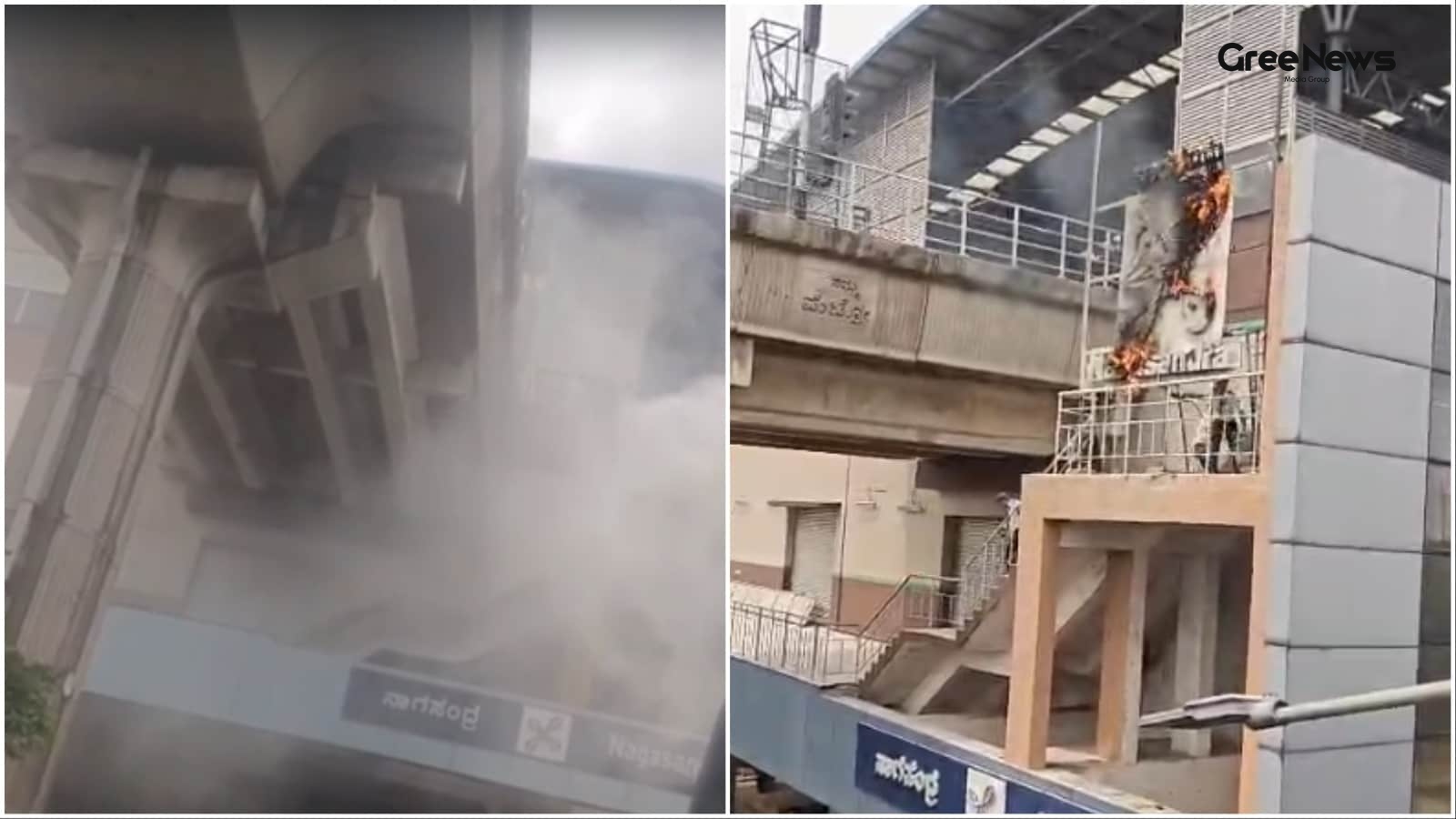
A little fire started up at Nagasandra Metro Station on Sunday afternoon. It happened somewhere in Bengaluru’s Namma Metro network. People were immediately concerned when flames and smoke began showing up from the station area. This whole thing took place on the Green Line, right along that Madavara
Jun 22, 2026 by Gree News Team
Indian Navy Warships: Strategic Importance and Indigenization
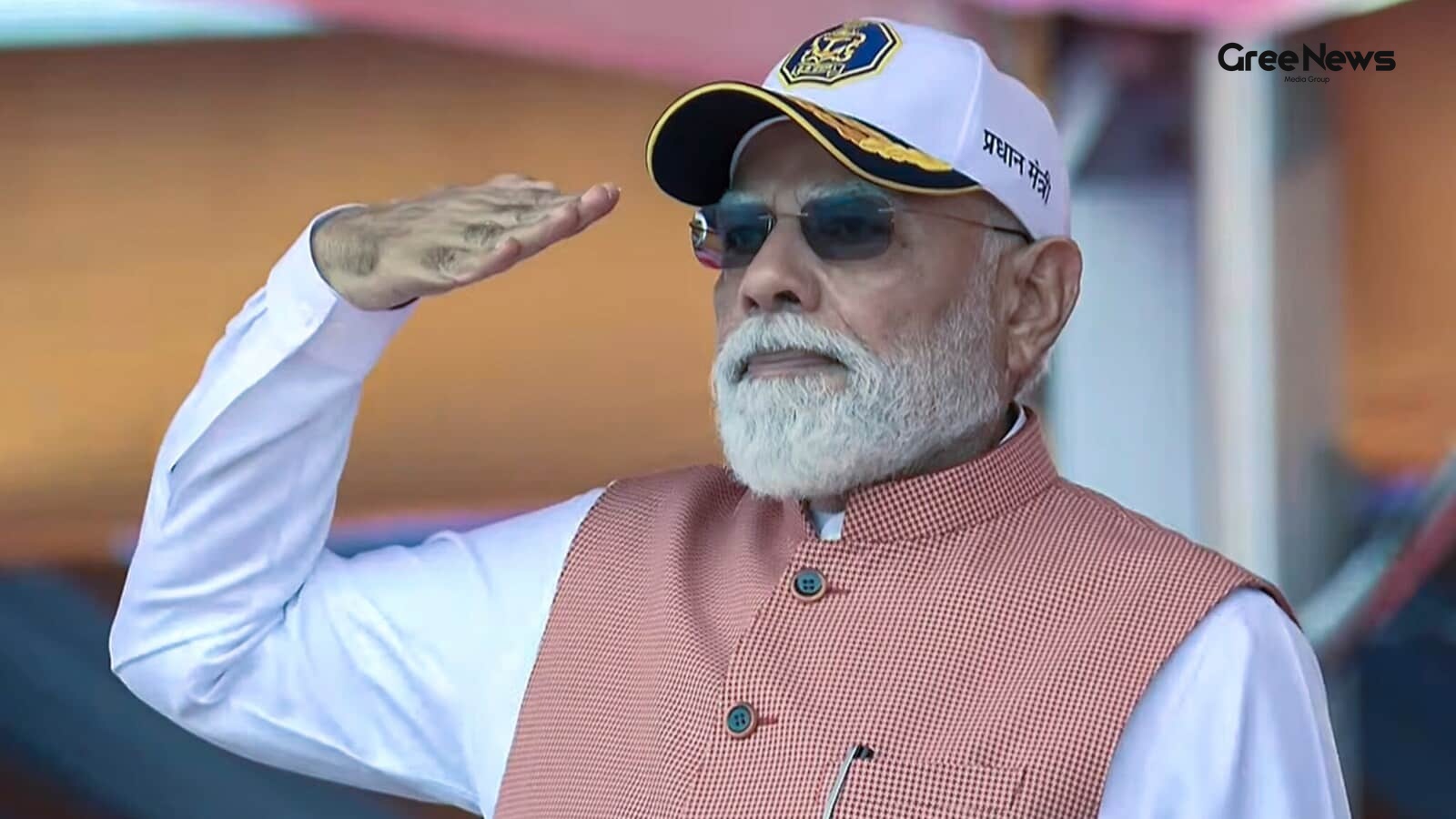
Today, June 21st. Prime Minister Modi stood on the Hooghly in Kolkata. He commissioned three Indian Navy warships built entirely at home. Dunagiri, Sanshodhak, and Agray. They landed at Garden Reach Shipbuilders & Engineers that massive public sector yard that actually built them from keel to final
Jun 22, 2026 by Gree News Team
Latest Headlines
Akshay Kumar and the Chaos of Welcome To The Jungle
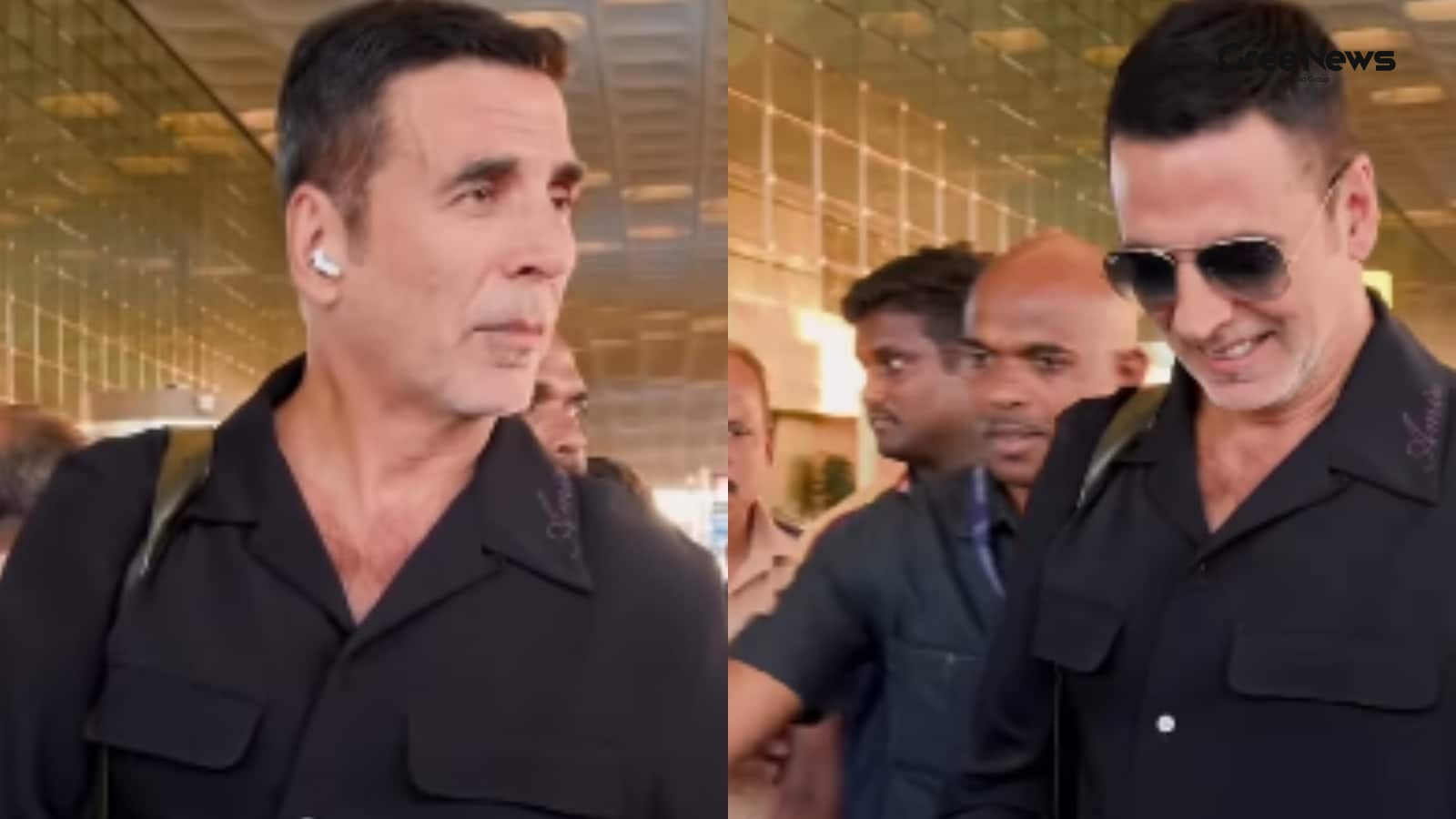
Akshay Kumar. Always something happening around him. Right now he’s deep into promoting *Welcome To The Jungle*. It’s a comedy caper, you know? And everyone is waiting for it. He was just heading to the airport recently. Just walking through those gates. Then this happened. A paparazzo catches him.
Jun 22, 2026 by Gree News Team
Pickle Juice and the FIFA World Cup 2026 Incident
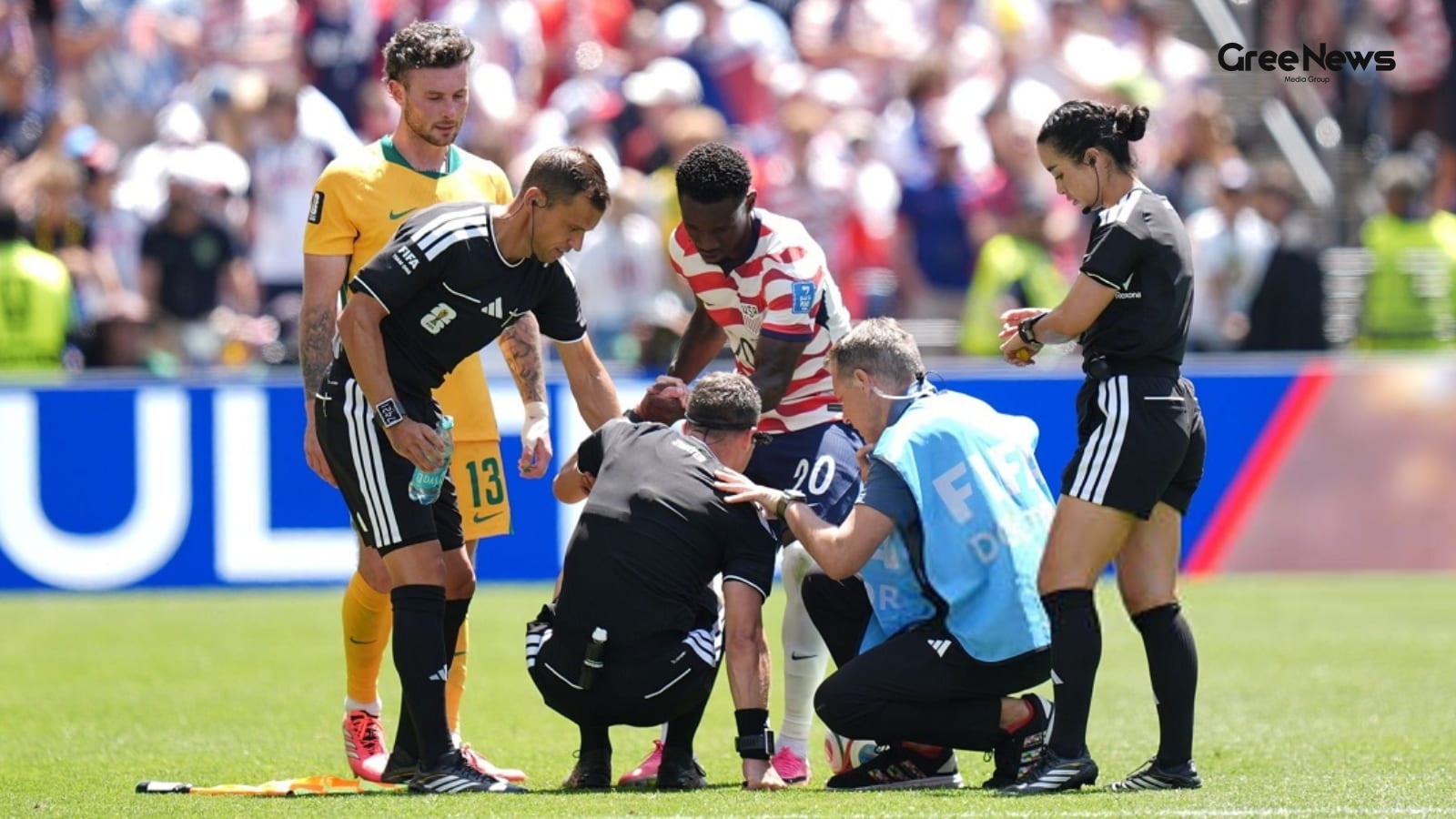
Amidst all the noise, the drama that has always surrounded the FIFA World Cup 2026, something unexpected popped up. Pickle juice. It grabbed headlines during that wild moment when the United States beat Australia two-nil. The whole thing happened because referee Felix Zwayer just suddenly collapsed
Jun 22, 2026 by Gree News Team
How to Make Soft, Fluffy Homemade Kulchas and Chole
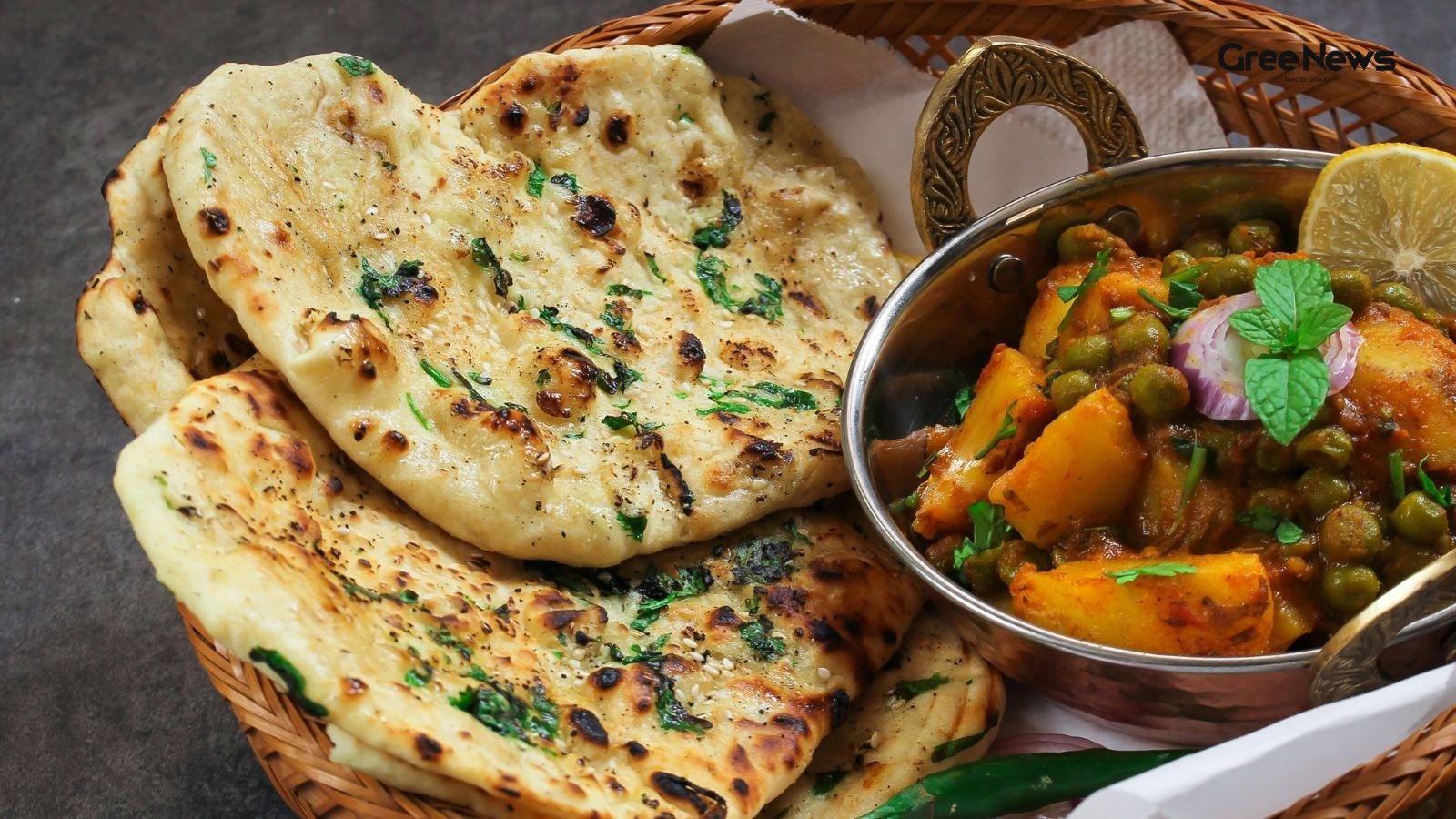
man, there’s just something about that combination. hot chole and those soft, fluffy kulchas. it hits you right. making homemade chole itself isn't hard. pretty straightforward stuff. but people? they skip the kulchas. they assume you need some kind of fancy tandoor or oven for them. like it’s some
Jun 22, 2026 by Gree News Team
Gig Worker Allegations: Cancellation and Mistreatment on the Platform
A video went viral. It showed a female gig worker breaking down, talking about what happened to her. She alleged that her booking on the app was just cancelled. This happened even though she had already done some of the service at a customer’s place. She claimed something much worse too. That after
Jun 22, 2026 by Gree News Team
NEET-UG 2026 Exam: Security Arrangements and Controversy
The NEET-UG 2026 exam is happening again, and this time it’s under some seriously heavy security arrangements. Why? Because the original test got scrapped. There were serious allegations about a paper leak, concerns about the whole medical entrance process integrity. Now, over two million candidates
Jun 22, 2026 by Gree News Team

The Success and Royalties of The Legend Of Kitchen Soldier Adaptation
The success of *The Legend Of Kitchen Soldier* really turned into something rewarding. Not just for the stars and producers chasing it, but for the writer himself. J Robin, the guy behind the original story, is seeing some serious payoff now. It all kicked off after Park Ji-Hoon made the K-drama ada
Jun 22, 2026 by Gree News Team
Speculation and Developments within the Shiv Sena Camp
Speculation is really running wild right now about a split inside the Shiv Sena camp. People are betting it might be announced today. We expect those rebel parliamentarians to just walk up and explain their side publicly. Reports say that at some press conference today, these six rebels will release
Jun 22, 2026 by Gree News Team

Belgium vs Iran World Cup 2026 Match Analysis
Belgium is really in a tight spot right now. They have almost zero room for error facing Iran in that Group G clash at the World Cup 2026 on Sunday. Both teams just know a positive result there could actually decide everything about making it to the knockout rounds. The Red Devils are already under
Jun 22, 2026 by Gree News Team
JAL CEO Faces Pay Cut Over Alcohol Incident and Management Failure
JAL’s CEO is facing some serious fallout right now. He’s getting hit with a thirty percent pay cut for two months because of an alcohol issue that rocked the cabin crew and spilled over into the airline's leadership structure. It all kicked off after some cabin crew members seriously messed up compa
Jun 22, 2026 by Gree News Team

Choosing Fans and Kitchen Scales: A Guide to Home Efficiency
Choosing a fan seems simple enough. Right? But then you look at it. Should you go with that overhead ceiling fan everyone talks about? Or do you grab a pedestal fan something you can actually move wherever you need the breeze? They both move air, sure. They use way less juice than cranking up the AC
Jun 22, 2026 by Gree News Team
Fire at Nagasandra Metro Station: Quick Response and Safety Concerns
A little fire started up at Nagasandra Metro Station on Sunday afternoon. It happened somewhere in Bengaluru’s Namma Metro network. People were immediately concerned when flames and smoke began showing up from the station area. This whole thing took place on the Green Line, right along that Madavara
Jun 22, 2026 by Gree News Team
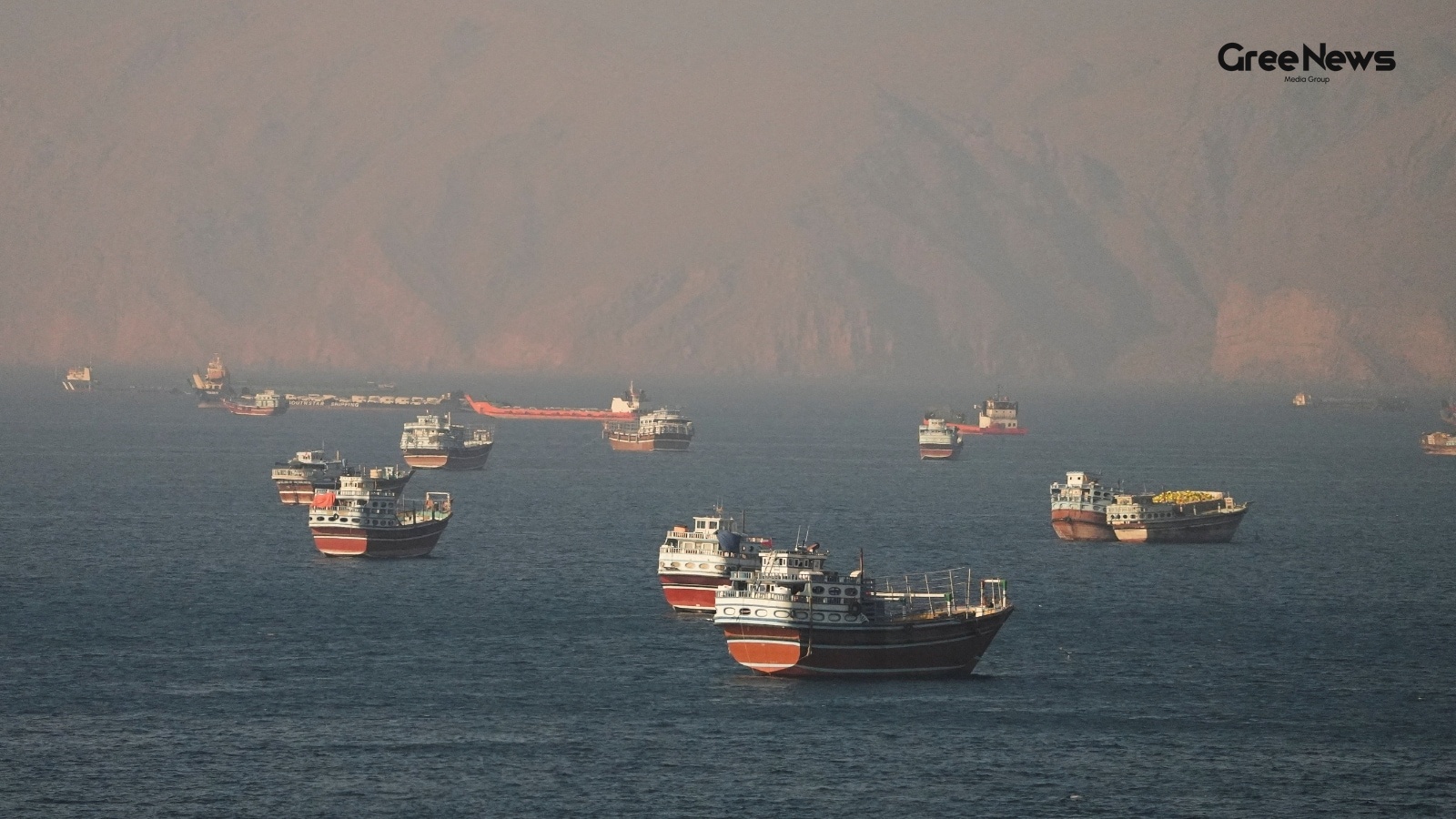
Strait of Hormuz Dispute and US-Iran Negotiations
Iran said Sunday that the Strait of Hormuz is still closed. They aren't letting the Islamic Revolutionary Guard Corps Navy issue passage permits until they get more notice. That’s what Fars reported, citing some unnamed military sources. This report comes right as US and Iranian teams are getting re
Jun 22, 2026 by Gree News Team
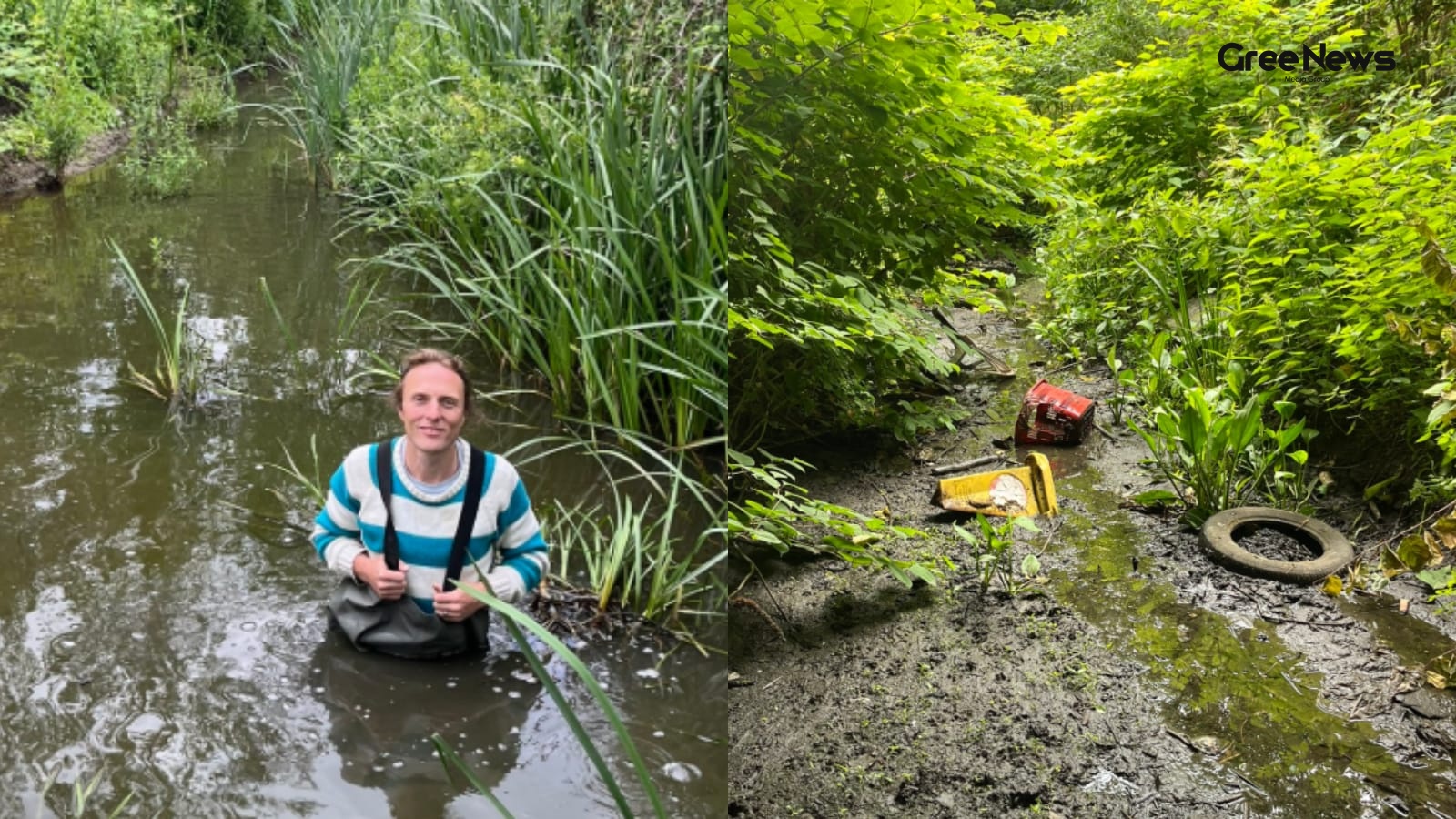
Environmental Activism and Legal Trouble: Paul Powlesland's River Cleanup
Paul Powlesland, a barrister who also gets involved in environmental campaigning, recently got himself into some serious trouble. He led a volunteer effort to clean up a heavily polluted river in East London, but now he’s facing potential jail time up to two years for doing all that work without the
Jun 22, 2026 by Gree News Team
Indian Navy Warships: Strategic Importance and Indigenization
Today, June 21st. Prime Minister Modi stood on the Hooghly in Kolkata. He commissioned three Indian Navy warships built entirely at home. Dunagiri, Sanshodhak, and Agray. They landed at Garden Reach Shipbuilders & Engineers that massive public sector yard that actually built them from keel to final
Jun 22, 2026 by Gree News Team

US and Iran Talks Kick Off in Switzerland
So, US and Iran talks are actually kicking off in Switzerland this Sunday. And you hear that former advisor talking about VP Vance’s trip? He called it a "rescue mission." That all because Tehran was pushing hard for an end to the Israeli offensive down in Lebanon. Vance himself got there for these
Jun 22, 2026 by Gree News Team