Gilmore Girls Leaving Netflix: The Economics of Streaming and Comfort Shows
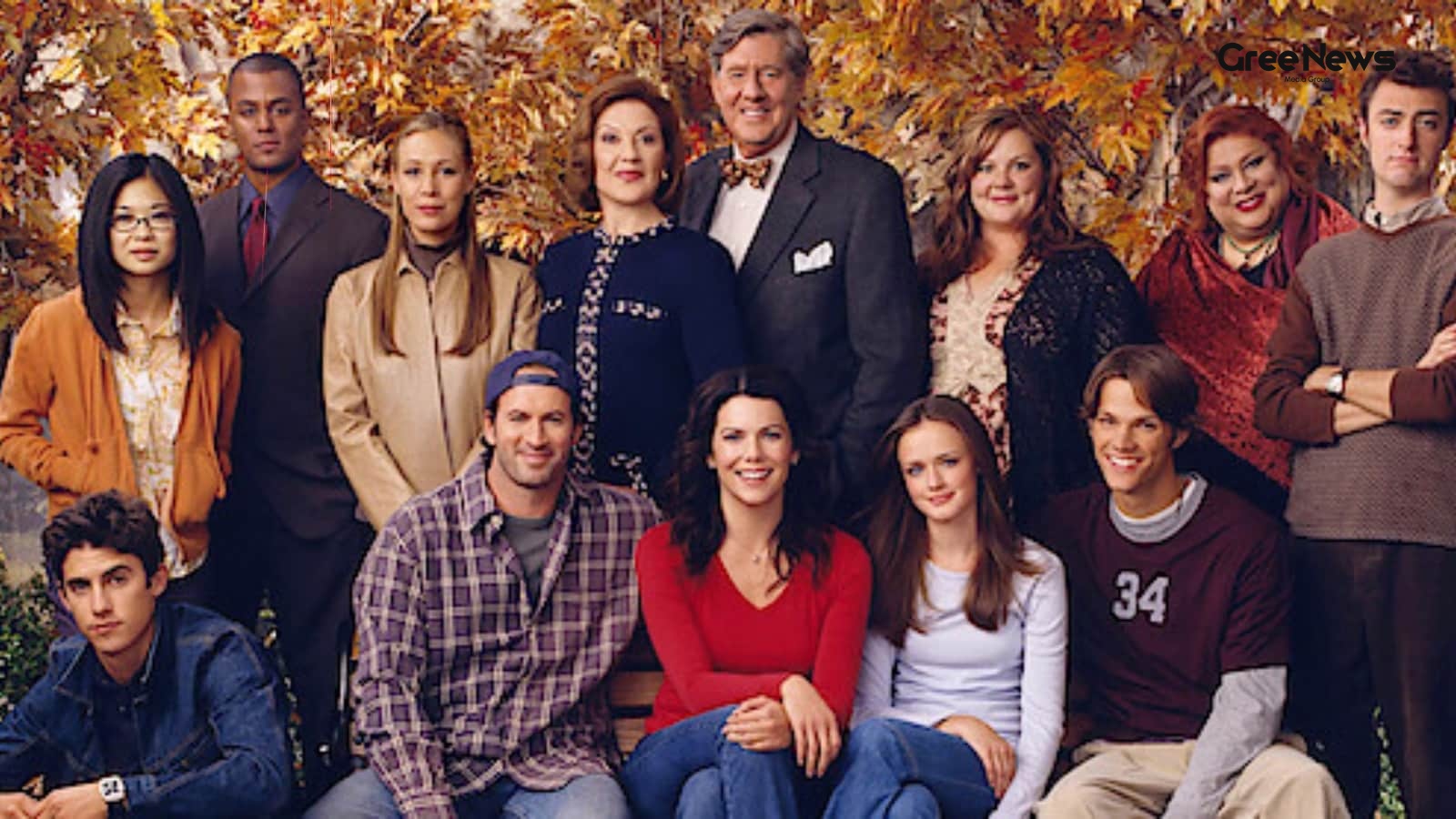
For a generation of viewers, Gilmore Girls wasn't just another show on Netflix. It was background noise during bad weeks. A winter blanket in autumn colours. A coffee-scented escape to Stars Hollow. One of those rare comfort watches people keep coming back to, not because they forgot the plot, but because they remember exactly how it makes them feel.
That’s why this latest streaming move feels oddly personal. After twelve years on Netflix, Gilmore Girls Seasons 1-7 is leaving the platform in the US on June 30, 2026. Netflix confirmed it with a post that hit you right in the gut: “It’s a show? It’s a lifestyle. It’s a religion. We are sorry to say that Gilmore Girls Seasons 1-7 will be leaving Netflix in the US on June 30.”
Fans reacted predictably, I guess. Panic. Sadness. Memes. Rewatch plans. And that familiar question why does this keep happening?
The real answer is tangled up in how fragmented, expensive, and strategic streaming has become. Beloved shows aren't permanent homes anymore for audiences. They’re assets. Bargaining chips. Subscription magnets.
Where is Gilmore Girls going next?
It's heading to Disney+ and Hulu in the US. The show won't vanish entirely. But it won't stay where many newer fans found it, or where older ones kept returning.
The series started on The WB, then moved to The CW. Then Netflix became its streaming home. And they even revived the universe with Gilmore Girls: A Year in the Life . For so many viewers, that linkage Netflix and the show became inseparable. The platform turned a 2000s dramedy into something massive for the streaming era.
Its exit isn't about the show losing relevance. It proves the opposite. It shows how valuable Gilmore Girls is enough for platforms to fight over it.
Why do comfort shows keep getting kicked out of streaming?
Because streaming services don’t always own what they stream. A lot of titles are just licensed for a fixed time. Netflix might host something for years, but if they don't hold the actual rights, that arrangement ends when the contract runs out.
Gilmore Girls is a Warner Bros. property. Netflix had streaming rights for a while, sure. But those rights weren’t permanent. When licensing deals expire, the owner can decide everything: renew it, sell the rights somewhere else, or put the series on another platform as part of a bigger strategy.
That's why shows seem to vanish suddenly. From the viewer side, a show feels like part of the app’s identity. From the business side? It often feels like a temporary lease.
The whole streaming wars changed this dynamic. Back in the early days, Netflix was just a digital library. You found everything old sitcoms, dramas, films all in one place. Studios were happy to license content because it felt like extra cash flow, not a real threat.
That shifted fast once every major studio realized they could build their own house. Disney built Disney+. Warner Bros. Discovery pushed Max. NBCUniversal launched Peacock. Everyone started building their own space. Suddenly, giving Netflix everything just didn't make sense anymore. Why let them use your popular show to keep subscribers when you could use that same show to pull people to your own service?
That’s the logic behind all this reshuffling. Studios are pulling back library titles. Moving them around. Selling them strategically. Gilmore Girls leaving Netflix is just part of that massive industry realignment.
Why do shows like this matter so much?
Comfort shows thrive in streaming because they aren't consumed like new prestige dramas. A thriller might explode for two weeks and then fade into memory. But a comfort show? It can be watched repeatedly for years.
That repeated viewing is what makes them incredibly valuable to platforms. They drive engagement. People might not subscribe just for one comfort watch, but they stay subscribed because it’s there. They rewatch while cooking, working, falling asleep needing something emotionally safe. That steady usage? It keeps the platform busy. Shows like Friends , The Office , and Gilmore Girls become these anchors. They aren't just content; they are habits.
And this pattern repeats itself. Friends moved from Netflix to Max. The Office left for Peacock. Schitt’s Creek shifted places too. Every time that happens, fans get frustrated. But the business logic doesn't change. These shows become streaming anchors. They build routine for viewers.
The same person might watch a big new series once. Then they settle in with Gilmore Girls or The Office every few months. That makes them useful beyond just one-time popularity. They help platforms build that daily habit. In the old TV world, reruns filled schedules. Now? Comfort shows fill emotional gaps.
And this is where Gilmore Girls feels different from other exits. Some shows are admired. Some are loved. Gilmore Girls falls into a second category.
Its appeal is deeply atmospheric. Stars Hollow isn't just a setting. It’s a fantasy of belonging. Lorelai and Rory’s relationship, the town festivals, Luke’s diner, the quickfire dialogue, the autumn leaves it all creates a world that feels stable even when the characters are messy. That stability is what makes it comforting. Viewers return because they know what they're getting: wit, warmth, chaos, family tension, and a town waiting for them.
So when the show leaves a platform, fans don’t just see a catalogue change. It feels like someone moved their emotional furniture.
The frustration is easy to grasp. Streaming started as a simpler alternative to cable. One subscription. Endless access. Fewer headaches. But it’s started looking more and more like the system it promised to replace. Now, if you want all your favorite shows, you might need Netflix, Hulu, Disney+, Max, Prime Video you have to subscribe to everything. Or rent things. Or wait around for licensing changes.
This is subscription fatigue. The more pieces the market fragments into, the more exhausting it gets. People don't want to track corporate rights cycles. They just want to know where to watch what they love.
The economics behind platform hopping? It’s not emotional at all. It’s pure finance. A company might decide a show is worth more on its own service than licensing it elsewhere. Another group pays big money for temporary rights because that show brings in subscribers. Sometimes, companies even license things to rivals just to make money. The same title can jump around based purely on what corporate priorities look like right now. Streaming libraries aren’t fixed shelves anymore. They are active portfolios.
Older shows matter more than ever in this landscape. In a sea of new releases, older content offers something fresh that new stuff often can't: certainty. A brand-new original is risky. Nobody knows if audiences will connect yet. But Gilmore Girls already has proven value. It has fans. Nostalgia. Cultural memory. A guaranteed rewatch cycle. That makes it a safer bet right now.
This matters more when platforms are trying to cut costs. The wild spending era of streaming is slowing down. Companies are tightening the screws, cancelling shows faster, focusing on making actual money. In this climate? Familiar titles become even more attractive. They don’t always grab headlines like a blockbuster series, but they quietly keep people watching.
Does this mean Netflix loses its identity? Not necessarily. It just shows how much it has shifted. The platform built its early dominance by hosting content from other studios. Over time, it started owning things itself because they knew licensed titles could vanish. That’s why they invested in their own franchises films, originals, documentaries. Owning the content gives them control. They don't have to panic if a license ends.
Still, losing Gilmore Girls is symbolic. It reminds us that even long-term streaming homes can be temporary leases.
For fans in the US right now, there’s a deadline: June 30, 2026. If you want to keep watching on Netflix, you have limited time left. After that? You follow it over to Disney+ and Hulu. Some people might look into buying digital copies or physical media then. Maybe because all this chasing across apps is just too much. In a strange way, the streaming age has made owning things feel practical again.
Will platform hopping ever stop? Probably not. As long as services compete for subscribers, valuable shows will keep moving. Some titles might land on their parent studios' platforms eventually. But licensing money keeps flowing, so that part stays in business. The future might look less like one fixed home and more like rotating windows. Shows could spend a few years here, jump there, or appear across bundles. Viewers just have to keep adapting. Annoyingly, maybe. But inevitably.
The biggest lesson from Gilmore Girls leaving Netflix isn't about one show. It’s about how streaming itself has matured. What felt like an infinite library used to be a battleground where nostalgia, ownership, and loyalty are constantly being recalculated. Comfort shows work because they create routine. Platforms know that. Studios know that. And fans? They just feel the heartbreak of watching it all change.
Gilmore Girls will survive this move. Lorelai will still drink coffee. Rory will still read too many books. Luke will still grumble. Stars Hollow will still feel like autumn even in July. But where we find them will keep changing. It belongs to the rights holder, the deal, the strategy behind the screen. Emotionally? It always belonged to the fans. And if Gilmore Girls has proven anything over these years, it’s that no matter which app holds Stars Hollow now, the feeling sticks with you.
Written by Gree News Team — Senior Editorial Board
Gree News Team covers international news and global affairs at Gree News. Our collective of senior editors is dedicated to providing independent, accurate, and responsible journalism for a global audience.
More from Web Series
View All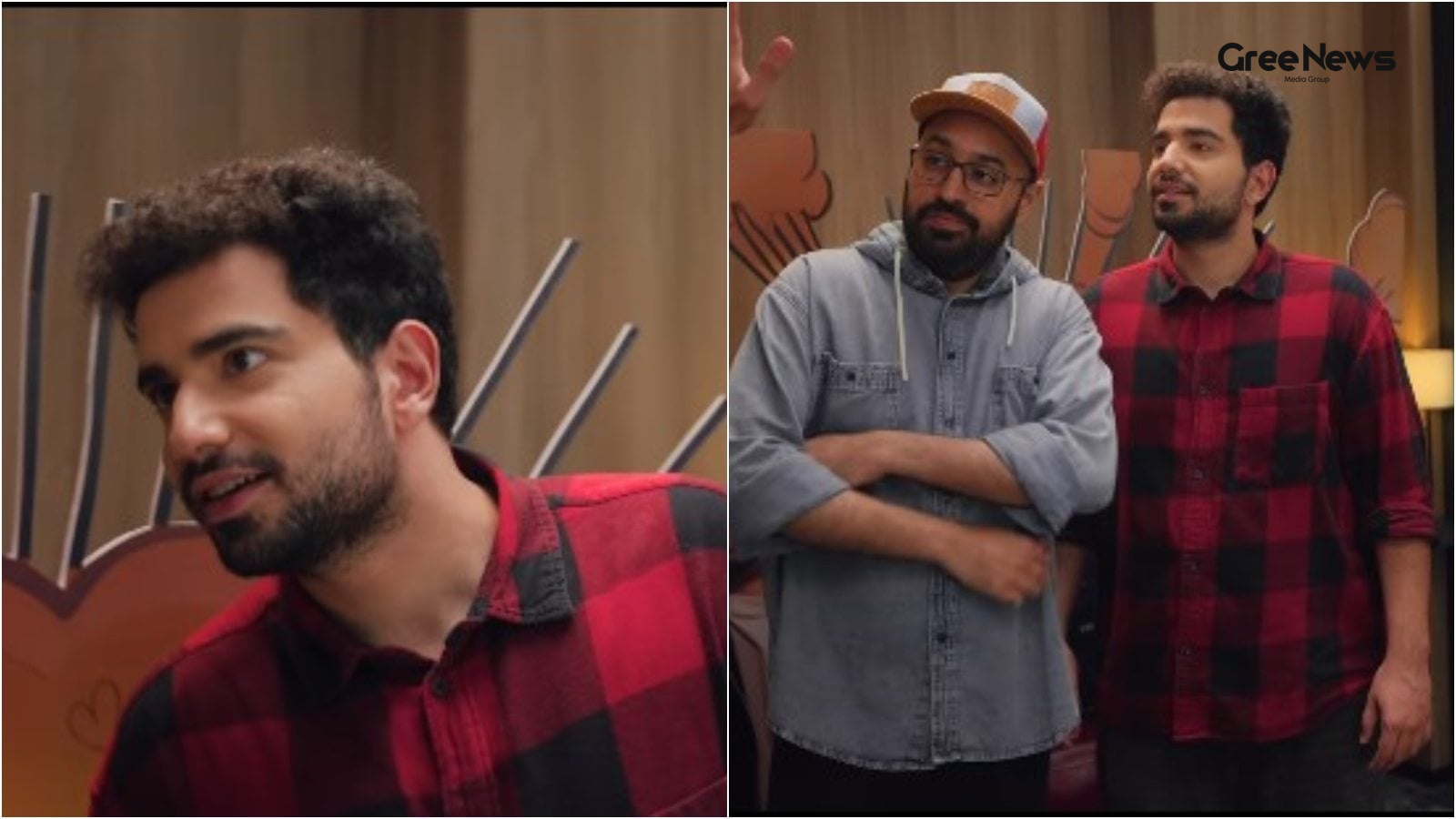
Samay Raina's Comeback: 'India’s Got Latent' Season Two and 'Still Alive' Special
You know, that Samay Raina thing, ‘India’s Got Latent’? It’s finally coming back. Season two is happening now. But there’s this twist attached to it all. He announced it’ll stream on Netflix and YouTube. Both places. After how long? People have been waiting forever for the next bit of Samay’s stuff,
Jun 20, 2026 by Gree News Team
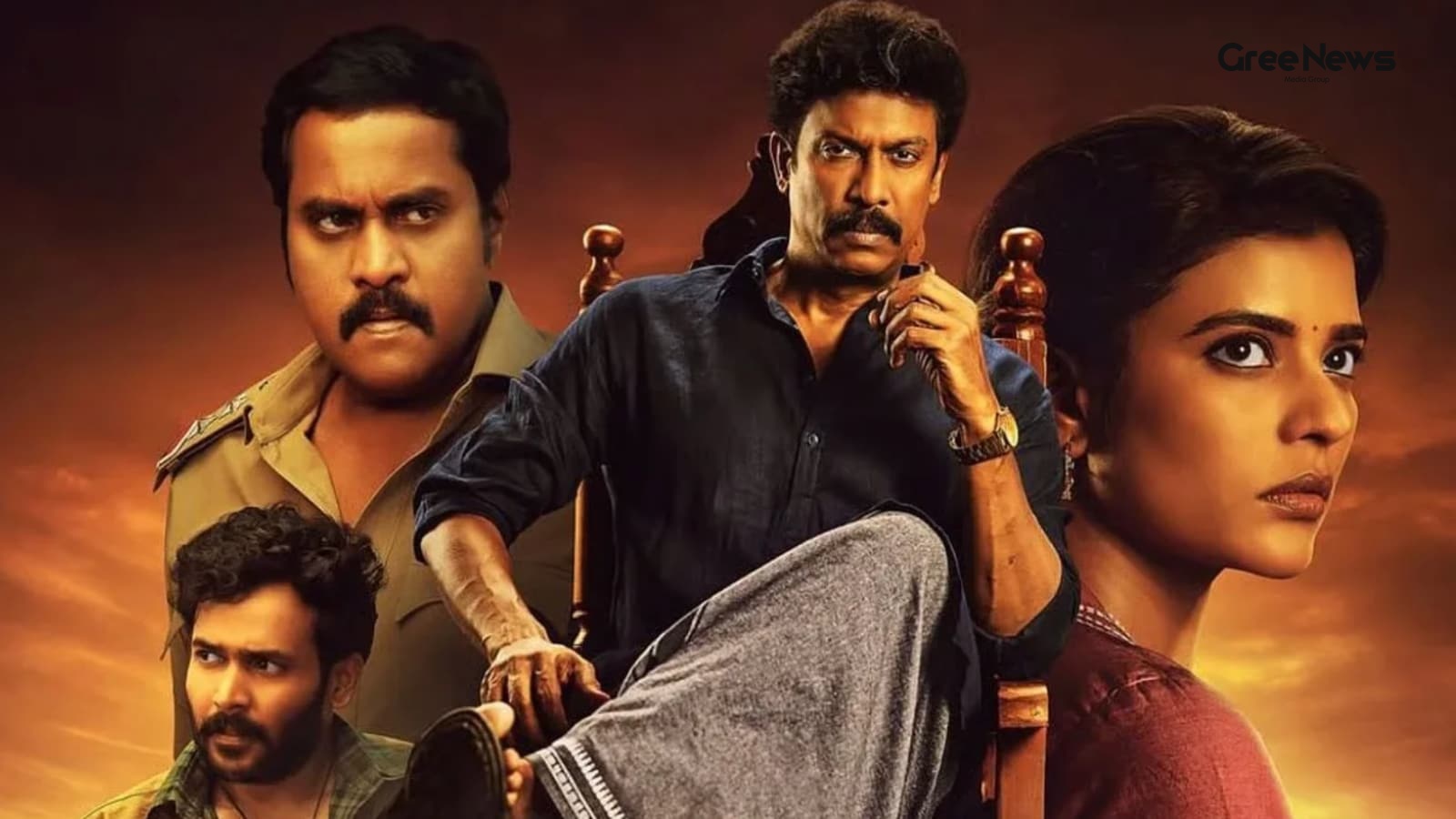
The Raw Power of Ambition in Isakapatnam: A Deep Dive into Human Conflict
The air around the announcement of *Isakapatnam* feels thick right now. It’s not just the buzz about a new show; it’s this whole collision of ambition and raw human feeling that the trailer throws at you. Crime, politics, loyalty all boiling down into something intense, something that drags you unde
Jun 16, 2026 by Gree News Team

Gram Chikitsalay Season 2: Plot, Release Date, and Themes
Fans of Gram Chikitsalay are definitely getting something to look forward to. Seriously. The makers have officially dropped the news about the second season of that comedy-drama series, bringing back Amol Parashar as Dr Prabhat for another dose of rural India humour the kind of chaos mixed with genu
Jun 15, 2026 by Gree News Team
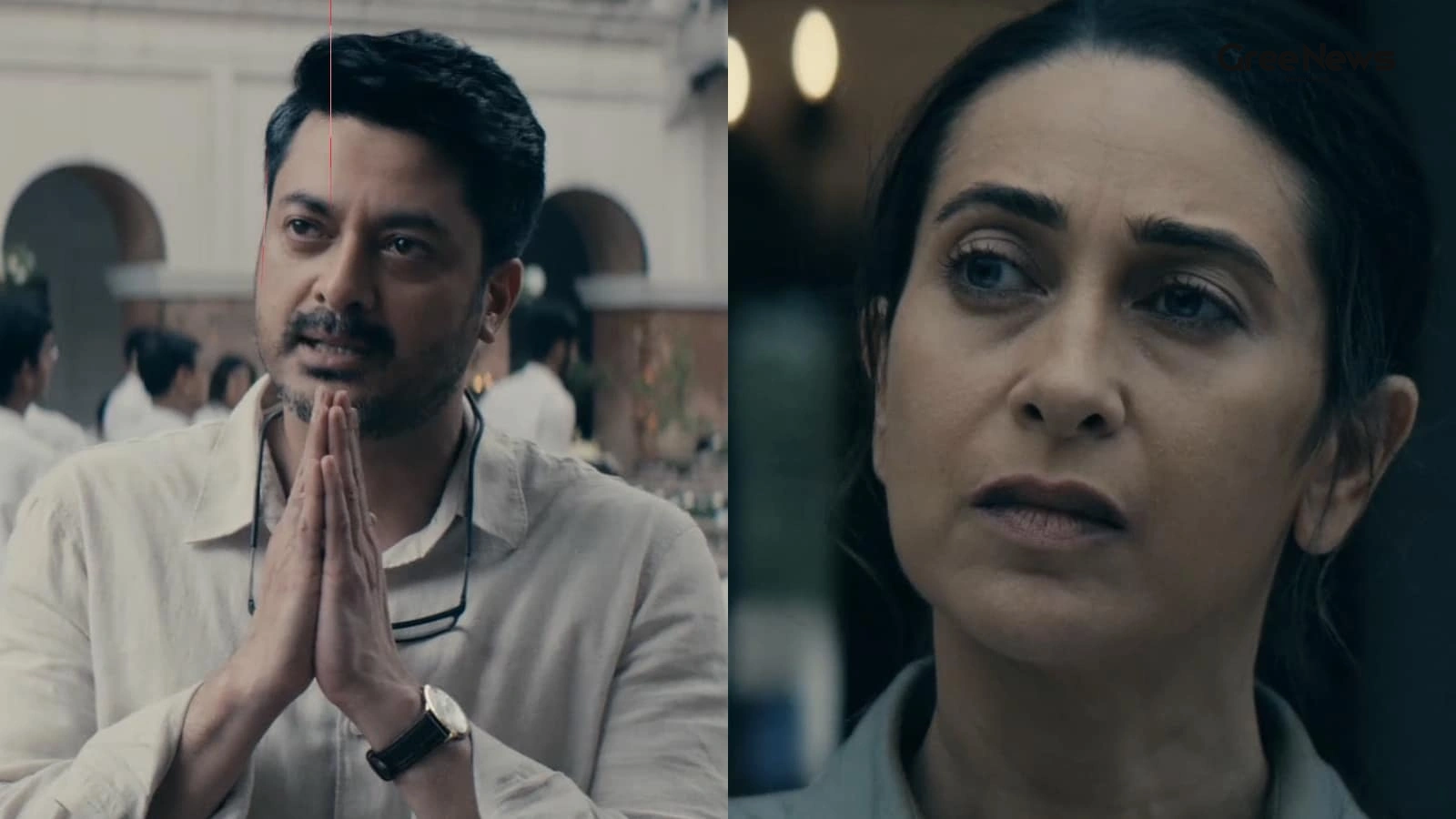
Jisshu Sengupta: Reflections on Acting, *Brown*, and the Industry
Jisshu Sengupta doesn't enter a frame loudly. He just exists there. There’s a stillness about him, almost old-fashioned, which makes you feel like he’s carrying some private weather system just by being beside someone. Across Bengali cinema, Hindi films, TV, Telugu projects and now streaming—he buil
Jun 7, 2026 by Gree News Team
Latest Headlines
The Emotional Journey of Fathers Understanding the Creator Economy
There’s just something really tender about explaining the internet to your parents. It’s not because they aren’t curious, mind you. It’s because the world their kids are in? It looks totally different than the one they grew up in. For so many dads, the ones who spent decades believing in degrees and
Jun 22, 2026 by Gree News Team
The Emotional Legacy and Public Reflection of Kajol
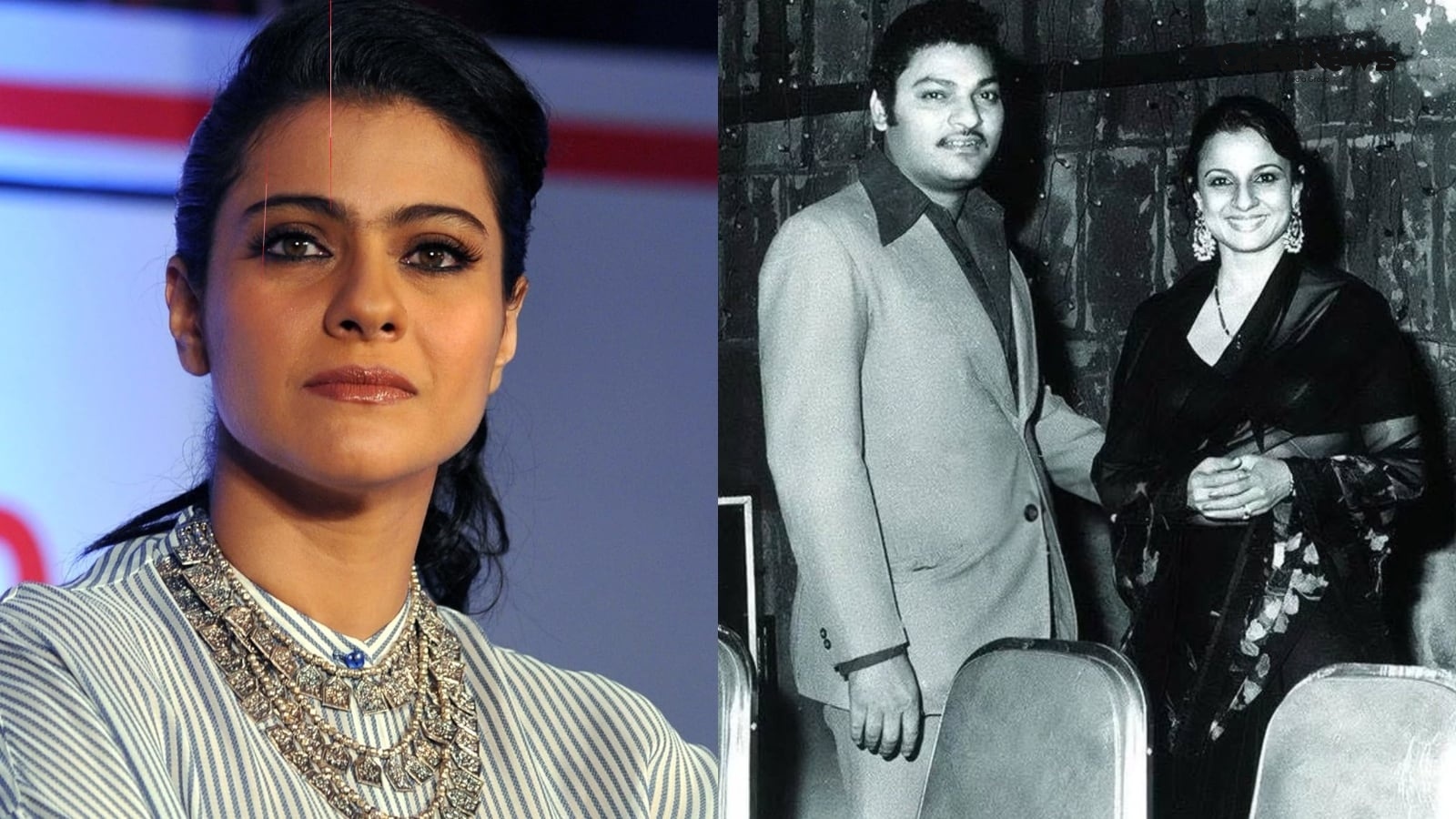
It sparked something real. It felt raw. Like finding a forgotten page in an old book. And then came the caption. It wasn’t flowery or political spin. It was simple. Utterly human. Kajol wrote something that cut right through the usual celebrity noise: “Looking at old pictures and realizing how much
Jun 22, 2026 by Gree News Team
Sandeep Reddy Vanga, Kabir Singh, and Animal Park: The Cinematic Connection
Sandeep Reddy Vanga just hit a milestone. Seven years since *Kabir Singh* came out. He dropped a post on social media celebrating it, going back to that film that everyone talks about, the one that was huge commercially. It immediately brought up some serious nostalgia for fans who still remember Sh
Jun 22, 2026 by Gree News Team
Gorillaz' Emotional Tribute to Asha Bhosle and the Weight of Loss
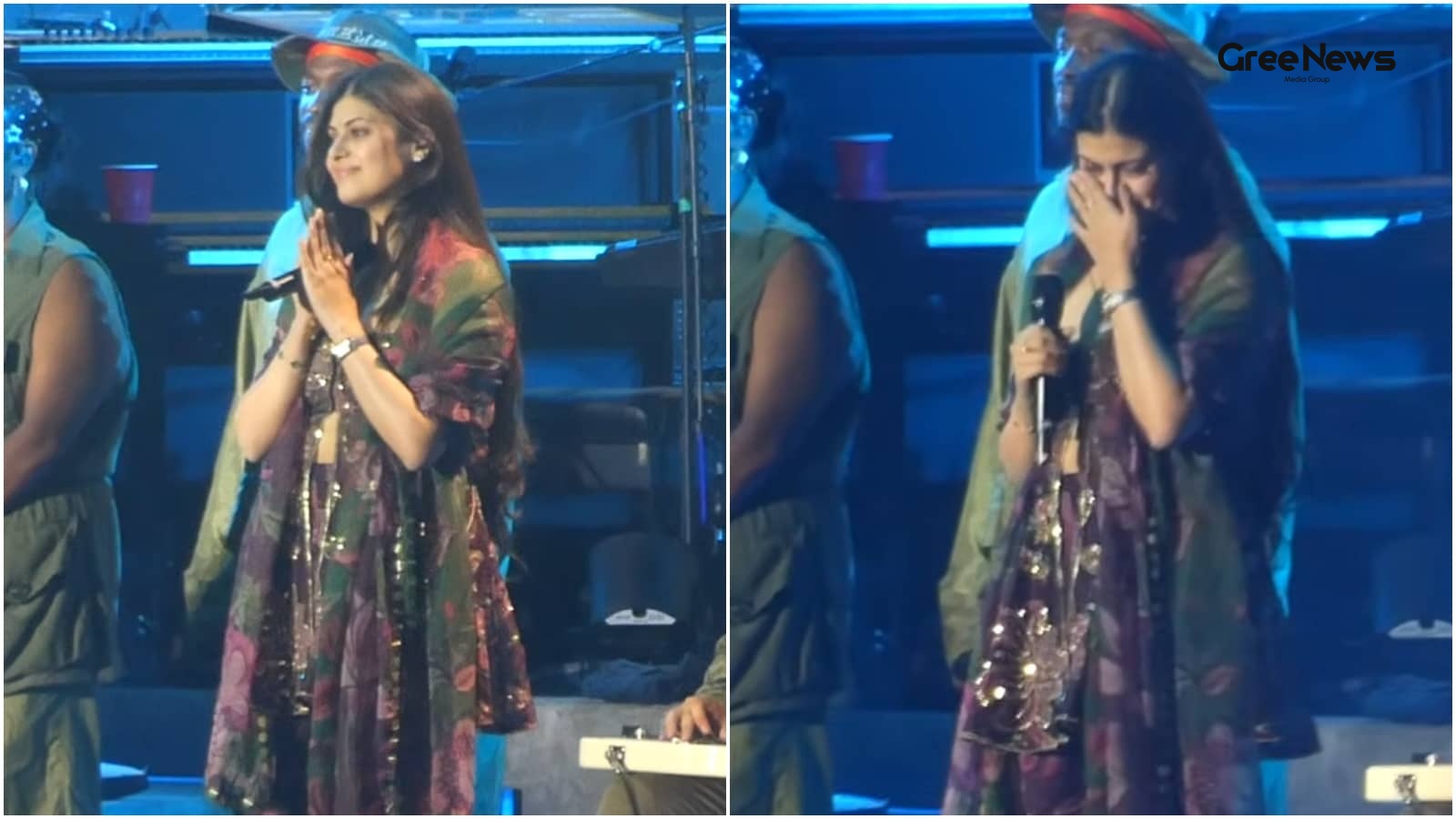
Gorillaz’ debut stadium show in London felt heavy that night. It wasn't just a concert; it turned deeply emotional because they paid tribute to the legendary singer Asha Bhosle. One moment really stuck with everyone, though. When Asha Bhosle’s granddaughter, Zanai Bhosle, joined the stage for a spec
Jun 22, 2026 by Gree News Team
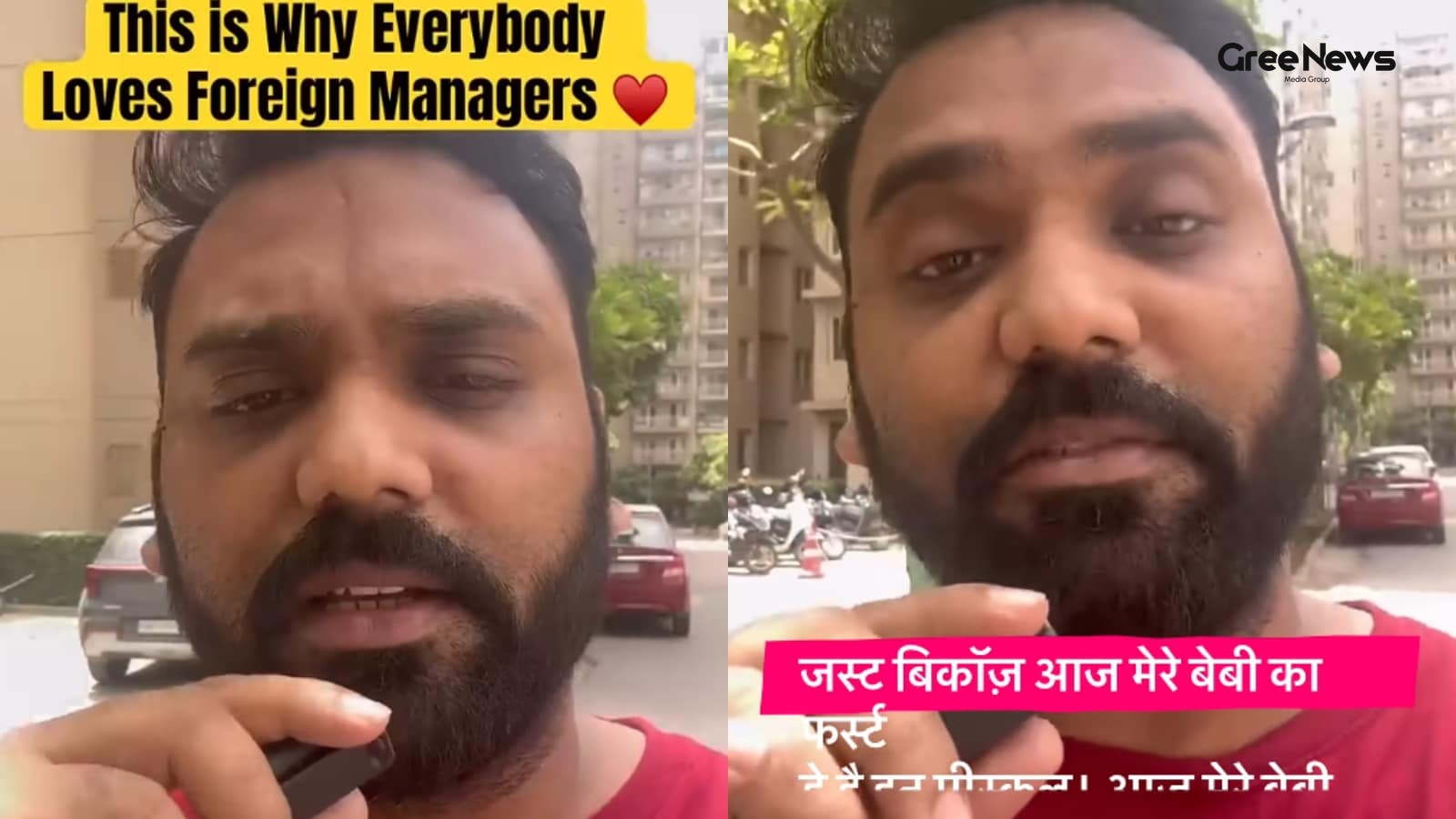
Workplace Culture: Indian vs. Foreign Managers and Work-Life Balance
A video surfaced recently on Instagram, showing an interaction between an Indian employee and his foreign manager that really stuck with people. Saurabh Verma shared this clip, talking about the moment his manager asked him to take time off for his child's first day at preschool. It left a real impr
Jun 22, 2026 by Gree News Team
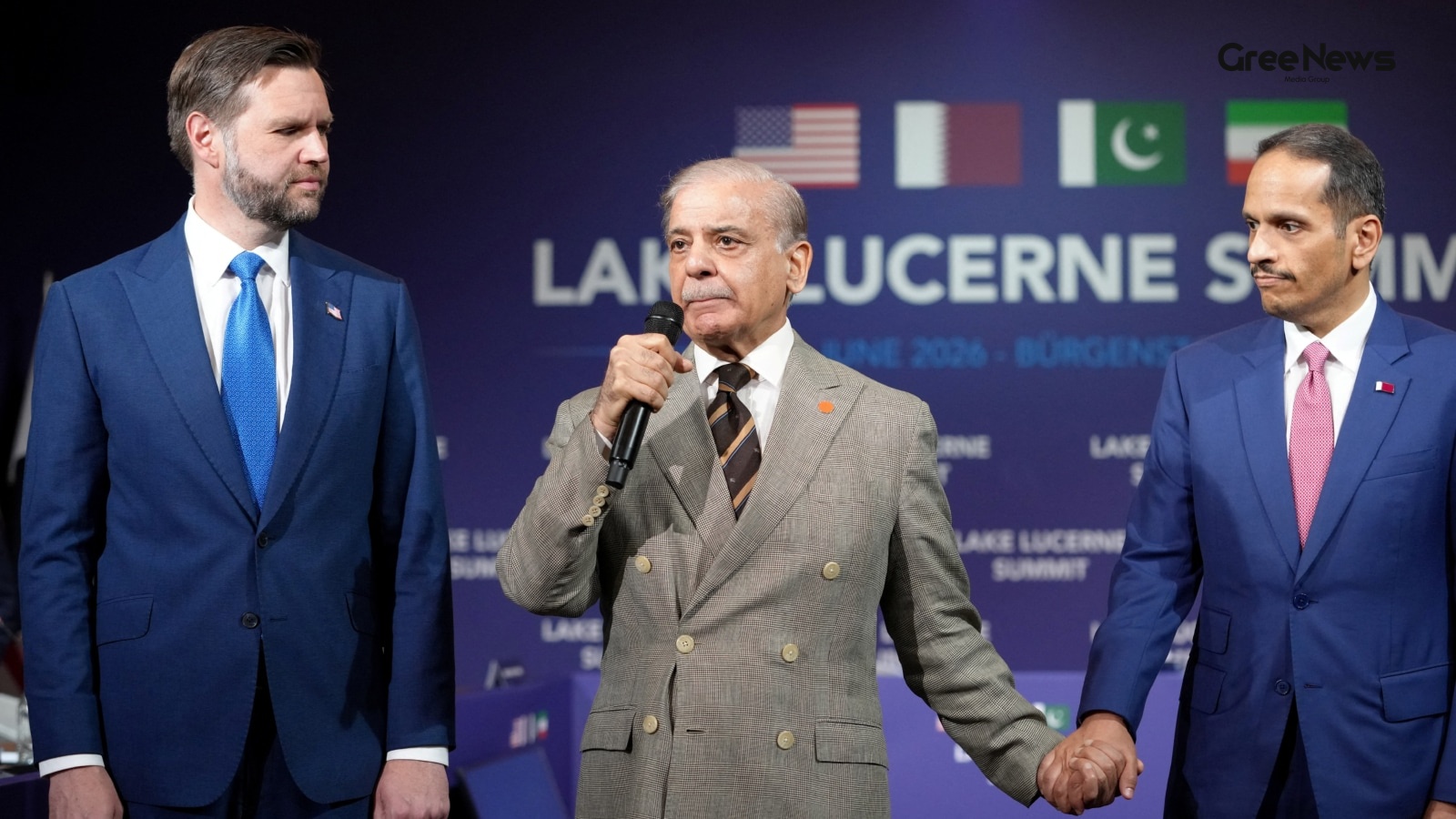
Diplomatic Progress and Regional Tensions in Middle East Talks
JD Vance claimed there had been some progress. Real progress. It happened during those high-level talks with Iran the first time in ten weeks they actually met up, tucked away in the Swiss mountains, Bürgenstock. He wasn't alone, though. He was talking alongside Pakistan’s Prime Minister Shehbaz Sha
Jun 22, 2026 by Gree News Team

Understanding Reproductive Health and Lifestyle
Reproductive health. It’s much more tied up with daily life than people often realize. Things like what we do every day, how we handle stress, and just general lifestyle stuff really matter. Lots of folks today are dealing with hormonal imbalances, weird cycles, trouble conceiving, or sperm quality
Jun 22, 2026 by Gree News Team
Renaming of Suhrawardy Avenue to Gopal Mukherjee Road and Historical Context
The Kolkata Municipal Corporation just announced a change, renaming Suhrawardy Avenue to Gopal Mukherjee Road. That’s what they said. The notice came out on June 20th. It stated that the road behind Suhrawardy, which everyone calls Suhrawardy Avenue, is now officially Gopal Mukherjee Road. A straigh
Jun 22, 2026 by Gree News Team
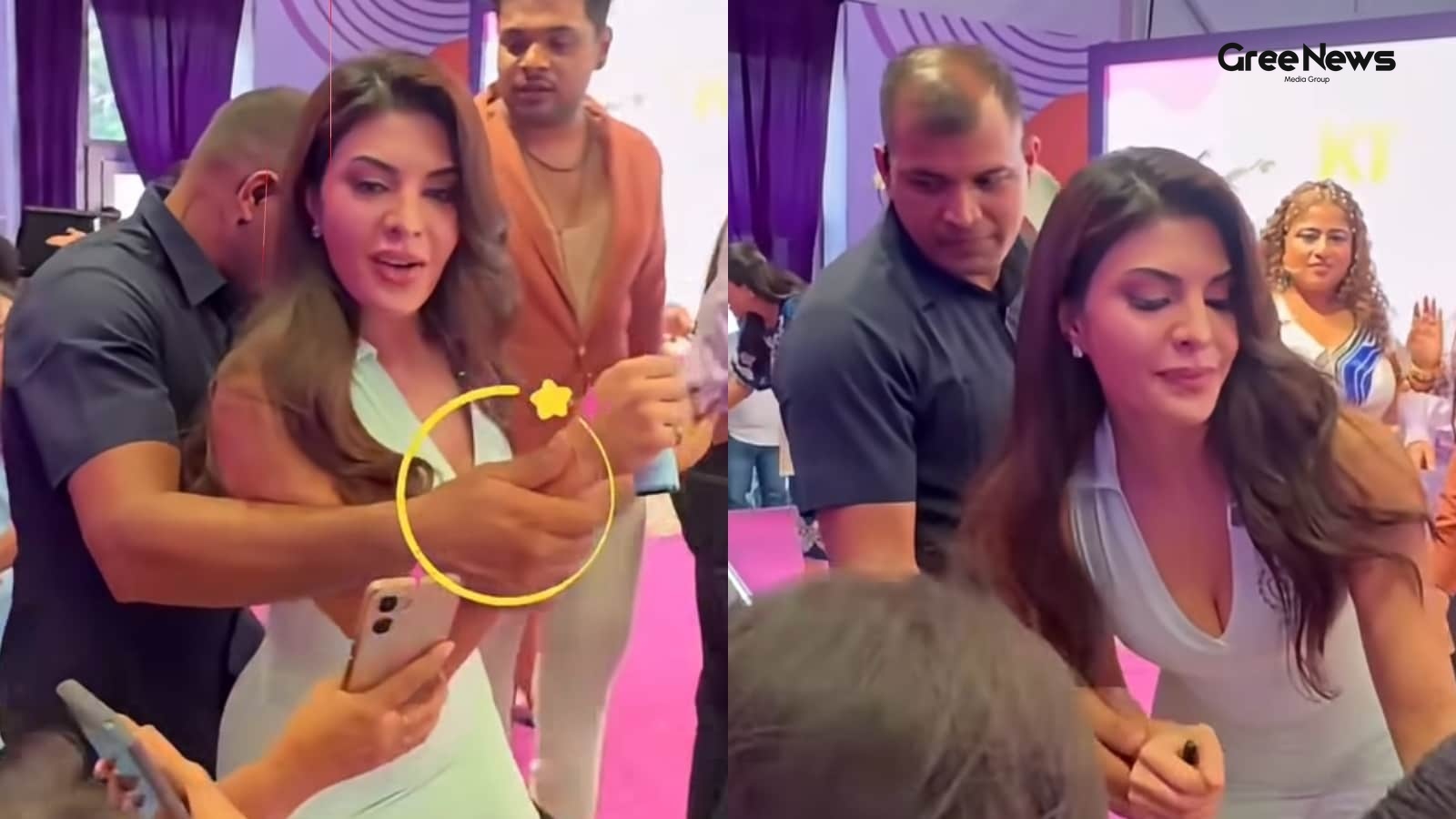
Jacqueline Fernandez Security Incident and Career Updates
Jacqueline Fernandez was spotted in Mumbai recently. A video from that outing is already blowing up social media. It shows her interacting with fans, posing for pictures but there’s something else in the clip too. Her bodyguard seems to be holding her wrist, trying to pull her away from the stage. T
Jun 22, 2026 by Gree News Team
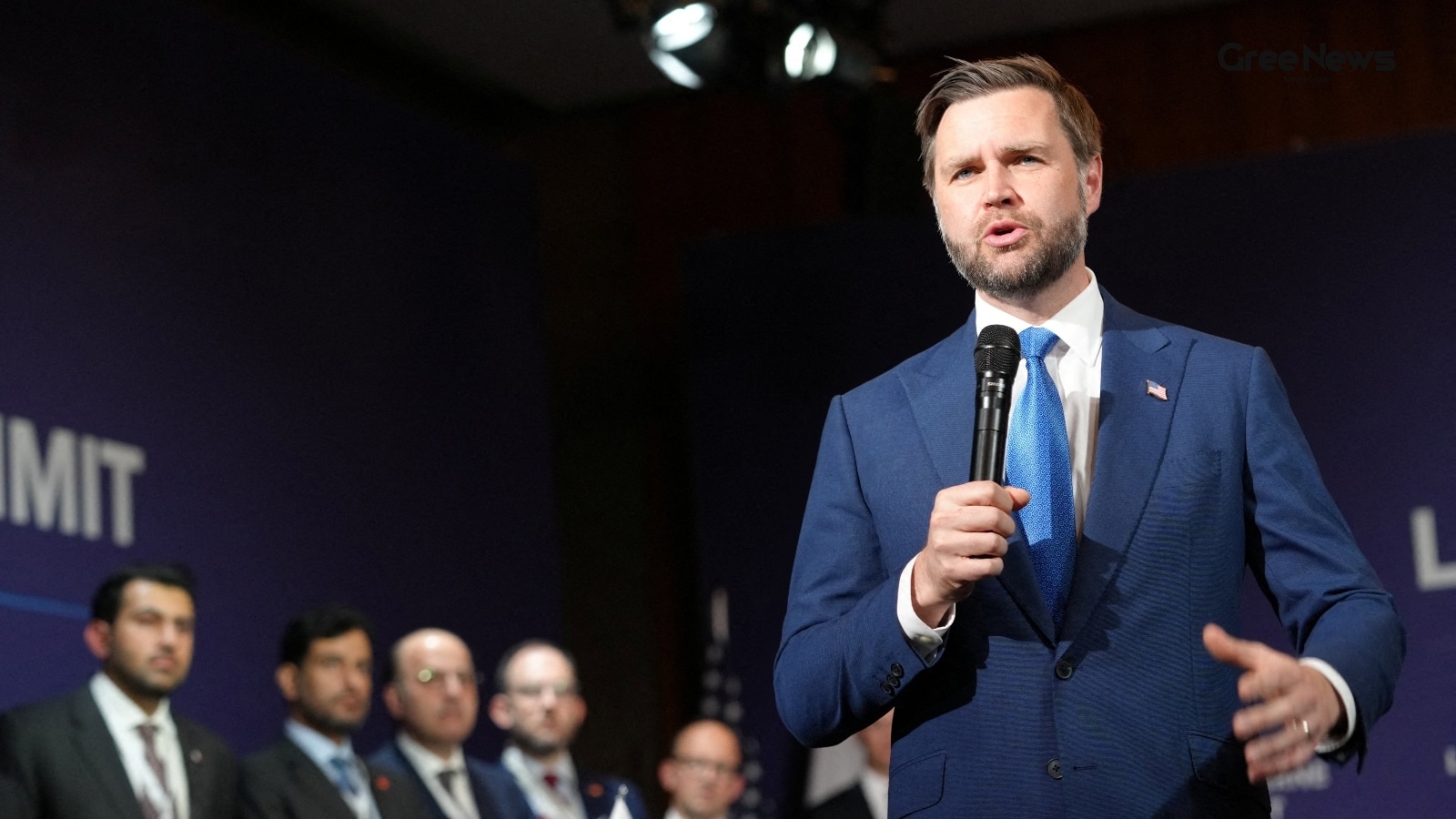
JD Vance on Talks with Iran and the Lebanon Ceasefire
JD Vance, the Vice President, basically framed the latest round of talks with Iran the ones aimed at sorting out that West Asian war mess as just kicking off something technical. It started in Switzerland on Sunday. He was at this resort, Burgenstock, and he said the whole point wasn’t solving every
Jun 22, 2026 by Gree News Team

Ammonia Gas Leak at Seafood Processing Unit in Tamil Nadu
Two women died. And over sixty workers ended up hospitalized after an ammonia gas leak hit a seafood processing unit in Tamil Nadu’s Thiruvallur district on Sunday. It was just… sudden. The whole thing happened at St Peter’s Paul Seafoods Exports facility, way near Kannigaipair, by Periyapalayam. Fo
Jun 22, 2026 by Gree News Team
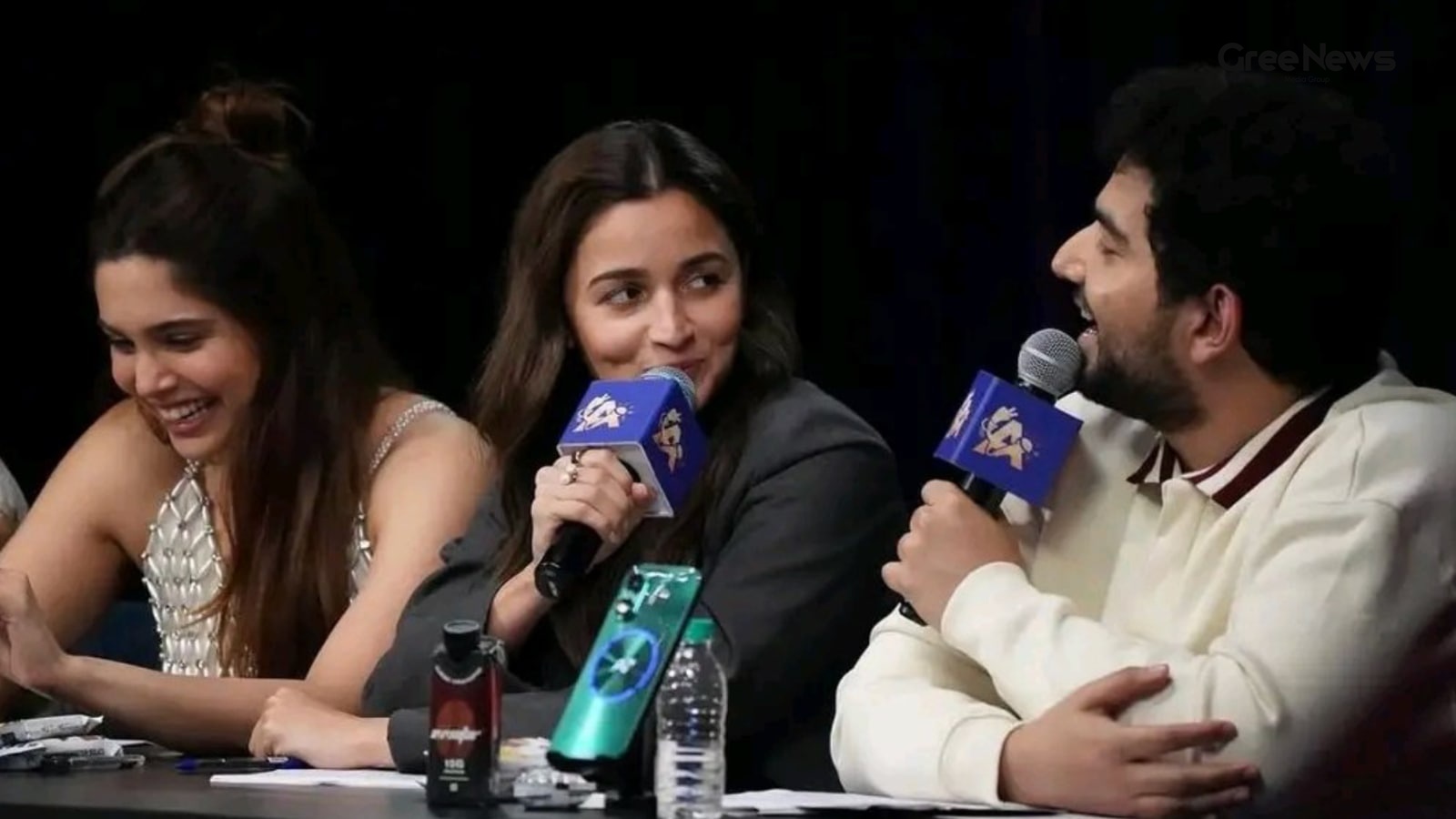
India’s Got Latent Season 2 Controversy and Reaction
Netflix and YouTube finally put out the first episode of India’s Got Latent Season 2 on Saturday. Alia Bhatt and Sharvari were there, along with Samay Raina hosting. It was months of waiting, you know? And then this arrived. But honestly, the reaction online hasn't been great. A lot of viewers seeme
Jun 22, 2026 by Gree News Team
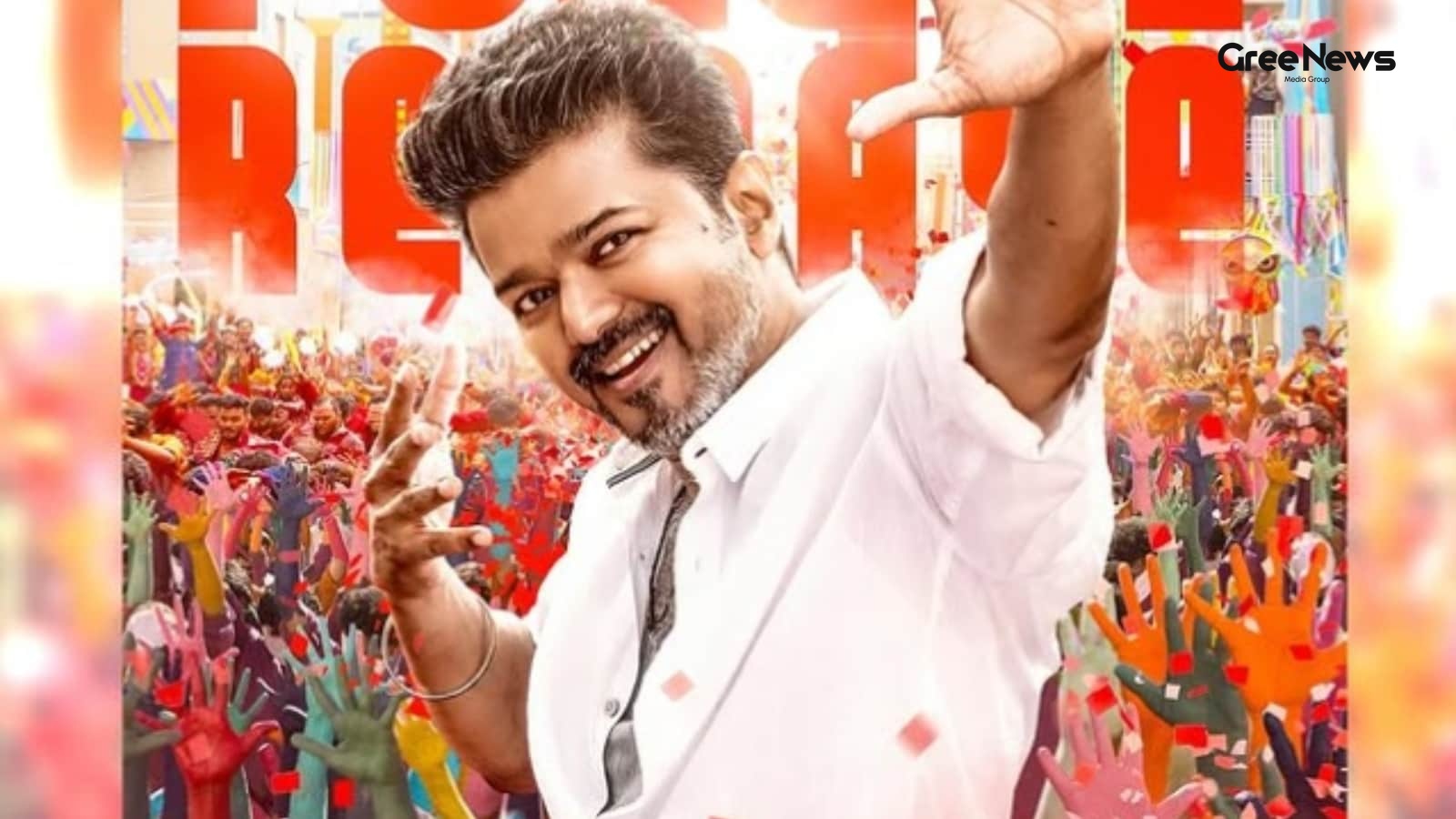
Jana Nayagan: The Wait, The Politics, and The Emotional Goodbye
KVN Productions dropped an update on *Toxic* on Sunday. But honestly, everyone’s attention has swung somewhere else now. It's all about *Jana Nayagan*, Thalapathy Vijay’s much-anticipated next big thing. This film feels huge. Like his last major screen appearance before he fully dives into politics.
Jun 22, 2026 by Gree News Team
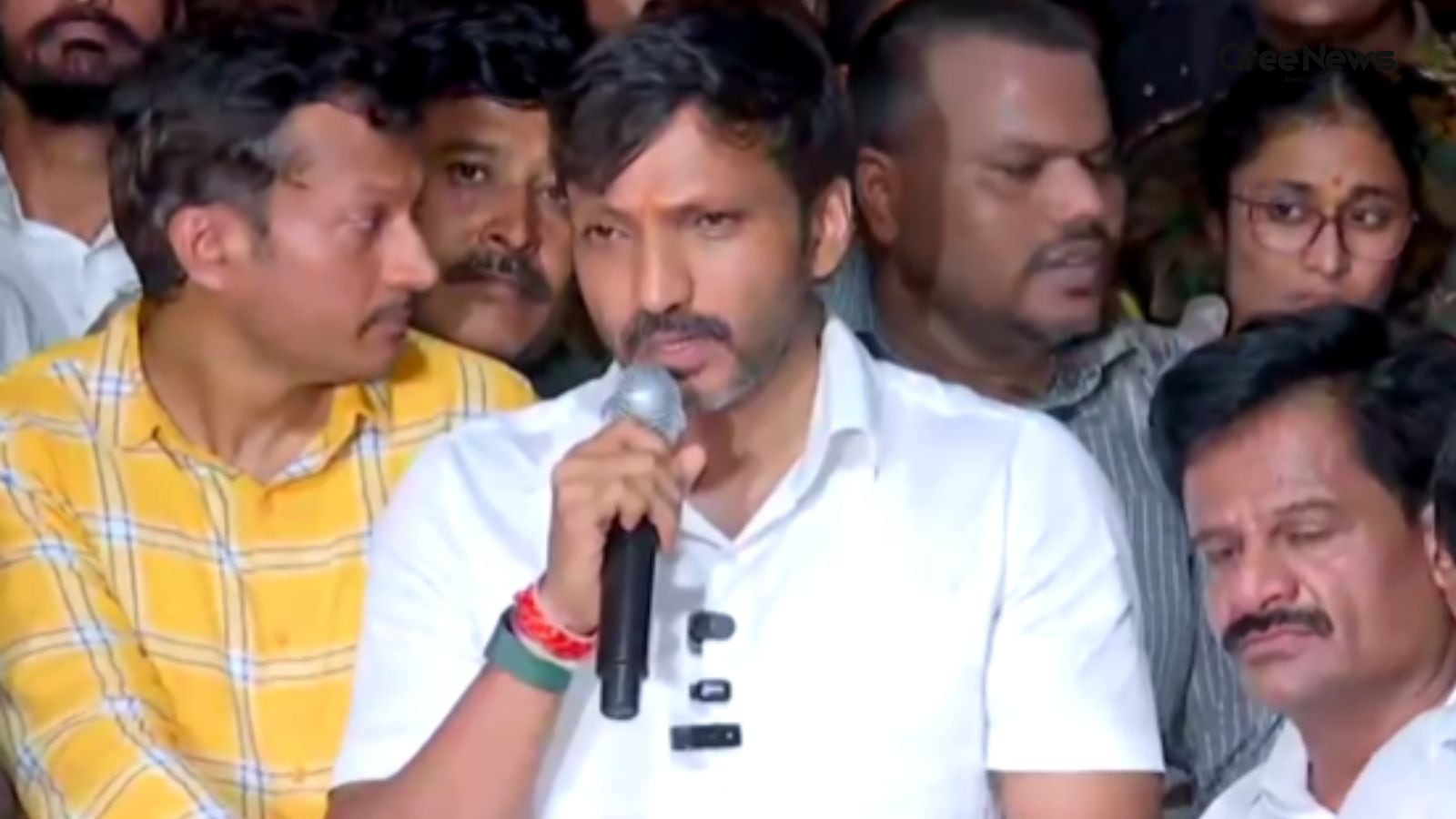
MP Defections and Political Splits in Shiv Sena
Days after things started heating up after skipping that parliamentary meeting and fueling all the rebellion buzz MP Omraje Nimbalkar finally made his move on Sunday. He announced he was joining the Eknath Shinde-led Shiv Sena. That decision apparently came after talking things over with supporters
Jun 22, 2026 by Gree News Team
Challenges and Irregularities in the NEET-UG Re-examination
About twenty-two lakh medical aspirants showed up for that NEET-UG re-examination on Sunday. But things got messy, especially in Uttar Pradesh’s Moradabad. Several candidates missed the entrance test entirely because Google Maps just pointed them to the wrong place when they were trying to get to th
Jun 22, 2026 by Gree News Team