CEO Impersonation Fraud and Cybercrime Schemes

The Ministry of Home Affairs stepped in. They warned everyone about a new way criminals are operating using the names of high-ranking officials to pull this stuff off. It’s all about fraud now.
I4C, that’s the Indian Cyber Crime Coordination Centre, they issued an advisory. It’s flagged these fraudulent emails and WhatsApp messages. They look exactly like they’re coming from the RBI or some other regulator. The target? CEOs, top executives. The whole setup is designed to compromise subordinates so those big financial transfers happen.
The NCTAU at I4C noticed this trend. They call it the “Boss Scam” or CEO impersonation fraud. Cybercriminals are hitting these high-ranking folks directly. They send malicious archives through email or WhatsApp. The cover story? Urgent regulatory compliance. Sounds official enough, right?
But that’s just the start of the mess. Once you click something, once the message is acted on that’s when things go sideways fast. The malware hits the executive’s Windows desktop or laptop. It establishes a foothold. And it hijacks whatever active WhatsApp sessions are running. They get into the session tokens.
Then comes the real trickery.
Initial contact happens through email or WhatsApp. Sophisticated criminals pose as the Reserve Bank of India, demanding immediate action because there's some violation or urgent security fix needed. It pushes for a response right now. Very short timeframe looming.
Inside those messages? They don’t send plain text. They pack it up a compressed .zip archive. Inside that file, you find the nasty stuff: an executable file, an .exe, and a DLL.
Investigators have seen this pattern before. People forward these scary messages around. CEOs forwarding things to finance officers. That's how the chain starts moving. Systems get compromised one by one.
When someone finally extracts and runs that file on their desktop that’s when the Trojan dropper kicks in. It locks down the system, takes control of everything. The malware sets up a persistent hold. And it hijacks those session tokens we talked about earlier. Everything is now under criminal control.
Then they move to the money. This stage is where the actual fraud explodes. Once the fraudsters have access to the executive’s real WhatsApp account or whatever digital key they managed to snag they contact accounts or finance staff directly. They tell them, "Move this money now ." Into specific mule bank accounts.
There's another variant too. Some reports suggest something even sneakier happens after the device takeover. The fraudsters might secretly change the phone’s contact list. Save a fake number under the CEO’s name. A secondary line. Then they use that to instruct employees about fund transfers. It makes it look like an internal, urgent order.
I4C is pushing back now. They are telling Finance departments: stop. Stop verifying any request for money or account changes based only on a WhatsApp text or email. You need confirmation. A direct voice call. In-person confirmation. That’s the line they want you to hold onto right now.
Written by Gree News Team — Senior Editorial Board
Gree News Team covers international news and global affairs at Gree News. Our collective of senior editors is dedicated to providing independent, accurate, and responsible journalism for a global audience.
More from India
View All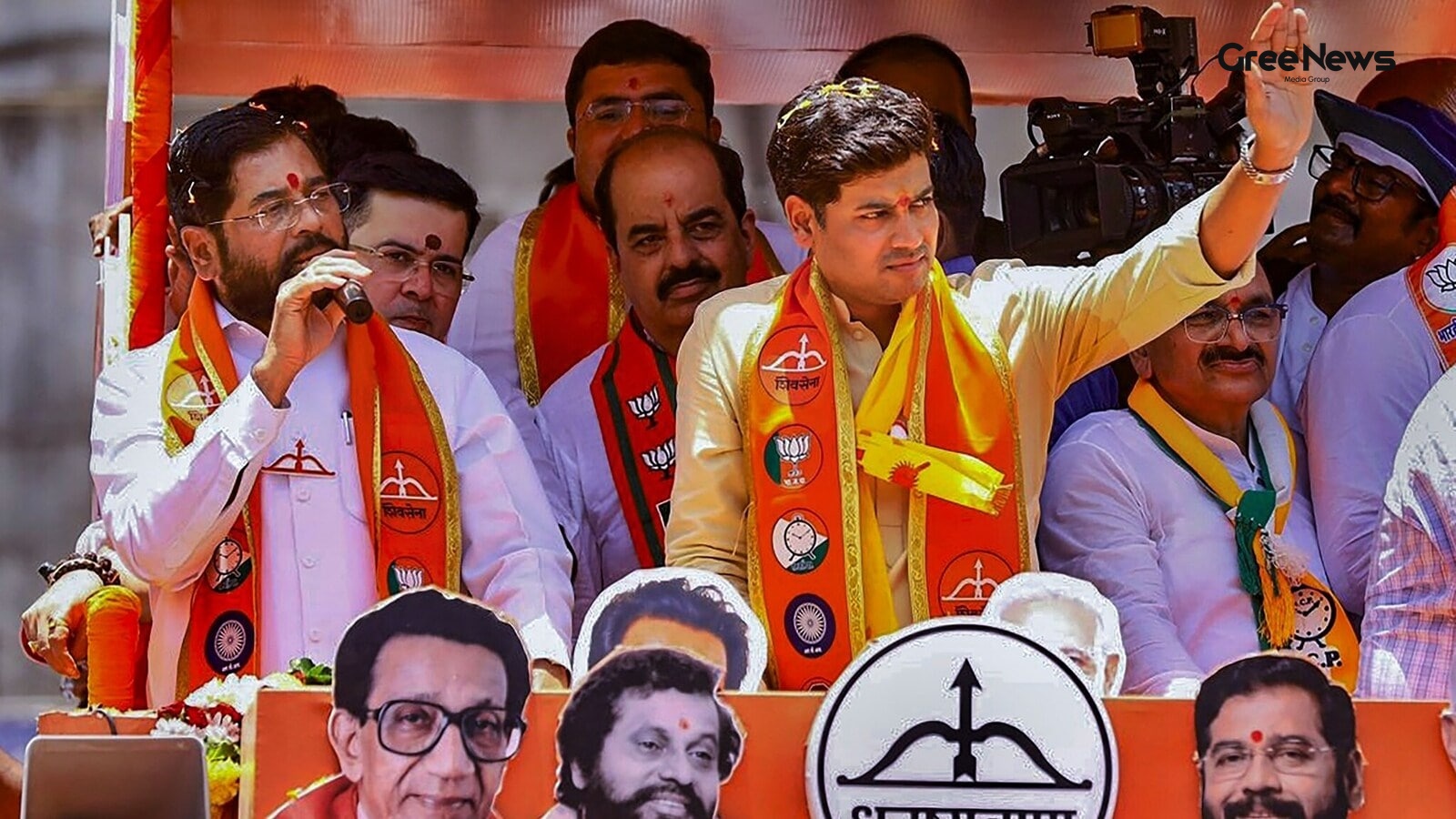
Political Shifts and Defections in Maharashtra
Shrikant Shinde, that guy credited with ‘Operation Tiger’ in the Shiv Sena world, he suggested something Monday. He said more political shifts could happen now that six UBT MPs have jumped over to Eknath Shinde's side. After all that movement. He wasn’t just talking about a single move though. It fe
Jun 23, 2026 by Gree News Team
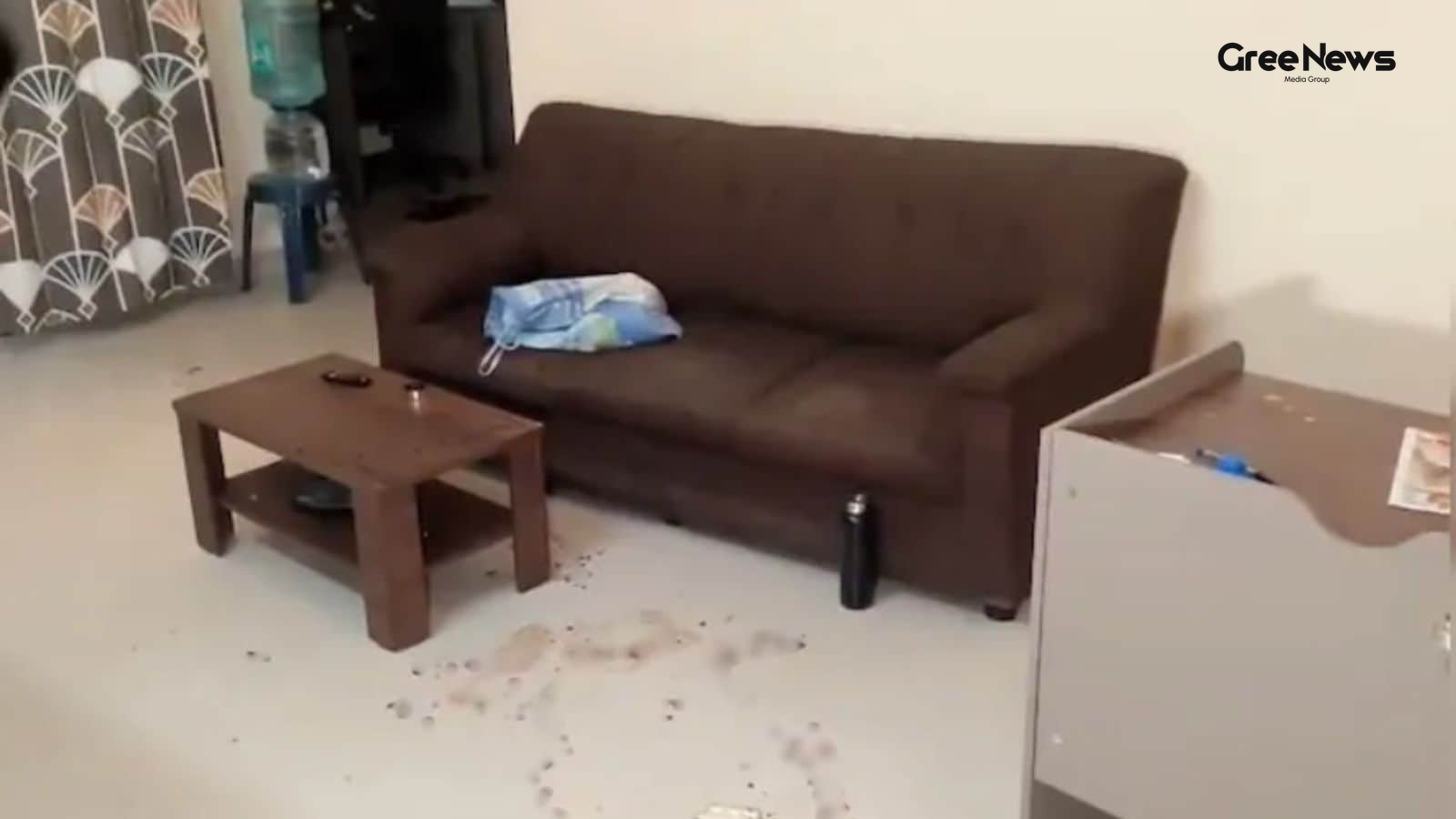
Stabbing Incident in Bengaluru: Investigation and Family Tensions
Three people were allegedly stabbed to death inside their apartment in Bengaluru’s Seegehalli area. It was a massive police search operation right after that happened. The incident itself, according to the police file, wrapped up on Monday evening, somewhere between six and six-thirty pm near Kastur
Jun 23, 2026 by Gree News Team
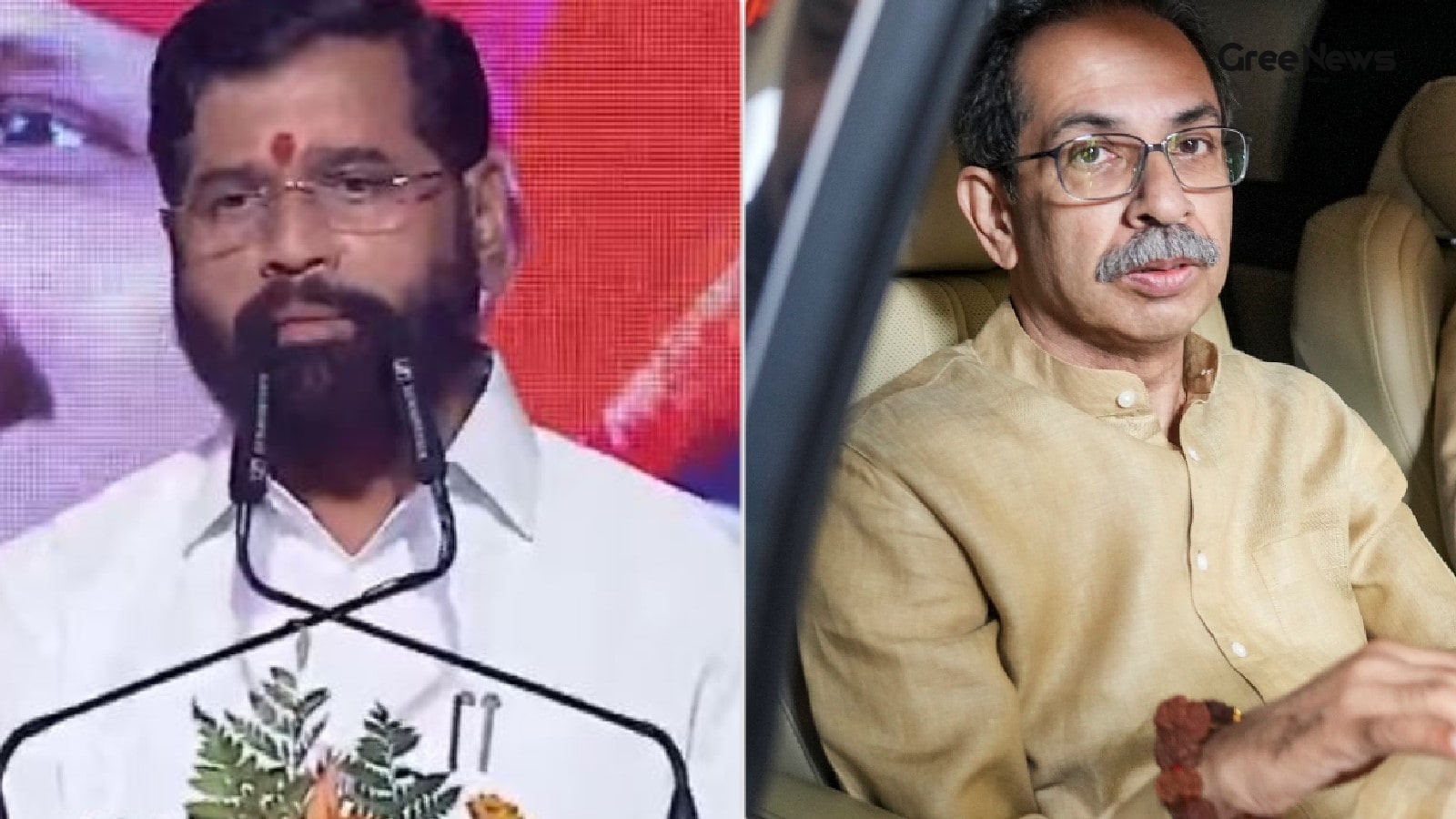
Political Explosions and Shifting Power in Maharashtra
A day after those six Shiv Sena (UBT) Lok Sabha MPs jumped ship to Eknath Shinde’s camp, joining Maharashtra minister Uday Samant, things just keep heating up. He wasn't holding back. Samant hinted that more political explosions were coming. Not just some little squabbles. Real ones. The kind that a
Jun 23, 2026 by Gree News Team
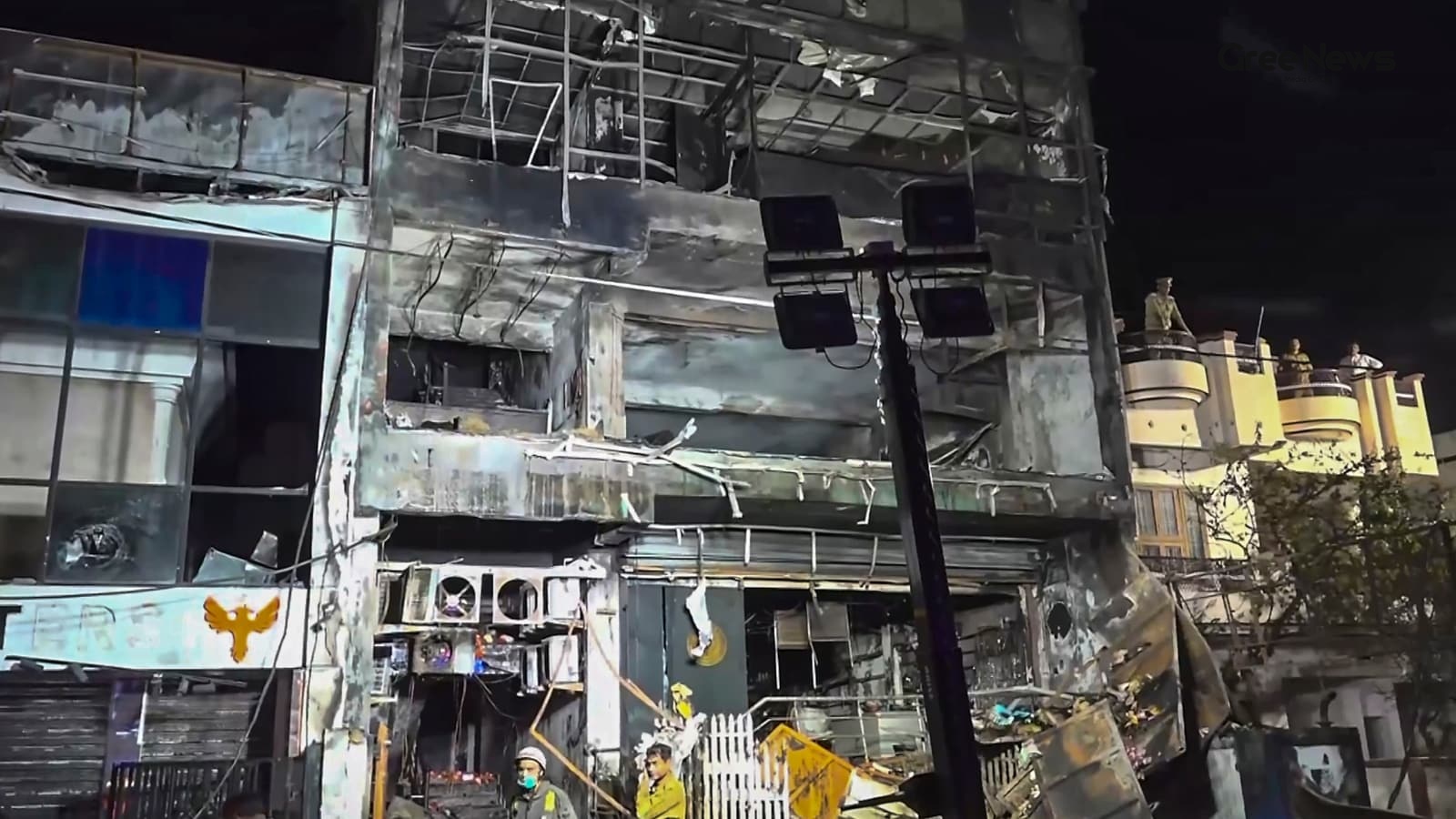
Lucknow Building Fire: Systemic Failure and Safety Violations
A massive fire. That’s what happened in Lucknow. A commercial building in Aliganj went up in flames on Monday. Fifteen people died. Several others got hurt. It was just chaos, really. An FIR got filed right away. The initial report is all about that blaze and the terrible cost of it. When you look a
Jun 23, 2026 by Gree News Team
Latest Headlines
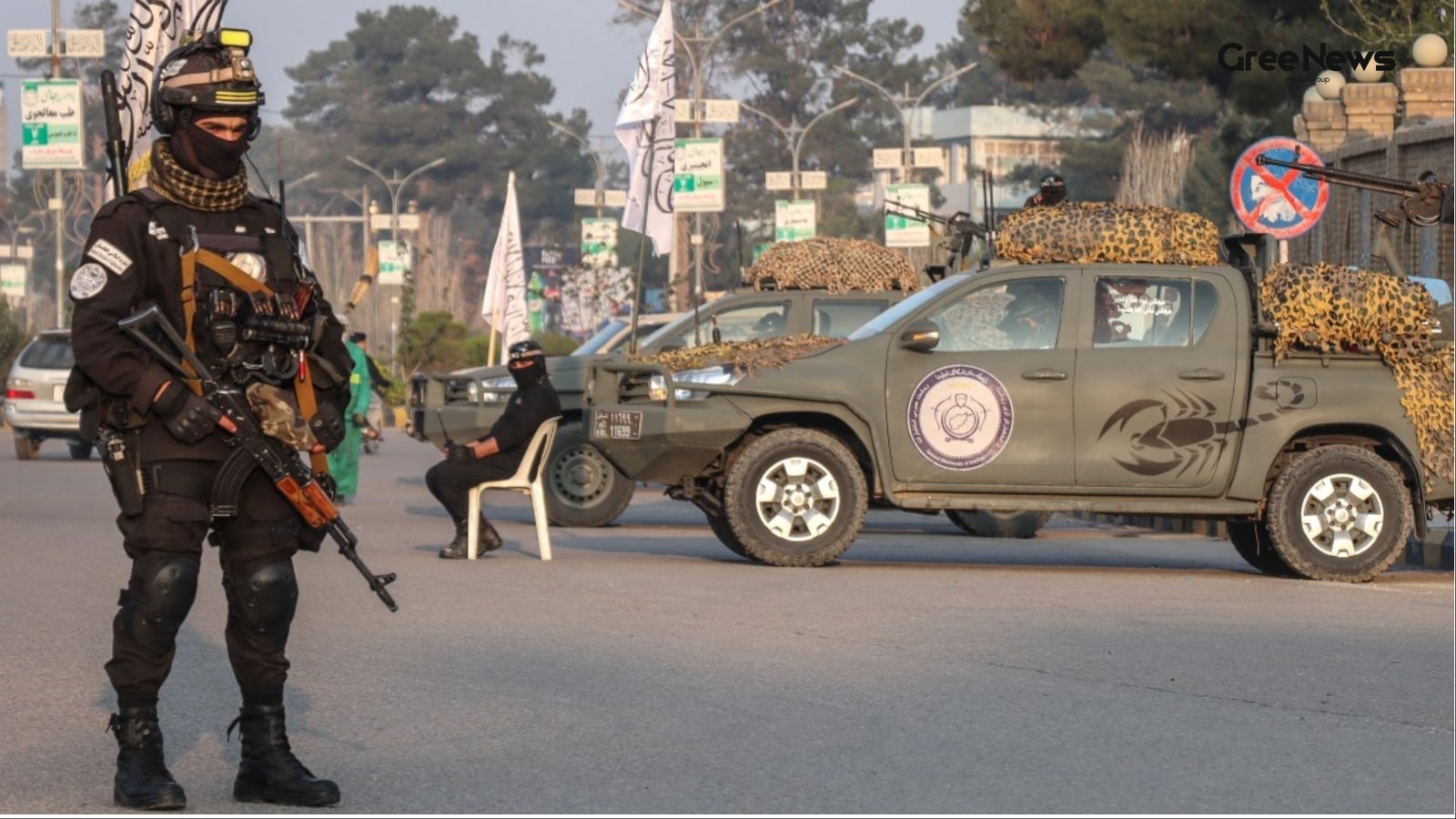
Taliban Morality Police Detention of Aid Workers
The Taliban’s morality police acted fast. They briefly detained about twenty aid workers at a reception center near the Afghan border with Iran. The reason? They accused these people of not meeting the country’s beard length requirements. This came out, apparently, through sources cited by AFP, thou
Jun 23, 2026 by Gree News Team
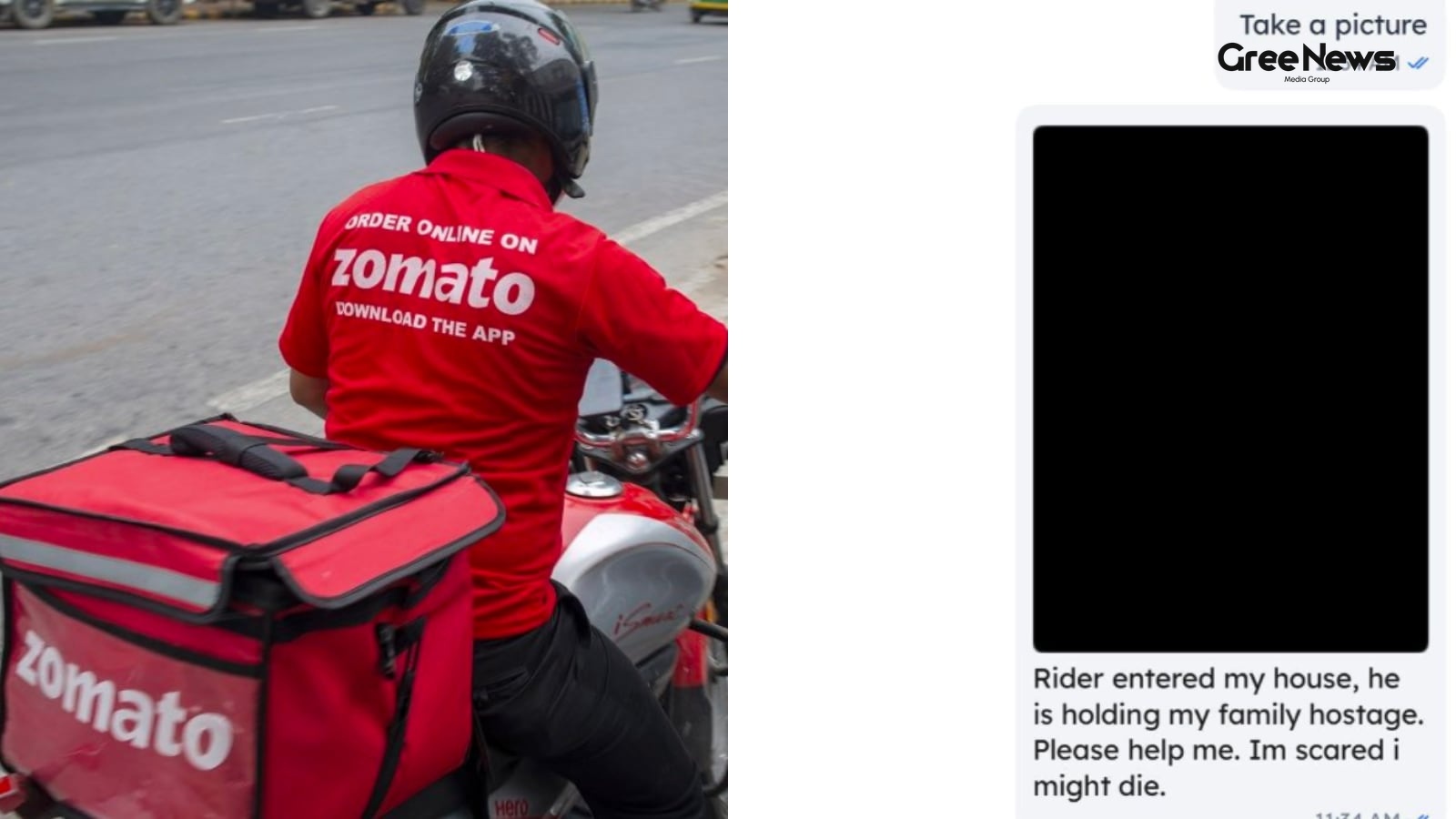
The Frustration of Zomato Customer Care and Automated Systems
You know, sometimes you see stuff online, right? Not the polished press releases. Just raw frustration bleeding out. That’s what this whole thread was about. A customer, totally fed up with automated responses everywhere, ended up posting something kind of wild through the Zomato support system. It
Jun 23, 2026 by Gree News Team
Political Shifts and Defections in Maharashtra
Shrikant Shinde, that guy credited with ‘Operation Tiger’ in the Shiv Sena world, he suggested something Monday. He said more political shifts could happen now that six UBT MPs have jumped over to Eknath Shinde's side. After all that movement. He wasn’t just talking about a single move though. It fe
Jun 23, 2026 by Gree News Team

The Legacy and Evolution of Indian Television Soaps
Ektaa Kapoor. You just have to talk about her reputation, doesn't she? It’s not just about making shows; it’s about building something that sticks around. Years and years of keeping audiences hooked. Blockbuster soaps, those long family dramas she always manages to find that loyal base. And look at
Jun 23, 2026 by Gree News Team
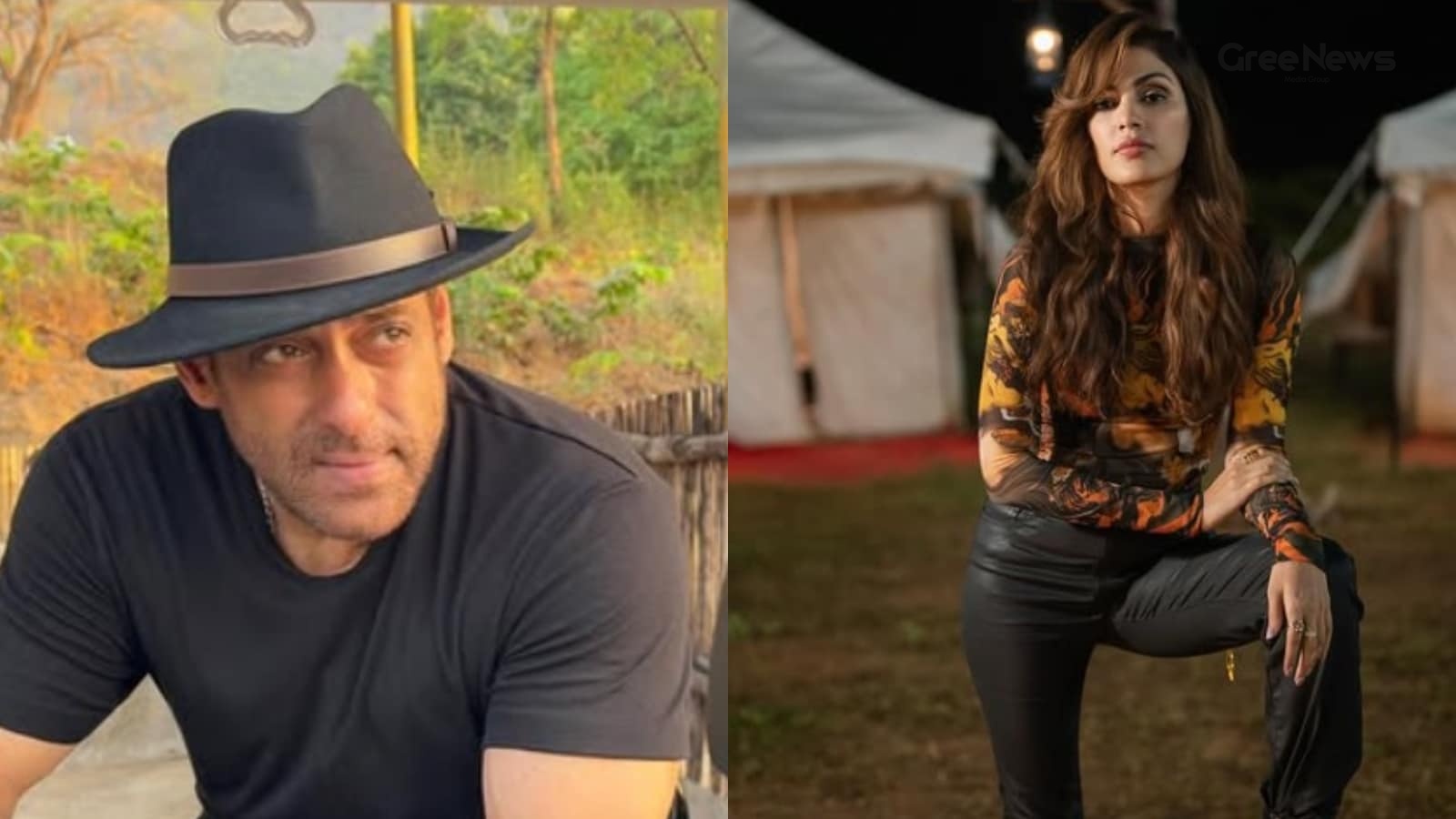
Legal Troubles of Bollywood Celebrities
You see, it’s always something happening with these big names. It’s not just about the movies anymore. There’s this shadow that follows them the time spent behind bars. We talk about Salman Khan, for instance. He’s had some rather messy legal chapters over the years. We’re talking about those early
Jun 23, 2026 by Gree News Team

The Creator Economy vs. Traditional Careers in India
Aarush Bhola, that actor and creator, just dropped a luxury BMW sedan in his garage. And honestly, the internet? It’s losing its mind over it. He shared some photos of himself and the family with the new ride. The caption was simple: “Manifest it, and along with it work hard.” A little motivational
Jun 23, 2026 by Gree News Team
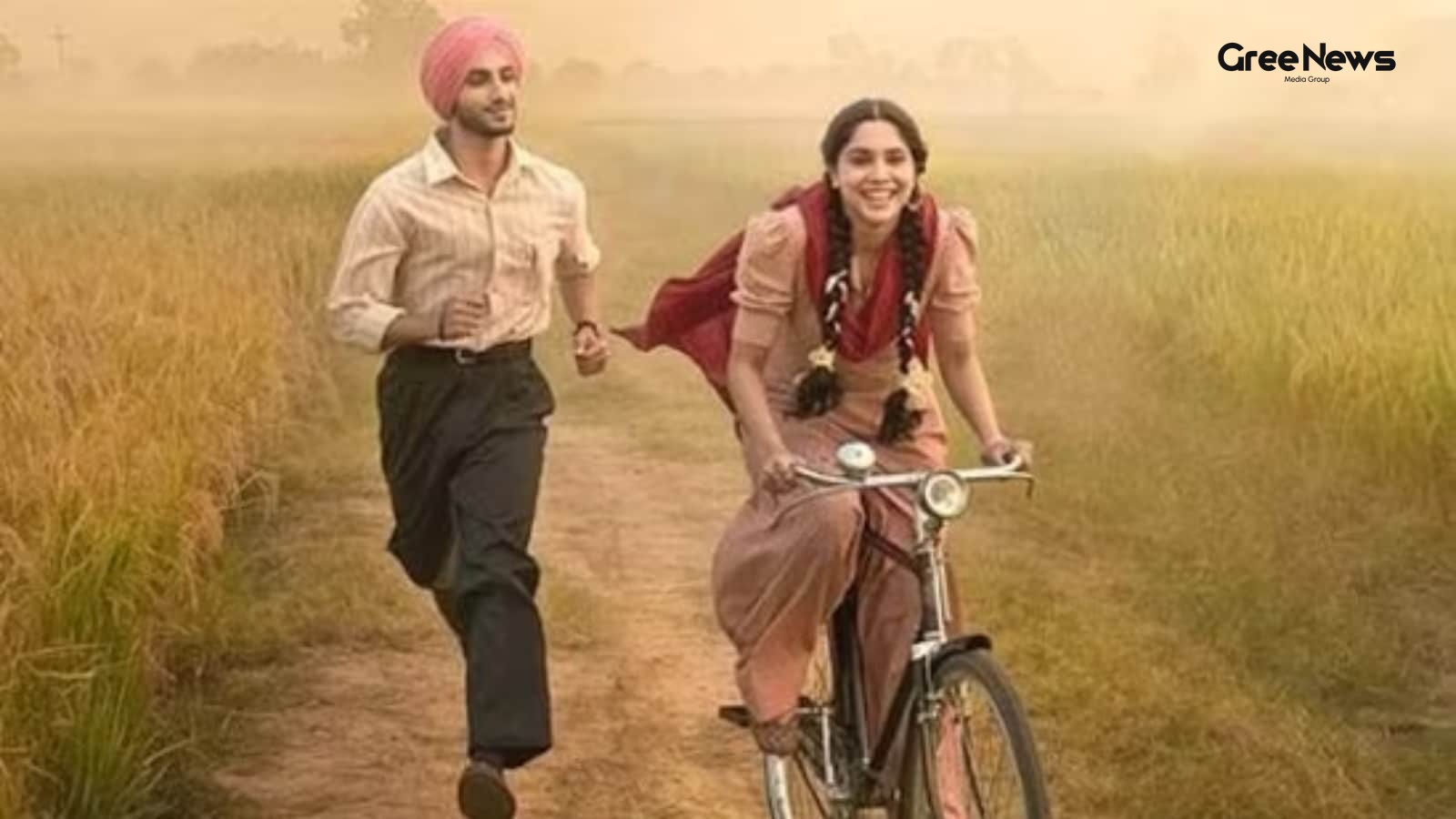
The Resilience and Story Behind *Main Vaapas Aaunga*
That film, *Main Vaapas Aaunga*, it’s still holding onto something. Weekday numbers are keeping it in the conversation, even into its second week now. It showed surprising grit compared to how slow things started out Monday. You see competition everywhere, but Imtiaz Ali managed to keep that audienc
Jun 23, 2026 by Gree News Team
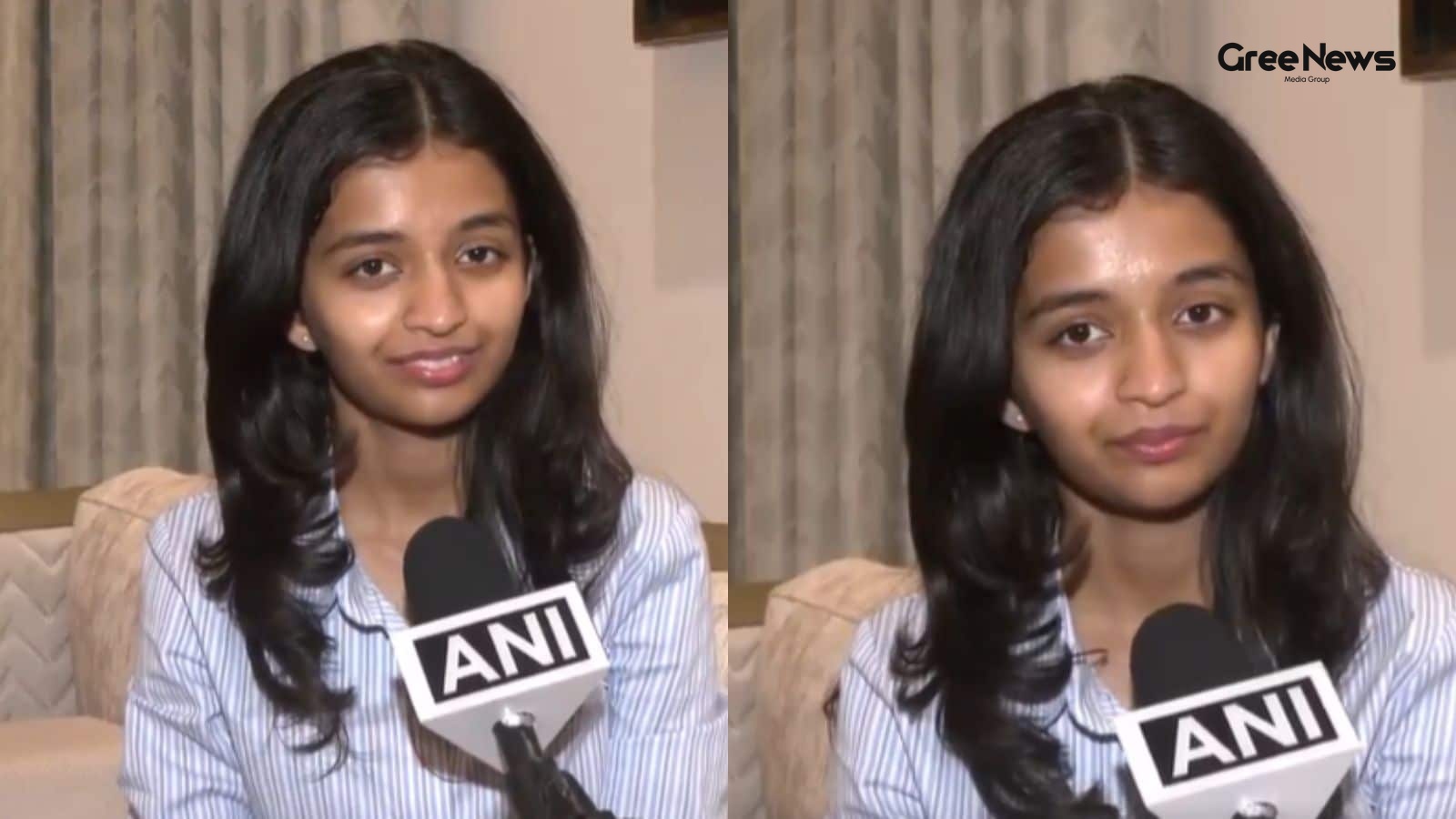
Avni Kejriwal's CBSE Re-evaluation and the Shocking Marks
That whole story about Avni Kejriwal and her CBSE re-evaluation just blew up social media. People were calling it one of those truly shocking board exam moments this year. Avni, she was in Class 12 commerce, from Ranchi. She went from scoring just over ninety-two percent. Then, after the CBSE checke
Jun 23, 2026 by Gree News Team
Stabbing Incident in Bengaluru: Investigation and Family Tensions
Three people were allegedly stabbed to death inside their apartment in Bengaluru’s Seegehalli area. It was a massive police search operation right after that happened. The incident itself, according to the police file, wrapped up on Monday evening, somewhere between six and six-thirty pm near Kastur
Jun 23, 2026 by Gree News Team

Pakistan's Migration, Security, and Gulf Relations
Pakistan’s Gulf partners have started flagging something really uncomfortable for Islamabad. We’re talking about over five thousand five hundred Pakistani beggars being caught in Saudi Arabia alone. The UAE has also raised serious concerns about Pakistani nationals involved in begging, that’s what M
Jun 23, 2026 by Gree News Team

Work-Life Balance and Corporate Expectations in India
You know how it is. Even after working for twelve hours straight, some working professionals just log off early. It’s not uncommon these days. Someone posted something online about this exact situation. They mentioned that a client actually reported to their company management. They said the team de
Jun 23, 2026 by Gree News Team

The Evolution of Indian Gin: From Importation to Local Craftsmanship
For years, premium spirits in India felt very much defined by what was imported and some kind of international aspiration. But things are changing now. A whole new wave of Indian gin brands is reshaping that conversation. They aren't looking outward anymore. They’re turning inward instead. It’s abou
Jun 23, 2026 by Gree News Team

The Unseen Dynamics of Change and Information Flow
The air in the room felt thick today. It started subtly enough. A slight hesitation in a public statement here, a glance averted there. Nothing concrete yet, just this underlying current of unease running through the city. You watch these things unfold, right? Then the official chatter kicked up. Su
Jun 23, 2026 by Gree News Team
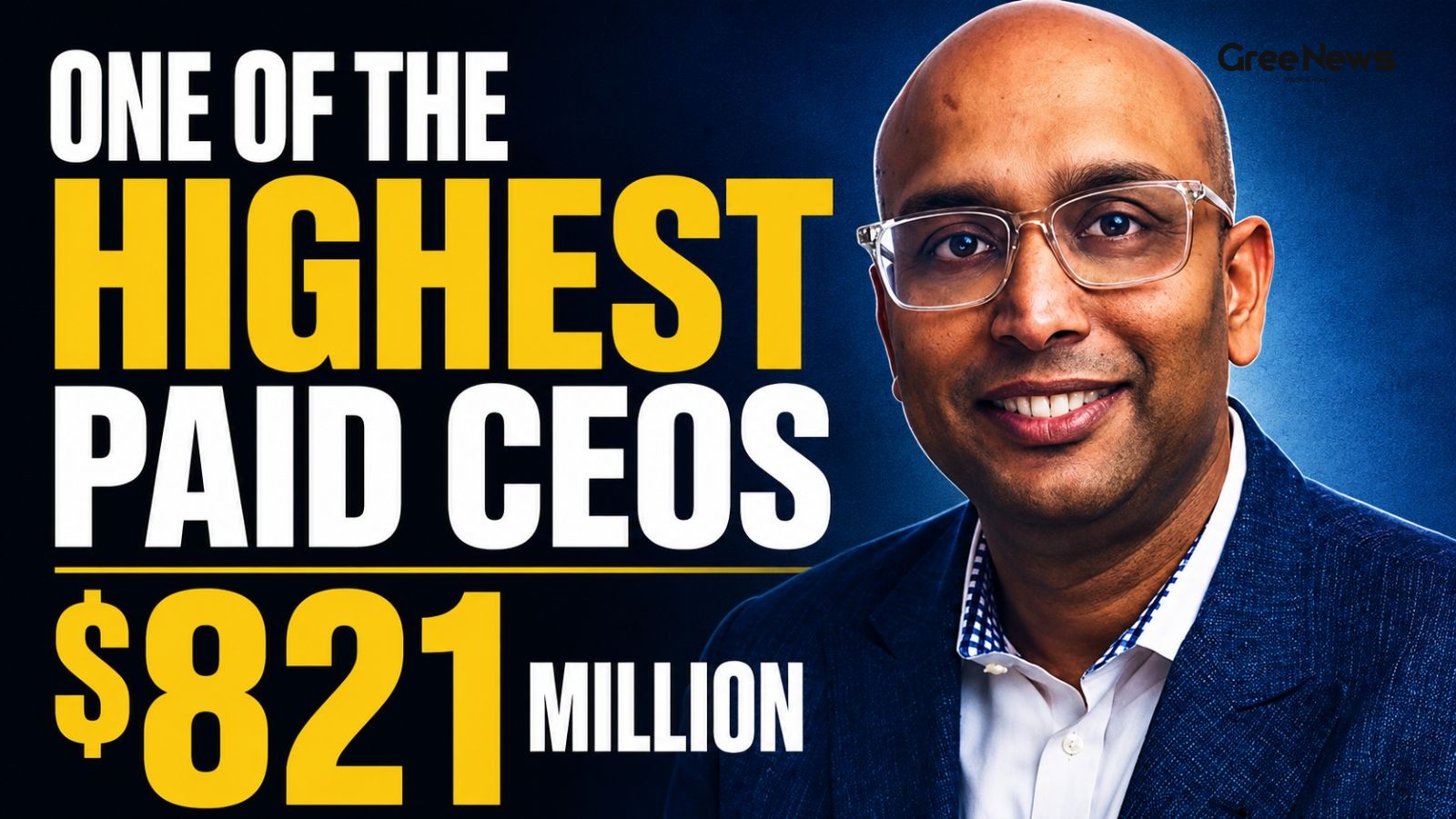
Shankh Mitra's Massive Compensation and Career at Welltower
Shankh Mitra, an Indian origin executive, has pulled off something massive with his compensation package at Welltower. We’re talking $821 million roughly seven thousand and sixty-one crore rupees. That puts him right behind Elon Musk as the second highest paid executive in the company. He’s the CEO
Jun 23, 2026 by Gree News Team
Political Explosions and Shifting Power in Maharashtra
A day after those six Shiv Sena (UBT) Lok Sabha MPs jumped ship to Eknath Shinde’s camp, joining Maharashtra minister Uday Samant, things just keep heating up. He wasn't holding back. Samant hinted that more political explosions were coming. Not just some little squabbles. Real ones. The kind that a
Jun 23, 2026 by Gree News Team