The History and Identity of the Nihangs: Warrior Tradition and Recent Standoffs
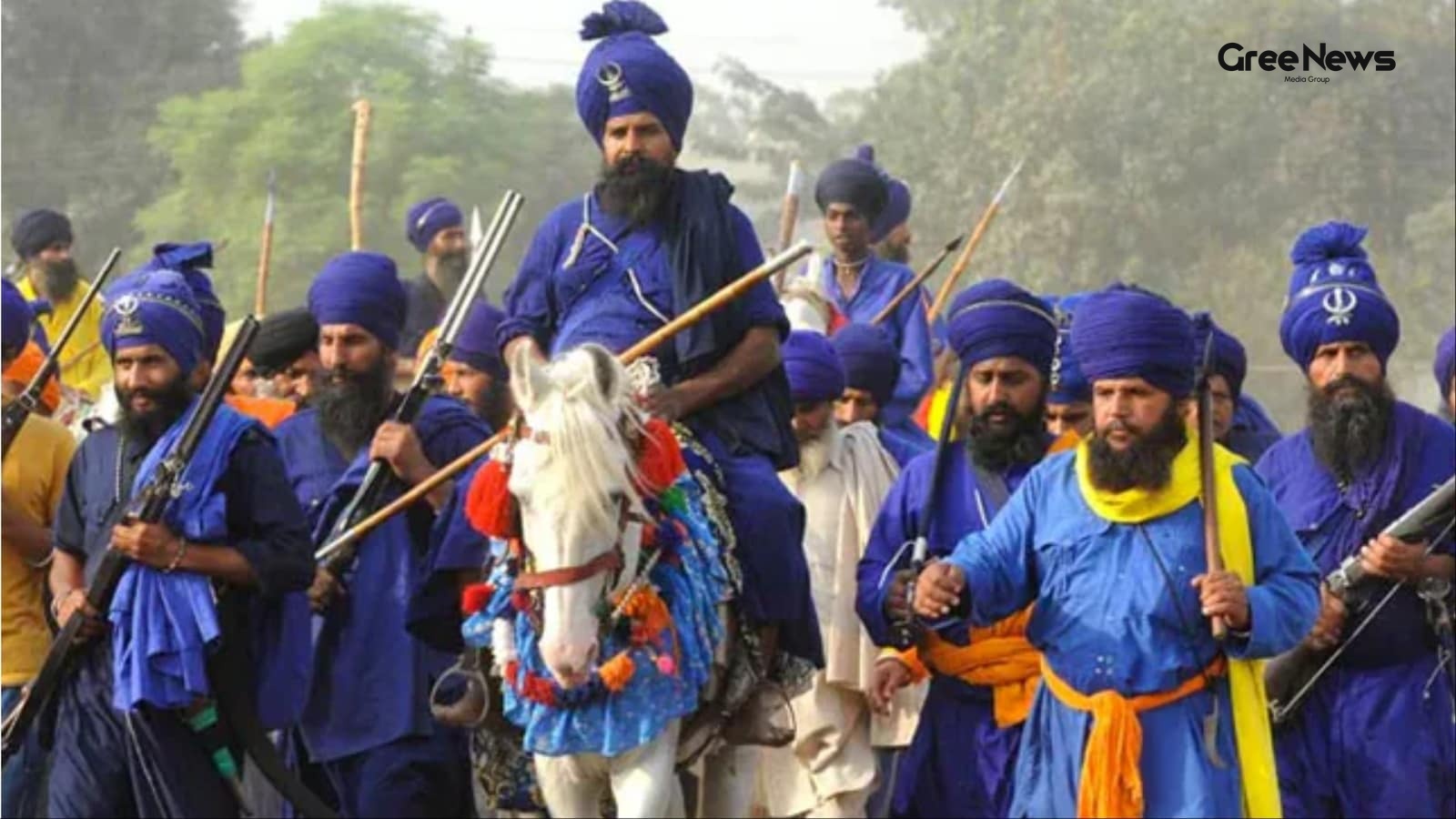
That whole situation happening at Nagarasu Gurdwara in Uttarakhand it just pulls national attention back to one part of Sikh history, you know? It deals straight up with the Nihangs and their warrior identity .
It’s not just some recent clash. The Nihang order itself, it has this deep root, centuries old stuff tied into Sikh military life and religious tradition. That’s the baseline.
Right now, headlines are mostly focused on the standoff between these guys and the local administration. But you have to remember that the Nihangs aren't just a modern issue. They come from a history of being actual armed defenders in northern India for ages.
Around half a dozen Nihang Sikhs ended up occupying the roof of the Nagarasu Gurdwara. Why? They were demanding the release of some fellow Nihangs who’d been arrested after a skirmish back in Karnaprayag earlier this month. Tension is thick there.
Police said they got some movement, though. Talks are yielding results. Two Nihangs actually came down from the roof. That’s progress, I guess. Meanwhile, the administration keeps pushing that the Hemkund Sahib pilgrimage and all the religious activities at the gurdwara are still going on peacefully. A bit of a disconnect there.
Nihang Sikhs . They get known as Akali Nihangs . It’s more than just a name. It points to this whole lineage, this tradition where they were molded into warrior bands under the Sikh Gurus.
You look at the roots. Historians and scholars link their emergence directly to those martial traditions established by Guru Hargobind, that sixth Guru, and then really hammered home by Guru Gobind Singh when he founded the Khalsa in 1699. That’s where the identity starts forming.
The word "Akali" itself means something about being immortal or belonging to the Timeless One Akal. And Nihang? It usually gets interpreted as fearless, unattached, always ready for battle. That sense of readiness is baked in there.
Historically, these groups were basically the armed shields for the Sikh faith. They played a massive role during all those conflicts happening across northern India. They weren't just spiritual; they were military forces too.
You see them instantly, though. The blue color. It’s deep, unmistakable. Then you see the large turbans, those famous dumalas . And of course, the weapons swords, spears, all that stuff it’s woven into who they are. That blue isn't just a color choice. It ties back to the warrior history of the Khalsa right from the start.
A lot of them still stick to these customs. The dress code, the practices. They feel like a direct link to how Sikh warriors lived during that era of the Gurus. It’s about preserving something very specific.
The reputation they built in the 18th century was formidable. That was when the Sikhs were facing constant invasions and persecution. These Nihangs fought as incredibly mobile warrior bands. They managed to engage much larger armies, even when they were way outnumbered. There's a history there of them serving within the military structure later on, like under Maharaja Ranjit Singh’s Sikh Empire.
Leaders like Akali Phula Singh stick out in that record. Remembered for their campaigns, defending the institutions. They became custodians not just of faith but of these martial ways. Preserving the weaponry and combat practices, it all falls into that tradition over time.
Today? They are still visible within Sikh life, especially back in Punjab. You see them participating in things groups like the Budha Dal or Tarna Dal. They do processions, festivals, those ceremonial displays of skill. And they help out with seva , community service, assisting pilgrims during big gatherings.
But that visibility is also what brings attention. When there are disputes involving law enforcement or local authorities? Suddenly, these incidents attract a lot of eyes because of the group’s look, their martial identity, all the symbolism attached to them.
The focus on this episode in Rudraprayag really highlights that dynamic. It started with those arrests and clashes in Karnaprayag. Now there's the investigation shuffling around authorities trying to stay impartial, plus a separate inquiry into how the police handled things. It’s messy, isn't it? Just a lot of moving parts layered on top of deep history.
Written by Gree News Team — Senior Editorial Board
Gree News Team covers international news and global affairs at Gree News. Our collective of senior editors is dedicated to providing independent, accurate, and responsible journalism for a global audience.
More from India
View All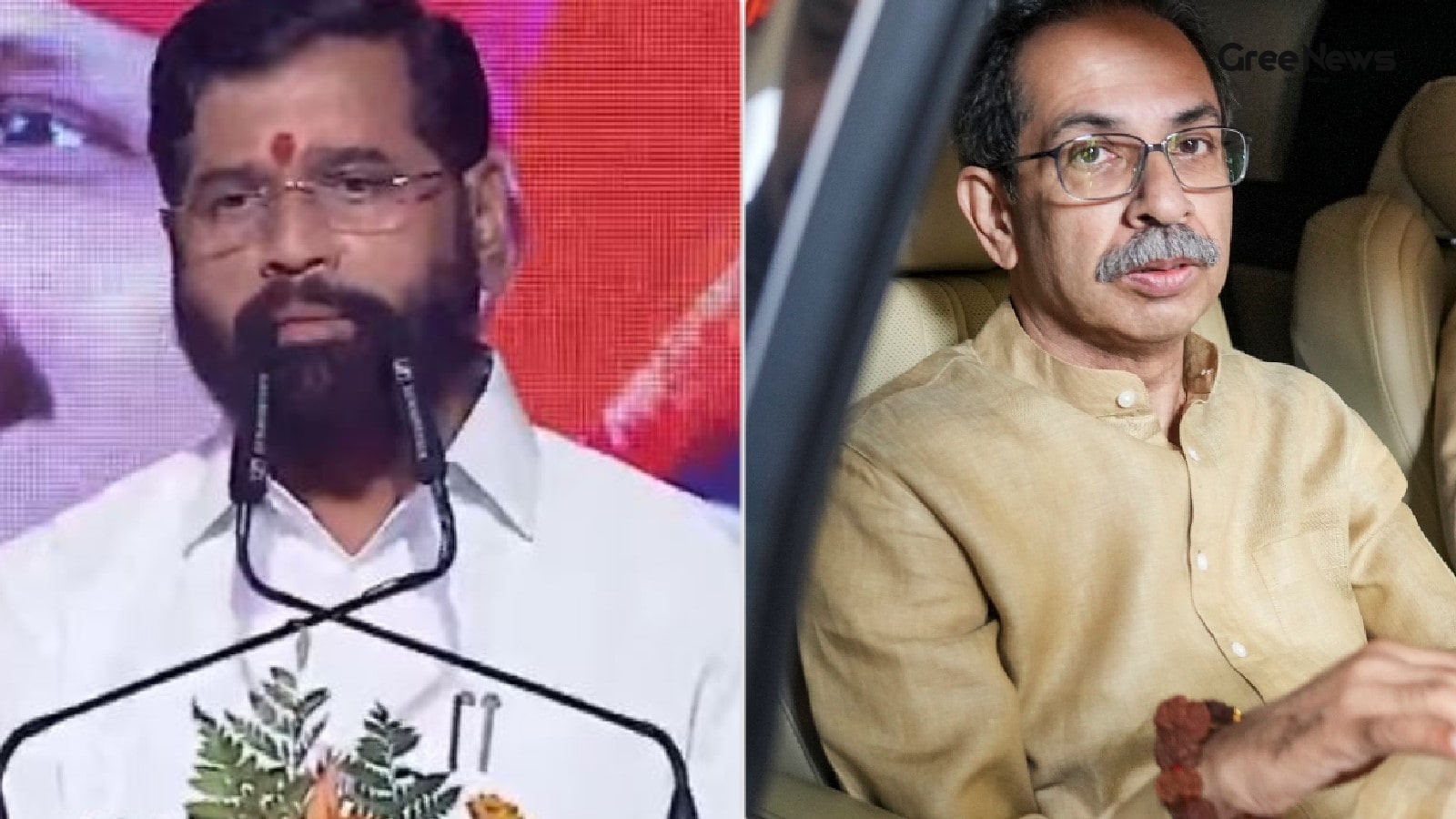
Political Explosions and Shifting Power in Maharashtra
A day after those six Shiv Sena (UBT) Lok Sabha MPs jumped ship to Eknath Shinde’s camp, joining Maharashtra minister Uday Samant, things just keep heating up. He wasn't holding back. Samant hinted that more political explosions were coming. Not just some little squabbles. Real ones. The kind that a
Jun 23, 2026 by Gree News Team
Lucknow Building Fire: Systemic Failure and Safety Violations
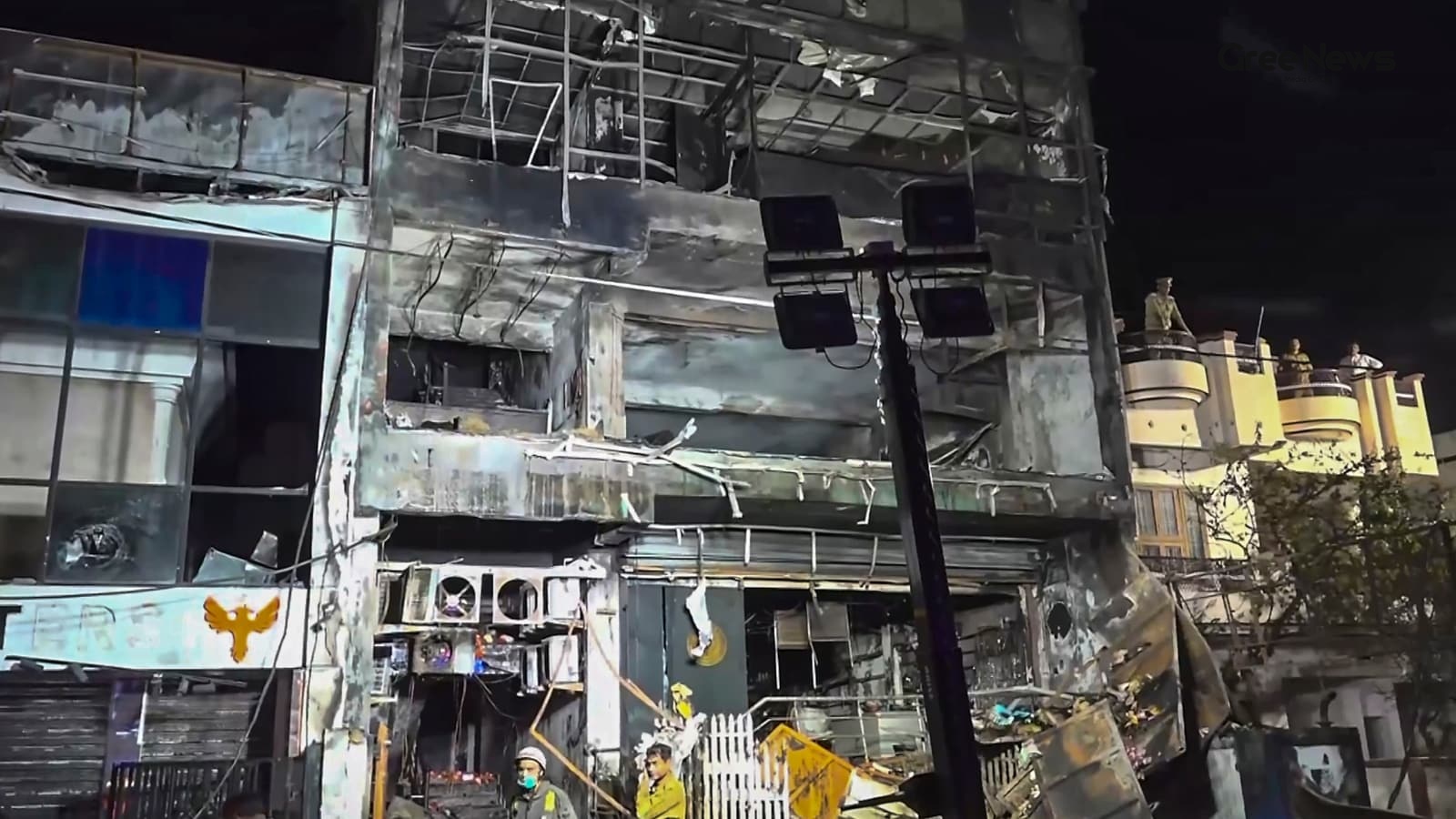
A massive fire. That’s what happened in Lucknow. A commercial building in Aliganj went up in flames on Monday. Fifteen people died. Several others got hurt. It was just chaos, really. An FIR got filed right away. The initial report is all about that blaze and the terrible cost of it. When you look a
Jun 23, 2026 by Gree News Team
Sanae Takaichi's Official Trip to India and the Shift in Focus
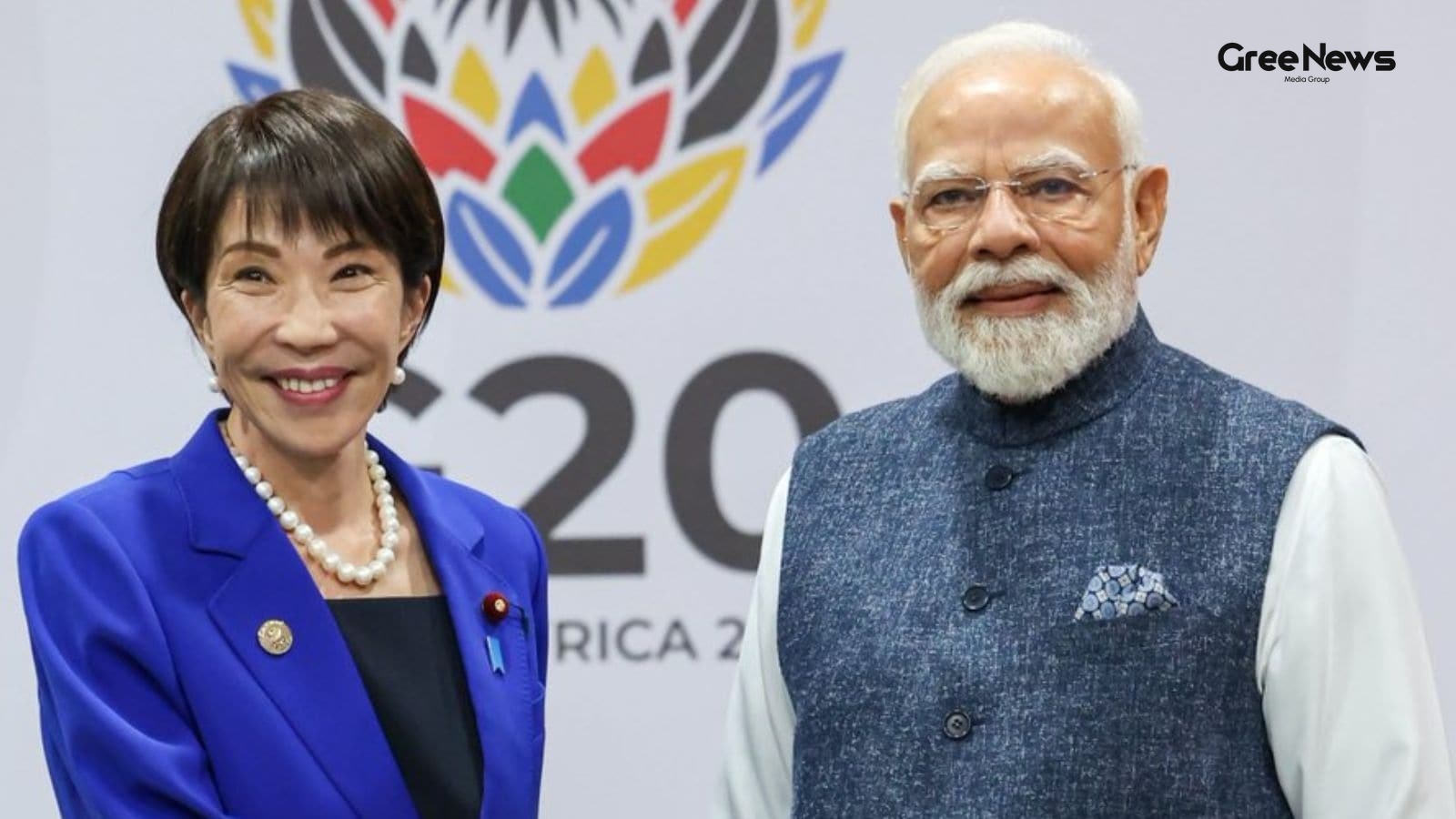
Sanae Takaichi is probably going to stick her first official trip to India in New Delhi next month. Guwahati, which had been floated as a possibility for this high-profile visit, seems off the table now. CNN-News18 picked up on that detail. She’s expected to be in India from July 1st to 3rd. The mai
Jun 23, 2026 by Gree News Team
Political Shifts and Strategy in Maharashtra
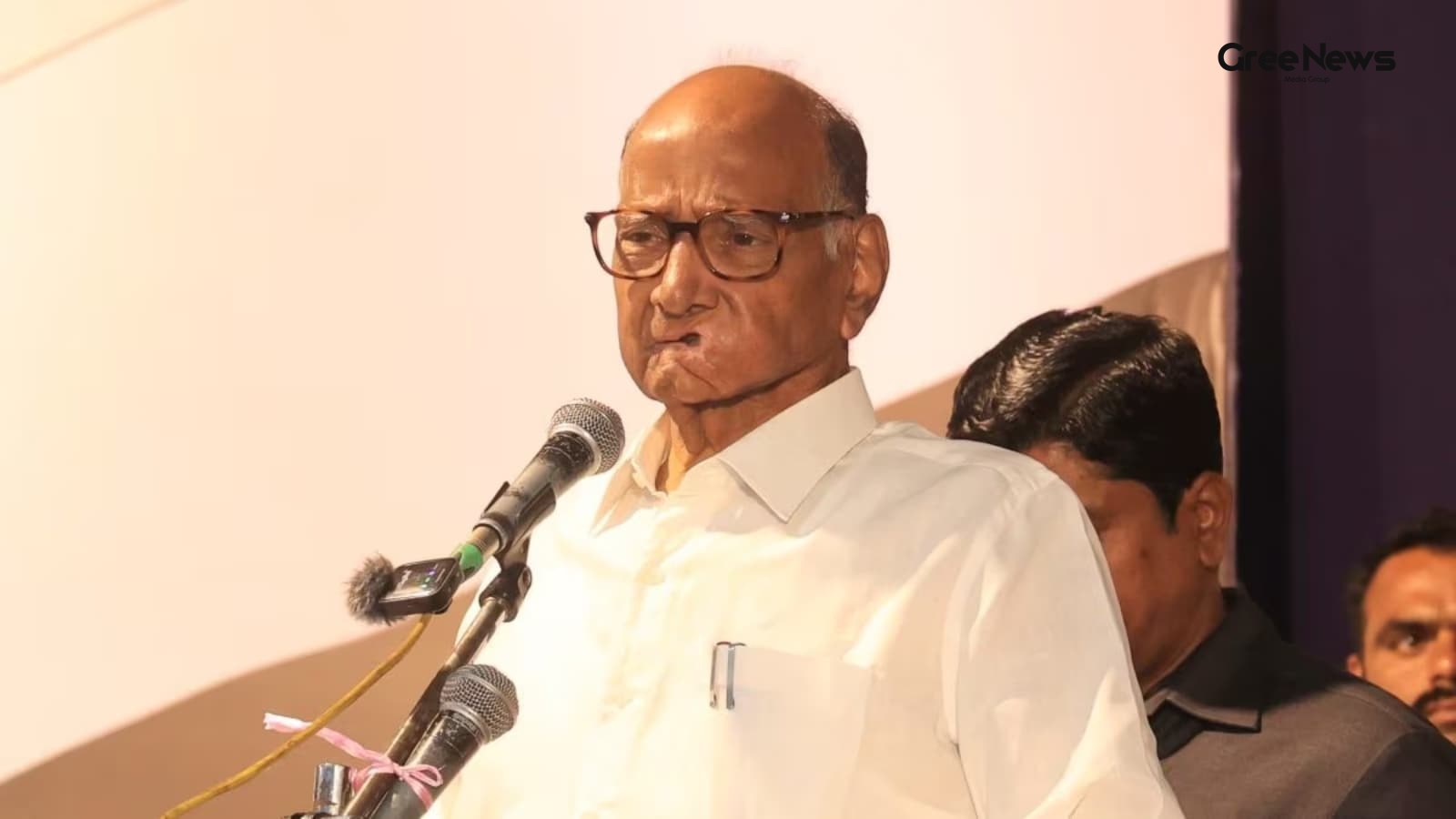
You hear about the whole situation happening in Maharashtra. It’s all shifting around right now after some big exits. Twenty Trinamool Congress MPs walked out. Then six Shiv Sena UBT Lok Sabha members left for the Eknath Shinde side. Media and folks watching politics are now really focused on the NC
Jun 23, 2026 by Gree News Team
Latest Headlines
Lucknow Building Fire: Systemic Failure and Safety Violations
A massive fire. That’s what happened in Lucknow. A commercial building in Aliganj went up in flames on Monday. Fifteen people died. Several others got hurt. It was just chaos, really. An FIR got filed right away. The initial report is all about that blaze and the terrible cost of it. When you look a
Jun 23, 2026 by Gree News Team
Imtiaz Ali’s Film *Main Vaapas Aaunga* Reception and Buzz
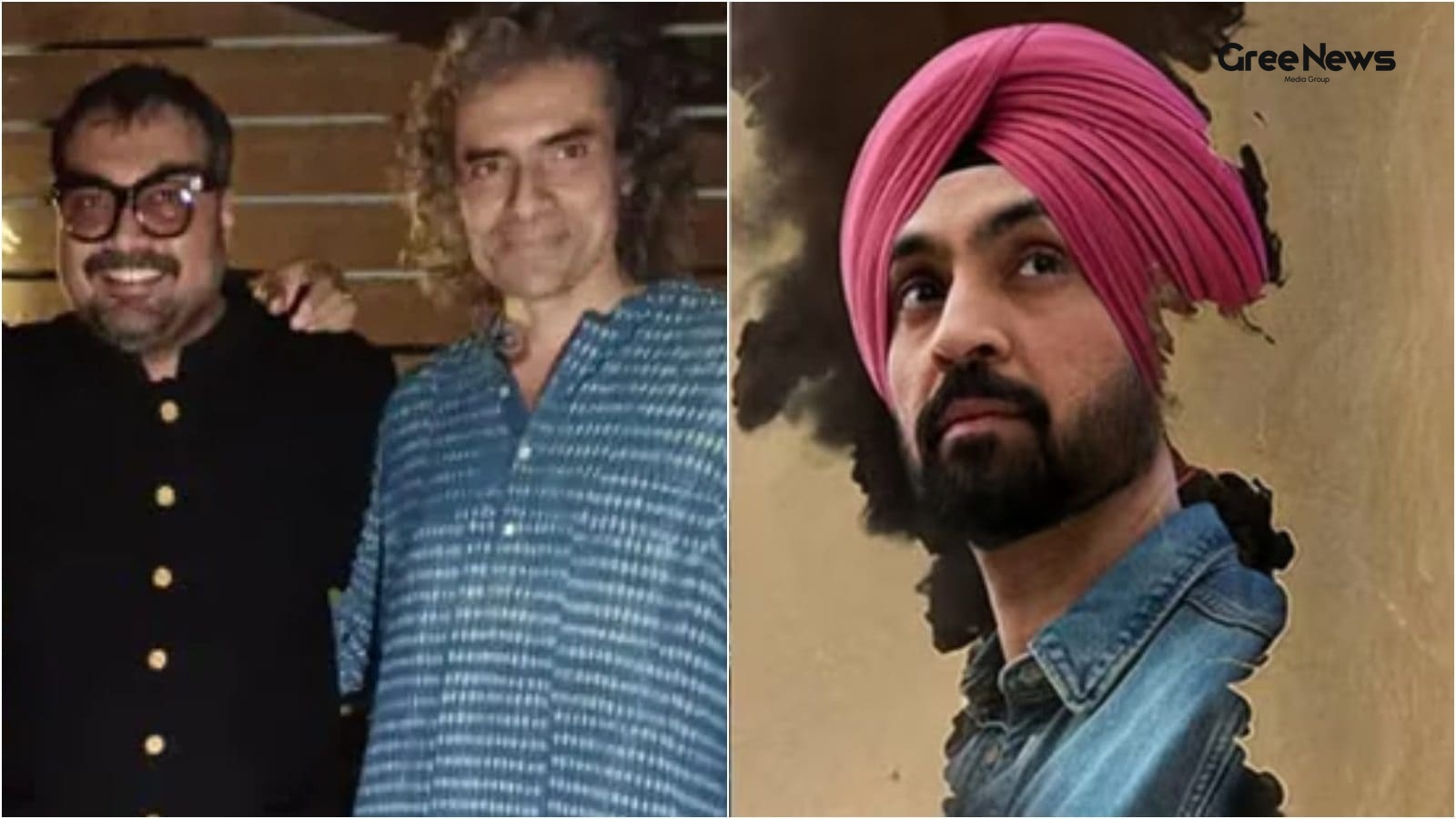
Imtiaz Ali’s latest film, *Main Vaapas Aaunga*, starring Sharvari, Vedang Raina, Diljit Dosanjh, and Naseeruddin Shah, turned out to be quite a surprise hit. It really struck a chord with people across the country. It didn't exactly explode at the box office right away, though. There was a slow star
Jun 23, 2026 by Gree News Team
Sanae Takaichi's Official Trip to India and the Shift in Focus
Sanae Takaichi is probably going to stick her first official trip to India in New Delhi next month. Guwahati, which had been floated as a possibility for this high-profile visit, seems off the table now. CNN-News18 picked up on that detail. She’s expected to be in India from July 1st to 3rd. The mai
Jun 23, 2026 by Gree News Team
CM Vijay's Cinematic Gesture and Political Impact
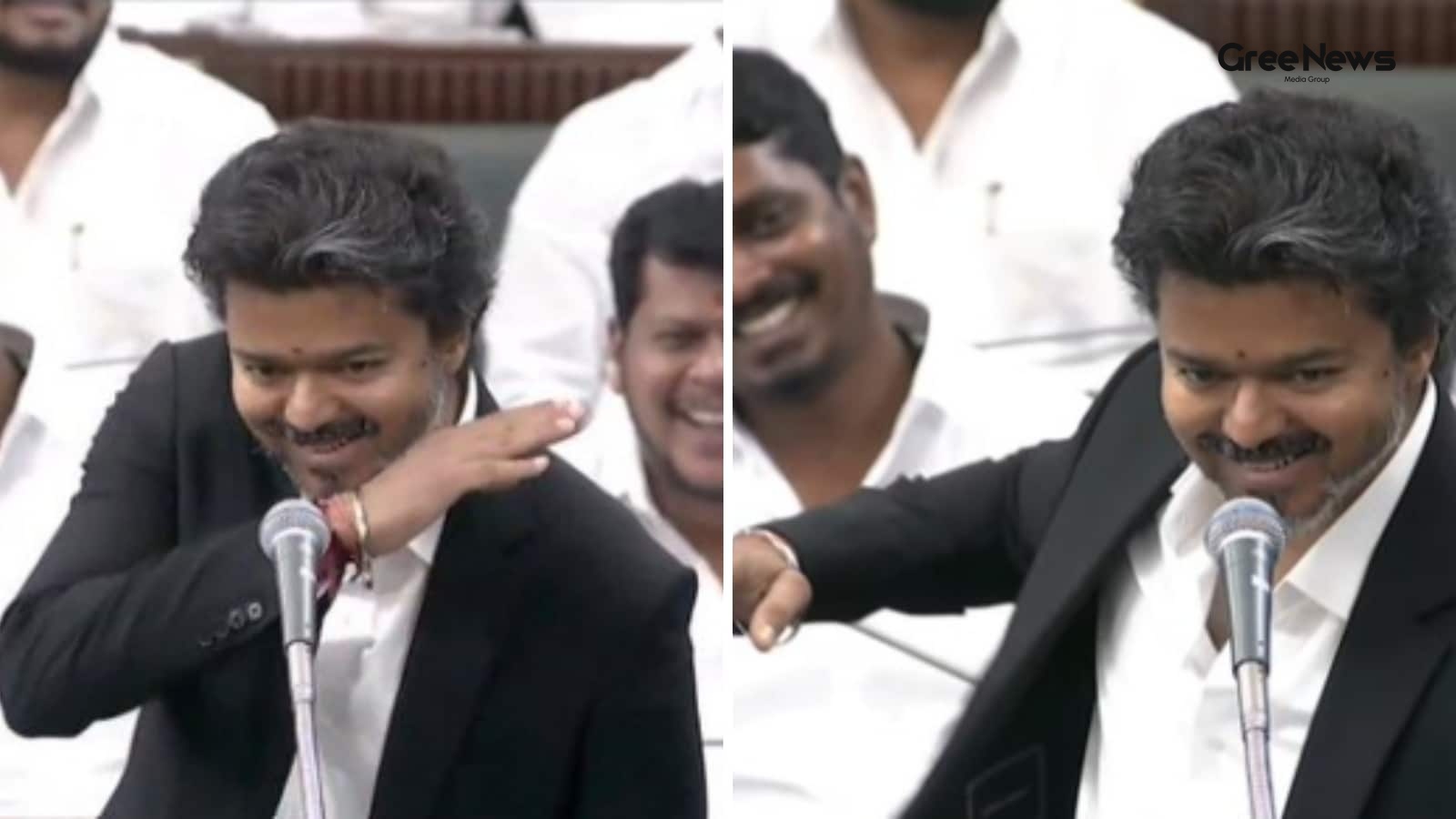
Vijay’s closing moments in the Assembly really caught people off guard. It wasn't just the end of a speech; it was this familiar, cinematic gesture he made. And that little act? Instant buzz inside the House. Then instantly online. People were talking about it. Some joked, naturally. The actor-turne
Jun 23, 2026 by Gree News Team
Political Shifts and Strategy in Maharashtra
You hear about the whole situation happening in Maharashtra. It’s all shifting around right now after some big exits. Twenty Trinamool Congress MPs walked out. Then six Shiv Sena UBT Lok Sabha members left for the Eknath Shinde side. Media and folks watching politics are now really focused on the NC
Jun 23, 2026 by Gree News Team
Samay Raina's Financial Success and the Creator Economy
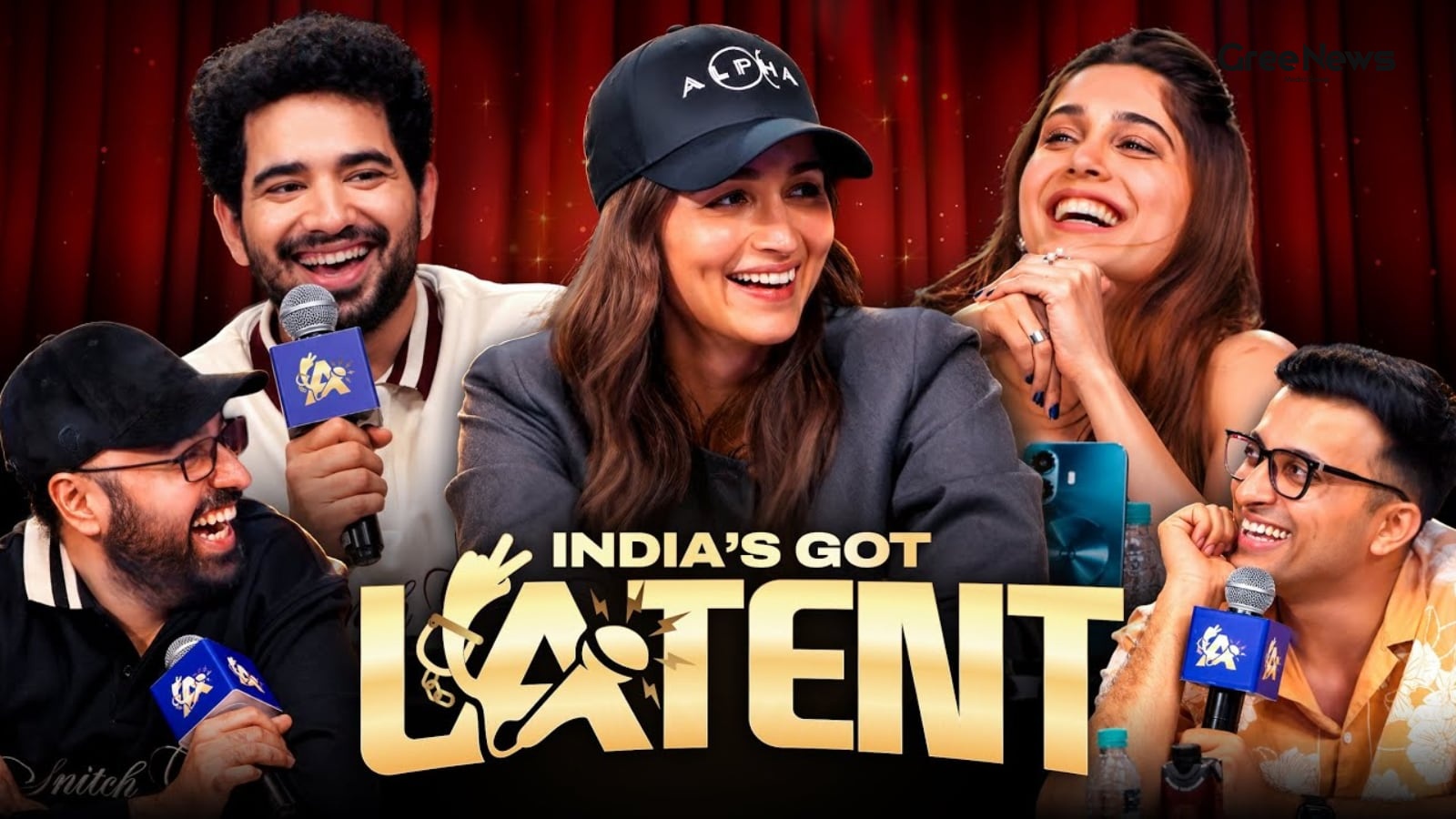
Samay Raina, that stand-up guy, is back in the headlines with *India’s Got Latent* Season 2. But it isn't about the jokes this time. It’s all about the money. The real buzz came from an X user named Paritsh Sharma. He dropped some numbers. Estimates for what Raina might have pulled in through Netfli
Jun 23, 2026 by Gree News Team

The Holistic Journey of Yoga: Finding Balance, Health, and Mindfulness
International Yoga Day. June 21st. It’s a date that sticks around, doesn't it? It’s supposed to be about yoga, right? This whole idea that you can actually weave something like that into the fabric of modern life. A holistic practice. Health. Mind. Body. That’s what they push. It started in ancient
Jun 22, 2026 by Gree News Team

Surya Namaskar: The Complete Guide to Yoga Flow and Benefits
Surya Namaskar that’s the name for that whole sequence of yoga poses we talk about. It’s tied to International Yoga Day, June 21st, you know? It brings this ancient Indian practice into the global spotlight. People are really starting to see it as a huge symbol for health and just getting grounded.
Jun 22, 2026 by Gree News Team

The True Meaning of Father's Day: Partnership and Emotional Connection
Father’s Day always feels like it’s about celebrating the dads who work hard, provide for the family, take care of everything. But honestly? Science seems to tell us something different. The most impactful fathers aren't just involved parents. They are supportive partners. It turns out research in p
Jun 22, 2026 by Gree News Team
The Rushed Signing: Behind the Agreement with Iran
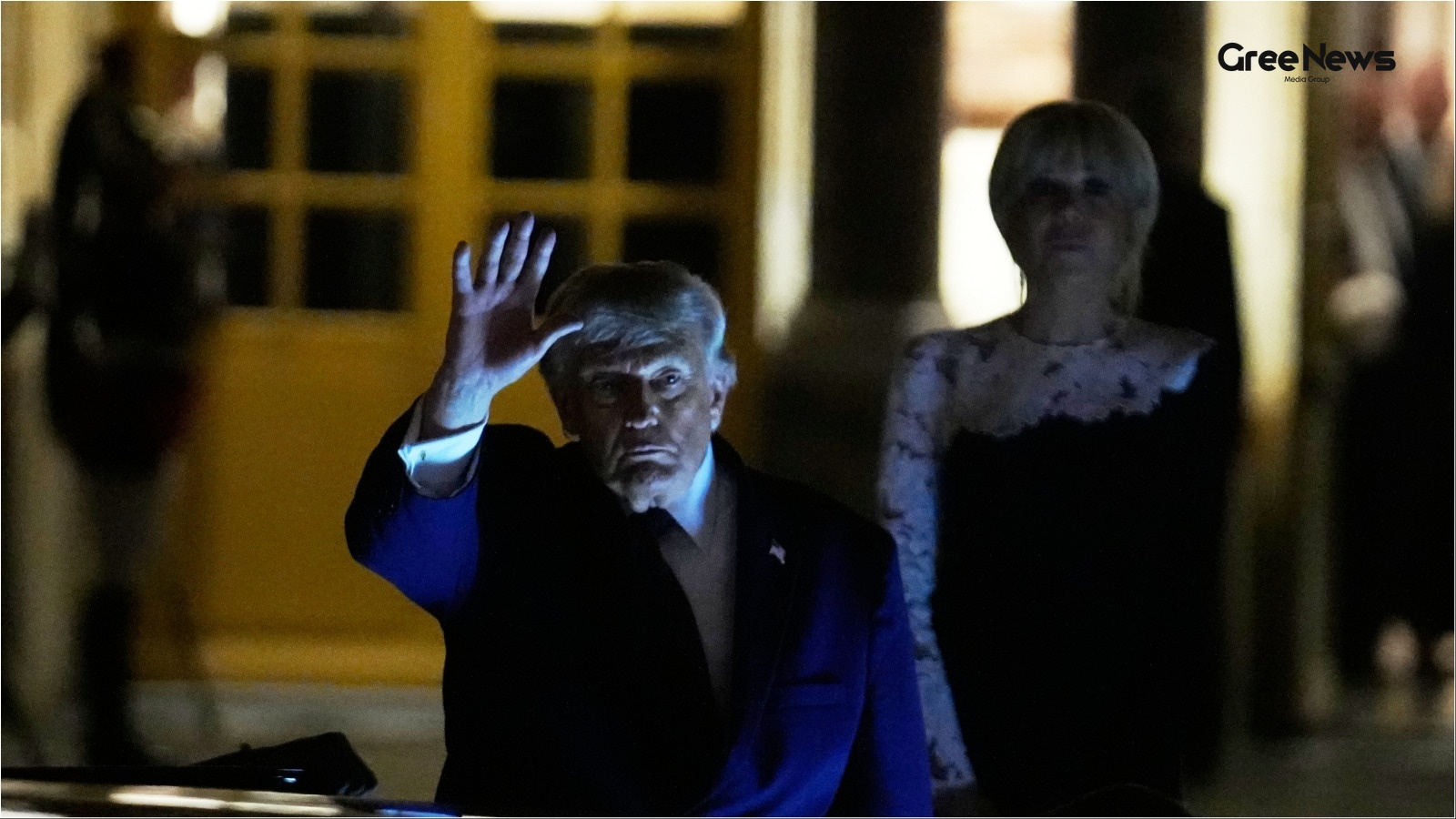
The whole thing just fell apart. A planned signing ceremony in Switzerland, that was supposed to be happening it got scrapped dead. All because of something that happened right there, at Versailles. It wasn't some grand diplomatic spat; it was a sudden, messy shift. Donald Trump made an unexpected c
Jun 22, 2026 by Gree News Team
Main Vaapas Aaunga Box Office and Story
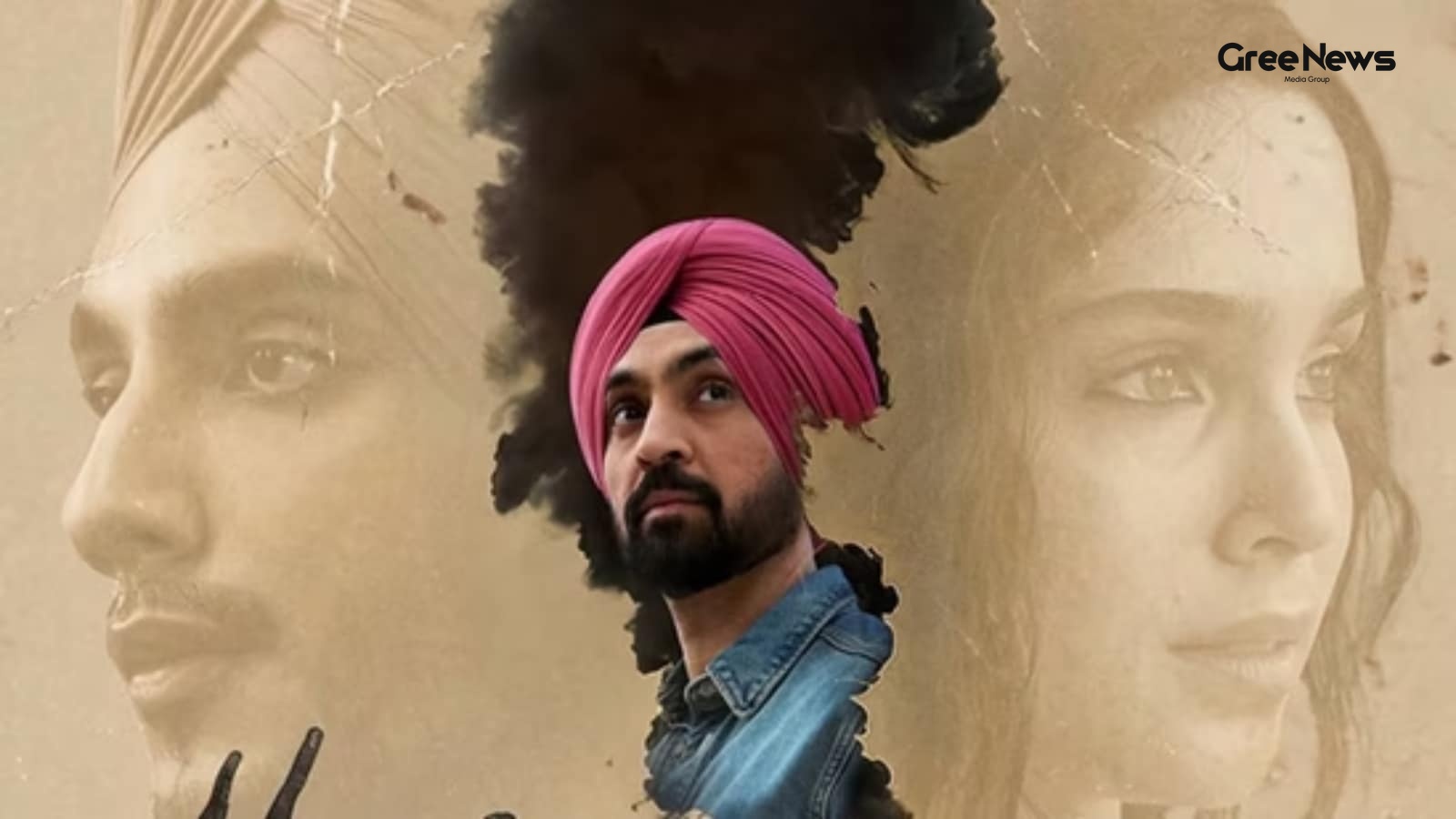
Not every movie just blows up right away. Some need time. They build that connection with people. *Main Vaapas Aaunga* seems to be doing exactly that. It’s been steadily gaining traction since it dropped. People are really starting to talk about it, even now into its second weekend. The numbers show
Jun 22, 2026 by Gree News Team
Omraje Nimbalkar's Political Exit and the Justice Delayed
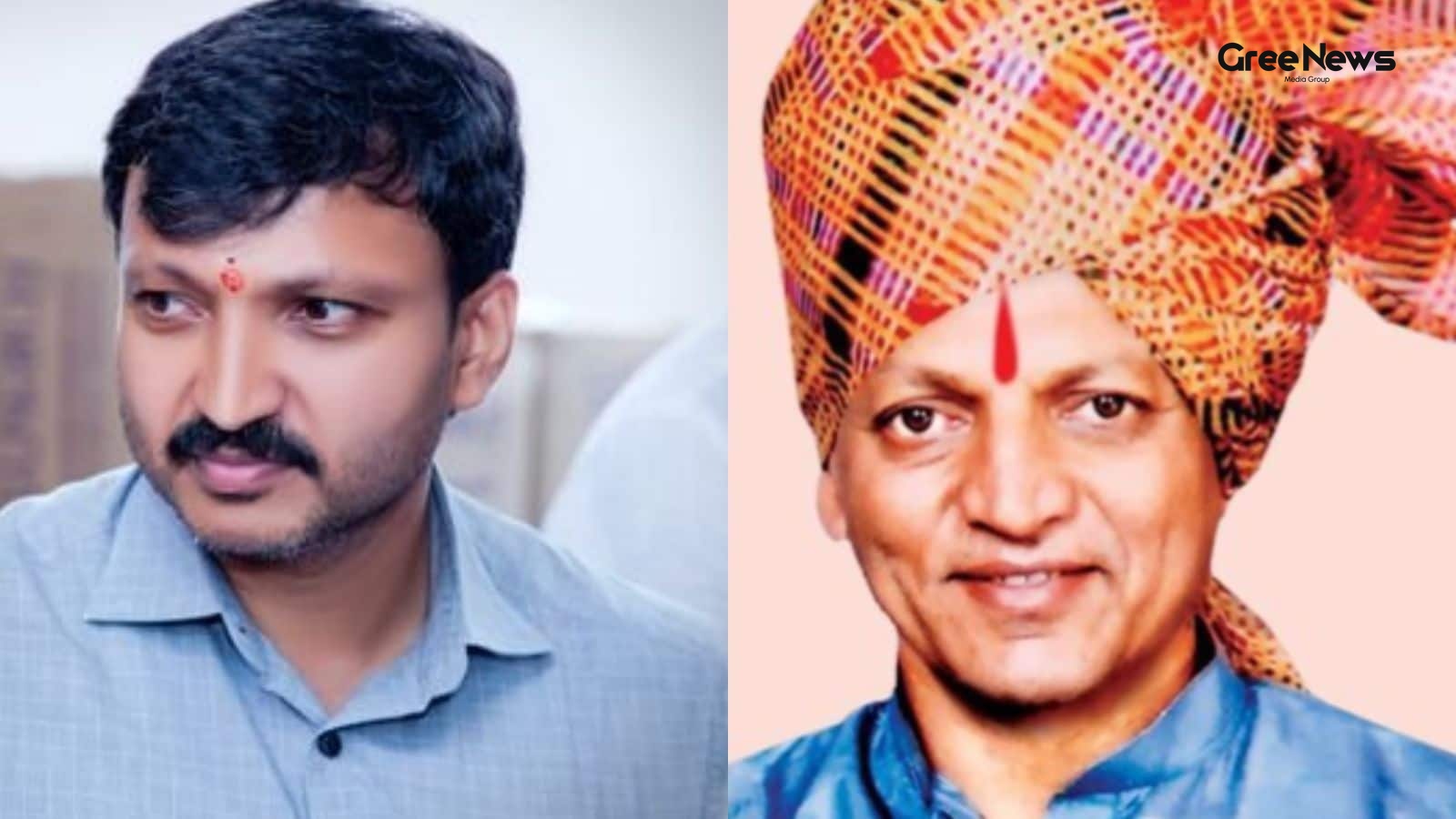
Omraje Nimbalkar, the Dharashiv MP, said Friday he’s thinking about leaving Shiv Sena (UBT). He apparently decided he needs to speak to people in his constituency before making a final call. This came right after all those court proceedings finally cleared everyone in his father Pawanraje Nimbalkar'
Jun 22, 2026 by Gree News Team
Ronaldinho's Potential Move to Ravenna and the Future of Italian Football
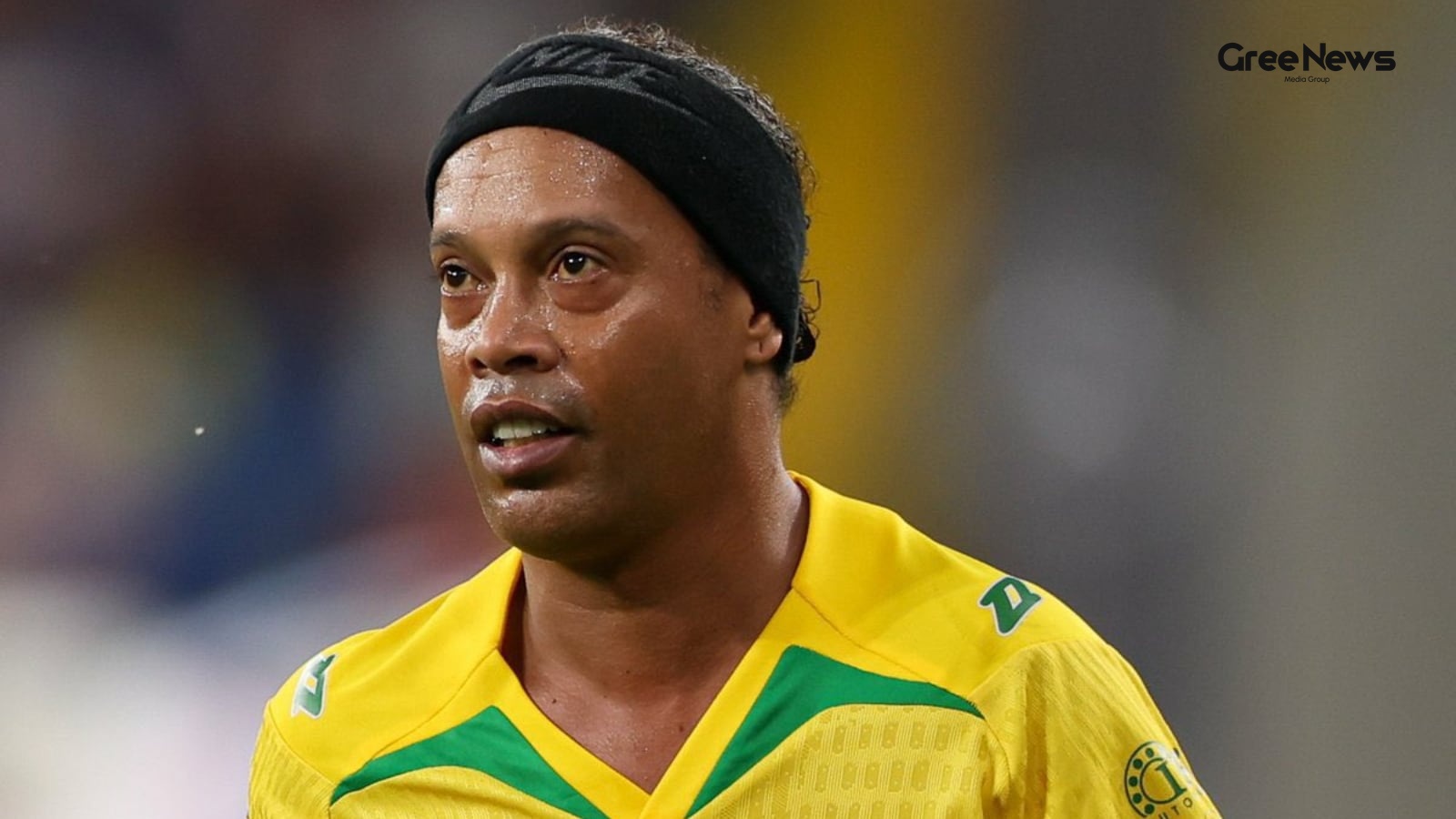
Ronaldinho is set for something huge, one of those really unexpected football moves lately. He actually agreed to a deal with Ravenna, that Serie C Italian club, and he’s 46 years old. The big reveal is happening in Miami on June 23rd. A big event, they say. But the immediate question everyone’s thr
Jun 22, 2026 by Gree News Team
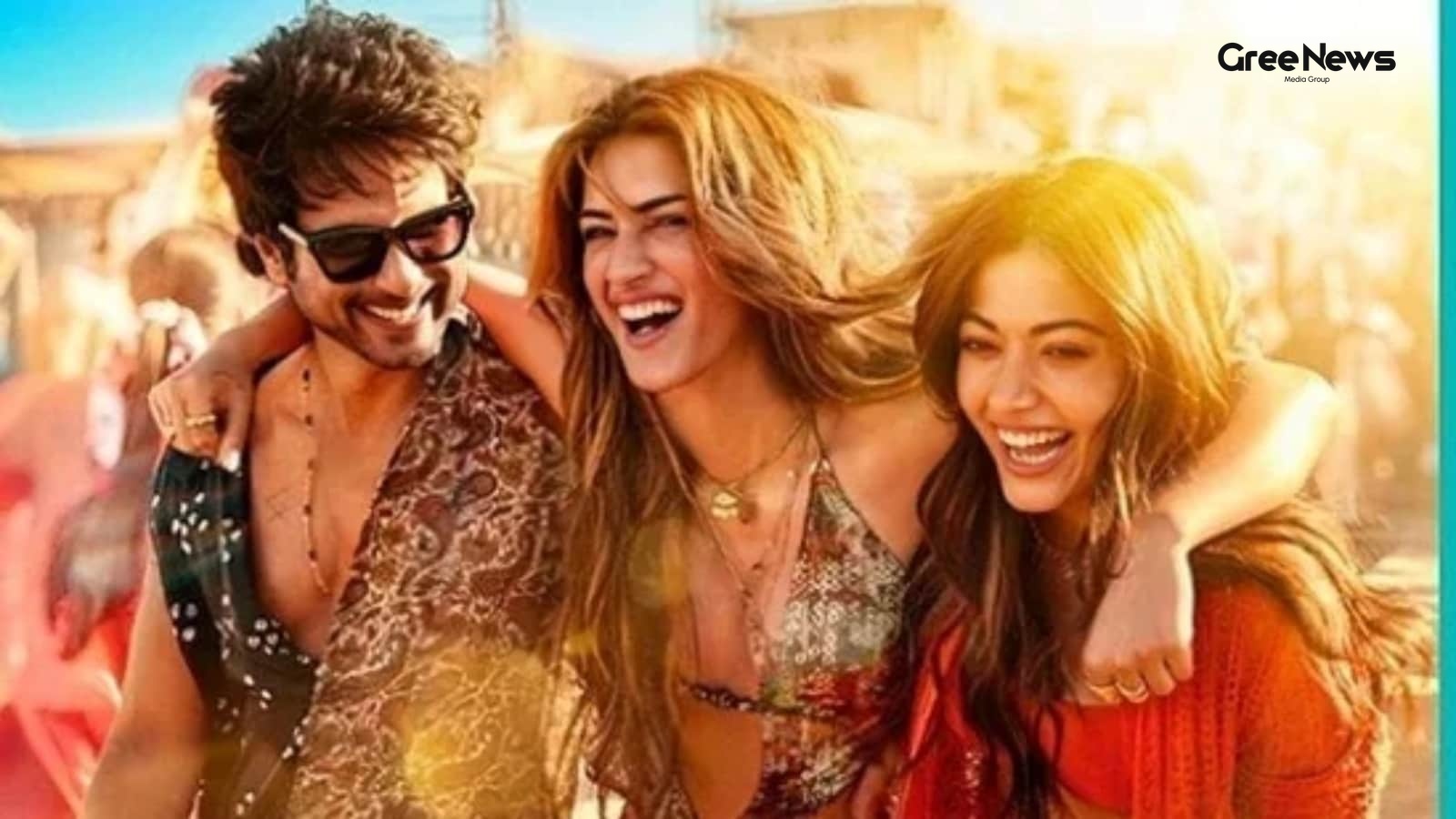
Cocktail 2 Box Office Momentum and Story Details
The weekend seems to be finally working out for *Cocktail 2*. Even with all the mixed reactions from folks watching it and the critics it’s managed to get some real momentum at the ticket counters. It’s growing, you know? On its second day in theaters, things are looking encouraging. It came out on
Jun 22, 2026 by Gree News Team
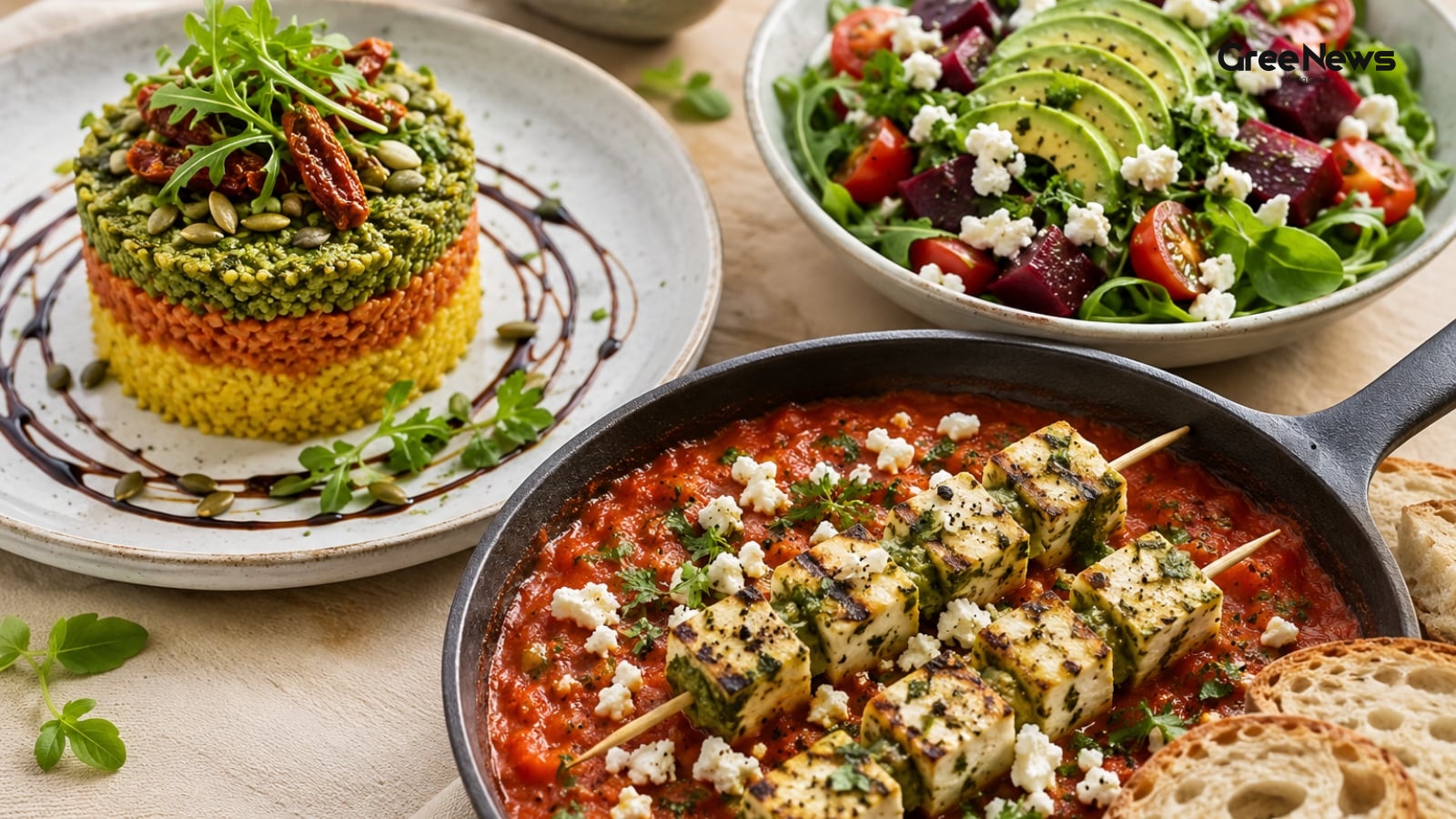
Holistic Wellness Recipes: Gluten-Free Meals and Protein Focus
International Yoga Day… it’s supposed to be about holistic stuff. Well, movement and mindfulness are important. But you know what else matters too. Food. Real food for a balanced life. Perfect for a wellness menu. Pesto. Saffron. Pomodoro. Arugula. It’s simple stuff really. Taking care of what you p
Jun 22, 2026 by Gree News Team