The Rushed Signing: Behind the Agreement with Iran
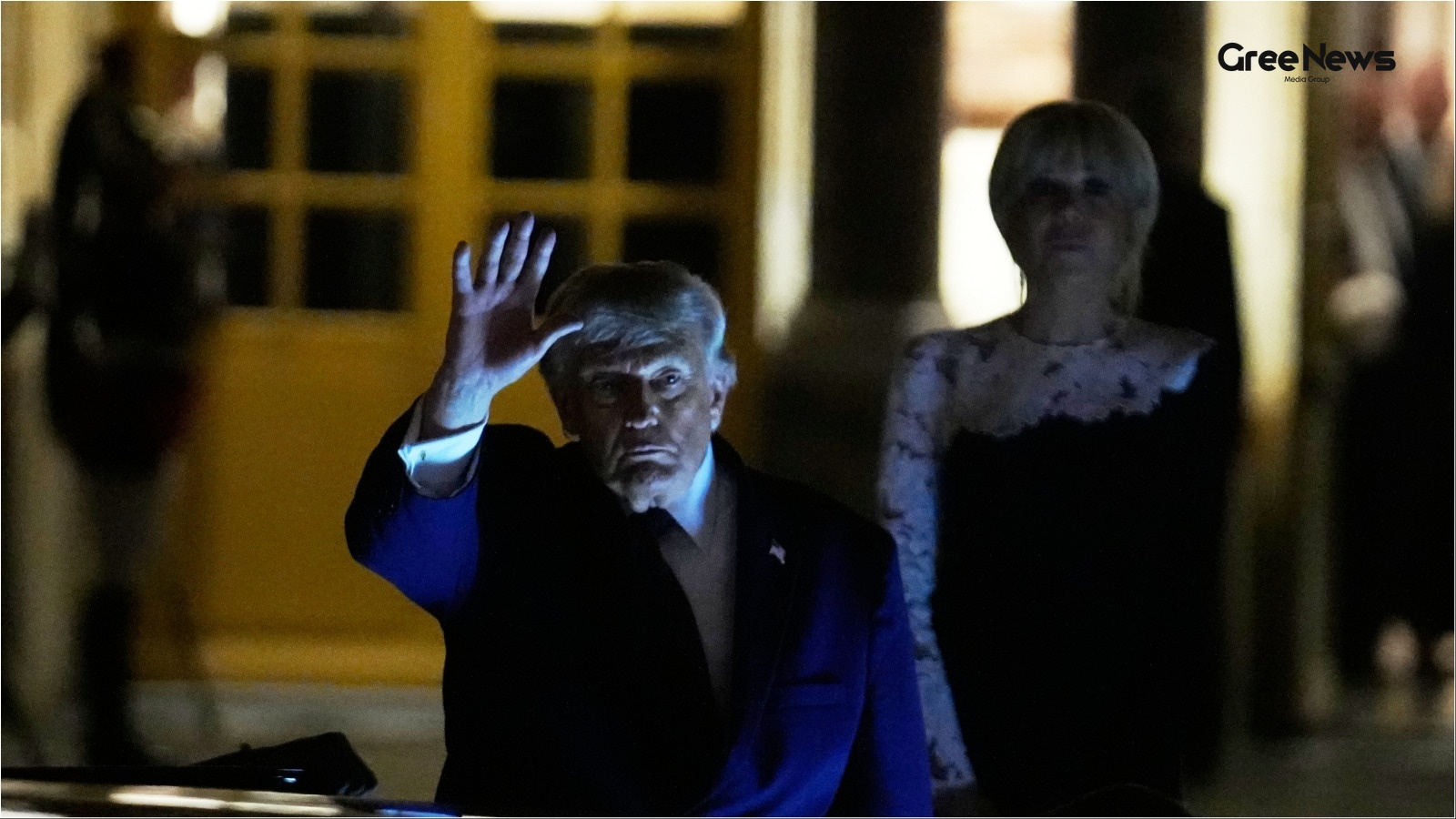
The whole thing just fell apart. A planned signing ceremony in Switzerland, that was supposed to be happening it got scrapped dead. All because of something that happened right there, at Versailles.
It wasn't some grand diplomatic spat; it was a sudden, messy shift. Donald Trump made an unexpected call during a state dinner hosted by Emmanuel Macron . Just… mid-dinner. Something shifted. The whole carefully laid plan for the signing evaporated in that moment. It set off this late-night scramble. A kind of chaotic rush to get things done, culminating in some aGreement with Iran being inked in the dead of night on June 18th.
People are still talking about how he did it. Why skip the ceremony? Why not wait for Lucerne two days later? Multiple reports floating around suggest Trump just decided then and there: he wanted it done immediately. No waiting around for pomp. Just action.
The pivotal moment, if you can call it that, happened on June 17th, during that dinner at Versailles. It was a strange backdrop for what turned into something huge.
Trump had been prepping for the official signing in Switzerland. But before they could even get to that stage, he pulled the rug out from under the schedule. He told Macron and his aides he needed the deal finalized that very same night. Fast. Right then.
French officials didn't hesitate. They moved quickly to accommodate this sudden demand. It felt like a massive pivot.
As Trump and Macron were moving around the palace, there was this side operation happening in the background. The US Secretary of State, Marco Rubio , got involved. He worked alongside French officials. Getting the papers ready. The necessary documents needed to be smoothed out.
Roland Lescure , the French Finance Minister who was at the dinner, he saw it all unfold. He described the surprise announcement afterward. It wasn't subtle.
“The President of the United States thanked everyone for the G7 and for the dinner,” Lescure told RTL radio. Then came the kicker. “And in his speech, said, ‘And by the way, I have a good aGreement with Iran, and I’m going to sign it.’” It was raw. A declaration made casually during high-level conversation.
He added something else about the logistics. He mentioned seeing Marco Rubio leave. He didn't know if he had printed the memorandum of aGreement already or gone to print it, but he came back. They cleared the plates. The immediate aftermath felt almost improvised.
Another French official offered a slightly different angle on the speed. Apparently, Rubio got a message about the deal around eleven pm during the dinner itself. It was all happening in that room.
Rubio and Jean-Noël Barrot then had to step out. They went to review the memorandum of understanding themselves. Then they came back with copies versions in English and Farsi ready for Trump’s signature. A very rushed process, really. Handing over documents under intense pressure.
Videos surfaced later. Shared by Macron and White House sources. They showed Trump actually signing the aGreement right there at the dinner table. He handed the document and the pen straight to Rubio. It was immediate. No ceremony in between.
Macron, sitting nearby, he heard him say something simple but loaded: “Good job. Bravo.” A quiet acknowledgment of the whirlwind that had just passed.
The signing itself happened shortly after one in the morning local time. A midnight deal, born from a late-night negotiation frenzy.
When Trump left the palace afterward, he gave reporters a very short statement. “We signed in Versailles.” Simple. Direct. It effectively wiped out all plans for that planned Switzerland ceremony. The move was definitive.
And this wasn't just about signing papers. There were layers of tension underneath those negotiations. These talks had been hard. Months of it, marked by regional fights and repeated stalls.
US negotiators reportedly struggled constantly to keep the lines open with the other side. Why? Partly because Iran’s Supreme Leader was moving around for security reasons. Always shifting locations. That complicated everything immensely.
There were these real-world tests thrown in. Military incidents bled into the talks, you know? A collision between a US helicopter and an Iranian drone happened earlier in June. That triggered new exchanges of strikes. Things got hot.
Qatari mediators stepped in later to try and smooth out some of those sharp differences between the two sides. Trying to bring things back from the brink during those long 17 hours of discussion. It was a desperate effort just to keep momentum going.
Then another crisis erupted, seemingly unrelated but deeply connected by timing. An Israeli strike hit Beirut while it was Trump’s birthday weekend. US officials were reportedly very worried that this kind of action could completely derail the entire negotiation process. Fear kicked in fast.
Iran, they said, was close to retaliating with ballistic missiles right before Qatari mediation stepped up their game. That threat hung heavy over the discussions. It made the talks incredibly tense.
One of Tehran’s conditions, it turned out, was that this aGreement couldn't be announced on Trump’s birthday. The unveiling had to wait. It got unveiled shortly after midnight in Tehran itself. A last-minute adjustment driven by external timing.
Trump’s team, they had been pushing for an end to the conflict for months now. They were worried about shrinking oil reserves. Economic pressure was mounting. These fears seemed to be a major driver behind wanting this deal finalized quickly. He even mentioned worries about an economic downturn, drawing comparisons to figures like Herbert Hoover .
The aGreement itself, it’s certainly not without its critics back home in the US. Some of Trump’s own supporters have started pushing back. There’s talk now about a reported $300 billion reconstruction fund for Iran attached to this deal. Criticism is already surfacing over that figure.
But then you look at the bigger picture. Trump rejected suggestions that the deal showed weakness. He argued, and this is where things get complicated, that Iran entered these negotiations because of US military pressure. A different narrative entirely.
Even after that signing was done the ink was dry things didn’t stop. The full text of the 14-point aGreement stayed hidden for several days. It was at Iran’s request. They wanted time. Secrecy, again.
Officials have acknowledged there are other “understandings” floating around outside that written document. Things that weren't officially formalized on paper. Vance, however, tried to downplay any major concerns. He insisted that verification of the details mattered more than getting stuck on specific wording in writing. That’s where things get messy again.
The actual deal sets up a 60-day window for technical talks. The goal? Limiting Iran’s nuclear program. That’s the next phase. Vance, along with Steve Witkoff and Jared Kushner , they are expected to lead that effort on the US side. But even as things move forward, there’s this underlying doubt. Several senior American officials remain skeptical. They wonder if Tehran will actually follow through on what they promised. It feels like the uncertainty is just beginning to settle in.
Written by Gree News Team — Senior Editorial Board
Gree News Team covers international news and global affairs at Gree News. Our collective of senior editors is dedicated to providing independent, accurate, and responsible journalism for a global audience.
More from World
View All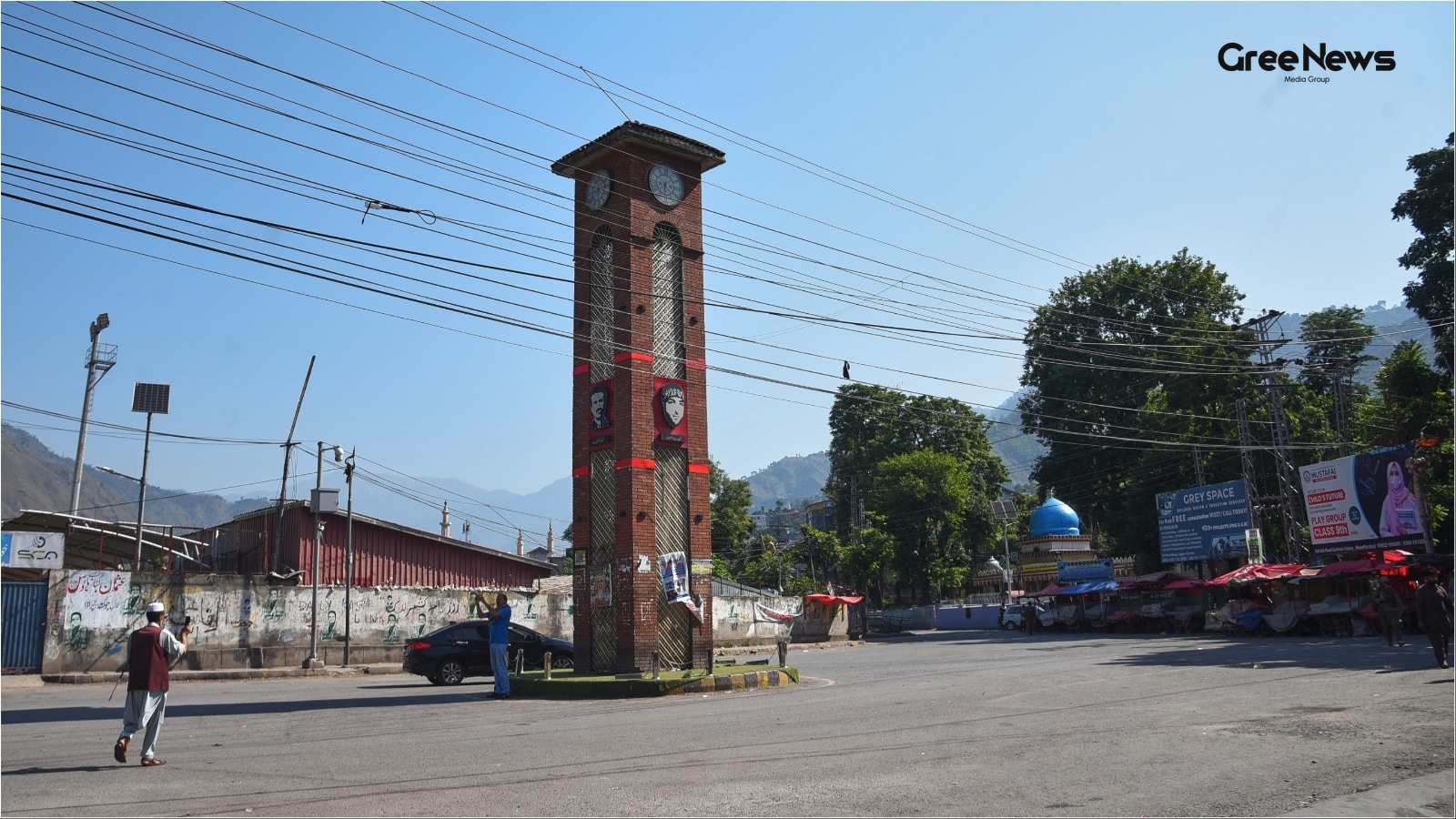
Protests and Crackdown in PoK: Blockade, Arrests, and Economic Impact
PoK still simmering. It’s been nineteen days now with these massive protests against the government. demonstrators are just refusing to stop fighting despite the crackdown from Pakistani authorities. that's what CNN-News18 is learning. Pakistan has imposed something protesters call a total food bloc
Jun 22, 2026 by Gree News Team
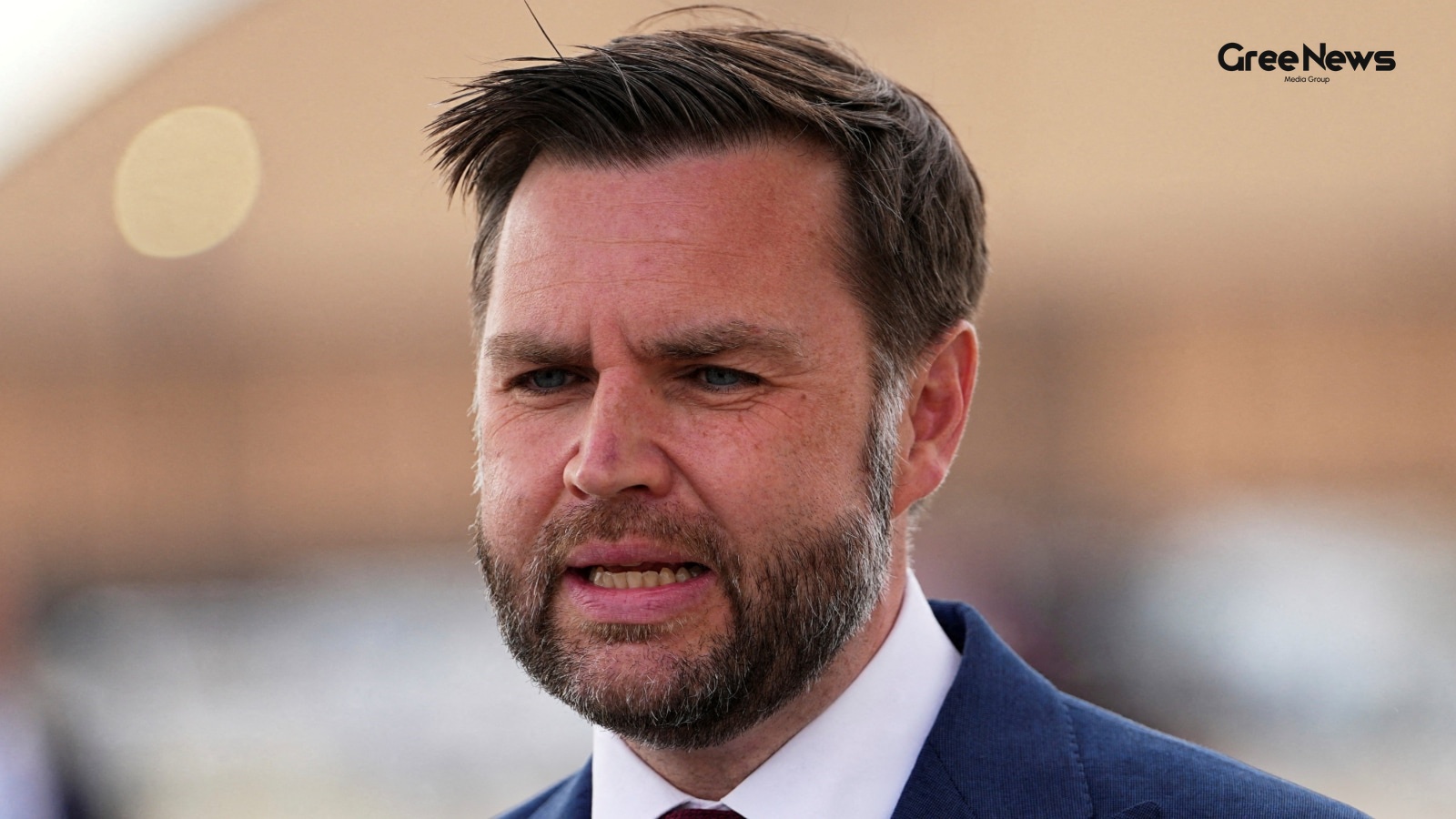
US-Iran Talks, Nuclear Negotiations, and Frozen Funds
Vance went to Switzerland for those US-Iran talks, the first round, after things got delayed last week. They’re supposed to be happening Sunday. It’s about Iran’s nuclear program, and frozen money. Washington wants something specific from Iran. They want Iran to let UN inspectors visit its nuclear s
Jun 22, 2026 by Gree News Team
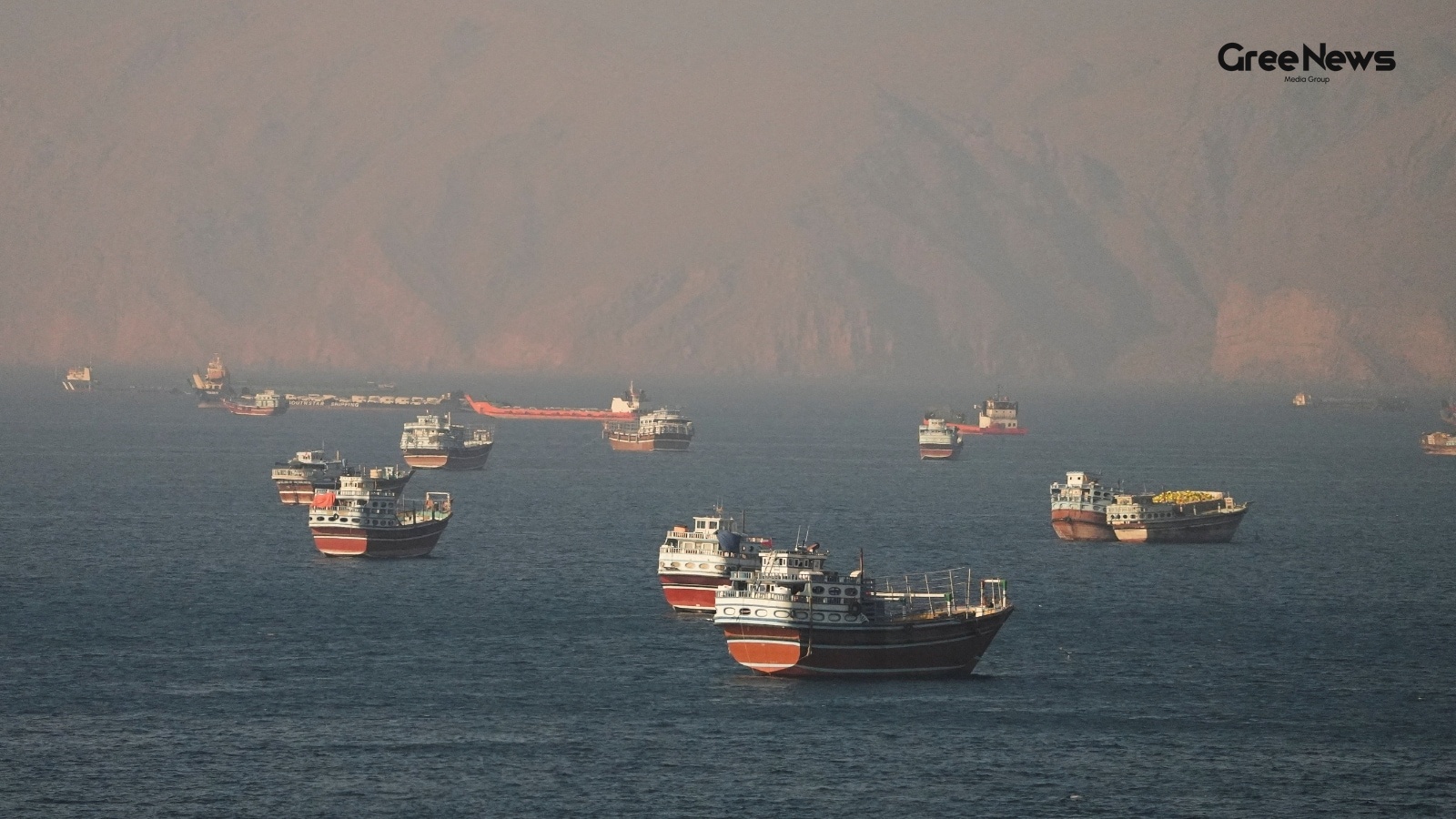
Strait of Hormuz Dispute and US-Iran Negotiations
Iran said Sunday that the Strait of Hormuz is still closed. They aren't letting the Islamic Revolutionary Guard Corps Navy issue passage permits until they get more notice. That’s what Fars reported, citing some unnamed military sources. This report comes right as US and Iranian teams are getting re
Jun 22, 2026 by Gree News Team
US and Iran Talks Kick Off in Switzerland
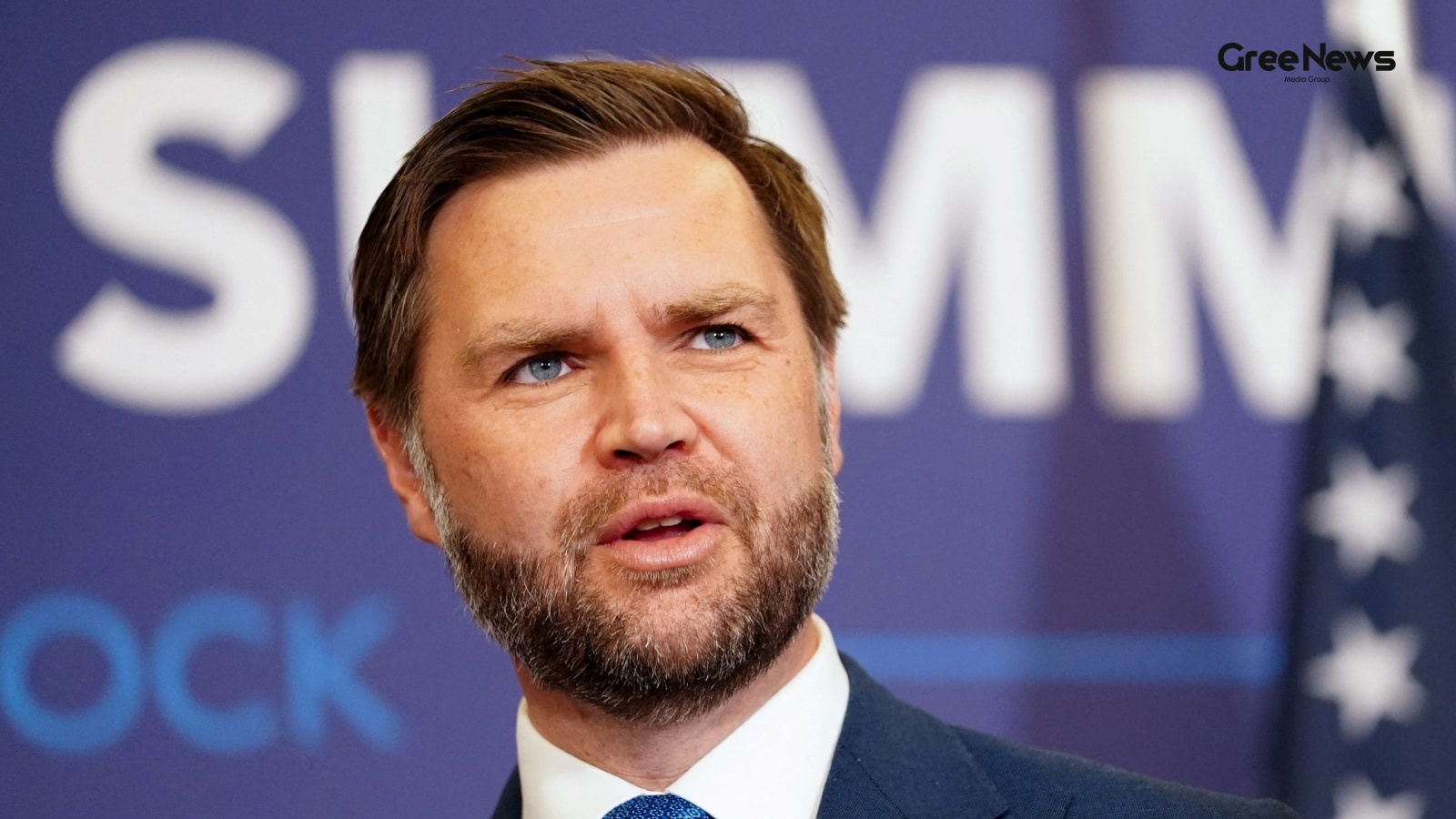
So, US and Iran talks are actually kicking off in Switzerland this Sunday. And you hear that former advisor talking about VP Vance’s trip? He called it a "rescue mission." That all because Tehran was pushing hard for an end to the Israeli offensive down in Lebanon. Vance himself got there for these
Jun 22, 2026 by Gree News Team
Latest Headlines

The Holistic Journey of Yoga: Finding Balance, Health, and Mindfulness
International Yoga Day. June 21st. It’s a date that sticks around, doesn't it? It’s supposed to be about yoga, right? This whole idea that you can actually weave something like that into the fabric of modern life. A holistic practice. Health. Mind. Body. That’s what they push. It started in ancient
Jun 22, 2026 by Gree News Team
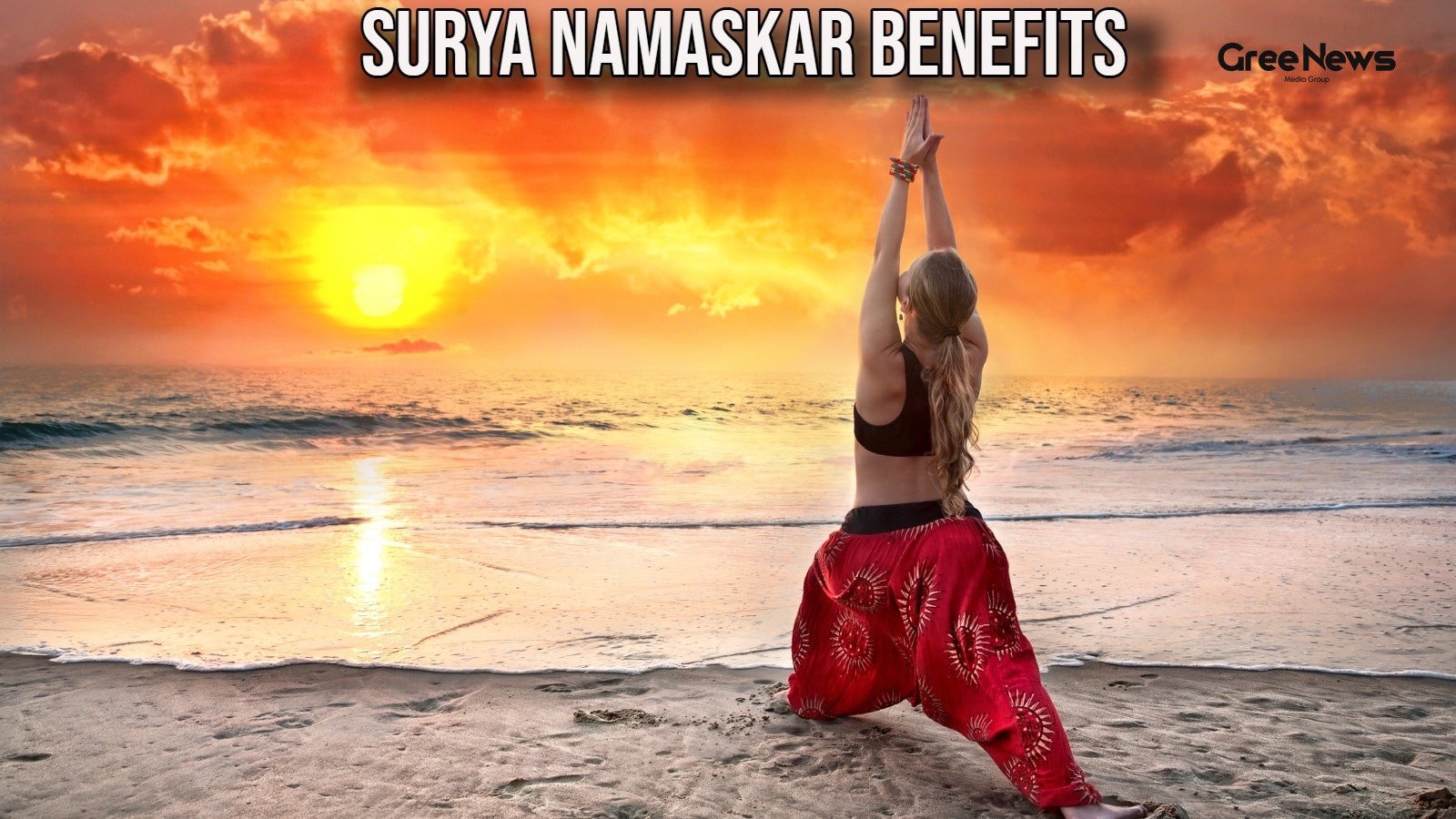
Surya Namaskar: The Complete Guide to Yoga Flow and Benefits
Surya Namaskar that’s the name for that whole sequence of yoga poses we talk about. It’s tied to International Yoga Day, June 21st, you know? It brings this ancient Indian practice into the global spotlight. People are really starting to see it as a huge symbol for health and just getting grounded.
Jun 22, 2026 by Gree News Team
The True Meaning of Father's Day: Partnership and Emotional Connection
Father’s Day always feels like it’s about celebrating the dads who work hard, provide for the family, take care of everything. But honestly? Science seems to tell us something different. The most impactful fathers aren't just involved parents. They are supportive partners. It turns out research in p
Jun 22, 2026 by Gree News Team
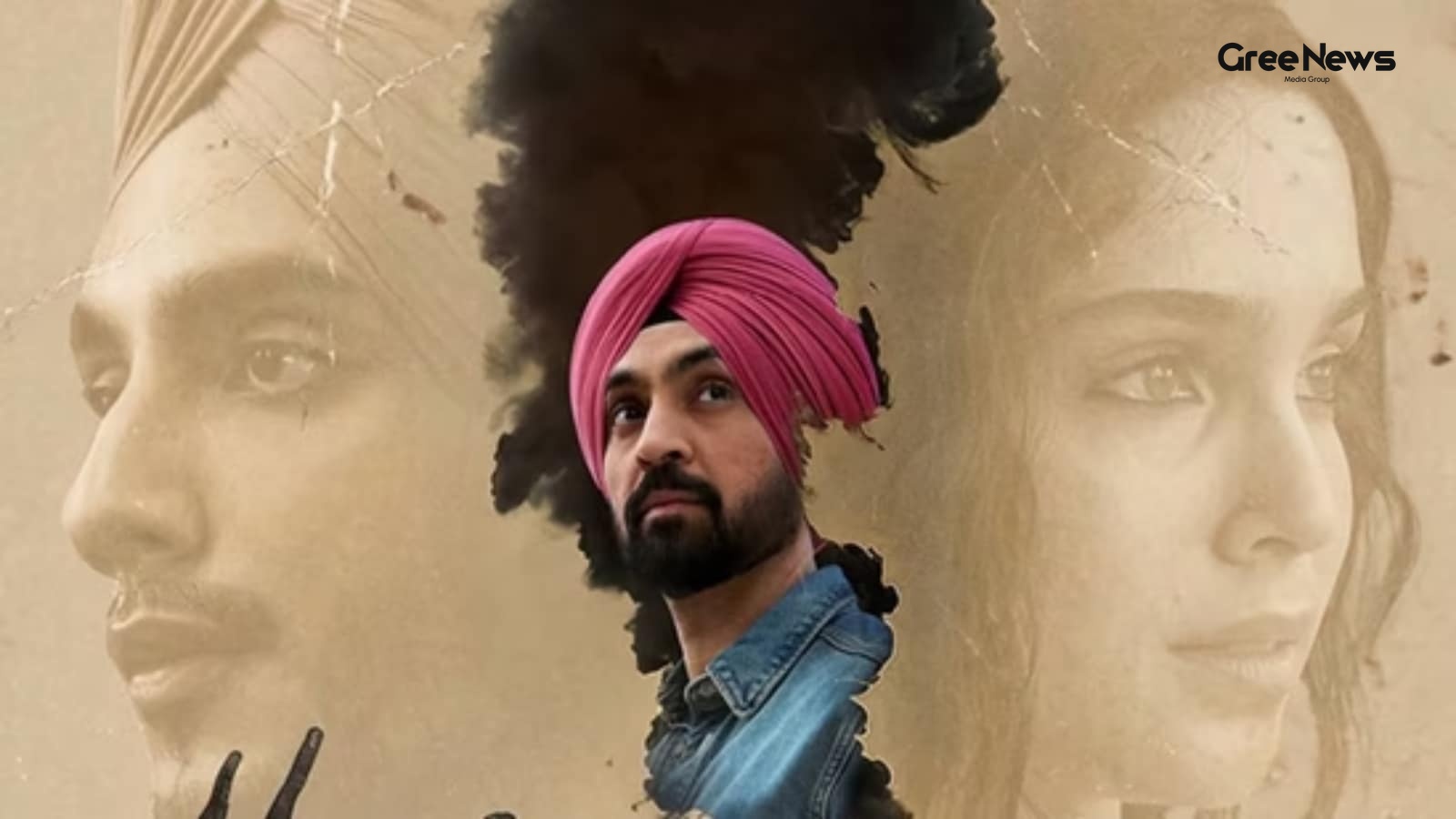
Main Vaapas Aaunga Box Office and Story
Not every movie just blows up right away. Some need time. They build that connection with people. *Main Vaapas Aaunga* seems to be doing exactly that. It’s been steadily gaining traction since it dropped. People are really starting to talk about it, even now into its second weekend. The numbers show
Jun 22, 2026 by Gree News Team
Omraje Nimbalkar's Political Exit and the Justice Delayed
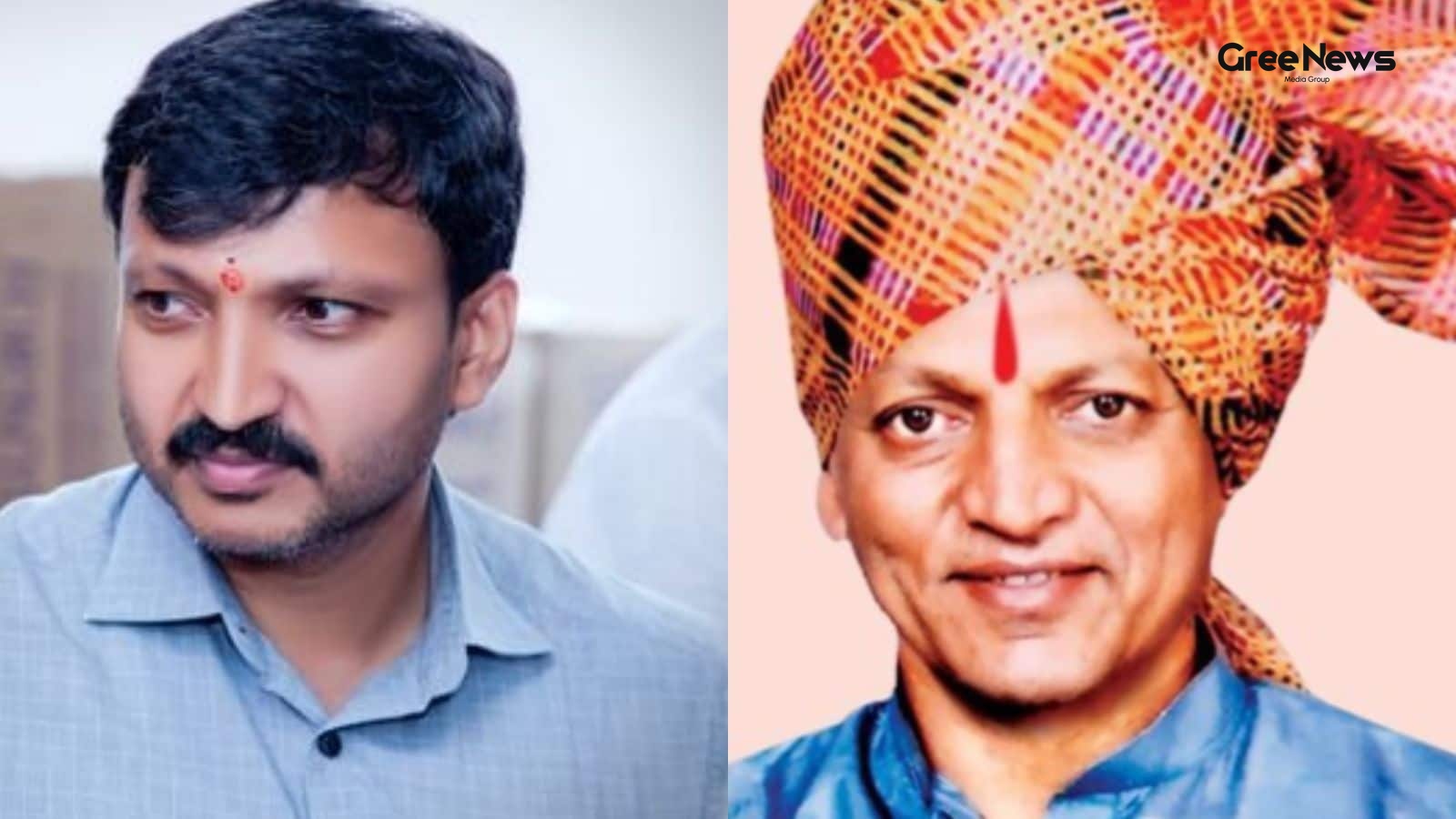
Omraje Nimbalkar, the Dharashiv MP, said Friday he’s thinking about leaving Shiv Sena (UBT). He apparently decided he needs to speak to people in his constituency before making a final call. This came right after all those court proceedings finally cleared everyone in his father Pawanraje Nimbalkar'
Jun 22, 2026 by Gree News Team
Ronaldinho's Potential Move to Ravenna and the Future of Italian Football
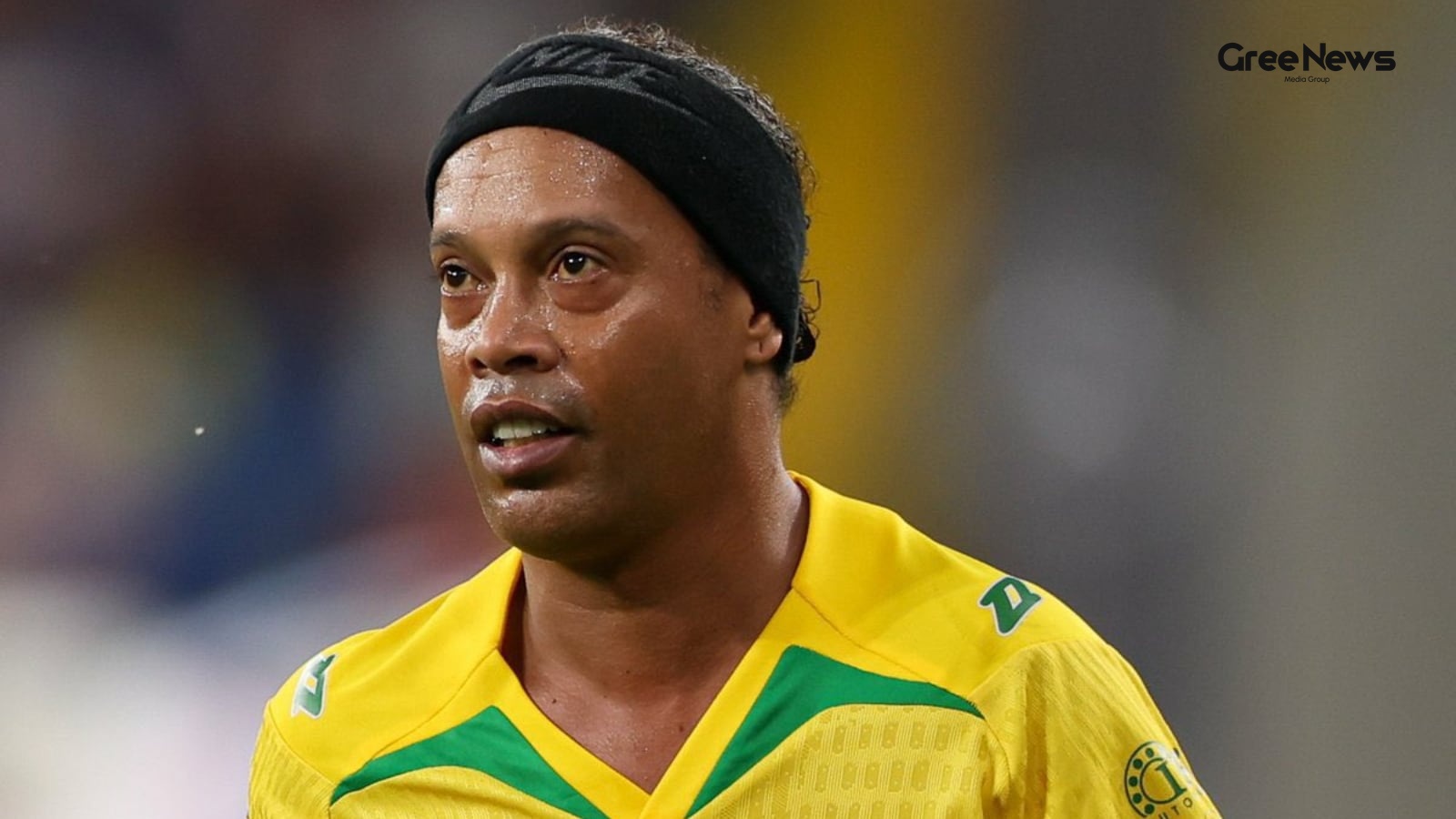
Ronaldinho is set for something huge, one of those really unexpected football moves lately. He actually agreed to a deal with Ravenna, that Serie C Italian club, and he’s 46 years old. The big reveal is happening in Miami on June 23rd. A big event, they say. But the immediate question everyone’s thr
Jun 22, 2026 by Gree News Team
Cocktail 2 Box Office Momentum and Story Details
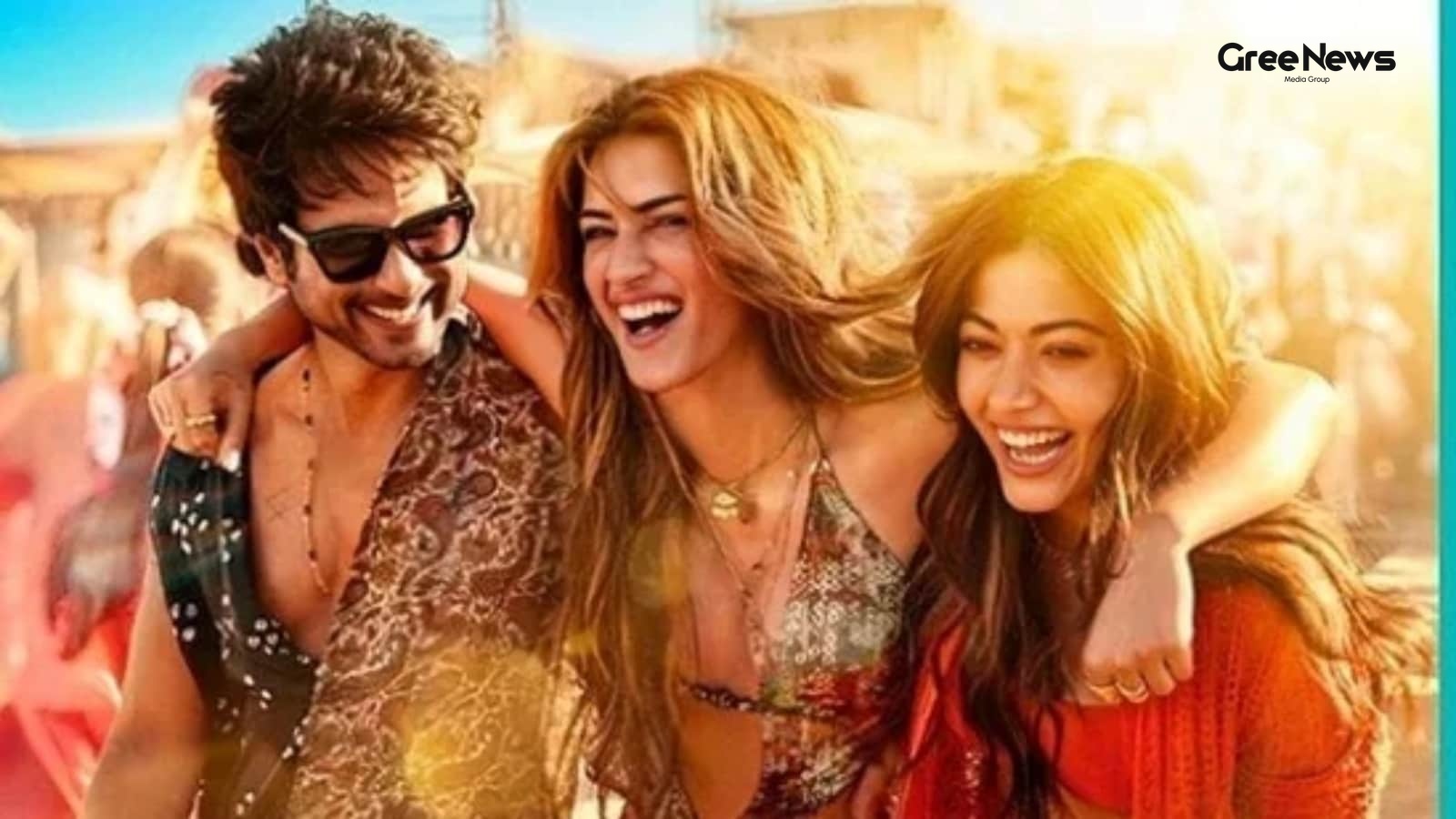
The weekend seems to be finally working out for *Cocktail 2*. Even with all the mixed reactions from folks watching it and the critics it’s managed to get some real momentum at the ticket counters. It’s growing, you know? On its second day in theaters, things are looking encouraging. It came out on
Jun 22, 2026 by Gree News Team
Holistic Wellness Recipes: Gluten-Free Meals and Protein Focus
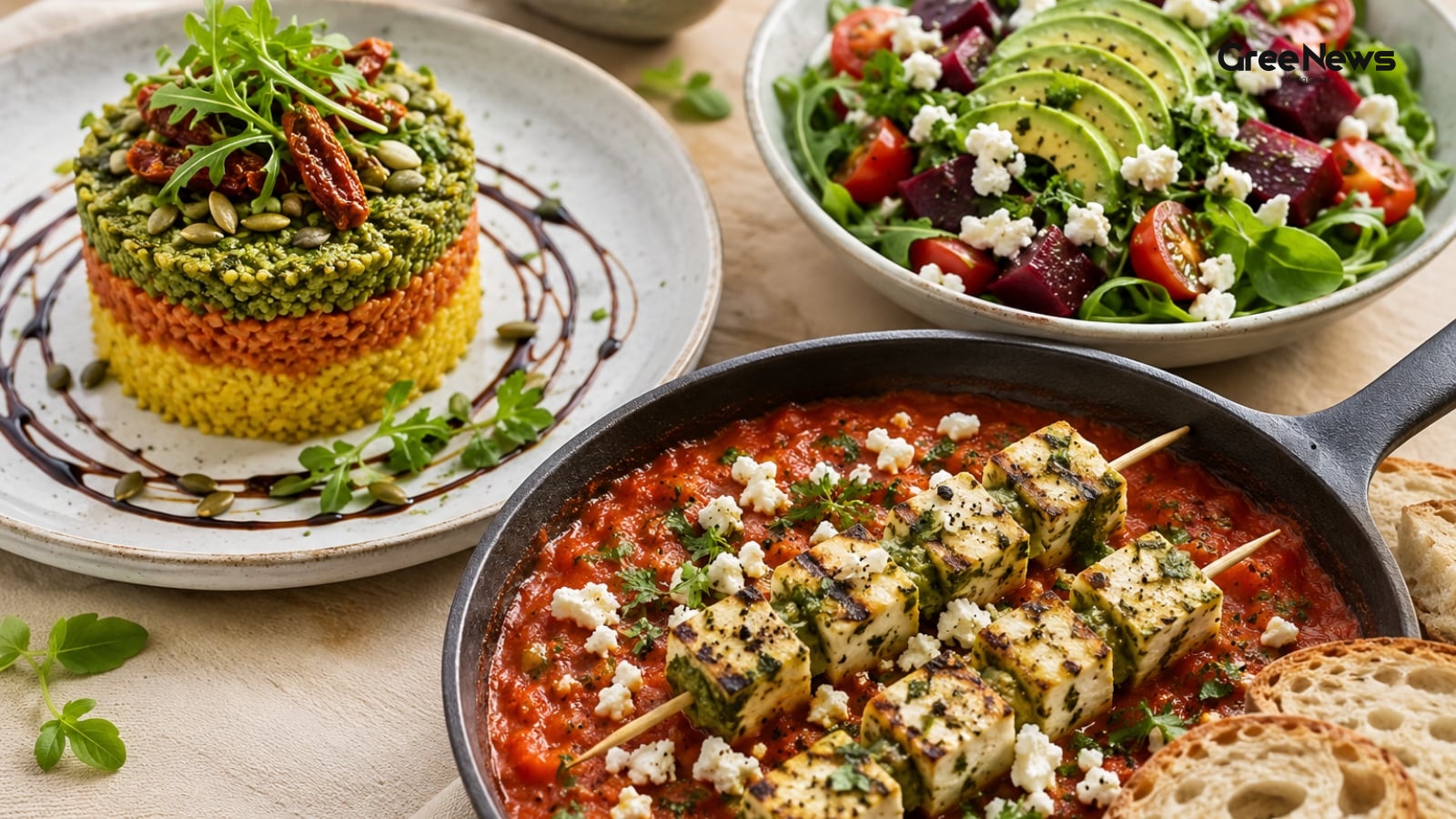
International Yoga Day… it’s supposed to be about holistic stuff. Well, movement and mindfulness are important. But you know what else matters too. Food. Real food for a balanced life. Perfect for a wellness menu. Pesto. Saffron. Pomodoro. Arugula. It’s simple stuff really. Taking care of what you p
Jun 22, 2026 by Gree News Team
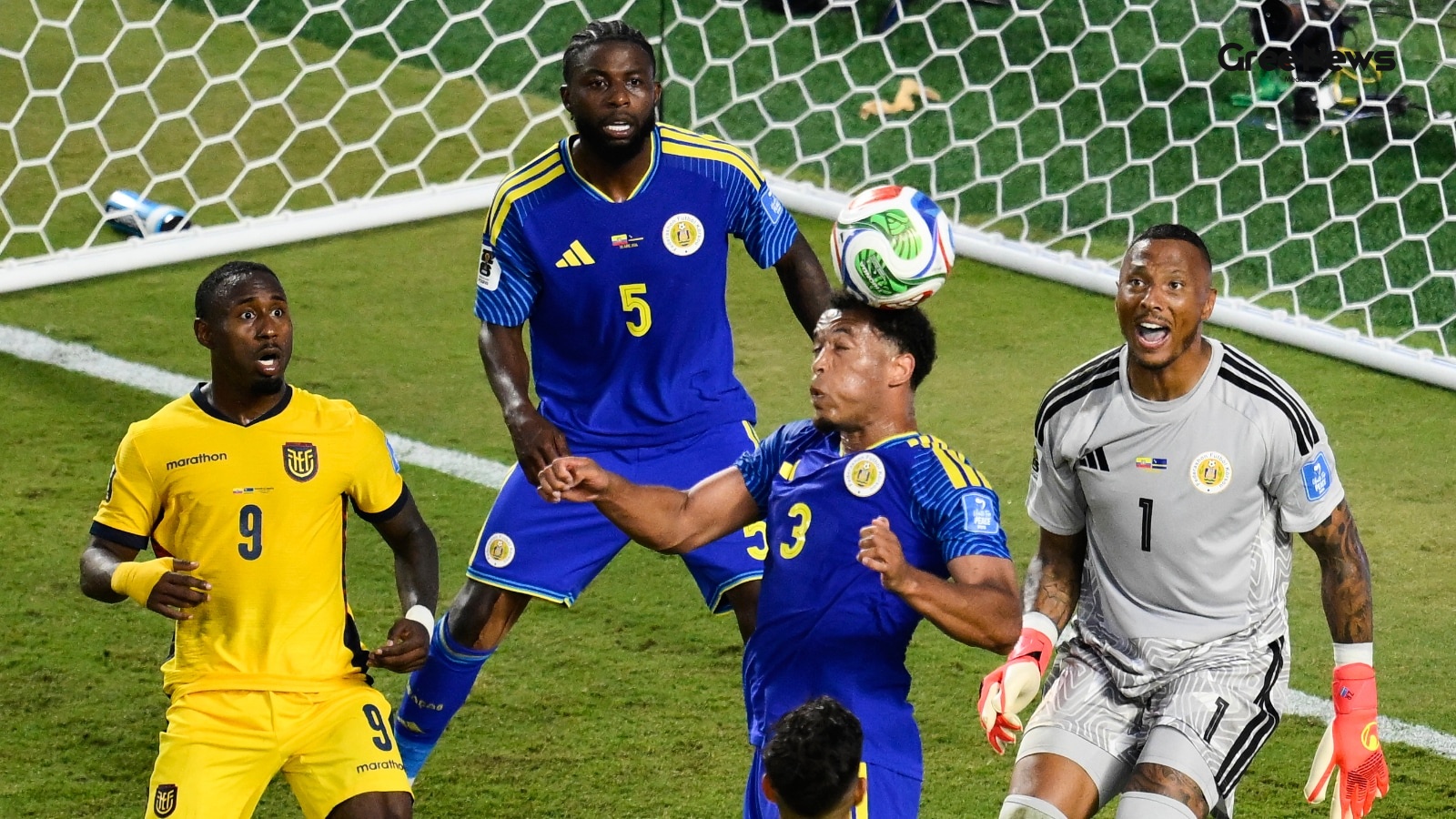
Curacao's World Cup Moment and Eloy Room's Record-Breaking Performance
Curacao’s World Cup moment finally arrived on Saturday, kind of a fairytale chapter, really. Goalkeeper Eloy Room put on a display that just sticks with you a record-breaking one, helping his team snag their very first point in the tournament, even if it was in a dead 0-0 draw against Ecuador. This
Jun 22, 2026 by Gree News Team
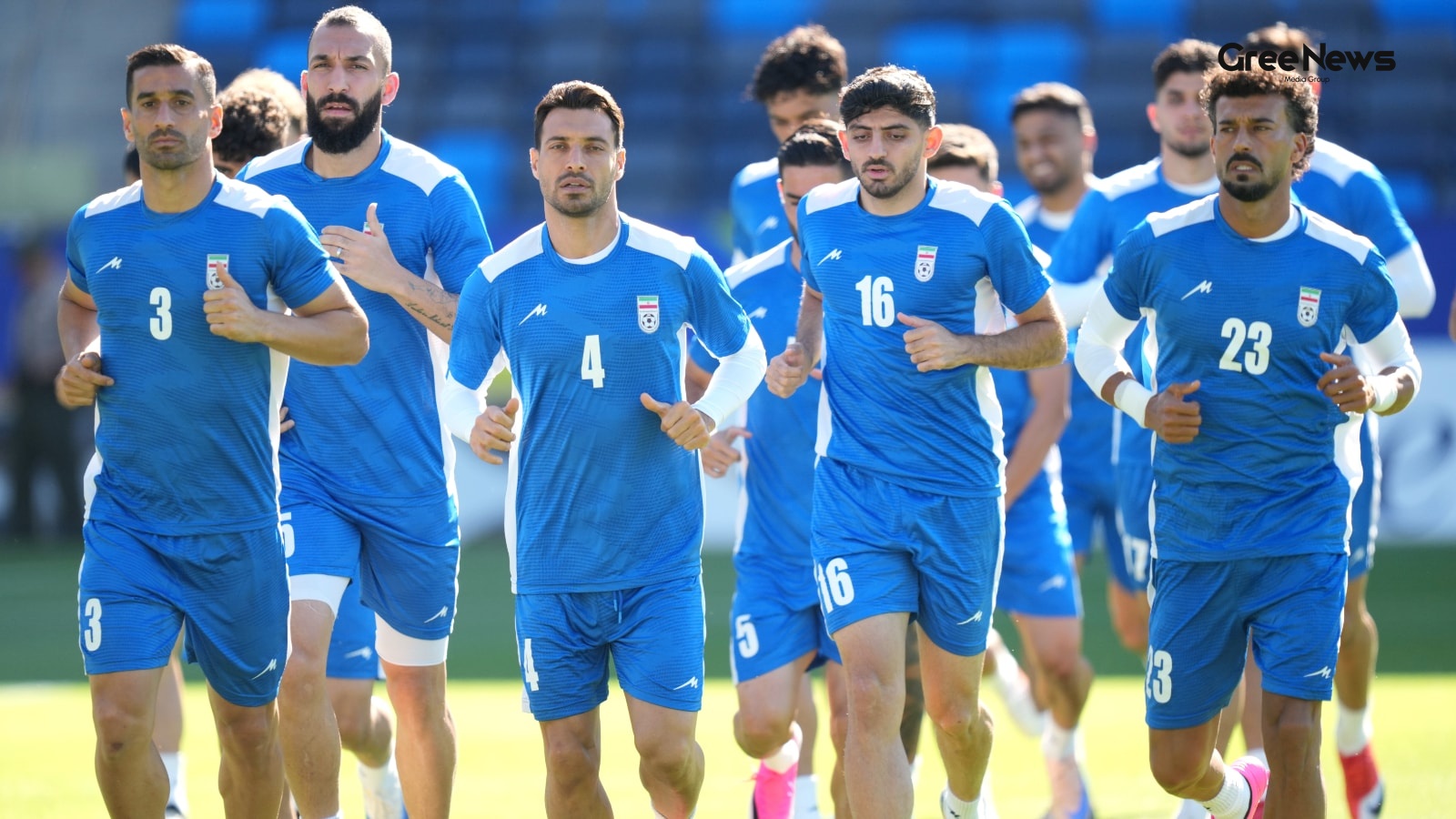
Iran's Travel Setup and Security Concerns at the World Cup
Andrew Giuliani, executive director for the White House World Cup Task Force, said Iran’s travel setup is staying put for now. But they expect things to change after Sunday’s game against Belgium. Iran has been complaining about this arrangement already. They feel they are only allowed to travel to
Jun 22, 2026 by Gree News Team
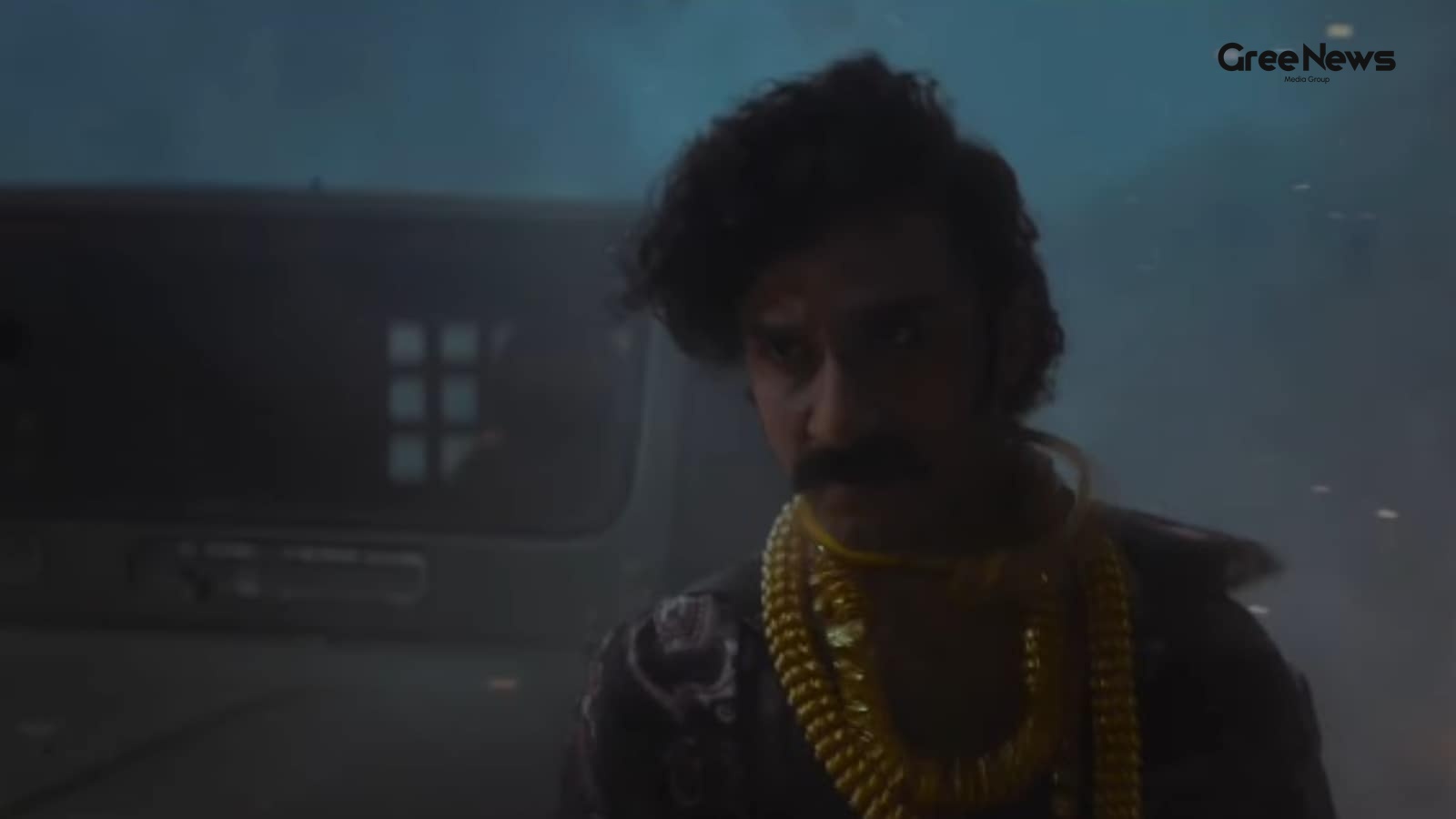
Raghav Juyal and Nani in The Paradise: Buzz and Behind the Scenes
The buzz around *The Paradise* is definitely heating up now that the makers have finally dropped that first look of Raghav Juyal as Vikram Maalik. It’s already causing a huge stir on social media. The way he was presented that fierce, commanding presence it just hints at some seriously powerful stuf
Jun 22, 2026 by Gree News Team
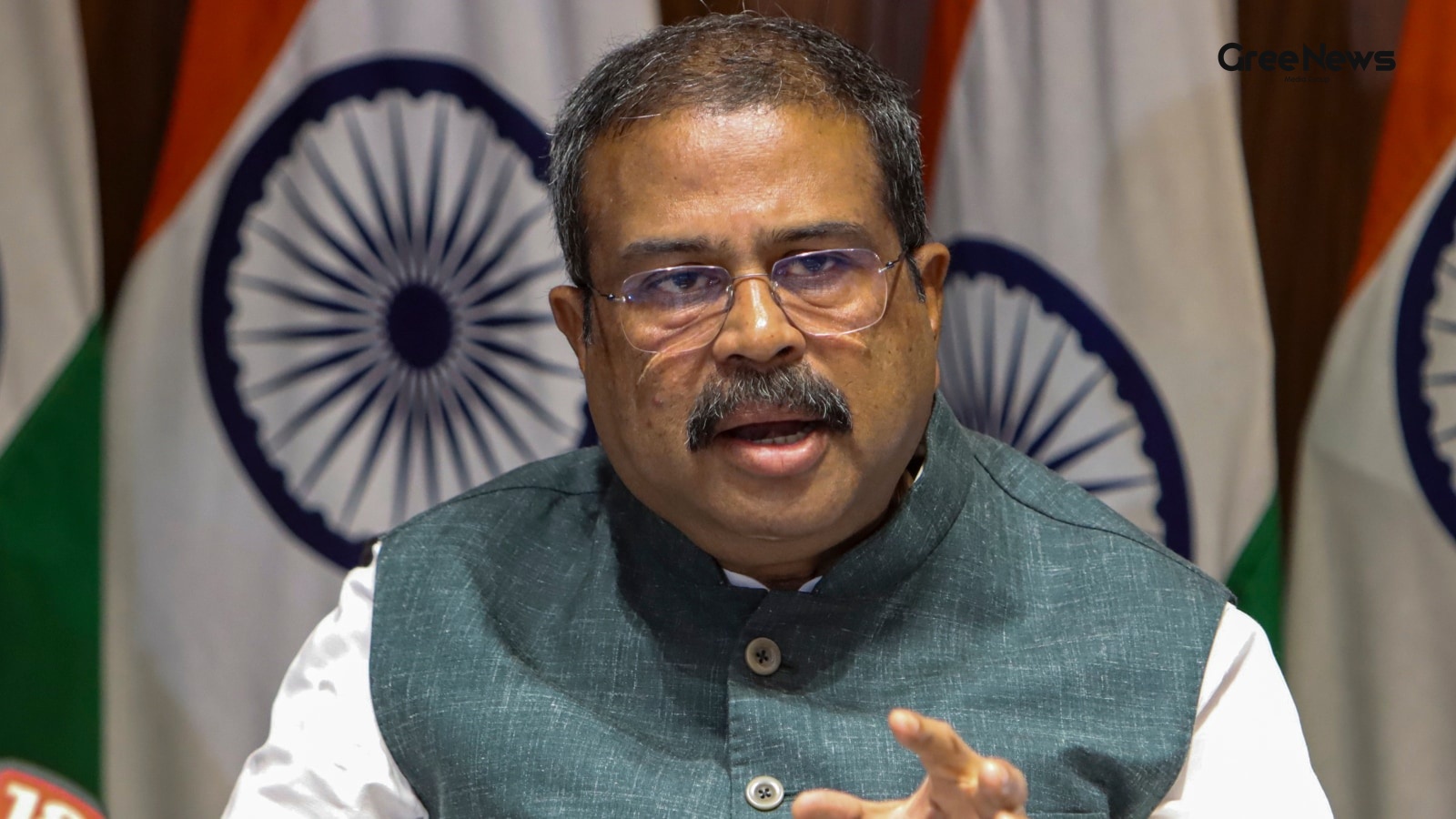
Dharmendra Pradhan on NEET UG Re-examination and Student Future
Dharmendra Pradhan, Union Education Minister, spoke out about the upcoming NEET UG re-examination happening today. He was trying to pump confidence into everyone involved. He basically said he had complete faith. Faith in the NTA, sure. And the state governments, district administrations, even the w
Jun 22, 2026 by Gree News Team
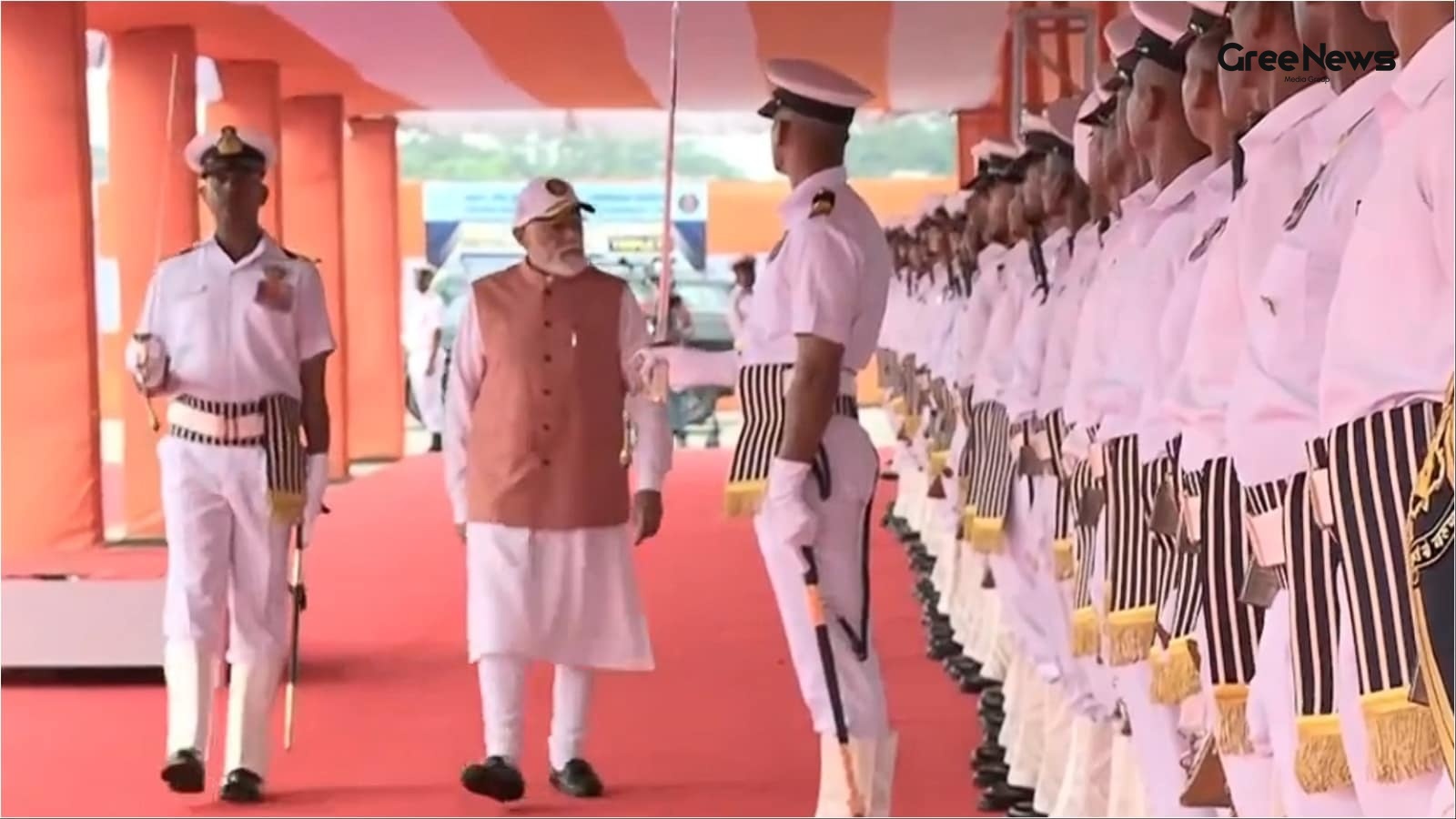
Modi on Aatmanirbharta and India's Maritime Strength
Modi spoke Sunday about Aatmanirbharta and having a developed India being central to everything. He commissioned three naval platforms in Kolkata then: INS Dunagiri, INS Sanshodhak, and INS Agray. It was a big step, he said. Building an India that is self-reliant, secure, and actually developed. Tha
Jun 22, 2026 by Gree News Team
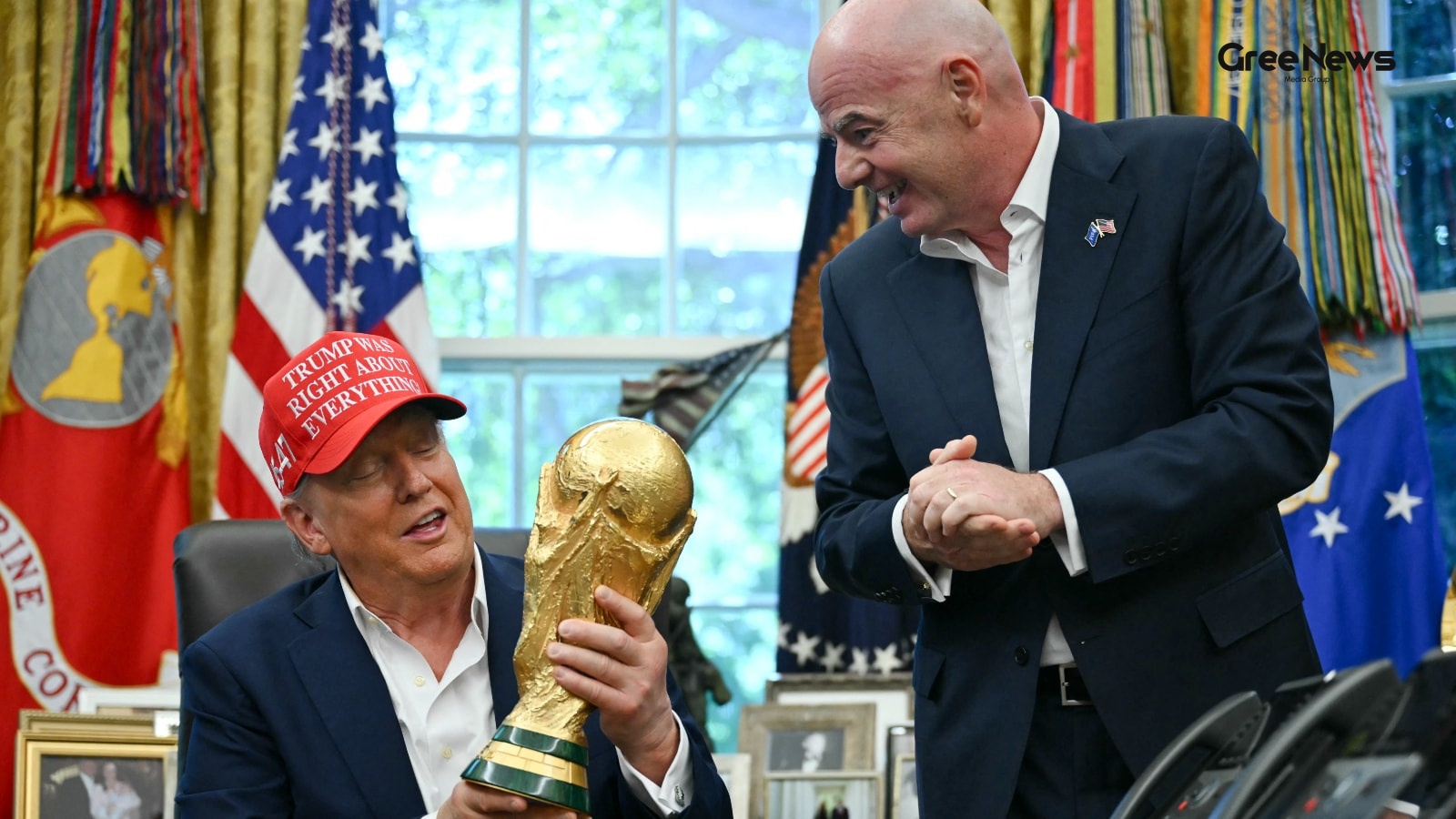
The Unfolding Controversy of the FIFA World Cup 2026
The football world right now feels utterly fractured. It’s spectacular, sure, the goals are incredible and the moments captured are unforgettable. But underneath that dazzling surface of athleticism is this relentless controversy. It's not just about the game anymore; it’s about everything surroundi
Jun 22, 2026 by Gree News Team
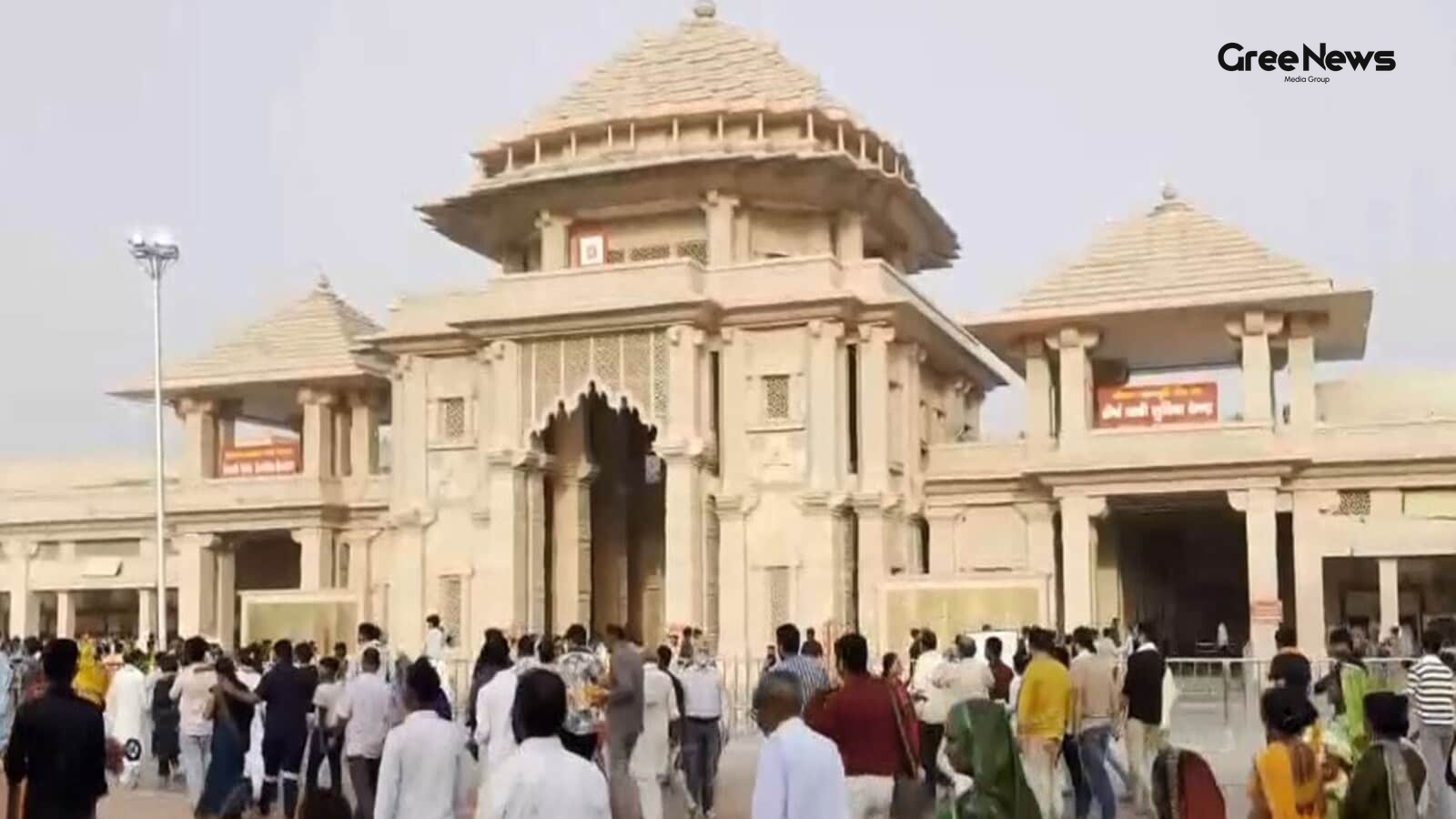
Investigation into Alleged Donation Irregularities at Shri Ram Janmabhoomi Temple
The Special Investigation Team, probing those alleged irregularities surrounding donations at the Shri Ram Janmabhoomi Temple, reportedly found evidence pointing toward theft of money. It sounds like a serious mess. They’re expected to hand their preliminary report over to Uttar Pradesh Chief Minist
Jun 22, 2026 by Gree News Team