Impact of US Sanctions Waiver on Iranian Oil Exports for India
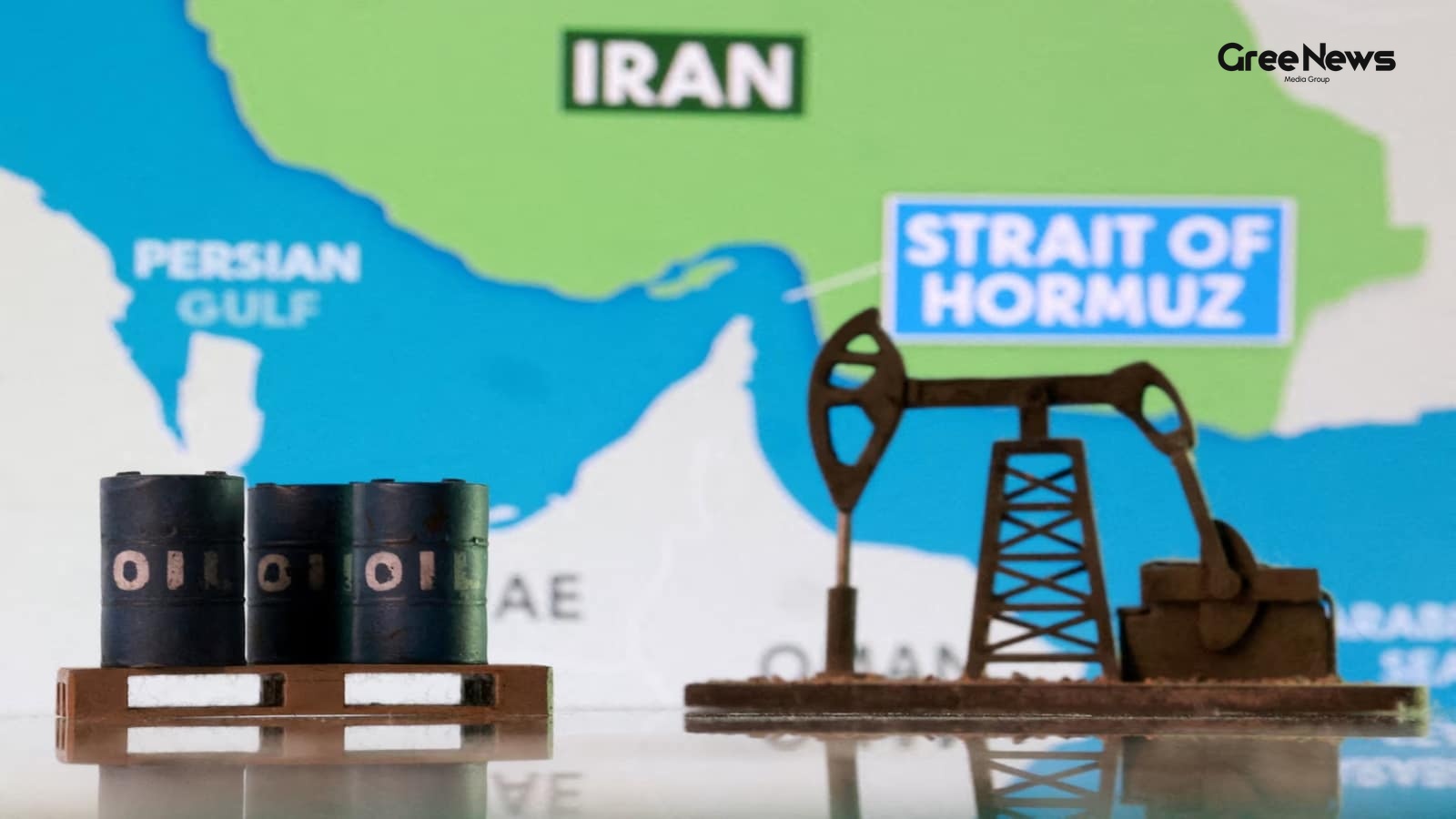
The air around energy markets right now feels incredibly thin. You see these official announcements about sanctions, temporary waivers they sound clean, mathematical, but underneath that veneer, there’s always this simmering tension, this sense that things are about to shift, or maybe just wobble more violently.
So the United States has made a move. They temporarily suspended those restrictions on Iranian crude oil exports until August 21st. It sounds like a bureaucratic footnote, doesn't it? But for India, and for anyone watching global supply chains, this temporary pause opens a door that has been locked shut for too long. Barrels of Iranian oil, held back by years of strict restrictions, can now theoretically make their way back to the Indian refineries.
It’s part of those ongoing US-Iran negotiations, something happening in the background, shuffling the pieces on the geopolitical chessboard. But what does this actually mean for New Delhi? It means an extra source of crude, a potential lifeline when they are desperately trying to diversify supplies and manage those constantly shifting import costs amid all this global uncertainty swirling around energy prices.
The specifics, if you need them, came through the US Treasury Department. They authorized “all transactions” previously restricted under sanctions involving the production, sale, transport, and delivery of Iranian-origin crude oil and related petroleum products. This authorization kicked in at 12:01 am Eastern Daylight Time on August 21st, 2026. A formal step, sure. But does that translate to actual barrels moving? Not immediately.
The waiver itself is tied up until the 21st. It permits dealings concerning Iranian crude oil, petrochemicals, and petroleum products all suspended for now. It’s a window, a brief pause in the rigidity of the rules. A temporary reprieve, nothing more concrete than that.
This whole maneuver happens when global energy markets are already screaming. You can't ignore where things are happening. The Strait of Hormuz, remember? That choke point remains absolutely critical for such a huge share of the world’s crude oil and liquefied natural gas trade. Everything flows through it. This temporary deal is just one thread in an incredibly tangled knot of global risk management.
A sustained increase in Iranian exports even if only temporarily allowed could ease some of those concerns about supply availability. It helps alleviate the worries that have been hanging over energy markets since that West Asia conflict started stirring things up, causing these constant disruptions everywhere. Less worry means maybe a little breathing room for everyone involved.
But let’s bring it back to India. This isn't just abstract geopolitical maneuvering happening thousands of miles away. This has real implications down here. India was once among the big importers of Iranian crude before those sanctions slammed the brakes on their purchases entirely. It changes the dynamic completely, doesn't it?
Nikhil Dubey, who works as a Senior Refining Analyst over at Kpler, he touched on this recently in the Financial Express . He noted that just watching the global crude market move around has already forced India to completely change how they look at their import patterns. It’s not static anymore.
He pointed out something specific about the immediate fallout from other events. Following those strikes hitting Russian refinery infrastructure, combined with that subdued demand coming out of China all that created a vacuum more Russian barrels became available for Indian refineries. And what we saw this month? The highest-ever Russian crude imports into India. That’s the reality on the ground right now.
Dubey then pivoted to the Iranian situation, bringing it back to where the sanctions relief might fit in. He said that easing those restrictions on Iranian energy exports is one of the issues being discussed within the broader framework trying to establish some sort of peace. It links the supply issue directly to the political dialogue.
If that potential relief happens if the flow resumes the possibility for Iranian barrels returning to India could be pretty swift. And here’s where things get interesting, and where the historical context matters. India had been a regular buyer of Iranian crude before those sanctions were slapped down. So there’s no real question about technical compatibility or whether Indian refineries can handle the product.
“The only real hurdle,” Dubey put it, “is just getting past the compliance side of things.” Once the sanctions are eased, we could see those flows resume to India fairly quickly. That existing trade history between the two countries is a massive factor there. It’s not some brand new relationship trying to figure things out from scratch.
Industry experts, they weigh in differently on the practical reality versus the political possibility. They suggest that Iranian crude could become an attractive option for Indian refiners. But this depends entirely on pricing and logistics. Are the shipping costs manageable? Are there reliable routes? Do prices settle in a way that makes sense for long-term contracts? That’s the real test.
Iranian oil has always had that inherent price competitiveness, which is a big plus for India right now. It gives them an alternative source to diversify away from relying on just a few major suppliers. This diversification is vital when you factor in how much shipping risk, insurance costs, or general supply disruptions are eating into the cost of imported oil these days.
The temporary waiver itself also carries some secondary weight. Some observers suggest it might actually strengthen the negotiating position for Indian refiners. It gives them a little bit more leverage with suppliers in the Gulf and Russia. A small tactical advantage in a very large, messy game.
Prashant Vasisht, who is Senior Vice President and Co-Group Head for Corporate Ratings at ICRA, offered a perspective rooted in historical reality. He pointed out that before all this sanction drama, Iranian crude actually accounted for quite a significant chunk of India’s overall imports. He noted it used to contribute more than ten percent of the country’s total crude sourcing mix. And he suggested and this is a big thought it could potentially become a major component again in India's sourcing strategy down the line, if things settle right.
But we have to remember the caveat. This whole situation remains temporary. That waiver expires on August 21st. It’s not a permanent fix. The immediate benefit is short-term flexibility for India. A chance to look at import costs from a slightly different angle. But whether this translates into a sustained, regular return of Iranian oil depends entirely on what happens next.
Banks, the shipping companies, the insurers, and all those payment channels they are playing it very cautiously right now. They aren't going to jump in with full commitment until there’s much more clarity. The uncertainty is palpable. So, for immediate trading, you might see a stronger impact on spot purchases and short-term deals than in those long-term supply contracts that dictate the massive infrastructure moves.
Nikhil Dubey hammered home this point again when he talked about future flows. He mentioned that even if there’s some relief from sanctions now, future Russian crude streams could face additional compliance hurdles later on. There’s a layer of regulatory complexity that just keeps piling up across these shifting energy relationships. It's layered, messy stuff.
Ultimately, for India, this moment offers flexibility in sourcing right now. A bit more breathing room regarding immediate costs. But the big question isn't about August 21st alone. It’s about future US policy decisions. And it’s about the willingness of all those financial and shipping networks to fully re-engage with Iranian exports, if that is even possible under the evolving international landscape. The path back to normal flows is far from simple. It's a slow process built on trust, negotiation, and whatever geopolitical shifts occur next.
Written by Gree News Team — Senior Editorial Board
Gree News Team covers international news and global affairs at Gree News. Our collective of senior editors is dedicated to providing independent, accurate, and responsible journalism for a global audience.
More from India
View All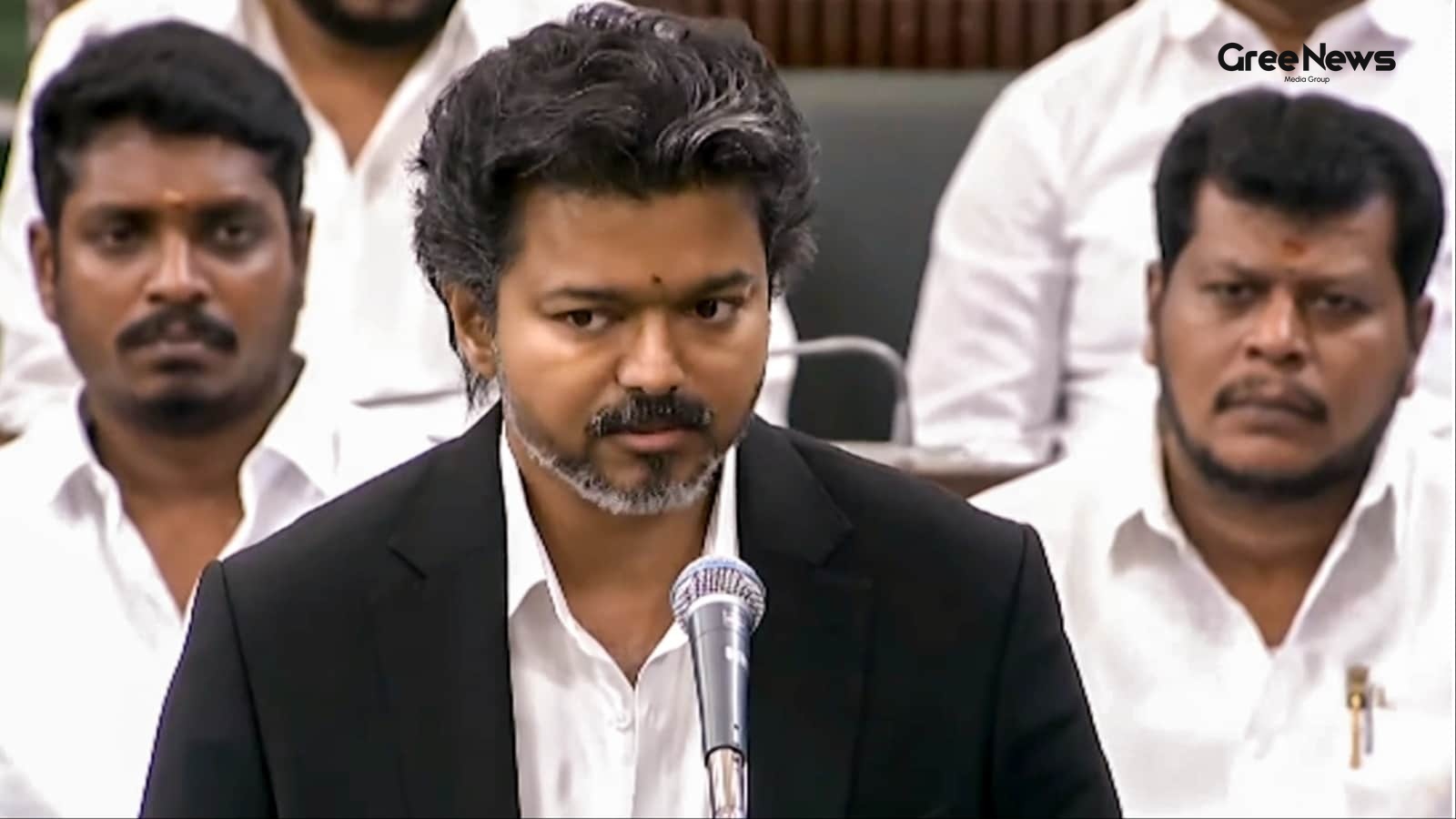
CM Joseph Vijay on NEET and Tamil Nadu Welfare
C Joseph Vijay, the Chief Minister of Tamil Nadu, went back on Tuesday again about the National Eligibility-cum-Entrance Test, or NEET. He basically hammered home that the exam was unfair to medical students here in the state and he absolutely opposed anyone forcing a language onto the students. He
Jun 23, 2026 by Gree News Team
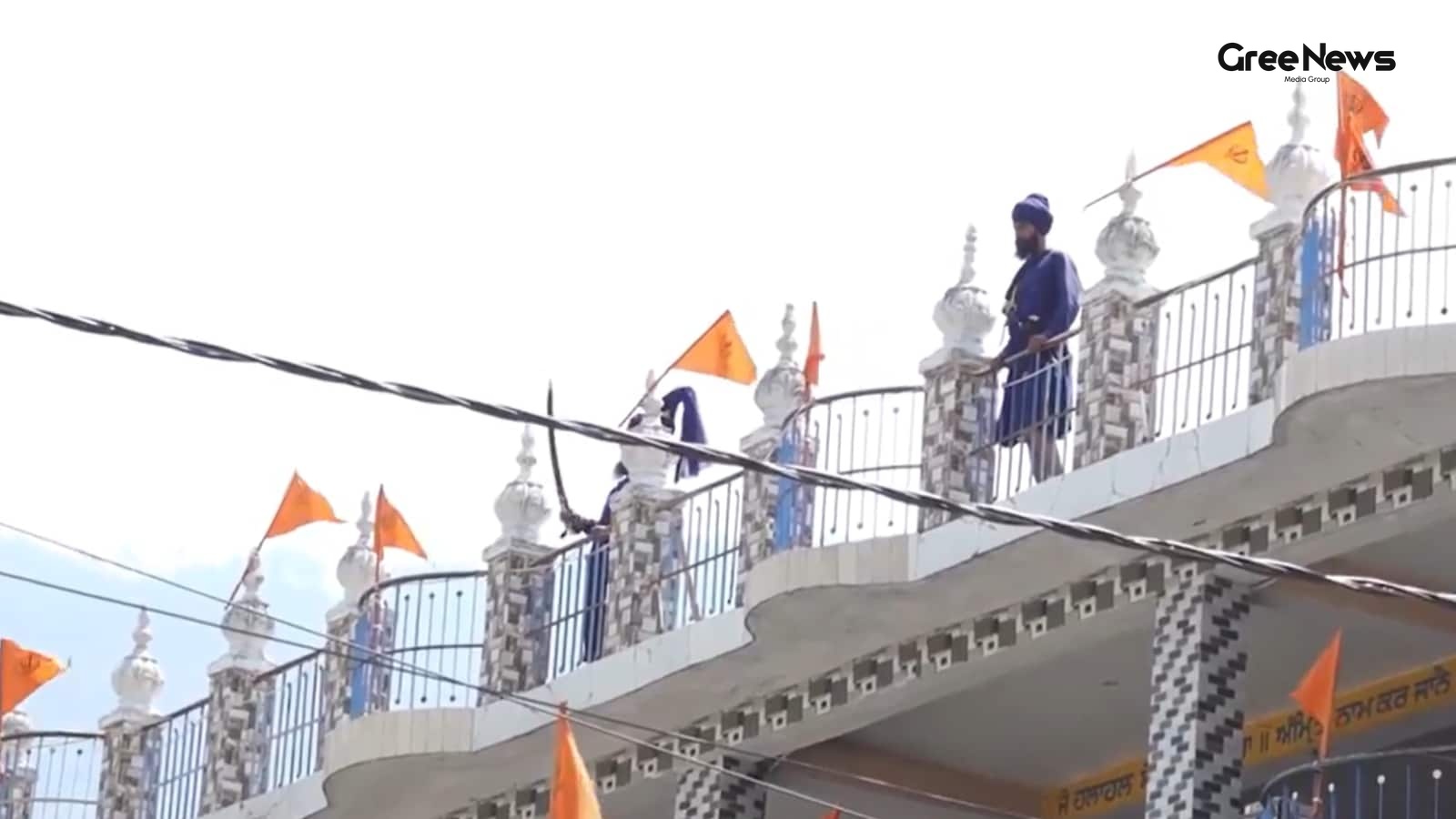
Standoff at Gurudwara in Nagrasu, Uttarakhand Involves Nihangs and Political Dialogue
That whole standoff at the gurudwara in Nagrasu, Uttarakhand’s Rudraprayag district it just kept going on Monday. Four Nihangs there, swords and spears, they were holding onto the place. They demanded four people be let out. These guys had been arrested over some parking mess back in Chamoli, from J
Jun 23, 2026 by Gree News Team
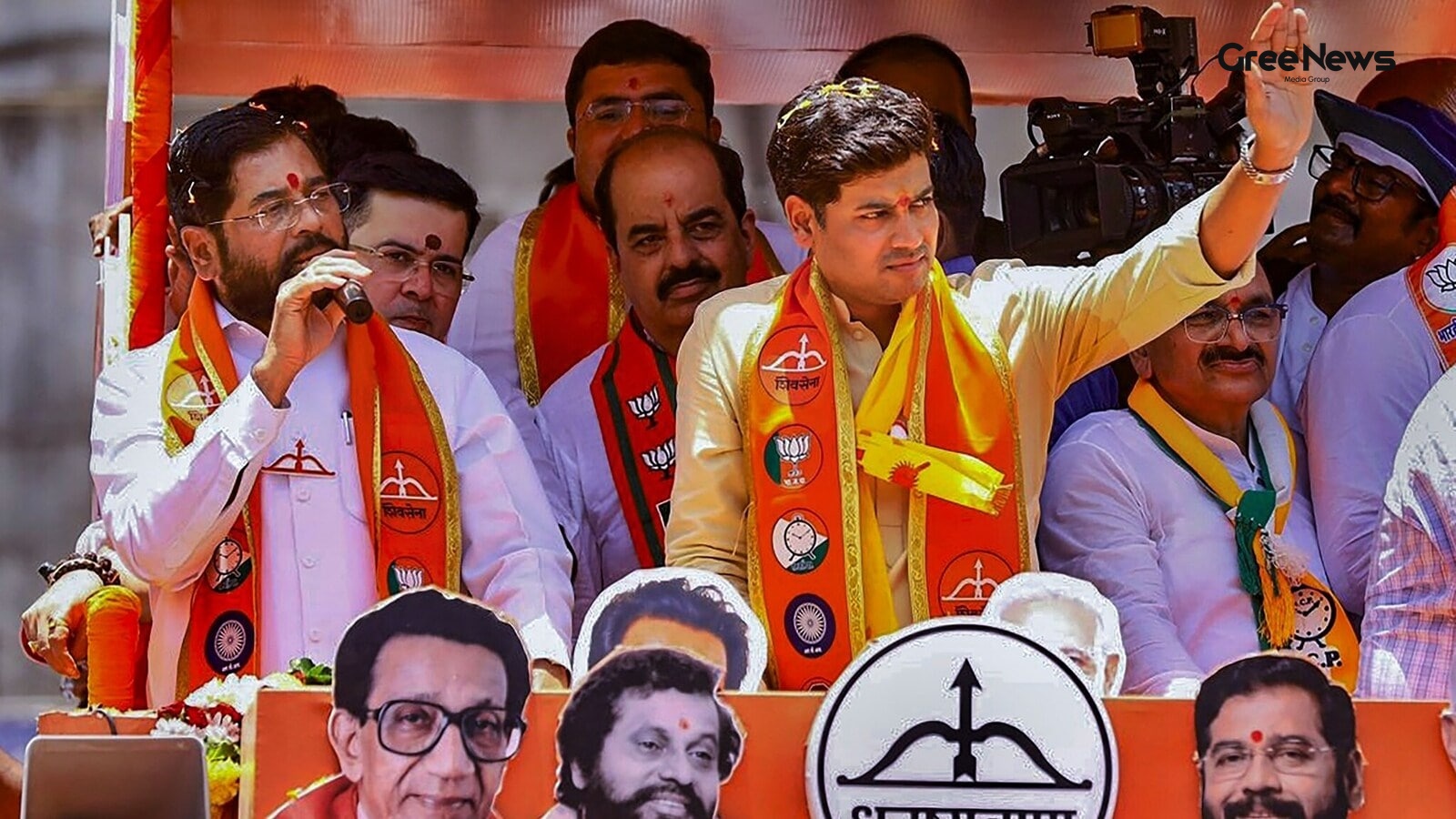
Political Shifts and Defections in Maharashtra
Shrikant Shinde, that guy credited with ‘Operation Tiger’ in the Shiv Sena world, he suggested something Monday. He said more political shifts could happen now that six UBT MPs have jumped over to Eknath Shinde's side. After all that movement. He wasn’t just talking about a single move though. It fe
Jun 23, 2026 by Gree News Team

CEO Impersonation Fraud and Cybercrime Schemes
The Ministry of Home Affairs stepped in. They warned everyone about a new way criminals are operating using the names of high-ranking officials to pull this stuff off. It’s all about fraud now. I4C, that’s the Indian Cyber Crime Coordination Centre, they issued an advisory. It’s flagged these fraudu
Jun 23, 2026 by Gree News Team
Latest Headlines

Mouni Roy Faces Social Media Heat Over *Hai Jawani Toh Ishq Hona Hai* Role
Mouni Roy hit by some serious social media heat after that trailer for *Hai Jawani Toh Ishq Hona Hai* dropped. It featured her playing Varun Dhawan’s fake mother. The trolls went absolutely wild. They slammed the casting choice, of course. Age gap. Everyone was pointing it out. Mouni is forty now. V
Jun 23, 2026 by Gree News Team
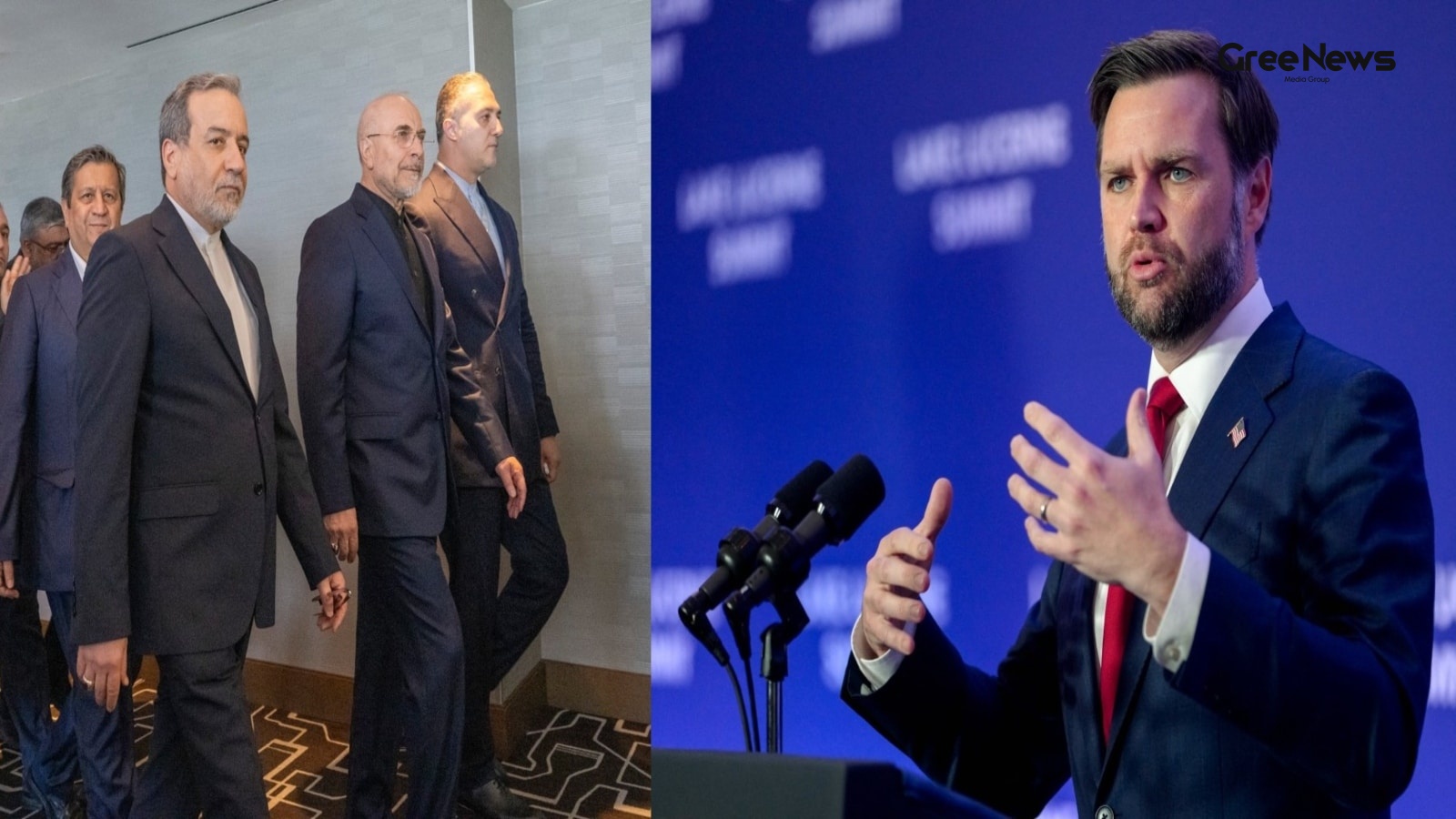
US-Iran Disagreement Over Frozen Assets and Nuclear Talks
There’s a huge split right now between the United States and Iran regarding what came out of those talks in Switzerland on Sunday. Vance, the Vice President, is pushing that any release of those frozen Iranian assets hinges entirely on Tehran’s future commitments and whatever verification measures t
Jun 23, 2026 by Gree News Team

Alia Bhatt and Sharvari on India’s Got Latent Season Two Behind the Scenes
Alia Bhatt and Sharvari showed up for the first episode of India’s Got Latent season two, hosted by Samay Raina. It dropped on Netflix and YouTube recently. There was a behind-the-scenes video Samay shared on YouTube last night. It caught Alia and Sharvari chatting with Samay, Balraj Ghai, and Ashis
Jun 23, 2026 by Gree News Team
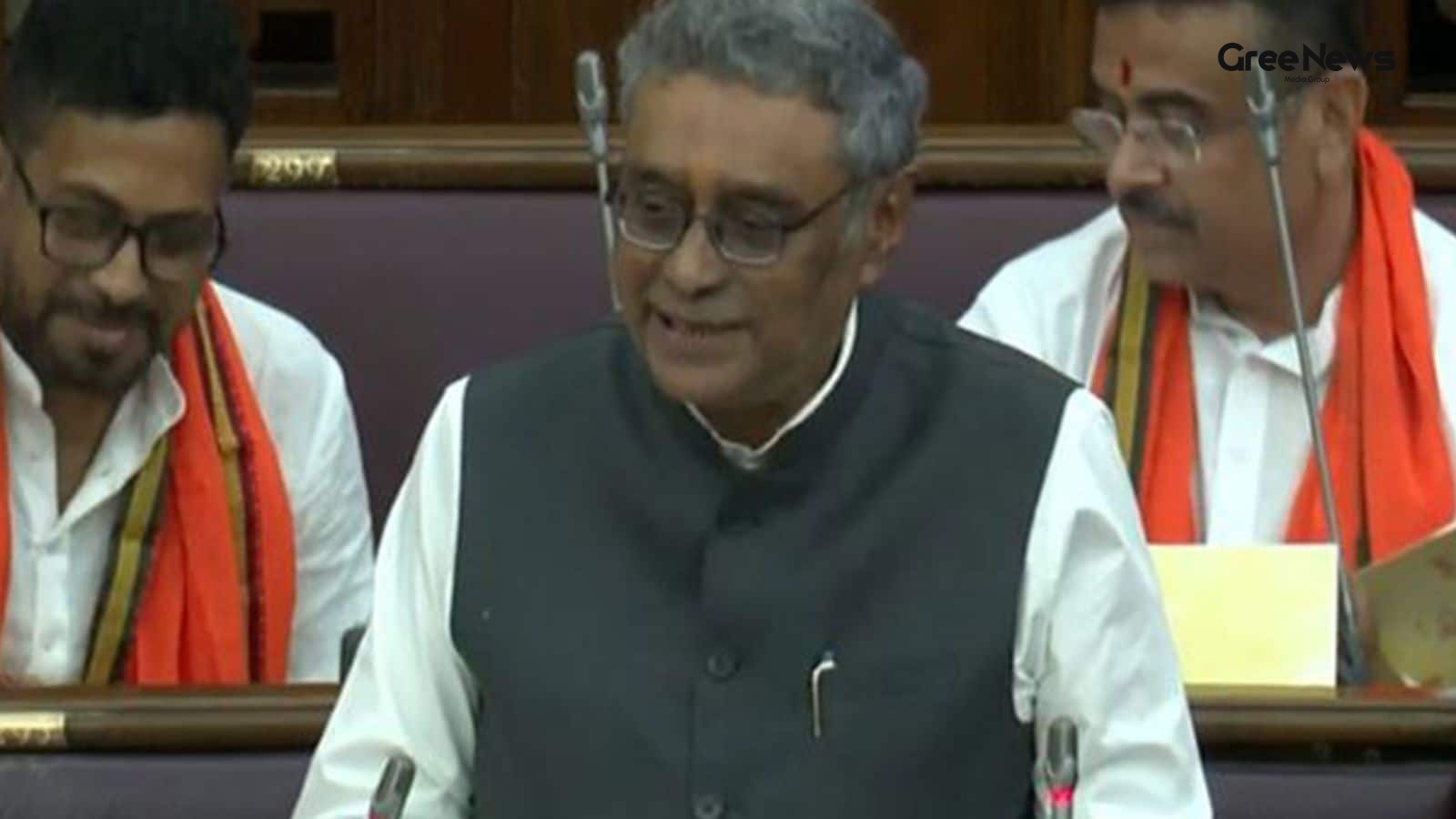
West Bengal Budget: An Economic Roadmap and Statement
The first full budget for West Bengal from the BJP government isn't just numbers; it’s supposed to be a whole statement. An economic roadmap, they call it. It came out right when expectations were already high after the party took over. It tries to tackle some of the stuff that’s been nagging at Ben
Jun 23, 2026 by Gree News Team
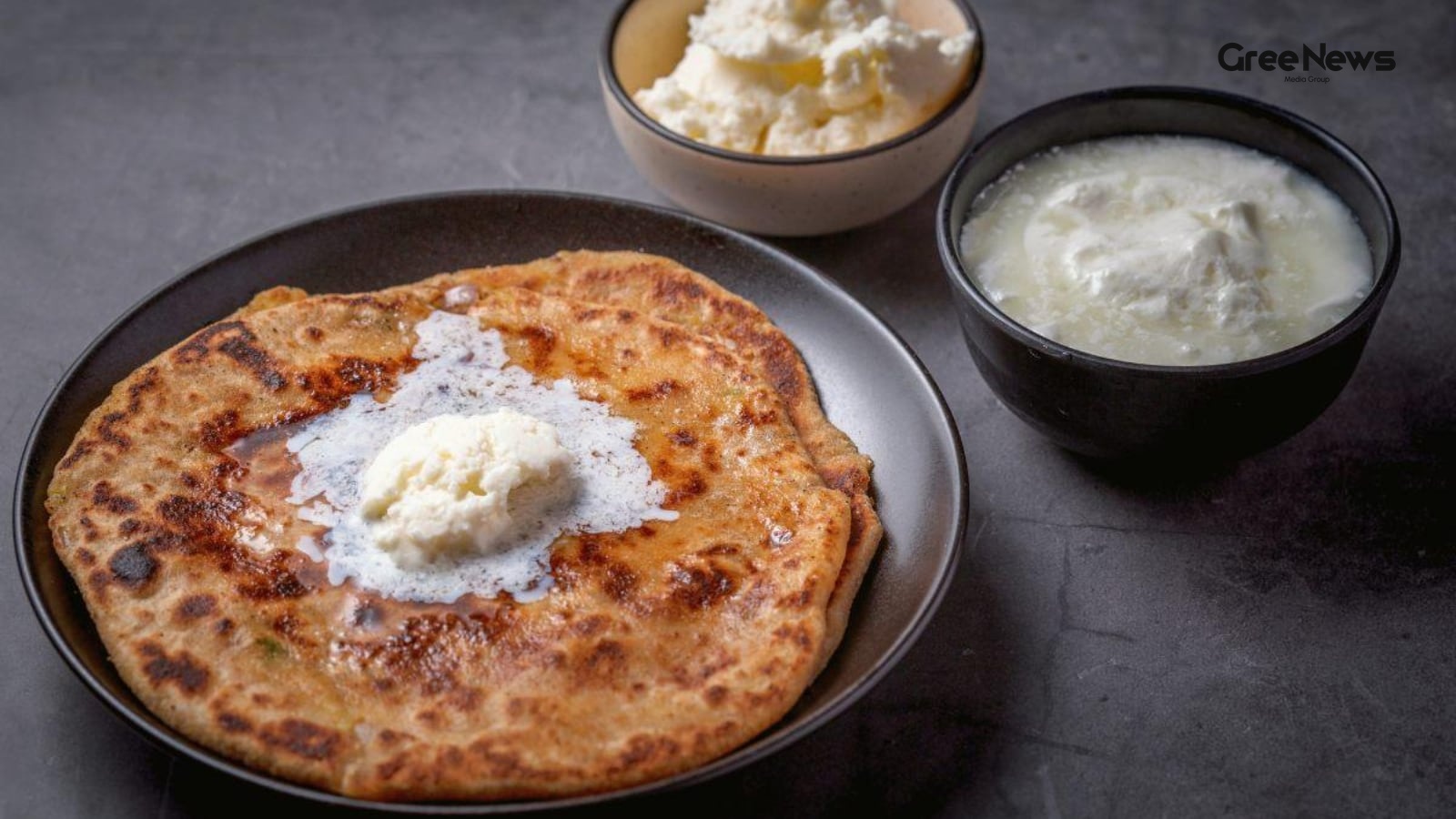
Fasting, Insulin Resistance, and the Role of Protein in Diabetes Management
That patient... she finally thought she’d cracked diabetes. Seriously. She read stuff online skipping breakfast was the magic trick to reverse it. So for six weeks? Nothing but black coffee until lunch. She felt proud of her discipline. Expected results. Turns out, they didn't come. When she showed
Jun 23, 2026 by Gree News Team

Julian Alvarez Transfer Speculation and Atletico Madrid's Future
Julian Alvarez has finally dropped some real hints that his time at Atletico Madrid might be coming to an end. It’s all noise right now, but the feeling is there. He admitted he wants to leave and actually "fulfil his dream" amid all this mounting interest from some of Europe's biggest clubs. This c
Jun 23, 2026 by Gree News Team

Akansha Ranjan on Freezing Eggs and Family Trust
Akansha Ranjan recently opened up about something big. Her decision to freeze her eggs. It’s a choice that might sound pretty unconventional to most people, but it seems like it was a really strong one for her. She talked about how her parents reacted when she made this choice. They were, you know,
Jun 23, 2026 by Gree News Team
New CBSE Policy for Private Students Affected by Class 12 Exam Cancellations
The Centre basically told the Supreme Court something on Monday. It was about a new policy CBSE brought in. This policy deals with private students who got hit by the cancellation of their Class 12 board exams in Gulf countries, all because of that recent Iran-US mess. A bench Justices S V N Bhatti
Jun 23, 2026 by Gree News Team
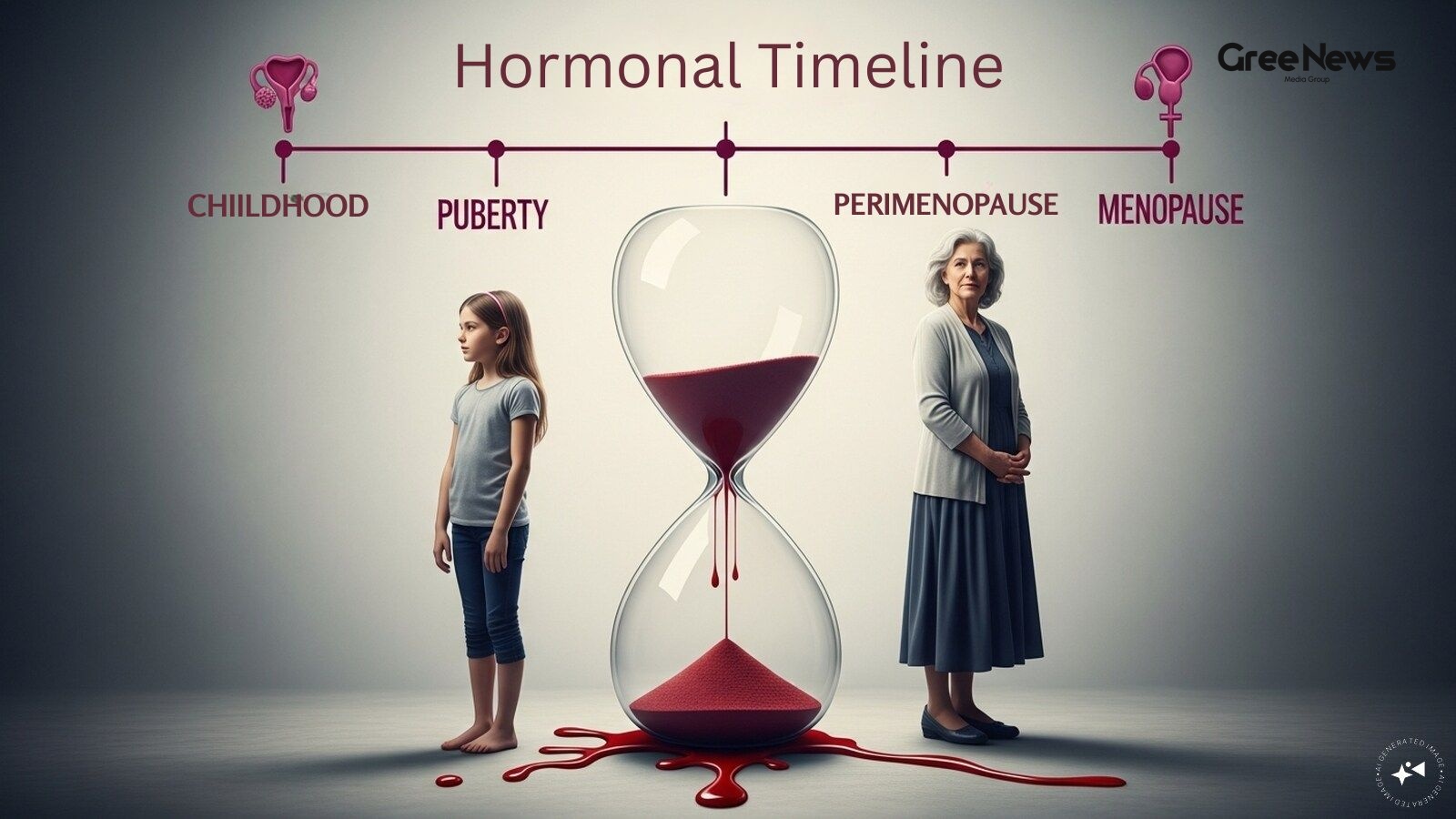
The Shifting Timeline of Women's Health in India: Puberty and Menopause
A quiet but significant shift is happening in how women’s health is understood across India. Girls are hitting puberty much sooner now. And frankly, many women are starting to experience menopause earlier than anyone expected. These changes together are seriously shortening what we call reproductive
Jun 23, 2026 by Gree News Team
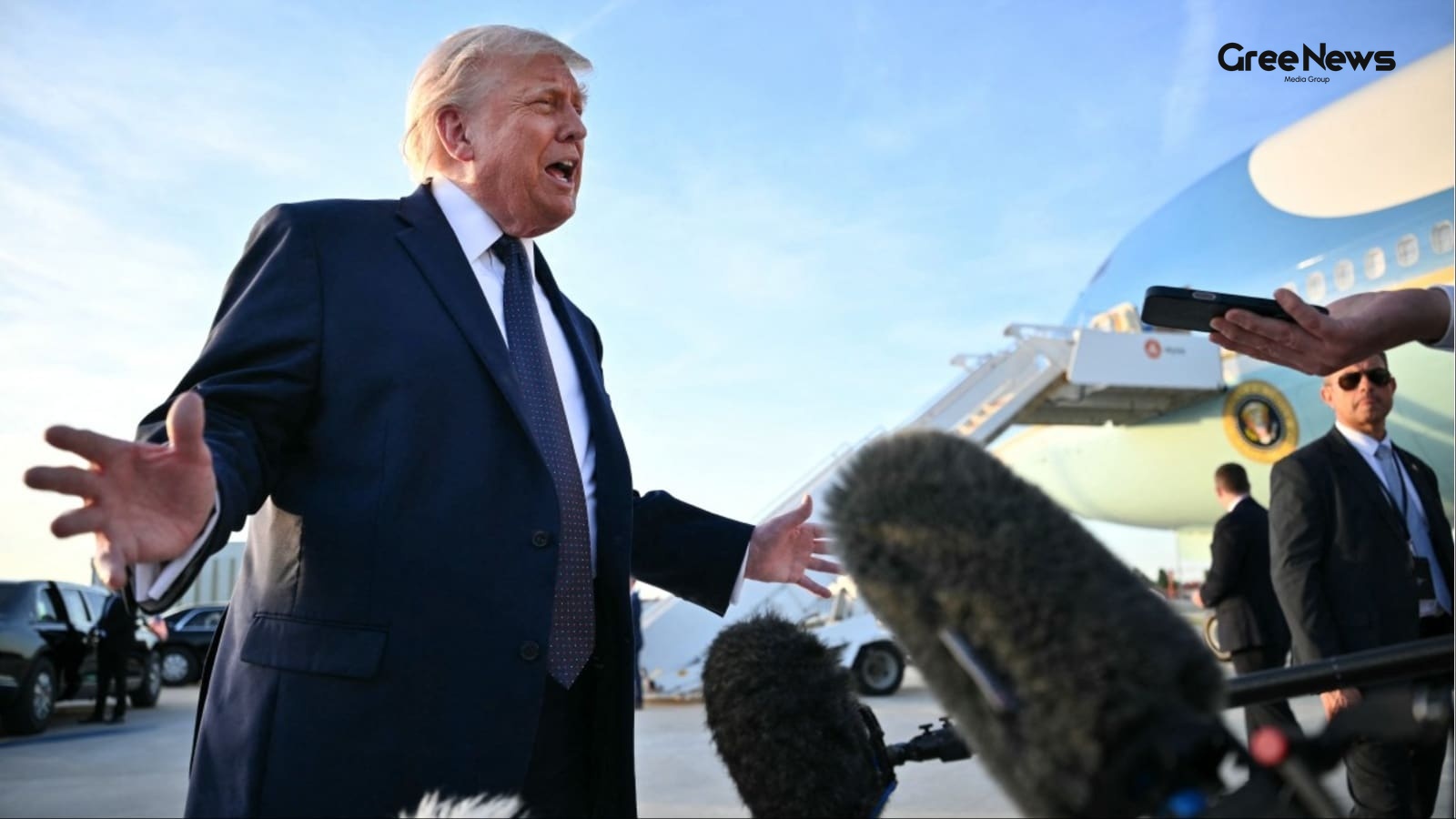
Trump Administration Proposal for Increased Legal Immigrant Citizenship Fees
The Trump administration is pushing for a big jump in fees for legal immigrants trying to get citizenship. They argue applicants should pay the full cost of processing things and all that extra vetting, instead of depending on subsidies from other immigration programs. This proposal came out under a
Jun 23, 2026 by Gree News Team

Protecting Appliances and Global Trade Dynamics
People always think about protecting expensive gadgets, right? Smartphones, TVs. But washing machines? They get totally ignored. Left out there, gathering dust, moisture, daily wear. And that stuff leaves marks. Detergent spills, water splashes, random things piled on top it all scratches the applia
Jun 23, 2026 by Gree News Team
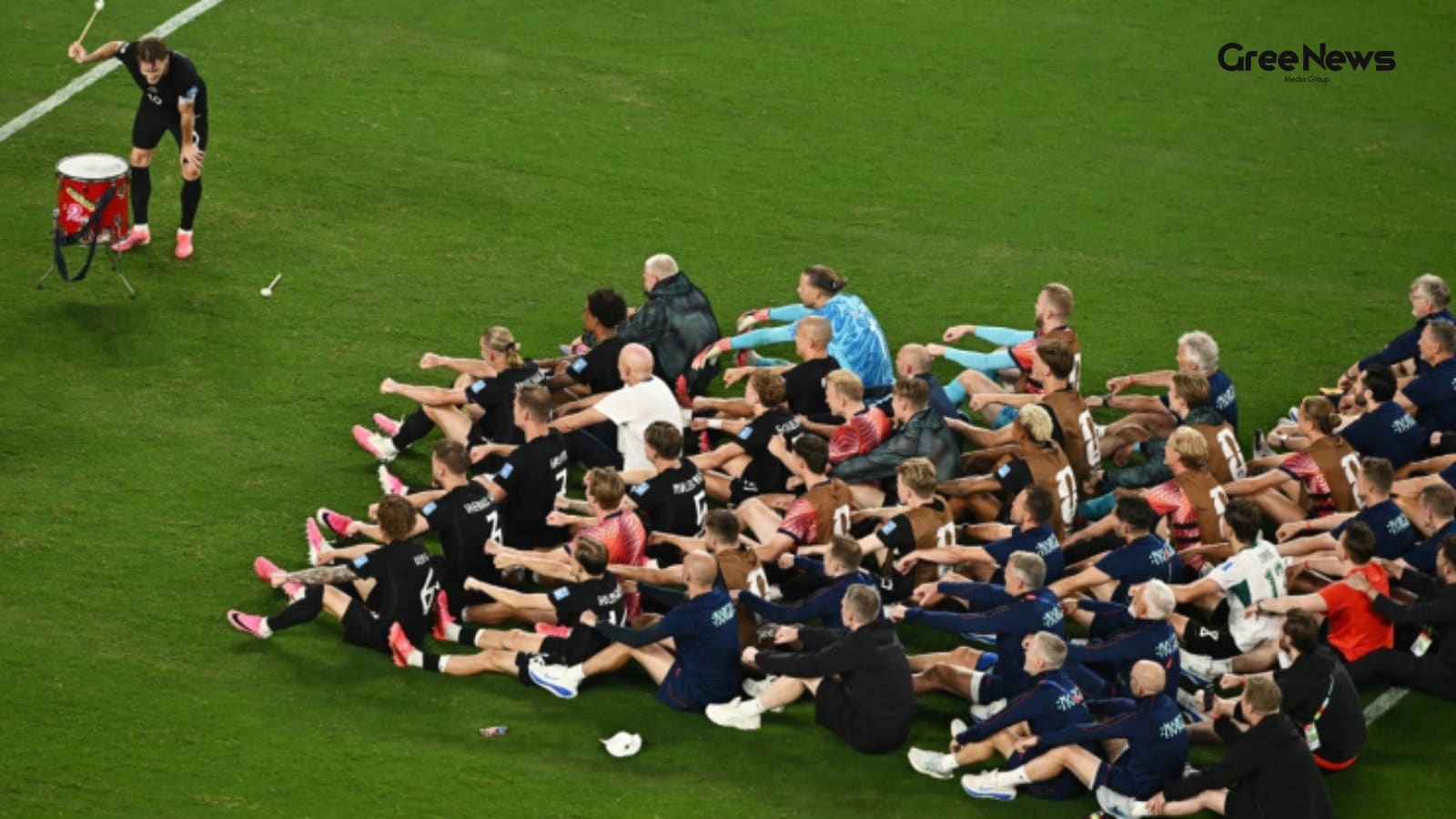
The Viral Viking Row: Norway's Celebration and Global Phenomenon
Erling Haaland’s goals got all the attention. But honestly, it was the Norway team’s celebration that really stole the show. They booked their spot for the FIFA World Cup 2026 in a dramatic way on Monday. A three-two win against Senegal. Qualification secured. Right after that win, the players just
Jun 23, 2026 by Gree News Team

World Cup Match Disrupted by Severe Weather
That night was just brutal for everyone there. Players, coaches, all those sixty-nine thousand fans crammed into Philadelphia Stadium felt it acutely. By the time things finally settled down, France had managed to pull off a 3-0 victory over Iraq. They got into the knockout rounds of the World Cup.
Jun 23, 2026 by Gree News Team
CM Joseph Vijay on NEET and Tamil Nadu Welfare
C Joseph Vijay, the Chief Minister of Tamil Nadu, went back on Tuesday again about the National Eligibility-cum-Entrance Test, or NEET. He basically hammered home that the exam was unfair to medical students here in the state and he absolutely opposed anyone forcing a language onto the students. He
Jun 23, 2026 by Gree News Team

Discreet Desk Stretches for Office Workers
The daily grind for most working people is a relentless shift. One screen after another. Emails before breakfast, calls during lunch, and then just hours sitting there in the same chair. It builds up. By the afternoon, that stiffness hits. The neck tightens, shoulders start to seize up, and the lowe
Jun 23, 2026 by Gree News Team