West Bengal Budget: An Economic Roadmap and Statement
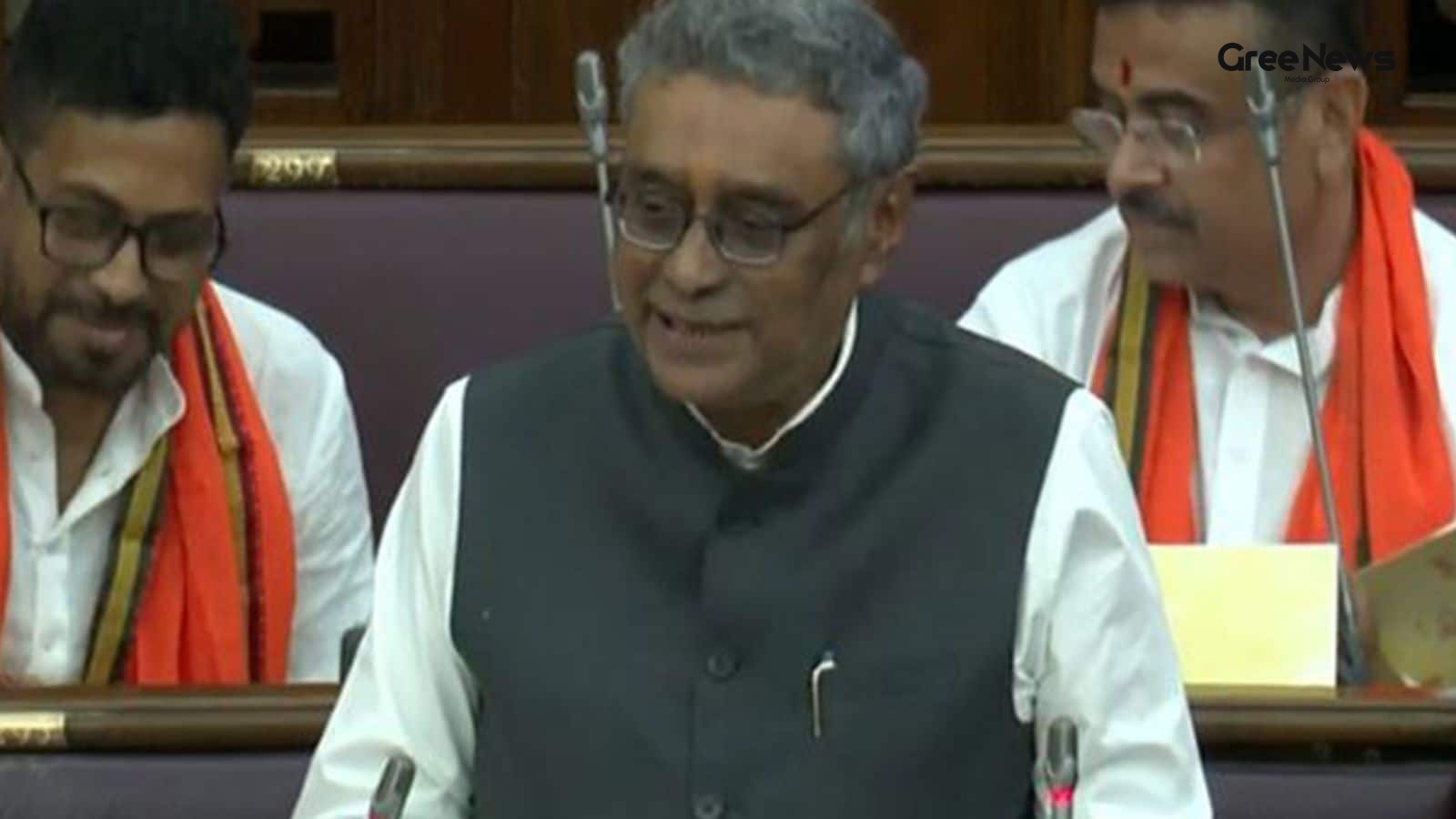
The first full budget for West Bengal from the BJP government isn't just numbers; it’s supposed to be a whole statement. An economic roadmap , they call it. It came out right when expectations were already high after the party took over.
It tries to tackle some of the stuff that’s been nagging at Bengal for ages: slow industrial growth, young people leaving for better chances elsewhere, businesses being hesitant to invest, and that ever-present debt. That's the core aim.
The whole pitch is really about confidence. They want to restore it confidence from businesses wanting to put money in state projects, confidence from young Bengalis looking for a future closer to home, and confidence from folks who feel Bengal has just lost its footing. So they pair big economic fixes, like smoothing out the single-window clearance system and cracking down on syndicate culture, with some regional development stuff too.
Finance Minister Swapan Dasgupta actually sat down with News18 for this conversation. He laid out the thinking behind the budget how they plan to attract investment, how they’ll handle corruption, how they want to revive North Bengal. And then there were the ideological bits, like pushing for that Syama Prasad Mookerjee holiday and proposing a Vande Mataram Museum.
What was really driving this whole thing? People voted for them with huge hopes. They felt things had seriously broken down over the years. Education suffered. Young folks just packed up and left searching for opportunities. And investor trust? That’s totally eroded.
The perception problem is glaring. You still hear stories, right? Like if a giant company, something like Tata, couldn't push ahead in Singur that sent a terrible signal to anyone thinking about investing. It stalled industrial growth. This budget aims to fix that specific feeling, to get people back on board with investors and citizens alike.
Then there’s the practical stuff they proposed. The government is pushing for this strengthened single-window clearance mechanism. How exactly does that work? Businesses have constantly complained about getting approvals fire licenses, all those regulatory clearances taking forever, full of delays and graft.
Before this budget landed, Dasgupta admitted he saw it firsthand. He went to Asansol. Entrepreneurs told him they had to bleed money just to get a fire license. That system has to stop. The real goal is simple: if someone wants to start an industry, all the paperwork should be processed within a month. Transparently. Accountably.
When pressed on the legal action against the syndicate system how serious are they? The response was firm. Extremely serious. They argue that the proposed laws show how committed they are to stopping these unfair practices and attracting investment without intimidation or hidden costs. They feel this culture seriously poisoned Bengal’s economic prospects. Legal moves are meant to cut through that mess decisively.
But there's the elephant in the room: debt. West Bengal carries a heavy debt load. How do you plan to manage ambitious plans when money is tight? The answer they gave was predictable, yet necessary: resources weren't reaching where they needed to go because of inefficiency and corruption. They need better governance. Fiscal discipline. That’s how you unlock what’s sitting there unused.
So attracting more cash? How do they plan that? Dasgupta said they are constantly talking to the central government, meeting leaders regularly. He even took it upon himself to act like a salesman for Bengal promoting it as an investment spot. They want investors from all over India and beyond to see this growth story happening here.
And then there’s North Bengal. Why put so much emphasis on that area? It's been neglected historically, which is why they argue it needs specific focus. The state pointed out the tea garden sector and the workers dealing with the tea industry have been a huge concern for a long time. That’s why they brought up creating a dedicated Workers’ Welfare Board to sort out those old issues affecting the workers and their families.
Finally, there are the cultural pushes: the holiday for Syama Prasad Mookerjee's birth anniversary and the proposed Vande Mataram Museum. What’s the logic there? They argue Bengal was once the intellectual heart of India. There needs to be a reconnection with that heritage. A need to revive awareness about important historical chapters. The museum, they suggest, is just part of celebrating Bengal’s role in Indian culture and nationalism. It's about rediscovering some lost confidence, restoring a bit of the glory that time has taken away.
Written by Gree News Team — Senior Editorial Board
Gree News Team covers international news and global affairs at Gree News. Our collective of senior editors is dedicated to providing independent, accurate, and responsible journalism for a global audience.
More from India
View All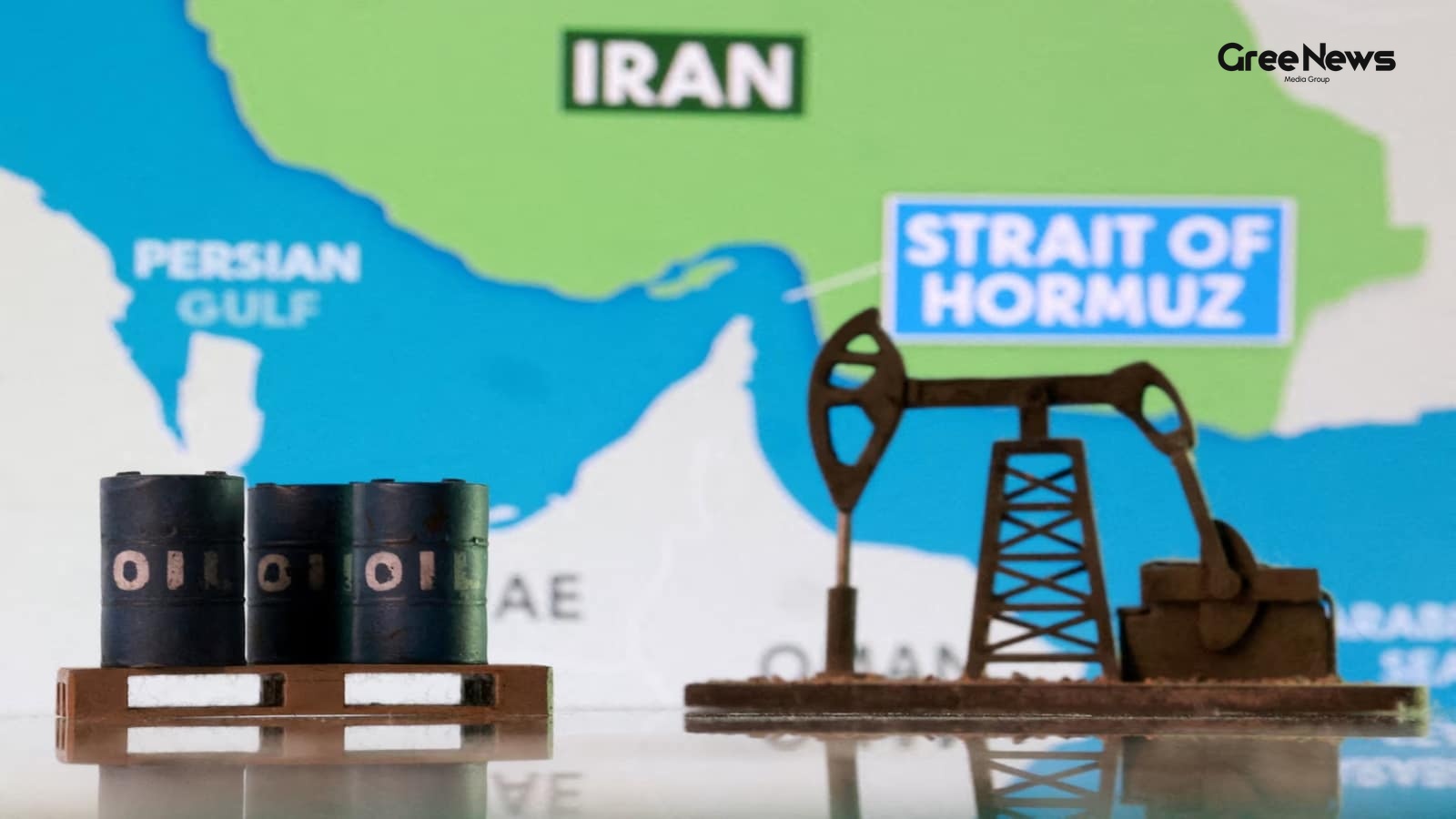
Impact of US Sanctions Waiver on Iranian Oil Exports for India
The air around energy markets right now feels incredibly thin. You see these official announcements about sanctions, temporary waivers they sound clean, mathematical, but underneath that veneer, there’s always this simmering tension, this sense that things are about to shift, or maybe just wobble mo
Jun 23, 2026 by Gree News Team
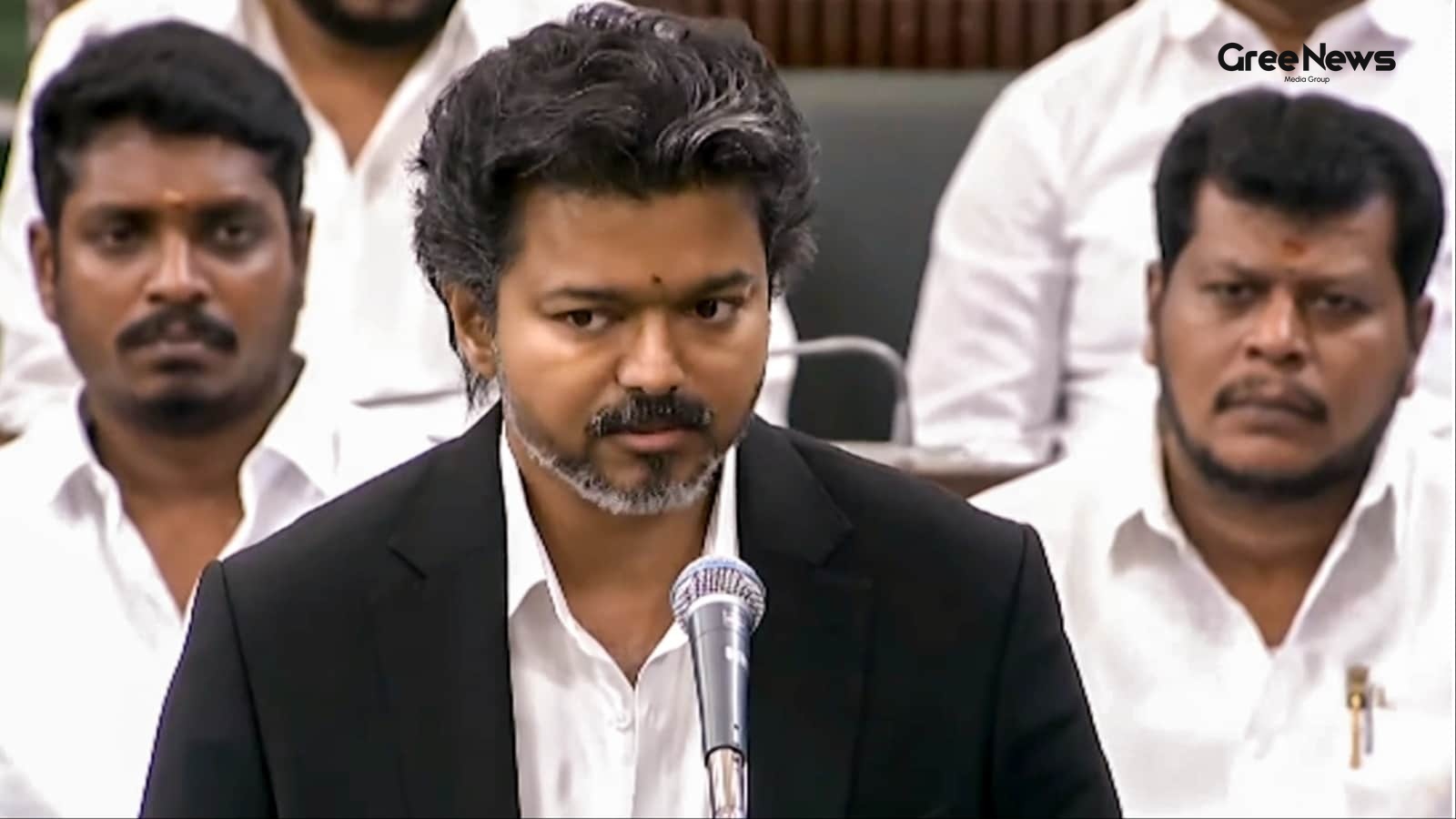
CM Joseph Vijay on NEET and Tamil Nadu Welfare
C Joseph Vijay, the Chief Minister of Tamil Nadu, went back on Tuesday again about the National Eligibility-cum-Entrance Test, or NEET. He basically hammered home that the exam was unfair to medical students here in the state and he absolutely opposed anyone forcing a language onto the students. He
Jun 23, 2026 by Gree News Team
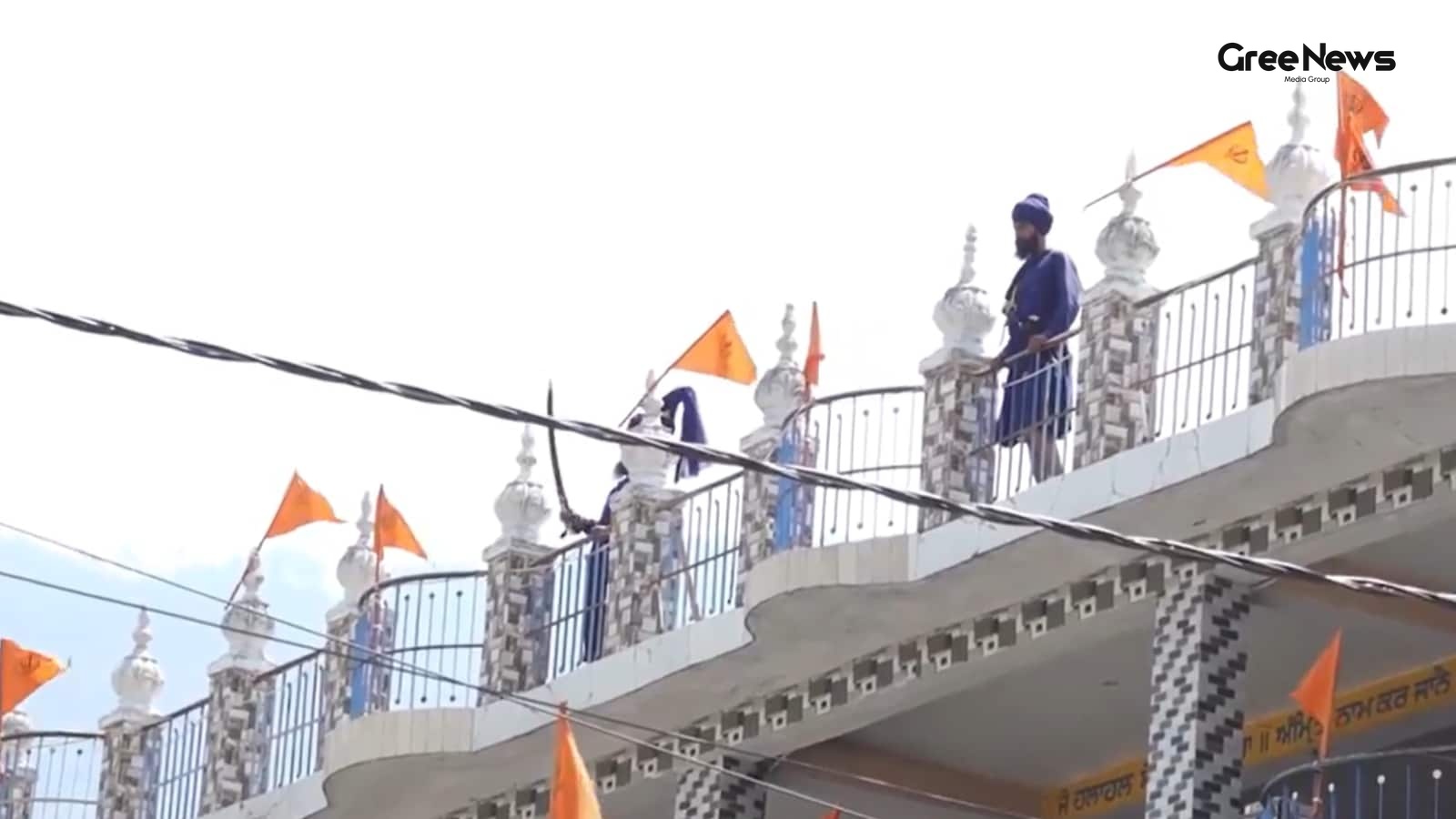
Standoff at Gurudwara in Nagrasu, Uttarakhand Involves Nihangs and Political Dialogue
That whole standoff at the gurudwara in Nagrasu, Uttarakhand’s Rudraprayag district it just kept going on Monday. Four Nihangs there, swords and spears, they were holding onto the place. They demanded four people be let out. These guys had been arrested over some parking mess back in Chamoli, from J
Jun 23, 2026 by Gree News Team
Political Shifts and Defections in Maharashtra
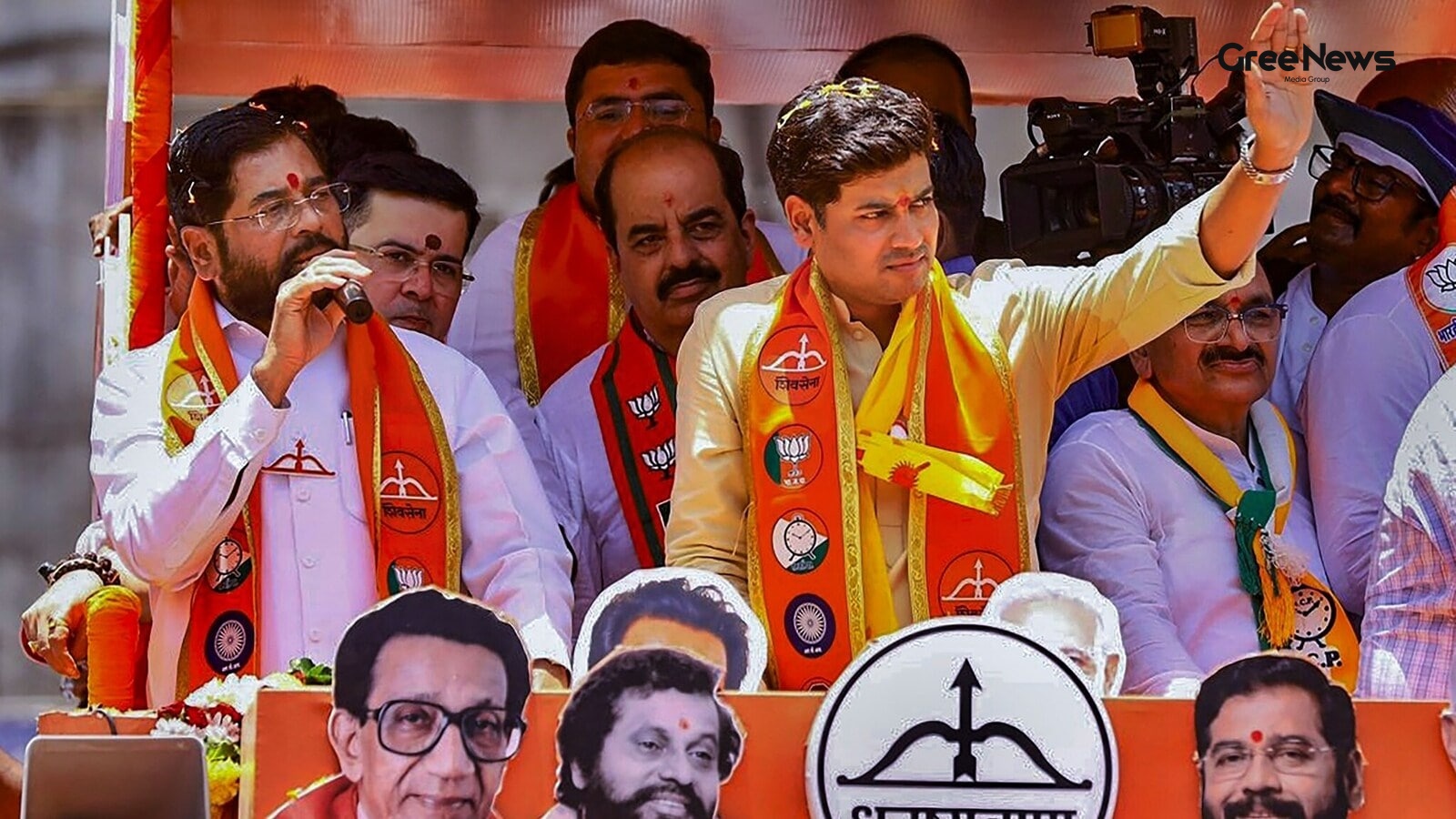
Shrikant Shinde, that guy credited with ‘Operation Tiger’ in the Shiv Sena world, he suggested something Monday. He said more political shifts could happen now that six UBT MPs have jumped over to Eknath Shinde's side. After all that movement. He wasn’t just talking about a single move though. It fe
Jun 23, 2026 by Gree News Team
Latest Headlines
Lucknow Building Fire: Negligence, History, and Systemic Failure
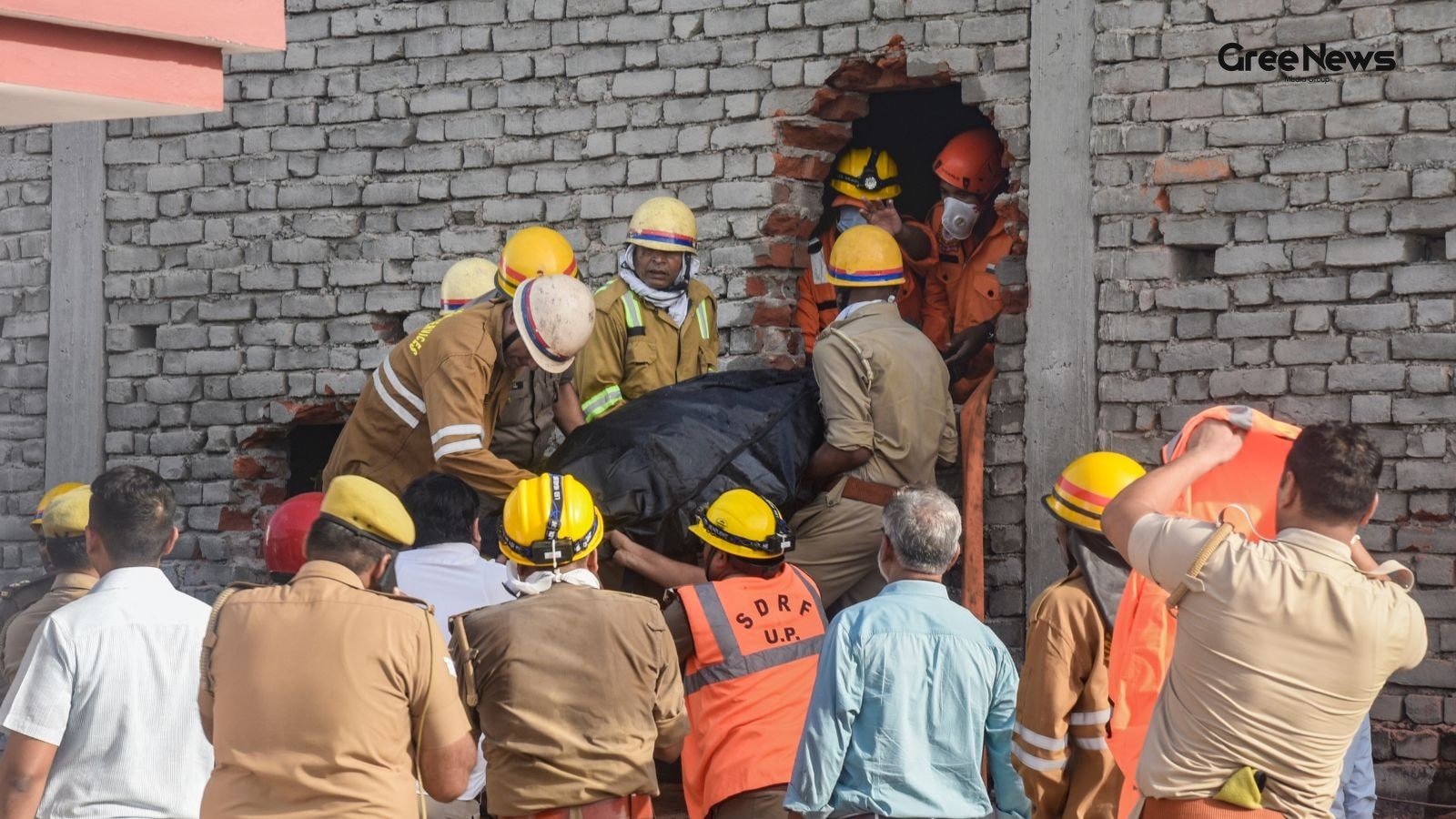
The air in Lucknow felt heavy that Monday. Not just with the usual heat, you know? Something else hung there a kind of thick, suffocating silence that followed the news. The fire. It happened in Aliganj. A three-storey building, and fifteen lives were lost. Fifteen people just gone. It’s a terrible
Jun 23, 2026 by Gree News Team
Nancy Guthrie Disappearance and Ransom Notes
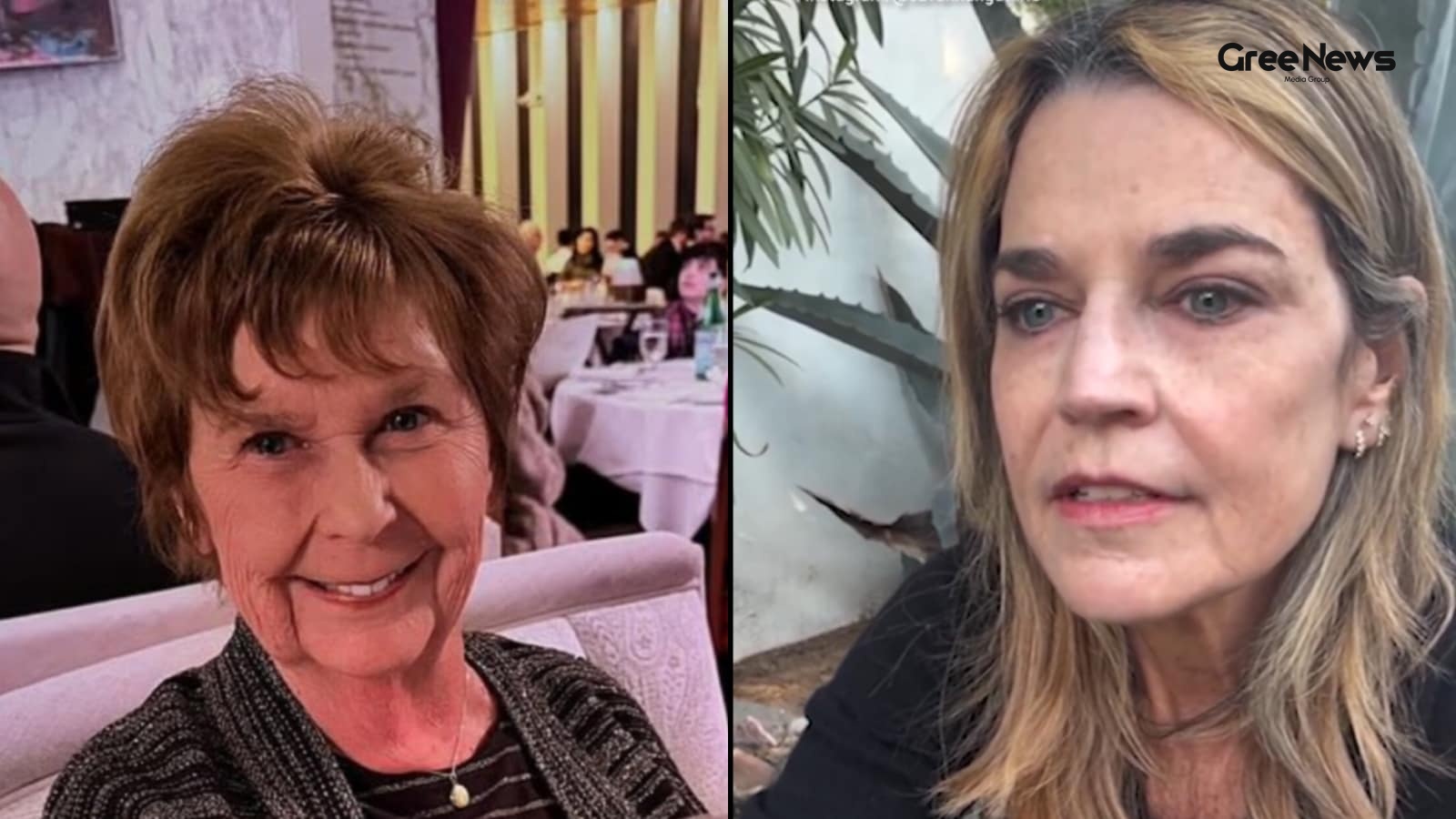
A second note came out days after Nancy Guthrie vanished. It was sent to the media. This one, according to NBC News, said she had died. The 84-year-old, that’s her age, was gone. Investigators are looking at a few things here. They think whoever wrote those notes the first one and this second one mi
Jun 23, 2026 by Gree News Team

Kylian Mbappé's Goal-Scoring Streak and Historical Comparisons
Kylian Mbappé is really running France at the FIFA World Cup 2026. And honestly, what he did recently just puts him in a strange spot. Monday, Tuesday during that second Group I match for the French team he entered some record books. He became the first Frenchman, and only the fourth player ever, to
Jun 23, 2026 by Gree News Team
Trump Warns About Iran's Agreement and Military Collapse
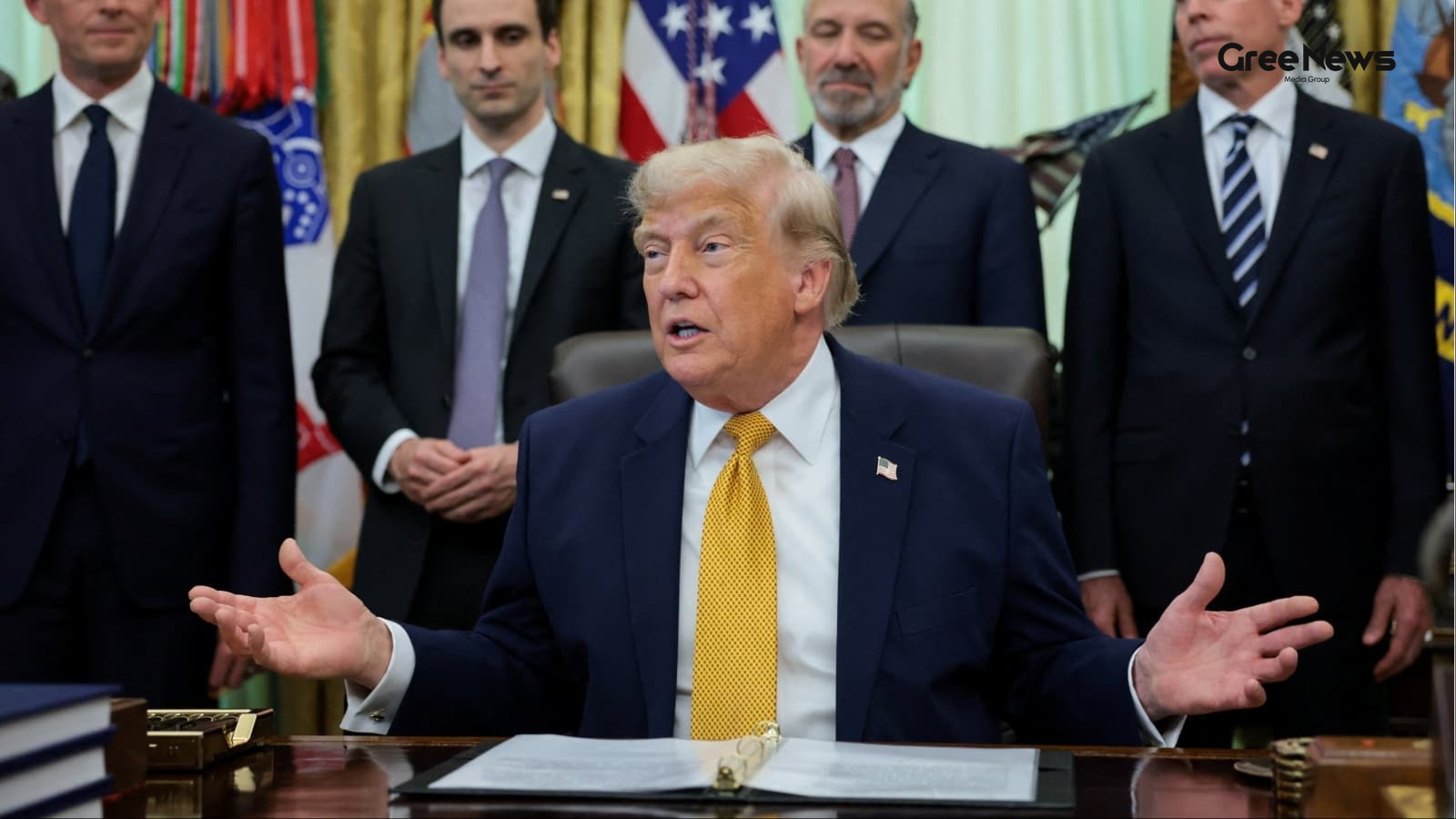
Trump warned Tuesday that Washington would react if Iran didn’t stick to their agreement. He insisted, though, that Tehran was significantly weakened by everything that happened recently. No longer had real leverage over Washington, he claimed. “If Iran doesn’t live up to their agreement, or if they
Jun 23, 2026 by Gree News Team
Maa Inti Bangaaram: Raj and Samantha's Journey and Industry Talk
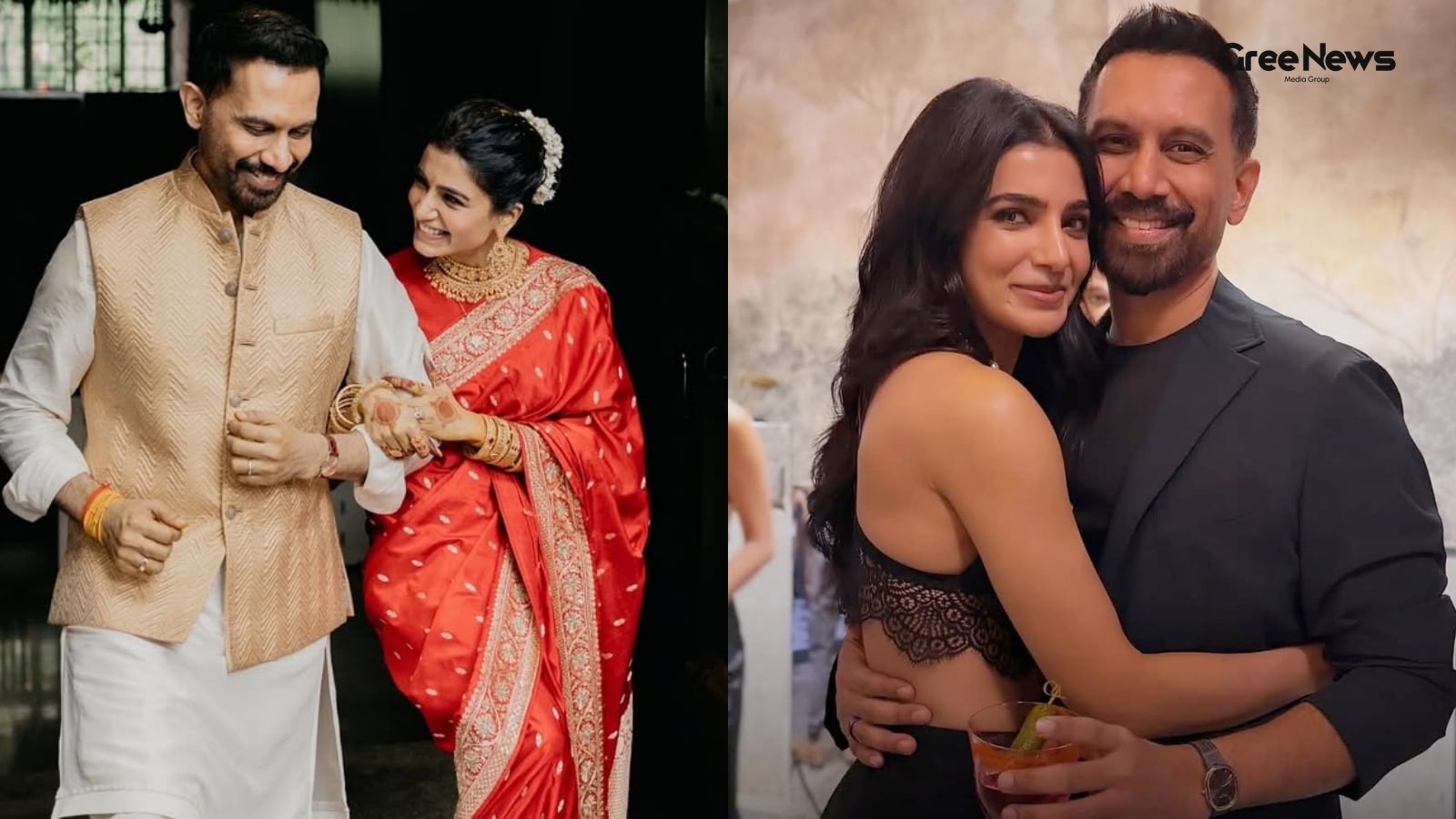
Maa Inti Bangaaram. That’s what Raj Nidimoru and Samantha Ruth Prabhu just wrapped up. It’s the third time they’ve teamed up, you know? After *The Family Man 2* and that Citadel thing, Honey Bunny. The Telugu film itself is already doing well. Opened with a solid twenty-three point one crore in Indi
Jun 23, 2026 by Gree News Team

Riteish Deshmukh's Reaction to Celebrity Questions on Lock Upp Season 2
Riteish Deshmukh, the actor and host, looked genuinely annoyed during the *Lock Upp Season 2* launch. It wasn't just polite. There was a palpable irritation hanging around him when some reporter brought up Salman Khan and Sanjay Dutt in the conversation. The whole thing felt awkward, you know? A sta
Jun 23, 2026 by Gree News Team

Mouni Roy Faces Social Media Heat Over *Hai Jawani Toh Ishq Hona Hai* Role
Mouni Roy hit by some serious social media heat after that trailer for *Hai Jawani Toh Ishq Hona Hai* dropped. It featured her playing Varun Dhawan’s fake mother. The trolls went absolutely wild. They slammed the casting choice, of course. Age gap. Everyone was pointing it out. Mouni is forty now. V
Jun 23, 2026 by Gree News Team
US-Iran Disagreement Over Frozen Assets and Nuclear Talks
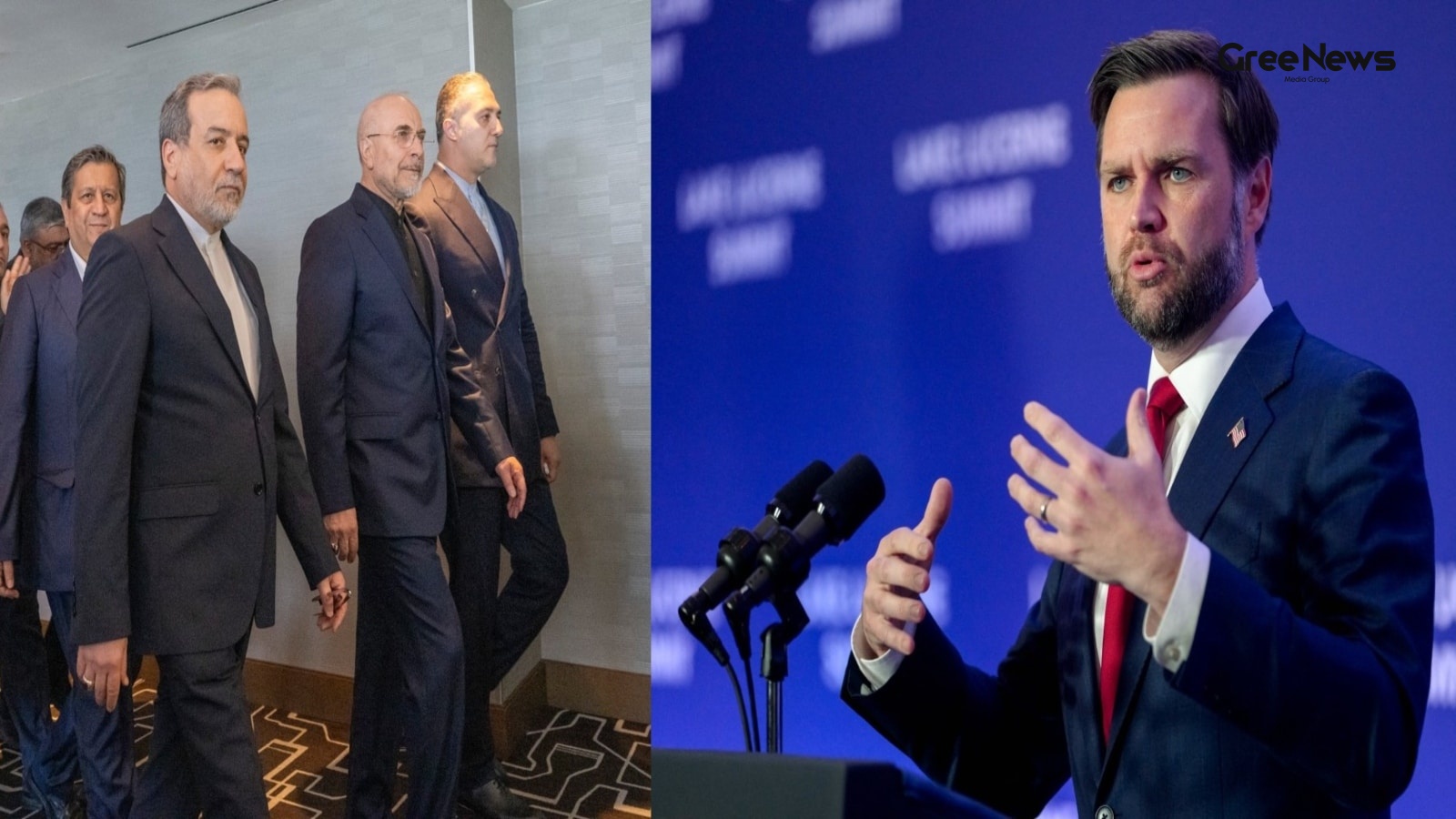
There’s a huge split right now between the United States and Iran regarding what came out of those talks in Switzerland on Sunday. Vance, the Vice President, is pushing that any release of those frozen Iranian assets hinges entirely on Tehran’s future commitments and whatever verification measures t
Jun 23, 2026 by Gree News Team
Alia Bhatt and Sharvari on India’s Got Latent Season Two Behind the Scenes
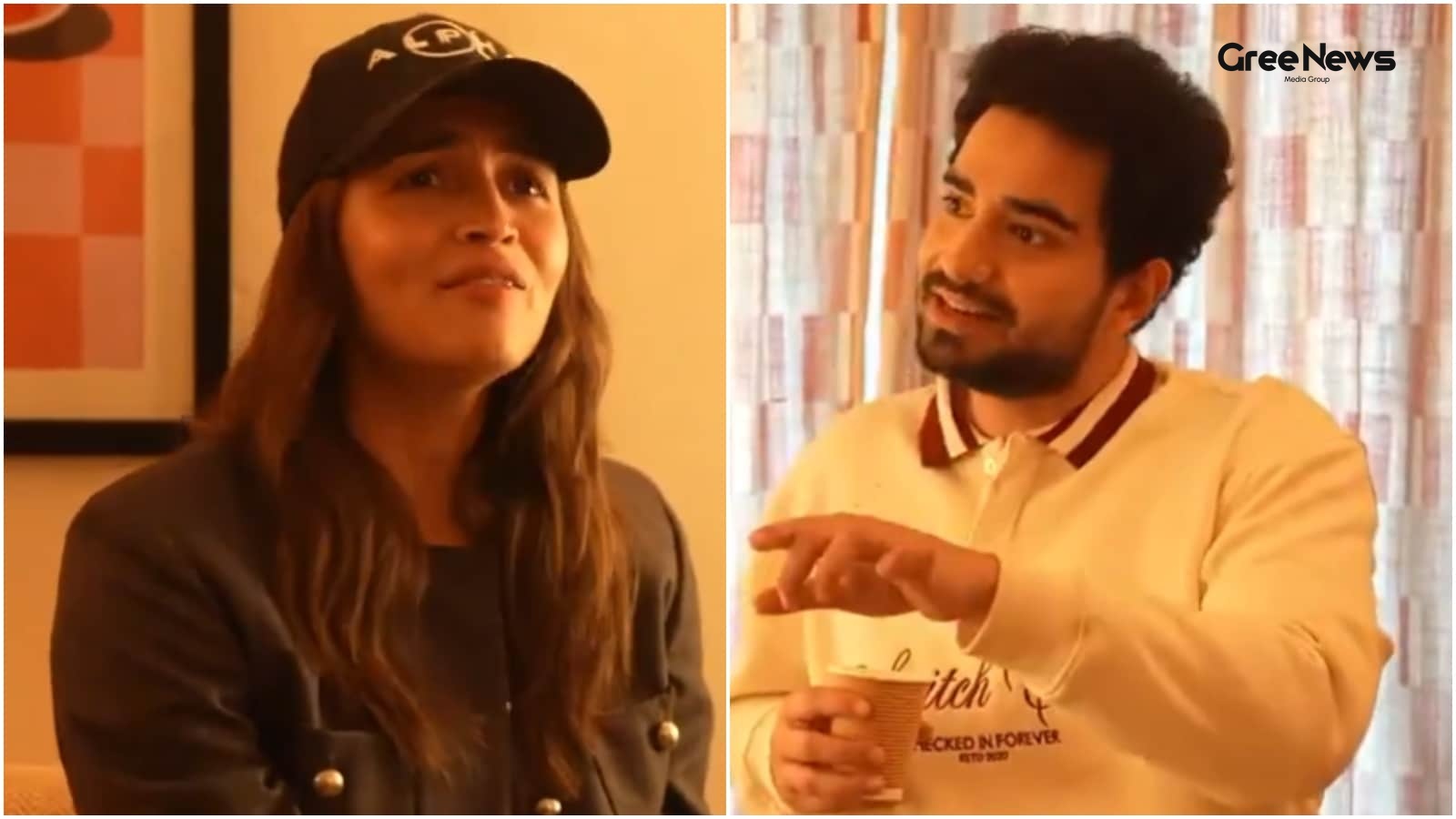
Alia Bhatt and Sharvari showed up for the first episode of India’s Got Latent season two, hosted by Samay Raina. It dropped on Netflix and YouTube recently. There was a behind-the-scenes video Samay shared on YouTube last night. It caught Alia and Sharvari chatting with Samay, Balraj Ghai, and Ashis
Jun 23, 2026 by Gree News Team

Fasting, Insulin Resistance, and the Role of Protein in Diabetes Management
That patient... she finally thought she’d cracked diabetes. Seriously. She read stuff online skipping breakfast was the magic trick to reverse it. So for six weeks? Nothing but black coffee until lunch. She felt proud of her discipline. Expected results. Turns out, they didn't come. When she showed
Jun 23, 2026 by Gree News Team

Julian Alvarez Transfer Speculation and Atletico Madrid's Future
Julian Alvarez has finally dropped some real hints that his time at Atletico Madrid might be coming to an end. It’s all noise right now, but the feeling is there. He admitted he wants to leave and actually "fulfil his dream" amid all this mounting interest from some of Europe's biggest clubs. This c
Jun 23, 2026 by Gree News Team
Impact of US Sanctions Waiver on Iranian Oil Exports for India
The air around energy markets right now feels incredibly thin. You see these official announcements about sanctions, temporary waivers they sound clean, mathematical, but underneath that veneer, there’s always this simmering tension, this sense that things are about to shift, or maybe just wobble mo
Jun 23, 2026 by Gree News Team

Akansha Ranjan on Freezing Eggs and Family Trust
Akansha Ranjan recently opened up about something big. Her decision to freeze her eggs. It’s a choice that might sound pretty unconventional to most people, but it seems like it was a really strong one for her. She talked about how her parents reacted when she made this choice. They were, you know,
Jun 23, 2026 by Gree News Team
New CBSE Policy for Private Students Affected by Class 12 Exam Cancellations
The Centre basically told the Supreme Court something on Monday. It was about a new policy CBSE brought in. This policy deals with private students who got hit by the cancellation of their Class 12 board exams in Gulf countries, all because of that recent Iran-US mess. A bench Justices S V N Bhatti
Jun 23, 2026 by Gree News Team
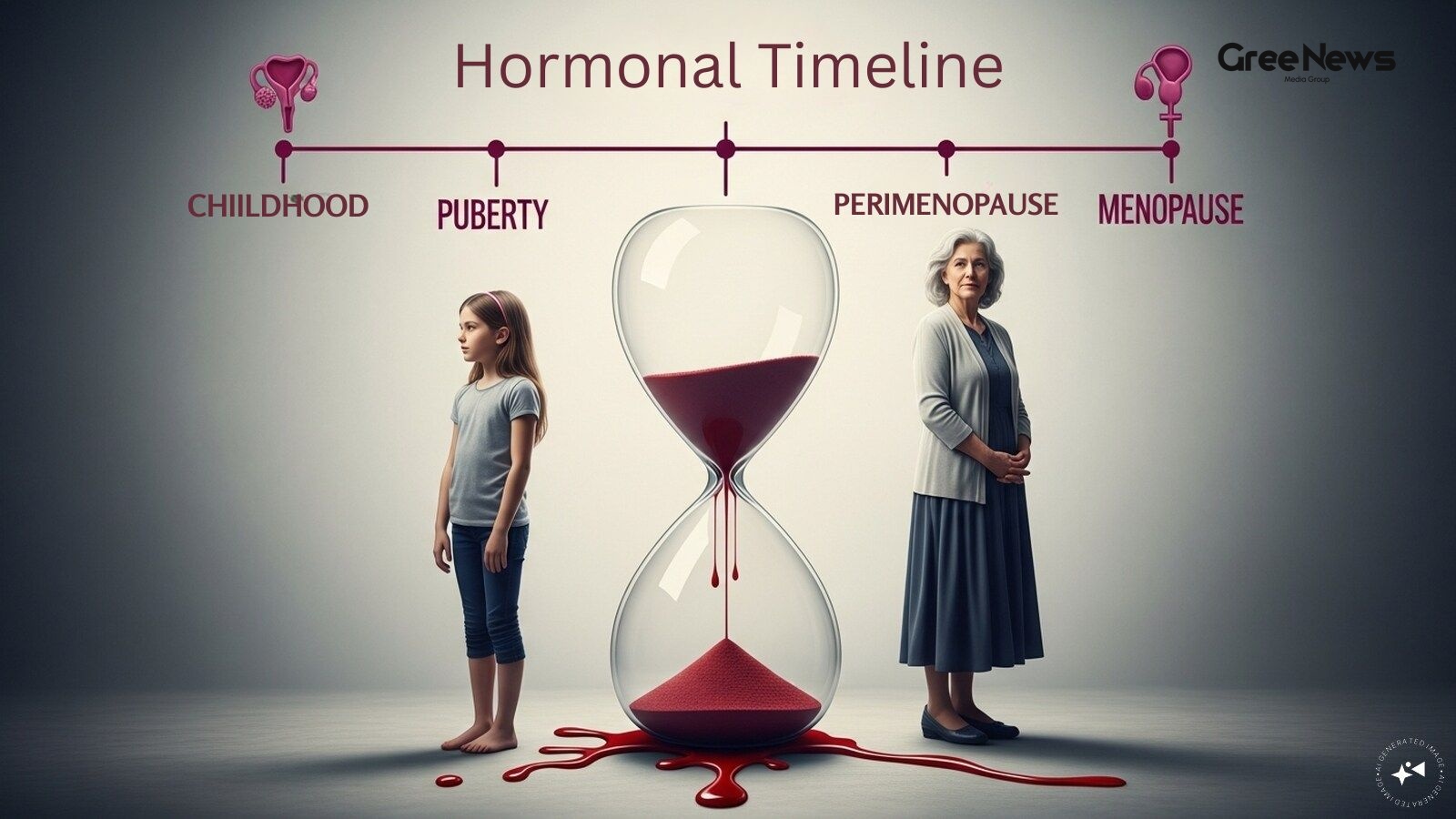
The Shifting Timeline of Women's Health in India: Puberty and Menopause
A quiet but significant shift is happening in how women’s health is understood across India. Girls are hitting puberty much sooner now. And frankly, many women are starting to experience menopause earlier than anyone expected. These changes together are seriously shortening what we call reproductive
Jun 23, 2026 by Gree News Team