Lucknow Building Fire: Negligence, History, and Systemic Failure
The air in Lucknow felt heavy that Monday. Not just with the usual heat, you know? Something else hung there a kind of thick, suffocating silence that followed the news. The fire. It happened in Aliganj. A three-storey building, and fifteen lives were lost. Fifteen people just gone.
It’s a terrible thing when you think about those numbers. Fifteen souls swallowed by flames. And it all stems from something much older, something layered with paperwork and promises that simply didn't hold up under pressure. You have to look back at the history of that building, because that’s where the real mess starts.
That structure itself. It sat there in Aliganj. Three floors. A place full of people living, working or trying to work under some set of rules.
There was a demolition order against it. Back in 2016. That was supposed to be the clean break. The government, or at least the local authorities, had flagged the construction as unauthorized. An official action taken. A clear signal that this building needed to go. But then, something happened fast. Less than two months later. July 5th, 2016. That order got revoked. Gone.
That little gap in time less than sixty days between the demand for demolition and its reversal. It just sits there, doesn’t it? A strange pause before disaster. It makes you wonder about the whole process. Who was watching? What exactly changed in those short weeks?
You have to trace where this building actually began. It wasn't built overnight, not really. It has roots stretching back decades now. Back in 1980. That’s when it gets its story about Vijay Kumar and his family. He got the property. Through a lottery system, under some hire-purchase scheme. A way of getting something, you know? Possession handed over on November 4th, 1980. It was a formal handover then. Legal papers signed.
Then things shifted again. In 2005, they registered it in the names of Vijay Kumar and his wife, Usha. A sale deed came through. Ownership transferred. Then later, in 2013, the ownership moved again. To Virendra Pratap Shukla and Surendra Pratap Shukla. The property changed hands a few times, shuffled around by these legal transactions. And just to make things official for the local records, the Lucknow Development Authority the LDA they finally completed the mutation in favor of the new owners on August 7th, 2014. A formality done. Paperwork filed away.
And then came the building plans themselves. In 2014, they got approval. For a residential use plan. Under that self-certification scheme. One thousand nine hundred ninety-two square feet. That’s the size of it. It was approved for living. But that seems to be where things started to fray, doesn't it?
The trouble, everyone points back to this contradiction. The building was signed off as residential space. Yet, according to what came out later, it was allegedly operating as a commercial establishment since 2014. Using the space for something else entirely. This is the kind of inconsistency that makes you stop and think about accountability. It’s not just a structural failure; it’s a systemic mess built on shifting permissions.
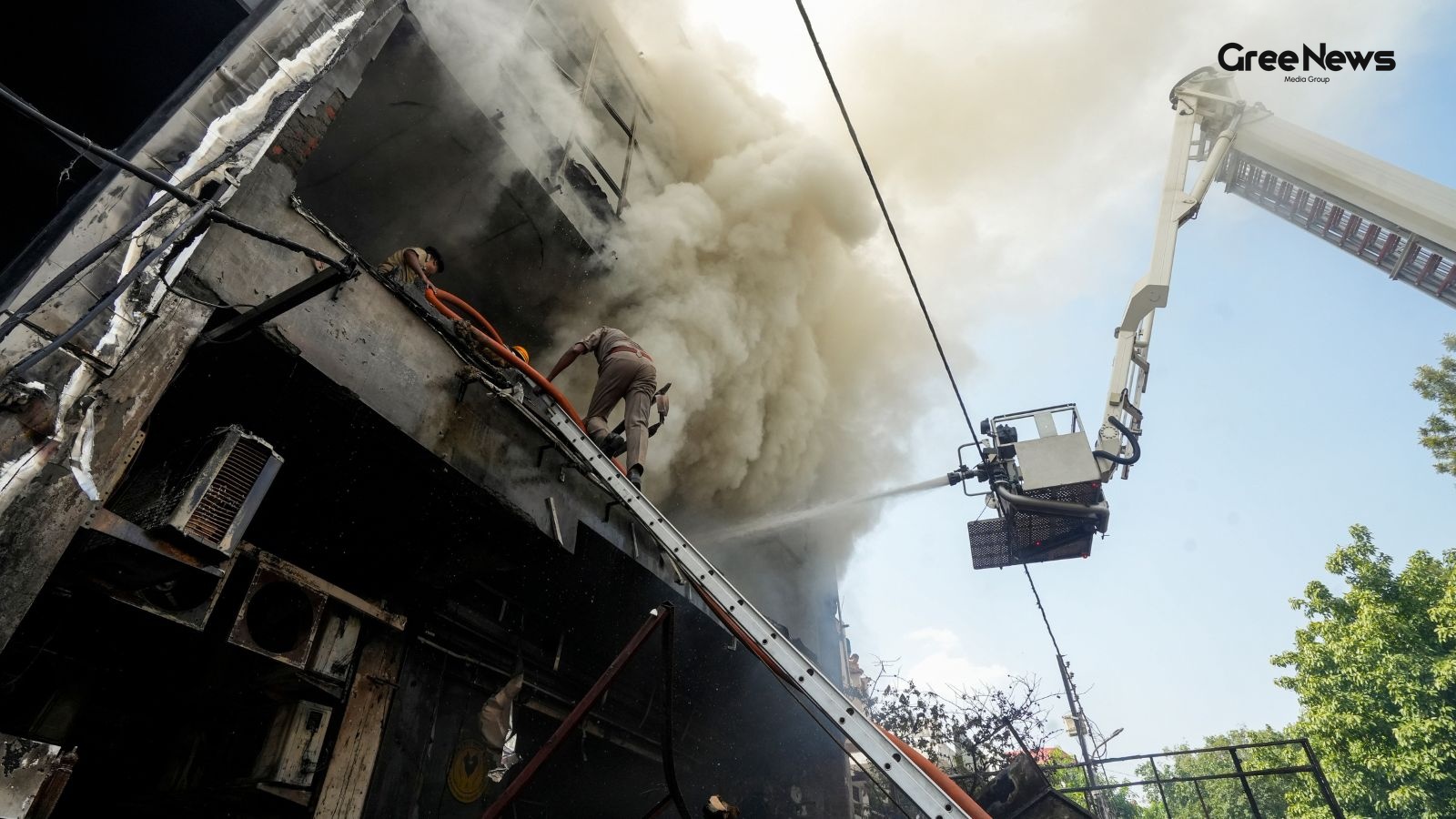
The tragedy itself unfolded where people were trying to escape. The fire didn't just burn down walls. It became a desperate, frantic scramble for air. The blaze ripped through the building on Usha Mehta Marg in Aliganj. And it hit hard. It engulfed what was on the second floor an animation training centre, apparently.
Imagine being trapped. You’re up there. Flames are licking at the ceiling. Panic sets in instantly. People weren't just watching; they were reacting. Eyewitness accounts suggest some occupants made a choice. They leapt from the building. A desperate move to escape the heat, to get away from the immediate terror.
But what about the exits? That’s where the whole story gets darker. Investigators are looking at how this was possible. The structure itself had these fatal flaws built into its design or perhaps ignored entirely. There was only one staircase. One single route that served as both entry and exit. No dedicated emergency exit. Nothing set aside for a real escape scenario.
And then there was the gate system. An automatic gate system, they mentioned. This wasn't just a simple fire; it complicated everything further. When panic hit, when students were rushing toward that single exit point, this mechanism added another layer of confusion, another barrier against frantic flight. It turned what should have been an evacuation into something far more perilous.
Some people tried to fight the smoke directly. They smashed the glass windows. Trying to force air out, trying to create openings where they could breathe amidst the suffocating density of the smoke. A raw, desperate act, really.
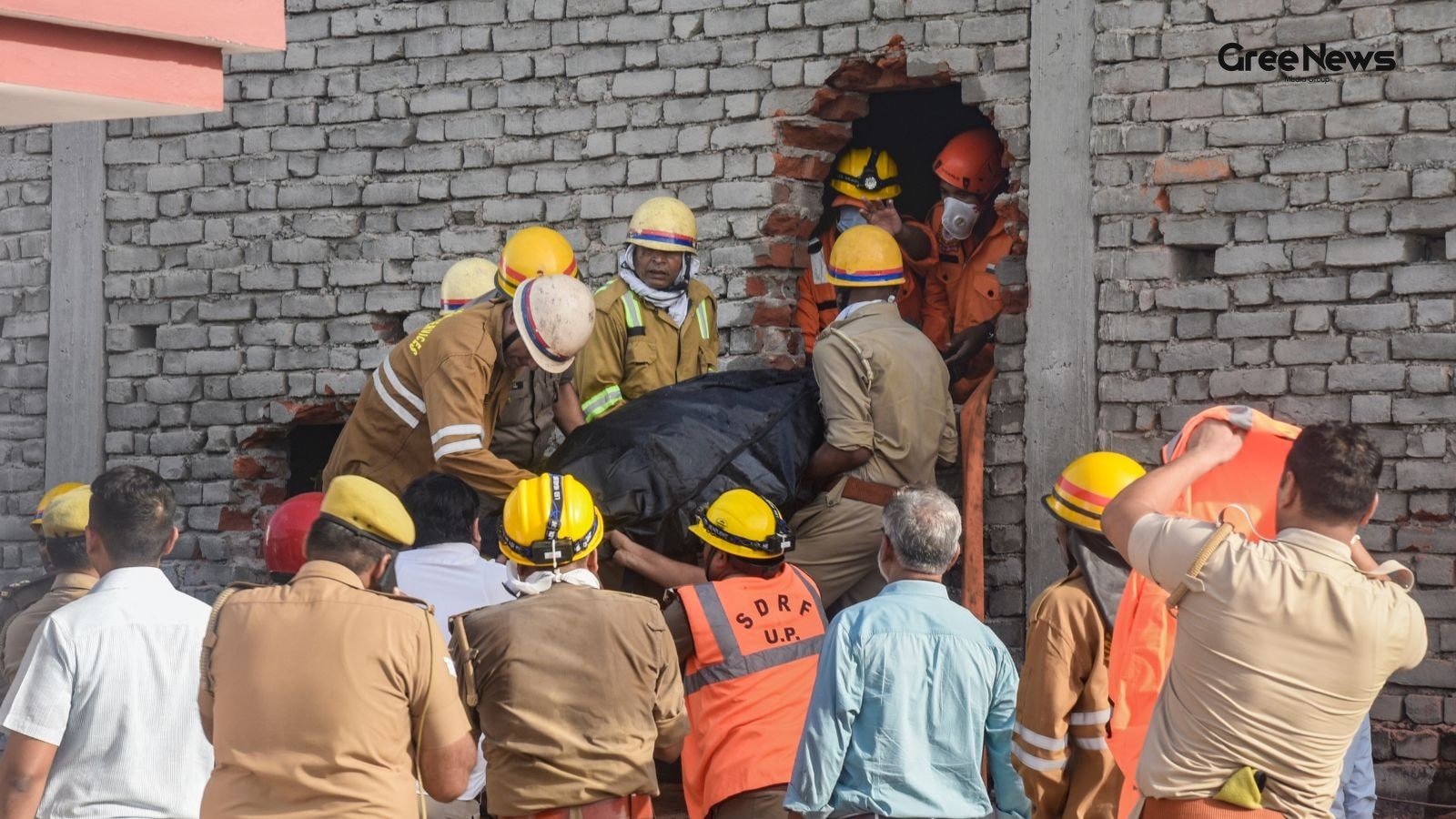
And how did the rescue teams manage it? It sounds almost impossible. The responders had to go somewhere else entirely. They accessed a neighbouring building’s terrace. And from there, they had to drill holes two large openings through the wall of the affected structure just to let people out. While the fire was still raging, while everything was on edge. A monumental effort, born out of sheer necessity.
The preliminary findings paint a grim picture of what happened inside those walls. It seems clear now: that building wasn't operating as it was supposed to be. It had residential approval on paper. But allegedly, since 2014, it was being used commercially. A blatant disregard for the regulations laid out.
And then there is the source of the heat. The official whisper, if you can call it that. Uttar Pradesh Urban Development and Energy Minister A. K. Sharma said something about where the fire actually started. It pointed toward the air-conditioning duct. That’s where the blaze believed to have ignited. An AC duct.
When you layer all this together the property history, the contradictory permissions, the inadequate escape routes, the desperate actions of the occupants, and now the cause of the fire it stops being just a building collapse story. It becomes something about negligence piled upon negligence .
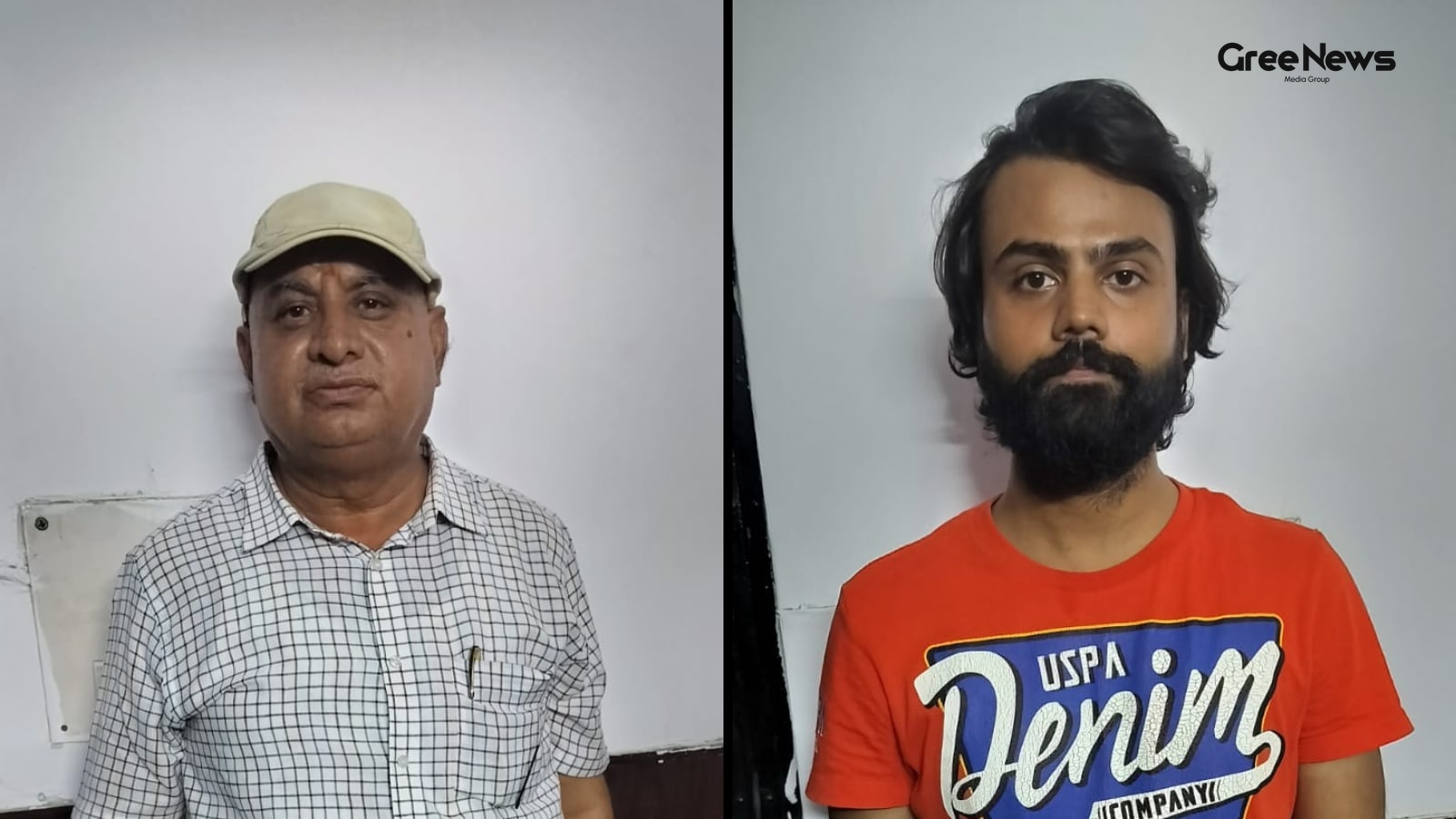
The arrests followed, naturally. The officials involved were suspended. Gaurav Kumar, the Executive Engineer (Collection). Kamlendra Kumar Singh, the Food Safety and Standards Officer. Anil Kumar, Assistant Engineer. Pramod Pandey, Junior Engineer. A whole chain of responsibility suddenly caught in a net. And then there were the people directly tied to operating that space Virendra Shukla, Dhirendra Shukla, Surendra Pratap Shukla. Arrested on Monday.
It’s messy. It's not neat. You have these facts: the demolition order, the revocation; the property transfers; the building plan approvals; the fire itself; and then the subsequent arrests of those in charge. They all run parallel, but none of them neatly fit into a clean timeline that makes sense for an accident.
The question remains lingering, doesn't it? Why did this happen? It’s not just about faulty wiring or a bad ventilation system alone. It feels like a failure on multiple levels. A failure in regulation, a failure in oversight, and a terrifying failure of basic safety protocols when people were trapped inside. The smoke cleared eventually, but the questions about how such vulnerabilities could exist how the building could be simultaneously approved for living and operated commercially without proper safeguards those stick with you long after the sirens fade. It's a complicated knot. A very messy one.
Written by Gree News Team — Senior Editorial Board
Gree News Team covers international news and global affairs at Gree News. Our collective of senior editors is dedicated to providing independent, accurate, and responsible journalism for a global audience.
More from India
View All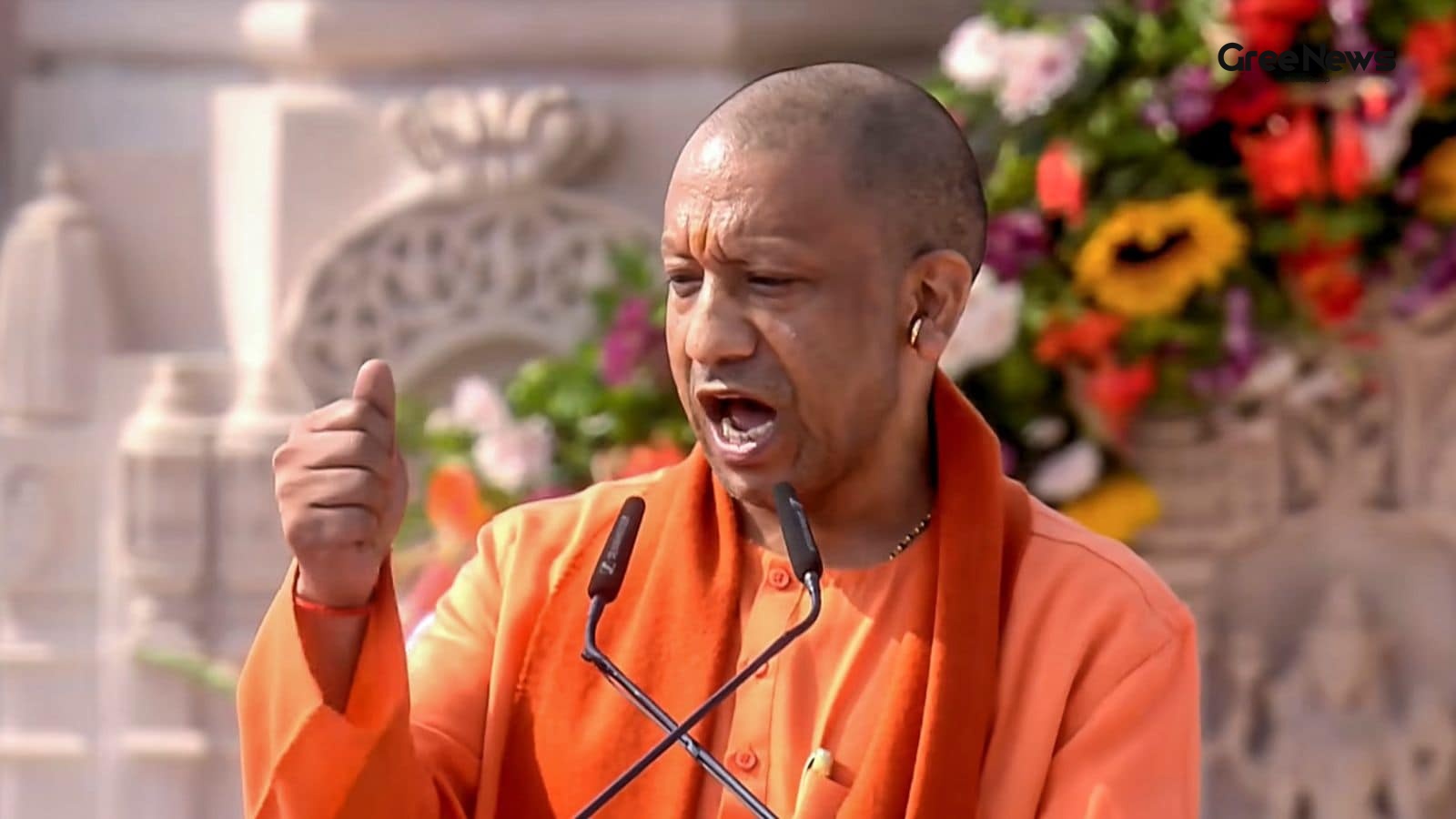
Yogi Adityanath's Vision for Aligarh: Defence Manufacturing and Development
Yogi Adityanath talked about Aligarh on Monday. He said it’s going to become a big place for making defense stuff, a supply hub. This direction came from Prime Minister Modi approving that Defence Manufacturing Corridor. “Development will keep moving,” he said. “It won't stop or slow down. The doubl
Jun 23, 2026 by Gree News Team
Fire at Aliganj Coaching Centre: Arrests, Legal Action, and High-Level Response
Lucknow police started digging into the fire at the Aliganj coaching centre. Three building owners got arrested. Four officials are suspended right now. The names of those caught? Virendra Prasad Shukla, Ramkrishna Upadhyay, and Tushak Krishna Jaiswal. It all kicked off Monday afternoon when this th
Jun 23, 2026 by Gree News Team
Lucknow Fire Investigation: Questions Raised Over Building Disaster
That fire in Lucknow, the one that ripped through that three-storey building in Aliganj on Monday it’s still raising serious questions. Fifteen people died, nine got hurt. The initial gut feeling, according to Minister A. K. Sharma from UP, is that the whole disaster started way up in the air-condit
Jun 23, 2026 by Gree News Team
Arrest of Woman Linked to Jaish-e-Mohammed and Terrorist Operatives
Monday saw another move by the Rajasthan Anti-Terrorist Squad. They arrested a woman from Jaipur. Allegedly involved in anti-national stuff. Suspected ties to Jaish-e-Mohammed, members of that Pakistan group. Her name is Babita Dhakad. She goes by Khadija. Originally from Gangapur City. The arrest h
Jun 23, 2026 by Gree News Team
Latest Headlines

Lionel Messi: A Journey of Goals, Legacy, and Resilience
Lionel Messi. Thirty-eight years old now, still kicking some serious goals, setting new benchmarks year after year. Just Monday, at that big AT&T Stadium in Arlington, he officially became the all-time leading goal-scorer in FIFA World Cup history. It felt huge, didn't it? You have to look back and
Jun 23, 2026 by Gree News Team
Yogi Adityanath's Vision for Aligarh: Defence Manufacturing and Development
Yogi Adityanath talked about Aligarh on Monday. He said it’s going to become a big place for making defense stuff, a supply hub. This direction came from Prime Minister Modi approving that Defence Manufacturing Corridor. “Development will keep moving,” he said. “It won't stop or slow down. The doubl
Jun 23, 2026 by Gree News Team
Fire at Aliganj Coaching Centre: Arrests, Legal Action, and High-Level Response
Lucknow police started digging into the fire at the Aliganj coaching centre. Three building owners got arrested. Four officials are suspended right now. The names of those caught? Virendra Prasad Shukla, Ramkrishna Upadhyay, and Tushak Krishna Jaiswal. It all kicked off Monday afternoon when this th
Jun 23, 2026 by Gree News Team
Lucknow Fire Investigation: Questions Raised Over Building Disaster
That fire in Lucknow, the one that ripped through that three-storey building in Aliganj on Monday it’s still raising serious questions. Fifteen people died, nine got hurt. The initial gut feeling, according to Minister A. K. Sharma from UP, is that the whole disaster started way up in the air-condit
Jun 23, 2026 by Gree News Team
Arrest of Woman Linked to Jaish-e-Mohammed and Terrorist Operatives
Monday saw another move by the Rajasthan Anti-Terrorist Squad. They arrested a woman from Jaipur. Allegedly involved in anti-national stuff. Suspected ties to Jaish-e-Mohammed, members of that Pakistan group. Her name is Babita Dhakad. She goes by Khadija. Originally from Gangapur City. The arrest h
Jun 23, 2026 by Gree News Team
Nancy Guthrie Disappearance and Ransom Notes
A second note came out days after Nancy Guthrie vanished. It was sent to the media. This one, according to NBC News, said she had died. The 84-year-old, that’s her age, was gone. Investigators are looking at a few things here. They think whoever wrote those notes the first one and this second one mi
Jun 23, 2026 by Gree News Team

Kylian Mbappé's Goal-Scoring Streak and Historical Comparisons
Kylian Mbappé is really running France at the FIFA World Cup 2026. And honestly, what he did recently just puts him in a strange spot. Monday, Tuesday during that second Group I match for the French team he entered some record books. He became the first Frenchman, and only the fourth player ever, to
Jun 23, 2026 by Gree News Team

Trump Warns About Iran's Agreement and Military Collapse
Trump warned Tuesday that Washington would react if Iran didn’t stick to their agreement. He insisted, though, that Tehran was significantly weakened by everything that happened recently. No longer had real leverage over Washington, he claimed. “If Iran doesn’t live up to their agreement, or if they
Jun 23, 2026 by Gree News Team

Maa Inti Bangaaram: Raj and Samantha's Journey and Industry Talk
Maa Inti Bangaaram. That’s what Raj Nidimoru and Samantha Ruth Prabhu just wrapped up. It’s the third time they’ve teamed up, you know? After *The Family Man 2* and that Citadel thing, Honey Bunny. The Telugu film itself is already doing well. Opened with a solid twenty-three point one crore in Indi
Jun 23, 2026 by Gree News Team

Riteish Deshmukh's Reaction to Celebrity Questions on Lock Upp Season 2
Riteish Deshmukh, the actor and host, looked genuinely annoyed during the *Lock Upp Season 2* launch. It wasn't just polite. There was a palpable irritation hanging around him when some reporter brought up Salman Khan and Sanjay Dutt in the conversation. The whole thing felt awkward, you know? A sta
Jun 23, 2026 by Gree News Team

Mouni Roy Faces Social Media Heat Over *Hai Jawani Toh Ishq Hona Hai* Role
Mouni Roy hit by some serious social media heat after that trailer for *Hai Jawani Toh Ishq Hona Hai* dropped. It featured her playing Varun Dhawan’s fake mother. The trolls went absolutely wild. They slammed the casting choice, of course. Age gap. Everyone was pointing it out. Mouni is forty now. V
Jun 23, 2026 by Gree News Team
US-Iran Disagreement Over Frozen Assets and Nuclear Talks
There’s a huge split right now between the United States and Iran regarding what came out of those talks in Switzerland on Sunday. Vance, the Vice President, is pushing that any release of those frozen Iranian assets hinges entirely on Tehran’s future commitments and whatever verification measures t
Jun 23, 2026 by Gree News Team

Alia Bhatt and Sharvari on India’s Got Latent Season Two Behind the Scenes
Alia Bhatt and Sharvari showed up for the first episode of India’s Got Latent season two, hosted by Samay Raina. It dropped on Netflix and YouTube recently. There was a behind-the-scenes video Samay shared on YouTube last night. It caught Alia and Sharvari chatting with Samay, Balraj Ghai, and Ashis
Jun 23, 2026 by Gree News Team
West Bengal Budget: An Economic Roadmap and Statement
The first full budget for West Bengal from the BJP government isn't just numbers; it’s supposed to be a whole statement. An economic roadmap, they call it. It came out right when expectations were already high after the party took over. It tries to tackle some of the stuff that’s been nagging at Ben
Jun 23, 2026 by Gree News Team

Fasting, Insulin Resistance, and the Role of Protein in Diabetes Management
That patient... she finally thought she’d cracked diabetes. Seriously. She read stuff online skipping breakfast was the magic trick to reverse it. So for six weeks? Nothing but black coffee until lunch. She felt proud of her discipline. Expected results. Turns out, they didn't come. When she showed
Jun 23, 2026 by Gree News Team