Understanding Frozen Shoulders (Adhesive Capsulitis) and Recovery

Frozen shoulders . It’s a quiet thief, really. It doesn't announce itself with a bang, but it slowly creeps in, quietly messing up the everyday stuff. Simple things putting on a shirt, reaching for something on a high shelf, even just lifting a bag they start to hurt. The shoulder joint gets this stiff, loses its wiggle room, and you just can’t move freely anymore, no matter how much you try to support it.
What is Frozen Shoulder?
What exactly is going on? It’s called frozen shoulder or adhesive capsulitis . Think of the capsule around that joint. It thickens up, inflames, builds up adhesions. That's what stops the normal movement.
Phases of Frozen Shoulder
The disease doesn't just hit you all at once. There are phases. First, there’s the painful part. That’s when the pain is absolutely worst. Especially at night. Then comes the stiffening phase. The sharp pain eases up a bit, but the restriction sets in. Eventually, slowly, the thawing phase begins. Mobility creeps back, inch by slow inch.
Fighting Frozen Shoulder with Gentle Movement
If you want to try and fight it, gentle movement has to be central. Trying to hold everything perfectly still usually just makes the stiffness worse. A consultant, Dr Yugal Karkhur from Narayana Hospital, explains that if you find the right way to approach this, a few simple stretches done consistently can help bring some mobility back over time.
Stretching Techniques
So what do people actually try? There are movements they use.
Pendulum Stretch
You tilt your body slightly forward, maybe rest an arm on a chair. Then the other arm just hangs there, moving gently in little circles clockwise, then counterclockwise. It uses gravity to move things softly, trying not to strain that stiff joint. It’s supposed to help ease the stiffness early on, especially when the pain is at its peak. You have to go slow, and only if it feels okay. If you feel a sharp spike of pain? Stop right there.
Finger Walk on the Wall
Standing by a wall. Slowly moving your fingers up as far as comfortable, then letting the arm slide down. It’s about trying to gently raise the shoulder and stretch that reach toward overhead. But be careful. That height might only increase a few inches every week. You need patience. Don't rush it. Pulling is normal, sure. If it feels severe? That means you pushed too far.
Cross-Body Stretch
The cross-body stretch targets the back of that capsule, which is usually where all the tightness hides in frozen shoulder. One arm lifts across your body toward the opposite shoulder. Hold it for a moment. Just gently ease into it. It should feel smooth. No forceful pulling allowed. This helps make reaching across the body noticeably smoother.
Towel Stretch
Grip a towel behind your back with both hands. Then use the other hand to gently draw the affected arm toward the hip. You want that pull light. Controlled. If you feel anything sharp, it's not working right. It needs to be gentle movement.
Shoulder Rolls
And don't forget those simple shoulder rolls. Slow and smooth. Up, around, down. This just helps relax the muscles around the shoulder blade. Good circulation there. It’s a gentle thing. You can do it every day without stress. Add it in.
Mistakes in Recovery
But recovery isn't just about stretching. There are some mistakes people make that actually slow things down.
- Ignoring those early signs of stiffness? That lets it worsen.
- Trying to avoid moving because you fear the pain? That backfires, tightening up the capsule even more.
- Stretching hard when there’s sharp pain? That just adds inflammation, not relief.
- Practicing sporadically stretching only once in a while instead of every day? That slows progress down considerably.
It really comes down to consistency. Recovery from frozen shoulder is gradual work. Gentle movement builds flexibility over time.
But look, if the pain stays severe, or if you’ve been trying for weeks and daily life is still completely messed up you need to talk to an orthopaedic specialist. Maybe some structured physiotherapy, medication, or something else targeted might be what you need to actually get moving again.
Written by Gree News Team — Senior Editorial Board
Gree News Team covers international news and global affairs at Gree News. Our collective of senior editors is dedicated to providing independent, accurate, and responsible journalism for a global audience.
More from Life & Style
View All
Fasting, Insulin Resistance, and the Role of Protein in Diabetes Management
That patient... she finally thought she’d cracked diabetes. Seriously. She read stuff online skipping breakfast was the magic trick to reverse it. So for six weeks? Nothing but black coffee until lunch. She felt proud of her discipline. Expected results. Turns out, they didn't come. When she showed
Jun 23, 2026 by Gree News Team
The Shifting Timeline of Women's Health in India: Puberty and Menopause
A quiet but significant shift is happening in how women’s health is understood across India. Girls are hitting puberty much sooner now. And frankly, many women are starting to experience menopause earlier than anyone expected. These changes together are seriously shortening what we call reproductive
Jun 23, 2026 by Gree News Team

Discreet Desk Stretches for Office Workers
The daily grind for most working people is a relentless shift. One screen after another. Emails before breakfast, calls during lunch, and then just hours sitting there in the same chair. It builds up. By the afternoon, that stiffness hits. The neck tightens, shoulders start to seize up, and the lowe
Jun 23, 2026 by Gree News Team

The Holistic Journey of Yoga: Finding Balance, Health, and Mindfulness
International Yoga Day. June 21st. It’s a date that sticks around, doesn't it? It’s supposed to be about yoga, right? This whole idea that you can actually weave something like that into the fabric of modern life. A holistic practice. Health. Mind. Body. That’s what they push. It started in ancient
Jun 22, 2026 by Gree News Team
Latest Headlines
Andy Burnham: Political Journey and the Philosophy of Manchesterism
Andy Burnham stepped forward, Monday. A senior Labour politician who’s managed to carve out some real space for himself, especially after that whole leadership mess with Starmer. He’s the new MP for Makerfield, right? Just another name thrown into the swirling vortex of UK politics. It all kicked of
Jun 23, 2026 by Gree News Team
Akshay Kumar and Raveena Tandon: The Friendship Behind Welcome To The Jungle
*Welcome To The Jungle*, starring Akshay Kumar, is finally heading to theaters soon. There’s a lot of noise about it, though. Mostly that reunion. Akshay and Raveena Tandon. After twenty-two years, they’re back on screen for this comedy directed by Ahmed Khan. Ahmed Khan talked about it recently wit
Jun 23, 2026 by Gree News Team
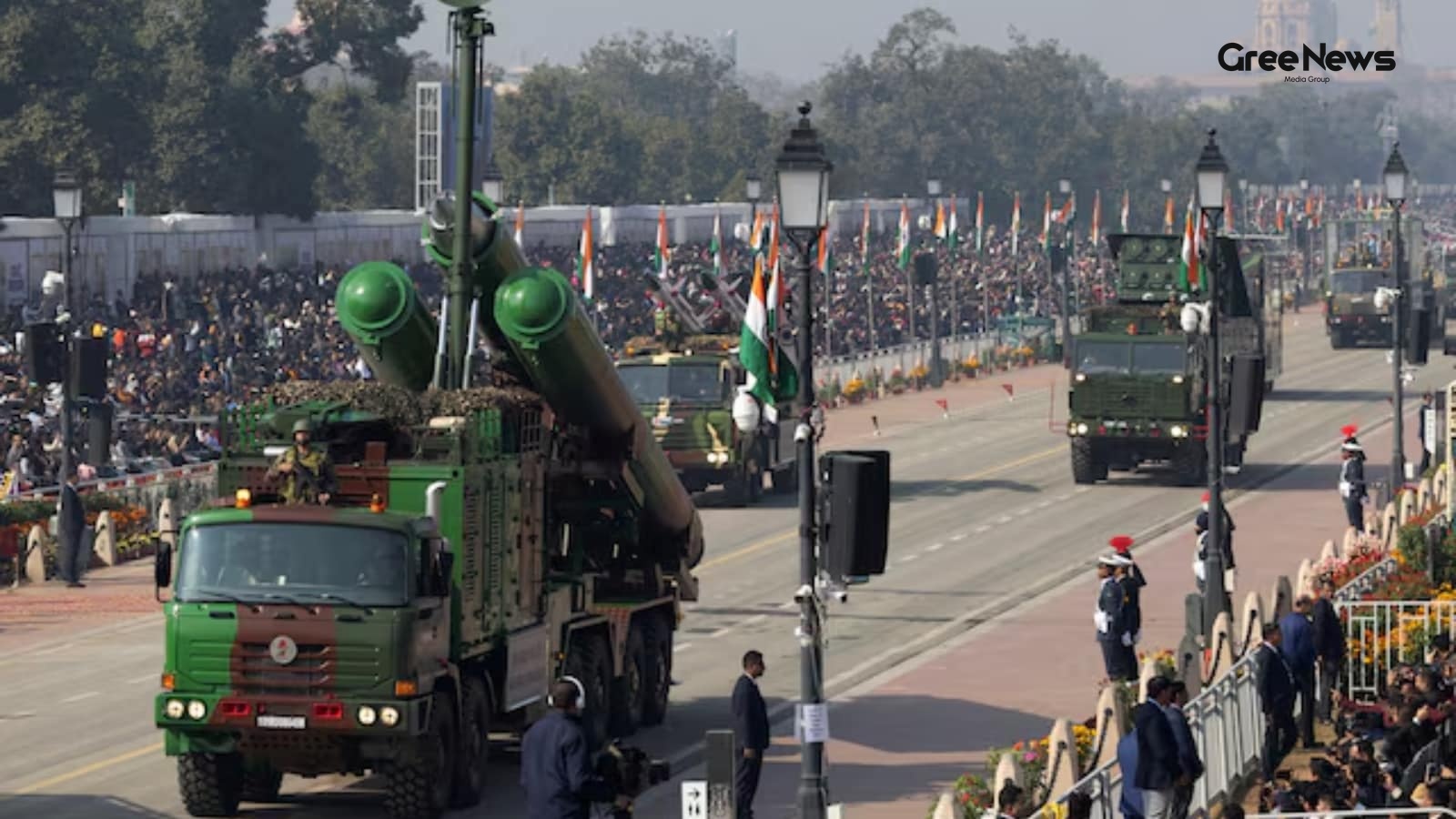
India-UAE Defense Deals and Weapon System Exports
Some chatter is going on between India and the UAE right now about defense deals. Specifically, there are talks happening over exporting some of India's key defense systems. Think stuff like the BrahMos supersonic cruise missile coming up. That’s what Reuters got wind of, based on people who know th
Jun 23, 2026 by Gree News Team
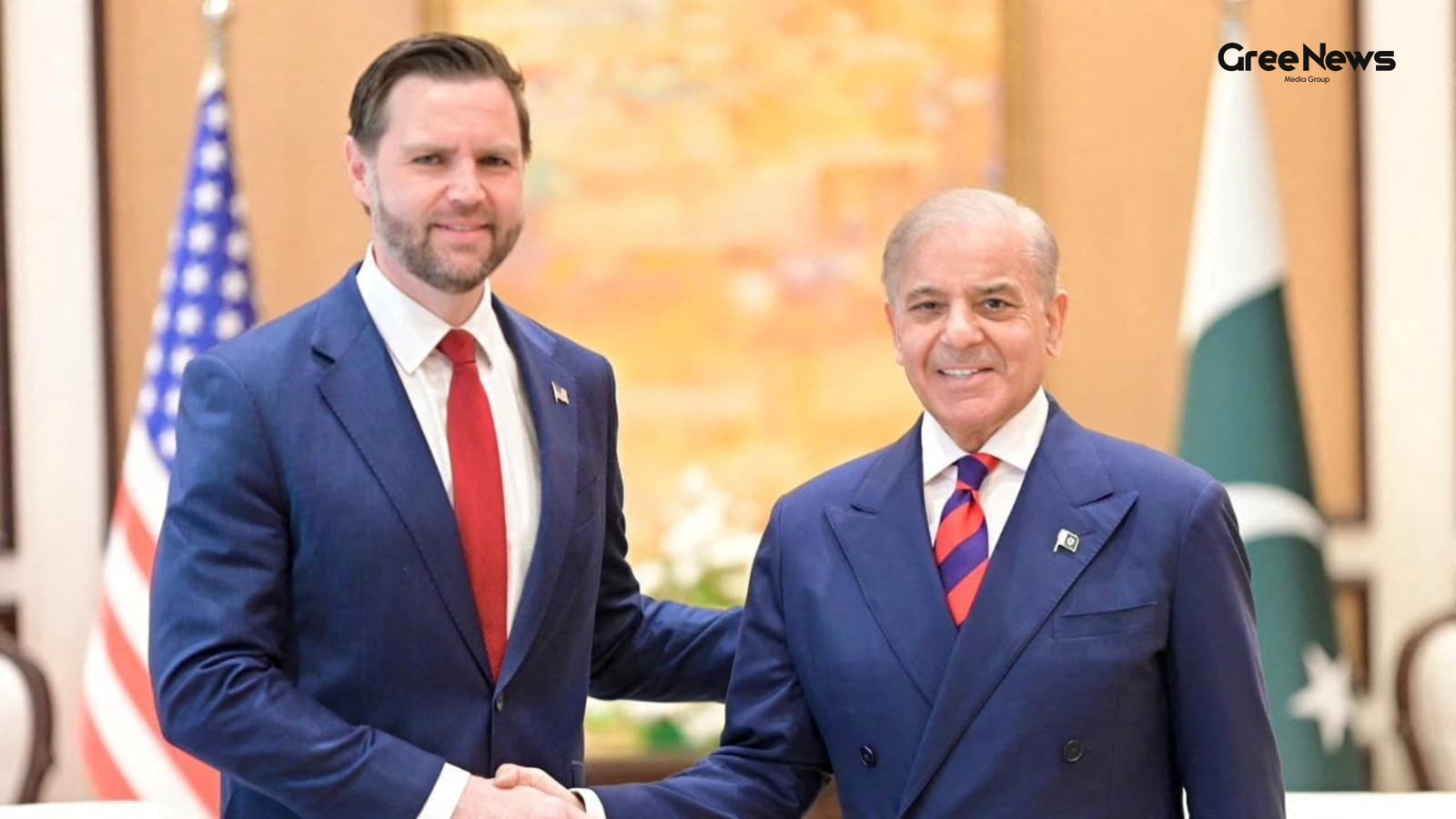
Iran Nuclear Talks and IAEA Agreement
JD Vance said Monday that Iran actually agreed to let the International Atomic Energy Agency inspectors back into the country. It came after eighteen hours of intense talks, held up in Burgenstock, Switzerland. They also managed to sketch out a roadmap for a final deal, something they think is maybe
Jun 23, 2026 by Gree News Team

Enforcement Drive Hits Gurugram: Illegal Constructions and Public Outrage
The enforcement drive hit Gurugram’s DLF Phase-3 hard. It was a major crackdown on illegal constructions and all those unauthorized commercial setups. This wasn't some quiet administrative move; it came straight from the Punjab and Haryana High Court. The Department of Town and Country Planning laun
Jun 23, 2026 by Gree News Team

Toxic Workplace Habits: What Needs to Change in the Office
A Mumbai professional recently stirred up a lot of talk about how work actually happens in India. He pointed out some things he thinks have gotten just too normalized in offices across the country. It really hit home for a lot of corporate workers who said, "Yeah, I’ve seen this stuff too." Vijay Ch
Jun 23, 2026 by Gree News Team
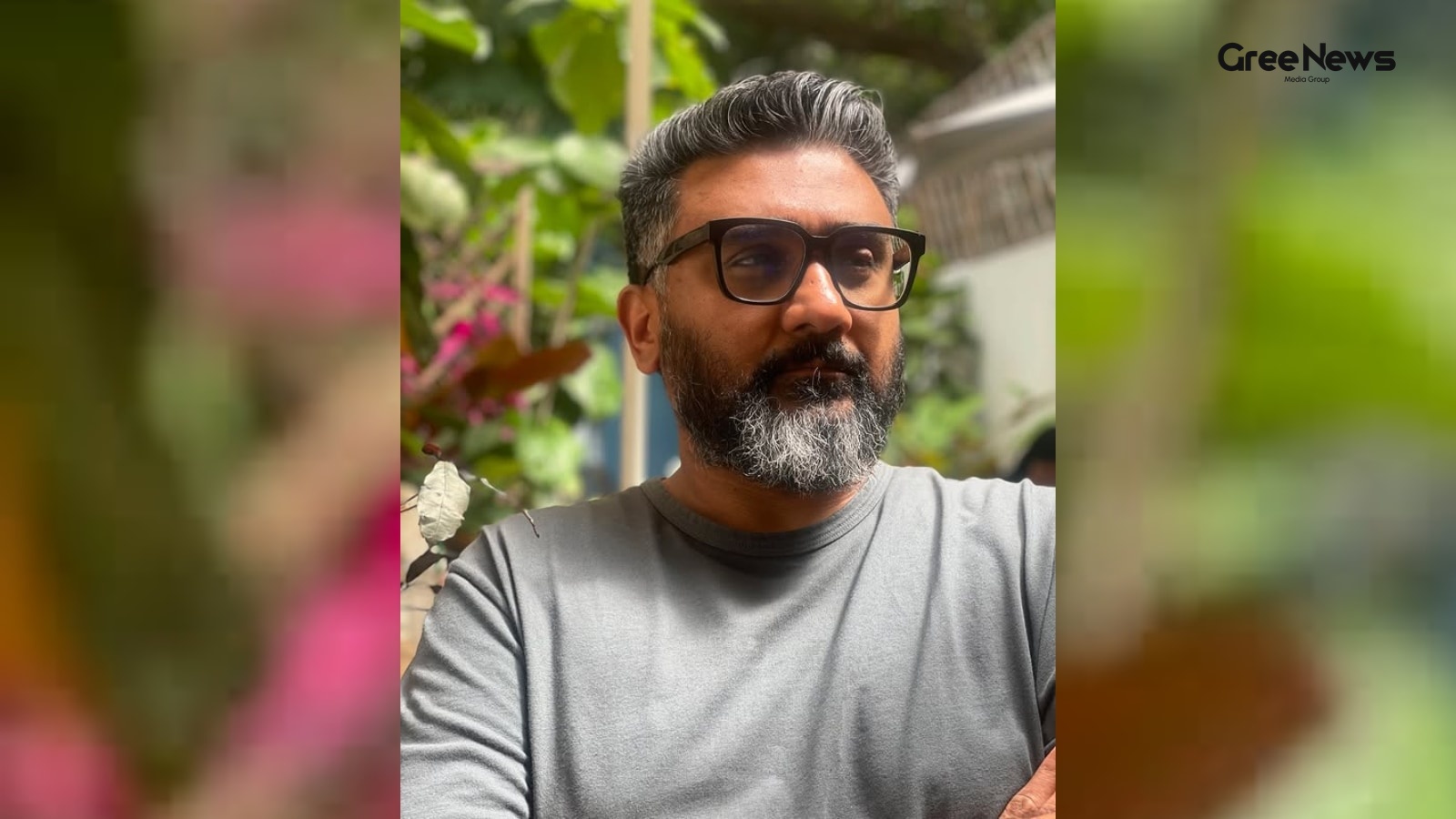
Kunal Shah Named Global Head for WhatsApp After Leading CRED
Meta just named Kunal Shah, the founder of that fintech firm CRED, as the new global head for WhatsApp. It’s one of those big appointments, you know? An Indian entrepreneur taking a spot at the top of the technology world. Will Cathcart, who’s been running the messaging platform since 2019, made the
Jun 23, 2026 by Gree News Team
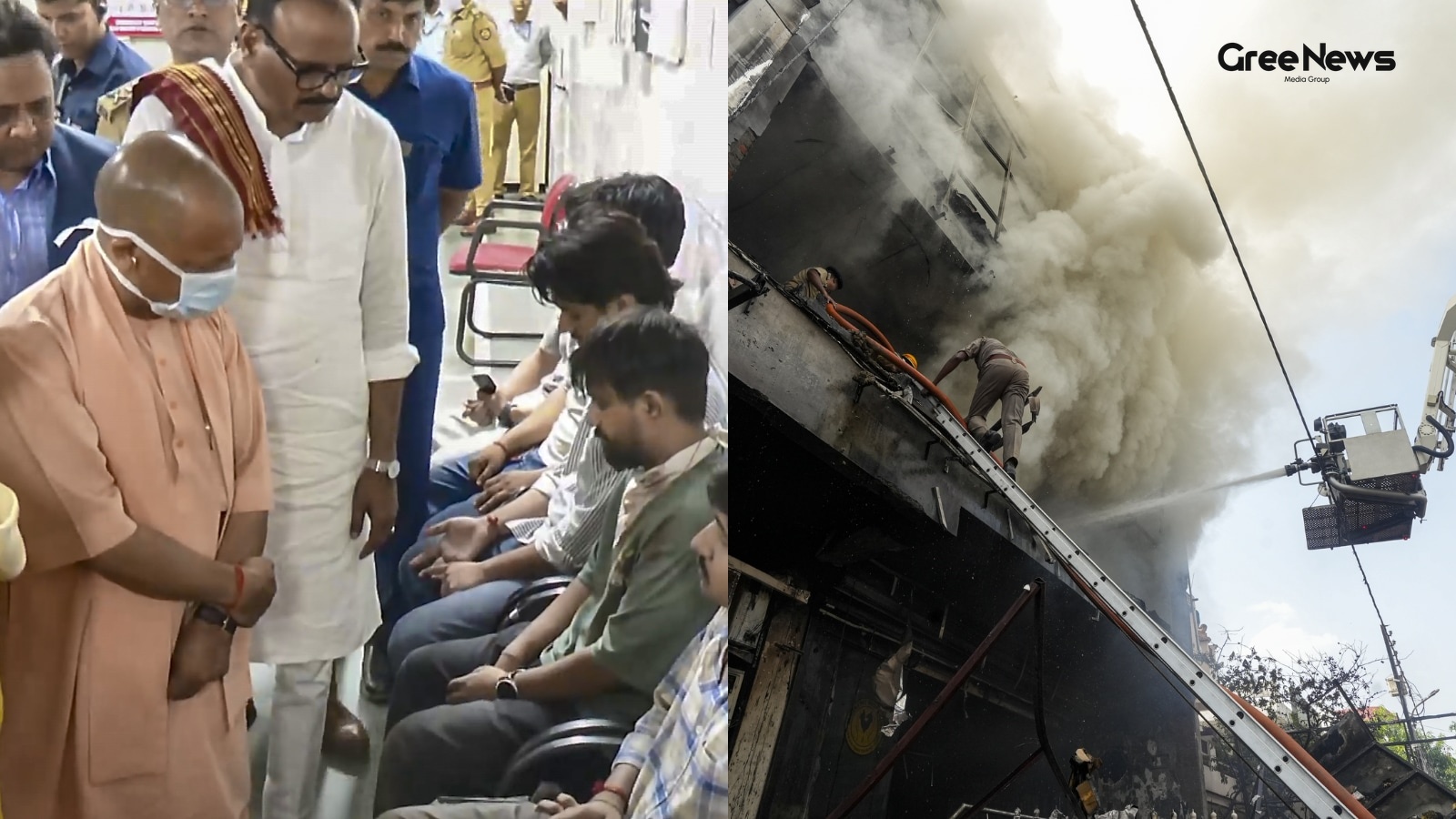
Lucknow Fire Tragedy: CM Reacts, Government Offers Relief
Monday brought a terrible scene in Lucknow. A massive fire tore through a coaching centre, and the cost was horrific at least fifteen lives lost. Chief Minister Yogi Adityanath reacted fast. He announced immediate relief for the victims’ families, handing out an ex gratia of five lakh rupees to the
Jun 23, 2026 by Gree News Team

Hazelnut Chikki and Sandesh Fusion Cake Recipe
Desserts. Seriously. They are pure decadence galore. This thing this chikki fudge cake it’s three layers, you know? It’s this wild fusion. You’ve got the sharp, crunchy delight of hazelnut chikki battling against something rich, velvety, all about dark chocolate and milk sandesh. Two totally beloved
Jun 23, 2026 by Gree News Team
Yogi Adityanath's Development and Vision for Uttar Pradesh
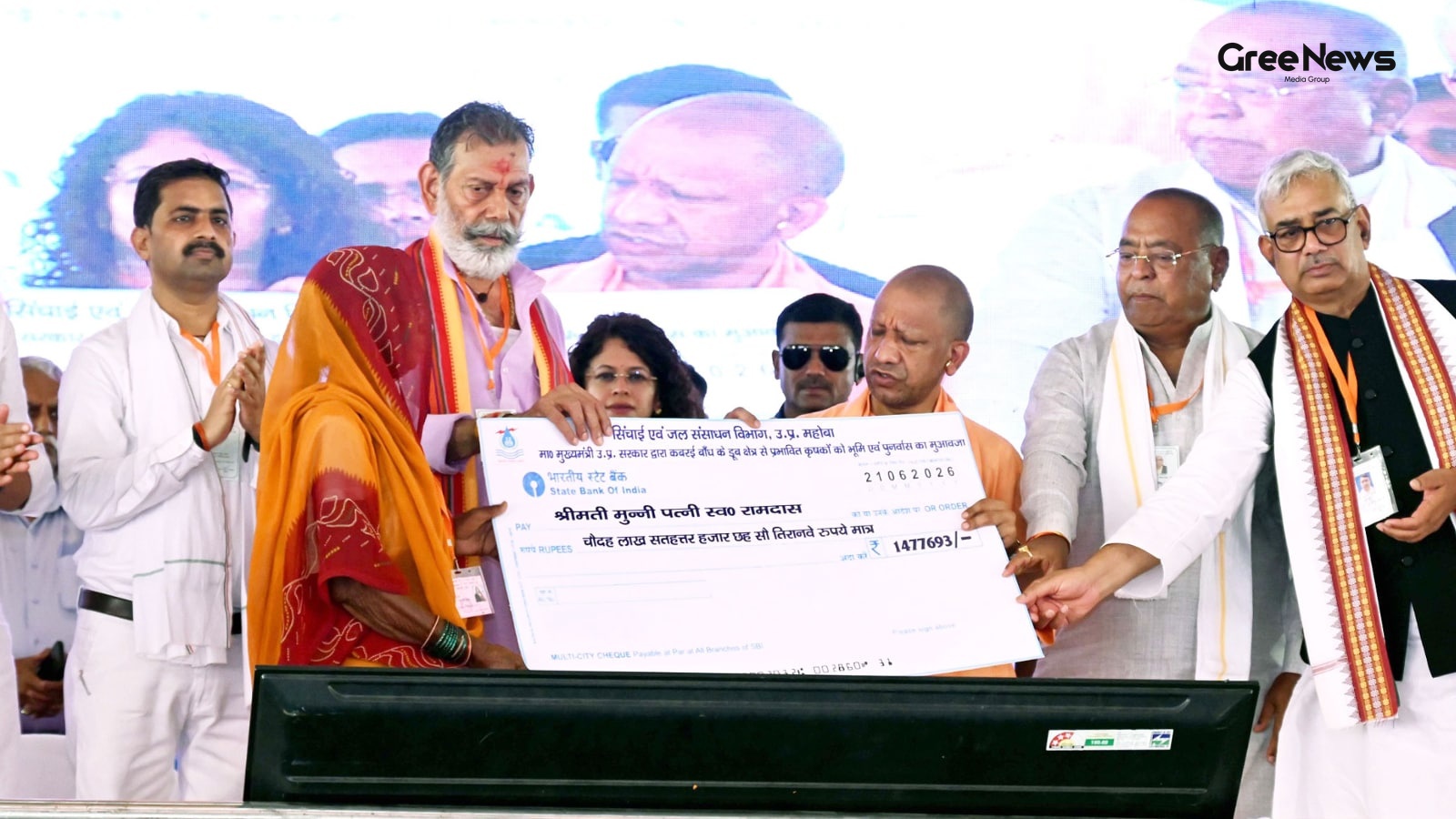
Yogi Adityanath, Chief Minister of Uttar Pradesh, kicked off some big stuff on Sunday in Mahoba. Eight-eight development projects, over six hundred ninety-seven crore rupees worth. It all happened at Modi Gram, during the 12th International Yoga Day. Before getting there though, he was already invol
Jun 23, 2026 by Gree News Team
Actor Journeys, Industry Buzz, and Personal Stories
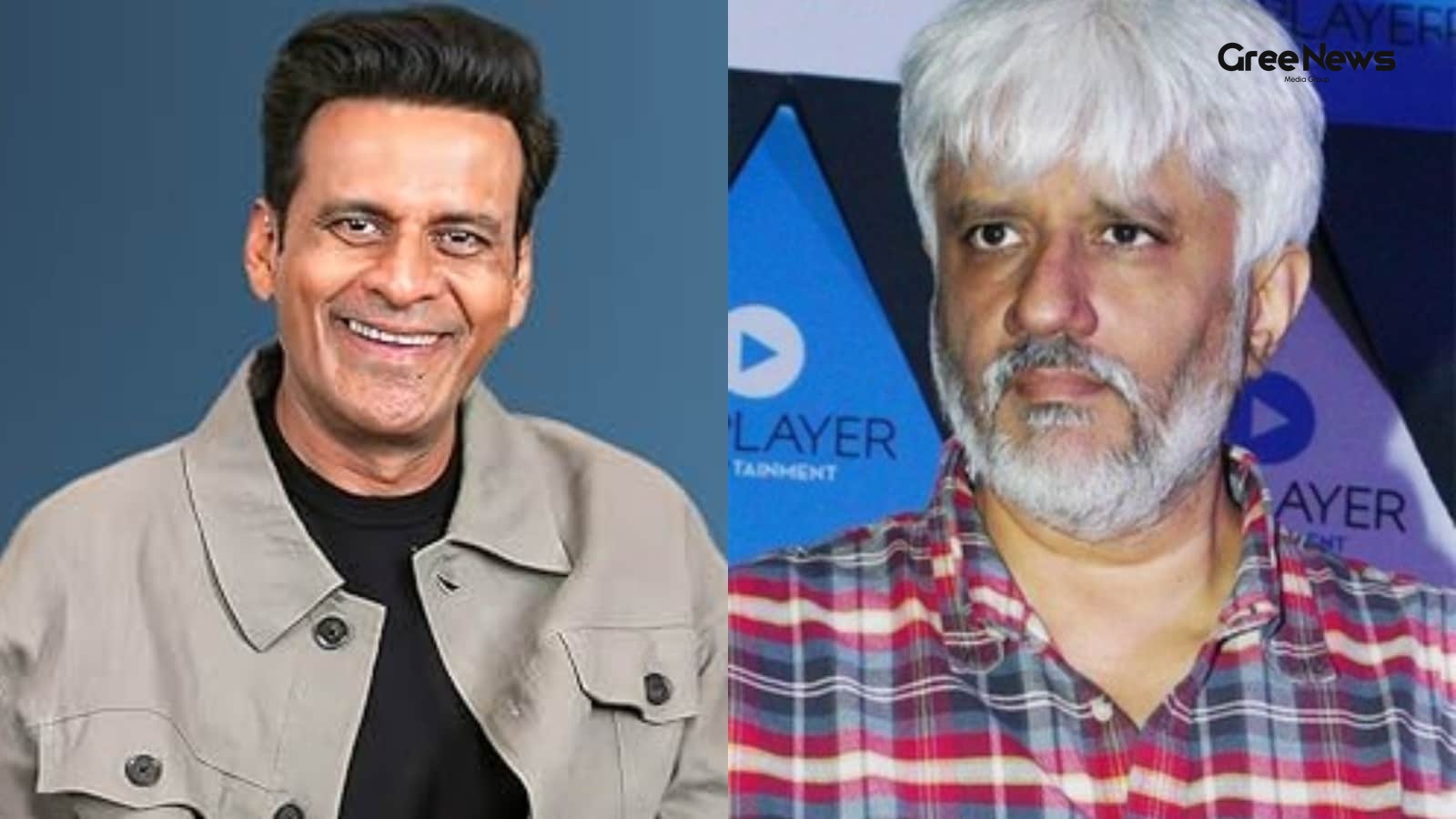
Manoj Bajpayee, you see, he’s one of those actors who just seems to have this massive range in his filmography. But lately, it feels like a shift. He’s been diving deep into independent films now. Not the big commercial blockbusters anymore. He actually opened up about it, saying that his real heart
Jun 23, 2026 by Gree News Team

Anshula Kapoor and Rohan Thakkar's Wedding Celebrations and Love Story
Wedding celebrations started for Anshula Kapoor and Rohan Thakkar. The pre-wedding stuff kicked off June 21st. It was an intimate gathering, bringing in family members from the Kapoor side lots of warmth, laughter, rituals happening there. Anshula actually shared some pictures with fans on Instagram
Jun 23, 2026 by Gree News Team
Internal Fight and Leadership Changes within Trinamool Congress
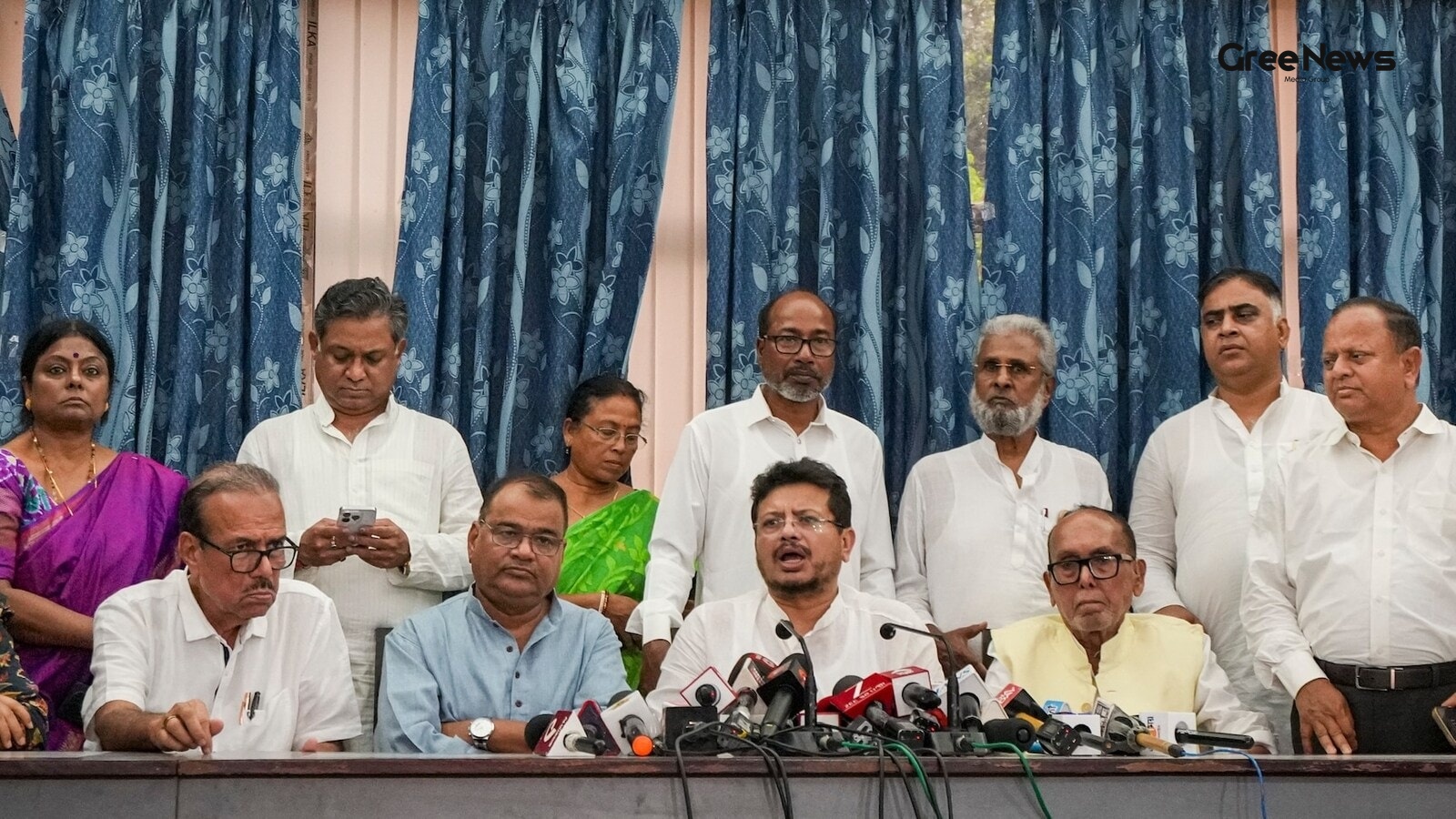
The internal fight inside the Trinamool Congress really blew up this week. It’s getting serious. A faction led by Ritabrata Banerjee, the Leader of the Opposition, actually put forward a new leadership setup on Monday. They elected MLA Arup Roy as their chairperson. This immediately puts a real chal
Jun 23, 2026 by Gree News Team
Uttar Pradesh Records Historic Peak Power Demand
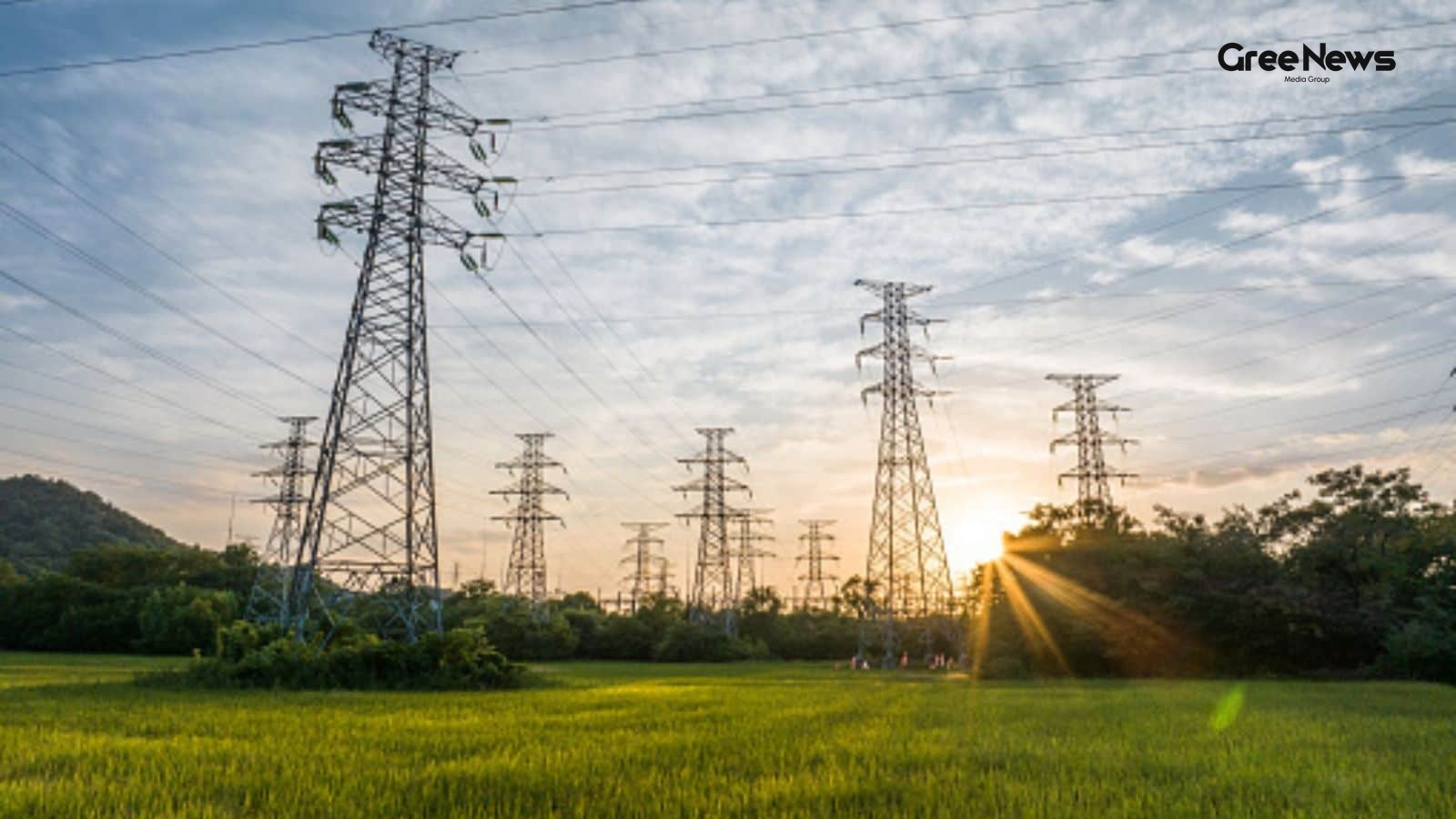
Uttar Pradesh just blew past some huge numbers for power demand. They hit a record peak of 32,348 MW, according to what the state government announced on Monday. It happened late, around 10:48 pm on June 21st. That’s the highest ever recorded for the state. The real kicker is that this figure actual
Jun 23, 2026 by Gree News Team
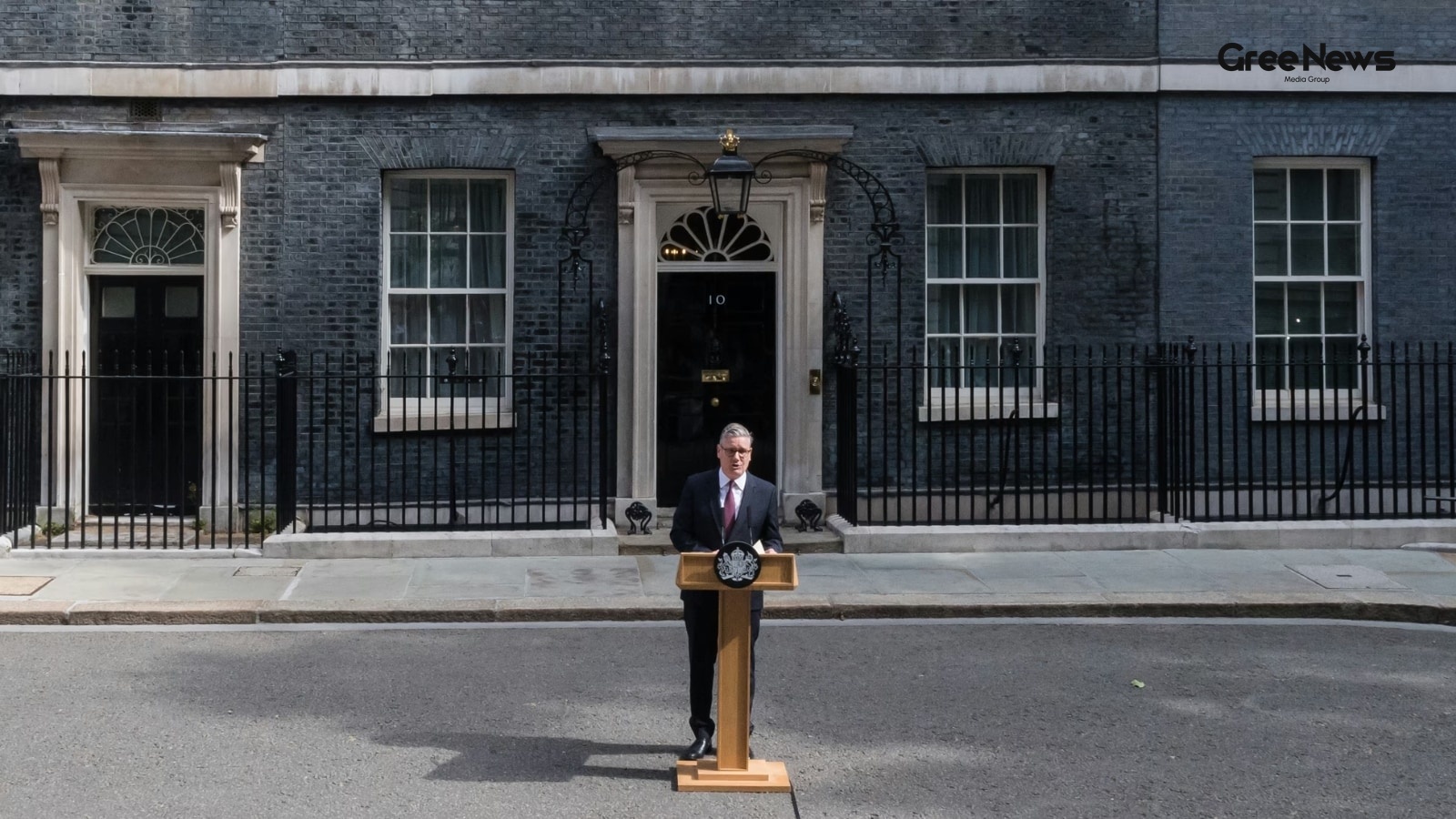
Keir Starmer's Resignation and Political Aftermath
Keir Starmer stepped down as Prime Minister on Monday after 700 days in office. It was the sixth time someone had left 10 Downing Street since 2016, a strange number, you know? He announced it from a lectern outside Number 10. Staff were milling around him on the pavement while some activist played
Jun 23, 2026 by Gree News Team