Keir Starmer's Resignation and Political Aftermath
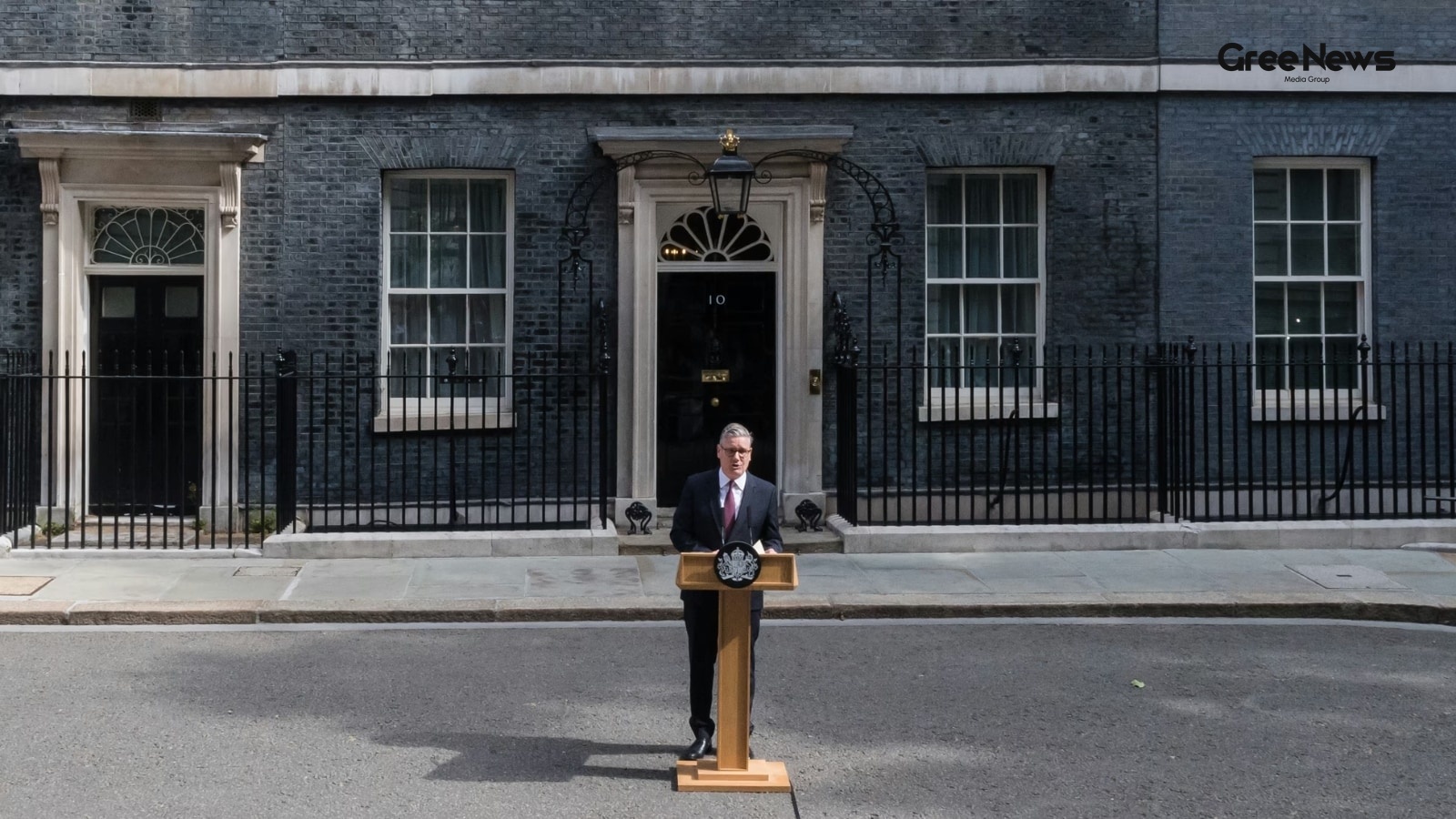
Keir Starmer stepped down as Prime Minister on Monday after 700 days in office. It was the sixth time someone had left 10 Downing Street since 2016, a strange number, you know?
He announced it from a lectern outside Number 10. Staff were milling around him on the pavement while some activist played Beethoven’s “Ode to Joy” through a loudspeaker near the gates. A bit theatrical, maybe.
That music, "Ode to Joy," reminded people of when Steve Bray had played D:Ream’s “Things Can Only Get Better” for Rishi Sunak’s exit two years earlier. Things always echo back somehow.
This resignation followed something else entirely. Greater Manchester Mayor Andy Burnham won a special election in Makerfield last week, and that victory framed it as a verdict on Starmer’s leadership. Burnham had made it clear he was the answer.
He won by more votes than anyone expected. It just makes sense, I suppose, given how messy things have been lately. Remember, under the rules of Parliament, you need to be an MP to lead the government. That meant Burnham coming back into Parliament was a necessary step before any leadership bid could even happen.
When that result came in, there was this strange scene. He stood between someone dressed like a fox and another wearing a trash can on his head. It’s just how things go, British electoral tradition demands candidates share the stage, no matter what they wear. A little absurd, maybe, but it happened.
Over the weekend, Gree reporting said one minister described Starmer as weighing "political realities." No organized effort really emerged inside the party to keep him on. It felt like letting go.
In his speech, Starmer basically asked Labour MPs if they wanted him to lead them into the next general election. He accepted their answer, he said it with some kind of grace. Then he set up a timetable for a contest, promising to step down before autumn.
The speech itself was unusually direct, by his own standards lately. He laid out three points in sequence. He told the crowd that he had inherited a Labour Party that felt "politically, financially, and morally bankrupt" under Jeremy Corbyn. And he brought up that period where antisemitism went completely unchecked within the party ranks.
He acknowledged losing the confidence of his parliamentary party. Then he set the terms for whoever would replace him leaving the door open for people other than Burnham to step forward. But honestly? Nobody seemed prepared to mount a serious challenge.
His voice broke when he thanked his wife and children. A moment that felt raw, unexpected.
There’s another thread running through this whole thing, something about how his end was shaped from the start of his premiership. He appointed Peter Mandelson as his ambassador to Washington. Mandelson? A long-standing figure in Labour politics, known for his ties to Jeffrey Epstein. Starmer himself had raised questions about that appointment, you know.
The widely accepted story at the time suggested Morgan McSweeney the strategist who helped win the 2024 election and became Starmer’s chief of staff was close with Mandelson and pushed for the posting. A convenient narrative, perhaps.
But then things shifted. McSweeney resigned after reporting in September 2025 that Mandelson’s personal and financial relationship with Epstein had continued even after Epstein was convicted back in 2008, and that Mandelson hadn't been upfront about the full extent of their contact. That kind of stuff doesn't just disappear.
Losing his chief of staff left a government already struggling to find its footing looking more adrift than ever. By June 2026, YouGov polling showed only six percent of British adults felt "very clear" on what Starmer actually stood for. Confusion is setting in fast.
His 2024 victory brought Labour 411 seats out of 650. McSweeney’s strategy had targeted a specific group what he called "hero voters": older people, non-graduates, socially conservative Britons, many of whom were Brexit voters. Starmer, who started as a human rights lawyer campaigning for the EU, really struggled to speak credibly to that demographic throughout his time in office.
His attempts to cut welfare benefits completely collapsed once more. More than 100 Labour MPs voted against him on those measures. His Chancellor, Rachel Reeves, did things like cutting winter fuel payments for older people, raising employer National Insurance contributions, freezing income tax thresholds pulling more earners into the forty and fifty percent brackets and putting inheritance tax on family farms. Every move drew real public backlash.
Net migration dropped by fifty percent between 2024 and 2026, according to figures cited by The Guardian. Asylum seekers housed in hotels during processing also fell. That record didn't change Starmer’s standing at all, did it?
Then there was Donald Trump. He announced Starmer’s resignation on Truth Social before Starmer made it public himself. Trump claimed he had "failed badly" on immigration and energy. But the 50 percent net migration reduction figure makes that part factually inaccurate. It doesn't align with what actually happened.
Now, Andy Burnham is the frontrunner. He’s set to be the next Prime Minister after Starmer steps aside. He’s said he accepts the government’s current economic framework and its stance on illegal immigration, even while positioning himself as an alternative leader to Starmer. The contest itself the leadership race Starmer started will decide who takes over before autumn.
Written by Gree News Team — Senior Editorial Board
Gree News Team covers international news and global affairs at Gree News. Our collective of senior editors is dedicated to providing independent, accurate, and responsible journalism for a global audience.
More from World
View All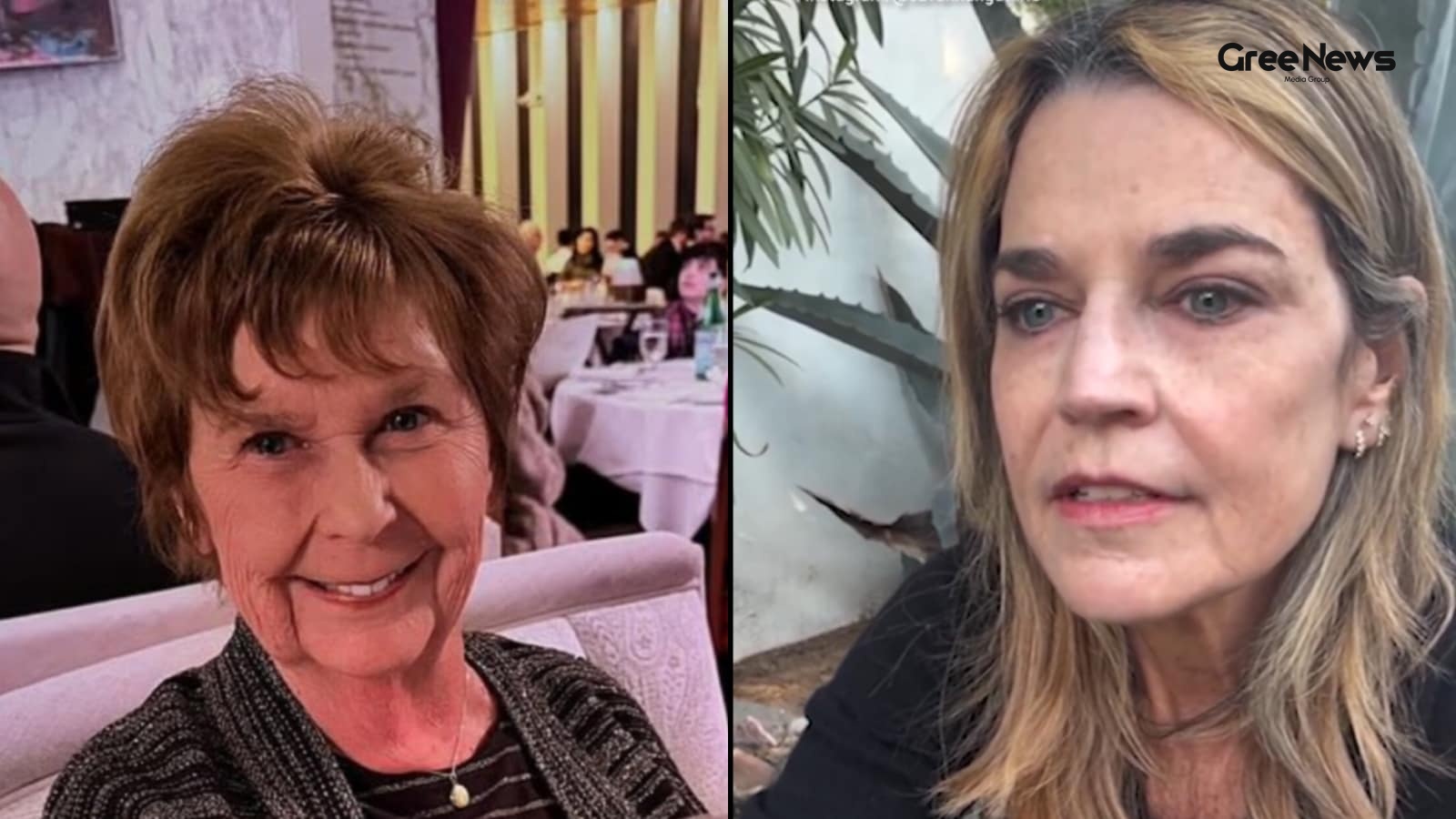
Nancy Guthrie Disappearance and Ransom Notes
A second note came out days after Nancy Guthrie vanished. It was sent to the media. This one, according to NBC News, said she had died. The 84-year-old, that’s her age, was gone. Investigators are looking at a few things here. They think whoever wrote those notes the first one and this second one mi
Jun 23, 2026 by Gree News Team
Trump Warns About Iran's Agreement and Military Collapse
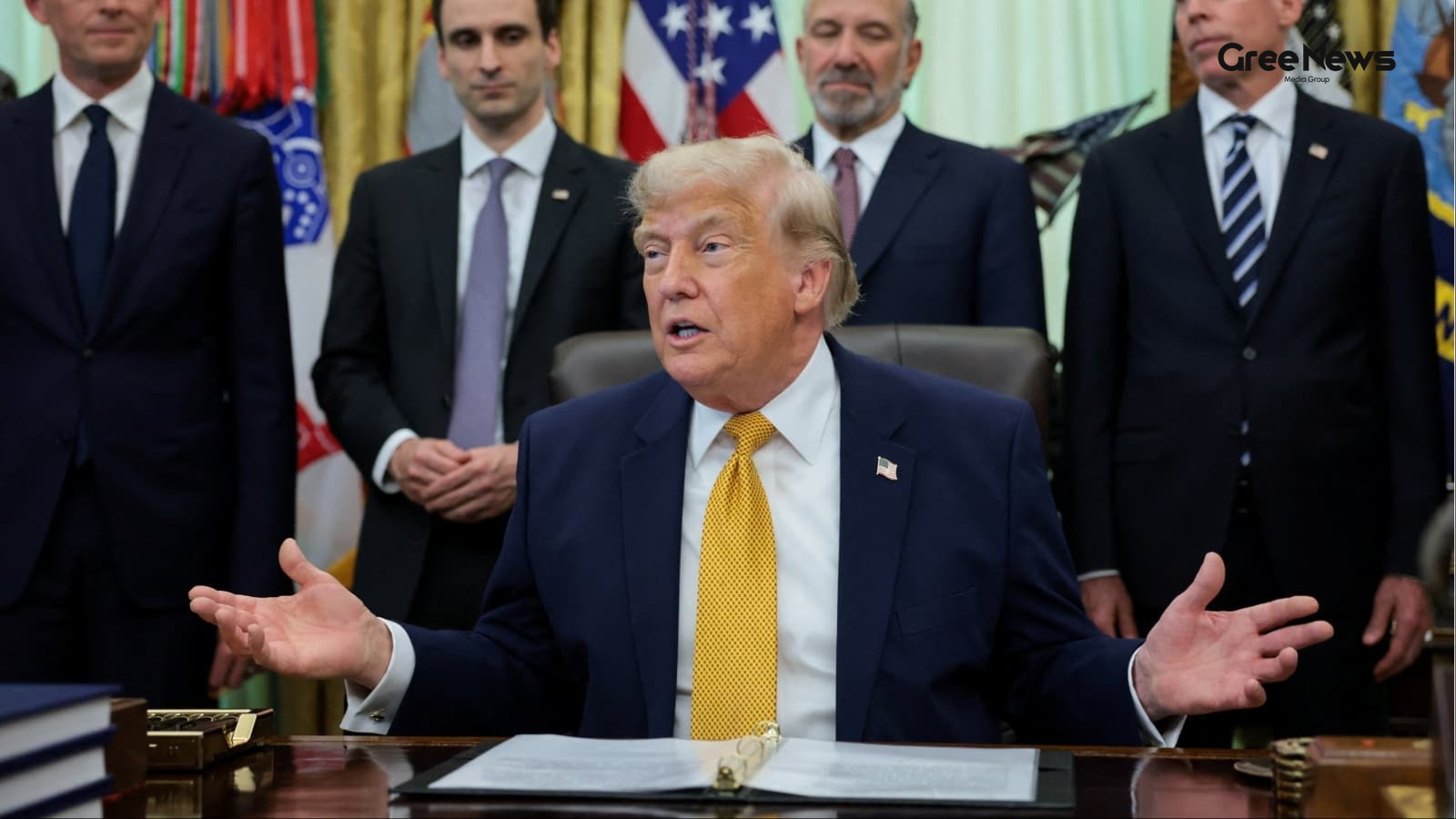
Trump warned Tuesday that Washington would react if Iran didn’t stick to their agreement. He insisted, though, that Tehran was significantly weakened by everything that happened recently. No longer had real leverage over Washington, he claimed. “If Iran doesn’t live up to their agreement, or if they
Jun 23, 2026 by Gree News Team
US-Iran Disagreement Over Frozen Assets and Nuclear Talks
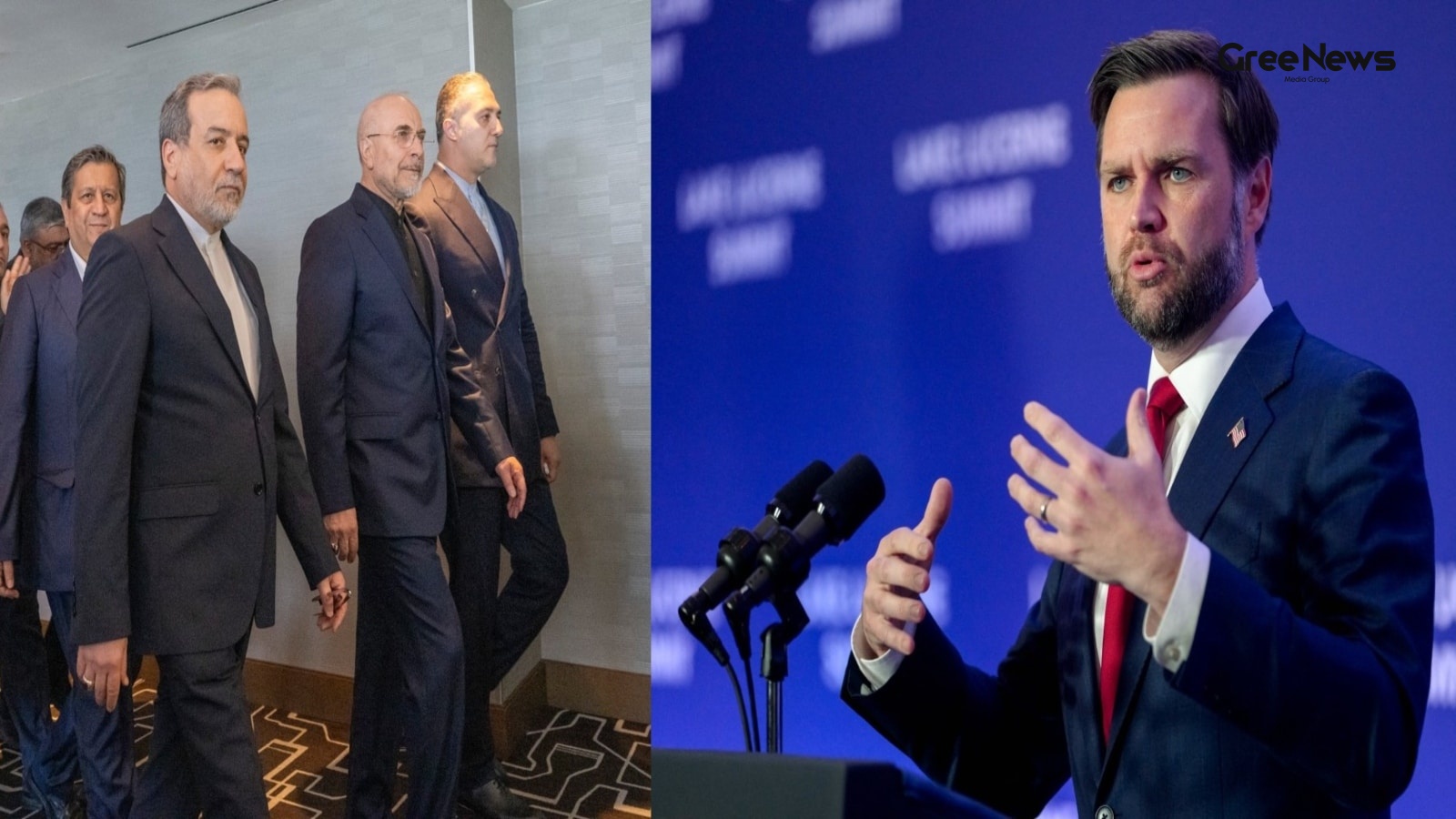
There’s a huge split right now between the United States and Iran regarding what came out of those talks in Switzerland on Sunday. Vance, the Vice President, is pushing that any release of those frozen Iranian assets hinges entirely on Tehran’s future commitments and whatever verification measures t
Jun 23, 2026 by Gree News Team
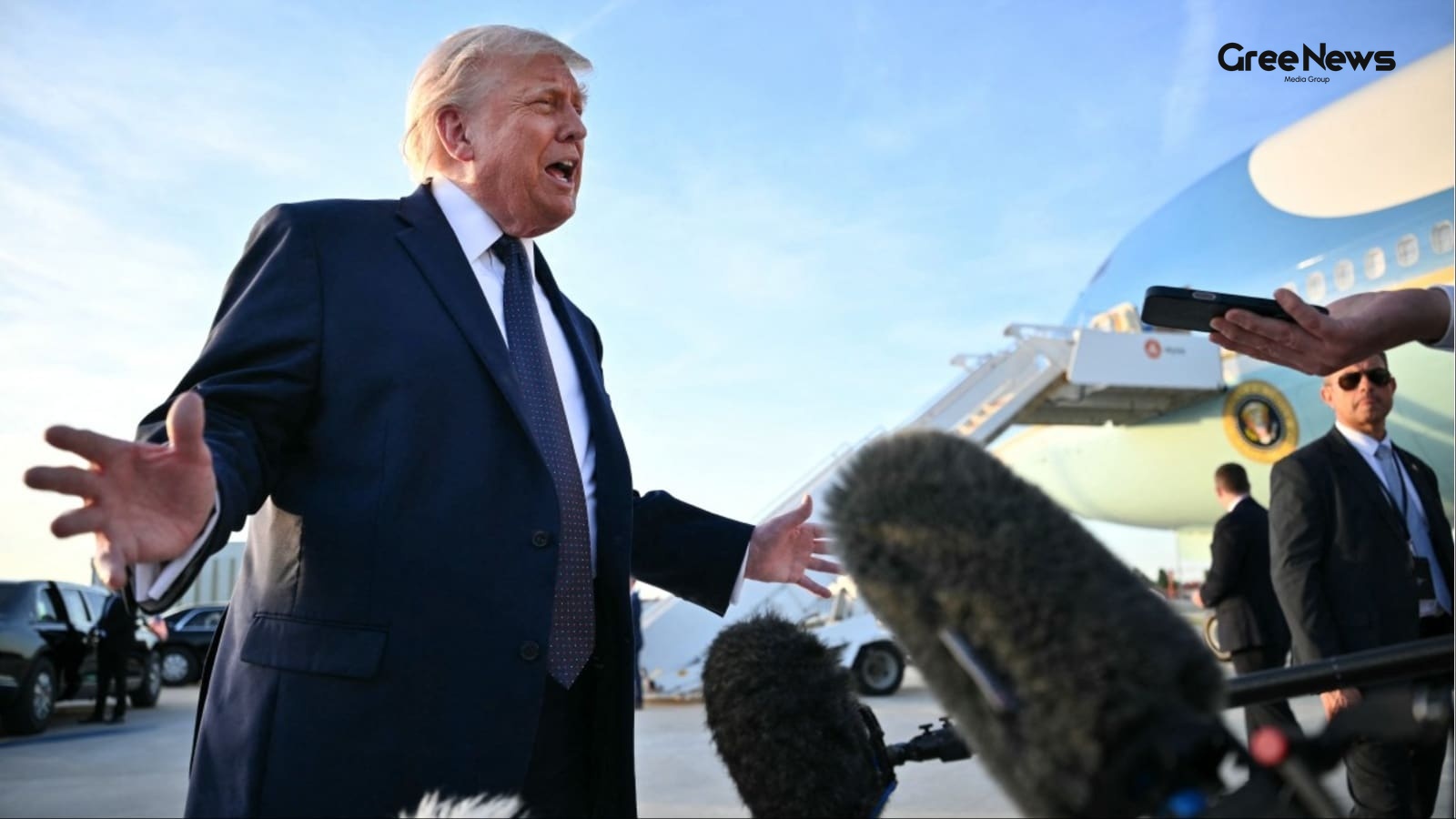
Trump Administration Proposal for Increased Legal Immigrant Citizenship Fees
The Trump administration is pushing for a big jump in fees for legal immigrants trying to get citizenship. They argue applicants should pay the full cost of processing things and all that extra vetting, instead of depending on subsidies from other immigration programs. This proposal came out under a
Jun 23, 2026 by Gree News Team
Latest Headlines

Hazelnut Chikki and Sandesh Fusion Cake Recipe
Desserts. Seriously. They are pure decadence galore. This thing this chikki fudge cake it’s three layers, you know? It’s this wild fusion. You’ve got the sharp, crunchy delight of hazelnut chikki battling against something rich, velvety, all about dark chocolate and milk sandesh. Two totally beloved
Jun 23, 2026 by Gree News Team
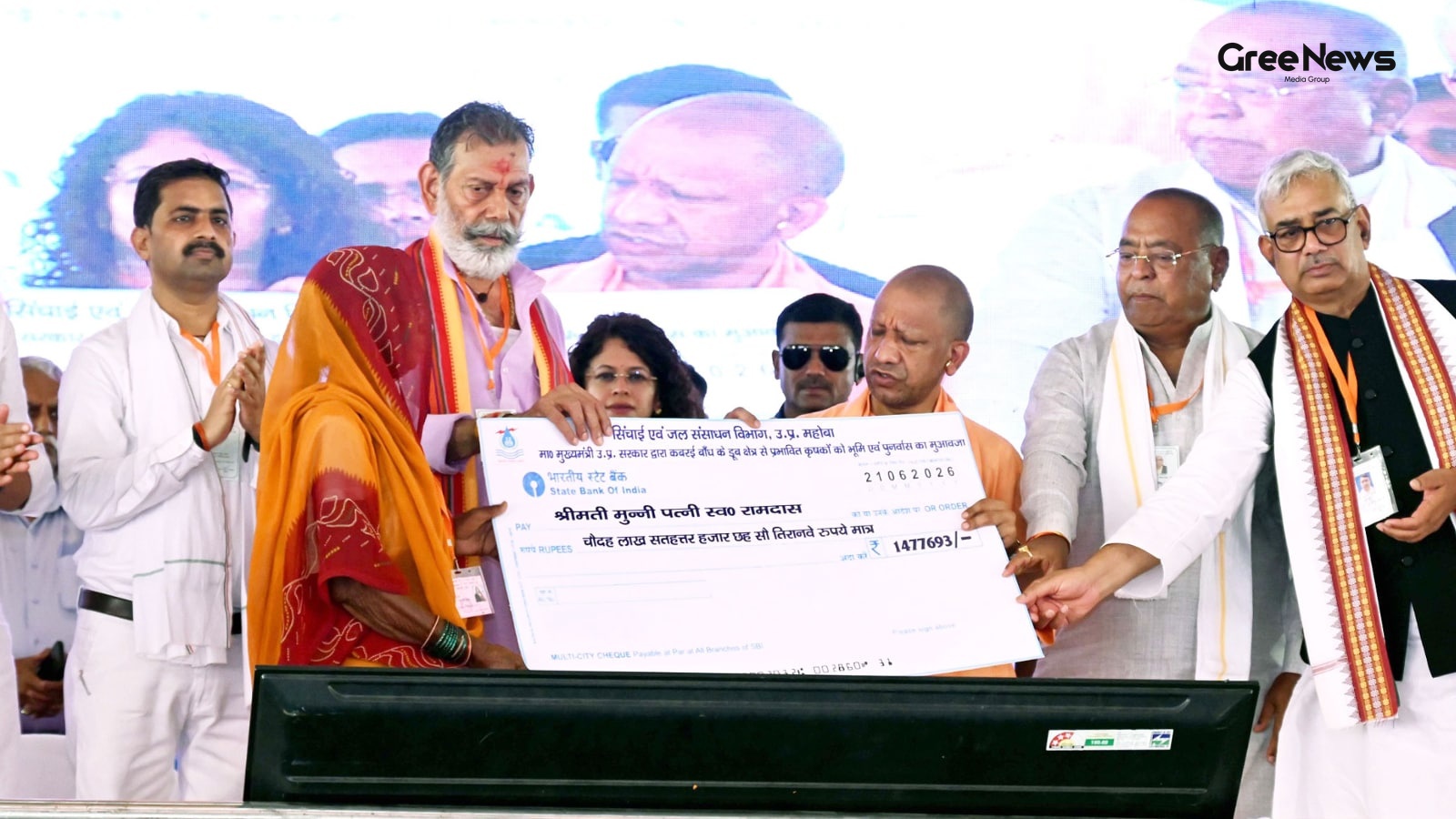
Yogi Adityanath's Development and Vision for Uttar Pradesh
Yogi Adityanath, Chief Minister of Uttar Pradesh, kicked off some big stuff on Sunday in Mahoba. Eight-eight development projects, over six hundred ninety-seven crore rupees worth. It all happened at Modi Gram, during the 12th International Yoga Day. Before getting there though, he was already invol
Jun 23, 2026 by Gree News Team
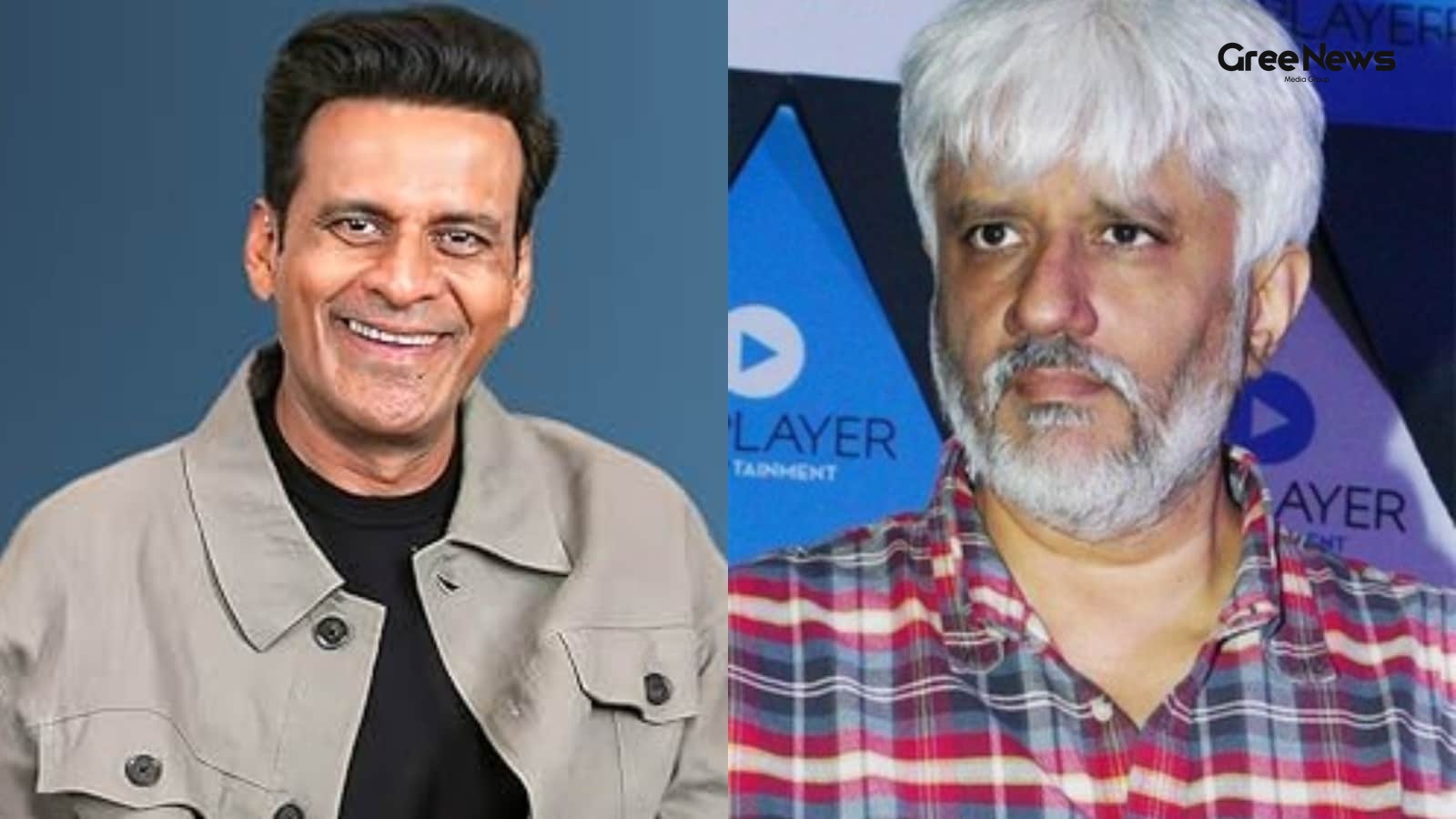
Actor Journeys, Industry Buzz, and Personal Stories
Manoj Bajpayee, you see, he’s one of those actors who just seems to have this massive range in his filmography. But lately, it feels like a shift. He’s been diving deep into independent films now. Not the big commercial blockbusters anymore. He actually opened up about it, saying that his real heart
Jun 23, 2026 by Gree News Team

Anshula Kapoor and Rohan Thakkar's Wedding Celebrations and Love Story
Wedding celebrations started for Anshula Kapoor and Rohan Thakkar. The pre-wedding stuff kicked off June 21st. It was an intimate gathering, bringing in family members from the Kapoor side lots of warmth, laughter, rituals happening there. Anshula actually shared some pictures with fans on Instagram
Jun 23, 2026 by Gree News Team
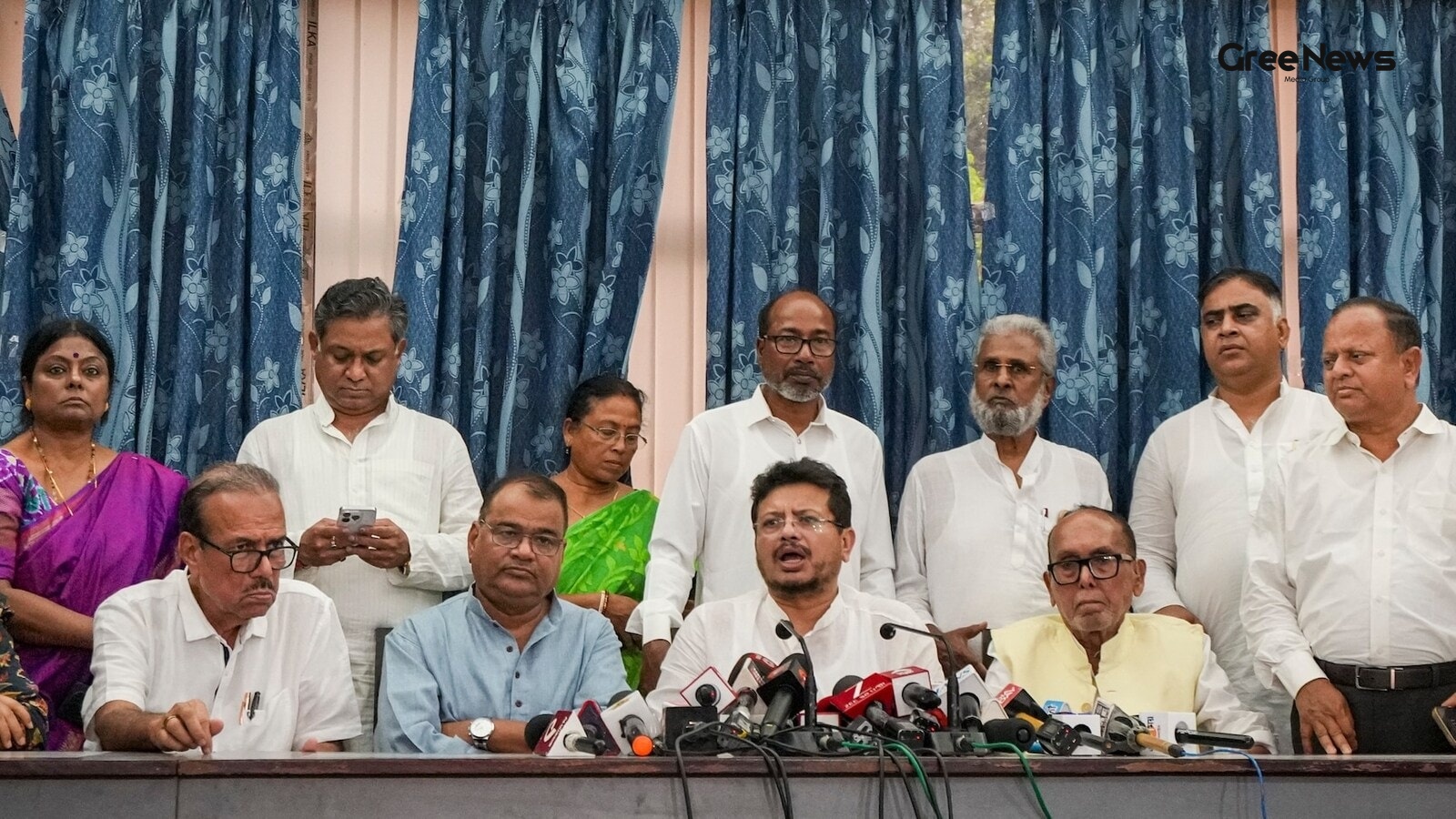
Internal Fight and Leadership Changes within Trinamool Congress
The internal fight inside the Trinamool Congress really blew up this week. It’s getting serious. A faction led by Ritabrata Banerjee, the Leader of the Opposition, actually put forward a new leadership setup on Monday. They elected MLA Arup Roy as their chairperson. This immediately puts a real chal
Jun 23, 2026 by Gree News Team
Uttar Pradesh Records Historic Peak Power Demand
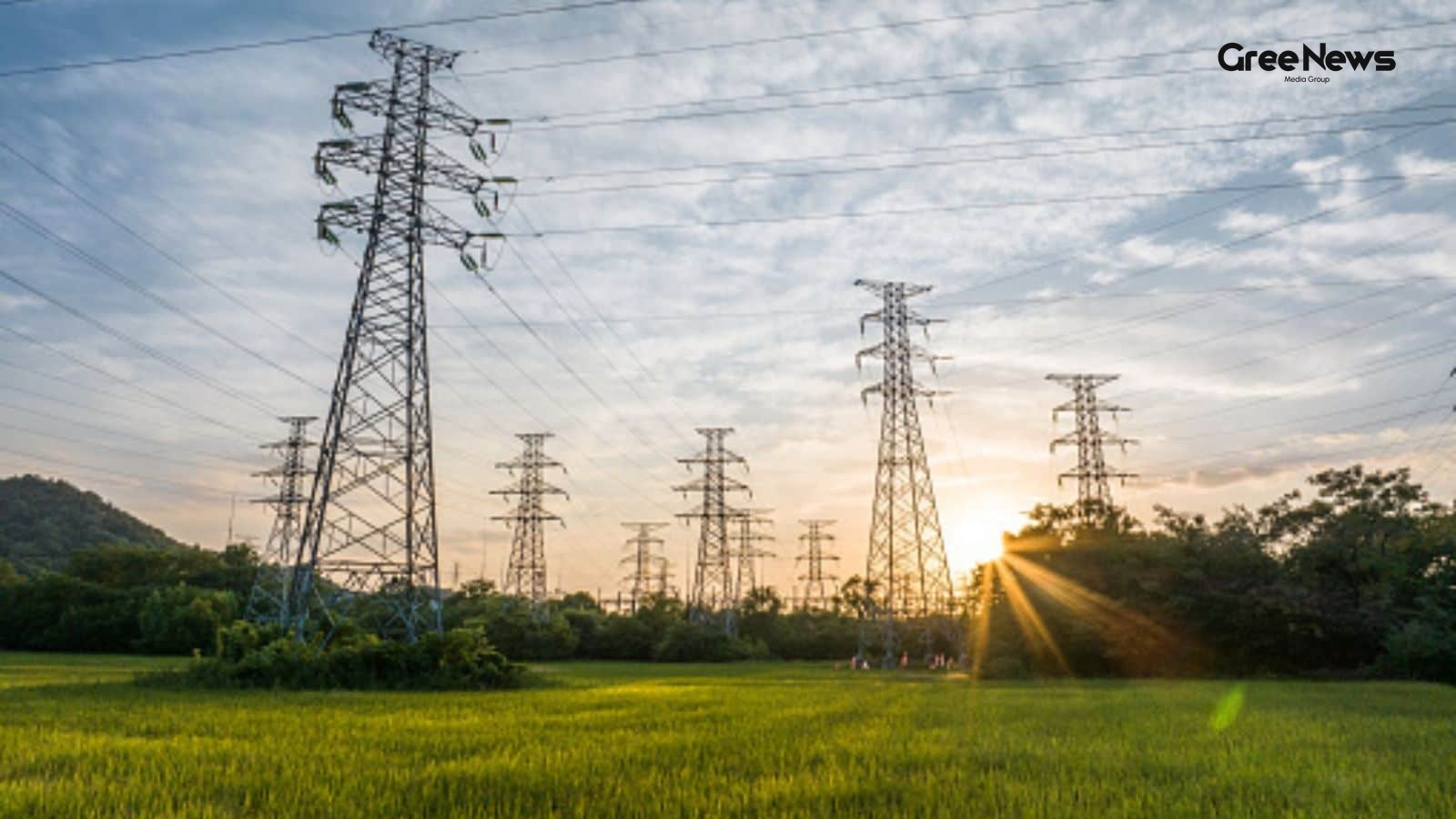
Uttar Pradesh just blew past some huge numbers for power demand. They hit a record peak of 32,348 MW, according to what the state government announced on Monday. It happened late, around 10:48 pm on June 21st. That’s the highest ever recorded for the state. The real kicker is that this figure actual
Jun 23, 2026 by Gree News Team

Lionel Messi: A Journey of Goals, Legacy, and Resilience
Lionel Messi. Thirty-eight years old now, still kicking some serious goals, setting new benchmarks year after year. Just Monday, at that big AT&T Stadium in Arlington, he officially became the all-time leading goal-scorer in FIFA World Cup history. It felt huge, didn't it? You have to look back and
Jun 23, 2026 by Gree News Team
Yogi Adityanath's Vision for Aligarh: Defence Manufacturing and Development
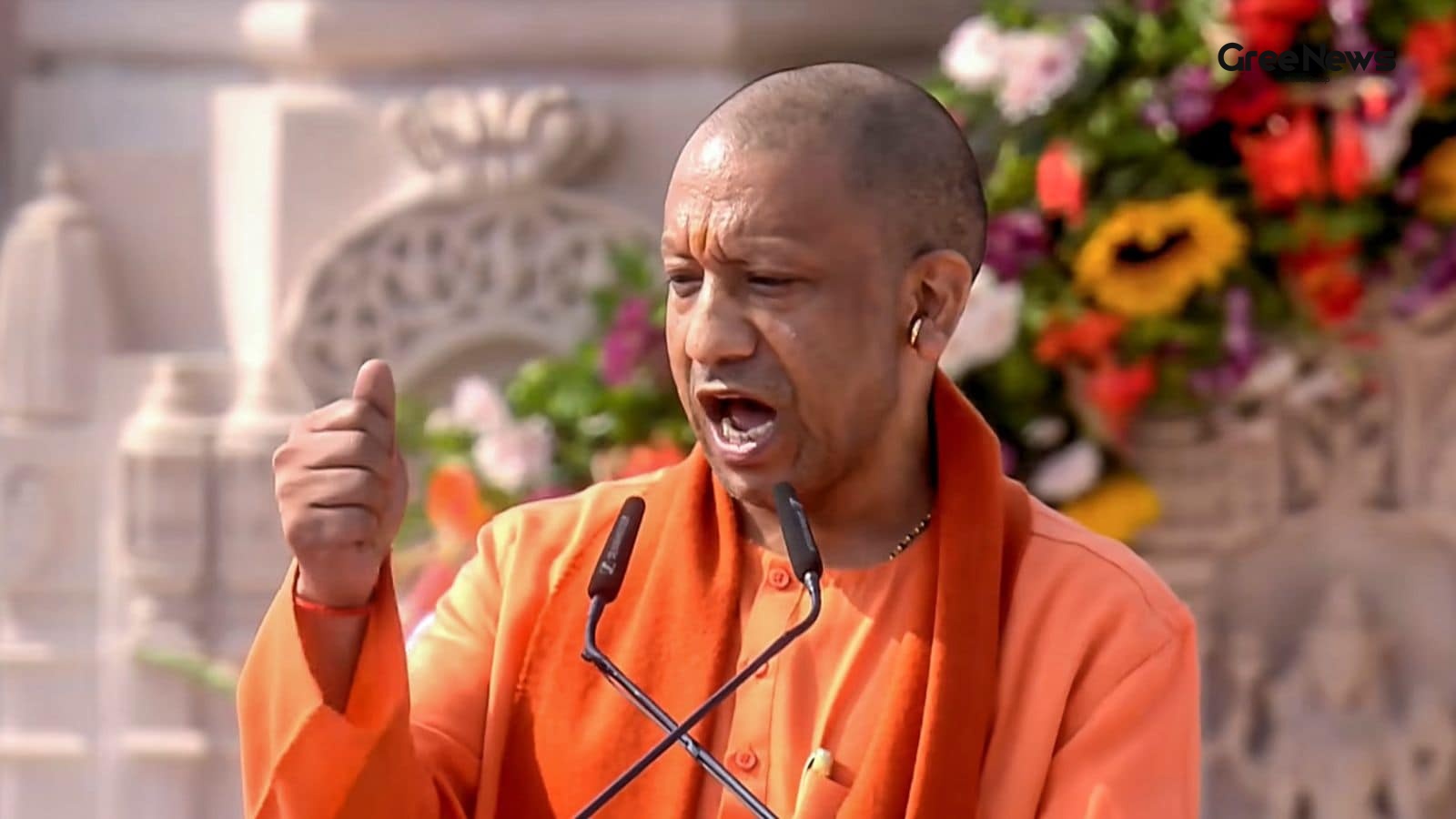
Yogi Adityanath talked about Aligarh on Monday. He said it’s going to become a big place for making defense stuff, a supply hub. This direction came from Prime Minister Modi approving that Defence Manufacturing Corridor. “Development will keep moving,” he said. “It won't stop or slow down. The doubl
Jun 23, 2026 by Gree News Team
Fire at Aliganj Coaching Centre: Arrests, Legal Action, and High-Level Response
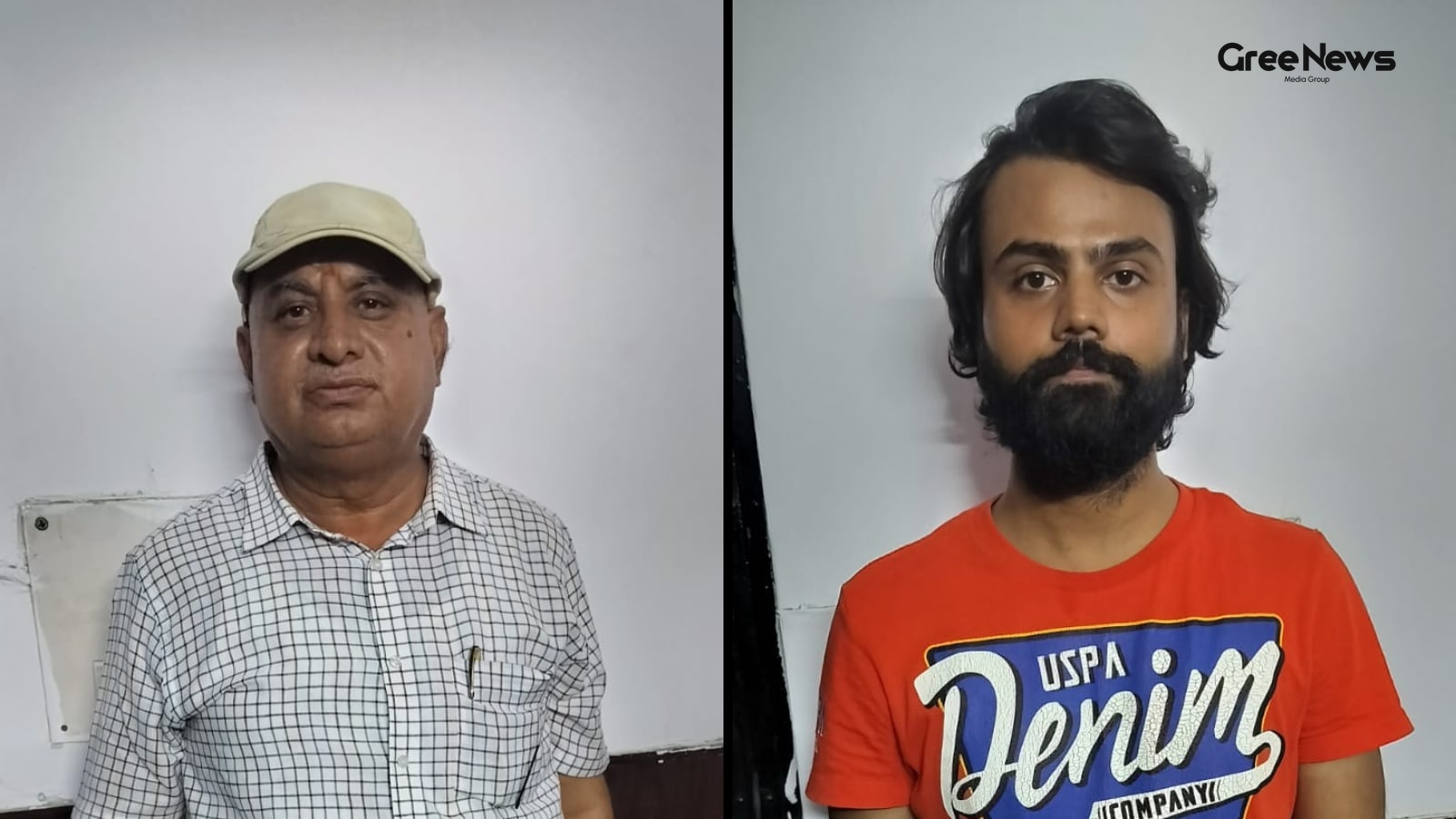
Lucknow police started digging into the fire at the Aliganj coaching centre. Three building owners got arrested. Four officials are suspended right now. The names of those caught? Virendra Prasad Shukla, Ramkrishna Upadhyay, and Tushak Krishna Jaiswal. It all kicked off Monday afternoon when this th
Jun 23, 2026 by Gree News Team
Lucknow Fire Investigation: Questions Raised Over Building Disaster
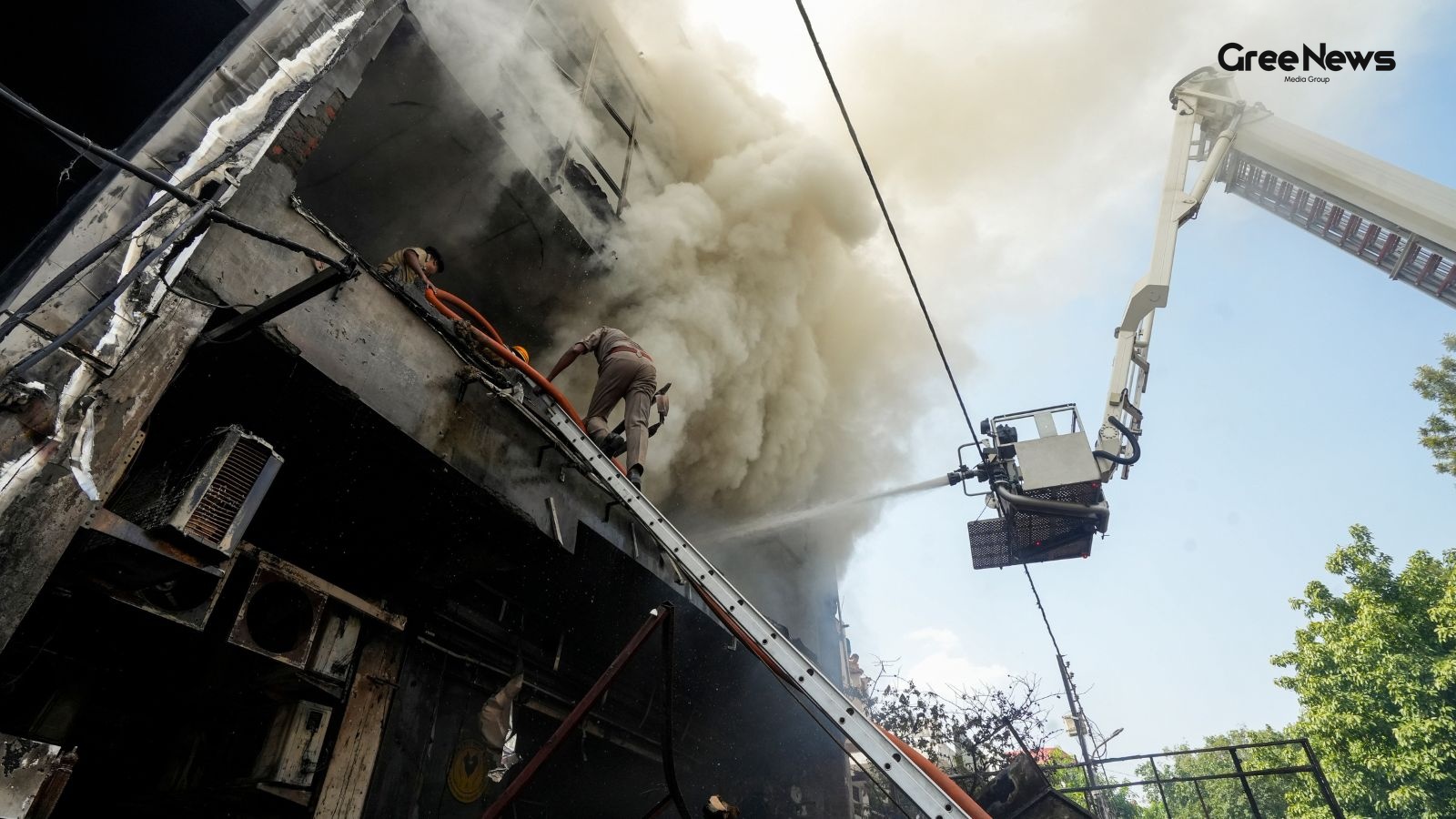
That fire in Lucknow, the one that ripped through that three-storey building in Aliganj on Monday it’s still raising serious questions. Fifteen people died, nine got hurt. The initial gut feeling, according to Minister A. K. Sharma from UP, is that the whole disaster started way up in the air-condit
Jun 23, 2026 by Gree News Team

Arrest of Woman Linked to Jaish-e-Mohammed and Terrorist Operatives
Monday saw another move by the Rajasthan Anti-Terrorist Squad. They arrested a woman from Jaipur. Allegedly involved in anti-national stuff. Suspected ties to Jaish-e-Mohammed, members of that Pakistan group. Her name is Babita Dhakad. She goes by Khadija. Originally from Gangapur City. The arrest h
Jun 23, 2026 by Gree News Team
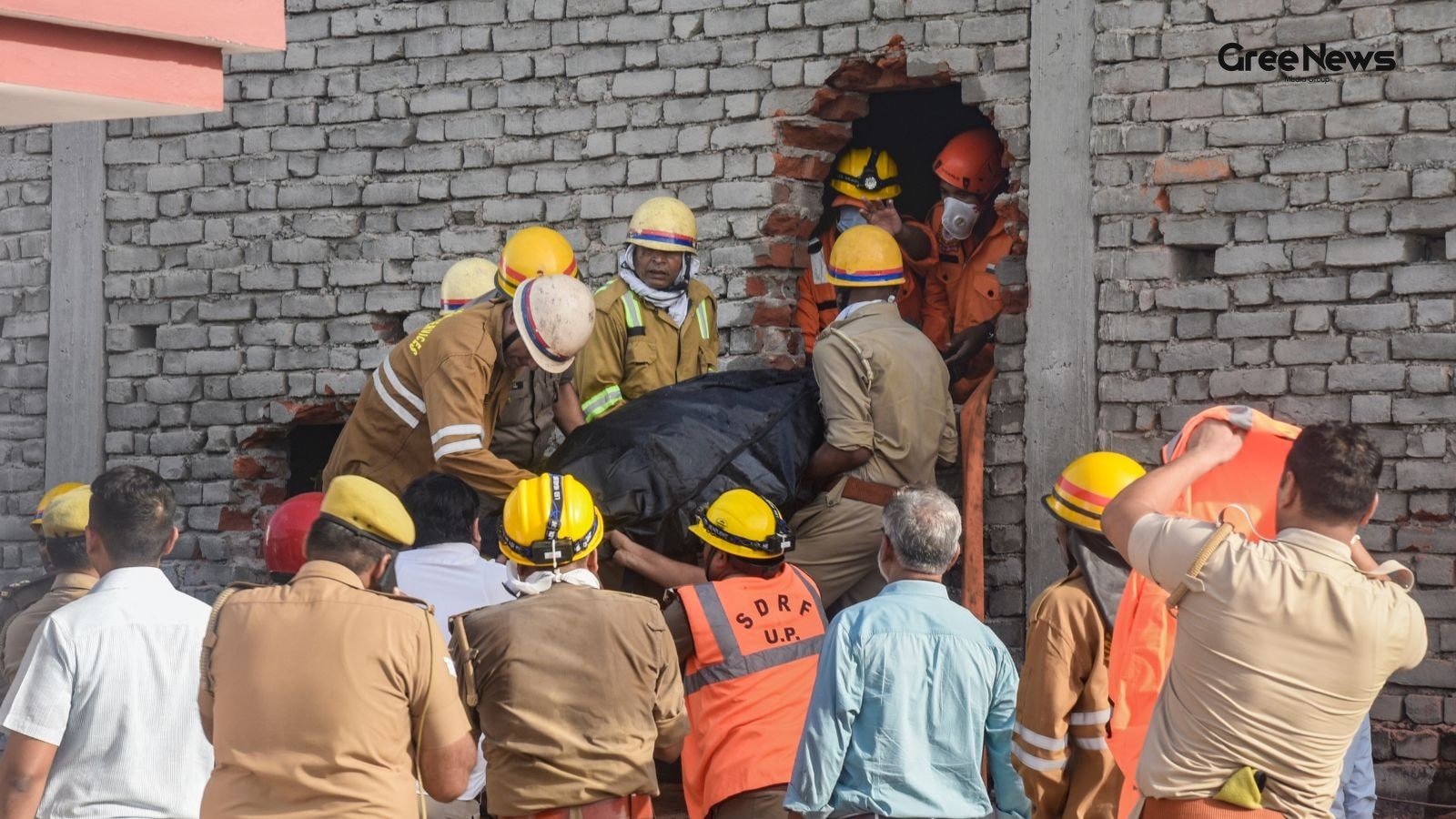
Lucknow Building Fire: Negligence, History, and Systemic Failure
The air in Lucknow felt heavy that Monday. Not just with the usual heat, you know? Something else hung there a kind of thick, suffocating silence that followed the news. The fire. It happened in Aliganj. A three-storey building, and fifteen lives were lost. Fifteen people just gone. It’s a terrible
Jun 23, 2026 by Gree News Team
Nancy Guthrie Disappearance and Ransom Notes
A second note came out days after Nancy Guthrie vanished. It was sent to the media. This one, according to NBC News, said she had died. The 84-year-old, that’s her age, was gone. Investigators are looking at a few things here. They think whoever wrote those notes the first one and this second one mi
Jun 23, 2026 by Gree News Team

Kylian Mbappé's Goal-Scoring Streak and Historical Comparisons
Kylian Mbappé is really running France at the FIFA World Cup 2026. And honestly, what he did recently just puts him in a strange spot. Monday, Tuesday during that second Group I match for the French team he entered some record books. He became the first Frenchman, and only the fourth player ever, to
Jun 23, 2026 by Gree News Team
Trump Warns About Iran's Agreement and Military Collapse
Trump warned Tuesday that Washington would react if Iran didn’t stick to their agreement. He insisted, though, that Tehran was significantly weakened by everything that happened recently. No longer had real leverage over Washington, he claimed. “If Iran doesn’t live up to their agreement, or if they
Jun 23, 2026 by Gree News Team