The Political Transition: Momentum, Stability, and the Future of Labour
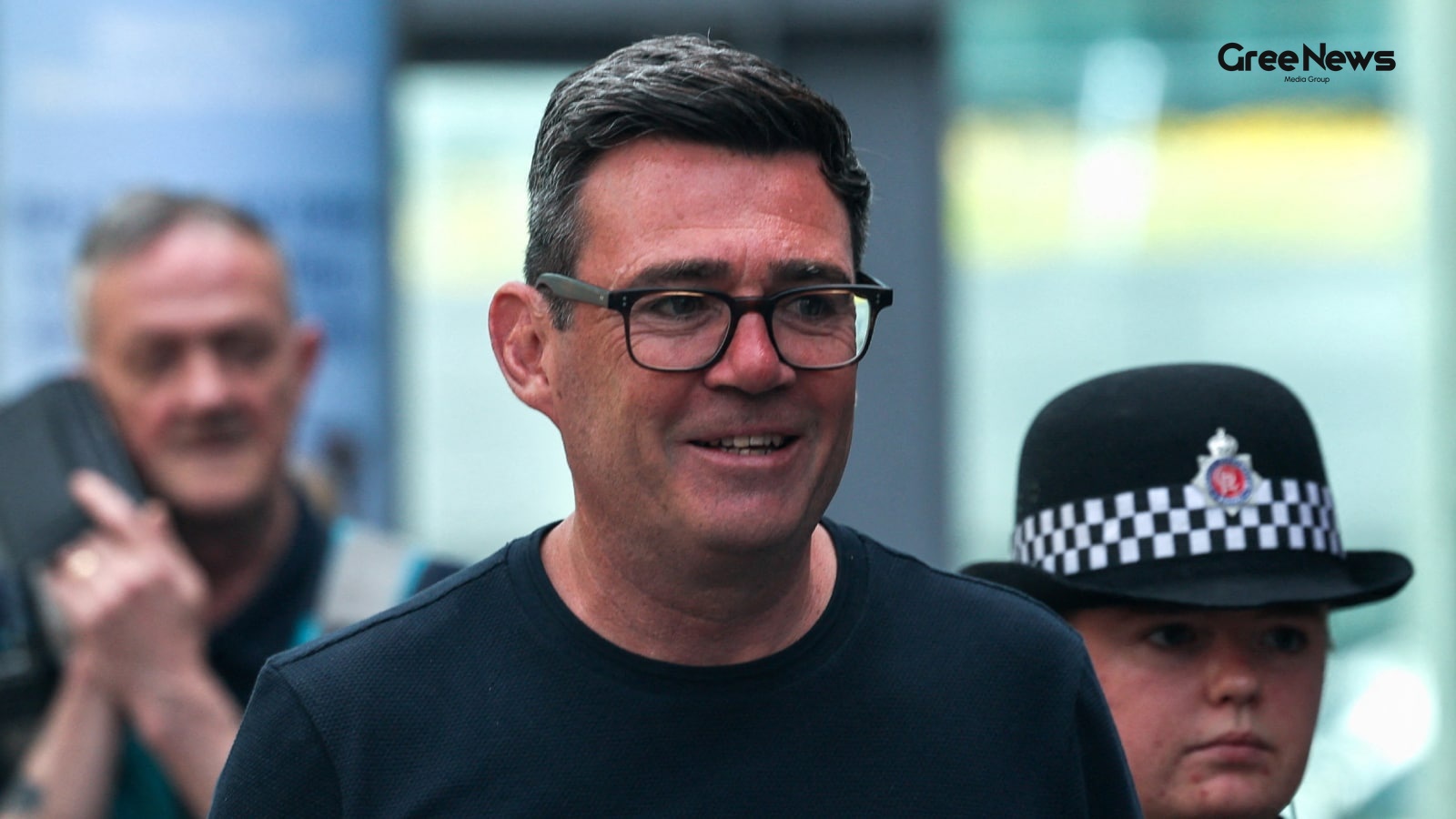
It’s all just moving, isn't it? That feeling of things shifting under the surface. You look at the headlines and you realize there’s a whole mechanism running behind the scenes, one that decides who sits where, who gets to steer the ship when the waters get rough. And right now, Labour it feels like everything is humming with this slow, heavy transition.
Andy Burnham . He’s been sitting there, quietly, accumulating that kind of momentum you don't see every day. Everyone points to him, isn't it? The idea that he’s the one who might actually step up, the one poised to take over from Starmer . It’s not just some polite suggestion anymore; it feels like a genuine frontrunner position, this feeling of being the inevitable next figure.
He spoke recently, after all the noise surrounding the Prime Minister stepping down. He thanked Starmer for his time, acknowledged the dedication during what felt like an utterly exhausting stretch, and then he pivoted immediately to where things need to go now. It wasn't just a polite thank you, though. There was a distinct note of urgency woven into it. A sense that this handover had to be handled right. Orderly. Responsible. That’s the frame he set up for himself.
“His decision marks the beginning of a transition and it is important that this process is conducted in an orderly and responsible way,” he said on social media. You can almost feel the weight behind those words. It implies that the instability wasn't just political noise; it was something that needed careful management, something fragile that couldn’t afford to blow up.
And then he laid out what stability actually means in this chaotic moment. It wasn't about abstract policy points or endless theoretical debates. It came down to the basics. The country expects things to settle. Seriousness. A relentless focus on the stuff people are actually worried about. Economic growth, cost of living that’s the immediate bleed. Public services crumbling around the edges. Housing that feels impossible. And for everyone else? Opportunities for the next generation. That’s the real focus. Political maneuvering shouldn't be a distraction from trying to make people’s lives manageable, you know? Improving things for ordinary people.
It sounds simple enough, but when you strip away the polished political language, it just means that whatever happens next has to translate into tangible relief. It has to deliver on promises of practical improvement. That's the pressure cooker effect at work, isn’t it? The constant need for visible progress, not just rhetoric.
Meanwhile, there are other pieces of this puzzle rattling around. Wes Streeting , the former Health Secretary he stepped out too. He had his own reasons for leaving Starmer’s cabinet, a loss of confidence that finally boiled over into resignation. But when he speaks about Burnham? It’s different. There’s an endorsement there, a conviction layered on top of political strategy.
Streeting made it clear, speaking to Andy in those recent days, that the path forward, the direction needed for Labour right now, seems tied up with Burnham’s approach. He felt there was a space for certain ideas under his leadership ideas focused on building something inclusive, drawing from traditions while still fighting something bigger. It wasn't just about who would sit at the top; it seemed to be about how they would fight. Against those forces of nationalism, that sense of division, which feels so palpable right now.
That kind of backing, coming from someone with Streeting’s experience, adds a layer of weight. It suggests this isn't just an internal party squabble; it has external validation too. People are starting to see where the energy is going. Where the real momentum resides.
And you can’t ignore the groundwork that led here. Starmer stepping down wasn't a sudden event, not really. It was the culmination of months maybe years of mounting pressure. A slow erosion of public faith in the leadership. The constant demands for change, the growing dissatisfaction with the pace and direction. He became the sixth Prime Minister to resign within that span. That history weighs on everything; it adds a layer of weariness to the whole affair.
And you have to look at where that pressure originated. It wasn’t just abstract discontent. It was rooted in real, tangible political shifts happening right here at home. Think about those local results. The groundswell started appearing in places like Makerfield. That by-election, it turned out, acted like a stark indicator. Burnham winning there against the tide of opposition that felt like a major signal. A clear demonstration that there was an alternative force gaining traction on the ground, something rooted in real community needs rather than just Westminster posturing.
That shift, that local reality reflecting a different kind of political energy? It feeds directly into the narrative about who is capable of leading the country forward right now. It suggests that the path isn't purely dictated by old lines or established hierarchies. It’s about where the current public appetite lies. And that hunger seems to be pointing toward this particular dynamic, this potential leadership shift within Labour.
So you have Burnham emerging from the North, carrying this momentum, and Streeting lending his weight to that vision. The process itself the NEC nominations on July 9th becomes less about a simple administrative date and more about watching these energies collide. It’s not just about choosing a name; it's about seeing which vision manages to capture the fragmented demands of the electorate, which one can actually deliver on that promise of stability you talked about earlier.
There’s an inherent messiness to it all. You have these high-level political maneuvers juxtaposed with the grinding reality of cost of living and housing shortages. It forces a strange kind of observation. You watch the grand strategy being played out, but underneath it, people are just waiting for the next utility bill to arrive, or the next promise to materialize on their doorstep.
It’s observational, really. Watching how these large-scale decisions filter down into individual lives. How that leadership contest gets framed by immediate concerns. It's messy because it isn't clean. There are no neat narratives here, just a tangle of ambition, lingering fatigue, and the relentless demand for tangible results from those holding the reins.
The transition itself feels less like a smooth handover and more like a period of intense negotiation, where old loyalties clash with new necessities. Burnham’s statement about moving forward responsibly sets a tone that demands accountability. It implies that this isn't just personal ambition; it’s about stewardship over something very real the future direction of the party and, by extension, the country itself. And that responsibility is heavy.
And when you look at how these things connect Burnham’s focus on practicalities meeting Streeting’s endorsement of an inclusive vision, all against the backdrop of a public weary of instability it stops being just news. It becomes something observational about political fatigue. About what people genuinely want versus what politicians are capable of offering in this moment.
It's not a perfectly ordered sequence of events, not really. It’s more like watching currents flow unpredictably toward a certain shore. You see the pull from one direction the desire for change fueled by local shifts and then you see the counter-pull the need for careful management and stability being insisted upon at the top. And somewhere in between, there's this negotiation happening, messy and immediate. It’s less about a single outcome and more about the constant, uncomfortable process of trying to make sense of all these competing pressures unfolding simultaneously. It just keeps moving, doesn't it? Like a tide you can feel pulling everything in a direction that feels both inevitable and utterly uncertain.
Written by Gree News Team — Senior Editorial Board
Gree News Team covers international news and global affairs at Gree News. Our collective of senior editors is dedicated to providing independent, accurate, and responsible journalism for a global audience.
More from World
View All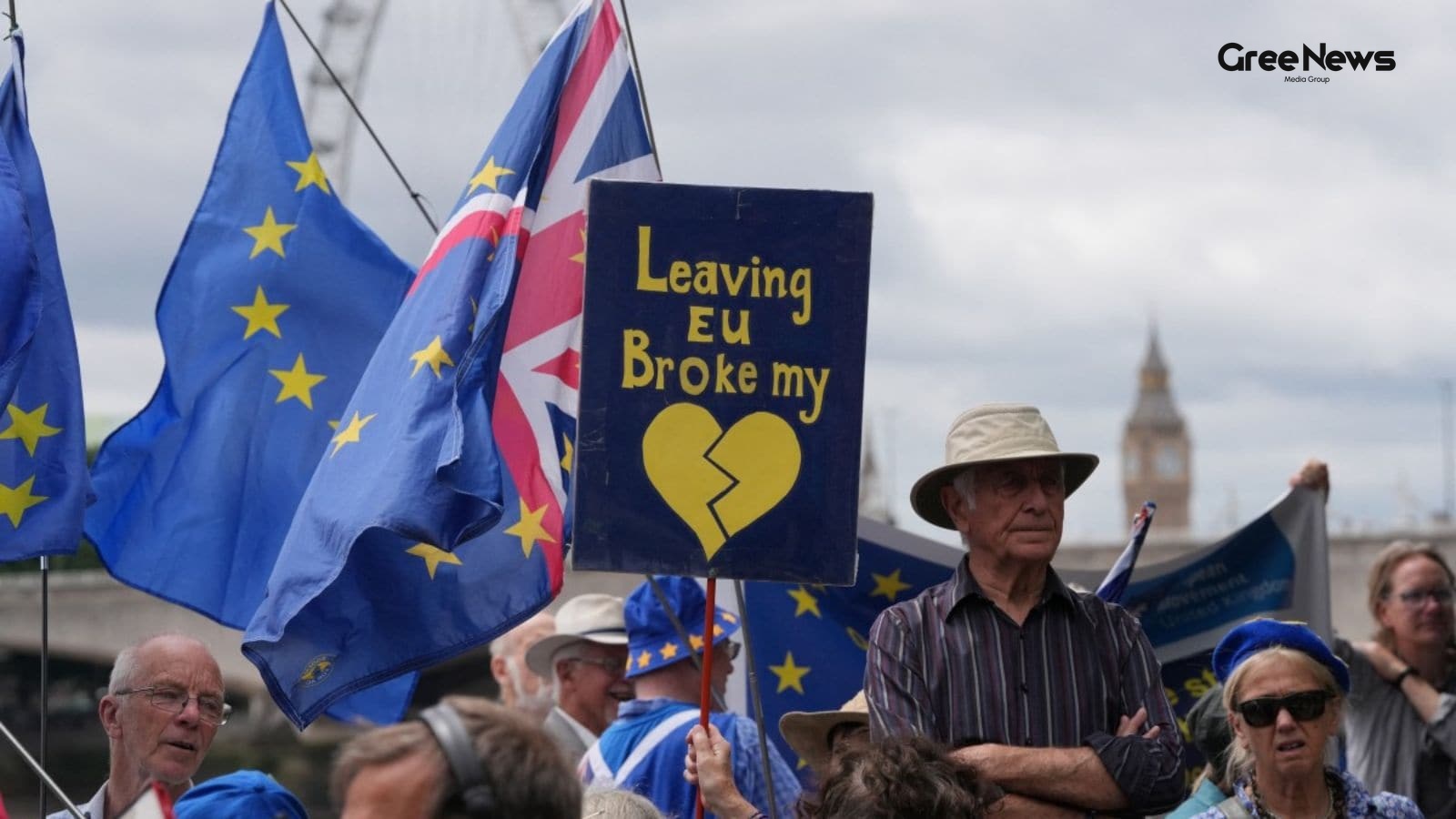
The Economic and Social Fallout of Brexit
Keir Starmer stepping down, that was the latest bit of political chaos following weeks of real pressure from Labour MPs. It just throws Britain back into that same murky space we’ve been in for a long time. And you can’t ignore how this all circles right back to Brexit. Ten years gone. Ten years sin
Jun 24, 2026 by Gree News Team
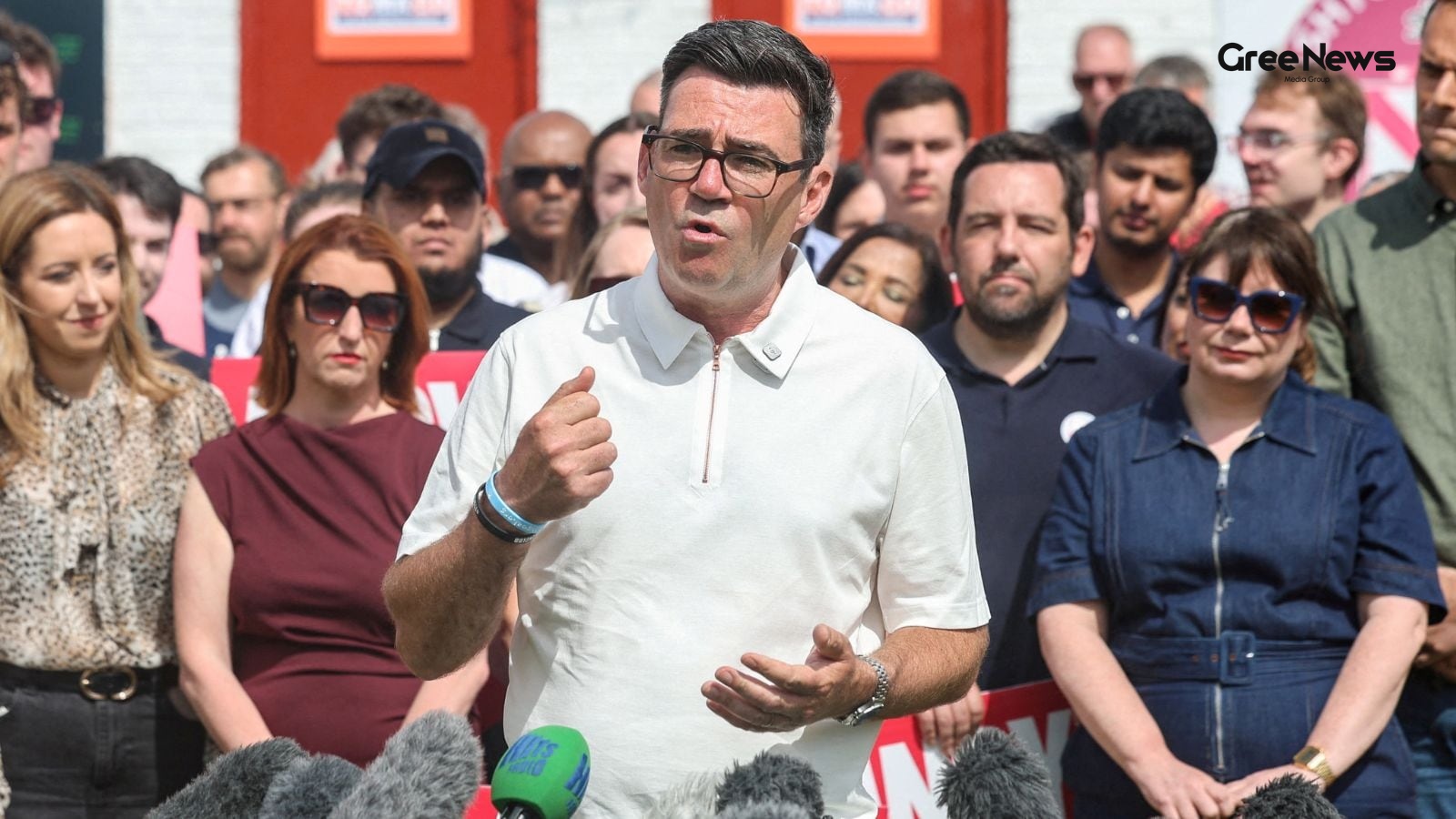
Andy Burnham: Political Journey and the Philosophy of Manchesterism
Andy Burnham stepped forward, Monday. A senior Labour politician who’s managed to carve out some real space for himself, especially after that whole leadership mess with Starmer. He’s the new MP for Makerfield, right? Just another name thrown into the swirling vortex of UK politics. It all kicked of
Jun 23, 2026 by Gree News Team
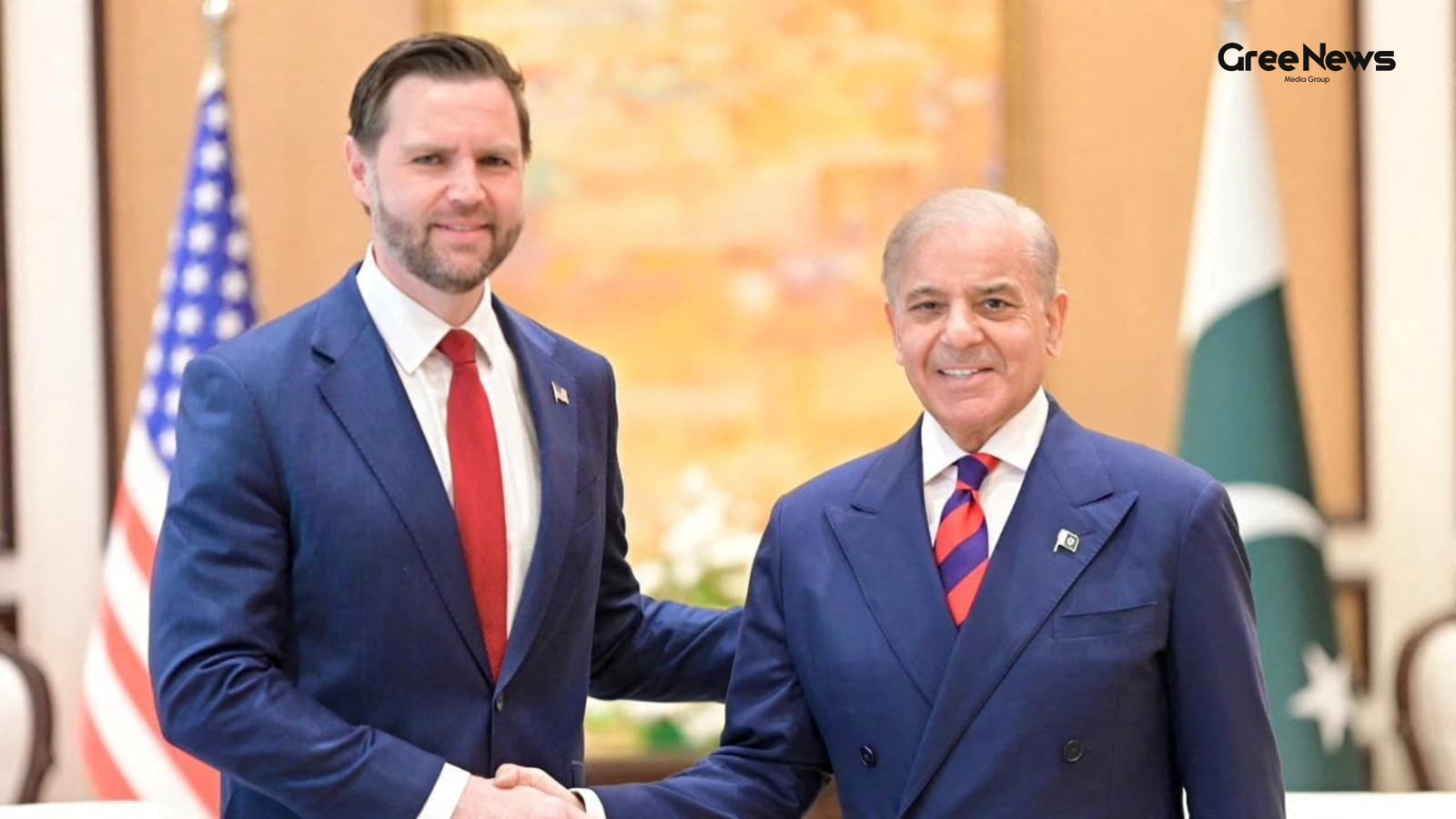
Iran Nuclear Talks and IAEA Agreement
JD Vance said Monday that Iran actually agreed to let the International Atomic Energy Agency inspectors back into the country. It came after eighteen hours of intense talks, held up in Burgenstock, Switzerland. They also managed to sketch out a roadmap for a final deal, something they think is maybe
Jun 23, 2026 by Gree News Team
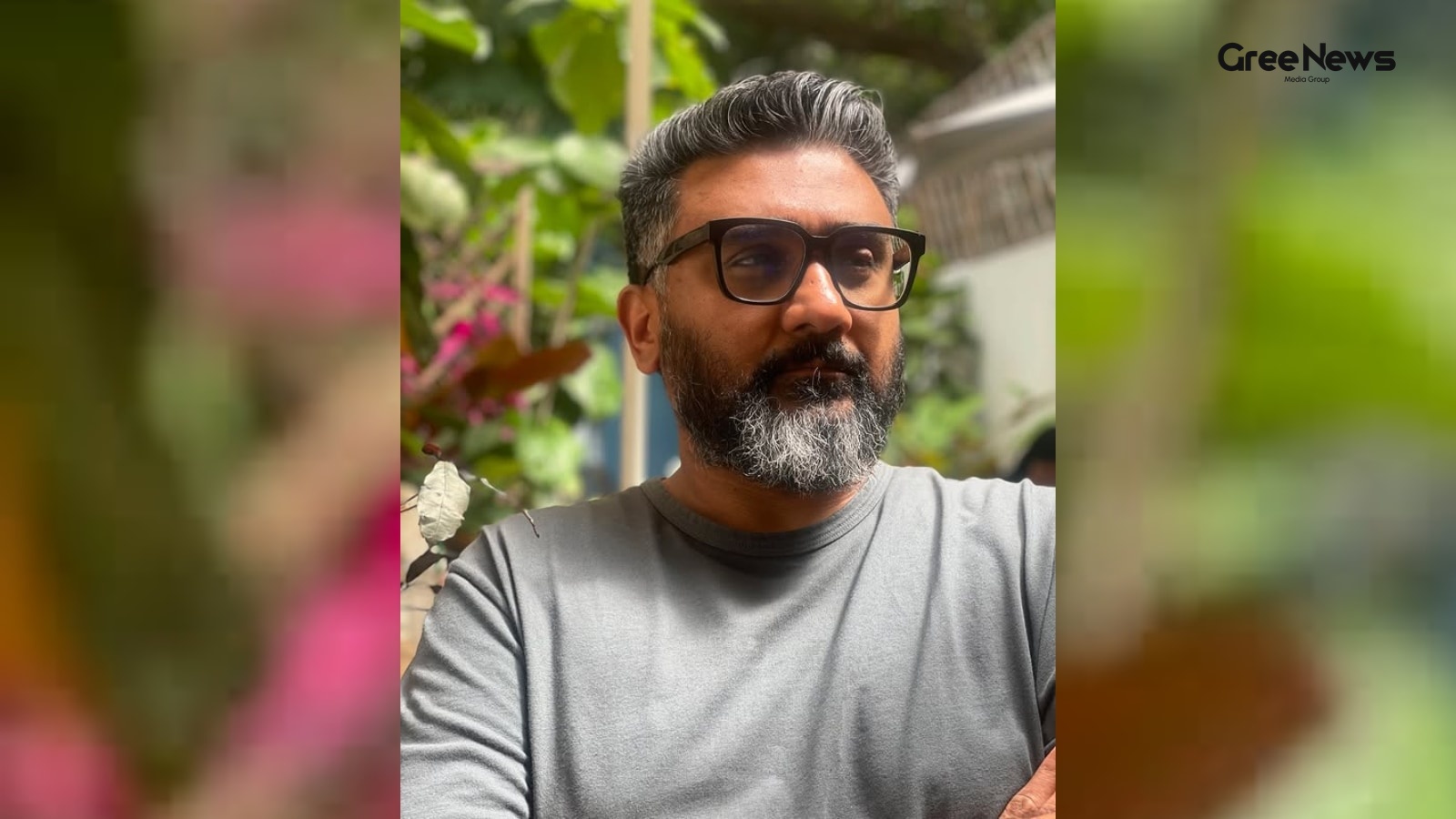
Kunal Shah Named Global Head for WhatsApp After Leading CRED
Meta just named Kunal Shah, the founder of that fintech firm CRED, as the new global head for WhatsApp. It’s one of those big appointments, you know? An Indian entrepreneur taking a spot at the top of the technology world. Will Cathcart, who’s been running the messaging platform since 2019, made the
Jun 23, 2026 by Gree News Team
Latest Headlines
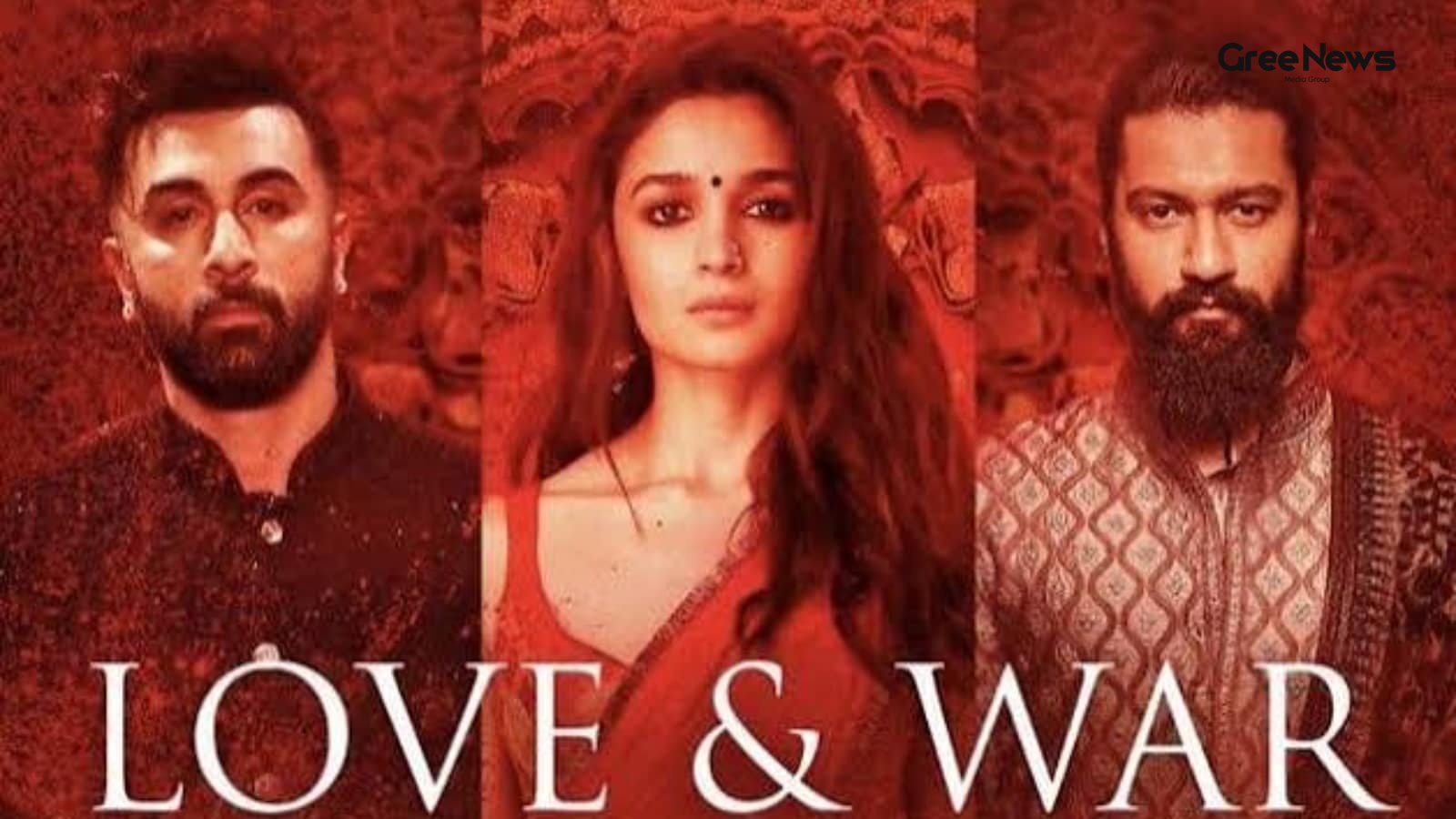
The Unseen Cost of Spectacle: Safety and Workers in the Film Industry
The reported death… it keeps pulling focus. It’s always about the bodies on the screen, right? The stars, the songs, all that spectacle Sanjay Leela Bhansali puts out there. But underneath all that glitter behind those massive sets there are thousands of people doing the actual work. Carpenters, lig
Jun 24, 2026 by Gree News Team
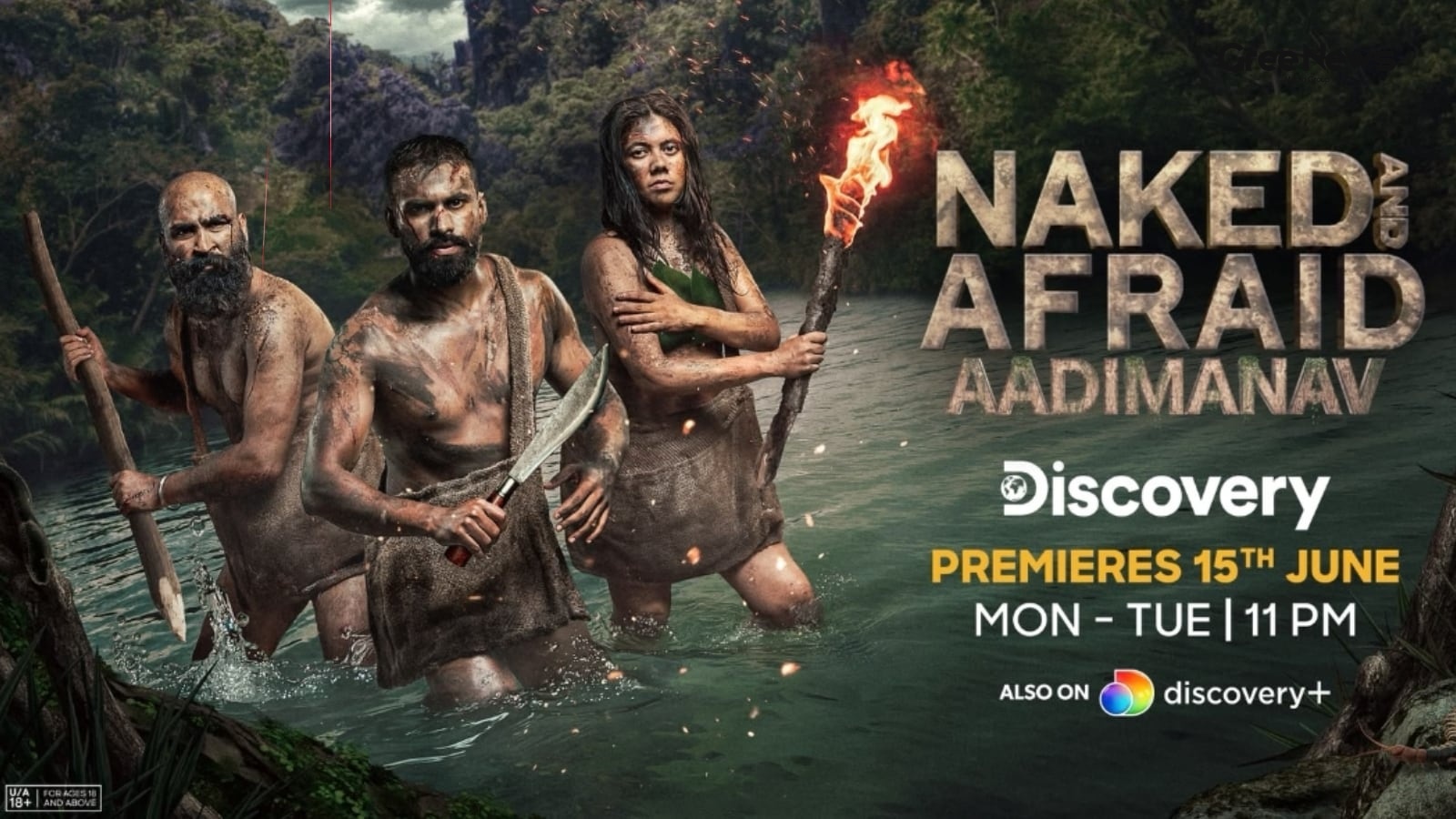
Aadimanav: The Survival Story of Six Indian Adventurers
Warner Bros. Discovery just dropped something big in India. It’s taking that globally famous adventure survival format *Naked and Afraid* and putting it into an Indian spin: *Aadimanav*. Six episodes of this thing premiered on Discovery on June 15th at eleven at night, and you can stream it now on d
Jun 24, 2026 by Gree News Team
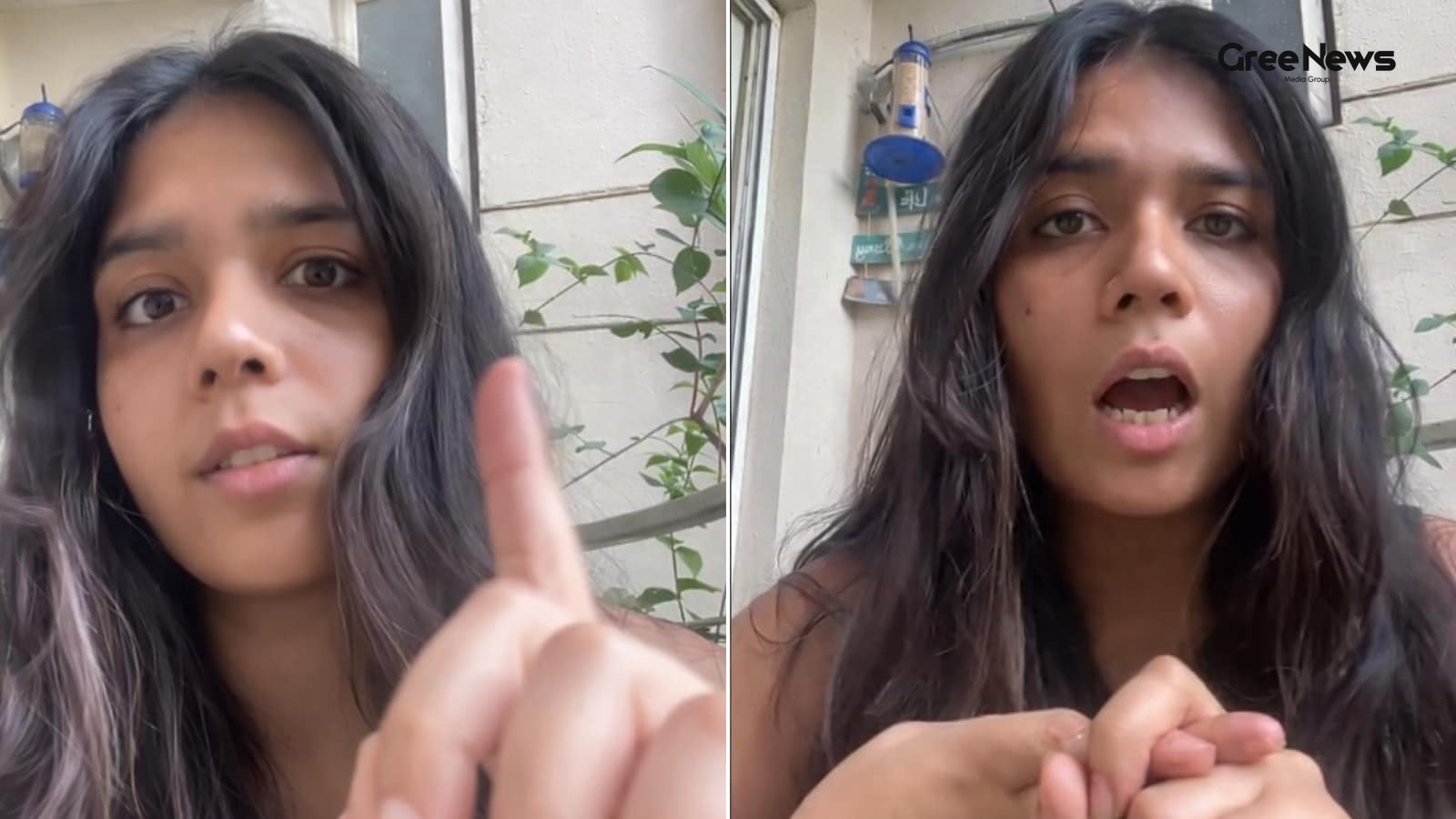
Setting Professional Boundaries and Rejecting Burnout
So there’s this content creator in Mumbai, right? She got people talking online. It all kicked off because she encouraged folks to get a little "problematic" at work. Not making trouble, mind you. Just refusing to swallow the unhealthy norms. It blew up in an Instagram video. She was arguing that ev
Jun 24, 2026 by Gree News Team
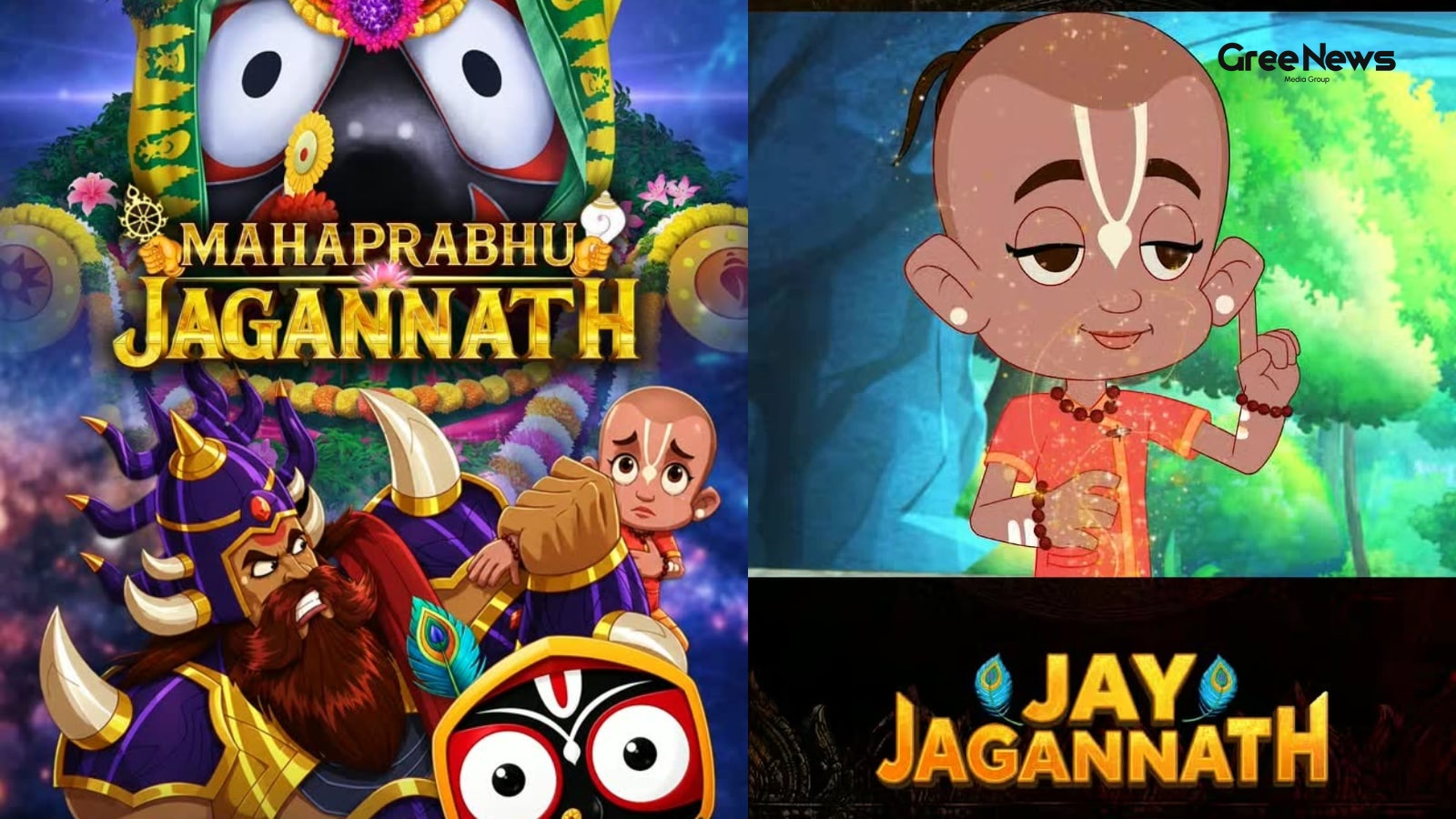
Mahaprabhu Jagannath: The Biggest Animated Film Launch
The trailer for *Mahaprabhu Jagannath* dropped, and it wasn't just a movie launch. It was something bigger. It happened during an ongoing Shrimad Bhagwat Katha in Cuttack, Odisha. Pujya Shri Indresh Upadhyay Maharaj Ji unveiled it. A massive deal. The whole thing took place in front of over ten thou
Jun 24, 2026 by Gree News Team
Jio Platforms and NSE Public Offerings: Market Speculation and Details
Jio Platforms and the NSE they’re both cooking up some truly enormous public offerings, set to happen later this year. It’s going to be huge for the Indian market history, you know? We're talking about Jio Platforms trying to raise about thirty-seven thousand seven hundred crore rupees through a fre
Jun 24, 2026 by Gree News Team
The Economic and Social Fallout of Brexit
Keir Starmer stepping down, that was the latest bit of political chaos following weeks of real pressure from Labour MPs. It just throws Britain back into that same murky space we’ve been in for a long time. And you can’t ignore how this all circles right back to Brexit. Ten years gone. Ten years sin
Jun 24, 2026 by Gree News Team
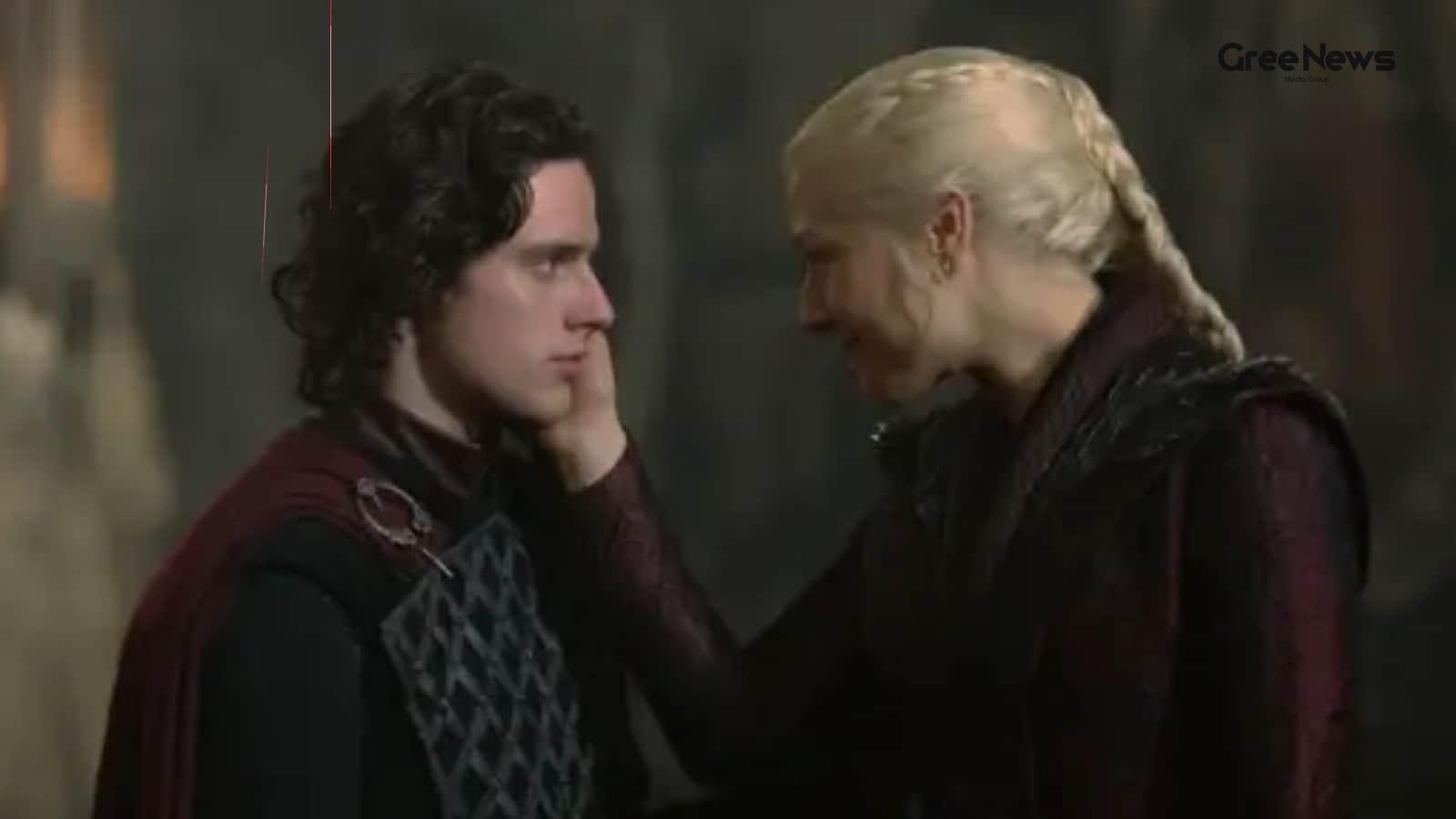
House of the Dragon Season 3 Premiere Reaction and Analysis
Nearly two years of waiting. House of the Dragon Season 3 finally dropped on June 22, 2026. The first episode hit India at 6:30 AM IST. It started heavy. Right into the deep end of the Dance of the Dragons the Battle of the Gullet. That opening was pure chaos. Blood. Fire. Shattered fleets. And one
Jun 23, 2026 by Gree News Team
Andy Burnham: Political Journey and the Philosophy of Manchesterism
Andy Burnham stepped forward, Monday. A senior Labour politician who’s managed to carve out some real space for himself, especially after that whole leadership mess with Starmer. He’s the new MP for Makerfield, right? Just another name thrown into the swirling vortex of UK politics. It all kicked of
Jun 23, 2026 by Gree News Team
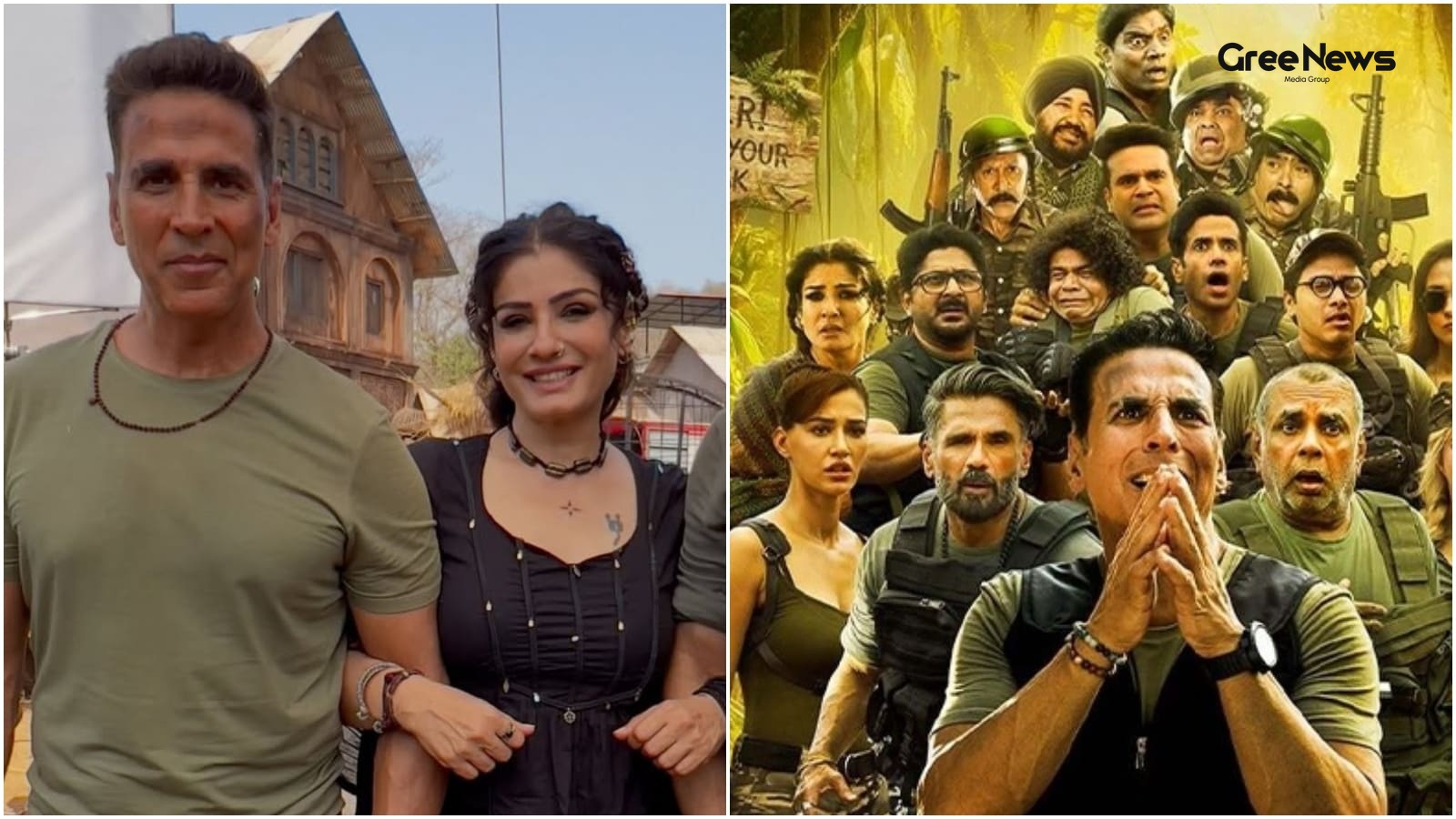
Akshay Kumar and Raveena Tandon: The Friendship Behind Welcome To The Jungle
*Welcome To The Jungle*, starring Akshay Kumar, is finally heading to theaters soon. There’s a lot of noise about it, though. Mostly that reunion. Akshay and Raveena Tandon. After twenty-two years, they’re back on screen for this comedy directed by Ahmed Khan. Ahmed Khan talked about it recently wit
Jun 23, 2026 by Gree News Team
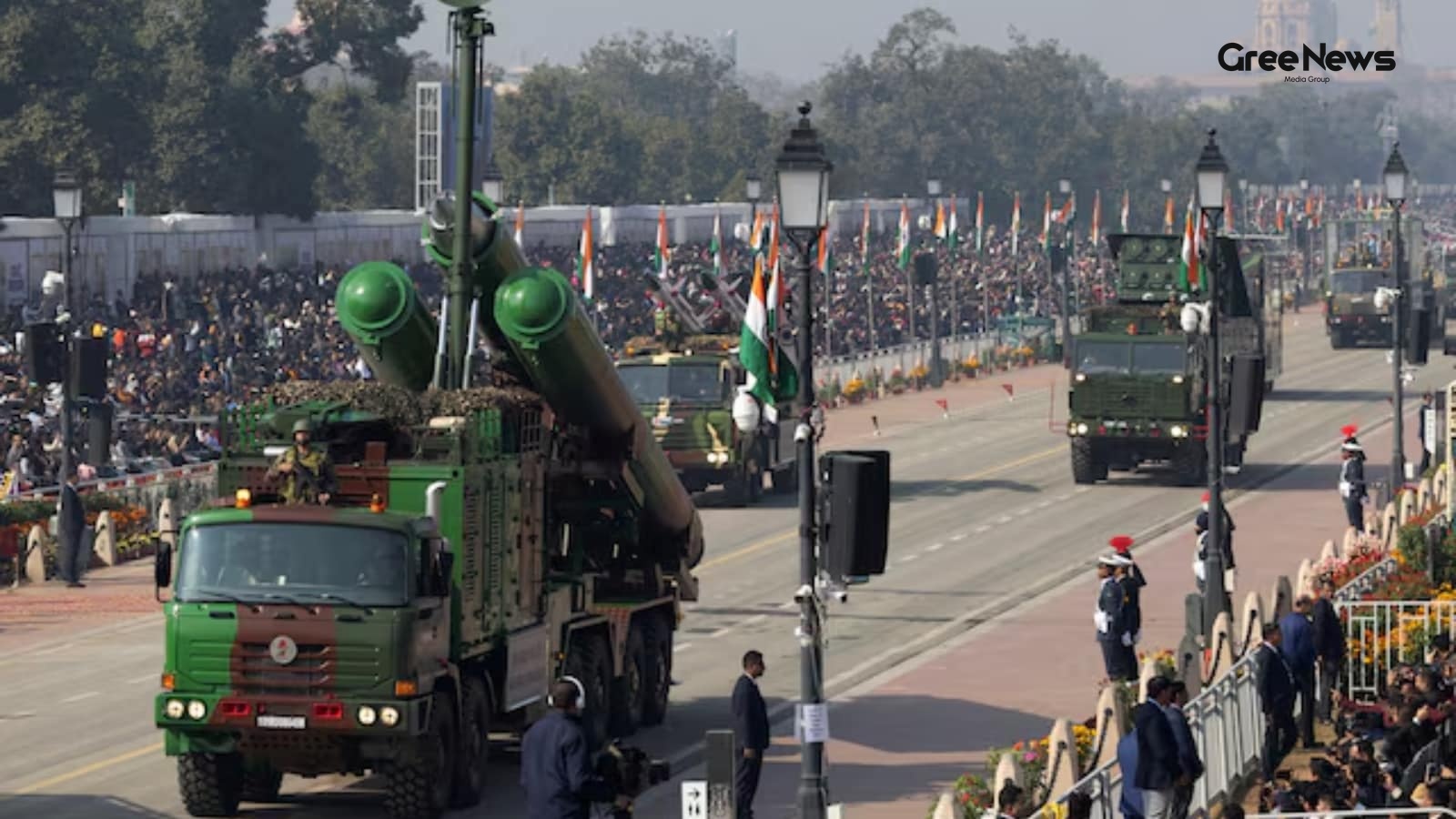
India-UAE Defense Deals and Weapon System Exports
Some chatter is going on between India and the UAE right now about defense deals. Specifically, there are talks happening over exporting some of India's key defense systems. Think stuff like the BrahMos supersonic cruise missile coming up. That’s what Reuters got wind of, based on people who know th
Jun 23, 2026 by Gree News Team
Iran Nuclear Talks and IAEA Agreement
JD Vance said Monday that Iran actually agreed to let the International Atomic Energy Agency inspectors back into the country. It came after eighteen hours of intense talks, held up in Burgenstock, Switzerland. They also managed to sketch out a roadmap for a final deal, something they think is maybe
Jun 23, 2026 by Gree News Team

Enforcement Drive Hits Gurugram: Illegal Constructions and Public Outrage
The enforcement drive hit Gurugram’s DLF Phase-3 hard. It was a major crackdown on illegal constructions and all those unauthorized commercial setups. This wasn't some quiet administrative move; it came straight from the Punjab and Haryana High Court. The Department of Town and Country Planning laun
Jun 23, 2026 by Gree News Team
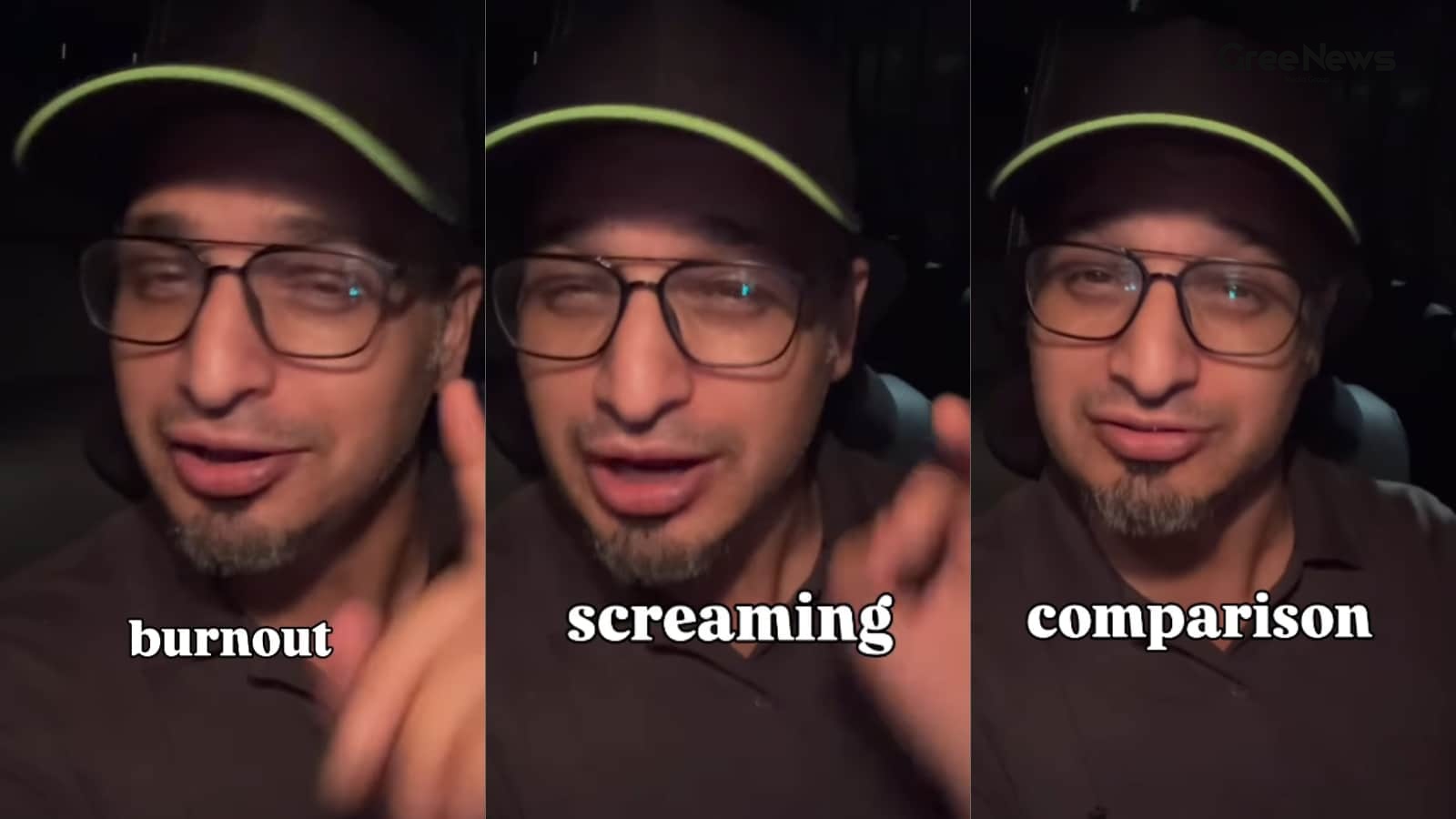
Toxic Workplace Habits: What Needs to Change in the Office
A Mumbai professional recently stirred up a lot of talk about how work actually happens in India. He pointed out some things he thinks have gotten just too normalized in offices across the country. It really hit home for a lot of corporate workers who said, "Yeah, I’ve seen this stuff too." Vijay Ch
Jun 23, 2026 by Gree News Team
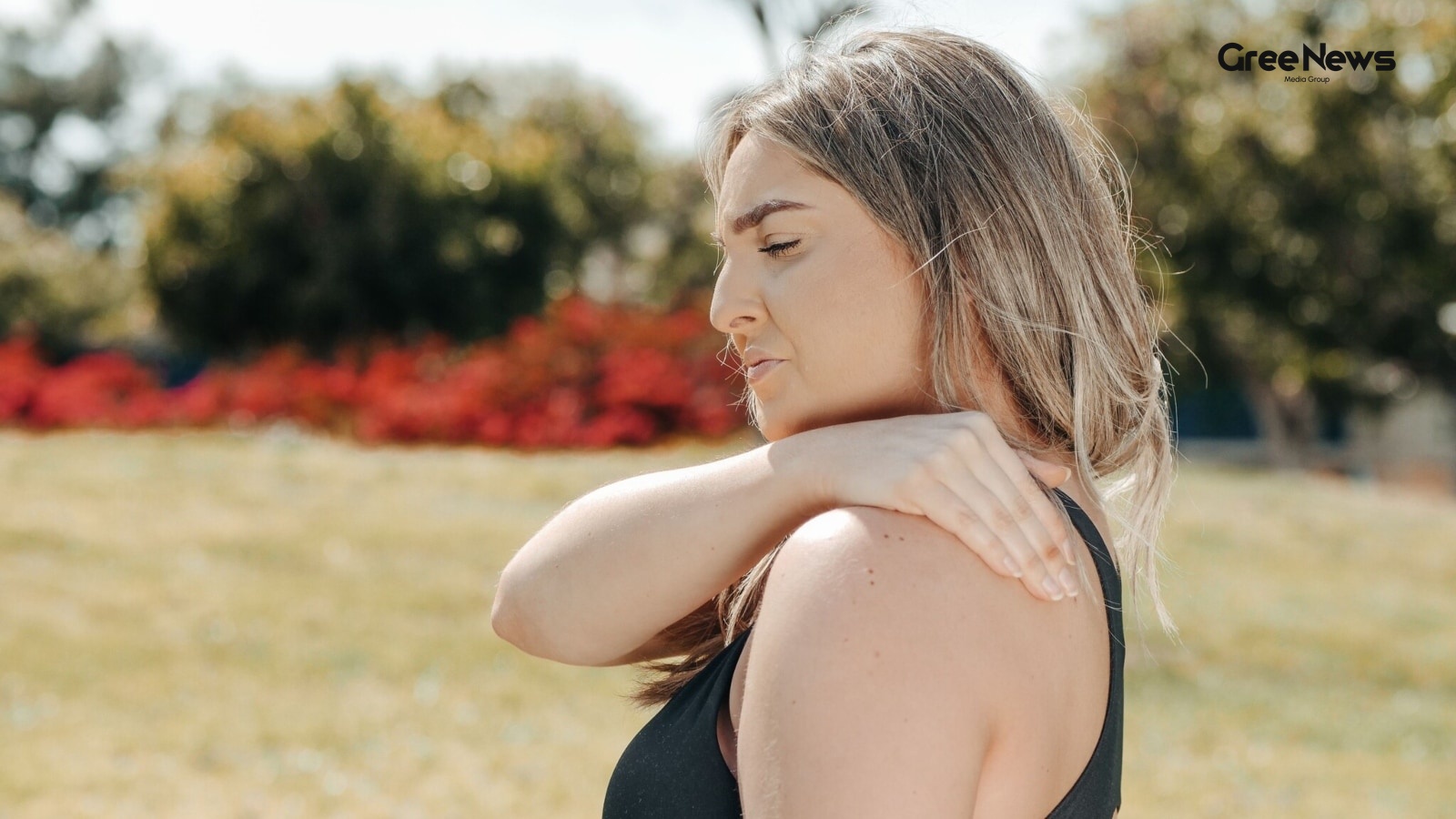
Understanding Frozen Shoulders (Adhesive Capsulitis) and Recovery
Frozen shoulders. It’s a quiet thief, really. It doesn't announce itself with a bang, but it slowly creeps in, quietly messing up the everyday stuff. Simple things putting on a shirt, reaching for something on a high shelf, even just lifting a bag they start to hurt. The shoulder joint gets this sti
Jun 23, 2026 by Gree News Team
Kunal Shah Named Global Head for WhatsApp After Leading CRED
Meta just named Kunal Shah, the founder of that fintech firm CRED, as the new global head for WhatsApp. It’s one of those big appointments, you know? An Indian entrepreneur taking a spot at the top of the technology world. Will Cathcart, who’s been running the messaging platform since 2019, made the
Jun 23, 2026 by Gree News Team