The Unseen Cost of Spectacle: Safety and Workers in the Film Industry
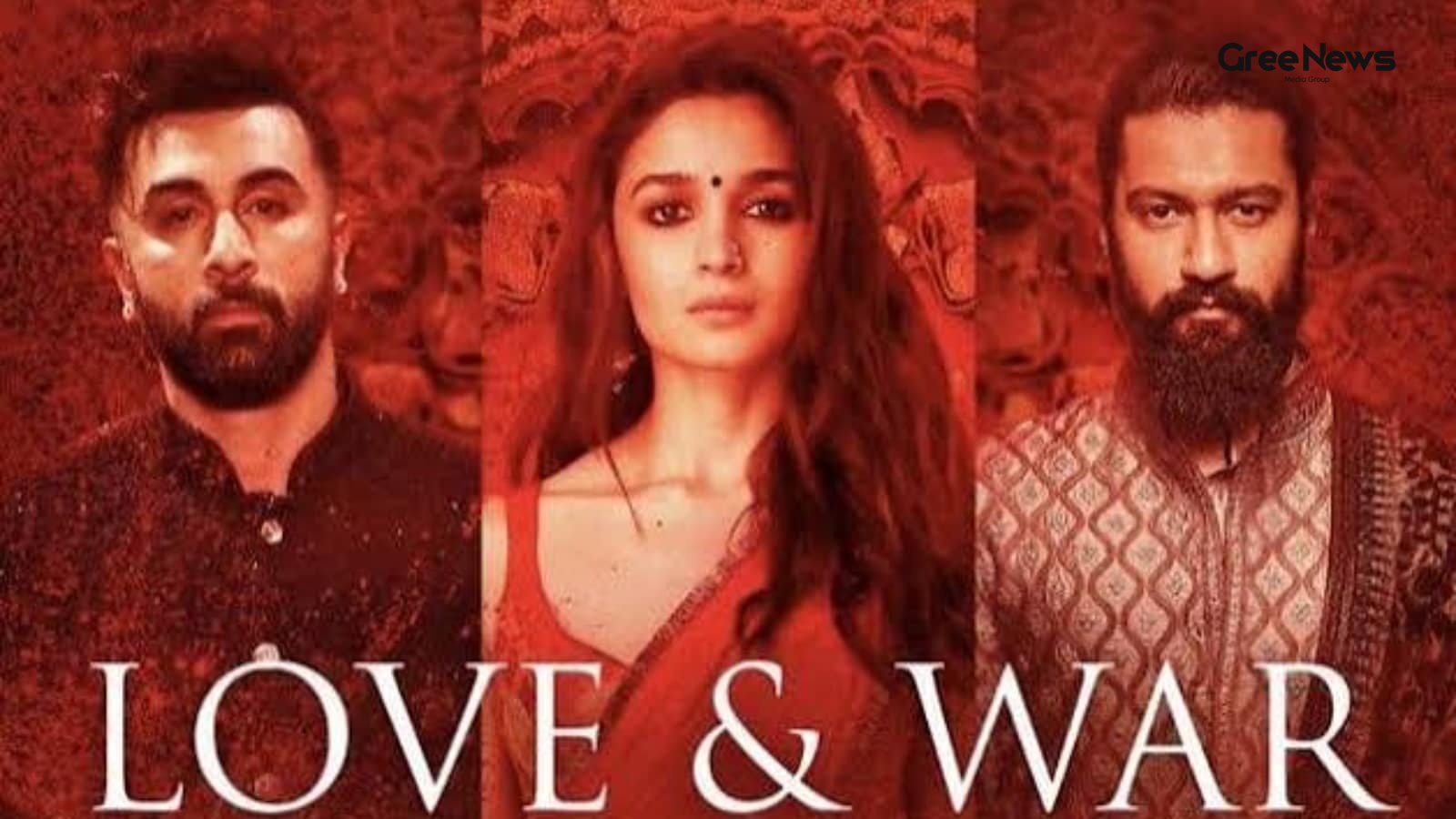
The reported death… it keeps pulling focus. It’s always about the bodies on the screen, right? The stars, the songs, all that spectacle Sanjay Leela Bhansali puts out there. But underneath all that glitter behind those massive sets there are thousands of people doing the actual work. Carpenters, lightmen, spot boys. Crew members who sweat and risk everything just to make it happen. That’s the side that usually gets completely swallowed up by the noise.
Now, this story about Chandradhari Yadav changes that dynamic a little bit. Forty-two years old. Carpenter. Died while working on the Love & War set in Mumbai. It happened in those early hours of June 17th. And it’s just… there. A stark reality hitting you.
Reports coming out from the industry unions tell us he might have suffered an electric shock. That’s the official whisper right now, but the real truth? that part is still up in the air. The exact cause of death? That depends on the paperwork, the slow drag of the police investigation. It's all waiting for the official findings.
And what does this kind of tragedy force you to ask? Big questions. What happens when a worker just… stops working? Who actually takes the blame? Is compensation something they have to give? Can someone actually face criminal charges? And honestly, does shooting stop? It’s a messy tangle, isn't it?
We usually see people jump straight to procedure. But this is about what happens when safety breaks down on a massive scale.
The process that usually follows something like this, though… it’s rarely clean. First thing first is always medical help. That has to be the immediate reaction. If someone gets seriously hurt if they die right there, or later in the hospital everyone rushes them to the nearest place. Emergency services get involved. That’s the baseline necessity.
Then comes the police. Local cops show up. They register a case. They start digging. They talk to witnesses. They look at the site. Their job is figuring out if this was just an accident, or if someone messed up. Did negligence play a role? That's the pivot point for everything that follows.
It takes time. Days, weeks, sometimes months. Investigations into these things are never quick. They get bogged down in details, trying to piece together what happened on those chaotic sets. And you need the post-mortem report. It’s the anchor, really. That document is where the actual cause gets laid bare. Did he die from electrocution? A fall? Something else entirely?
Those findings aren't just for the file. They swing everything insurance claims, how much money producers are willing to cough up, any future legal moves. Without that report, it’s just speculation floating around.
And the shooting. Does production stop immediately? Sometimes, yeah. There’s a pause. A halt in activity while things settle down. It depends entirely on what the police or the producers decide needs to happen. Maybe for a few hours. But often, if nothing specific is ordered by authority right then and there, shoots just keep rolling. The decision isn't always instant. It waits for the paperwork to catch up with the chaos of the set.
Who is actually responsible? That’s where it gets slippery. You can’t point a finger easily in these massive operations. Responsibility usually splits. Production houses are expected to have built a safe space. They need to ensure safety protocols were followed everywhere. But you also look at the layers below them the line producers, the managers, the electrical supervisors. If there was faulty equipment, if warnings were ignored, who is that?
If it involves heavy machinery or wiring, investigators really zero in on those safety rules. Did they follow the playbook? Or did they ignore it for a deadline? That’s where liability starts to form. It's not always simple blame.
Can criminal charges stick? Yes, if negligence is proven. If the investigation shows people deliberately ignored safety measures that led to death, then police can move forward. But that evidence has to be solid. Not every accident results in a formal charge. It depends on what they find out.
This is where the film unions step in. They often become the first line of defense after something like this happens. Groups like FWICE and FSSAMU don’t just wait for the legal system. They try to bridge the gap between the grieving family and the producers. They push for compensation, yes, but they also demand that safety gets fixed. They want audits. Policy changes. They want answers beyond just a payout.
Compensation itself is complicated. It doesn't come from one easy source. Some money flows through established labour laws or insurance schemes. Others are negotiated settlements pushed by the unions. Sometimes and this happens in these big, high-profile cases producers just offer a sum before everything is legally settled. But the amount? It varies wildly. There’s no magic number for how much a worker deserves when they lose everything.
Do film workers have insurance? Not universally. Coverage depends on where you look. Some are tucked into union welfare schemes, some through production house policies. It's patchy. That lack of uniform protection is exactly why these unions become so vital after an accident. They step in to fill the gaps that corporate structures often leave open.
And what about the family left behind? The impact doesn’t just stop at money. There are educational needs, job prospects for the spouse, access to welfare. Families spend months or even years navigating this mess the legal fights, the financial strain, and the emotional weight. It's a constant struggle to make sure they aren't completely abandoned while dealing with grief.
But these incidents force something bigger, too. They rattle the whole industry. Film sets look glamorous, all lights and drama. But beneath that veneer is this massive industrial operation construction, wiring, heavy equipment running non-stop for endless hours. It’s hundreds of people depending on each other. Their names don't make it onto posters. Yet their contribution forms the entire picture.
When something like Chandradhari Yadav’s death happens, it forces those conversations back to the surface. Long hours. Electrical safety standards. Emergency planning. Worker welfare. These aren’t just abstract ideas anymore. They become urgent necessities that need addressing if this kind of thing is going to stop happening again. It makes you look at the whole system, the entire machinery behind the glamour, and wonder what real protections are actually in place. It's a heavy thought, really. A reminder about the unseen cost of spectacle.
Written by Gree News Team — Senior Editorial Board
Gree News Team covers international news and global affairs at Gree News. Our collective of senior editors is dedicated to providing independent, accurate, and responsible journalism for a global audience.
More from Movies
View All
Sara Ali Khan, Kubra Khan, and Sharmila Tagore: Cross-Border Moments and Celebrity Connections
A video surfaced recently, something kind of a flash, from Kubra Khan’s birthday celebration in London. It went viral fast on social media. And naturally, it drew eyes because Sara Ali Khan and Sharmila Tagore were there. Just hanging out. A rare cross-border moment, you know? It shows them all comi
Jun 24, 2026 by Gree News Team
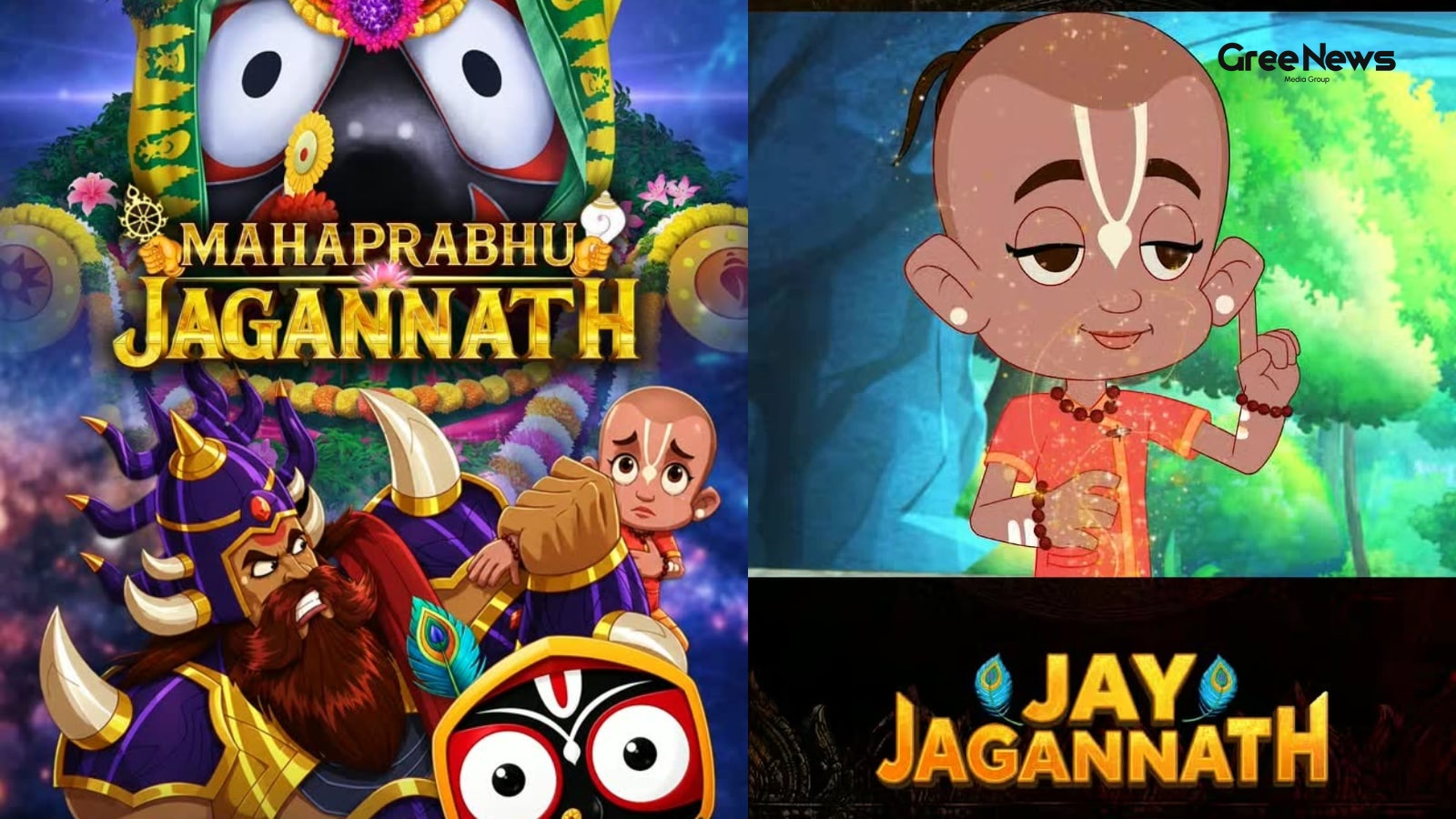
Mahaprabhu Jagannath: The Biggest Animated Film Launch
The trailer for *Mahaprabhu Jagannath* dropped, and it wasn't just a movie launch. It was something bigger. It happened during an ongoing Shrimad Bhagwat Katha in Cuttack, Odisha. Pujya Shri Indresh Upadhyay Maharaj Ji unveiled it. A massive deal. The whole thing took place in front of over ten thou
Jun 24, 2026 by Gree News Team
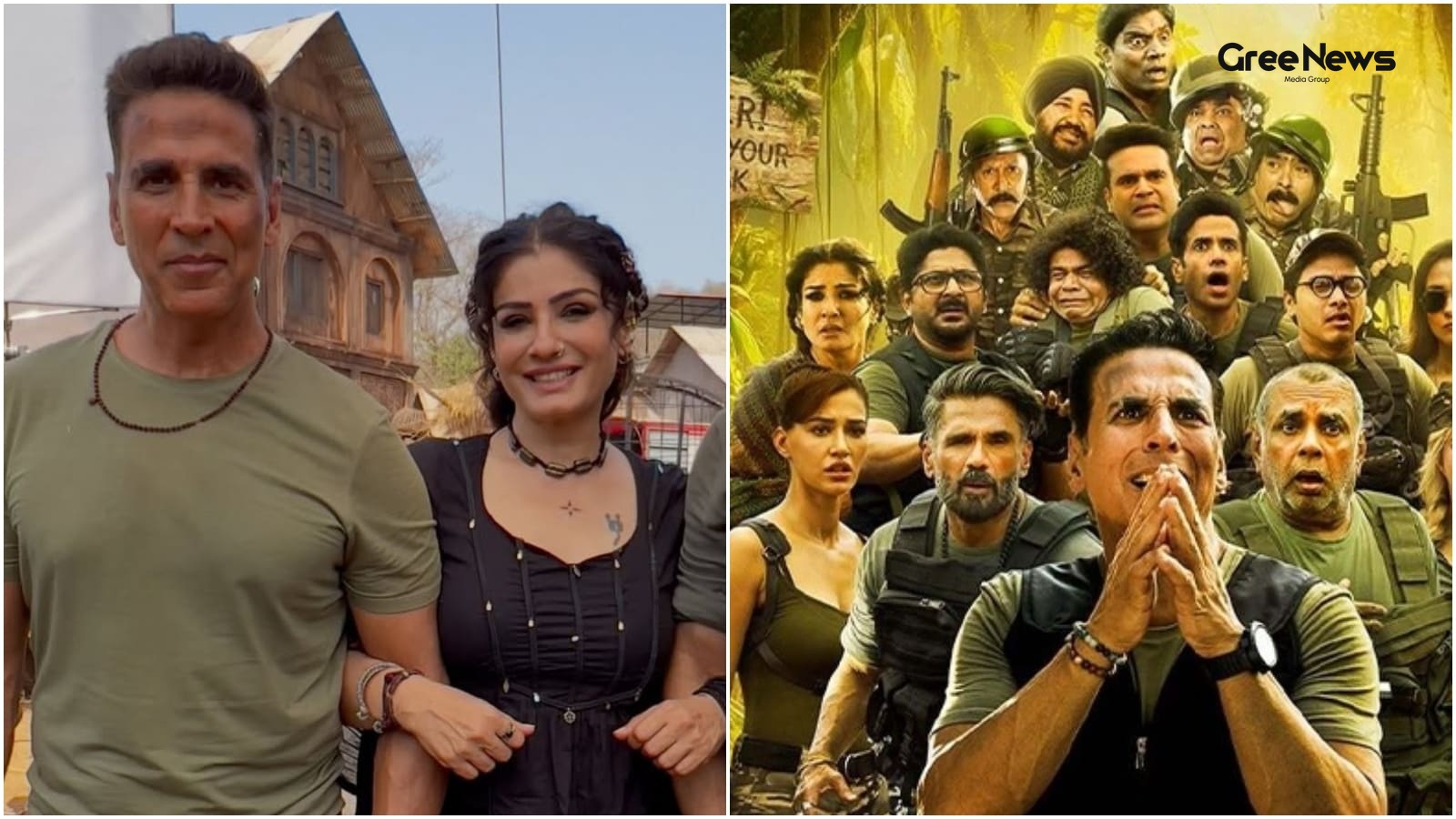
Akshay Kumar and Raveena Tandon: The Friendship Behind Welcome To The Jungle
*Welcome To The Jungle*, starring Akshay Kumar, is finally heading to theaters soon. There’s a lot of noise about it, though. Mostly that reunion. Akshay and Raveena Tandon. After twenty-two years, they’re back on screen for this comedy directed by Ahmed Khan. Ahmed Khan talked about it recently wit
Jun 23, 2026 by Gree News Team
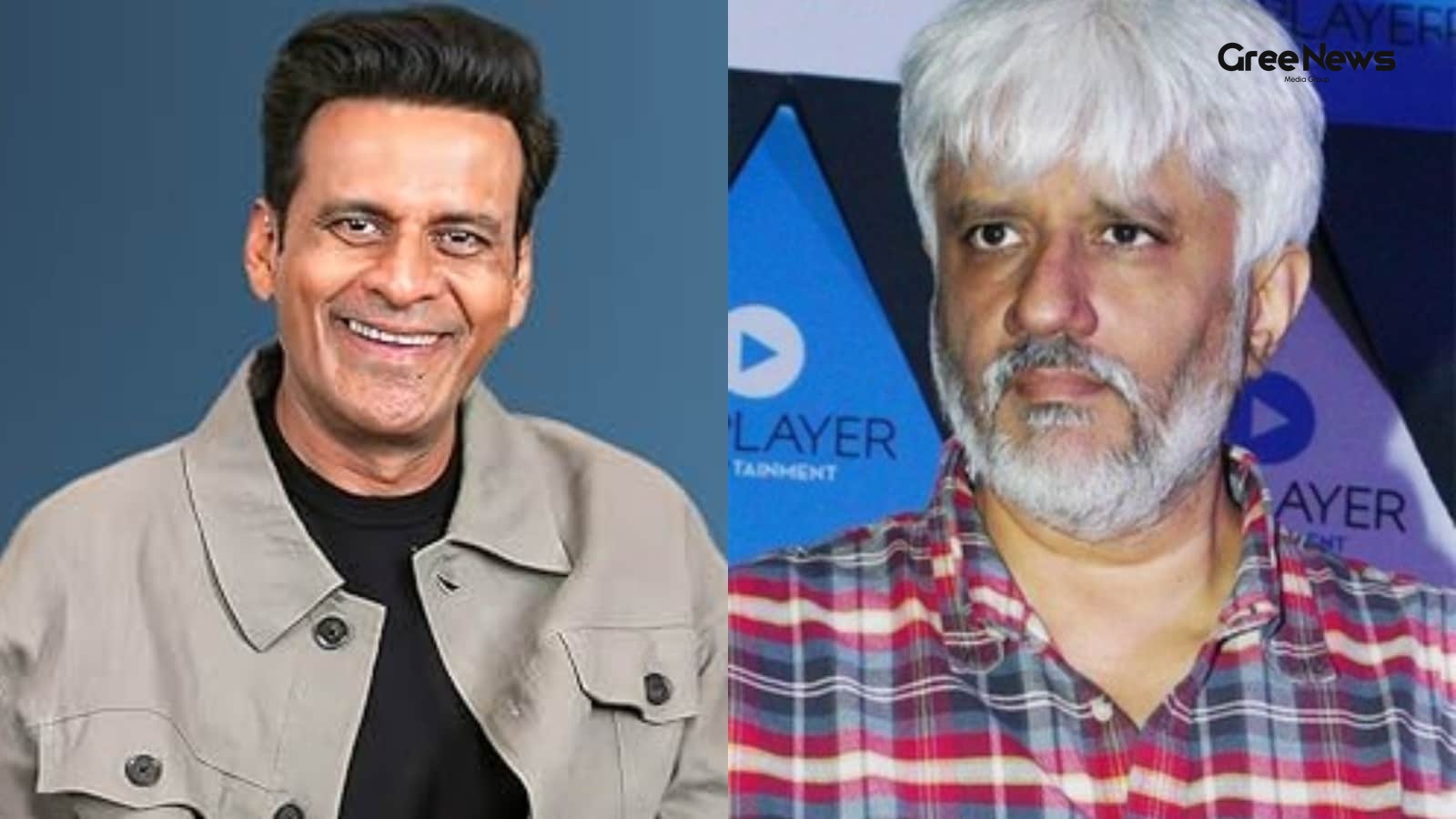
Actor Journeys, Industry Buzz, and Personal Stories
Manoj Bajpayee, you see, he’s one of those actors who just seems to have this massive range in his filmography. But lately, it feels like a shift. He’s been diving deep into independent films now. Not the big commercial blockbusters anymore. He actually opened up about it, saying that his real heart
Jun 23, 2026 by Gree News Team
Latest Headlines

The Role of Empathy and Holistic Care in Medical Tourism
Artificial intelligence is moving healthcare along, fast. It’s speeding up diagnostics, smoothing out hospital operations. But for people facing massive life changes the procedures themselves efficiency just doesn't cut it anymore. International patients are looking for something else entirely. Trus
Jun 24, 2026 by Gree News Team
Sara Ali Khan, Kubra Khan, and Sharmila Tagore: Cross-Border Moments and Celebrity Connections
A video surfaced recently, something kind of a flash, from Kubra Khan’s birthday celebration in London. It went viral fast on social media. And naturally, it drew eyes because Sara Ali Khan and Sharmila Tagore were there. Just hanging out. A rare cross-border moment, you know? It shows them all comi
Jun 24, 2026 by Gree News Team
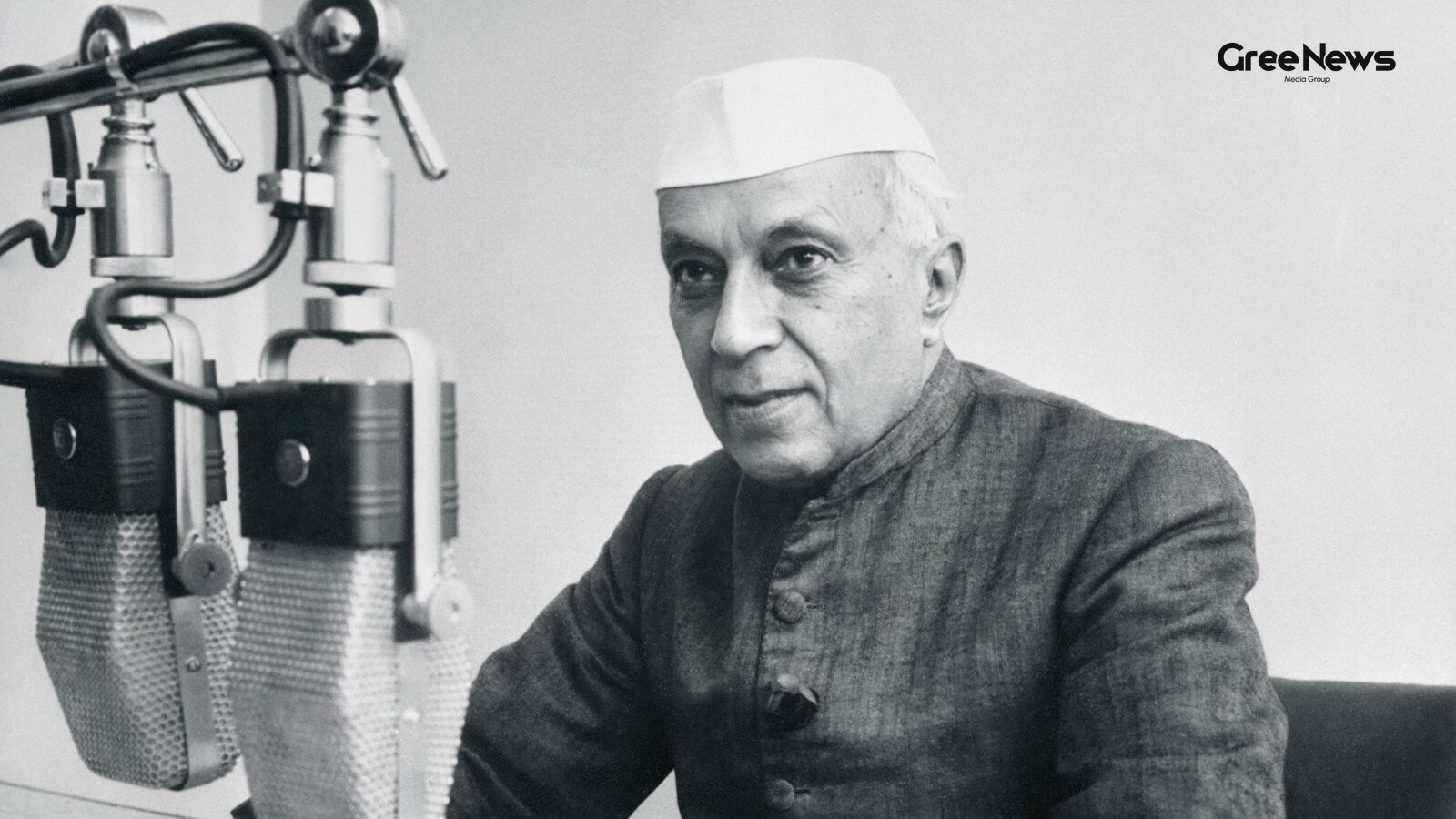
The Complex History Behind Renaming Kolkata’s Suhrawardy Avenue
The argument over renaming Kolkata’s Suhrawardy Avenue to Gopal Mukherjee Road isn't just about street names. It really digs into something messier. It circles back to Huseyn Shaheed Suhrawardy, but not in the way most people think. Sure, he’s remembered for those nasty Direct Action Day riots back
Jun 24, 2026 by Gree News Team
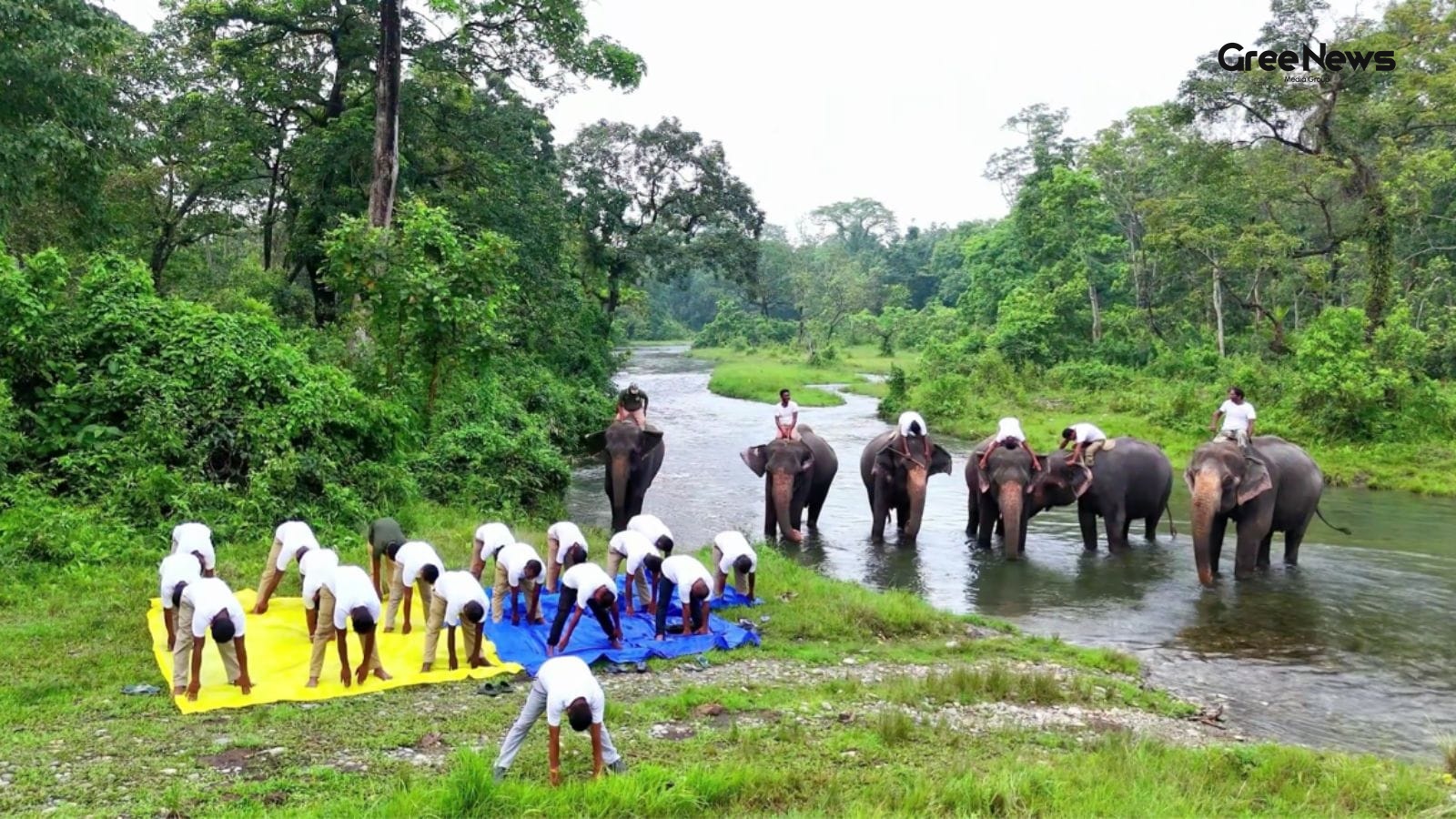
Yoga on Elephants in Jaldapara National Park: Viral Controversy
That video from Jaldapara National Park just blew up. It’s this thing where forest rangers are practicing yoga right there, sitting on elephants deep in the woods. Shared for International Yoga Day 2026. It just caught everyone's attention because it’s so weird and peaceful all at once. It was poste
Jun 24, 2026 by Gree News Team
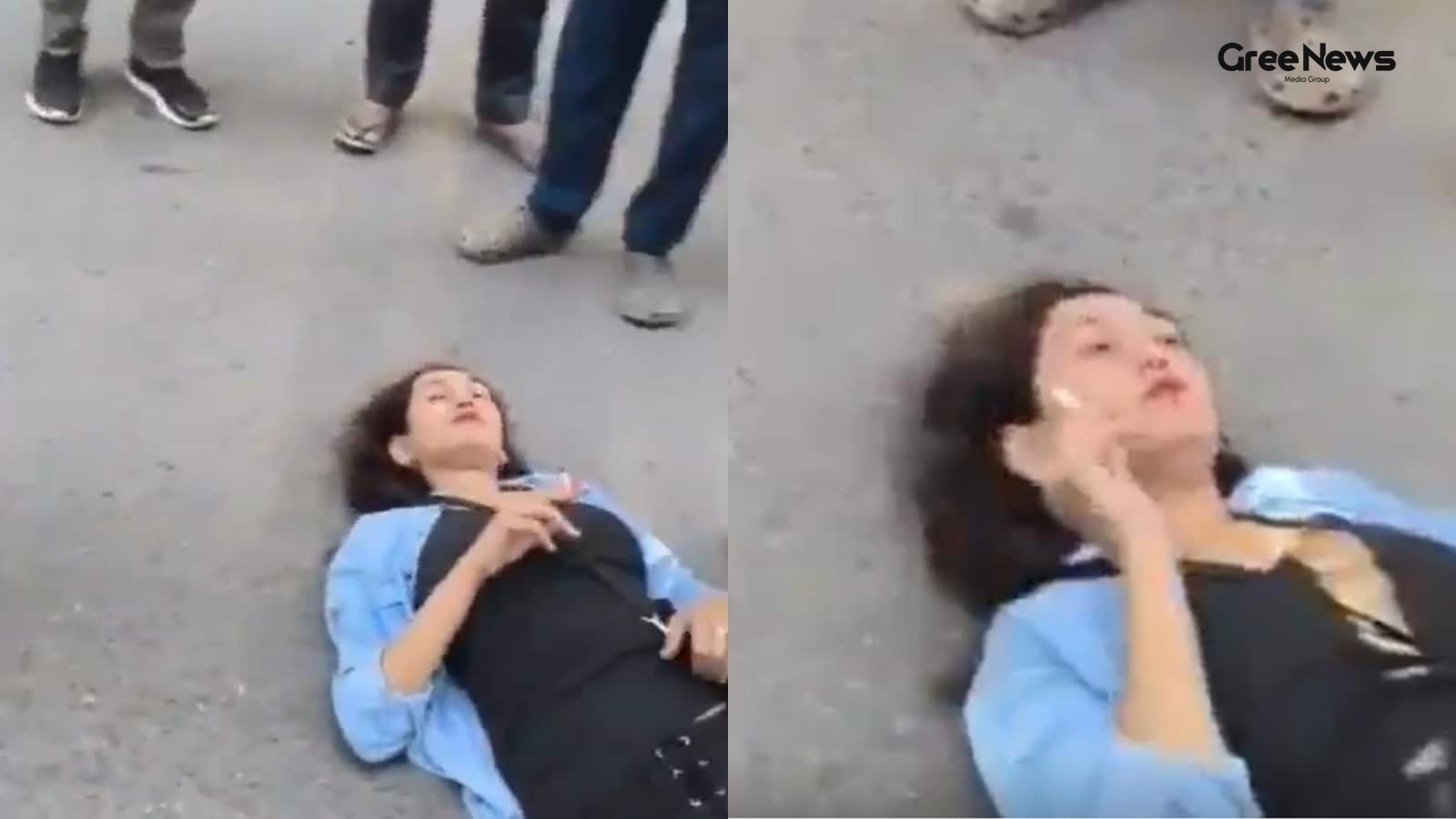
Viral Incident in Greater Noida: Woman Lying on Road Sparks Controversy
A clip surfaced recently, gone viral everywhere, showing some woman lying right in the middle of a busy road in Greater Noida, Uttar Pradesh. Allegedly, she was under the influence of alcohol when this happened. People are reacting hard to it, criticizing her for causing such a massive disruption an
Jun 24, 2026 by Gree News Team

Aadimanav: The Survival Story of Six Indian Adventurers
Warner Bros. Discovery just dropped something big in India. It’s taking that globally famous adventure survival format *Naked and Afraid* and putting it into an Indian spin: *Aadimanav*. Six episodes of this thing premiered on Discovery on June 15th at eleven at night, and you can stream it now on d
Jun 24, 2026 by Gree News Team
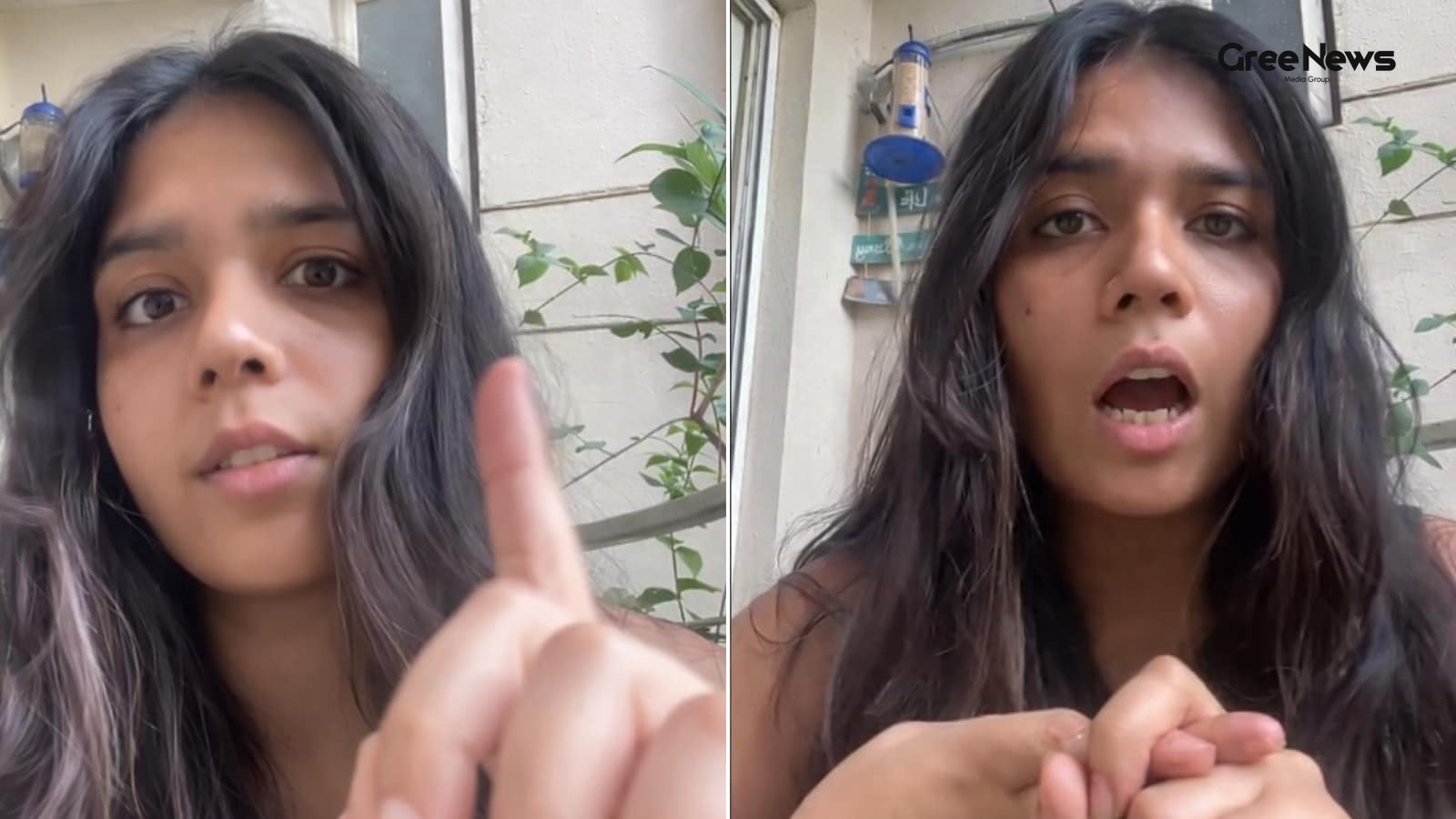
Setting Professional Boundaries and Rejecting Burnout
So there’s this content creator in Mumbai, right? She got people talking online. It all kicked off because she encouraged folks to get a little "problematic" at work. Not making trouble, mind you. Just refusing to swallow the unhealthy norms. It blew up in an Instagram video. She was arguing that ev
Jun 24, 2026 by Gree News Team
Mahaprabhu Jagannath: The Biggest Animated Film Launch
The trailer for *Mahaprabhu Jagannath* dropped, and it wasn't just a movie launch. It was something bigger. It happened during an ongoing Shrimad Bhagwat Katha in Cuttack, Odisha. Pujya Shri Indresh Upadhyay Maharaj Ji unveiled it. A massive deal. The whole thing took place in front of over ten thou
Jun 24, 2026 by Gree News Team

Jio Platforms and NSE Public Offerings: Market Speculation and Details
Jio Platforms and the NSE they’re both cooking up some truly enormous public offerings, set to happen later this year. It’s going to be huge for the Indian market history, you know? We're talking about Jio Platforms trying to raise about thirty-seven thousand seven hundred crore rupees through a fre
Jun 24, 2026 by Gree News Team
The Economic and Social Fallout of Brexit
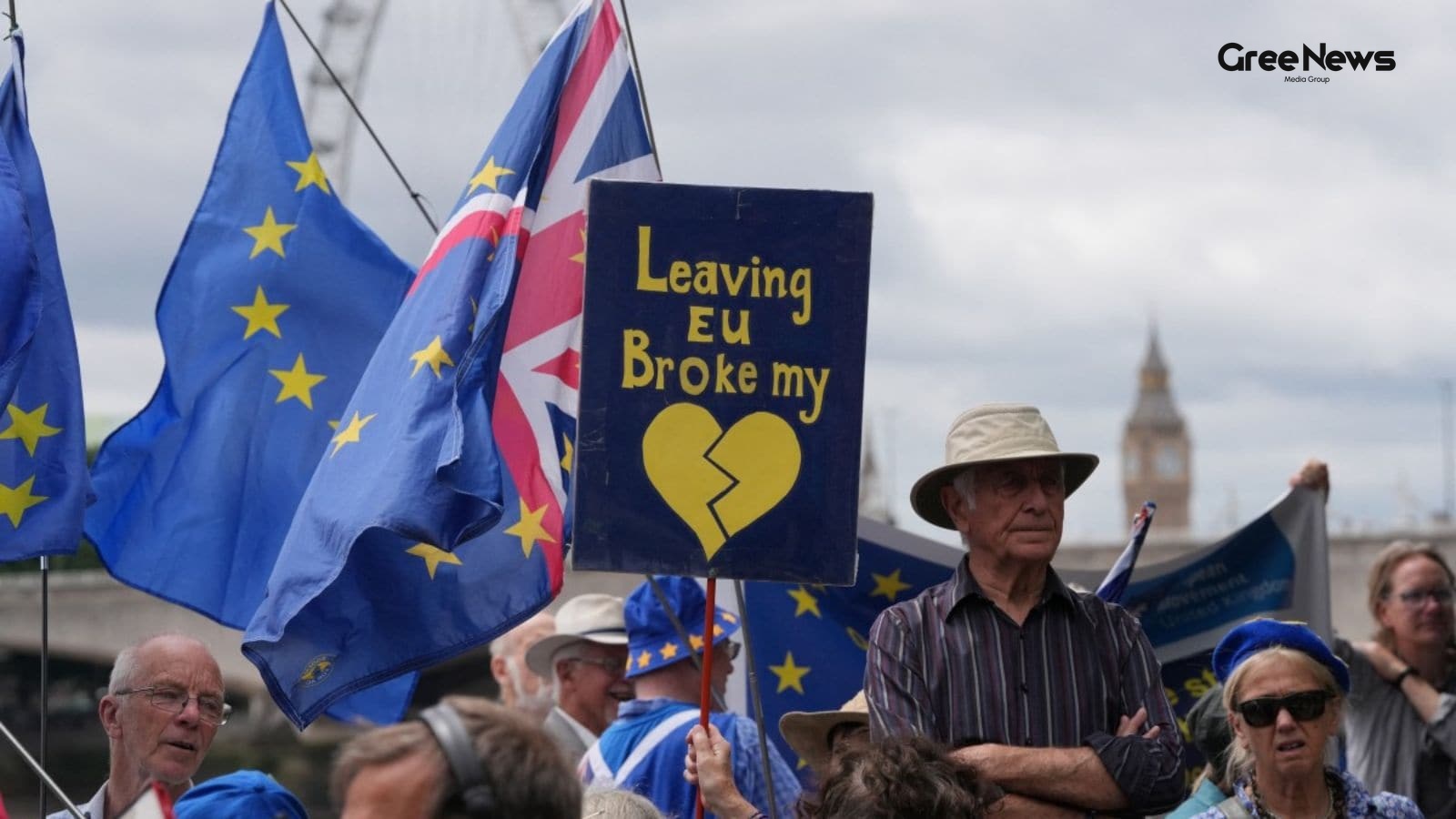
Keir Starmer stepping down, that was the latest bit of political chaos following weeks of real pressure from Labour MPs. It just throws Britain back into that same murky space we’ve been in for a long time. And you can’t ignore how this all circles right back to Brexit. Ten years gone. Ten years sin
Jun 24, 2026 by Gree News Team
The Political Transition: Momentum, Stability, and the Future of Labour
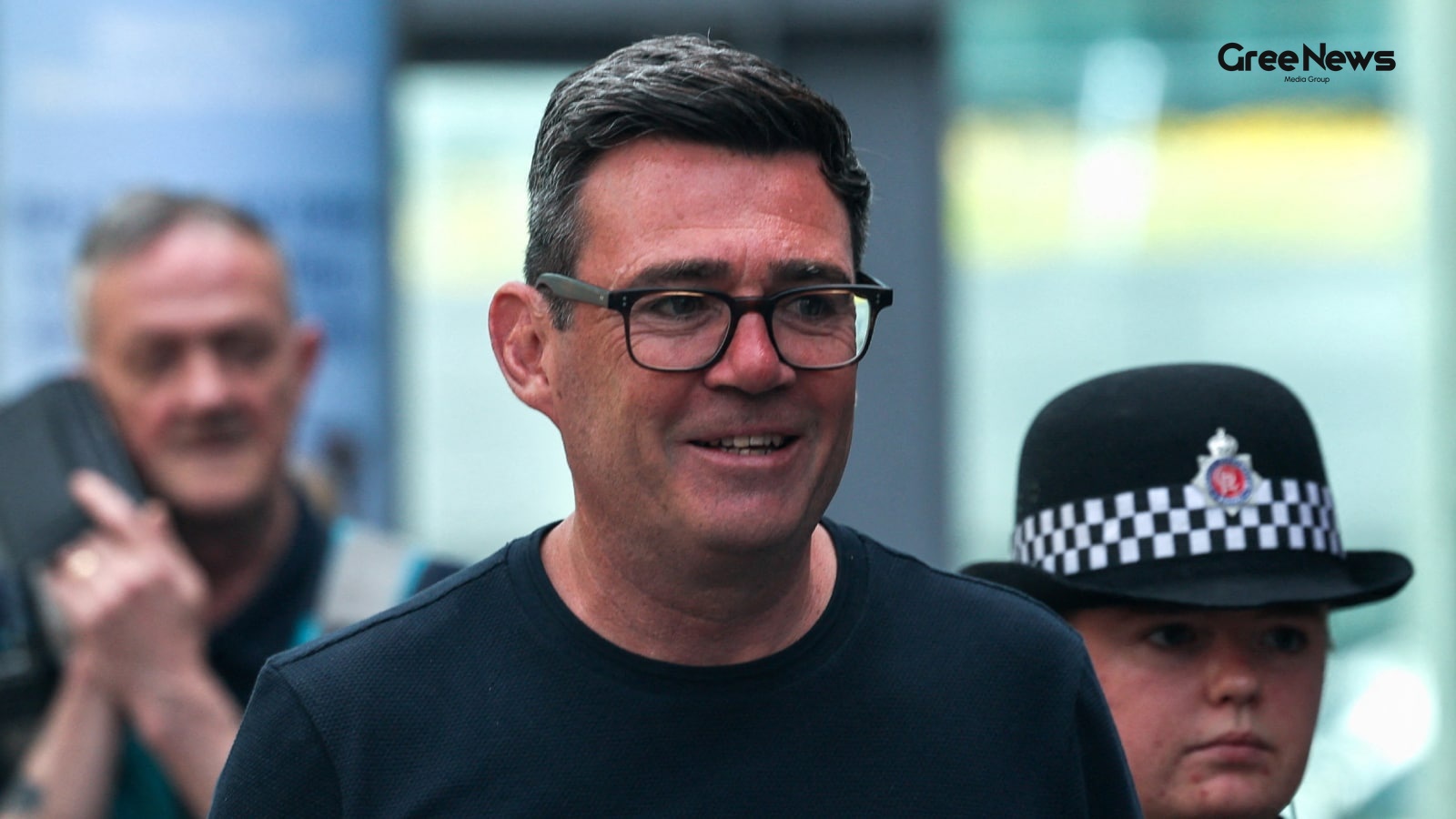
It’s all just moving, isn't it? That feeling of things shifting under the surface. You look at the headlines and you realize there’s a whole mechanism running behind the scenes, one that decides who sits where, who gets to steer the ship when the waters get rough. And right now, Labour it feels like
Jun 24, 2026 by Gree News Team

House of the Dragon Season 3 Premiere Reaction and Analysis
Nearly two years of waiting. House of the Dragon Season 3 finally dropped on June 22, 2026. The first episode hit India at 6:30 AM IST. It started heavy. Right into the deep end of the Dance of the Dragons the Battle of the Gullet. That opening was pure chaos. Blood. Fire. Shattered fleets. And one
Jun 23, 2026 by Gree News Team
Andy Burnham: Political Journey and the Philosophy of Manchesterism
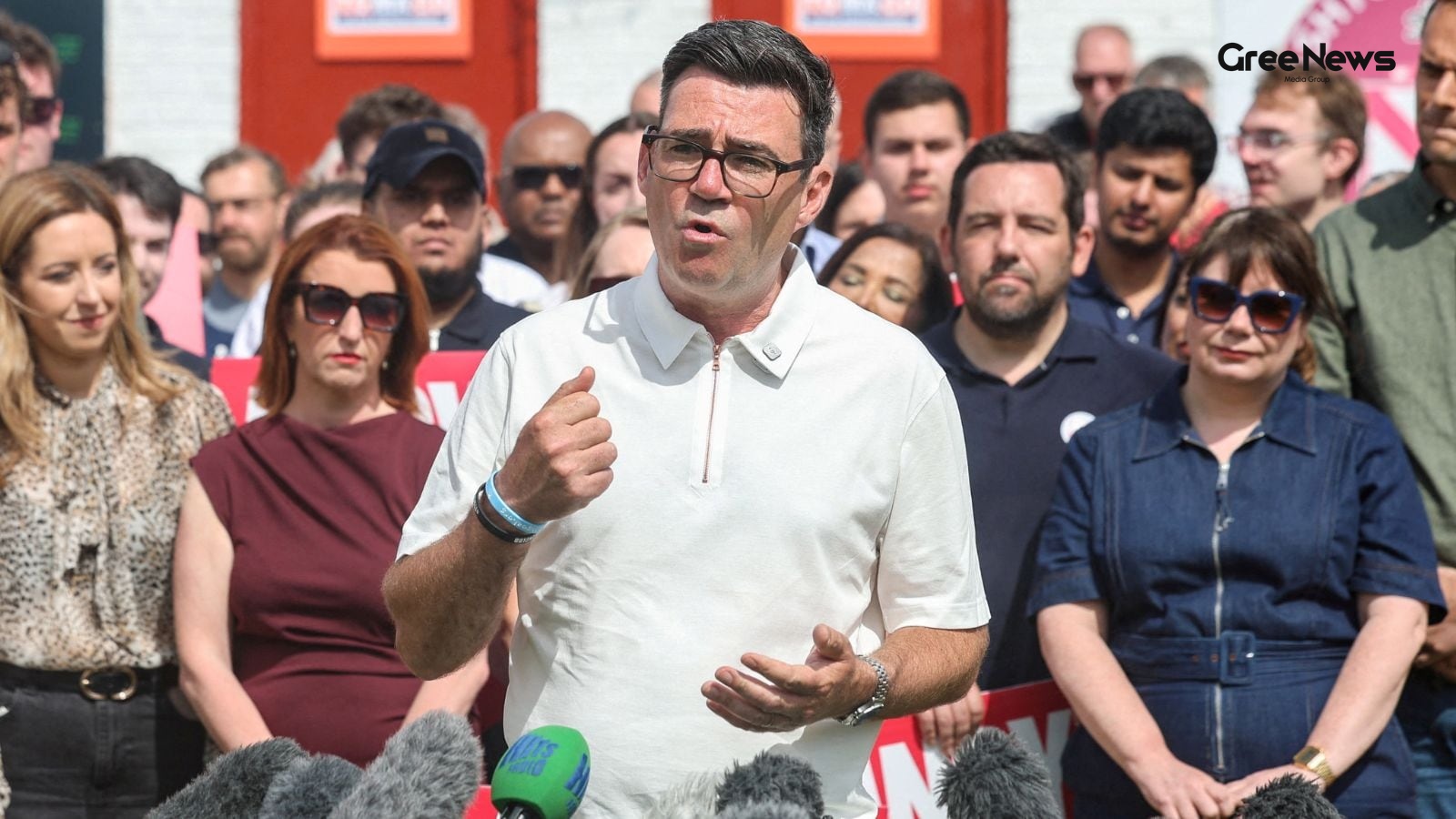
Andy Burnham stepped forward, Monday. A senior Labour politician who’s managed to carve out some real space for himself, especially after that whole leadership mess with Starmer. He’s the new MP for Makerfield, right? Just another name thrown into the swirling vortex of UK politics. It all kicked of
Jun 23, 2026 by Gree News Team
Akshay Kumar and Raveena Tandon: The Friendship Behind Welcome To The Jungle
*Welcome To The Jungle*, starring Akshay Kumar, is finally heading to theaters soon. There’s a lot of noise about it, though. Mostly that reunion. Akshay and Raveena Tandon. After twenty-two years, they’re back on screen for this comedy directed by Ahmed Khan. Ahmed Khan talked about it recently wit
Jun 23, 2026 by Gree News Team
India-UAE Defense Deals and Weapon System Exports
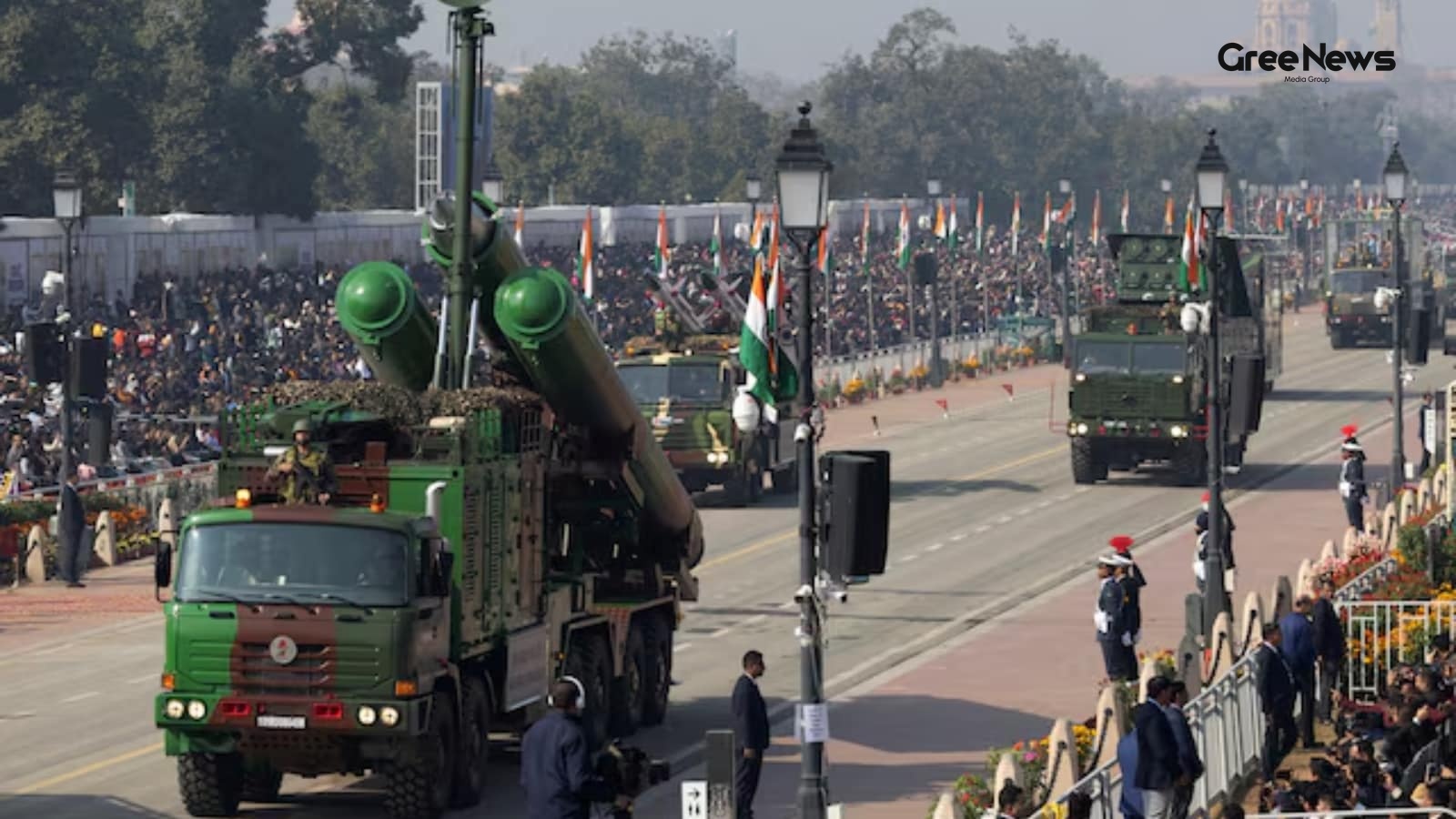
Some chatter is going on between India and the UAE right now about defense deals. Specifically, there are talks happening over exporting some of India's key defense systems. Think stuff like the BrahMos supersonic cruise missile coming up. That’s what Reuters got wind of, based on people who know th
Jun 23, 2026 by Gree News Team