The Complex History Behind Renaming Kolkata’s Suhrawardy Avenue
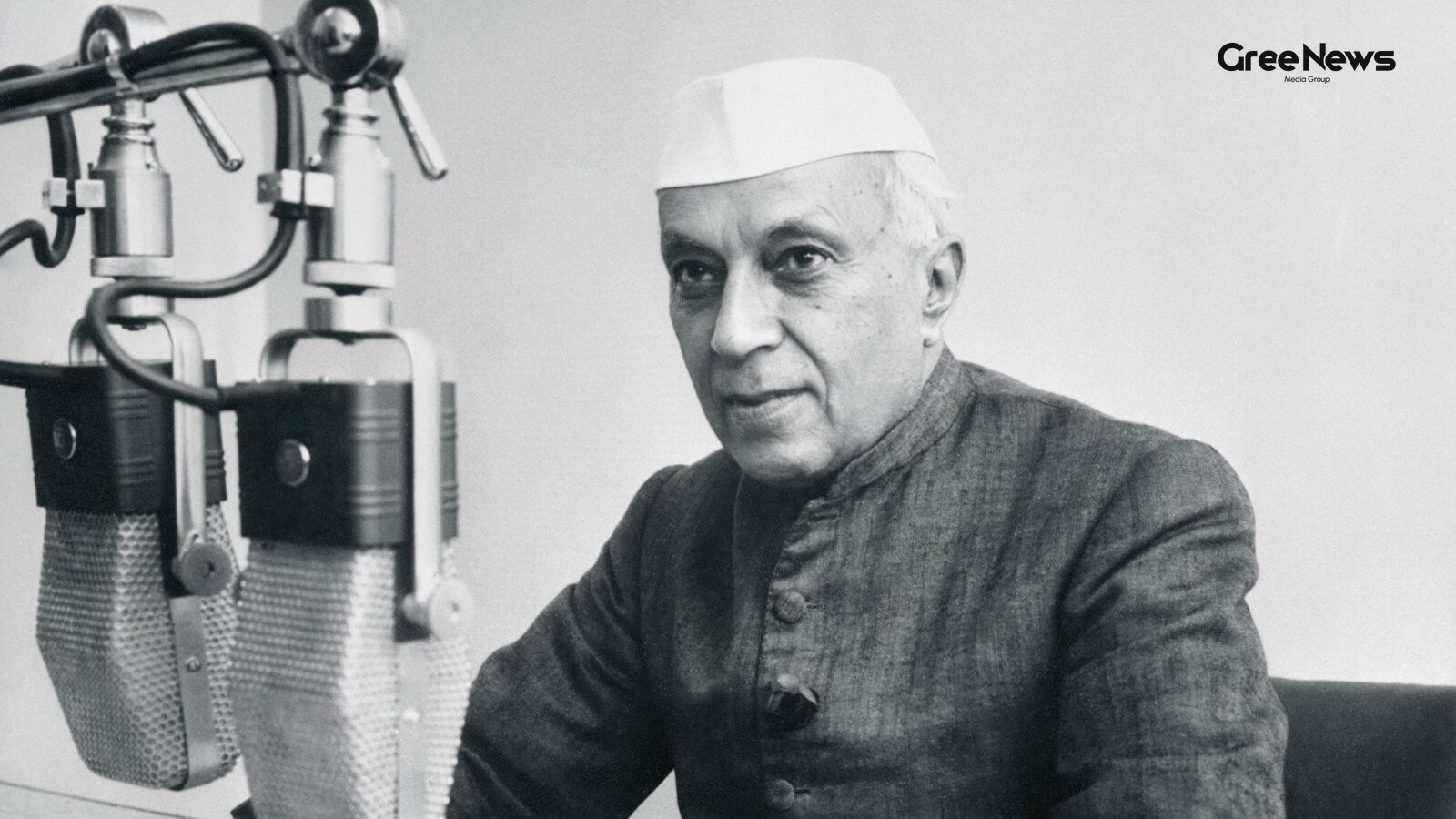
The argument over renaming Kolkata’s Suhrawardy Avenue to Gopal Mukherjee Road isn't just about street names. It really digs into something messier.
It circles back to Huseyn Shaheed Suhrawardy , but not in the way most people think. Sure, he’s remembered for those nasty Direct Action Day riots back in ’46. That violence, that communal scar across Bengal it hangs over everything connected to his name. But look closer. The street isn't named after him directly. It was renamed after his uncle, Hassan Shaheed Suhrawardy. A guy who was an academic, an art critic, someone who built institutions. And you can’t ignore the fact that this same uncle actually stopped Bina Das from shooting Governor Stanley Jackson back in ’32. He got a knighthood for that kind of stuff.
It’s all tangled up. That's where the public memory gets twisted, doesn't it? The shared surname just smooths over the real friction points. Debates about the road name keep circling back to Huseyn Suhrawardy and the deep history of Partition violence in Bengal. It forces you to look at what happens when names become historical anchors for massive pain.
And that painful focus on Huseyn’s legacy brings up a strange little piece from the very early days of independent India. Something about how the government handled figures who were, frankly, impossible to ignore.
There was this correspondence, tucked away in Jawaharlal Nehru’s ‘Selected Works.’ It offers a glimpse into something surprisingly intimate. Nehru himself got involved in a major tax dispute involving Suhrawardy. He was one of those political heavyweights during Partition, so the situation was explosively charged.
It shows how the Indian government actually dealt with a man who remained deeply contentious, even as he tried to rebuild his life across the border after everything fractured. It’s not the clean story you usually get.
The letters date back to December 12, 1948. Nehru was talking to Suhrawardy about income taxes. Suhrawardy had complained bitterly he felt the assessments were outrageous, running into nearly fifty lakh rupees for those years. He said something about arbitrary assessment.
Nehru didn't just let it sit there. He pushed.
He wrote to John Matthai, the finance minister, forwarding these complaints. But he did more than that. He warned. He saw the potential fallout. Any hint of ‘high-handed’ action from the government, especially against a figure like Suhrawardy a man so tied up with the communal mess could blow up into something much worse politically.
“He informs me that he has been assessed for an income-tax of 50 lakhs of rupees for two years,” Nehru wrote. He noted there was no return, just some kind of arbitrary assessment made. But then came the crucial part. “But fifty lakhs is a very big figure and requires looking into.”
Nehru understood that this wasn't just about money. It was about navigating a political landscape that was already incredibly fragile, especially with Partition still fresh in the air. He needed to check things out.
The intervention didn’t stop at the finance ministry. That’s where it got really personal, and messy. The very same day, Nehru wrote separately to Dr. Bidhan Chandra Roy, the then West Bengal chief minister.
He called him ‘My Dear Bidhan’. You can feel the shift in tone there. It’s not just administrative stuff anymore. It’s a plea for understanding. “Do you know anything about the income-tax assessment of Shaheed Suhrawardy?” He was asking, genuinely wanting input from both sides before any action was taken.
He admitted his own concern: “I remember your mentioning it once to me. Shaheed has been telling me about it and his account was very extraordinary. I have been disturbed by it and I want to have an enquiry made.” It’s a stark admission of personal disturbance mixed with political necessity. He kept the guard up, even when asking for help. “Whatever our views about Shaheed might be, specially about his past conduct, we cannot afford to do anything in a high-handed manner.”
Those twin letters to the finance minister and then to the Chief Minister they just show how political leadership had to constantly balance administration with that incredibly delicate communal equilibrium of a newly fractured nation. It’s a sneak peek into how leaders managed things when everything else was burning down around them.
Suhrawardy himself, as you can imagine, occupied this impossible spot in the subcontinent’s politics. He was a senior Muslim League leader. A strong voice for a united Bengal before it all broke apart. Yet, because of those Direct Action Day events, his name became inseparable from the communal carnage that followed in ’46. For many Hindus in Bengal, that association with him felt like an indelible mark of violence.
But Nehru’s letters show something else entirely. He seemed to look past the immediate religious fault lines. He was concerned about the process . He worried that treating such a high-profile Muslim politician in this way could be spun into communal accusations later on. It highlights the agonizing balancing act required when building a nation from pieces, trying to manage administration while maintaining some semblance of peace.
Then things took another sharp turn for Suhrawardy. In those years following Independence and Partition, he eventually made a choice that pulled him away from India entirely. He left. He went to Pakistan. And there, he didn't just settle down. He re-entered the political arena. He climbed up. Serving as Prime Minister of Pakistan between ’56 and ’57.
And look what happened next. The narrative around Suhrawardy shifted again. He got a different kind of shadow attached to him. He became known, in part, as the ‘butcher of Calcutta.’ Stanley Wolpert, some observer, described him alongside other scholars pinning blame on him for some of the worst parts of that massacre. It’s a heavy thing, carrying that label through history.
It makes you wonder about those decades following Nehru's intervention. How did all these threads the road name dispute, the tax arguments, the communal violence, the political maneuvering all weave themselves into one long, complicated story?
Nehru’s correspondence is more than just old letters. It’s a window. A revealing view into the sheer dilemmas faced by India’s first prime minister. He was trying to manage chaos. He was trying to understand how power operates when identities are being violently redefined and boundaries are dissolving around you. The turbulence of Partition wasn't something you could just file away neatly. It seeped into every administrative decision, every political interaction, making even seemingly dry tax disputes suddenly loaded with immense political weight.
The story doesn’t end there. It just keeps moving, acquiring more layers of complexity over the years. From a local street name to international historical memory it's all about how we choose to frame those scars. And what happens when you try to use history as a tool for contemporary politics? That seems to be the real, unsettling dimension revealed by looking at this tangled history.
Written by Gree News Team — Senior Editorial Board
Gree News Team covers international news and global affairs at Gree News. Our collective of senior editors is dedicated to providing independent, accurate, and responsible journalism for a global audience.
More from India
View All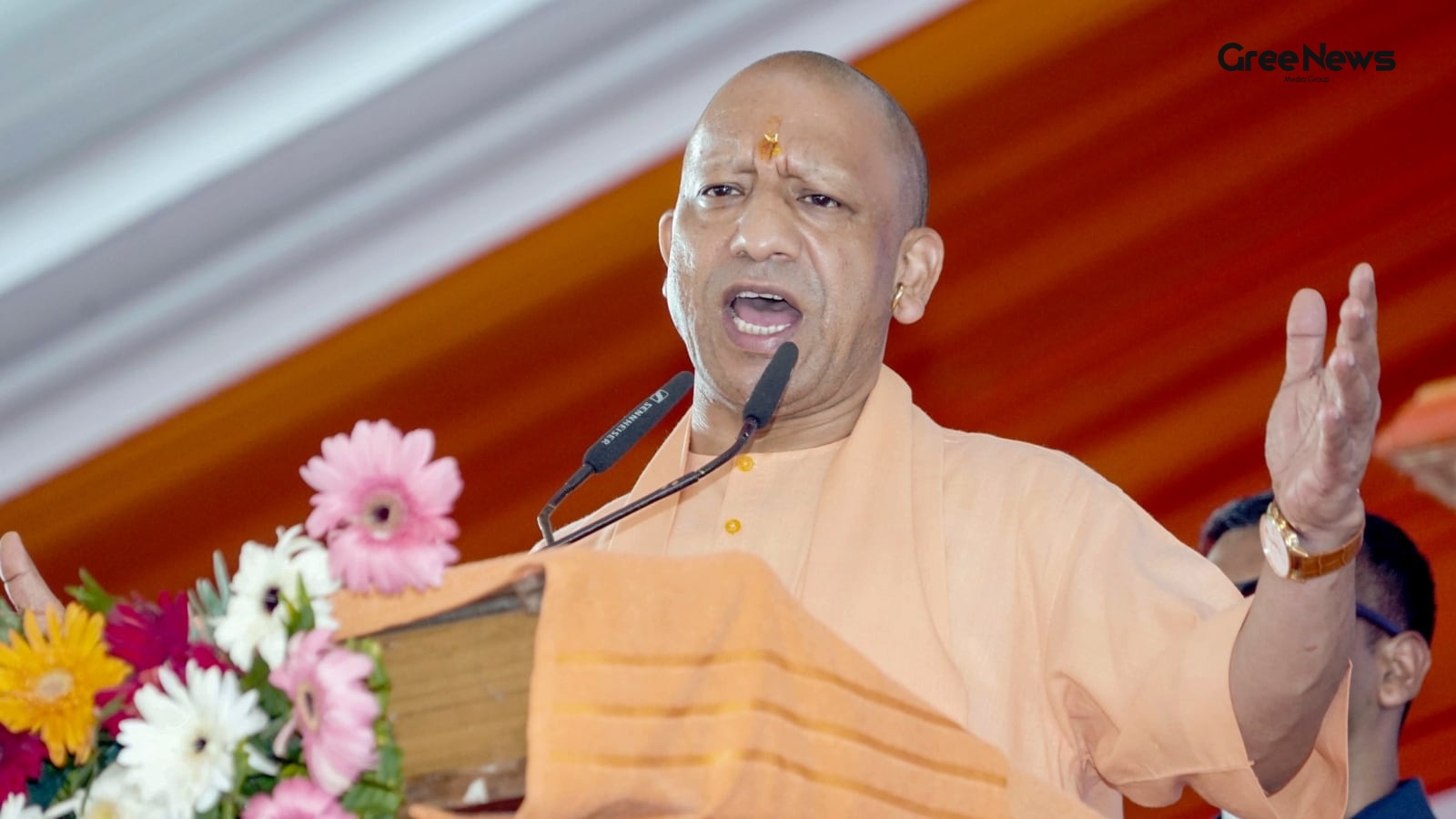
Uttar Pradesh Development, Identity, and the Future of Bundelkhand
Yogi Adityanath laid foundation stones today. Seventy-five development projects. Over six hundred thirty-six crore rupees worth. All done at Swami Brahmanand Mahavidyalaya in Rath. And a short film about Hamirpur’s development was shown too. The Chief Minister spoke about things. About how it isn't
Jun 24, 2026 by Gree News Team
India-UAE Defense Deals and Weapon System Exports
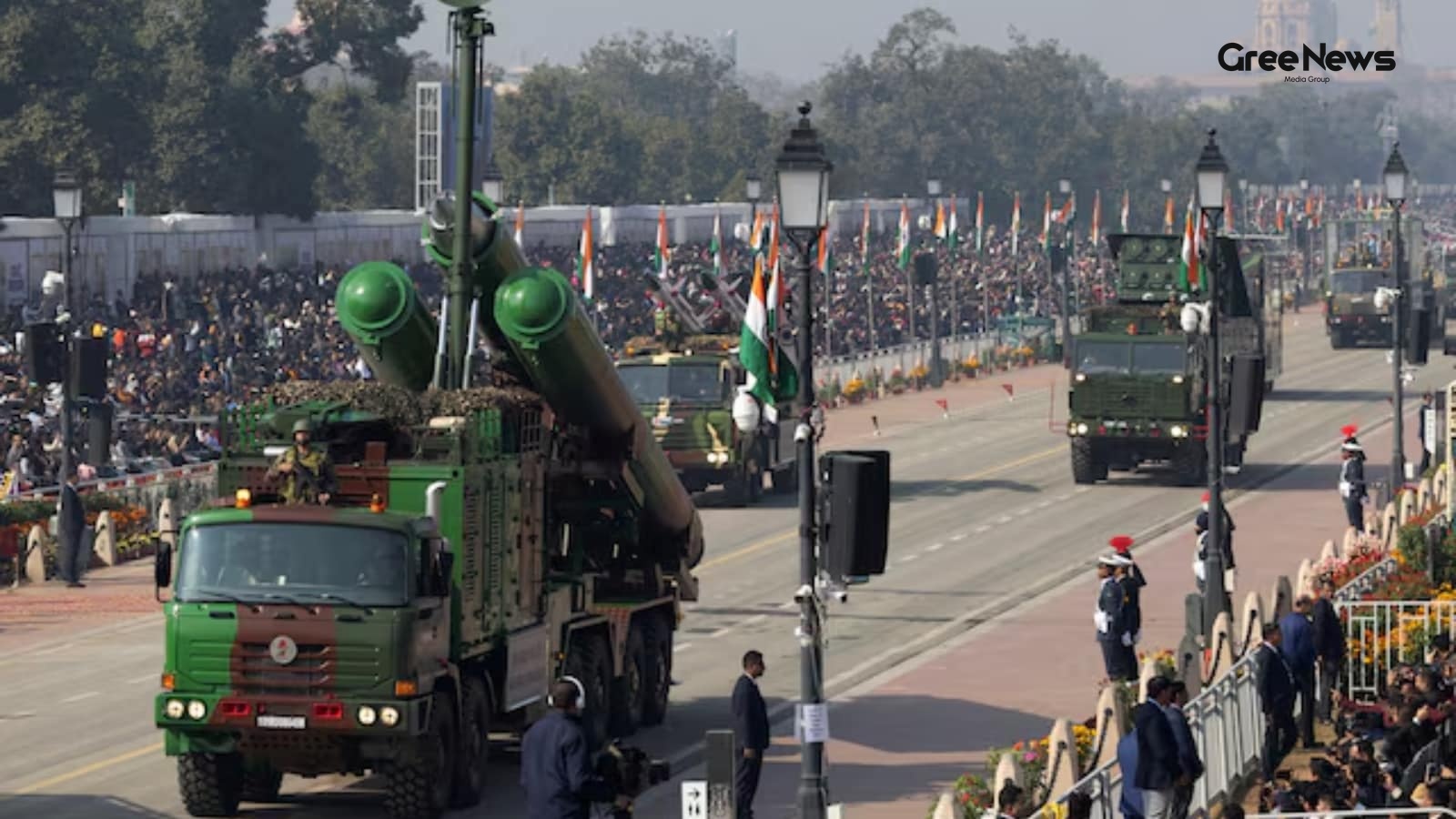
Some chatter is going on between India and the UAE right now about defense deals. Specifically, there are talks happening over exporting some of India's key defense systems. Think stuff like the BrahMos supersonic cruise missile coming up. That’s what Reuters got wind of, based on people who know th
Jun 23, 2026 by Gree News Team
Lucknow Fire Tragedy: CM Reacts, Government Offers Relief
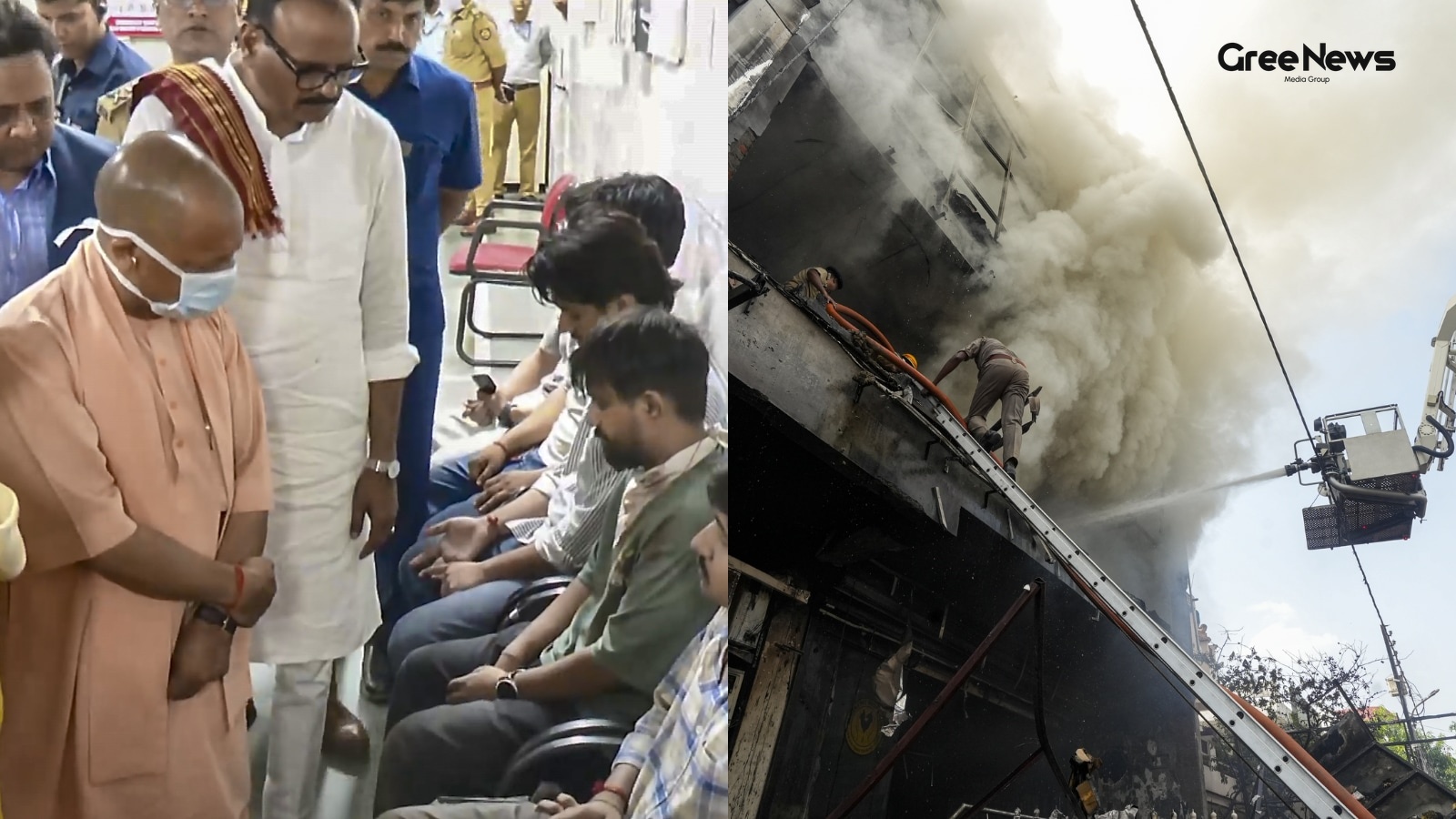
Monday brought a terrible scene in Lucknow. A massive fire tore through a coaching centre, and the cost was horrific at least fifteen lives lost. Chief Minister Yogi Adityanath reacted fast. He announced immediate relief for the victims’ families, handing out an ex gratia of five lakh rupees to the
Jun 23, 2026 by Gree News Team
Yogi Adityanath's Development and Vision for Uttar Pradesh
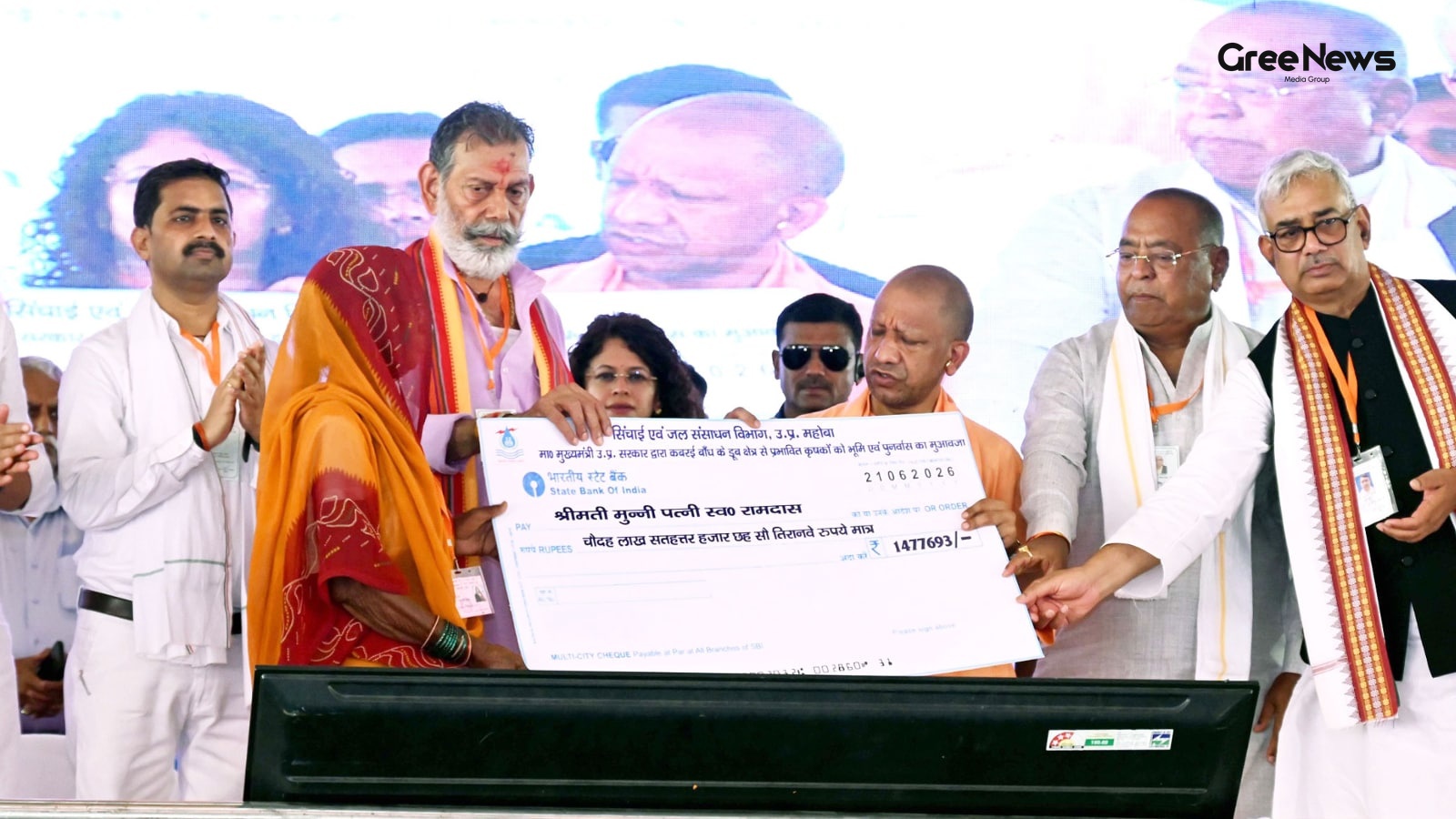
Yogi Adityanath, Chief Minister of Uttar Pradesh, kicked off some big stuff on Sunday in Mahoba. Eight-eight development projects, over six hundred ninety-seven crore rupees worth. It all happened at Modi Gram, during the 12th International Yoga Day. Before getting there though, he was already invol
Jun 23, 2026 by Gree News Team
Latest Headlines

Choosing the Right Home Security Camera: Focus on Needs, Not Specs
Buying a home security camera seems simple enough, right? You just want to keep an eye on things, get alerts when something happens, check on pets or deliveries when you’re out of town. Then you start shopping online. Suddenly everything is a comparison nightmare: 1080p versus 2K resolution. Local s
Jun 24, 2026 by Gree News Team

Smart Refrigerators: What to Buy and What to Ignore
If you look at smart refrigerators, you probably notice something right away. The fancy models often cost a lot more than those that just keep food cold and store it well. It makes you stop and wonder: what exactly are we paying extra for? Are these features actually going to make our family life ea
Jun 24, 2026 by Gree News Team

Gold and Silver Market Correction: Drivers, Risks, and Future Outlook
Gold and silver are finally taking a dive. They’re ending the June quarter with some sharp losses, snapping that five-quarter winning streak they’d been enjoying. It’s all because investors are just completely reassessing things now interest rates, inflation in the US. That decline feels like a dram
Jun 24, 2026 by Gree News Team
Uttar Pradesh Development, Identity, and the Future of Bundelkhand
Yogi Adityanath laid foundation stones today. Seventy-five development projects. Over six hundred thirty-six crore rupees worth. All done at Swami Brahmanand Mahavidyalaya in Rath. And a short film about Hamirpur’s development was shown too. The Chief Minister spoke about things. About how it isn't
Jun 24, 2026 by Gree News Team
Keir Starmer's Resignation and the Future of Labour Leadership
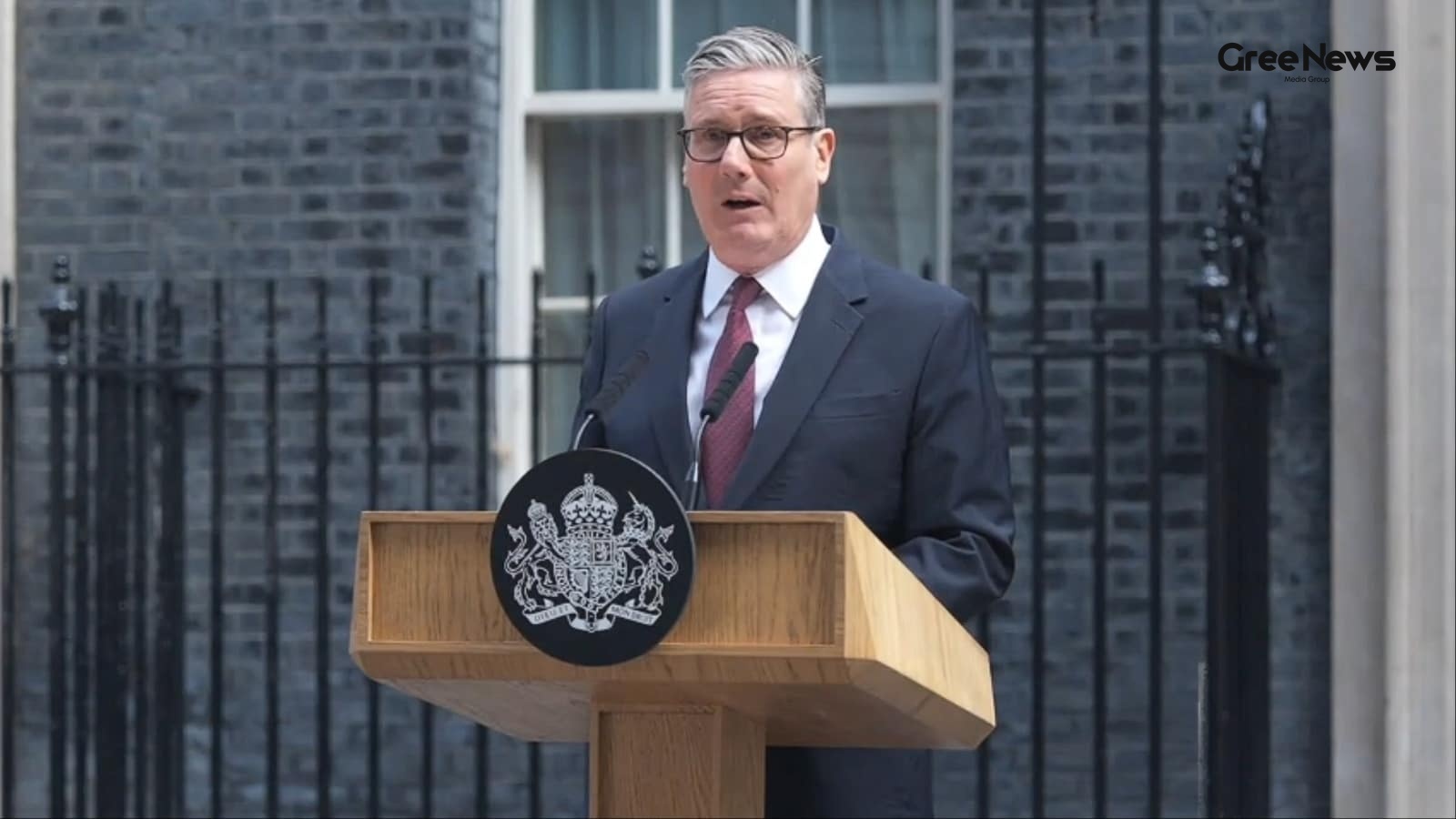
Keir Starmer announced his resignation on Monday. It came after months of mounting pressure inside the Labour Party. People were calling for a change in leadership, popularity was definitely slipping. This move puts him as the sixth British Prime Minister in the last ten years to be forced out befor
Jun 24, 2026 by Gree News Team
The Unfolding Crisis and Human Cost in PoK
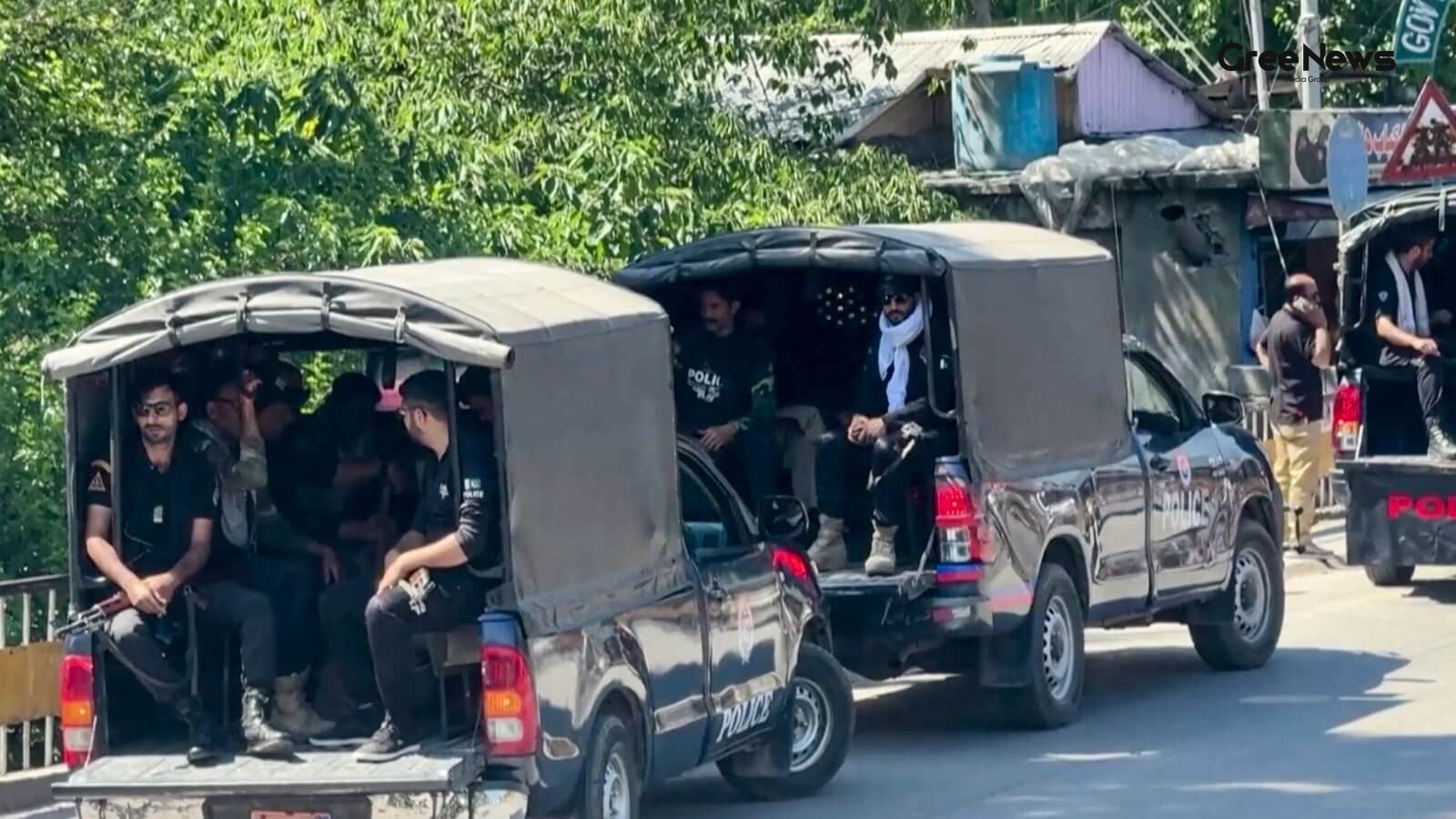
The air itself felt thick lately. Not just the usual humidity you get in the summer heat, but something heavier. A kind of suspended silence that pressed down on everything the streets, the news feeds, and the very atmosphere over Pakistan-occupied Kashmir. It’s hard to process it all, really. The n
Jun 24, 2026 by Gree News Team
Diljit Dosanjh Show Interrupted: Security, Flags, and Historical Context
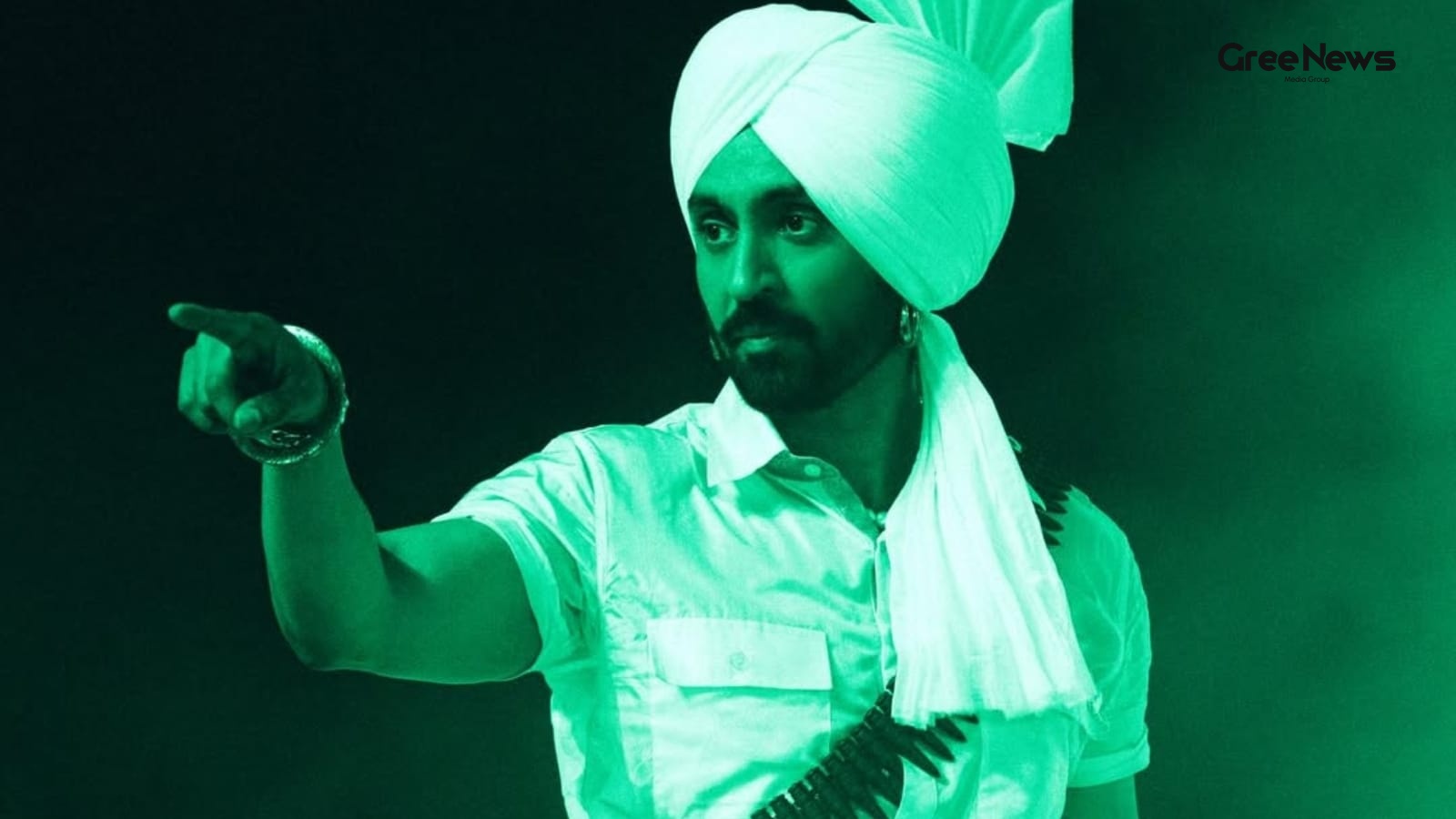
Diljit Dosanjh’s show in San Francisco got interrupted. Apparently, a guy carrying a Khalistan flag managed to get onto the stage during his Aura World Tour performance. Videos are already circulating online, showing security pulling him off the stage while Diljit was still performing. It happened r
Jun 24, 2026 by Gree News Team
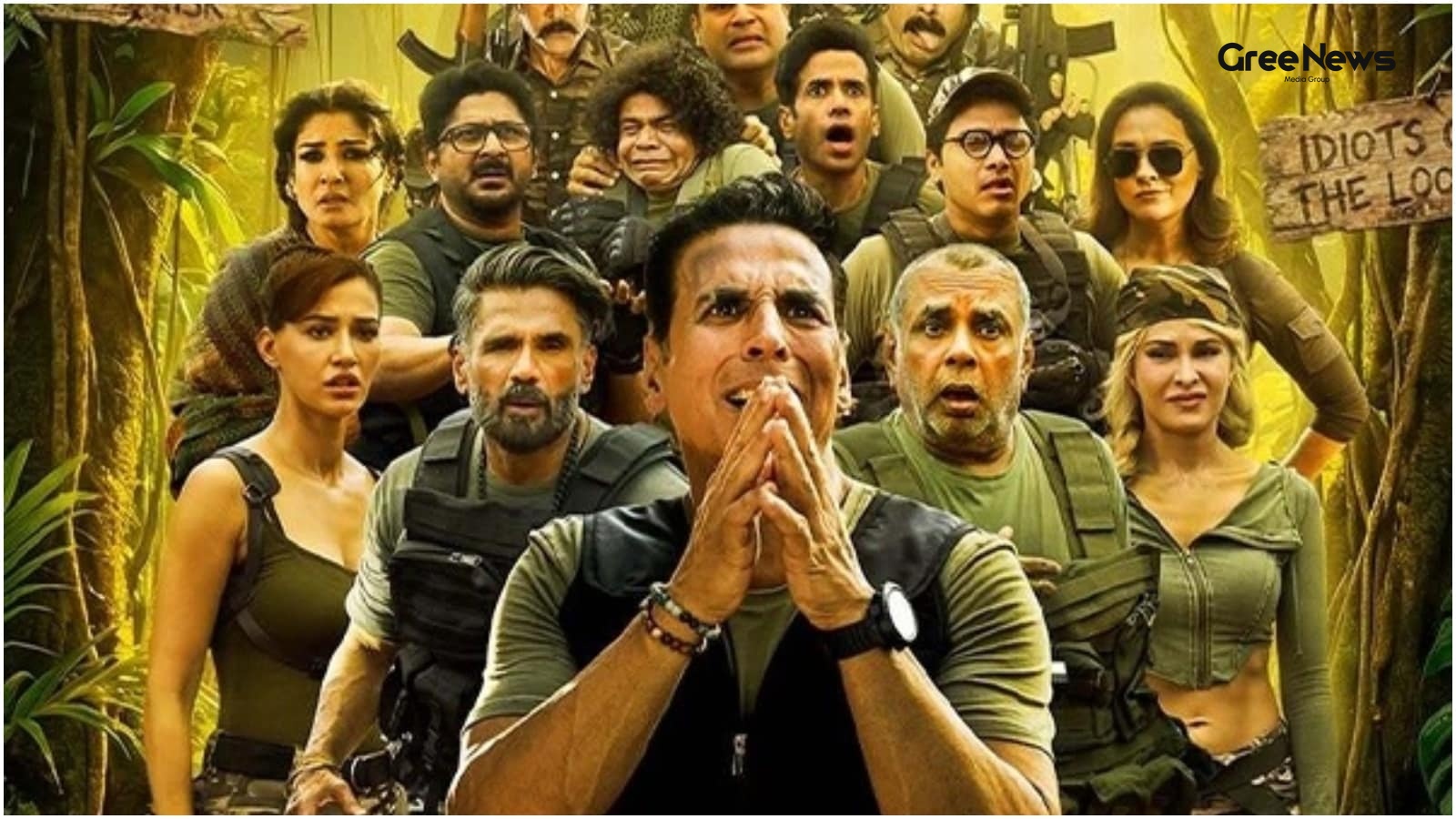
Welcome To The Jungle Editing and Censorship Process
So, *Welcome To The Jungle* got its U/A 16+ certificate from the CBFC. But that wasn't smooth sailing at all. They forced so many changes dialogue, visuals before it was even allowed to hit the theaters. We’re talking eighteen cuts total just to get the green light, which meant messing with things i
Jun 24, 2026 by Gree News Team

The Role of Empathy and Holistic Care in Medical Tourism
Artificial intelligence is moving healthcare along, fast. It’s speeding up diagnostics, smoothing out hospital operations. But for people facing massive life changes the procedures themselves efficiency just doesn't cut it anymore. International patients are looking for something else entirely. Trus
Jun 24, 2026 by Gree News Team

Sara Ali Khan, Kubra Khan, and Sharmila Tagore: Cross-Border Moments and Celebrity Connections
A video surfaced recently, something kind of a flash, from Kubra Khan’s birthday celebration in London. It went viral fast on social media. And naturally, it drew eyes because Sara Ali Khan and Sharmila Tagore were there. Just hanging out. A rare cross-border moment, you know? It shows them all comi
Jun 24, 2026 by Gree News Team
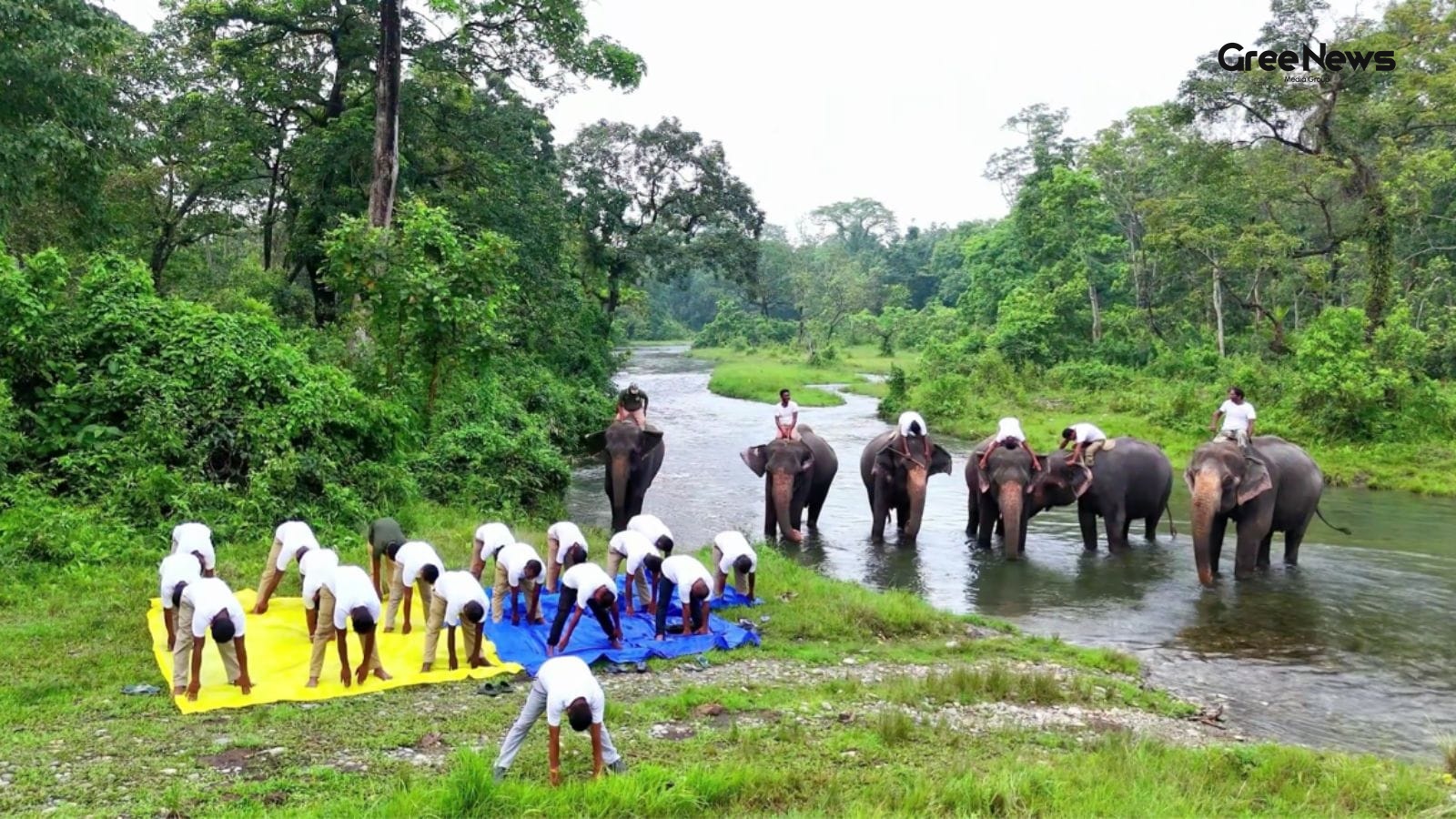
Yoga on Elephants in Jaldapara National Park: Viral Controversy
That video from Jaldapara National Park just blew up. It’s this thing where forest rangers are practicing yoga right there, sitting on elephants deep in the woods. Shared for International Yoga Day 2026. It just caught everyone's attention because it’s so weird and peaceful all at once. It was poste
Jun 24, 2026 by Gree News Team
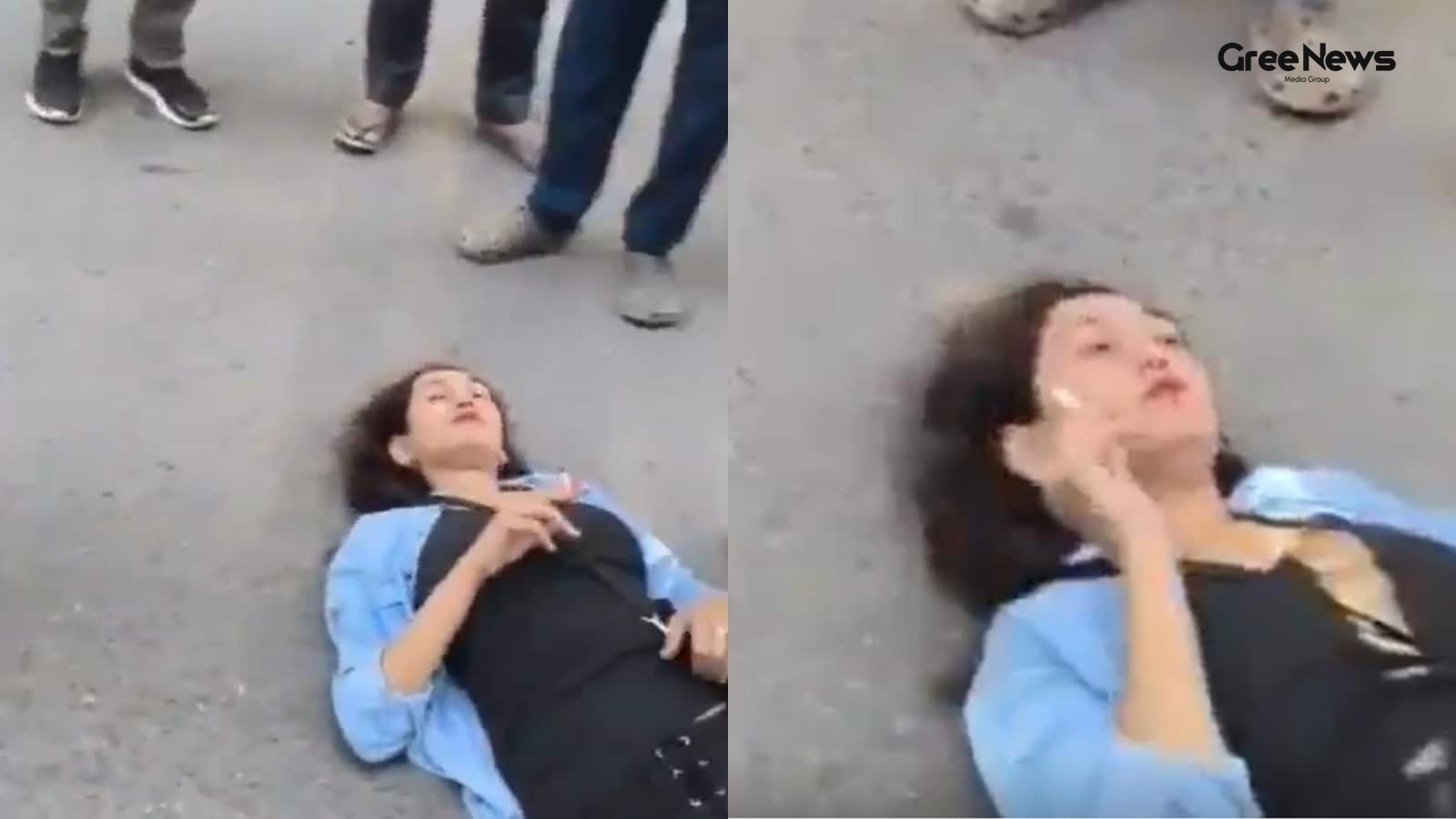
Viral Incident in Greater Noida: Woman Lying on Road Sparks Controversy
A clip surfaced recently, gone viral everywhere, showing some woman lying right in the middle of a busy road in Greater Noida, Uttar Pradesh. Allegedly, she was under the influence of alcohol when this happened. People are reacting hard to it, criticizing her for causing such a massive disruption an
Jun 24, 2026 by Gree News Team
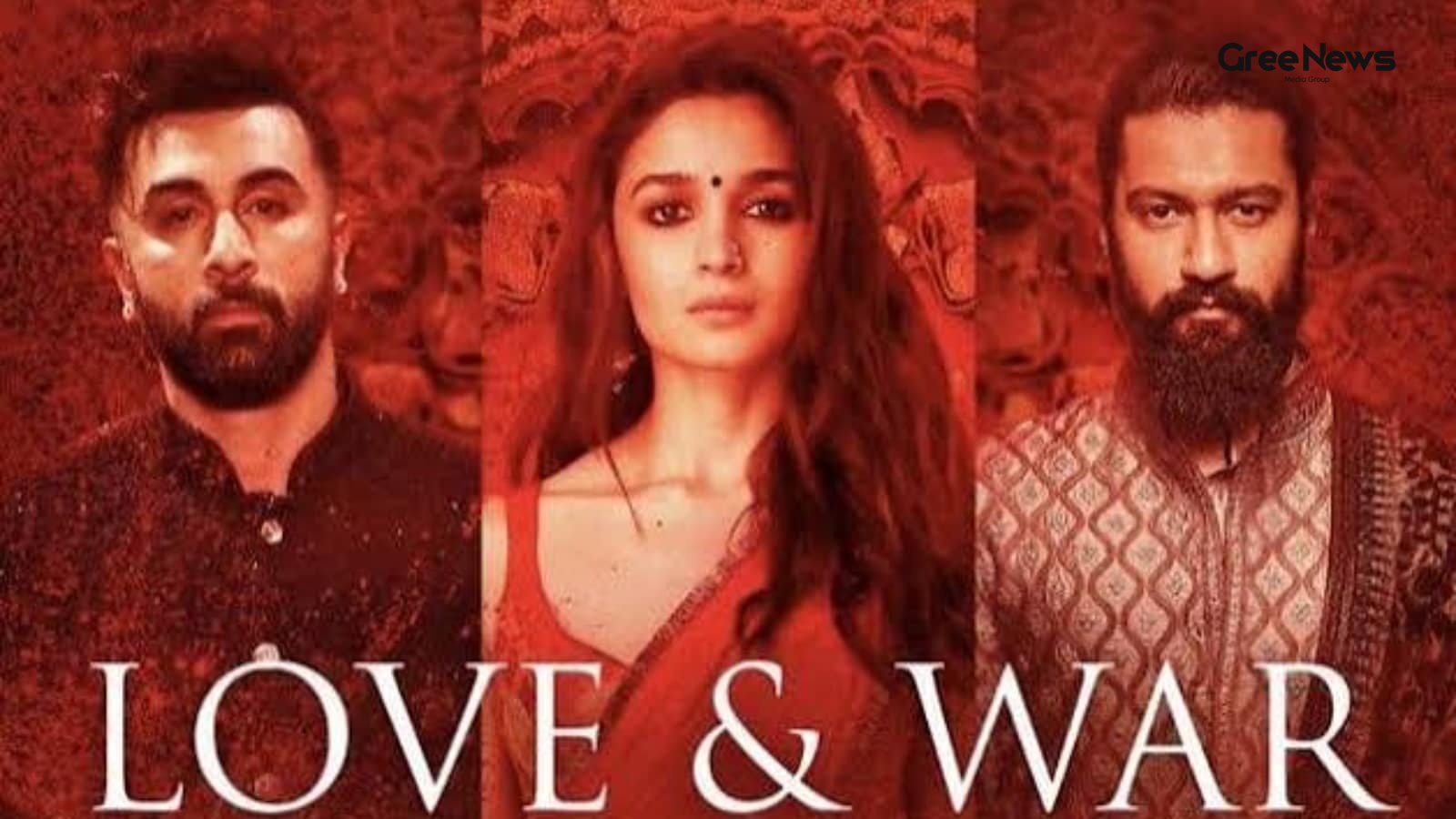
The Unseen Cost of Spectacle: Safety and Workers in the Film Industry
The reported death… it keeps pulling focus. It’s always about the bodies on the screen, right? The stars, the songs, all that spectacle Sanjay Leela Bhansali puts out there. But underneath all that glitter behind those massive sets there are thousands of people doing the actual work. Carpenters, lig
Jun 24, 2026 by Gree News Team

Aadimanav: The Survival Story of Six Indian Adventurers
Warner Bros. Discovery just dropped something big in India. It’s taking that globally famous adventure survival format *Naked and Afraid* and putting it into an Indian spin: *Aadimanav*. Six episodes of this thing premiered on Discovery on June 15th at eleven at night, and you can stream it now on d
Jun 24, 2026 by Gree News Team
Setting Professional Boundaries and Rejecting Burnout
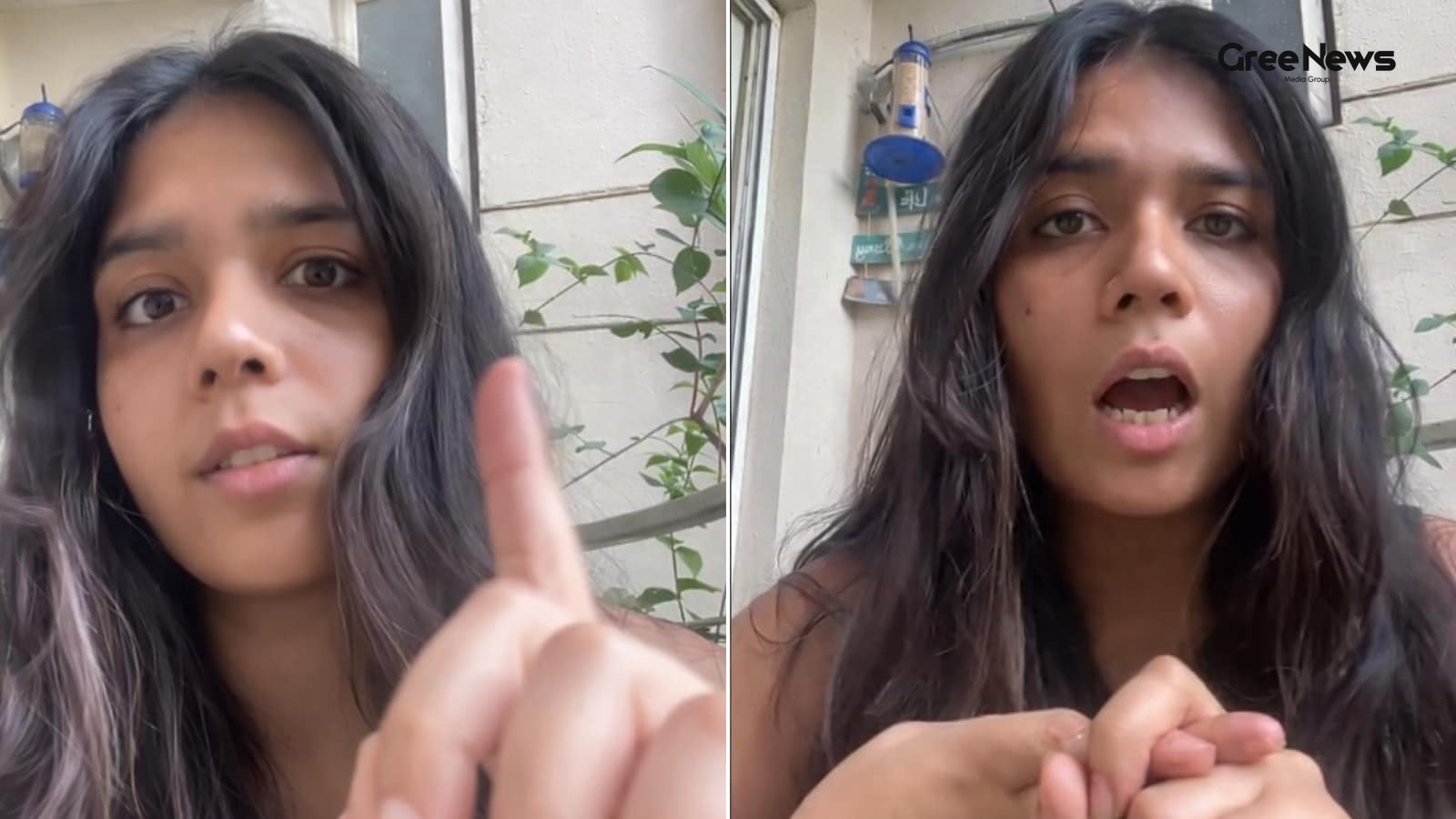
So there’s this content creator in Mumbai, right? She got people talking online. It all kicked off because she encouraged folks to get a little "problematic" at work. Not making trouble, mind you. Just refusing to swallow the unhealthy norms. It blew up in an Instagram video. She was arguing that ev
Jun 24, 2026 by Gree News Team