Choosing the Right Home Security Camera: Focus on Needs, Not Specs
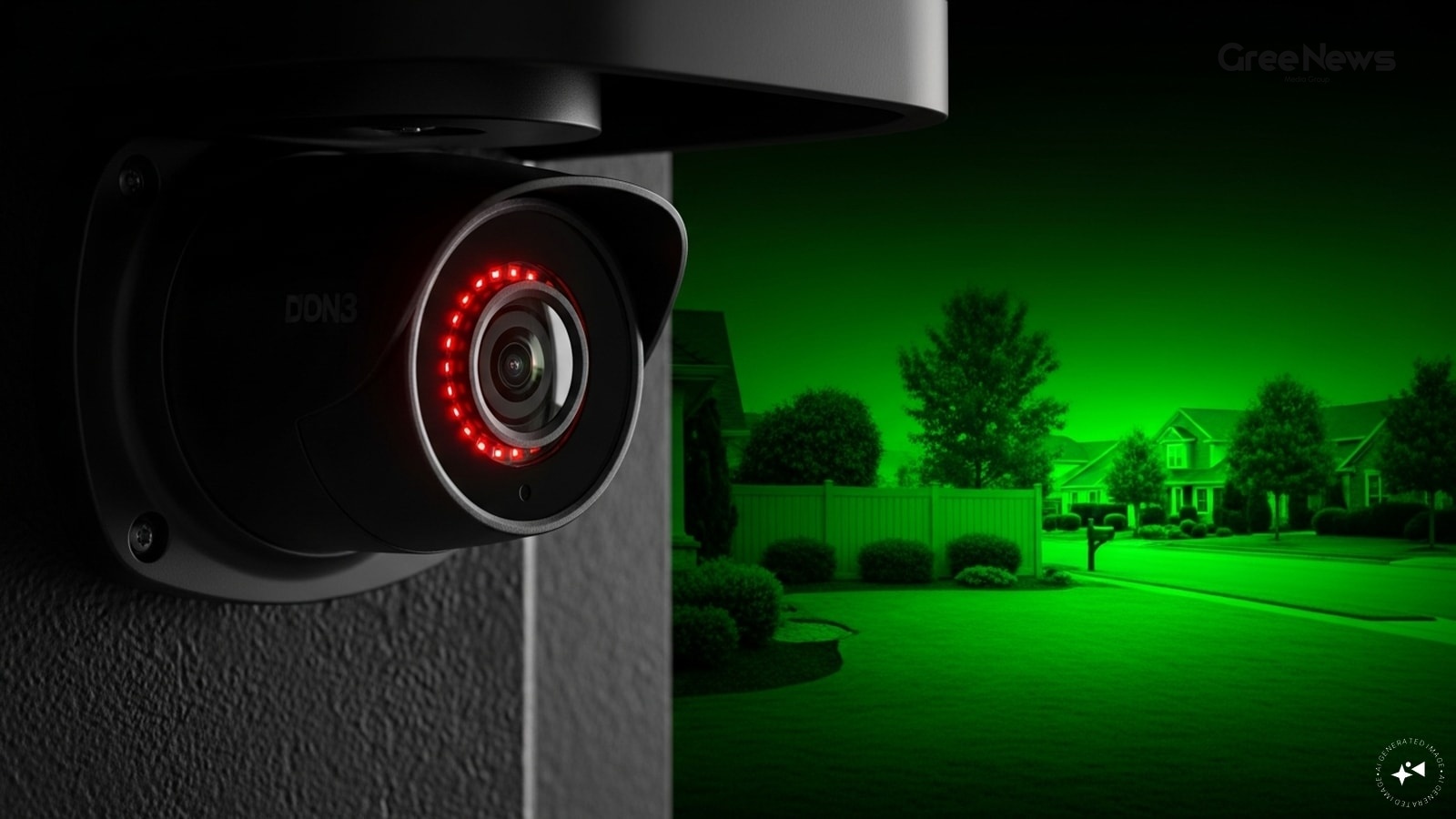
Buying a home security camera seems simple enough, right? You just want to keep an eye on things, get alerts when something happens, check on pets or deliveries when you’re out of town.
Then you start shopping online. Suddenly everything is a comparison nightmare: 1080p versus 2K resolution. Local storage versus the cloud. Wi-Fi systems against PoE setups. Colour night vision. AI person detection. Pan-and-tilt features. Smart-home integration. Subscription plans everywhere.
And what happens? Most buyers end up paying for features they never touch while completely missing the stuff that actually makes a difference in security. It’s frustrating.
The good news is, choosing the right camera gets way easier once you stop looking at the specs and start thinking about three things: where you plan to put it, how you want to store the footage, and honestly, just how much detail you actually need to see.
A camera watching a front door has totally different needs than one staring down a huge garden or driveway. And renters have entirely different requirements than homeowners trying to set up a full security system. That distinction matters a lot.
So this guide isn’t about shouting at you about brands right away. We need to talk resolution , storage options , how well it sees in the dark, and what features actually matter when you’re living with the footage every day.
Let's start there.
Look at these options floating around out there. You see things like the CP PLUS 4MP Quad HD Wi-Fi camera for outdoors it gets hyped as the best overall home security camera. Then there’s the CP PLUS 3MP Smart Wi-fi one, which is marketed as the best value choice. And then you have the Qubo models, trying to nail indoor and outdoor spots. There are combos too, like the wired CCTV kit sets.
Before you get sucked into comparing pixel counts or confusing connectivity jargon, pause. Think about what you need protecting right now. Different places demand different capabilities. The best camera isn't some flashy high-resolution beast; it’s the one built for your specific environment. That should be step number one.
Outdoor cameras have to handle real life rain, dust, extreme heat and cold. Indoor ones are more about convenience: two-way audio, that gentle pan-and-tilt movement. Most families find a solid setup is just one outdoor unit and one indoor unit covering the main spots. That usually works best.
But here’s the kicker: a camera only actually becomes useful if you can clearly identify what it captures. Spotting motion is easy. Recognizing a face, reading a license plate, or figuring out what someone is carrying? That takes real clarity. Image quality isn't just about pixels anymore. Lens quality, how well it performs in low light, and where you place it often matter way more than chasing the highest megapixel count available.
Some people argue 2K has become the sweet spot for most homes now, especially looking ahead to 2026. Unless you’re watching a massive property or need microscopic detail from far away, 2K or 4MP usually gives you the best trade-off between quality, storage needs, and price tag.
Storage is another huge factor. If you don't plan where your footage lives, it’s just a live video feed sitting on the network. Local storage microSD cards, NVRs, hard drives that keeps recordings right there. It sidesteps those annoying monthly subscription fees. Plus, if the internet goes down? You still have the recording.
Cloud storage uploads everything to the internet. Easier access from anywhere. Better backup if the camera gets damaged or stolen. For most buyers, it boils down to that: lower long-term costs with local storage versus more convenience and guaranteed backup with the cloud. Storage needs depend entirely on how often you record and what quality you need. People really underestimate how fast high-resolution video eats up space.
And let’s talk about darkness. Night vision matters way more than chasing 4K resolution in many scenarios. Most security events happen after dark. Colour night vision is a game changer. It captures actual detail instead of just grainy black and white, making it much easier to see people or vehicles clearly when visibility is low. This works especially well for entrance monitoring.
You need features that lock down the basics first: motion detection, mobile app access, two-way audio, reliable notifications, and some form of night vision. Those are essential. The fancy stuff? AI person detection, vehicle spotting, package recognition those are nice additions. But honestly, most people value getting a solid alert more than having dozens of advanced AI features running around.
Manufacturers keep throwing in new AI bits every year. Some are genuinely helpful; others feel like pure marketing fluff. Don't get distracted by the hype.
If you’re installing something inside your house, security is paramount. Look for things like two-factor authentication and strong encryption. Those matter a lot when the camera is right where you sleep.
Now, some common mistakes people make? Installing cameras too high then faces blur out. Ignoring the Wi-Fi signal strength; weak signals kill performance. Putting an indoor camera outside just because it’s convenient. And forgetting to budget for those cloud fees if you opt for them. Don't rely on one single camera to cover your whole property either.
Ultimately, a well-placed 2K or 4MP camera with solid motion alerts and local storage is probably going to give you better protection than some ridiculously expensive model loaded with features you’ll never use.
Think about where the camera sits first. That’s more important than any spec sheet. The best system isn't just the one with the longest list of bells and whistles. It's the one that reliably captures what you actually need to see when you need it most. And that brings us back to something else entirely, something far bigger...
Alphabet shares dropped about five percent on June 19th, wiping out a massive chunk of market value. This happened after two senior AI researchers walked out within days of each other, jumping to their rivals. Noam Shazeer left Google, heading over to OpenAI, where he co-leads those Gemini models they’ve been pushing.
It was a big move. Google had poured billions into building this AI infrastructure $141 billion in debt and equity since late 2024 alone. The exits came weeks after Google showed off its new Gemini model at their developer conference back in May.
There was some noise about it, too. Microsoft’s CEO, Satya Nadella, made comments suggesting the tech industry needed to step back from relying so heavily on these AI giants, arguing the market was heading toward something more commoditized. That hit Alphabet right where it hurt the massive spending they’ve done building their own infrastructure.
It just shows you that even when the technology is exploding, the real drama isn't always in the latest model release or the pixel count. Sometimes it’s about who controls the foundation itself. And how quickly people are willing to jump ship for a different vision of what AI should be doing.
Written by Gree News Team — Senior Editorial Board
Gree News Team covers international news and global affairs at Gree News. Our collective of senior editors is dedicated to providing independent, accurate, and responsible journalism for a global audience.
More from Tech
View All
Smart Refrigerators: What to Buy and What to Ignore
If you look at smart refrigerators, you probably notice something right away. The fancy models often cost a lot more than those that just keep food cold and store it well. It makes you stop and wonder: what exactly are we paying extra for? Are these features actually going to make our family life ea
Jun 24, 2026 by Gree News Team
Protecting Appliances and Global Trade Dynamics
People always think about protecting expensive gadgets, right? Smartphones, TVs. But washing machines? They get totally ignored. Left out there, gathering dust, moisture, daily wear. And that stuff leaves marks. Detergent spills, water splashes, random things piled on top it all scratches the applia
Jun 23, 2026 by Gree News Team
Choosing Fans and Kitchen Scales: A Guide to Home Efficiency
Choosing a fan seems simple enough. Right? But then you look at it. Should you go with that overhead ceiling fan everyone talks about? Or do you grab a pedestal fan something you can actually move wherever you need the breeze? They both move air, sure. They use way less juice than cranking up the AC
Jun 22, 2026 by Gree News Team
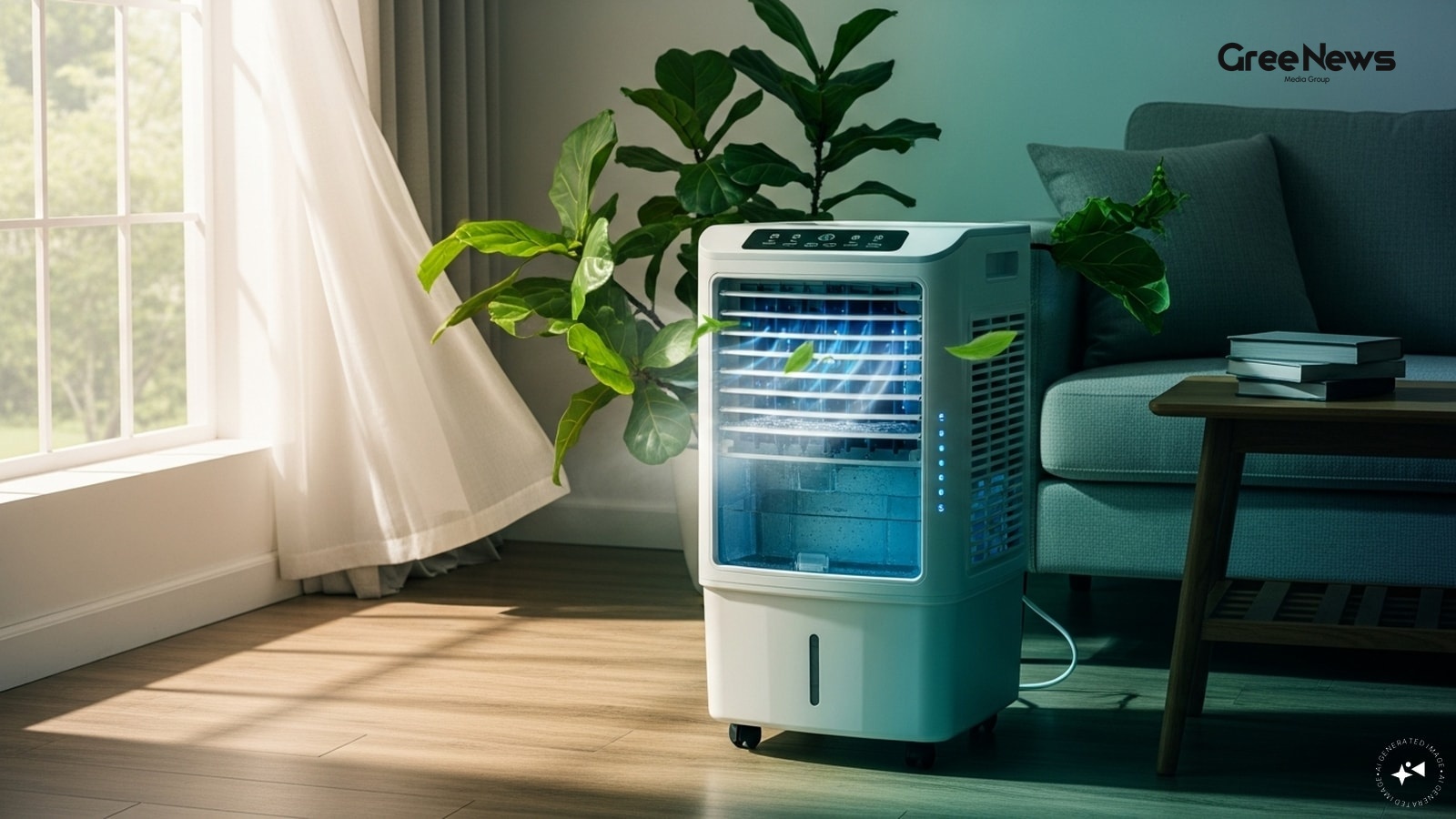
Air Cooler vs. Air Conditioner: The Ultimate Guide to Cooling and TV Choices
Choosing between an air cooler and an air conditioner. That’s the classic summer dilemma, right? At first glance, it seems simple enough. Coolers cost way less money upfront. They use minimal electricity. But then you look closer. Air conditioners push out much stronger cooling. They come with a hig
Jun 22, 2026 by Gree News Team
Latest Headlines
Smart Refrigerators: What to Buy and What to Ignore
If you look at smart refrigerators, you probably notice something right away. The fancy models often cost a lot more than those that just keep food cold and store it well. It makes you stop and wonder: what exactly are we paying extra for? Are these features actually going to make our family life ea
Jun 24, 2026 by Gree News Team

Gold and Silver Market Correction: Drivers, Risks, and Future Outlook
Gold and silver are finally taking a dive. They’re ending the June quarter with some sharp losses, snapping that five-quarter winning streak they’d been enjoying. It’s all because investors are just completely reassessing things now interest rates, inflation in the US. That decline feels like a dram
Jun 24, 2026 by Gree News Team
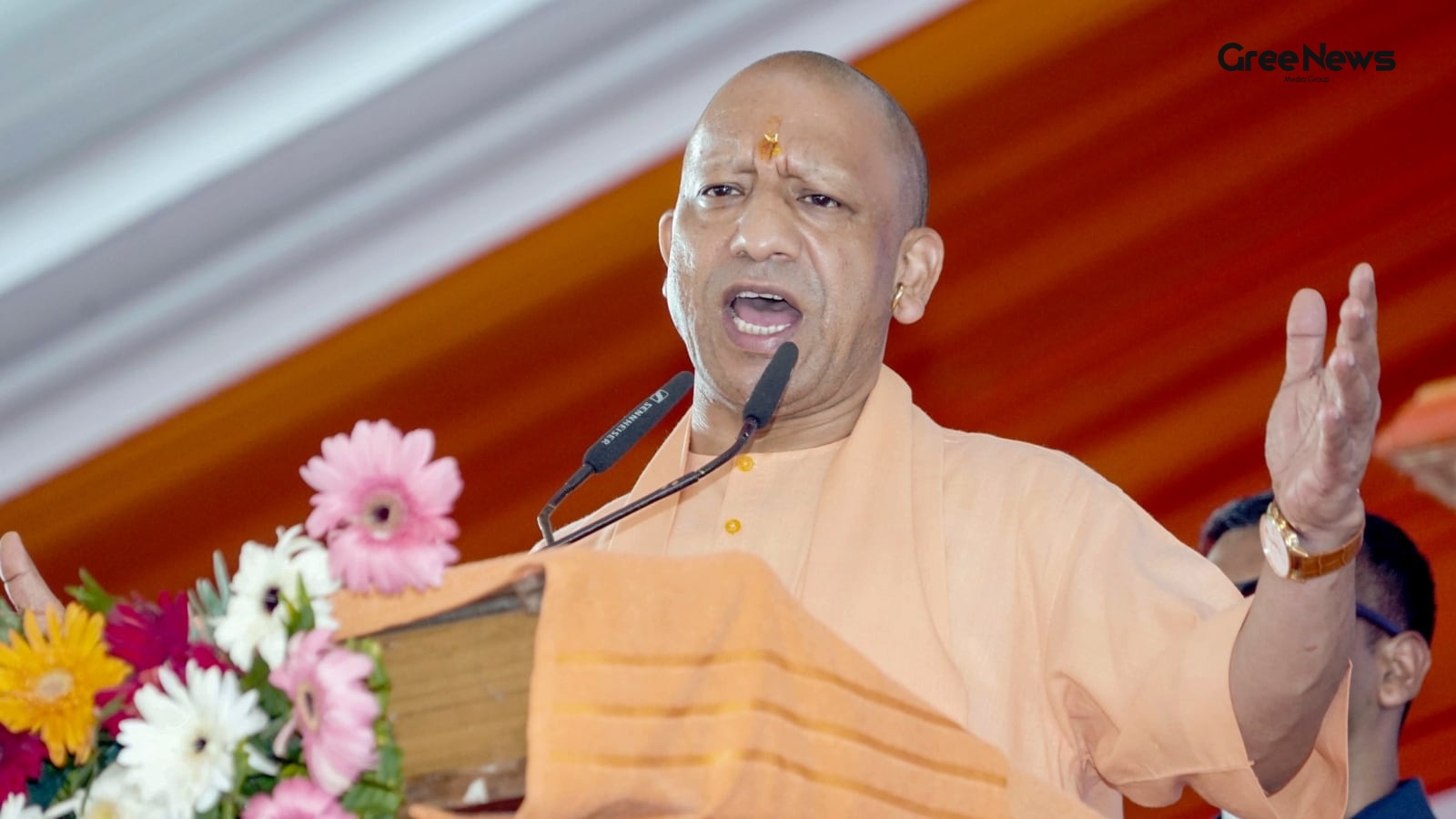
Uttar Pradesh Development, Identity, and the Future of Bundelkhand
Yogi Adityanath laid foundation stones today. Seventy-five development projects. Over six hundred thirty-six crore rupees worth. All done at Swami Brahmanand Mahavidyalaya in Rath. And a short film about Hamirpur’s development was shown too. The Chief Minister spoke about things. About how it isn't
Jun 24, 2026 by Gree News Team

Keir Starmer's Resignation and the Future of Labour Leadership
Keir Starmer announced his resignation on Monday. It came after months of mounting pressure inside the Labour Party. People were calling for a change in leadership, popularity was definitely slipping. This move puts him as the sixth British Prime Minister in the last ten years to be forced out befor
Jun 24, 2026 by Gree News Team

The Unfolding Crisis and Human Cost in PoK
The air itself felt thick lately. Not just the usual humidity you get in the summer heat, but something heavier. A kind of suspended silence that pressed down on everything the streets, the news feeds, and the very atmosphere over Pakistan-occupied Kashmir. It’s hard to process it all, really. The n
Jun 24, 2026 by Gree News Team

Diljit Dosanjh Show Interrupted: Security, Flags, and Historical Context
Diljit Dosanjh’s show in San Francisco got interrupted. Apparently, a guy carrying a Khalistan flag managed to get onto the stage during his Aura World Tour performance. Videos are already circulating online, showing security pulling him off the stage while Diljit was still performing. It happened r
Jun 24, 2026 by Gree News Team
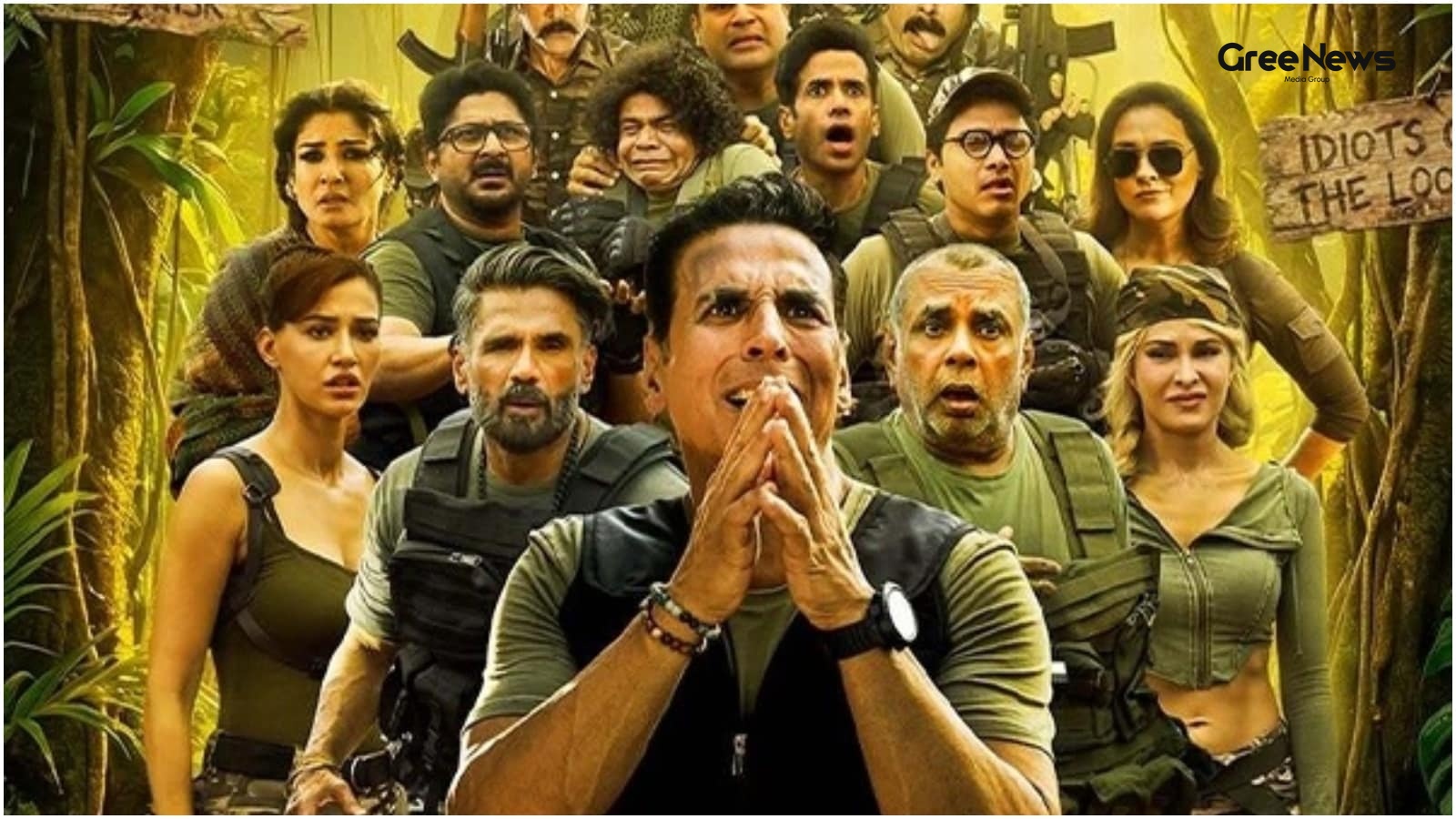
Welcome To The Jungle Editing and Censorship Process
So, *Welcome To The Jungle* got its U/A 16+ certificate from the CBFC. But that wasn't smooth sailing at all. They forced so many changes dialogue, visuals before it was even allowed to hit the theaters. We’re talking eighteen cuts total just to get the green light, which meant messing with things i
Jun 24, 2026 by Gree News Team

The Role of Empathy and Holistic Care in Medical Tourism
Artificial intelligence is moving healthcare along, fast. It’s speeding up diagnostics, smoothing out hospital operations. But for people facing massive life changes the procedures themselves efficiency just doesn't cut it anymore. International patients are looking for something else entirely. Trus
Jun 24, 2026 by Gree News Team

Sara Ali Khan, Kubra Khan, and Sharmila Tagore: Cross-Border Moments and Celebrity Connections
A video surfaced recently, something kind of a flash, from Kubra Khan’s birthday celebration in London. It went viral fast on social media. And naturally, it drew eyes because Sara Ali Khan and Sharmila Tagore were there. Just hanging out. A rare cross-border moment, you know? It shows them all comi
Jun 24, 2026 by Gree News Team
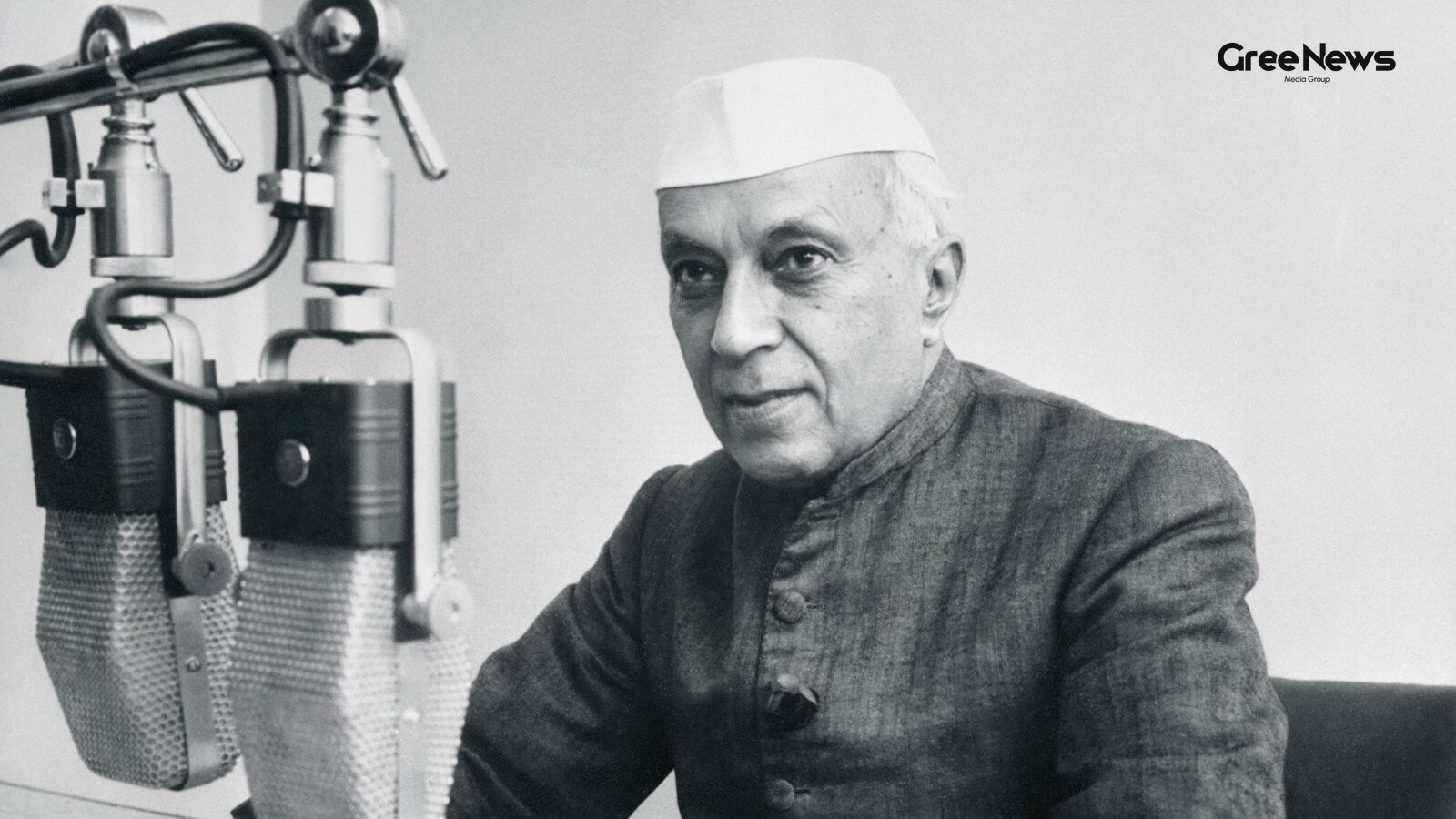
The Complex History Behind Renaming Kolkata’s Suhrawardy Avenue
The argument over renaming Kolkata’s Suhrawardy Avenue to Gopal Mukherjee Road isn't just about street names. It really digs into something messier. It circles back to Huseyn Shaheed Suhrawardy, but not in the way most people think. Sure, he’s remembered for those nasty Direct Action Day riots back
Jun 24, 2026 by Gree News Team
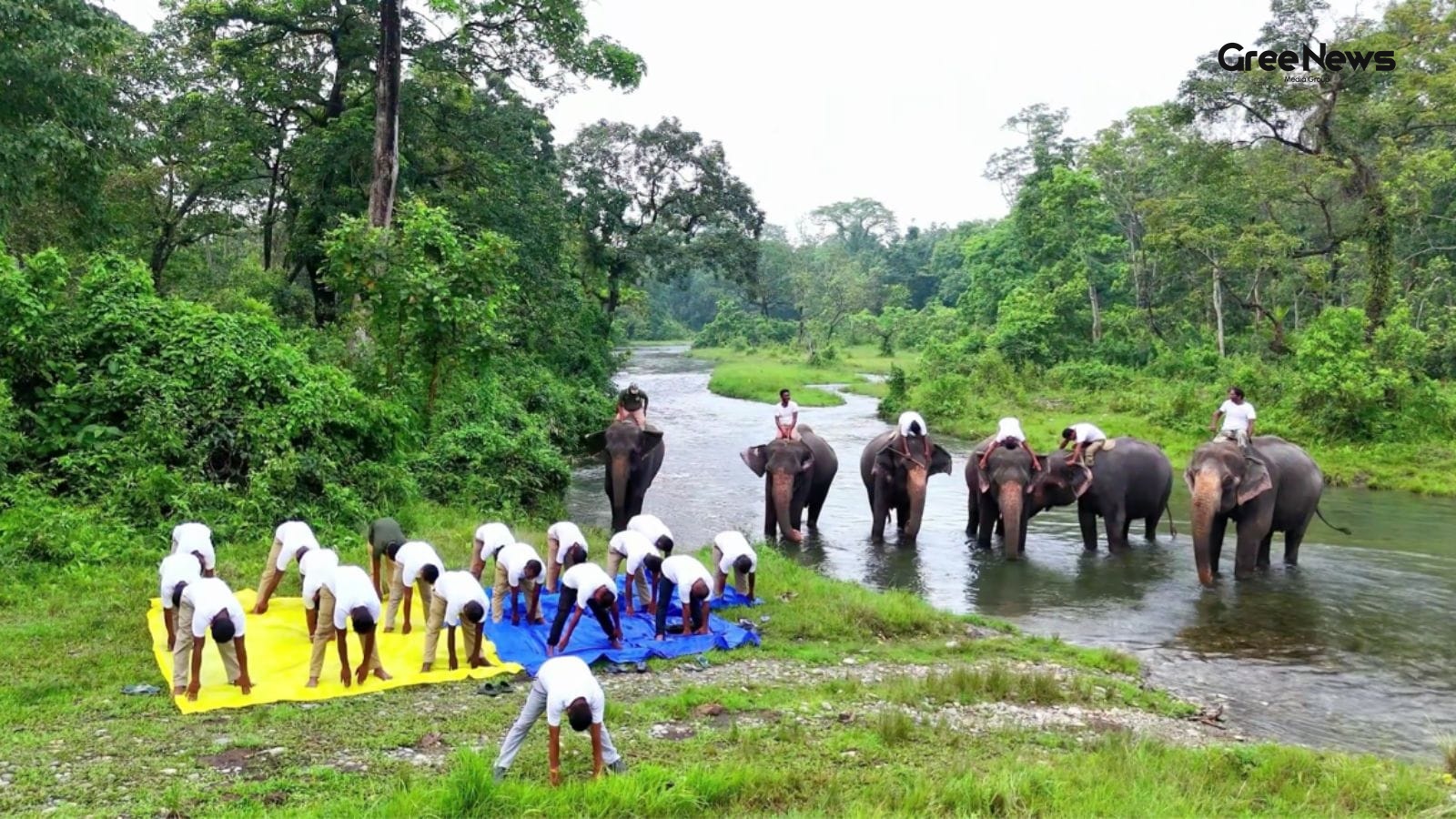
Yoga on Elephants in Jaldapara National Park: Viral Controversy
That video from Jaldapara National Park just blew up. It’s this thing where forest rangers are practicing yoga right there, sitting on elephants deep in the woods. Shared for International Yoga Day 2026. It just caught everyone's attention because it’s so weird and peaceful all at once. It was poste
Jun 24, 2026 by Gree News Team

Viral Incident in Greater Noida: Woman Lying on Road Sparks Controversy
A clip surfaced recently, gone viral everywhere, showing some woman lying right in the middle of a busy road in Greater Noida, Uttar Pradesh. Allegedly, she was under the influence of alcohol when this happened. People are reacting hard to it, criticizing her for causing such a massive disruption an
Jun 24, 2026 by Gree News Team

The Unseen Cost of Spectacle: Safety and Workers in the Film Industry
The reported death… it keeps pulling focus. It’s always about the bodies on the screen, right? The stars, the songs, all that spectacle Sanjay Leela Bhansali puts out there. But underneath all that glitter behind those massive sets there are thousands of people doing the actual work. Carpenters, lig
Jun 24, 2026 by Gree News Team

Aadimanav: The Survival Story of Six Indian Adventurers
Warner Bros. Discovery just dropped something big in India. It’s taking that globally famous adventure survival format *Naked and Afraid* and putting it into an Indian spin: *Aadimanav*. Six episodes of this thing premiered on Discovery on June 15th at eleven at night, and you can stream it now on d
Jun 24, 2026 by Gree News Team

Setting Professional Boundaries and Rejecting Burnout
So there’s this content creator in Mumbai, right? She got people talking online. It all kicked off because she encouraged folks to get a little "problematic" at work. Not making trouble, mind you. Just refusing to swallow the unhealthy norms. It blew up in an Instagram video. She was arguing that ev
Jun 24, 2026 by Gree News Team