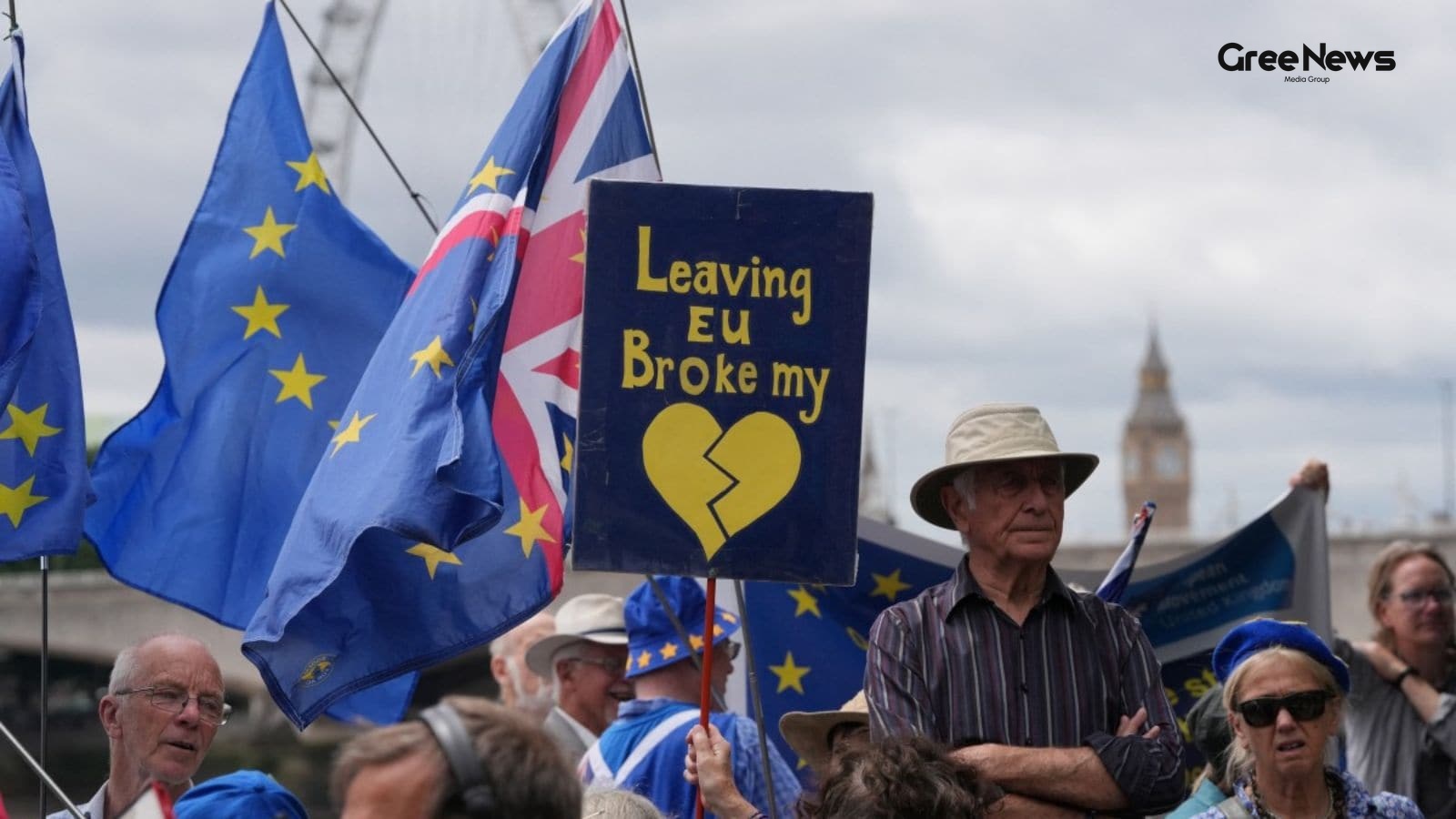
Keir Starmer stepping down, that was the latest bit of political chaos following weeks of real pressure from Labour MPs. It just throws Britain back into that same murky space we’ve been in for a long time. And you can’t ignore how this all circles right back to Brexit .
Ten years gone. Ten years since the vote. Now it feels like everything the elections, the money decisions, who gets to come here and live here it’s still being decided by that single event. What we were promised then, that path to more control, more prosperity? It just curdled into something people are calling regret now. That growing feeling that whatever they fought for didn't actually deliver.
It’s not really about the paperwork anymore. It’s deeper than leaving the EU. It’s about why this whole fight keeps tearing the country apart. Why the economic and political fallout just refuses to fade away.
How Brexit actually shifted things around.
The referendum, it started with a very simple pitch: “Take Back Control.” That was the core idea for so many people. They genuinely thought that pulling out meant regaining command over their own laws, their borders, their money. Less rules, stronger services, independent trade deals, tighter limits on who entered the country.
For lots of folks, it felt like a chance to finally snap back after all those years of being tied into the bigger European setup. A real opportunity for national sovereignty.
The vote itself gave the Leave side that narrow victory. It fundamentally changed how Britain relates to its biggest trading partner, and kicked off some massive political shifts across Europe.
Then came the actual exit, December 31st, 2020. Ending that forty-seven-year relationship with the EU. A period full of shouting in parliament, endless negotiations, and deep internal divisions that reshaped everything about British politics behind closed doors.
Six years later, where are we? Brexit’s effect on the economy is still being argued over constantly. But most economists just aGree: it acted like a brake. Trade barriers got harder. Business costs went up. And look at the leadership six prime ministers in ten years. It’s been a constant churn.
The drag on the economy keeps coming back.
While London gets to negotiate its own trade deals, setting rules for finance and AI independently, many Britons just don't see that translating into something better for their daily lives. They feel like they traded one set of problems for another.
Britain made partnerships with India, Australia, New Zealand all good things. But then you’ve got the new hurdles with the EU. That’s Britain’s biggest market after all.
Michel Barnier, the guy who actually negotiated the deal, he said something telling. He admitted that not everything making life harder in the UK was because of leaving the EU. He suggested the difficulties were bigger because Brexit happened. It made you think about where the real trouble lies.
It’s the sheer bureaucracy now. Businesses have to worry about customs forms, regulatory checks, paperwork that just wasn't there before 2020. Small exporters are getting crushed by these compliance costs. They can barely breathe.
Take German companies, like Bosch. They said their UK operations now handle thousands of import transactions a year. Before? Only a few hundred. That jump shows you the friction added on top of everything else. It’s exhausting for everyone trying to move things across borders.
The numbers don't lie about the drag. The fiscal watchdog estimates Brexit could shrink the UK’s long-term economic output by nearly four percent compared to staying in the EU. That is a massive structural change, one of the biggest shifts we’ve seen in decades regarding how Britain functions economically.
Look at the data from the NBER paper. By 2025, Brexit had already cut UK GDP growth between six and eight percent. Investment dipped too twelve to thirteen percent reduction. Employment saw a small dip, three or four points, productivity lagged behind. It’s all compounding, that drag you can't shake off.
Michael Saunders, who worked on this stuff at Oxford Economics and used to be at the Bank of England, he just states it plainly: “Brexit is a constant drag on the economy.” He argues it keeps pulling down the gross domestic product compared to what it could have been otherwise. That means more tax hikes, spending cuts... the usual fallout.
Before Brexit? Everything flowed easily within the single market. Goods moved, people traveled, money circulated almost without friction across those borders. It was seamless for business.
Now? A truck full of potatoes from England heading to Paris has to stop and sort things out. Health certificates, customs checks. What used to be a quick crossing is now a slow, expensive ordeal. That added red tape affects every single industry.
Immigration and Population Shifts
Immigration. That was supposed to be one of the big wins. People expected less migration once free movement ended. Instead? We’ve seen record numbers moving in since 2021. Five hundred and fifty thousand people arriving annually is the average now, up from two hundred fifty thousand in the 2010s. The University of Oxford’s Migration Observatory tracks this shift.
In 2023, it hit nearly nine hundred thousand arrivals an absolute peak as immigration by non-EU citizens spiked before things started to ease off slightly with new policies kicking in. It complicates whatever promises were made about controlling borders.
The makeup of the population changed too. It wasn't just people stopping; it was who arrived. The expectation that EU freedom meant fewer migrants didn't hold up. Instead, we saw a real shift. European workers got replaced by migrants from places like India, Nigeria, Pakistan all through those visa schemes designed to fill labor gaps. An unexpected outcome, really. It messes with the core political promises.
And then there’s just how people feel about it all. The sentiment is shifting fast. Perhaps that’s the biggest change over the last decade.
A poll from the European Council on Foreign Relations caught a lot of this. Up to two-thirds of British voters, regardless of party affiliation, feel Brexit hurt the country overall. They felt it drove up costs and damaged the economy.
When they looked at the specifics, things got really messy. Fifty-six percent thought leaving the EU was bad for dealing with illegal migration, trade friction, and red tape. Fifty-seven percent felt it reduced opportunities for young people. And fifty-seven percent just thought it was fundamentally “wrong” for Britain to have left in the first place. Three quarters now want closer ties with the EU.
Even those who voted Leave admit that the economic benefits they hoped for never really materialized as expected.
But even with these shifts, Brexit remains a core part of British identity. People still cling to being either "Leavers" or "Remainers." It shows how much social and cultural lines were drawn by that referendum lines that just won’t disappear easily. It hasn't closed a chapter; it’s just left an open, deep fault line running right through the whole political landscape.
Written by Gree News Team — Senior Editorial Board
Gree News Team covers international news and global affairs at Gree News. Our collective of senior editors is dedicated to providing independent, accurate, and responsible journalism for a global audience.
More from World
View All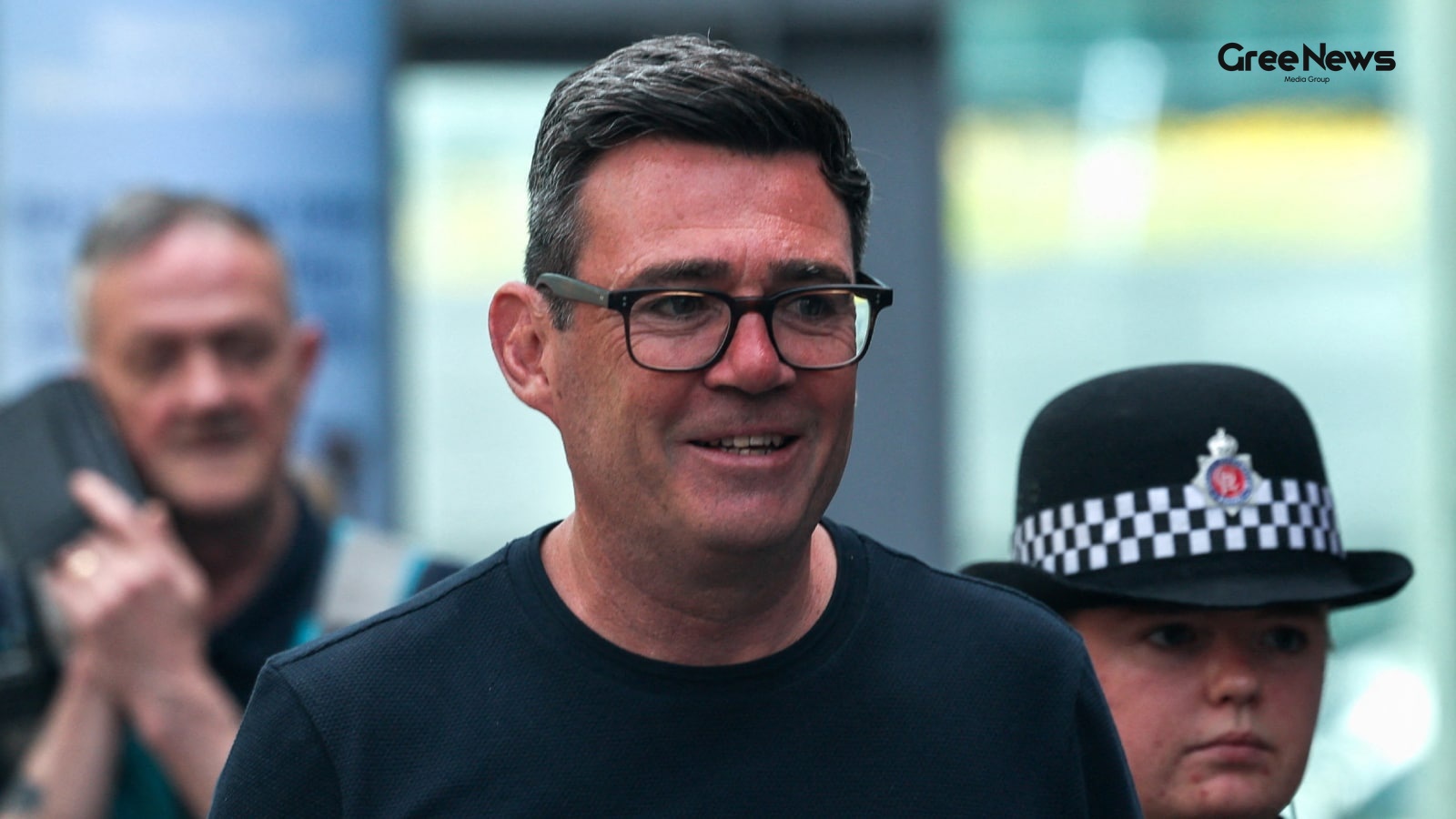
The Political Transition: Momentum, Stability, and the Future of Labour
It’s all just moving, isn't it? That feeling of things shifting under the surface. You look at the headlines and you realize there’s a whole mechanism running behind the scenes, one that decides who sits where, who gets to steer the ship when the waters get rough. And right now, Labour it feels like
Jun 24, 2026 by Gree News Team
Andy Burnham: Political Journey and the Philosophy of Manchesterism
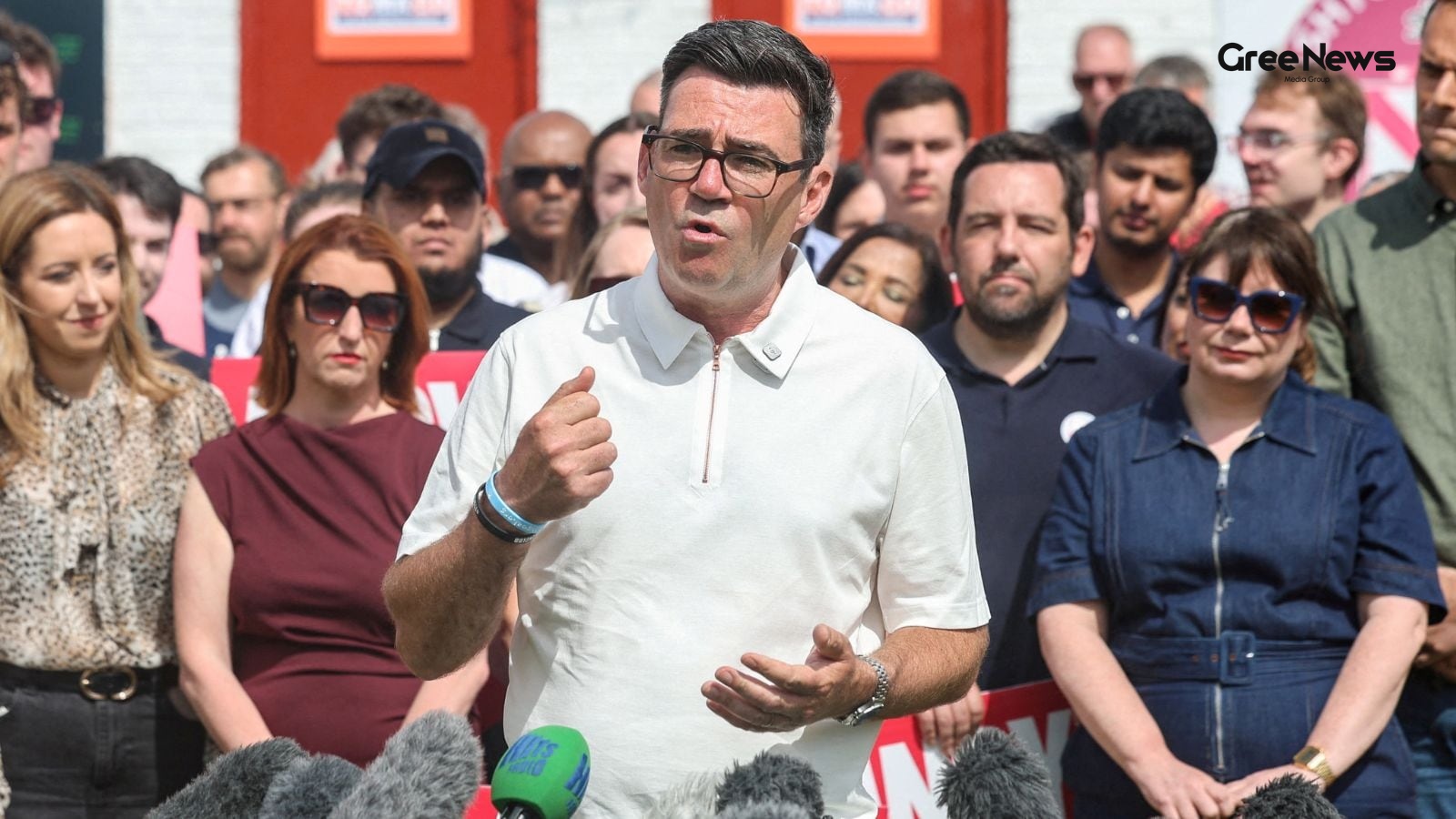
Andy Burnham stepped forward, Monday. A senior Labour politician who’s managed to carve out some real space for himself, especially after that whole leadership mess with Starmer. He’s the new MP for Makerfield, right? Just another name thrown into the swirling vortex of UK politics. It all kicked of
Jun 23, 2026 by Gree News Team
Iran Nuclear Talks and IAEA Agreement
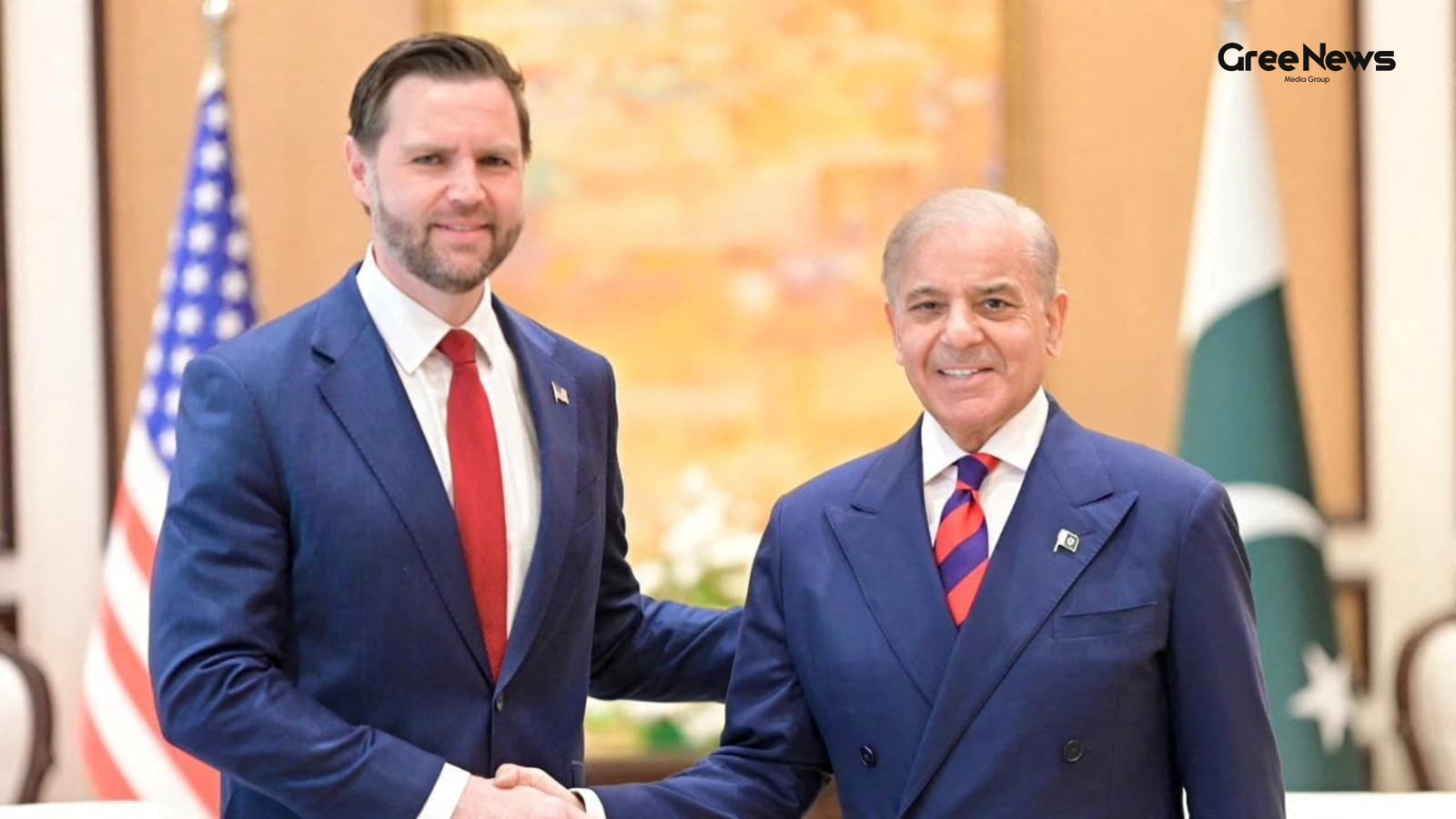
JD Vance said Monday that Iran actually agreed to let the International Atomic Energy Agency inspectors back into the country. It came after eighteen hours of intense talks, held up in Burgenstock, Switzerland. They also managed to sketch out a roadmap for a final deal, something they think is maybe
Jun 23, 2026 by Gree News Team
Kunal Shah Named Global Head for WhatsApp After Leading CRED
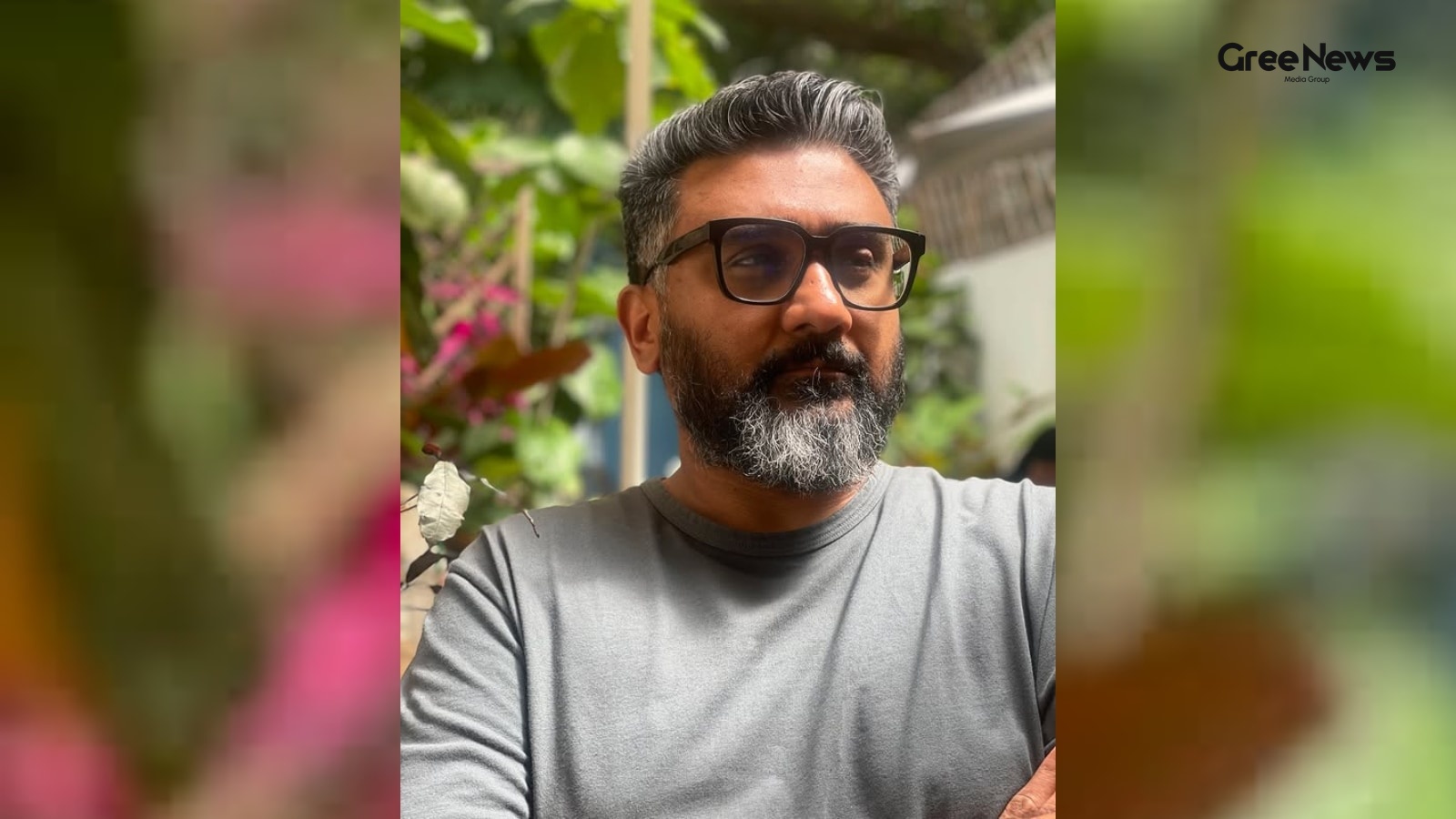
Meta just named Kunal Shah, the founder of that fintech firm CRED, as the new global head for WhatsApp. It’s one of those big appointments, you know? An Indian entrepreneur taking a spot at the top of the technology world. Will Cathcart, who’s been running the messaging platform since 2019, made the
Jun 23, 2026 by Gree News Team
Latest Headlines
The Unseen Cost of Spectacle: Safety and Workers in the Film Industry
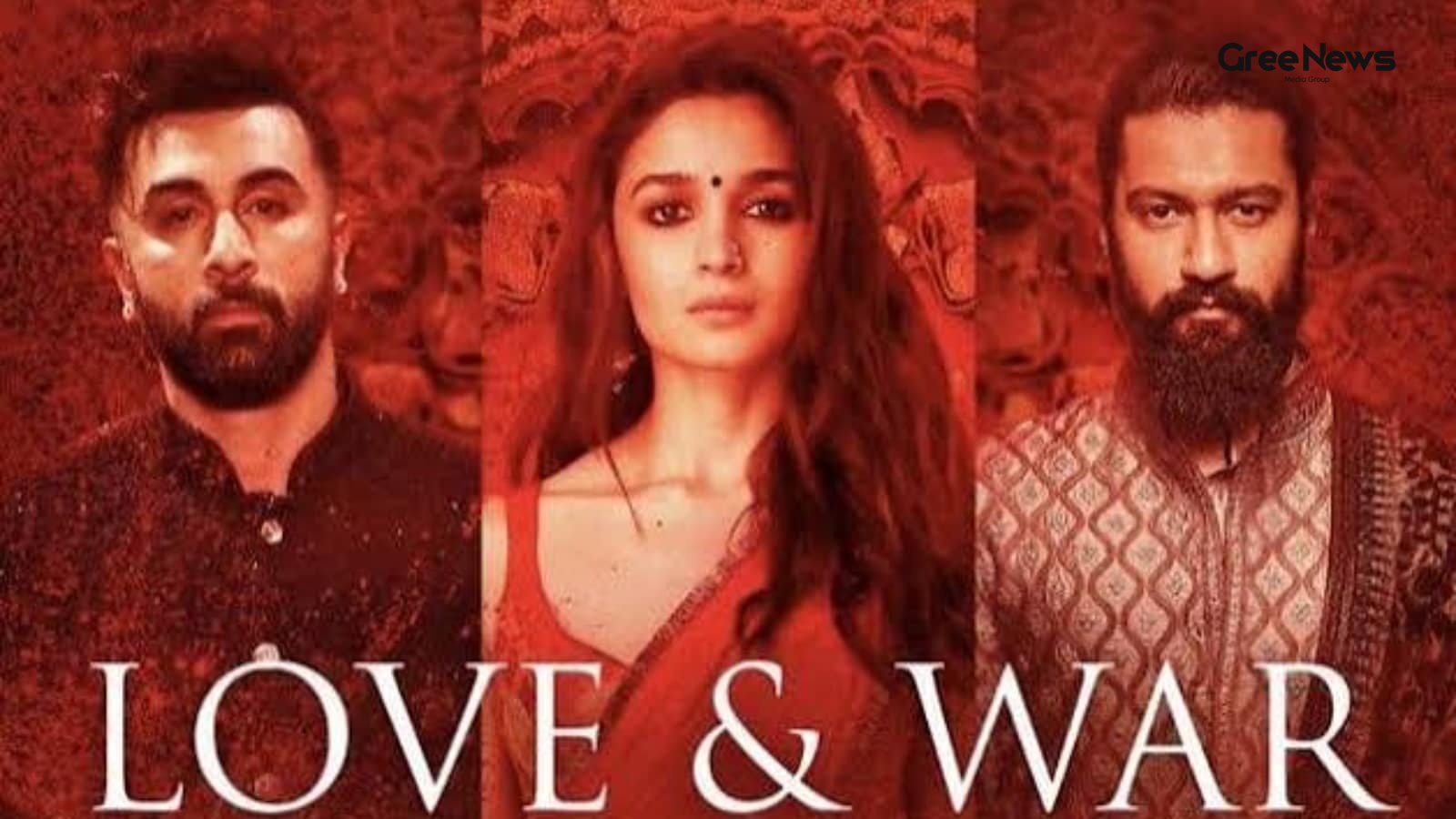
The reported death… it keeps pulling focus. It’s always about the bodies on the screen, right? The stars, the songs, all that spectacle Sanjay Leela Bhansali puts out there. But underneath all that glitter behind those massive sets there are thousands of people doing the actual work. Carpenters, lig
Jun 24, 2026 by Gree News Team

Aadimanav: The Survival Story of Six Indian Adventurers
Warner Bros. Discovery just dropped something big in India. It’s taking that globally famous adventure survival format *Naked and Afraid* and putting it into an Indian spin: *Aadimanav*. Six episodes of this thing premiered on Discovery on June 15th at eleven at night, and you can stream it now on d
Jun 24, 2026 by Gree News Team

Setting Professional Boundaries and Rejecting Burnout
So there’s this content creator in Mumbai, right? She got people talking online. It all kicked off because she encouraged folks to get a little "problematic" at work. Not making trouble, mind you. Just refusing to swallow the unhealthy norms. It blew up in an Instagram video. She was arguing that ev
Jun 24, 2026 by Gree News Team
Mahaprabhu Jagannath: The Biggest Animated Film Launch
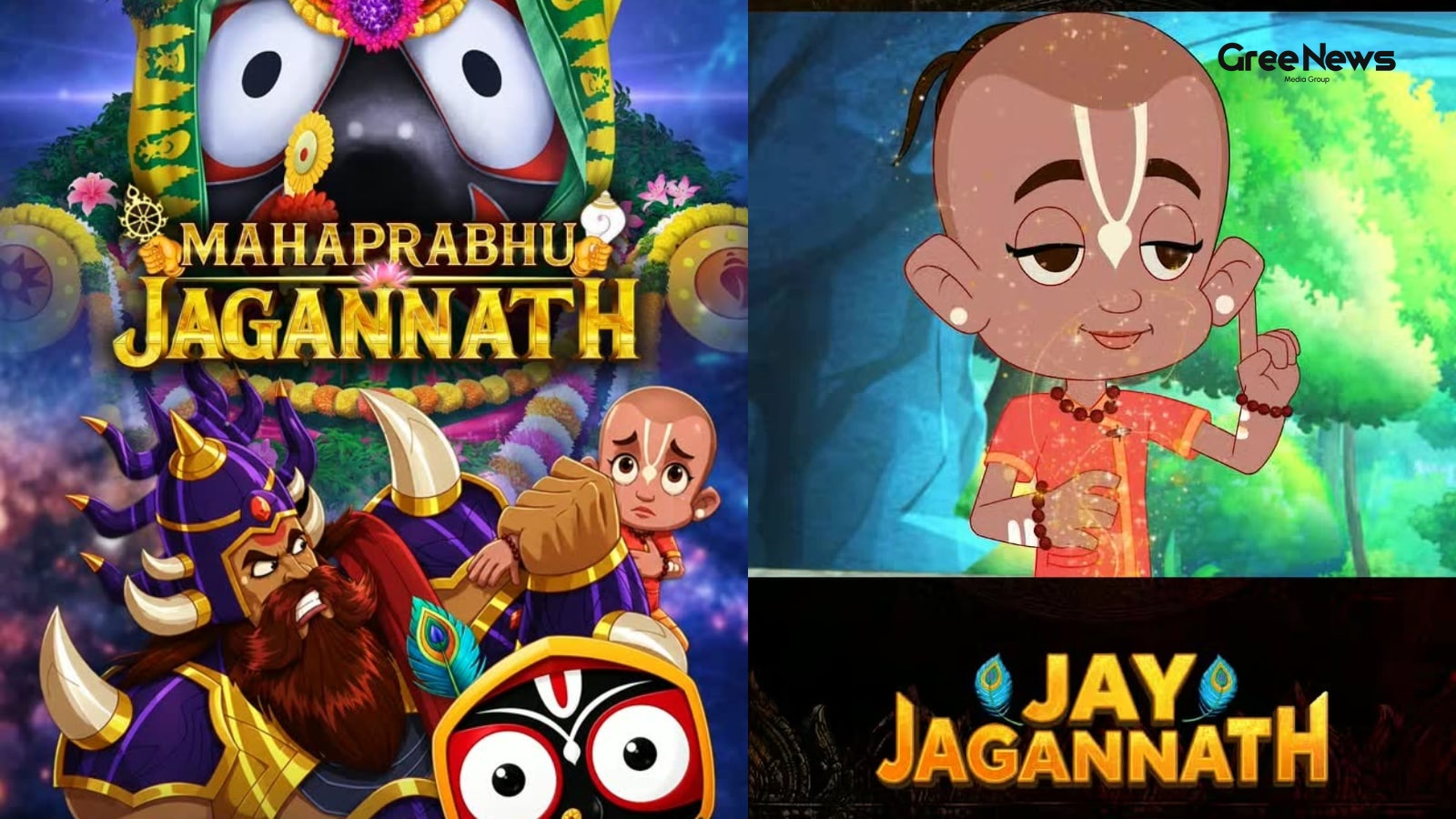
The trailer for *Mahaprabhu Jagannath* dropped, and it wasn't just a movie launch. It was something bigger. It happened during an ongoing Shrimad Bhagwat Katha in Cuttack, Odisha. Pujya Shri Indresh Upadhyay Maharaj Ji unveiled it. A massive deal. The whole thing took place in front of over ten thou
Jun 24, 2026 by Gree News Team
Jio Platforms and NSE Public Offerings: Market Speculation and Details
Jio Platforms and the NSE they’re both cooking up some truly enormous public offerings, set to happen later this year. It’s going to be huge for the Indian market history, you know? We're talking about Jio Platforms trying to raise about thirty-seven thousand seven hundred crore rupees through a fre
Jun 24, 2026 by Gree News Team
The Political Transition: Momentum, Stability, and the Future of Labour
It’s all just moving, isn't it? That feeling of things shifting under the surface. You look at the headlines and you realize there’s a whole mechanism running behind the scenes, one that decides who sits where, who gets to steer the ship when the waters get rough. And right now, Labour it feels like
Jun 24, 2026 by Gree News Team
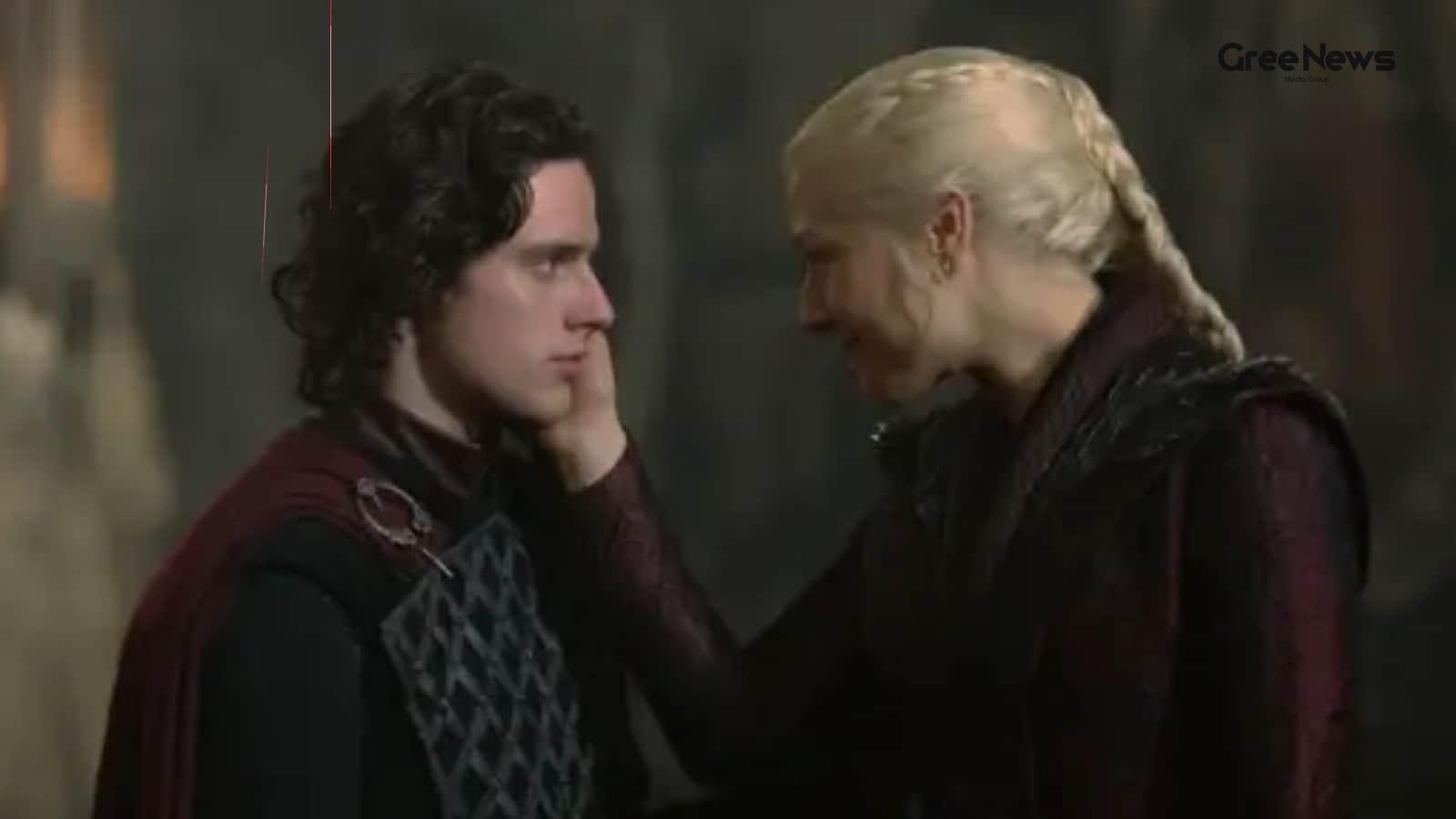
House of the Dragon Season 3 Premiere Reaction and Analysis
Nearly two years of waiting. House of the Dragon Season 3 finally dropped on June 22, 2026. The first episode hit India at 6:30 AM IST. It started heavy. Right into the deep end of the Dance of the Dragons the Battle of the Gullet. That opening was pure chaos. Blood. Fire. Shattered fleets. And one
Jun 23, 2026 by Gree News Team
Andy Burnham: Political Journey and the Philosophy of Manchesterism
Andy Burnham stepped forward, Monday. A senior Labour politician who’s managed to carve out some real space for himself, especially after that whole leadership mess with Starmer. He’s the new MP for Makerfield, right? Just another name thrown into the swirling vortex of UK politics. It all kicked of
Jun 23, 2026 by Gree News Team
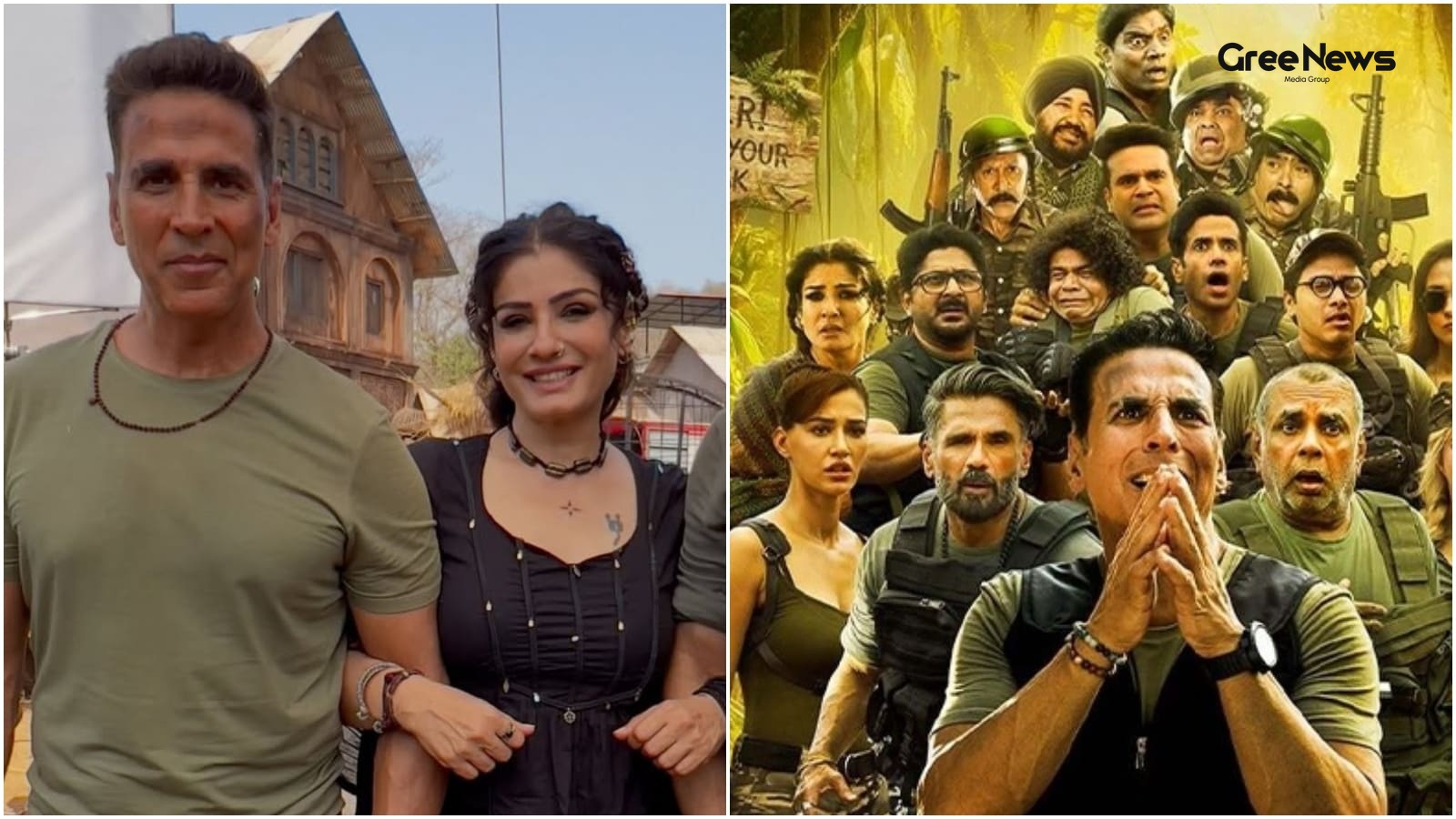
Akshay Kumar and Raveena Tandon: The Friendship Behind Welcome To The Jungle
*Welcome To The Jungle*, starring Akshay Kumar, is finally heading to theaters soon. There’s a lot of noise about it, though. Mostly that reunion. Akshay and Raveena Tandon. After twenty-two years, they’re back on screen for this comedy directed by Ahmed Khan. Ahmed Khan talked about it recently wit
Jun 23, 2026 by Gree News Team
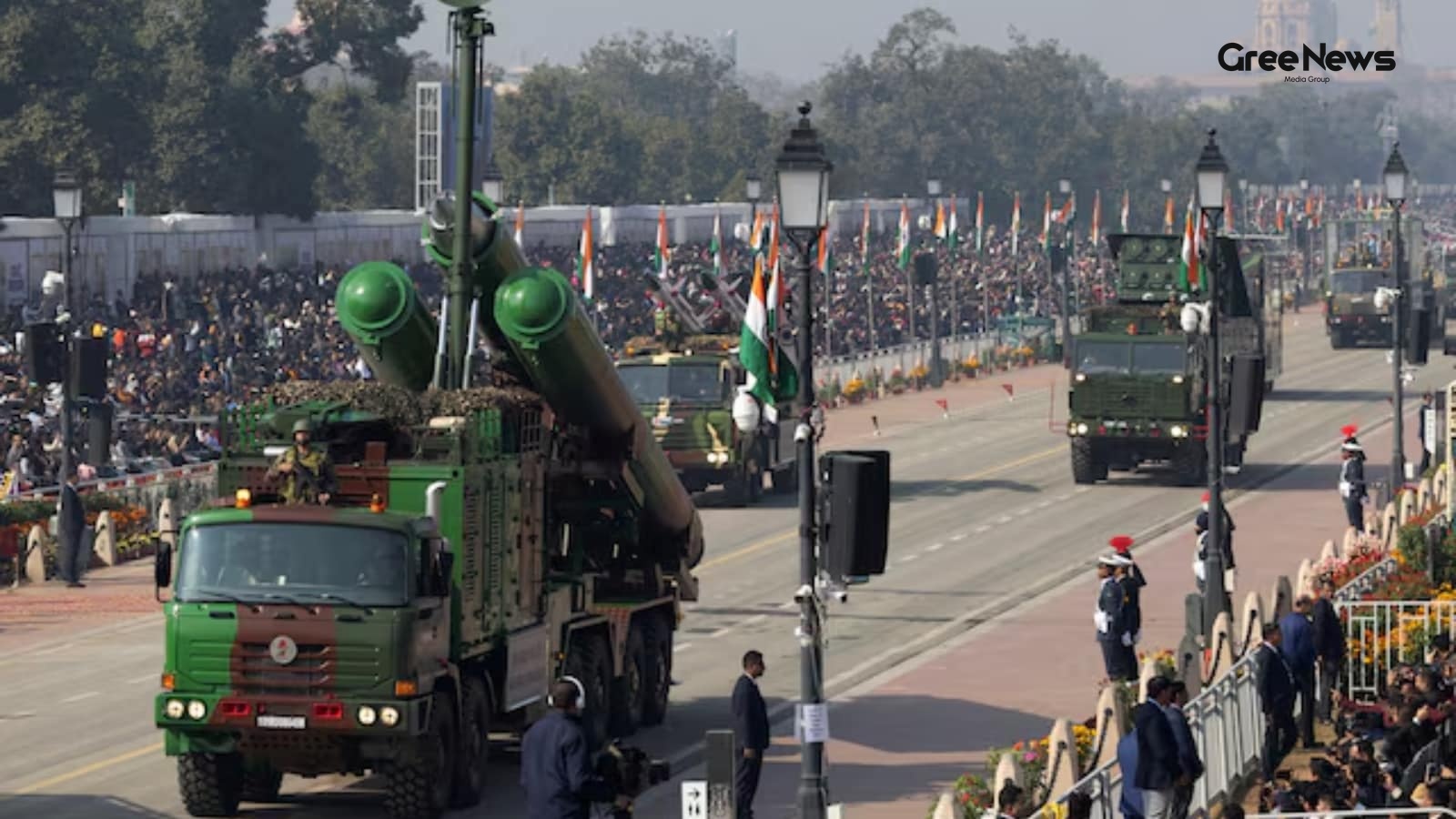
India-UAE Defense Deals and Weapon System Exports
Some chatter is going on between India and the UAE right now about defense deals. Specifically, there are talks happening over exporting some of India's key defense systems. Think stuff like the BrahMos supersonic cruise missile coming up. That’s what Reuters got wind of, based on people who know th
Jun 23, 2026 by Gree News Team
Iran Nuclear Talks and IAEA Agreement
JD Vance said Monday that Iran actually agreed to let the International Atomic Energy Agency inspectors back into the country. It came after eighteen hours of intense talks, held up in Burgenstock, Switzerland. They also managed to sketch out a roadmap for a final deal, something they think is maybe
Jun 23, 2026 by Gree News Team

Enforcement Drive Hits Gurugram: Illegal Constructions and Public Outrage
The enforcement drive hit Gurugram’s DLF Phase-3 hard. It was a major crackdown on illegal constructions and all those unauthorized commercial setups. This wasn't some quiet administrative move; it came straight from the Punjab and Haryana High Court. The Department of Town and Country Planning laun
Jun 23, 2026 by Gree News Team
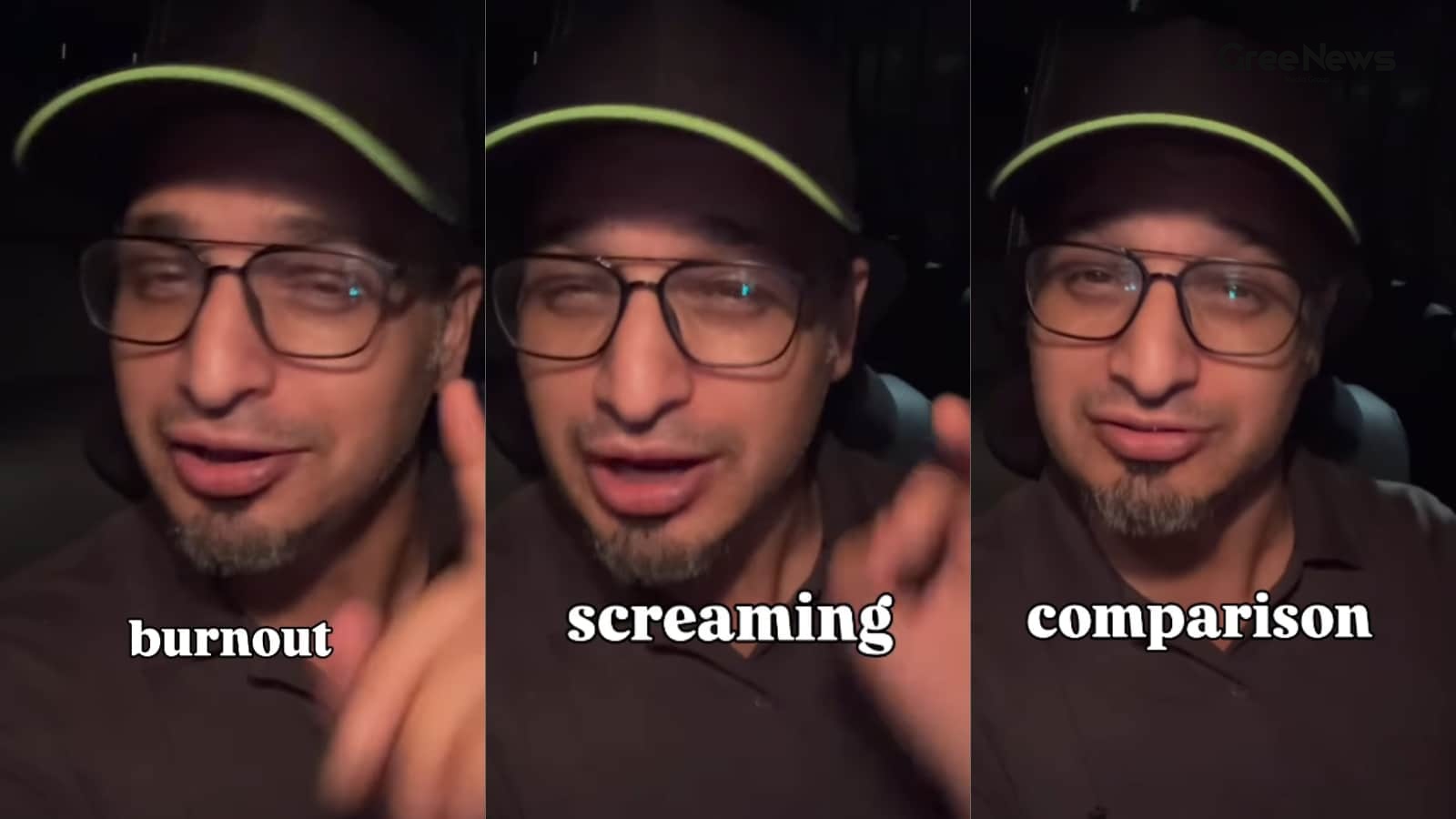
Toxic Workplace Habits: What Needs to Change in the Office
A Mumbai professional recently stirred up a lot of talk about how work actually happens in India. He pointed out some things he thinks have gotten just too normalized in offices across the country. It really hit home for a lot of corporate workers who said, "Yeah, I’ve seen this stuff too." Vijay Ch
Jun 23, 2026 by Gree News Team

Understanding Frozen Shoulders (Adhesive Capsulitis) and Recovery
Frozen shoulders. It’s a quiet thief, really. It doesn't announce itself with a bang, but it slowly creeps in, quietly messing up the everyday stuff. Simple things putting on a shirt, reaching for something on a high shelf, even just lifting a bag they start to hurt. The shoulder joint gets this sti
Jun 23, 2026 by Gree News Team
Kunal Shah Named Global Head for WhatsApp After Leading CRED
Meta just named Kunal Shah, the founder of that fintech firm CRED, as the new global head for WhatsApp. It’s one of those big appointments, you know? An Indian entrepreneur taking a spot at the top of the technology world. Will Cathcart, who’s been running the messaging platform since 2019, made the
Jun 23, 2026 by Gree News Team