US Humanitarian Aid Diversion and Oversight Failures in Conflict Zones
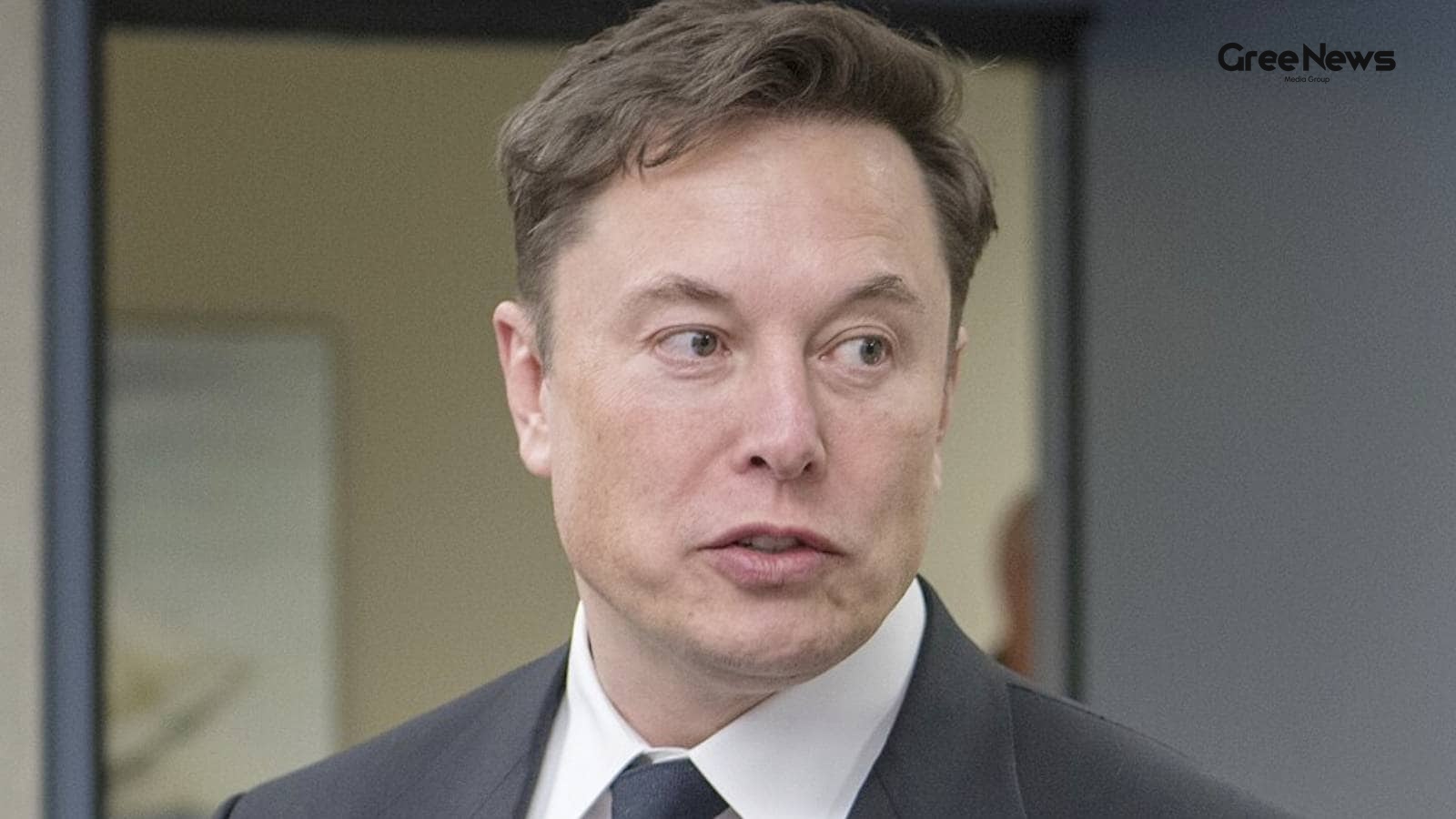
Elon Musk, the CEO of Tesla and SpaceX , brought attention to some really thorny issues lately. It’s about where US-funded humanitarian assistance actually ends up when it gets sent into conflict zones. There's a huge debate brewing about whether aid flowing through USAID can actually be misused by terrorist organizations.
This came to light with a specific case cited in 2024 involving a Syrian national named Mahmoud Al Hafyan. He was charged with diverting millions of dollars meant for civilians away from them and into al-Qaida affiliate groups. Musk posted something on X reacting to this, saying straight up, “USAID funding was used for terrorism.” It’s a stark statement, isn't it?
The official story, the press release USAID put out in 2024, said Al Hafyan, who is 53 and Syrian, faced a 12-count indictment. But what did that mean on the ground?
According to the indictment details, Al Hafyan, also known as Abu Abdo Al-Homsi, wasn't just an individual. He headed a regional NGO in Syria. Sixteen0 employees, that’s how many people he managed. And these were supposed to be helping civilians.
But instead of aid reaching them, it went somewhere else. More than nine million dollars in US humanitarian assistance was diverted. It went directly to armed combatant groups. Specifically, the Al-Nusrah Front (ANF). That group is designated a foreign terrorist organization, linked up with al-Qaida in Iraq.
The indictment itself was announced by some serious people: US Attorney Matthew M Graves, and agents from the USAID Office of Inspector General Jason Donnelly and Sanjay Virmani. They laid out the charges pretty clearly.
Graves said something heavy when he spoke about it at the time. He noted that this defendant didn't just cheat the government. He handed over aid stolen from civilians to a foreign terrorist organization. Graves pointed out the tragic irony: while Al-Nusrah Front was fighting the Assad regime, the actual civilians who needed help were suffering instead.
Virmani stepped in too. He emphasized the scale of the theft. He said Al Hafyan wasn't just supporting violent terrorists; he was stealing money meant for humanitarian efforts from the US government. It felt like a double failure there.
Donnelly, working at USAID -OIG, stressed that their job is to stop this kind of stuff from happening. They promised continued cooperation with law enforcement. But it’s hard to enforce that when you are dealing with chaos.
Documented cases really show the risk here. Aid funded by USAID has, in some situations, definitely been diverted to extremist groups. That doesn't automatically mean USAID is systematically funding terrorism, though. It points more toward massive oversight failures and vulnerabilities in those fragile environments.
The strongest evidence we have usually comes from the Inspector General findings, criminal investigations, and those reports highlighting where the risks were especially in places like Syria or Gaza.
USAID -OIG issued an advisory back in 2024 saying that assistance in Gaza carried a high risk of diversion. They admitted that their oversight relied heavily on partner self-reporting, third-party monitoring, and vetting procedures. That sounds optimistic, but it leaves room for doubt.
Meanwhile, USAID insisted they use anti-terrorism clauses, sanctions checks, and screening systems to stop aid from hitting Hamas or other designated groups. It’s a layered defense, trying to catch the wrong thing while managing real crises.
But concerns about this kind of diversion aren't new. Remember back in 2007? An internal USAID audit warned they couldn't "reasonably ensure" their funds wouldn't end up with terrorist groups operating in fragile settings. That warning still echoes today.
There were other hard examples of where things went wrong long before this specific case emerged. Back in 2018, for instance, USAID suspended a $44.6 million Syria food-aid program. The reason? An Inspector General investigation found that local NGO staff had actually supplied food kits to members of Hay’at Tahrir al-Sham. That group is a successor organization to the al-Qaida-linked Jabhat al-Nusra. A big failure, clearly.
Then there was the case from 2025. USAID -OIG looked into a Syria voucher scheme where aid vouchers vanished. Money disappeared from intended recipients. Someone involved in that program got debarred for three years. Just another example of how easily things can slip through the cracks.
When they focused on Gaza in 2024, seeing it as a high-risk area for misuse, there was an investigation priority set. Yet, later reviews and reports coming out in 2025 found no proof of widespread or systemic diversion by Hamas itself. That’s important distinction. Still, individual theft and loss incidents absolutely continued to be examined.
And the numbers don't look good across the board. The USAID -OIG reported that as of 2026, there were still 208 active investigative matters open. These cases span aid diversion in Syria and Ethiopia alone. It points to a persistent pattern of oversight failures and real vulnerabilities existing deep within these conflict zones. Reports keep pointing back to documented diversions and gaps in monitoring.
Written by Gree News Team — Senior Editorial Board
Gree News Team covers international news and global affairs at Gree News. Our collective of senior editors is dedicated to providing independent, accurate, and responsible journalism for a global audience.
More from World
View All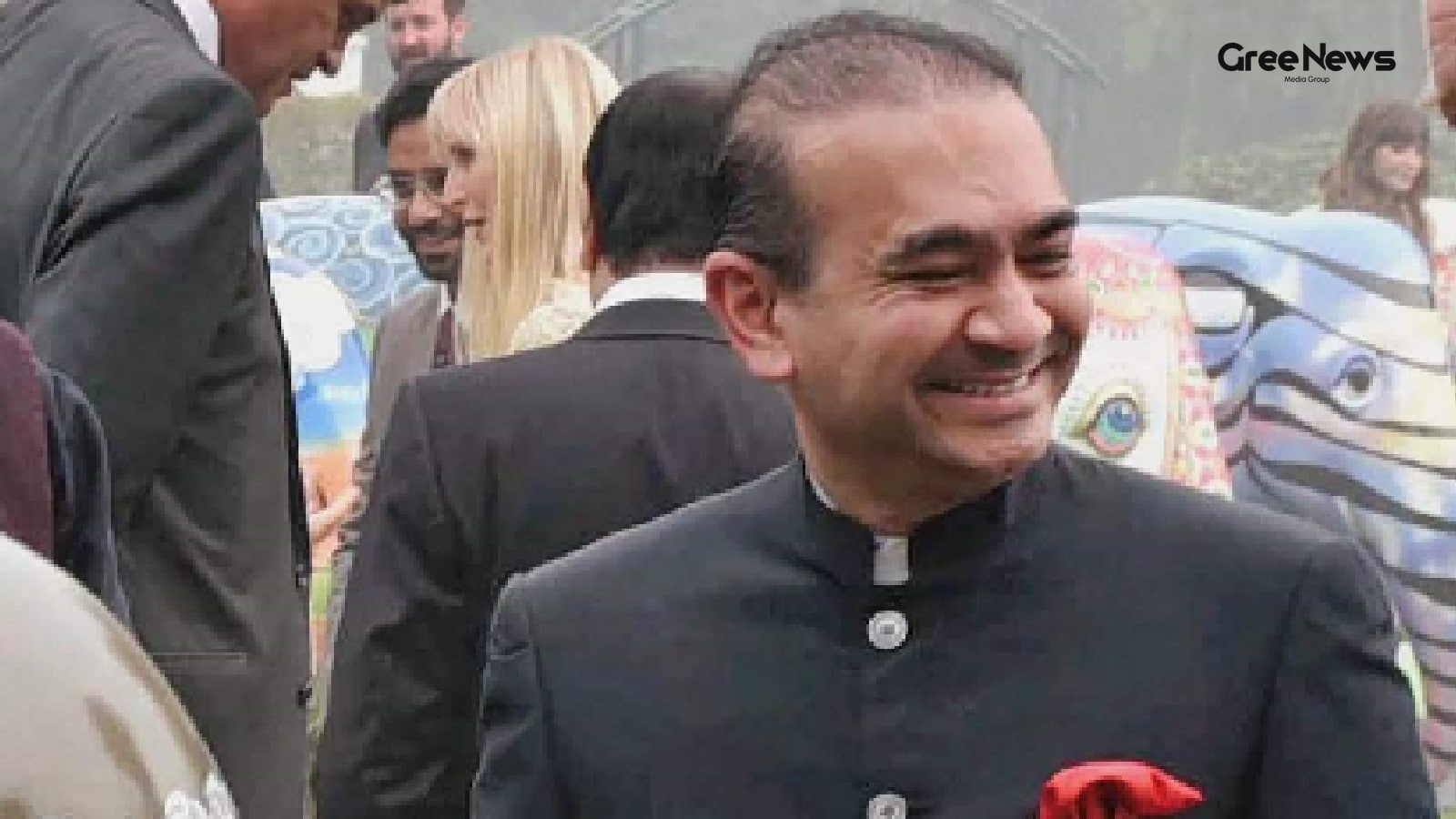
London High Court Ruling on Nirav Modi and Bank of India Guarantee
A London High Court actually ruled for the Bank of India, which is a big deal given the whole fugitive diamond businessman Nirav Modi situation. They found him liable to pay more than $10.7 million that’s over Rs 100 crore under a personal guarantee tied to some loan linked to his companies. Justice
Jun 24, 2026 by Gree News Team
Impact of Proposed Fee Hikes on US Citizenship Applications
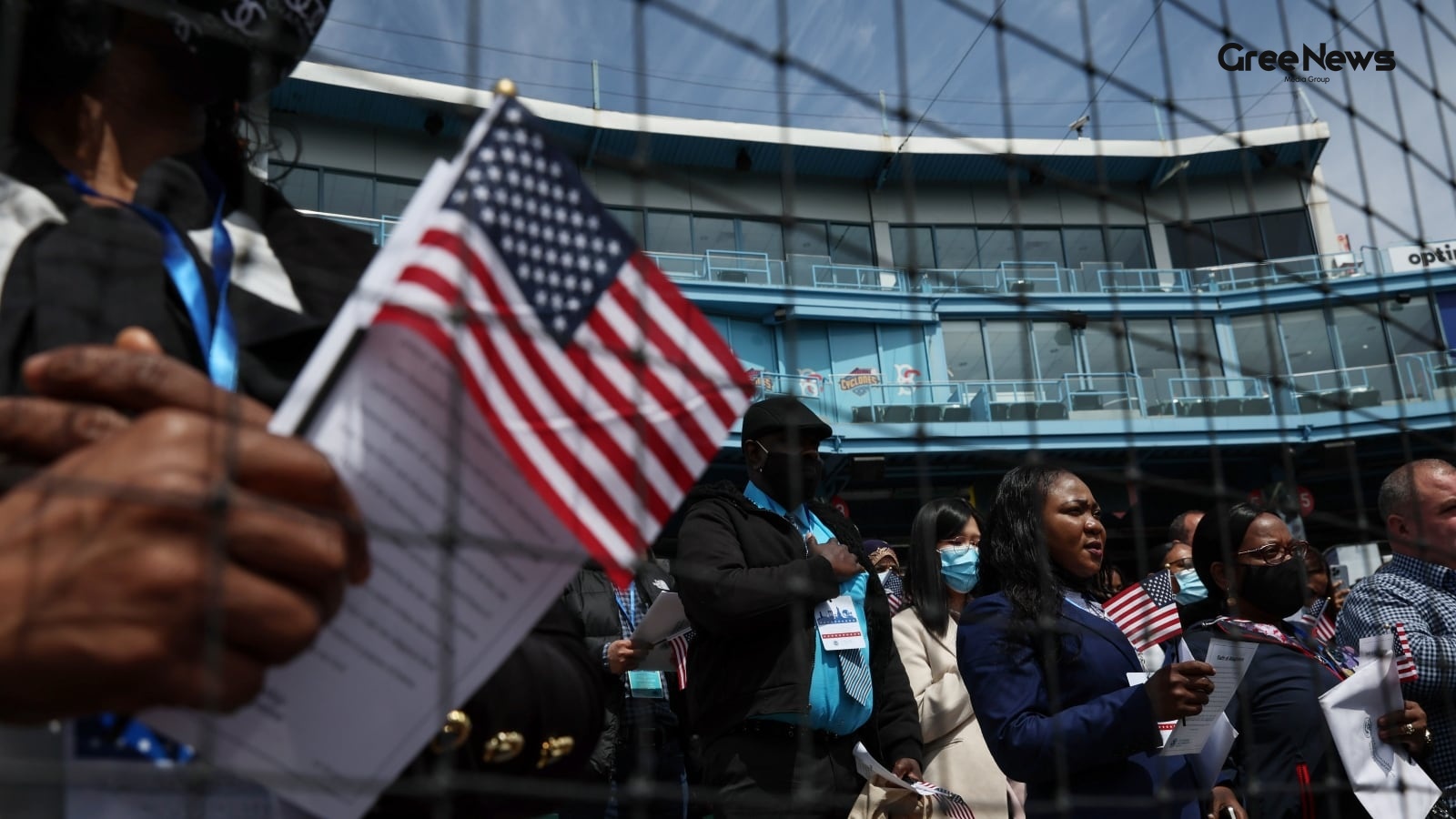
The administration is pushing for a massive hike in the fees for US citizenship applications. It’s a significant move, aiming to make naturalization much pricier for Green Card holders think tens of thousands of Indians who get citizenship every year. This proposal came out from the Department of Ho
Jun 24, 2026 by Gree News Team
F-1 Visa Revocation: Understanding the Difference Between Visa and Immigration Status
An Indian student from Hyderabad got stuck. He was reportedly stopped from boarding a flight to New York in Amsterdam. Why? Because authorities there found out his US visa had been pulled months earlier. That’s what The Times of India reported. When he landed in Amsterdam, trying to catch that conne
Jun 24, 2026 by Gree News Team

JD Vance's Admiration for Pakistan and the Political Tension
The air around JD Vance seemed thick with something unspoken when he openly expressed his admiration for Pakistan. It wasn’t some polite nod; it was a declaration an ‘I love Pakistan’ message. This came right after the trip to Switzerland, where he was engaged in those high-stakes peace talks with I
Jun 24, 2026 by Gree News Team
Latest Headlines
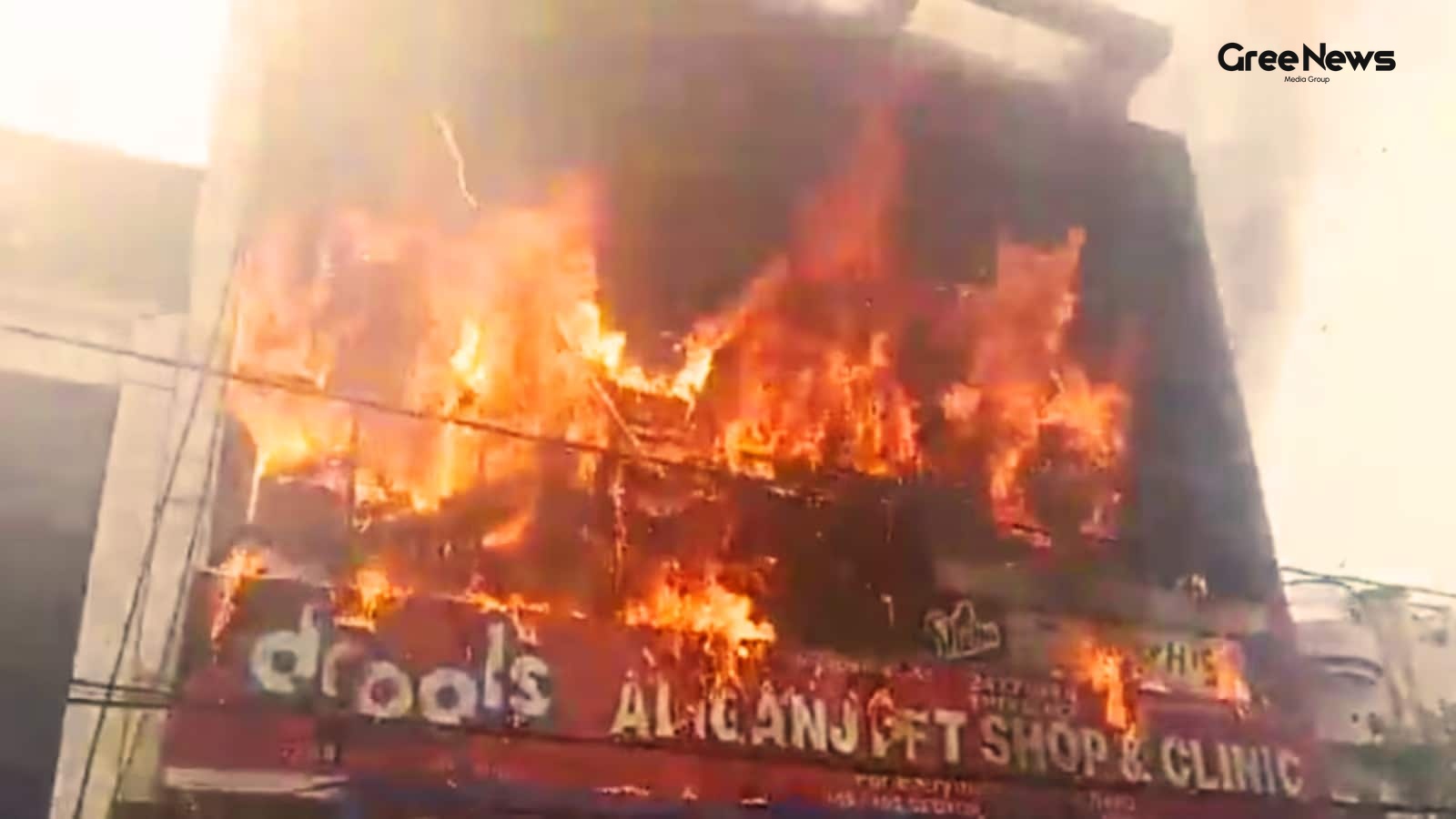
Lucknow Coaching Centre Fire and Statewide Safety Crackdown
Lucknow coaching centre fire. It was a disaster. Over 100 institutes got sealed off across Uttar Pradesh on Tuesday. Everything tied to safety norms, apparently. The whole thing kicked off after that devastating fire in Aliganj. A coaching institute there. Fifteen lives lost. Monday night. Then the
Jun 24, 2026 by Gree News Team
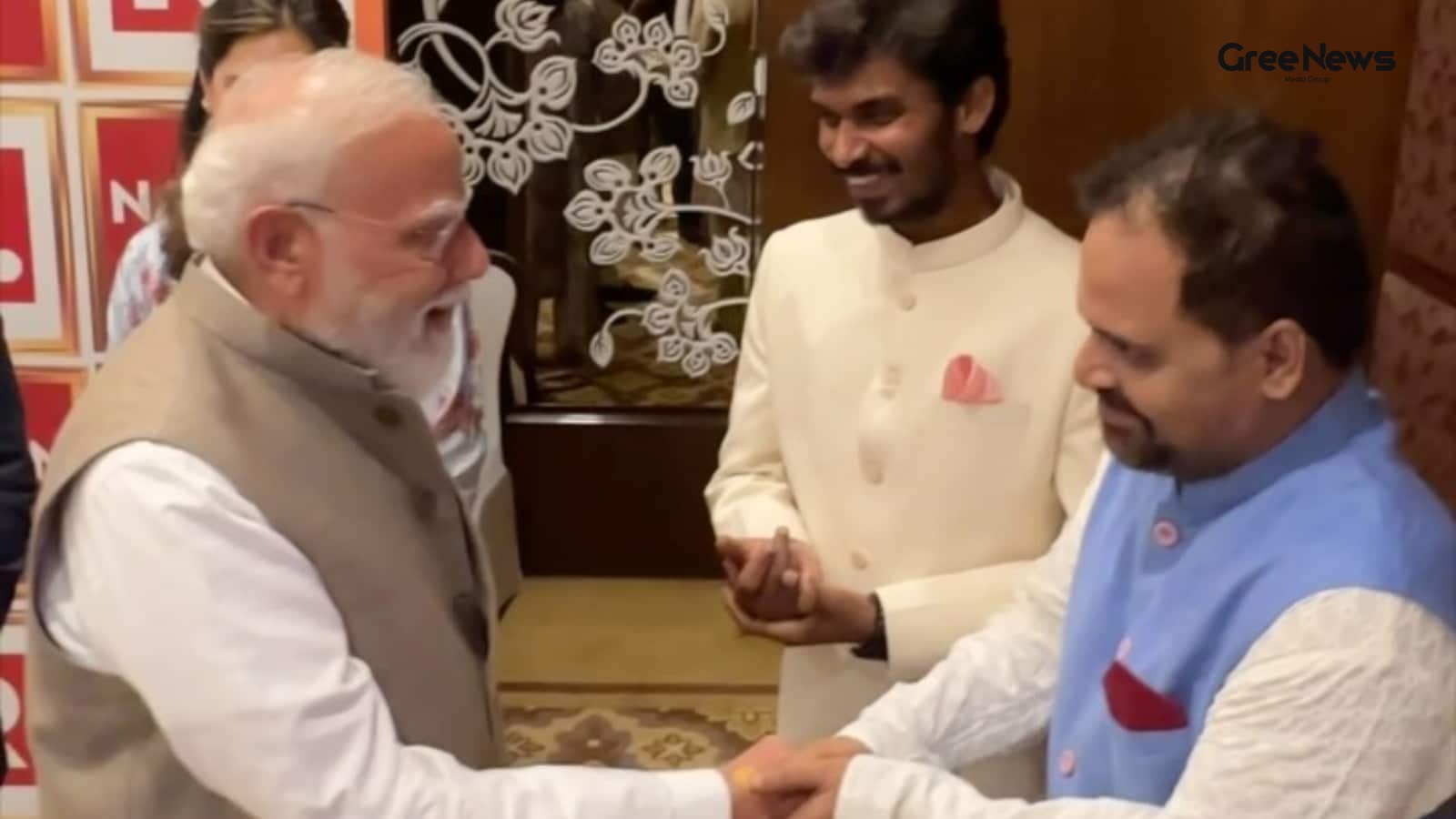
The Viral Success and Impact of Panchayat and its Cast
Modi, you know how he does it. He throws something out there an Instagram reel this time and suddenly everyone stops scrolling. It was Tuesday. He shared a clip featuring actors from *Panchayat*, Durgesh Kumar and Ashok Pathak. Just a moment for the fans to smile, that’s what it felt like. The real
Jun 24, 2026 by Gree News Team
London High Court Ruling on Nirav Modi and Bank of India Guarantee
A London High Court actually ruled for the Bank of India, which is a big deal given the whole fugitive diamond businessman Nirav Modi situation. They found him liable to pay more than $10.7 million that’s over Rs 100 crore under a personal guarantee tied to some loan linked to his companies. Justice
Jun 24, 2026 by Gree News Team
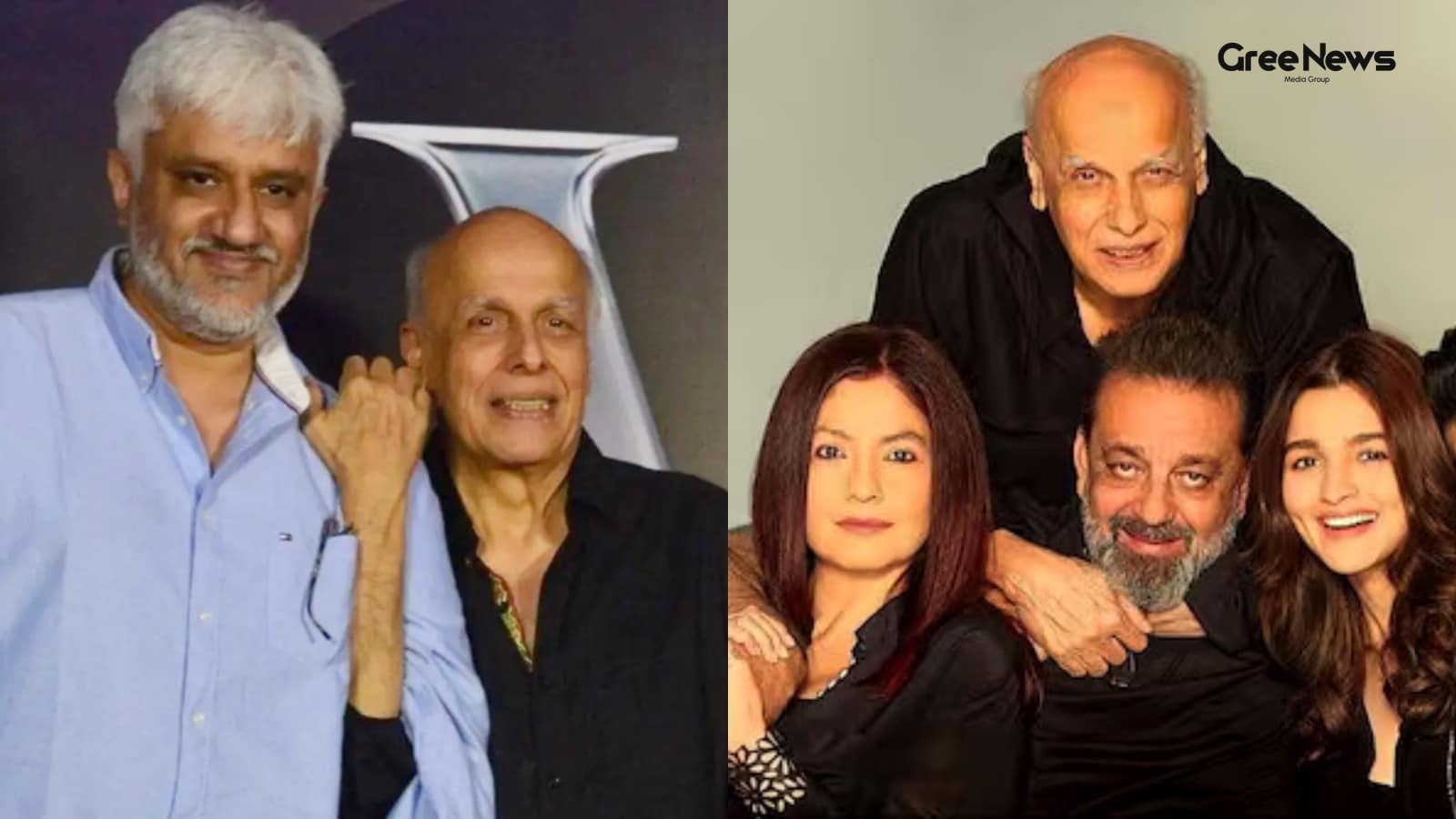
Mahesh Bhatt's Directing Journey and Relationship with Vikram Bhatt
*Kartoos* was meant to be Mahesh Bhatt’s final directorial chapter, right? But twenty-one years later, he came back to the director's chair for *Sadak 2*, starring his daughters, Alia and Pooja. Still, it feels like he just can’t let go of that role anymore. He’s directing again, or so it seems. Vir
Jun 24, 2026 by Gree News Team
Impact of Proposed Fee Hikes on US Citizenship Applications
The administration is pushing for a massive hike in the fees for US citizenship applications. It’s a significant move, aiming to make naturalization much pricier for Green Card holders think tens of thousands of Indians who get citizenship every year. This proposal came out from the Department of Ho
Jun 24, 2026 by Gree News Team
F-1 Visa Revocation: Understanding the Difference Between Visa and Immigration Status
An Indian student from Hyderabad got stuck. He was reportedly stopped from boarding a flight to New York in Amsterdam. Why? Because authorities there found out his US visa had been pulled months earlier. That’s what The Times of India reported. When he landed in Amsterdam, trying to catch that conne
Jun 24, 2026 by Gree News Team
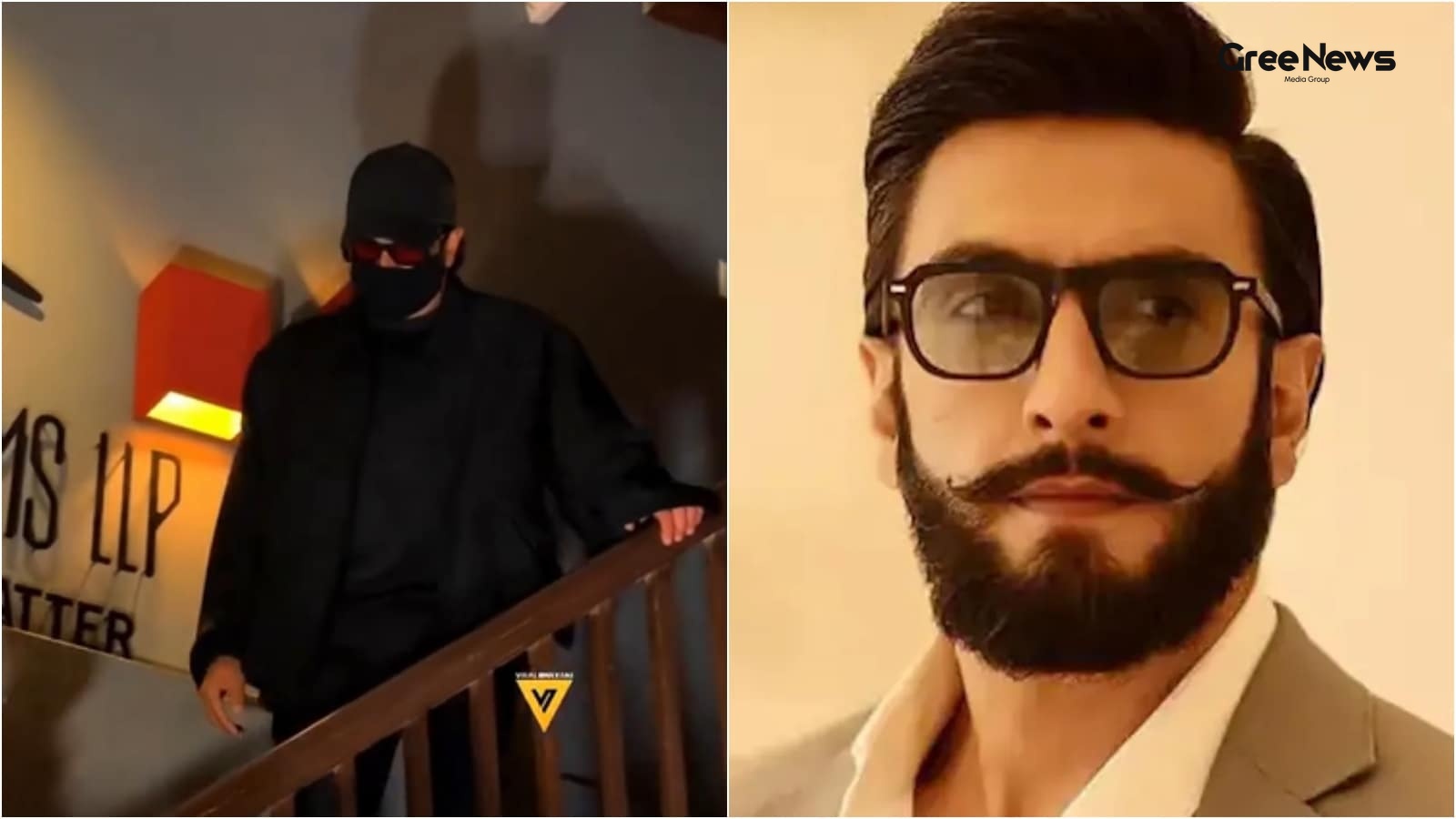
Ranveer Singh's New Project: The Buzz Around *Pralay*
Ranveer Singh. He’s been making noise lately, obviously. After ruling the box office with *Dhurandhar*, now he’s diving into something new: debutant filmmaker Jai Mehta’s movie, *Pralay*. Things have been a bit messy around him recently. You know, all that drama about his exit from *Don 3* with Farh
Jun 24, 2026 by Gree News Team
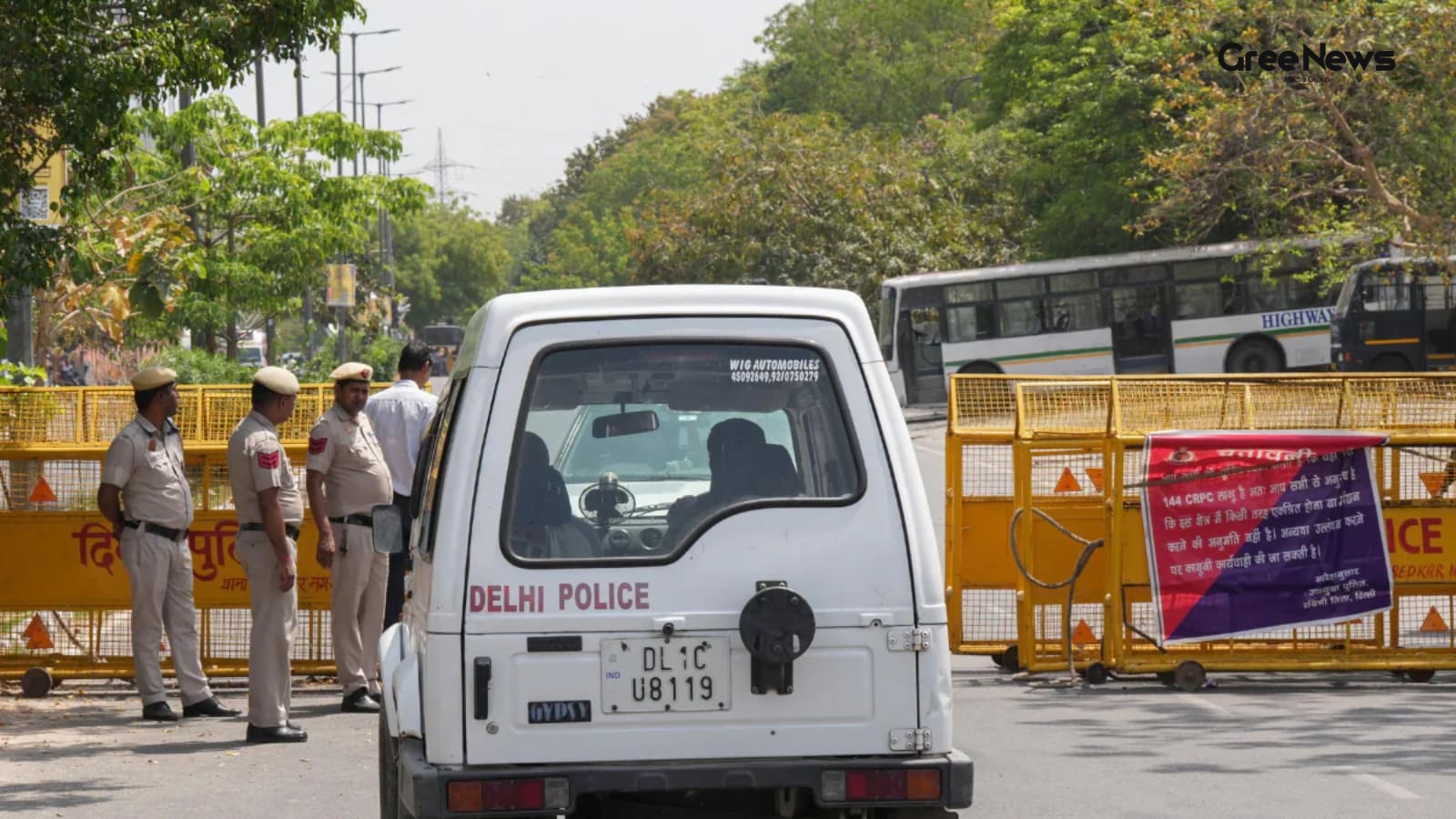
Kidnapping, Rape, and Murder: The Arrest of Bashu Kumar Singh
The cab driver. That’s who they arrested. Bashu Kumar Singh, twenty-nine years old. He was accused of something horrific kidnapping, rape, murder of a ten-year-old girl in South Delhi. It all kicked off with him allegedly trying to escape. But not just escaping anywhere. He was recreating the whole
Jun 24, 2026 by Gree News Team
JD Vance's Admiration for Pakistan and the Political Tension
The air around JD Vance seemed thick with something unspoken when he openly expressed his admiration for Pakistan. It wasn’t some polite nod; it was a declaration an ‘I love Pakistan’ message. This came right after the trip to Switzerland, where he was engaged in those high-stakes peace talks with I
Jun 24, 2026 by Gree News Team
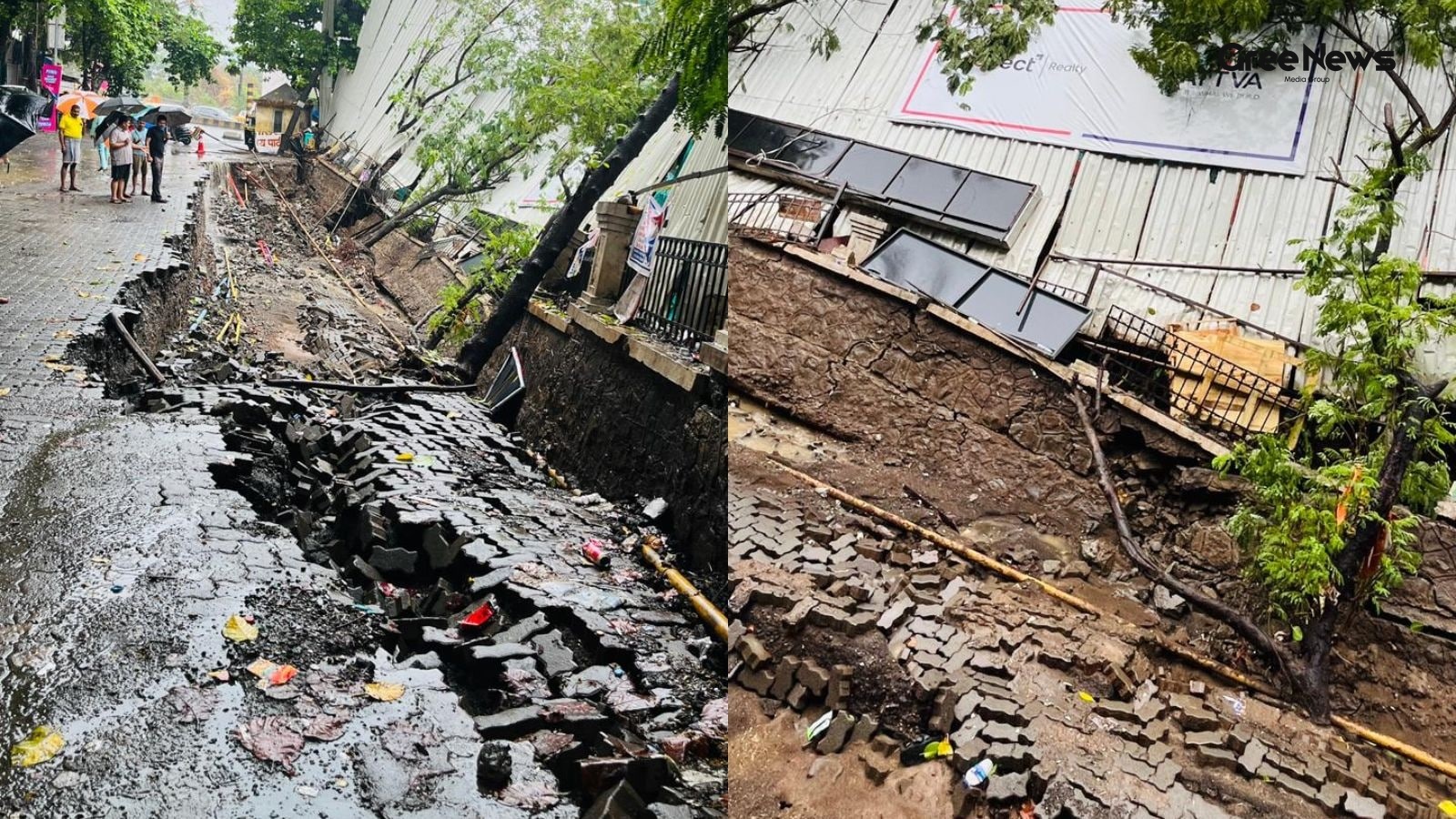
Mumbai Retaining Wall Collapse Amid Heavy Monsoon
A retaining wall gave way yesterday morning in Mumbai’s Vikhroli area. It just happened. The structure stood right next to the Sunheights residential building, bordering a road. Everything was drenched from the heavy overnight rain that finally broke over the city. Visuals from the site are pretty s
Jun 24, 2026 by Gree News Team

The Chilling Story of Persistence and Failed Murder Attempts at Lohagad Fort
What started as what looked like just a bad trekking accident at Pune’s Lohagad Fort. Now it's this chilling story of persistence, planning. Repeated failed murder attempts over the last twenty-four hours. It feels that way. The police are alleging something much darker than an accident. They say 26
Jun 24, 2026 by Gree News Team
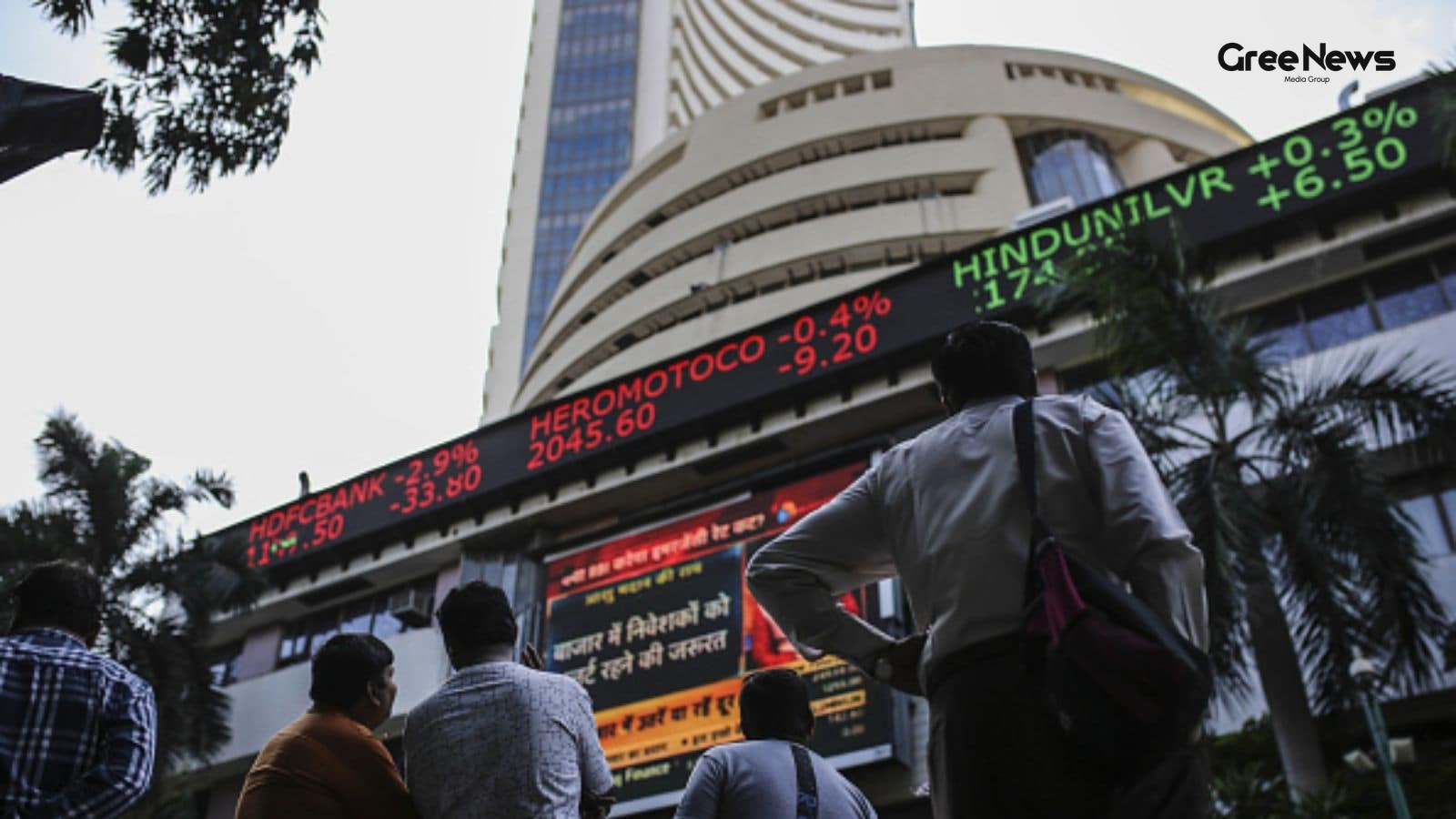
Stock Market Performance and Index Moves on June 24th
Stock market moves today, June 24th. Things extended gains in the afternoon session across the board. The Sensex jumped over nine hundred points finally crossing that 77,100 level. Nifty followed suit too, climbing above 24,050. It felt positive, mostly. Strong buying kicked in for IT and banking st
Jun 24, 2026 by Gree News Team
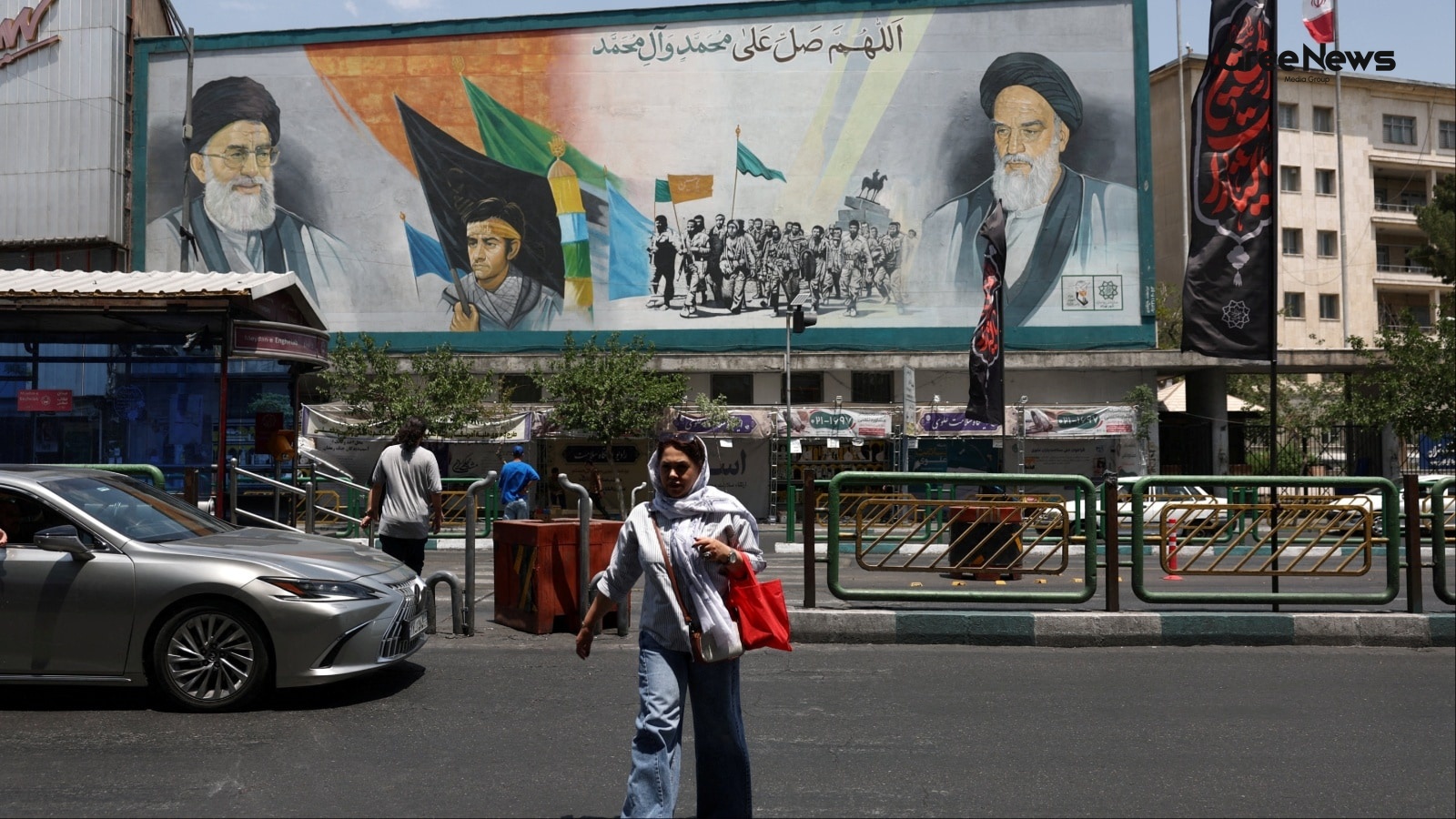
India's Travel Advisory and the Status of the Iran-US Framework Agreement
India actually told its citizens Wednesday to keep avoiding non-essential travel to Iran. They said things looked better in terms of security overall, but there’s still a lot going on diplomatically with Tehran and Washington about that framework agreement they were trying to settle months of fighti
Jun 24, 2026 by Gree News Team

Electric Kettle and Home Security Camera Buying Guide
Few kitchen gadgets get used nearly as often as an electric kettle. It starts simple enough. A morning cup of tea. But then you start using it for everything else. Boiling eggs, making coffee, heating up instant noodles stuff that quickly locks itself onto the counter. It just becomes part of the ro
Jun 24, 2026 by Gree News Team

Choosing the Right Home Security Camera: Focus on Needs, Not Specs
Buying a home security camera seems simple enough, right? You just want to keep an eye on things, get alerts when something happens, check on pets or deliveries when you’re out of town. Then you start shopping online. Suddenly everything is a comparison nightmare: 1080p versus 2K resolution. Local s
Jun 24, 2026 by Gree News Team