The Hidden Pipeline: Crypto Exchanges and Iran's Digital Asset Flow
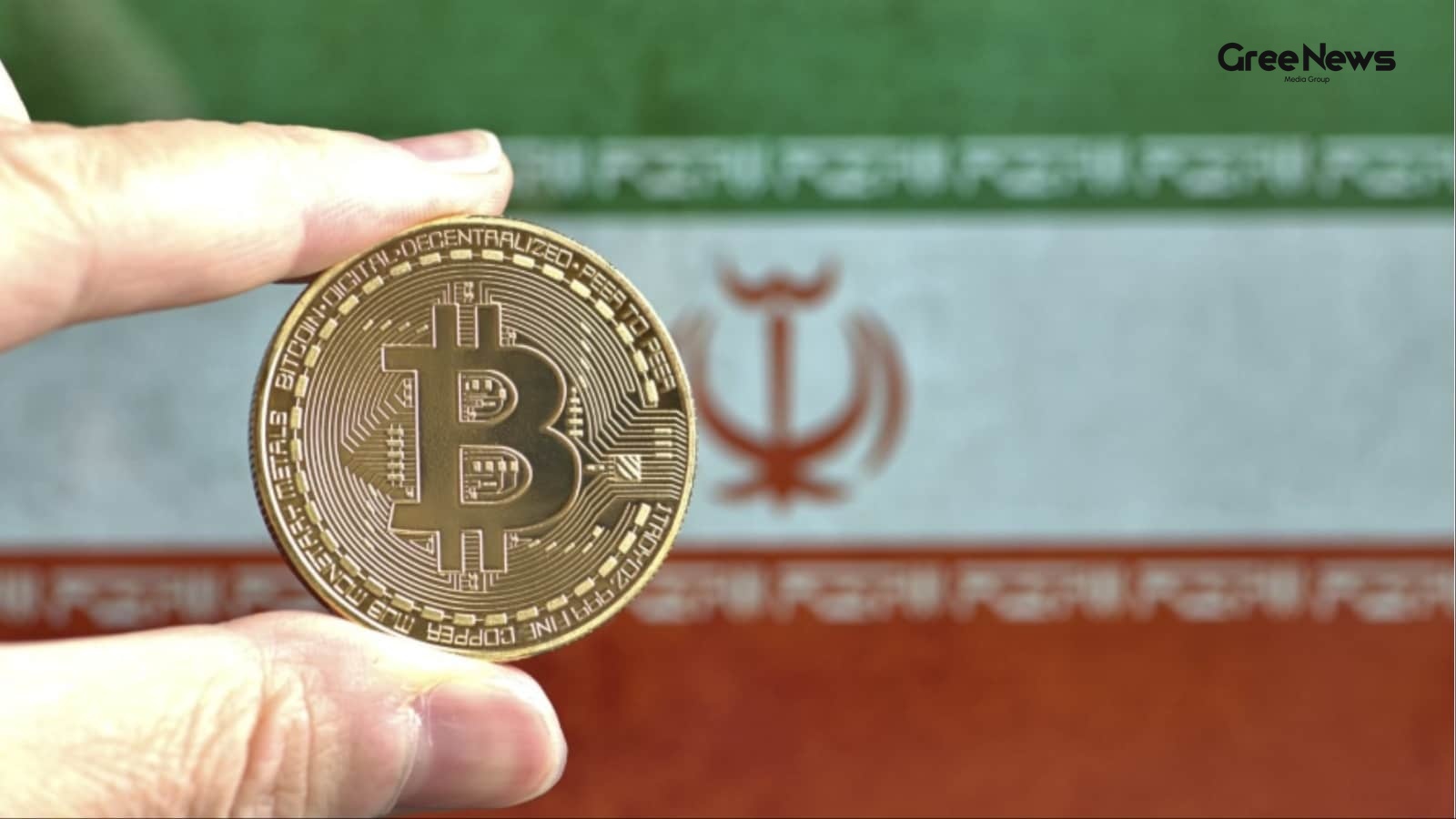
The quiet expansion of certain crypto exchanges over the last eight years that’s where the real story starts. It’s not just about digital wallets anymore. It’s about how Iran's entire crypto scene is snagged, pulled into the global digital asset markets through these channels. A Wall Street Journal report laid this out, suggesting one exchange has become a critical, almost invisible pipeline connecting Tehran to the wider world of digital finance.
Blockchain investigators, digging through the noise, found something staggering. They uncovered transaction chains that directly link wallets controlled by the Central Bank of Iran to assets stolen by North Korean hackers from Bybit. It’s a dark line drawn across international finance, moving digital gold and illicit crypto right into Iranian-controlled hands.
The path gets complicated fast. Tracing this movement meant following the money through a web of transactions that led, eventually, to CoinEx. Investigators essentially found that CoinEx isn't just some random trading platform; it’s morphed into an important gateway for Iran’s entire cryptocurrency operation.
TRM Labs, the blockchain intelligence firm, put numbers on this flow. They estimated that wallets with identifiable links back to Iran moved over $3.84 billion through CoinEx alone since 2019. That kind of volume isn't accidental. It suggests a highly organized system running underneath the surface noise of daily trading.
And here’s where the tension really sharpens: these wallets hosted by CoinEx weren't just moving money randomly. They were feeding directly into Iranian state coffers, ultimately reaching the Central Bank after that initial Bybit hack. The mechanism is chillingly direct a heist fuels a flow that ends up in official channels.
The situation with CoinEx itself is layered with denials and counter-claims. It’s got its own history. Founded way back in Hong Kong in 2017 by Haipo Yang, a former Tencent engineer. Now it sits in the Seychelles. When pressed by The Wall Street Journal, Yang offered a slightly defensive response. He admitted the platform was “widely used by Iranians.” But he immediately tacked on a caveat: CoinEx doesn’t have any official relationship with the Iranian government.
That distinction public usage versus official ties is where things get muddy in this whole geopolitical mess. The exchange claims it runs its own systems, monitoring for high-risk activity and even started blocking new registrations from Iranian IP addresses. A spokesperson for CoinEx later told the paper they would conduct an internal review regarding the Bybit fallout. Standard corporate deflection, maybe.
But the trail doesn't end with CoinEx’s public statements. The report brought in analysis linking these movements to accounts attributed by US officials to the Islamic Revolutionary Guard Corps, or IRGC . That pulls the narrative further into the shadow world of sanctioned entities operating across borders.
CoinEx disputes the specific figures TRM Labs cited on transaction volumes, calling the aggregation method misleading. They argue that other third parties calculated lower flows. Yet, even with these disaGreements over volume, their own data still points to CoinEx being Nobitex’s largest foreign counterparty in 2025. It's a messy accounting game happening far from any official ledger.
The broader context is staggering when you look at the geopolitical friction here. The fact that an exchange based out of Hong Kong, operating under Seychelles jurisdiction, becomes central to this flow underscores how difficult it is for Washington to enforce its sanctions against Iran in the digital space. Tehran publicly embraced crypto, naturally. But these platforms exist largely outside direct US jurisdiction, giving users a freedom to move funds globally when the political climate tightens up.
It’s a fundamental challenge: trying to draw lines on something that moves at the speed of light across decentralized networks.
And this isn't just about state actors and big hacks. It involves ordinary people too. Digital assets have become popular among regular Iranians, looking for a way to protect their savings from the weakening rial while simultaneously chasing profit in the crypto markets. Researchers estimate that roughly thirteen percent of Iran’s population owns some form of cryptocurrency. That translates into an estimated market size between eight and ten billion dollars by 2025 alone. Think about that scale, juxtaposed against the regulatory nightmare surrounding it all.
Former employees at CoinEx hinted at how this whole setup got established in Iran recruiting users through business-development managers. But when asked directly if the company had an official office or knowingly hired staff inside Iran, the spokesperson shut down the notion of a physical establishment there. It’s always about controlling the narrative, isn't it?
But let's pull back and look at those specific transactional links that became more concrete. The report dug into wallets processed by CoinEx that involved individuals later sanctioned by the United States. We’re talking about names like Alireza Derakhshan. He was accused by US authorities of participating in an oil sales network, something the Treasury sanctioned against his network last year.
The flow through these digital channels is where things get incredibly specific and frankly, deeply uncomfortable. Between 2022 and 2025, CoinEx wallets handled transactions tied directly to Derakhshan.
Then there’s another thread: wallets associated with Zedcex. This exchange is linked to Iranian businessman Babak Zanjani, who has positioned himself as a strategist for the IRGC's sanctions-evasion operations. The US Treasury imposed sanctions on both Zanjani and Zedcex in January. The Journal noted something crucial about this timing: those transactions involving CoinEx happened before those formal sanctions were even announced. It’s that kind of latency, that space where illicit money moves under the radar of official decrees.
The sheer volume of movement between these platforms is what keeps investigators up at night. TRM Labs calculated that more than $763 million moved between Nobitex and CoinEx in a single year alone. That figure, whether you trust it or not, speaks volumes about the circulatory system of this digital money flow.
There’s an undeniable pattern emerging: information doesn't follow regulatory lines. The money moves through these less-regulated channels CoinEx to access broader markets, like Binance. And from there, those funds eventually feed back into the Iranian ecosystem or to sanctioned entities. It’s a feedback loop of evasion and movement.
And remember the disruption? Earlier this year, military strikes by the US and Israel prompted Iranian authorities to restrict internet access. People were cut off. But even during that blackout period, TRM found something telling: the average size of transactions between CoinEx and Nobitex actually increased. That’s a strange piece of data in itself a surge happening when physical access was severely restricted. It suggests an adaptive mechanism kicking in immediately.
It makes you wonder about the real function of these platforms. Are they just places for trading, or are they essential conduits for maintaining economic activity under impossible constraints? When official channels shut down, how does this massive flow continue? How do these systems adapt?
The whole situation keeps circling back to sanctions. The US is currently engaged in negotiations with Iran for a peace aGreement. Sanctions relief might be on the table, but threats of further sanctions against foreign financial institutions assisting Iranian activities remain hanging in the air. It’s that constant state of negotiation and threat that defines this environment.
The fact remains that digital assets create these operational spaces entirely outside Washington's direct control. This creates a space where transactions happen, identities are linked, and funds move, often bypassing the very mechanisms designed to stop financial flows. CoinEx exiting the US market after facing fines from New York’s attorney general in 2023 is one example of that friction a platform making its own decision about where it operates when the pressure mounts.
It's a deeply layered story. It’s not just about blockchain technology or exchange trading. It's about sovereignty, evasion, and how global financial rules interact with the rapidly evolving world of decentralized money. And right now, the lines are incredibly blurred, shifting with every transaction that happens in those hidden digital spaces.
Written by Gree News Team — Senior Editorial Board
Gree News Team covers international news and global affairs at Gree News. Our collective of senior editors is dedicated to providing independent, accurate, and responsible journalism for a global audience.
More from World
View All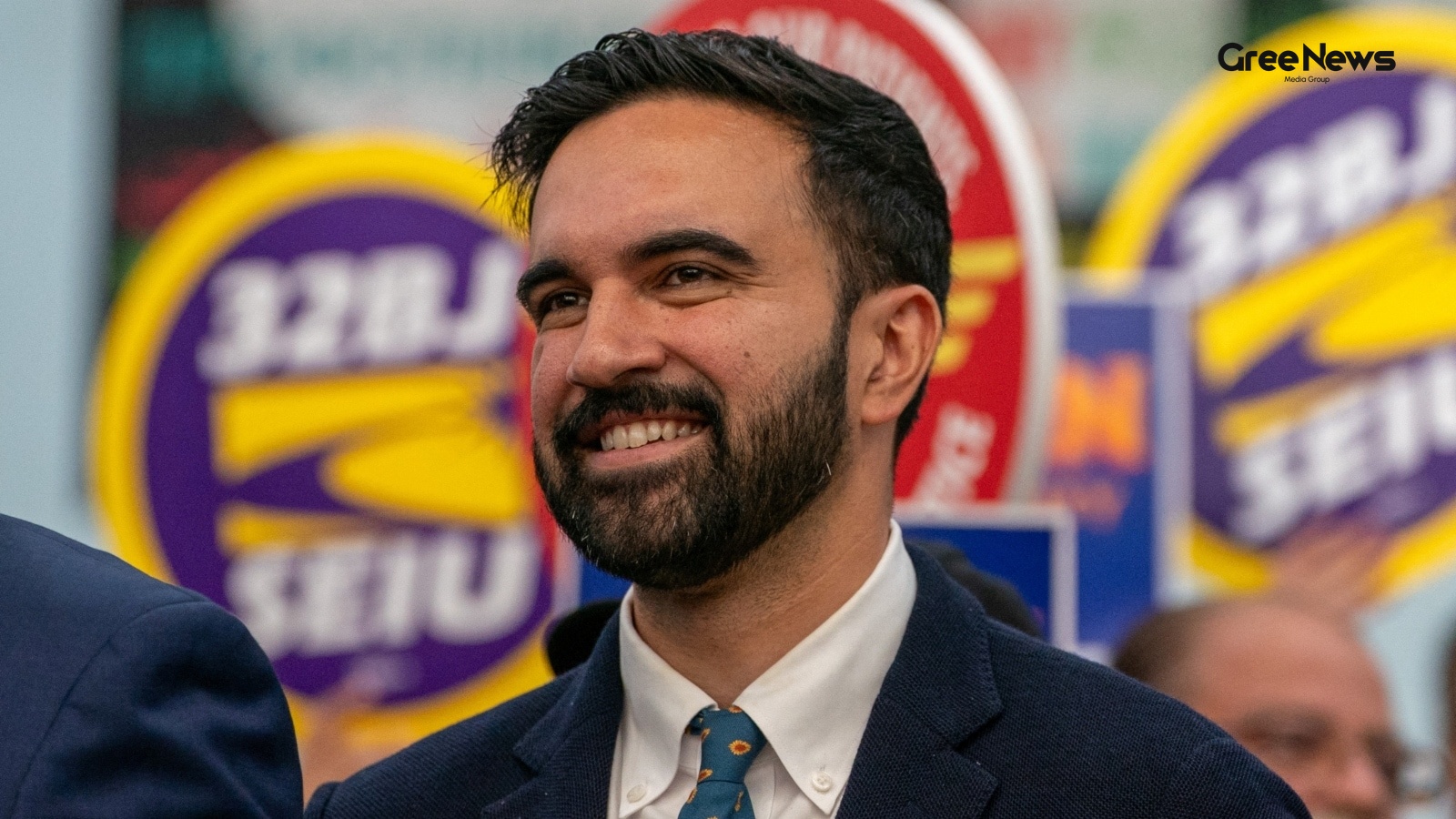
The Political Aftermath of the Democratic Primaries
Zohran Mamdani wasn’t even on that ballot for the New York Democratic congressional primaries. It felt almost absurd, doesn't it? Yet by the time the dust settled, by the end of that whole night, the city’s mayor had somehow managed to become the most consequential winner there was. It’s a strange w
Jun 25, 2026 by Gree News Team
Ideological Training and Anti-Corruption in the Chinese Military
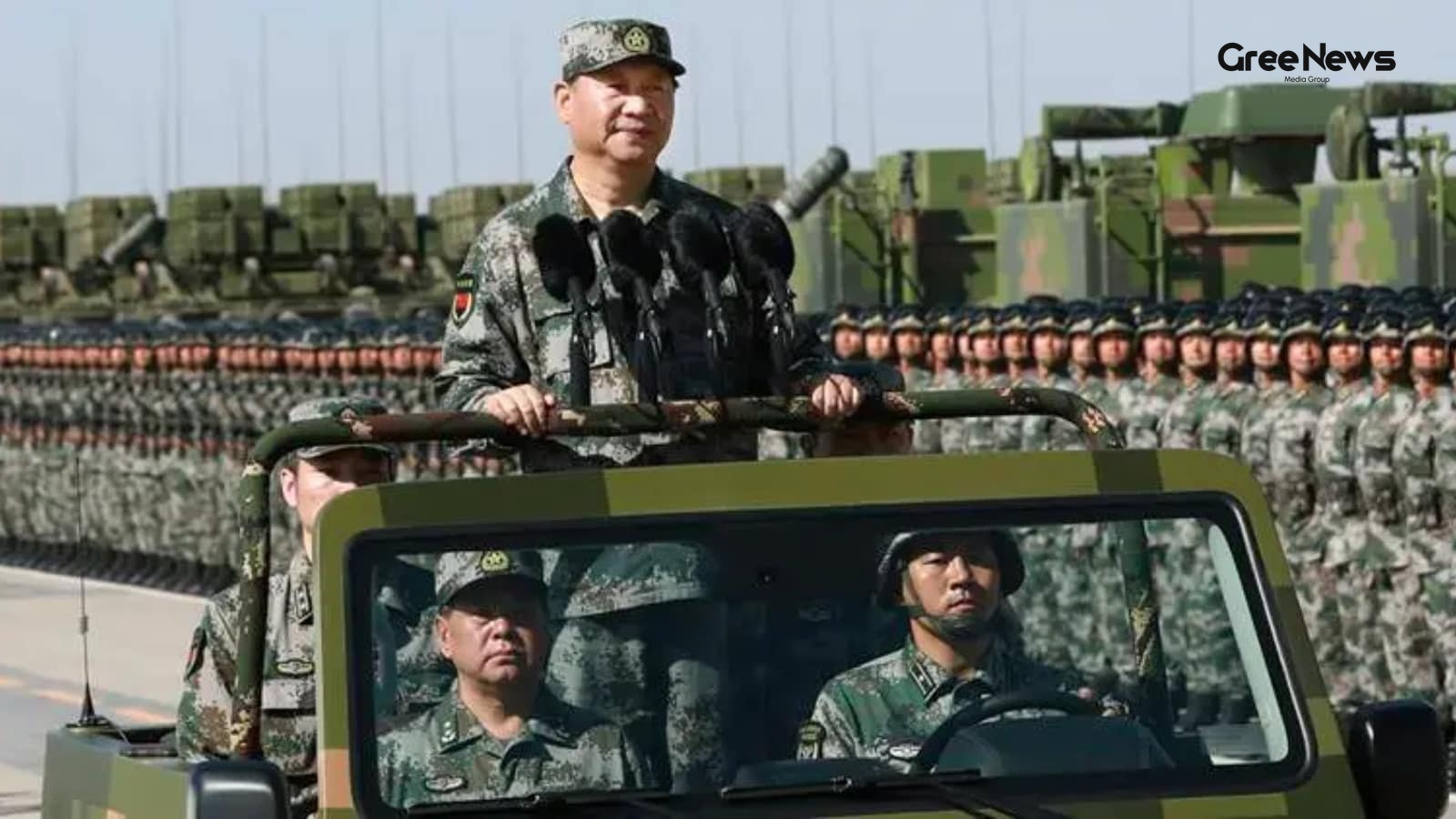
Hundreds of senior Chinese military officers just finished a ten-week ideological training. It was personally ordered by President Xi Jinping. This all happens while Beijing’s anti-corruption sweep through the armed forces keeps picking up speed. Details about that camp it ran from April 8th and wra
Jun 25, 2026 by Gree News Team
The Disconnect Between America's Image and Global Sentiment
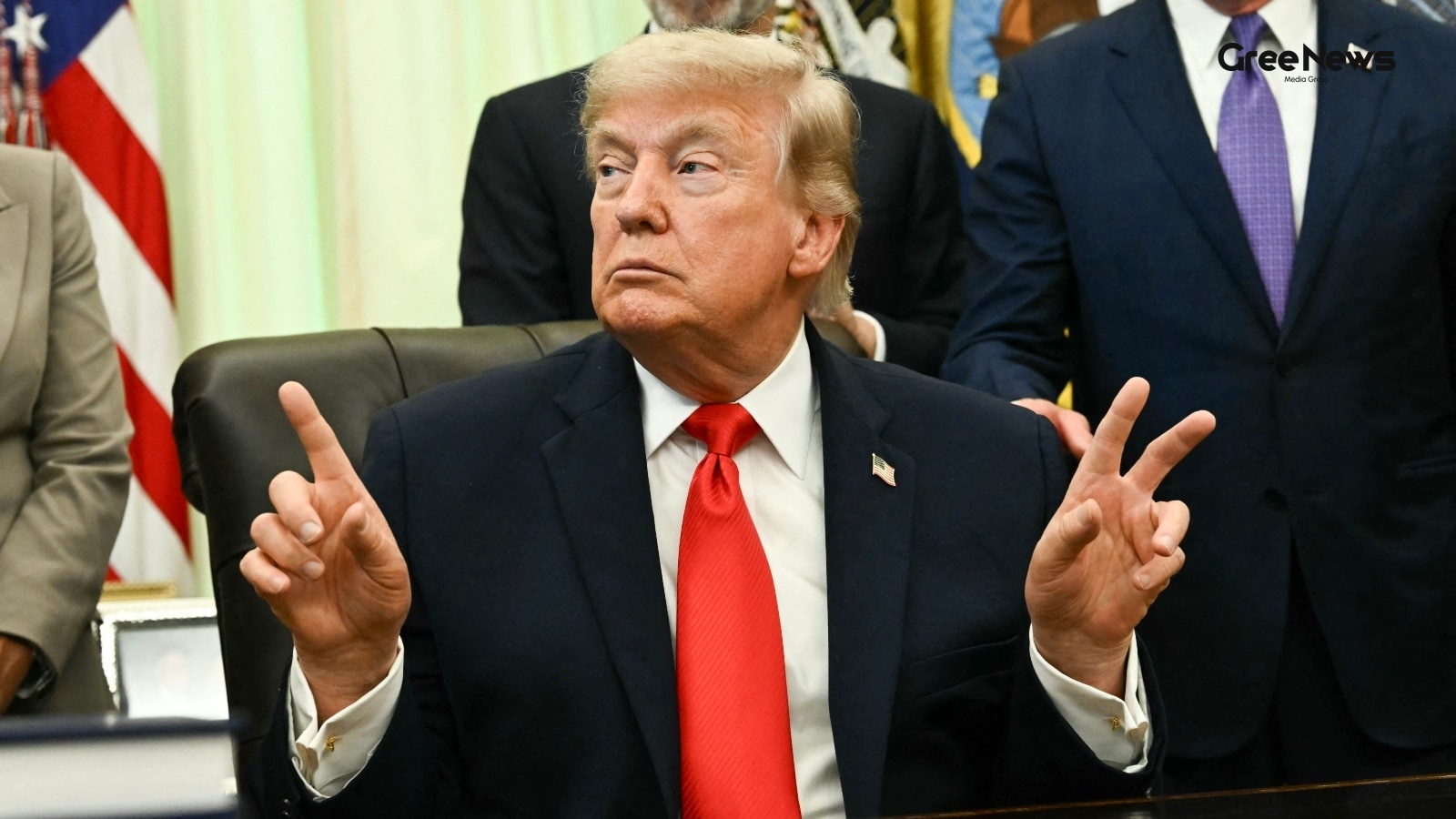
That whole line about Trump saying foreign leaders assured him America was the hottest country anywhere it just rings hollow now. It’s that image of the world’s ultimate destination, the place everyone wants a selfie at, where you invest and get influence. But it’s comically disconnected from what p
Jun 25, 2026 by Gree News Team
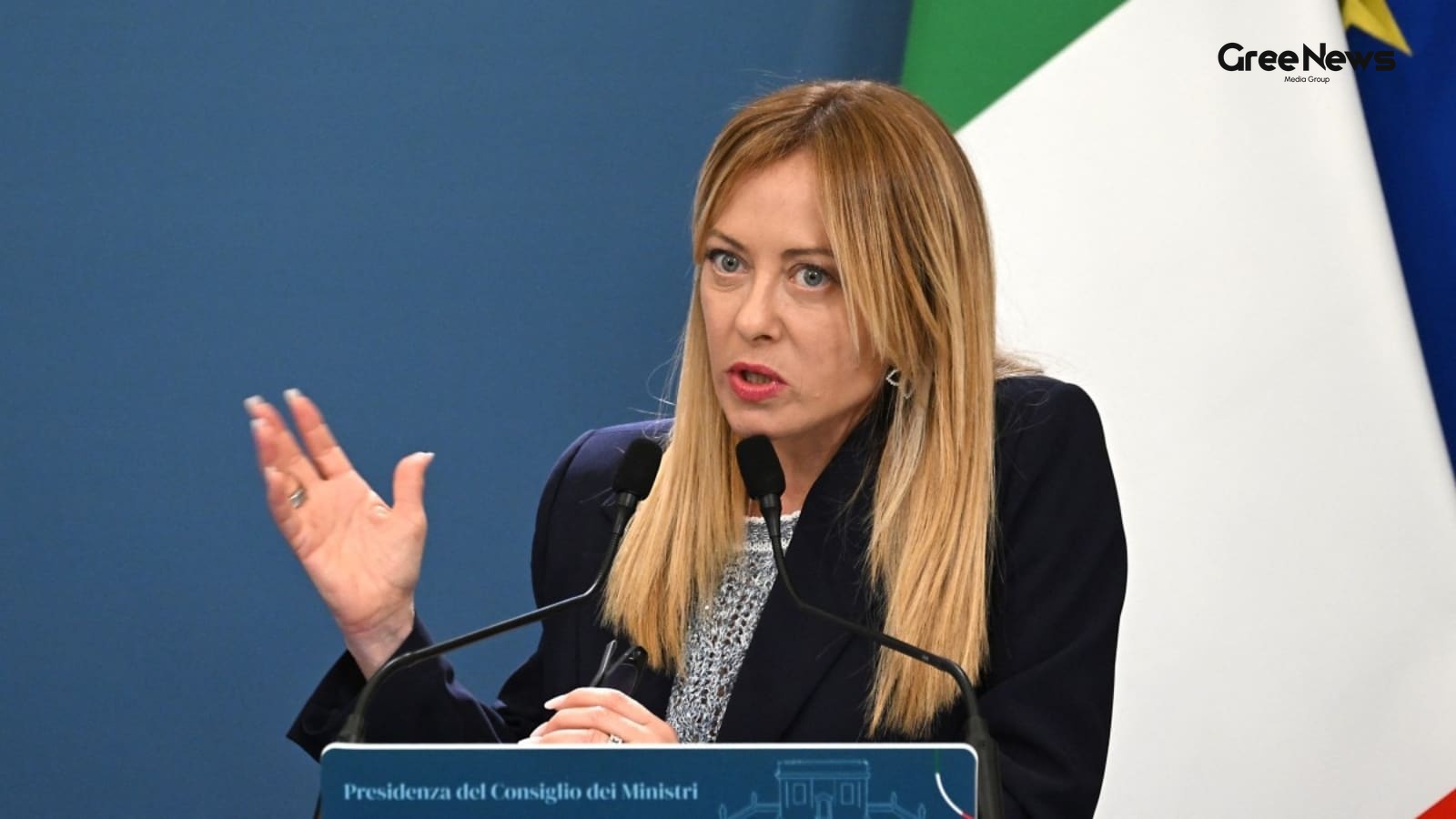
Giorgia Meloni and the Future of Italian Elections
Meloni is looking at calling early elections. April? Months ahead of when they’re supposed to run again in late 2027. That’s what’s swirling around the right wing, Brothers of Italy, reportedly. There’s this worry that dragging things out just won't help her standing at home. The *Bloomberg* report
Jun 24, 2026 by Gree News Team
Latest Headlines

Best Mixer Grinders for Indian Cooking: 7 Models Reviewed
A mixer grinder. It’s one of those things in an Indian kitchen that just works the hardest. It’s not some gadget you use once a month. No, this thing comes out multiple times daily. You need it for everything ginger-garlic paste for lunch. Chutney for breakfast. Freshly ground masalas for dinner. It
Jun 25, 2026 by Gree News Team

Disha Patani Shares Heartbreaking News About Losing Two Pets
Disha Patani just dropped some really heavy news. She shared something heartbreaking about losing two of her pets. Bella the dog and Jasmine the cat. It hit social media hard. She posted these emotional tributes, and honestly, it caught everyone off guard. Fans were immediately looking at them. Wond
Jun 25, 2026 by Gree News Team

The Emergency and Indian Democracy: A Study in Challenges
Fifty years later, that’s how long it’s been since the Emergency happened in India. And now, NCERT has finally put it in the Class 9 textbook. It's in Social Science books, under a section called ‘Challenge to Democracy’. This isn’t some dry historical footnote. It comes from a new book they develop
Jun 25, 2026 by Gree News Team

Market and Corporate News Update
The market started with some upward momentum today, though things feel kind of fragile right now. Gift Nifty traded above 82 points that’s up about 0.34 per cent landing at 24,105. There’s definitely a positive feeling floating around the investment space lately. That’s mostly because crude oil pric
Jun 25, 2026 by Gree News Team

Mexico's Stunning World Cup Victory
Mexico grabbed their best football in the second half. They buried Czechia’s World Cup hopes with a massive 3-0 win. It felt like they were celebrating way before the final whistle even blew. For forty-five minutes though, it was just pure tension. A scrappy affair. It turned into a Mexican party by
Jun 25, 2026 by Gree News Team

Lohagad Fort Murder Case: Digital Evidence and Conspiracy
Lohagad Fort. That’s where it all started, isn’t it? A murder case involving Ketan Agarwal. But the details… they keep shifting. Fresh stuff is coming out of the investigation now. The police are claiming something really dark about how this happened. It’s not just a random tragedy; there were prepa
Jun 25, 2026 by Gree News Team

The Debate on Meritocracy and Authority in Education
The online space, always that chaotic melting pot of opinions, immediately combusted when Akash Sampurnanand Pandey dropped his comments. It wasn’t some neatly packaged academic critique; it was raw, almost angry observation tossed into the digital ether by a recent IIT-BHU graduate. The subject? JE
Jun 25, 2026 by Gree News Team
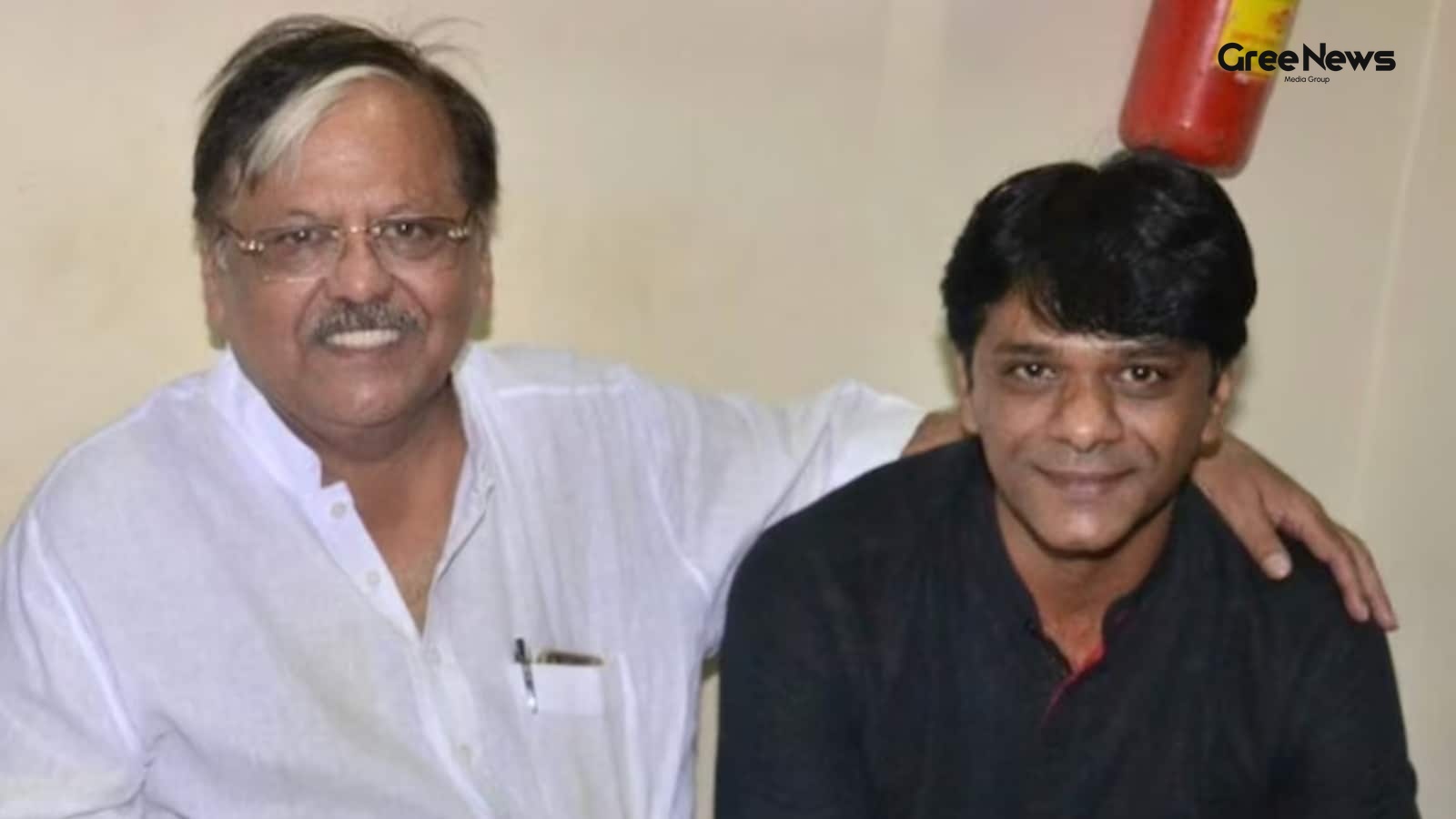
The Passing of Veteran Actor and Director Arvind Vekaria
Arvind Vekaria, that veteran Gujarati actor and director... he’s gone. It’s just happened. The entertainment world is really mourning him right now. This news hits hard because it comes so fast. Just eight months ago, his son Tanmay Vekaria lost his mother. Another crushing blow for the family. A do
Jun 25, 2026 by Gree News Team
The Political Aftermath of the Democratic Primaries
Zohran Mamdani wasn’t even on that ballot for the New York Democratic congressional primaries. It felt almost absurd, doesn't it? Yet by the time the dust settled, by the end of that whole night, the city’s mayor had somehow managed to become the most consequential winner there was. It’s a strange w
Jun 25, 2026 by Gree News Team

Details Surfacing in Ketan Agarwal’s Murder Investigation
The details surfacing in Ketan Agarwal’s murder investigation are starting to paint a very different picture than what was initially assumed about the Lohagad Fort incident. Police are now suggesting it wasn't just some random trekking mishap. It points toward something much more calculated, a caref
Jun 25, 2026 by Gree News Team
Ideological Training and Anti-Corruption in the Chinese Military
Hundreds of senior Chinese military officers just finished a ten-week ideological training. It was personally ordered by President Xi Jinping. This all happens while Beijing’s anti-corruption sweep through the armed forces keeps picking up speed. Details about that camp it ran from April 8th and wra
Jun 25, 2026 by Gree News Team

Indian Stock Market Rally Driven by Semiconductor Gains and Global Optimism
Stock market opened higher today, tracking a decent rally across Asia. That was mostly because global semiconductor companies gave some upbeat earnings and guidance. It lifted risk appetite generally. And you had lower crude oil prices playing a role, plus the rupee actually got stronger too. As of
Jun 25, 2026 by Gree News Team
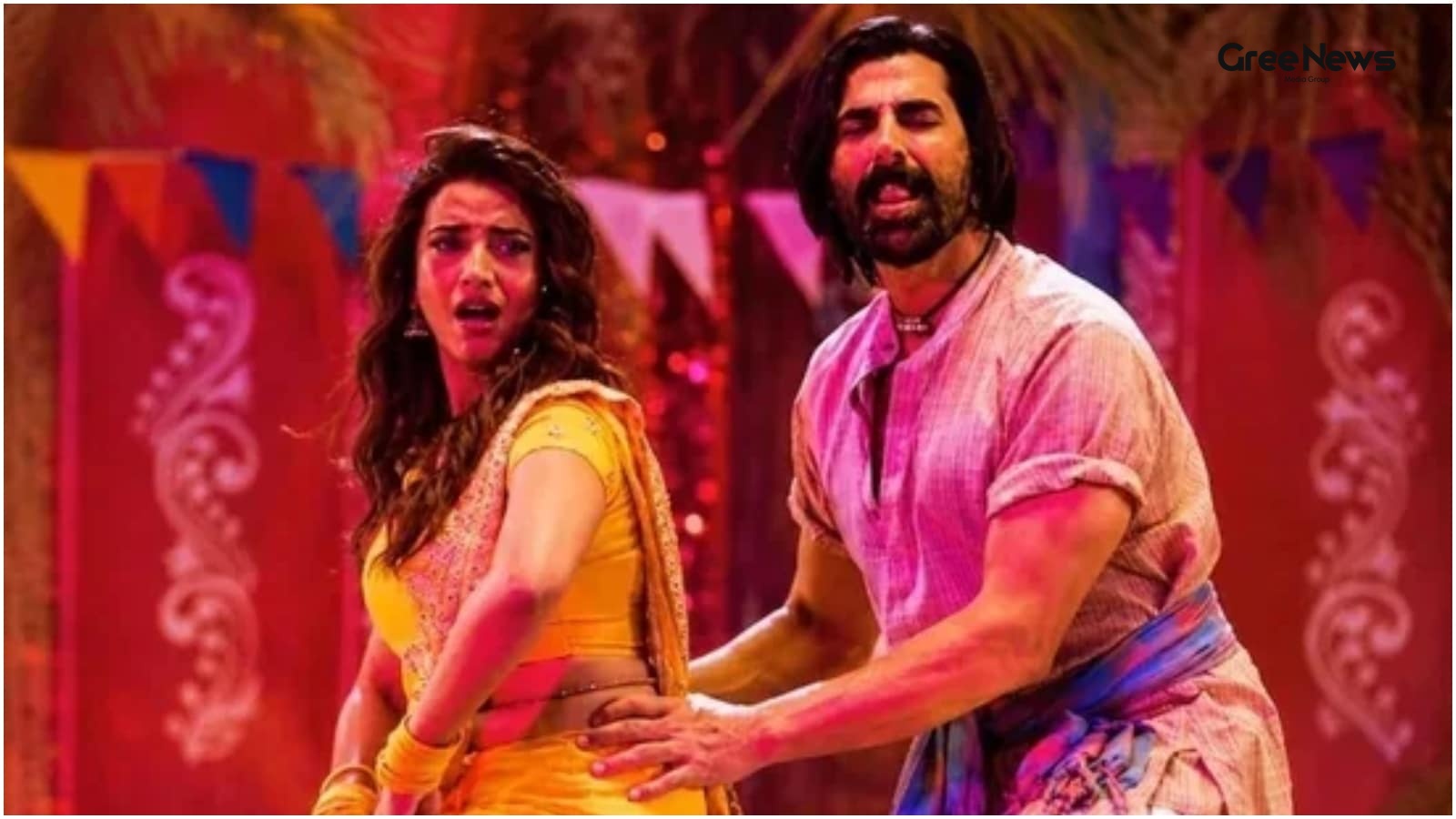
Akshara Singh's Collaboration with Akshay Kumar on 'Ghis Ghis Ghis'
Akshara Singh is totally over the moon right now after collaborating with Akshay Kumar on ‘Ghis Ghis Ghis’ from ‘Welcome To The Jungle’. It was a big deal. He really went all out on the song. And something interesting happened, too. He shot the track while he was suffering from a high fever. That de
Jun 25, 2026 by Gree News Team
The Disconnect Between America's Image and Global Sentiment
That whole line about Trump saying foreign leaders assured him America was the hottest country anywhere it just rings hollow now. It’s that image of the world’s ultimate destination, the place everyone wants a selfie at, where you invest and get influence. But it’s comically disconnected from what p
Jun 25, 2026 by Gree News Team

The Shifting Landscape of Uncertainty and Political Reality
Look, it’s just… everything spinning right now. You see the headlines? They just give you these neat little boxes, and underneath them, there’s this mess. A lot of noise. The air feels thick today. It always does when things are about to shift, doesn’t it? There’s this low hum, a kind of tension tha
Jun 25, 2026 by Gree News Team