The Legacy of the Emergency: A Reflection on India's Democratic History
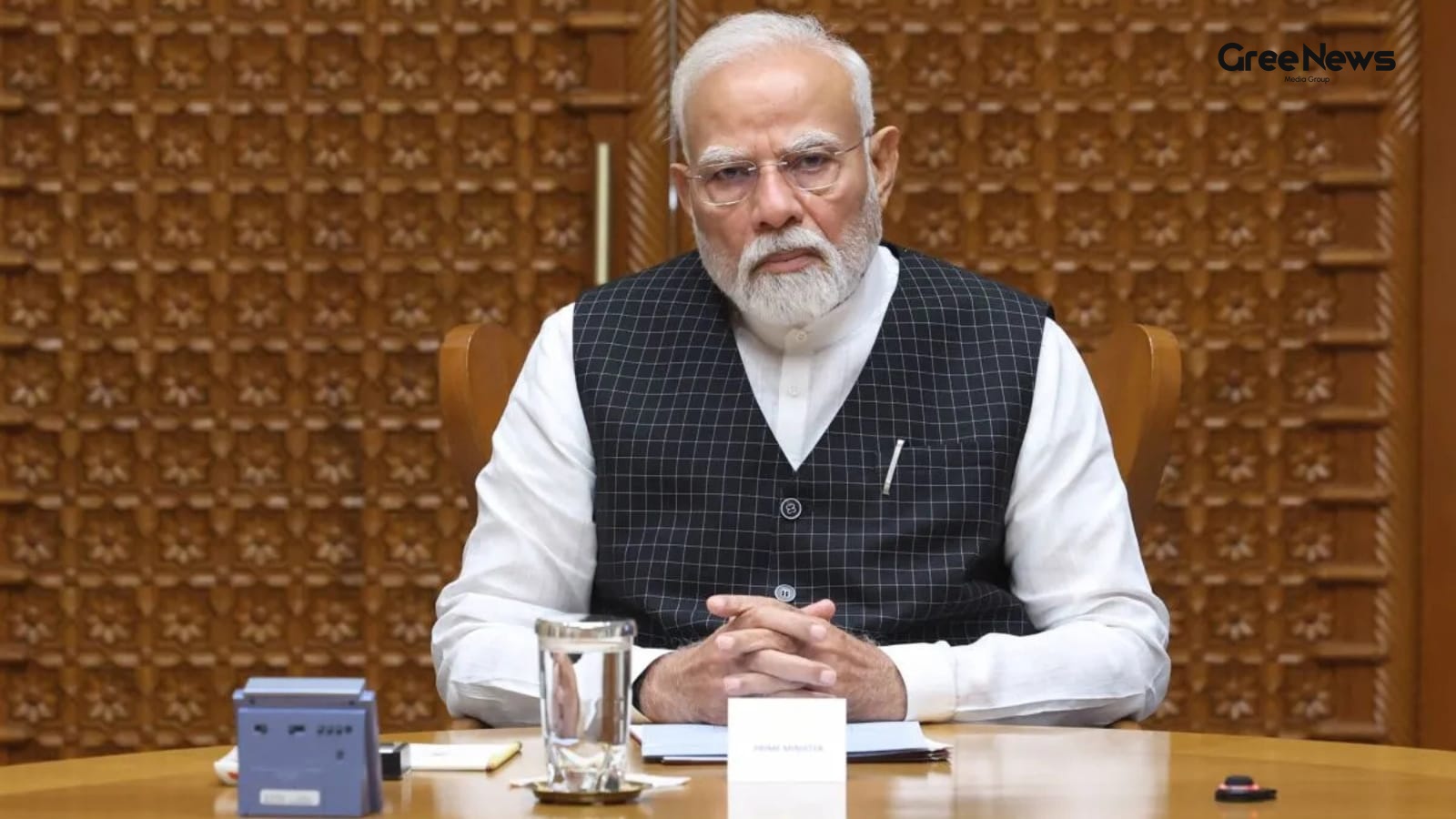
The 51st anniversary of the Emergency hits hard sometimes, doesn't it?
Narendra Modi spoke about that time the Emergency imposed back in '75 calling it one of the darkest chapters in India’s history. He made a point about the government’s promise then and there: they would protect the constitutional values.
It started way back on June 25, 1975. Fakhruddin Ali Ahmed was the President when that proclamation came out under Article 352, citing some sort of "internal disturbance." It all tied back to the political movement led by Jayaprakash Narayan.
Then Indira Gandhi imposed it herself. That lasted until March 1977. A period everyone just seems to remember as one of the bleakest phases in Independent India’s story.
Modi posted something on X recently about this, really hitting that nerve: "Today, we pay homage to all those who steadfastly defended democratic values during one of the darkest chapters... The Emergency was a direct assault on our Constitution." It wasn't just some old history; it felt like a direct attack.
He talked about what happened then the freedom of speech getting squeezed out, arrests of political leaders, and basically an assault on all the institutions that are supposed to be the bedrock of democracy.
There was this line where he said something about what unfolded: "It witnessed the suspension of civil liberties... curbs on freedom of expression... assaults on institutions." But then he pivoted. He brought up the other side too the sheer courage shown by ordinary people who just refused to stay silent, holding onto what the Constitution promised them.
He reaffirmed that commitment. Our Constitution is for all 140 crore Indians, right? It embodies everyone’s rights and duties. So, they insisted on building something based on justice, liberty, equality, and fraternity. A promise to keep that spirit alive.
Meanwhile, other voices brought in the memory too. Union Defence Minister Rajnath Singh actually recalled it himself. He said there were definite attempts made to shake up the judiciary, and that citizens’ rights definitely got trampled during that time.
He framed it as a serious reminder: when power gets too authoritarian, what happens to the people, to the institutions? It’s not just about remembering; it’s about renewing commitment. This day is supposed to be an opportunity to reaffirm our dedication to democracy, the Constitution, and every single person's freedom.
External Affairs Minister S Jaishankar also weighed in. He called the anniversary a "powerful reminder." Democracy needs constant protection, cherishing it every single day. That’s the core message coming from that side too. It’s about resilience.
It feels like this whole period the Emergency is less about a neat timeline and more about this persistent tension between power and freedom. A stark lesson etched into the history of Indian democracy.
Written by Gree News Team — Senior Editorial Board
Gree News Team covers international news and global affairs at Gree News. Our collective of senior editors is dedicated to providing independent, accurate, and responsible journalism for a global audience.
More from India
View All
Shillong Teer Results and Gameplay Details
The Shillong Teer results today, June 25th. That’s what we’re talking about. It happens every day, right? Over at that Polo Ground in Shillong, it’s this whole archery lottery thing. It’s run by the Khasi Hills Archery Sports Association, KHASA. They are trying to keep the traditional archery going,
Jun 25, 2026 by Gree News Team

Murder and Conspiracy at Lohagad Fort: The Story of Goyal and Chaudhary
Something really disturbing happened in Maharashtra. Pune Rural Police found something sinister behind what everyone thought was just a bad trekking accident at Lohagad Fort. They arrested two people, Siya Goyal and Chetan Chaudhary. They’re accused of planning the murder of Goyal’s fiancé, Ketan Vi
Jun 24, 2026 by Gree News Team
Alleged Murder of Ketan Agarwal and Arrest of Accused
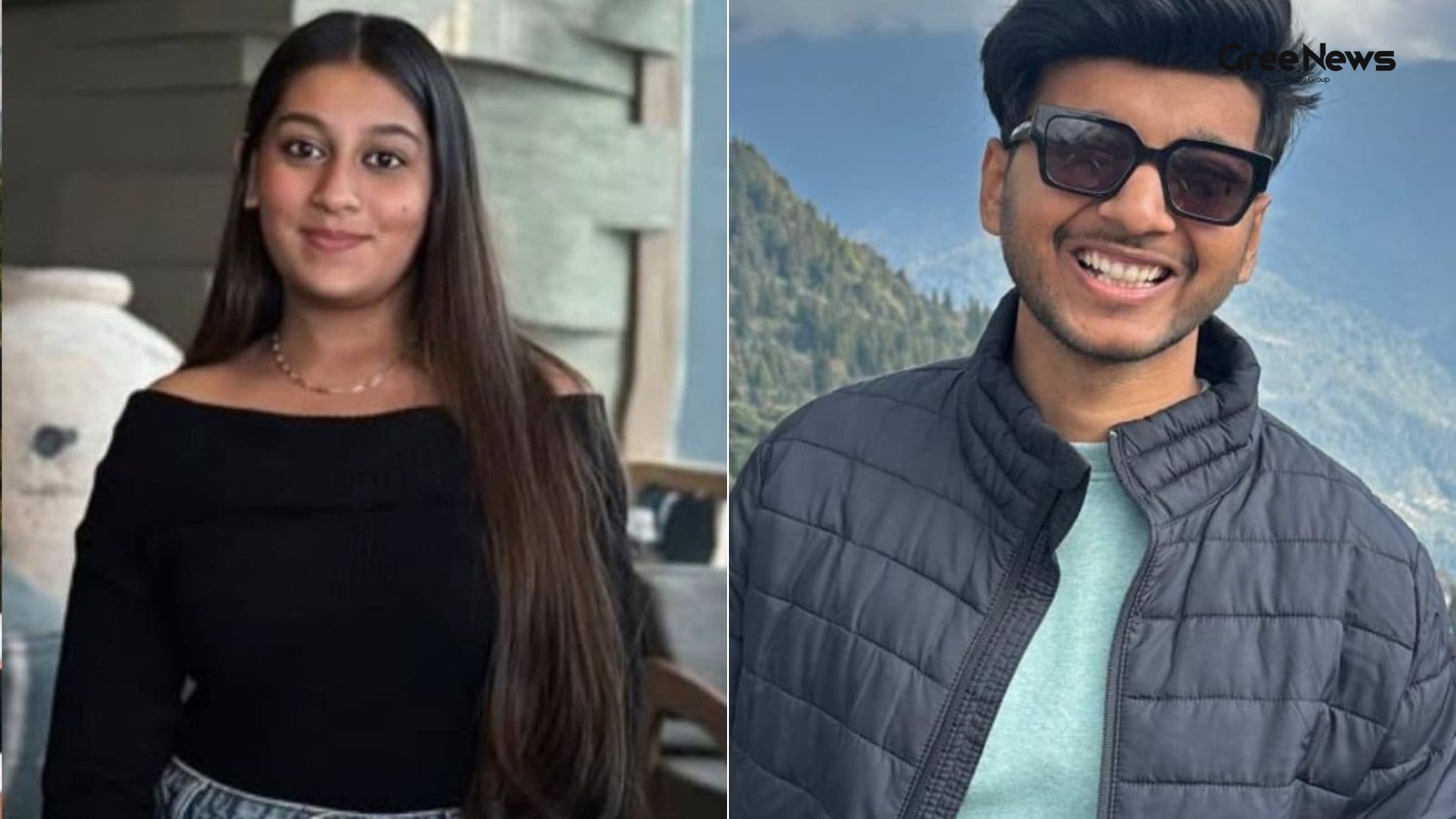
Twelve days before Ketan Agarwal was allegedly killed, he was supposed to head to Bali with his fiancée, Siya Goyal. A pre-wedding photoshoot planned. Things went sideways fast. The trip got cancelled because Ketan’s passport vanished. Poof. Gone. Less than two weeks later, the real trouble started
Jun 24, 2026 by Gree News Team
Borax Poisoning Case in Chhattisgarh
A shopkeeper in Chhattisgarh allegedly used deadly amounts of borax powder to poison eight men over four months. That’s what the police said on Tuesday. The whole thing happened in a village called Kharve, under Kasdol police station limits. The murders stretched out between February and May this ye
Jun 24, 2026 by Gree News Team
Latest Headlines
Akshara Singh's Collaboration with Akshay Kumar on 'Ghis Ghis Ghis'
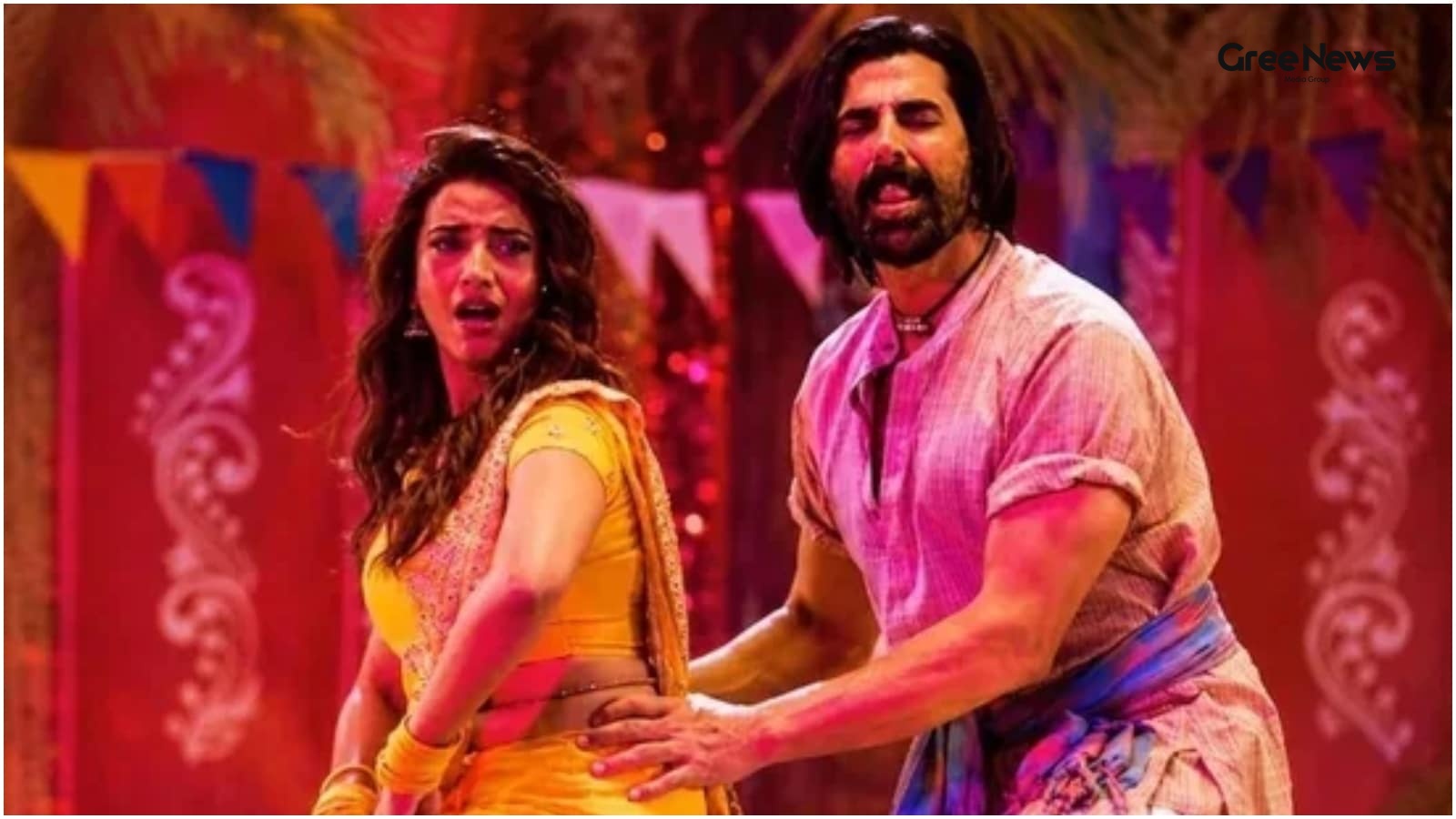
Akshara Singh is totally over the moon right now after collaborating with Akshay Kumar on ‘Ghis Ghis Ghis’ from ‘Welcome To The Jungle’. It was a big deal. He really went all out on the song. And something interesting happened, too. He shot the track while he was suffering from a high fever. That de
Jun 25, 2026 by Gree News Team
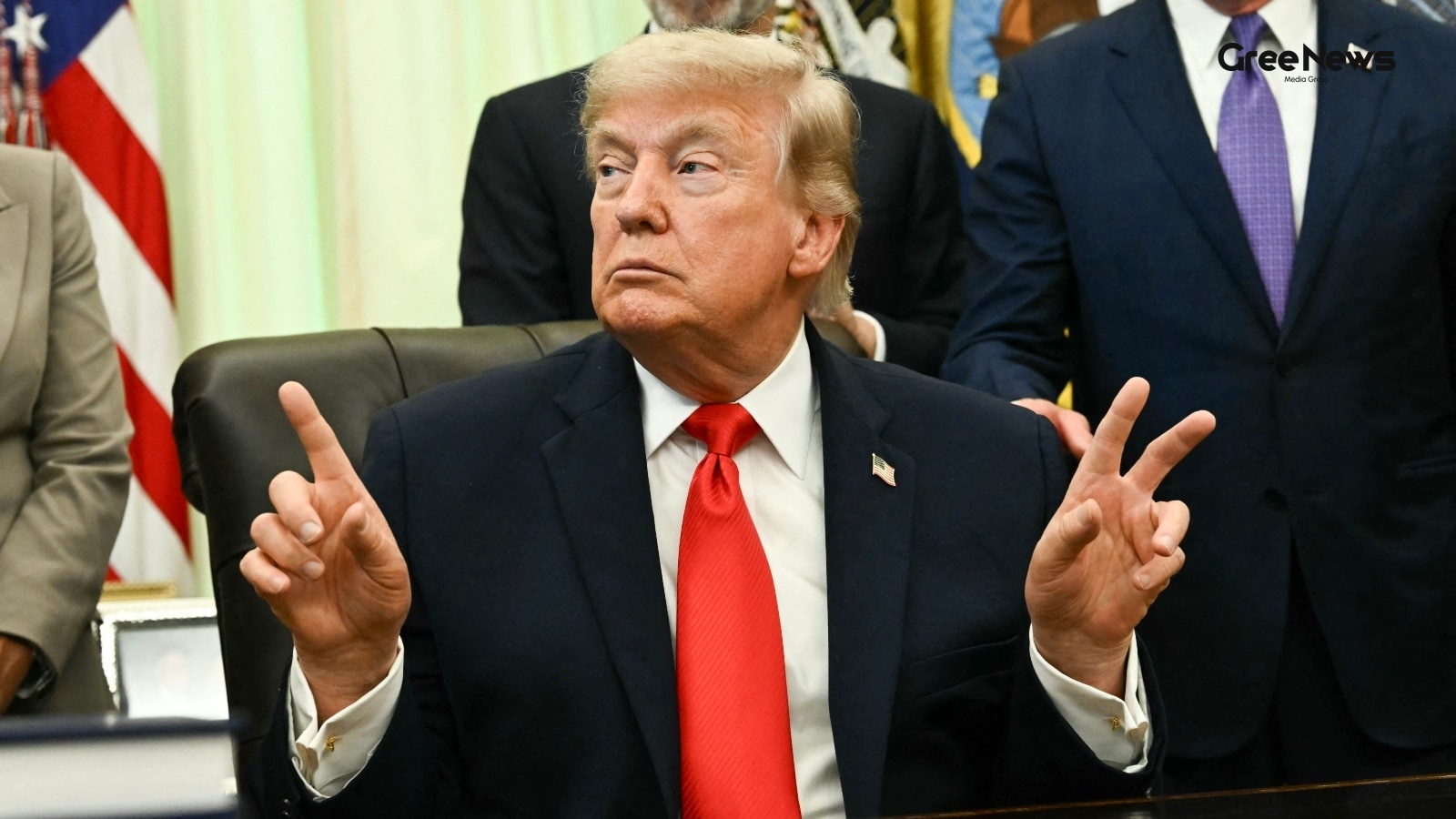
The Disconnect Between America's Image and Global Sentiment
That whole line about Trump saying foreign leaders assured him America was the hottest country anywhere it just rings hollow now. It’s that image of the world’s ultimate destination, the place everyone wants a selfie at, where you invest and get influence. But it’s comically disconnected from what p
Jun 25, 2026 by Gree News Team
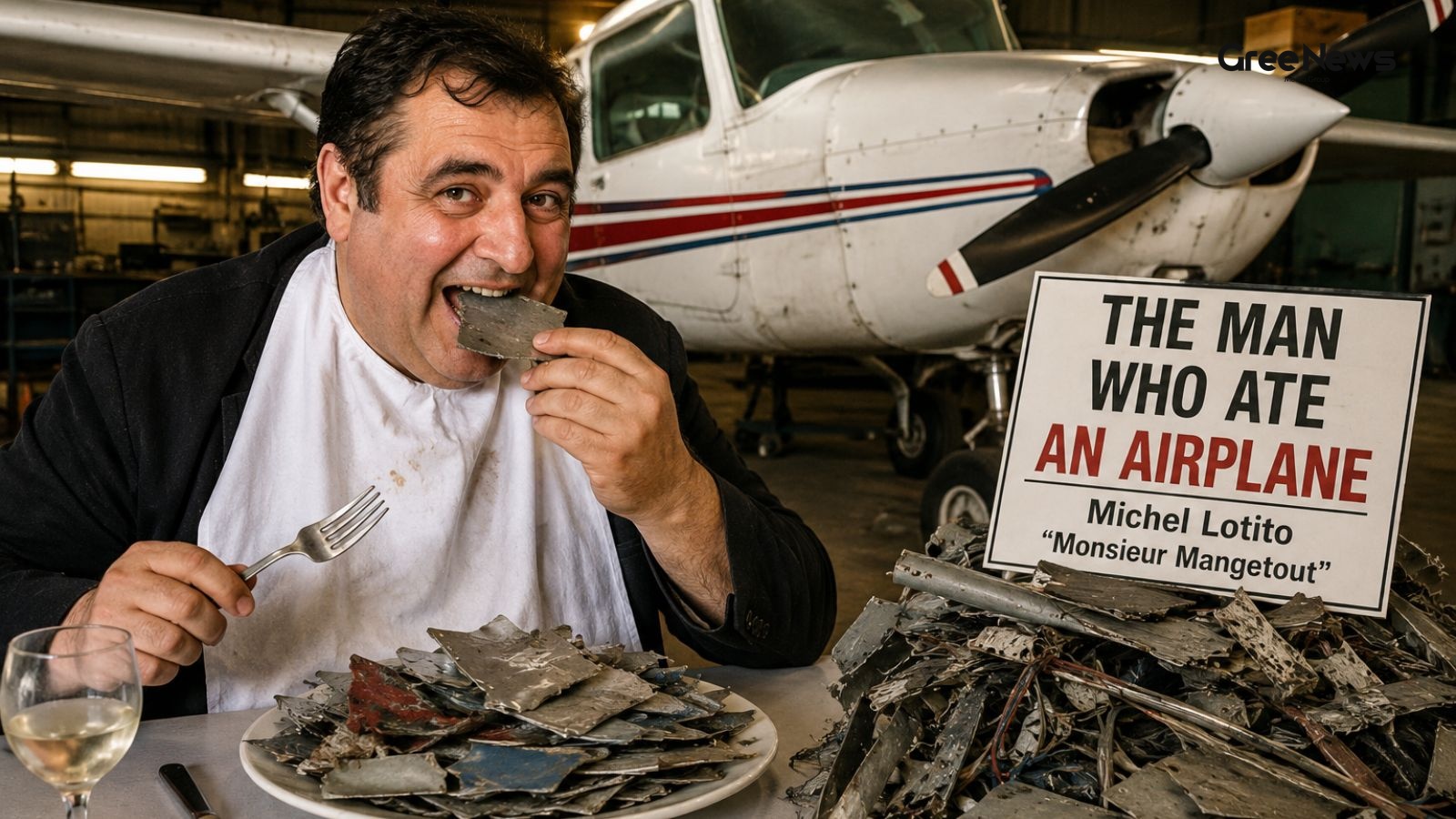
The Shifting Landscape of Uncertainty and Political Reality
Look, it’s just… everything spinning right now. You see the headlines? They just give you these neat little boxes, and underneath them, there’s this mess. A lot of noise. The air feels thick today. It always does when things are about to shift, doesn’t it? There’s this low hum, a kind of tension tha
Jun 25, 2026 by Gree News Team
Shillong Teer Results and Gameplay Details
The Shillong Teer results today, June 25th. That’s what we’re talking about. It happens every day, right? Over at that Polo Ground in Shillong, it’s this whole archery lottery thing. It’s run by the Khasi Hills Archery Sports Association, KHASA. They are trying to keep the traditional archery going,
Jun 25, 2026 by Gree News Team
Murder and Conspiracy at Lohagad Fort: The Story of Goyal and Chaudhary
Something really disturbing happened in Maharashtra. Pune Rural Police found something sinister behind what everyone thought was just a bad trekking accident at Lohagad Fort. They arrested two people, Siya Goyal and Chetan Chaudhary. They’re accused of planning the murder of Goyal’s fiancé, Ketan Vi
Jun 24, 2026 by Gree News Team
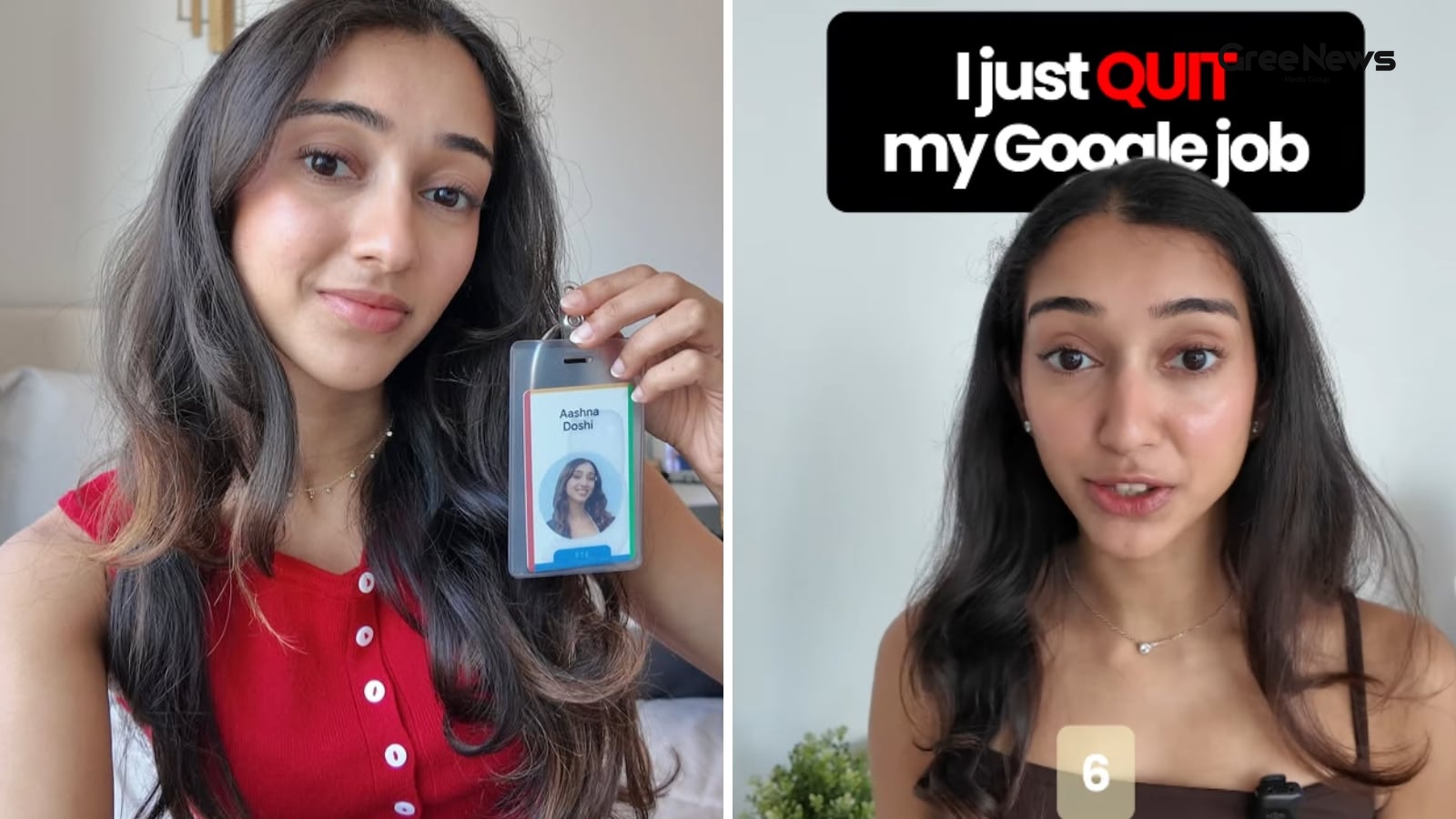
Aashna Doshi's Journey from Google to AI Startup
Aashna Doshi, twenty-three years old, used to be a Google engineer. Leaving that job wasn't the hardest thing for her, she admitted. It was staying put, just sitting there in comfort, wondering what else she could have actually built instead of just coding. She shared this story with Business Inside
Jun 24, 2026 by Gree News Team

Tension and Sportsmanship: The Strained Relations Between India and Pakistan
Harmanpreet Singh and his Indian hockey team met their Pakistani counterparts, led by Abu Mahmood, just before a big game in the FIH Pro League. They exchanged greetings, but it felt strained. All the differences that have really soured things across the border? they just kept them quiet. It’s compl
Jun 24, 2026 by Gree News Team

Giorgia Meloni and the Future of Italian Elections
Meloni is looking at calling early elections. April? Months ahead of when they’re supposed to run again in late 2027. That’s what’s swirling around the right wing, Brothers of Italy, reportedly. There’s this worry that dragging things out just won't help her standing at home. The *Bloomberg* report
Jun 24, 2026 by Gree News Team
Alleged Murder of Ketan Agarwal and Arrest of Accused
Twelve days before Ketan Agarwal was allegedly killed, he was supposed to head to Bali with his fiancée, Siya Goyal. A pre-wedding photoshoot planned. Things went sideways fast. The trip got cancelled because Ketan’s passport vanished. Poof. Gone. Less than two weeks later, the real trouble started
Jun 24, 2026 by Gree News Team

Work-Life Balance and Work Culture Differences Between India and the US
An Indian man living in the States recently shared some thoughts about his experience working across both India and the US. It really highlighted how different people handle work hours and what happens after the workday ends. He mentioned seeing a huge shift over the years regarding work-life balanc
Jun 24, 2026 by Gree News Team
Borax Poisoning Case in Chhattisgarh
A shopkeeper in Chhattisgarh allegedly used deadly amounts of borax powder to poison eight men over four months. That’s what the police said on Tuesday. The whole thing happened in a village called Kharve, under Kasdol police station limits. The murders stretched out between February and May this ye
Jun 24, 2026 by Gree News Team
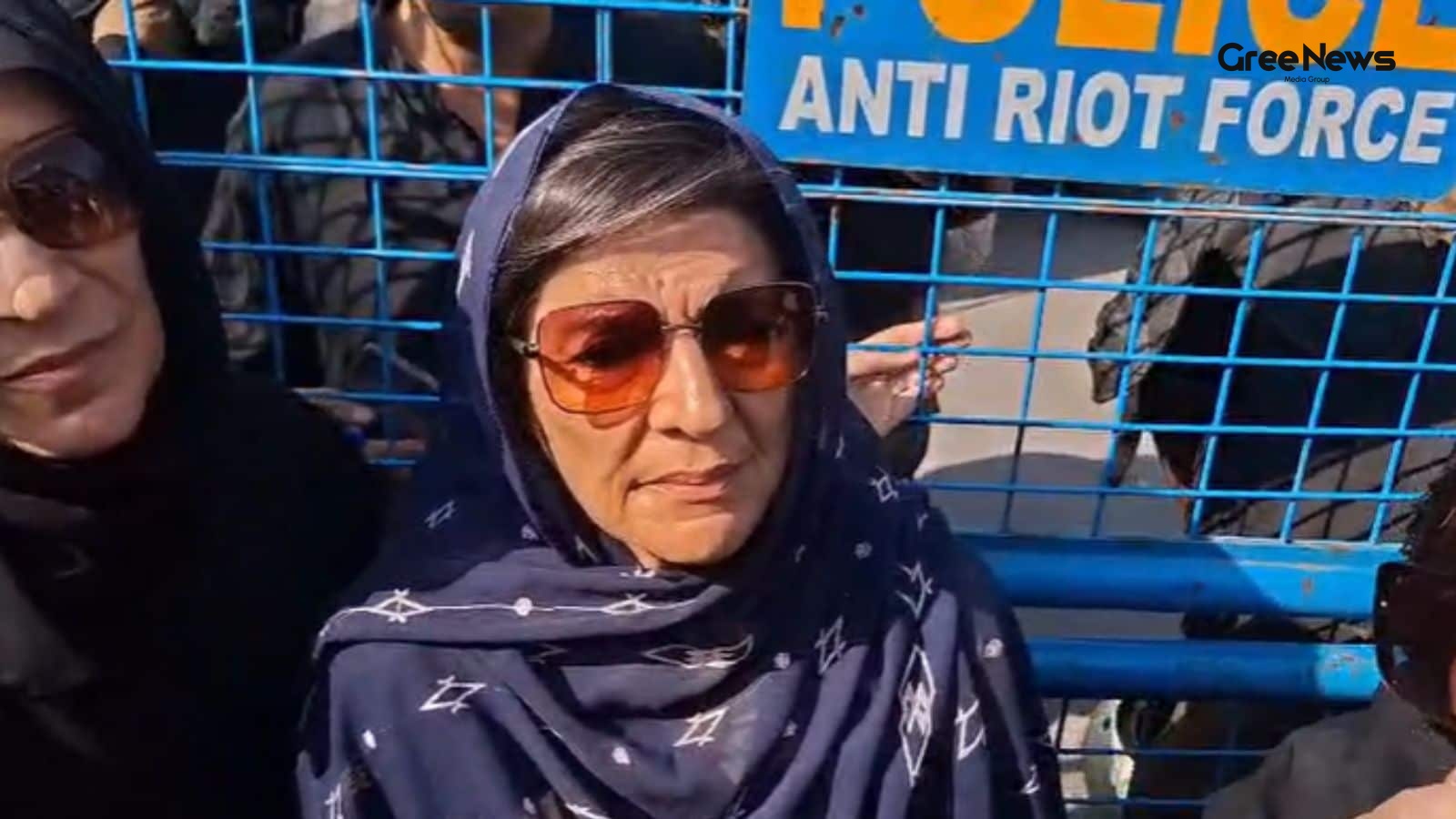
Aleema Khan's Condemnation of Crackdown and the PoK Situation
Aleema Khan, Imran Khan's sister, she really lashed out. She condemned the crackdown happening to people in Pakistan-occupied Kashmir, but she also aimed that anger squarely at Prime Minister Shehbaz Sharif for trying to step in and mediate that whole US-Iran mess. She said Islamabad was just oppres
Jun 24, 2026 by Gree News Team
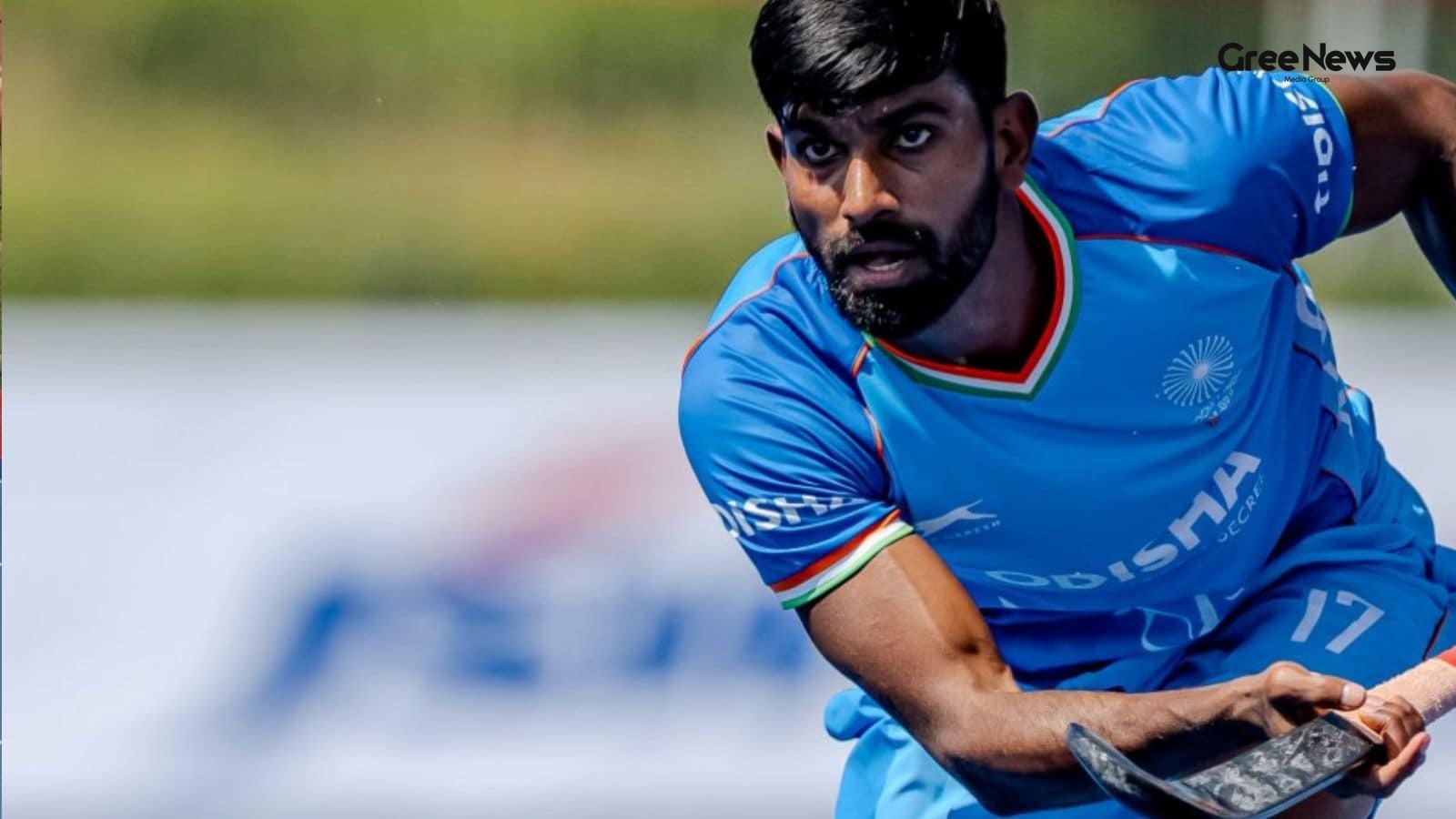
India Edges Out Pakistan 4-3 in Pulsating FIH Pro League Encounter
India edged out Pakistan 4-3 in what was a really pulsating FIH Pro League encounter on Tuesday. It extended their decade-long undefeated run against their arch-rivals in international hockey, and that just carries some weight. The victory itself lifted India to seventh place in the standings. That
Jun 24, 2026 by Gree News Team
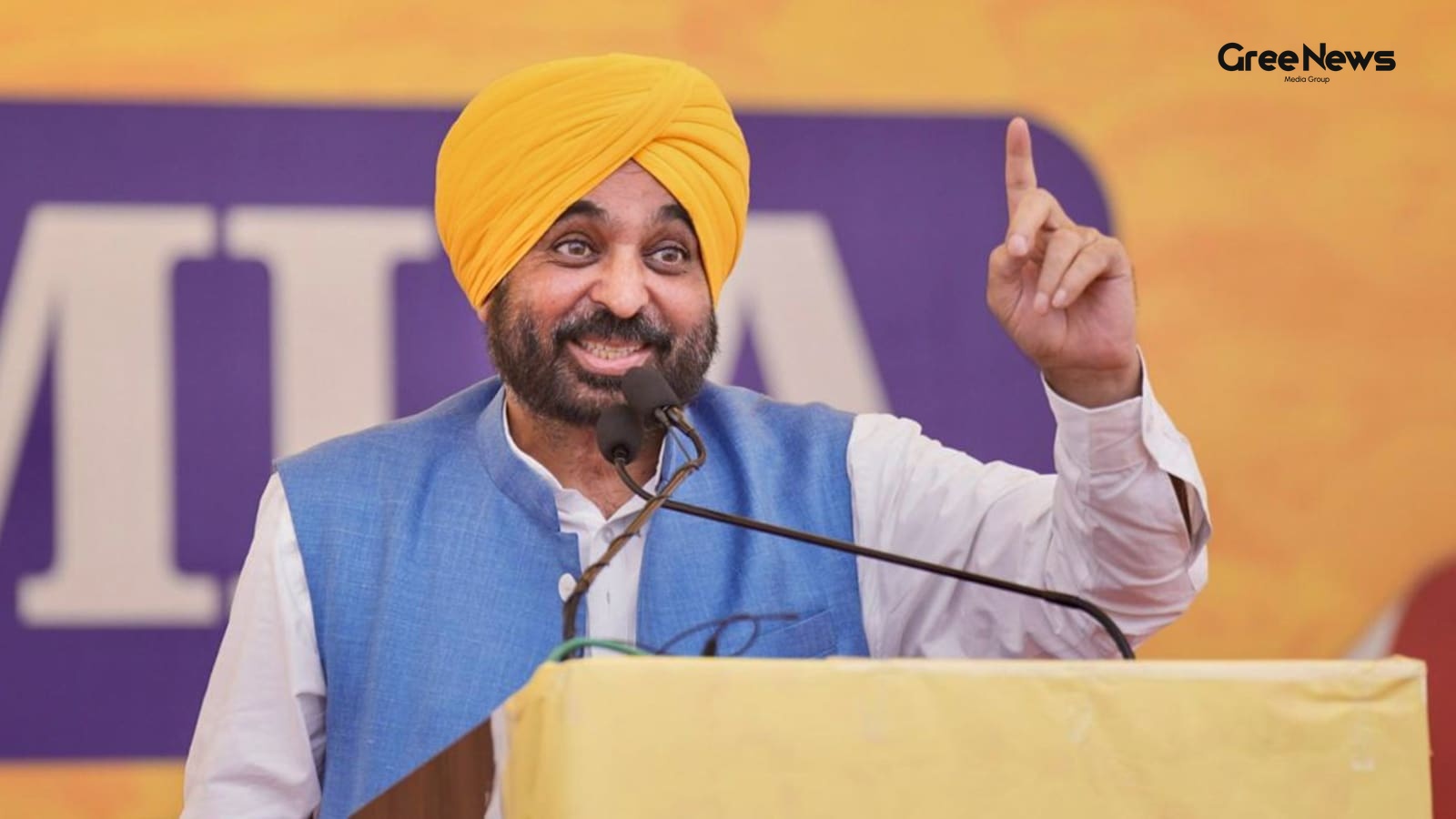
Bhagwant Singh Mann's Claims on Punjab Development and Job Creation
Bhagwant Singh Mann was handing out appointment letters on Tuesday in Bathinda. Sixty-six hundred and sixty-five new spots at PSPCL. He made a claim too that Punjab had given out 68 thousand jobs over four and a half years. He said the recruitment drive is finally over. It ended that old system of c
Jun 24, 2026 by Gree News Team
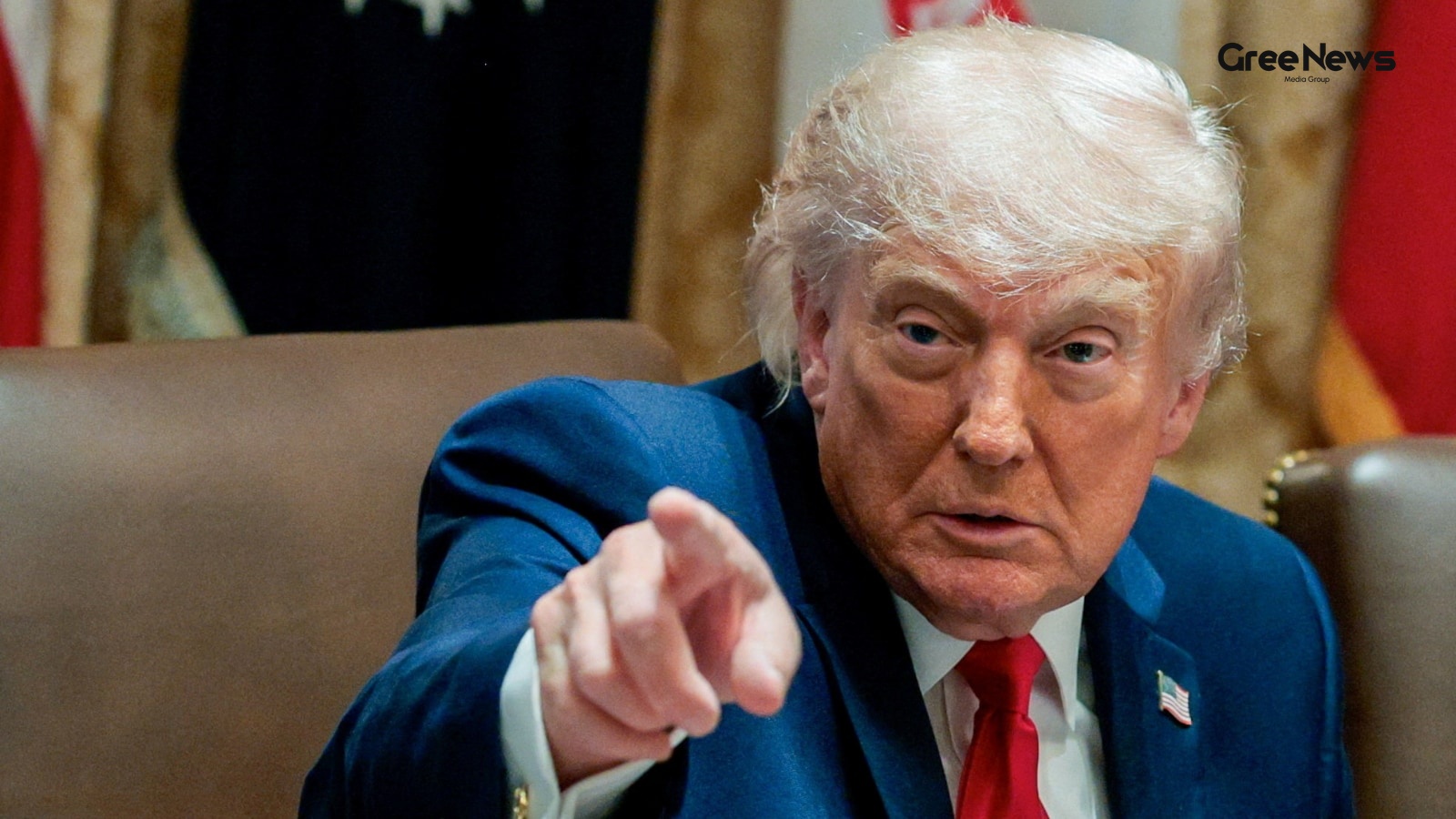
Donald Trump on Iran, Nuclear Inspections, and Economic Distress
Tuesday. Donald Trump was talking about Iran again. He rejected their claim that no visit was scheduled for IAEA inspectors. Insisting Tehran already agreed to let the UN nuclear watchdog into the country. “They’re wrong, they’re wrong,” he told reporters after landing in Pennsylvania. It was all ab
Jun 24, 2026 by Gree News Team