US Military Involvement with Iran: Legal and Political Tensions
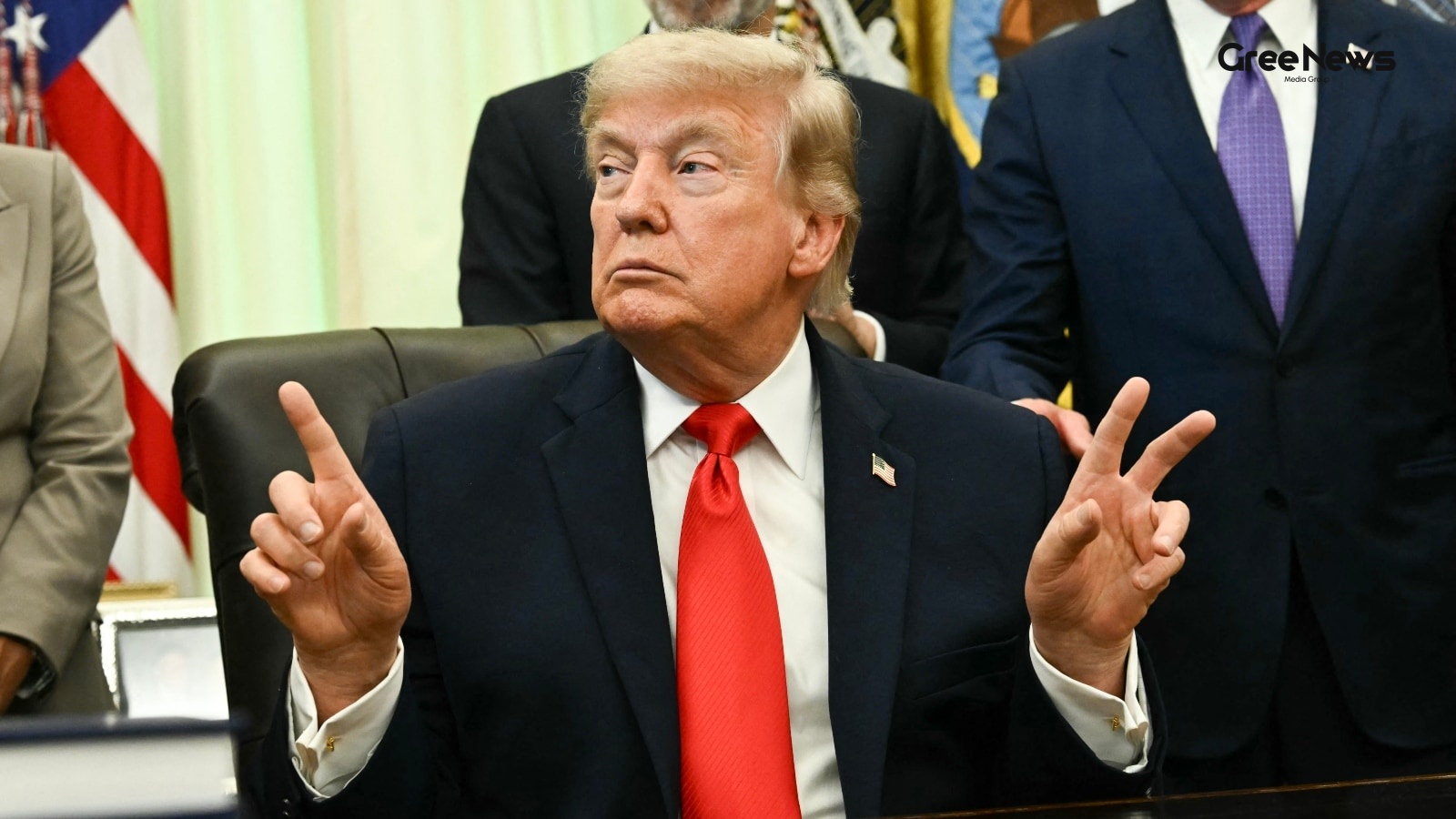
The Senate actually managed to pass something Tuesday. A resolution, calling for an end to President Trump’s military involvement with Iran. It was the latest pushback against what the White House is doing this whole dance about trying to negotiate some long-term deal with Tehran through force.
Fifty-forty-eight vote. That's how it went down. A narrow win, maybe, but it signals something. The measure basically says: stop. Pull back the US forces from whatever hostilities are going on involving Iran unless Congress actually signs off on using military muscle. Simple enough on paper, terrifying in practice.
But you have to look closer at what that vote actually means . It’s mostly smoke, really. A concurrent resolution under the 1973 War Powers Act. That means it doesn't actually carry the weight of law. No signature needed from the president. So, legally? it’s just talk. The White House immediately jumped on this, claiming it was unconstitutional and therefore totally unenforceable. It’s that kind of back-and-forth you see all the time in D.C.
Lawmakers backing it, though they argued something important. They insisted that if the US is going to get dragged into a prolonged military entanglement, there has to be real authorization from Congress. They were worried about how far the president can just go with his war powers unchecked. The potential for regional escalation felt very real to them.
It’s all incredibly symbolic, isn't it? It reflects this huge tension simmering right now. Between what the President claims he can do unilaterally and where Congress actually has a say in these massive decisions. That’s the whole mess hanging over the Iran situation.
And yet, despite clearing both chambers House and Senate it doesn’t change anything immediately on the ground. The administration is still pushing forward with its diplomatic track. They keep talking about peace aGreements, trying to find some broader understanding with Tehran. But officials? they don't spill any real details about what those negotiations are actually like. It remains frustratingly opaque.
The argument keeps looping back: Does the President have the right to direct military action without needing that explicit check from Washington? That’s the core fight, isn't it? The administration insists he has constitutional authority over US operations. But the people who voted for this resolution felt strongly that decisions involving war powers should be centralized in Congress.
This whole thing just shows mounting political scrutiny. It highlights how much pressure is building around how the administration handles its foreign policy, especially when military action is involved. The passage of this measure isn't a final solution; it’s more like a marker. A signal that things are heating up between the executive branch and the legislative branch over who controls the deployment of force.
It underscores that while diplomacy is happening that back-channel work with Tehran continues the legal and political framework surrounding military engagement remains deeply fractured. The debate isn't settled, it just shifts focus. It’s a constant reminder about where the actual power lies in these international crises.
Written by Gree News Team — Senior Editorial Board
Gree News Team covers international news and global affairs at Gree News. Our collective of senior editors is dedicated to providing independent, accurate, and responsible journalism for a global audience.
More from World
View All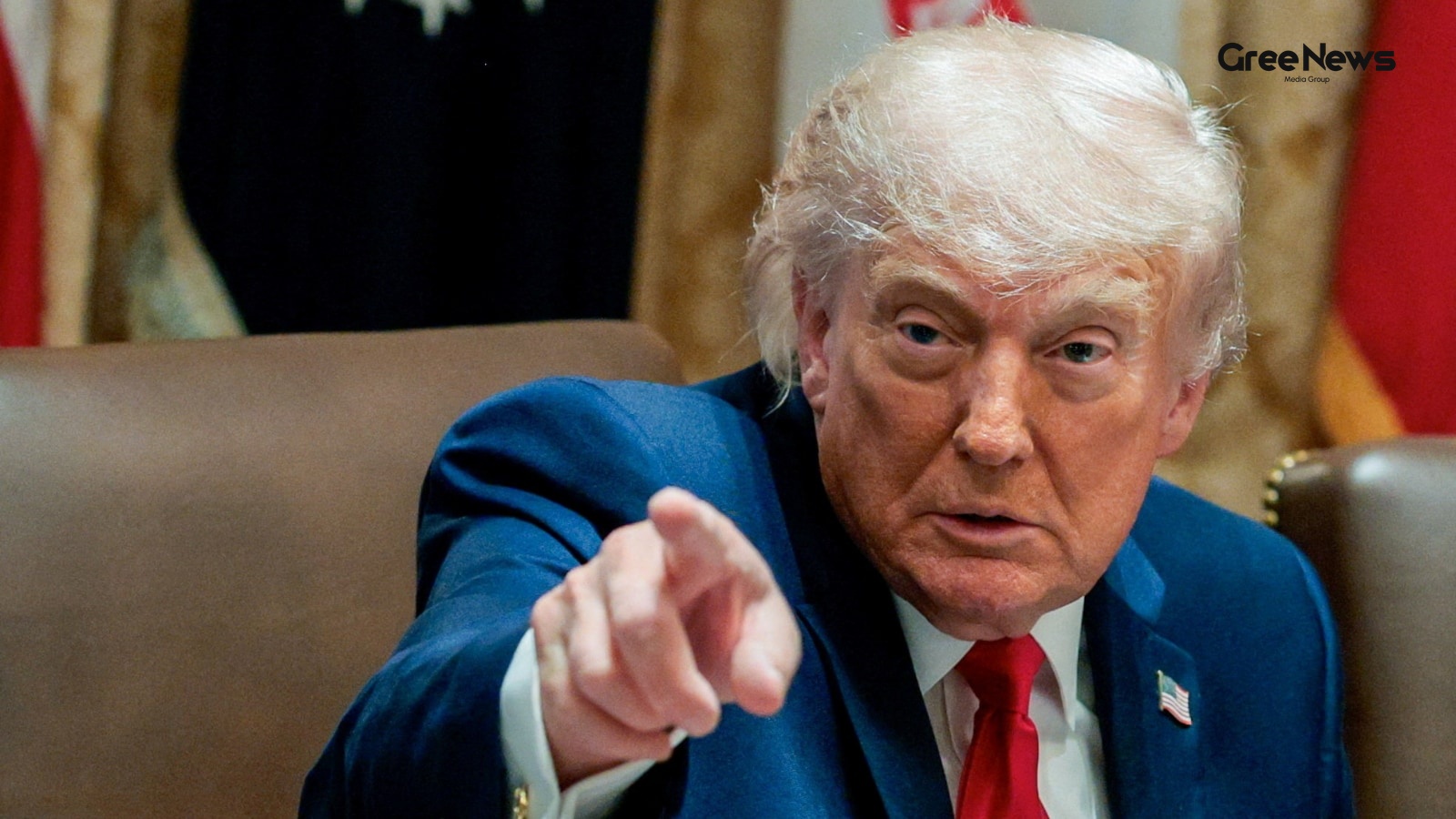
Donald Trump on Iran, Nuclear Inspections, and Economic Distress
Tuesday. Donald Trump was talking about Iran again. He rejected their claim that no visit was scheduled for IAEA inspectors. Insisting Tehran already agreed to let the UN nuclear watchdog into the country. “They’re wrong, they’re wrong,” he told reporters after landing in Pennsylvania. It was all ab
Jun 24, 2026 by Gree News Team
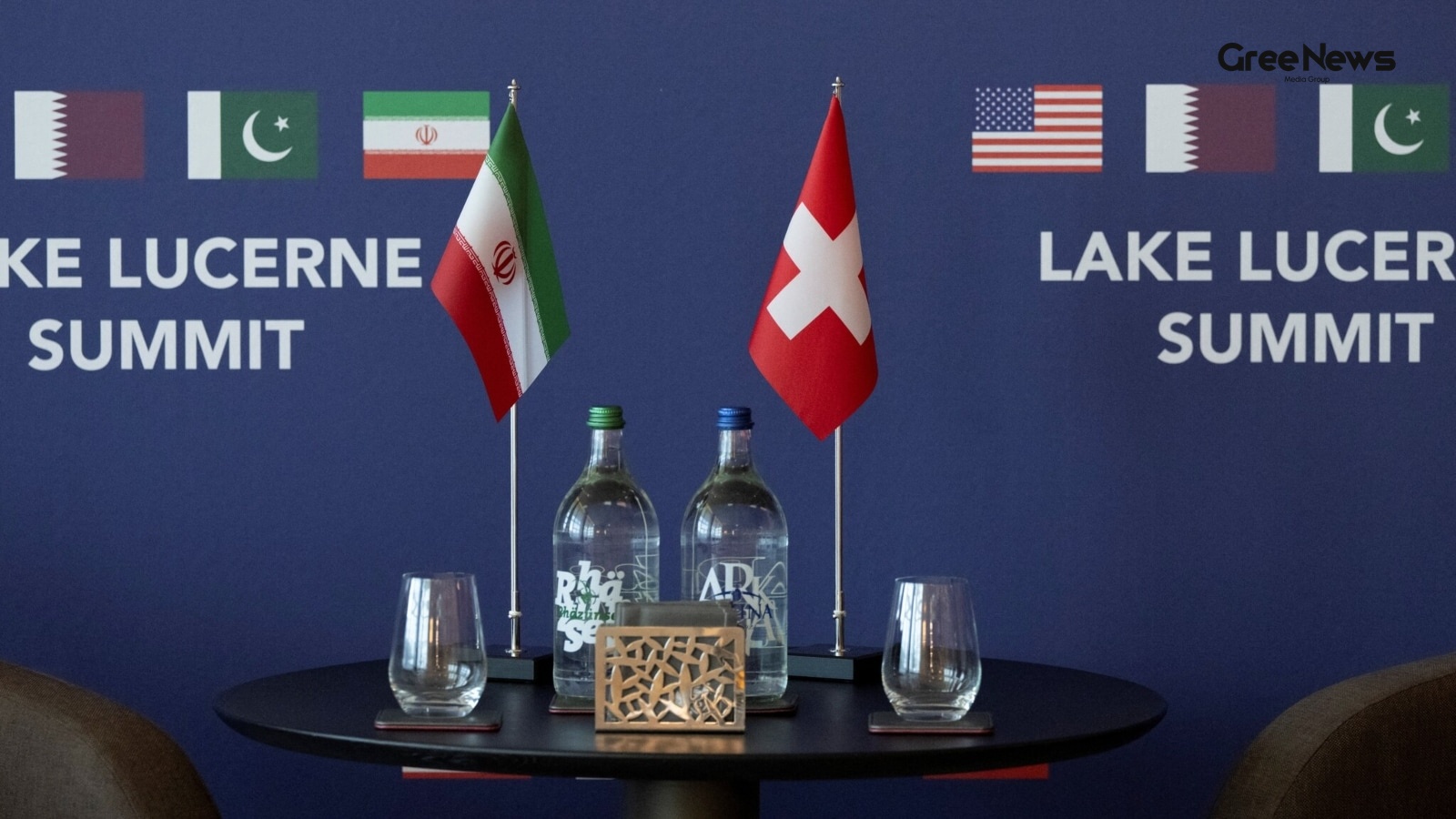
US-Iran Talks: Agreements, Sticking Points, and Nuclear Disagreements
Switzerland hosted the first round of US-Iran talks. It ended up being a real mixed bag some small agreements, but huge sticking points remained unresolved. We’re talking about things like trying to get a short-term sanctions waiver for oil, setting up some new maritime communication routes, and mas
Jun 24, 2026 by Gree News Team
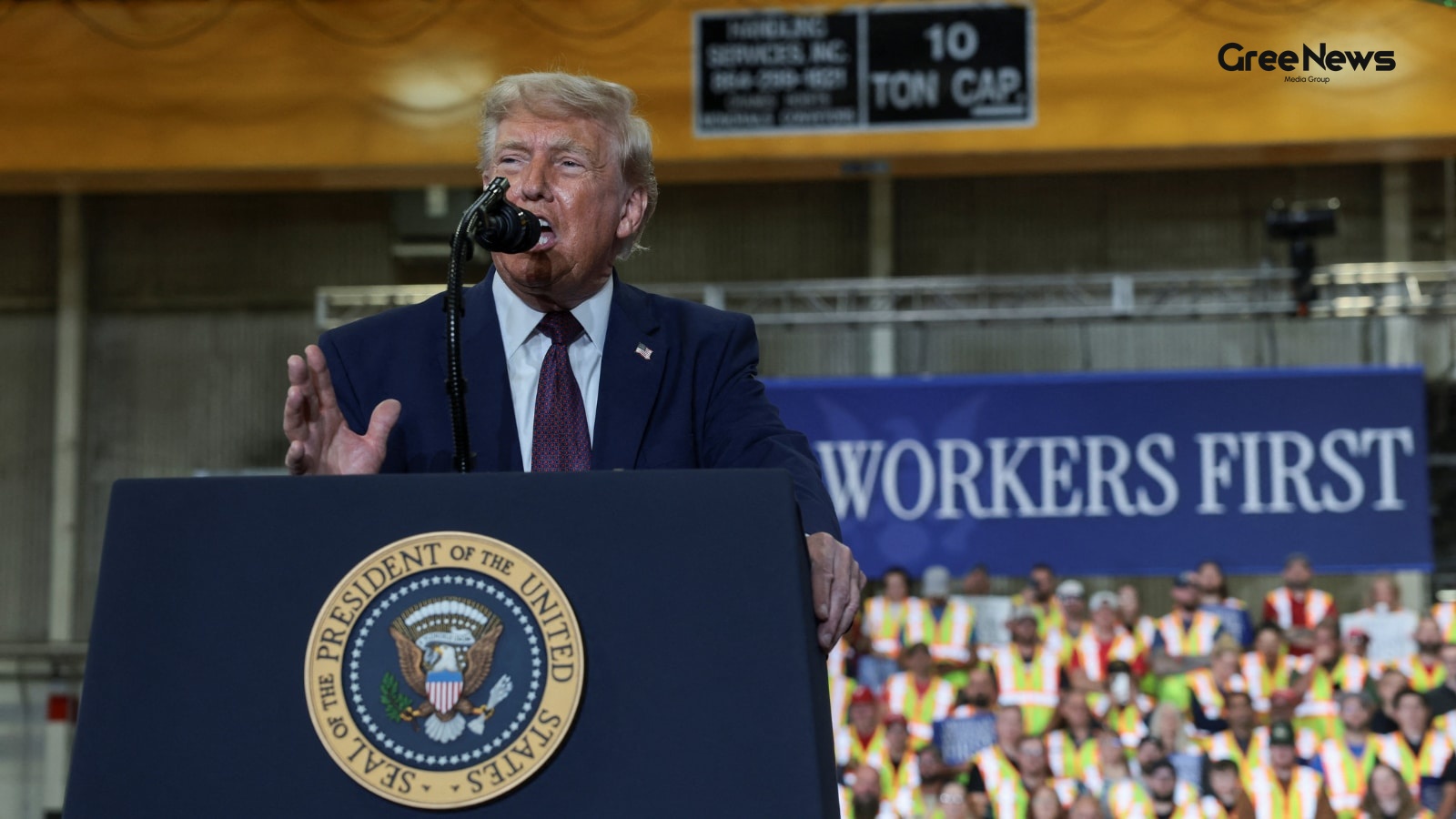
Donald Trump's Statements on Trade, Tariffs, and Foreign Policy
Donald Trump brought up a lot of things Tuesday in eastern Pennsylvania, mostly talking about trade and jobs. He claimed his administration managed the biggest cut in the US trade deficit ever sixty-seven percent, he said. “We have the biggest trade deficit cut in the history of our country. Sixty-s
Jun 24, 2026 by Gree News Team
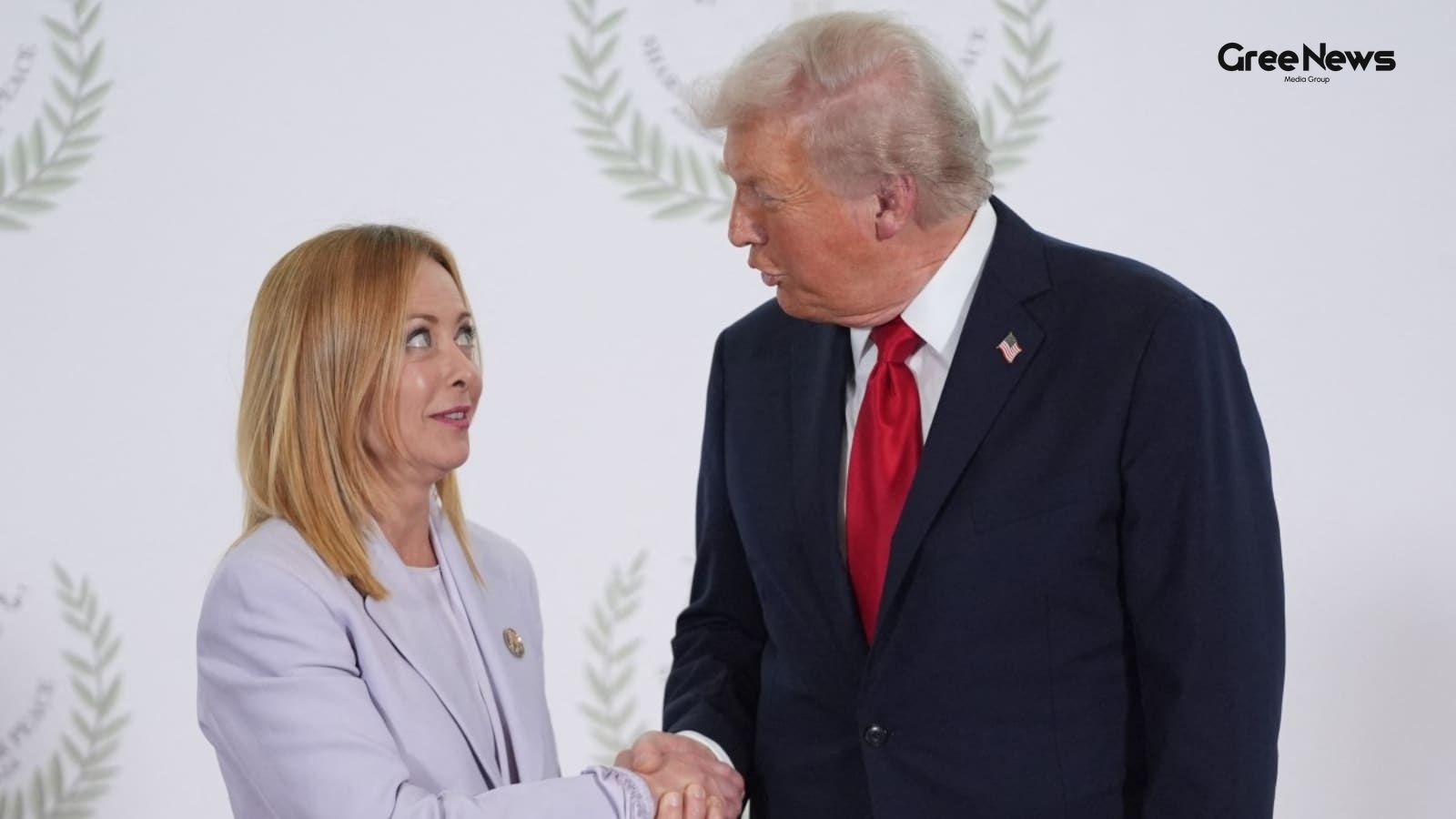
Meloni on Dispute with Trump and US Relations
Meloni was trying to draw a line under the public fight with Donald Trump on Tuesday. She said she didn’t want to keep fueling this dispute. She wanted relations between Rome and Washington to just go back to normal. “I do not intend to keep fueling this dispute,” Meloni stated. “I believe our bilat
Jun 24, 2026 by Gree News Team
Latest Headlines
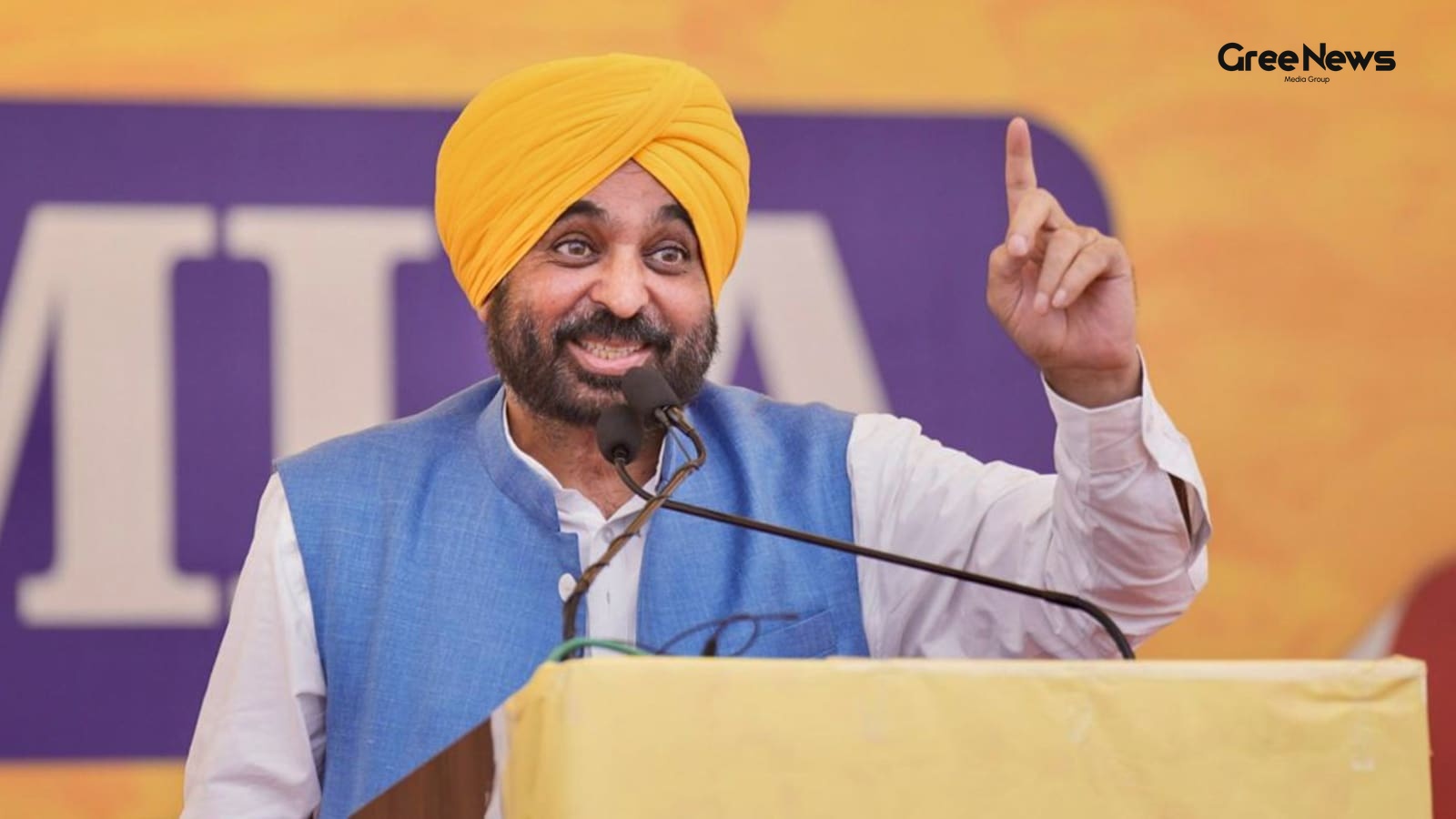
Bhagwant Singh Mann's Claims on Punjab Development and Job Creation
Bhagwant Singh Mann was handing out appointment letters on Tuesday in Bathinda. Sixty-six hundred and sixty-five new spots at PSPCL. He made a claim too that Punjab had given out 68 thousand jobs over four and a half years. He said the recruitment drive is finally over. It ended that old system of c
Jun 24, 2026 by Gree News Team
Donald Trump on Iran, Nuclear Inspections, and Economic Distress
Tuesday. Donald Trump was talking about Iran again. He rejected their claim that no visit was scheduled for IAEA inspectors. Insisting Tehran already agreed to let the UN nuclear watchdog into the country. “They’re wrong, they’re wrong,” he told reporters after landing in Pennsylvania. It was all ab
Jun 24, 2026 by Gree News Team
US-Iran Talks: Agreements, Sticking Points, and Nuclear Disagreements
Switzerland hosted the first round of US-Iran talks. It ended up being a real mixed bag some small agreements, but huge sticking points remained unresolved. We’re talking about things like trying to get a short-term sanctions waiver for oil, setting up some new maritime communication routes, and mas
Jun 24, 2026 by Gree News Team
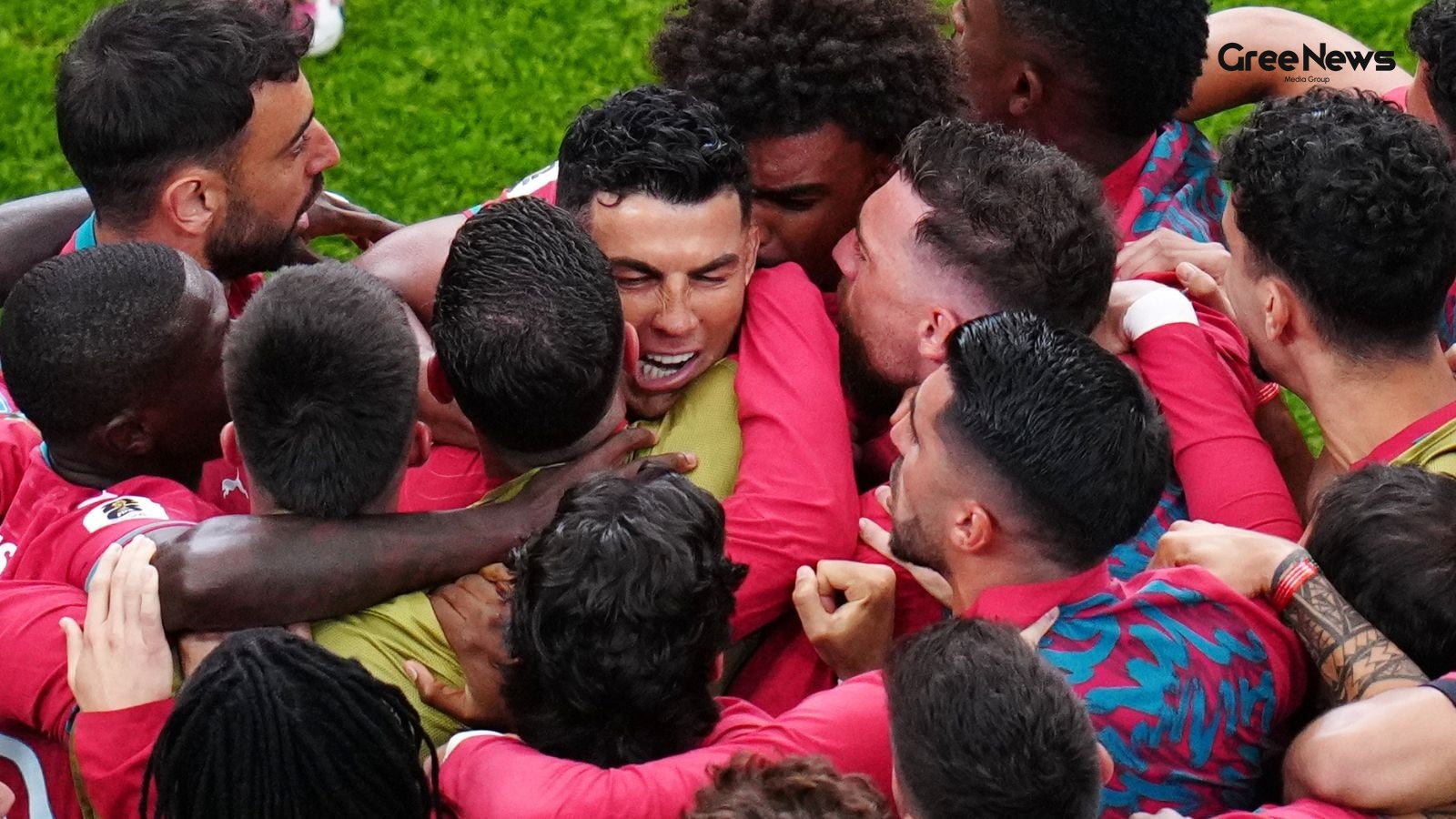
Ronaldo's Historic Performance in Portugal's World Cup Run
Ronaldo came out swinging against the critics on Tuesday, scoring twice as Portugal absolutely dismantled Uzbekistan five-nil in Houston. They’re now sitting right on the edge of knockout stages for the World Cup. That early strike? It felt historic. He etched his name into something major. First pl
Jun 24, 2026 by Gree News Team
Donald Trump's Statements on Trade, Tariffs, and Foreign Policy
Donald Trump brought up a lot of things Tuesday in eastern Pennsylvania, mostly talking about trade and jobs. He claimed his administration managed the biggest cut in the US trade deficit ever sixty-seven percent, he said. “We have the biggest trade deficit cut in the history of our country. Sixty-s
Jun 24, 2026 by Gree News Team
Meloni on Dispute with Trump and US Relations
Meloni was trying to draw a line under the public fight with Donald Trump on Tuesday. She said she didn’t want to keep fueling this dispute. She wanted relations between Rome and Washington to just go back to normal. “I do not intend to keep fueling this dispute,” Meloni stated. “I believe our bilat
Jun 24, 2026 by Gree News Team
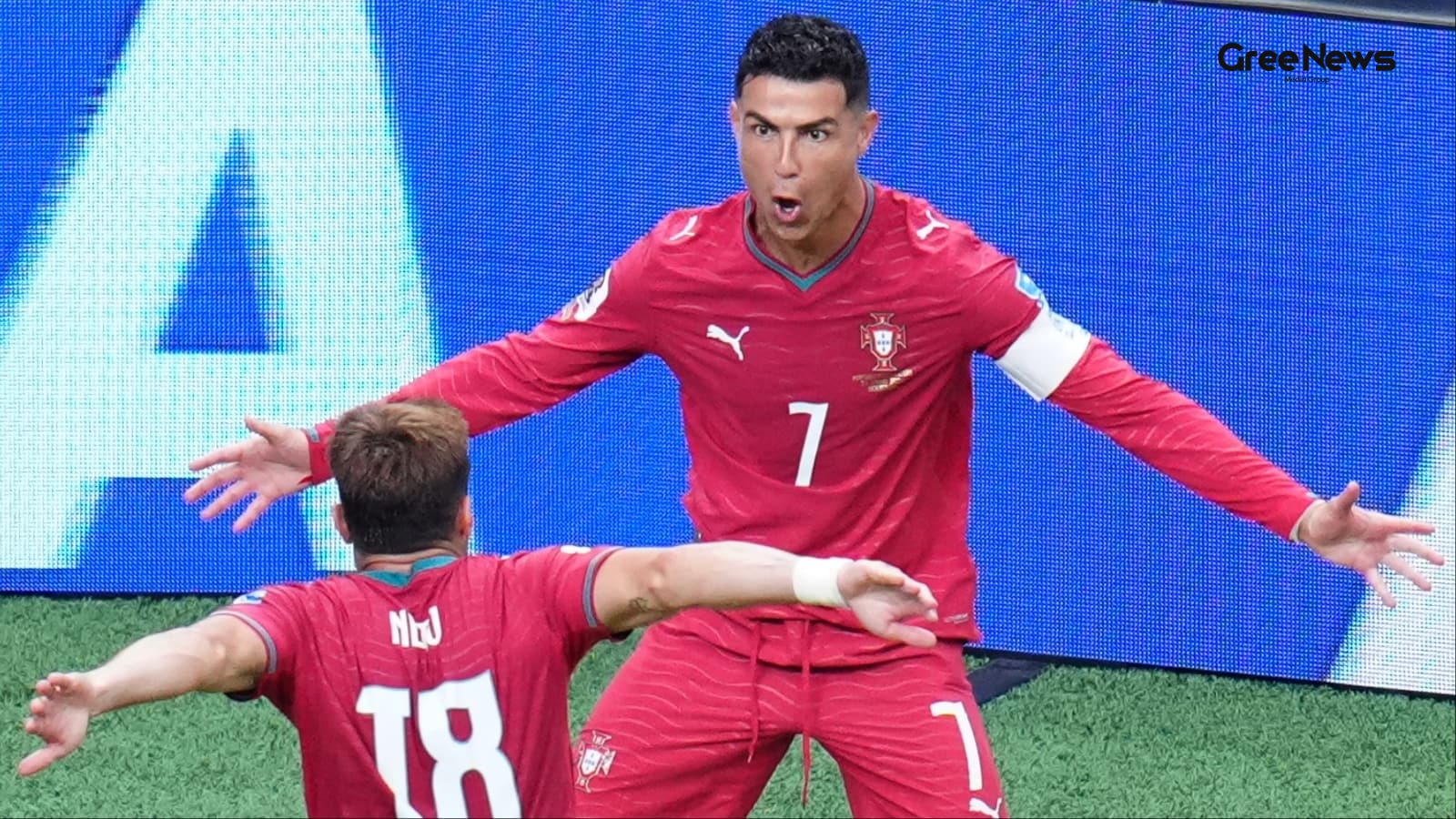
The Intersection of Age and Sporting Records: Ronaldo, Messi, and History
Man, you just have to look at what happened. Cristiano Ronaldo. He really just broke something big on Tuesday, June 23rd. During Portugal’s second Group K game for the World Cup 2026 that was it. He became the oldest player ever to score a brace in a World Cup match. Oldest, you know? And he’s the f
Jun 24, 2026 by Gree News Team
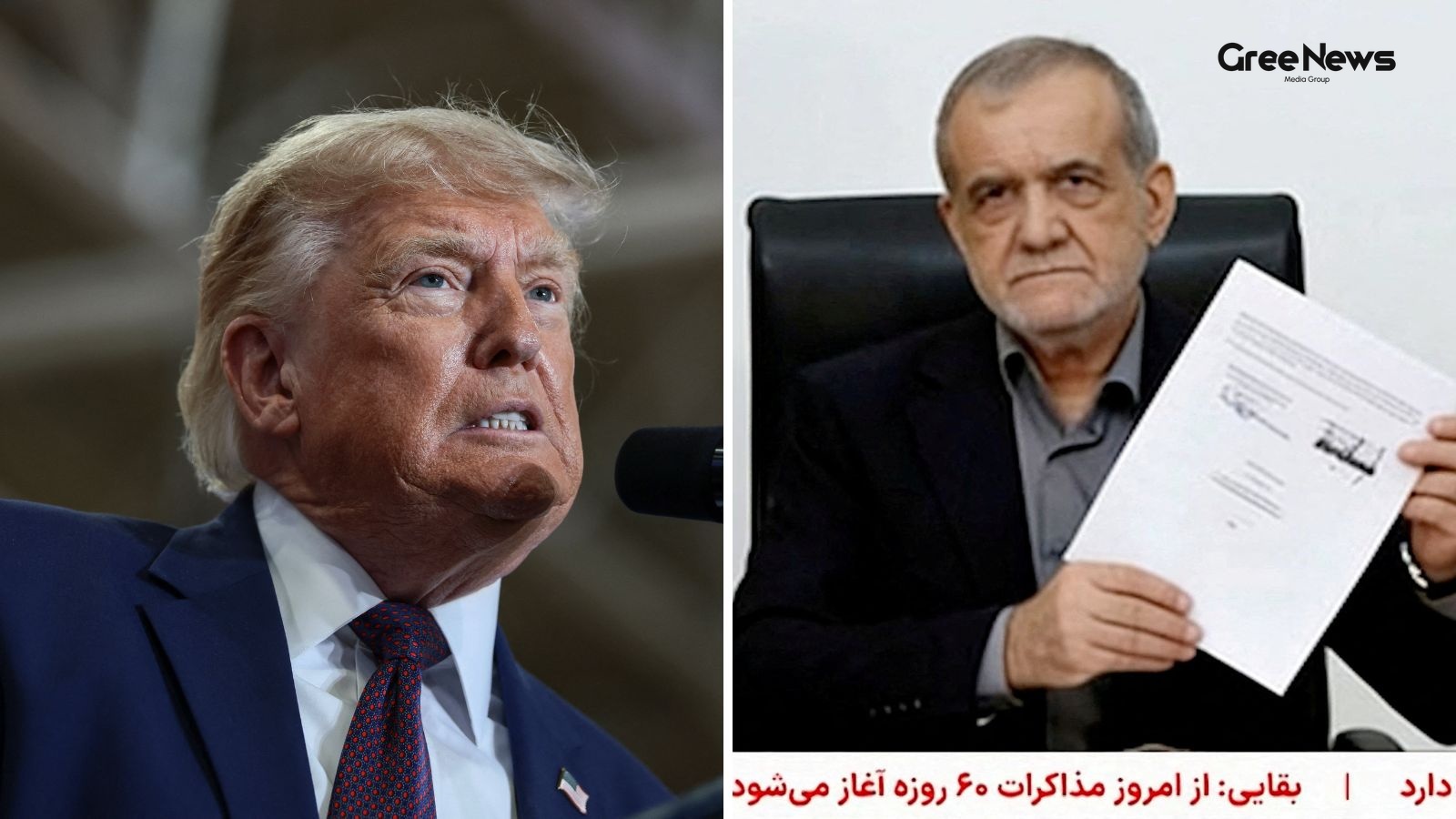
Donald Trump, Iran Missile Program, and International Agreements
Donald Trump brought up the idea that they could essentially "finish the job" in Iran in less than a week if Tehran doesn't behave reasonably. That was the line he used, while still hammering home that Washington’s main goal remains making absolutely sure Iran never gets a nuclear weapon on its hand
Jun 24, 2026 by Gree News Team
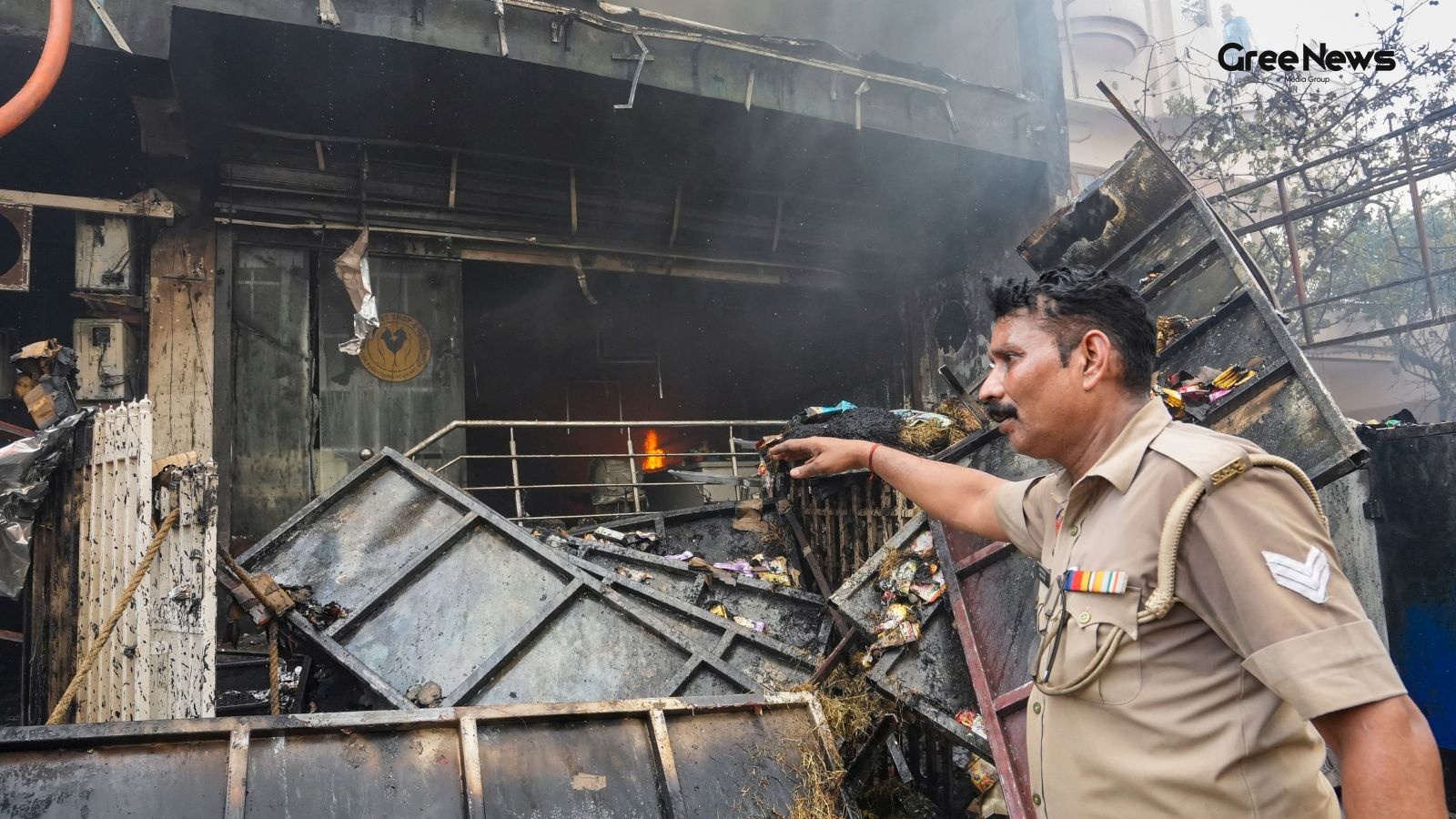
Crackdown on Fire Safety Rules in Delhi-NCR Targeting Coaching Centers
Authorities in Delhi-NCR started a crackdown on fire safety rules on Tuesday. They sealed about sixty places across Noida and Ghaziabad. This happened right after that terrible fire in Lucknow’s Aliganj area. It killed fifteen people. Just fifteen lives lost. Most of the spots they shut down were co
Jun 24, 2026 by Gree News Team

How a Dog Solved a Case in Uttar Pradesh
Not all heroes wear capes. It’s a strange thing how sometimes the real breakthrough doesn't come from the people in uniform, but from something far less expected. Take this case in Uttar Pradesh. An alleged sexual assault involving a six-year-old girl in Sambhal. The investigation stalled. No clear
Jun 24, 2026 by Gree News Team
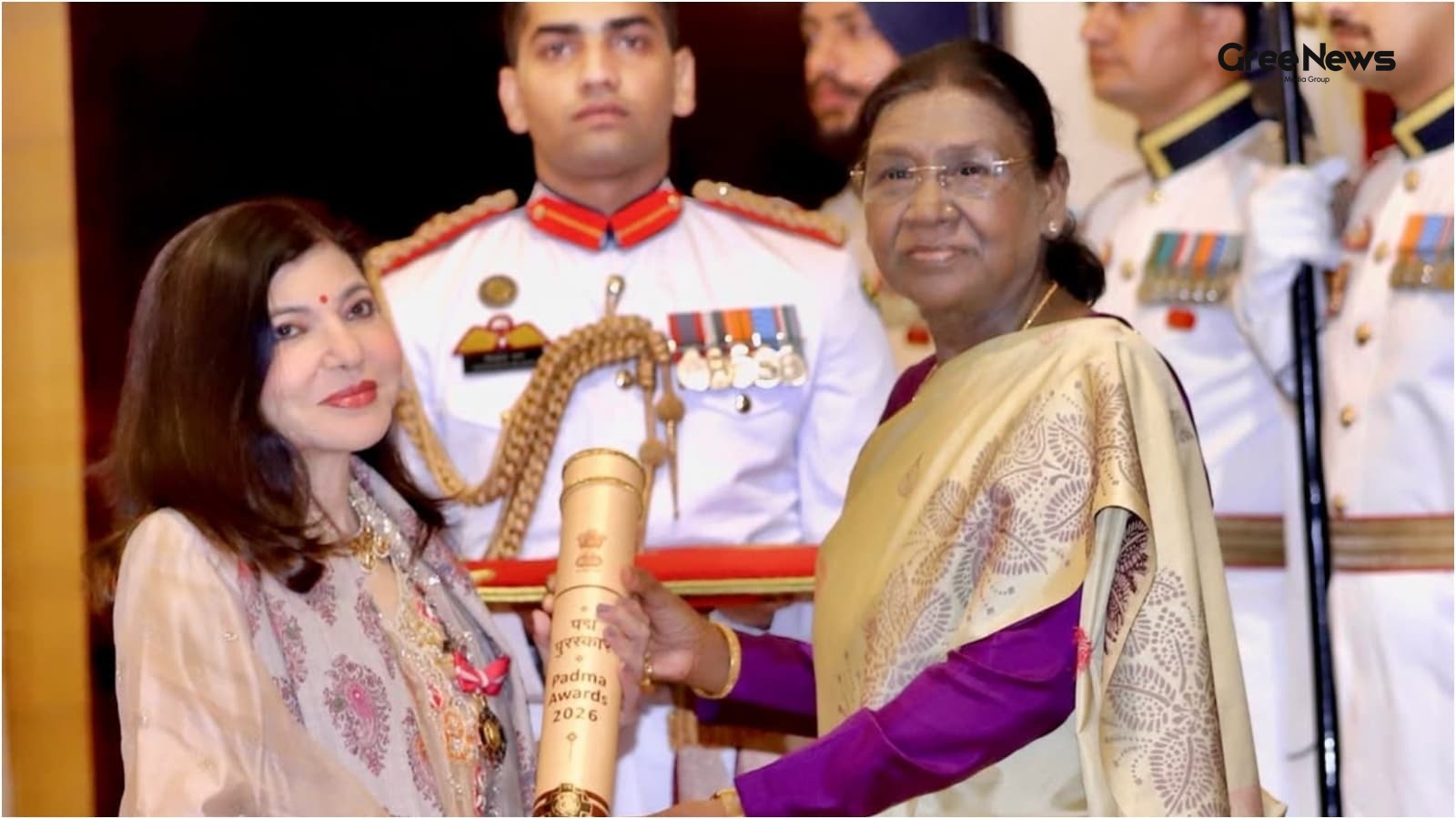
Alka Yagnik on Padma Bhushan and Health Issues
Alka Yagnik opened up about her health issues while talking about the Padma Bhushan she just received. She got the honour from President Droupadi Murmu on June 23rd. A video showed her being helped onto the stage for the recognition, and honestly, it made a lot of people worry about how she was doin
Jun 24, 2026 by Gree News Team
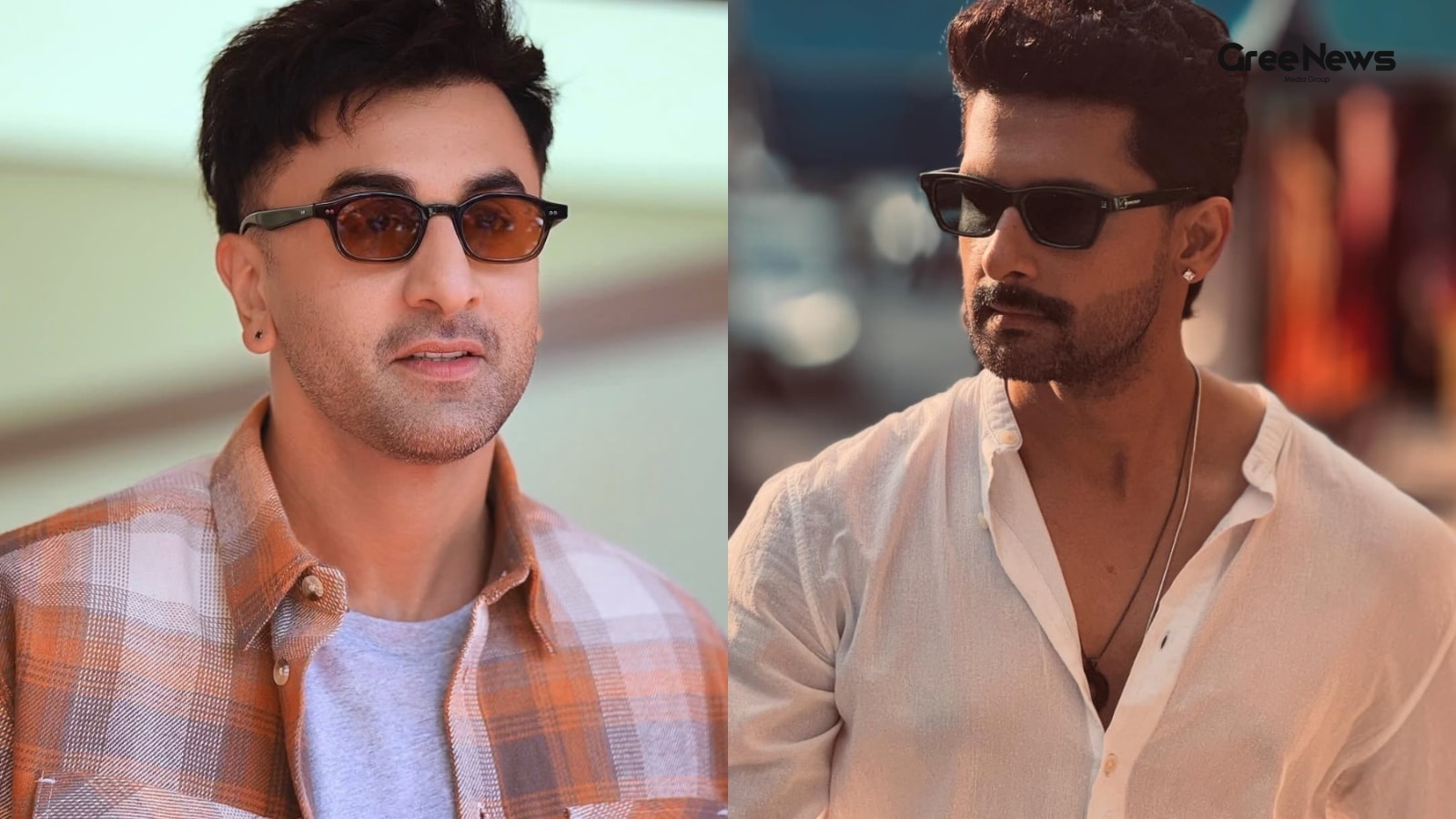
Ravie Dubey on the Ramayana Project and the Power of Faith
Ravie Dubey, who’s playing Lakshman in Nitesh Tiwari’s *Ramayana*, just told everyone to trust the process. He’s stressing that the team is moving forward with real faith and a sense of responsibility while this massive project continues rolling. It’s one of those huge Indian cinema productions, you
Jun 24, 2026 by Gree News Team

Chaos and Violence During France's Fête de la Musique
France’s Fête de la Musique turned into something else entirely, apparently pure chaos overnight. Reports are flooding in about violence syringe attacks, sexual assaults, massive disorder all happening during what was supposed to be one of Europe's biggest street music festivals. Millions went out t
Jun 24, 2026 by Gree News Team
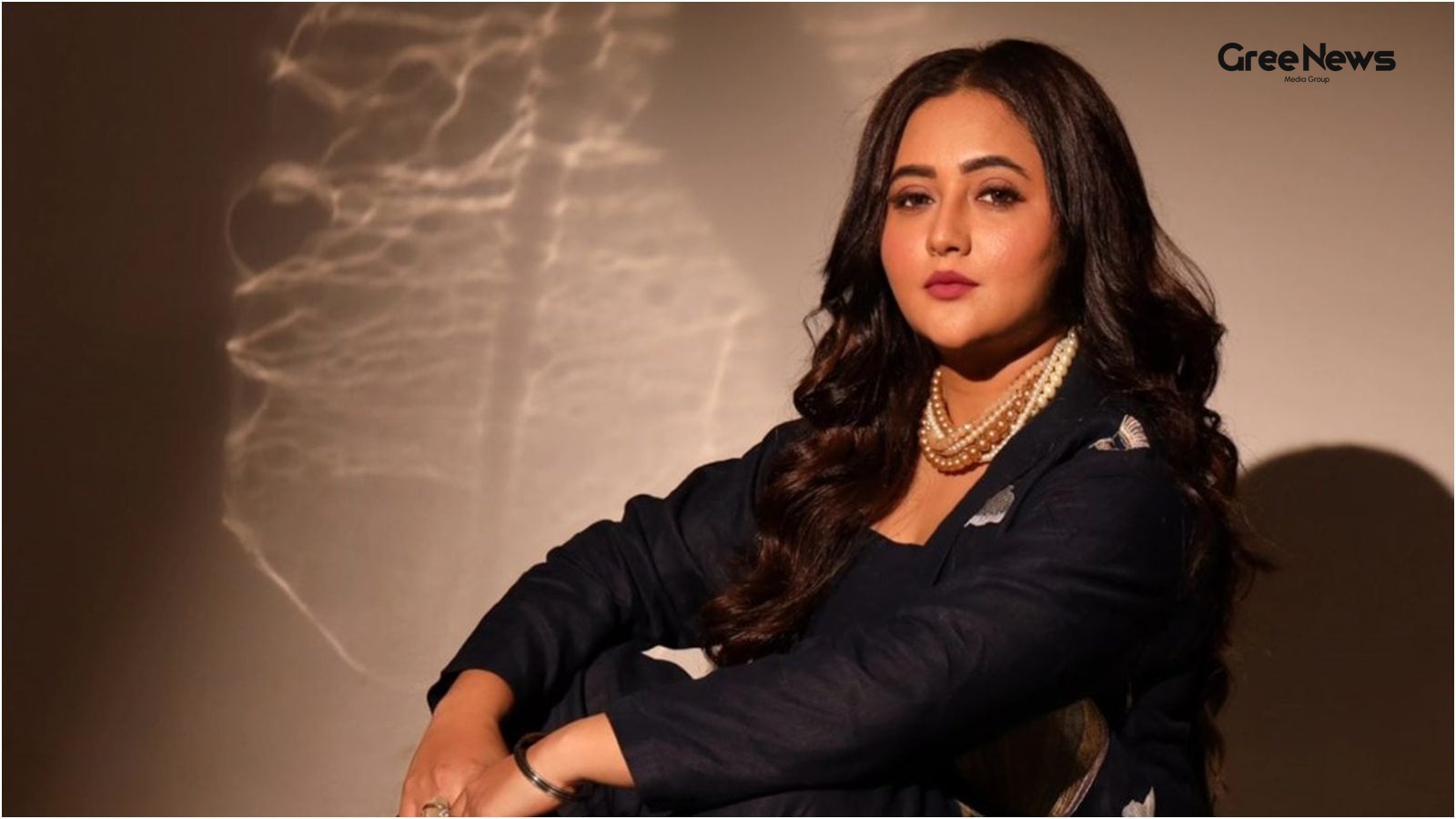
Rashami Desai Clarifies Her Stance on *Lock Upp Season 2*
Rashami Desai finally shut down the noise about *Lock Upp Season 2*. She said she has zero connection to the reality show, despite her name floating around in those contestant rumors everywhere you look. She dropped this clarification via a video on social media after an Instagram story got everyone
Jun 24, 2026 by Gree News Team
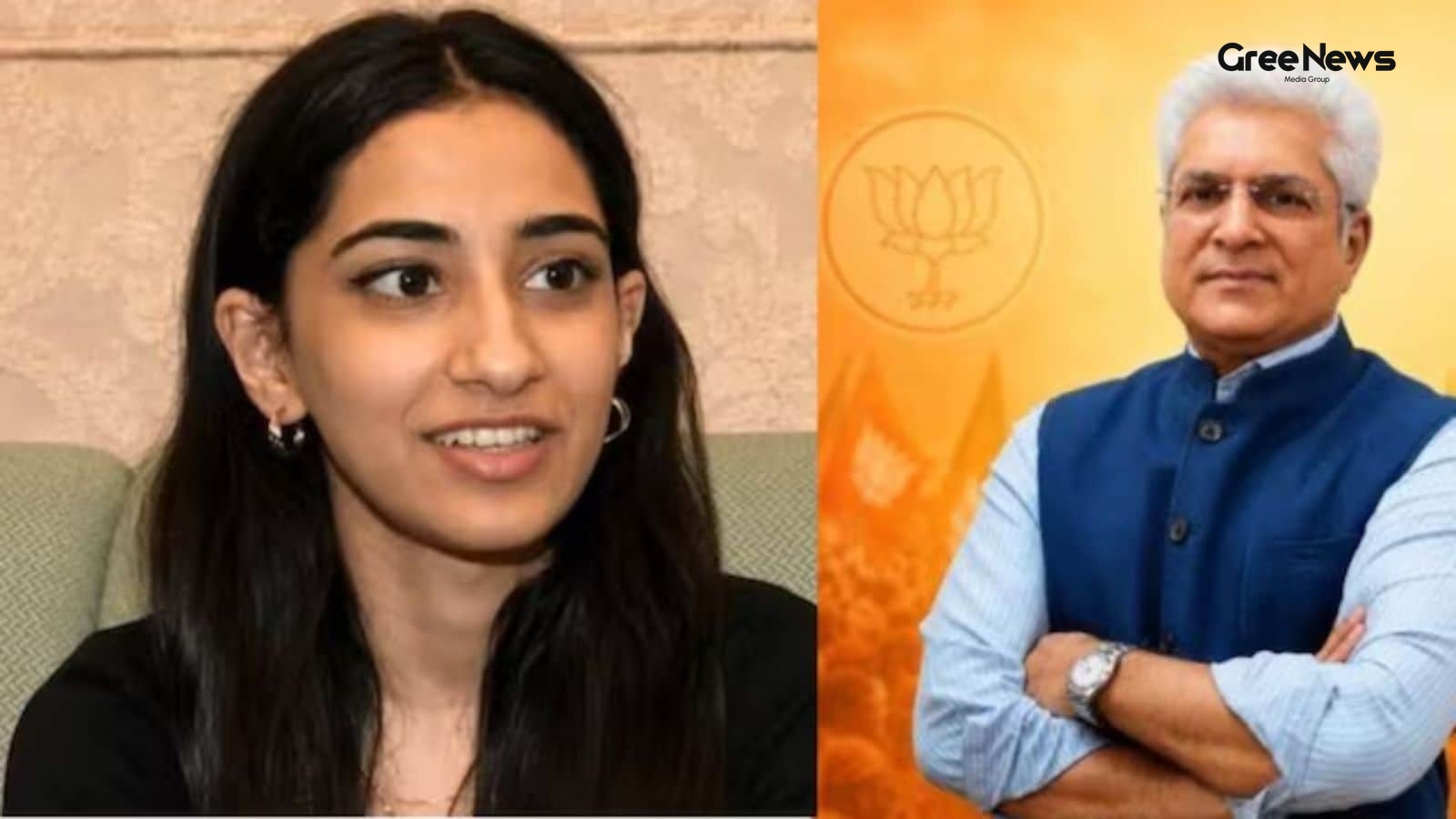
Devina Gahlot's CUET UG 2026 Achievement and Context
Devina Gahlot. Just that name carries a certain weight right now. It’s not just about a test score; it’s this whole massive public spectacle surrounding how things are going the sheer scale of it all. She snagged the top spot in the Common University Entrance Test, the CUET UG 2026 results. That num
Jun 24, 2026 by Gree News Team