The Debate on Meritocracy and Authority in Education
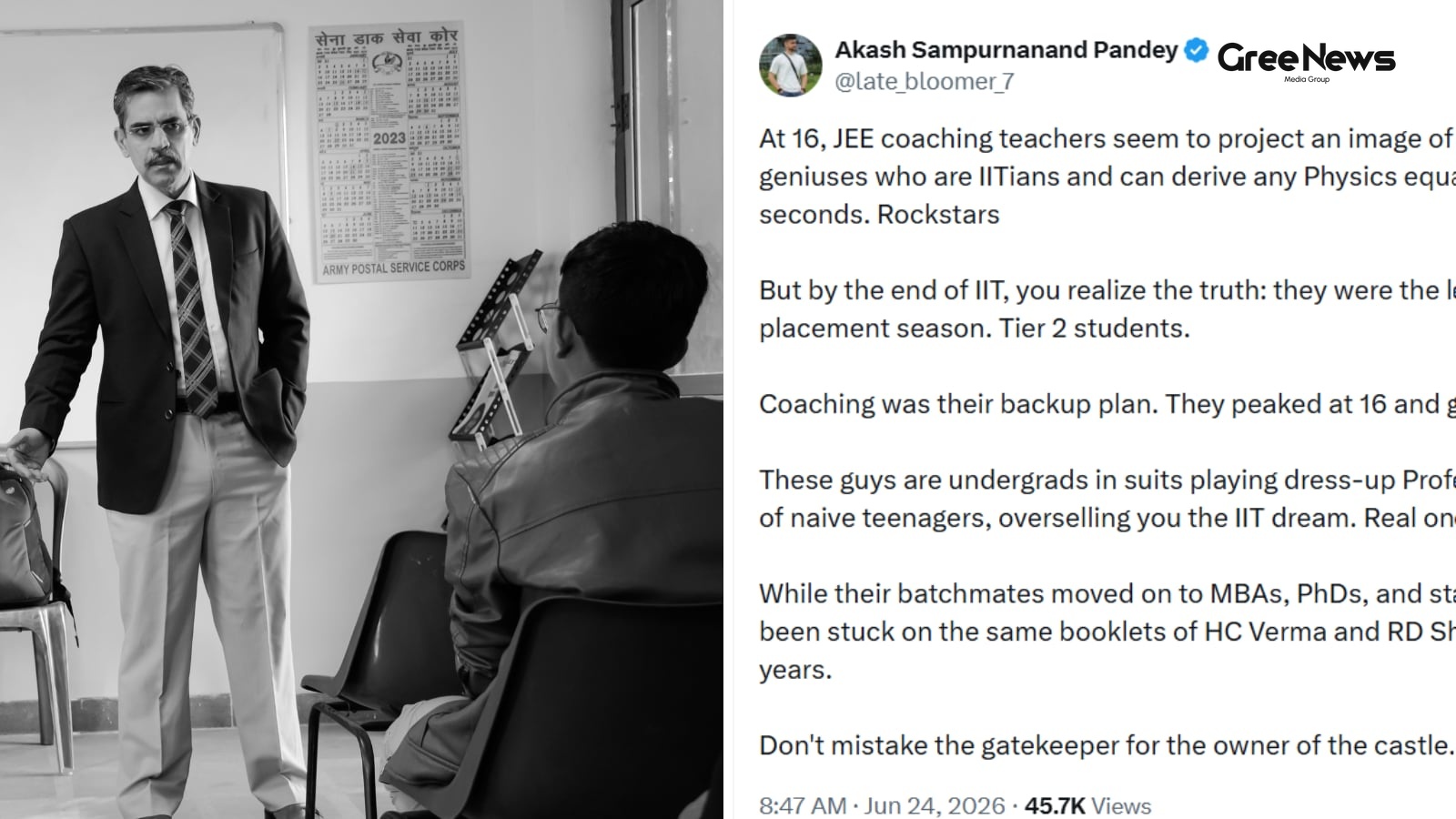
The online space, always that chaotic melting pot of opinions, immediately combusted when Akash Sampurnanand Pandey dropped his comments. It wasn’t some neatly packaged academic critique; it was raw, almost angry observation tossed into the digital ether by a recent IIT-BHU graduate. The subject? JEE coaching teachers .
The initial post didn't offer a balanced thesis. It started with a sharp dichotomy about how students perceive these educators, especially when they are young. He painted a picture of performative genius. He wrote something like: "At sixteen, those JEE coaching teachers seem to project this image of flamboyant geniuses. IITians who can solve any Physics equation in sixty seconds. Rockstars." It was a snapshot, maybe too quick, but it hit a nerve instantly.
People reacted fast. You see that kind of immediate split online. Some users immediately rallied around the sentiment, nodding along with a sense of justified frustration. Others bristled, instantly pushing back against what they saw as an unfair generalization or a gross dismissal of genuine educational work. The debate didn't stay confined to the comments section; it spilled over into wider discussions about teaching quality, meritocracy in higher education, and frankly, how we value those who shape the next generation’s understanding.
This wasn't just some random spat. It tapped into a deeper, simmering tension about where true authority lies in the institution, the exam score, or the actual act of imparting knowledge.
The core argument seemed to hinge on the timeline. Pandey suggested that this perception shifts dramatically once you move through the system. He posited that early on, the coaching environment was viewed with a certain awe a necessary evil perhaps but as students actually entered IITs and navigated the subsequent career landscape, that admiration curdled into something more cynical.
He framed them as "leftovers." Not necessarily malicious, but positioned them at the end of a highly competitive race. Tier 2 students, he suggested, were those who ended up relying on these systems. It’s an uncomfortable thought to consider: that the pathway itself dictates status, not just individual merit.
Then came the claim about their motivation. Pandey went further, suggesting that for many coaching teachers, the entry into the profession wasn't a pure calling or deep academic pursuit. He implied it was often a pragmatic fallback. A safety net. Many described this as a backup plan after placements failed to materialize in the expected way. Coaching became the alternative route when other high-paying, research-heavy careers seemed inaccessible or too punishing.
This idea that coaching is sometimes an option rather than a primary vocation is where things got really messy online. It forces you to look at the structure of aspiration itself. Are we celebrating achievement, or are we just celebrating successful navigation of a very specific, high-stakes gatekeeping mechanism?
He drew a stark comparison between those who pursued alternative routes and those stuck in the cycle. He contrasted the trajectory of former students those moving into MBAs, pursuing PhDs, or launching startups with the coaching educators. The implication was clear: while others chased diversified success, the teachers remained anchored to the same material.
"While their batchmates moved on to MBAs, PhDs, and startups," he wrote in that thread, "they’ve been stuck on the same booklets of HC Verma and RD Sharma for twenty years." That line hung there. It wasn't just about textbooks; it was a commentary on intellectual stagnation versus dynamic progress. Twenty years spent iterating over the same foundational material feels like a cage to some.
And then he delivered that final, somewhat stark piece of advice. It cut through the noise and aimed directly at the audience: "Don’t mistake the gatekeeper for the owner of the castle." What does that mean? It suggests that the people who control the entrance the coaching system, the exam structure are not necessarily the ultimate authority over knowledge or success in the grand scheme. The power dynamic is shifting, isn't it?
The reaction wasn’t monolithic. It was a real collision of perspectives, you know? There were those who immediately aGreed with the critique, seeing it as necessary honesty about systemic flaws. They felt the sting of being exposed about an established structure. Others pushed back hard, feeling that this was unfair condescension aimed at entire professions dedicated to teaching and mentorship.
One voice argued passionately about the sheer reality of the work involved. There’s a distinction, they said, between academic mastery and pedagogical skill. It's one thing to have mastered the subject; it’s another entirely to know how to transmit that knowledge effectively to someone else. This line that good teaching and deep subject mastery are separate concepts is crucial. It forces us to acknowledge the layered complexity of being an educator versus being a high-achieving student who happens to teach those methods.
Then you get the counter-argument about respect. Some people felt that putting anyone down, regardless of their role, lacked honor. They argued that educators deserve respect simply because they are teaching. That status is inherent. To diminish them just because their career path looks different feels wrong. It’s a matter of acknowledging roles, not judging outcomes immediately.
But the counter-argument also brought up another layer: experience and real-world impact. Some pointed out that while deGrees might be on paper, tangible success matters more in this context. They brought up examples or perhaps just general observations about those who achieved massive corporate success or deep research outside the traditional academic pipeline. If someone is actively building something substantial, if they have significant packages and are shaping industries, some felt there should be a deGree of deference for that achievement, irrespective of where their initial training came from.
It’s this friction between the idealistic view of education that all teachers are inherently virtuous guides and the cynical reality of competitive systems that drives these online conversations. It exposes the gap between what we want our educational system to be and what it actually produces in practice.
Think about the role of curriculum designers versus implementers. One group designs the framework, sets the rules, controls the gate. The other group stands on the ground, facing the students, trying to make that abstract framework tangible. And when you analyze where the rewards land where the money flows, where the opportunities emerge the dynamic changes entirely.
There’s a persistent theme in these scattered comments: a deep unease about meritocracy. We preach merit, we celebrate success, but when success is heavily channeled through a narrow testing mechanism, does that actually reward the most valuable forms of intellectual contribution? Or does it just reward those who are best at playing the game?
The idea that some systems create an artificial hierarchy that certain paths feel more legitimate because they yield immediate financial or institutional rewards is simmering beneath the surface. The coaching teacher narrative, in this context, becomes a microcosm of this larger societal anxiety about legitimacy. They become symbols caught between the demanding expectations of academia and the brutal demands of the market.
And that’s where the discussion really drifts into the shadows. It stops being just about textbook problems or placement statistics. It starts becoming an observation on power distribution, on earned respect versus assigned status, and on the very nature of intellectual labor itself. The debate doesn't resolve neatly. It just settles into a continuous hum a recognition that the narratives we accept about success are often layered with unspoken assumptions about who deserves credit for what they achieved.
The sheer volume of disparate views shows how fragile consensus is when you try to apply rigid logic to deeply human, complex realities like career choice and professional respect. It’s messy because it has to be. People see their own lives reflected in these polarized opinions, searching for a place where the hard facts don't feel so emotionally loaded. And that search that constant negotiation between what we know and what we feel about education and opportunity is arguably the most human part of this entire exchange. It’s less about finding a single right answer and more about acknowledging the complicated space where all these competing truths exist simultaneously.
Written by Gree News Team — Senior Editorial Board
Gree News Team covers international news and global affairs at Gree News. Our collective of senior editors is dedicated to providing independent, accurate, and responsible journalism for a global audience.
More from Top News
View All
The Shifting Landscape of Uncertainty and Political Reality
Look, it’s just… everything spinning right now. You see the headlines? They just give you these neat little boxes, and underneath them, there’s this mess. A lot of noise. The air feels thick today. It always does when things are about to shift, doesn’t it? There’s this low hum, a kind of tension tha
Jun 25, 2026 by Gree News Team
Aashna Doshi's Journey from Google to AI Startup
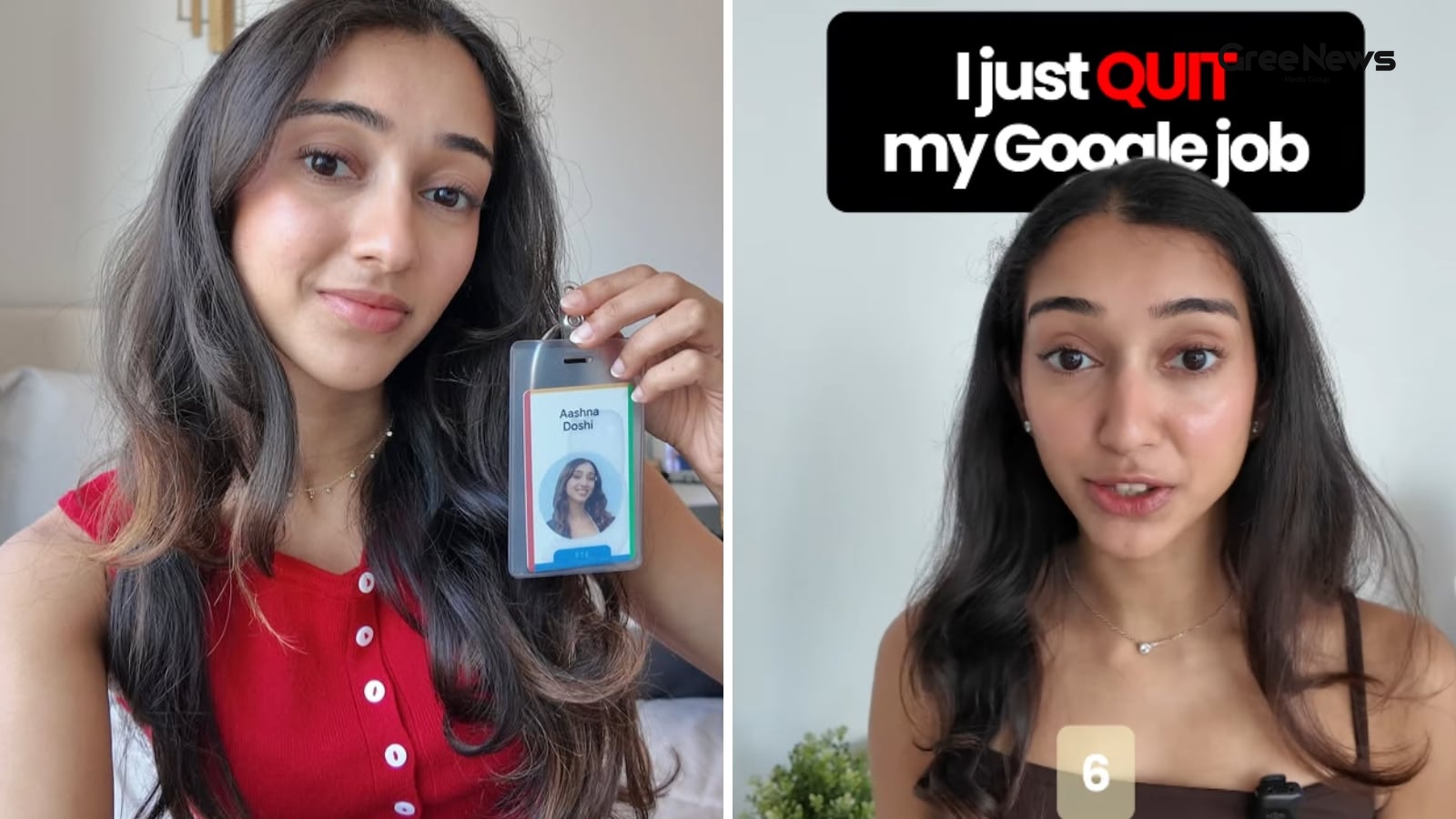
Aashna Doshi, twenty-three years old, used to be a Google engineer. Leaving that job wasn't the hardest thing for her, she admitted. It was staying put, just sitting there in comfort, wondering what else she could have actually built instead of just coding. She shared this story with Business Inside
Jun 24, 2026 by Gree News Team

Work-Life Balance and Work Culture Differences Between India and the US
An Indian man living in the States recently shared some thoughts about his experience working across both India and the US. It really highlighted how different people handle work hours and what happens after the workday ends. He mentioned seeing a huge shift over the years regarding work-life balanc
Jun 24, 2026 by Gree News Team
Yoga on Elephants in Jaldapara National Park: Viral Controversy
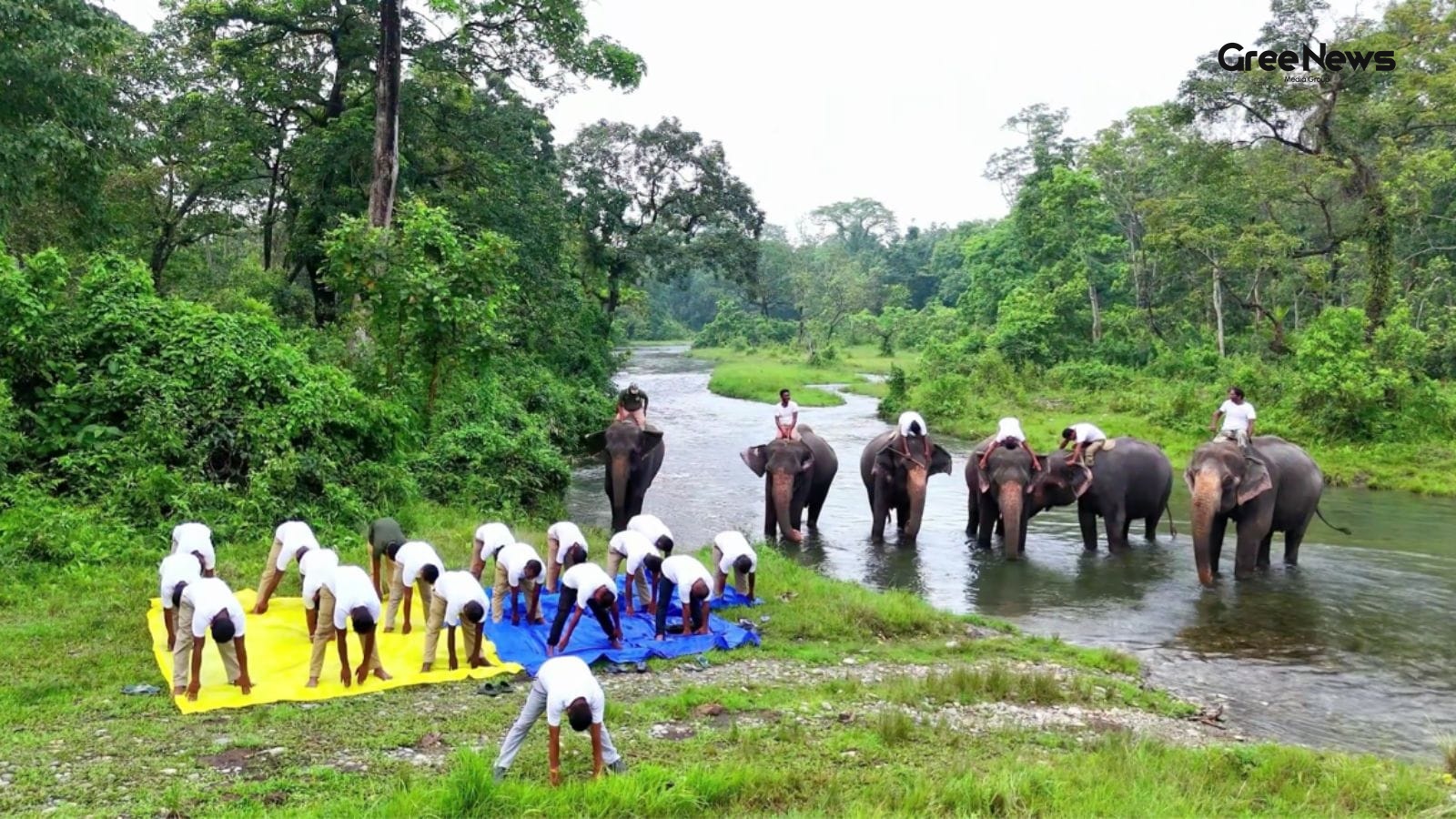
That video from Jaldapara National Park just blew up. It’s this thing where forest rangers are practicing yoga right there, sitting on elephants deep in the woods. Shared for International Yoga Day 2026. It just caught everyone's attention because it’s so weird and peaceful all at once. It was poste
Jun 24, 2026 by Gree News Team
Latest Headlines

Best Mixer Grinders for Indian Cooking: 7 Models Reviewed
A mixer grinder. It’s one of those things in an Indian kitchen that just works the hardest. It’s not some gadget you use once a month. No, this thing comes out multiple times daily. You need it for everything ginger-garlic paste for lunch. Chutney for breakfast. Freshly ground masalas for dinner. It
Jun 25, 2026 by Gree News Team

Disha Patani Shares Heartbreaking News About Losing Two Pets
Disha Patani just dropped some really heavy news. She shared something heartbreaking about losing two of her pets. Bella the dog and Jasmine the cat. It hit social media hard. She posted these emotional tributes, and honestly, it caught everyone off guard. Fans were immediately looking at them. Wond
Jun 25, 2026 by Gree News Team
The Emergency and Indian Democracy: A Study in Challenges
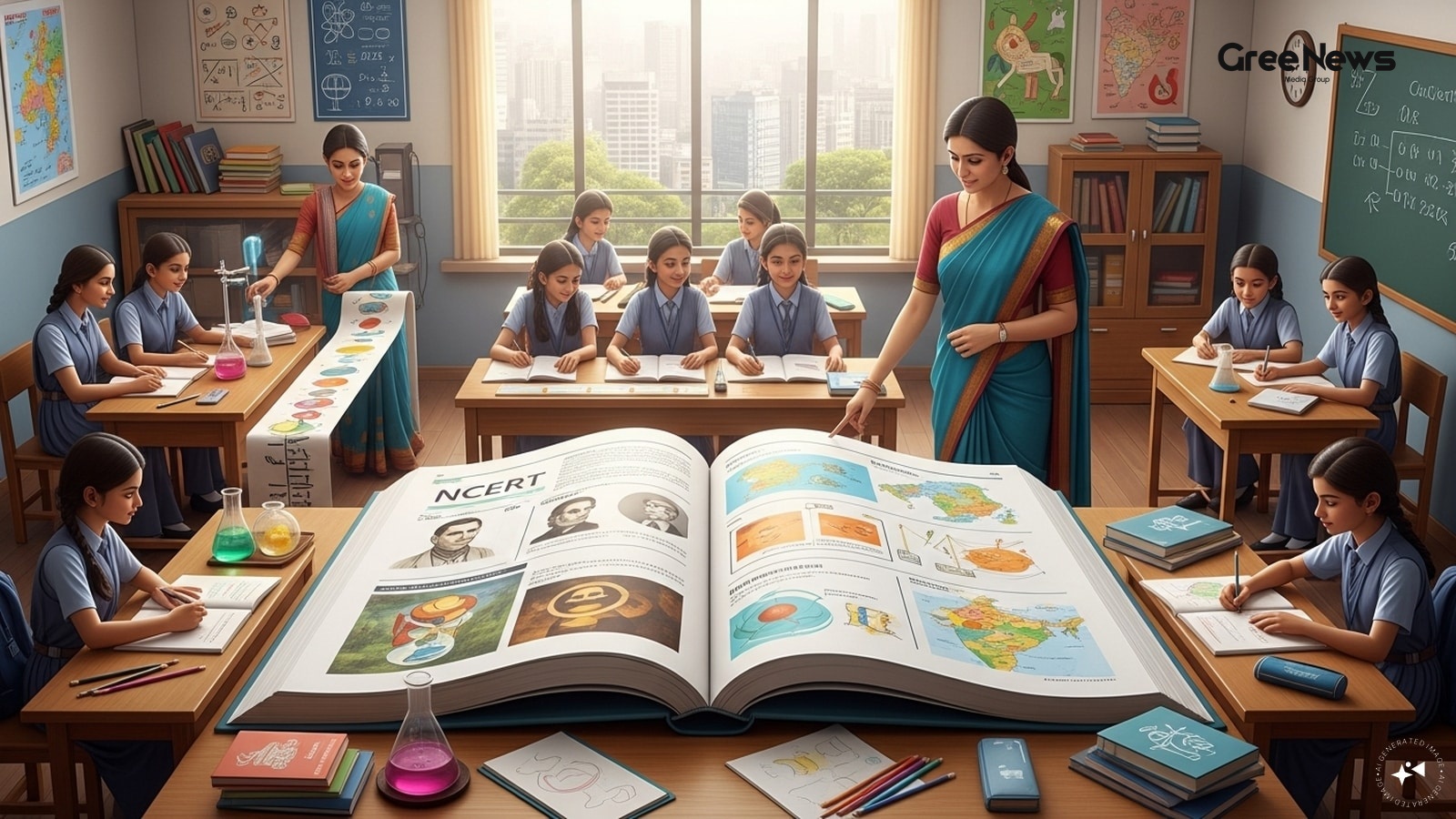
Fifty years later, that’s how long it’s been since the Emergency happened in India. And now, NCERT has finally put it in the Class 9 textbook. It's in Social Science books, under a section called ‘Challenge to Democracy’. This isn’t some dry historical footnote. It comes from a new book they develop
Jun 25, 2026 by Gree News Team

Market and Corporate News Update
The market started with some upward momentum today, though things feel kind of fragile right now. Gift Nifty traded above 82 points that’s up about 0.34 per cent landing at 24,105. There’s definitely a positive feeling floating around the investment space lately. That’s mostly because crude oil pric
Jun 25, 2026 by Gree News Team
Mexico's Stunning World Cup Victory
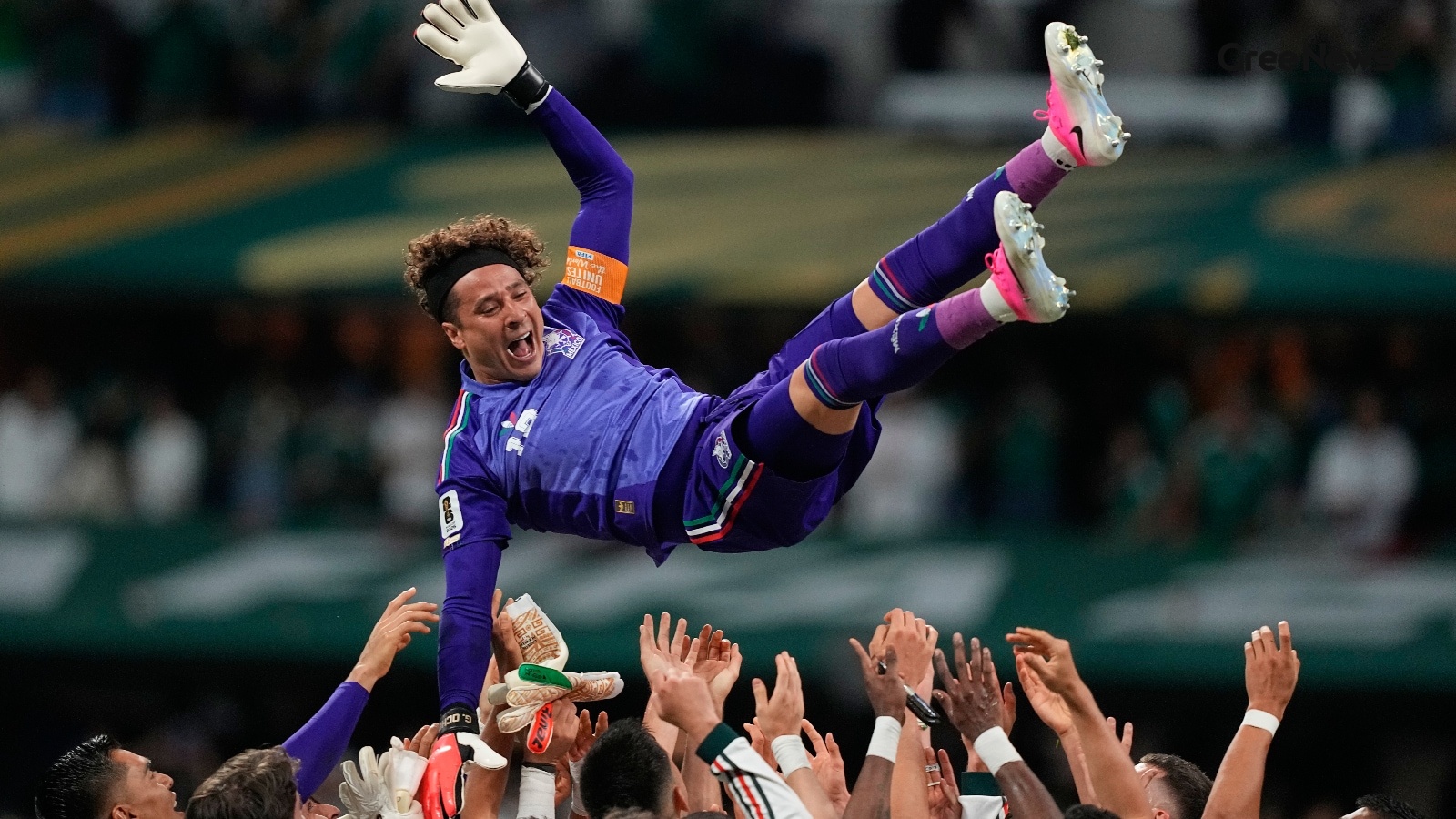
Mexico grabbed their best football in the second half. They buried Czechia’s World Cup hopes with a massive 3-0 win. It felt like they were celebrating way before the final whistle even blew. For forty-five minutes though, it was just pure tension. A scrappy affair. It turned into a Mexican party by
Jun 25, 2026 by Gree News Team

Lohagad Fort Murder Case: Digital Evidence and Conspiracy
Lohagad Fort. That’s where it all started, isn’t it? A murder case involving Ketan Agarwal. But the details… they keep shifting. Fresh stuff is coming out of the investigation now. The police are claiming something really dark about how this happened. It’s not just a random tragedy; there were prepa
Jun 25, 2026 by Gree News Team
The Hidden Pipeline: Crypto Exchanges and Iran's Digital Asset Flow
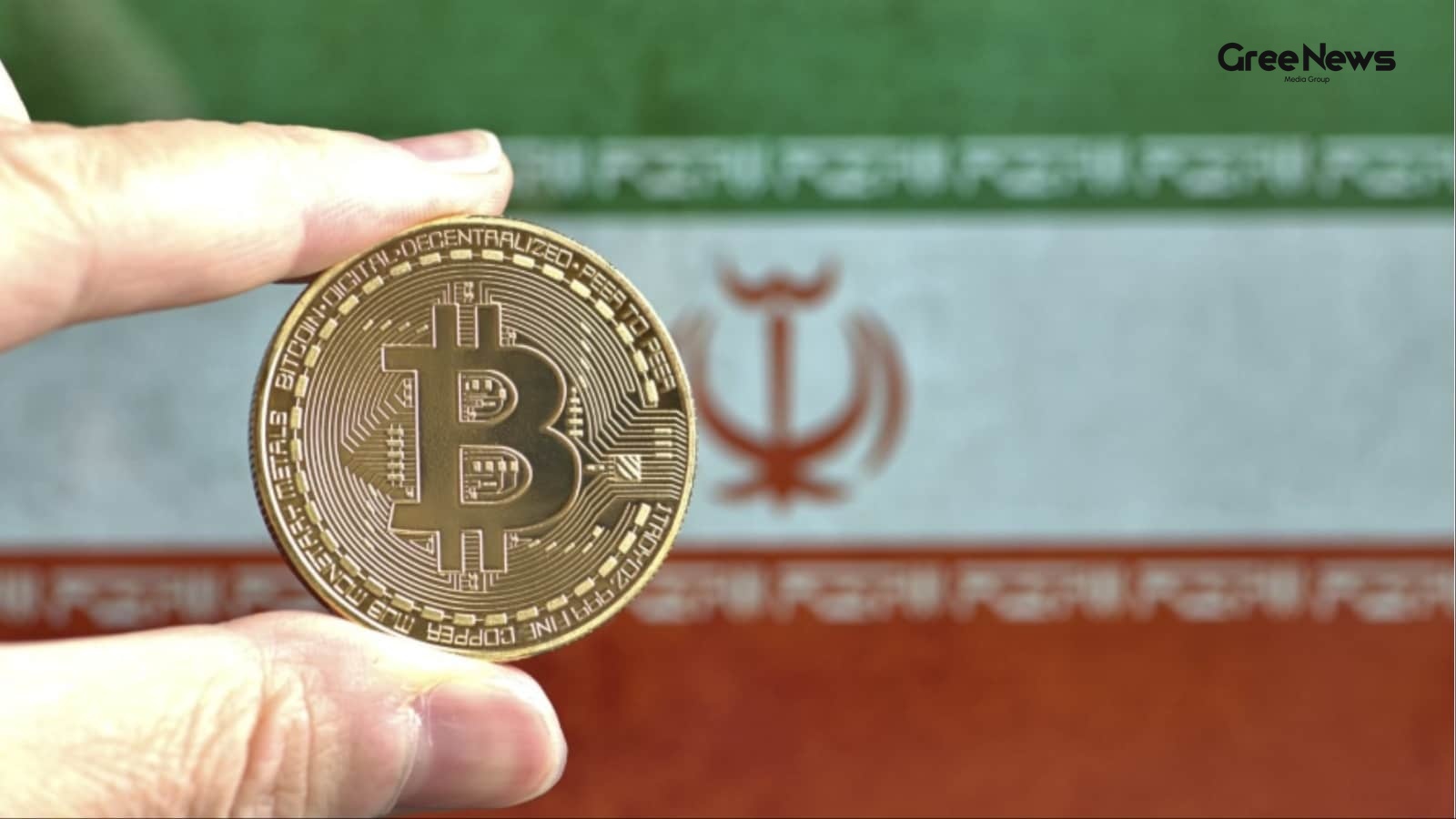
The quiet expansion of certain crypto exchanges over the last eight years that’s where the real story starts. It’s not just about digital wallets anymore. It’s about how Iran's entire crypto scene is snagged, pulled into the global digital asset markets through these channels. A Wall Street Journal
Jun 25, 2026 by Gree News Team
The Passing of Veteran Actor and Director Arvind Vekaria
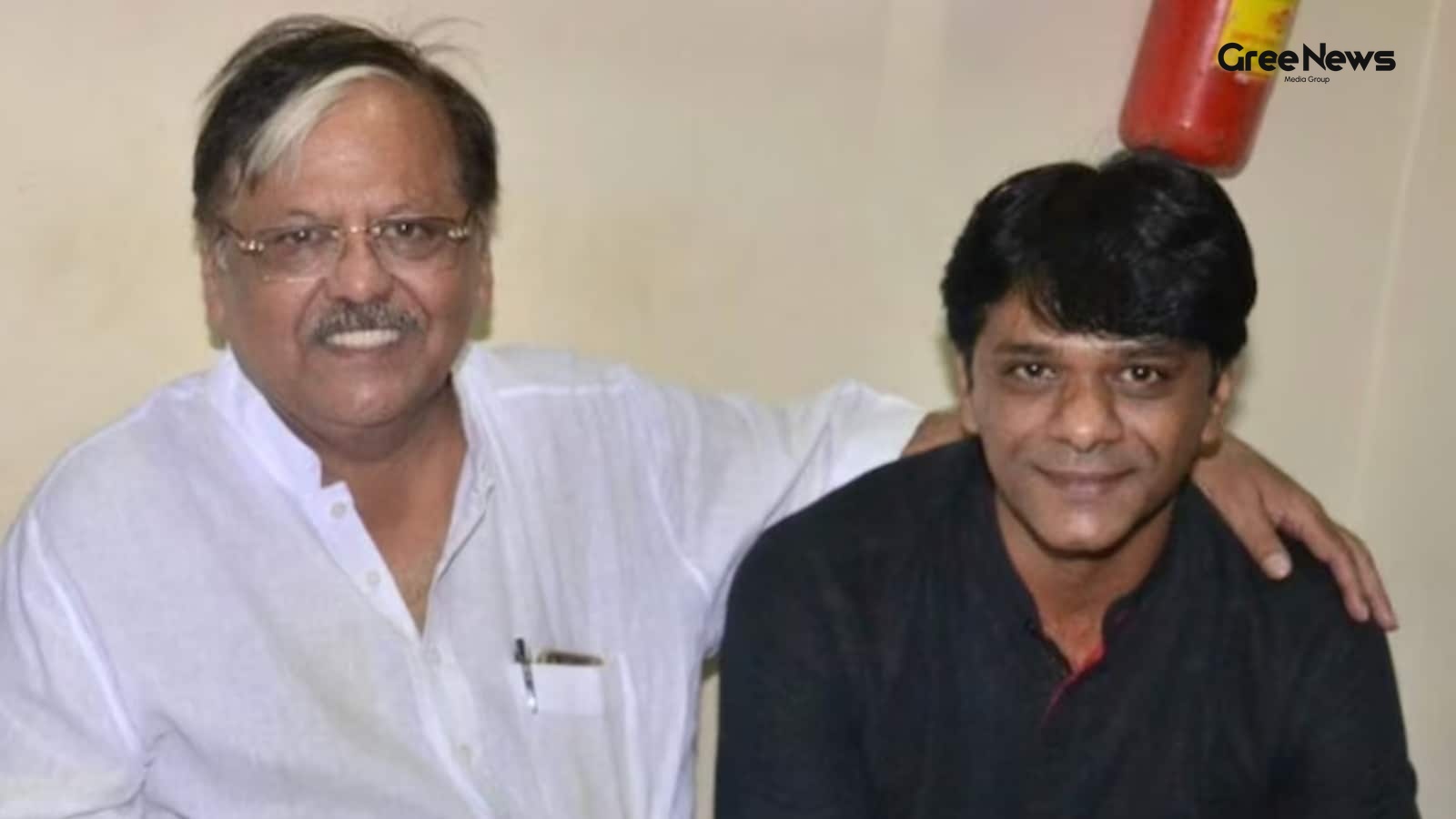
Arvind Vekaria, that veteran Gujarati actor and director... he’s gone. It’s just happened. The entertainment world is really mourning him right now. This news hits hard because it comes so fast. Just eight months ago, his son Tanmay Vekaria lost his mother. Another crushing blow for the family. A do
Jun 25, 2026 by Gree News Team
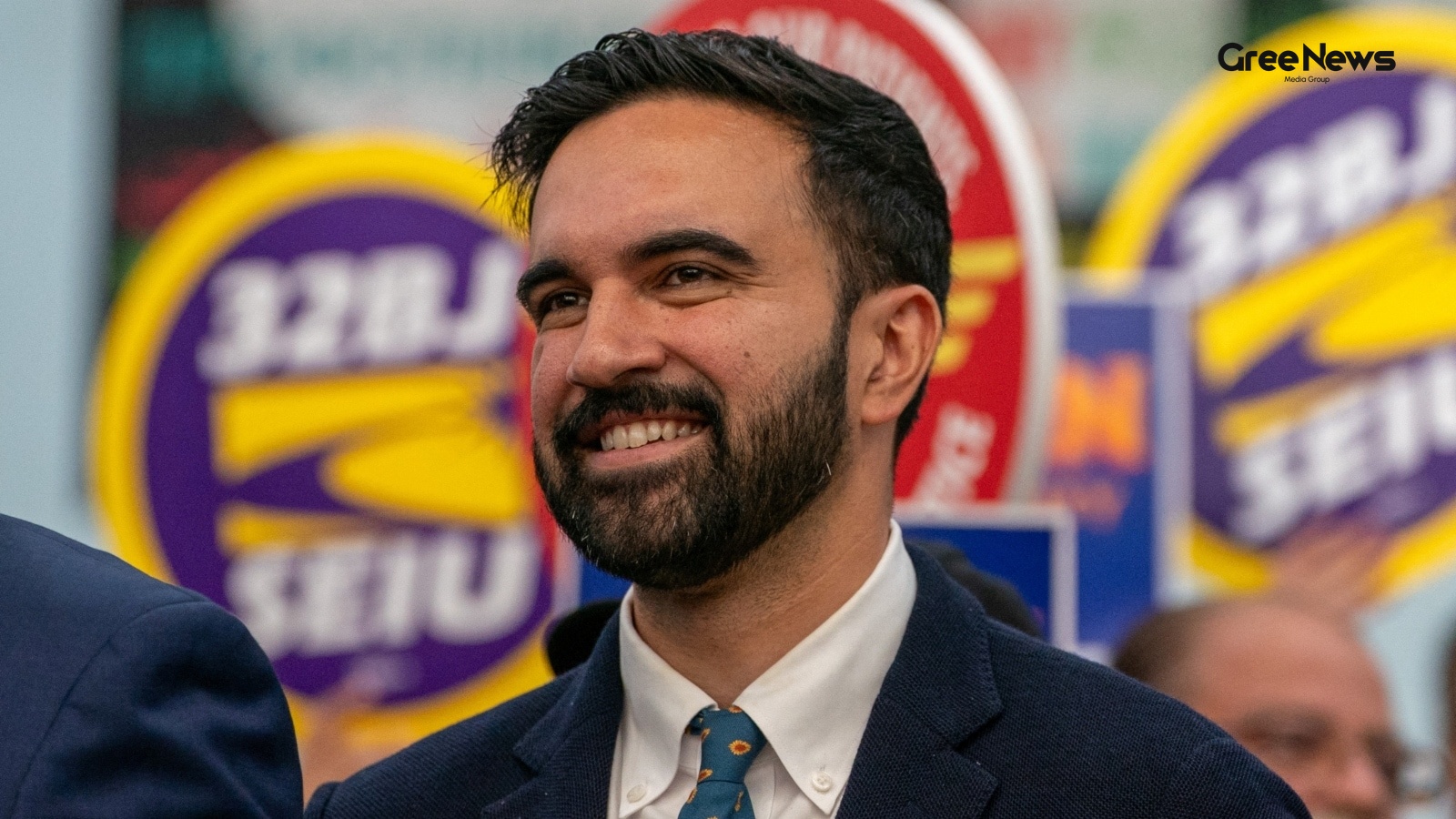
The Political Aftermath of the Democratic Primaries
Zohran Mamdani wasn’t even on that ballot for the New York Democratic congressional primaries. It felt almost absurd, doesn't it? Yet by the time the dust settled, by the end of that whole night, the city’s mayor had somehow managed to become the most consequential winner there was. It’s a strange w
Jun 25, 2026 by Gree News Team
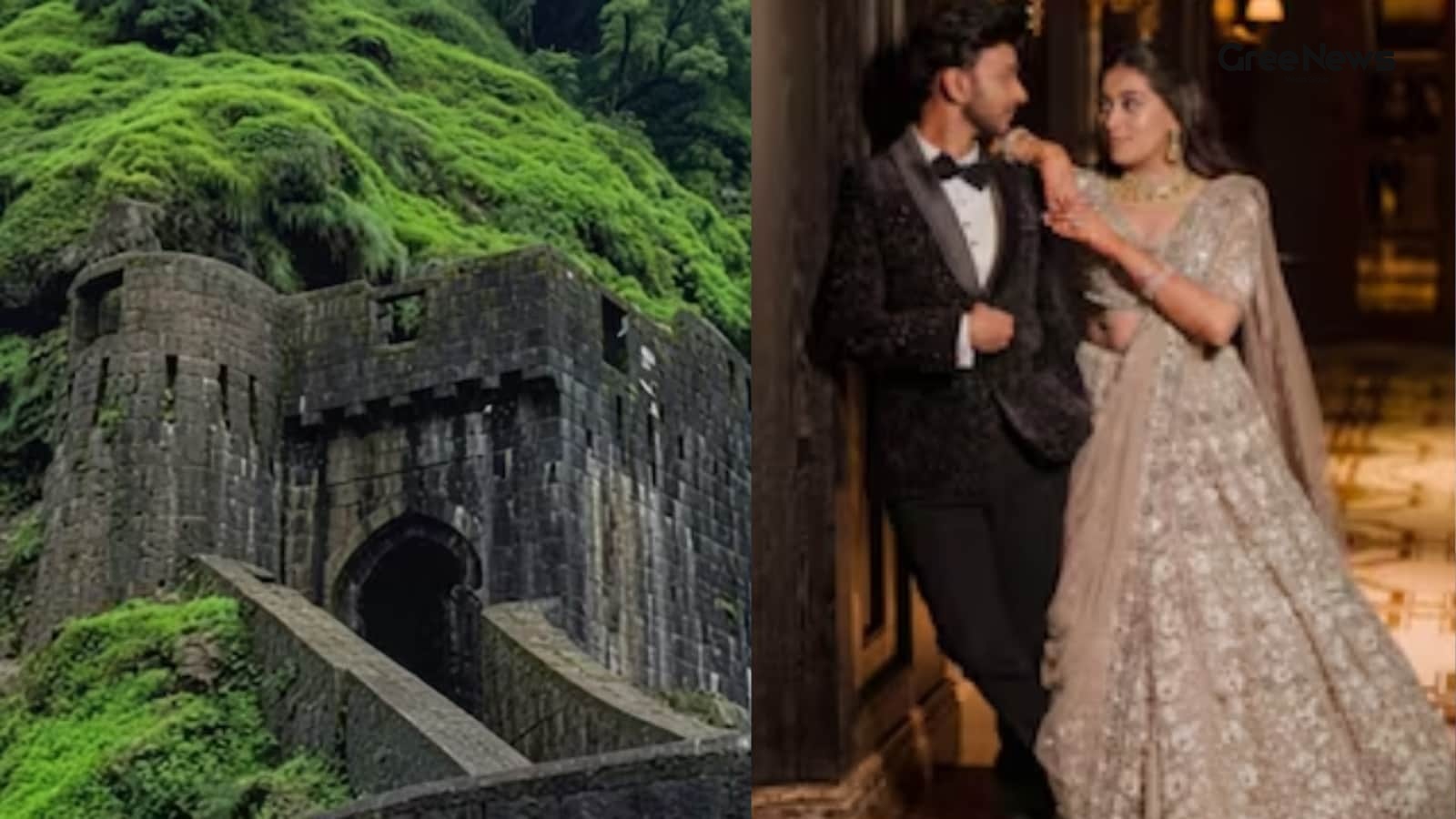
Details Surfacing in Ketan Agarwal’s Murder Investigation
The details surfacing in Ketan Agarwal’s murder investigation are starting to paint a very different picture than what was initially assumed about the Lohagad Fort incident. Police are now suggesting it wasn't just some random trekking mishap. It points toward something much more calculated, a caref
Jun 25, 2026 by Gree News Team
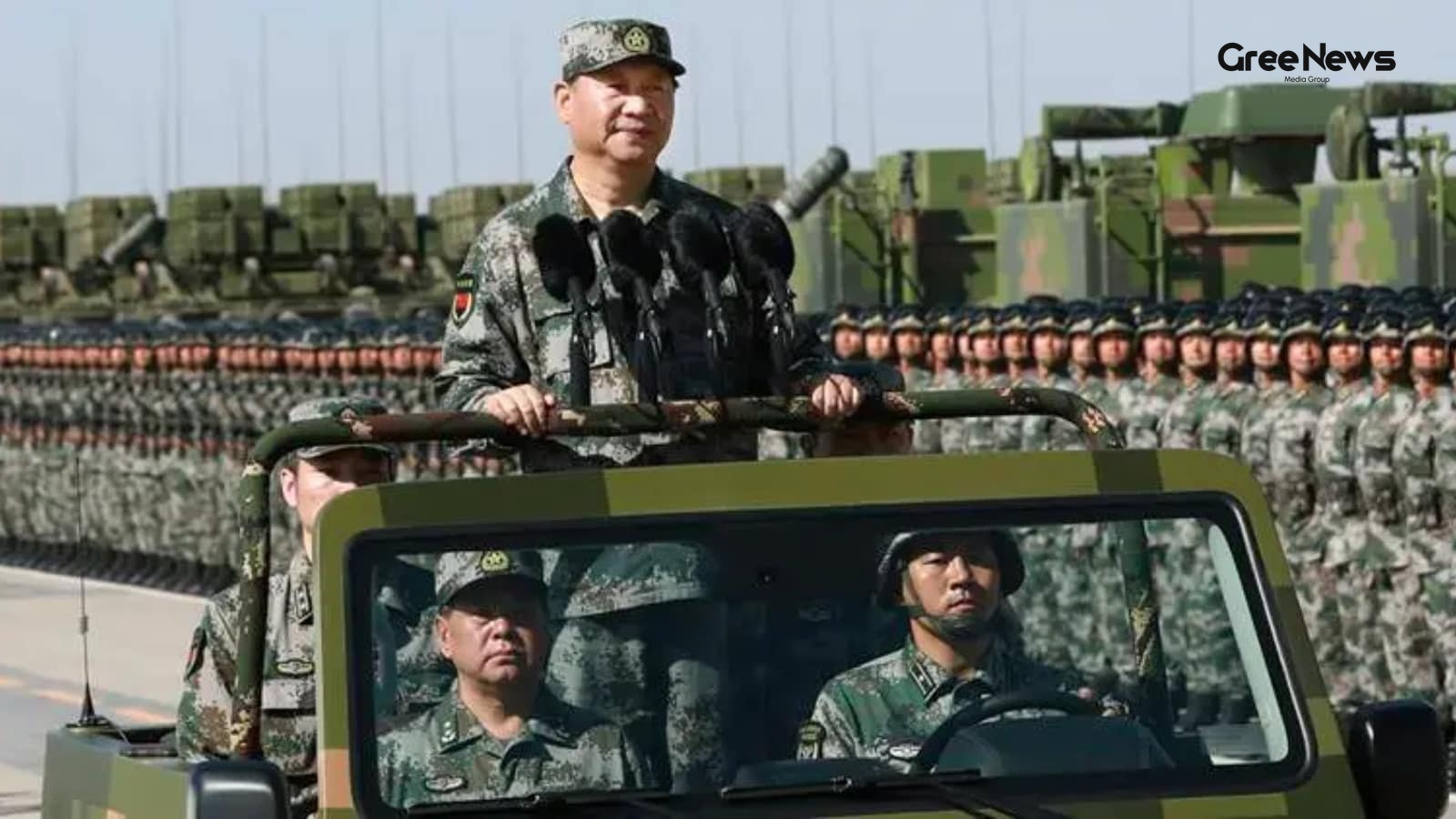
Ideological Training and Anti-Corruption in the Chinese Military
Hundreds of senior Chinese military officers just finished a ten-week ideological training. It was personally ordered by President Xi Jinping. This all happens while Beijing’s anti-corruption sweep through the armed forces keeps picking up speed. Details about that camp it ran from April 8th and wra
Jun 25, 2026 by Gree News Team

Indian Stock Market Rally Driven by Semiconductor Gains and Global Optimism
Stock market opened higher today, tracking a decent rally across Asia. That was mostly because global semiconductor companies gave some upbeat earnings and guidance. It lifted risk appetite generally. And you had lower crude oil prices playing a role, plus the rupee actually got stronger too. As of
Jun 25, 2026 by Gree News Team
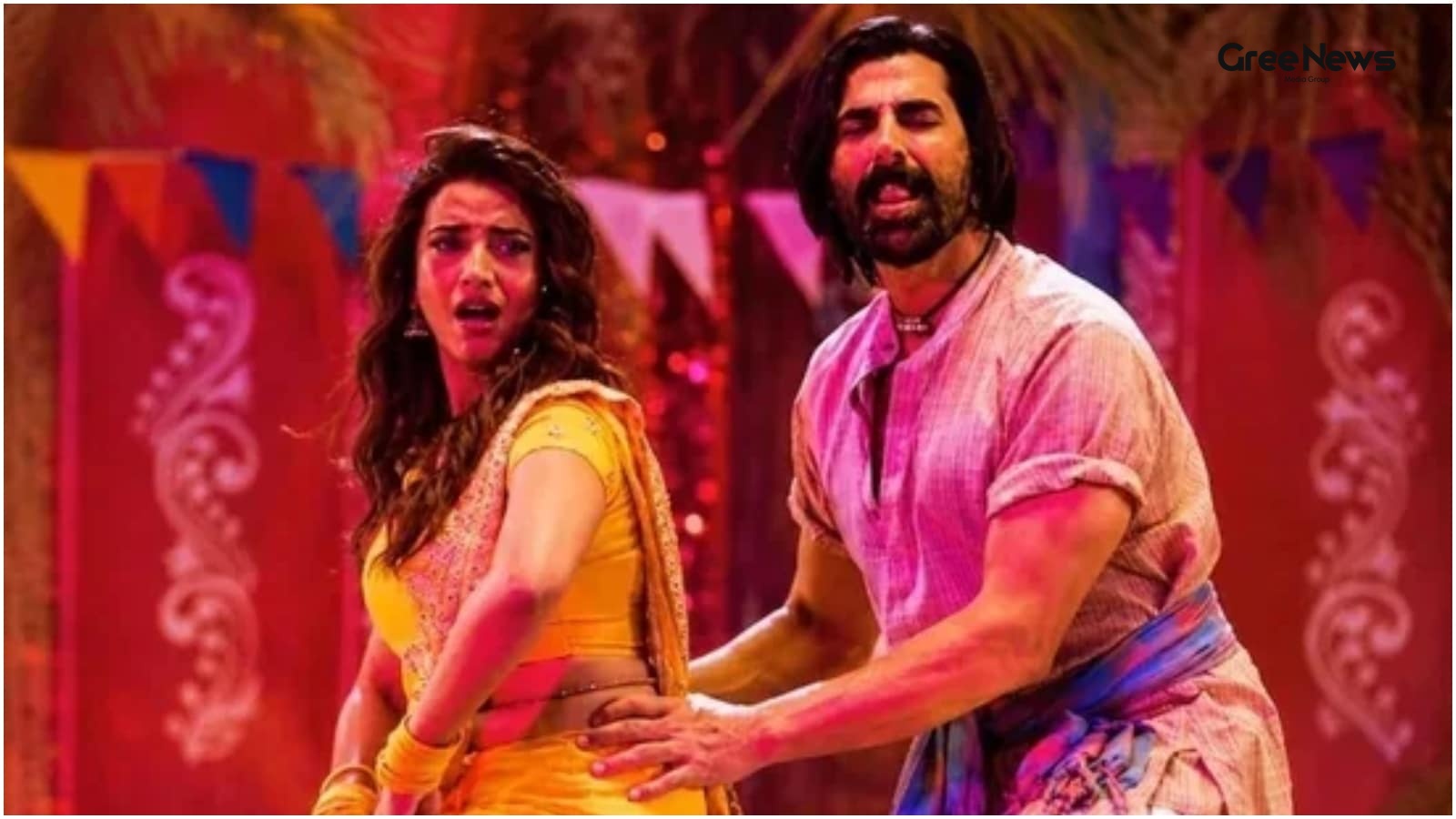
Akshara Singh's Collaboration with Akshay Kumar on 'Ghis Ghis Ghis'
Akshara Singh is totally over the moon right now after collaborating with Akshay Kumar on ‘Ghis Ghis Ghis’ from ‘Welcome To The Jungle’. It was a big deal. He really went all out on the song. And something interesting happened, too. He shot the track while he was suffering from a high fever. That de
Jun 25, 2026 by Gree News Team
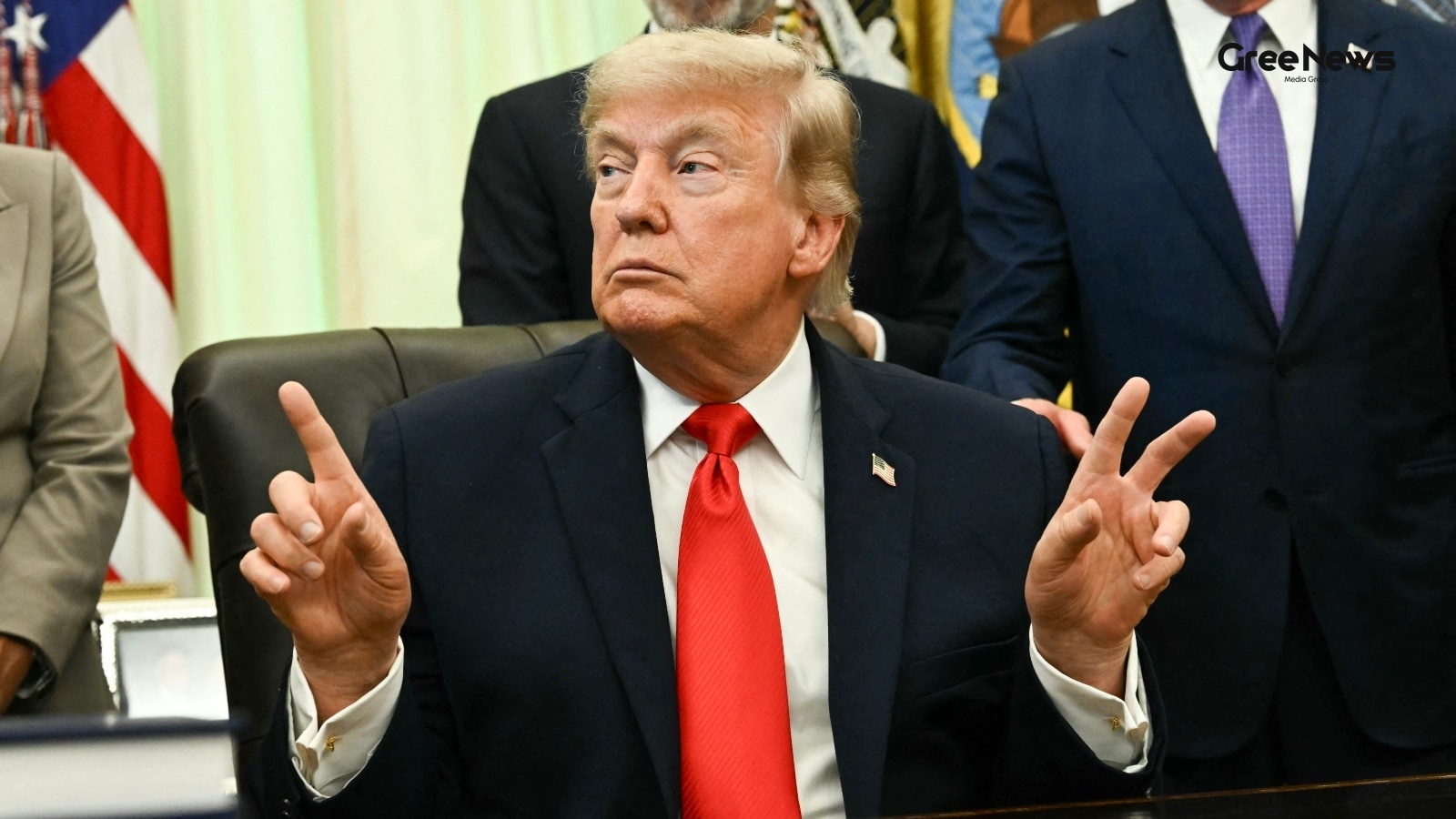
The Disconnect Between America's Image and Global Sentiment
That whole line about Trump saying foreign leaders assured him America was the hottest country anywhere it just rings hollow now. It’s that image of the world’s ultimate destination, the place everyone wants a selfie at, where you invest and get influence. But it’s comically disconnected from what p
Jun 25, 2026 by Gree News Team
The Shifting Landscape of Uncertainty and Political Reality
Look, it’s just… everything spinning right now. You see the headlines? They just give you these neat little boxes, and underneath them, there’s this mess. A lot of noise. The air feels thick today. It always does when things are about to shift, doesn’t it? There’s this low hum, a kind of tension tha
Jun 25, 2026 by Gree News Team