Donald Trump's Deal with Iran and the Strait of Hormuz
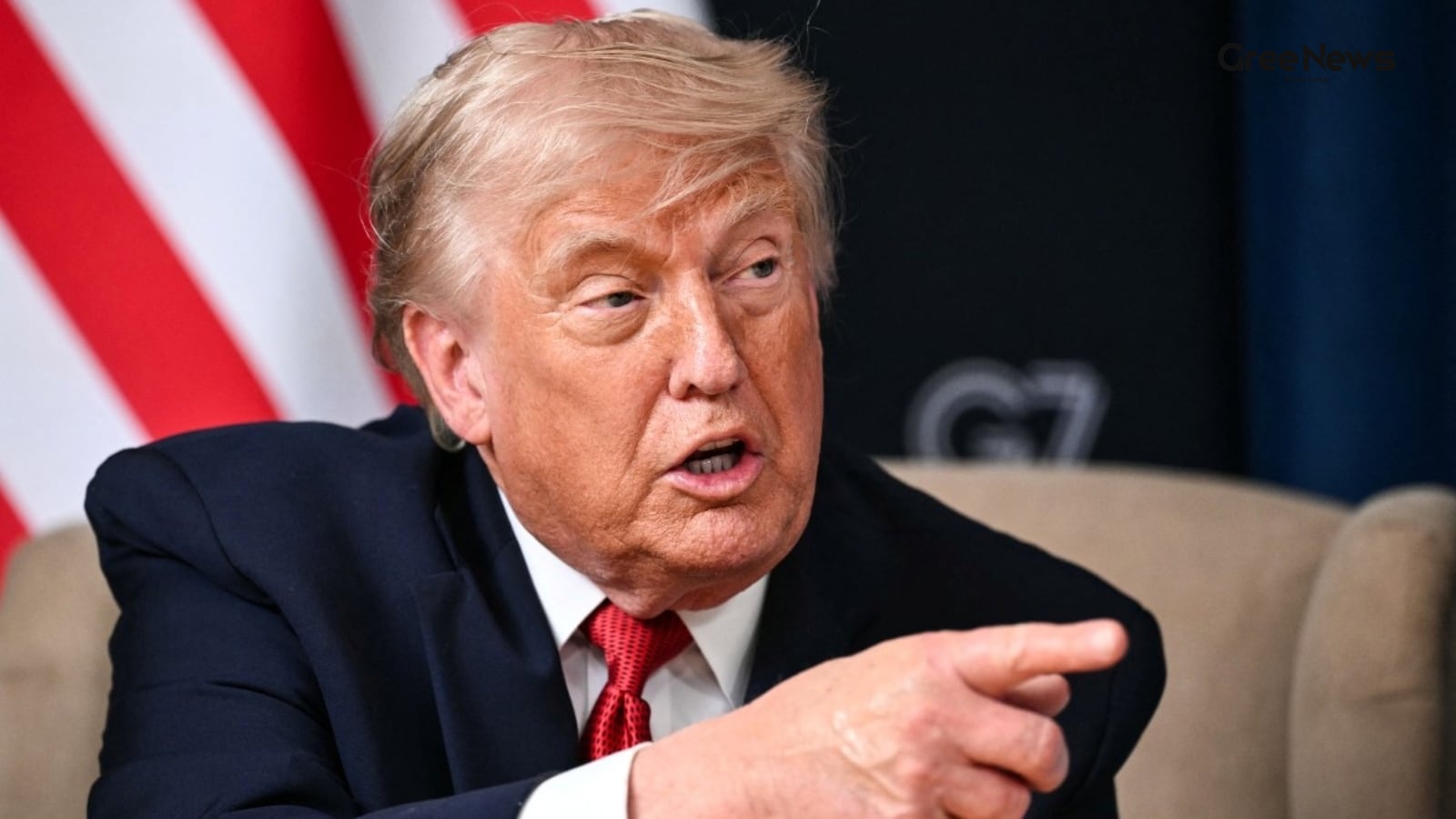
Donald Trump was talking about some historic deal with Iran, calling it a massive diplomatic breakthrough. He was very clear: Tehran would never get a nuclear weapon under this framework. That’s what he said.
It felt huge. Like something that had been impossible for a long time finally clicking into place. The whole thing was pitched as ending the drawn-out mess between the United States and Iran. And not just stopping fighting. It involved things like reopening the Strait of Hormuz that artery, you know? One of those critical shipping lanes across the Middle East.
He framed it all that way. As if this wasn't just some treaty; it was a grand achievement. Something unprecedented for any president to pull off.
“Last week,” he remarked, addressing a crowd at some fair kickoff event the Great American State Fair he said. “We signed an aGreement. We ended the conflict with Iran.” There’s that kind of weight in those words. It implies years of tension just snapped.
And then there was the nuclear part. That phrase stuck out. He insisted, emphatically, that this deal meant Iran would never have a nuclear weapon. A promise, or at least what he presented as an unshakeable outcome of these talks. Thirty hundred years, he mentioned, finally peace in the Middle East. A strange mix of ancient history and very immediate geopolitical maneuvering.
Meanwhile, behind the scenes, things were moving fast. It wasn't just a handshake on the surface. There was actual work happening. American and Iranian officials they were working with mediators, people in Switzerland mostly trying to stitch this roadmap together into something solid. They had sixty days left, he said. Sixty days to get it finalized.
Vice President JD Vance, who was involved in these delicate negotiations, seemed pretty optimistic. He stepped away from the talks in Switzerland on Monday, saying that the latest round of discussions laid a very good foundation. A necessary step before they could actually seal the final deal. Good foundation. That’s what you need when dealing with this kind of instability.
The whole picture felt like Trump was tying this diplomatic win into his larger narrative about his presidency. He presented it alongside other stuff economic growth, efforts to revitalize Washington D.C., and general diplomacy gains. It wasn't just about Iran; it was part of a bigger story he was telling the public. That everything was shifting toward a kind of “Golden Age.”
He spoke of living in a Golden Age right now. Gains in diplomacy, economic growth all that stuff seemed to be converging. It felt like this aGreement was one more piece of evidence supporting that larger claim about his time in office. A diplomatic win slotted neatly into the narrative of national revitalization.
And then there’s the physical reality of the breakthrough. The Strait of Hormuz. That place is vital. Seriously, it's one of the world's most important shipping routes. Uncertainty hung over it for weeks. But now? As of Thursday morning, vessels were actually moving through. Sailing. It signaled a return to some semblance of normal maritime operations. A tangible result from the high-level talks.
It’s messy stuff, this reporting. You don't get clean lines when you look at how these things connect. The nuclear issue bleeds into regional tensions. And that tension feeds instability everywhere else in the Middle East. So yes, dealing with Iran’s program was clearly tied up with easing those broader conflicts. It wasn't isolated.
People were watching this unfold. Not just the politicians, but everyone who deals with shipping, energy, and regional politics. There’s always that undercurrent of urgency. The need for things to settle down. For the lines on the map to become less volatile. This aGreement was presented as a major achievement, sure, but it also felt like a pause, maybe just a temporary one, before the real work the long haul of stability began. It’s more about the feeling that tension has eased, even if the underlying friction is still there somewhere else.
The way people processed this was probably complicated. You have the grand pronouncements from the top, like Trump declaring a peace in the Middle East for the first time in millennia, and then you have the practical mechanics the ships actually sailing through that crucial waterway. It’s that gap between the rhetoric and the reality that makes it feel so humanly imperfect. It wasn't some perfectly ordered sequence of events; it was a jumble of claims and actions played out under the radar, now suddenly thrust into the light for everyone to see.
The focus shifted from the immediate threat of nuclear escalation to something more tangible: open water. That’s what opened up. And that, somehow, felt like the most concrete win emerging from all the diplomatic noise. A route reopened. The tension eased a little bit on those specific lines. But you have to remember, these things don't just disappear. They shift. There’s always more ground to cover, more layers of complexity underneath the surface that we aren't seeing in this snapshot. It’s all moving, unevenly. Just a little breath taken before the next wave hits.
Written by Gree News Team — Senior Editorial Board
Gree News Team covers international news and global affairs at Gree News. Our collective of senior editors is dedicated to providing independent, accurate, and responsible journalism for a global audience.
More from World
View All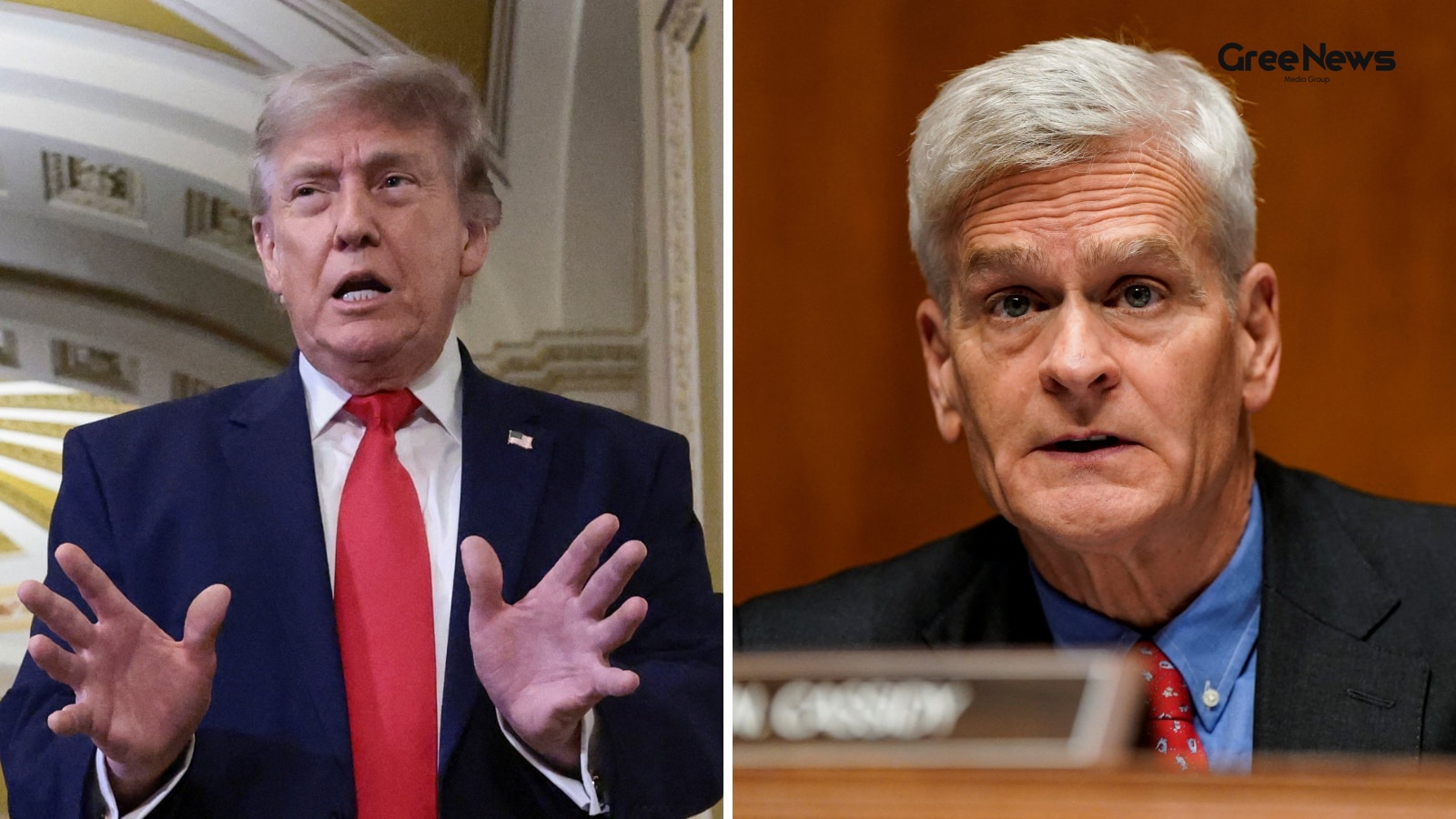
Clash Between Trump and Cassidy Over Iran War
Donald Trump and Senator Bill Cassidy had a really intense clash over how the administration was handling the Iran war. It all went down during a closed-door lunch meeting with other Republican senators at the Capitol on Wednesday, according to CNN. The tension kicked off quickly. Trump seemed genui
Jun 25, 2026 by Gree News Team
Trump on the Iran Deal, Conflict, and Funding
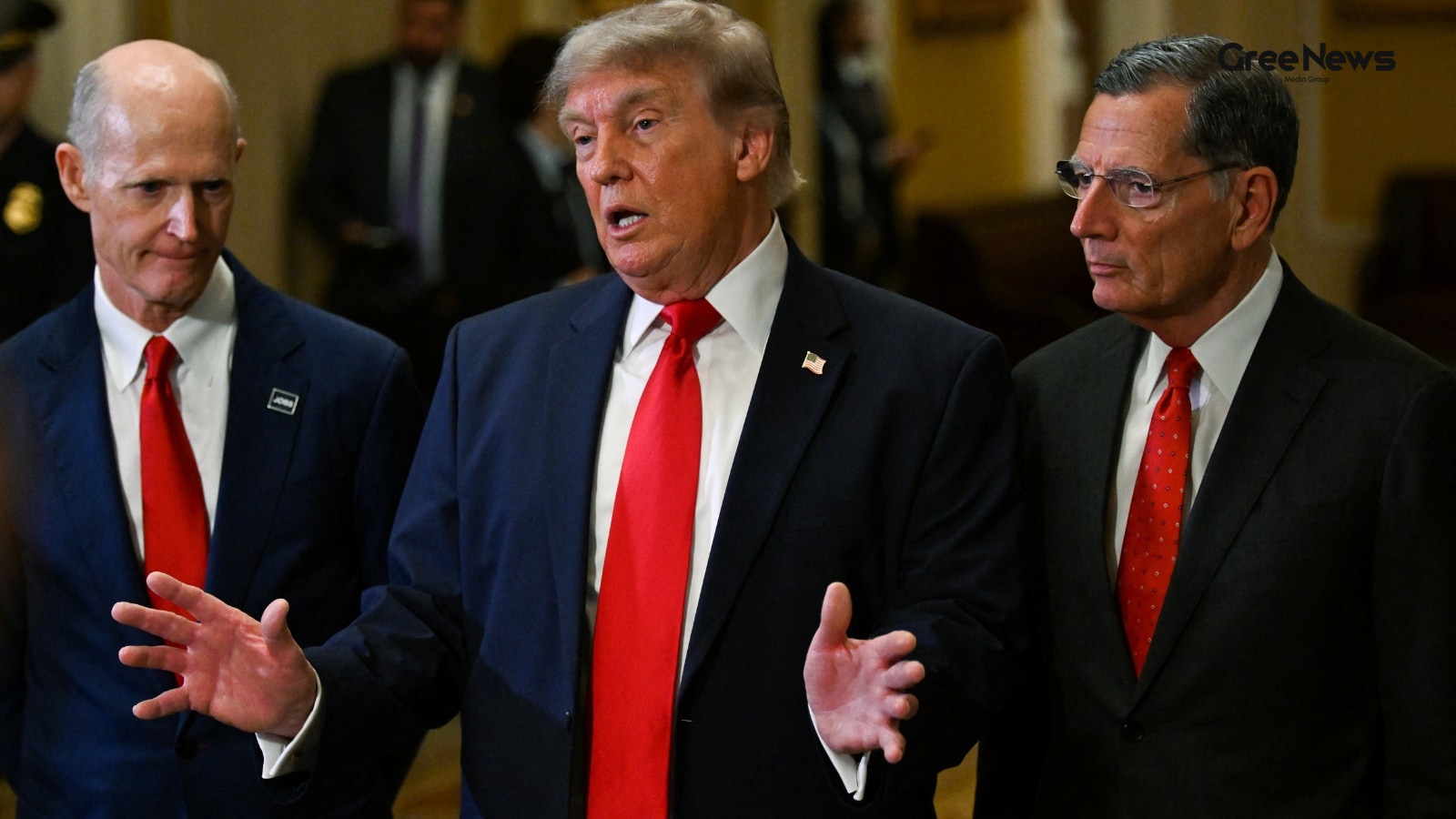
Trump talked Wednesday about an Iran deal. He called it "unacceptable" if it meant putting fees on shipping or maritime stuff through the Strait of Hormuz. That’s where it started, I guess. He was meeting with NATO Secretary General Mark Rutte when he said things were going well in the conflict agai
Jun 25, 2026 by Gree News Team
The Hidden Pipeline: Crypto Exchanges and Iran's Digital Asset Flow
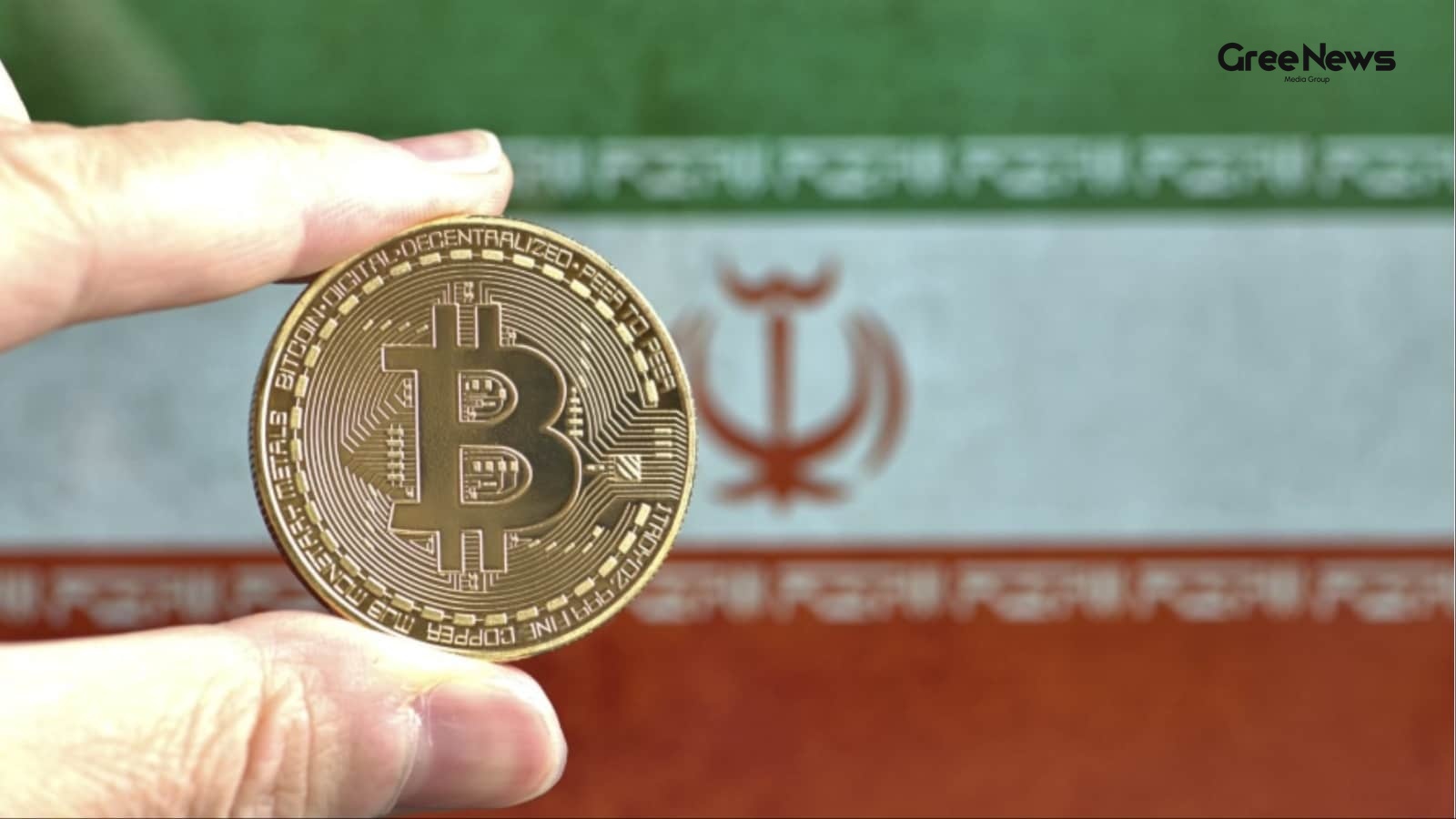
The quiet expansion of certain crypto exchanges over the last eight years that’s where the real story starts. It’s not just about digital wallets anymore. It’s about how Iran's entire crypto scene is snagged, pulled into the global digital asset markets through these channels. A Wall Street Journal
Jun 25, 2026 by Gree News Team
The Political Aftermath of the Democratic Primaries
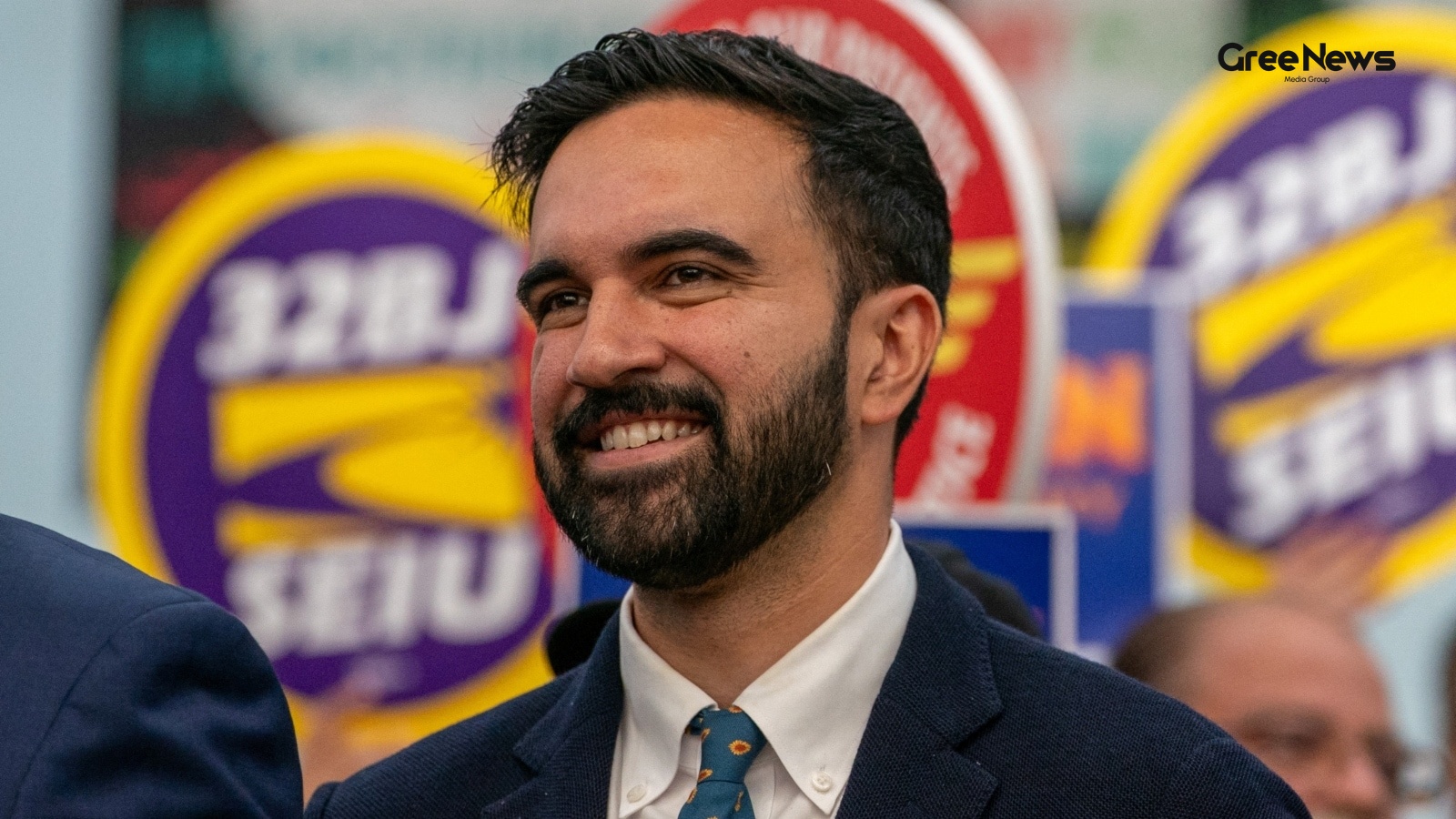
Zohran Mamdani wasn’t even on that ballot for the New York Democratic congressional primaries. It felt almost absurd, doesn't it? Yet by the time the dust settled, by the end of that whole night, the city’s mayor had somehow managed to become the most consequential winner there was. It’s a strange w
Jun 25, 2026 by Gree News Team
Latest Headlines
Arvind Kejriwal on the Legality of the Ayodhya SIT and Theft Allegations
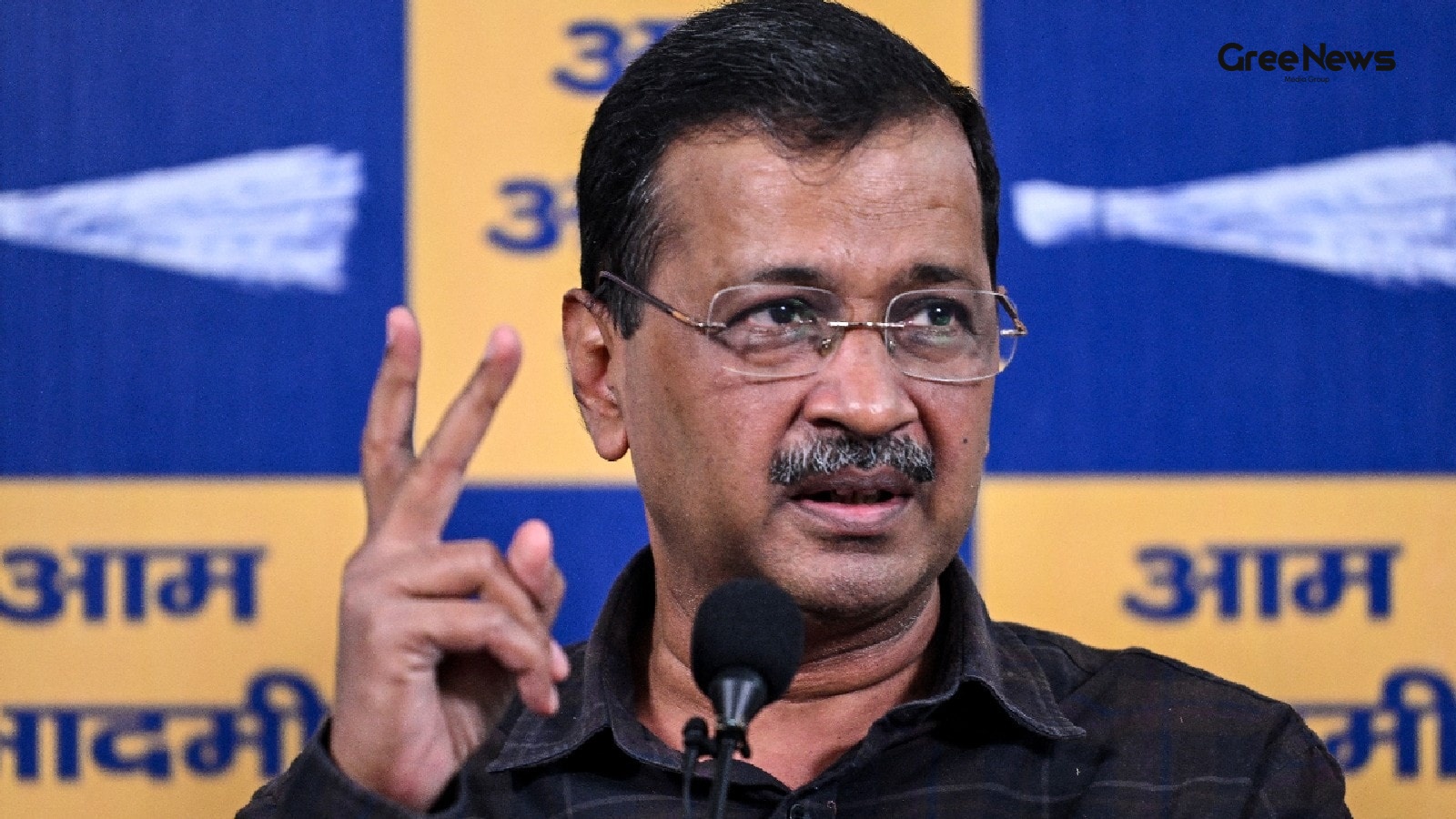
Arvind Kejriwal, the national convenor for the Aam Aadmi Party, started poking around the legality of this Special Investigation Team. It was about the SIT set up by Uttar Pradesh to look into the supposed theft of offerings at the Ram Mandir in Ayodhya. He called it all fake a total sham. He brough
Jun 25, 2026 by Gree News Team
Group Stage Results and Qualification Dynamics for the World Cup 2026
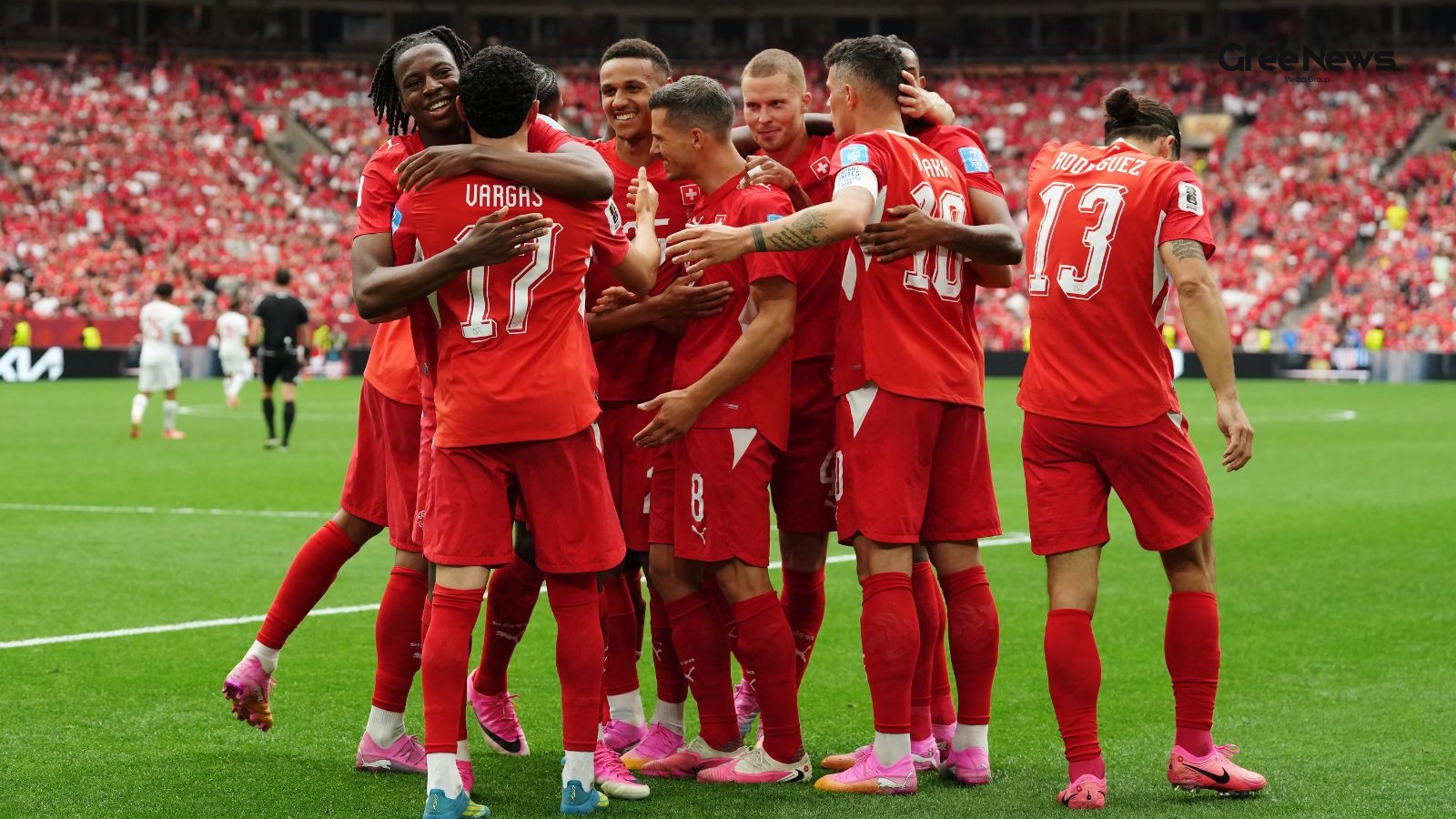
Switzerland pulled off a win against Canada in their final Group B match at the BC Place Vancouver. It was 2-1. They ended up topping the group with seven points. Canada finished just behind them with four points. Ruben Vargas got Switzerland ahead right after halftime. Then Johan Manzambi doubled i
Jun 25, 2026 by Gree News Team
Clash Between Trump and Cassidy Over Iran War
Donald Trump and Senator Bill Cassidy had a really intense clash over how the administration was handling the Iran war. It all went down during a closed-door lunch meeting with other Republican senators at the Capitol on Wednesday, according to CNN. The tension kicked off quickly. Trump seemed genui
Jun 25, 2026 by Gree News Team
Trump on the Iran Deal, Conflict, and Funding
Trump talked Wednesday about an Iran deal. He called it "unacceptable" if it meant putting fees on shipping or maritime stuff through the Strait of Hormuz. That’s where it started, I guess. He was meeting with NATO Secretary General Mark Rutte when he said things were going well in the conflict agai
Jun 25, 2026 by Gree News Team
Massive Crackdown on Coaching Institutes: Safety Violations and Enforcement
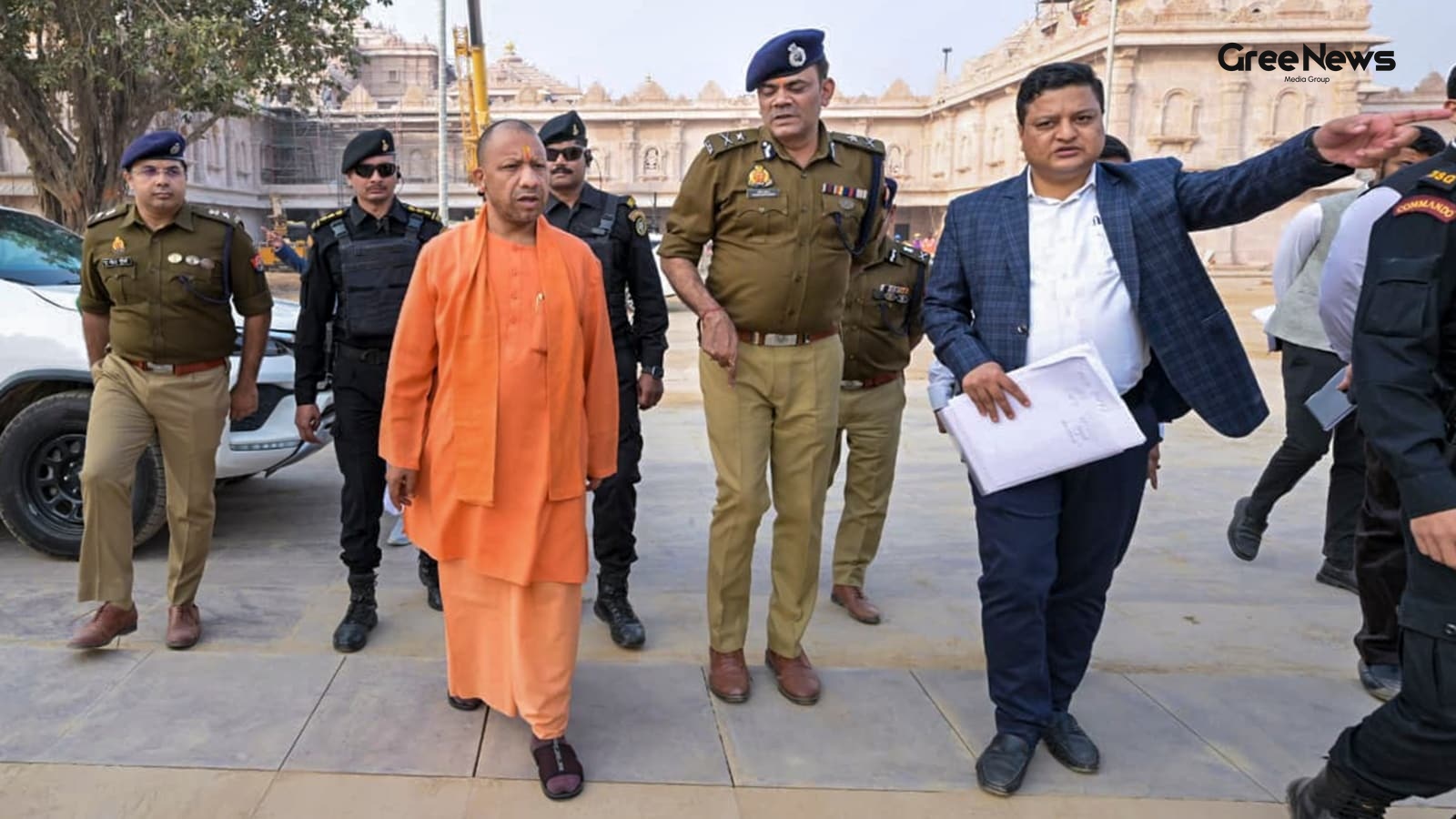
Man, what a mess this turned out to be. Following that awful incident in the state capital, things just exploded. Chief Minister Yogi Adityanath, he basically went full throttle. Directed a massive sweep. A coordinated inspection campaign aimed right at those coaching institutes. Safety violations.
Jun 25, 2026 by Gree News Team
The Legal Proof of Indian Citizenship and Passports
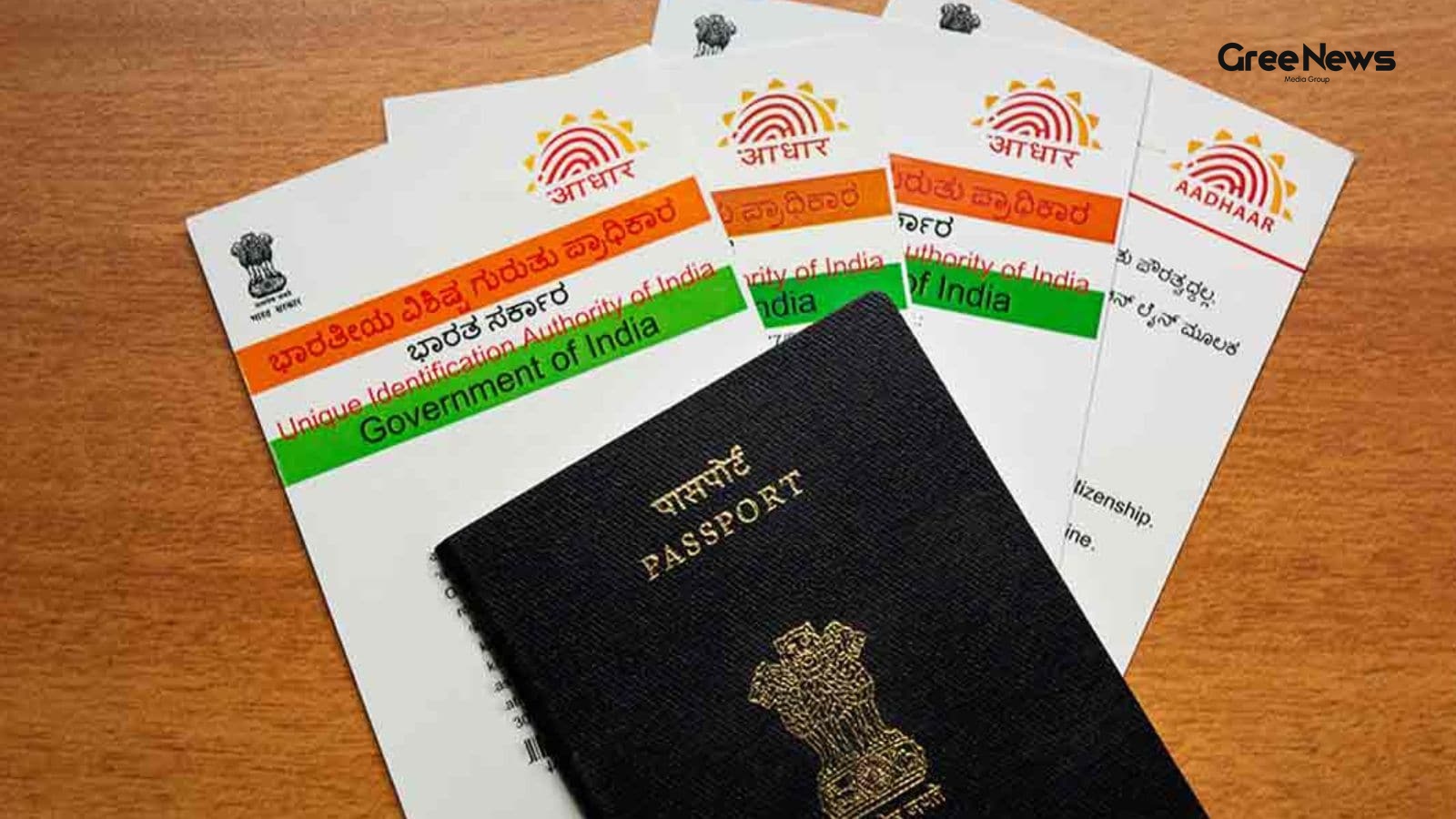
That whole thing about officials from the Ministry of External Affairs saying an Indian passport isn't actually conclusive proof of citizenship? It hits people hard. For decades, that navy-blue booklet it just felt like everything. National identity. A ticket everywhere. A guarantee you were okay ov
Jun 25, 2026 by Gree News Team
The Internal Static: Understanding the Noise of Reality
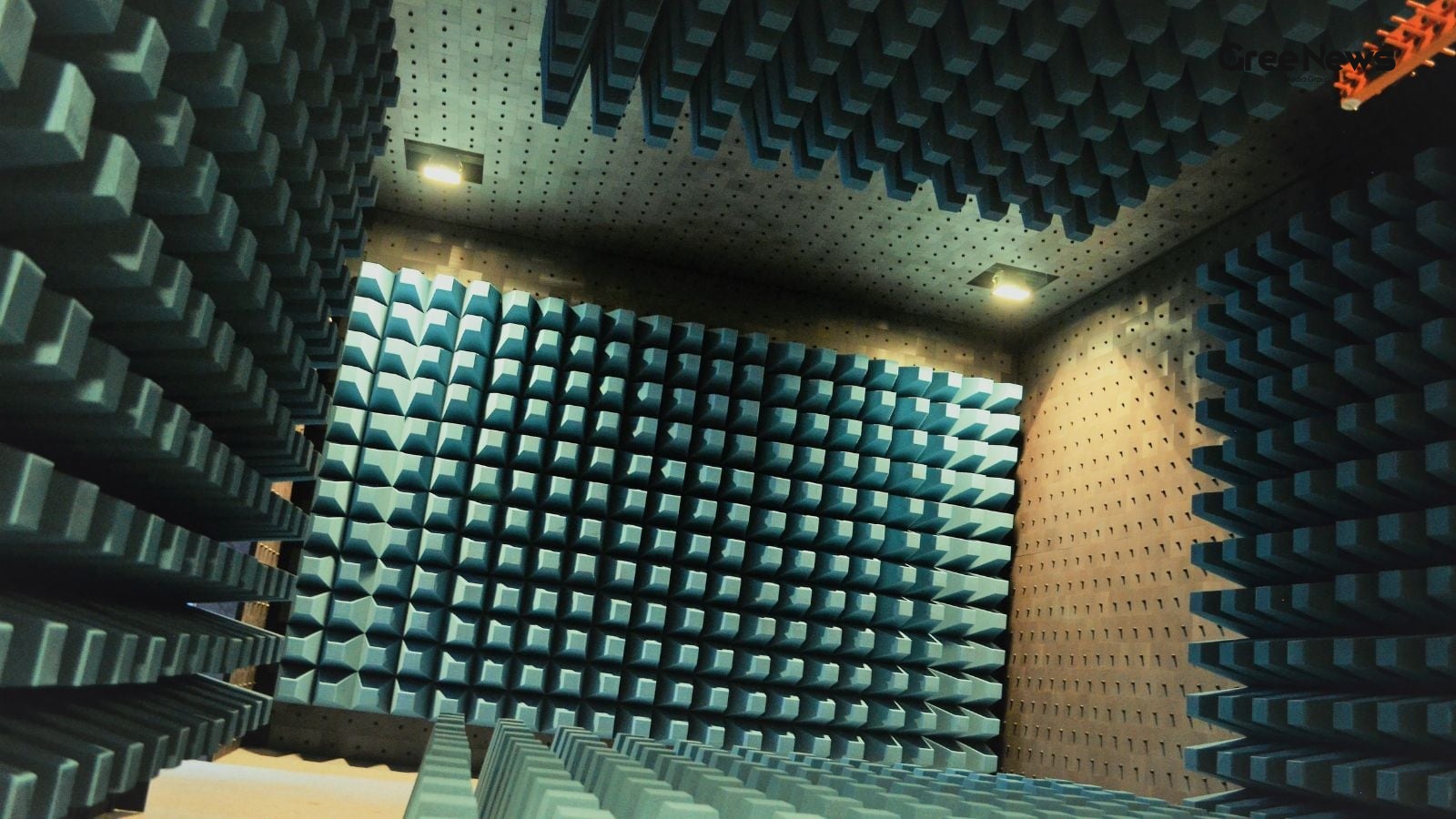
The silence hit first. Not the absence of sound, you know? That’s different. It's when everything stops moving, and suddenly your own head is just… noise. A buzzing. An internal static that gets louder, faster than anything outside. It started subtly. A low hum under the floorboards. Then nothing. J
Jun 25, 2026 by Gree News Team
Taratala Warehouse Collapse: Rescue Efforts, Investigation, and Structural Failure
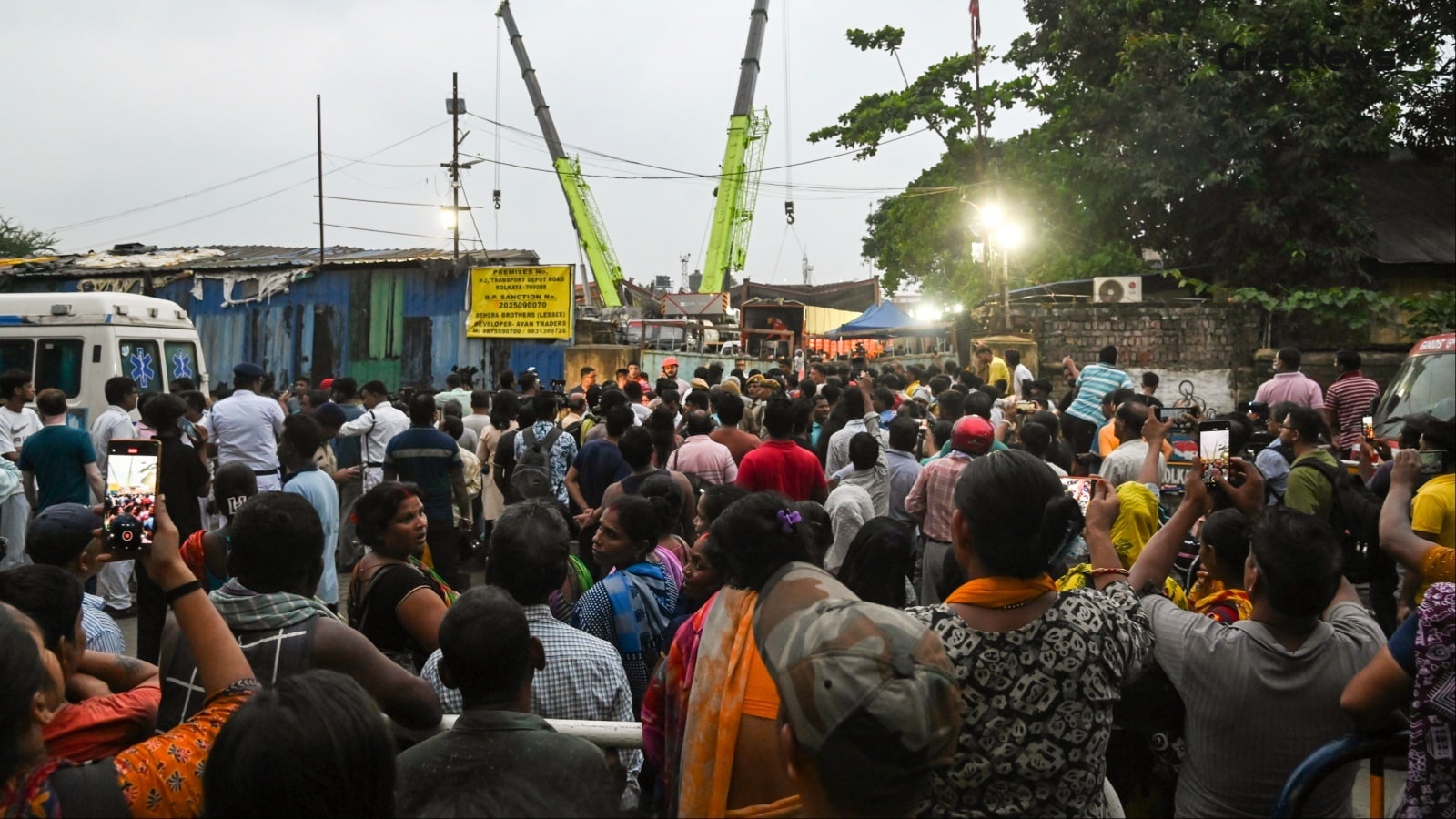
The dust hasn’t quite settled in Taratala. Nine dead from the collapse of that warehouse, under construction near Brace Bridge. Rescue teams are still digging, trying to find anyone else who might have been trapped beneath all that concrete and iron. It's just an ongoing search right now. The West B
Jun 25, 2026 by Gree News Team
Samantha Ruth Prabhu's Maa Inti Bangaaram: Redefining Women in Telugu Action Cinema
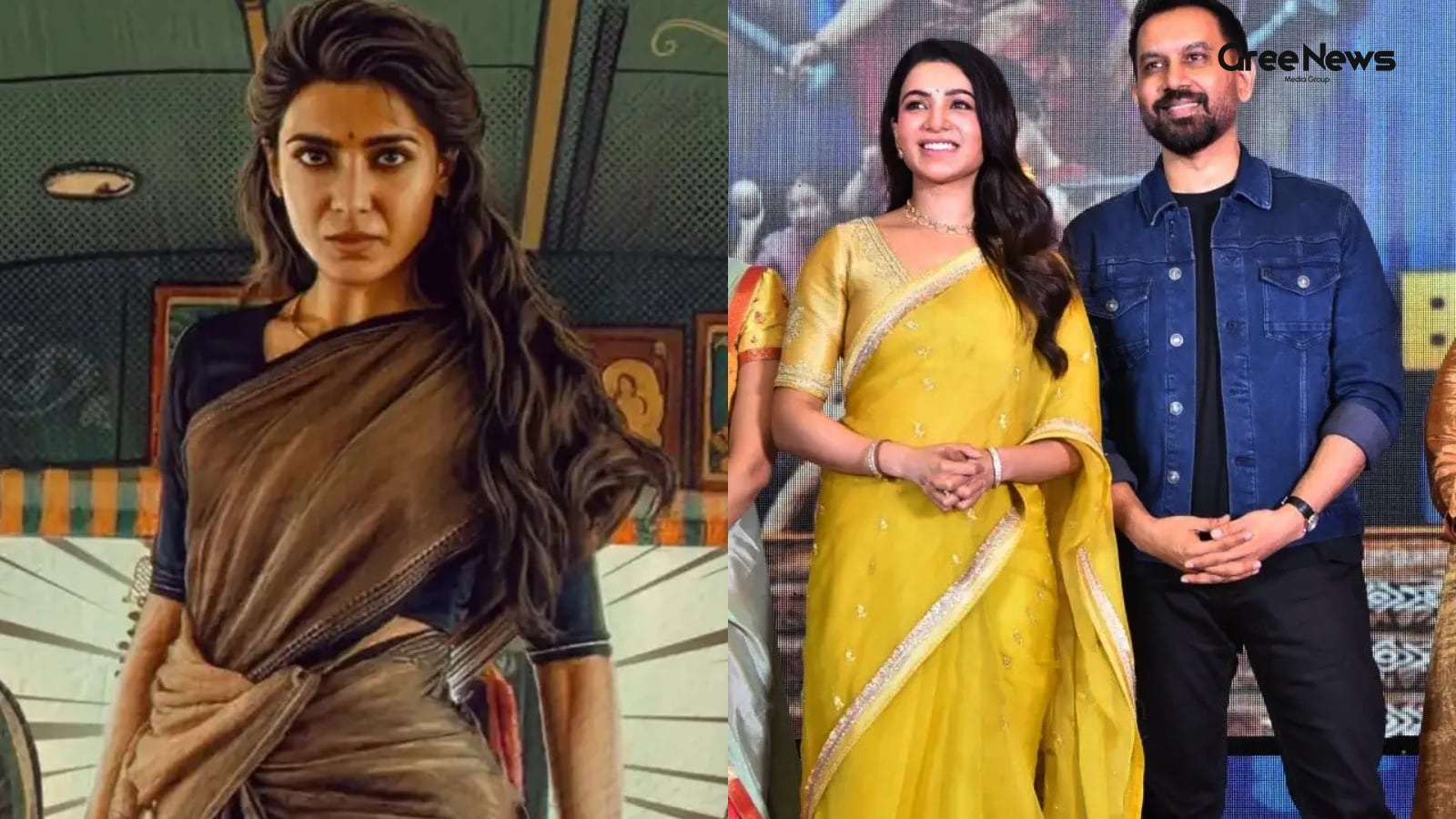
Samantha Ruth Prabhu’s *Maa Inti Bangaaram*. It’s already hit thirty crores in the Indian box office. Second time around as a producer, after the Subham thing. And it got mixed reviews, sure. But globally? It slipped into the fifty crore club. Something big there. A real precedent for women leading
Jun 25, 2026 by Gree News Team
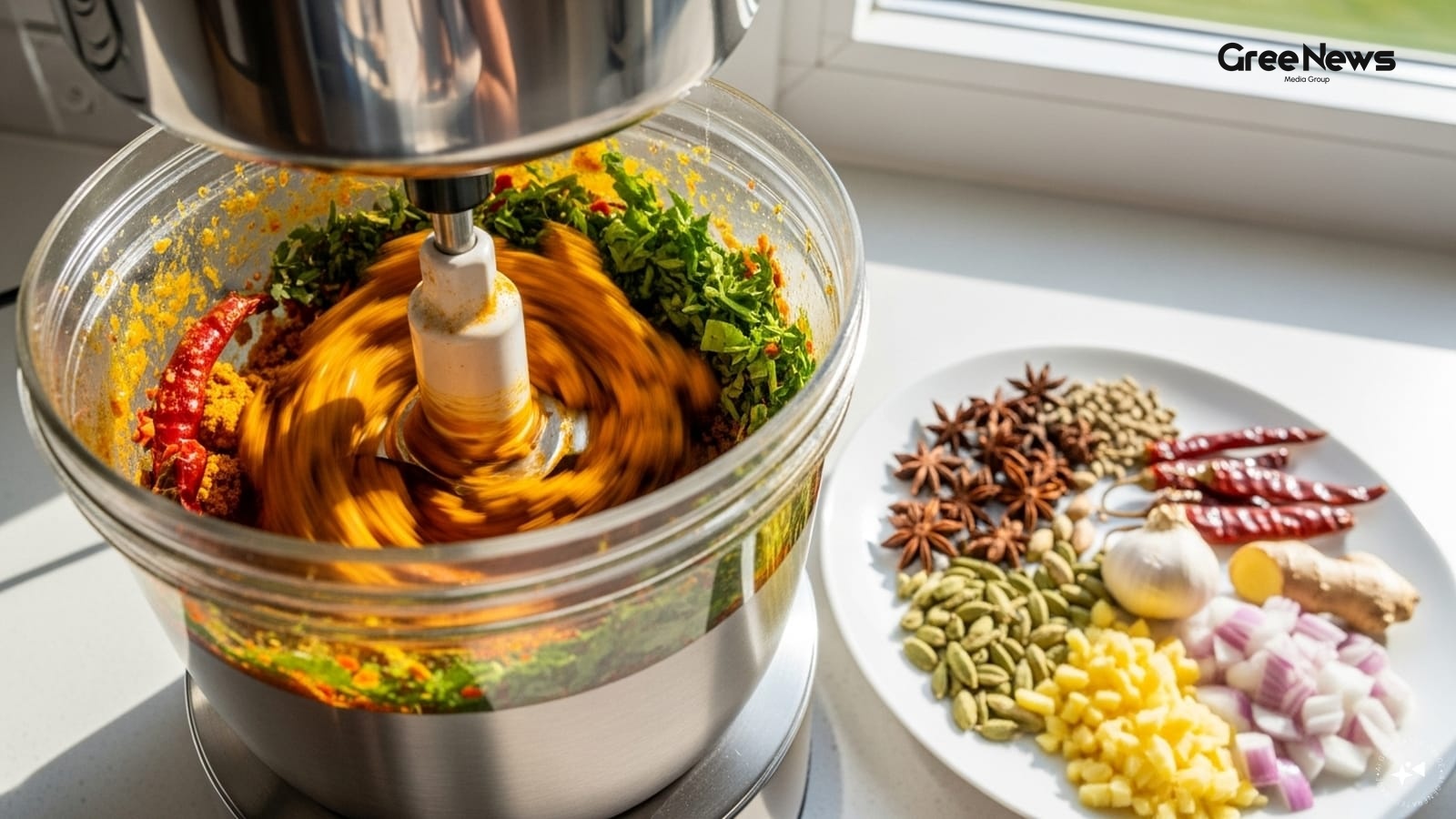
Best Mixer Grinders for Indian Cooking: 7 Models Reviewed
A mixer grinder. It’s one of those things in an Indian kitchen that just works the hardest. It’s not some gadget you use once a month. No, this thing comes out multiple times daily. You need it for everything ginger-garlic paste for lunch. Chutney for breakfast. Freshly ground masalas for dinner. It
Jun 25, 2026 by Gree News Team

Disha Patani Shares Heartbreaking News About Losing Two Pets
Disha Patani just dropped some really heavy news. She shared something heartbreaking about losing two of her pets. Bella the dog and Jasmine the cat. It hit social media hard. She posted these emotional tributes, and honestly, it caught everyone off guard. Fans were immediately looking at them. Wond
Jun 25, 2026 by Gree News Team
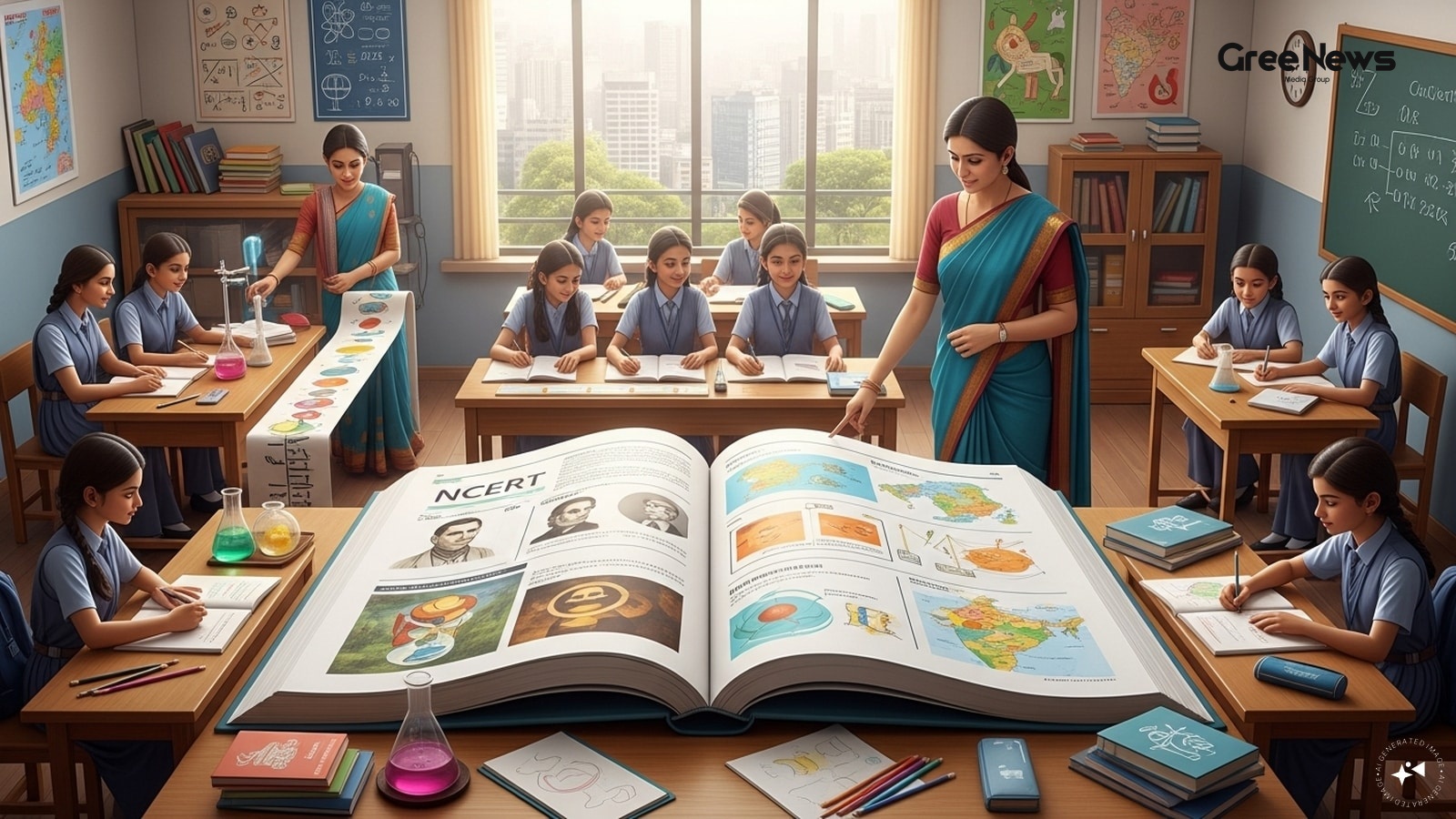
The Emergency and Indian Democracy: A Study in Challenges
Fifty years later, that’s how long it’s been since the Emergency happened in India. And now, NCERT has finally put it in the Class 9 textbook. It's in Social Science books, under a section called ‘Challenge to Democracy’. This isn’t some dry historical footnote. It comes from a new book they develop
Jun 25, 2026 by Gree News Team

Market and Corporate News Update
The market started with some upward momentum today, though things feel kind of fragile right now. Gift Nifty traded above 82 points that’s up about 0.34 per cent landing at 24,105. There’s definitely a positive feeling floating around the investment space lately. That’s mostly because crude oil pric
Jun 25, 2026 by Gree News Team
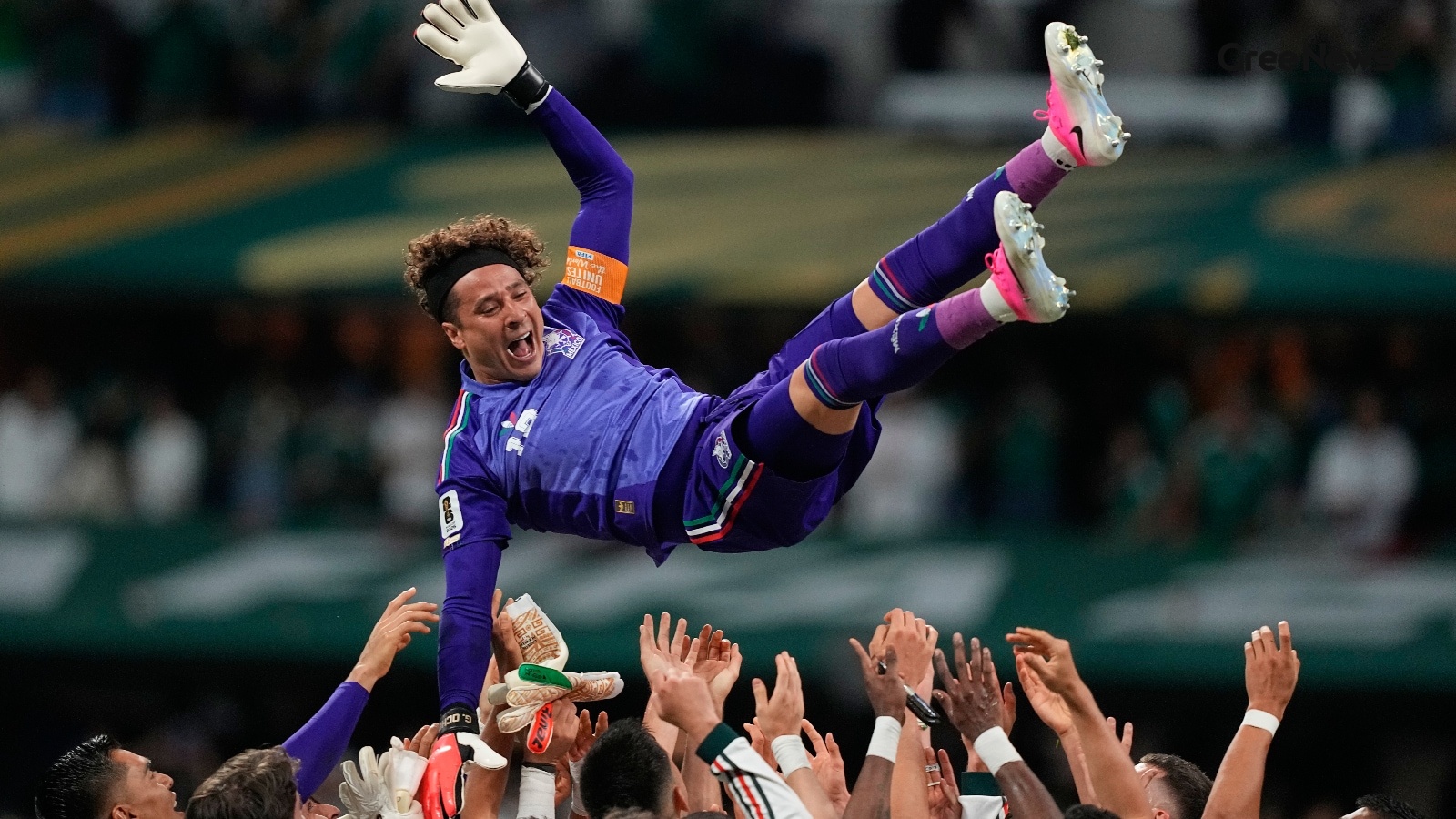
Mexico's Stunning World Cup Victory
Mexico grabbed their best football in the second half. They buried Czechia’s World Cup hopes with a massive 3-0 win. It felt like they were celebrating way before the final whistle even blew. For forty-five minutes though, it was just pure tension. A scrappy affair. It turned into a Mexican party by
Jun 25, 2026 by Gree News Team

Lohagad Fort Murder Case: Digital Evidence and Conspiracy
Lohagad Fort. That’s where it all started, isn’t it? A murder case involving Ketan Agarwal. But the details… they keep shifting. Fresh stuff is coming out of the investigation now. The police are claiming something really dark about how this happened. It’s not just a random tragedy; there were prepa
Jun 25, 2026 by Gree News Team