Malala Yousafzai and the Conflict: Gender Rights vs. Migration Talks
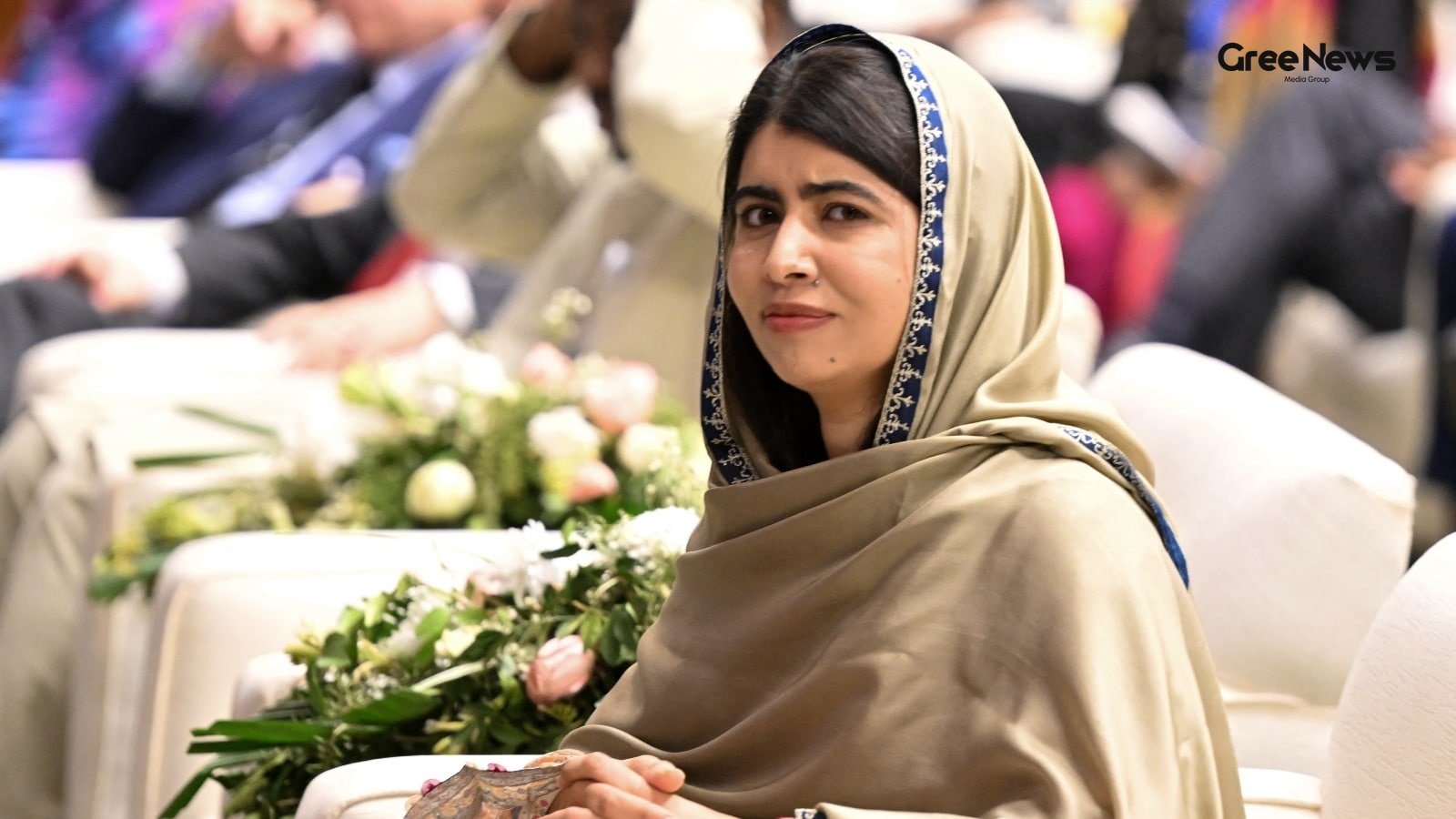
Malala Yousafzai, the Nobel laureate, really hammered the European Union over this whole situation in Brussels. She said they hosted a Taliban delegation for talks, and she was furious. Her core message, the thing that stuck with everyone, was that any conversation with the regime has to centre on the rights of Afghan women and girls.
She put it out there in a video on X Tuesday. She looked shaken. Deeply disturbed, actually. It wasn't just political noise for her. It felt like watching something horrifying happen unfold right there. She warned that engaging with these Taliban officials somehow normalizes this whole regime. A regime that systematically wiped women and girls out of public life.
She kept repeating the same thing about the brutality. It’s not abstract talk to Malala. It’s tangible horror. She pointed out, “This is the same Taliban.” The one that shut down girls from going to school. Forced them into marriage. And then there are the other things. Arresting women in Herat just because of how they dressed. Detaining, beating, executing anyone who dares to speak up or just break their own rules.
She called it gender apartheid . That phrase hit hard. It meant effectively erasing women and girls from existence through whatever policies the Taliban put in place.
Europe, she insisted, couldn't just stand by. She said Europe must stop legitimizing a regime that is responsible for one of the worst human rights crises happening right now. It’s an unbearable position to be in. And this was the line: any contact with the Taliban has to start and end with the actual rights of Afghan women and girls. Nothing else matters.
Meanwhile, behind all this sharp rhetoric about morality and human rights, things were actually happening on the ground. A delegation from the Taliban did manage to hold talks with the European Union in Brussels that same Tuesday. The focus there wasn't on gender politics at all. It was much more practical. They were talking about getting failed asylum-seekers back into Afghanistan.
The European Commission invited this group of five members. It was part of their wider effort to tighten up migration controls, trying to push for better deportation rates. And here’s the kicker the EU doesn't formally recognize the Taliban government. Still, they went ahead with it. Attended by fifteen member states in total. Sweden co-chaired things, according to Brussels sources.
What was actually discussed? It seemed very bureaucratic. Things like identification problems. Travel documents. And obviously, whether certain Afghans had committed serious crimes and posed a security threat. That’s what the talks were supposed to cover.
But the Taliban side had their own angle too. Abdul Qahar Balkhi, a spokesperson for the foreign ministry, said the whole meeting was about opening up new avenues for positive interaction. They wanted to address the problems of Afghans living abroad. Specifically those facing rejected asylum claims in Europe. A slightly softer framing than what Malala presented, maybe, but still trying to manage the narrative.
It's that kind of friction, isn’t it? One side screaming about fundamental human rights and gendered oppression, the other side trying to hash out logistics and migration flows. The gap between those two realities is vast. You have this shadow of violence defining existence, and then you have paperwork and border control being negotiated in a room in Brussels. It just feels messy. Unsettled.
Written by Gree News Team — Senior Editorial Board
Gree News Team covers international news and global affairs at Gree News. Our collective of senior editors is dedicated to providing independent, accurate, and responsible journalism for a global audience.
More from World
View All
Bear Attacks in Tokyo: Anti-Bear Spraying and New Deterrent Methods
That Tokyo suburb story it’s getting serious. Five deaths and twenty injuries from bear attacks since April through May. That kind of pressure leads somewhere. So now they’re talking about spraying things. Installing seven hundred anti-bear sprays in schools and community spots. A big move, trying t
Jun 25, 2026 by Gree News Team
Clash Between Trump and Cassidy Over Iran War
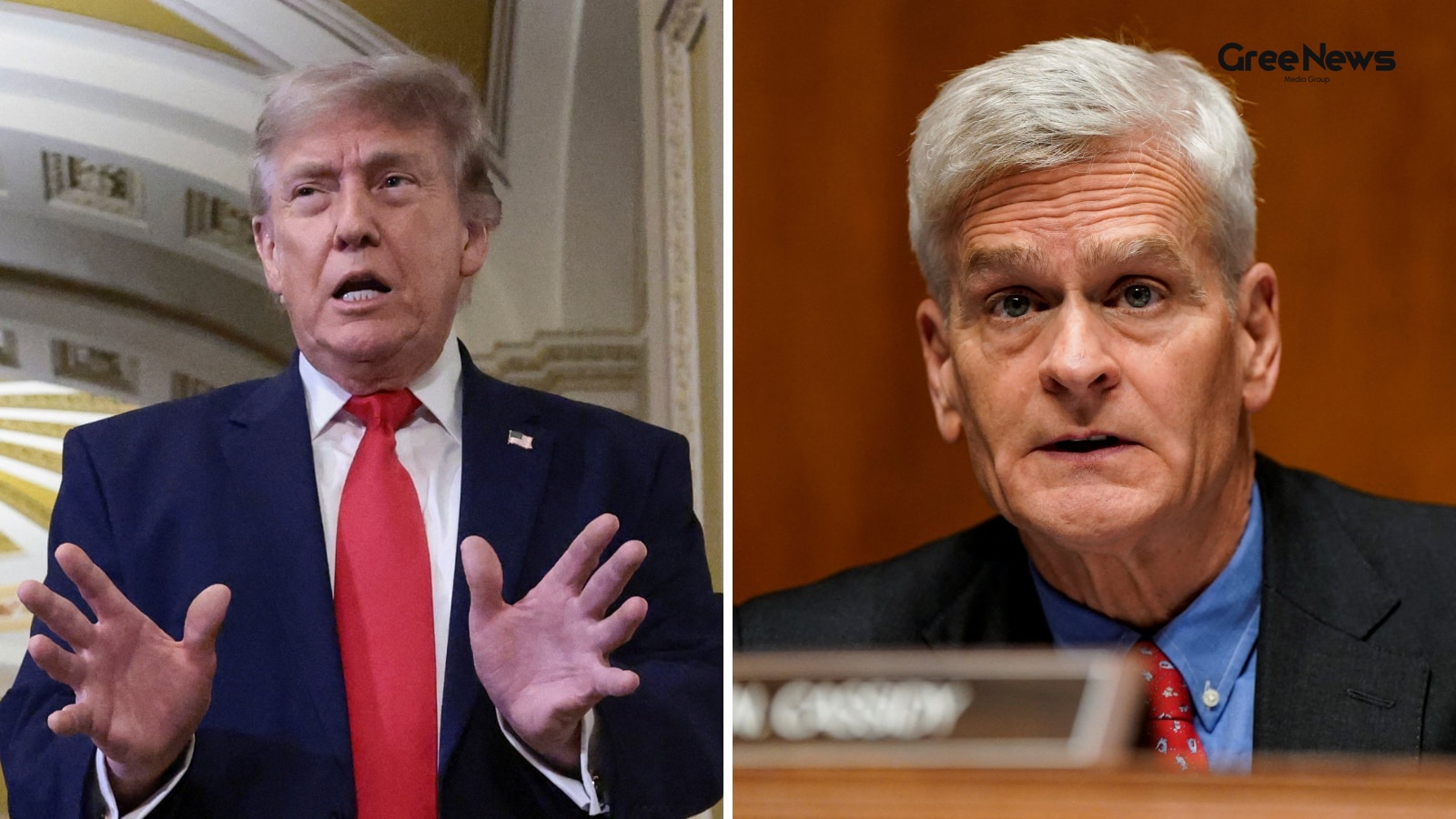
Donald Trump and Senator Bill Cassidy had a really intense clash over how the administration was handling the Iran war. It all went down during a closed-door lunch meeting with other Republican senators at the Capitol on Wednesday, according to CNN. The tension kicked off quickly. Trump seemed genui
Jun 25, 2026 by Gree News Team
Trump on the Iran Deal, Conflict, and Funding
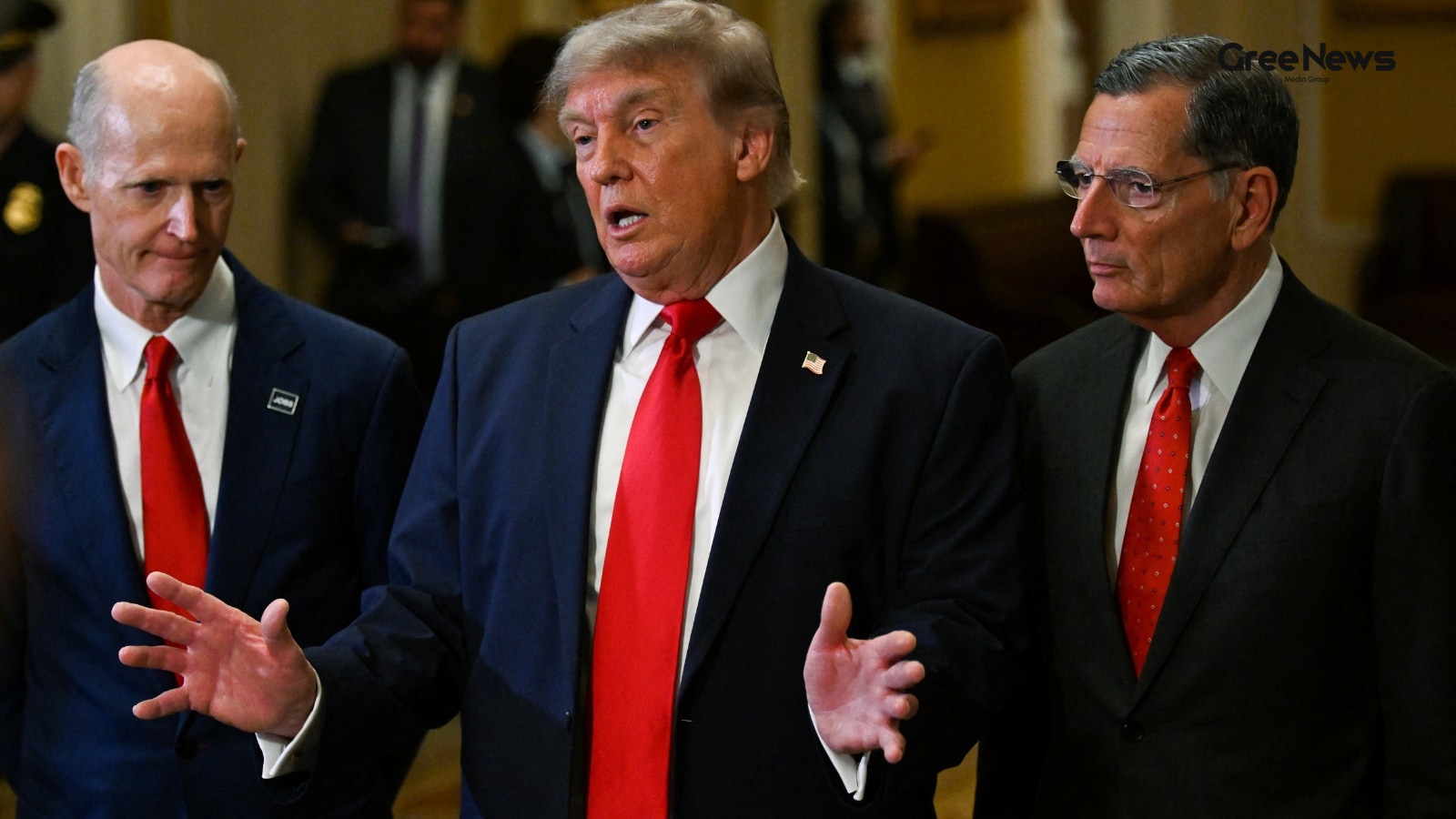
Trump talked Wednesday about an Iran deal. He called it "unacceptable" if it meant putting fees on shipping or maritime stuff through the Strait of Hormuz. That’s where it started, I guess. He was meeting with NATO Secretary General Mark Rutte when he said things were going well in the conflict agai
Jun 25, 2026 by Gree News Team

Donald Trump's Deal with Iran and the Strait of Hormuz
Donald Trump was talking about some historic deal with Iran, calling it a massive diplomatic breakthrough. He was very clear: Tehran would never get a nuclear weapon under this framework. That’s what he said. It felt huge. Like something that had been impossible for a long time finally clicking into
Jun 25, 2026 by Gree News Team
Latest Headlines
Stability vs. Paycheck: Navigating Salary Hikes in the IT Market
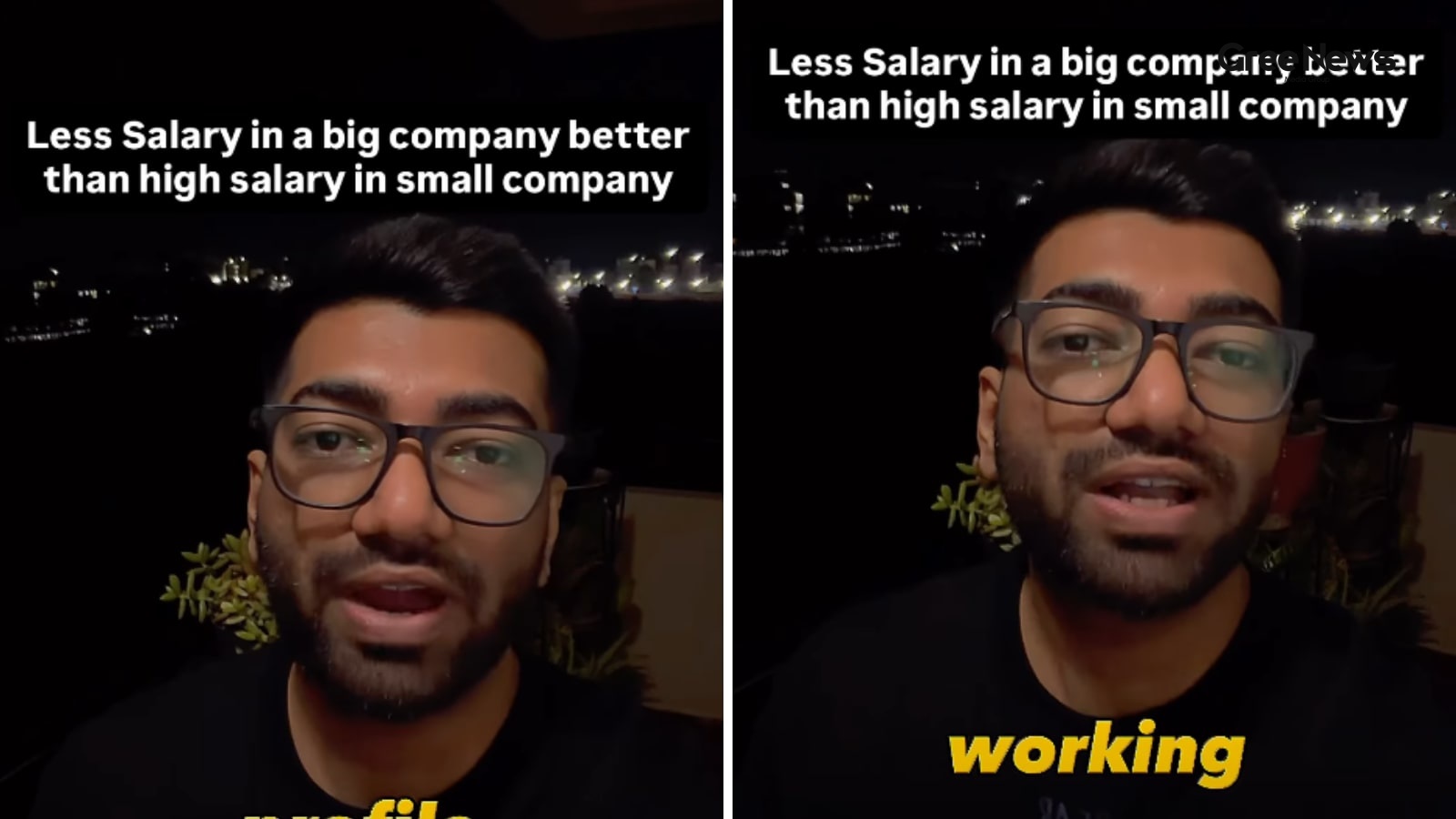
For a lot of people in the tech world, a big salary hike just sticks in your head. It’s hard to ignore that kind of money. But then you see stuff like this one guy from Bengaluru talking about stability versus chasing the biggest paycheck, especially when the whole IT market feels so shaky right now
Jun 25, 2026 by Gree News Team

The Economic Reality of Creative Compensation in India
The noise started small, really. Just one post, something from a guy in Dubai an advertising executive, that’s who he was and it kicked off this whole messy conversation about money in India’s creative scene. It wasn't some polished economic report. It was just an observation bleeding into LinkedIn
Jun 25, 2026 by Gree News Team
Mandating Birth Dates on Wedding Invites in Maharashtra to Combat Child Marriage
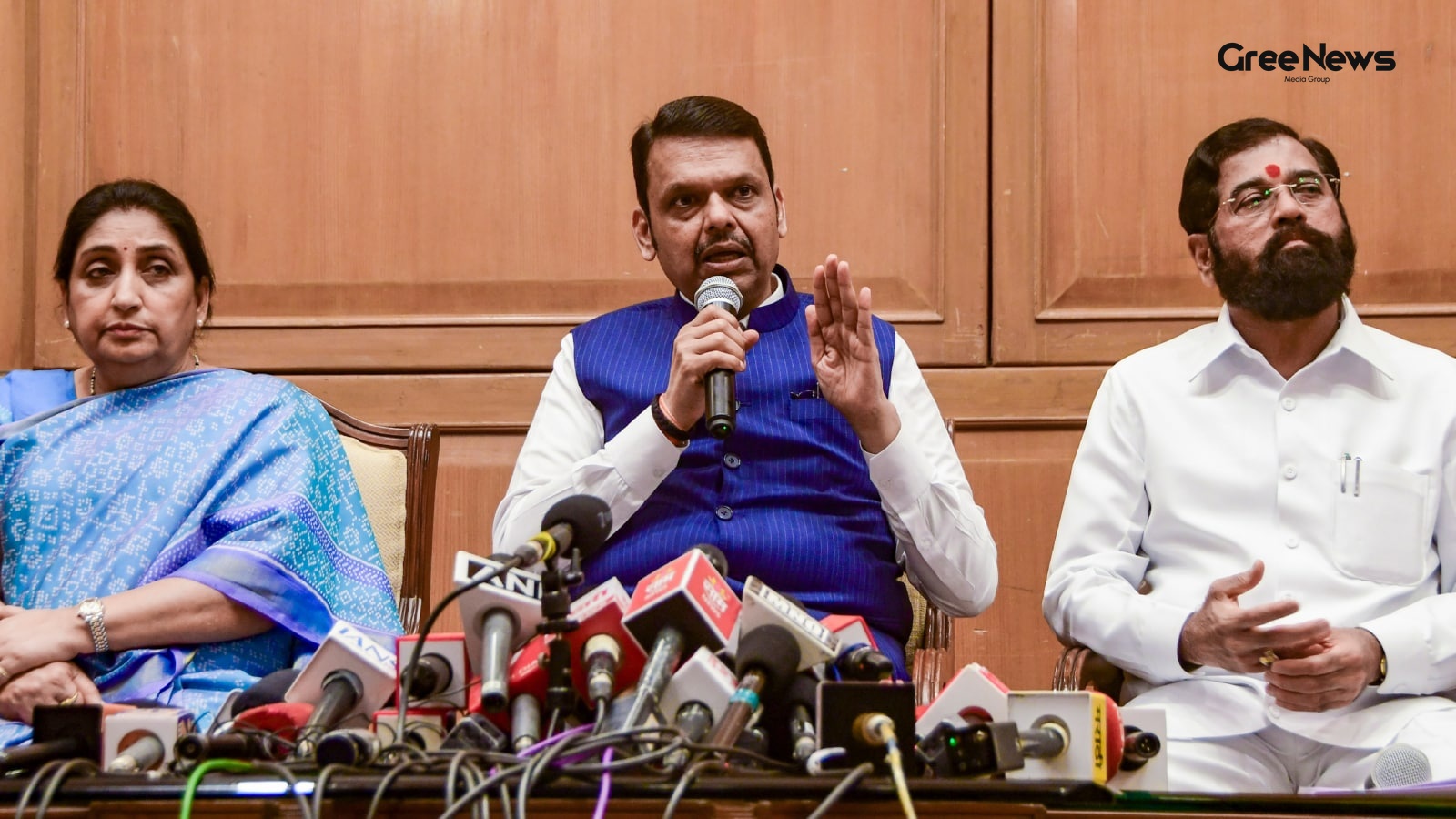
Alarm bells are ringing in Maharashtra over child marriage rates across the districts. The state government is now looking at something kind of radical: making it mandatory to print the bride and groom’s birth dates right on those wedding invitation cards. It's an idea that got sparked by what’s hap
Jun 25, 2026 by Gree News Team
Bear Attacks in Tokyo: Anti-Bear Spraying and New Deterrent Methods
That Tokyo suburb story it’s getting serious. Five deaths and twenty injuries from bear attacks since April through May. That kind of pressure leads somewhere. So now they’re talking about spraying things. Installing seven hundred anti-bear sprays in schools and community spots. A big move, trying t
Jun 25, 2026 by Gree News Team

OLED vs QLED: The Ultimate Guide to TV Tech and Mixer Grinder Buying
Buying a premium TV used to be simple enough. You picked a size, found a brand you felt okay about, and stretched your budget until you were comfortable. Now? It’s a total headache. You spend more than seventy thousand or eighty thousand rupees on a screen, and suddenly they want you to pick between
Jun 25, 2026 by Gree News Team
Why a Lawyer Decided Not to Sue a Friend for Money
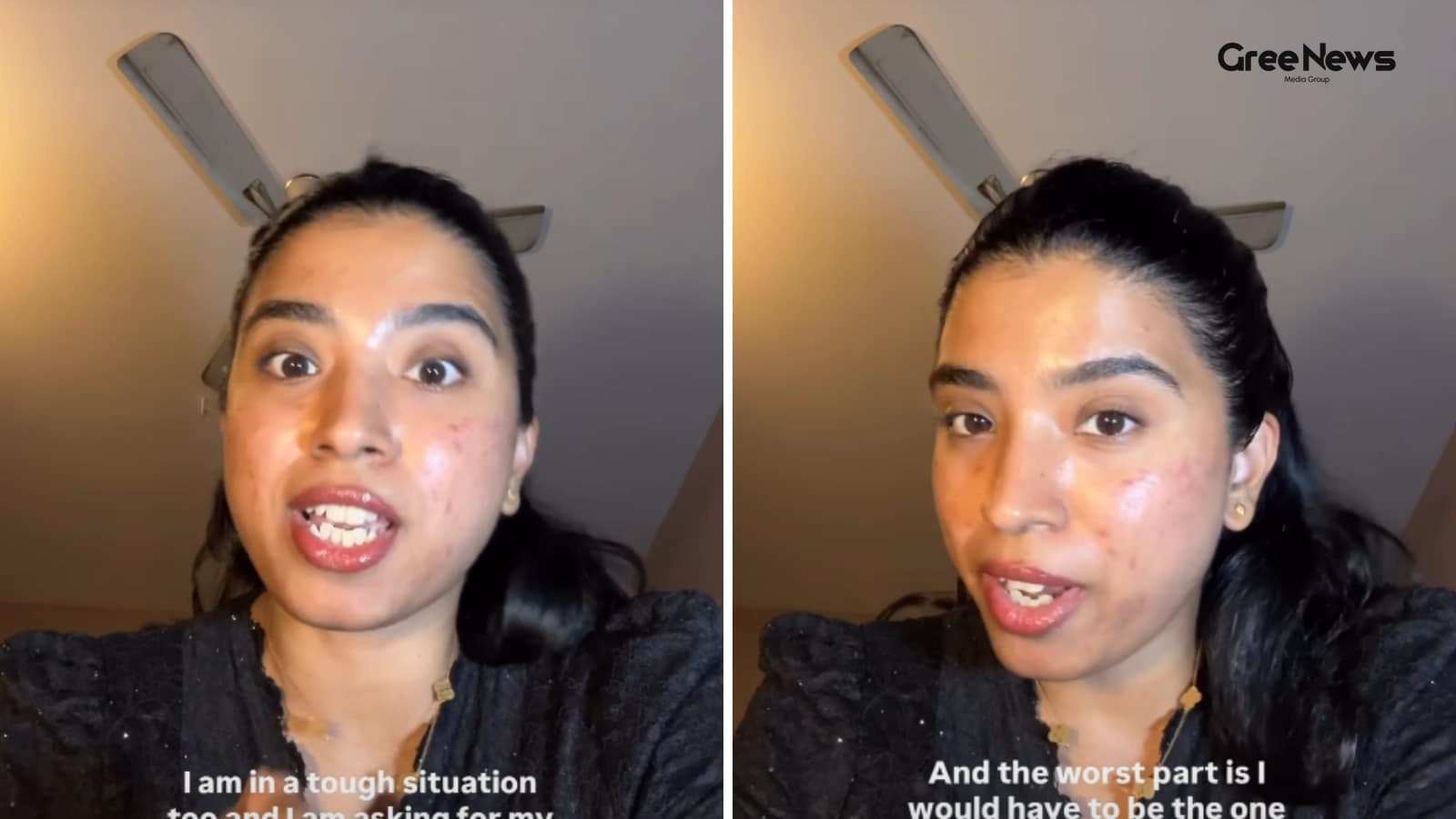
A lawyer from Bengaluru recently posted something that really made you stop and think about money and friendships. She talked about why she decided not to take legal action against a friend who still owed her five lakh rupees. She admitted that even though she absolutely had every right to go to cou
Jun 25, 2026 by Gree News Team
Joseph Vijay Birthday Rumors and Cryptic Social Media Post
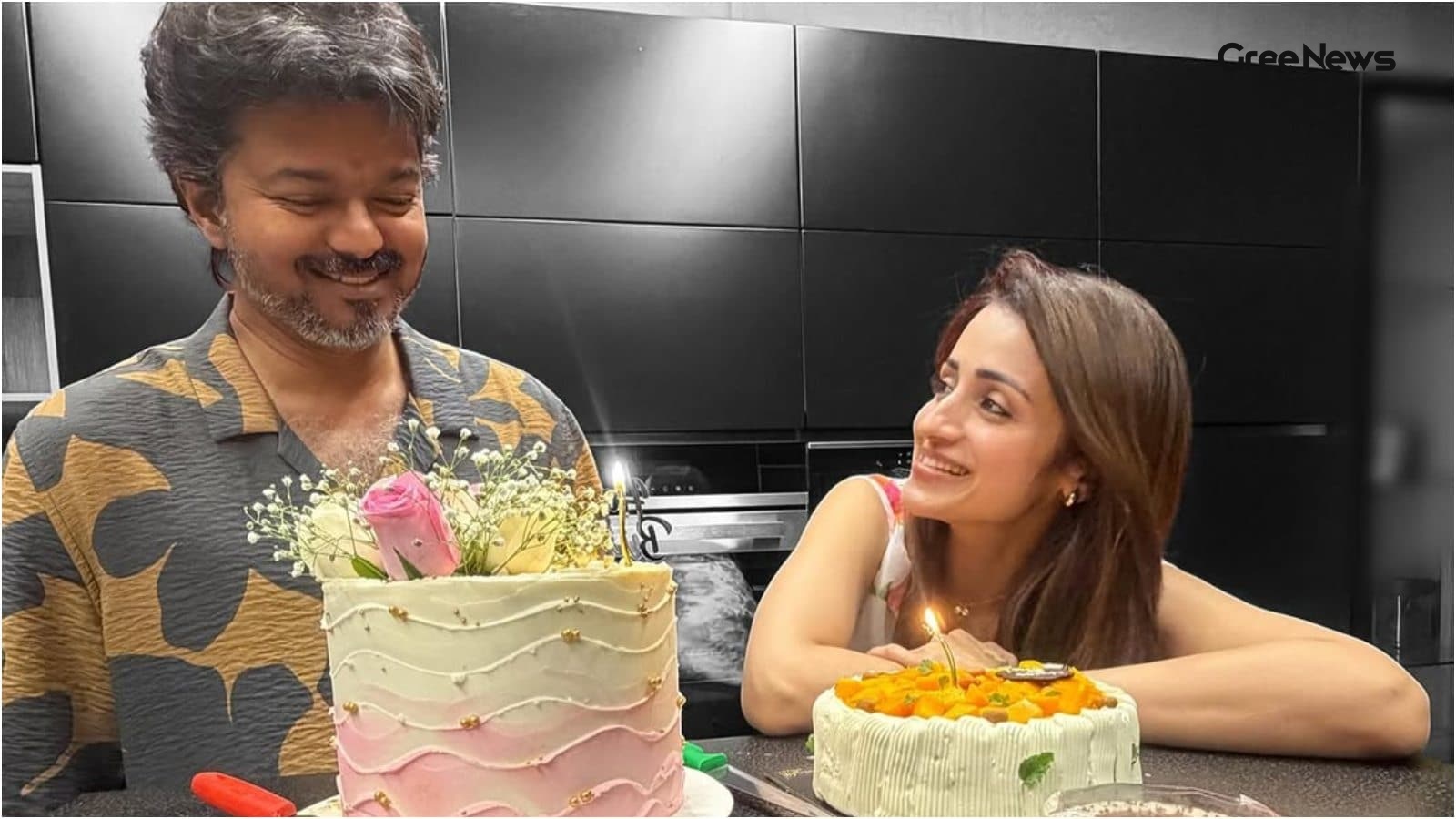
C Joseph Vijay turned fifty-two on June 22. Big birthday celebration kind of happened. People on social media were throwing wishes fans, celebs, politicians, everyone was sending messages about it. But right in the middle of all that noise, there was this weird buzz starting up. Rumors flying around
Jun 25, 2026 by Gree News Team
Mahua Moitra's Stance on Political Relationships and Internal Party Conflicts
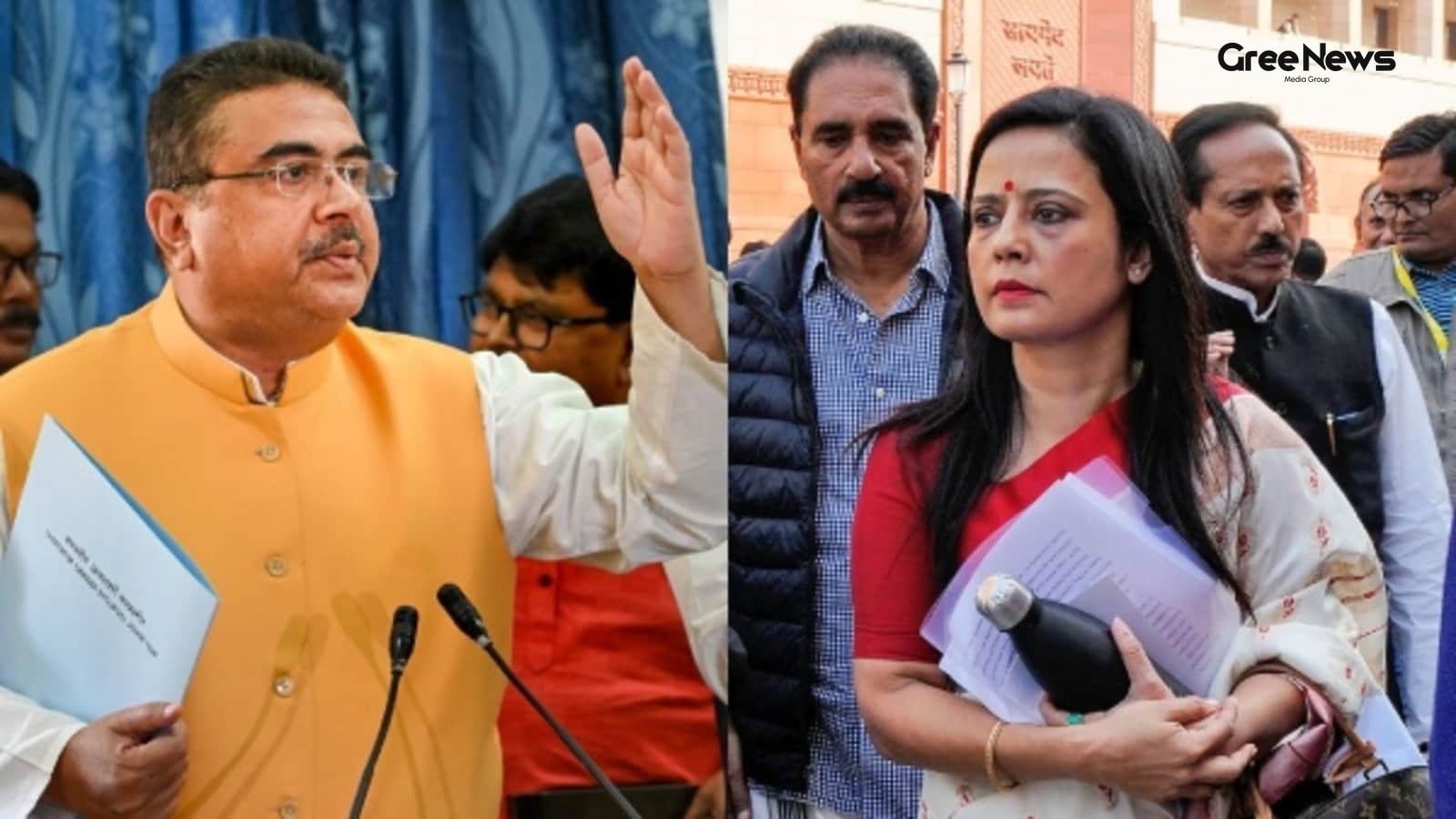
Mahua Moitra is pushing back now about what some are saying. It’s all about her stance concerning Chief Minister Suvendu Adhikari, and she’s insisting that some clip floating around on social media was just taken out of context. This whole thing kicked off because some commentator on X, the one usin
Jun 25, 2026 by Gree News Team

Best Self-Emptying Robot Vacuums and Mixer Grinders
If you’ve ever done that swept the floor in the morning only to find dust and crumbs back by evening you probably wonder if a robot vacuum can actually fix anything. It really depends on your home, not just the machine itself. A small apartment has totally different cleaning demands than a busy hous
Jun 25, 2026 by Gree News Team
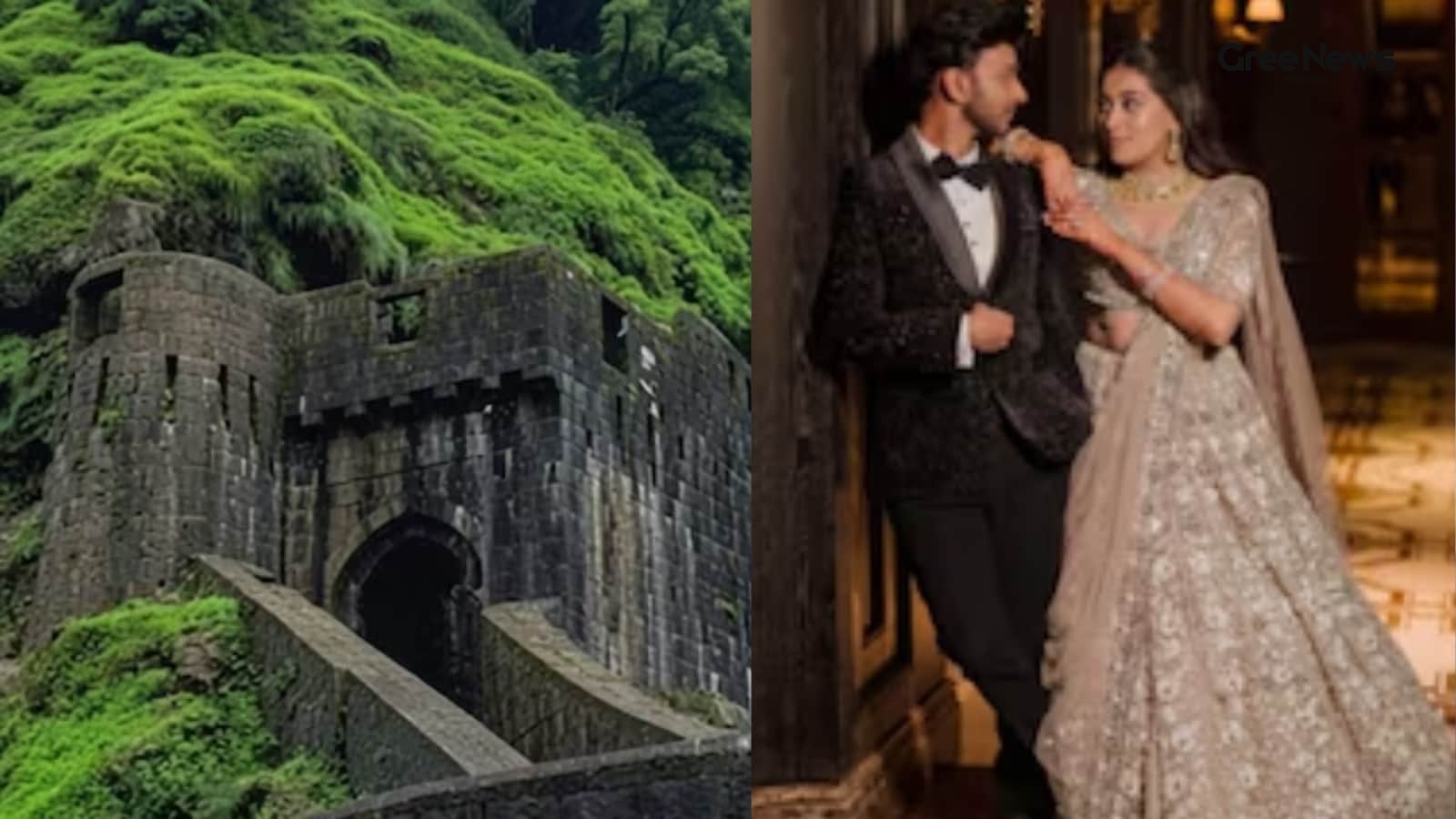
Investigation into the Murder of Ketan Vishal Agarwal
The murder of Ketan Vishal Agarwal, that Pune real estate director twenty-six it just ripped through the business crowd in Maharashtra. It wasn't an accident, not really. It looked like a stupid slip during a weekend trek down at Lohagad Fort. A four-hundred-foot plunge. But the Lonavala Rural Polic
Jun 25, 2026 by Gree News Team
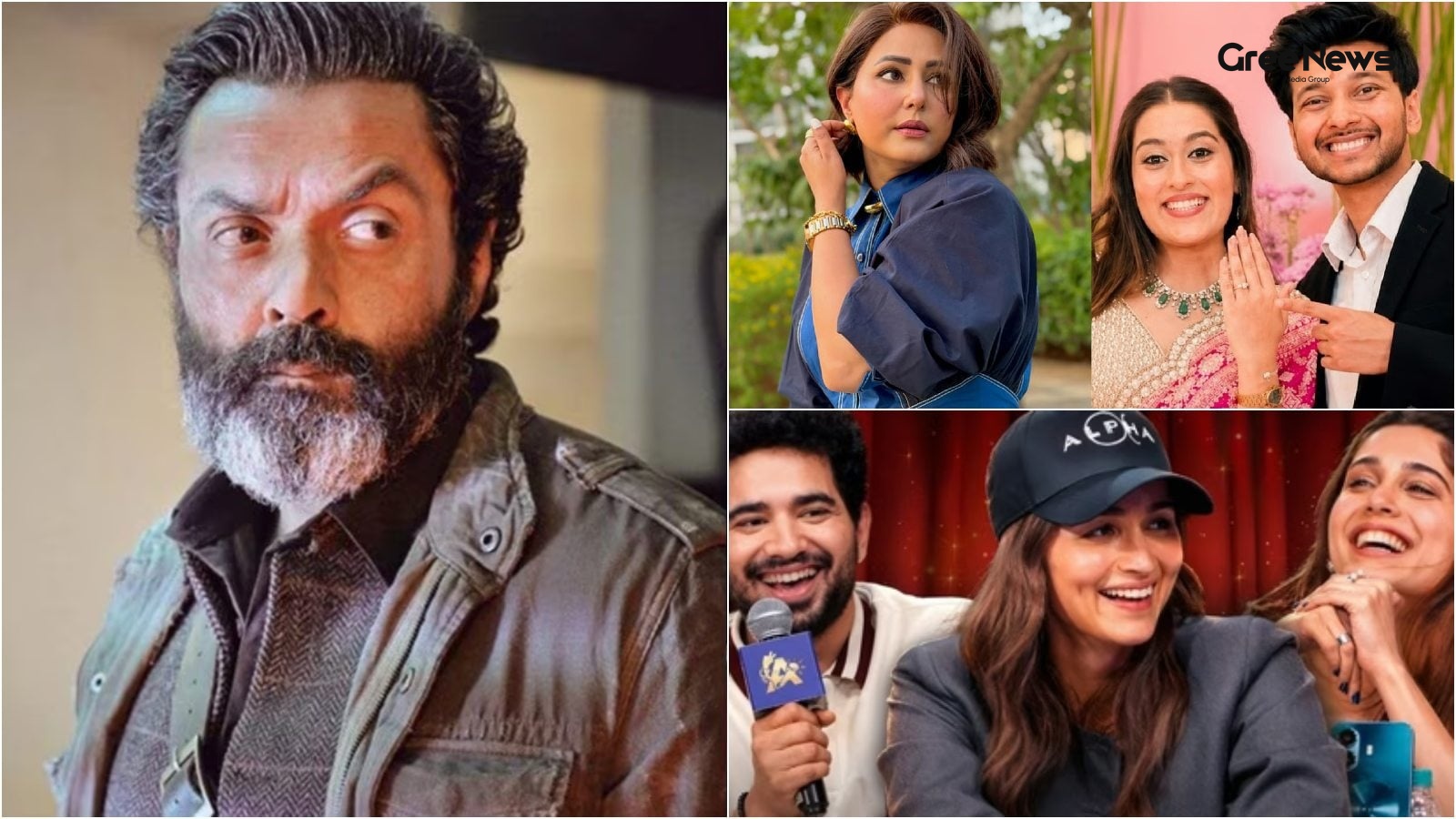
Bollywood Gossip, Celebrity News, and Film Hype
Alia Bhatt’s recent stint on India’s Got Talent 2? Reviews are just... mixed. You know how it is with those shows, right? But something else is swirling around Bollywood noise lately. A viral clip surfaced involving Bobby Deol. It was about him apparently dodging questions when a journalist asked ab
Jun 25, 2026 by Gree News Team
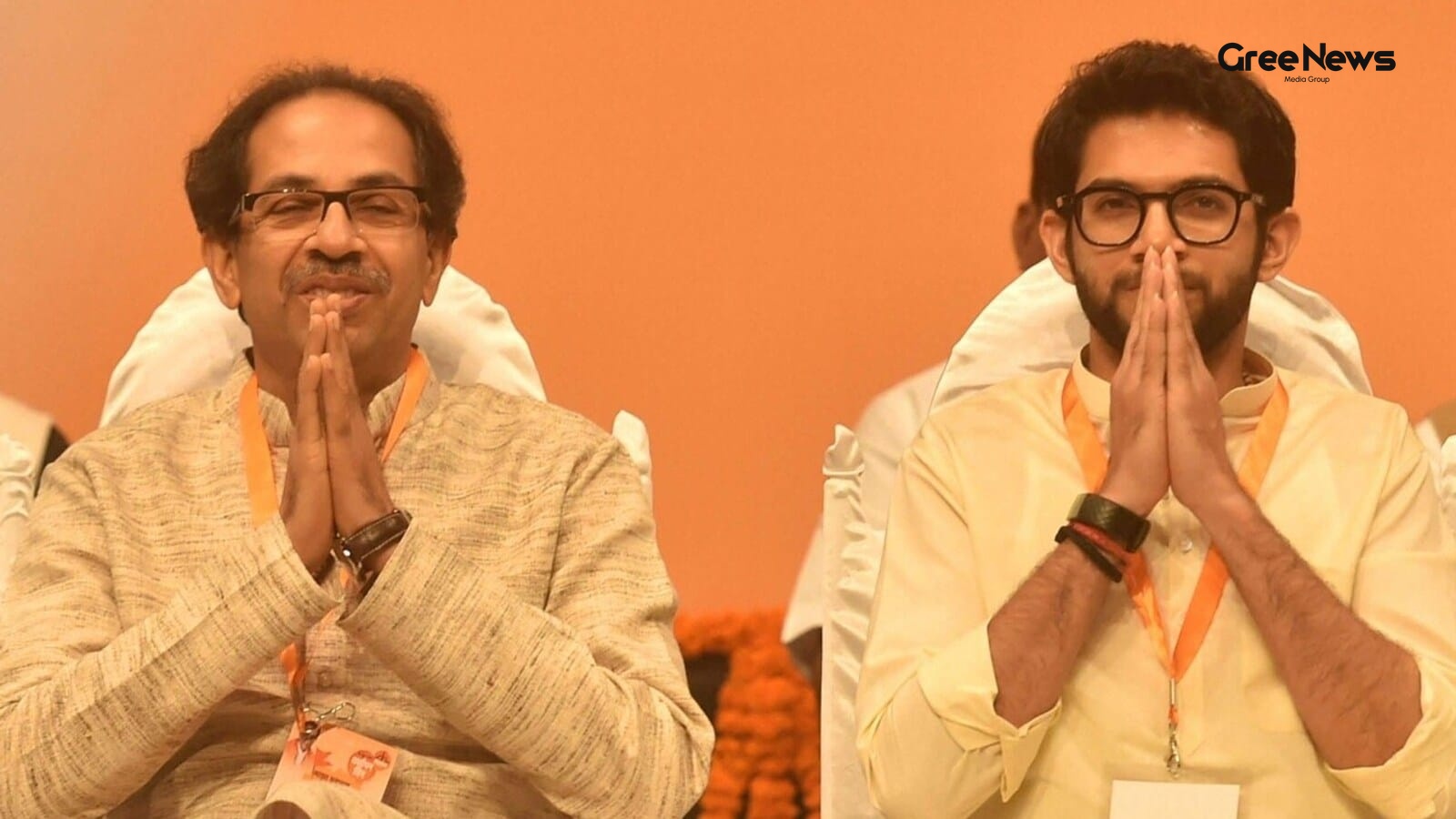
Shiv Sena (UBT) Facing Potential Loss of Office Space in Parliament
The whole situation with Shiv Sena (UBT) facing potential loss of office space in Parliament complex seems to be boiling over. Six Lok Sabha MPs have actually jumped ship, joining Eknath Shinde’s camp within the party structure. But here’s the rub: Speaker Om Birla hasn't made any call yet about thi
Jun 25, 2026 by Gree News Team
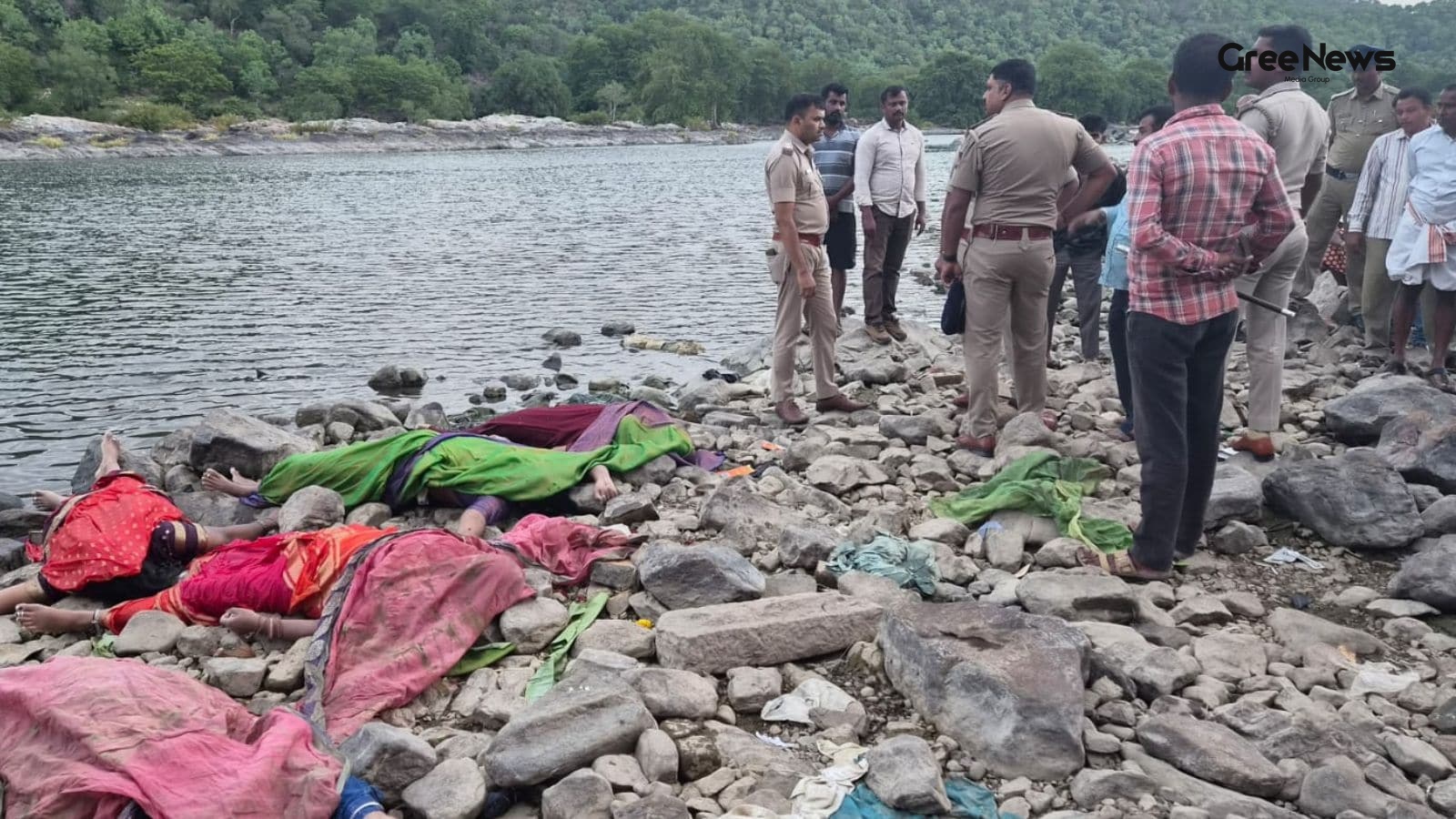
Tragedy on the Cauvery River: Five Lost in Drowning
It happened near Muthathi. A real tragedy, really. Five people lost. Four women, drowned in the Cauvery River on a Wednesday evening. It was all down there at this popular tourist spot near Halaguru in Mandya district. Just an awful end to what was supposed to be a simple trip. The names floating ar
Jun 25, 2026 by Gree News Team

Messi's World Cup Journey and a Defining Moment
Messi was celebrating his 39th birthday with the national team while the World Cup dragged on in the USA. Just another chapter added to his legendary career, you know? The genius from Rosario, who won that crown back in '22 he’s sitting at the top of the goal-scorers list for this tournament now. He
Jun 25, 2026 by Gree News Team
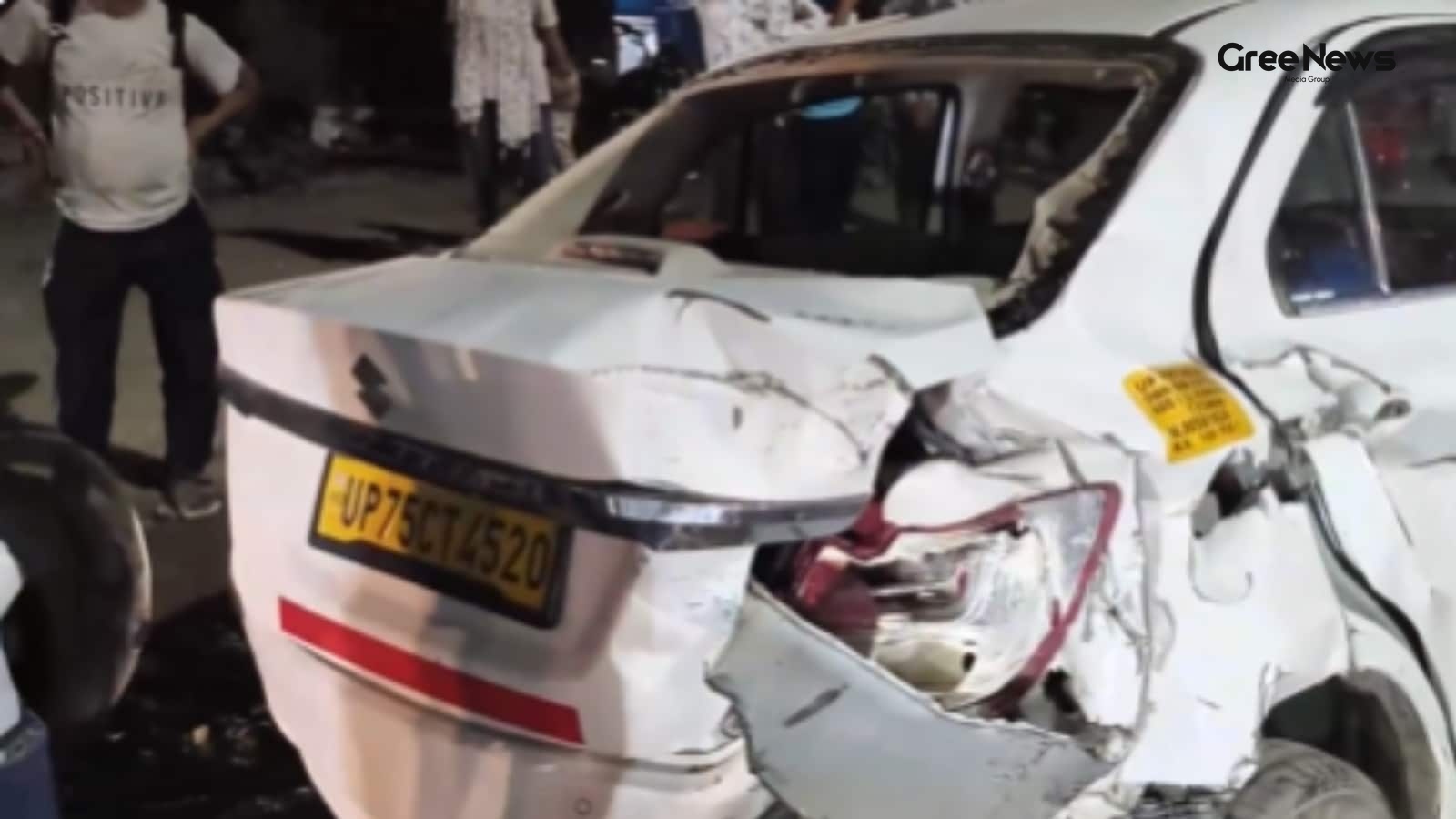
Fatal Bus Accident and Investigation near Nand Nagri Bus Depot
One person died. Three others got hurt. That’s what happened near the Nand Nagri Bus Depot on Wednesday night after a bus just completely slammed into some vehicles. Police are talking about it now. It was around nine thirty, they said. Late. Things happen fast like that. You see the scene, and it’s
Jun 25, 2026 by Gree News Team