The Economic Reality of Creative Compensation in India

The noise started small, really. Just one post, something from a guy in Dubai an advertising executive, that’s who he was and it kicked off this whole messy conversation about money in India’s creative scene. It wasn't some polished economic report. It was just an observation bleeding into LinkedIn feeds. He asked a question, simple maybe, but heavy with implication: are copywriters in Mumbai getting paid enough? Has that compensation managed to keep up at all over the last two decades?
It immediately snagged attention. Not from some official economic body. From actual people who were living those realities. The silence around it was thick, you could almost taste the frustration hanging in the air. It wasn't just about a few rupees; it felt like an indictment of how the system handled talent and time.
The executive himself had history there. He mentioned he’d been in Mumbai before landing in Dubai. That context mattered. You start thinking about the sheer distance between where people are and what they earn .
He dropped a specific piece of data, something concrete, which made the abstract problem suddenly feel very real. He recalled his own numbers. Last month, December 2004? His monthly take-home was sixty thousand rupees in Dubai. A solid figure then. But he pivoted right back to Mumbai, drawing a stark line across twenty-two years of professional life.
“Twenty-two years have passed,” he wrote. “And even today, the salary level for a copywriter in Mumbai, with similar experience, is almost the same number.”
That statement hung there. It wasn't an accusation shouted from a podium. It was just a quiet, undeniable observation of stagnation. The gap between what money should be and what it actually is . It framed something deeply uncomfortable about career progression in that city.
And then you had the numbers piled on top of that feeling. Shantesh, another voice chimed in, bringing in the context of the environment itself. He pointed out where the real pressure point was. The cost of living. That’s where things got brutally expensive over those two decades. It wasn't just about stagnant wages; it was about a relentlessly rising tide of expenses.
He brought up inflation. Between 2004 and now, between 2026? He estimated the cumulative inflation in India jumped by somewhere between 200% to 220%. Two hundred percent! That’s massive. It means the basics the rent you pay for a place to live, the food you eat every day, the transport just getting you around those things weren't static. They ballooned relentlessly. Everyday essentials became significantly more expensive.
This is where the comparison got sharper. The post forced everyone to look at two moving targets: salaries and expenses. Did the creative sector salary growth keep pace with that twenty-two percent hike? Or did it lag behind? It raised those big, nagging questions about whether talent was being rewarded fairly, or if professionals were simply being squeezed by the sheer cost of existing in a major metropolitan hub like Mumbai.
The conversation didn't stay limited to the initial post. Within hours, other professionals flooded the space. People who had lived that experience those who navigated the corporate and creative landscape in Mumbai started weighing in. It wasn’t just abstract theory anymore; it became personal testimony.
One comment hit hard. It cut right through the noise of market rates and brought it down to a fundamental principle: expertise doesn't always translate into cash. Someone wrote something like, “The worst part is that experience and expertise don’t count for anything.” And then they pointed out the mechanism. If you try to move up, if you aim for those bigger companies, what do they actually demand? They ask for your previous CTC. They want to see how much they can slash their budget down while still paying you something remotely acceptable. Or worse, they just want to know what you actually deserve in the market. It felt like a cynical reminder that history your past salary is often used as a baseline rather than an indicator of current value or potential.
This brought up another layer entirely: agency economics. This part was where things got really messy and less neat. Another user jumped in, talking about fees. They noted something equally staggering. The cumulative deflation of agency fees over that same period 200% to 300%, maybe even more. Fees were shrinking dramatically for the agencies themselves. But then they made a sharp contrast. “The opposite is true of agency CXO salaries though.” That’s the kicker, isn't it? While transactional costs plummeted, the paychecks for the top brass the C-suite executives running those operations kept climbing. It suggested a bizarre divergence in how value was being distributed within the industry structure.
It highlighted that some parts of the business were contracting severely, while others, the leadership tier, were insulated or even benefiting disproportionately. It wasn't a smooth narrative; it was a jarring contrast between operational cost and executive reward.
Then you got the call for action. The frustration moved from observation to demand. A third person stepped into the fray, not just describing the situation but articulating what needed to be said louder. They called out that uncomfortable truth everyone was circling around needs to stop being whispered in hallways and start being shouted from the rooftops.
“Until agencies and clients acknowledge,” this person argued, “that fair pay is the absolute foundation of good work, we’re just going to keep losing brilliant creatives.” That line carried a weight. It wasn't about personal finance anymore; it was about industry survival. It felt like an appeal for moral accountability. The implicit argument here was that if you don't value the talent generating the creative output, you are guaranteed to lose that talent to industries somewhere else that do recognize its worth.
It all blurred together then. The initial post about a single salary figure became an entire ecosystem of frustration. It wasn’t just math. It was a reflection on power structures, historical valuation methods, and the sheer economic squeeze faced by people trying to build a career in one of the most competitive creative hubs in Asia.
You see, it's not a simple equation. It’s layers upon layers of pressure. The inflation eats away at purchasing power. Agency fees deflate while executive pay remains stubbornly high. And experience, that supposed golden ticket, often gets tossed aside for a historical number on an application form.
The conversation spiraled from a single LinkedIn post into a deep dive into the systemic issues. It pulled in the reality of how talent is valued or devalued in the current economic moment. The urgency wasn't just about making more money tomorrow. It was about recognizing that the foundations of creative work, the compensation structures, were fundamentally broken or severely misaligned with reality.
People weren’t just sharing anecdotes; they were articulating a shared sense of being overlooked. There was this underlying feeling a collective realization that brilliance wasn't enough if the infrastructure around it didn't support its creators adequately. It became less about individual negotiation and more about demanding a fundamental shift in how value is calculated, acknowledged, and distributed across the creative economy.
The post, initially a simple query, morphed into something far larger. It became an accidental public forum where real-world economic friction was laid bare under the harsh light of social media scrutiny. And that's the strange part about these things. They don’t follow any neat timeline. There are no clean resolutions. Just this messy, ongoing negotiation happening in real time, driven by people who have lived it, trying to force a conversation about what "fair" actually means when inflation is running wild and value seems determined by old numbers rather than current skill. It just keeps moving, doesn't it? A slow, uneven drift toward demanding something more honest.
Written by Gree News Team — Senior Editorial Board
Gree News Team covers international news and global affairs at Gree News. Our collective of senior editors is dedicated to providing independent, accurate, and responsible journalism for a global audience.
More from Top News
View All
Stability vs. Paycheck: Navigating Salary Hikes in the IT Market
For a lot of people in the tech world, a big salary hike just sticks in your head. It’s hard to ignore that kind of money. But then you see stuff like this one guy from Bengaluru talking about stability versus chasing the biggest paycheck, especially when the whole IT market feels so shaky right now
Jun 25, 2026 by Gree News Team

Why a Lawyer Decided Not to Sue a Friend for Money
A lawyer from Bengaluru recently posted something that really made you stop and think about money and friendships. She talked about why she decided not to take legal action against a friend who still owed her five lakh rupees. She admitted that even though she absolutely had every right to go to cou
Jun 25, 2026 by Gree News Team

The Internal Static: Understanding the Noise of Reality
The silence hit first. Not the absence of sound, you know? That’s different. It's when everything stops moving, and suddenly your own head is just… noise. A buzzing. An internal static that gets louder, faster than anything outside. It started subtly. A low hum under the floorboards. Then nothing. J
Jun 25, 2026 by Gree News Team
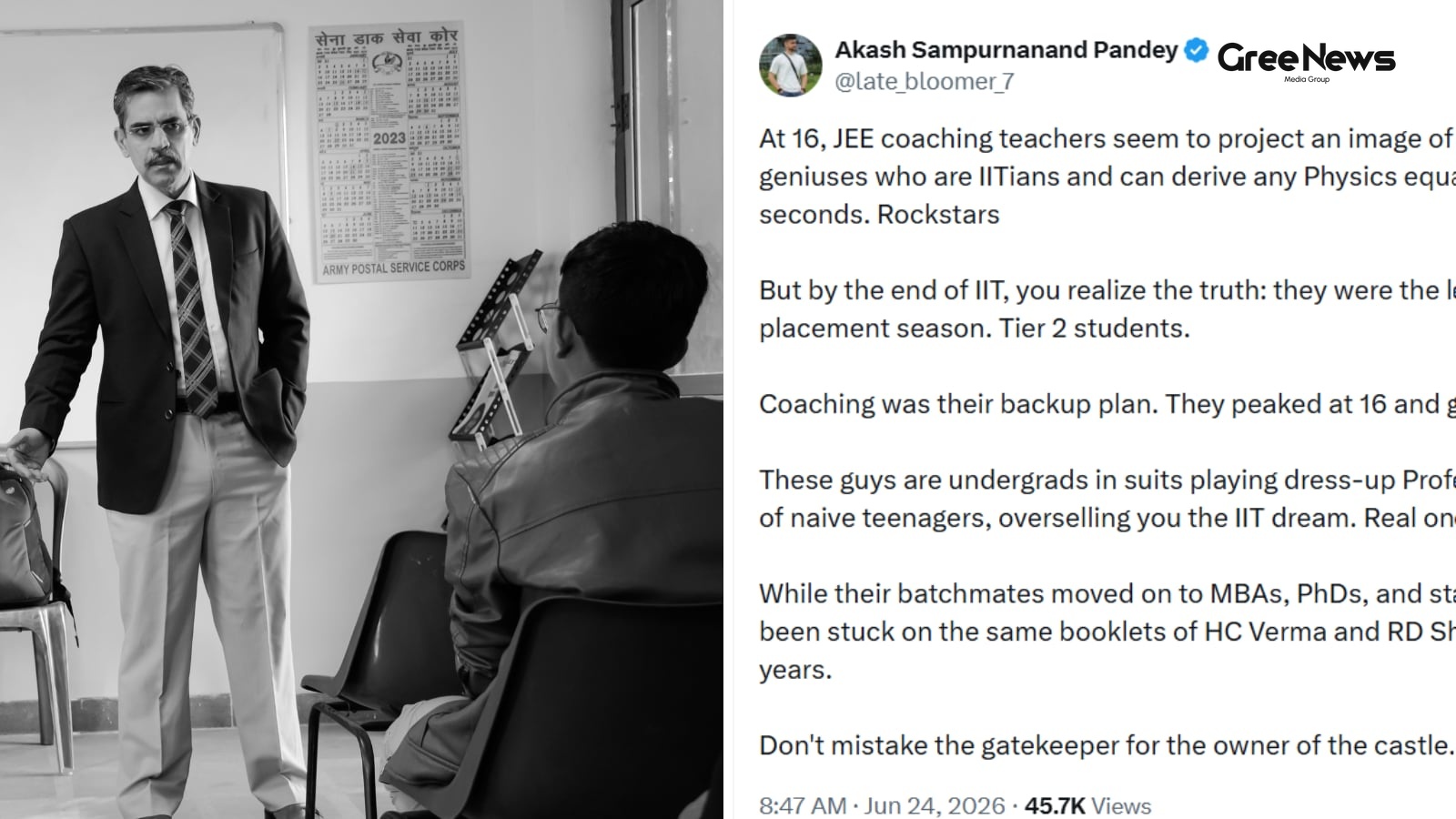
The Debate on Meritocracy and Authority in Education
The online space, always that chaotic melting pot of opinions, immediately combusted when Akash Sampurnanand Pandey dropped his comments. It wasn’t some neatly packaged academic critique; it was raw, almost angry observation tossed into the digital ether by a recent IIT-BHU graduate. The subject? JE
Jun 25, 2026 by Gree News Team
Latest Headlines

The Impact of Jet Fuel Costs on Airfares and Global Supply
Air travellers are definitely going to see higher ticket prices coming up with the summer rush. This is based on industry estimates right now. The whole situation hinges on jet fuel costs. They’re still under pressure, stuck between geopolitical tensions and those refinery constraints we keep hearin
Jun 25, 2026 by Gree News Team
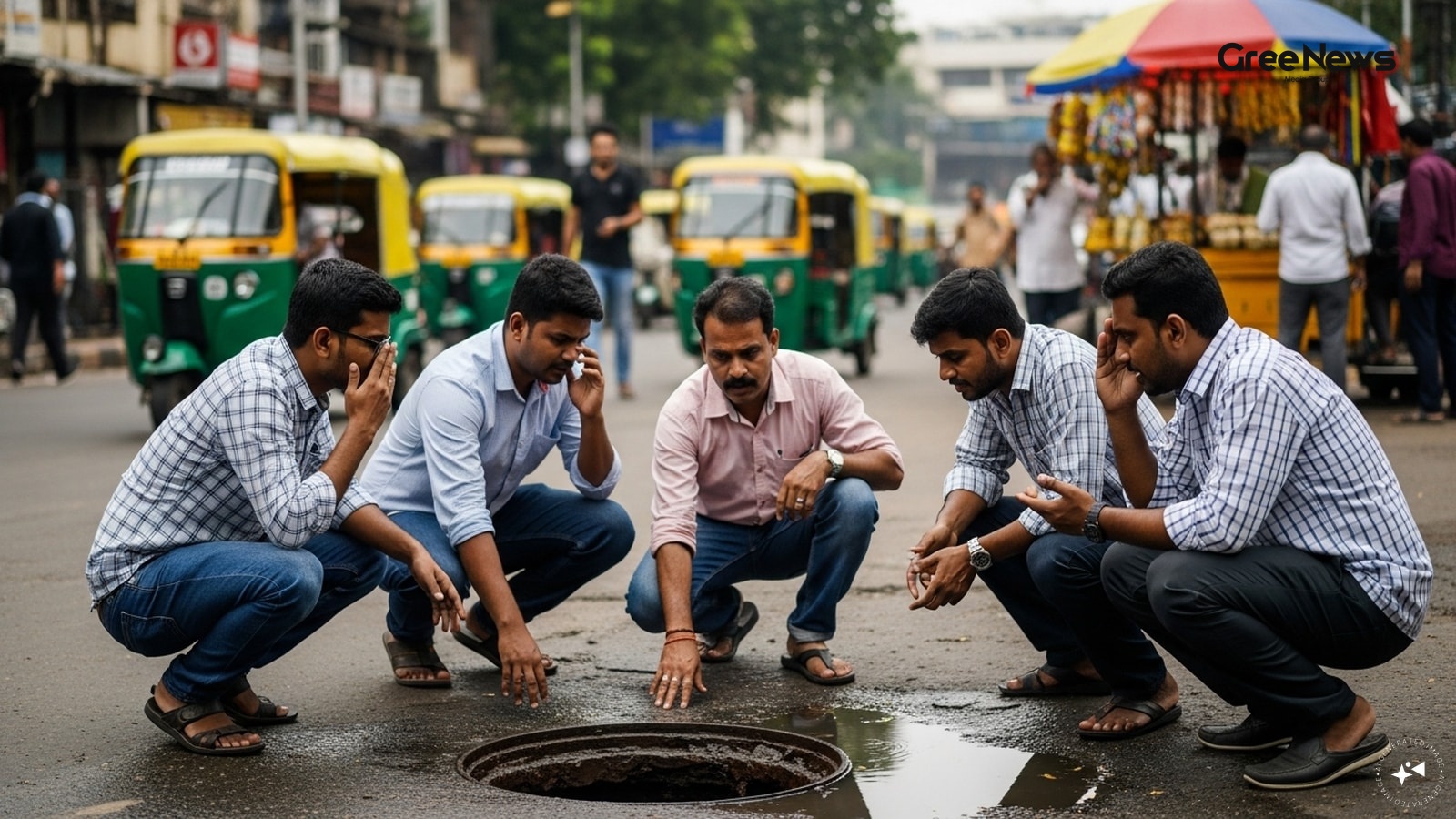
Mumbai Manhole Incident and Civic Responsibility
A man tumbled into a manhole right there, in front of Mumbai Mayor Ritu Tawde. Happened on Wednesday. She was out checking things over in the city, trying to get a feel for what was going on before the monsoon really hit. It wasn't exactly pleasant stuff. The whole thing immediately got caught on ca
Jun 25, 2026 by Gree News Team

The Best Food Storage Containers for Your Kitchen
You know, getting your kitchen sorted? It really comes down to those little things. Storing pulses, cereals, keeping fruits fresh these food storage containers aren't just some fancy gadget; they help you organize everything without blowing your budget. It makes a huge difference in how you use your
Jun 25, 2026 by Gree News Team

The Titan Story: Leadership, Spirit, and the Vision of India
Made In India. It’s a series. It really tells something about the spirit of India, you know? That stubborn attitude. The sheer energy that just binds everything together. It celebrates the people who actually create wealth. They are the engine behind all this growth. It’s refreshing how they tell it
Jun 25, 2026 by Gree News Team
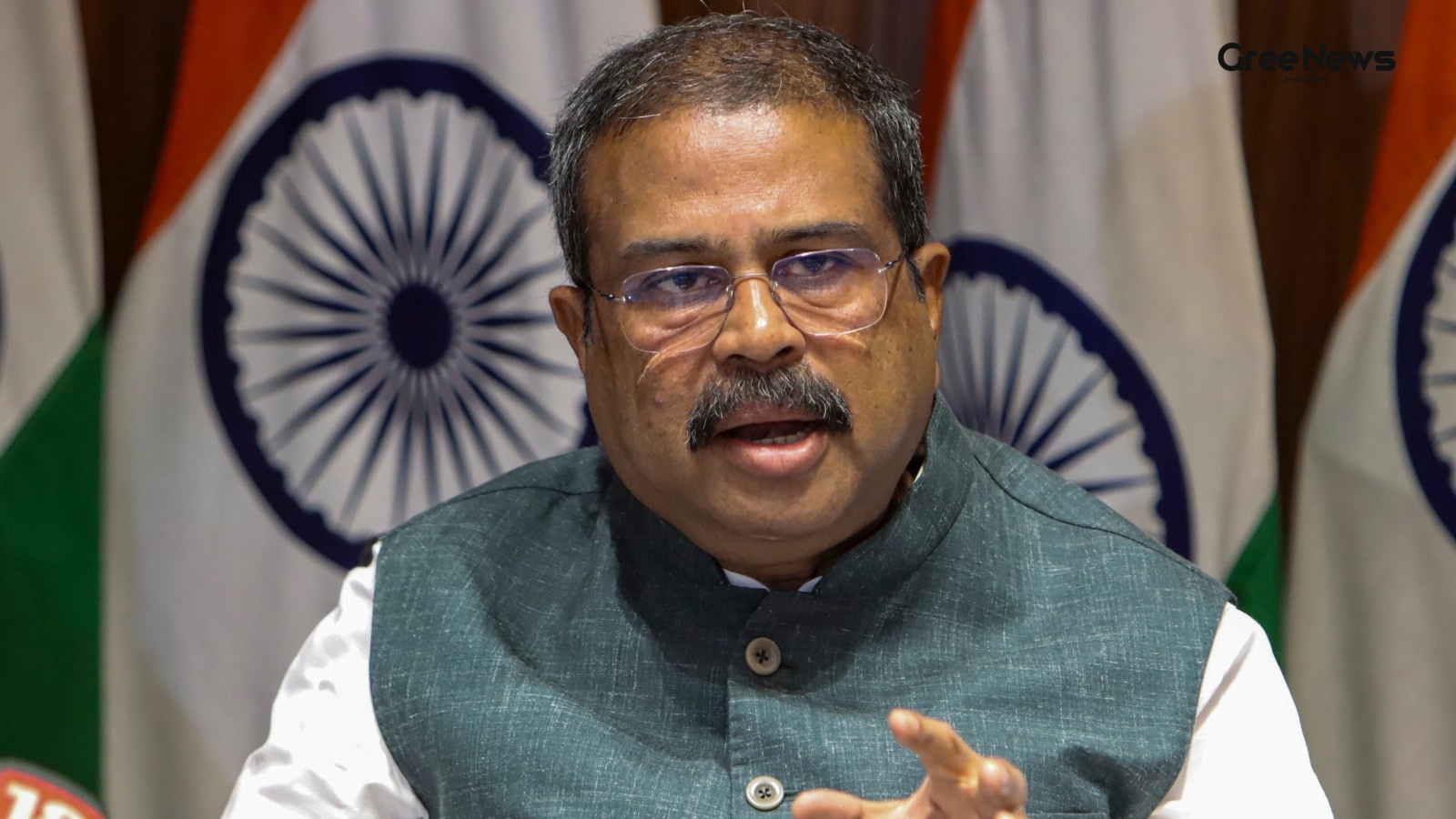
Dharmendra Pradhan on NEET Exam 2026 and Re-examination
Dharmendra Pradhan, Union Education Minister, admitted things went wrong with the NEET exam 2026. It was cancelled because of those paper leaks. But he insisted the central government moved fast. They fixed what went wrong and managed to hold that re-exam successfully. When talking about it, Pradhan
Jun 25, 2026 by Gree News Team
Stability vs. Paycheck: Navigating Salary Hikes in the IT Market
For a lot of people in the tech world, a big salary hike just sticks in your head. It’s hard to ignore that kind of money. But then you see stuff like this one guy from Bengaluru talking about stability versus chasing the biggest paycheck, especially when the whole IT market feels so shaky right now
Jun 25, 2026 by Gree News Team
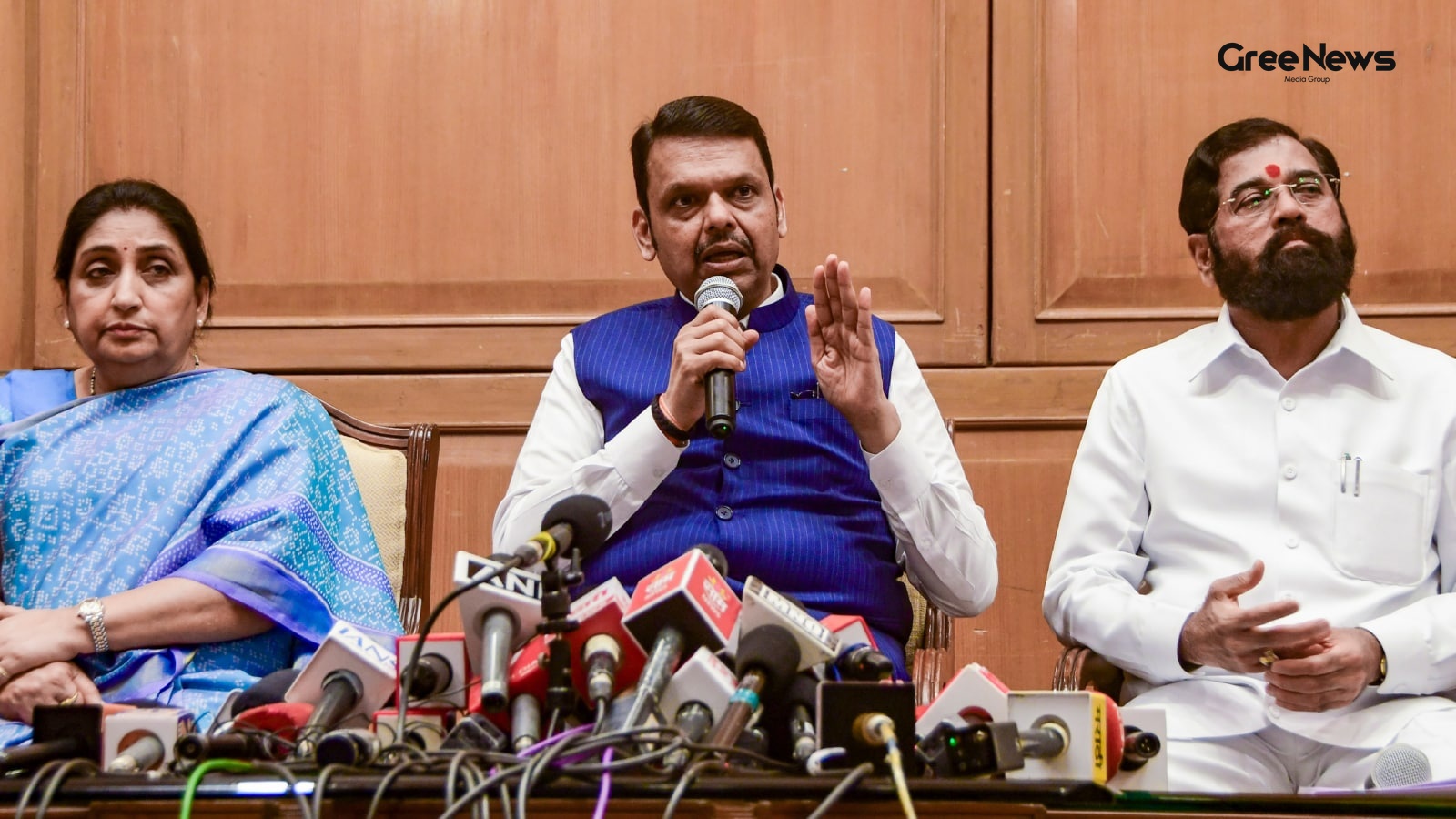
Mandating Birth Dates on Wedding Invites in Maharashtra to Combat Child Marriage
Alarm bells are ringing in Maharashtra over child marriage rates across the districts. The state government is now looking at something kind of radical: making it mandatory to print the bride and groom’s birth dates right on those wedding invitation cards. It's an idea that got sparked by what’s hap
Jun 25, 2026 by Gree News Team

Bear Attacks in Tokyo: Anti-Bear Spraying and New Deterrent Methods
That Tokyo suburb story it’s getting serious. Five deaths and twenty injuries from bear attacks since April through May. That kind of pressure leads somewhere. So now they’re talking about spraying things. Installing seven hundred anti-bear sprays in schools and community spots. A big move, trying t
Jun 25, 2026 by Gree News Team

OLED vs QLED: The Ultimate Guide to TV Tech and Mixer Grinder Buying
Buying a premium TV used to be simple enough. You picked a size, found a brand you felt okay about, and stretched your budget until you were comfortable. Now? It’s a total headache. You spend more than seventy thousand or eighty thousand rupees on a screen, and suddenly they want you to pick between
Jun 25, 2026 by Gree News Team
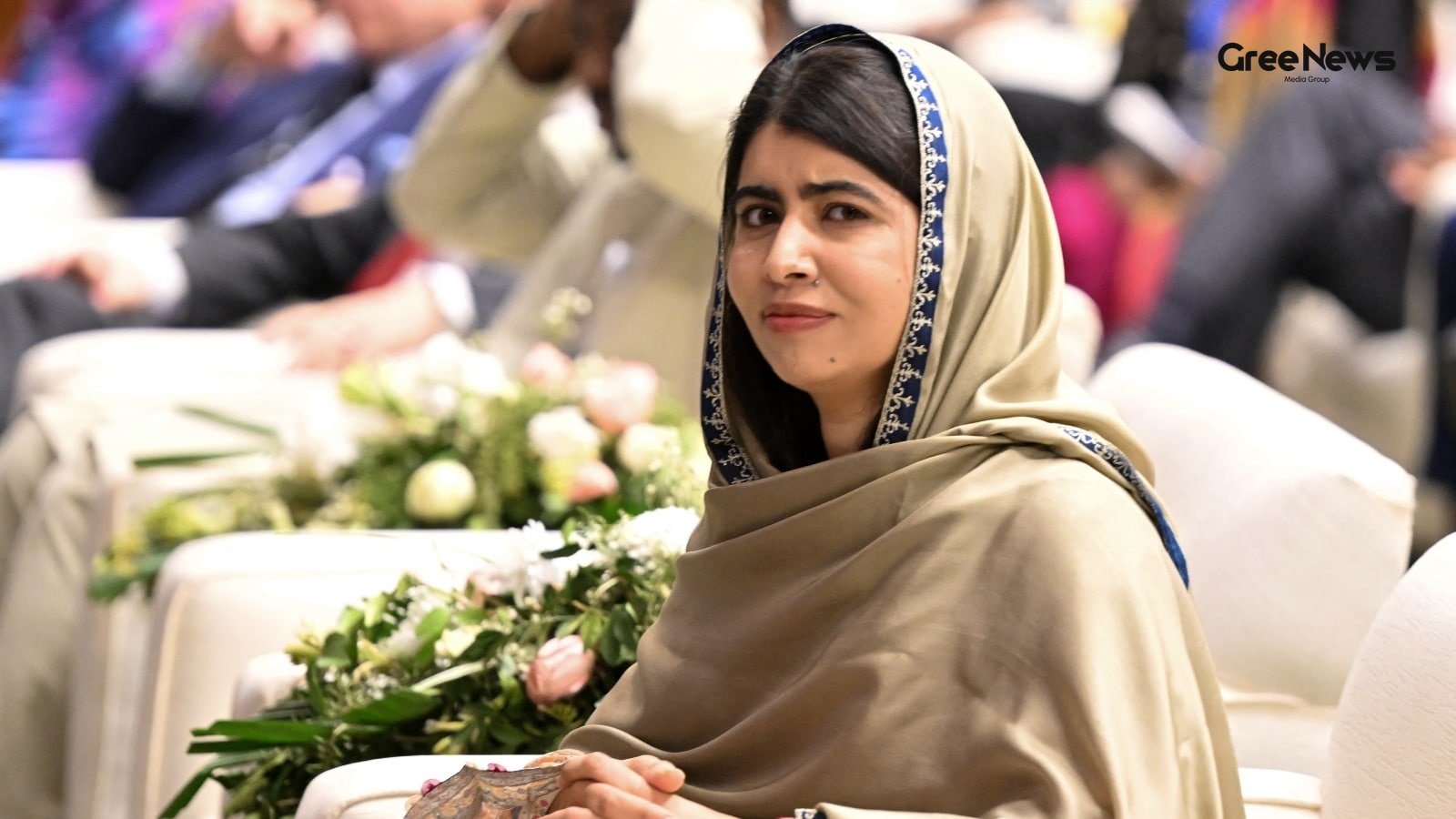
Malala Yousafzai and the Conflict: Gender Rights vs. Migration Talks
Malala Yousafzai, the Nobel laureate, really hammered the European Union over this whole situation in Brussels. She said they hosted a Taliban delegation for talks, and she was furious. Her core message, the thing that stuck with everyone, was that any conversation with the regime has to centre on t
Jun 25, 2026 by Gree News Team
Why a Lawyer Decided Not to Sue a Friend for Money
A lawyer from Bengaluru recently posted something that really made you stop and think about money and friendships. She talked about why she decided not to take legal action against a friend who still owed her five lakh rupees. She admitted that even though she absolutely had every right to go to cou
Jun 25, 2026 by Gree News Team

Joseph Vijay Birthday Rumors and Cryptic Social Media Post
C Joseph Vijay turned fifty-two on June 22. Big birthday celebration kind of happened. People on social media were throwing wishes fans, celebs, politicians, everyone was sending messages about it. But right in the middle of all that noise, there was this weird buzz starting up. Rumors flying around
Jun 25, 2026 by Gree News Team
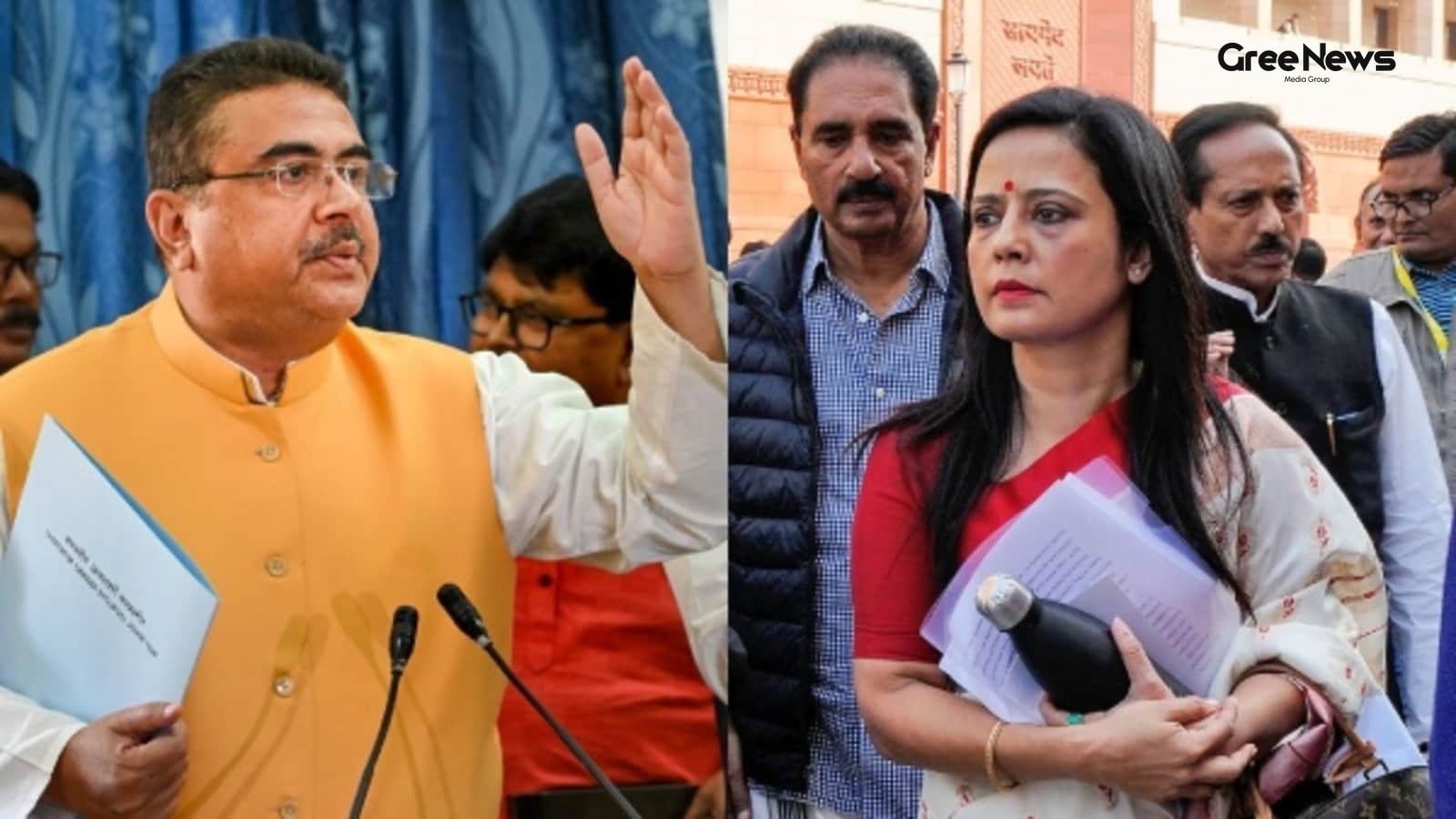
Mahua Moitra's Stance on Political Relationships and Internal Party Conflicts
Mahua Moitra is pushing back now about what some are saying. It’s all about her stance concerning Chief Minister Suvendu Adhikari, and she’s insisting that some clip floating around on social media was just taken out of context. This whole thing kicked off because some commentator on X, the one usin
Jun 25, 2026 by Gree News Team

Best Self-Emptying Robot Vacuums and Mixer Grinders
If you’ve ever done that swept the floor in the morning only to find dust and crumbs back by evening you probably wonder if a robot vacuum can actually fix anything. It really depends on your home, not just the machine itself. A small apartment has totally different cleaning demands than a busy hous
Jun 25, 2026 by Gree News Team

Investigation into the Murder of Ketan Vishal Agarwal
The murder of Ketan Vishal Agarwal, that Pune real estate director twenty-six it just ripped through the business crowd in Maharashtra. It wasn't an accident, not really. It looked like a stupid slip during a weekend trek down at Lohagad Fort. A four-hundred-foot plunge. But the Lonavala Rural Polic
Jun 25, 2026 by Gree News Team