Computer Science Engineering vs Information Technology: Which Path is Right for You?

Look, most students who finish their 12th Science and decide to jump into a B.Tech path end up looking at Computer Science Engineering versus Information Technology . It’s a massive choice, and honestly, it’s tough. Everyone assumes these two deGrees are just interchangeable because they both involve computers and coding. But that assumption? It doesn't hold water. The actual focus, the way you learn things, and where you end up professionally that’s where the real difference lies.
We’re living in this digital age now. Both CSE and IT definitely offer killer job prospects; the demand is huge. So what’s the actual pivot? Are you more driven to build something completely new, or do you prefer wrestling with existing systems? Managing infrastructure, networks, figuring out how business actually uses that technology? That split matters a lot for your future trajectory.
So let’s try to figure out what these fields actually mean. How are they different in terms of syllabus and where the money is going to be?
Computer Science , it really digs into the nuts and bolts of how computers think. It’s about theory algorithms, data structures, programming languages like C++, Java, Python. It's pure innovation. If you want to build operating systems, design new languages, or dive deep into stuff like AI and Machine Learning, CSE is your foundation. It’s software creation.
Meanwhile, Information Technology pivots toward the practical application of technology within organizations. IT professionals are focused on making sure existing hardware and software actually work smoothly. Think managing databases, setting up networks, handling cloud systems, and locking down security. It’s less about inventing the core logic and more about implementing solutions for business problems right now.
The roles diverge quite clearly there. CSE graduates often lean toward development software engineers, AI researchers, data scientists. They are chasing that creation space.
IT grads, on the other hand, find themselves in areas like network administration, cybersecurity specialist work, managing cloud infrastructure, or being a database administrator. They focus more on system functionality and security implementation.
For the first couple of years of B.Tech? Things look pretty similar. You cover some core programming basics in both tracks. But that divergence really kicks in later on when you start specializing.
Look at what they actually study. CSE throws heavy emphasis on things like Operating System Design, Compiler Design, and deep theory around computation. That’s the architecture stuff. Data Science creeps in there too.
IT subjects lean heavily into implementation details: Database Management Systems, Computer Networking that's huge Cybersecurity, Web Development, and Cloud Computing features prominently. These IT topics are directly tied to what companies need today . They are immediately relevant business applications.
This difference flows straight into career paths. After CSE , you’ve got the heavy hitters: Software Developer/Engineer, AI/ML Researcher, Data Scientist, System Programmer. Those roles demand that deep coding and theoretical knowledge.
Then there’s IT . You look at Network Administrator, Cloud Systems Engineer, Cybersecurity Specialist, Database Administrator, or an IT Consultant role. These are roles focused on managing the technology ecosystem itself.
And money? Both paths pay well. But usually, those who focus purely on software development the CSE crowd tend to command slightly higher starting salaries because there’s such intense demand for pure coding talent right out of the gate.
We’re talking about a wide spectrum. Fresh grads from either track can start earning between four and eight lakhs per year. If you land at a really top college, those numbers jump up; we’re seeing packages hitting fifteen to twenty lakhs annually or more sometimes.
As people gain experience say, four or five years on the job the salaries scale up dramatically. We see figures ranging from fifteen lakh to thirty lakh per annum easily. If you manage to specialize in a niche area, like cutting-edge AI or specialized security protocols, that growth can really explode beyond those marks.
Ultimately, it boils down to where your natural interest sits. Do you love the abstract world of algorithms and building novel software? That points strongly toward Computer Science Engineering . Or are you more drawn to managing the systems the networks, the security layers, the cloud infrastructure and applying that technology directly to solve real-world business problems? Then Information Technology might be the better fit for you. It’s about finding where your specific strengths align with what the market actually needs right now.
Written by Gree News Team — Senior Editorial Board
Gree News Team covers international news and global affairs at Gree News. Our collective of senior editors is dedicated to providing independent, accurate, and responsible journalism for a global audience.
More from Education
View All
Controversy Surrounding the New Class 6 Kannada Textbook and Karnataka's Cultural Identity
The noise around the new Class 6 Kannada textbook, *Krishna*, is getting louder. It’s not just a book being published; it feels like a flashpoint for something much bigger about how Karnataka actually sees itself its culture, its language, everything. The People’s Alliance for Fundamental Right to E
Jun 25, 2026 by Gree News Team
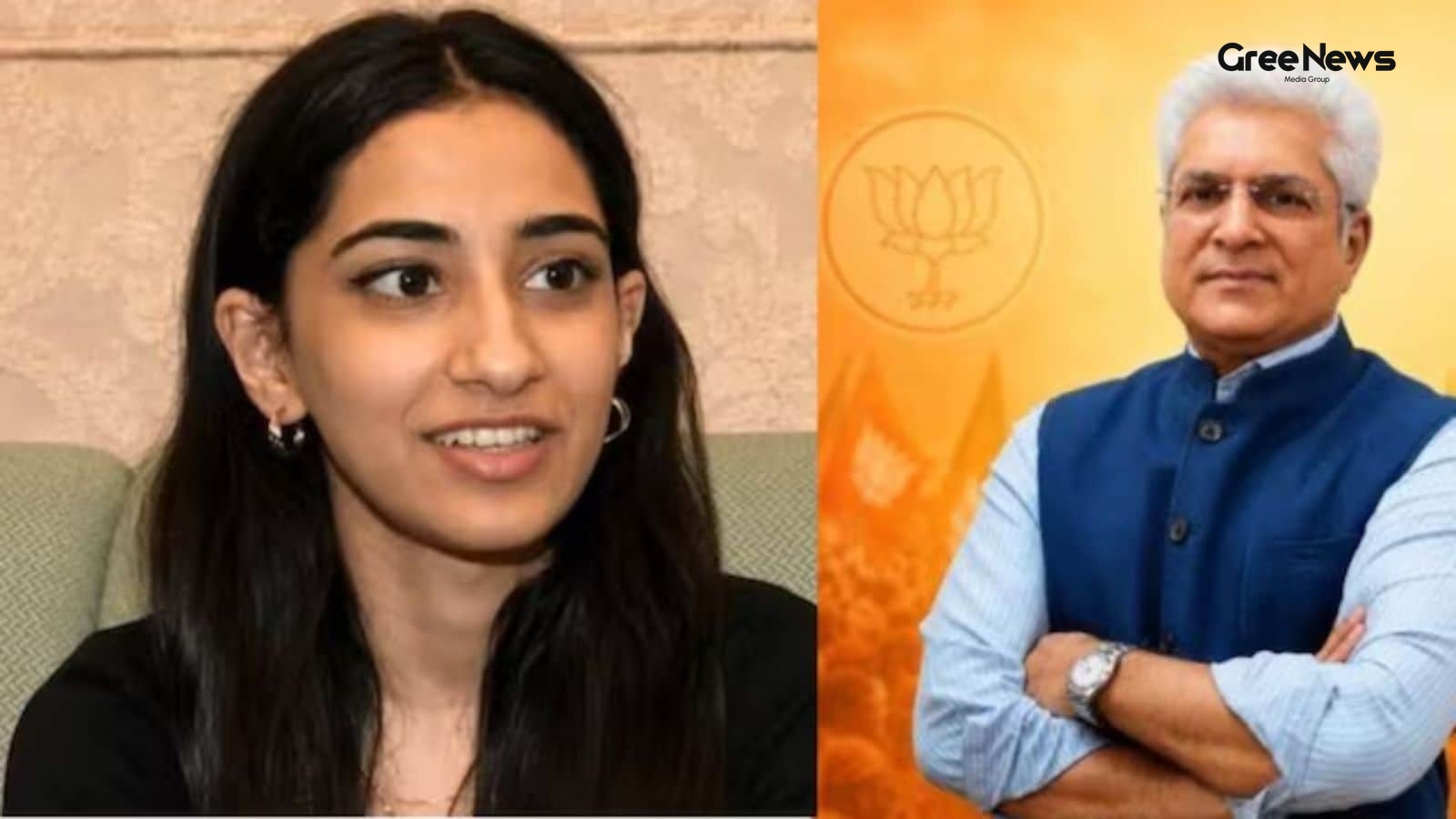
Devina Gahlot's CUET UG 2026 Achievement and Context
Devina Gahlot. Just that name carries a certain weight right now. It’s not just about a test score; it’s this whole massive public spectacle surrounding how things are going the sheer scale of it all. She snagged the top spot in the Common University Entrance Test, the CUET UG 2026 results. That num
Jun 24, 2026 by Gree News Team
New CBSE Policy for Private Students Affected by Class 12 Exam Cancellations
The Centre basically told the Supreme Court something on Monday. It was about a new policy CBSE brought in. This policy deals with private students who got hit by the cancellation of their Class 12 board exams in Gulf countries, all because of that recent Iran-US mess. A bench Justices S V N Bhatti
Jun 23, 2026 by Gree News Team
NEET UG Re-exam Guidelines and Rules for Sunday, June 21st
The National Testing Agency just dropped some serious guidelines for the upcoming NEET UG re-exam set for Sunday, June 21st. It’s a lot to keep track of. Students need to be ready for specific requirements right from the start. They have to bring essential papers the original admit card with photos
Jun 21, 2026 by Gree News Team
Latest Headlines
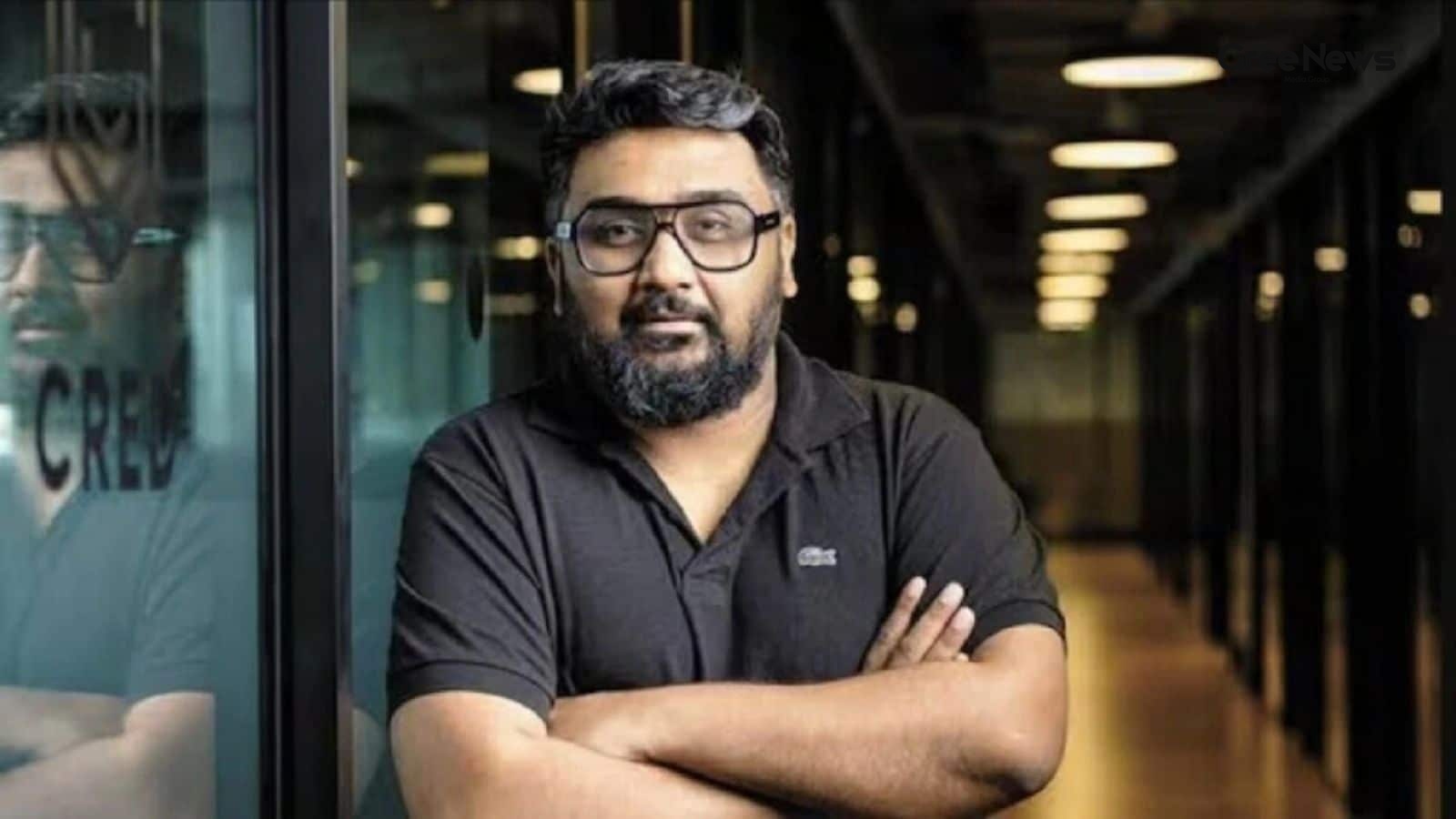
The Shift in Big Tech Leadership: From Managers to Founders
Meta bringing Kunal Shah in as the global head of WhatsApp. It’s more than just swapping out a name at one of the biggest messaging platforms in the world. This feels like something bigger is happening, right? It signals a real shift. How Big Tech thinks about hiring now. Forget the old playbook of
Jun 25, 2026 by Gree News Team

Investigation into Ketan Agarwal’s Murder
The investigation into Ketan Agarwal’s murder really started digging into the backgrounds of the two people involved his fiancée Siya Goyal and her lover Chetan Chaudhary. It wasn't just about finding a killer anymore; it became about understanding how those two actually connected, or failed to conn
Jun 25, 2026 by Gree News Team

The Secret to Fluffy Omelettes: Priyanka Chopra's Breakfast Hack
What if the secret to that cafe-style fluffy omelette isn't some fancy gadget or skills you need? What if it’s just something hiding in your fridge? Priyanka Chopra, Bollywood’s Desi Girl, shared a little hack for making breakfast way better. It sounds simple enough, but this little trick could tota
Jun 25, 2026 by Gree News Team

Mumbai Flooding, Accident, and Civic Neglect
The rain. It just kept coming. Mumbai was drowning under it, you know? Not just a little drizzle. This was serious flooding across the city, low-lying areas turning into stagnant pools where traffic used to be. Overnight, the deluge had been relentless. And on top of all that mess the waterlogging,
Jun 25, 2026 by Gree News Team

Rawalakot Protest: Demands, Allegations, and International Appeal
The air in Rawalakot right now is thick. It’s heavy with something that isn't just the heat or the dust, it’s pure, raw frustration boiling over into a massive protest led by the Joint Awami Action Committee, JAAC. They are out there demanding things jobs, real healthcare, decent education, and some
Jun 25, 2026 by Gree News Team

FIFA World Cup 2026 Group Dynamics and Team Updates
Football fans are really set for some chaos coming up on June 24th or June 25th over there in India. We’re talking about the FIFA World Cup 2026, hosted by the USA, Canada, and Mexico. Six matches lined up. It’s intense. Brazil, five-time champions, they are aiming for that round of 32 qualification
Jun 25, 2026 by Gree News Team
Controversy Surrounding the New Class 6 Kannada Textbook and Karnataka's Cultural Identity
The noise around the new Class 6 Kannada textbook, *Krishna*, is getting louder. It’s not just a book being published; it feels like a flashpoint for something much bigger about how Karnataka actually sees itself its culture, its language, everything. The People’s Alliance for Fundamental Right to E
Jun 25, 2026 by Gree News Team

Career Switch and Financial Planning: The Contract Role Dilemma
Man, you see this post on Reddit about a career switch? It’s all about that guy. Twenty-nine years old. Making thirty-eight lakh a year right now. He got a new offer. Sixty thousand dollars annually. A contract role, apparently. But here's the kicker, isn't it? The money looks good on paper $60k a y
Jun 25, 2026 by Gree News Team
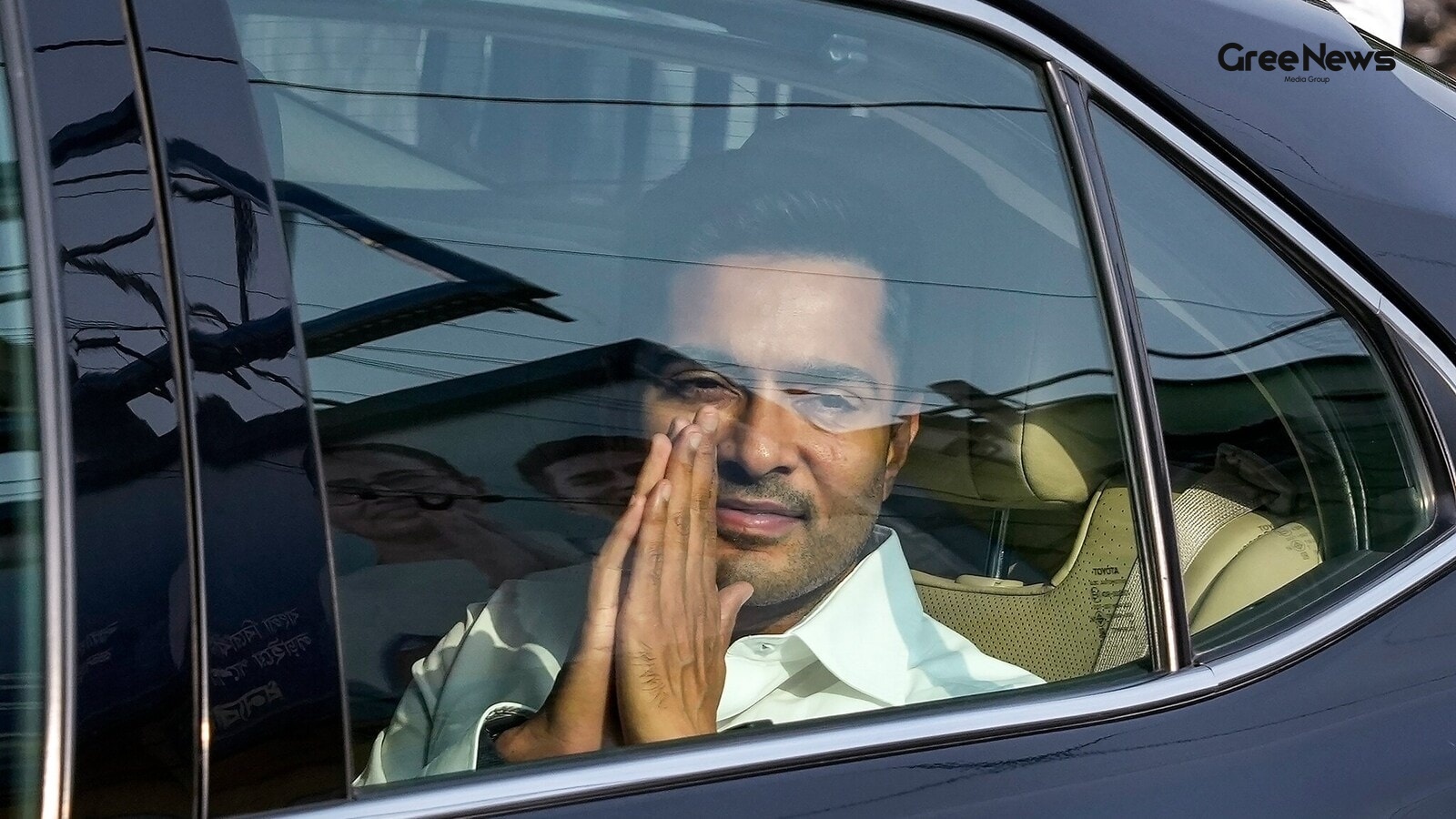
The Legal and Political Scrutiny of Abhishek Banerjee and Financial Investigations
The air around Abhishek Banerjee feels thick lately. It’s not just the usual political noise the constant jostling across the aisle in Parliament, that feeling of being perpetually outnumbered by the opposition bloc, nearly two-thirds sitting against him, it changes everything. It brings a kind of h
Jun 25, 2026 by Gree News Team

The Shillong Teer Lottery: History, Rules, and Winnings
The Shillong Teer lottery. It’s not just some game; it runs daily. Right there at the historic Polo Ground in Shillong, Meghalaya. It’s archery based. That’s the core thing. And it's run by the Khasi Hills Archery Sports Association, or KHASA. They’re trying to keep the tradition alive, you know? Pr
Jun 25, 2026 by Gree News Team

The Impact of Jet Fuel Costs on Airfares and Global Supply
Air travellers are definitely going to see higher ticket prices coming up with the summer rush. This is based on industry estimates right now. The whole situation hinges on jet fuel costs. They’re still under pressure, stuck between geopolitical tensions and those refinery constraints we keep hearin
Jun 25, 2026 by Gree News Team
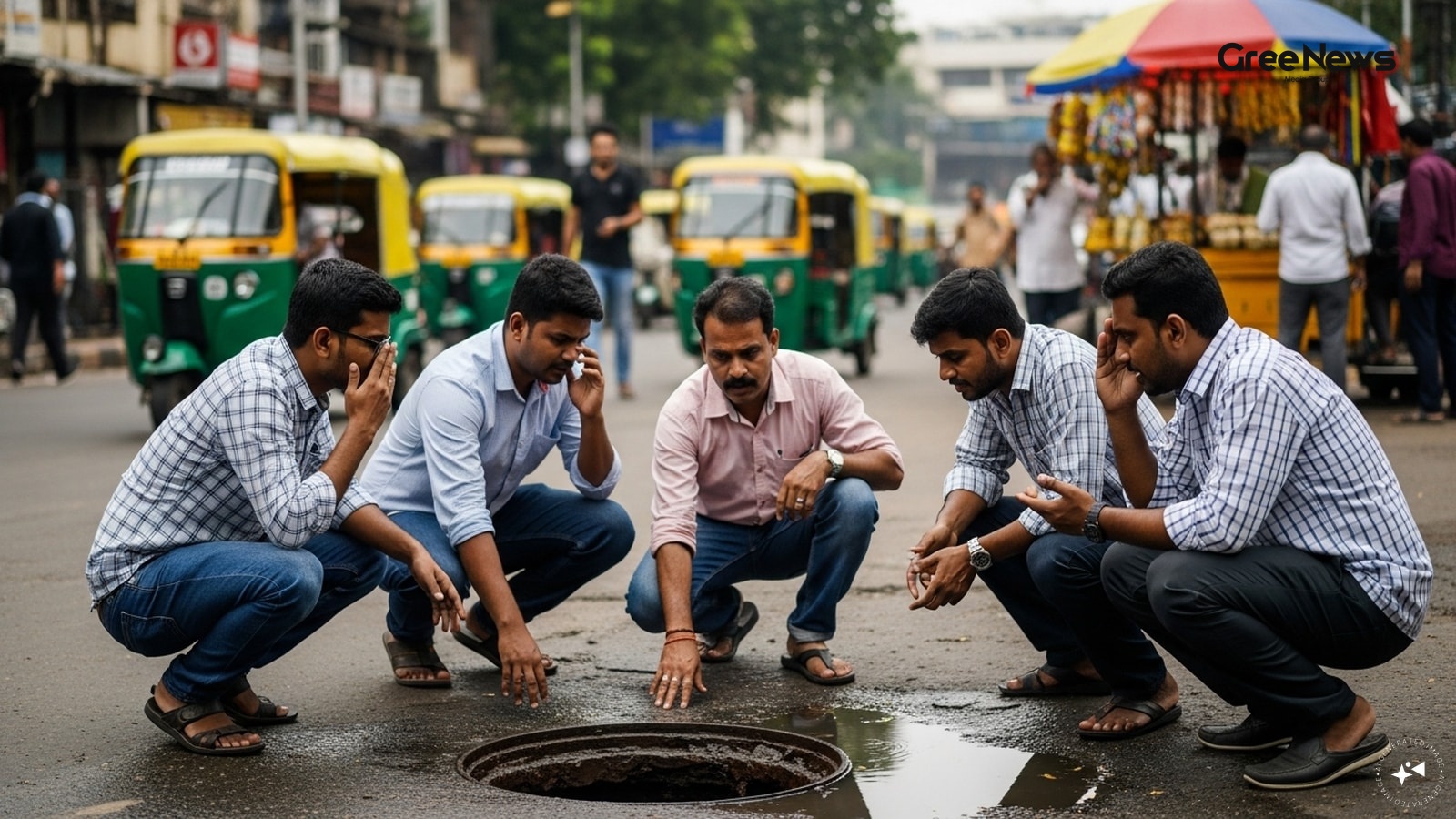
Mumbai Manhole Incident and Civic Responsibility
A man tumbled into a manhole right there, in front of Mumbai Mayor Ritu Tawde. Happened on Wednesday. She was out checking things over in the city, trying to get a feel for what was going on before the monsoon really hit. It wasn't exactly pleasant stuff. The whole thing immediately got caught on ca
Jun 25, 2026 by Gree News Team

The Best Food Storage Containers for Your Kitchen
You know, getting your kitchen sorted? It really comes down to those little things. Storing pulses, cereals, keeping fruits fresh these food storage containers aren't just some fancy gadget; they help you organize everything without blowing your budget. It makes a huge difference in how you use your
Jun 25, 2026 by Gree News Team

The Titan Story: Leadership, Spirit, and the Vision of India
Made In India. It’s a series. It really tells something about the spirit of India, you know? That stubborn attitude. The sheer energy that just binds everything together. It celebrates the people who actually create wealth. They are the engine behind all this growth. It’s refreshing how they tell it
Jun 25, 2026 by Gree News Team
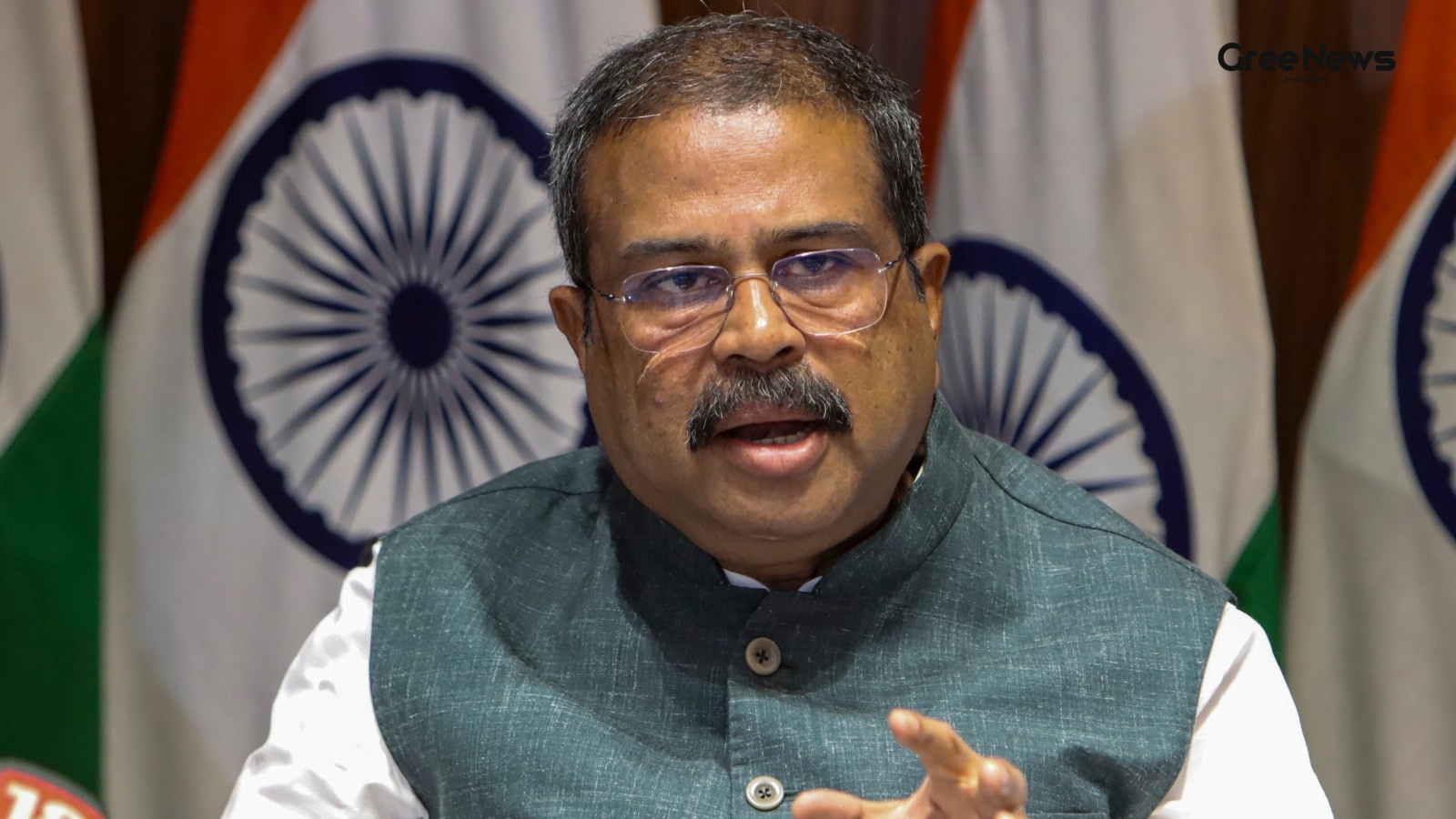
Dharmendra Pradhan on NEET Exam 2026 and Re-examination
Dharmendra Pradhan, Union Education Minister, admitted things went wrong with the NEET exam 2026. It was cancelled because of those paper leaks. But he insisted the central government moved fast. They fixed what went wrong and managed to hold that re-exam successfully. When talking about it, Pradhan
Jun 25, 2026 by Gree News Team