Controversy Surrounding the New Class 6 Kannada Textbook and Karnataka's Cultural Identity

The noise around the new Class 6 Kannada textbook, Krishna , is getting louder. It’s not just a book being published; it feels like a flashpoint for something much bigger about how Karnataka actually sees itself its culture, its language, everything.
The People’s Alliance for Fundamental Right to Education, PAFRE, they’ve thrown their weight around this issue. They aren't just sitting back and watching the curriculum get stamped with NCERT approval; they are actively pushing back against what they see as a profound lack of reflection for Karnataka’s deep cultural tapestry. It’s not subtle.
The core complaint, right from the start, is that this textbook simply doesn’t capture the richness of the state. They argue it fails entirely to represent the incredible diversity woven through Coastal Karnataka, North Karnataka, Malnad, and Old Mysuru. That’s a huge gulf being ignored in something meant for schools.
And then there’s the nutrition lesson. It's another layer of friction, almost petty maybe, but PAFRE is making it clear they won’t let oversimplification slide. The focus seems entirely skewed towards a vegetarian diet. Eggs? Fish? Meat? These are foods that are deeply embedded in the eating habits across so many communities in Karnataka. To omit them feels like an active erasure of reality for the students. It’s not just about balanced nutrition; it’s about acknowledging what people actually eat and live with, right there in their daily lives.
But the title itself Krishna . That gets under the skin immediately. PAFRE is pushing hard on this. They worry that by inserting such overtly religious and mythological elements into mandatory school education, especially under the current framework of NEP 2020, they are opening a door to something far more sensitive. It feels like an imposition, doesn't it? Education should be about grounding students in reality, not layering on specific theological narratives mandated from above.
So what do they want? They asked NCERT for an explanation. Why Krishna ? And then the demands become concrete: rename the book to something that actually speaks to Karnataka’s unique culture. That feels like a reasonable starting point, demanding ownership over the narrative being taught.
And it doesn't stop there with just the content of the text itself. There’s a structural objection too. PAFRE strongly pushed back against the CBSE’s decision to use the same R3 textbook for Class 9. Why that specific choice? They questioned why Karnataka’s own educational body, the Department of State Educational Research and Training DSERT which is supposed to be steering this ship in the state, wasn't involved at all in developing this curriculum material. It felt like a sidelining, an executive decision made far removed from the actual local context.
The fight isn’t just about what goes in the book; it’s about who gets to decide what shapes the educational landscape of Karnataka.
And finally, there is the language policy angle, which ties everything together into a much larger demand for systemic change. PAFRE insists that Kannada needs to be established as either the first or second language in all CBSE schools across Karnataka. This isn't just an academic preference; it’s linked directly to existing state law the Karnataka Kannada Language Learning Act of 2015.
They point out that resources already exist. They mention textbooks like Savi Kannada , Siri Kannada , and even the older Tili Kannada . And they push hard for authorities to just adopt Tili Kannada as the R3 textbook. It’s a request to use what's already there, something familiar, rather than introducing something new that causes this sort of cultural friction.
It’s a tangled mess, really. A book title sparking religious debate, nutritional content causing dietary complaints, and curriculum choices exposing gaps between state authority and educational delivery. All these threads are pulling against the central idea of standardized education for Karnataka. It moves from specific textbook concerns to massive questions about linguistic rights and cultural autonomy.
The urgency in their demands stems from the feeling that decisions are being made at a distance, affecting communities on the ground without meaningful consultation. It’s less about minor syllabus tweaks and more about who controls the story told within those classrooms. That tension between centralized policy and local reality is what PAFRE is trying to force into the spotlight right now. They want recognition, relevance, and genuine participation in shaping how Karnataka is taught.
Written by Gree News Team — Senior Editorial Board
Gree News Team covers international news and global affairs at Gree News. Our collective of senior editors is dedicated to providing independent, accurate, and responsible journalism for a global audience.
More from Education
View All
Computer Science Engineering vs Information Technology: Which Path is Right for You?
Look, most students who finish their 12th Science and decide to jump into a B.Tech path end up looking at Computer Science Engineering versus Information Technology. It’s a massive choice, and honestly, it’s tough. Everyone assumes these two degrees are just interchangeable because they both involve
Jun 25, 2026 by Gree News Team
Devina Gahlot's CUET UG 2026 Achievement and Context
Devina Gahlot. Just that name carries a certain weight right now. It’s not just about a test score; it’s this whole massive public spectacle surrounding how things are going the sheer scale of it all. She snagged the top spot in the Common University Entrance Test, the CUET UG 2026 results. That num
Jun 24, 2026 by Gree News Team
New CBSE Policy for Private Students Affected by Class 12 Exam Cancellations
The Centre basically told the Supreme Court something on Monday. It was about a new policy CBSE brought in. This policy deals with private students who got hit by the cancellation of their Class 12 board exams in Gulf countries, all because of that recent Iran-US mess. A bench Justices S V N Bhatti
Jun 23, 2026 by Gree News Team
NEET UG Re-exam Guidelines and Rules for Sunday, June 21st
The National Testing Agency just dropped some serious guidelines for the upcoming NEET UG re-exam set for Sunday, June 21st. It’s a lot to keep track of. Students need to be ready for specific requirements right from the start. They have to bring essential papers the original admit card with photos
Jun 21, 2026 by Gree News Team
Latest Headlines
The Shift in Big Tech Leadership: From Managers to Founders
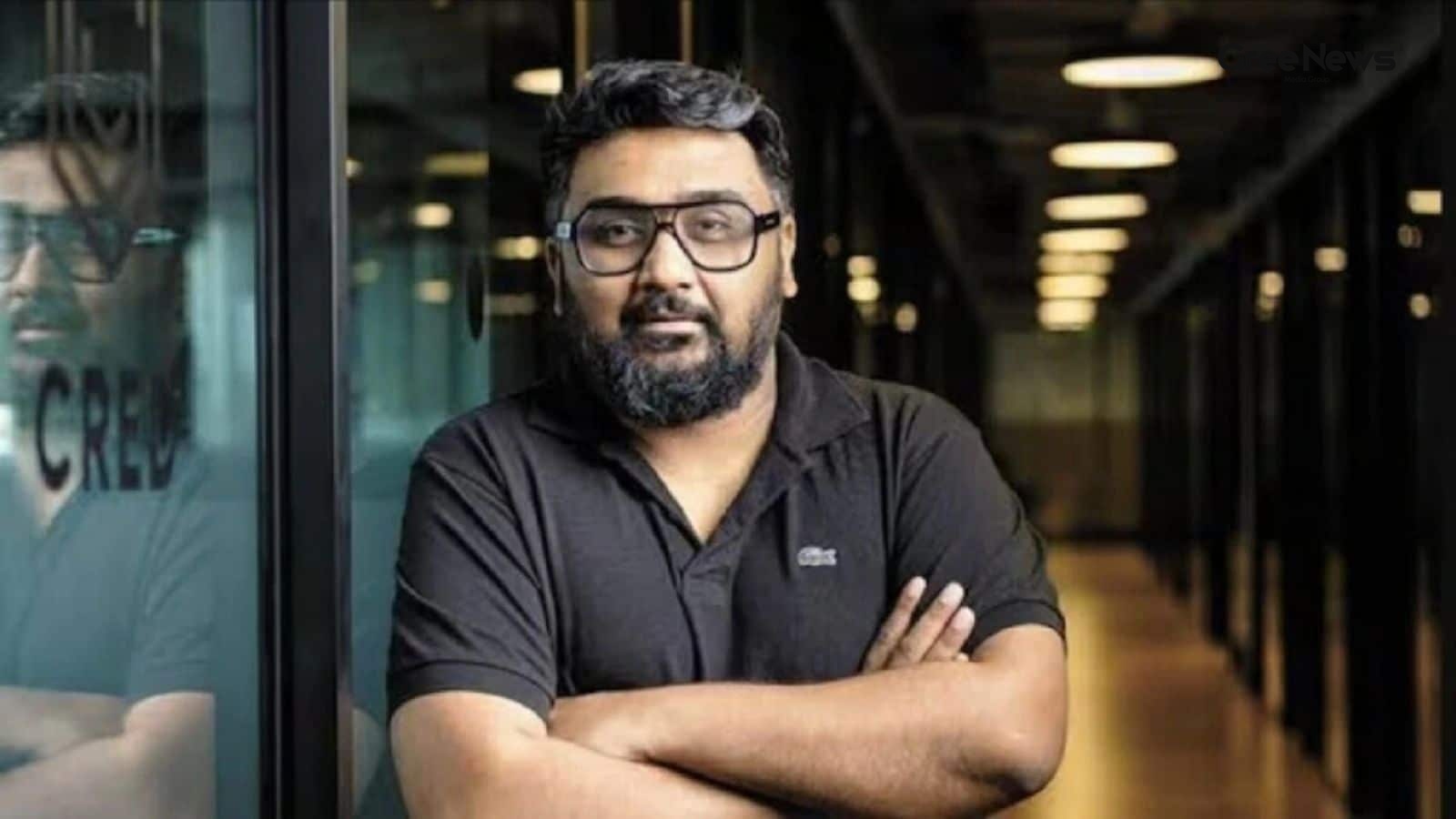
Meta bringing Kunal Shah in as the global head of WhatsApp. It’s more than just swapping out a name at one of the biggest messaging platforms in the world. This feels like something bigger is happening, right? It signals a real shift. How Big Tech thinks about hiring now. Forget the old playbook of
Jun 25, 2026 by Gree News Team

Investigation into Ketan Agarwal’s Murder
The investigation into Ketan Agarwal’s murder really started digging into the backgrounds of the two people involved his fiancée Siya Goyal and her lover Chetan Chaudhary. It wasn't just about finding a killer anymore; it became about understanding how those two actually connected, or failed to conn
Jun 25, 2026 by Gree News Team

The Secret to Fluffy Omelettes: Priyanka Chopra's Breakfast Hack
What if the secret to that cafe-style fluffy omelette isn't some fancy gadget or skills you need? What if it’s just something hiding in your fridge? Priyanka Chopra, Bollywood’s Desi Girl, shared a little hack for making breakfast way better. It sounds simple enough, but this little trick could tota
Jun 25, 2026 by Gree News Team
Mumbai Flooding, Accident, and Civic Neglect
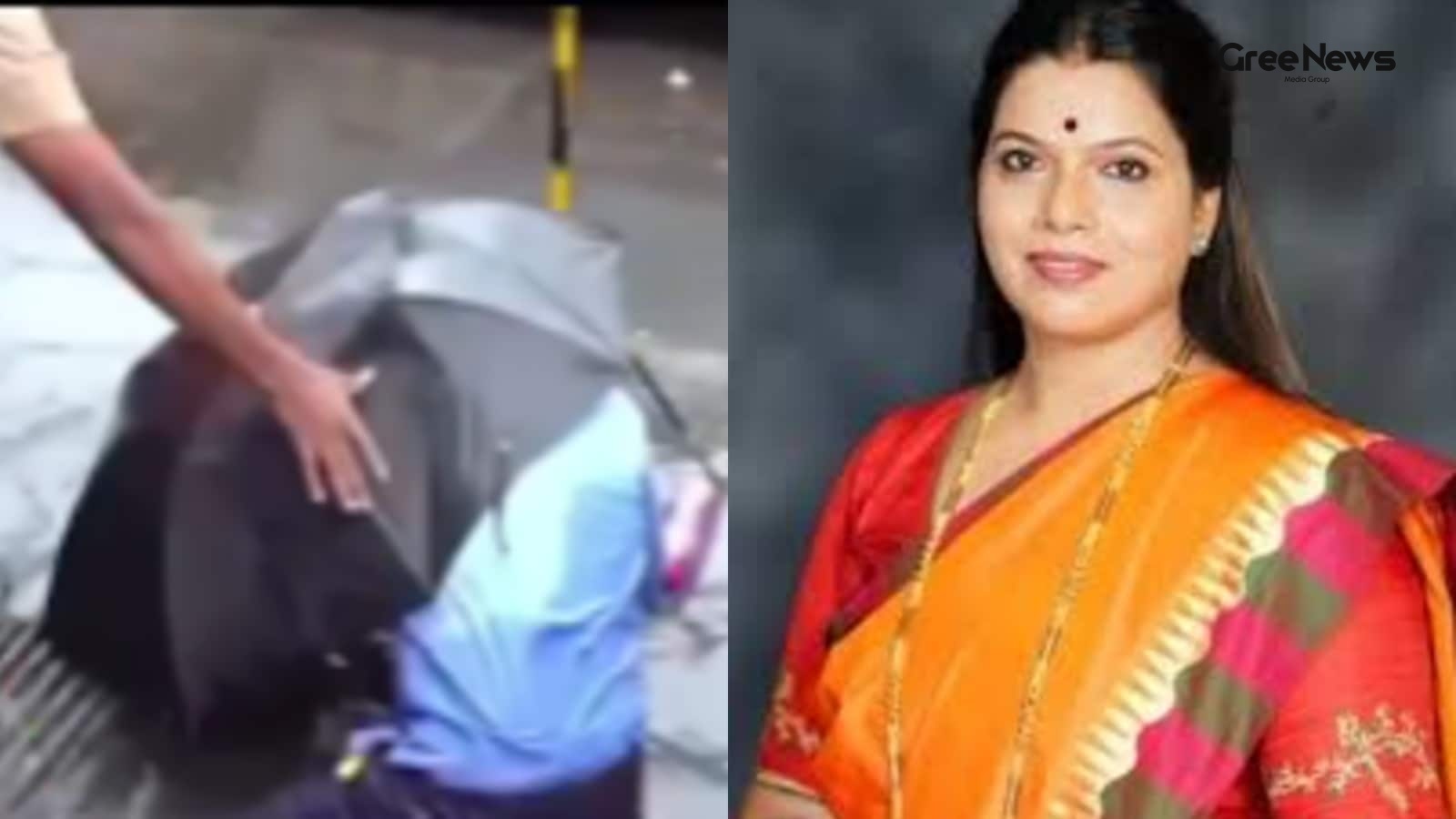
The rain. It just kept coming. Mumbai was drowning under it, you know? Not just a little drizzle. This was serious flooding across the city, low-lying areas turning into stagnant pools where traffic used to be. Overnight, the deluge had been relentless. And on top of all that mess the waterlogging,
Jun 25, 2026 by Gree News Team
Rawalakot Protest: Demands, Allegations, and International Appeal
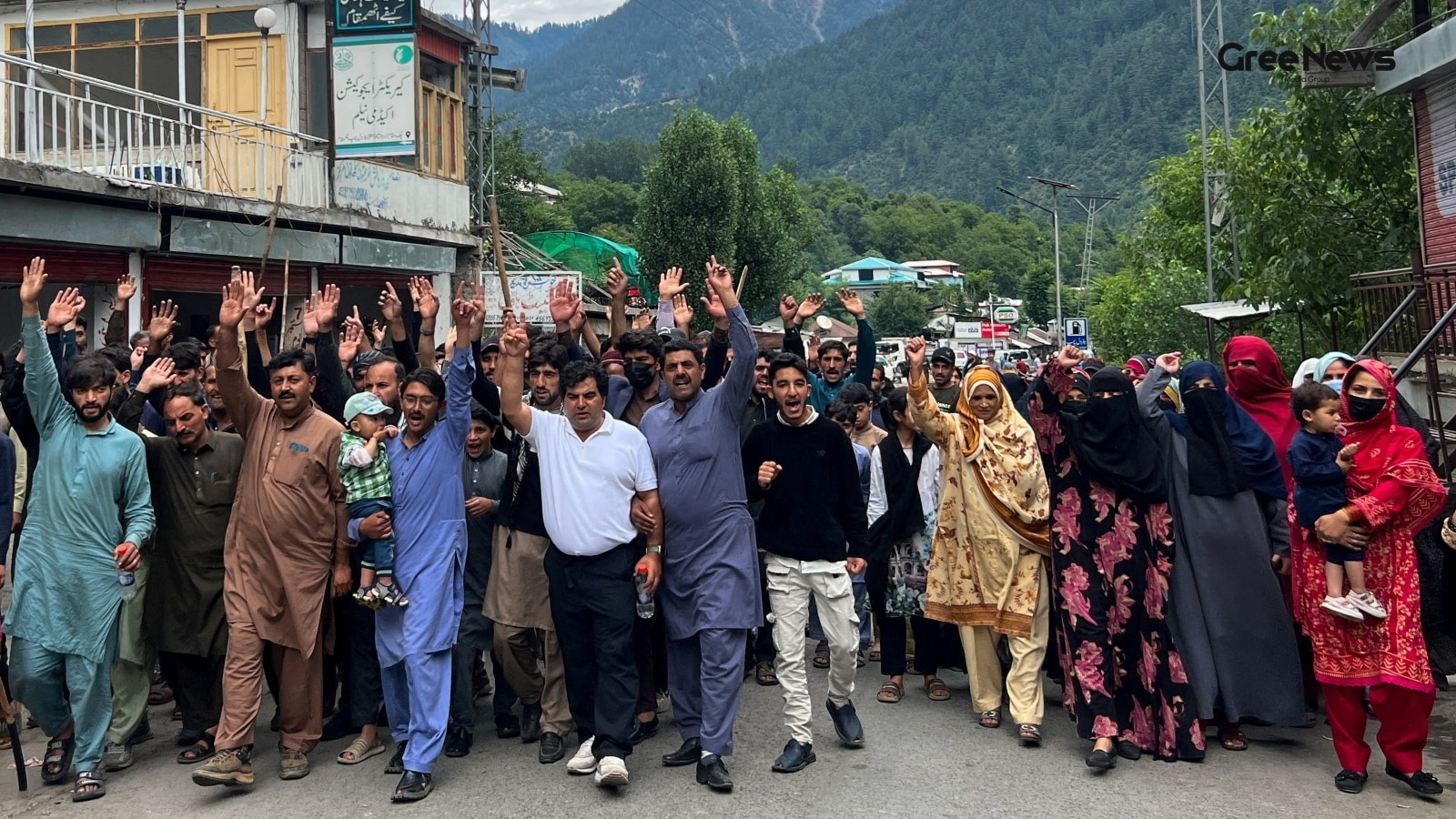
The air in Rawalakot right now is thick. It’s heavy with something that isn't just the heat or the dust, it’s pure, raw frustration boiling over into a massive protest led by the Joint Awami Action Committee, JAAC. They are out there demanding things jobs, real healthcare, decent education, and some
Jun 25, 2026 by Gree News Team
Computer Science Engineering vs Information Technology: Which Path is Right for You?
Look, most students who finish their 12th Science and decide to jump into a B.Tech path end up looking at Computer Science Engineering versus Information Technology. It’s a massive choice, and honestly, it’s tough. Everyone assumes these two degrees are just interchangeable because they both involve
Jun 25, 2026 by Gree News Team

FIFA World Cup 2026 Group Dynamics and Team Updates
Football fans are really set for some chaos coming up on June 24th or June 25th over there in India. We’re talking about the FIFA World Cup 2026, hosted by the USA, Canada, and Mexico. Six matches lined up. It’s intense. Brazil, five-time champions, they are aiming for that round of 32 qualification
Jun 25, 2026 by Gree News Team

Career Switch and Financial Planning: The Contract Role Dilemma
Man, you see this post on Reddit about a career switch? It’s all about that guy. Twenty-nine years old. Making thirty-eight lakh a year right now. He got a new offer. Sixty thousand dollars annually. A contract role, apparently. But here's the kicker, isn't it? The money looks good on paper $60k a y
Jun 25, 2026 by Gree News Team
The Legal and Political Scrutiny of Abhishek Banerjee and Financial Investigations
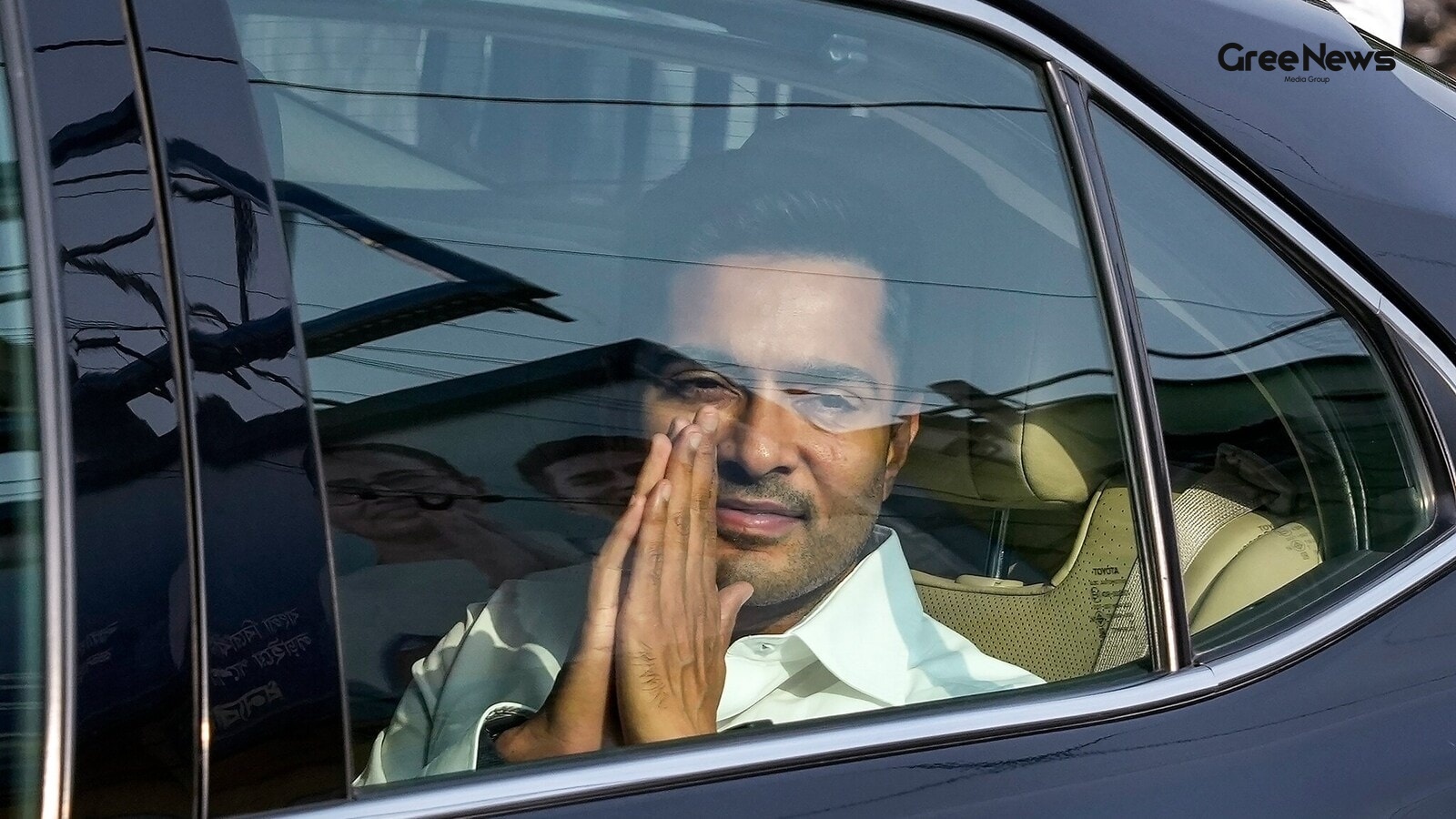
The air around Abhishek Banerjee feels thick lately. It’s not just the usual political noise the constant jostling across the aisle in Parliament, that feeling of being perpetually outnumbered by the opposition bloc, nearly two-thirds sitting against him, it changes everything. It brings a kind of h
Jun 25, 2026 by Gree News Team

The Shillong Teer Lottery: History, Rules, and Winnings
The Shillong Teer lottery. It’s not just some game; it runs daily. Right there at the historic Polo Ground in Shillong, Meghalaya. It’s archery based. That’s the core thing. And it's run by the Khasi Hills Archery Sports Association, or KHASA. They’re trying to keep the tradition alive, you know? Pr
Jun 25, 2026 by Gree News Team

The Impact of Jet Fuel Costs on Airfares and Global Supply
Air travellers are definitely going to see higher ticket prices coming up with the summer rush. This is based on industry estimates right now. The whole situation hinges on jet fuel costs. They’re still under pressure, stuck between geopolitical tensions and those refinery constraints we keep hearin
Jun 25, 2026 by Gree News Team
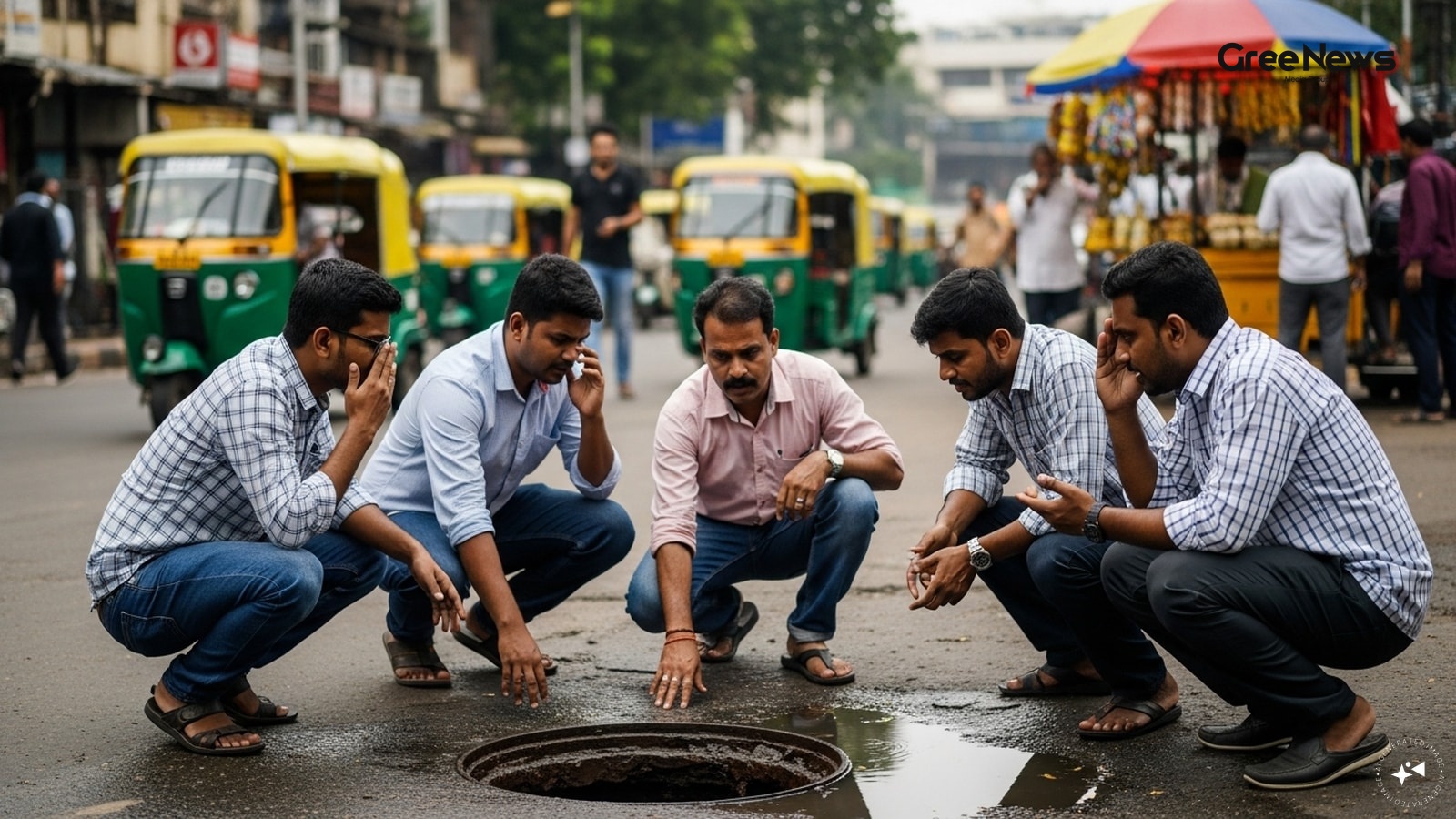
Mumbai Manhole Incident and Civic Responsibility
A man tumbled into a manhole right there, in front of Mumbai Mayor Ritu Tawde. Happened on Wednesday. She was out checking things over in the city, trying to get a feel for what was going on before the monsoon really hit. It wasn't exactly pleasant stuff. The whole thing immediately got caught on ca
Jun 25, 2026 by Gree News Team

The Best Food Storage Containers for Your Kitchen
You know, getting your kitchen sorted? It really comes down to those little things. Storing pulses, cereals, keeping fruits fresh these food storage containers aren't just some fancy gadget; they help you organize everything without blowing your budget. It makes a huge difference in how you use your
Jun 25, 2026 by Gree News Team
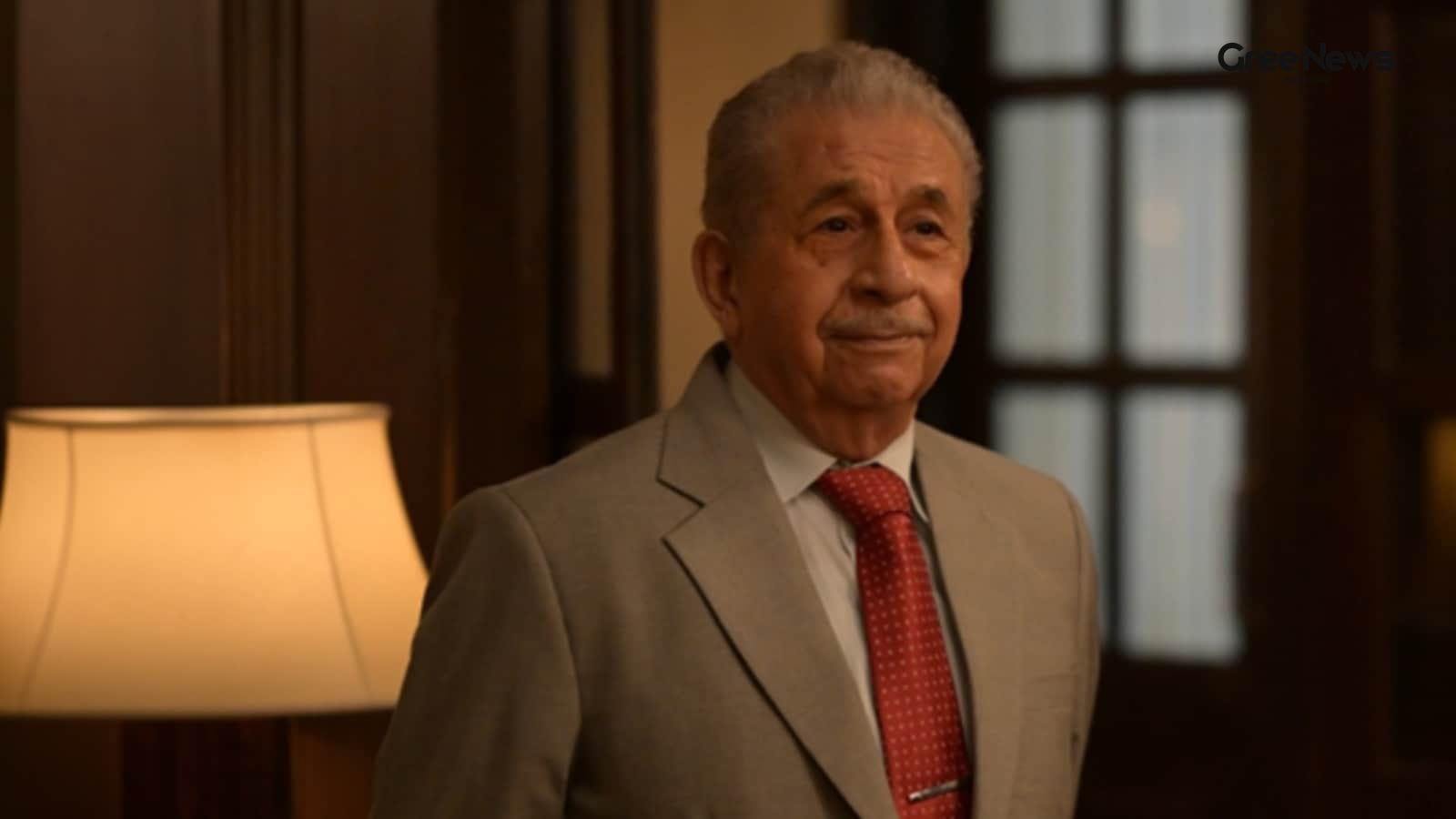
The Titan Story: Leadership, Spirit, and the Vision of India
Made In India. It’s a series. It really tells something about the spirit of India, you know? That stubborn attitude. The sheer energy that just binds everything together. It celebrates the people who actually create wealth. They are the engine behind all this growth. It’s refreshing how they tell it
Jun 25, 2026 by Gree News Team
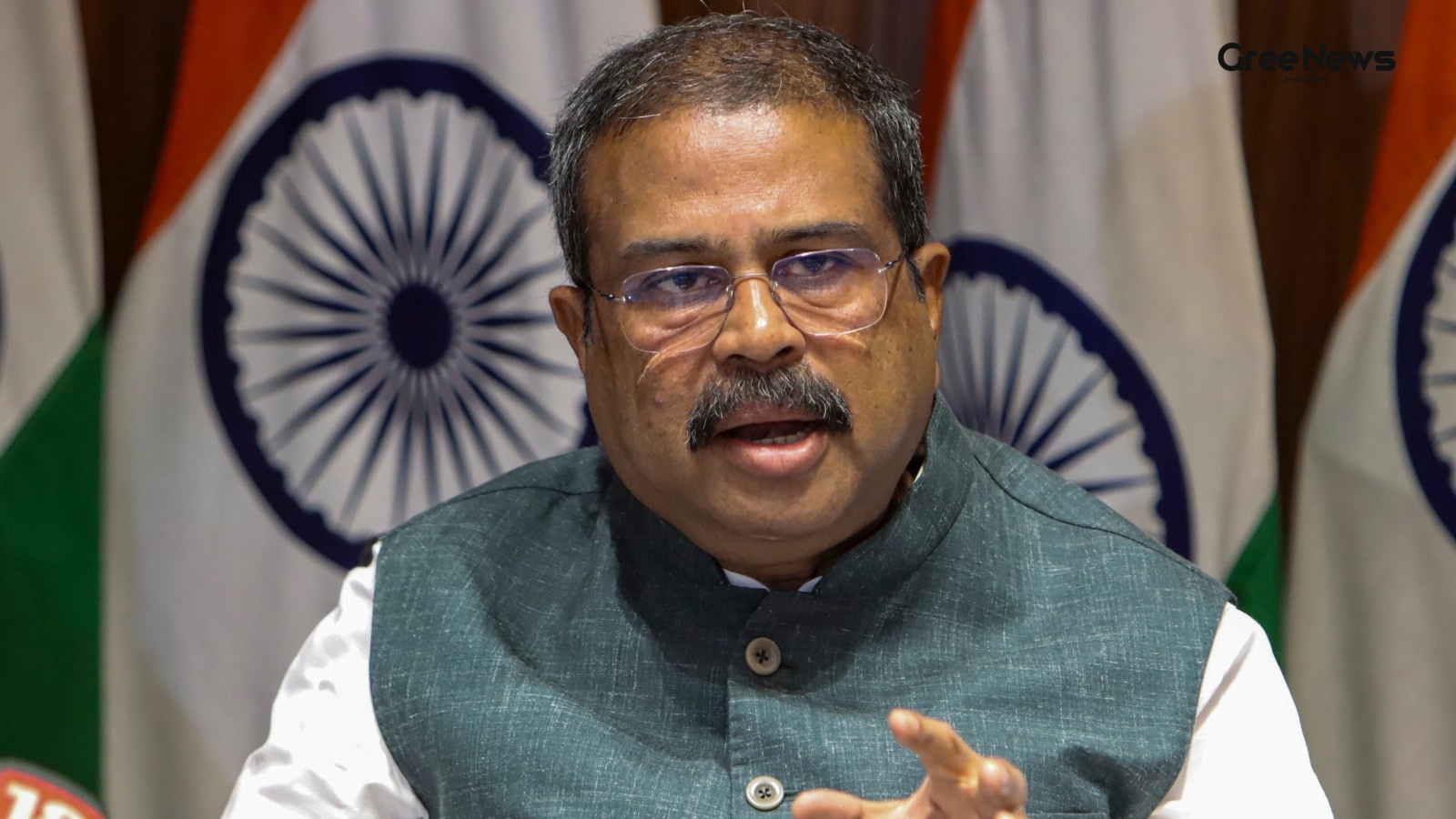
Dharmendra Pradhan on NEET Exam 2026 and Re-examination
Dharmendra Pradhan, Union Education Minister, admitted things went wrong with the NEET exam 2026. It was cancelled because of those paper leaks. But he insisted the central government moved fast. They fixed what went wrong and managed to hold that re-exam successfully. When talking about it, Pradhan
Jun 25, 2026 by Gree News Team