Alka Yagnik: The Struggle, Silence, and the Reality of Sensorineural Hearing Loss
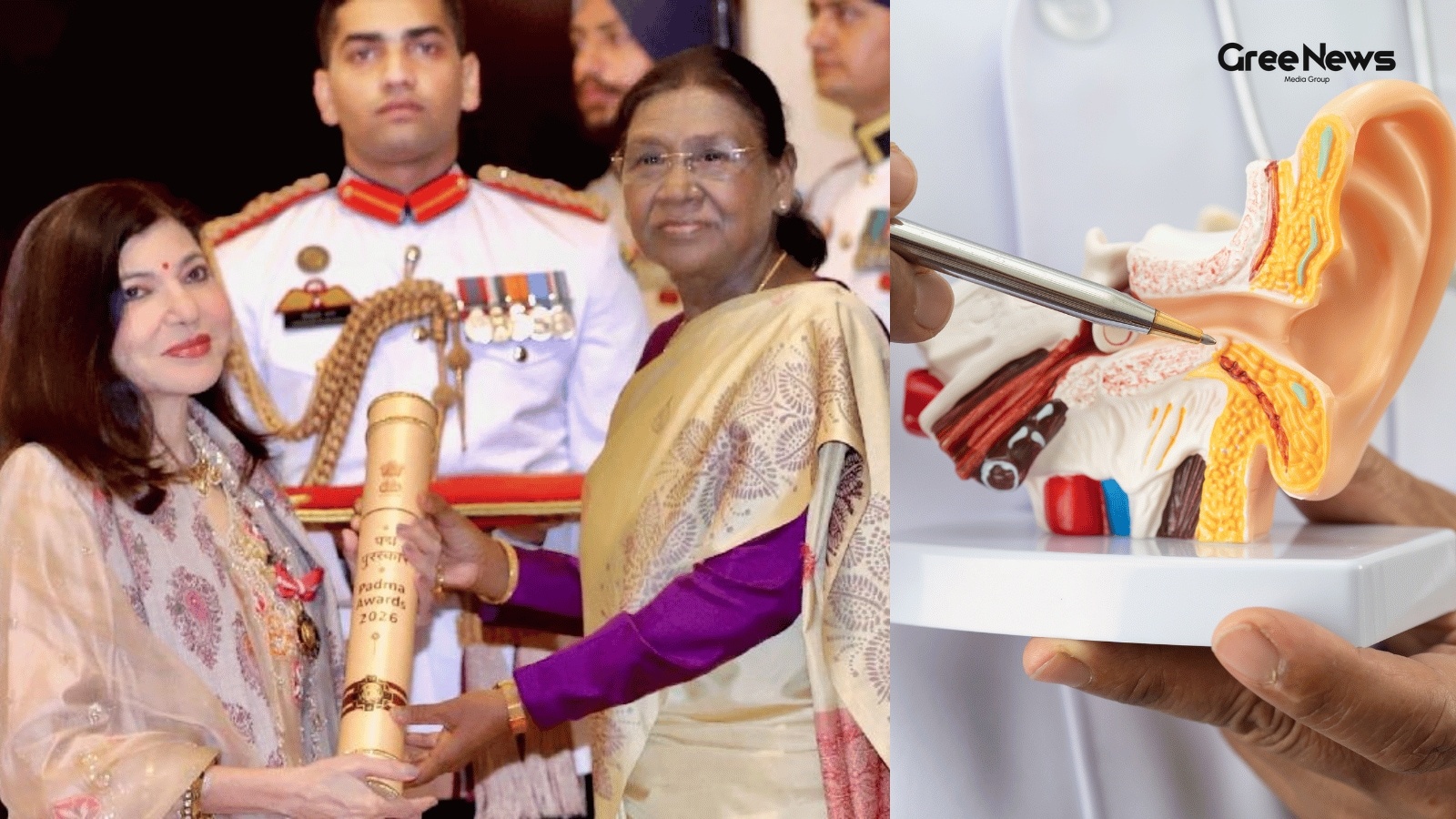
Alka Yagnik. Just the name carries a certain weight, doesn't it? Legendary playback singer . The voice itself it’s woven into the fabric of Bollywood music, you know? Thousands of songs, etched into memory. And then, this recent moment. The Padma Bhushan on June 23rd, 2026. India’s third-highest civilian honour. A huge deal for any artist, but it felt different this time. It felt… fragile.
She was there, the ceremony, but the way she appeared frail. Needing help. That detail hit everyone watching. Fans, the industry noise, suddenly all focused on that vulnerability. It sparked a real ripple of concern, didn't it? Not just about an award, but about the unseen battles people fight behind closed doors.
She responded to all that noise with something raw. An Instagram post. Two years of silence from the spotlight. A reflection on what felt like an impossible time stepping away while trying to mend. It wasn’t a polished press release. It was just… her voice, filtered through exhaustion and a strange kind of quiet strength.
“For the last two years,” she wrote. That phrase hung there. Staying away from it all. The spotlight. It sounds so simple, but for someone who lives by performance, being absent feels like a profound exile. She talked about that difficult health journey. A battle fought mostly in silence, punctuated only by the slow, agonizing process of recovery.
Many of us watching felt that knot tighten in our stomachs. We see these figures we admire, built up on such vibrant sound and presence, suddenly battling something invisible. It forces you to stop seeing the glamour and just look at the human underneath. That’s where the real story lives, I think. Not in the awards, but in the quiet struggle against the body.
What she was fighting wasn't some dramatic public illness. It was quieter, insidious. A slow erosion that eventually became a sudden, devastating reality for her career. The diagnosis itself Sensorineural Hearing Loss . SNHL. A term that sounds clinical, almost cold, but it carries such heavy implications when you live in a world built on sound.
SNHL isn't just about missing a note; it’s about the fundamental way you experience existence. It means damage to the inner ear the delicate hair cells in the cochlea or the auditory nerve that sends those signals all the way to the brain. It changes everything about perception. The world gets muffled, distorted, lost.
And for an artist, especially a singer whose entire craft relies on pitch, tone, nuance it’s catastrophic. Imagine trying to breathe in the music you love and finding that the very mechanism for hearing it is compromised. That's the reality she faced. Unable to hear, consequently unable to record new projects, unable to take on those offers swirling around her.
The sheer rarity of this specific kind of loss, especially when triggered so abruptly by a viral attack after a flight back in 2024, just amplifies the shockwave felt across the industry and among her fans. It’s not just a medical fact; it’s a narrative disruption. Why did something so rare strike someone so prominent? The questions started buzzing everywhere.
We have to look at what causes this kind of damage, because understanding the mechanism helps frame the tragedy, or maybe, slightly lessens the shock. SNHL isn't one single event. It’s a spectrum of possibilities, often layered on top of each other.
There’s aging, you see. Presbycusis . The slow, relentless wear and tear on those inner ear structures over time. It’s inevitable. A natural process that everyone faces eventually. But Yagnik’s case felt different than just the gradual decline of age. This was a sudden break.
Then there's noise exposure. That’s something we live with every day, isn't it? The constant bombardment of sound. Prolonged loud sounds music in studios, machinery humming, the general din of life they damage those hair cells. It chips away at the sensory apparatus. Yagnik herself has spoken about this caution, right? She warned against the health perils of a professional singing career, talking about headphones and keeping volume reasonable. It’s a constant tension: you need to create beauty through sound, but that very act can be destructive if not managed properly.
And then there are the viruses. The infections. That sudden inflammatory assault. Viral attacks can trigger damage in unexpected places, even deep inside the ear structure. Her situation was one of those unfortunate intersections a viral event hitting an already stressed system. It’s a stark reminder that even the most protected bodies aren't immune to these biological surprises.
There are other factors too. Head trauma. Ototoxic medications, drugs that naturally cause hearing damage if taken incorrectly. Autoimmune diseases. Genetic vulnerabilities. Vascular issues. A tangle of possibilities leading to this specific outcome. It’s rarely just one thing; it’s often a confluence of things, which makes the diagnosis feel less like a simple equation and more like chaos.
And then there's Sudden Sensorineural Hearing Loss , SSNHL. That is the immediate emergency. The incidence rate those statistics around five to twenty per hundred thousand people annually it sounds small compared to the massive scale of celebrity life, but it’s terrifying when it happens to someone in the public eye. When that loss hits suddenly, there's no time for careful navigation. There has to be immediate intervention. Prompt action matters immensely in these early stages.
What you experience when hearing fades is more than just a volume drop. It's losing context. Losing the ability to perceive pitch, tone, or even your own voice accurately. For a singer like Yagnik, that loss wasn’t just auditory; it was existential. The core tool of her identity became inaccessible. She described feeling utterly incapable, despite the eagerness from music directors still wanting her voice. That gap between desire and reality must be agonizing.
The path forward is complex. Diagnosis itself requires a careful unwinding. Audiometry tests, imaging MRI or CT scans scrutinizing everything to rule out other possibilities. Doctors have to piece together this mosaic of symptoms and medical history. It’s not instantaneous clarity; it's methodical investigation.
Once the damage is established, what are the options? Treatment for hearing loss, especially when it’s sudden, involves a range of approaches. Steroids come up immediately oral or injected aimed at reducing that inflammation. If you can start them within days of onset, they have a better chance to help mitigate some of the damage happening in real-time. It’s a desperate attempt to calm the internal storm.
But for permanent loss, or significant long-term management, there are other avenues. Hearing aids. Cochlear implants. These technologies represent incredible leaps forward amplifying sound where it can, bypassing damaged parts of the system entirely. They offer a way to reconnect with the world, even if the original pathway is broken. It’s an immense technical and emotional choice for someone dealing with profound sensory change.
Beyond the hardware, there's the constant hum of supportive care. Antivirals if the infection played a role. Managing any underlying conditions that might be contributing factors. Rehabilitation. Learning to live with this new reality, adapting skills when old methods are gone. It’s not just about fixing the ear; it’s about rebuilding a life around altered perception.
And now we look toward what’s coming, 2026 and beyond. There's talk of emerging options. Advanced AI-powered aids. The technology is moving fast. It hints at a future where artificial intelligence might help bridge these gaps, offering sophisticated ways to manage sensory deficits. It’s hopeful in a strange way technology trying to mend what biology broke.
Recovery isn't linear. That’s something you have to accept. Some people regain partial hearing; others face permanent shifts. Yagnik’s journey is clearly one of resilience. Patience, yes. Resilience, absolutely. And the steady hand of medical support guiding the way. It’s a marathon, not a sprint.
This whole situation forces us to reconsider how we view public figures and their health. We live in a culture that demands relentless performance, flawless presentation. When someone like Yagnik has to step back, when they have to acknowledge vulnerability, it challenges that polished facade. It exposes the fragility beneath the fame.
Her warning about those headphones. That’s more than just advice for musicians; it's a plea for awareness for everyone who uses sound as their primary way of navigating existence. It targets younger artists, fans everyone immersed in the sonic landscape. It pushes that conversation from niche health concerns into broader societal responsibility regarding sensory input.
The flow of information around this is messy. There are so many threads: celebrity status, viral infection, rare neurological damage, complex treatment protocols, and the personal struggle for identity. They don't sit neatly side-by-side; they overlap, creating a thick, complicated tapestry that’s hard to untangle.
It’s not just about the medical facts anymore. It becomes about empathy. About how we react when someone tells us they are struggling internally, fighting something unseen while trying to maintain an outward appearance of strength. That emotional weight is perhaps the heaviest part of this entire story. It demands a different kind of reporting less clinical distance, more human observation. The silence she chose to occupy for two years was loud in its unspoken message about what it means to be truly heard, and what happens when that hearing itself is threatened.
Written by Gree News Team — Senior Editorial Board
Gree News Team covers international news and global affairs at Gree News. Our collective of senior editors is dedicated to providing independent, accurate, and responsible journalism for a global audience.
More from Life & Style
View All
The Evolution of Compatibility: From Biodata to Meaningful Matching
People now have so many ways to meet potential partners. Dating apps, matrimonial sites, biodata exchanges, family networks it’s all happening at once. But finding someone truly compatible hasn't gotten easier for most people. It’s just gotten noisier. “The issue isn’t access,” says Tania Malhotra S
Jun 25, 2026 by Gree News Team

The Role of Empathy and Holistic Care in Medical Tourism
Artificial intelligence is moving healthcare along, fast. It’s speeding up diagnostics, smoothing out hospital operations. But for people facing massive life changes the procedures themselves efficiency just doesn't cut it anymore. International patients are looking for something else entirely. Trus
Jun 24, 2026 by Gree News Team

Understanding Frozen Shoulders (Adhesive Capsulitis) and Recovery
Frozen shoulders. It’s a quiet thief, really. It doesn't announce itself with a bang, but it slowly creeps in, quietly messing up the everyday stuff. Simple things putting on a shirt, reaching for something on a high shelf, even just lifting a bag they start to hurt. The shoulder joint gets this sti
Jun 23, 2026 by Gree News Team

Fasting, Insulin Resistance, and the Role of Protein in Diabetes Management
That patient... she finally thought she’d cracked diabetes. Seriously. She read stuff online skipping breakfast was the magic trick to reverse it. So for six weeks? Nothing but black coffee until lunch. She felt proud of her discipline. Expected results. Turns out, they didn't come. When she showed
Jun 23, 2026 by Gree News Team
Latest Headlines

The Subtle Shift in Aesthetic Medicine and Body Contouring
These days, everything changes in subtle ways, you know? Not these huge dramatic shifts. It’s more about tiny refinements now. Things like contouring a specific spot on your face or body are popping up everywhere. Jawlines are getting way more attention than they used to get. And those fat deposits
Jun 25, 2026 by Gree News Team

Lohagad Fort: Mystery, History, and Unsettling Legends
The death of Ketan Agarwal, a 26-year-old realtor, at Lohagad Fort near Lonavala in Maharashtra wasn't just an accident, not initially. It was brushed off. Just a fall. But then things started shifting. Days later, the real story emerged. He hadn’t fallen by accident. His fiancée, Siya Goyal, and he
Jun 25, 2026 by Gree News Team

Petrol Pump Scam Allegations and Social Media Debate
A post went viral on X recently. It was about some alleged scam at a petrol pump. People were immediately arguing online, questioning if what was being said actually happened at all. Apparently, the story claimed a young woman bought a new car and stopped for fuel. She supposedly asked the attendant
Jun 25, 2026 by Gree News Team
Akshay Kumar on Comedy, Filmmaking, and Welcome To The Jungle
Akshay Kumar talked about comedy today. He said it’s always been hard to make people laugh. But now, in this social media age? It's gotten way tougher. Everyone sees funny reels, memes, stand-up acts constantly. He was gearing up for the release of *Welcome To The Jungle*, part of that long-running
Jun 25, 2026 by Gree News Team

Conflict between TVK Government and DMK over Gesture and Allegations
A fresh war of words started up between the ruling TVK government and the opposition DMK in Tamil Nadu. It all kicked off because Chief Minister C Joseph Vijay recreated that viral hand-slashing gesture, one associated with former chief minister MK Stalin, during a speech in the Assembly. Massive fl
Jun 25, 2026 by Gree News Team

Brazil vs Scotland: The Final Group C Match of the 2026 FIFA World Cup
Brazil is looking to book their spot in the last thirty-two of the 2026 FIFA World Cup. They have a match coming up Wednesday against Scotland. That’s their final group C game. Five-time World Cup winners are involved, naturally. But they are facing Scotland now, trying to qualify for the knockout r
Jun 25, 2026 by Gree News Team

Massive Shake-up Coming for Uttar Pradesh Elections
Massive shake-up coming for Uttar Pradesh elections. That’s what’s being whispered around the Bharatiya Janata Party right now. They’re about to announce their new state organizational team. Sources inside the party say the blueprint is basically locked down. An announcement could drop late this eve
Jun 25, 2026 by Gree News Team
State Funeral of Ayatollah Khamenei and India-Iran Relations
Masoud Pezeshkian invited Prime Minister Modi to Iran for the state funeral of Supreme Leader Ayatollah Seyyed Ali Khamenei. It was a big move. Khamenei died in that US-Israeli airstrike back on February 28th. The ceremonies, originally planned for March, had to get pushed back because everything el
Jun 25, 2026 by Gree News Team
The Evolution of Compatibility: From Biodata to Meaningful Matching
People now have so many ways to meet potential partners. Dating apps, matrimonial sites, biodata exchanges, family networks it’s all happening at once. But finding someone truly compatible hasn't gotten easier for most people. It’s just gotten noisier. “The issue isn’t access,” says Tania Malhotra S
Jun 25, 2026 by Gree News Team
The Shift in Big Tech Leadership: From Managers to Founders
Meta bringing Kunal Shah in as the global head of WhatsApp. It’s more than just swapping out a name at one of the biggest messaging platforms in the world. This feels like something bigger is happening, right? It signals a real shift. How Big Tech thinks about hiring now. Forget the old playbook of
Jun 25, 2026 by Gree News Team

Investigation into Ketan Agarwal’s Murder
The investigation into Ketan Agarwal’s murder really started digging into the backgrounds of the two people involved his fiancée Siya Goyal and her lover Chetan Chaudhary. It wasn't just about finding a killer anymore; it became about understanding how those two actually connected, or failed to conn
Jun 25, 2026 by Gree News Team

The Secret to Fluffy Omelettes: Priyanka Chopra's Breakfast Hack
What if the secret to that cafe-style fluffy omelette isn't some fancy gadget or skills you need? What if it’s just something hiding in your fridge? Priyanka Chopra, Bollywood’s Desi Girl, shared a little hack for making breakfast way better. It sounds simple enough, but this little trick could tota
Jun 25, 2026 by Gree News Team
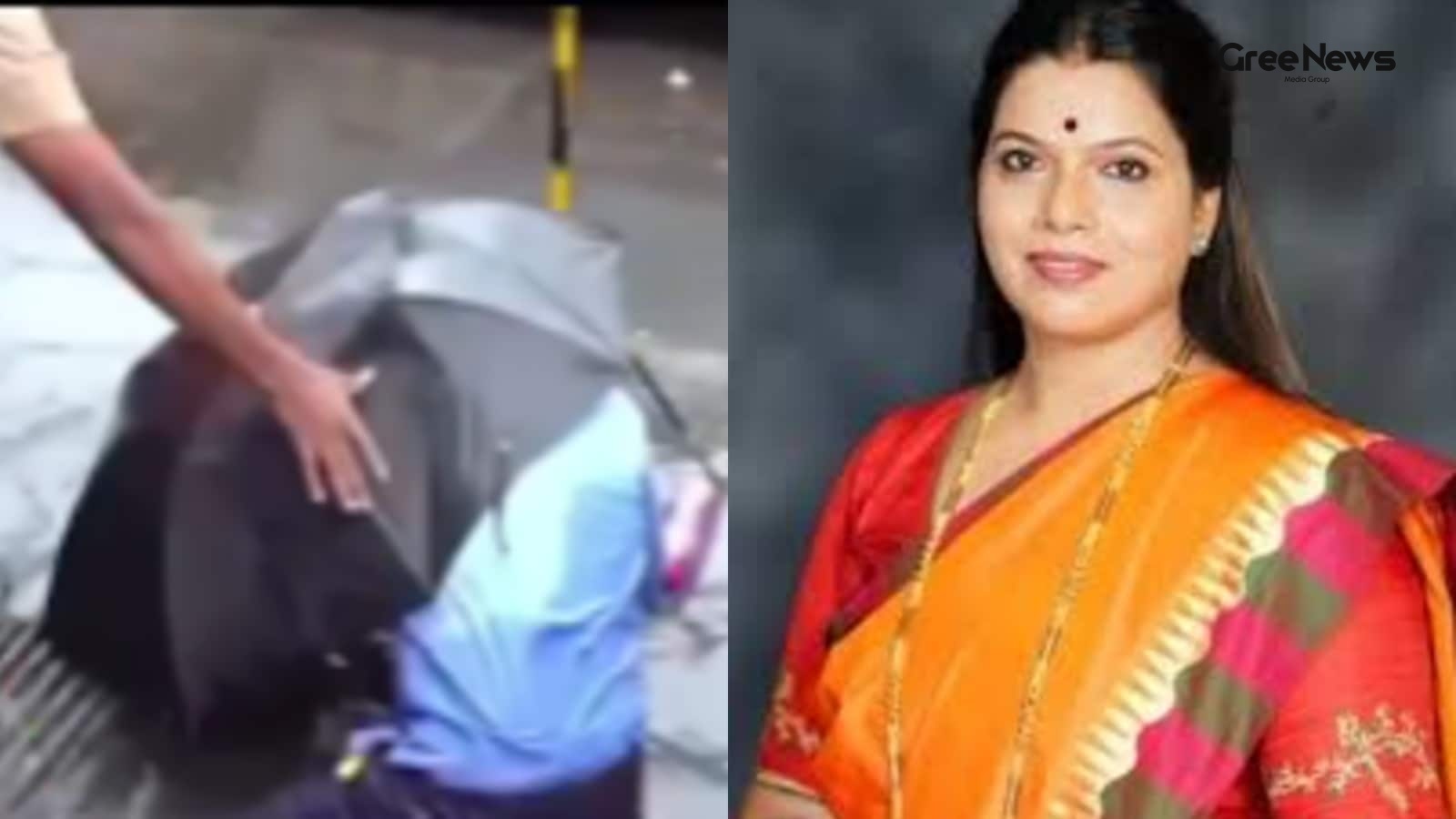
Mumbai Flooding, Accident, and Civic Neglect
The rain. It just kept coming. Mumbai was drowning under it, you know? Not just a little drizzle. This was serious flooding across the city, low-lying areas turning into stagnant pools where traffic used to be. Overnight, the deluge had been relentless. And on top of all that mess the waterlogging,
Jun 25, 2026 by Gree News Team
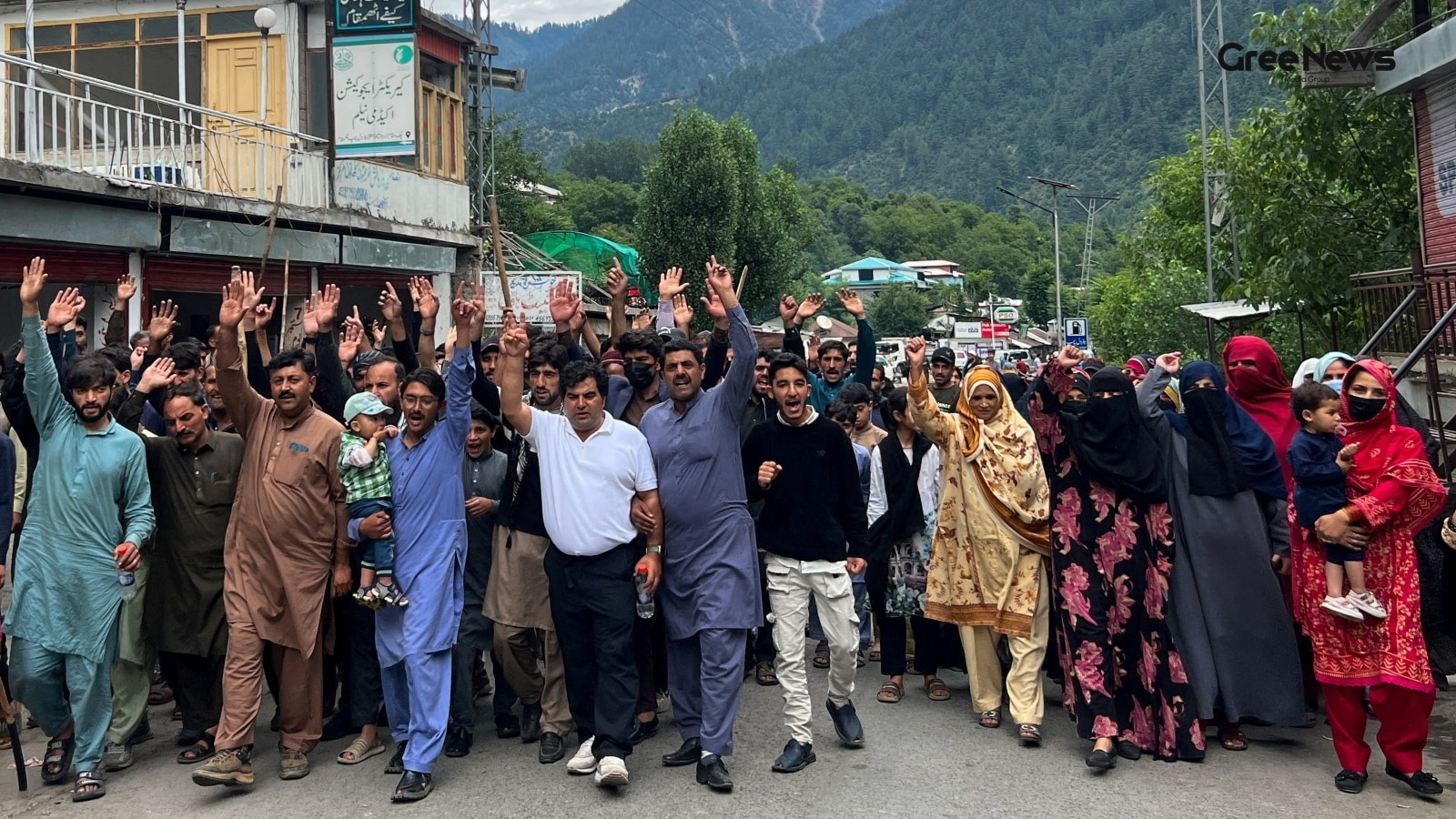
Rawalakot Protest: Demands, Allegations, and International Appeal
The air in Rawalakot right now is thick. It’s heavy with something that isn't just the heat or the dust, it’s pure, raw frustration boiling over into a massive protest led by the Joint Awami Action Committee, JAAC. They are out there demanding things jobs, real healthcare, decent education, and some
Jun 25, 2026 by Gree News Team
Computer Science Engineering vs Information Technology: Which Path is Right for You?
Look, most students who finish their 12th Science and decide to jump into a B.Tech path end up looking at Computer Science Engineering versus Information Technology. It’s a massive choice, and honestly, it’s tough. Everyone assumes these two degrees are just interchangeable because they both involve
Jun 25, 2026 by Gree News Team