Petrol Pump Scam Allegations and Social Media Debate

A post went viral on X recently. It was about some alleged scam at a petrol pump. People were immediately arguing online, questioning if what was being said actually happened at all.
Apparently, the story claimed a young woman bought a new car and stopped for fuel. She supposedly asked the attendant to fill up only ₹500 worth of petrol. Then, when she checked the receipt against her car’s gauge after fueling there was a big difference.
She confronted the staff. They allegedly blamed it on her vehicle's meter and just told her to leave.
But that didn't end there. The post claimed she refused and called the police. And in front of the officers, they supposedly drained some fuel, showing she got way less than she paid for. Then, authorities supposedly suspended the pump’s license for a week because of it.
The story spread fast. But not everyone bought it. Lots of social media users immediately pointed out holes in the claim. It wasn't just silence; there was instant pushback.
One user hit back hard. “Look at the receipt in that post. It shows 4.83 liters for five hundred rupees, not eighty-five liters as they claimed.” They brought up the car itself. The Kia vehicle shown has a tank capacity of seventy-two liters. And frankly, no common passenger cars in India actually hold more than eighty liters.
Other people just started sharing their own experiences. People had similar issues at various fuel stations.
“I’ve been there,” one commented. “In several fuel bunks in Bangalore, I had small refills and just ignored it a few times.” They offered advice too. “If you want to test the quantity measurement properly, fill at least five liters. Then just leave.” Another suggestion popped up, simpler maybe: “Always fill up completely. It saves so much headache. Zero chance of getting ripped off.”
Some users were clearly supportive of the woman who raised the alarm. They praised her for speaking up. One comment read something like, “This is why you always double-check the meter before you drive away. Glad she caught it.”
But then came the real division. Several people felt the whole thing was just misunderstood. Misinformation floating around.
“There’s some nonsense here,” another voice said. “The distance to empty was eighty-five kilometers before they filled up. After putting in that five hundred rupees worth of petrol, the remaining distance dropped to eighty-three kilometers. There’s no scam.” They argued it simply happened because the sensors inside the fuel tank don't activate by just five liters.”
Someone else questioned how any verification could even happen. “You can’t just drain gasoline like that easily,” they wrote. “There are risks involved too. This has to be some made-up story.”
As the post kept circulating, opinions were totally split. Some folks felt it highlighted how important it is to check those fuel readings carefully. Others argued the core claim was full of errors and just got twisted online. It brought the whole headache back to consumer awareness and whether fuel stations are actually transparent or not.
Written by Gree News Team — Senior Editorial Board
Gree News Team covers international news and global affairs at Gree News. Our collective of senior editors is dedicated to providing independent, accurate, and responsible journalism for a global audience.
More from Top News
View All
Career Switch and Financial Planning: The Contract Role Dilemma
Man, you see this post on Reddit about a career switch? It’s all about that guy. Twenty-nine years old. Making thirty-eight lakh a year right now. He got a new offer. Sixty thousand dollars annually. A contract role, apparently. But here's the kicker, isn't it? The money looks good on paper $60k a y
Jun 25, 2026 by Gree News Team
Stability vs. Paycheck: Navigating Salary Hikes in the IT Market
For a lot of people in the tech world, a big salary hike just sticks in your head. It’s hard to ignore that kind of money. But then you see stuff like this one guy from Bengaluru talking about stability versus chasing the biggest paycheck, especially when the whole IT market feels so shaky right now
Jun 25, 2026 by Gree News Team

The Economic Reality of Creative Compensation in India
The noise started small, really. Just one post, something from a guy in Dubai an advertising executive, that’s who he was and it kicked off this whole messy conversation about money in India’s creative scene. It wasn't some polished economic report. It was just an observation bleeding into LinkedIn
Jun 25, 2026 by Gree News Team
Why a Lawyer Decided Not to Sue a Friend for Money
A lawyer from Bengaluru recently posted something that really made you stop and think about money and friendships. She talked about why she decided not to take legal action against a friend who still owed her five lakh rupees. She admitted that even though she absolutely had every right to go to cou
Jun 25, 2026 by Gree News Team
Latest Headlines
Understanding Trade Agreements and the Power of Sunset Clauses
Trade agreements… they usually stretch out for years sometimes decades once they’re signed. But that’s not always how it works, is it? Unless one side just decides to pull out. There’s this idea, a sunset clause. It's basically a legal trick. It sets an expiry date on the whole arrangement. If nobod
Jun 25, 2026 by Gree News Team

Nana Kwaku Bonsam: Claims, Curses, and Controversy
Nana Kwaku Bonsam. That’s his name. It literally translates to “Devil of Wednesday,” and around here in Ghana, he’s just known as a witch doctor. Strange stuff. He made headlines recently because he started talking about putting a curse on England captain Harry Kane. He said it was all for Ghana, ho
Jun 25, 2026 by Gree News Team

India's AMCA Program: Engine Snags and Future Fighter Development
India’s big push for the fifth-generation fighter the AMCA program is hitting a snag. It looks like they might be looking away from the United States for the actual engine requirements now. The talks with GE Aerospace over that F414 engine? They’re tangled up, mostly because of pricing and how thing
Jun 25, 2026 by Gree News Team

Audit Findings on Gruha Lakshmi Scheme Irregularities
The alarm bells started ringing long before the official report came out. You have this massive welfare scheme, Gruha Lakshmi in Karnataka, right? It’s supposed to be a lifeline for women heads of households a flagship initiative, you know, from the Congress government. Something that should feel so
Jun 25, 2026 by Gree News Team

The Subtle Shift in Aesthetic Medicine and Body Contouring
These days, everything changes in subtle ways, you know? Not these huge dramatic shifts. It’s more about tiny refinements now. Things like contouring a specific spot on your face or body are popping up everywhere. Jawlines are getting way more attention than they used to get. And those fat deposits
Jun 25, 2026 by Gree News Team

Lohagad Fort: Mystery, History, and Unsettling Legends
The death of Ketan Agarwal, a 26-year-old realtor, at Lohagad Fort near Lonavala in Maharashtra wasn't just an accident, not initially. It was brushed off. Just a fall. But then things started shifting. Days later, the real story emerged. He hadn’t fallen by accident. His fiancée, Siya Goyal, and he
Jun 25, 2026 by Gree News Team
Akshay Kumar on Comedy, Filmmaking, and Welcome To The Jungle
Akshay Kumar talked about comedy today. He said it’s always been hard to make people laugh. But now, in this social media age? It's gotten way tougher. Everyone sees funny reels, memes, stand-up acts constantly. He was gearing up for the release of *Welcome To The Jungle*, part of that long-running
Jun 25, 2026 by Gree News Team

Conflict between TVK Government and DMK over Gesture and Allegations
A fresh war of words started up between the ruling TVK government and the opposition DMK in Tamil Nadu. It all kicked off because Chief Minister C Joseph Vijay recreated that viral hand-slashing gesture, one associated with former chief minister MK Stalin, during a speech in the Assembly. Massive fl
Jun 25, 2026 by Gree News Team

Brazil vs Scotland: The Final Group C Match of the 2026 FIFA World Cup
Brazil is looking to book their spot in the last thirty-two of the 2026 FIFA World Cup. They have a match coming up Wednesday against Scotland. That’s their final group C game. Five-time World Cup winners are involved, naturally. But they are facing Scotland now, trying to qualify for the knockout r
Jun 25, 2026 by Gree News Team
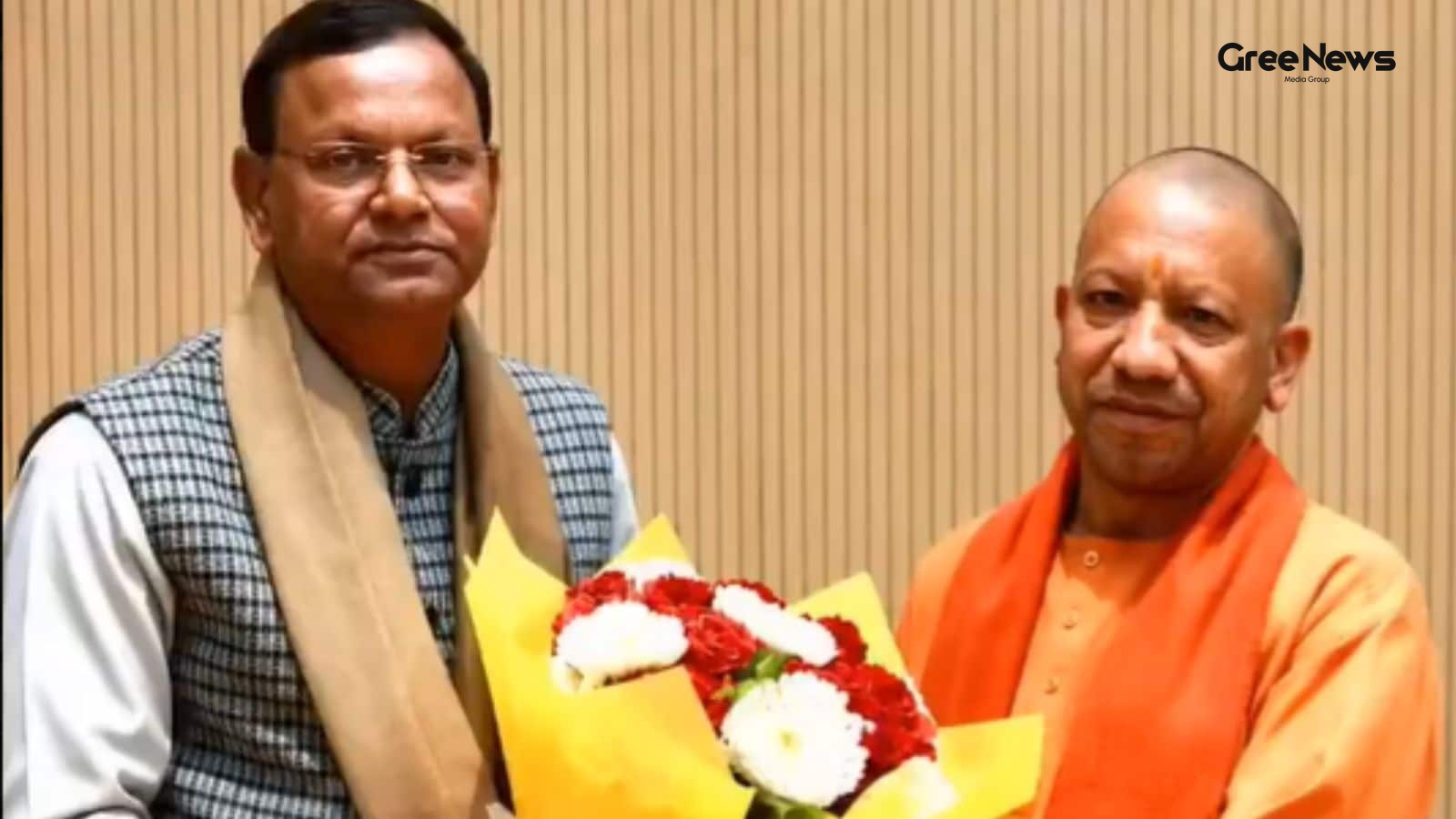
Massive Shake-up Coming for Uttar Pradesh Elections
Massive shake-up coming for Uttar Pradesh elections. That’s what’s being whispered around the Bharatiya Janata Party right now. They’re about to announce their new state organizational team. Sources inside the party say the blueprint is basically locked down. An announcement could drop late this eve
Jun 25, 2026 by Gree News Team
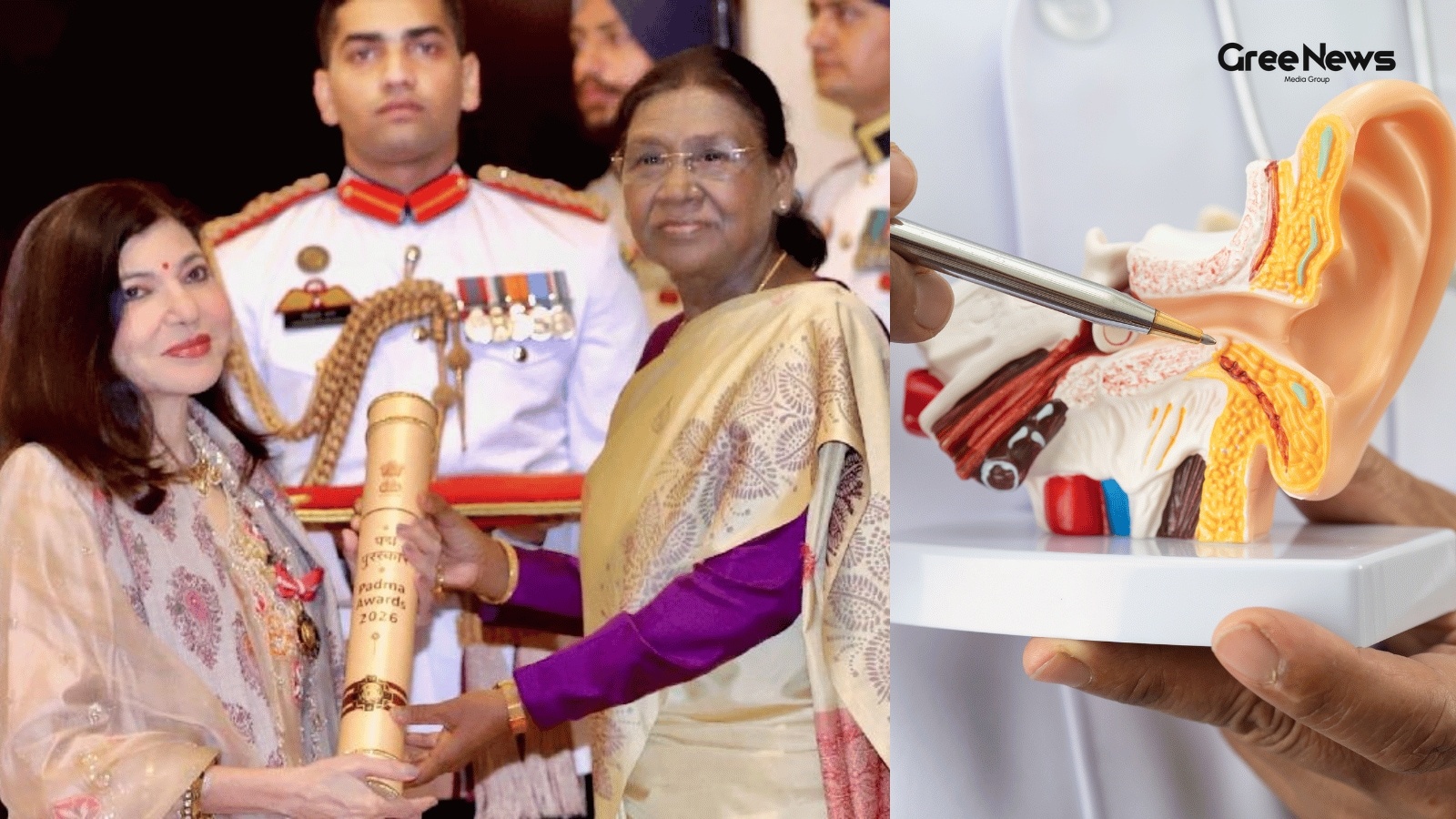
Alka Yagnik: The Struggle, Silence, and the Reality of Sensorineural Hearing Loss
Alka Yagnik. Just the name carries a certain weight, doesn't it? Legendary playback singer. The voice itself it’s woven into the fabric of Bollywood music, you know? Thousands of songs, etched into memory. And then, this recent moment. The Padma Bhushan on June 23rd, 2026. India’s third-highest civi
Jun 25, 2026 by Gree News Team
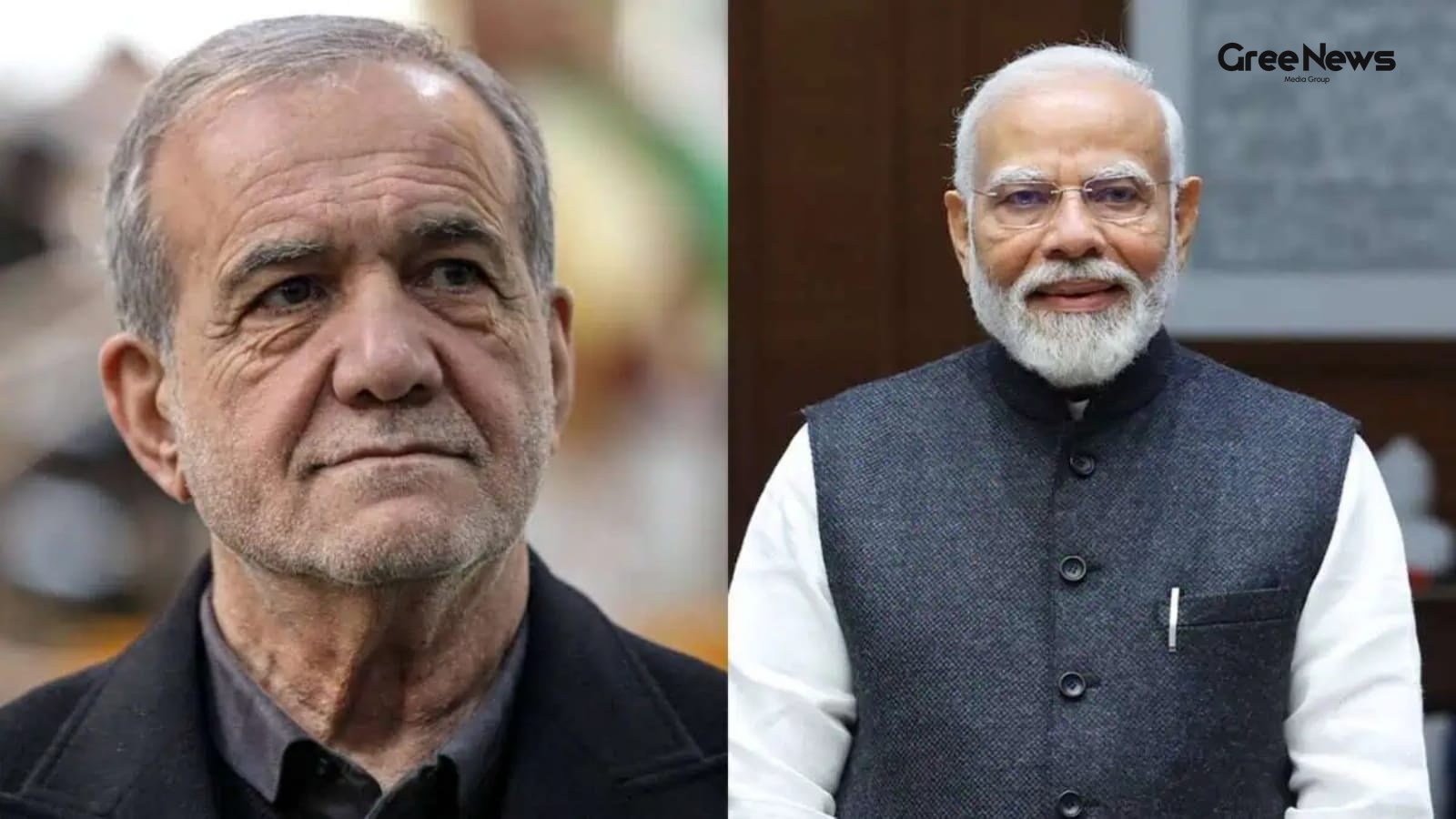
State Funeral of Ayatollah Khamenei and India-Iran Relations
Masoud Pezeshkian invited Prime Minister Modi to Iran for the state funeral of Supreme Leader Ayatollah Seyyed Ali Khamenei. It was a big move. Khamenei died in that US-Israeli airstrike back on February 28th. The ceremonies, originally planned for March, had to get pushed back because everything el
Jun 25, 2026 by Gree News Team

The Evolution of Compatibility: From Biodata to Meaningful Matching
People now have so many ways to meet potential partners. Dating apps, matrimonial sites, biodata exchanges, family networks it’s all happening at once. But finding someone truly compatible hasn't gotten easier for most people. It’s just gotten noisier. “The issue isn’t access,” says Tania Malhotra S
Jun 25, 2026 by Gree News Team
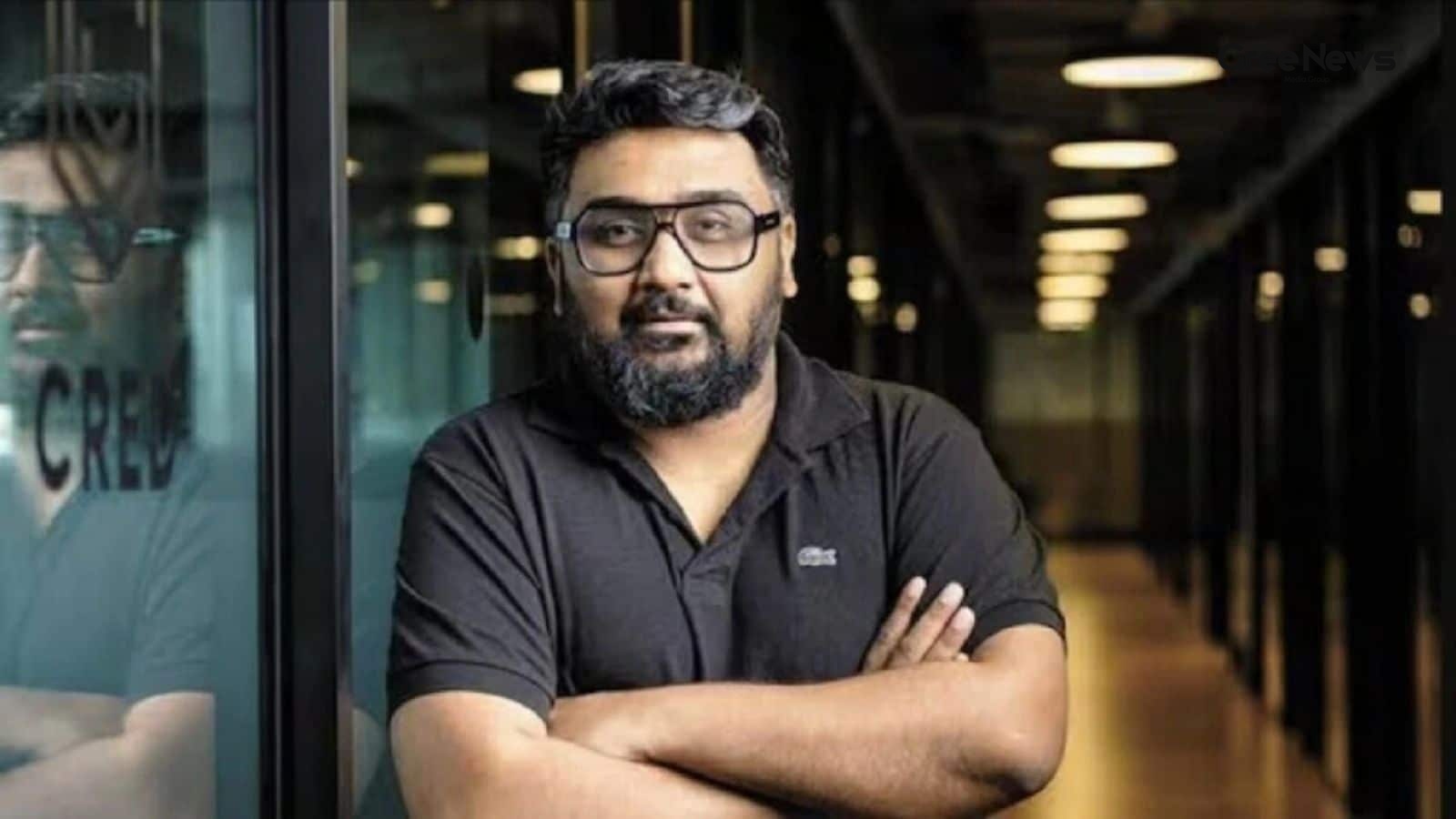
The Shift in Big Tech Leadership: From Managers to Founders
Meta bringing Kunal Shah in as the global head of WhatsApp. It’s more than just swapping out a name at one of the biggest messaging platforms in the world. This feels like something bigger is happening, right? It signals a real shift. How Big Tech thinks about hiring now. Forget the old playbook of
Jun 25, 2026 by Gree News Team

Investigation into Ketan Agarwal’s Murder
The investigation into Ketan Agarwal’s murder really started digging into the backgrounds of the two people involved his fiancée Siya Goyal and her lover Chetan Chaudhary. It wasn't just about finding a killer anymore; it became about understanding how those two actually connected, or failed to conn
Jun 25, 2026 by Gree News Team