Understanding Trade Agreements and the Power of Sunset Clauses
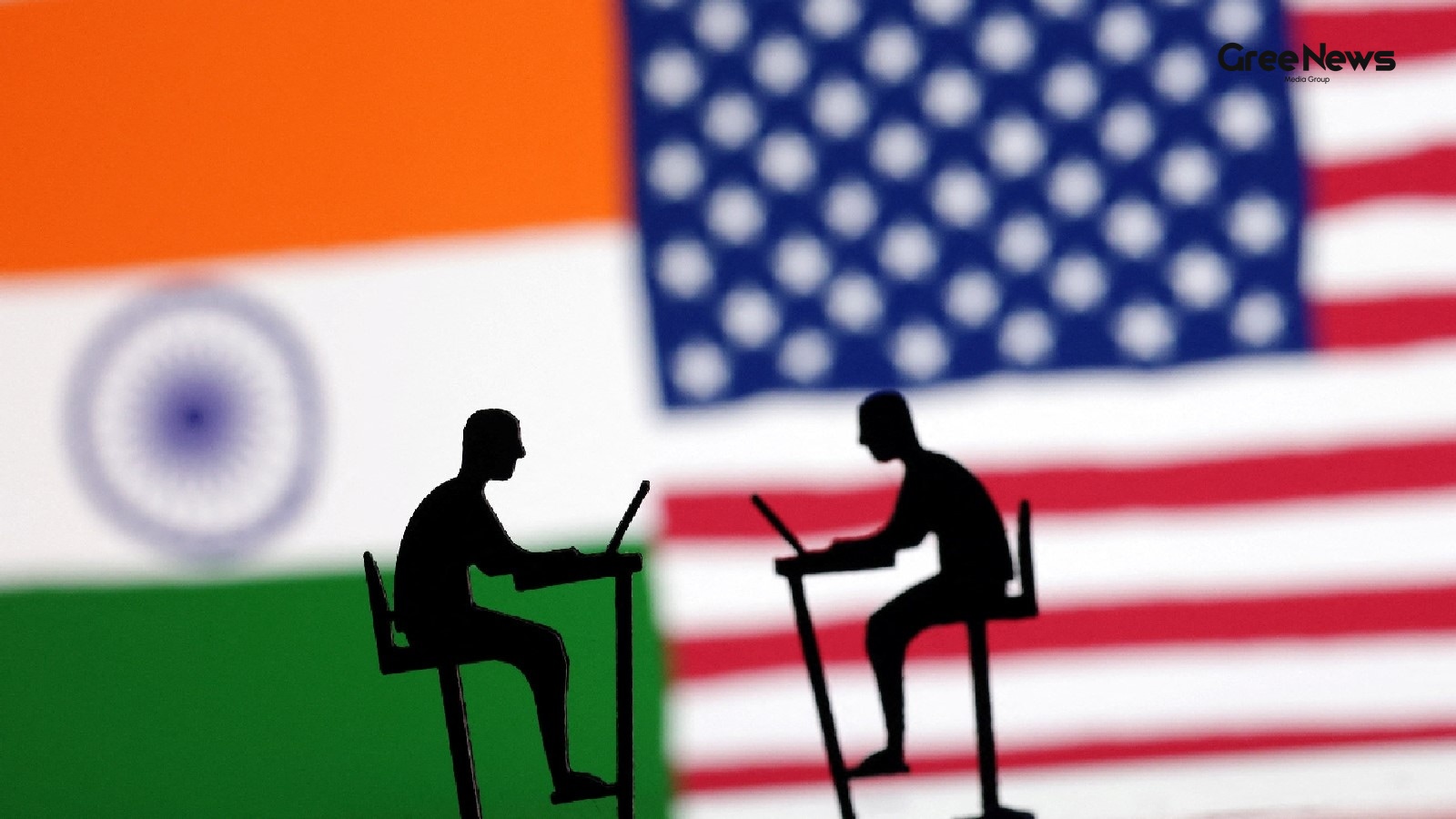
Trade aGreements… they usually stretch out for years sometimes decades once they’re signed. But that’s not always how it works, is it? Unless one side just decides to pull out.
There’s this idea, a sunset clause . It's basically a legal trick. It sets an expiry date on the whole arrangement. If nobody renews it by that time, poof. It ends automatically. It forces a re-think.
Most deals don't have these things. They just stick around until someone officially walks away. But having an expiry date? That changes everything. It means you have to look at the deal again later. Does it still make sense for everyone?
Global trade right now feels really shaky. You’ve got tariffs popping up out of nowhere. Geopolitical stuff messes with supply chains constantly. Governments keep tweaking their industrial policies. In that mess, locking yourselves into long-term commitments without an exit ramp seems risky.
This idea actually popped up because the European Union tried it. They put a sunset provision in when setting up some tariff deals with the US. It’s scheduled to run out on December 31st, 2029. And before that date, they have to check how it’s actually working across manufacturing, farming, small businesses.
It lets them reassess if the deal is still serving their interests given whatever shifts happen in US trade policy down the line. It gives you a mechanism for checking things.
India and the US are hammering out this interim arrangement right now. But there's an added layer of pressure. Indian negotiators aren’t just trying to grab market access today. They need to make sure any deal they sign actually holds water later on. What if Washington changes its tune? If new tariffs hit, or the whole framework shifts, those initial concessions might suddenly feel worthless.
That’s where a sunset clause could be useful. It creates that necessary pause. A chance to look back and decide if the arrangement still benefits India economically after a fixed period.
The US itself is digging into some Section 301 stuff right now. Those investigations could lead to new tariffs on imports from places like Indonesia or Pakistan under forced-labor scares, for example. And India? They’re looking at a potential 12.5 per cent rate if that goes down the line.
The problem is, we don't know what the final outcome of those probes will be. It makes long-term deals with Washington incredibly difficult to gauge. For countries negotiating these things, having something like a sunset clause acts as some sort of safety net. A guardrail.
We have to remember the difference between this and just asking for a review. Some aGreements have review mechanisms. Those let countries look at how things are running and suggest changes if they need them. That’s different. It's soft. This is hard.
A sunset clause imposes a deadline. Hard stop. If neither side acts to keep it going, it just vanishes. That distinction matters a lot. One invites conversation. The other forces a decision.
Businesses hate uncertainty. Companies are planning massive investments, building factories, trying to get export capacity up. They want certainty . Long-term deals that don't suddenly evaporate. When an aGreement has an expiry date, you start wondering what happens after that final day. Will the benefits we got today still be there tomorrow?
So policymakers have this tightrope walk. They need flexibility for today’s needs, but they also need predictability for tomorrow. It’s a balancing act that feels exhausting.
Written by Gree News Team — Senior Editorial Board
Gree News Team covers international news and global affairs at Gree News. Our collective of senior editors is dedicated to providing independent, accurate, and responsible journalism for a global audience.
More from Economy
View All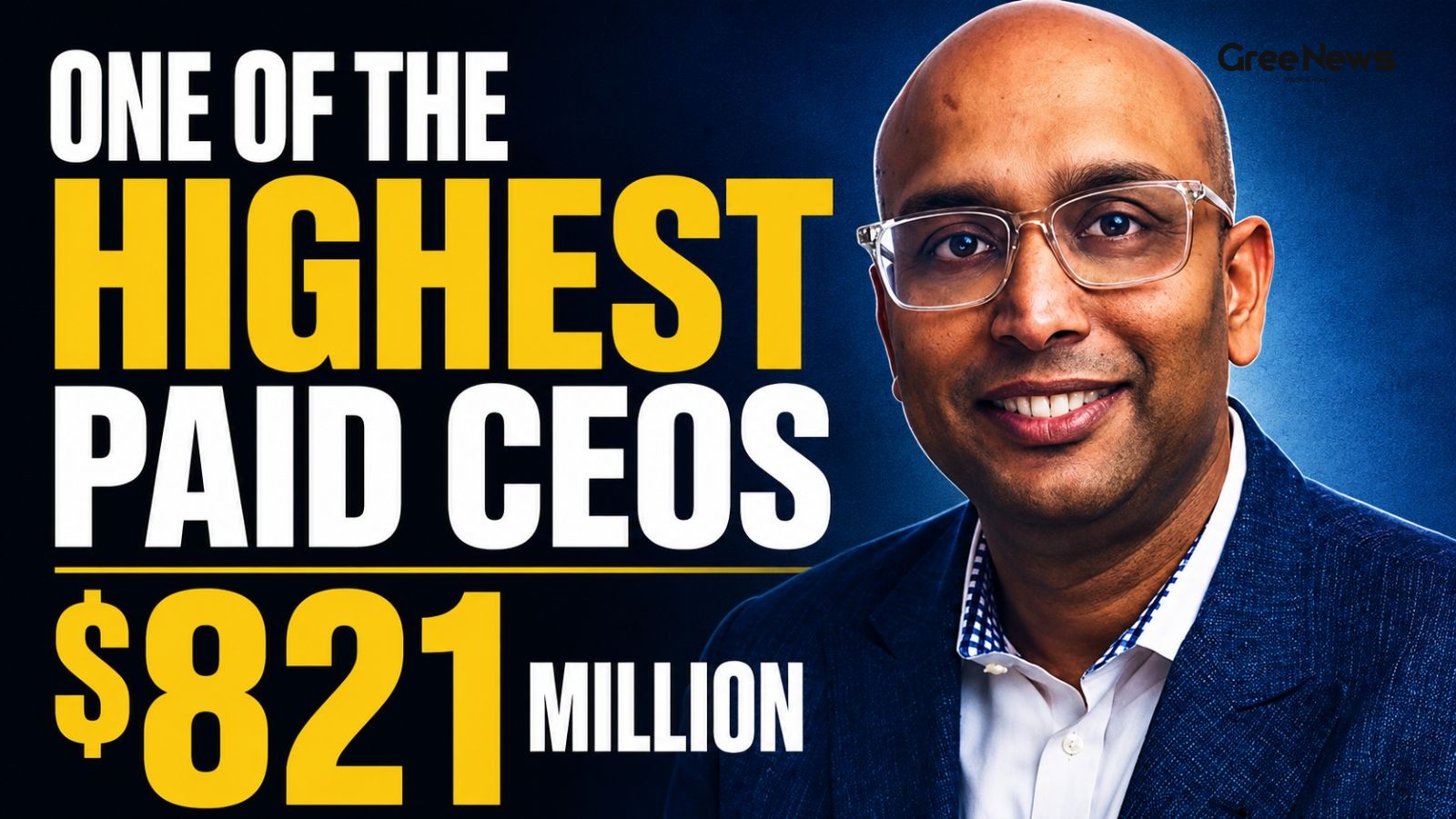
Shankh Mitra's Massive Compensation and Career at Welltower
Shankh Mitra, an Indian origin executive, has pulled off something massive with his compensation package at Welltower. We’re talking $821 million roughly seven thousand and sixty-one crore rupees. That puts him right behind Elon Musk as the second highest paid executive in the company. He’s the CEO
Jun 23, 2026 by Gree News Team

JAL CEO Faces Pay Cut Over Alcohol Incident and Management Failure
JAL’s CEO is facing some serious fallout right now. He’s getting hit with a thirty percent pay cut for two months because of an alcohol issue that rocked the cabin crew and spilled over into the airline's leadership structure. It all kicked off after some cabin crew members seriously messed up compa
Jun 22, 2026 by Gree News Team

Petrol, Diesel, and CNG Price Update
Petrol, diesel, and CNG prices held steady on Monday, June 22nd. Nothing moved, at least not officially. But behind the scenes, things were definitely shifting. Oil market companies and gas distributors tweak those figures every morning at six, you know? It’s routine, but it signals the underlying p
Jun 22, 2026 by Gree News Team
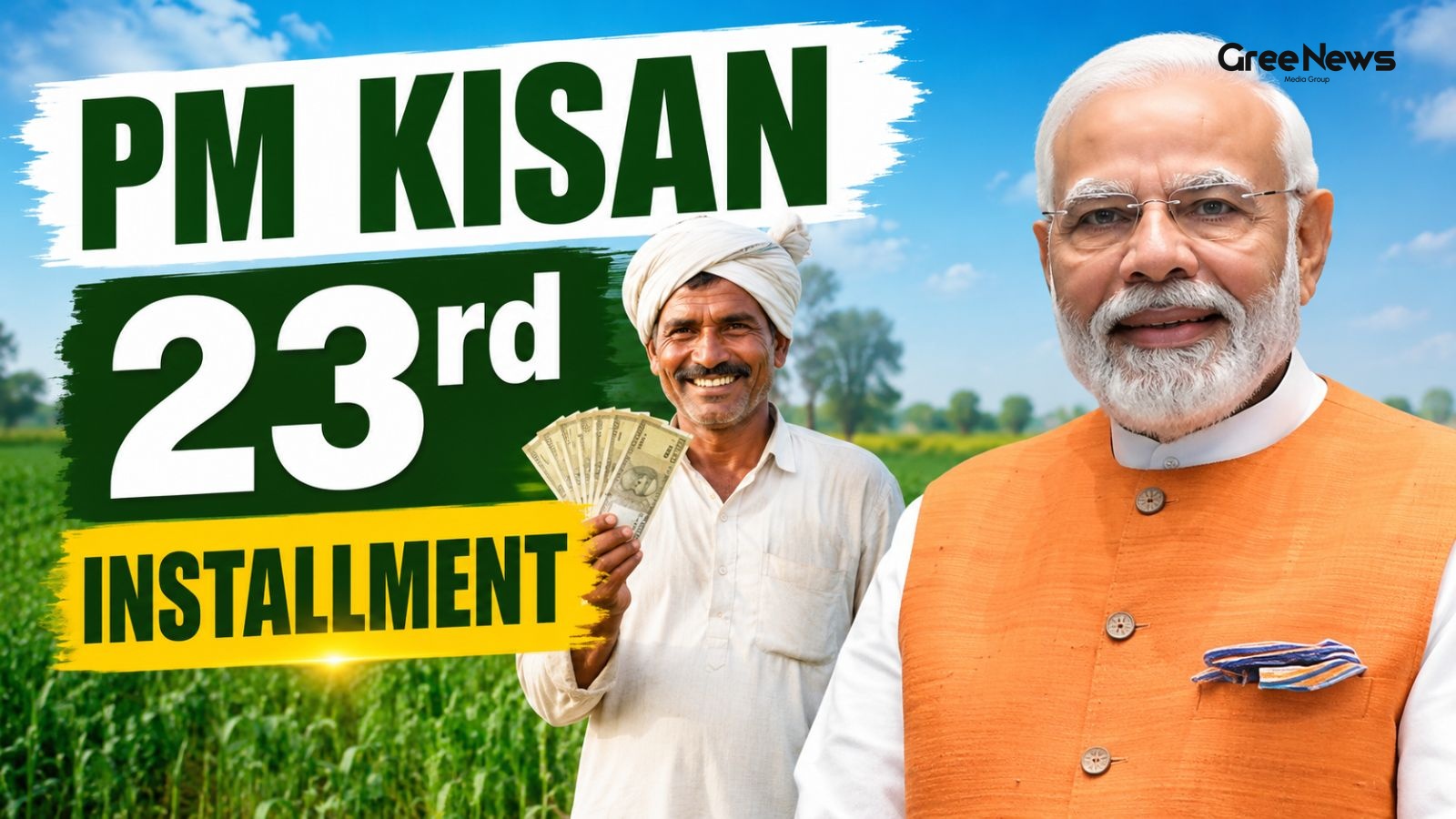
PM Kisan 23rd Installment: Eligibility, Process, and Roadblocks
The wait for the 23rd installment of PM Kisan seems to be finally over. Prime Minister Narendra Modi is set to release about eighteen thousand eight hundred eighty crore rupees on Saturday, June 20, 2026. That money is slated for over nine point four four crore farmers. The announcement comes from T
Jun 21, 2026 by Gree News Team
Latest Headlines

Real-Life Psychological Thriller: Murder Conspiracy at Lohagad Fort
An absolute real-life psychological thriller just ripped through Pune. It’s not some fictional story; it’s about how a planned pre-wedding celebration at Lohagad Fort turned into something utterly cold and brutal. What started as what local police thought was a tragic accident during a scenic trip h
Jun 25, 2026 by Gree News Team
Money vs. Security: Navigating the Volatile Job Market
A guy in Bengaluru, some techie named Sunny Kumar, just started an online argument. It’s about money versus security, right? He posted this idea, saying that a lower salary at a big company is actually better now, given how shaky the job market feels. He brought up an example from a friend who left
Jun 25, 2026 by Gree News Team

Cab Driver Allegedly Abducted Child, Faces Rape and Murder Charges
The 29-year-old cab driver, Bashu Kumar Singh, allegedly returned to work shortly after being accused of a horrific series of crimes. He’s the one said to have abducted a ten-year-old girl from South Delhi. Then there were the allegations of rape and murder, with the body supposedly hidden somewhere
Jun 25, 2026 by Gree News Team
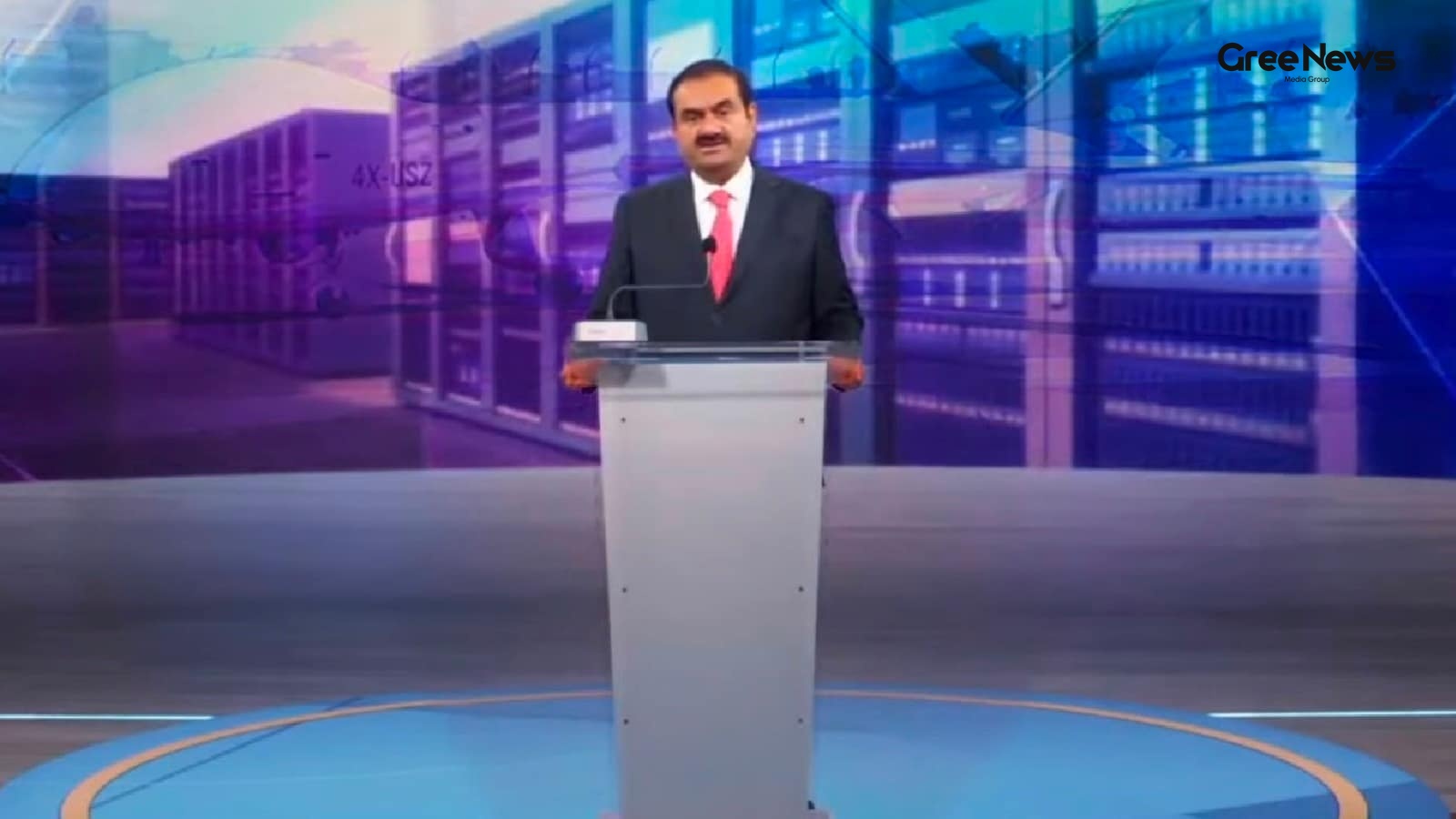
Gautam Adani's Vision: Transformation, Infrastructure, and Employee Focus
Gautam Adani, the Chairman of the group, put out some talking points on Wednesday, during that Annual General Meeting back in 2026. It wasn't just a routine shareholder update; it felt like he was trying to signal something bigger. Three main things he hammered home: making the whole conglomerate mo
Jun 25, 2026 by Gree News Team

Desi Bling: Unspoken Rules, Comments, and Trust
*Desi Bling* hit Netflix back in May. It showed you what ultra-wealthy Indian expats were up to in Dubai. Satish Sanpal and Tabinda Sanpal, they became the big talking points. Not just because of their lifestyle, but those comments they made really started a fight online. They recently sat down with
Jun 25, 2026 by Gree News Team

The Dark Parallels: Murder, Betrayal, and Staged Tragedies
Ketan Agarwal. Raja Raghuvanshi. Two names, two seemingly separate tragedies that somehow started out as promises of happiness. It’s strange how these things connect. You have one businessman looking toward a wedding in Pune, and another on his honeymoon somewhere remote in Meghalaya with his wife.
Jun 25, 2026 by Gree News Team

Nana Kwaku Bonsam: Claims, Curses, and Controversy
Nana Kwaku Bonsam. That’s his name. It literally translates to “Devil of Wednesday,” and around here in Ghana, he’s just known as a witch doctor. Strange stuff. He made headlines recently because he started talking about putting a curse on England captain Harry Kane. He said it was all for Ghana, ho
Jun 25, 2026 by Gree News Team

India's AMCA Program: Engine Snags and Future Fighter Development
India’s big push for the fifth-generation fighter the AMCA program is hitting a snag. It looks like they might be looking away from the United States for the actual engine requirements now. The talks with GE Aerospace over that F414 engine? They’re tangled up, mostly because of pricing and how thing
Jun 25, 2026 by Gree News Team
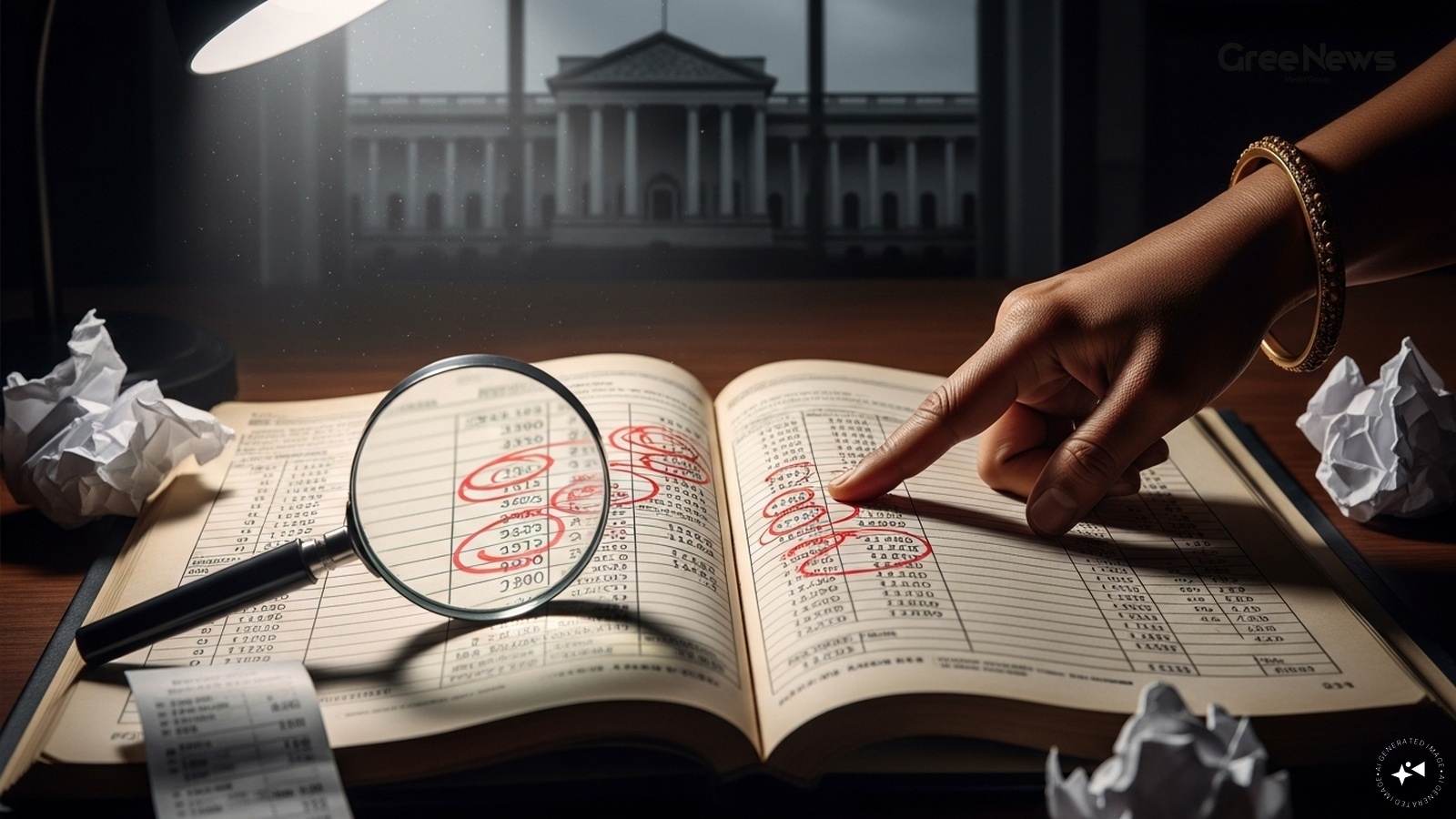
Audit Findings on Gruha Lakshmi Scheme Irregularities
The alarm bells started ringing long before the official report came out. You have this massive welfare scheme, Gruha Lakshmi in Karnataka, right? It’s supposed to be a lifeline for women heads of households a flagship initiative, you know, from the Congress government. Something that should feel so
Jun 25, 2026 by Gree News Team

The Subtle Shift in Aesthetic Medicine and Body Contouring
These days, everything changes in subtle ways, you know? Not these huge dramatic shifts. It’s more about tiny refinements now. Things like contouring a specific spot on your face or body are popping up everywhere. Jawlines are getting way more attention than they used to get. And those fat deposits
Jun 25, 2026 by Gree News Team
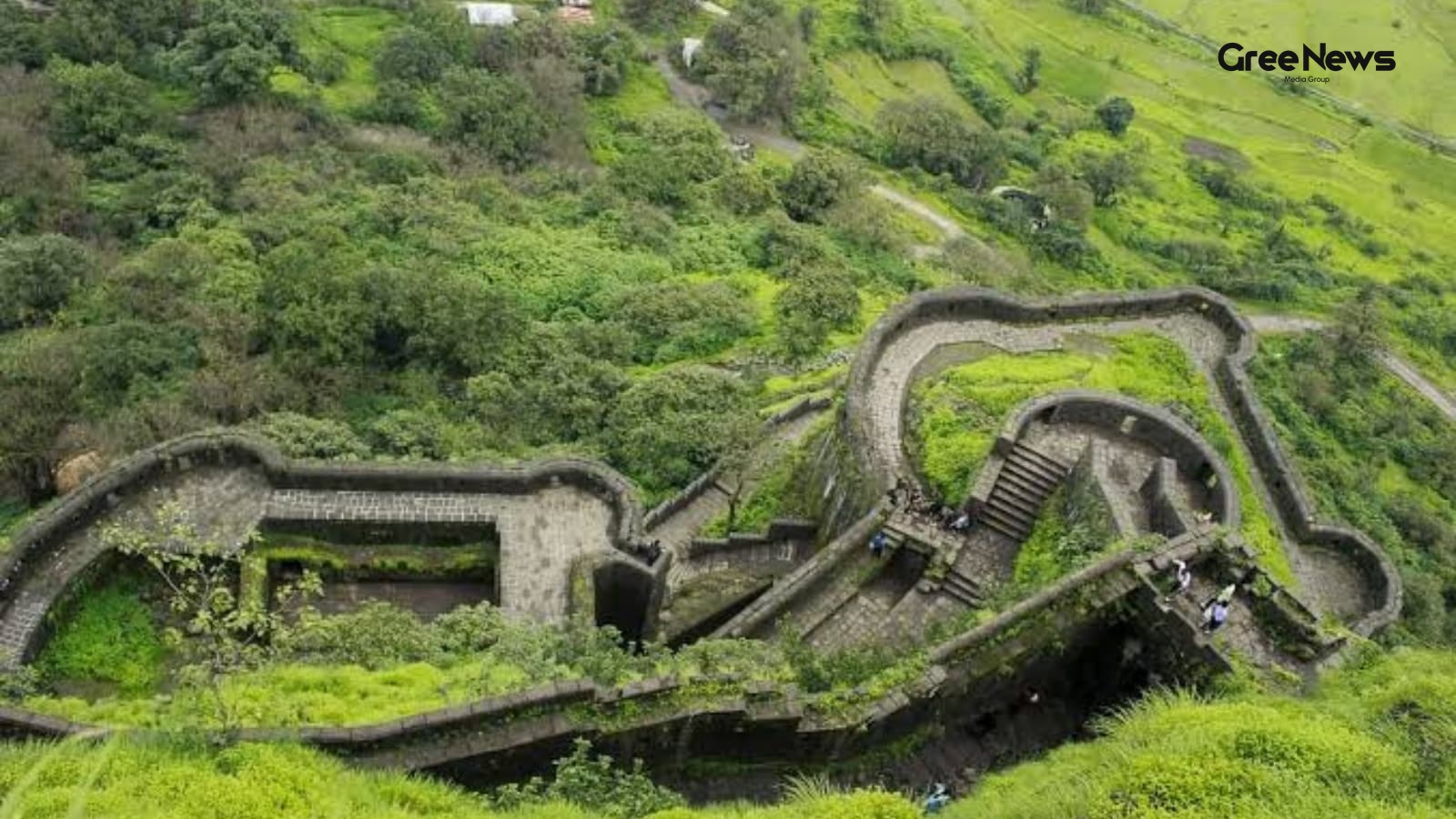
Lohagad Fort: Mystery, History, and Unsettling Legends
The death of Ketan Agarwal, a 26-year-old realtor, at Lohagad Fort near Lonavala in Maharashtra wasn't just an accident, not initially. It was brushed off. Just a fall. But then things started shifting. Days later, the real story emerged. He hadn’t fallen by accident. His fiancée, Siya Goyal, and he
Jun 25, 2026 by Gree News Team
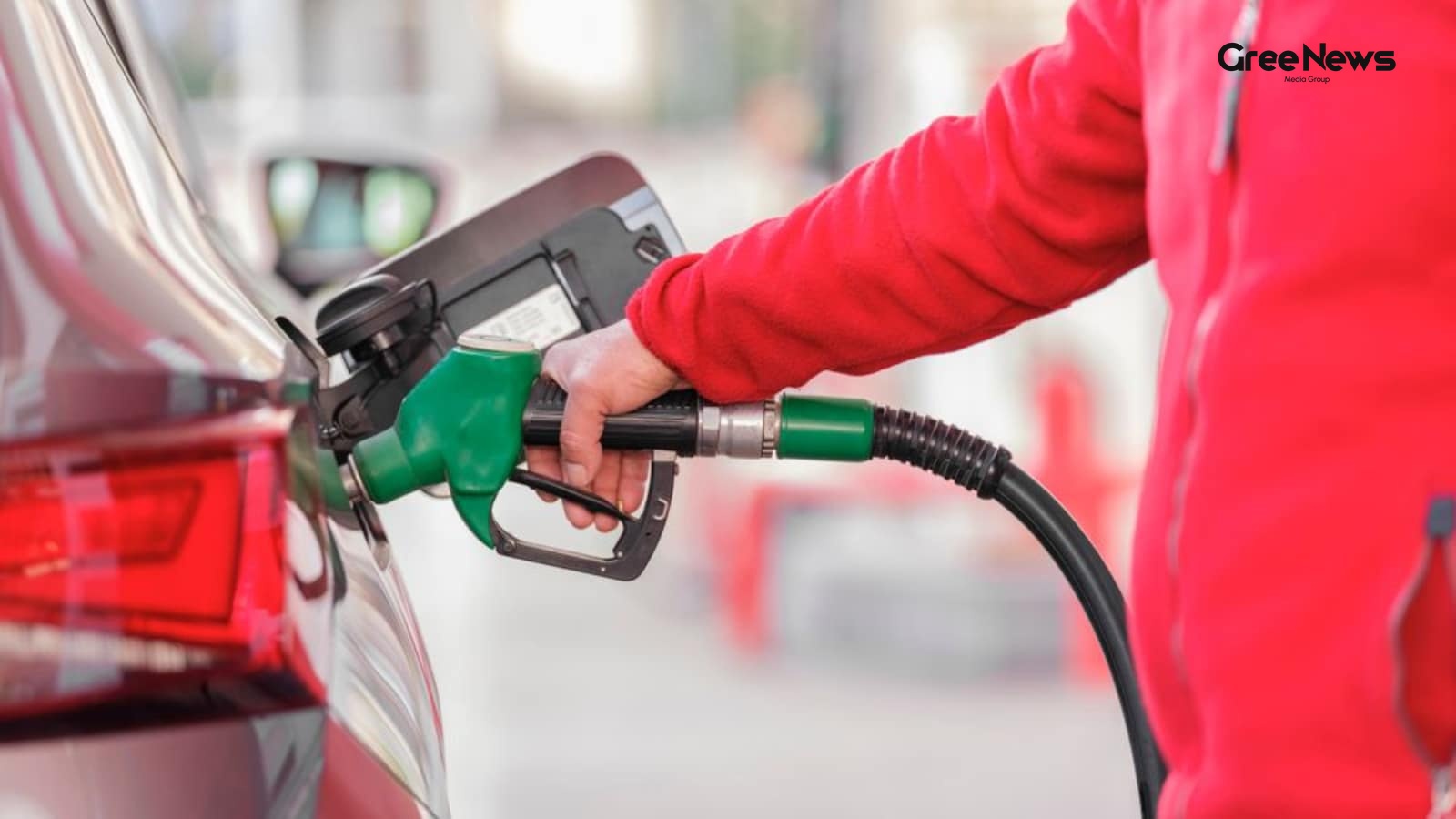
Petrol Pump Scam Allegations and Social Media Debate
A post went viral on X recently. It was about some alleged scam at a petrol pump. People were immediately arguing online, questioning if what was being said actually happened at all. Apparently, the story claimed a young woman bought a new car and stopped for fuel. She supposedly asked the attendant
Jun 25, 2026 by Gree News Team
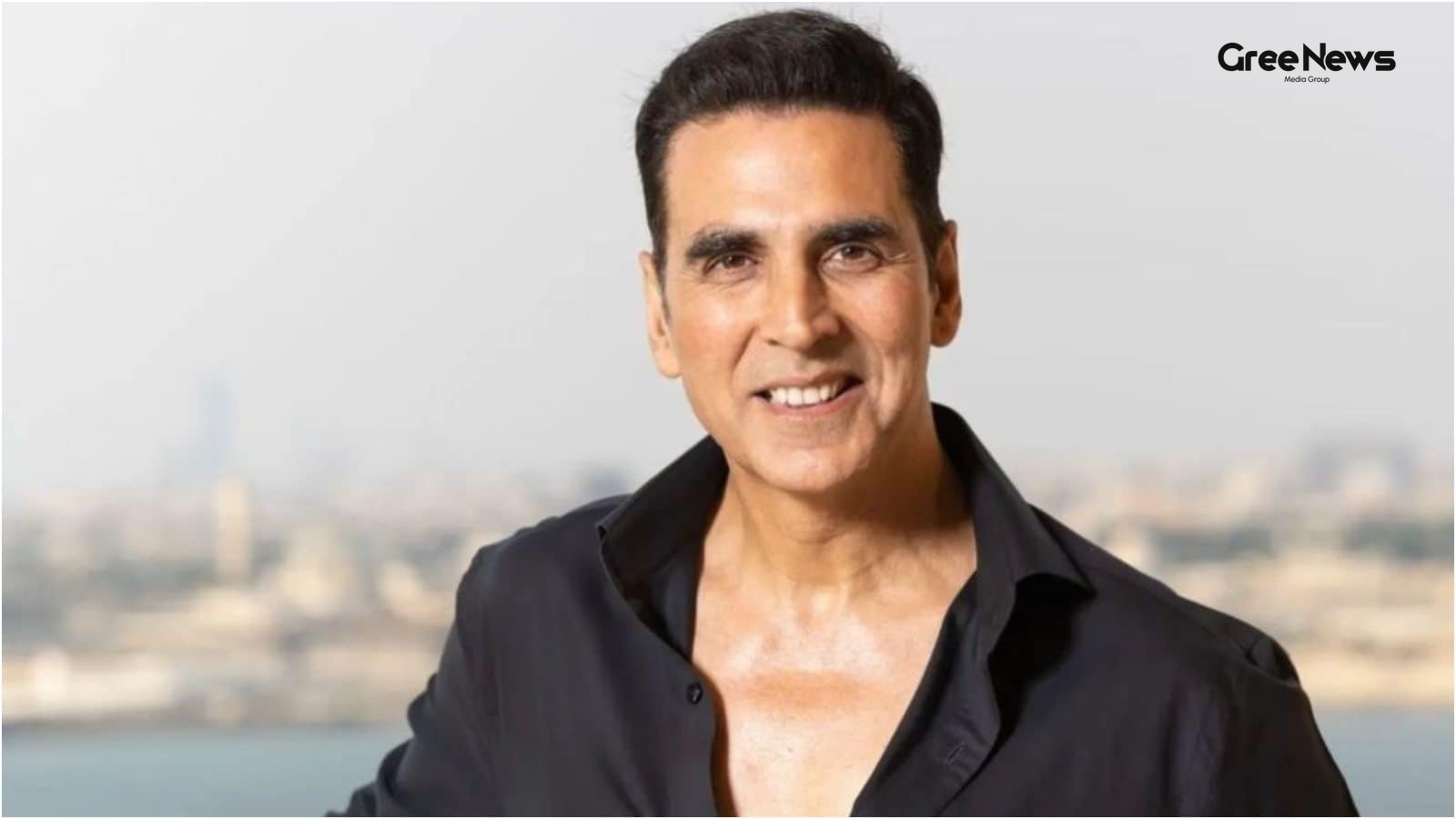
Akshay Kumar on Comedy, Filmmaking, and Welcome To The Jungle
Akshay Kumar talked about comedy today. He said it’s always been hard to make people laugh. But now, in this social media age? It's gotten way tougher. Everyone sees funny reels, memes, stand-up acts constantly. He was gearing up for the release of *Welcome To The Jungle*, part of that long-running
Jun 25, 2026 by Gree News Team
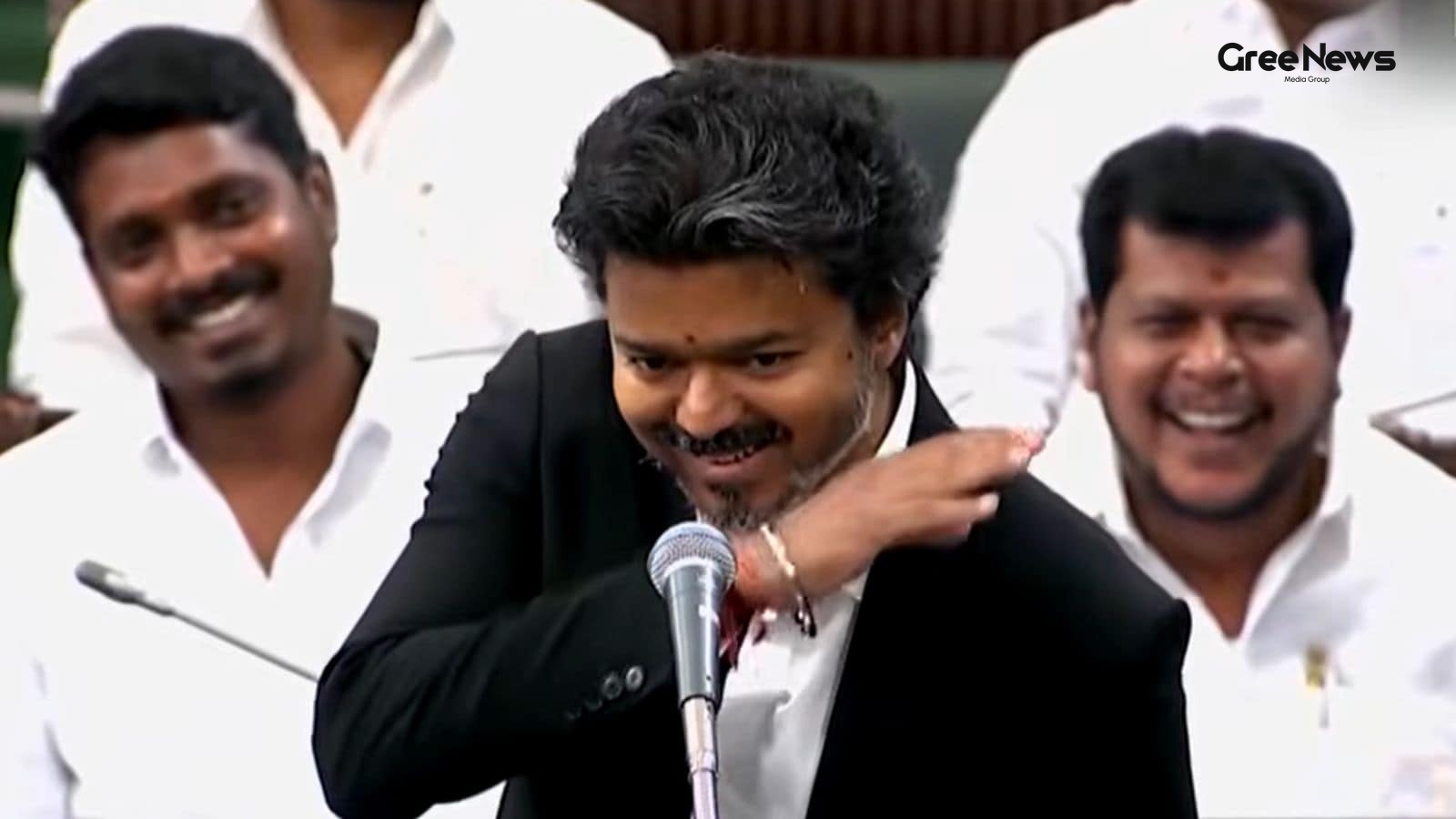
Conflict between TVK Government and DMK over Gesture and Allegations
A fresh war of words started up between the ruling TVK government and the opposition DMK in Tamil Nadu. It all kicked off because Chief Minister C Joseph Vijay recreated that viral hand-slashing gesture, one associated with former chief minister MK Stalin, during a speech in the Assembly. Massive fl
Jun 25, 2026 by Gree News Team

Brazil vs Scotland: The Final Group C Match of the 2026 FIFA World Cup
Brazil is looking to book their spot in the last thirty-two of the 2026 FIFA World Cup. They have a match coming up Wednesday against Scotland. That’s their final group C game. Five-time World Cup winners are involved, naturally. But they are facing Scotland now, trying to qualify for the knockout r
Jun 25, 2026 by Gree News Team