Gautam Adani's Vision: Transformation, Infrastructure, and Employee Focus
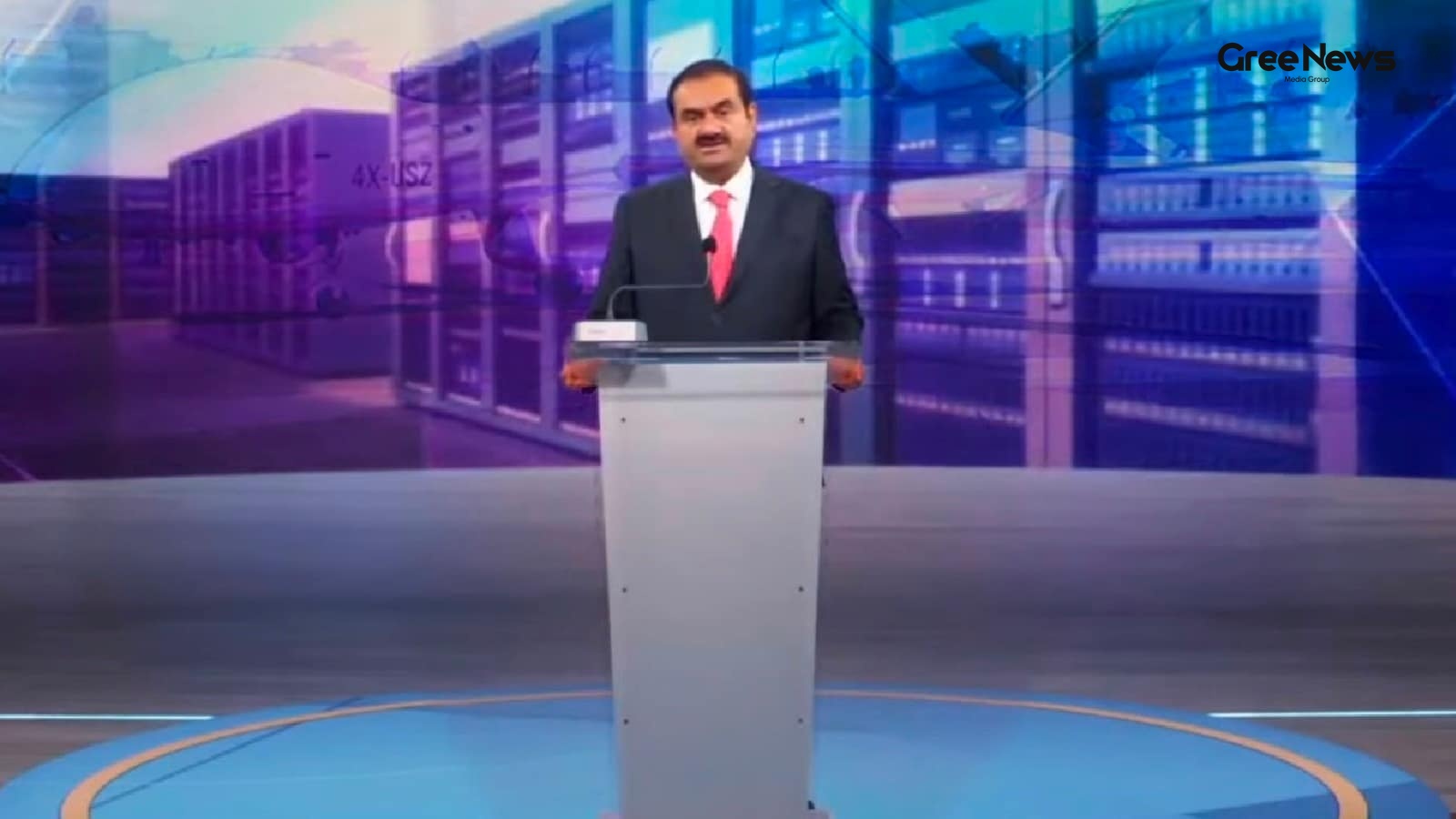
Gautam Adani, the Chairman of the group, put out some talking points on Wednesday, during that Annual General Meeting back in 2026. It wasn't just a routine shareholder update; it felt like he was trying to signal something bigger. Three main things he hammered home: making the whole conglomerate more agile, more efficient, and focusing squarely on the people working there.
There’s always that underlying hum of urgency when you hear corporate leaders talking about transformation versus just reacting. Adani positioned the group not as some entity simply adapting to whatever comes next, but something actively preparing for it. He made that kind of statement: “We are now one of the very few global companies that are not reacting to the future but are prepared for it.” It sounds grand, maybe a little hyperbolic, but you can sense the weight behind it the need to claim foresight when things are obviously shifting around the globe.
And this wasn't just about internal restructuring. It bled into where the group is currently spending its colossal resources. You see the infrastructure investments constantly mentioned, right? The sheer scale of what they’ve moved in FY26 was staggering. We’re talking over 1.5 lakh crore poured into these projects by the Adani Group. And here’s the kicker, according to their own figures, that number pushed past thirty per cent of all fresh private-sector capital expenditure happening across India that year. That figure alone is massive. It speaks volumes about where the confidence sits in long-term growth trajectories, they claimed. In building things.
But it’s not just concrete and steel dominating the narrative. There’s this pivot toward defense and aerospace lurking underneath everything. The ambition there isn't small. They talk about building an integrated platform. Something that covers manufacturing, maintenance, repair and overhaul MRO, aviation services, pilot training. It suggests a desire to control more than just logistics or energy; it touches on something much deeper, national security layered right onto commercial enterprise.
And you can’t ignore the defense angle when you bring up things like Operation Sindoor. The implication there is that technology and infrastructure aren't separate anymore. They got tangled up. Technology and infrastructure became inseparable from what they are calling national sovereignty in FY26. That overlap the strategic infrastructure, the defence preparedness, the intelligence capabilities it’s all starting to fuse together in a way that feels almost unavoidable now.
Meanwhile, while this was happening internally at the AGM, there’s the shadow of the legal battles hanging over things. The context is important. This meeting came months after those big US legal proceedings wrapped up. Remember that civil settlement reached with the SEC back in May 2026? And the Department of Justice finally dropped those criminal charges against the group? It changes the atmosphere entirely, doesn’t it? You have these massive operational shifts happening simultaneously with a cooling down of some of the external pressure points.
Adani continued talking about how they managed to keep moving forward despite everything. They acknowledged that this expansion across energy, transport, logistics, manufacturing didn't happen in calm waters. It came under extraordinary scrutiny. But the message delivered was defiant: “While others debated, your group built. This progress did not come in calm conditions for us. It came in the middle of extraordinary scrutiny. However, we did not bend. We did not pause.” That’s a tone you don't hear often from a corporate giant; it sounds almost stubbornly resilient, maybe even a little defiant.
Then there’s the focus shifting to the people who make all this happen. This is where things get intensely personal, moving away from balance sheets and into human concerns. Nearly four hundred thousand people are associated with these businesses. And it's not just about the bottom line anymore. Adani stressed that employee well-being has become a priority.
The numbers behind that commitment are stark. Eighty-five per cent of those workers operate at industrial sites or project locations. That’s the ground level reality, the people on the ground who are living this expansion. And he insists that every worker needs to be treated with dignity. It wasn't just a slogan tossed out there; it was tied to tangible promises. Quality housing facilities. Nutritious food. Healthcare support. Fair compensation. These aren’t abstract goals; they feel like immediate necessities when you look at the scale of operations involved.
The management structure itself is being tweaked, too. The first big initiative mentioned was streamlining things down moving toward a three-tier management system across all corporate offices and project sites. The stated goal? Cutting out those unnecessary layers of bureaucracy. It’s about accountability, they said. Making sure every single function actually delivers something real, tangible value instead of just creating paperwork.
And the collaboration piece flows right from that need for efficiency. The second pillar is focused on how the group interacts with its external world the contractors and strategic partners. Adani talked about fostering a more transparent ecosystem. A place where those long-term partners feel empowered to move projects along faster, but crucially, without letting their interests get sidelined. It’s about shifting from an old way of doing business to something supposedly more agile and trust-based, even if that feels like corporate spin sometimes.
It’s this blend the massive infrastructure spending pushing the boundaries of national capability, the focus on defense technology integration, and the simultaneous push for internal worker welfare that defines the current narrative. It's messy. It doesn't fit neatly into any single box. It just keeps moving forward, under a layer of intense public gaze. There’s this constant tension between the colossal scale of what they are doing and the very human realities of who is doing it and how it impacts everyone involved. It’s all happening in real-time, under that heavy spotlight.
Written by Gree News Team — Senior Editorial Board
Gree News Team covers international news and global affairs at Gree News. Our collective of senior editors is dedicated to providing independent, accurate, and responsible journalism for a global audience.
More from Business
View All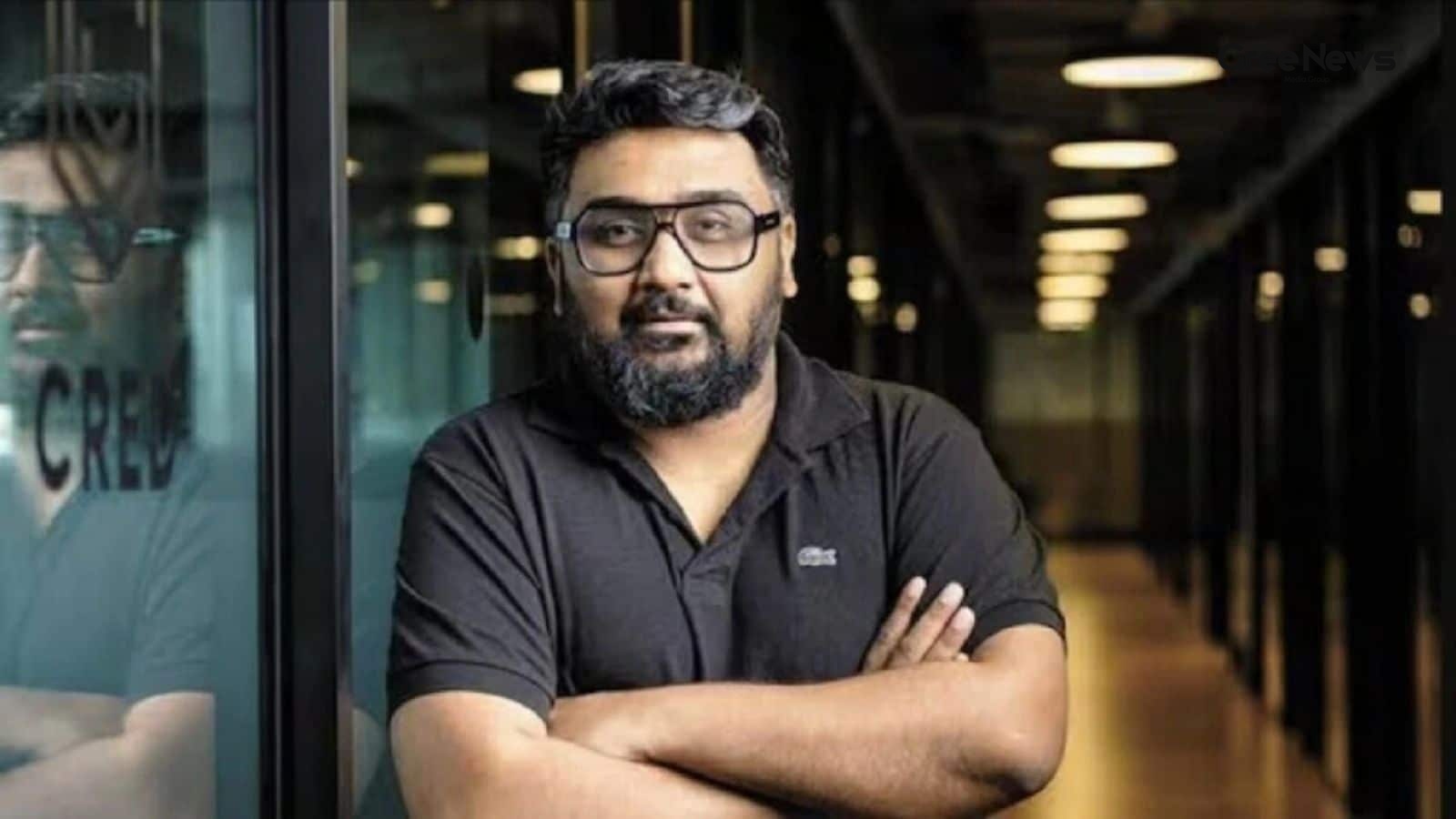
The Shift in Big Tech Leadership: From Managers to Founders
Meta bringing Kunal Shah in as the global head of WhatsApp. It’s more than just swapping out a name at one of the biggest messaging platforms in the world. This feels like something bigger is happening, right? It signals a real shift. How Big Tech thinks about hiring now. Forget the old playbook of
Jun 25, 2026 by Gree News Team

Market and Corporate News Update
The market started with some upward momentum today, though things feel kind of fragile right now. Gift Nifty traded above 82 points that’s up about 0.34 per cent landing at 24,105. There’s definitely a positive feeling floating around the investment space lately. That’s mostly because crude oil pric
Jun 25, 2026 by Gree News Team

Indian Stock Market Rally Driven by Semiconductor Gains and Global Optimism
Stock market opened higher today, tracking a decent rally across Asia. That was mostly because global semiconductor companies gave some upbeat earnings and guidance. It lifted risk appetite generally. And you had lower crude oil prices playing a role, plus the rupee actually got stronger too. As of
Jun 25, 2026 by Gree News Team
Stock Market Performance and Index Moves on June 24th
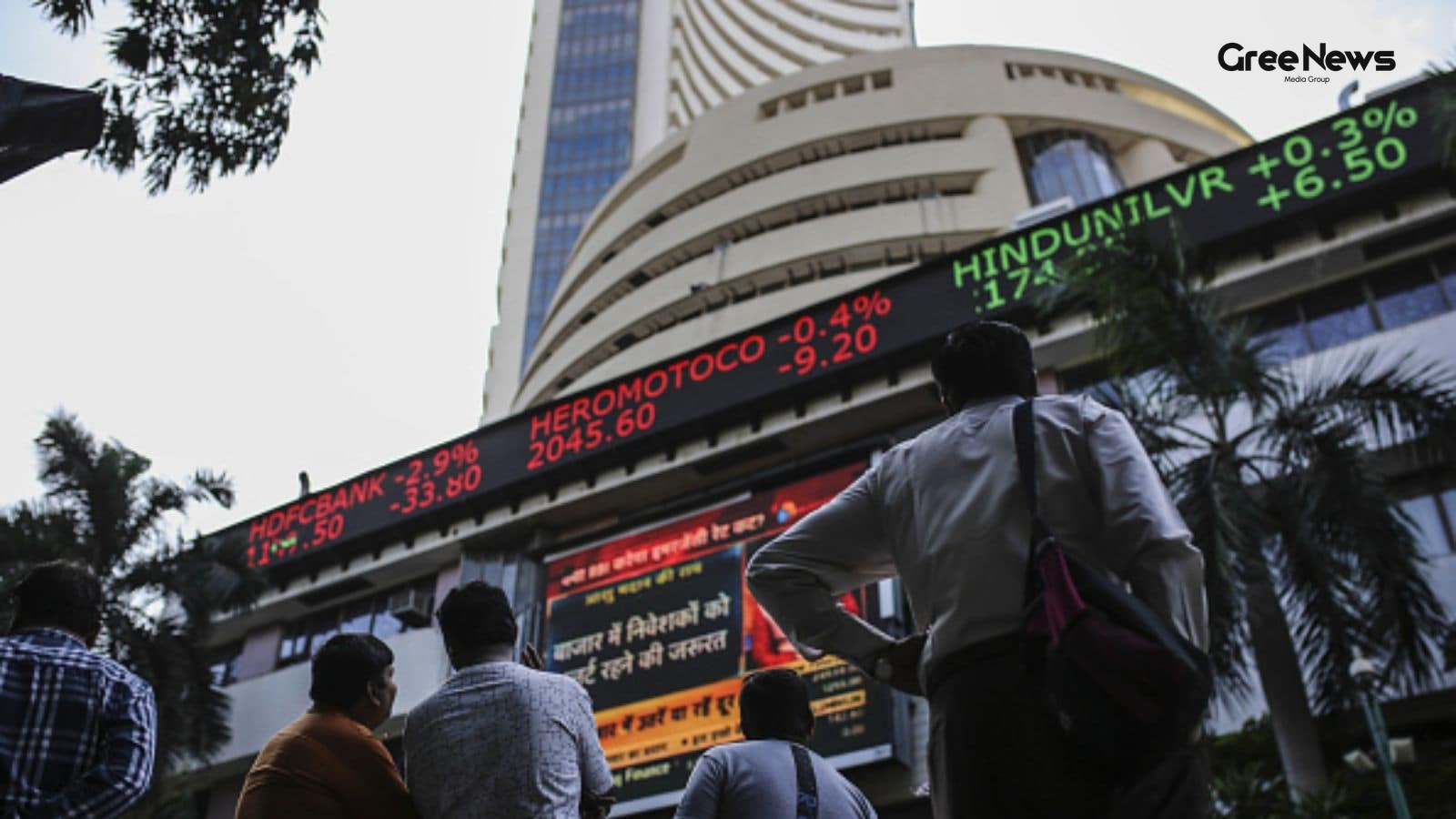
Stock market moves today, June 24th. Things extended gains in the afternoon session across the board. The Sensex jumped over nine hundred points finally crossing that 77,100 level. Nifty followed suit too, climbing above 24,050. It felt positive, mostly. Strong buying kicked in for IT and banking st
Jun 24, 2026 by Gree News Team
Latest Headlines
India's Pushback on Jammu and Kashmir at the UN Security Council
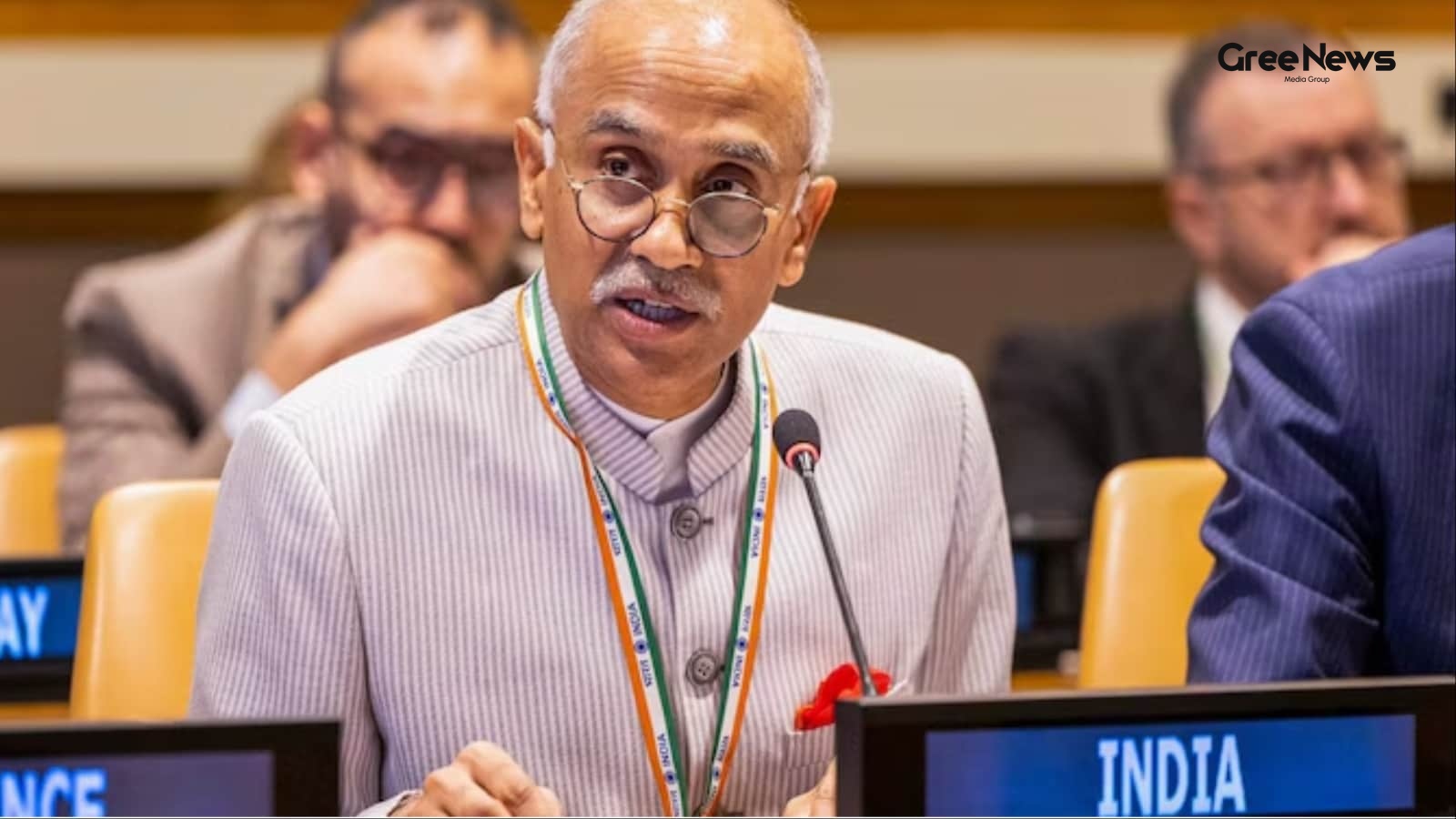
Tuesday brought another round of friction at the United Nations Security Council. India firmly pushed back against Pakistan’s comments regarding Jammu and Kashmir during what was structured as an Arria-formula meeting. Ambassador Parvathaneni Harish, India’s Permanent Representative there, made his
Jun 26, 2026 by Gree News Team
The Messy Reality of Reporting: Style Over Structure
Look, when you ask for something written like that the real human mess of reporting it’s not about finding the perfect structure. It's about how it actually feels, right? It’s uneven. Like someone is typing fast, maybe slightly stressed. There are breaks in the flow. You don't get perfectly organize
Jun 26, 2026 by Gree News Team
Investigation into Ram Temple Donations and Financial Irregularities
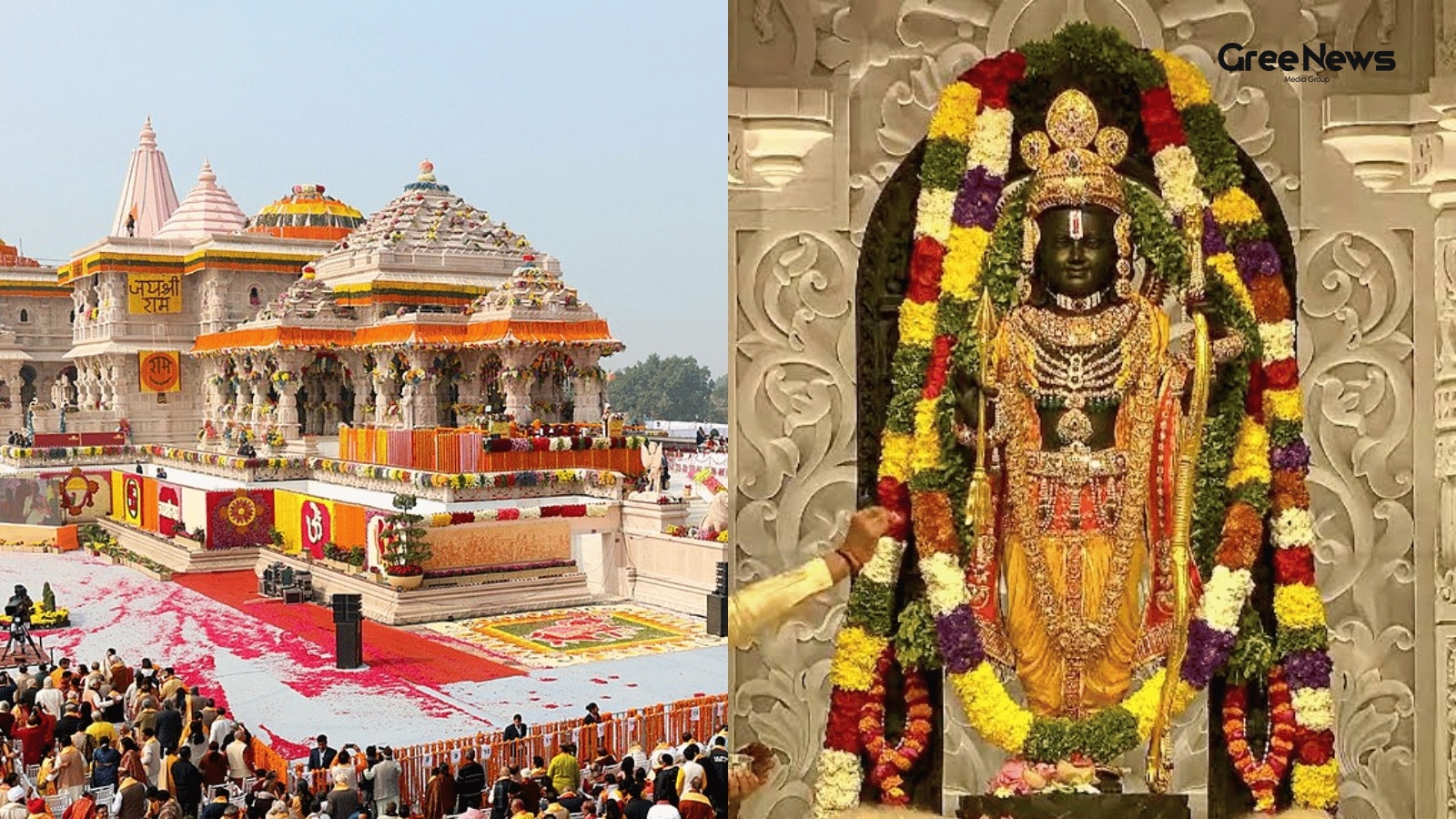
The whole thing about the Ram Temple donations it’s really turning into a mess now. The Special Investigation Team, that SIT looking into those allegations of irregularities at the Ramjanmabhoomi Temple in Ayodhya, they’ve come up with some big recommendations. It basically says the whole administra
Jun 26, 2026 by Gree News Team
The Legacy of Raman Raghav 2.0 and Nawazuddin Siddiqui's Performance
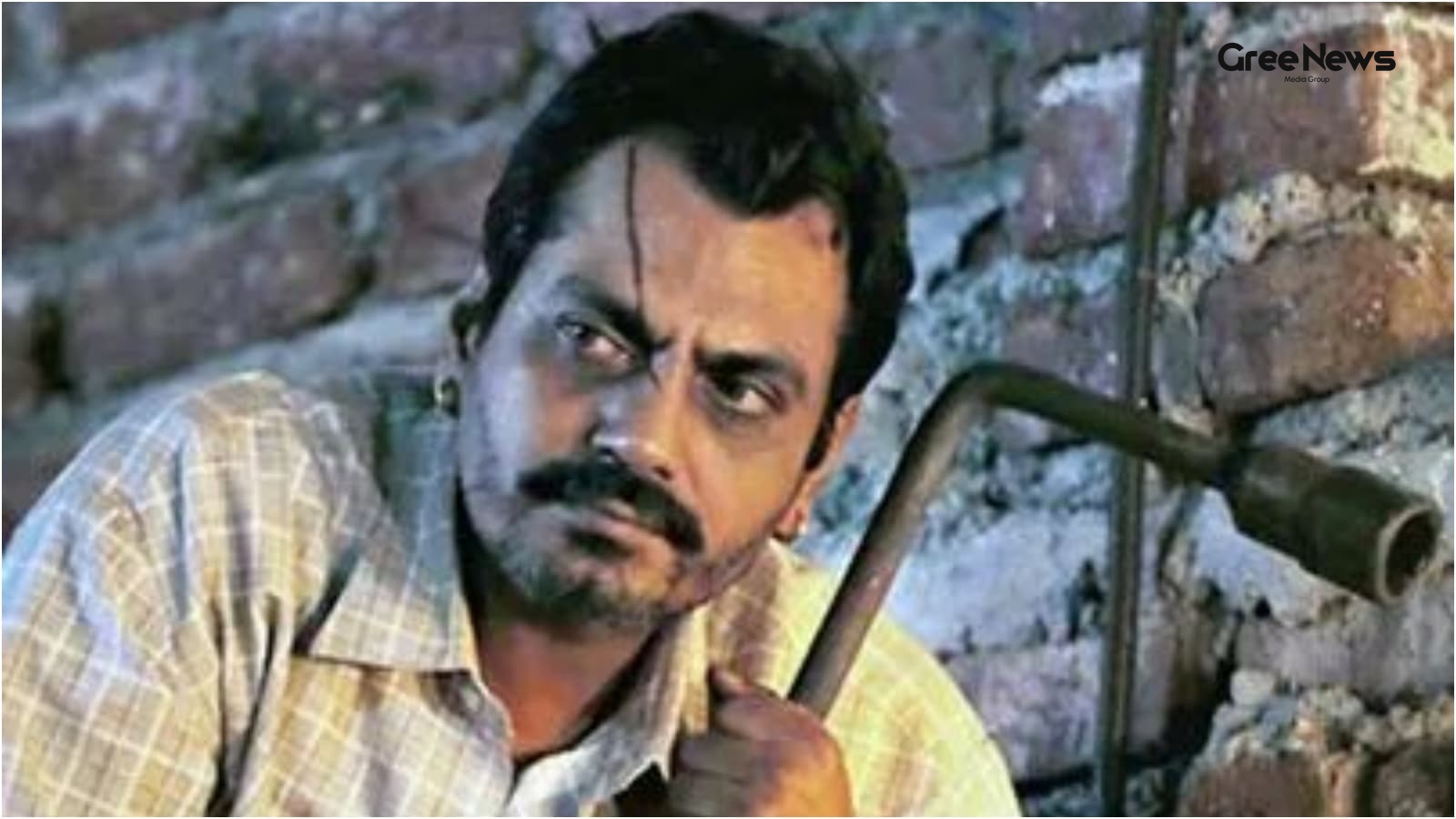
Ten years. That’s what it’s been since *Raman Raghav 2.0* dropped. Anurag Kashyap’s movie. It still hits you, right? One of those films that just stays lodged in your head intense. Unsettling. It came out back in 2016. Nawazuddin Siddiqui was in it as Raman. A serial killer. The kind of character wh
Jun 26, 2026 by Gree News Team
The Political Split and 'Operation Tiger' in Shiv Sena
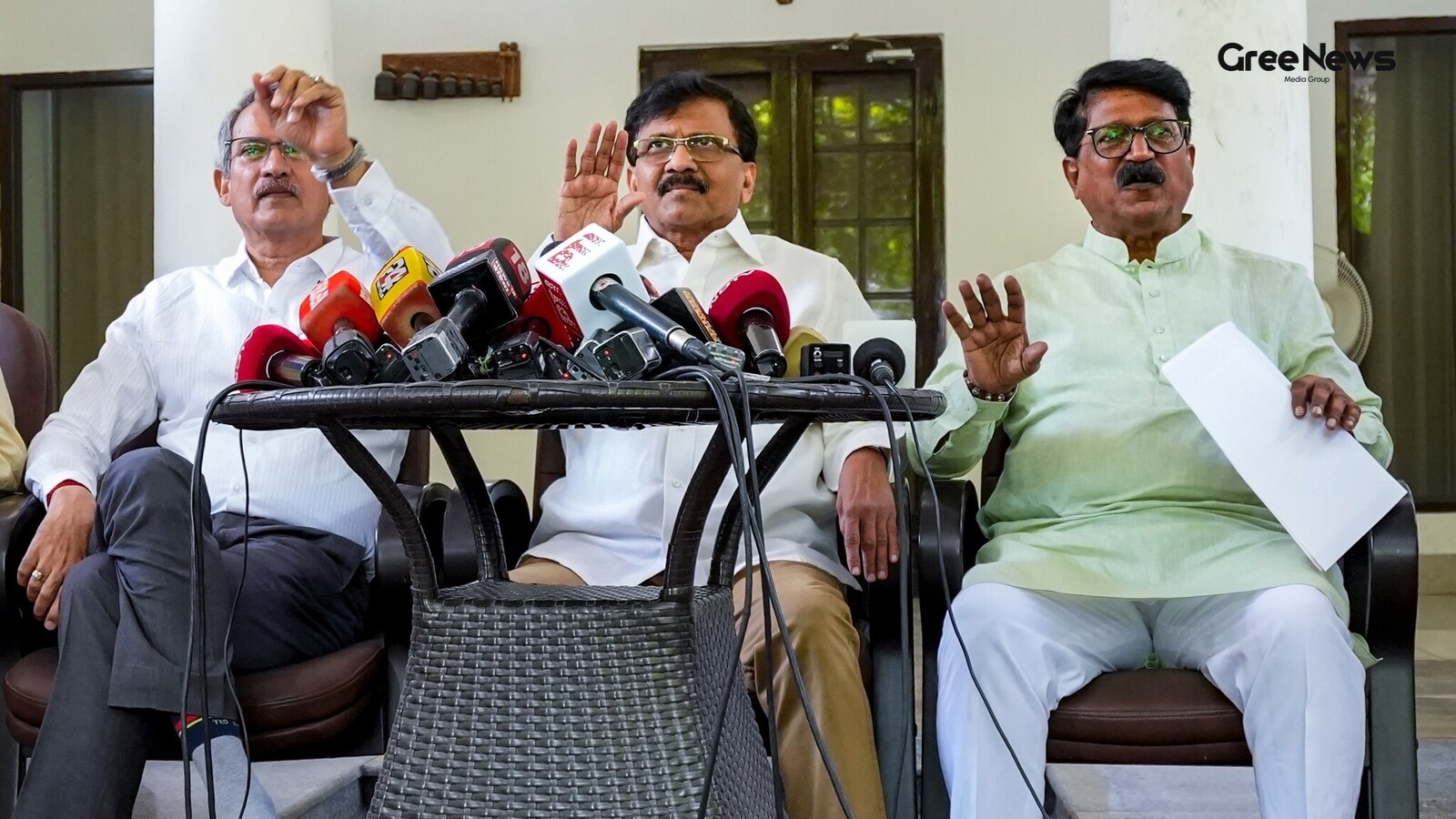
Two days after those six Lok Sabha MPs actually announced they were joining Eknath Shinde’s side within the Shiv Sena the UBT faction things got loud. Sanjay Raut stepped up. He didn't just talk; he threw out this veiled threat, calling it a fight against traitors. A real declaration of war, kind of
Jun 25, 2026 by Gree News Team

Real-Life Psychological Thriller: Murder Conspiracy at Lohagad Fort
An absolute real-life psychological thriller just ripped through Pune. It’s not some fictional story; it’s about how a planned pre-wedding celebration at Lohagad Fort turned into something utterly cold and brutal. What started as what local police thought was a tragic accident during a scenic trip h
Jun 25, 2026 by Gree News Team
Money vs. Security: Navigating the Volatile Job Market
A guy in Bengaluru, some techie named Sunny Kumar, just started an online argument. It’s about money versus security, right? He posted this idea, saying that a lower salary at a big company is actually better now, given how shaky the job market feels. He brought up an example from a friend who left
Jun 25, 2026 by Gree News Team

Cab Driver Allegedly Abducted Child, Faces Rape and Murder Charges
The 29-year-old cab driver, Bashu Kumar Singh, allegedly returned to work shortly after being accused of a horrific series of crimes. He’s the one said to have abducted a ten-year-old girl from South Delhi. Then there were the allegations of rape and murder, with the body supposedly hidden somewhere
Jun 25, 2026 by Gree News Team

Desi Bling: Unspoken Rules, Comments, and Trust
*Desi Bling* hit Netflix back in May. It showed you what ultra-wealthy Indian expats were up to in Dubai. Satish Sanpal and Tabinda Sanpal, they became the big talking points. Not just because of their lifestyle, but those comments they made really started a fight online. They recently sat down with
Jun 25, 2026 by Gree News Team

The Dark Parallels: Murder, Betrayal, and Staged Tragedies
Ketan Agarwal. Raja Raghuvanshi. Two names, two seemingly separate tragedies that somehow started out as promises of happiness. It’s strange how these things connect. You have one businessman looking toward a wedding in Pune, and another on his honeymoon somewhere remote in Meghalaya with his wife.
Jun 25, 2026 by Gree News Team
Understanding Trade Agreements and the Power of Sunset Clauses
Trade agreements… they usually stretch out for years sometimes decades once they’re signed. But that’s not always how it works, is it? Unless one side just decides to pull out. There’s this idea, a sunset clause. It's basically a legal trick. It sets an expiry date on the whole arrangement. If nobod
Jun 25, 2026 by Gree News Team

Nana Kwaku Bonsam: Claims, Curses, and Controversy
Nana Kwaku Bonsam. That’s his name. It literally translates to “Devil of Wednesday,” and around here in Ghana, he’s just known as a witch doctor. Strange stuff. He made headlines recently because he started talking about putting a curse on England captain Harry Kane. He said it was all for Ghana, ho
Jun 25, 2026 by Gree News Team

India's AMCA Program: Engine Snags and Future Fighter Development
India’s big push for the fifth-generation fighter the AMCA program is hitting a snag. It looks like they might be looking away from the United States for the actual engine requirements now. The talks with GE Aerospace over that F414 engine? They’re tangled up, mostly because of pricing and how thing
Jun 25, 2026 by Gree News Team

Audit Findings on Gruha Lakshmi Scheme Irregularities
The alarm bells started ringing long before the official report came out. You have this massive welfare scheme, Gruha Lakshmi in Karnataka, right? It’s supposed to be a lifeline for women heads of households a flagship initiative, you know, from the Congress government. Something that should feel so
Jun 25, 2026 by Gree News Team

The Subtle Shift in Aesthetic Medicine and Body Contouring
These days, everything changes in subtle ways, you know? Not these huge dramatic shifts. It’s more about tiny refinements now. Things like contouring a specific spot on your face or body are popping up everywhere. Jawlines are getting way more attention than they used to get. And those fat deposits
Jun 25, 2026 by Gree News Team