Audit Findings on Gruha Lakshmi Scheme Irregularities
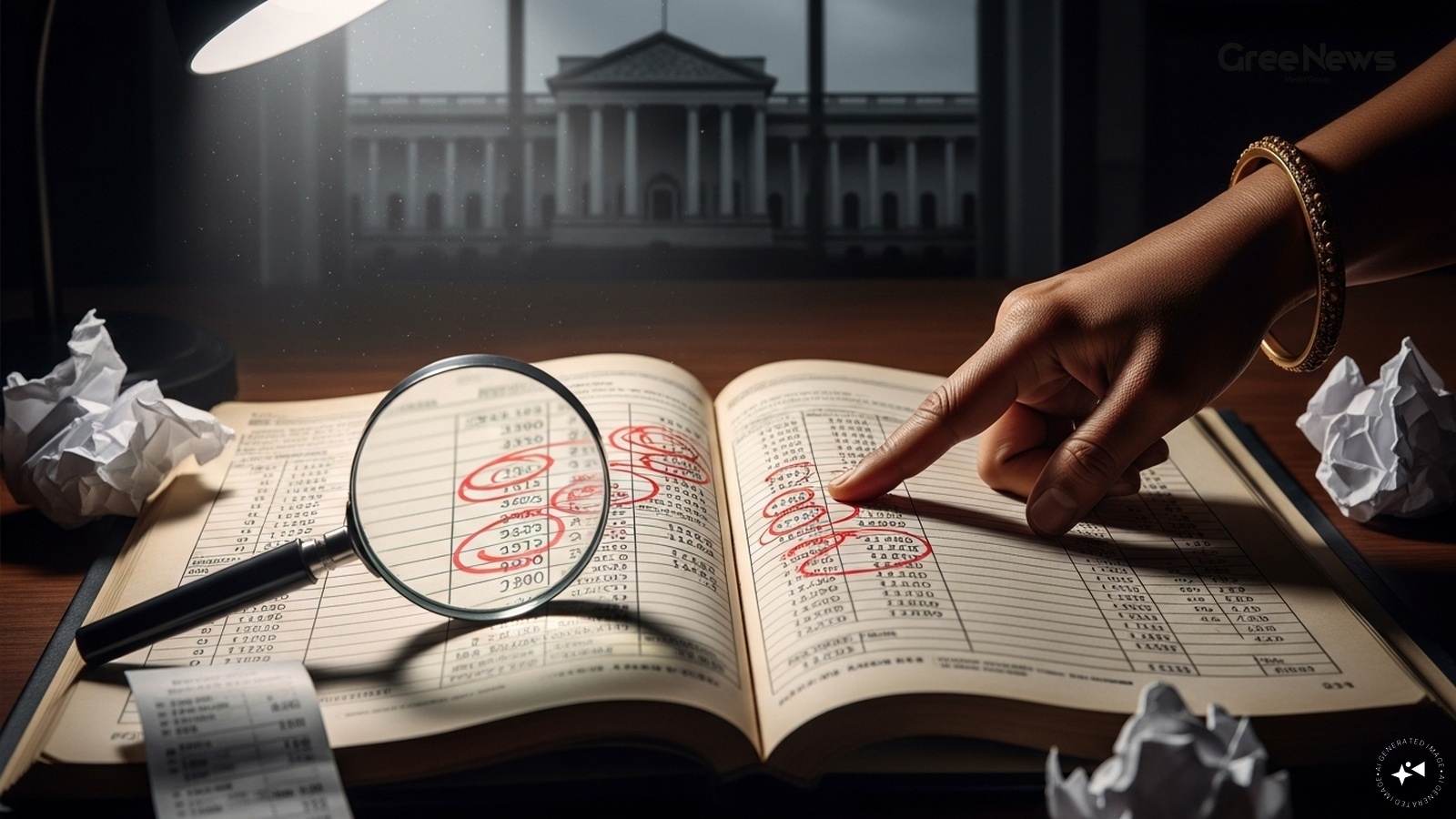
The alarm bells started ringing long before the official report came out. You have this massive welfare scheme, Gruha Lakshmi in Karnataka, right? It’s supposed to be a lifeline for women heads of households a flagship initiative, you know, from the Congress government. Something that should feel solid, something tangible help. But then the Comptroller and Auditor General stepped in. And what they found… it wasn't clean.
They flagged serious irregularities. Discrepancies bubbling right up from how this huge sum was actually spent. We’re talking about over seventy-five thousand crore rupees disbursed under this scheme. That number alone is staggering, but the audit didn't just look at the final tally; they dug into the mechanics, the records themselves.
The core issue touched on beneficiary records and those Direct Benefit Transfers the DBT process itself was riddled with holes. It felt like a massive administrative tangle.
Think about the scale first. Gruha Lakshmi isn’t some niche program. It covers roughly one point three crore beneficiaries right now. That’s a lot of people depending on this money flowing correctly. But when you look at the data side, things got messy fast. The Data Analytics Division of the CAG ran the numbers and found inconsistencies everywhere in the beneficiary database and the payment stream.
It wasn't just minor errors. It was systemic stuff. They noticed that a significant number of people were somehow grouped together on these records. Nineteen thousand and twenty beneficiaries, that’s how many were linked to the same bank account number. Imagine trying to track individual aid when multiple families are shoehorned onto one ledger. That screams trouble immediately.
And it wasn't just about who was getting paid. It was about the credits themselves. The auditors found repeated payments popping up across nearly nine thousand accounts. We’re talking almost eighteen crore rupees credited repeatedly in these systems. Eight thousand, nine hundred and ninety-five separate accounts saw this repetition. It suggests a payment loop, maybe accidental, maybe deliberate.
Then there's the sheer complexity of tracking identity when money moves around. The auditors also uncovered something quite frankly disturbing regarding personal data management. Over one million beneficiaries one million thirty-six thousand three hundred and eight people had their bank account details changed multiple times throughout this process. Changing banking information repeatedly? That’s not routine bureaucracy; that feels like a serious vulnerability, a massive headache for accountability.
But perhaps the most jarring finding, the part that really stuck with everyone in the discussion, was about who actually received the money without the basic infrastructure to track it properly. This is where the numbers felt truly exposed. The report pointed out that nearly forty-six point five two crore rupees were disbursed to people who simply had no bank account details recorded. Twenty-three thousand two hundred and sixty-two beneficiaries. Money flowing into accounts that couldn't be traced back, not even partially. It’s a massive gap in the system.
This whole mess wasn't just about numbers on a spreadsheet. There was also an issue of internal accountability during the audit itself. The report alleged a serious lack of cooperation from the Women and Child Development Department. They simply didn't provide certain information when asked by the auditors. Documents requested? They weren’t furnished. It felt like a deliberate stonewalling, trying to hide things behind bureaucratic walls.
This whole situation landed on the table during a meeting chaired by Chief Minister Siddaramaiah. Naturally, there was a reaction. The state government reportedly moved to act. They started steps immediately to figure out who was ineligible. To clean up these records and address all the flagrant issues raised by the auditors. It’s that kind of response you expect when something this large is exposed a scramble to fix the damage after the damage has been done.
The scheme itself, Gruha Lakshmi , remains a huge piece of state social welfare expenditure. It's foundational for many families relying on it as financial assistance. But now, underneath that official narrative, there’s this layer of deep suspicion about how those funds were managed from the start to the finish. The audit doesn’t just point out errors; it forces you to look at the structure, the process, and who was responsible for letting these gaps exist.
It puts a spotlight on the entire mechanism. It makes you wonder if the intent was sound, or if the execution was fatally flawed from the beginning. When dealing with such vast sums seventy-five thousand crore the expectation is flawless procedure. The reality exposed by the CAG suggests otherwise. There’s this tension between the stated goal of welfare distribution and the operational reality described in the audit findings.
The issues surrounding the repeated credits, the mismatched account details, the payments made blind they all weave together into a complex picture of administrative failure. It's less about a single mistake and more about a chain reaction of procedural weaknesses that allowed this massive scheme to run with significant, untraceable flaws. The response from the administration now is critical. Will those steps actually fix what was broken? Or will it just be another layer added on top of an already compromised structure? That’s the question hanging over everything right now. It's a story about public trust and accountability under the weight of staggering figures.
Written by Gree News Team — Senior Editorial Board
Gree News Team covers international news and global affairs at Gree News. Our collective of senior editors is dedicated to providing independent, accurate, and responsible journalism for a global audience.
More from India
View All
Cab Driver Allegedly Abducted Child, Faces Rape and Murder Charges
The 29-year-old cab driver, Bashu Kumar Singh, allegedly returned to work shortly after being accused of a horrific series of crimes. He’s the one said to have abducted a ten-year-old girl from South Delhi. Then there were the allegations of rape and murder, with the body supposedly hidden somewhere
Jun 25, 2026 by Gree News Team

The Dark Parallels: Murder, Betrayal, and Staged Tragedies
Ketan Agarwal. Raja Raghuvanshi. Two names, two seemingly separate tragedies that somehow started out as promises of happiness. It’s strange how these things connect. You have one businessman looking toward a wedding in Pune, and another on his honeymoon somewhere remote in Meghalaya with his wife.
Jun 25, 2026 by Gree News Team

India's AMCA Program: Engine Snags and Future Fighter Development
India’s big push for the fifth-generation fighter the AMCA program is hitting a snag. It looks like they might be looking away from the United States for the actual engine requirements now. The talks with GE Aerospace over that F414 engine? They’re tangled up, mostly because of pricing and how thing
Jun 25, 2026 by Gree News Team

Lohagad Fort: Mystery, History, and Unsettling Legends
The death of Ketan Agarwal, a 26-year-old realtor, at Lohagad Fort near Lonavala in Maharashtra wasn't just an accident, not initially. It was brushed off. Just a fall. But then things started shifting. Days later, the real story emerged. He hadn’t fallen by accident. His fiancée, Siya Goyal, and he
Jun 25, 2026 by Gree News Team
Latest Headlines

Real-Life Psychological Thriller: Murder Conspiracy at Lohagad Fort
An absolute real-life psychological thriller just ripped through Pune. It’s not some fictional story; it’s about how a planned pre-wedding celebration at Lohagad Fort turned into something utterly cold and brutal. What started as what local police thought was a tragic accident during a scenic trip h
Jun 25, 2026 by Gree News Team

Money vs. Security: Navigating the Volatile Job Market
A guy in Bengaluru, some techie named Sunny Kumar, just started an online argument. It’s about money versus security, right? He posted this idea, saying that a lower salary at a big company is actually better now, given how shaky the job market feels. He brought up an example from a friend who left
Jun 25, 2026 by Gree News Team
Cab Driver Allegedly Abducted Child, Faces Rape and Murder Charges
The 29-year-old cab driver, Bashu Kumar Singh, allegedly returned to work shortly after being accused of a horrific series of crimes. He’s the one said to have abducted a ten-year-old girl from South Delhi. Then there were the allegations of rape and murder, with the body supposedly hidden somewhere
Jun 25, 2026 by Gree News Team
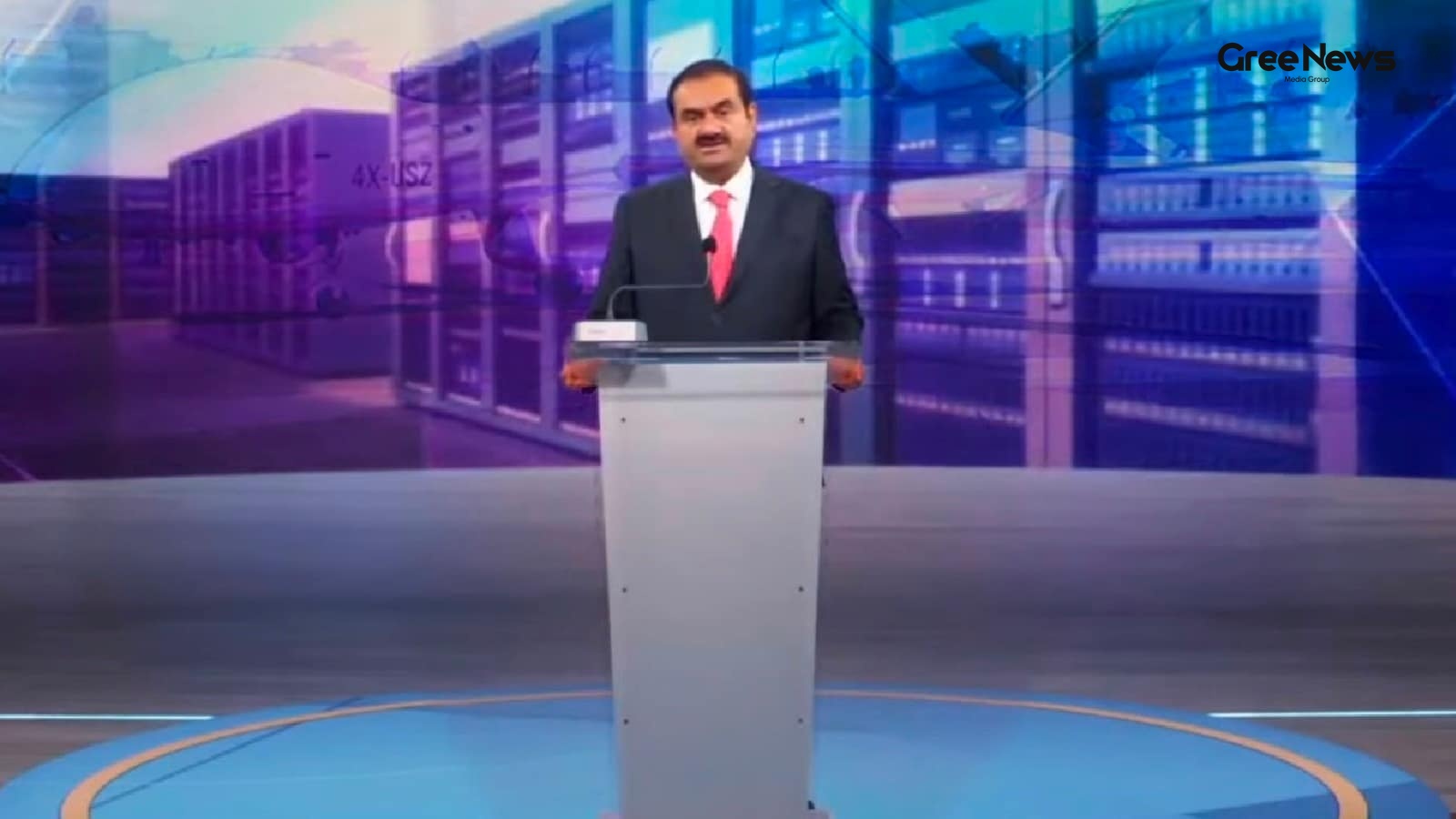
Gautam Adani's Vision: Transformation, Infrastructure, and Employee Focus
Gautam Adani, the Chairman of the group, put out some talking points on Wednesday, during that Annual General Meeting back in 2026. It wasn't just a routine shareholder update; it felt like he was trying to signal something bigger. Three main things he hammered home: making the whole conglomerate mo
Jun 25, 2026 by Gree News Team

Desi Bling: Unspoken Rules, Comments, and Trust
*Desi Bling* hit Netflix back in May. It showed you what ultra-wealthy Indian expats were up to in Dubai. Satish Sanpal and Tabinda Sanpal, they became the big talking points. Not just because of their lifestyle, but those comments they made really started a fight online. They recently sat down with
Jun 25, 2026 by Gree News Team
The Dark Parallels: Murder, Betrayal, and Staged Tragedies
Ketan Agarwal. Raja Raghuvanshi. Two names, two seemingly separate tragedies that somehow started out as promises of happiness. It’s strange how these things connect. You have one businessman looking toward a wedding in Pune, and another on his honeymoon somewhere remote in Meghalaya with his wife.
Jun 25, 2026 by Gree News Team
Understanding Trade Agreements and the Power of Sunset Clauses
Trade agreements… they usually stretch out for years sometimes decades once they’re signed. But that’s not always how it works, is it? Unless one side just decides to pull out. There’s this idea, a sunset clause. It's basically a legal trick. It sets an expiry date on the whole arrangement. If nobod
Jun 25, 2026 by Gree News Team

Nana Kwaku Bonsam: Claims, Curses, and Controversy
Nana Kwaku Bonsam. That’s his name. It literally translates to “Devil of Wednesday,” and around here in Ghana, he’s just known as a witch doctor. Strange stuff. He made headlines recently because he started talking about putting a curse on England captain Harry Kane. He said it was all for Ghana, ho
Jun 25, 2026 by Gree News Team
India's AMCA Program: Engine Snags and Future Fighter Development
India’s big push for the fifth-generation fighter the AMCA program is hitting a snag. It looks like they might be looking away from the United States for the actual engine requirements now. The talks with GE Aerospace over that F414 engine? They’re tangled up, mostly because of pricing and how thing
Jun 25, 2026 by Gree News Team

The Subtle Shift in Aesthetic Medicine and Body Contouring
These days, everything changes in subtle ways, you know? Not these huge dramatic shifts. It’s more about tiny refinements now. Things like contouring a specific spot on your face or body are popping up everywhere. Jawlines are getting way more attention than they used to get. And those fat deposits
Jun 25, 2026 by Gree News Team
Lohagad Fort: Mystery, History, and Unsettling Legends
The death of Ketan Agarwal, a 26-year-old realtor, at Lohagad Fort near Lonavala in Maharashtra wasn't just an accident, not initially. It was brushed off. Just a fall. But then things started shifting. Days later, the real story emerged. He hadn’t fallen by accident. His fiancée, Siya Goyal, and he
Jun 25, 2026 by Gree News Team

Petrol Pump Scam Allegations and Social Media Debate
A post went viral on X recently. It was about some alleged scam at a petrol pump. People were immediately arguing online, questioning if what was being said actually happened at all. Apparently, the story claimed a young woman bought a new car and stopped for fuel. She supposedly asked the attendant
Jun 25, 2026 by Gree News Team
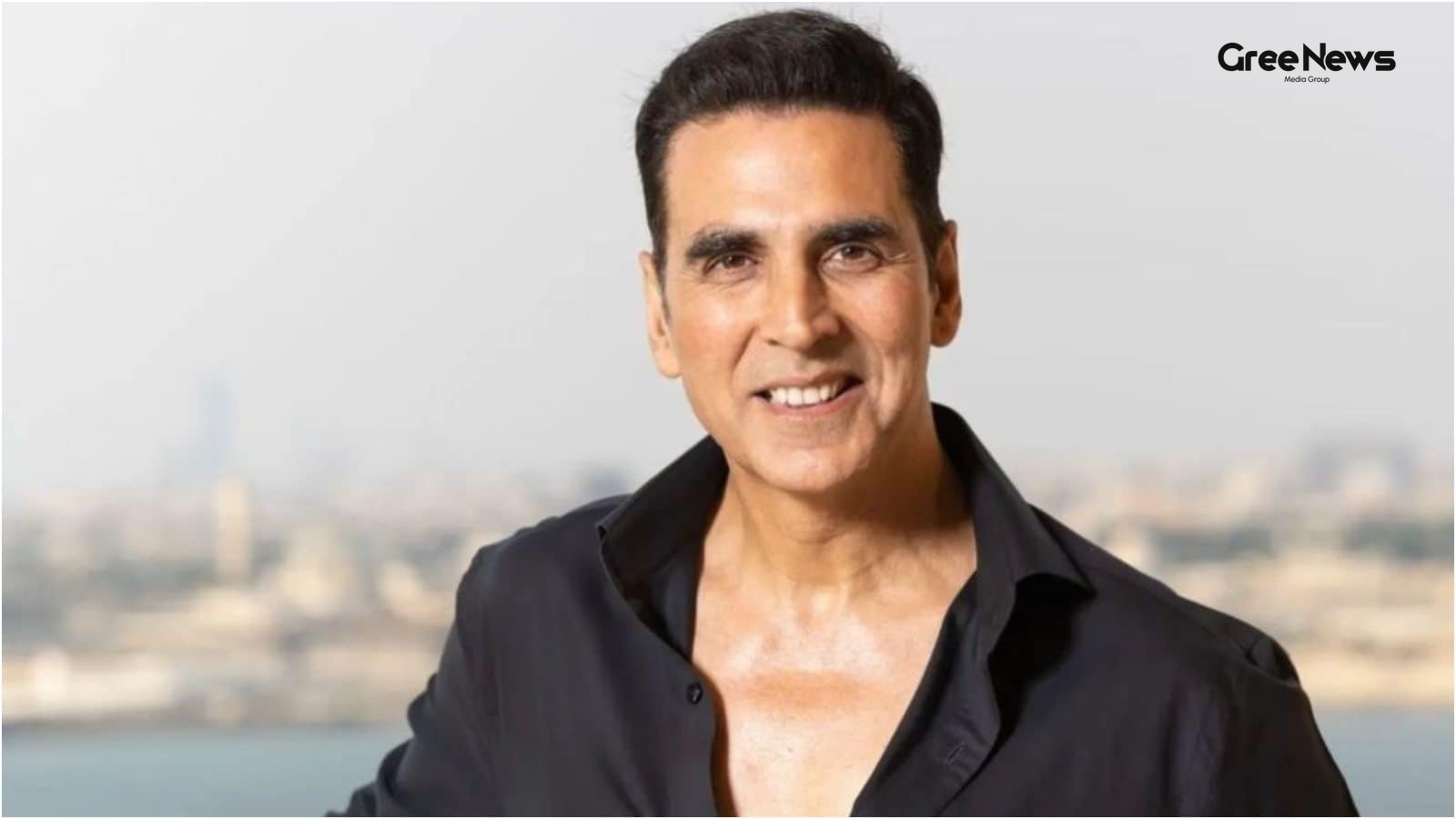
Akshay Kumar on Comedy, Filmmaking, and Welcome To The Jungle
Akshay Kumar talked about comedy today. He said it’s always been hard to make people laugh. But now, in this social media age? It's gotten way tougher. Everyone sees funny reels, memes, stand-up acts constantly. He was gearing up for the release of *Welcome To The Jungle*, part of that long-running
Jun 25, 2026 by Gree News Team

Conflict between TVK Government and DMK over Gesture and Allegations
A fresh war of words started up between the ruling TVK government and the opposition DMK in Tamil Nadu. It all kicked off because Chief Minister C Joseph Vijay recreated that viral hand-slashing gesture, one associated with former chief minister MK Stalin, during a speech in the Assembly. Massive fl
Jun 25, 2026 by Gree News Team

Brazil vs Scotland: The Final Group C Match of the 2026 FIFA World Cup
Brazil is looking to book their spot in the last thirty-two of the 2026 FIFA World Cup. They have a match coming up Wednesday against Scotland. That’s their final group C game. Five-time World Cup winners are involved, naturally. But they are facing Scotland now, trying to qualify for the knockout r
Jun 25, 2026 by Gree News Team