The Internal Struggle for Control in the Trinamool Congress
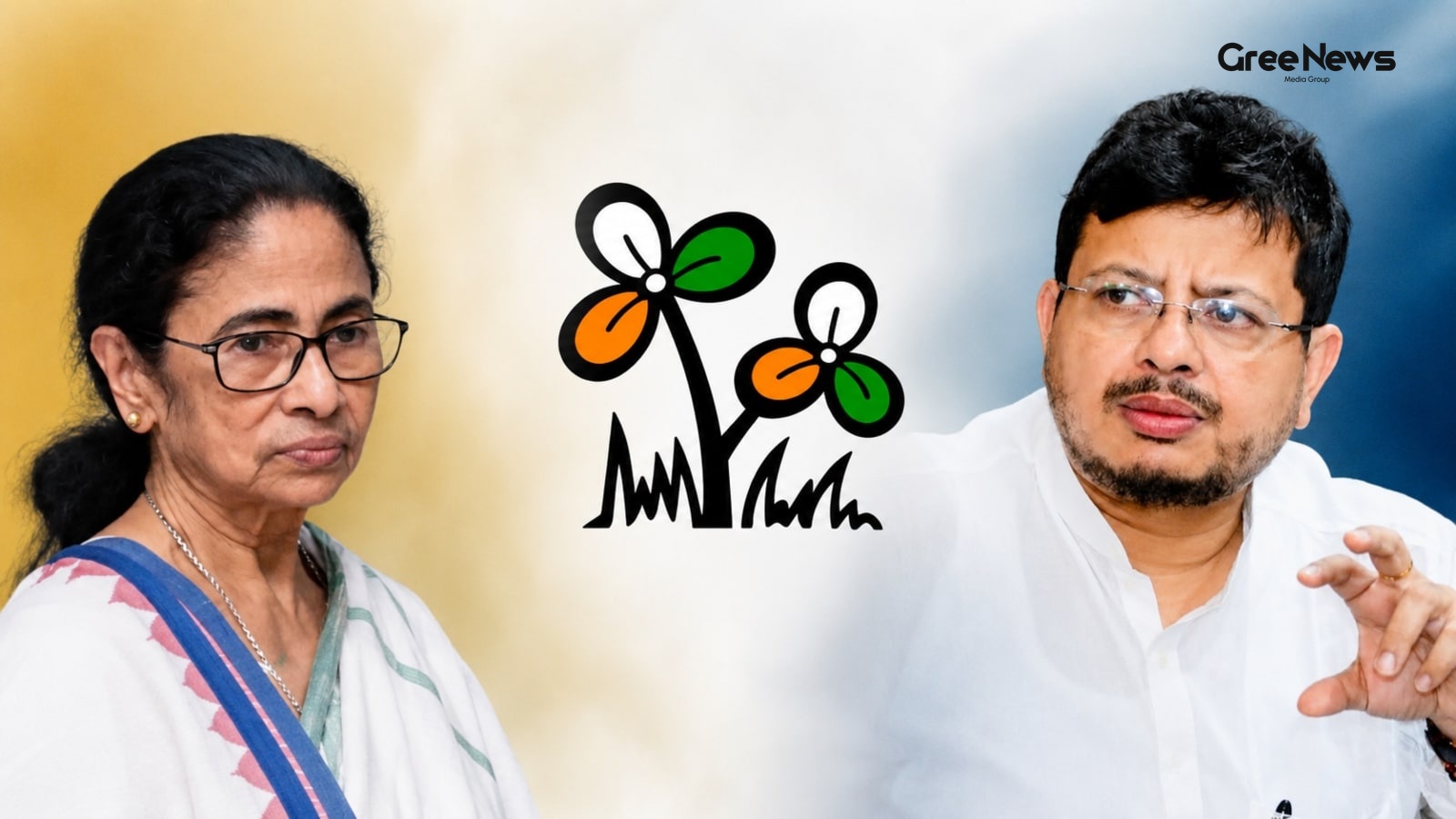
The fight over who actually controls the Trinamool Congress just got really messy. It escalated fast after rival factions Mamata Banerjee’s camp and Ritabrata Banerjee, the Opposition leader both went knocking on the Election Commission of India door. They brought competing lists for a national working committee.
It instantly turned into a massive dispute over the party name, the election symbol itself, and who held real organizational control. Both sides are claiming they represent the 'real' TMC. It’s all very tangled up right now.
A day after removing Mamata Banerjee from the chair and setting up a new national working committee, those rebel MLAs made their move. They approached the election authorities demanding recognition as the official All India Trinamool Congress.
Monday was the big session for the rebels. They held it at some hotel in New Town, Kolkata. Claiming they had backing from sixty-five of the party’s eighty legislators, they voted by voice to get Mamata Banerjee off the chair entirely.
Then came the appointments. Howrah Central MLA Arup Roy got elected as the new party chief. He was a minister back when the TMC government was running from 2011 to 2026. Just another name shifting around.
The rebels argued they were in a constitutional crisis, something tied up in Article 20 of the party constitution. They claimed the three-year tenure for that national working committee, formed back in February 2022, had already expired.
Tuesday evening saw the move shift to official channels. The rebel MLAs visited the West Bengal Chief Electoral Officer’s office. They submitted a letter asking for recognition as the official party and demanding rights over the ‘jora ghash phool’ symbol.
Mamata Banerjee responded separately. She sent her own list to the Election Commission, insisting that her faction was the legitimate TMC group. That list included herself as chairperson, Abhishek Banerjee as national general secretary and Lok Sabha leader, plus Derek O’Brien and Dola Sen as joint secretaries. Subhashish Chakraborty handled the treasurer role, and Sovondeb Chatterjee was listed as the Assembly leader.
This whole situation is getting harder for Banerjee. She's already dealing with a breakaway group of Lok Sabha MPs aligned with the NDA, plus three Rajya Sabha MPs have resigned.
The rebels aren't stopping there either. They’ve hinted they might try to seize control of the party symbol and all the organization’s assets.
The argument quickly moved past just who was in charge internally. The rebels pointed out that they actually had the support of more than two-thirds of the MLAs, plus several elected councillors across the state. That kind of muscle matters.
“We are the real Trinamool Congress,” one senior rebel MLA put it. “We have a Leader of the Opposition chosen by us, supported by more than two-thirds in the Assembly. Obviously, we have a claim on the symbol.”
The financial side added another layer of trouble. Following complaints from the rebels, TMC bank accounts containing about four hundred and forty crore rupees got frozen. But even with those accounts locked up, Banerjee’s supporters seem pretty confident they can keep hold of both the symbol and access to party funds.
Krishnanagar MP Mahua Moitra stepped in on the symbol issue. She questioned the rebels directly: “How can you put the cart before the horse? They don't have the symbol yet. Let them try for the symbol first, then form whatever committee they want.” She also pointed out that according to the party constitution, Mamata Banerjee remains chairperson for life.
When it came to the frozen money, Moitra pressed on the process. She said proper court permission hadn’t been secured before freezing things.
The TMC had already expelled several rebel leaders. Arup Roy was among them, along with MLAs Javed Khan, Firhad Hakim, Rathin Ghosh, Biplab Mitra and Sabina Yeasmin. Former ministers Aroop Biswas and Snehashis Chakraborty were also removed. Still, despite those expulsions, the rebels seem to believe in their numerical strength.
Meanwhile, loyalists are preparing a counter-attack. They plan to challenge the rebels before the Election Commission and move things through the courts if they have to. Chattopadhyay already filed a case in the Calcutta High Court against the Assembly Speaker for letting Ritabrata become the Leader of the Opposition.
This whole mess echoes older political fights we’ve seen, like those involving the Shiv Sena and the NCP in Maharashtra. In both instances, rival factions fought tooth and nail before the Election Commission, the Speaker, and the Supreme Court over who controlled the party, legitimacy, symbols, and everything else.
The ECI and the Speaker tended to lean on how many seats a group had when making decisions favoring those led by Eknath Shinde and Ajit Pawar. But later, the Supreme Court weighed in. It observed that just having numerical strength isn't enough for disqualification proceedings. A political party and a legislature party are separate things, after all.
And these legal battles the ones from Shiv Sena and NCP they’re dragging on for months, sometimes even past how long legislators were in office. The path ahead for this fractured Trinamool Congress looks incredibly long and complicated. Election law focuses mostly on symbols. Disputes over money usually have to go through civil courts. That process could take years if they keep pushing things up to the Supreme Court.
Written by Gree News Team — Senior Editorial Board
Gree News Team covers international news and global affairs at Gree News. Our collective of senior editors is dedicated to providing independent, accurate, and responsible journalism for a global audience.
More from India
View All
Jail Escape and Security Failures at Bareilly Central Jail
Bareilly Central Jail. That’s where it happened. An inmate serving a life sentence just walked out. He scaled the walls. While guards were… watching reels on their phones. The Times of India reported this stuff. He’d been convicted for raping a child. Simple facts, really. The fallout is immediate,
Jun 26, 2026 by Gree News Team
India's Pushback on Jammu and Kashmir at the UN Security Council
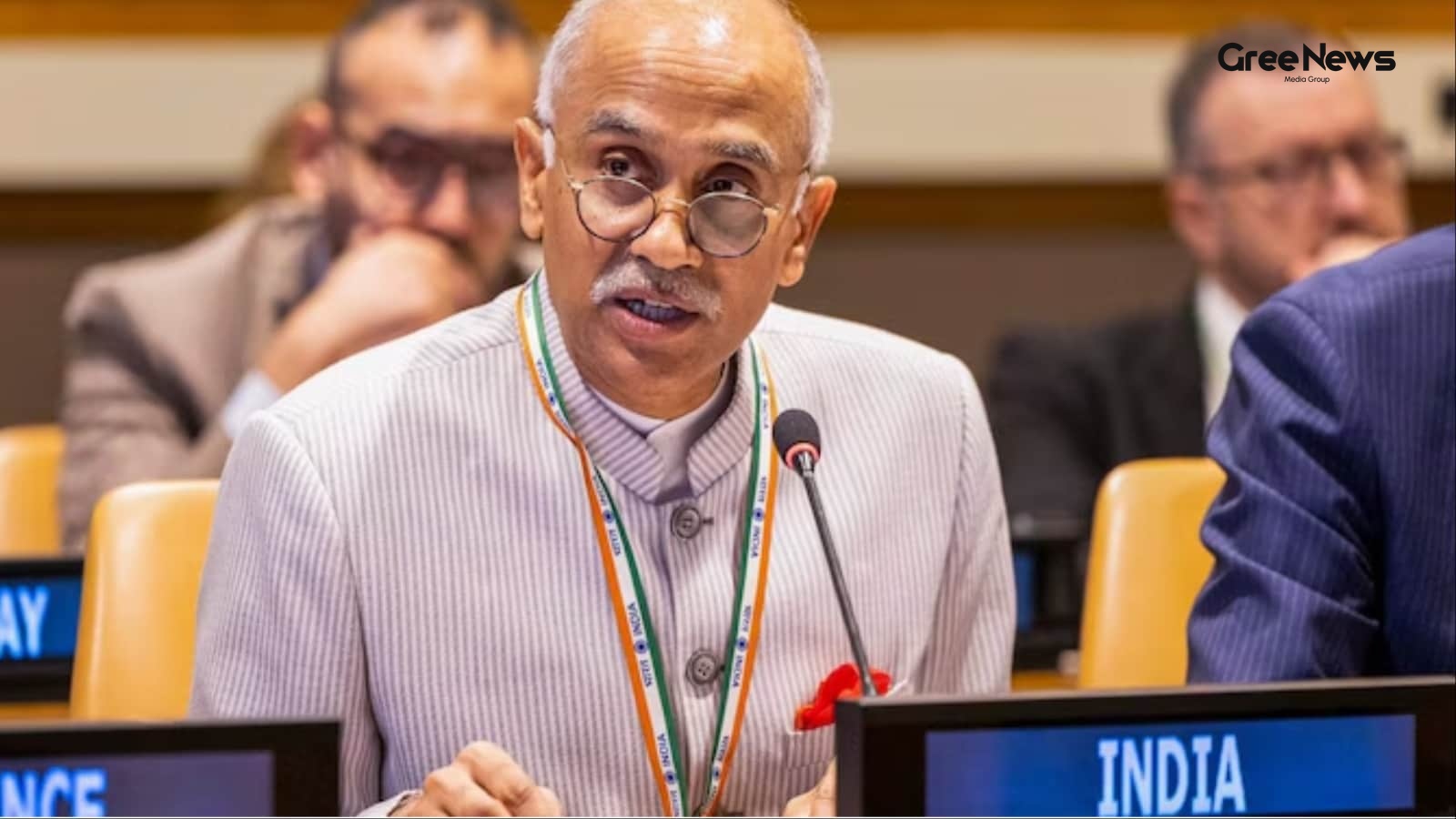
Tuesday brought another round of friction at the United Nations Security Council. India firmly pushed back against Pakistan’s comments regarding Jammu and Kashmir during what was structured as an Arria-formula meeting. Ambassador Parvathaneni Harish, India’s Permanent Representative there, made his
Jun 26, 2026 by Gree News Team
Investigation into Ram Temple Donations and Financial Irregularities
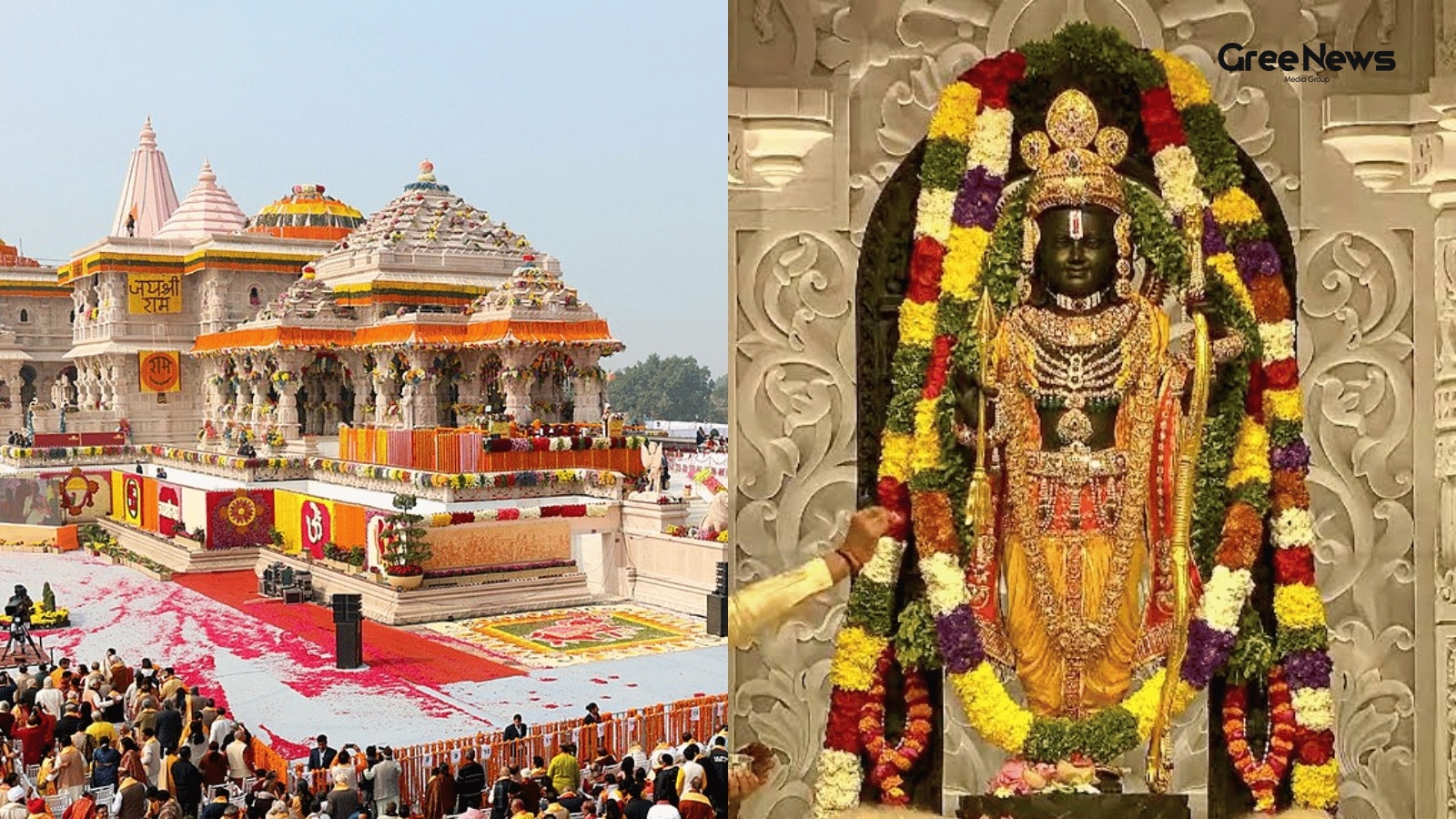
The whole thing about the Ram Temple donations it’s really turning into a mess now. The Special Investigation Team, that SIT looking into those allegations of irregularities at the Ramjanmabhoomi Temple in Ayodhya, they’ve come up with some big recommendations. It basically says the whole administra
Jun 26, 2026 by Gree News Team
The Political Split and 'Operation Tiger' in Shiv Sena
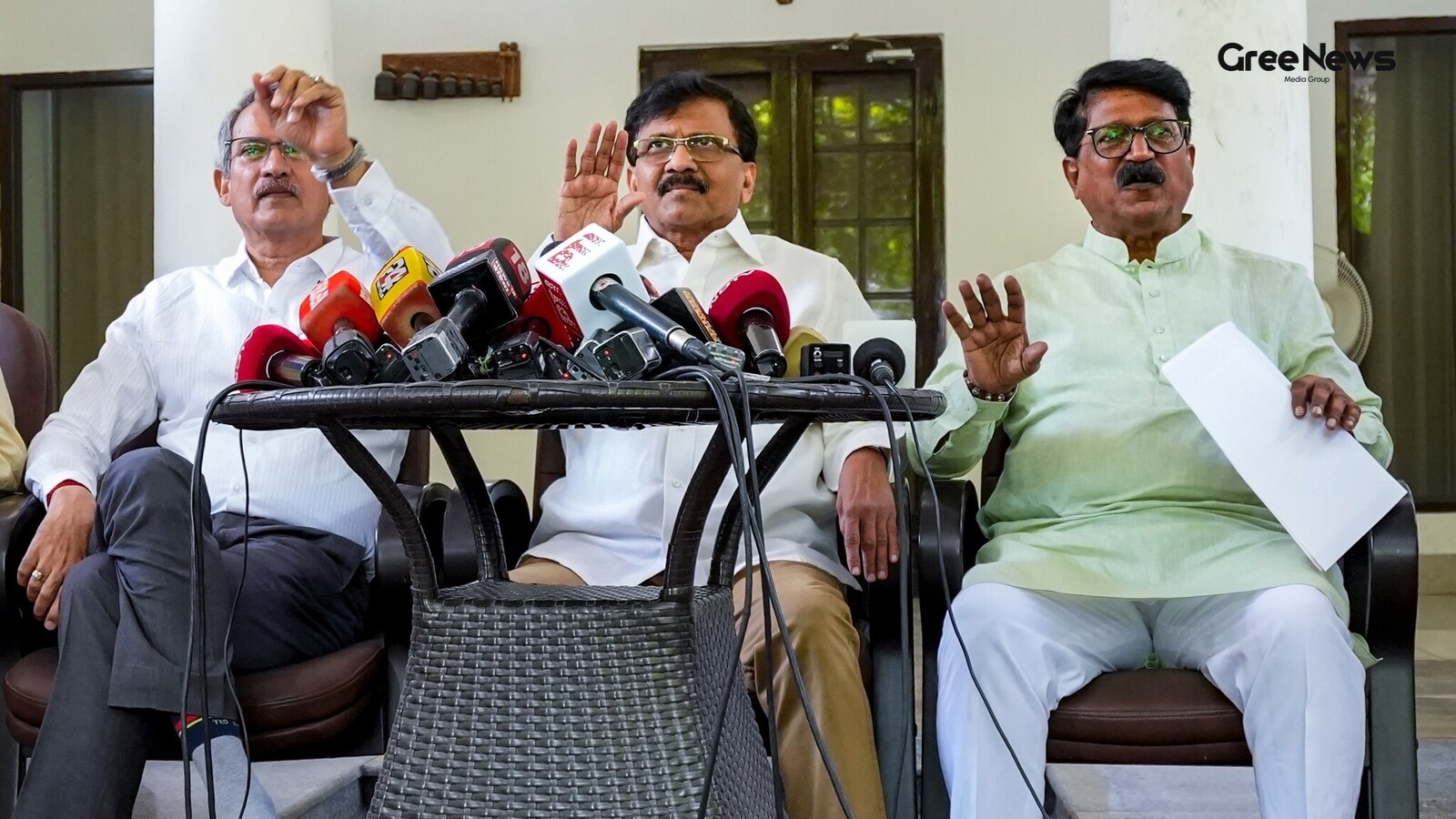
Two days after those six Lok Sabha MPs actually announced they were joining Eknath Shinde’s side within the Shiv Sena the UBT faction things got loud. Sanjay Raut stepped up. He didn't just talk; he threw out this veiled threat, calling it a fight against traitors. A real declaration of war, kind of
Jun 25, 2026 by Gree News Team
Latest Headlines
Mumbai Monsoon Flooding and Infrastructure Disruption Report
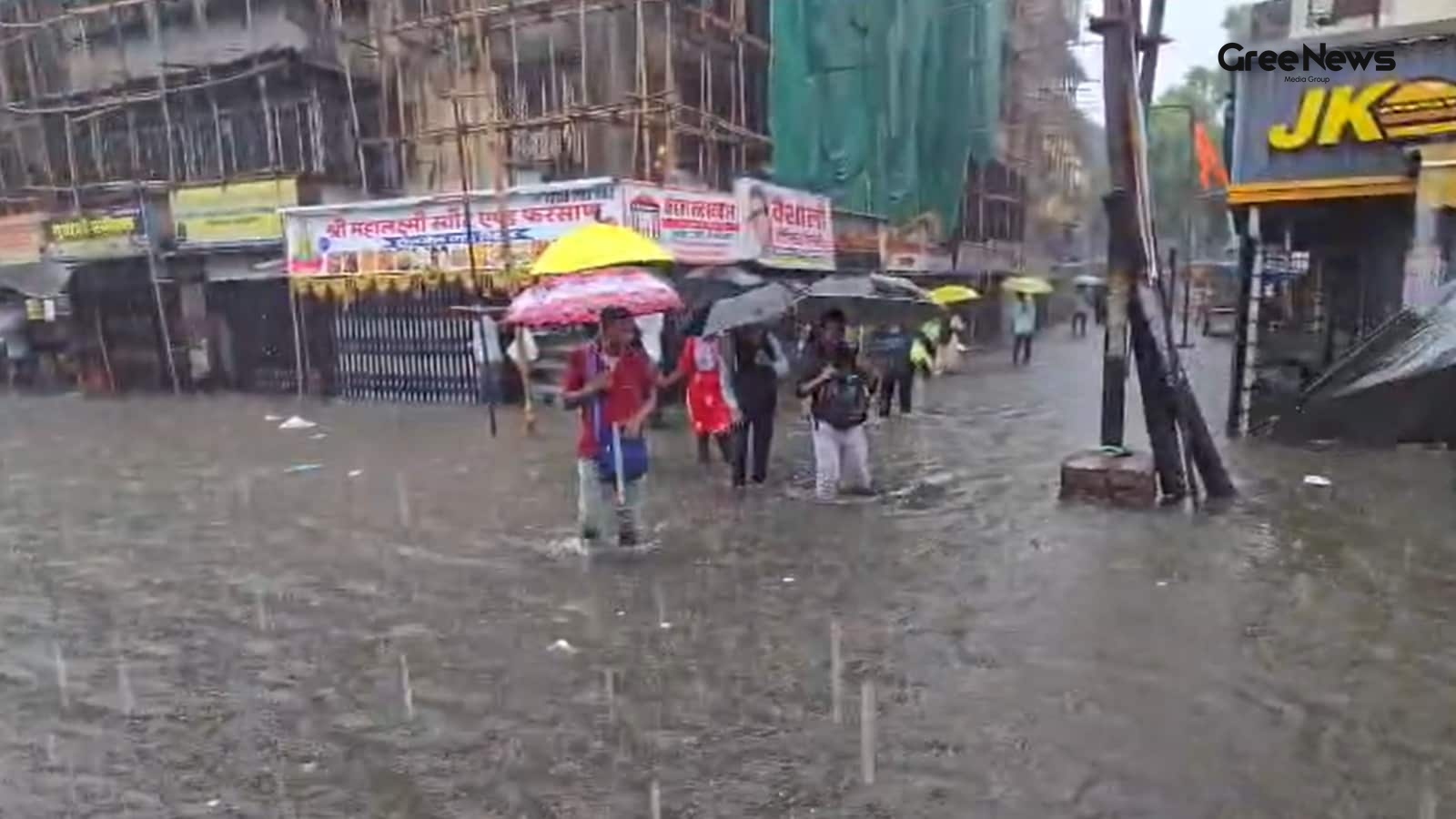
The southwest monsoon finally dragged itself into Mumbai on Tuesday. Thirteen days late, you know? It felt like a long wait after all the preceding heat and that thick, humid blanket they’d been holding onto. Relief, maybe, but not immediate relief. That heavy downpour overnight, though… that was th
Jun 26, 2026 by Gree News Team
Jail Escape and Security Failures at Bareilly Central Jail
Bareilly Central Jail. That’s where it happened. An inmate serving a life sentence just walked out. He scaled the walls. While guards were… watching reels on their phones. The Times of India reported this stuff. He’d been convicted for raping a child. Simple facts, really. The fallout is immediate,
Jun 26, 2026 by Gree News Team
India's Pushback on Jammu and Kashmir at the UN Security Council
Tuesday brought another round of friction at the United Nations Security Council. India firmly pushed back against Pakistan’s comments regarding Jammu and Kashmir during what was structured as an Arria-formula meeting. Ambassador Parvathaneni Harish, India’s Permanent Representative there, made his
Jun 26, 2026 by Gree News Team
The Messy Reality of Reporting: Style Over Structure
Look, when you ask for something written like that the real human mess of reporting it’s not about finding the perfect structure. It's about how it actually feels, right? It’s uneven. Like someone is typing fast, maybe slightly stressed. There are breaks in the flow. You don't get perfectly organize
Jun 26, 2026 by Gree News Team
Investigation into Ram Temple Donations and Financial Irregularities
The whole thing about the Ram Temple donations it’s really turning into a mess now. The Special Investigation Team, that SIT looking into those allegations of irregularities at the Ramjanmabhoomi Temple in Ayodhya, they’ve come up with some big recommendations. It basically says the whole administra
Jun 26, 2026 by Gree News Team
The Legacy of Raman Raghav 2.0 and Nawazuddin Siddiqui's Performance
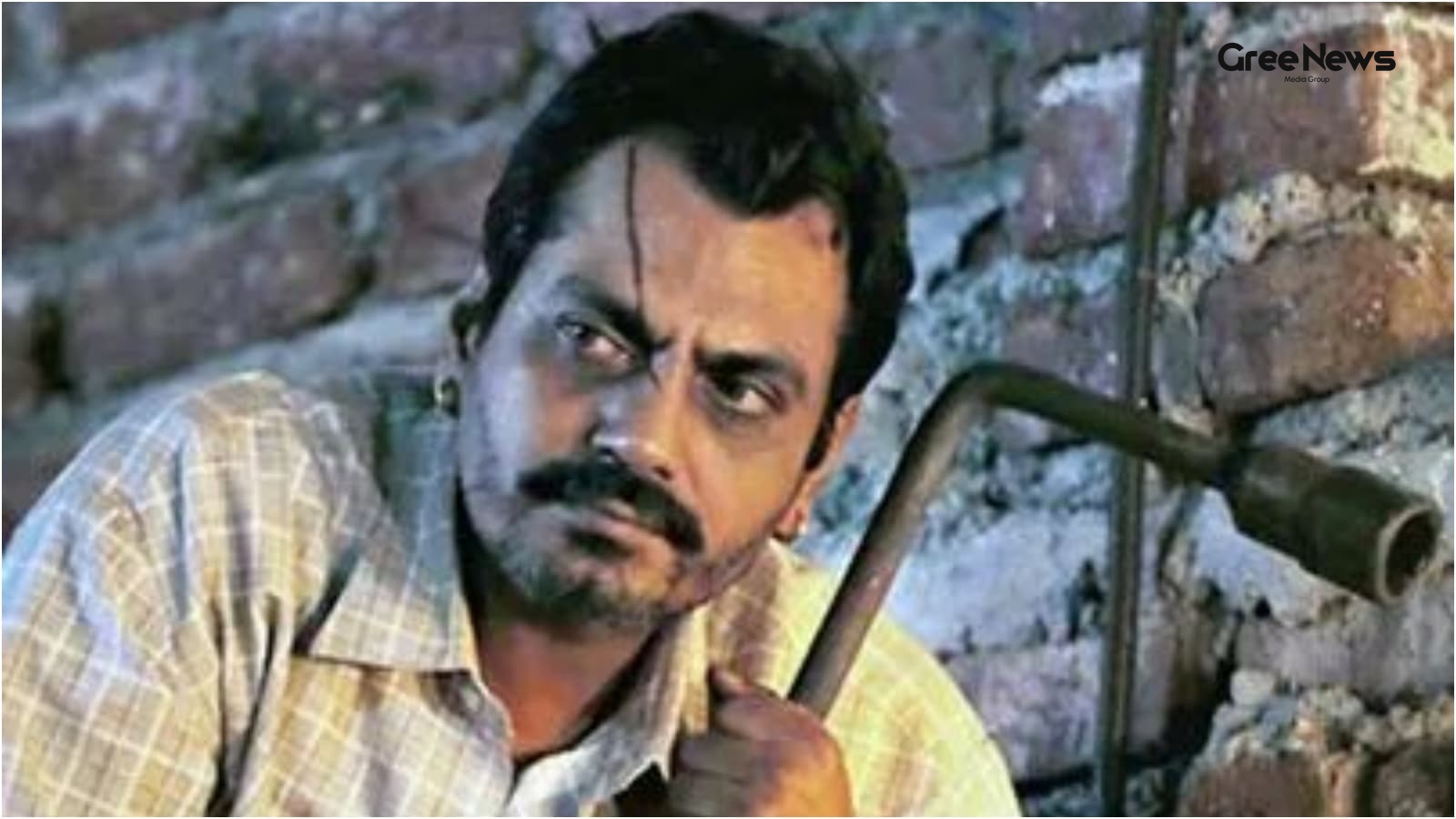
Ten years. That’s what it’s been since *Raman Raghav 2.0* dropped. Anurag Kashyap’s movie. It still hits you, right? One of those films that just stays lodged in your head intense. Unsettling. It came out back in 2016. Nawazuddin Siddiqui was in it as Raman. A serial killer. The kind of character wh
Jun 26, 2026 by Gree News Team
The Political Split and 'Operation Tiger' in Shiv Sena
Two days after those six Lok Sabha MPs actually announced they were joining Eknath Shinde’s side within the Shiv Sena the UBT faction things got loud. Sanjay Raut stepped up. He didn't just talk; he threw out this veiled threat, calling it a fight against traitors. A real declaration of war, kind of
Jun 25, 2026 by Gree News Team

Real-Life Psychological Thriller: Murder Conspiracy at Lohagad Fort
An absolute real-life psychological thriller just ripped through Pune. It’s not some fictional story; it’s about how a planned pre-wedding celebration at Lohagad Fort turned into something utterly cold and brutal. What started as what local police thought was a tragic accident during a scenic trip h
Jun 25, 2026 by Gree News Team
Money vs. Security: Navigating the Volatile Job Market
A guy in Bengaluru, some techie named Sunny Kumar, just started an online argument. It’s about money versus security, right? He posted this idea, saying that a lower salary at a big company is actually better now, given how shaky the job market feels. He brought up an example from a friend who left
Jun 25, 2026 by Gree News Team
Cab Driver Allegedly Abducted Child, Faces Rape and Murder Charges
The 29-year-old cab driver, Bashu Kumar Singh, allegedly returned to work shortly after being accused of a horrific series of crimes. He’s the one said to have abducted a ten-year-old girl from South Delhi. Then there were the allegations of rape and murder, with the body supposedly hidden somewhere
Jun 25, 2026 by Gree News Team
Gautam Adani's Vision: Transformation, Infrastructure, and Employee Focus
Gautam Adani, the Chairman of the group, put out some talking points on Wednesday, during that Annual General Meeting back in 2026. It wasn't just a routine shareholder update; it felt like he was trying to signal something bigger. Three main things he hammered home: making the whole conglomerate mo
Jun 25, 2026 by Gree News Team
Desi Bling: Unspoken Rules, Comments, and Trust
*Desi Bling* hit Netflix back in May. It showed you what ultra-wealthy Indian expats were up to in Dubai. Satish Sanpal and Tabinda Sanpal, they became the big talking points. Not just because of their lifestyle, but those comments they made really started a fight online. They recently sat down with
Jun 25, 2026 by Gree News Team
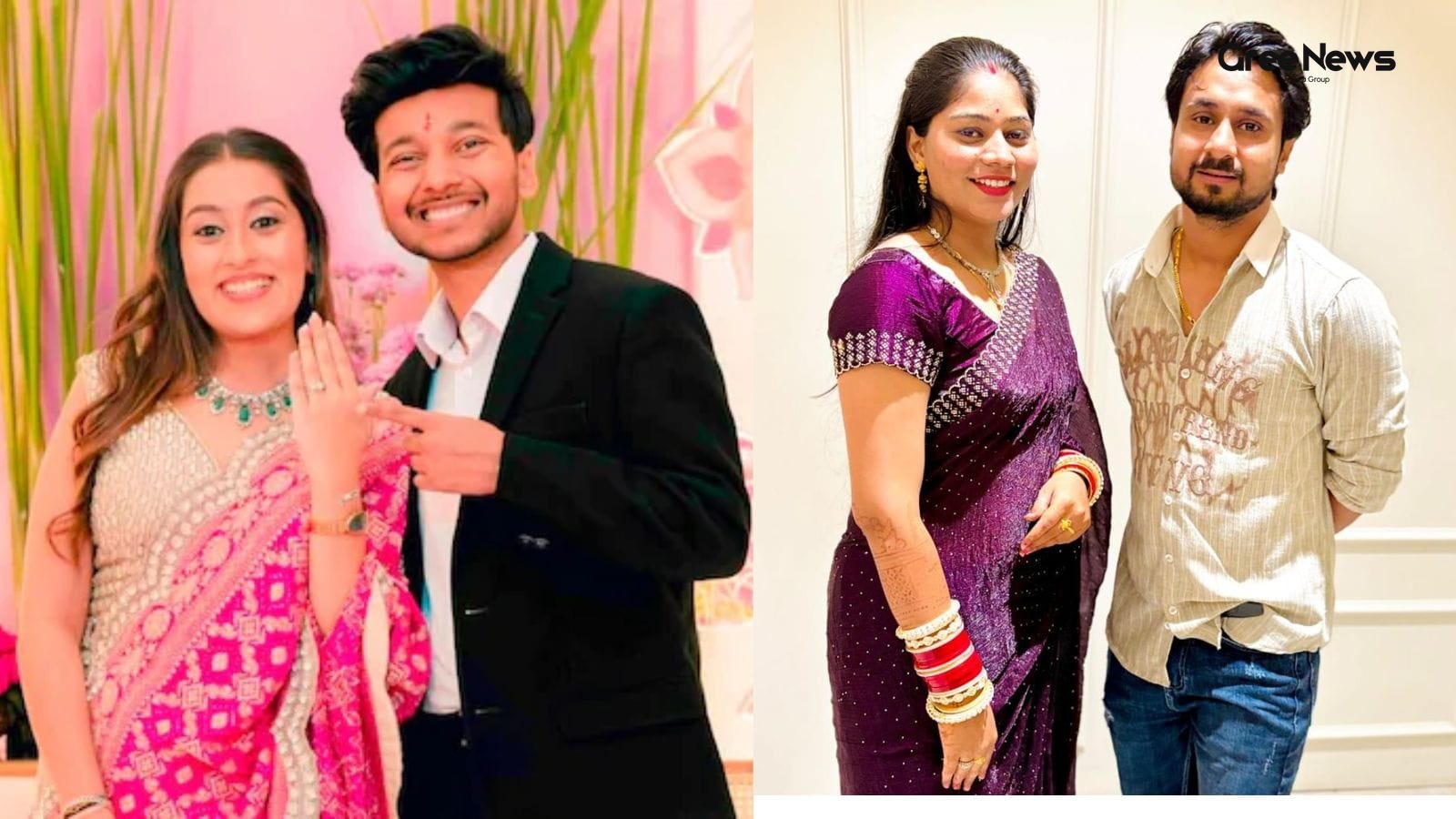
The Dark Parallels: Murder, Betrayal, and Staged Tragedies
Ketan Agarwal. Raja Raghuvanshi. Two names, two seemingly separate tragedies that somehow started out as promises of happiness. It’s strange how these things connect. You have one businessman looking toward a wedding in Pune, and another on his honeymoon somewhere remote in Meghalaya with his wife.
Jun 25, 2026 by Gree News Team
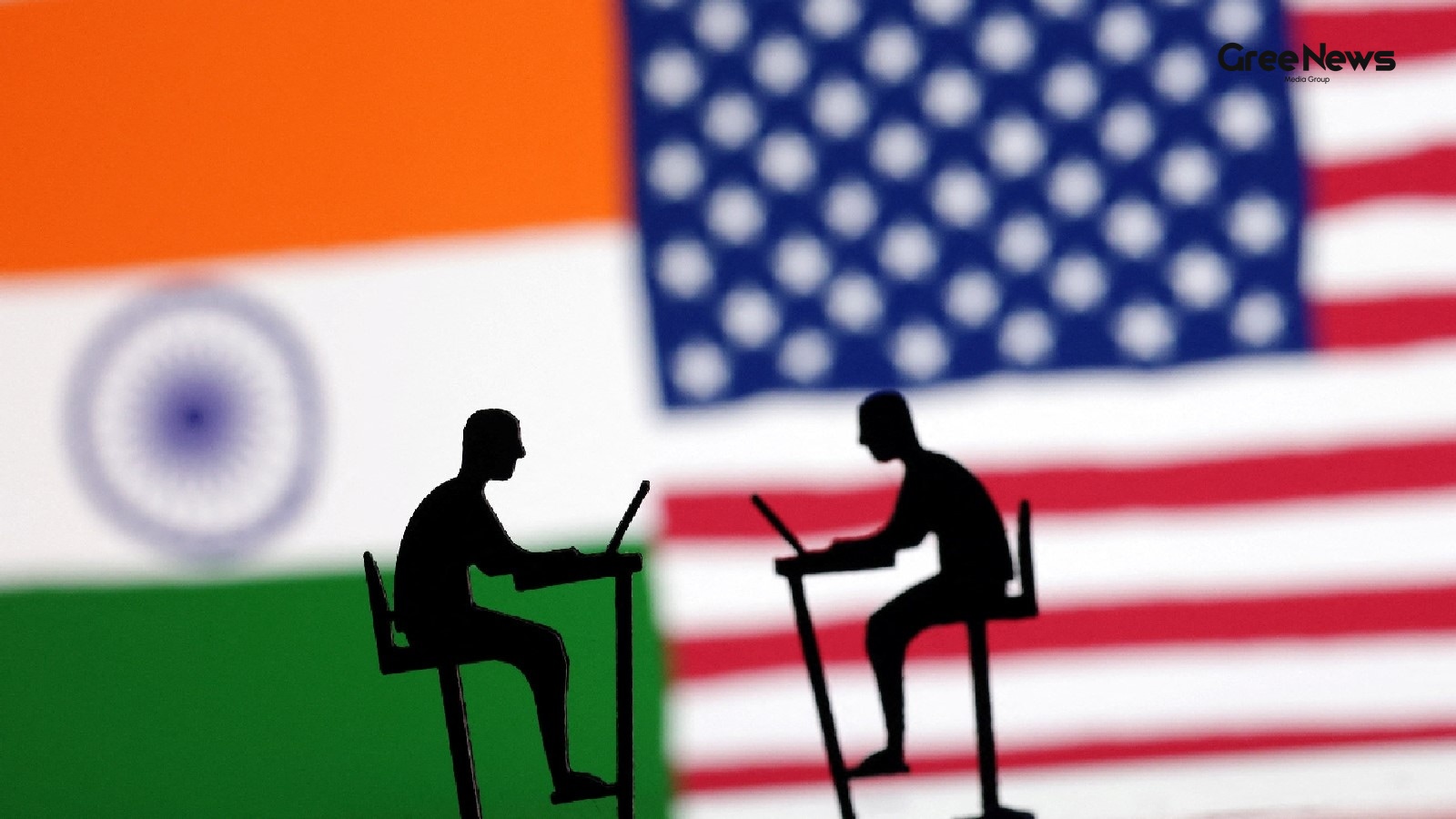
Understanding Trade Agreements and the Power of Sunset Clauses
Trade agreements… they usually stretch out for years sometimes decades once they’re signed. But that’s not always how it works, is it? Unless one side just decides to pull out. There’s this idea, a sunset clause. It's basically a legal trick. It sets an expiry date on the whole arrangement. If nobod
Jun 25, 2026 by Gree News Team

Nana Kwaku Bonsam: Claims, Curses, and Controversy
Nana Kwaku Bonsam. That’s his name. It literally translates to “Devil of Wednesday,” and around here in Ghana, he’s just known as a witch doctor. Strange stuff. He made headlines recently because he started talking about putting a curse on England captain Harry Kane. He said it was all for Ghana, ho
Jun 25, 2026 by Gree News Team