The Ripple Effect of Immigration Enforcement and Court Rulings
The whole thing just keeps shifting. You see, even after losing that big Supreme Court fight about birthright citizenship the one where they shut down Trump’s push to restrict it he still managed to snag a bunch of court wins. And those wins, honestly, they look like they're setting the stage for something much bigger: making the deportation campaign really stick. It just feels that way, doesn't it? A slow grind toward enforcement.
The rulings themselves have done something real. They’ve opened up a wider net. More immigrants are now sitting on that list, facing removal from the United States. And this happens right when the White House is pushing hard to deliver on one of those big election promises the promise to deport more people. It's all tangled up, you know? Policy and actual enforcement starting to rub against each other in a messy way.
The biggest ripple effect, where things are really going to hit hardest, seems to be with the folks under Temporary Protected Status. And those who fall into that expedited removal process. That’s where the real pressure is building up right now. It's not just abstract law; it's people suddenly facing a very concrete deadline.
Think about the specifics of what actually happened in court. A six-three decision landed, which let the administration end Temporary Protected Status for about three hundred fifty thousand Haitians and six thousand Syrians. That’s a huge chunk of people instantly seeing their protections evaporate. Then there’s that other angle the door opening up to withdraw those TPS protections from at least eleven other countries. We’re talking potentially nearly one million immigrants suddenly thrown into a different kind of limbo. It just multiplies the complexity, doesn't it?
The court itself made a statement too. They basically said judges don’t have unlimited power to review what the executive branch decides about things like TPS. A subtle but important shift in how power flows, or doesn't flow.
This all comes after Trump has been vocal, right? Repeatedly pushing his views on Haitian immigrants. There was that bit from the Wall Street Journal report floating around administration officials are actually talking now. They’re figuring out ways to target Haitians who are now eligible for deportation while trying not to cause some massive public uproar. It's a balancing act, trying to move things without setting off every alarm bell simultaneously.
Instead of just throwing big raids in places like Springfield, Ohio, where there are large Haitian populations, the talk is shifting. They’re looking at using data. Targeting tools. Trying to be smarter about where they focus their attention. But even that? It’s still really early stages. Just whispers and discussions happening behind closed doors.
And you have the institutional reaction too. The Department of Homeland Security spokesperson just sidestepped the whole thing. They said nothing about future operations. No discussion about what’s coming next. Which is frustrating, I suppose. Where is the actual operational plan?
There's this undercurrent of caution, a real sense of trying to avoid disaster. People inside the government the people talking these things they seem acutely aware of past mistakes. There was that memory lingering from the deadly immigration operation in Minneapolis. Everyone wants to steer clear of repeating that kind of chaos. It’s a heavy thing to carry around when you're dealing with enforcement.
And it seems some senior figures privately aGreed on something, too. Stephen Miller, the senior adviser, reportedly seemed to privately aGree that any action against Haitian immigrants should skip those highly publicised raids. Less spectacle, more behind-the-scenes maneuvering. It’s a strange dynamic, this push and pull between hardline goals and operational reality.
Trump himself has been talking more openly lately about his immigration agenda, pulling back the curtain after earlier efforts to keep the deportation drive quieter. He praised those numbers on Truth Social, sure, but he also admitted that discussing deportations doesn't "exactly sound NICE." There’s a gap there between the political performance and the actual harshness of the reality being discussed.
He also mentioned that advisers told him voters weren't really focused on borders anymore. That immigration hadn't been the main driver for his wins, despite what he believed. It adds another layer of complexity to understanding why things are moving this way now.
Look at the polling, because that’s where the public sentiment sits. The Cook Political Report puts it out there: fifty-two percent disapprove of how Trump handled immigration, while forty-four percent approve. That division is huge. It reflects a deep split in how people view these policies and the reality they are creating.
The White House side keeps pushing forward, though. Abigail Jackson, the spokeswoman, insists that commitment remains absolute. Deportations will increase, she says, with more funding from Congress and those court victories we just discussed. It’s an unwavering line from their end, even if it clashes with public feeling.
Down in the Justice Department, there's another layer of focus emerging. They are prioritizing prosecutions for people trying to exploit loopholes trying to get automatic citizenship for their kids, that kind of thing. A shift toward legal enforcement over something else entirely.
But this isn’t just about court dates or internal memos anymore. There is a deep pain underneath it all, especially for those communities directly affected. Take the Department of Homeland Security General Counsel, James Percival. He pointed out that people under TPS have known protections could end for a while now. The idea that hundreds of thousands of Haitians, some of whom have lived under that protection since 2010, are facing deportation has caused real worry among community organizations.
Viles Dorsainvil, co-founder and executive director of the Haitian Support Center, he’s on the ground with this feeling. He and others are just trying to find answers for families who can't seem to get them. He said that families have started asking questions they simply aren't able to answer. And he put it out plainly it is the saddest day of his life. That kind of weight settles over everything.
It’s this disconnect, isn't it? Between the legal maneuvers and the human cost. The system keeps moving forward with these calculated steps, but for those on the receiving end, it just feels like a relentless tightening of the screws. It’s observational, really. Watching how these decisions play out in the real world versus what the lawyers and politicians claim is happening behind the scenes. There's an uneven rhythm to all this unfolding. One minute you have a court ruling, the next you have community grief, and it just keeps moving without any easy pause for breath.
Written by Gree News Team — Senior Editorial Board
Gree News Team covers international news and global affairs at Gree News. Our collective of senior editors is dedicated to providing independent, accurate, and responsible journalism for a global audience.
More from World
View All
Trump's Financial Disclosures and the Blurring of Politics and Business
Trump always blurred that line between politics and business. But this new investigation, based on his latest financial disclosure report? It just takes that blurring to a whole other level. The *New York Times* dug into it. They found Trump made about $2.2 billion in revenue in 2025. That’s nearly
Jul 1, 2026 by Gree News Team
Ro Khanna on US-India Relationship and Foreign Policy
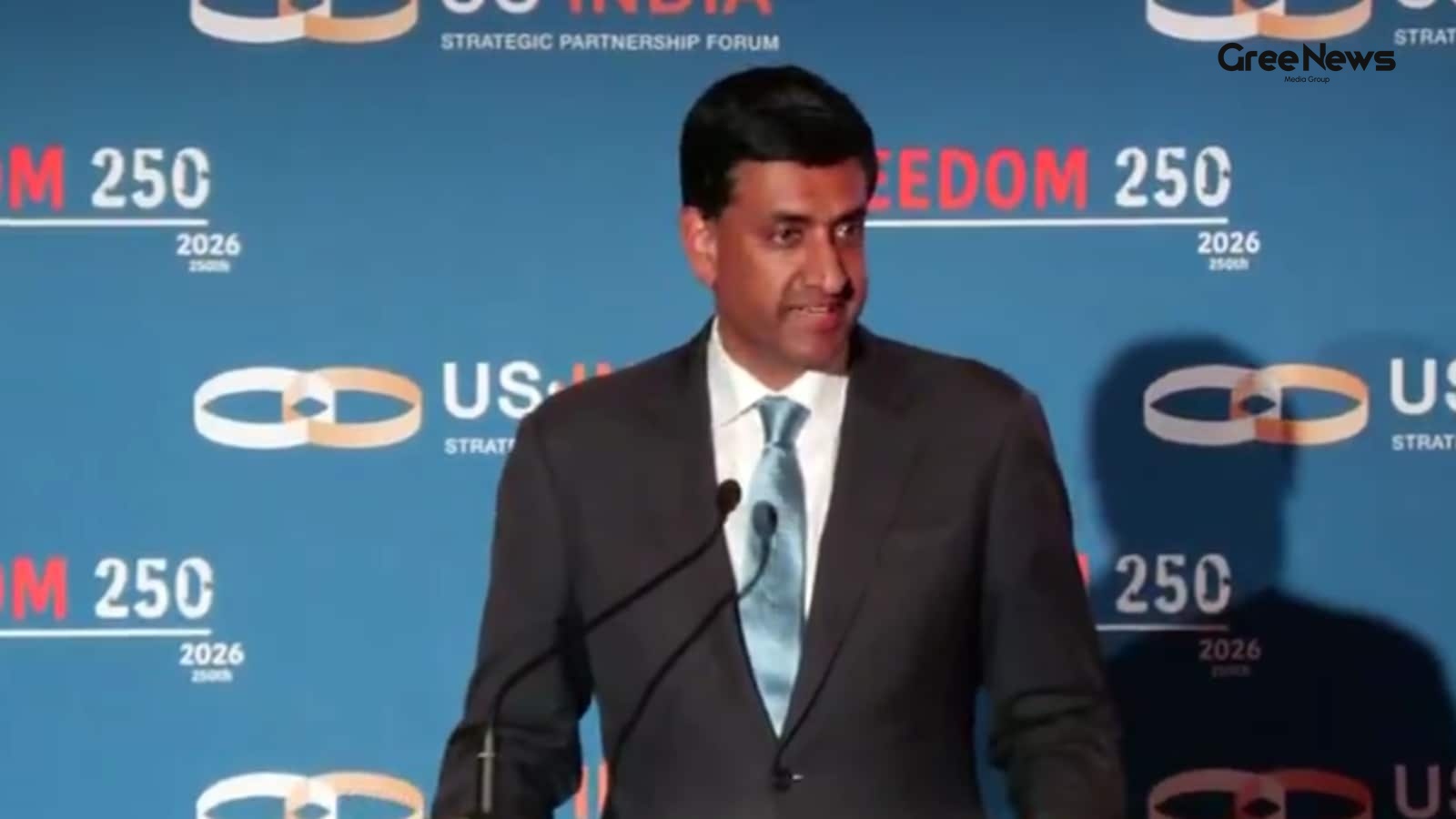
Ro Khanna. Democratic Congressman. He hit out at Donald Trump on Monday about foreign policy stuff. Said the India-US relationship? It’s hit rock bottom. Lowest point in thirty years under his watch. He was speaking at some summit, the IX USISPF Leadership Summit 2026 in Washington. And he wasn't ho
Jun 30, 2026 by Gree News Team
Sergio Gor on the Bond Between Trump and Modi
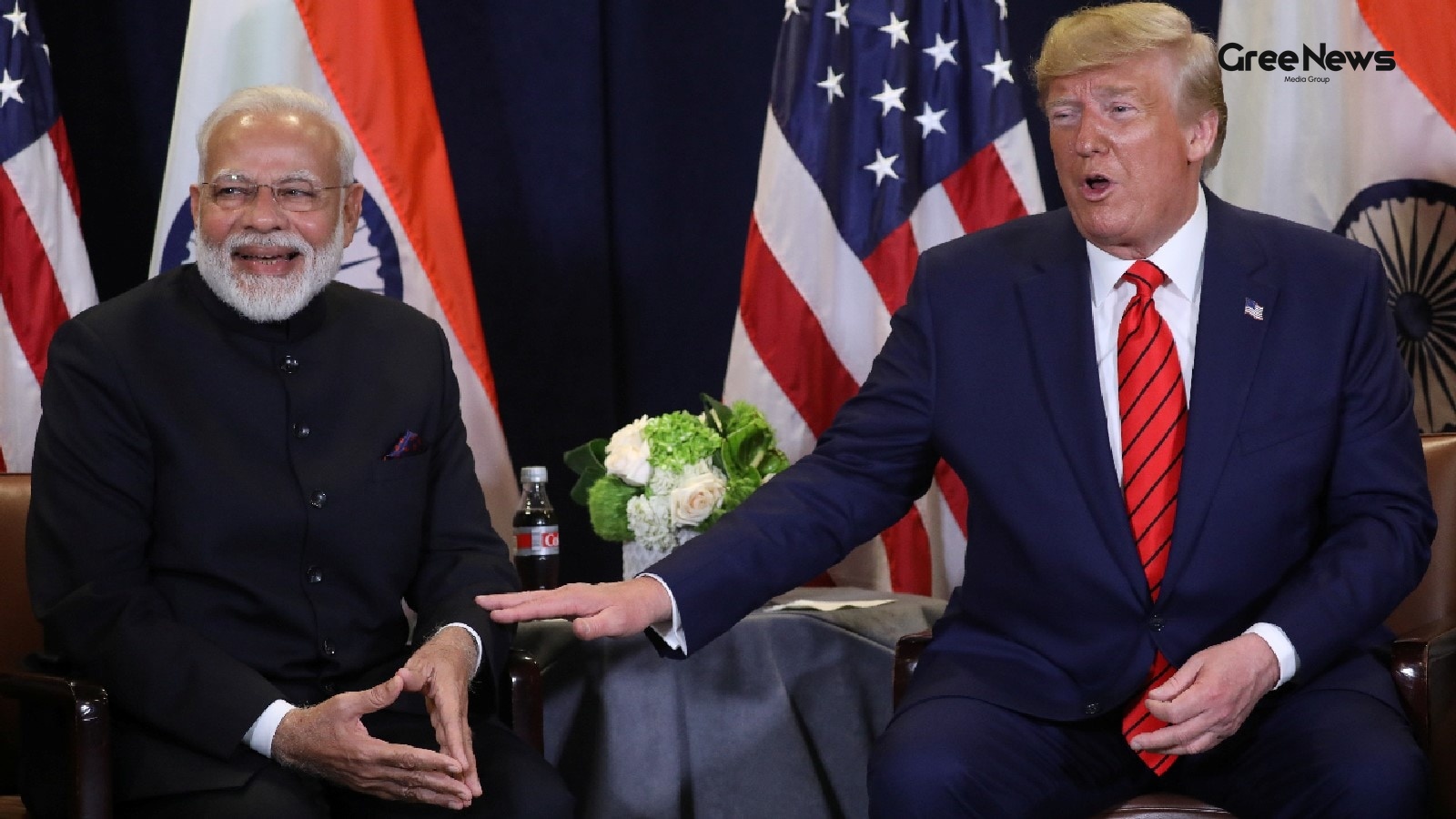
Sergio Gor, the US Ambassador to India, brought up something pretty personal on Monday. It was about the bond between Trump and Modi. He recalled a time when President Trump wanted to call Prime Minister Modi really early, 6 am IST a few months back. He said it just showed how close they were person
Jun 30, 2026 by Gree News Team
China Slaps 20 Japanese Entities onto Export Control List Over Militarisation Concerns
China slapped 20 Japanese entities onto its export control list this week. The reason? Concerns about Japan’s so-called "remilitarisation" and alleged moves to snag nuclear weapons, according to a report from the South China Morning Post. The Ministry of Commerce announced these measures on Monday.
Jun 29, 2026 by Gree News Team
Latest Headlines

Sunita Ahuja on Infidelity and Her Marriage
Sunita Ahuja has been pretty open about things. She’s claimed her superstar husband has had multiple affairs throughout their marriage. It’s all kind of talk now. Even on Lock Upp 2, she brought up how heroes can cheat around. There isn't much you can say about that stuff, given the fandom and the s
Jul 1, 2026 by Gree News Team

Tom Holland, Messi, and the New Spider-Man Movie
World Cup fever, you know? And right in the middle of all that noise, Hollywood star Tom Holland apparently teamed up with Lionel Messi before the release of his next big thing. It wasn't just some casual meet-and-greet though. There was this special video they put out showing Messi actually searchi
Jul 1, 2026 by Gree News Team

Regulating the Coaching Industry and Entrance Exams
The Centre is looking at a national law now. Something about regulating that whole coaching industry. Why? Well, there’s this mounting stress among students suicide cases in those coaching hubs are really hitting people hard. They're also thinking about messing with entrance exams. Trying to shift t
Jul 1, 2026 by Gree News Team

Mexico Defeats Ecuador in Historic Match
Mexico beat Ecuador two goals. It was a huge moment. Four decades of World Cup disappointment finally over. They played at the Azteca stadium. A thunderstorm messed up the start. But when it kicked off, things got intense fast. Javier Aguirre’s team just pushed hard. Relentless attack. Flair. Mexico
Jul 1, 2026 by Gree News Team

Market Indices Performance on Tuesday
Indices kicked off higher on Tuesday, tracking some positive global vibes. Buying interest was definitely hitting auto and FMCG stocks. Around 9:33 am IST. The BSE Sensex jumped up, about 184 points. That’s 0.24%. It settled at 76,662.78. Nifty 50 followed suit, gaining 56.30 points. Also 0.24%. It
Jul 1, 2026 by Gree News Team

Mexico's World Cup Destiny: The Unfolding of El Tri's Triumph
It’s hard to believe in destiny sometimes. But football, it has a way of making even the impossible feel inevitable. On that stormy night at the Azteca, Mexico finally found the ending they had been chasing for forty years. It felt like fate finally caught up. In Mexico, you always hear about $\text
Jul 1, 2026 by Gree News Team
Trump's Financial Disclosures and the Blurring of Politics and Business
Trump always blurred that line between politics and business. But this new investigation, based on his latest financial disclosure report? It just takes that blurring to a whole other level. The *New York Times* dug into it. They found Trump made about $2.2 billion in revenue in 2025. That’s nearly
Jul 1, 2026 by Gree News Team

Diljit Dosanjh: From Poverty to Global Artist
Diljit Dosanjh is huge now. Global artist. Stadiums. Headlining shows everywhere. But getting here wasn't easy for him, you know? He recently opened up about growing up poor. Stuff like that. He said his family often couldn’t even afford to see a doctor. That kind of struggle shapes everything. It p
Jul 1, 2026 by Gree News Team

Netherlands versus Morocco World Cup 2026
Netherlands versus Morocco. World Cup 2026. Round of 32. It was one of those huge upsets in Monterrey. Morocco took it. They beat the Netherlands three goals, but only after penalties kicked in following that stupid one-one draw. A really dramatic thing. The Atlas Lions looked like they had it for m
Jun 30, 2026 by Gree News Team

Gold Prices, Diplomacy, and Trade Negotiations Update
Gold prices dipped Wednesday. It seems that easing tensions between Tehran and Washington actually managed to calm things down across the global market sentiment. Down in Mumbai, the local rates for gold were moving too. 24K gold was sitting at Rs 1,40,130 per ten grams. But the 22K stuff saw a drop
Jun 30, 2026 by Gree News Team

Bella Hadid's Journey with Lyme Disease and Coping
Bella Hadid’s post about living with Lyme disease really got people worried. It was an emotional thing. But now she’s trying to assure everyone that even though the update felt heavy, it just reflects what she’s been dealing with for years. She finally came back to Instagram after all the attention.
Jun 30, 2026 by Gree News Team
Ro Khanna on US-India Relationship and Foreign Policy
Ro Khanna. Democratic Congressman. He hit out at Donald Trump on Monday about foreign policy stuff. Said the India-US relationship? It’s hit rock bottom. Lowest point in thirty years under his watch. He was speaking at some summit, the IX USISPF Leadership Summit 2026 in Washington. And he wasn't ho
Jun 30, 2026 by Gree News Team

Wimbledon Defense Drama: Sinner, Djokovic, and the Aftermath
If there were any expectations for Jannik Sinner’s Wimbledon defense, they certainly weren't comfortable. Miomir Kecmanovic just put those expectations right out of the water. The world number one got pushed to the absolute limit on Centre Court. But he managed a fightback. Sinner survived a proper
Jun 30, 2026 by Gree News Team

The Shifting Currents of Political and Economic Instability
The air in the capital felt thick today. Not just humid, you know? There was this heavy quality, like waiting for something bad to happen, or maybe just waiting for the next inevitable political move. Things are shifting fast, and nobody really knows which way is going anymore. We’re seeing these li
Jun 30, 2026 by Gree News Team

Sonakshi Sinha and the Pressure of the Spotlight
Sonakshi Sinha, you know, she’s always been one of those people who just seems completely fed up with the constant spotlight. It gets exhausting. But even that simple moment seemed charged. She looked visibly irritated by all the filming happening while they were leaving. A video surfaced from that
Jun 30, 2026 by Gree News Team