Manual Chopper vs. Electric Chopper: Which is Right for Your Kitchen?

Look, let’s talk about chopping. Seriously. It sounds simple enough, right? Chopping onions, tomatoes, getting those herbs ready for a curry or a quick salad. But then you actually try it. You spend fifteen minutes wrestling with a knife, and what do you get? Watery eyes. Uneven chunks. Just more effort for less reward.
So why even bother with a chopper in the first place? It’s become this thing everyone has in their kitchen now. Most households seem to run one of these things constantly. It just sits there, waiting around. But is it actually worth the headache of buying one? That’s the real question hanging over most people when they start looking at these gadgets.
The truth isn't about whether you need a chopper. No, you don’t necessarily need one. It really comes down to what kind of cooking life you lead. Is it a once-a-month affair? Or are you someone who is constantly in the kitchen, preparing meals every single day? That’s where the choice splits right into two camps: the manual grind versus the electric buzz.
Manual Choppers
They’ve been around forever. Why? Because they don't need batteries or an outlet to function. You just pull a cord. Simple. Affordable. They take up minimal space on the counter, which is nice when you have limited kitchen real estate. A few pulls of that cord are enough for some stuff, sure. But let’s be honest about what those pulls actually cost you in terms of time and frustration.
Electric Choppers
Then there are the electric ones. Those things just press a button, and bam. The motor does all the heavy lifting in seconds. It sounds like pure convenience, doesn't it? Especially when you’re making a huge batch of something or trying to get through a mountain of vegetables quickly before dinner hits. That speed is tempting.
The Decision Hinges on Your Cooking Rhythm
The whole decision hinges on your cooking rhythm. How often are you actually cooking? Do you cook for just yourself and maybe one other person occasionally, or are you feeding a whole family, constantly juggling meals? That sets the stage immediately.
If you’re someone who cooks sporadically maybe just throwing together a simple meal here and there a manual chopper is probably fine. It offers great value. You get a tool that’s cheap, durable, and doesn't demand electricity. You don’t have to sweat the small stuff when it comes to chopping carrots or maybe some tomatoes for one dinner.
But if you live in a kitchen environment where food prep is a daily routine where onions, garlic, ginger, herbs are not optional extras but necessities that pop up constantly then you start seeing a different perspective. Suddenly, that fifteen minutes spent just prepping vegetables feels like an eternity. That’s when the electric chopper starts to look less like a gadget and more like a lifeline. It saves time, sure, but it also cuts down on that physical effort. You stop dealing with the strain of manual chopping every single night.
Handling Heavy-Duty Chopping
Think about what you actually chop most often. Are we talking about big root vegetables? Carrots? Beetroots? Those might require multiple agonizing pulls on a manual chopper just to get them uniform. And honestly, getting those perfect, even pieces can be maddeningly difficult.
Electric choppers handle that kind of heavy-duty work differently. They use that motor to spin the blades at high speed. It chops things evenly almost instantly. That difference in texture, I mean, it’s noticeable when you're doing a lot of chopping regularly. It changes the whole experience.
And don't forget the secondary functions some models offer. You see these machines that aren't just for vegetables. They can mince meat? Grind nuts? Even make those quick dips or chutneys? That adds another layer to why people are drawn to the electric side. It’s not just about chopping anymore; it’s about total kitchen efficiency, trying to squeeze more out of what you do.
Trade-offs and Final Verdict
Of course, there are trade-offs, because nothing is perfect. Those electric choppers cost more upfront than those simple manual models. They demand a power socket another thing to worry about in terms of placement and safety. And they generally take up more space on the counter. That’s just the reality check you have to factor in when making your final call.
The manual route is undeniably easier to manage, physically speaking. It has fewer moving parts. You don't have a motor unit sitting there that needs careful handling, especially if you’re near water you know, kitchen splashes happen all the time. Manuals are just simple tools; they are robust and straightforward.
But when we look at the long game, especially for families or those who truly live and breathe cooking every day, the argument shifts entirely to efficiency. Time becomes a currency. And if you're spending hours preparing food instead of actually enjoying the meal, that time drain starts feeling really heavy. That’s where the electric chopper starts making sense again. It trades a bit of initial cost for massive time savings down the line.
So, let’s try to pin this down, because there isn't one single perfect answer, just what fits your messy reality. If you are cooking occasionally, if chopping is an event rather than a daily chore, stick with the manual chopper. It’s inexpensive, it lasts, and for those sporadic tasks, it’s perfectly adequate.
But if you find yourself constantly in that kitchen environment if you're prepping ingredients daily, if speed is your absolute top priority, or if you simply want to minimize the physical strain involved in repetitive chopping then the electric option becomes a much more compelling investment. It handles those larger quantities effortlessly. It requires almost no muscle from you.
The real kicker, though, often comes down to this: which one actually saves you time? Is it the raw speed of the motor, or is it just avoiding the physical strain of pulling that cord repeatedly? For most folks who are really cooking regularly the daily cooks that electric option usually wins out. It handles volume better and drastically reduces the sheer effort involved in getting those ingredients ready for dinner.
And yeah, we have to address some specifics about performance. When it comes to chopping onions or tomatoes, both methods work fine. But when you pile up a week's worth of prep, or if you need to get through a whole load of vegetables quickly without feeling completely drained by the effort that’s where the electric speed really shines. It gets the job done almost instantaneously.
Some models even venture into things that go beyond simple chopping. You see machines that can handle meat mincing or grinding nuts, depending on how powerful the motor is. That versatility adds another layer to the appeal for those who want one central appliance doing multiple chores.
Ultimately, it boils down to this: if you’re constantly cooking, embrace the convenience of the electric chopper. It cuts through the preparation time significantly. If you cook lightly, save your money and space by sticking with a trusty manual tool. It’s about matching the right tool to the right lifestyle, plain and simple. That’s usually where the real saving of effort or money happens.
Written by Gree News Team — Senior Editorial Board
Gree News Team covers international news and global affairs at Gree News. Our collective of senior editors is dedicated to providing independent, accurate, and responsible journalism for a global audience.
More from Recipes
View All
The Evolution of the Air Fryer and the Modern Indian Kitchen
You know, not so long ago, an air fryer just sat there. A small thing on the kitchen counter. Mostly for those times you wanted guilt-free fries or a quick snack with less oil. But look at where it is now. In 2026? It’s totally changed. It’s become this huge cooking machine. Something that can do an
Jun 26, 2026 by Gree News Team

The Secret to Fluffy Omelettes: Priyanka Chopra's Breakfast Hack
What if the secret to that cafe-style fluffy omelette isn't some fancy gadget or skills you need? What if it’s just something hiding in your fridge? Priyanka Chopra, Bollywood’s Desi Girl, shared a little hack for making breakfast way better. It sounds simple enough, but this little trick could tota
Jun 25, 2026 by Gree News Team

The Best Food Storage Containers for Your Kitchen
You know, getting your kitchen sorted? It really comes down to those little things. Storing pulses, cereals, keeping fruits fresh these food storage containers aren't just some fancy gadget; they help you organize everything without blowing your budget. It makes a huge difference in how you use your
Jun 25, 2026 by Gree News Team

Hazelnut Chikki and Sandesh Fusion Cake Recipe
Desserts. Seriously. They are pure decadence galore. This thing this chikki fudge cake it’s three layers, you know? It’s this wild fusion. You’ve got the sharp, crunchy delight of hazelnut chikki battling against something rich, velvety, all about dark chocolate and milk sandesh. Two totally beloved
Jun 23, 2026 by Gree News Team
Latest Headlines

Wimbledon Defense Drama: Sinner, Djokovic, and the Aftermath
If there were any expectations for Jannik Sinner’s Wimbledon defense, they certainly weren't comfortable. Miomir Kecmanovic just put those expectations right out of the water. The world number one got pushed to the absolute limit on Centre Court. But he managed a fightback. Sinner survived a proper
Jun 30, 2026 by Gree News Team

The Shifting Currents of Political and Economic Instability
The air in the capital felt thick today. Not just humid, you know? There was this heavy quality, like waiting for something bad to happen, or maybe just waiting for the next inevitable political move. Things are shifting fast, and nobody really knows which way is going anymore. We’re seeing these li
Jun 30, 2026 by Gree News Team

Sonakshi Sinha and the Pressure of the Spotlight
Sonakshi Sinha, you know, she’s always been one of those people who just seems completely fed up with the constant spotlight. It gets exhausting. But even that simple moment seemed charged. She looked visibly irritated by all the filming happening while they were leaving. A video surfaced from that
Jun 30, 2026 by Gree News Team

UPTET 2026 Admit Card and Exam Schedule Information
The admit cards are out now. The Uttar Pradesh Education Services Selection Commission, or UPESSC, finally dropped them today, June 30th, 2026. If you registered for the UPTET 2026 exam, you can grab your hall tickets from their site: upessc.up.gov.in. It’s important to move fast here. The actual te
Jun 30, 2026 by Gree News Team

Randeep Hooda on Career Advice from Salman Khan
Randeep Hooda talked about some career advice he got from Salman Khan. It’s interesting stuff. He admitted that even though he thought it was good guidance, he didn't actually follow it. He always preferred exploring different characters. Not sticking to one specific look on screen. That’s what he f
Jun 30, 2026 by Gree News Team

Burnout and Career Uncertainty for a Microsoft Software Engineer
A post from a Microsoft software engineer just went viral. It was raw. The user talked about burnout, fading confidence, and the constant fear of getting laid off. Thousands of people online immediately clicked in. The guy said he’s been at Microsoft for six years. Twelve years total industry experi
Jun 30, 2026 by Gree News Team

TVK versus DMK: The Political and Corruption Battle in Tamil Nadu
TVK versus DMK. That’s where things are right now in Tamil Nadu. The Joseph Vijay government is really pushing hard on corruption against the previous DMK regime. Senior ministers, they keep urging the Governor to clear some pending prosecution proposals. It’s all about these allegations against for
Jun 30, 2026 by Gree News Team
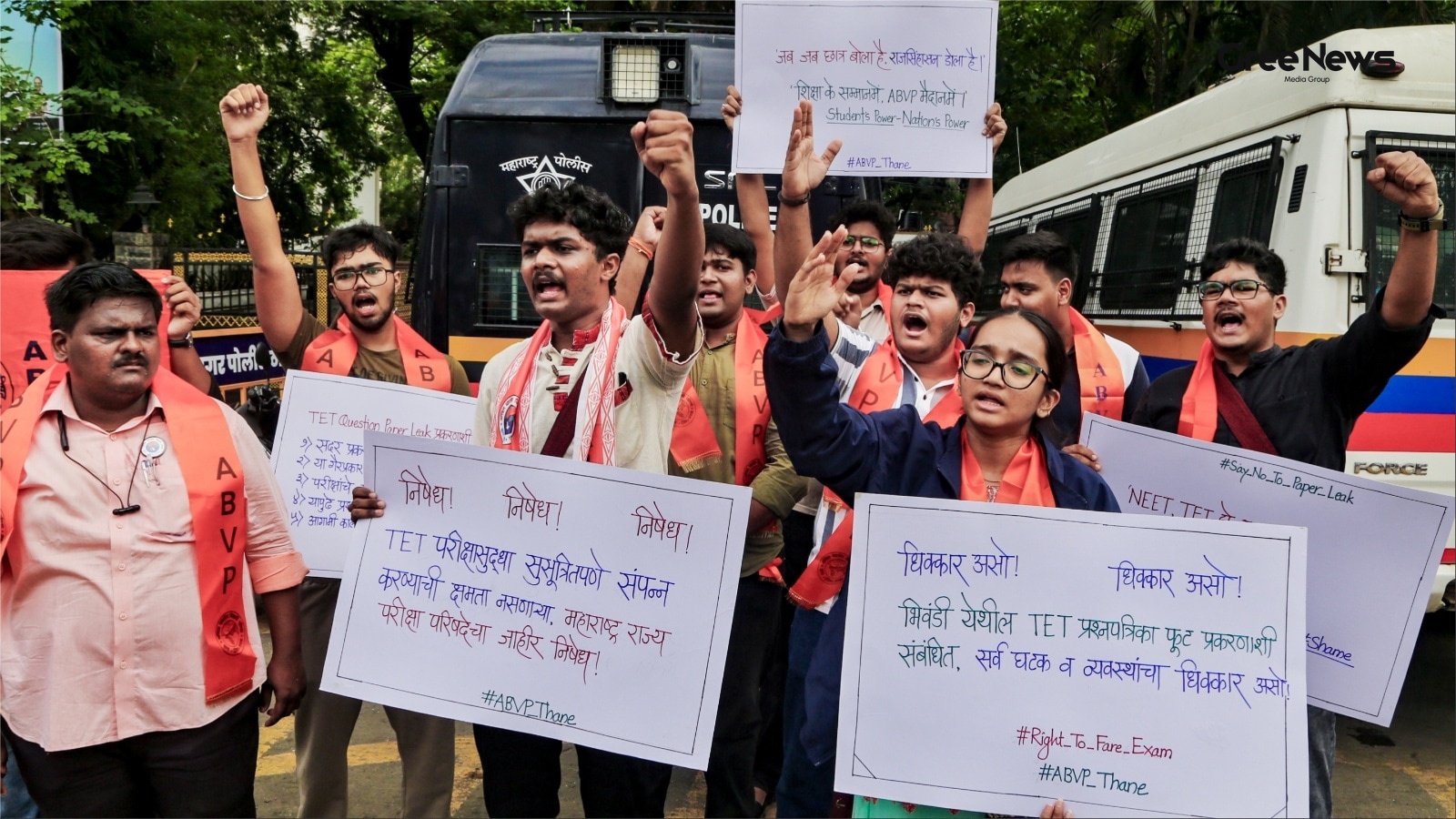
Investigation into Maharashtra Teacher Eligibility Test Leak
The Special Investigation Team the SIT is still digging into that alleged Maharashtra Teacher Eligibility Test leak. It just made another arrest. This time, they took in the wife of the supposed mastermind, Bijender Kumar Gupta. Suman Kumari was the fourth person caught up in this mess. She was arre
Jun 30, 2026 by Gree News Team

Pawan Kalyan's OG Franchise and Pooja Hegde Rumors
The buzz around Pawan Kalyan’s OG franchise just keeps getting louder, you know? People are really speculating now about the next movie. Specifically, there’s this persistent rumor floating around that actress Pooja Hegde might be involved in the second installment of the action drama. It’s all talk
Jun 30, 2026 by Gree News Team

Fire Rips Through Naphtha Pipeline Near West Bengal Refinery
At least thirty people got hurt after this huge fire ripped through a naphtha pipeline near an oil refinery in West Bengal’s Haldia district early Tuesday morning. It just started things off badly. The whole blaze kicked off in Chiranjibpur, right under Ward No. 13 of the Haldia Municipality. Panic
Jun 30, 2026 by Gree News Team

Former Coach Hong Myung-bo Faces Anger After Tournament Elimination
Former head coach Hong Myung-bo and some of the national team were met by real anger when they got home on Tuesday, right after being eliminated early in the tournament. It wasn't a welcome. It was pure frustration. Just twenty-four hours after he announced his resignation, Hong landed at Incheon Ai
Jun 30, 2026 by Gree News Team

SIT Findings on Gold Theft and Criminal Conspiracy at Sabarimala
The Special Investigation Team that was set up to look into the gold theft at Sabarimala has finally told the Kerala High Court what they found. They said they gathered stuff that points directly at PS Prashanth that’s the former president of the Travancore Devaswom Board and advocate A Ajikumar, wh
Jun 30, 2026 by Gree News Team

Investigation into Alleged Donation Thefts at Ram Mandir
The investigation into those alleged donation thefts at the Ram Mandir is finally hitting the top brass of the Shri Ram Janmabhoomi Teerth Kshetra Trust. It’s not some neat, orderly thing. Monday, Champat Rai, the former general secretary of the Trust, was pulled in for nearly two hours by Ayodhya P
Jun 30, 2026 by Gree News Team

Karnataka Electoral Roll Revision: Process, Consequences, and Timeline
The Special Intensive Revision of electoral rolls started across Karnataka on Tuesday. It’s moving fast. And Chief Minister DK Shivakumar is pushing hard now. He’s telling everyone, really stressing it, that they absolutely have to make sure their names are still on the voters’ list. Why? Because lo
Jun 30, 2026 by Gree News Team
Best Gaming Laptops Under One Lakh Rupees: Deals and Specs
Gaming laptops under one lakh rupees? They’ve gotten seriously powerful lately. Buyers don't have to settle for just okay graphics anymore. You get decent displays and solid performance now. But finding the actual best deal? That’s the hard part. We looked at what was available in India, focusing on
Jun 30, 2026 by Gree News Team