Karnataka Electoral Roll Revision: Process, Consequences, and Timeline
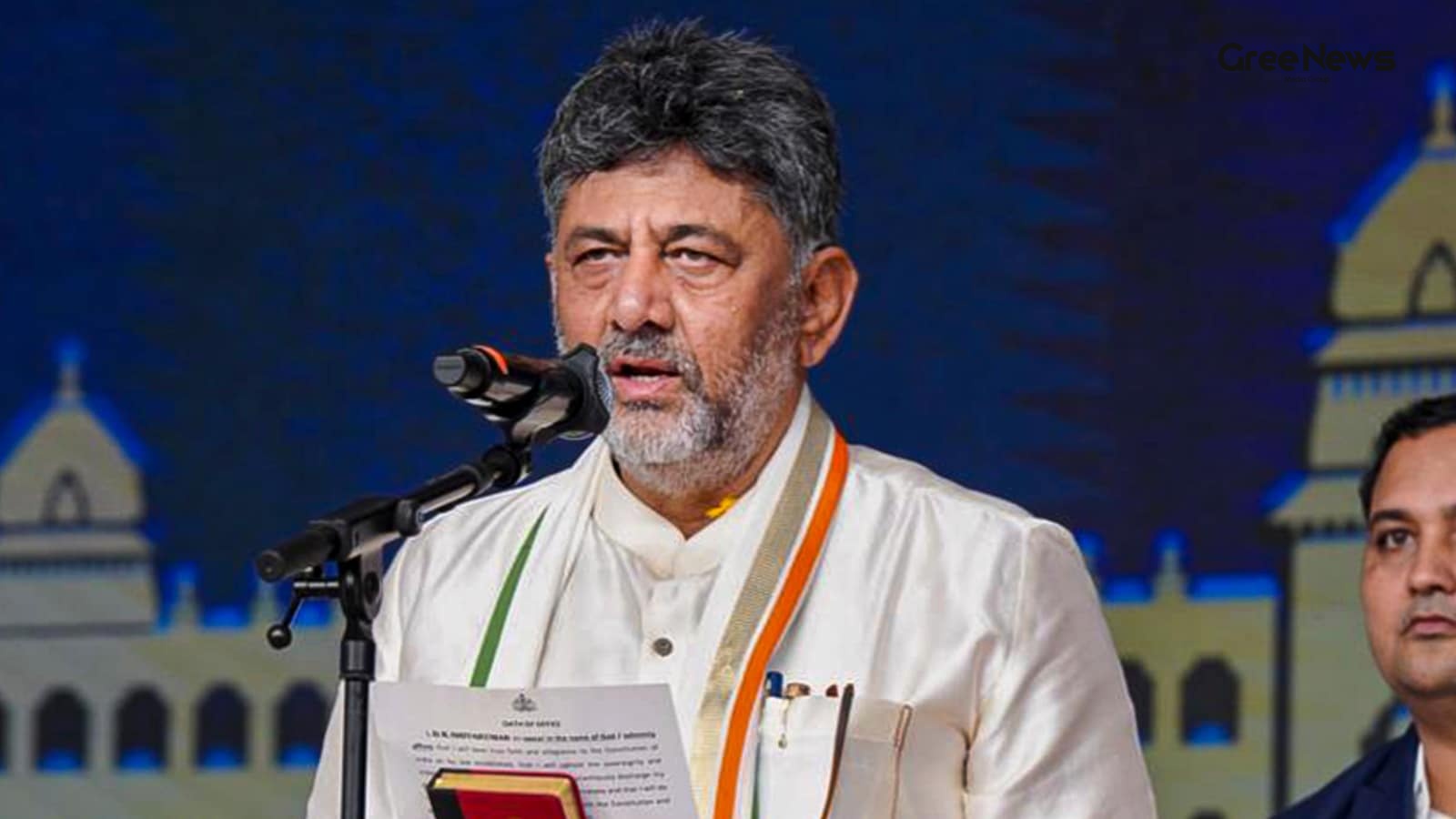
The Special Intensive Revision of electoral rolls started across Karnataka on Tuesday. It’s moving fast. And Chief Minister DK Shivakumar is pushing hard now. He’s telling everyone, really stressing it, that they absolutely have to make sure their names are still on the voters’ list. Why? Because losing that right… it affects everything. Losing voting rights means losing access to government benefits. It’s not just a formality; it’s real consequences attached to it.
He put it bluntly when he spoke about this whole exercise. Voting isn't some abstract idea, you know? He called it fundamental. He said something heavy: “The right to vote is the right to live.” That kind of statement hangs in the air. It shifts the tone completely. It moves it from a bureaucratic update to something much more personal, more urgent.
Meanwhile, this revision isn't happening in isolation. You see how things are being handled elsewhere? Like West Bengal. There, they’ve already issued an order. They are verifying and deleting any ration beneficiaries who aren't eligible based on these same SIR findings. It just shows the pattern emerging. These measures… they are spreading. Other states are following suit. The implication is clear: if you slip through this net, if you lose your vote status, you risk losing those essential government benefits too. It’s a chain reaction of consequences that keeps unfolding.
The machinery behind this whole thing is massive, and it involves a lot of ground work happening right now across the state. The Election Commission has started its house-to-house enumeration exercise in Karnataka. They are going through every address. This process isn't over yet. It’s set to continue all the way until July 29th. That gives people a deadline, a window to deal with this paperwork before things get too tight.
But just getting the list revised isn't the end of it. The government knew they needed some help making this process smoother for the citizens themselves. So, ahead of kicking off this big revision, Karnataka announced something else. They are going to issue permanent residential certificates. This is meant to be a lifeline. It’s supposed to help people actually complete this whole SIR process without getting stuck in red tape.
The Revenue Department has laid out the guidelines for these certificates. These documents need to prove where people actually live, establishing residence. And applying for them? People have options now. They can apply online, which is convenient through the Seva Sindhu portal. But there’s also the offline route. You can go to the local centers. Think about those citizen service spots the Atal Jana Snehi Kendras, or the Nadakacheris, Bengaluru One, Karnataka One, and all the Grama One centres. It's decentralized, trying to reach everyone.
This system is designed to handle the scale of it, but the actual fieldwork still requires boots on the ground. The Chief Electoral Officer, Anbukumar, laid out the numbers regarding the scope of this revision. We’re talking about more than 5.5 crore electors across Karnataka. That number itself is staggering when you think about the physical effort involved.
And to manage that scale, they deployed a huge team. Fifty-nine thousand fifty Booth Level Officers have been trained and put into action for this job. That’s the frontline staff. They are supported by supervisors seven thousand five hundred fifty-six BLO Supervisors. And then there are the actual registration officers: two hundred twenty-four Electoral Registration Officers, plus three hundred thirty-six Assistant Electoral Registration Officers. It's a big structure, trying to manage the logistics of touching every voter.
But it gets messier when you talk about the agents involved too. More than one lakh Booth Level Agents have been appointed by political parties and they’ve all been trained. So many moving parts, people working on different levels, all feeding into this single revision effort. It feels like a logistical puzzle being solved in real-time.
The actual enumeration phase itself has very specific instructions for the BLOs. They are going to be visiting every household. The goal is simple: distribute those Enumeration Forms. These forms go out to everyone whose name was on the electoral roll back on June 16, 2026. That date feels distant now, but it’s the baseline reference point they’re using for sorting things out.
How do they handle the physical distribution? Homes where forms are delivered get a violet square sticker slapped on them. If a house is locked up or inaccessible somehow, they use a red round sticker instead. And this is where you see the real friction of the process the need for persistence. Wherever necessary, the BLOs have to make at least three visits just to collect those completed forms back. That’s not a quick job. It demands time and repeated interaction with residents.
There was an important clarification released by the Election Commission about what happens during this enumeration phase. They stressed that no documents are supposed to be collected while the BLOs are doing their house visits. The focus has to stay purely on distributing the forms. This is meant to keep things from becoming another layer of complication for the residents being visited.
Anbukumar reiterated the request to the voters in a way that felt almost pleading, despite the official tone. He asked them kindly to receive the form, fill it out, sign it, and hand it straight back to the BLO. It’s about participation, making sure they engage with what is being asked of them.
He wrapped up his statement by trying to settle any lingering anxiety that might be floating around. He insisted that the entire procedure must strictly follow the directions set by the Election Commission of India. It has to be legal. Lawful. He urged people not to harbor any misgivings about the process. That’s the underlying current here the fear that if you don't understand it, or if something goes wrong, your rights could suffer.
And just as important as the fieldwork itself is the final outcome timeline. The Election Commission has a schedule set for this entire sequence of events. They plan to publish the draft electoral roll on August 5th. Then there’s a window until September 4th for anyone who wants to submit claims or objections if they see something wrong with their entry. That's your chance to fight back, to correct things. And finally, after all that checking and correcting, the final electoral roll is slated for publication on October 7th.
So you have this timeline running: August 5th draft. September 4th objections period. October 7th final result. It’s a tight sequence of dates governing what happens to those names and those rights in Karnataka right now. It’s all moving, and it demands attention from everyone involved.
Written by Gree News Team — Senior Editorial Board
Gree News Team covers international news and global affairs at Gree News. Our collective of senior editors is dedicated to providing independent, accurate, and responsible journalism for a global audience.
More from India
View All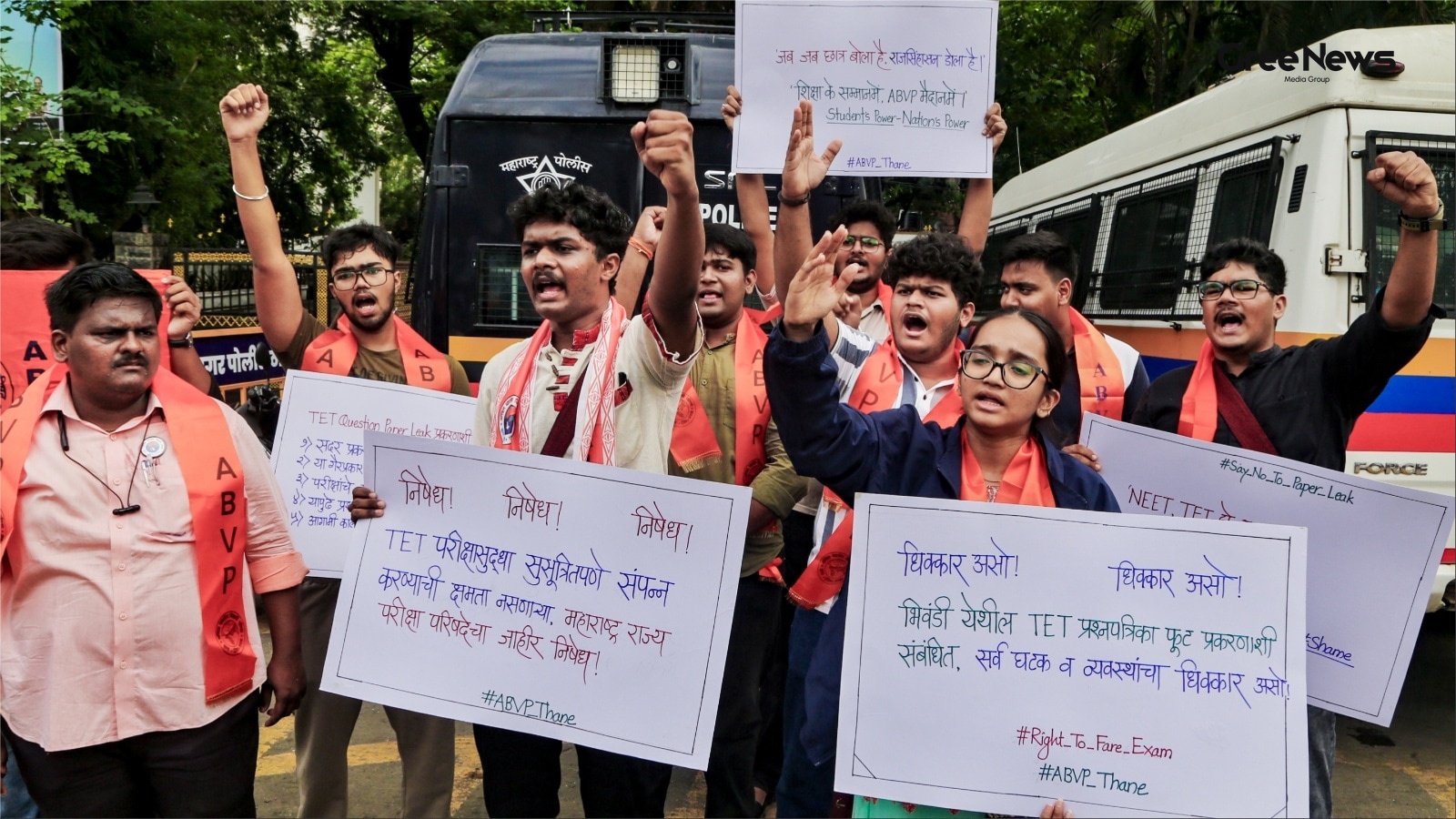
Investigation into Maharashtra Teacher Eligibility Test Leak
The Special Investigation Team the SIT is still digging into that alleged Maharashtra Teacher Eligibility Test leak. It just made another arrest. This time, they took in the wife of the supposed mastermind, Bijender Kumar Gupta. Suman Kumari was the fourth person caught up in this mess. She was arre
Jun 30, 2026 by Gree News Team
Fire Rips Through Naphtha Pipeline Near West Bengal Refinery
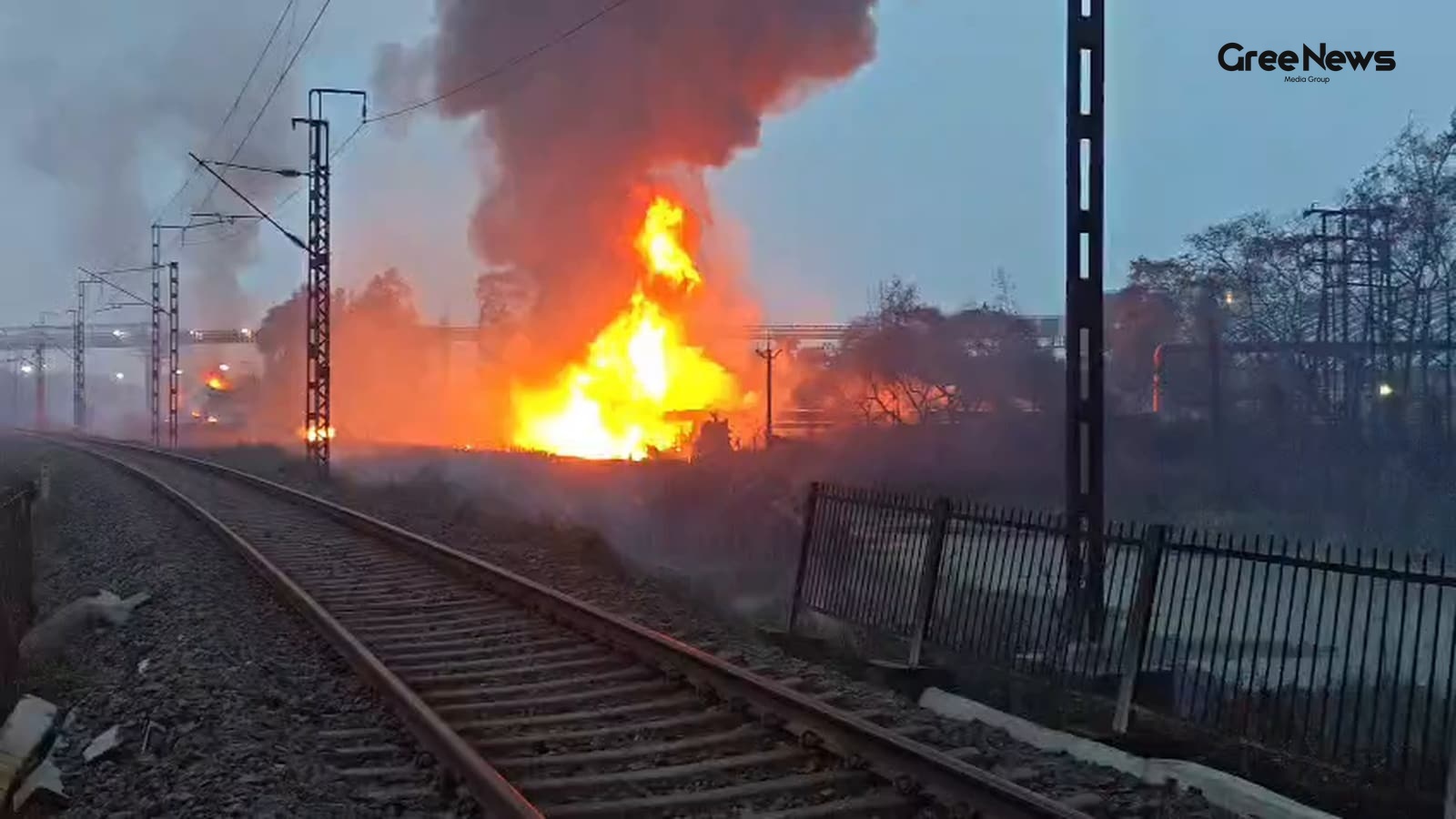
At least thirty people got hurt after this huge fire ripped through a naphtha pipeline near an oil refinery in West Bengal’s Haldia district early Tuesday morning. It just started things off badly. The whole blaze kicked off in Chiranjibpur, right under Ward No. 13 of the Haldia Municipality. Panic
Jun 30, 2026 by Gree News Team
SIT Findings on Gold Theft and Criminal Conspiracy at Sabarimala
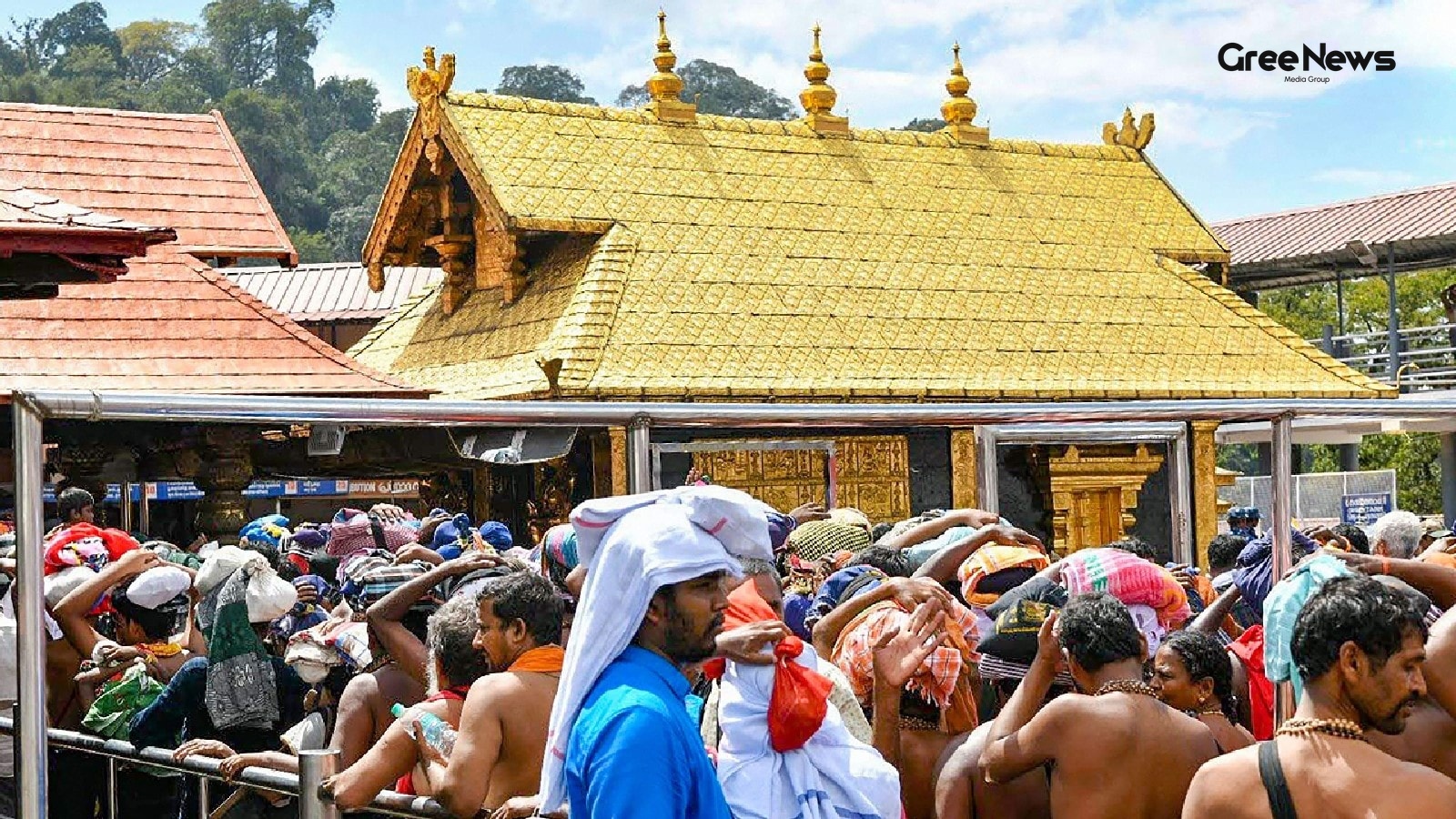
The Special Investigation Team that was set up to look into the gold theft at Sabarimala has finally told the Kerala High Court what they found. They said they gathered stuff that points directly at PS Prashanth that’s the former president of the Travancore Devaswom Board and advocate A Ajikumar, wh
Jun 30, 2026 by Gree News Team
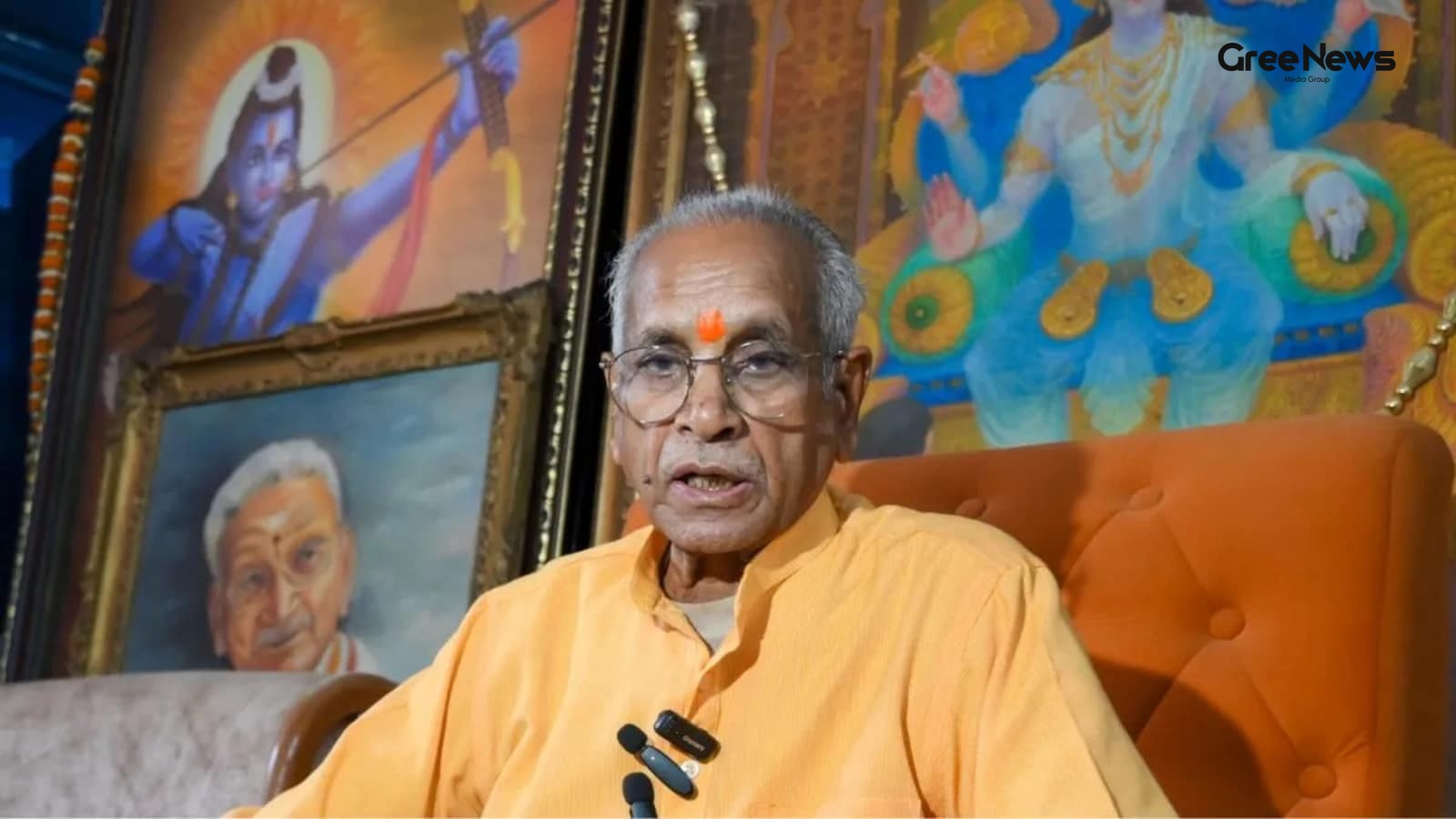
Investigation into Alleged Donation Thefts at Ram Mandir
The investigation into those alleged donation thefts at the Ram Mandir is finally hitting the top brass of the Shri Ram Janmabhoomi Teerth Kshetra Trust. It’s not some neat, orderly thing. Monday, Champat Rai, the former general secretary of the Trust, was pulled in for nearly two hours by Ayodhya P
Jun 30, 2026 by Gree News Team
Latest Headlines

TVK versus DMK: The Political and Corruption Battle in Tamil Nadu
TVK versus DMK. That’s where things are right now in Tamil Nadu. The Joseph Vijay government is really pushing hard on corruption against the previous DMK regime. Senior ministers, they keep urging the Governor to clear some pending prosecution proposals. It’s all about these allegations against for
Jun 30, 2026 by Gree News Team
Investigation into Maharashtra Teacher Eligibility Test Leak
The Special Investigation Team the SIT is still digging into that alleged Maharashtra Teacher Eligibility Test leak. It just made another arrest. This time, they took in the wife of the supposed mastermind, Bijender Kumar Gupta. Suman Kumari was the fourth person caught up in this mess. She was arre
Jun 30, 2026 by Gree News Team

Manual Chopper vs. Electric Chopper: Which is Right for Your Kitchen?
Look, let’s talk about chopping. Seriously. It sounds simple enough, right? Chopping onions, tomatoes, getting those herbs ready for a curry or a quick salad. But then you actually try it. You spend fifteen minutes wrestling with a knife, and what do you get? Watery eyes. Uneven chunks. Just more ef
Jun 30, 2026 by Gree News Team

Pawan Kalyan's OG Franchise and Pooja Hegde Rumors
The buzz around Pawan Kalyan’s OG franchise just keeps getting louder, you know? People are really speculating now about the next movie. Specifically, there’s this persistent rumor floating around that actress Pooja Hegde might be involved in the second installment of the action drama. It’s all talk
Jun 30, 2026 by Gree News Team
Fire Rips Through Naphtha Pipeline Near West Bengal Refinery
At least thirty people got hurt after this huge fire ripped through a naphtha pipeline near an oil refinery in West Bengal’s Haldia district early Tuesday morning. It just started things off badly. The whole blaze kicked off in Chiranjibpur, right under Ward No. 13 of the Haldia Municipality. Panic
Jun 30, 2026 by Gree News Team
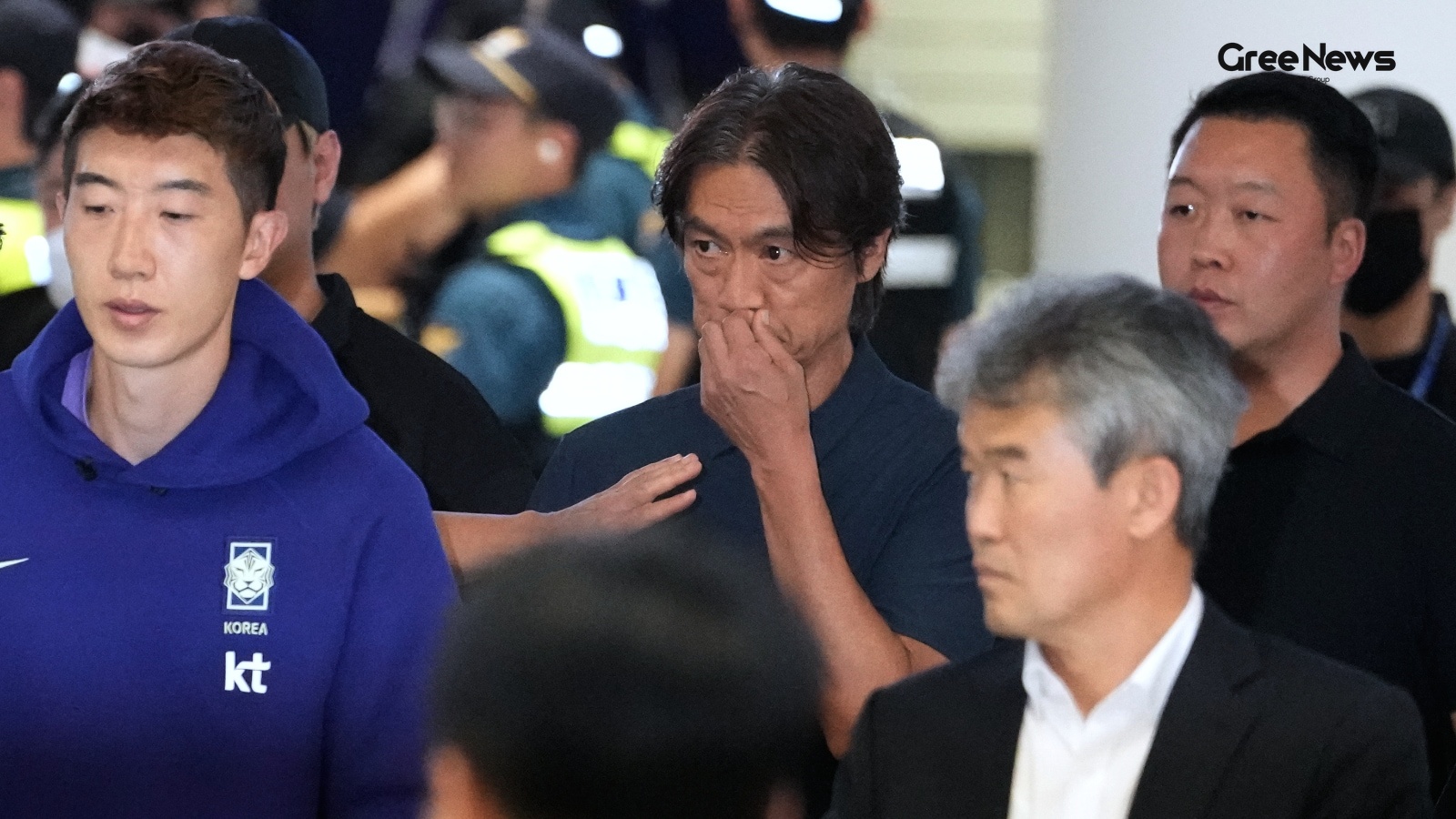
Former Coach Hong Myung-bo Faces Anger After Tournament Elimination
Former head coach Hong Myung-bo and some of the national team were met by real anger when they got home on Tuesday, right after being eliminated early in the tournament. It wasn't a welcome. It was pure frustration. Just twenty-four hours after he announced his resignation, Hong landed at Incheon Ai
Jun 30, 2026 by Gree News Team
SIT Findings on Gold Theft and Criminal Conspiracy at Sabarimala
The Special Investigation Team that was set up to look into the gold theft at Sabarimala has finally told the Kerala High Court what they found. They said they gathered stuff that points directly at PS Prashanth that’s the former president of the Travancore Devaswom Board and advocate A Ajikumar, wh
Jun 30, 2026 by Gree News Team
Investigation into Alleged Donation Thefts at Ram Mandir
The investigation into those alleged donation thefts at the Ram Mandir is finally hitting the top brass of the Shri Ram Janmabhoomi Teerth Kshetra Trust. It’s not some neat, orderly thing. Monday, Champat Rai, the former general secretary of the Trust, was pulled in for nearly two hours by Ayodhya P
Jun 30, 2026 by Gree News Team
Best Gaming Laptops Under One Lakh Rupees: Deals and Specs
Gaming laptops under one lakh rupees? They’ve gotten seriously powerful lately. Buyers don't have to settle for just okay graphics anymore. You get decent displays and solid performance now. But finding the actual best deal? That’s the hard part. We looked at what was available in India, focusing on
Jun 30, 2026 by Gree News Team

Ram Kapoor's Debate on Marriage and Cheating in Lock Upp: Sach Ya Sazaa
Ram Kapoor is back in the spotlight again. This time on *Lock Upp: Sach Ya Sazaa*. It’s just happened, days after he drew fire over some comments about past remarks you know, that gang rape thing and clashing with other contestants during a water task. Now, he’s started another big debate inside the
Jun 30, 2026 by Gree News Team

Sergio Gor on the Bond Between Trump and Modi
Sergio Gor, the US Ambassador to India, brought up something pretty personal on Monday. It was about the bond between Trump and Modi. He recalled a time when President Trump wanted to call Prime Minister Modi really early, 6 am IST a few months back. He said it just showed how close they were person
Jun 30, 2026 by Gree News Team

Why a Former Google Employee Left for an AI Startup
A former Google guy shared why he walked away from a job that paid nearly a million dollars a year just to start his own AI startup. Yousuf Imran, 41, used to be an account executive there. He said the whole AI rush, plus those layoffs at the tech giant that really pushed him to build something hims
Jun 30, 2026 by Gree News Team

Investigation into Ketan Agarwal’s Murder at Lohagad Fort
Investigators looking into Ketan Agarwal’s murder at Lohagad Fort found something strange. It wasn't just a random act. Apparently, it hinged on something his fiancée, Siya Goyal, did. A signal. Something carefully arranged played a huge part in the whole thing. The Pune Rural Police said she allege
Jun 30, 2026 by Gree News Team

AP EAMCET Results 2026: How to Check Your Scores
AP EAMCET results for 2026 are coming soon. The Andhra Pradesh State Council of Higher Education, APSCHE, is expected to release them shortly. If you took the exam, you can check your scores on their official site: cets.apsche.ap.gov.in. It’s all tied up in that link right now. How do you actually s
Jun 30, 2026 by Gree News Team

OYO IPO and Funding Details
So OYO, hospitality tech platform, they finally filed that updated draft red herring prospectus the UDRHP for an IPO. They’re aiming to raise up to ₹6,650 crore through this fresh equity issue. It's interesting how structured this is, or maybe it just feels like paperwork piling up. The key thing ri
Jun 30, 2026 by Gree News Team