Ensuring Safe and Ready Homes for Electric Vehicle Charging
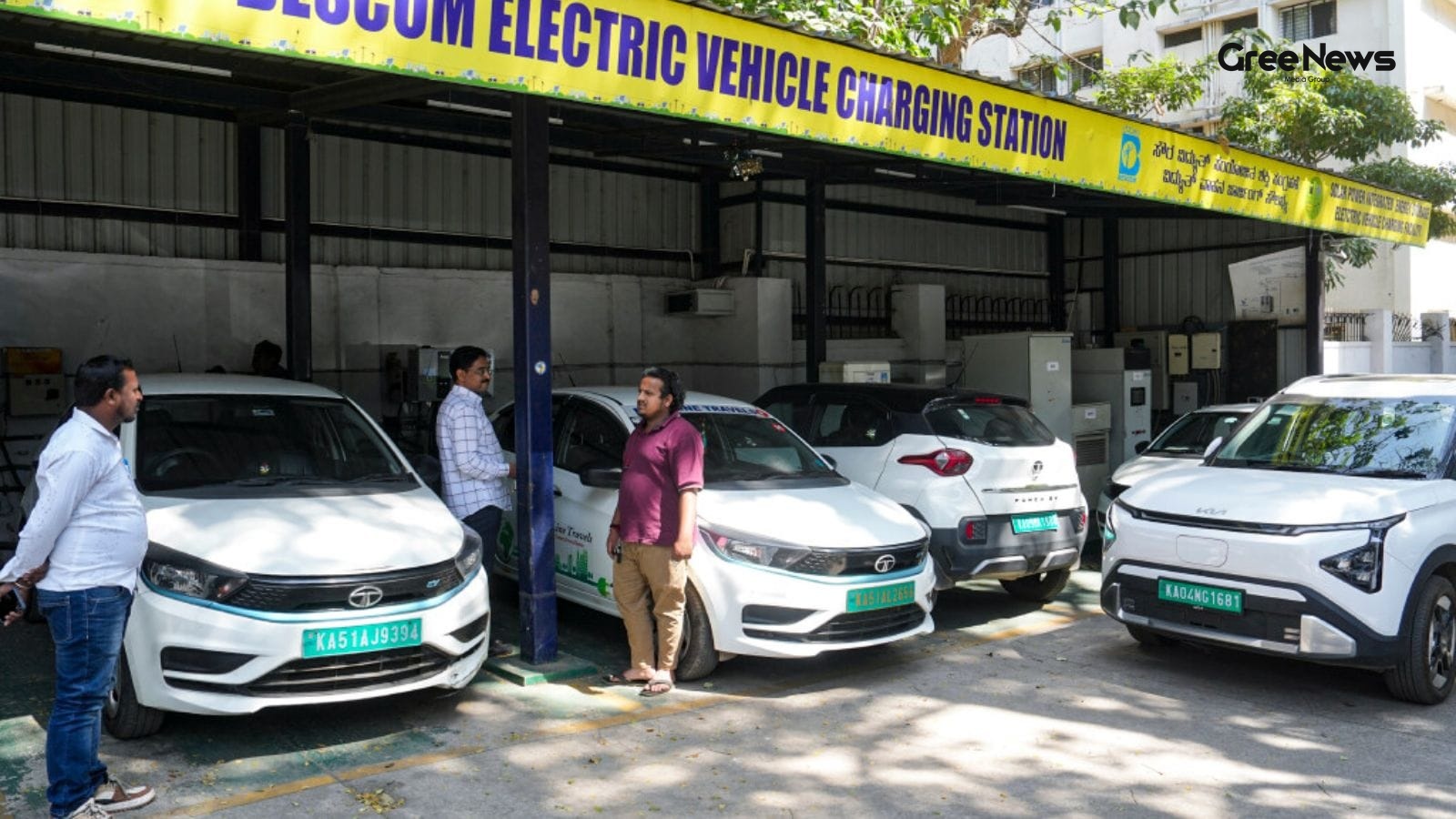
The push for electric vehicles is moving fast, but there’s a real snag underneath all that excitement: getting homes ready to actually charge them safely. A new study just came out hitting that point hard.
They found nearly 45% of Indian homes are going to need serious electrical upgrades just to handle EV charging properly. That's the takeaway from ‘The Net-Zero Transition Starts at Home: Enabling EV-Ready Residences in India.’
This report? It’s a joint effort by the Alliance for an Energy Efficient Economy and that EV charging platform, Kazam. They based it on data from over 80,000 residential charger installations across all sorts of places, tier one cities down to those smaller towns, independent houses, apartment complexes, even informal settlements. PTI got the story out.
It feels like policy is moving ahead, right? Delhi’s making moves, stopping new petrol and CNG three-wheelers from registering by 2027 and two-wheelers by 2028. But that momentum doesn't automatically fix the infrastructure gap at home.
The problem is access. Even with all this EV buzz, only about fifty-five percent of potential buyers actually have home charging set up right now. And still, residential charging is supposed to be the main way people power these things.
The report highlights how uneven the situation really is. Lots of homes just don't have the wiring or setup needed for safe charging. People are stuck using whatever they can find extension cables, general sockets, shared connections. It’s sketchy.
Researchers were pretty clear about the danger here. These informal setups? They create fire hazards. Electrical faults happen easily. Overloaded circuits lead to overheating, wire failures, and potential power outages right there in your neighborhood. Plus, unsafe charging practices just chew up the battery life too. Reliability drops, degradation speeds up. It’s a chain reaction of risk.
So what do they suggest? Things need to change fundamentally. They are pushing for dedicated circuit protection. That means proper MCBs and earth-leakage protection installed properly. And not just that they need certified EV sub-meters for sustained charging loads.
The whole system needs sorting out. Much of the existing residential electrical infrastructure simply wasn't built to handle the power demands we’re talking about now. This issue is especially painful in older buildings, those apartment complexes, and those informal settlements where the wiring is already questionable and there are no clear rules for installing new chargers safely.
There’s also a whole liability angle people are worried about if something goes wrong technically. And obviously, the cost of making these upgrades? That's another huge hurdle for homeowners trying to transition.
The recommendation boils down to this: homes meant for EVs need adequate electrical capacity. Dedicated circuits. Compliant wiring and earthing everywhere. Properly installed chargers with circuit protection MCBs and earth-leakage gear are non-negotiable. And crucially, they need a unified national framework. Something that pulls together building codes, safety standards, and EV guidelines so everyone is playing by the same rules when it comes to safe residential charging. It’s all about making sure this transition actually starts safely at home.
Written by Gree News Team — Senior Editorial Board
Gree News Team covers international news and global affairs at Gree News. Our collective of senior editors is dedicated to providing independent, accurate, and responsible journalism for a global audience.
More from India
View All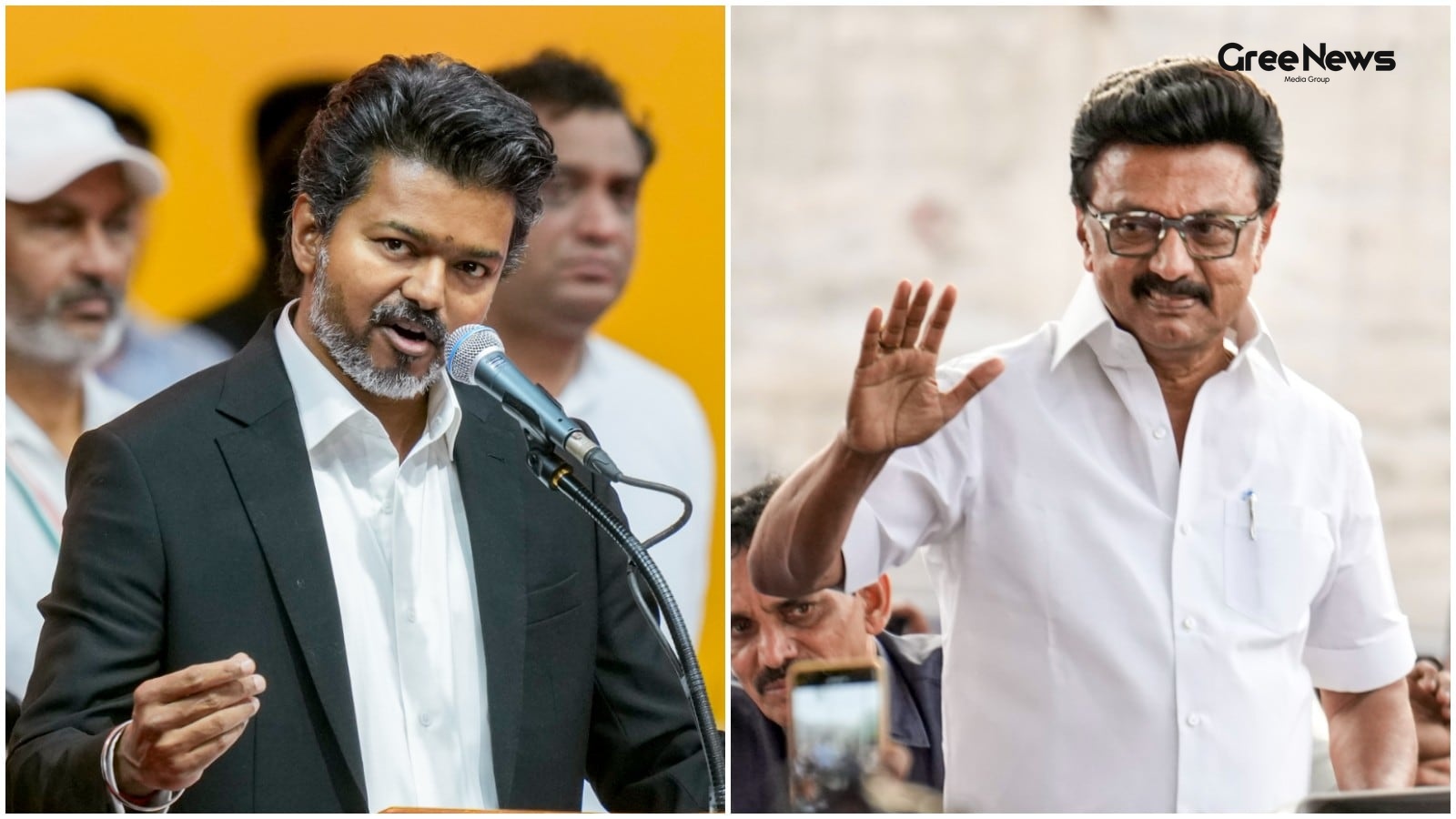
TVK versus DMK: The Political and Corruption Battle in Tamil Nadu
TVK versus DMK. That’s where things are right now in Tamil Nadu. The Joseph Vijay government is really pushing hard on corruption against the previous DMK regime. Senior ministers, they keep urging the Governor to clear some pending prosecution proposals. It’s all about these allegations against for
Jun 30, 2026 by Gree News Team
Investigation into Maharashtra Teacher Eligibility Test Leak
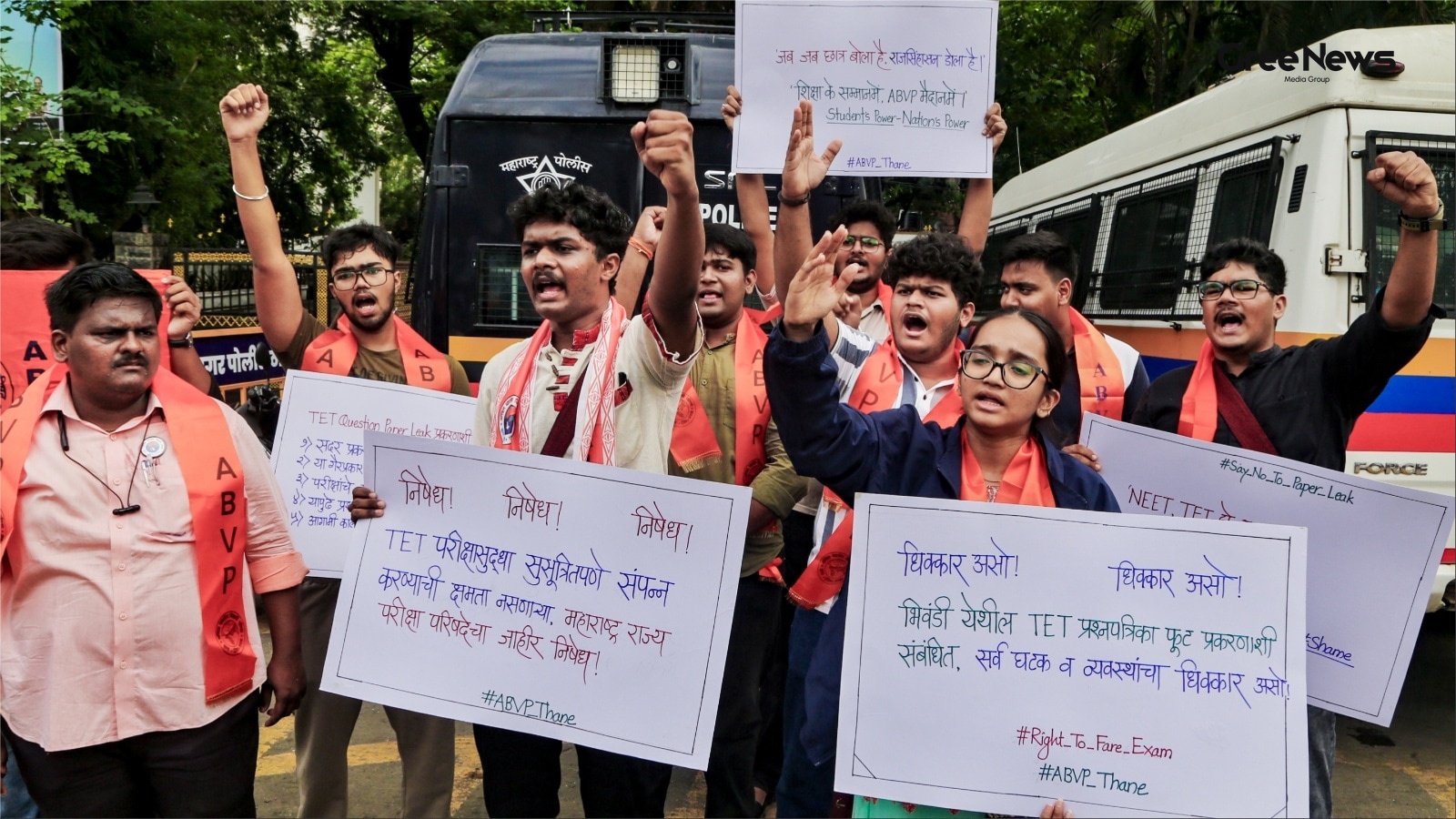
The Special Investigation Team the SIT is still digging into that alleged Maharashtra Teacher Eligibility Test leak. It just made another arrest. This time, they took in the wife of the supposed mastermind, Bijender Kumar Gupta. Suman Kumari was the fourth person caught up in this mess. She was arre
Jun 30, 2026 by Gree News Team
Fire Rips Through Naphtha Pipeline Near West Bengal Refinery
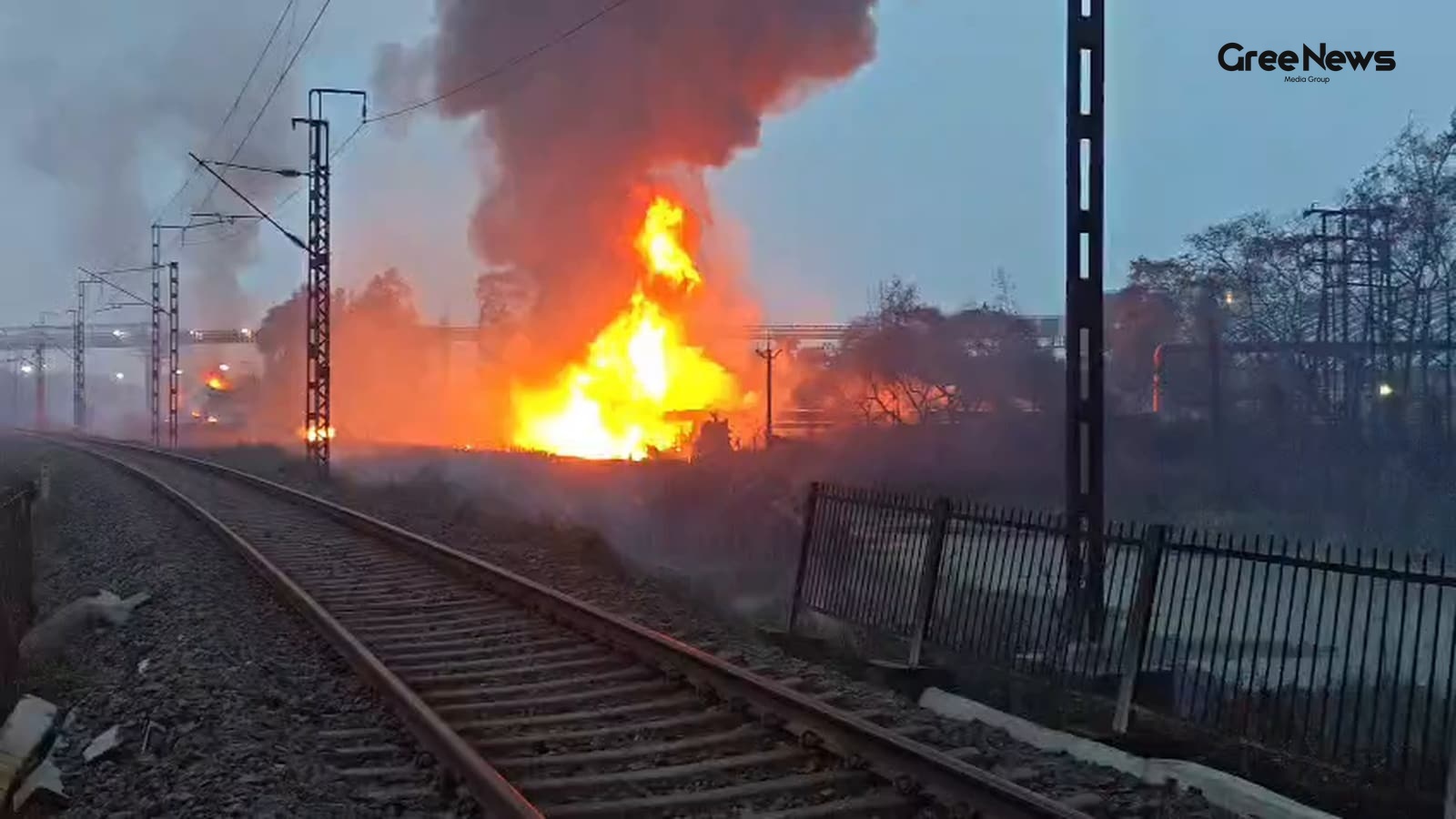
At least thirty people got hurt after this huge fire ripped through a naphtha pipeline near an oil refinery in West Bengal’s Haldia district early Tuesday morning. It just started things off badly. The whole blaze kicked off in Chiranjibpur, right under Ward No. 13 of the Haldia Municipality. Panic
Jun 30, 2026 by Gree News Team

SIT Findings on Gold Theft and Criminal Conspiracy at Sabarimala
The Special Investigation Team that was set up to look into the gold theft at Sabarimala has finally told the Kerala High Court what they found. They said they gathered stuff that points directly at PS Prashanth that’s the former president of the Travancore Devaswom Board and advocate A Ajikumar, wh
Jun 30, 2026 by Gree News Team
Latest Headlines
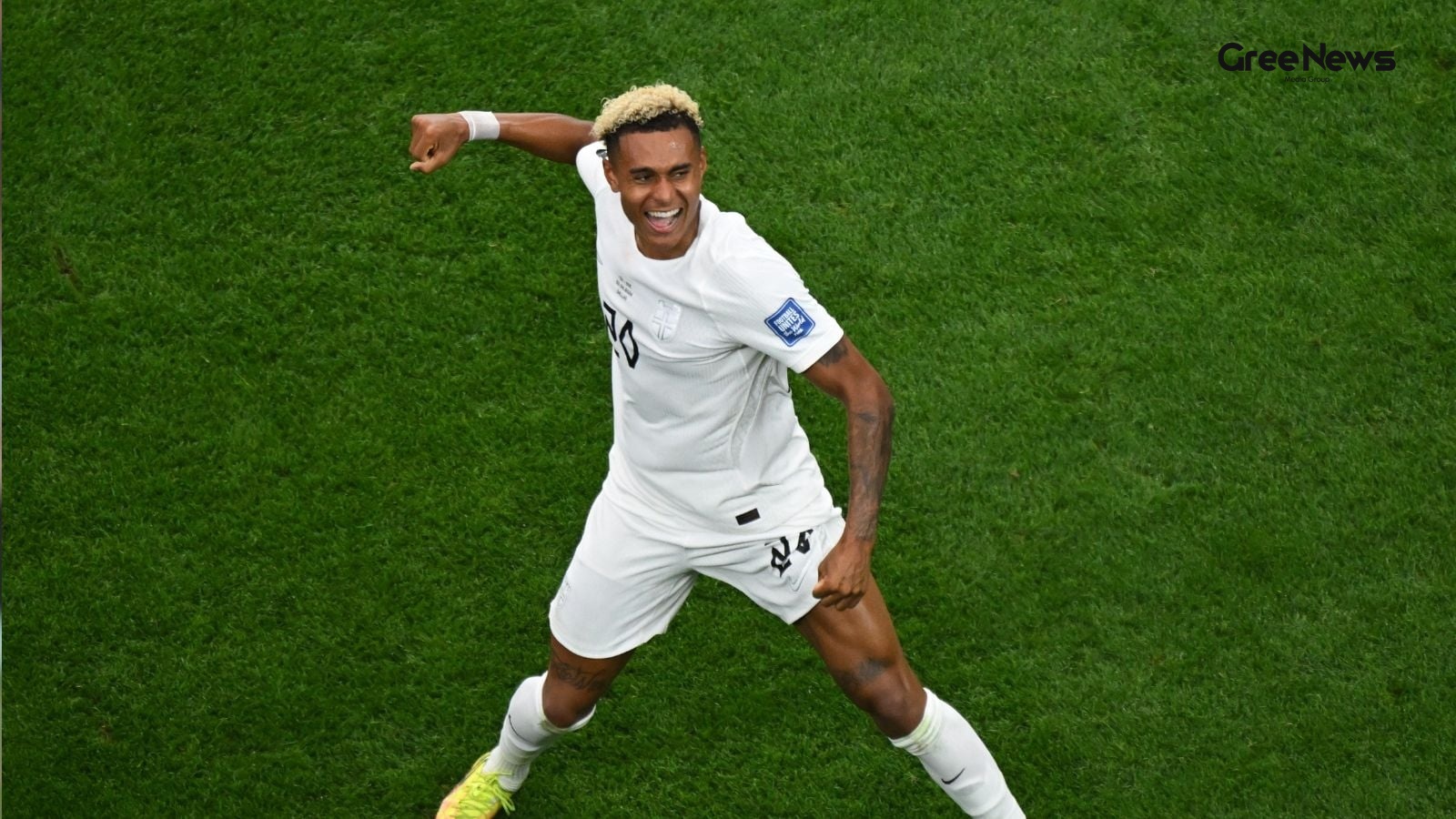
Antonio Nusa Breaks Record as Norway's Youngest Goalscorer
Antonio Nusa just broke Steffen Iversen’s record on Tuesday. He became Norway’s youngest goalscorer at a major tournament. That’s the headline, right there. He hit twenty-one years and seventy-four days when it happened. Iversen held that mark for a while. Twenty-three years and two hundred sixteen
Jul 1, 2026 by Gree News Team
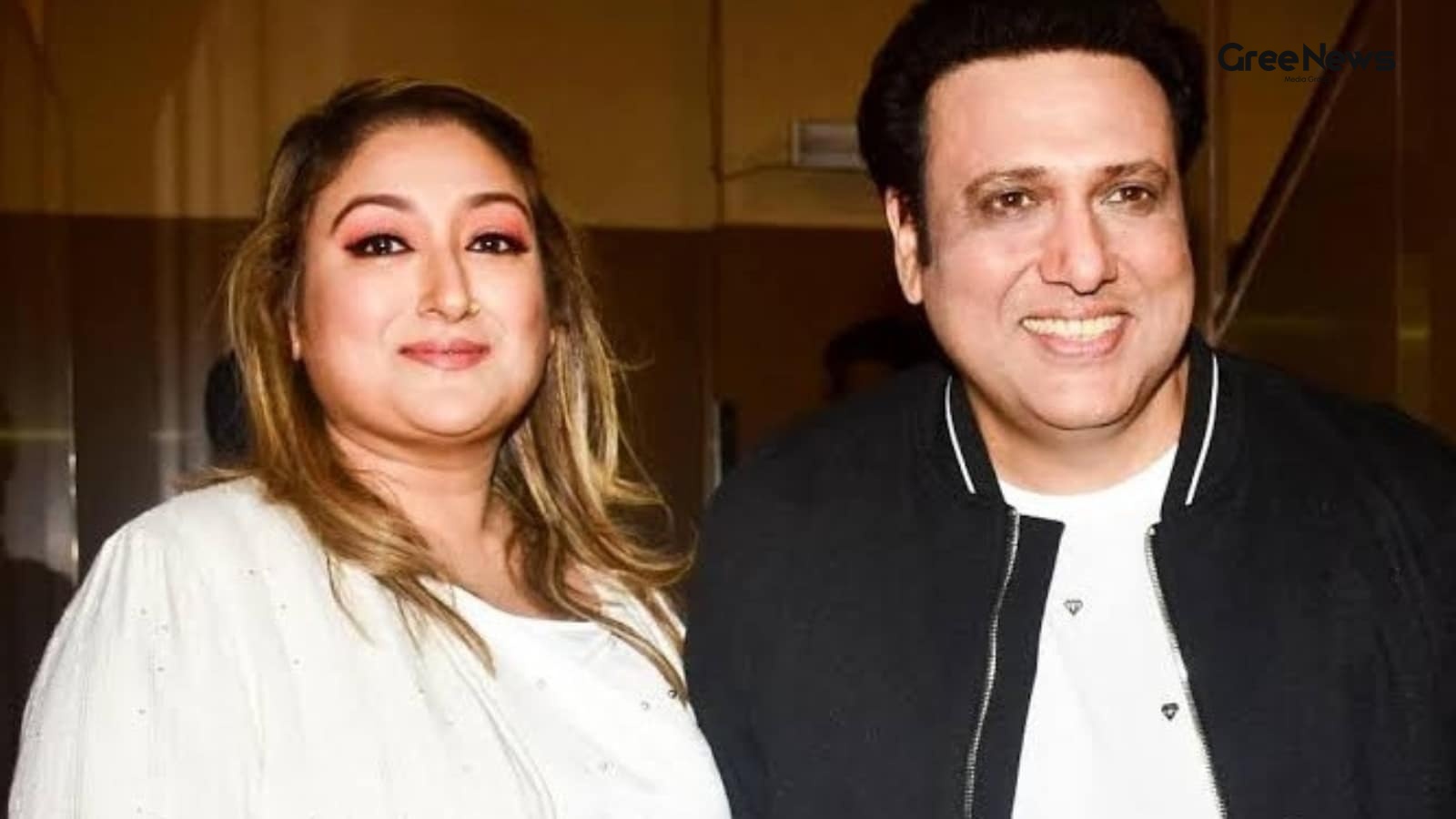
Sunita Ahuja on Infidelity and Her Marriage
Sunita Ahuja has been pretty open about things. She’s claimed her superstar husband has had multiple affairs throughout their marriage. It’s all kind of talk now. Even on Lock Upp 2, she brought up how heroes can cheat around. There isn't much you can say about that stuff, given the fandom and the s
Jul 1, 2026 by Gree News Team

Tom Holland, Messi, and the New Spider-Man Movie
World Cup fever, you know? And right in the middle of all that noise, Hollywood star Tom Holland apparently teamed up with Lionel Messi before the release of his next big thing. It wasn't just some casual meet-and-greet though. There was this special video they put out showing Messi actually searchi
Jul 1, 2026 by Gree News Team
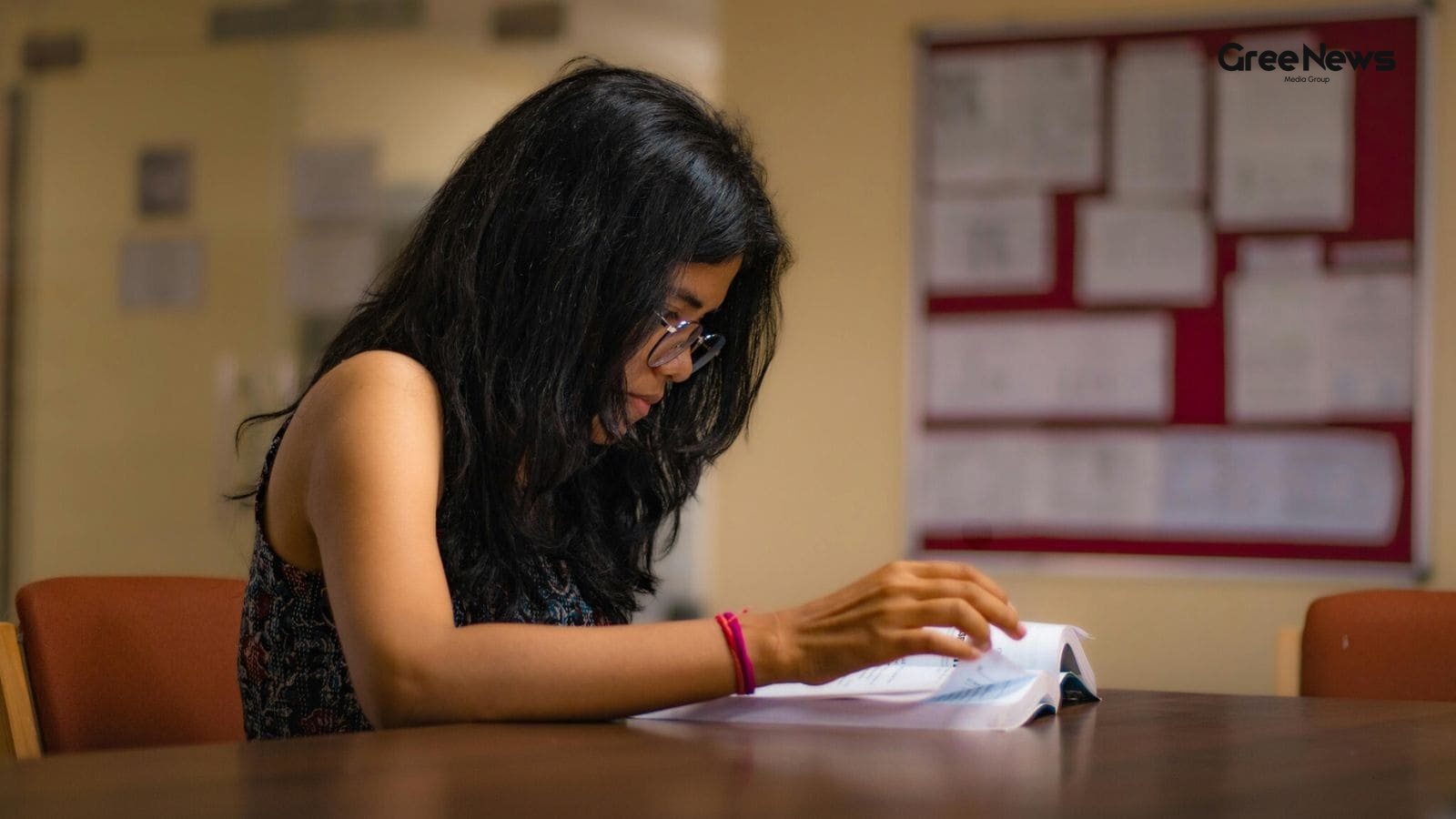
Regulating the Coaching Industry and Entrance Exams
The Centre is looking at a national law now. Something about regulating that whole coaching industry. Why? Well, there’s this mounting stress among students suicide cases in those coaching hubs are really hitting people hard. They're also thinking about messing with entrance exams. Trying to shift t
Jul 1, 2026 by Gree News Team
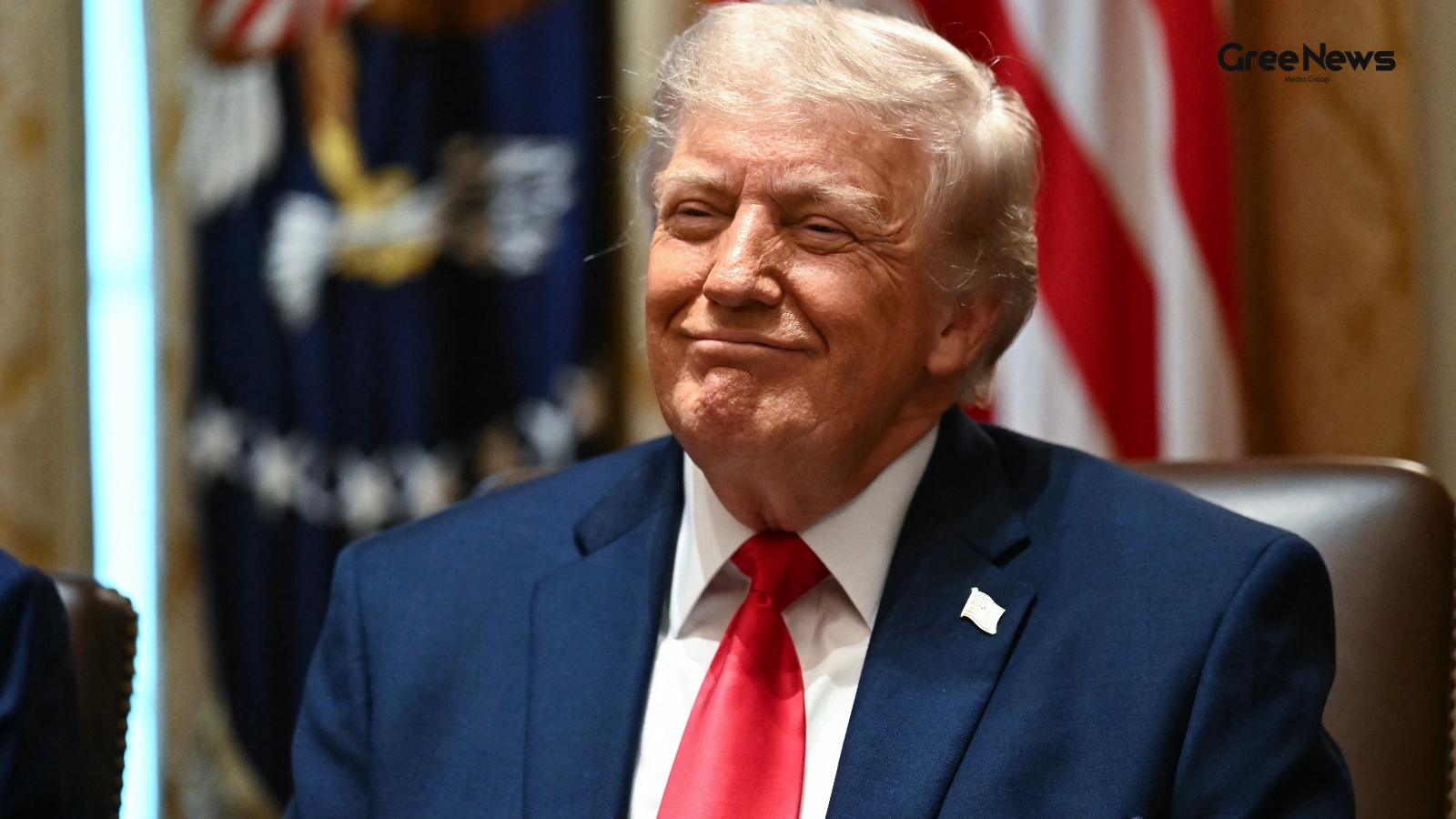
The Ripple Effect of Immigration Enforcement and Court Rulings
The whole thing just keeps shifting. You see, even after losing that big Supreme Court fight about birthright citizenship the one where they shut down Trump’s push to restrict it he still managed to snag a bunch of court wins. And those wins, honestly, they look like they're setting the stage for so
Jul 1, 2026 by Gree News Team

Mexico Defeats Ecuador in Historic Match
Mexico beat Ecuador two goals. It was a huge moment. Four decades of World Cup disappointment finally over. They played at the Azteca stadium. A thunderstorm messed up the start. But when it kicked off, things got intense fast. Javier Aguirre’s team just pushed hard. Relentless attack. Flair. Mexico
Jul 1, 2026 by Gree News Team
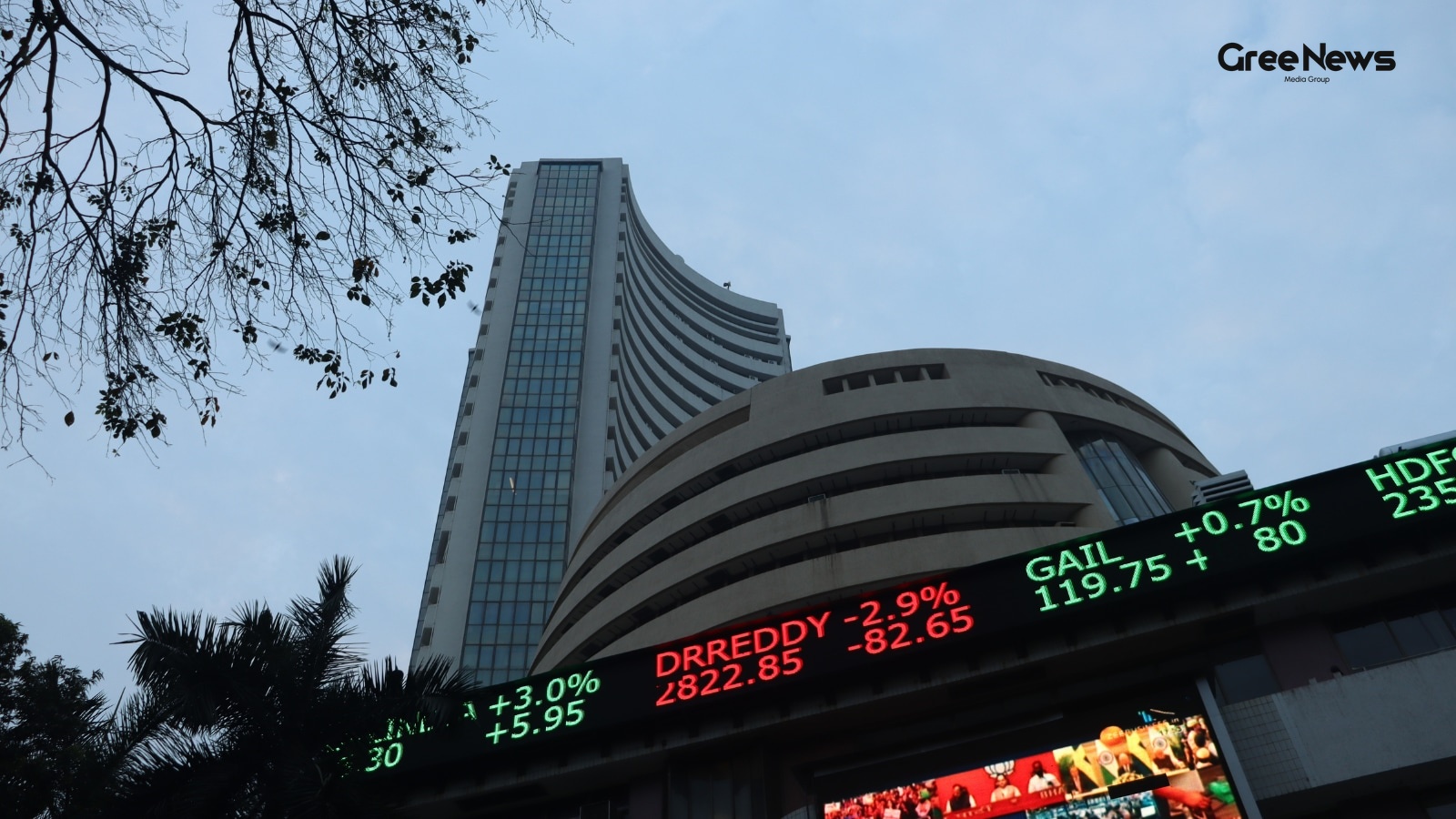
Market Indices Performance on Tuesday
Indices kicked off higher on Tuesday, tracking some positive global vibes. Buying interest was definitely hitting auto and FMCG stocks. Around 9:33 am IST. The BSE Sensex jumped up, about 184 points. That’s 0.24%. It settled at 76,662.78. Nifty 50 followed suit, gaining 56.30 points. Also 0.24%. It
Jul 1, 2026 by Gree News Team

Mexico's World Cup Destiny: The Unfolding of El Tri's Triumph
It’s hard to believe in destiny sometimes. But football, it has a way of making even the impossible feel inevitable. On that stormy night at the Azteca, Mexico finally found the ending they had been chasing for forty years. It felt like fate finally caught up. In Mexico, you always hear about $\text
Jul 1, 2026 by Gree News Team

Trump's Financial Disclosures and the Blurring of Politics and Business
Trump always blurred that line between politics and business. But this new investigation, based on his latest financial disclosure report? It just takes that blurring to a whole other level. The *New York Times* dug into it. They found Trump made about $2.2 billion in revenue in 2025. That’s nearly
Jul 1, 2026 by Gree News Team
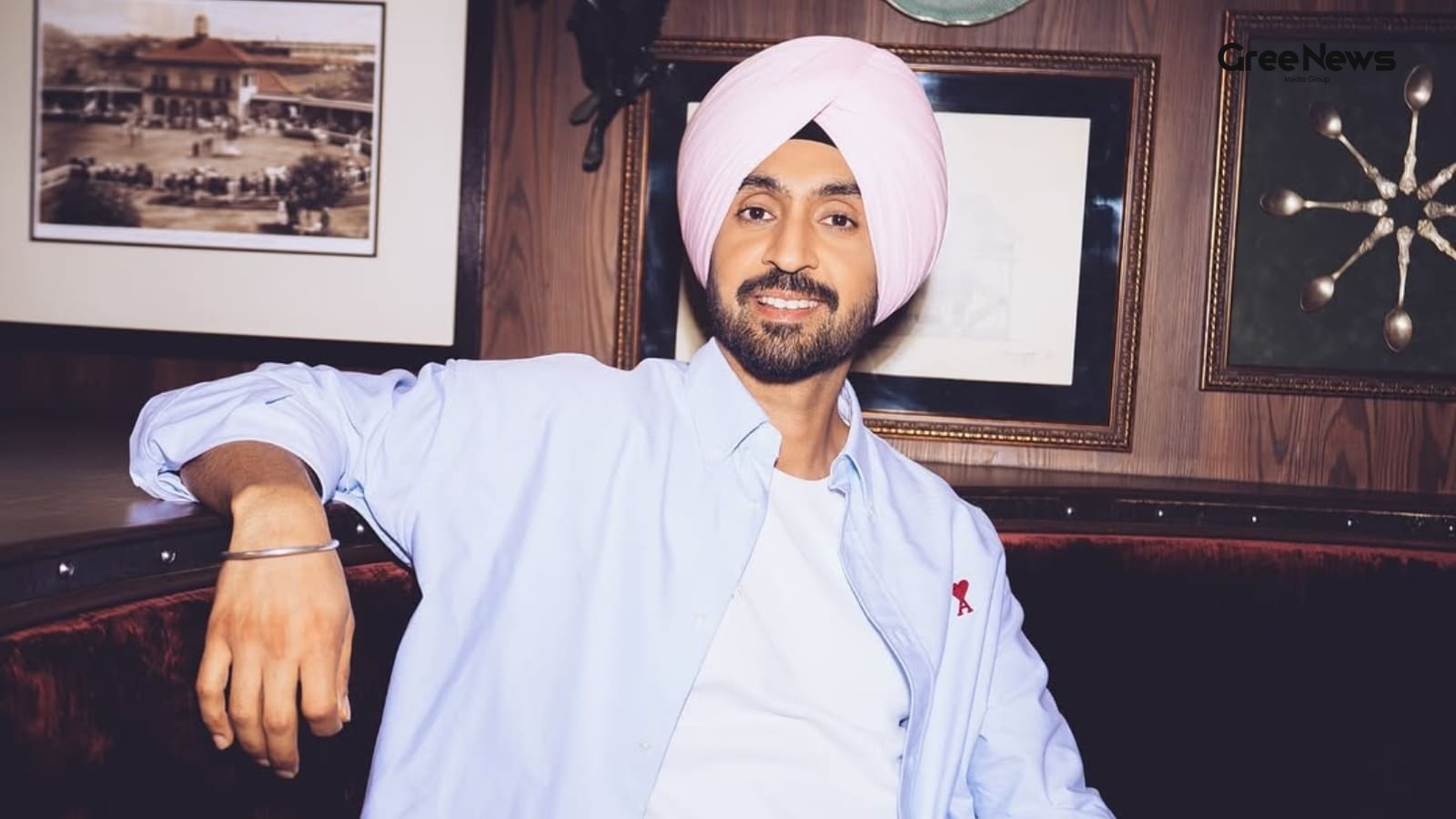
Diljit Dosanjh: From Poverty to Global Artist
Diljit Dosanjh is huge now. Global artist. Stadiums. Headlining shows everywhere. But getting here wasn't easy for him, you know? He recently opened up about growing up poor. Stuff like that. He said his family often couldn’t even afford to see a doctor. That kind of struggle shapes everything. It p
Jul 1, 2026 by Gree News Team

Netherlands versus Morocco World Cup 2026
Netherlands versus Morocco. World Cup 2026. Round of 32. It was one of those huge upsets in Monterrey. Morocco took it. They beat the Netherlands three goals, but only after penalties kicked in following that stupid one-one draw. A really dramatic thing. The Atlas Lions looked like they had it for m
Jun 30, 2026 by Gree News Team

Gold Prices, Diplomacy, and Trade Negotiations Update
Gold prices dipped Wednesday. It seems that easing tensions between Tehran and Washington actually managed to calm things down across the global market sentiment. Down in Mumbai, the local rates for gold were moving too. 24K gold was sitting at Rs 1,40,130 per ten grams. But the 22K stuff saw a drop
Jun 30, 2026 by Gree News Team
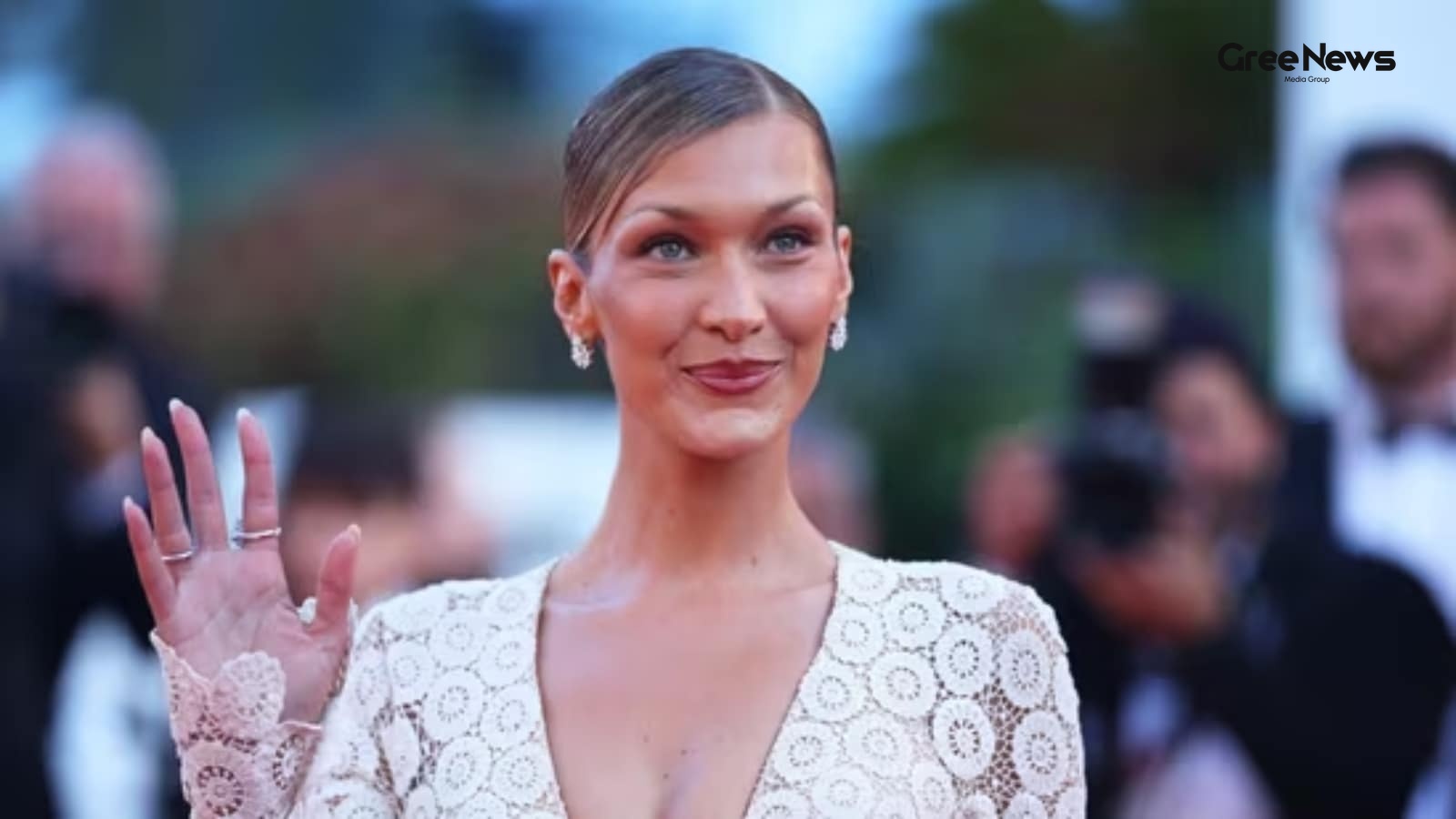
Bella Hadid's Journey with Lyme Disease and Coping
Bella Hadid’s post about living with Lyme disease really got people worried. It was an emotional thing. But now she’s trying to assure everyone that even though the update felt heavy, it just reflects what she’s been dealing with for years. She finally came back to Instagram after all the attention.
Jun 30, 2026 by Gree News Team
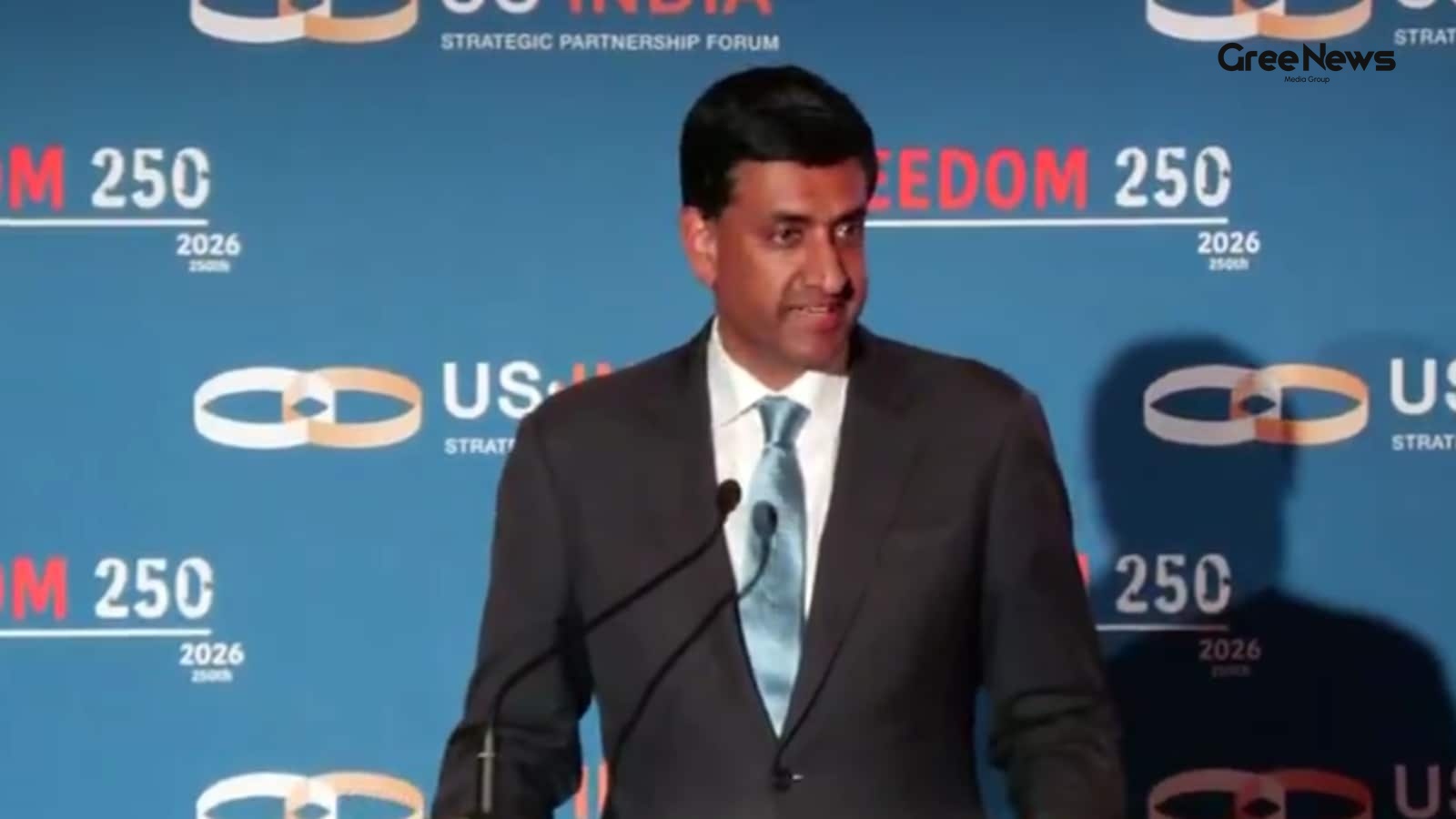
Ro Khanna on US-India Relationship and Foreign Policy
Ro Khanna. Democratic Congressman. He hit out at Donald Trump on Monday about foreign policy stuff. Said the India-US relationship? It’s hit rock bottom. Lowest point in thirty years under his watch. He was speaking at some summit, the IX USISPF Leadership Summit 2026 in Washington. And he wasn't ho
Jun 30, 2026 by Gree News Team

Wimbledon Defense Drama: Sinner, Djokovic, and the Aftermath
If there were any expectations for Jannik Sinner’s Wimbledon defense, they certainly weren't comfortable. Miomir Kecmanovic just put those expectations right out of the water. The world number one got pushed to the absolute limit on Centre Court. But he managed a fightback. Sinner survived a proper
Jun 30, 2026 by Gree News Team