Japan-India Cooperation: Economic, Strategic, and Technological Ties
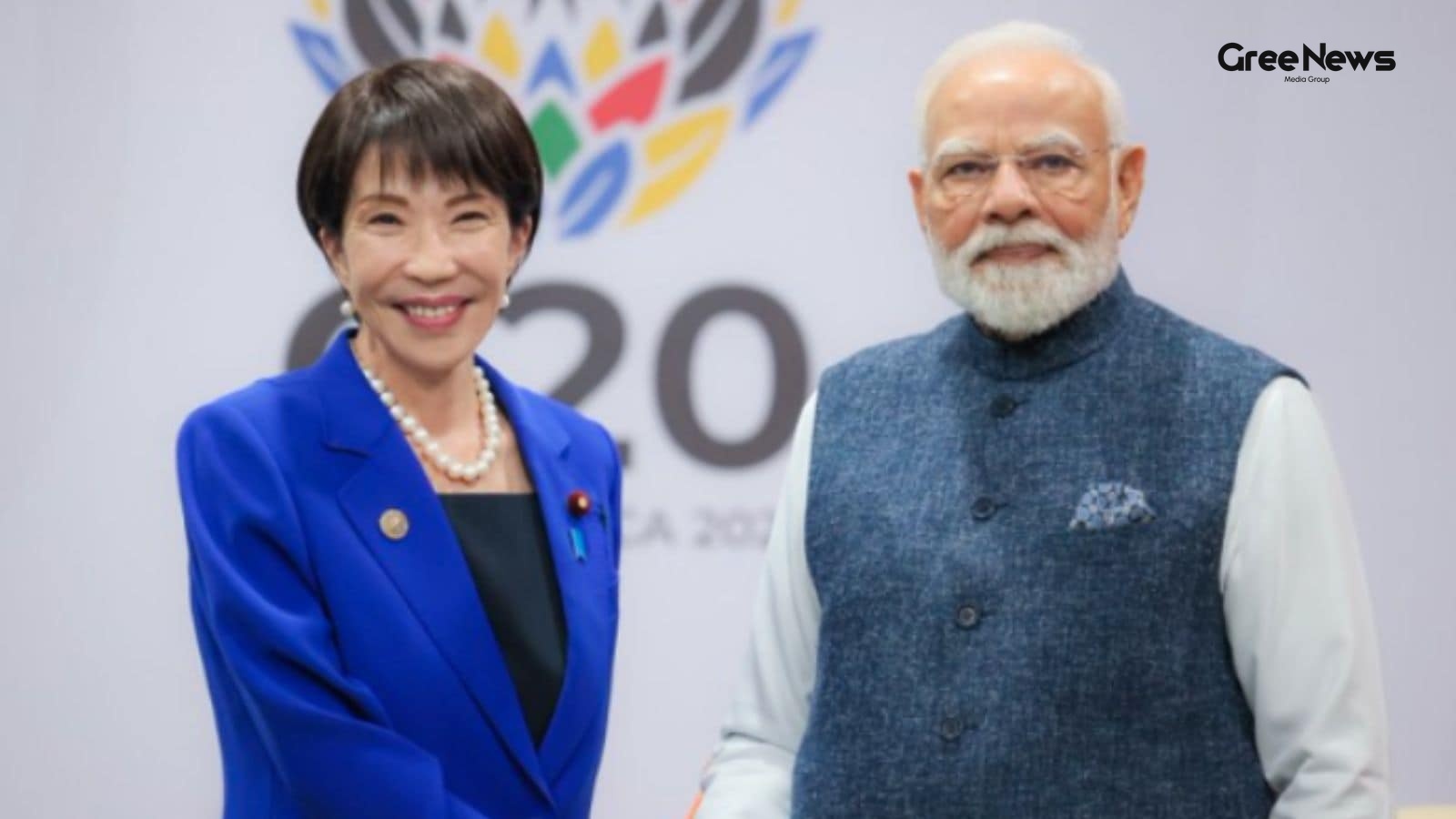
Sanae Takaichi landed in New Delhi on Wednesday for a three-day official trip. It was meant to be about beefing up ties between India and Japan economic stuff, strategy, technology, you know. Union Minister Jitendra Singh met her right at the airport.
She had some talks lined up. Thursday, she was scheduled to meet with Prime Minister Modi, followed by something called the Japan-India Joint Economic Forum. Expecting over a hundred Japanese business leaders there too, folks, CEOs and all.
The schedule itself looked pretty packed. 10:00 AM was a reception at Rashtrapati Bhavan. Then, 11:30 AM, delegation talks with Modi at Hyderabad House. Lunchtime followed that, around 1:10 PM, where they planned to swap Memorandums of Understanding and do some joint press statements.
This visit itself felt significant. It’s the first time in a while Prime Minister Modi and Takaichi had met since she took office last year. The focus, naturally, was going to be economic security. Both sides are clearly looking at how they can make supply chains tougher think semiconductors , critical minerals . That seemed to dominate the conversation immediately.
There’s always that regional backdrop too. They were expected to chew over global stuff: Ukraine, West Asia drama, and where everything is heading in the Indo-Pacific. Japan has always stressed India’s role as an indispensable partner for keeping that region free and open under the rule of law. That part always comes up.
And then there was the tech side. Artificial Intelligence came up big. It felt like a core topic. They probably planned some separate joint statement on AI cooperation. The idea was to focus on R&D, using AI in industry, digital infrastructure, and just figuring out how to handle these new technologies responsibly.
Beyond that high-level stuff, there were the nuts and bolts of industrial collaboration. Semiconductors , advanced batteries, pharma, biogas, oil and gas production all areas where they wanted deeper links. It was about boosting those high-tech industries together.
Clean energy seemed like another big area. Japan was expected to back India’s push for that massive Green ammonia plant. That could seriously help cut emissions in shipping and fertilizers while making sure energy security wasn't shaky long term.
Strategic minerals were also a huge angle. Everyone is scrambling over those materials needed for EVs, batteries, renewables. They were hoping this visit would bring fresh aGreements on exploration and supply resilience for these things.
Defense and maritime cooperation followed suit. Discussions likely touched on equipment sharing, tech collaboration, sticking to that Free and Open Indo-Pacific vision, and something about the MAHASAGAR initiative.
Don't forget mobility. The Next Generation Mobility Partnership EVs, hydrogen transport systems, smart transit that was another thread they needed to pull.
On the commercial side, it felt like a lot of paperwork brewing. Around 120 Memorandums of Understanding were anticipated between companies in India and Japan, covering manufacturing, infrastructure, energy, and innovation. That’s tangible stuff.
These aGreements really build on something Japan had promised back in August 2025 that JPY 10 trillion investment commitment to India. They even revised that figure, doubling the initial target since it was already hit. It shows a history of deep commitment here.
India and Japan have this long thread running through everything, right? Decades of partnership covering trade, investment, defense, rail lines, energy... people too. Japan has poured development aid in since 1958. Think about that: JPY 8.5 trillion committed to things like metro systems and highways. Still, there are hundreds of Japanese-funded projects running right now across the country.
Trade figures were decent this year $27.47 billion in 2025-26. And Japan’s investment? Nearly $45 billion into India. That makes them the fifth biggest source of FDI for Japan. And when you look at the companies, over 1,400 Japanese firms are operating there through about 5,200 business spots. Manufacturing is nearly half of that footprint.
Surveys suggest things are still good among Japanese businesses. India keeps coming up as their top spot for overseas investment fourth year running. Most of these firms, over eighty-one percent, plan to expand what they’re doing there.
The visit was meant to be more than just a routine stop. It felt like setting the stage for the next big phase of this relationship. If they could nail down that proposed Joint Declaration on Economic Security, it might end up being one of the biggest deals in their history. That potential hangs over everything.
Written by Gree News Team — Senior Editorial Board
Gree News Team covers international news and global affairs at Gree News. Our collective of senior editors is dedicated to providing independent, accurate, and responsible journalism for a global audience.
More from India
View All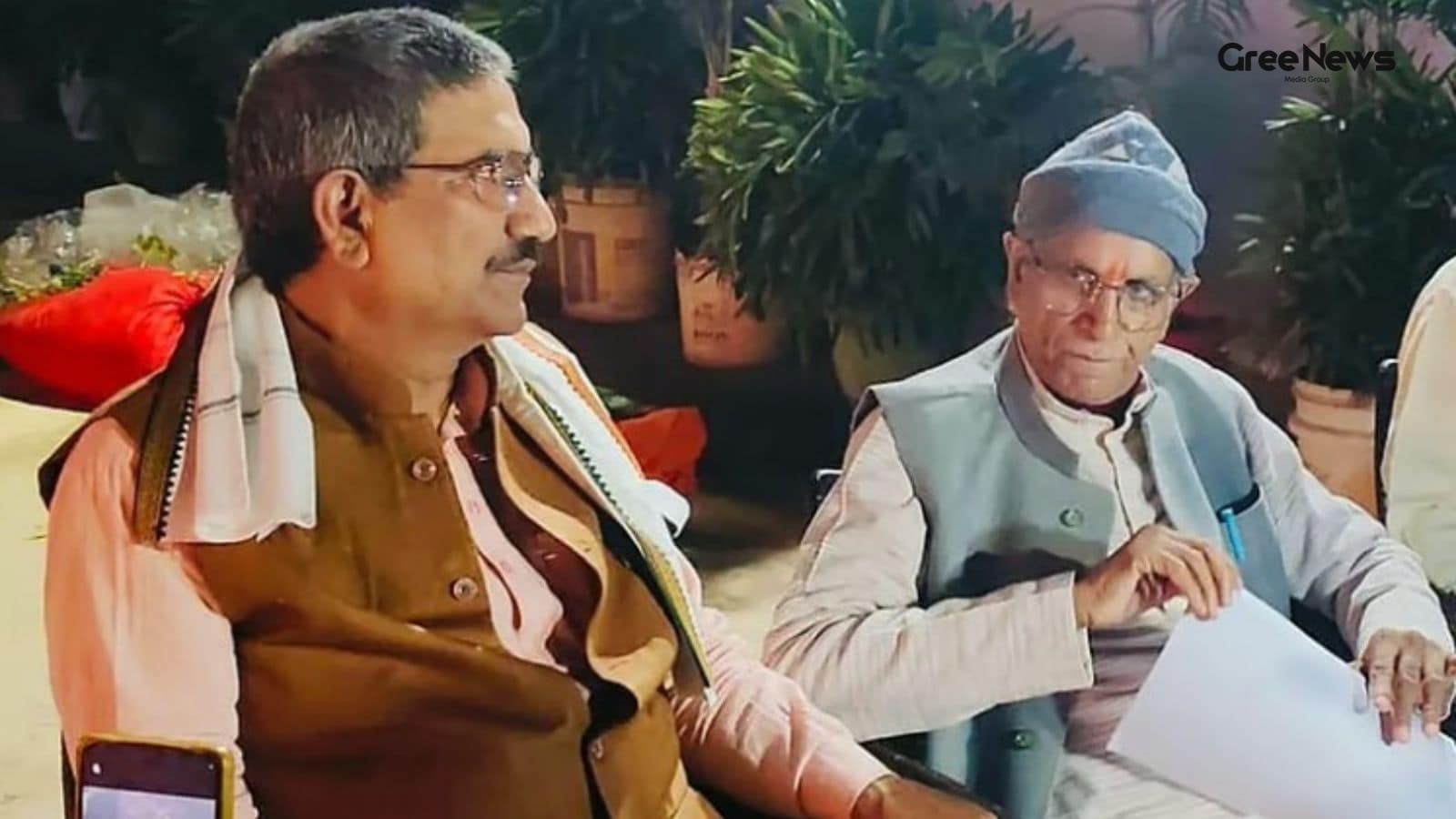
Donation Theft and Investigation at Ram Temple Trust
The donation theft at the Ram Temple has really stirred things up inside the Shri Ram Janmabhoomi Teerth Kshetra Trust. It’s caused a fresh churn. A crucial meeting is set for July 6, and it’s all about the future of two big names: former general secretary Champat Rai and trustee Anil Mishra. Source
Jul 2, 2026 by Gree News Team
Ensuring Safe and Ready Homes for Electric Vehicle Charging
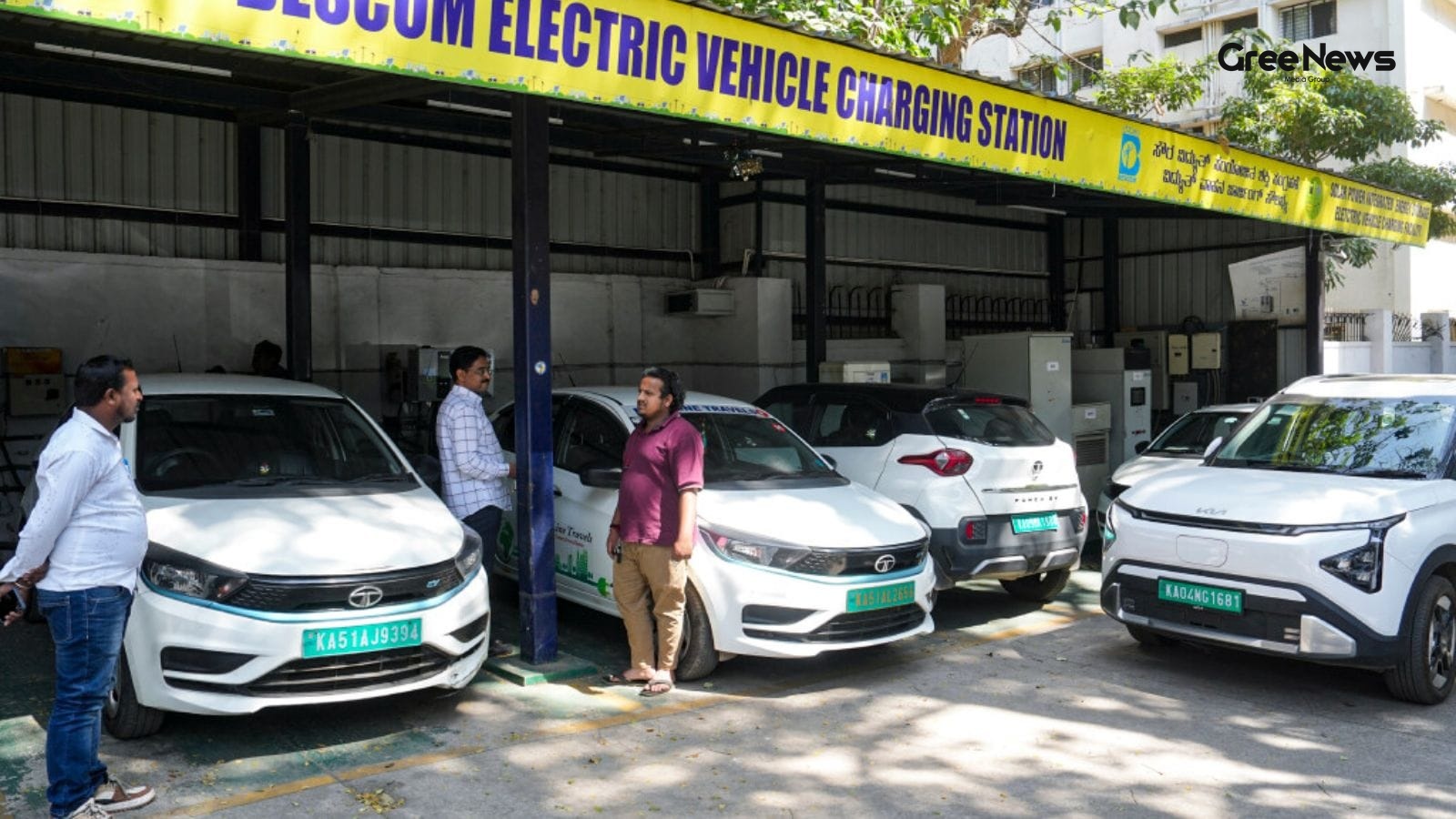
The push for electric vehicles is moving fast, but there’s a real snag underneath all that excitement: getting homes ready to actually charge them safely. A new study just came out hitting that point hard. They found nearly 45% of Indian homes are going to need serious electrical upgrades just to ha
Jul 1, 2026 by Gree News Team
TVK versus DMK: The Political and Corruption Battle in Tamil Nadu
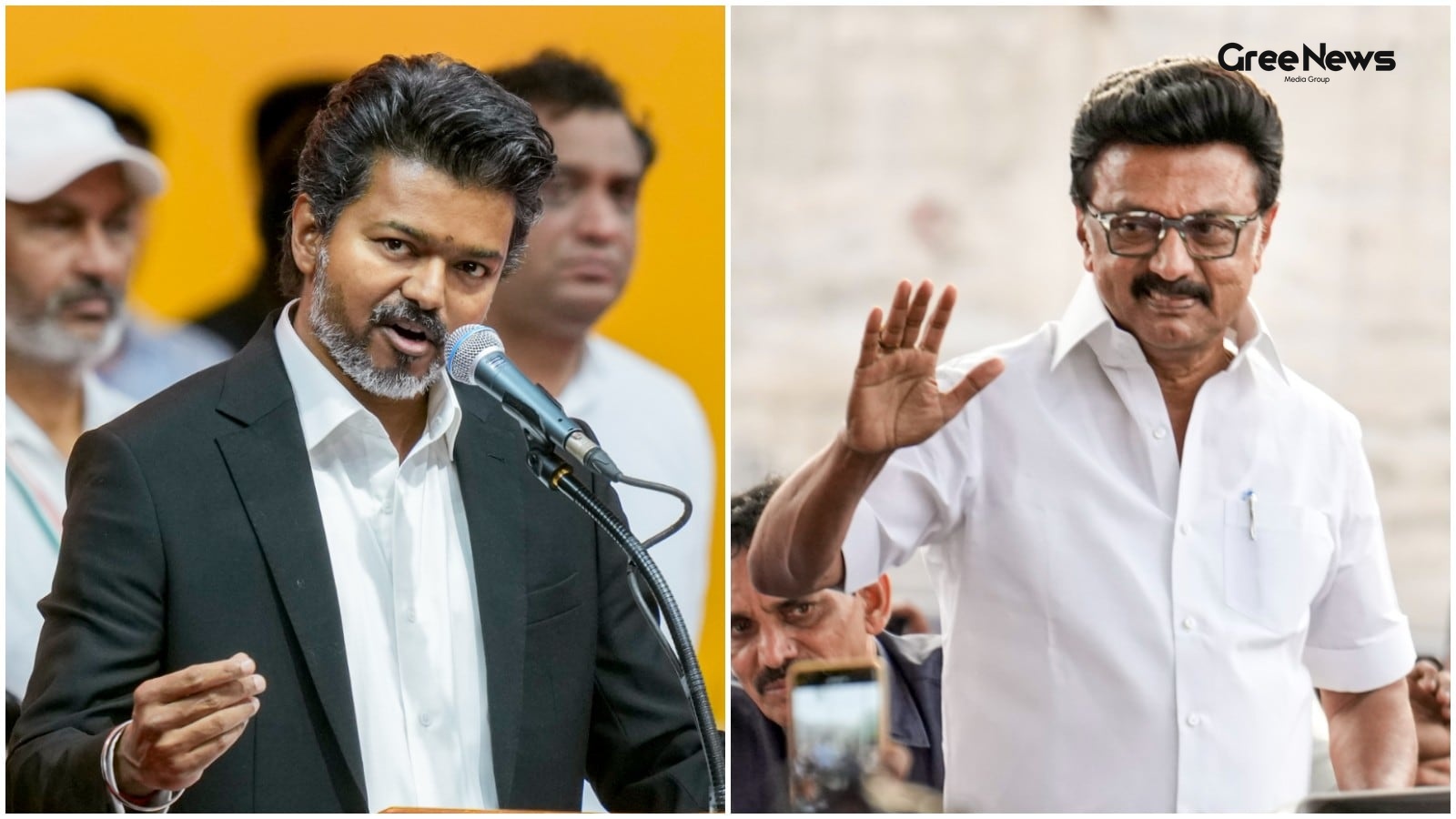
TVK versus DMK. That’s where things are right now in Tamil Nadu. The Joseph Vijay government is really pushing hard on corruption against the previous DMK regime. Senior ministers, they keep urging the Governor to clear some pending prosecution proposals. It’s all about these allegations against for
Jun 30, 2026 by Gree News Team
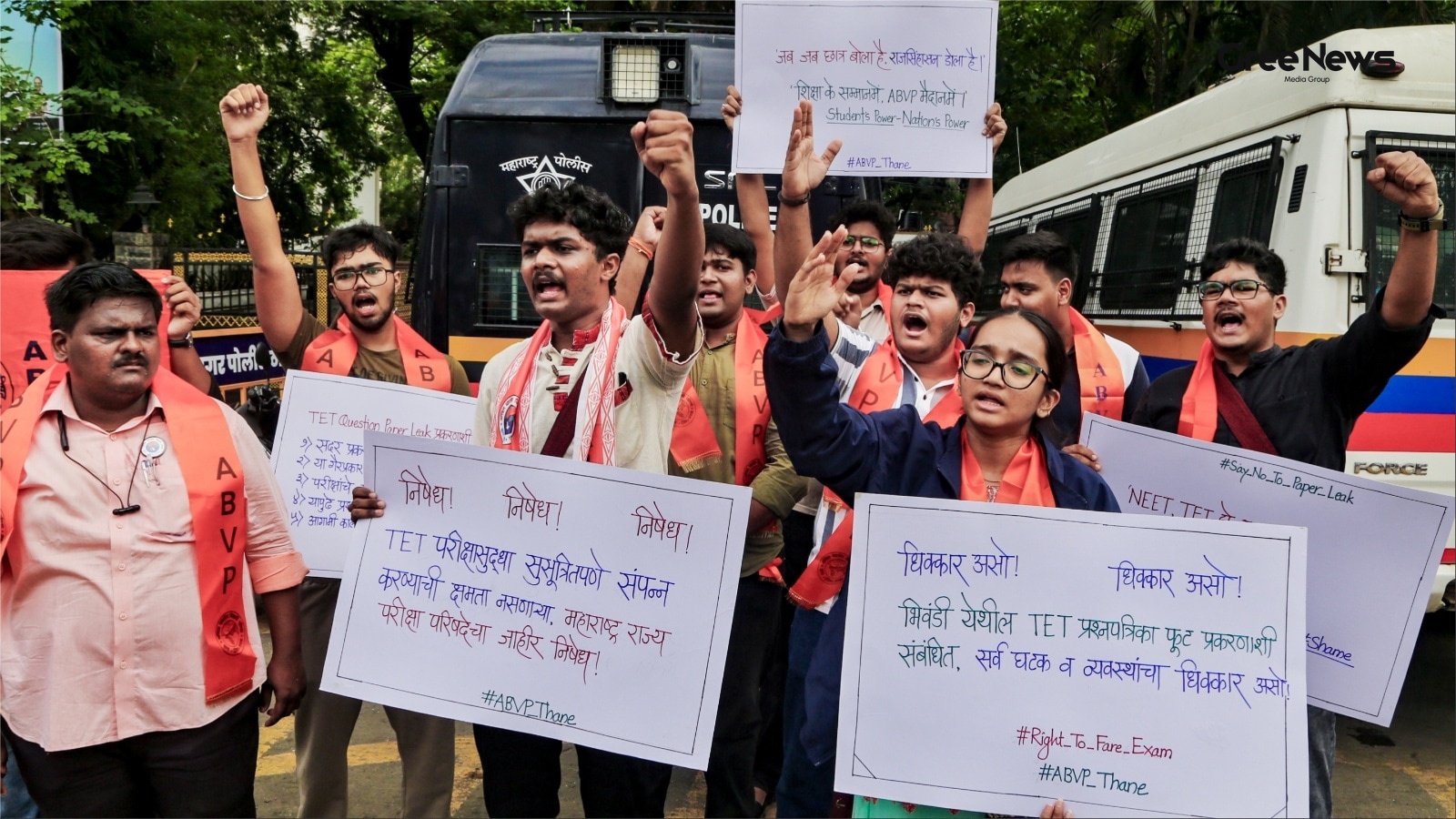
Investigation into Maharashtra Teacher Eligibility Test Leak
The Special Investigation Team the SIT is still digging into that alleged Maharashtra Teacher Eligibility Test leak. It just made another arrest. This time, they took in the wife of the supposed mastermind, Bijender Kumar Gupta. Suman Kumari was the fourth person caught up in this mess. She was arre
Jun 30, 2026 by Gree News Team
Latest Headlines
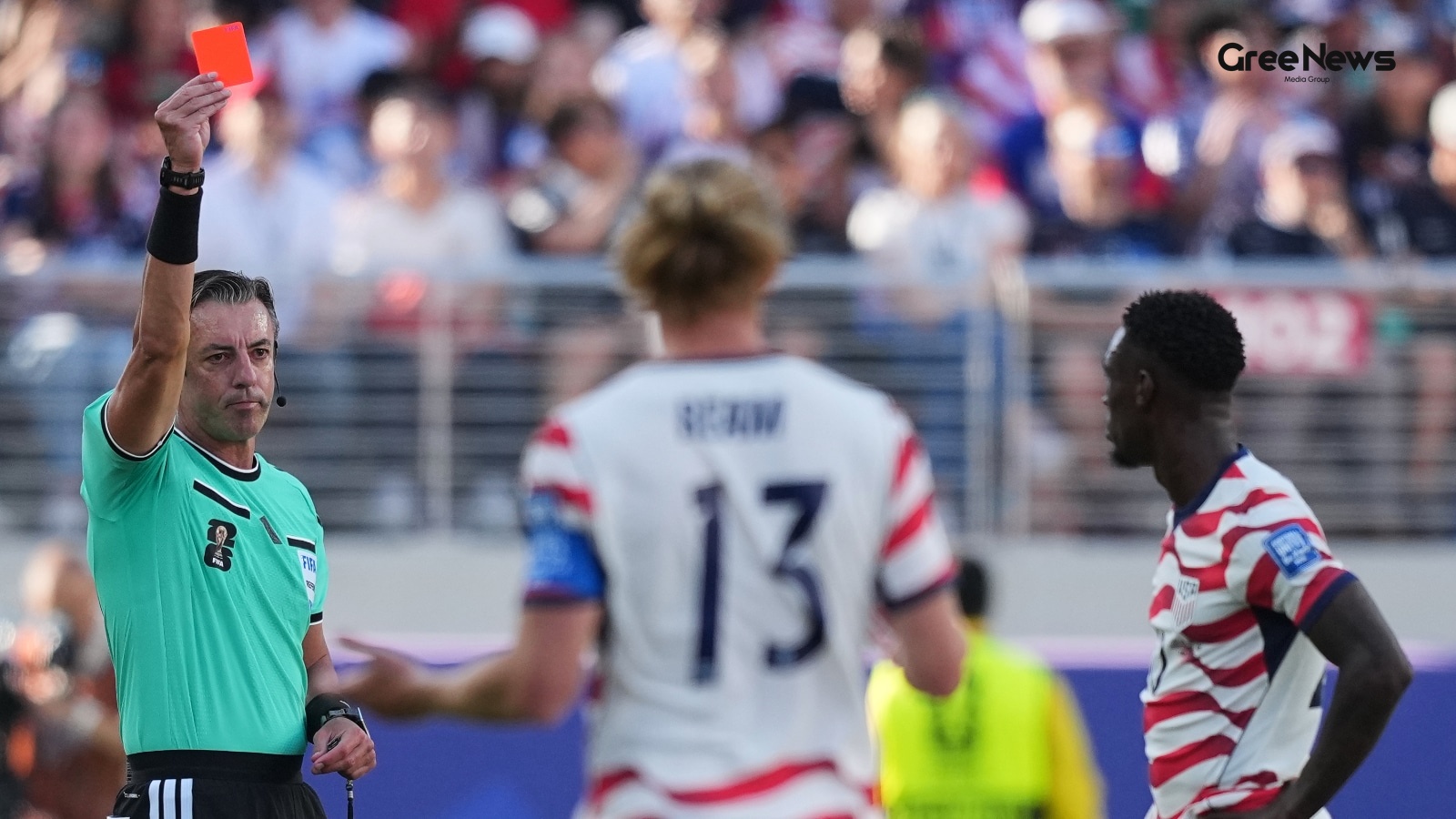
Folarin Balogun and the USMNT Red Card
Folarin Balogun felt everything during that game. You could see it. The US forward just blew the lead at half-time. A fortunate ricochet inside the box kindly enough, it fell right where he needed it to be. His fifth goal in his last six appearances for the USMNT. He was really running up the score
Jul 2, 2026 by Gree News Team
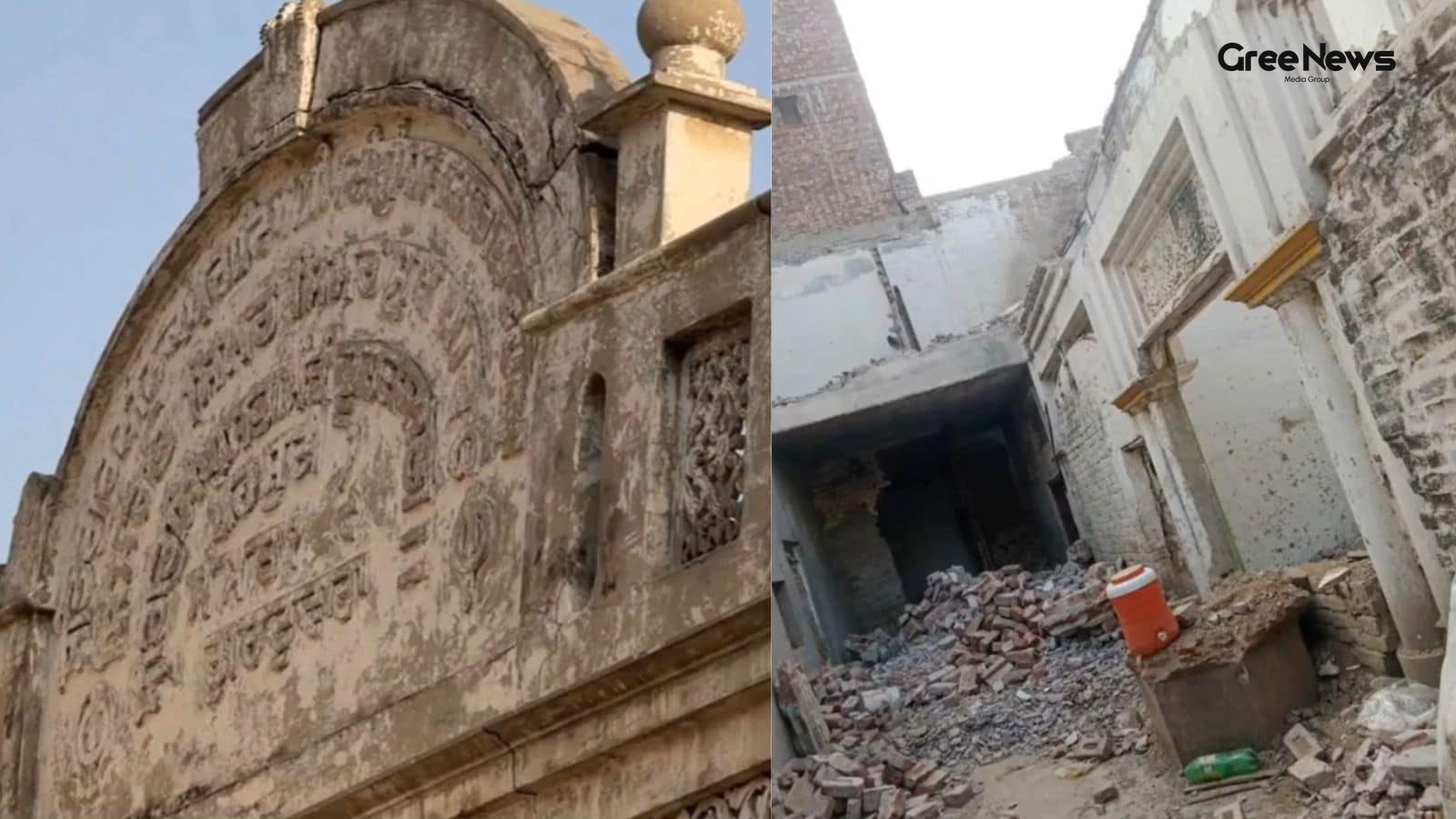
Demolition of Historic Gurdwara in Pakistan and International Reaction
That old Gurdwara in Pakistan, one that was 125 years old it got demolished. Allegedly by some local businessman. And that sent a real shockwave over to India. New Delhi just jumped in, calling it a targeted act of vandalism. They pushed hard for Pakistan to actually investigate this demolition, bri
Jul 2, 2026 by Gree News Team
Donation Theft and Investigation at Ram Temple Trust
The donation theft at the Ram Temple has really stirred things up inside the Shri Ram Janmabhoomi Teerth Kshetra Trust. It’s caused a fresh churn. A crucial meeting is set for July 6, and it’s all about the future of two big names: former general secretary Champat Rai and trustee Anil Mishra. Source
Jul 2, 2026 by Gree News Team

Contestant Drama and Public Criticism on Lock Upp 2
The air got thick in the latest episode of Lock Upp 2. It wasn’t just standard contestant drama; it was an actual flare-up, a nasty argument boiling over between Shreya Kalra and Pamala Serena. Sufi Motiwala jumped into it too, adding his own criticism to the fray. And honestly, you could feel other
Jul 2, 2026 by Gree News Team
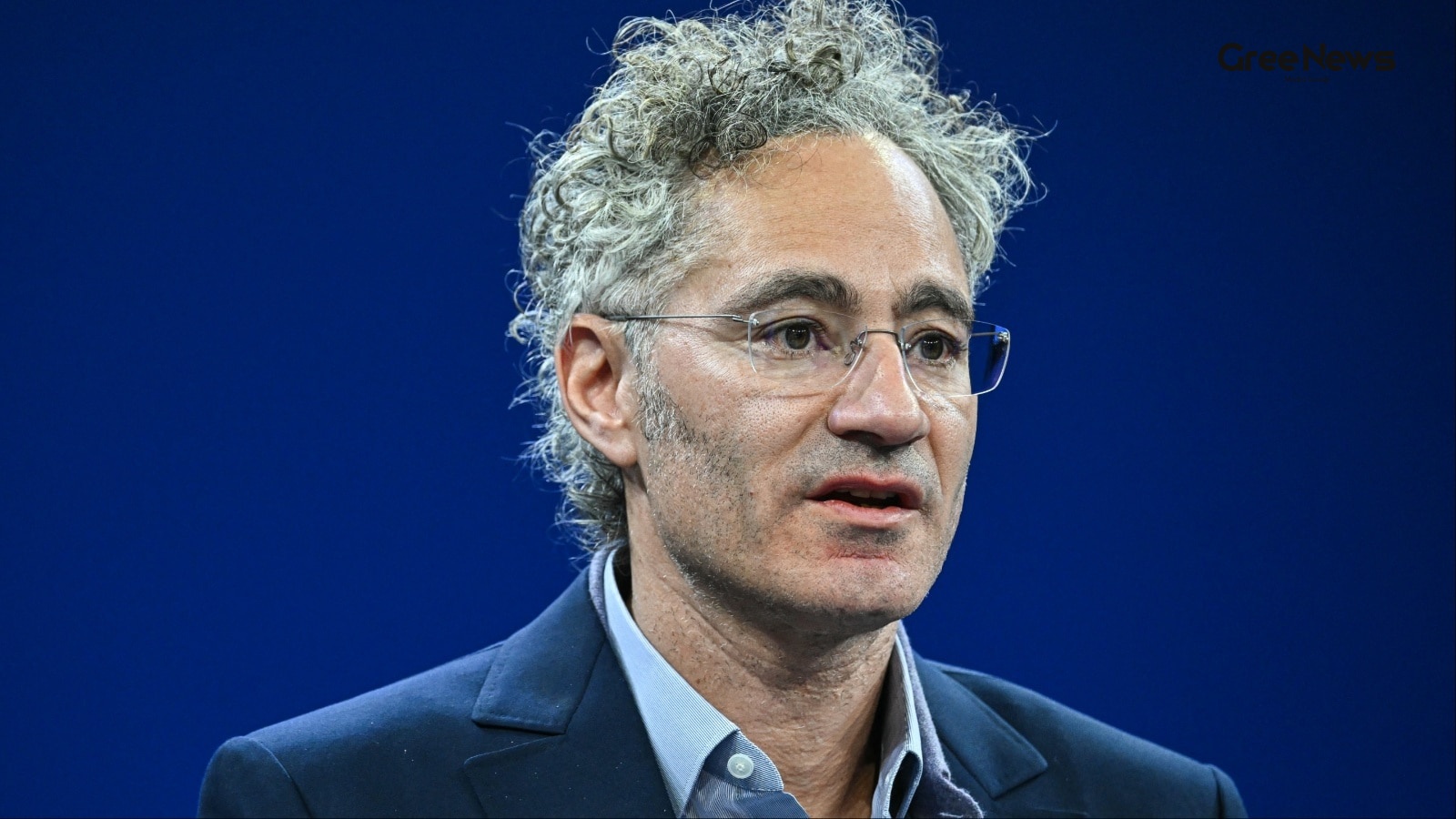
Alex Karp's Critique of the AI Industry and Business Models
Alex Karp, CEO of Palantir, went off on a real tirade during an interview with CNBC about the state of the AI industry. He wasn't just talking business; he was launching a serious attack on rival AI companies. He accused them of running completely unsustainable models. He questioned how they handle
Jul 2, 2026 by Gree News Team
Akshaye Khanna, Siddharth Malhotra, and the Success of *Dhurandhar* and *Ikka*
When Akshaye Khanna’s *Dhurandhar* broke open, suddenly finding him a new kind of momentum, people started looking at him for something else. That led straight into Siddharth Malhotra’s *Ikka*, where he was lined up against Sunny Deol. There was this chat where the director asked Akshaye about how h
Jul 2, 2026 by Gree News Team
Ensuring Safe and Ready Homes for Electric Vehicle Charging
The push for electric vehicles is moving fast, but there’s a real snag underneath all that excitement: getting homes ready to actually charge them safely. A new study just came out hitting that point hard. They found nearly 45% of Indian homes are going to need serious electrical upgrades just to ha
Jul 1, 2026 by Gree News Team
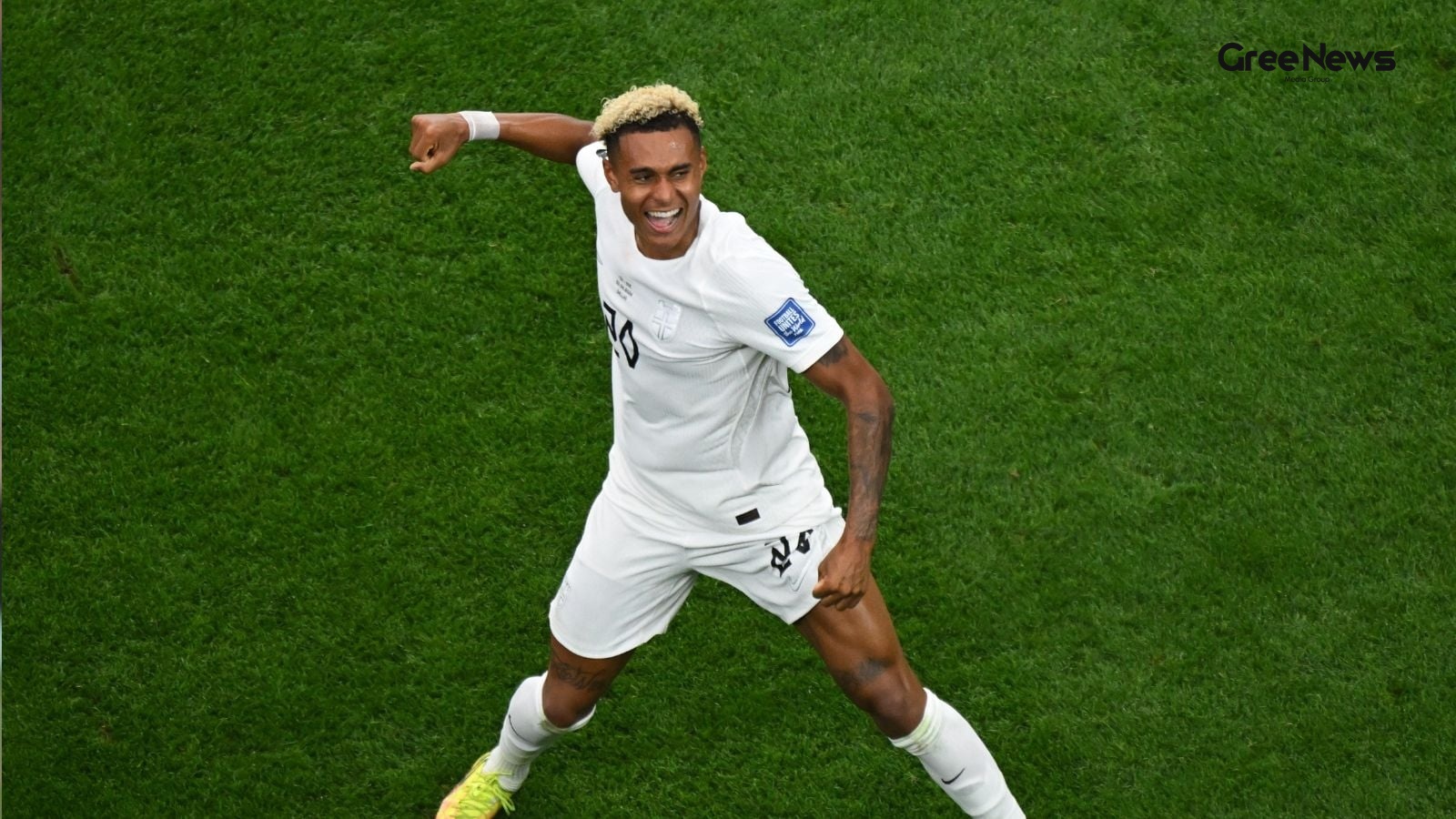
Antonio Nusa Breaks Record as Norway's Youngest Goalscorer
Antonio Nusa just broke Steffen Iversen’s record on Tuesday. He became Norway’s youngest goalscorer at a major tournament. That’s the headline, right there. He hit twenty-one years and seventy-four days when it happened. Iversen held that mark for a while. Twenty-three years and two hundred sixteen
Jul 1, 2026 by Gree News Team
Sunita Ahuja on Infidelity and Her Marriage
Sunita Ahuja has been pretty open about things. She’s claimed her superstar husband has had multiple affairs throughout their marriage. It’s all kind of talk now. Even on Lock Upp 2, she brought up how heroes can cheat around. There isn't much you can say about that stuff, given the fandom and the s
Jul 1, 2026 by Gree News Team

Tom Holland, Messi, and the New Spider-Man Movie
World Cup fever, you know? And right in the middle of all that noise, Hollywood star Tom Holland apparently teamed up with Lionel Messi before the release of his next big thing. It wasn't just some casual meet-and-greet though. There was this special video they put out showing Messi actually searchi
Jul 1, 2026 by Gree News Team
Regulating the Coaching Industry and Entrance Exams
The Centre is looking at a national law now. Something about regulating that whole coaching industry. Why? Well, there’s this mounting stress among students suicide cases in those coaching hubs are really hitting people hard. They're also thinking about messing with entrance exams. Trying to shift t
Jul 1, 2026 by Gree News Team
The Ripple Effect of Immigration Enforcement and Court Rulings
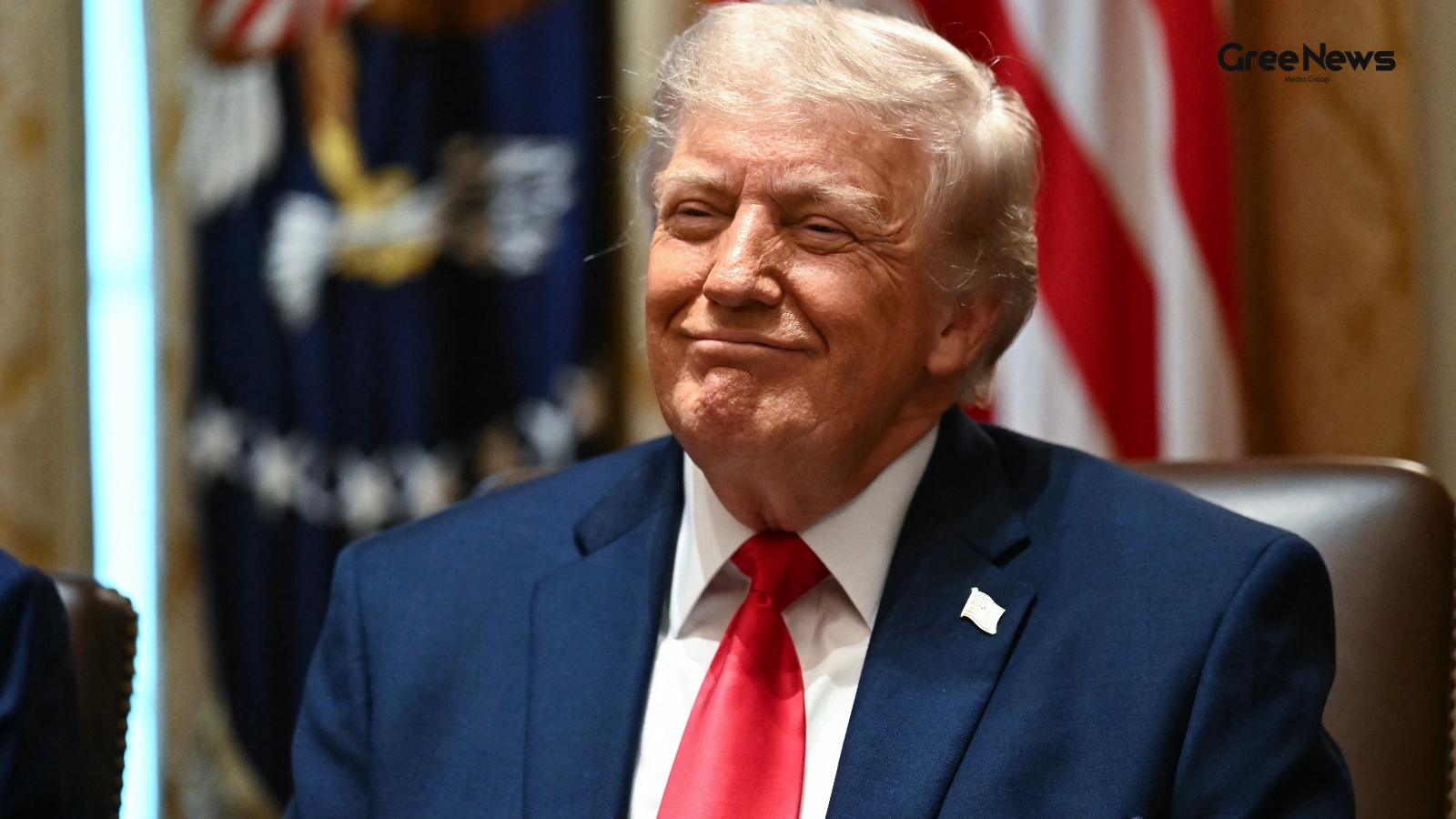
The whole thing just keeps shifting. You see, even after losing that big Supreme Court fight about birthright citizenship the one where they shut down Trump’s push to restrict it he still managed to snag a bunch of court wins. And those wins, honestly, they look like they're setting the stage for so
Jul 1, 2026 by Gree News Team

Mexico Defeats Ecuador in Historic Match
Mexico beat Ecuador two goals. It was a huge moment. Four decades of World Cup disappointment finally over. They played at the Azteca stadium. A thunderstorm messed up the start. But when it kicked off, things got intense fast. Javier Aguirre’s team just pushed hard. Relentless attack. Flair. Mexico
Jul 1, 2026 by Gree News Team
Market Indices Performance on Tuesday
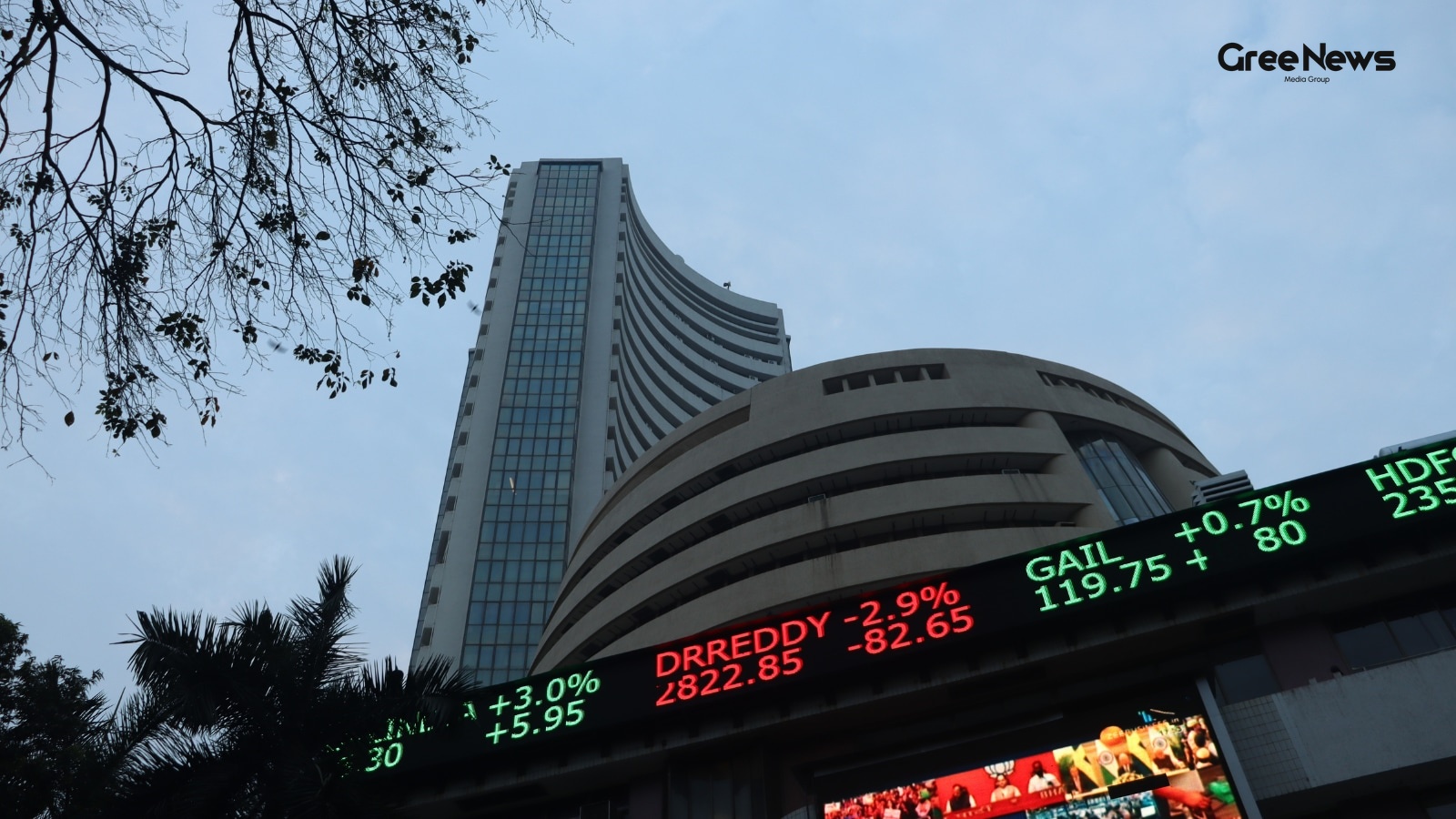
Indices kicked off higher on Tuesday, tracking some positive global vibes. Buying interest was definitely hitting auto and FMCG stocks. Around 9:33 am IST. The BSE Sensex jumped up, about 184 points. That’s 0.24%. It settled at 76,662.78. Nifty 50 followed suit, gaining 56.30 points. Also 0.24%. It
Jul 1, 2026 by Gree News Team

Mexico's World Cup Destiny: The Unfolding of El Tri's Triumph
It’s hard to believe in destiny sometimes. But football, it has a way of making even the impossible feel inevitable. On that stormy night at the Azteca, Mexico finally found the ending they had been chasing for forty years. It felt like fate finally caught up. In Mexico, you always hear about $\text
Jul 1, 2026 by Gree News Team