Geopolitical Tension and Indirect Negotiations in Doha
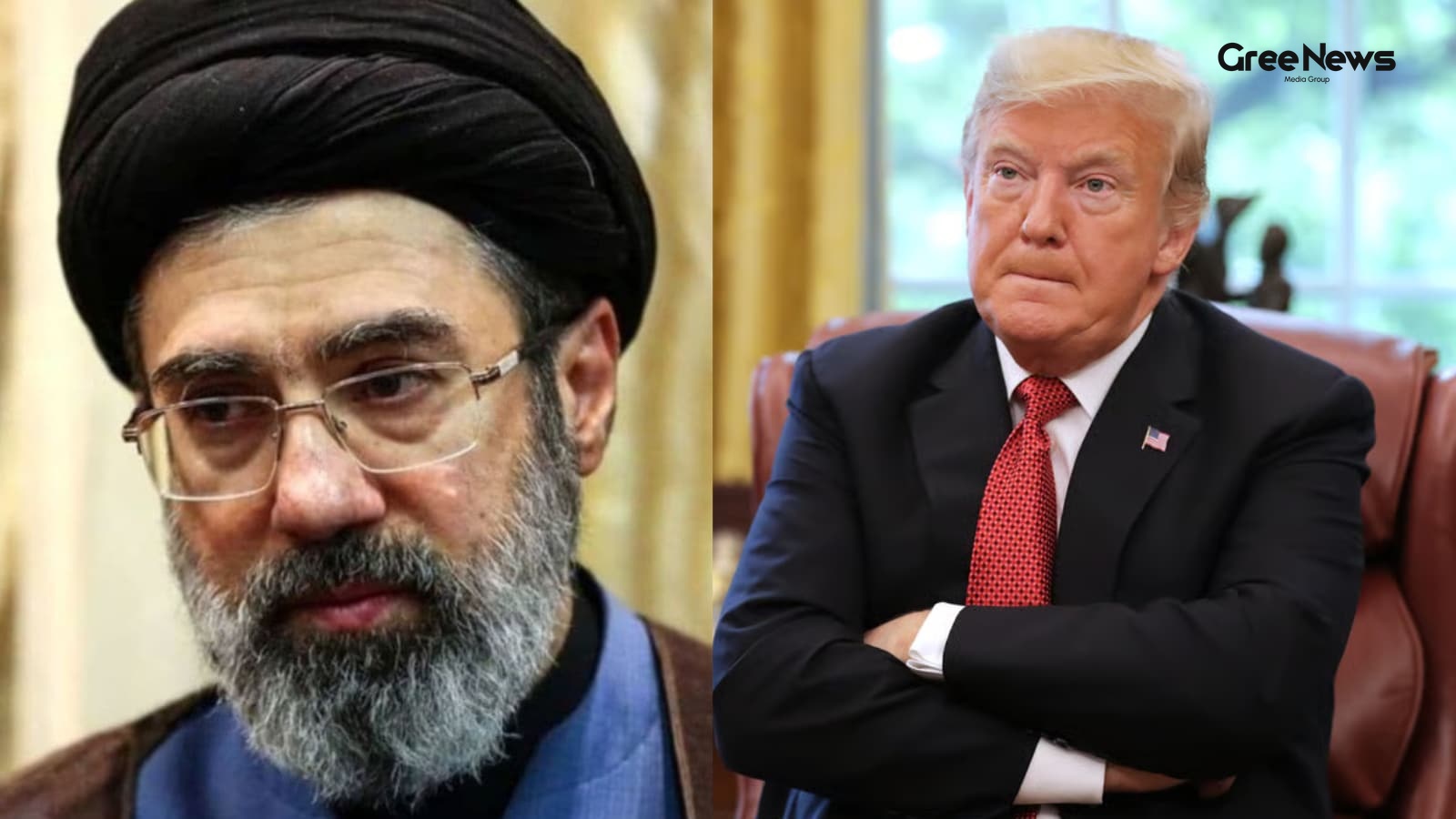
The air in Doha always feels heavy these days. Not just the heat, you know? There’s this thick, almost palpable tension hanging over anything involving Tehran and Washington , even when they claim things are "calm." It's a fragile calm, built on paperwork and mediated whispers, all while the real gears of conflict keep grinding somewhere else mostly under the waves of the Strait of Hormuz .
They called it an indirect technical session today. Just that. US and Iran met in Doha. Not some grand public spectacle, mind you. More like a backroom negotiation where the stakes are astronomical, but the actual conversation is deliberately muffled. They touched on the memorandum of understanding from June 17th. That little piece of paper, meant to be the foundation for something bigger, felt less like a treaty and more like another layer of obfuscation added onto an already tangled mess.
What happens in these settings isn't really about signing documents; it’s about managing the fallout. It’s about controlling the narrative when the military rhetoric is screaming louder than any diplomatic language ever could. They are trying to create space, a temporary bubble where technical teams can breathe, while the political leaders the ones making the hard calls back home keep circling the drain of deeper disaGreements.
And then there’s the money. $3 billion . That number floats around these talks like a ghost. Al Arabiya reported something about an initial aGreement to release that sum to Iran during this indirect exchange. But listen to the caveat attached to it. It wasn't a lump sum handed over at once. No, it was linked. Linked directly to progress. Phased releases. This implies that the flow of cash itself is weaponized. A tool for leverage. You wait for the next concession, the next aGreement, and then the money starts trickling in, slowly, deliberately, tied up in the fragile dance of negotiation. It’s a masterclass in delayed gratification, or maybe just delayed punishment.
The real difficulty, I always think about it when I sit back and watch these reports, is that what you see on the surface the handshake deals, the mediated calls it rarely tells the whole story. The underlying friction remains, stubbornly fixed. It’s not enough to just pause the shooting. You have to address why the fighting started in the first place.
Qatar's Foreign Ministry spokesman, Majed al-Ansari , weighed in on the next steps via X. He was careful with his words there. He said the next round of serious discussions would be scheduled "at the earliest possible time." And what marked that timing? Not some arbitrary date on the calendar. It tied the continuation directly to a very specific, deeply painful moment for Iran . Funeral ceremonies for their previous supreme leader. That’s political theatre layered over raw grief. It suggests that sentiment the memory of loss is being used as the framework for future engagement. It injects an element of profound, almost unbearable gravity into what should be purely transactional talks.
And who was actually sitting at this table? Not just diplomats reciting lines. Steve Witkoff from the US Middle East envoy was there. And Jared Kushner . Donald Trump ’s son-in-law. Their presence isn't accidental. It signals that the highest levels of American strategy are directly invested in these backchannels, even if they aren't publicly making the loudest demands. They bring a certain weight to the room, a sense that this is not just about treaties but about long-term strategic positioning across the entire region.
And then there was Kazem Gharibabadi , Iran ’s top negotiator. He sits opposite them all. Negotiating in that highly pressurized space where every word echoes with potential catastrophe if misread. It's a delicate dance between technical feasibility and political necessity. They were trying to nail down the fine print the technical details of the memorandum before the big political leaders decided on anything broader. That’s the classic maneuver, isn't it? Focus on the minutiae while the larger, more explosive issues sit untouched.
But even in those technical exchanges, there are cracks. Differences that refuse to be smoothed over by mediation. The geography itself is a constant source of friction. Think about the Strait of Hormuz . It’s not just a waterway; it’s an artery for global energy and a flashpoint for regional conflict. And Lebanon . That border, that volatile line drawn in the sand it remains completely unresolved. Those points, they are the anchors dragging down any potential peace effort. They refuse to yield easily.
This whole process is layered on top of something much uglier. The context feeding into these talks isn't a clean historical timeline. It’s a messy series of reciprocal strikes. US-Iran military actions linked directly to those tensions in the Strait. Every exchange feeds another, creating this cyclical pattern of fear and retaliation that has defined the last few days. You can feel that cycle pulsing through every report.
The mediation itself, Qatar stepping in alongside Pakistan it adds another layer of complexity. It’s not just two sides talking; it's an intricate web of external influences trying to thread a needle between forces that inherently distrust each other. How do you mediate when the fundamental interests are so opposed? You have to manage the space between them, keeping the technical discussions alive while ignoring or perhaps deliberately shelving the deep-seated political animosities.
It’s observational work, really. Watching these processes unfold. It's seeing how power operates in the shadows, how enormous sums of money and military threats are constantly being translated into fragile diplomatic gestures. The pace is agonizingly slow, punctuated by sudden bursts of high alert. There are moments where you just stop reading, take a breath, and realize that this isn’t some neatly structured negotiation; it's raw survival played out in the halls of diplomacy.
The whole scenario screams of contingency. Everything hinges on those unresolved issues Hormuz , Lebanon . If those remain static points of contention, then any aGreement reached today is just a temporary reprieve, a pause button pressed on an ongoing war. It doesn’t solve the underlying malignancy; it just manages the symptoms for a little while longer. And that uncertainty? That’s the real substance of these live updates. It’s not certainty; it's suspended anxiety.
We watch, waiting for the next move, knowing that beneath the surface of Doha, the pressure cooker is still simmering. The technical discussions might conclude today. But the political reality remains stubbornly outside the frame, a volatile landscape demanding far more than just a few carefully worded statements to settle it. It demands something deeper, something structural, and right now, that feels impossibly distant. Just the heavy silence of waiting.
Written by Gree News Team — Senior Editorial Board
Gree News Team covers international news and global affairs at Gree News. Our collective of senior editors is dedicated to providing independent, accurate, and responsible journalism for a global audience.
More from World
View All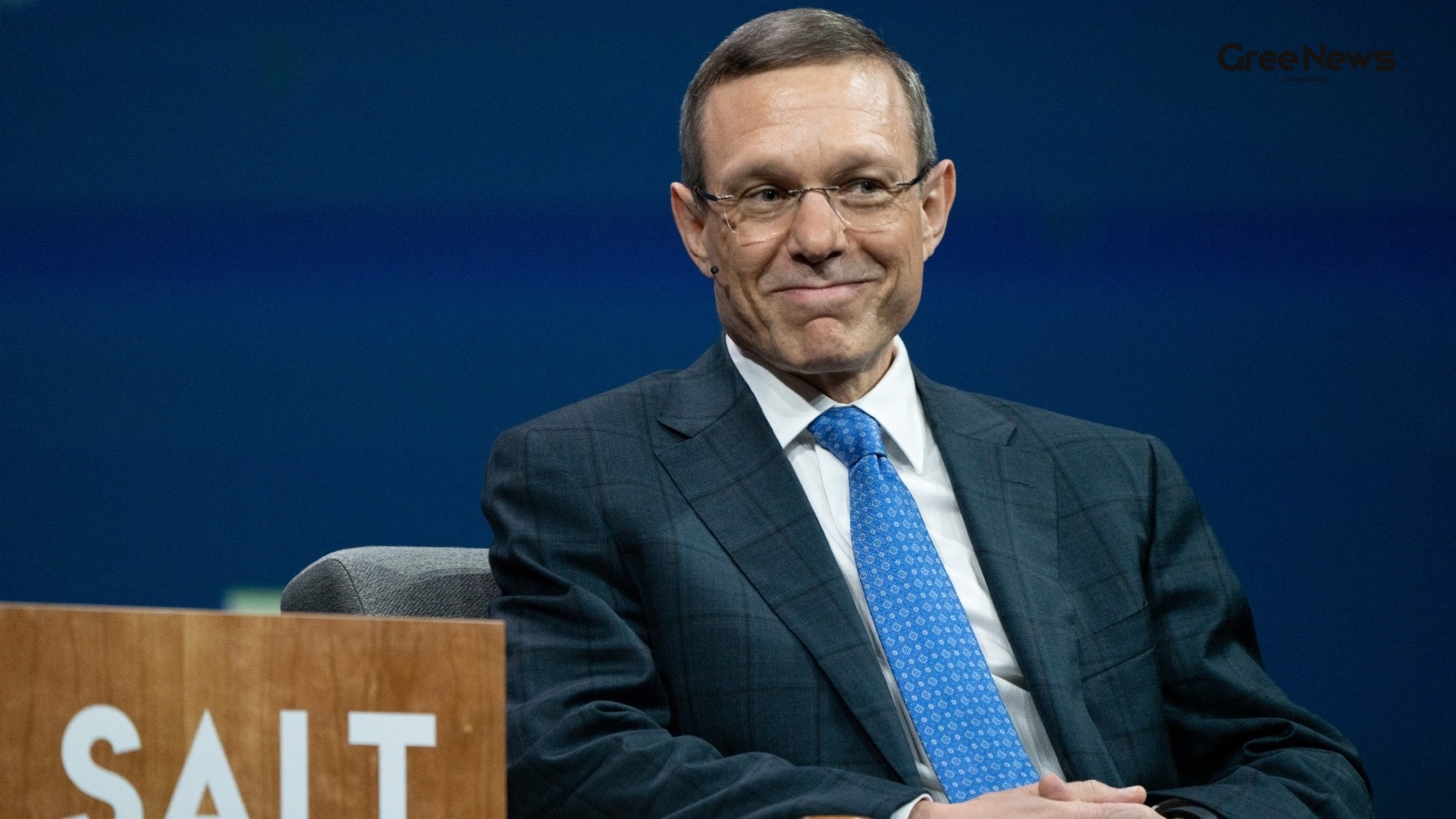
Avi Loeb and the Investigation of UFOs and Extraterrestrial Technology
Avi Loeb, that Harvard astrophysicist you know him, the one who stirs things up with his theories about alien life he’s been tapped. The Trump administration picked him to lead a team of independent scientists looking at the national security side of UFOs, or whatever they call them now, UAPs. This
Jul 2, 2026 by Gree News Team
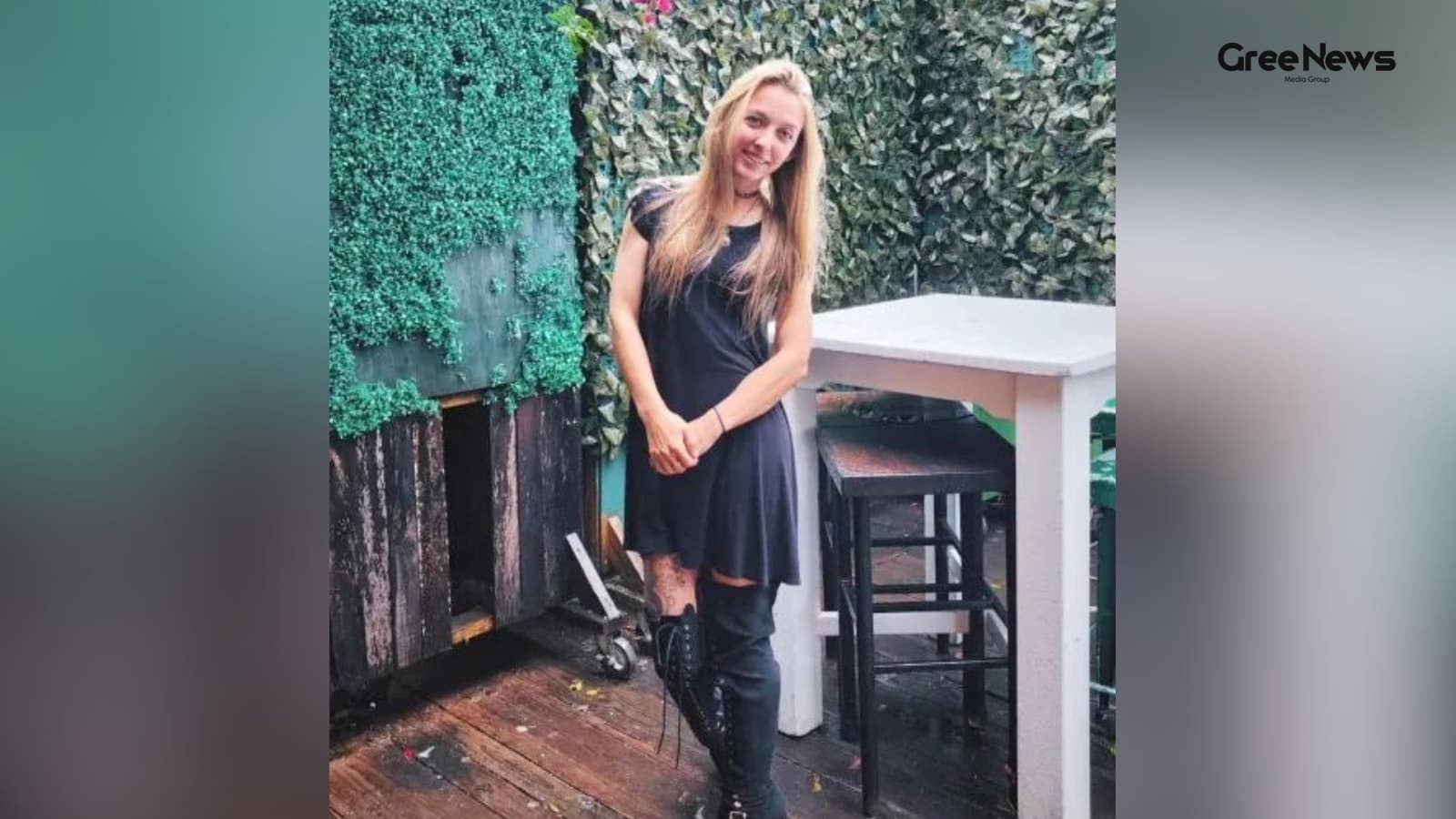
Alligator Attack and Grief in the Econlockhatchee River
The grief hit Robert hard. He was already dealing with losing his mother, Barbara, when he heard about Brittany Clark. He remembered that Sunday vividly. A call came in from her roommate, Jayden. She was trying to explain what was happening. They were just trying to keep Brittany alive, waiting for
Jul 2, 2026 by Gree News Team
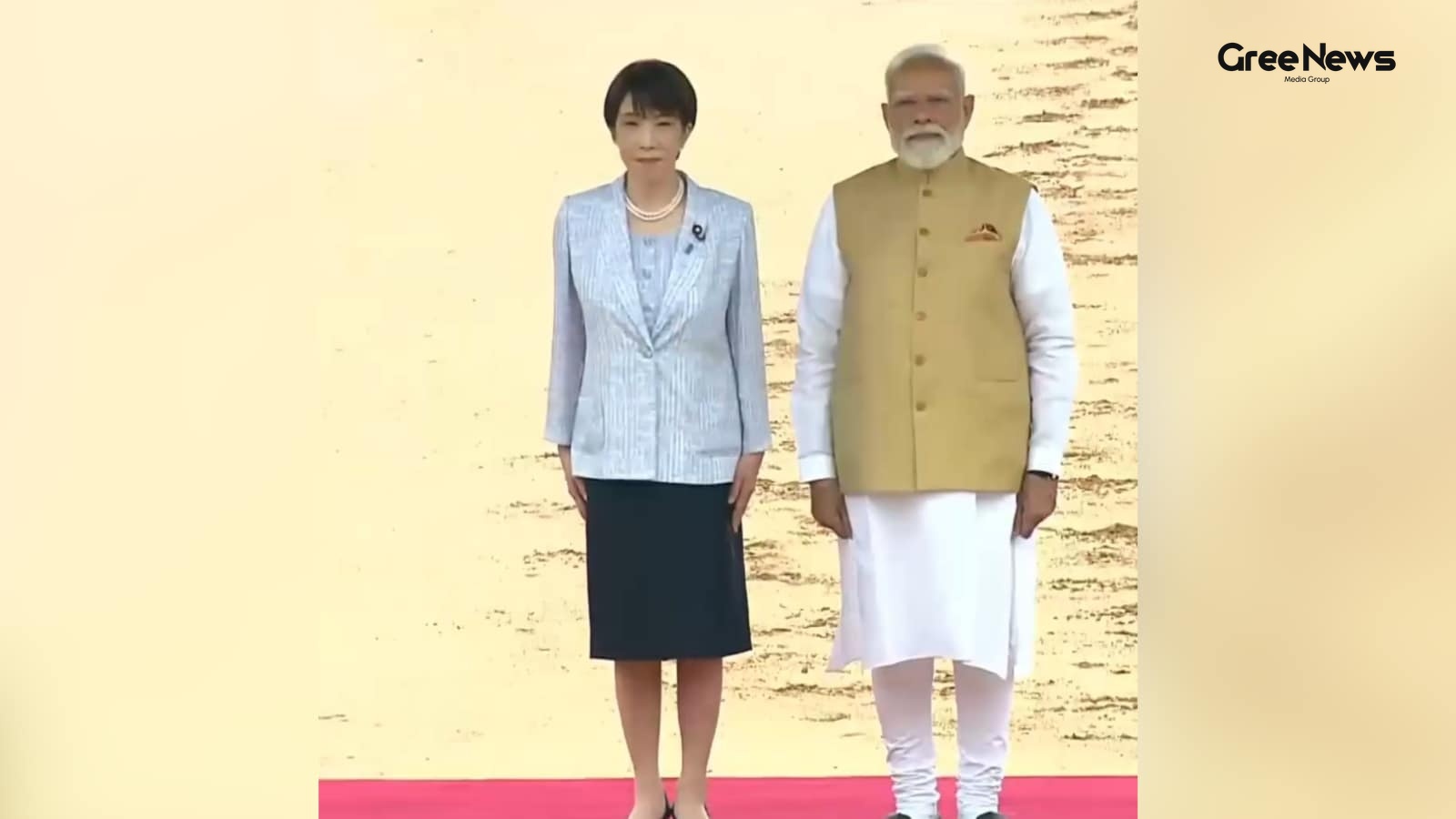
Prime Minister Modi and Sanae Takaichi Meet in New Delhi
Prime Minister Modi and his Japanese counterpart Sanae Takaichi met in New Delhi today, July 2nd. It was an Annual Summit-level chat. They talked about cooperation, trying to sort things out across different areas. Takaichi is Japan’s first woman PM. This trip is her very first time visiting India.
Jul 2, 2026 by Gree News Team
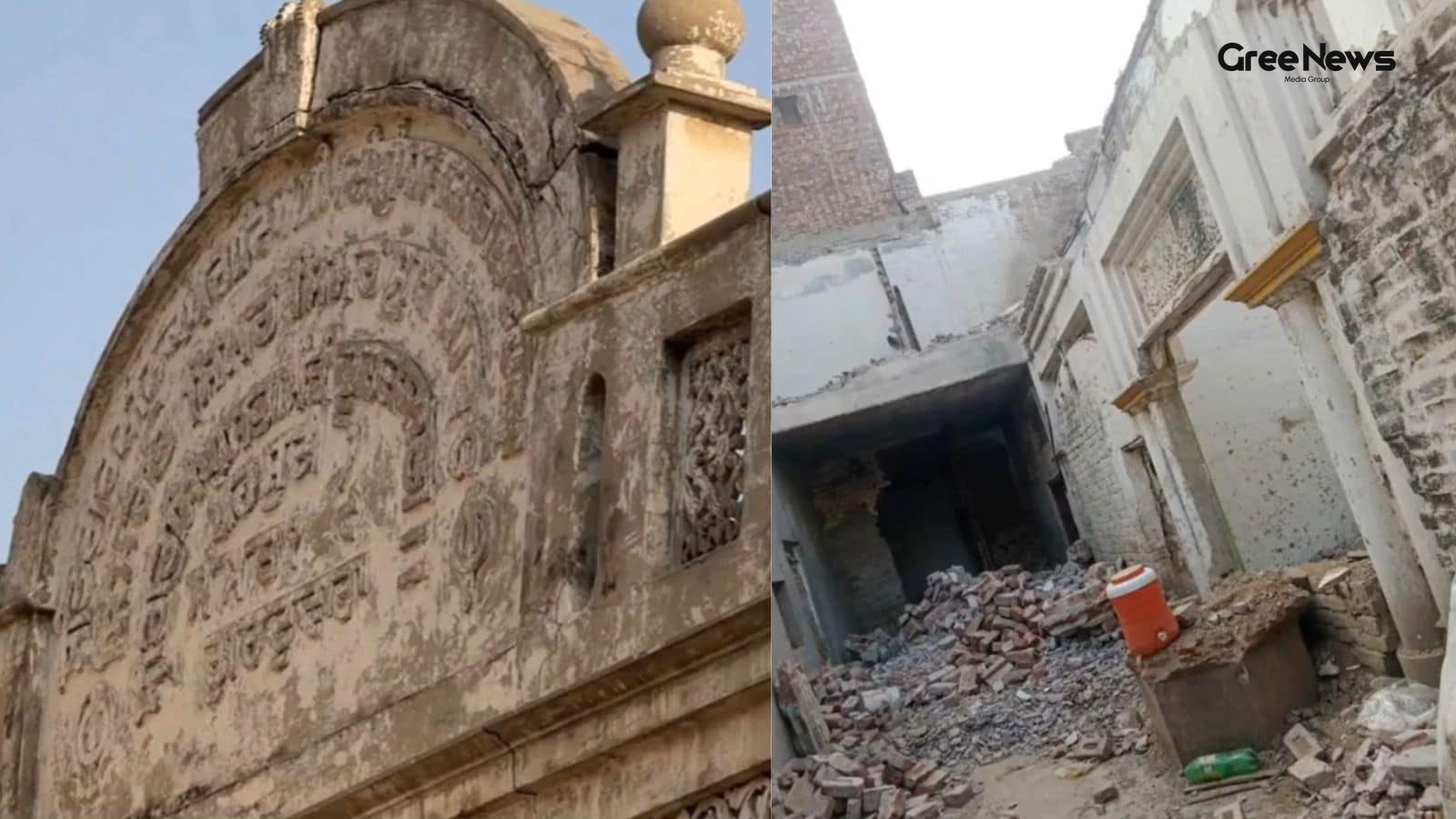
Demolition of Historic Gurdwara in Pakistan and International Reaction
That old Gurdwara in Pakistan, one that was 125 years old it got demolished. Allegedly by some local businessman. And that sent a real shockwave over to India. New Delhi just jumped in, calling it a targeted act of vandalism. They pushed hard for Pakistan to actually investigate this demolition, bri
Jul 2, 2026 by Gree News Team
Latest Headlines
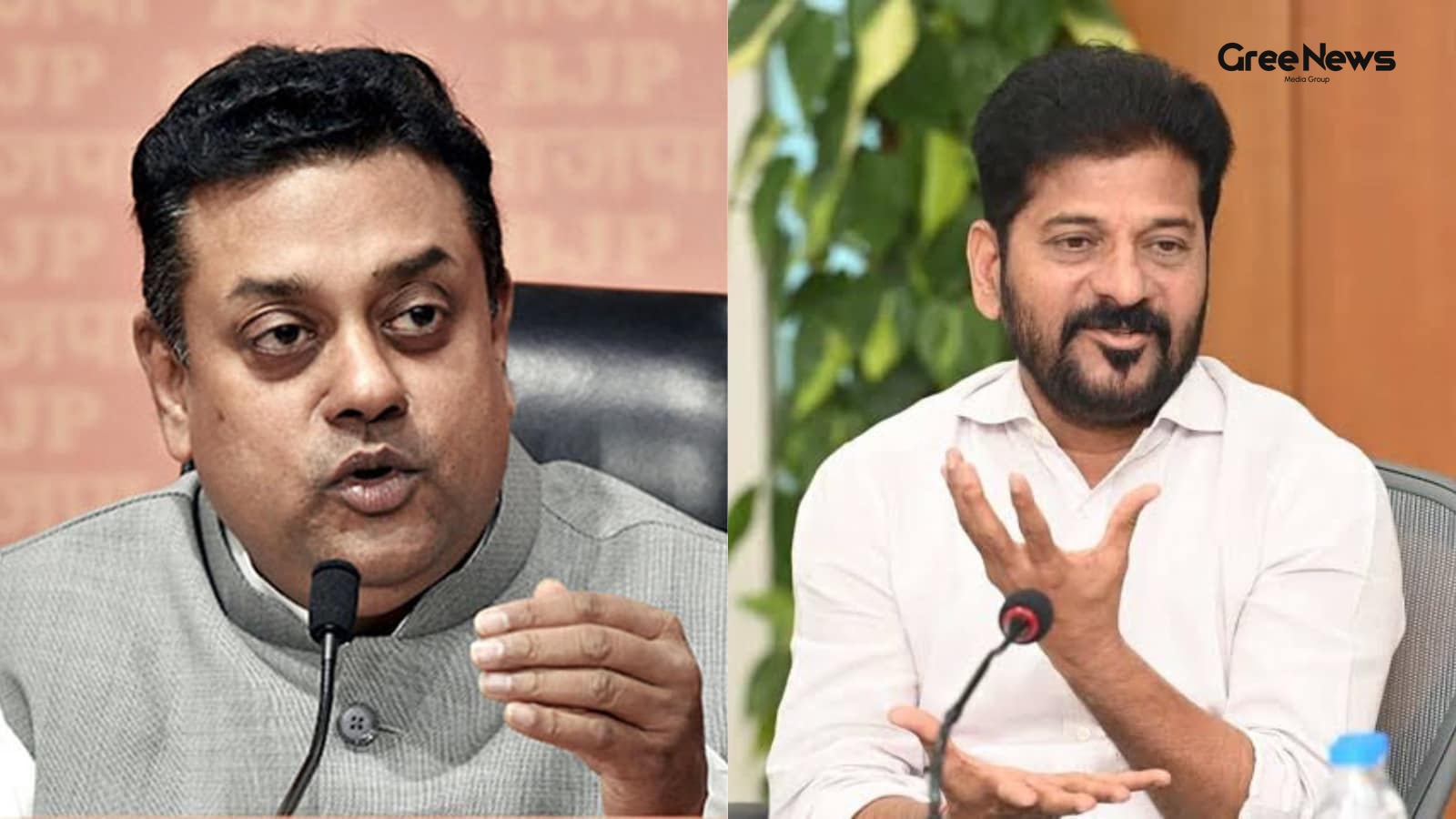
Political Tensions and Remarks in Telangana
Wednesday saw the Bharatiya Janata Party really push back. They targeted Telangana Chief Minister Revanth Reddy and the Congress over some remarks he made about their national president, Nitin Nabin. The party called those comments just plain “objectionable.” Said they reflected the whole “culture o
Jul 2, 2026 by Gree News Team
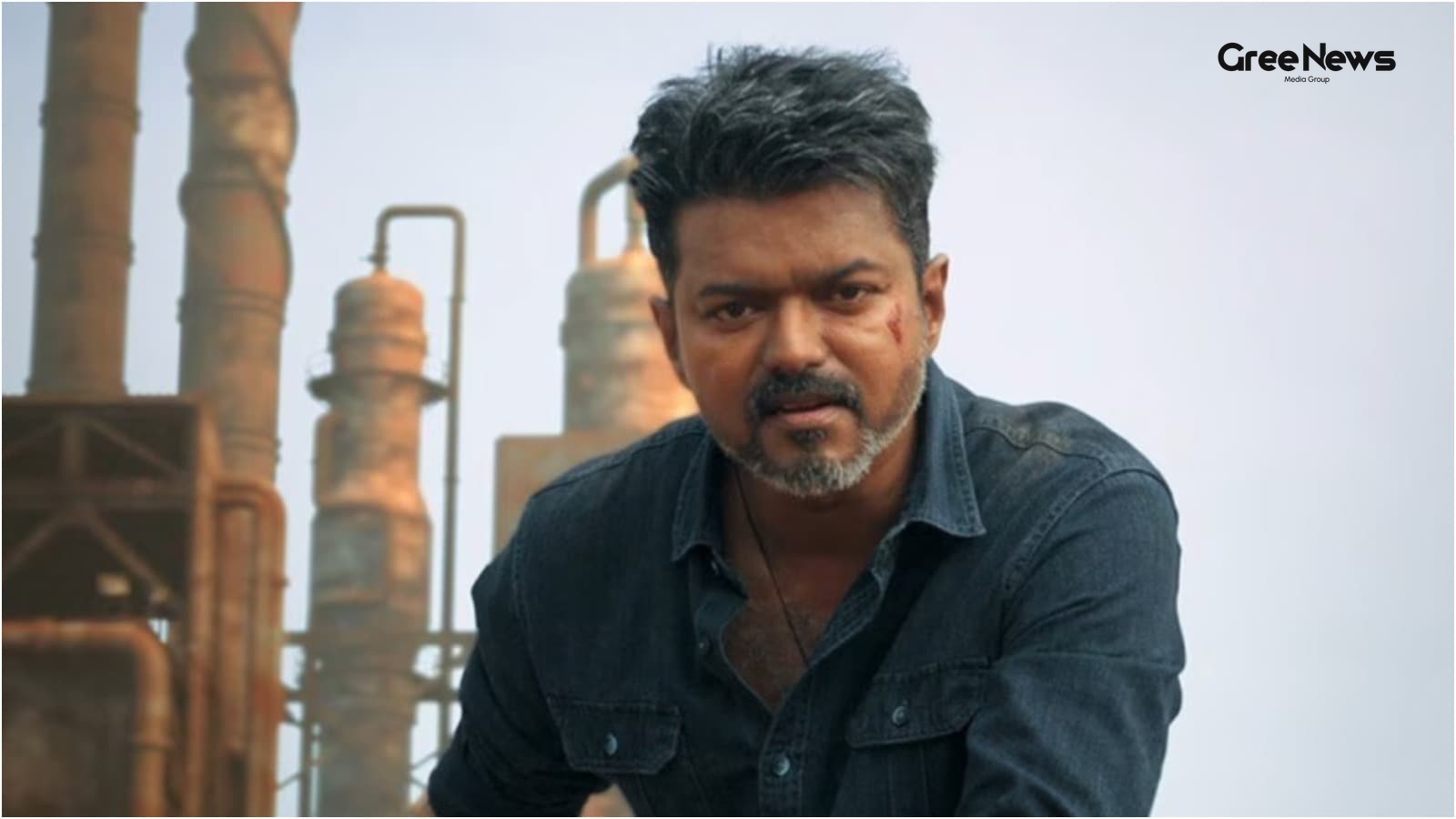
H Vinoth’s Movie ‘Jana Nayagan’ Release Update
So here’s the deal with H Vinoth’s movie, ‘Jana Nayagan’. Everyone in the industry is talking about it, you know? Sources are saying and this isn't official anything yet that it might finally hit screens this July. It’s Vijay’s last film as an actor, which is huge. He’s the Tamil Nadu Chief Minister
Jul 2, 2026 by Gree News Team
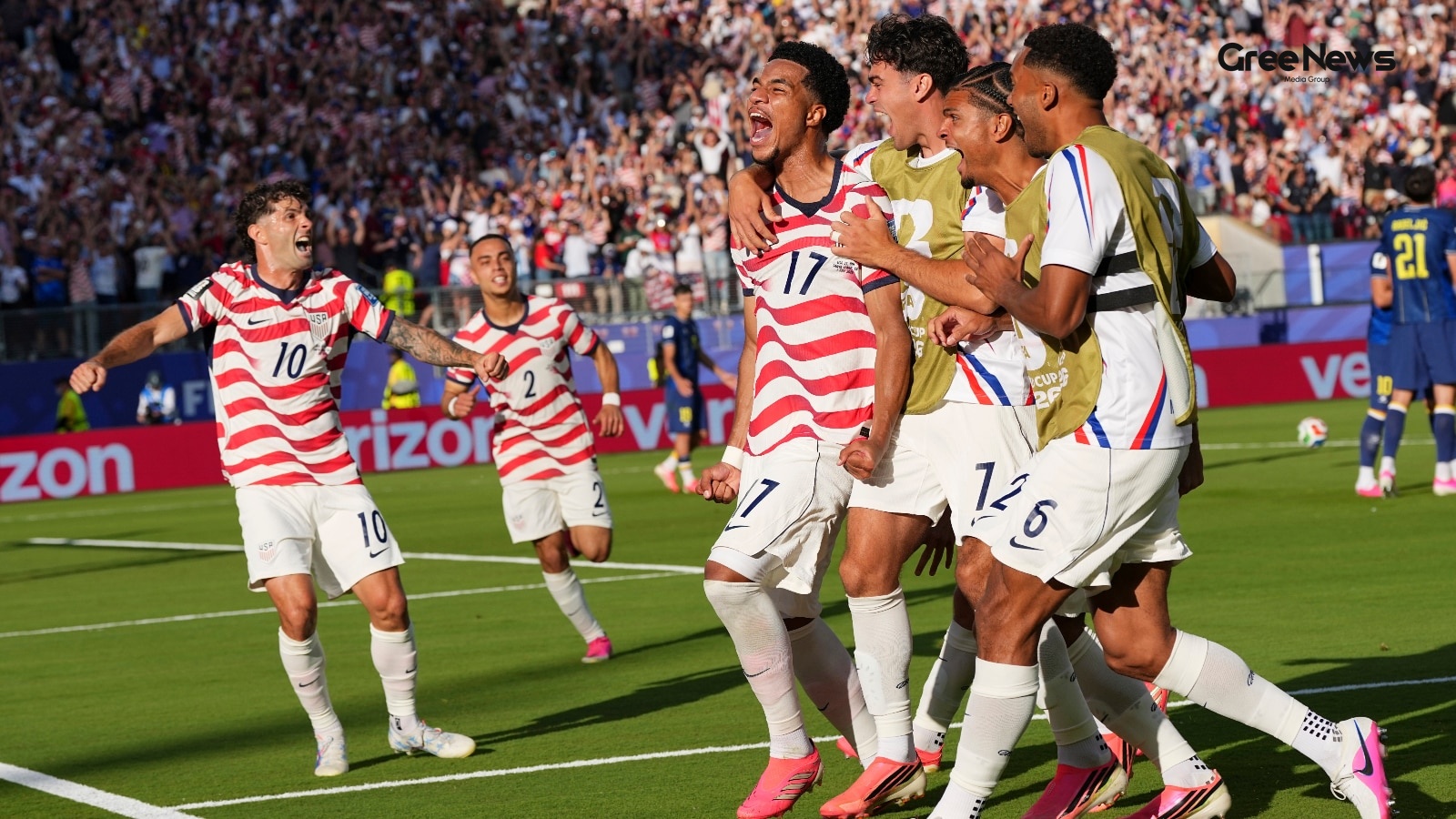
US Keeps World Cup Dream Alive in Dramatic Victory
The US kept their World Cup dream alive, in a really dramatic way. They managed to survive a red card late in the game and beat Bosnia and Herzegovina 2-0. That put them in the Round of 16 on Wednesday. In front of that roaring home crowd, they snagged just their second knockout victory. And it was
Jul 2, 2026 by Gree News Team

AI and Oculomics: Protecting Vision and Systemic Health in the Digital Age
For millions of professionals, staring at a screen for eight hours or more just feels… unavoidable now. Technology changed how we work and collaborate, sure, but it also brought something else: serious digital eye strain. Dry eyes, blurred vision, headaches, just general fatigue these symptoms are g
Jul 2, 2026 by Gree News Team

MeitY Notice to Meta on WhatsApp User ID System and Cybercrime
MeitY just sent a formal notice to Meta. It’s a real regulatory shove, hitting them hard over that whole idea of WhatsApp trying to roll out some new "User ID" system. The core worry? Cybercriminals could totally exploit it. They told the giant tech company they have three days to give a deep dive e
Jul 2, 2026 by Gree News Team
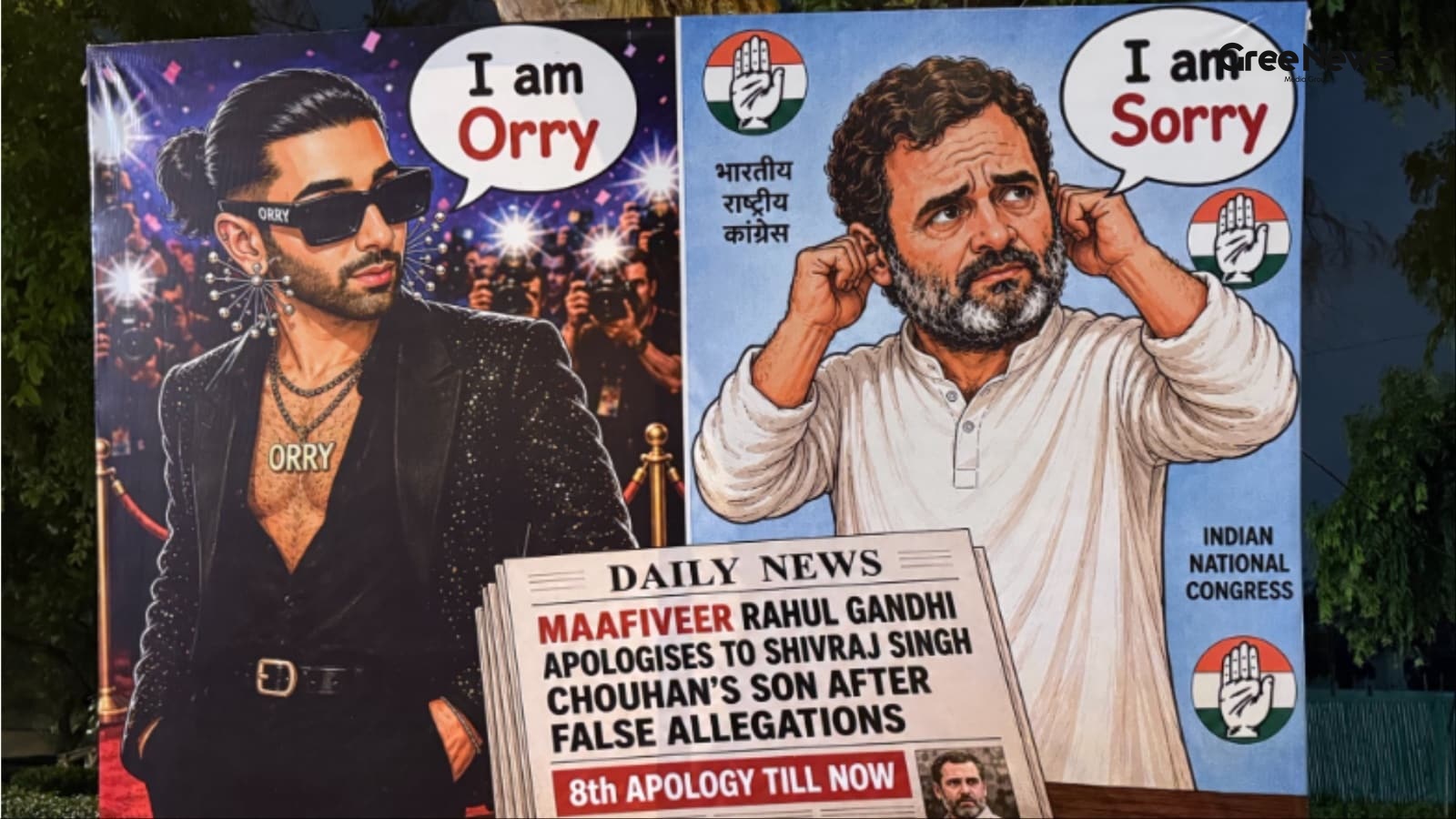
Political Posters and Defamation Case Involving Rahul Gandhi
Posters started showing up across parts of Central Delhi on Thursday. They were aimed at Rahul Gandhi and the Lok Sabha Leader of Opposition. BJP leader Tajinder Pal Singh Bagga put them up. It was a political jab, really. He used it to attack Gandhi following some recent comments he made before the
Jul 2, 2026 by Gree News Team
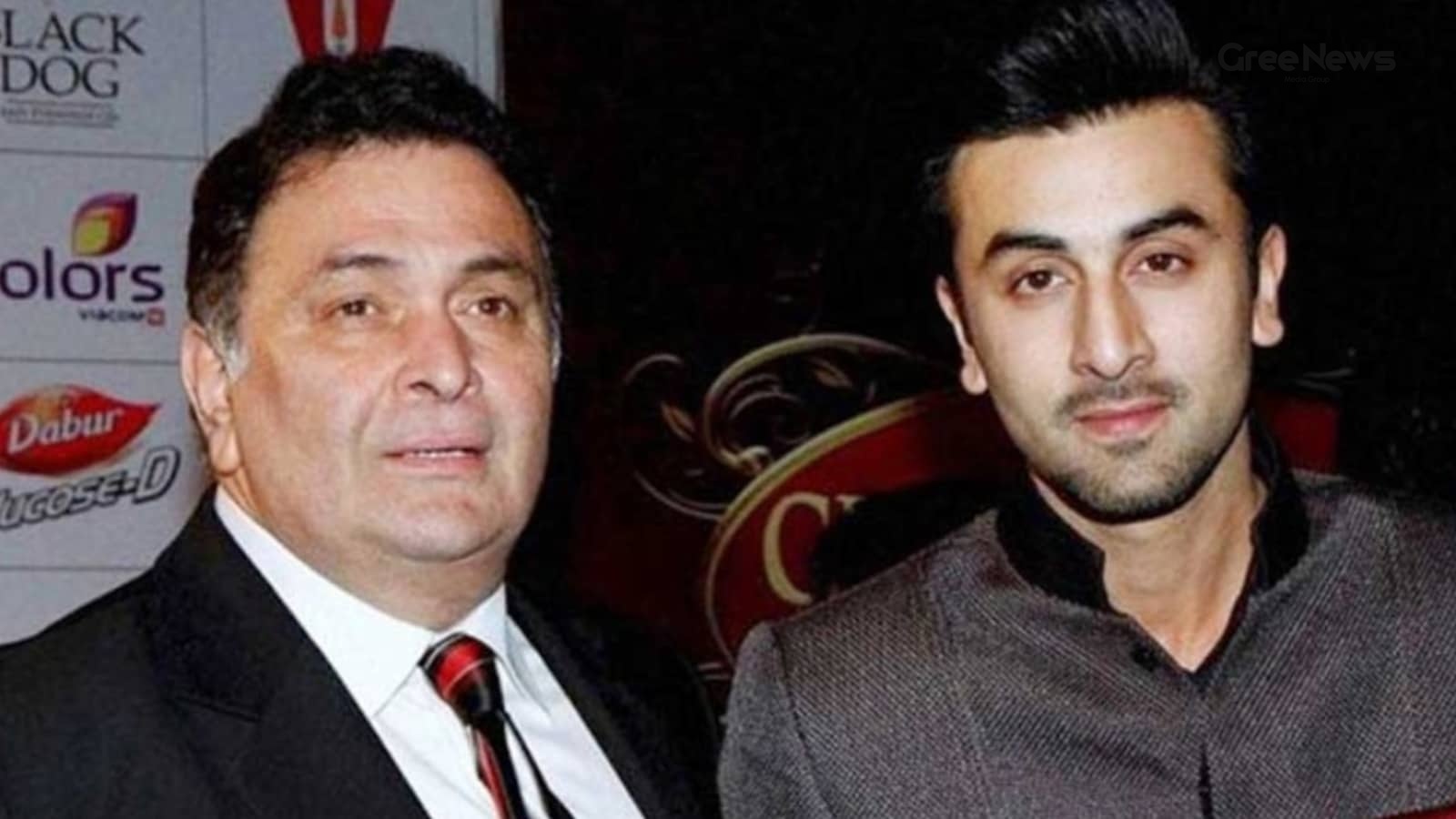
Ranbir Kapoor on Marijuana, Addiction, and Memories with Rishi Kapoor
Sumit Tyagi, who is Rishi Kapoor’s line producer on *Do Dooni Chaar*, actually saw Ranbir Kapoor admitting he smoked marijuana in an interview. It wasn't some big revelation for him, but it brought up a memory of running lines with Rishi Kapoor when they watched that TV segment together. He said som
Jul 2, 2026 by Gree News Team

Taylor Swift and Travis Kelce Wedding Costs and Details at Madison Square Garden
Taylor Swift and Travis Kelce are getting married at Madison Square Garden. It’s happening soon. The rehearsal is today, Thursday, July 2nd. But the actual wedding? That’s tomorrow, July 3rd. People are wondering about the sheer amount of money they’re spending. How much exactly? A luxury designer,
Jul 2, 2026 by Gree News Team
Avi Loeb and the Investigation of UFOs and Extraterrestrial Technology
Avi Loeb, that Harvard astrophysicist you know him, the one who stirs things up with his theories about alien life he’s been tapped. The Trump administration picked him to lead a team of independent scientists looking at the national security side of UFOs, or whatever they call them now, UAPs. This
Jul 2, 2026 by Gree News Team
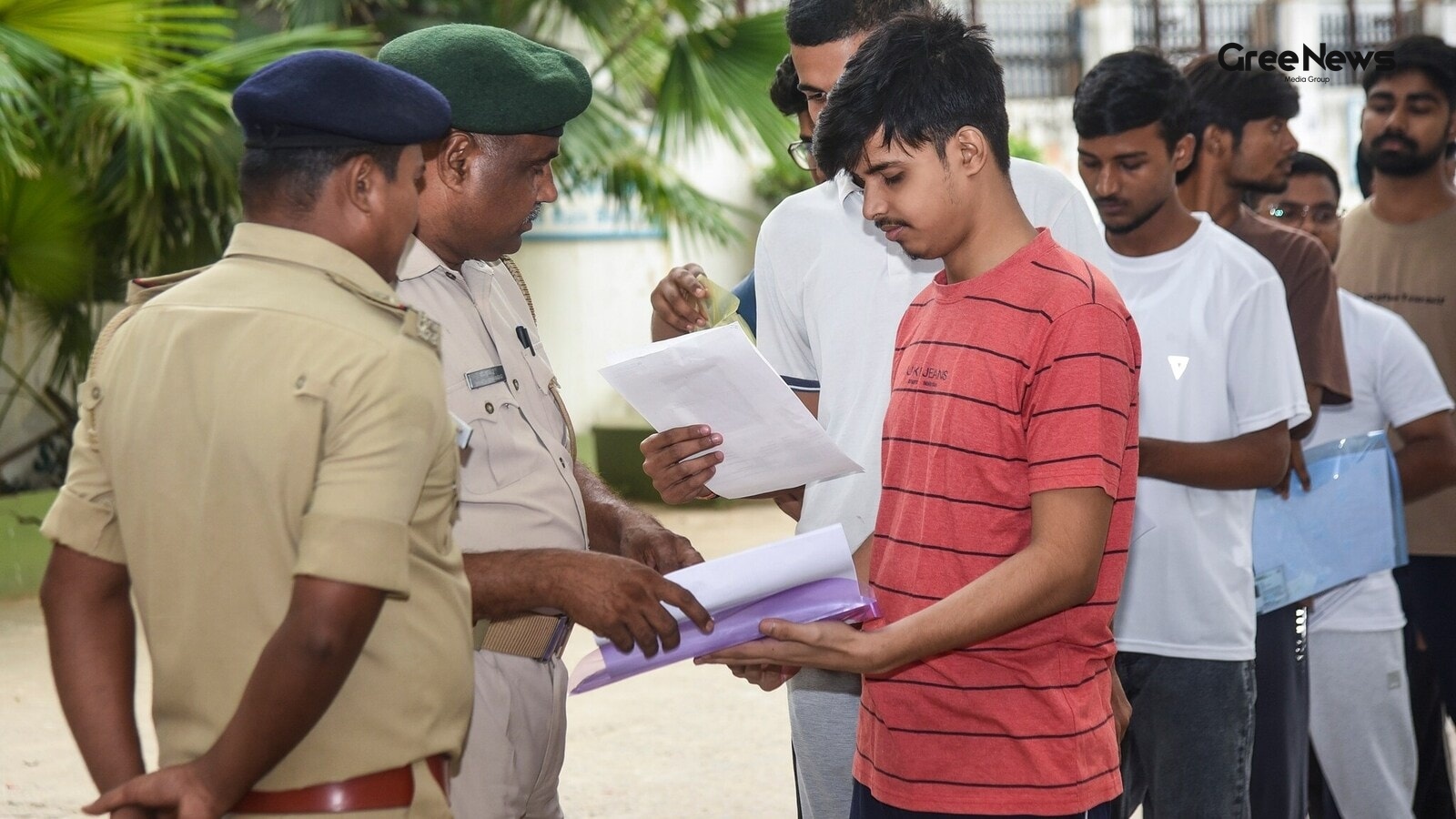
Changes Planned for NEET UG Medical Entrance Exam
Significant changes are being planned for the NEET UG medical entrance exam. There’s a parliamentary committee pushing for a complete overhaul of the entire pattern. They brought up serious security worries, you see. Conducting that test for more than twenty lakh candidates all at once just doesn't
Jul 2, 2026 by Gree News Team

Sadie Sink on Bittersweet Feelings After Stranger Things Finale
Sadie Sink has been talking about feeling kind of bittersweet lately, you know? About the end of *Stranger Things*. She’s 24 now. She got her big break playing Max Mayfield in that show, right? Between 2017 and 2025. And now she admits watching the finale brought up a lot of mixed feelings. Reports
Jul 2, 2026 by Gree News Team
Alligator Attack and Grief in the Econlockhatchee River
The grief hit Robert hard. He was already dealing with losing his mother, Barbara, when he heard about Brittany Clark. He remembered that Sunday vividly. A call came in from her roommate, Jayden. She was trying to explain what was happening. They were just trying to keep Brittany alive, waiting for
Jul 2, 2026 by Gree News Team
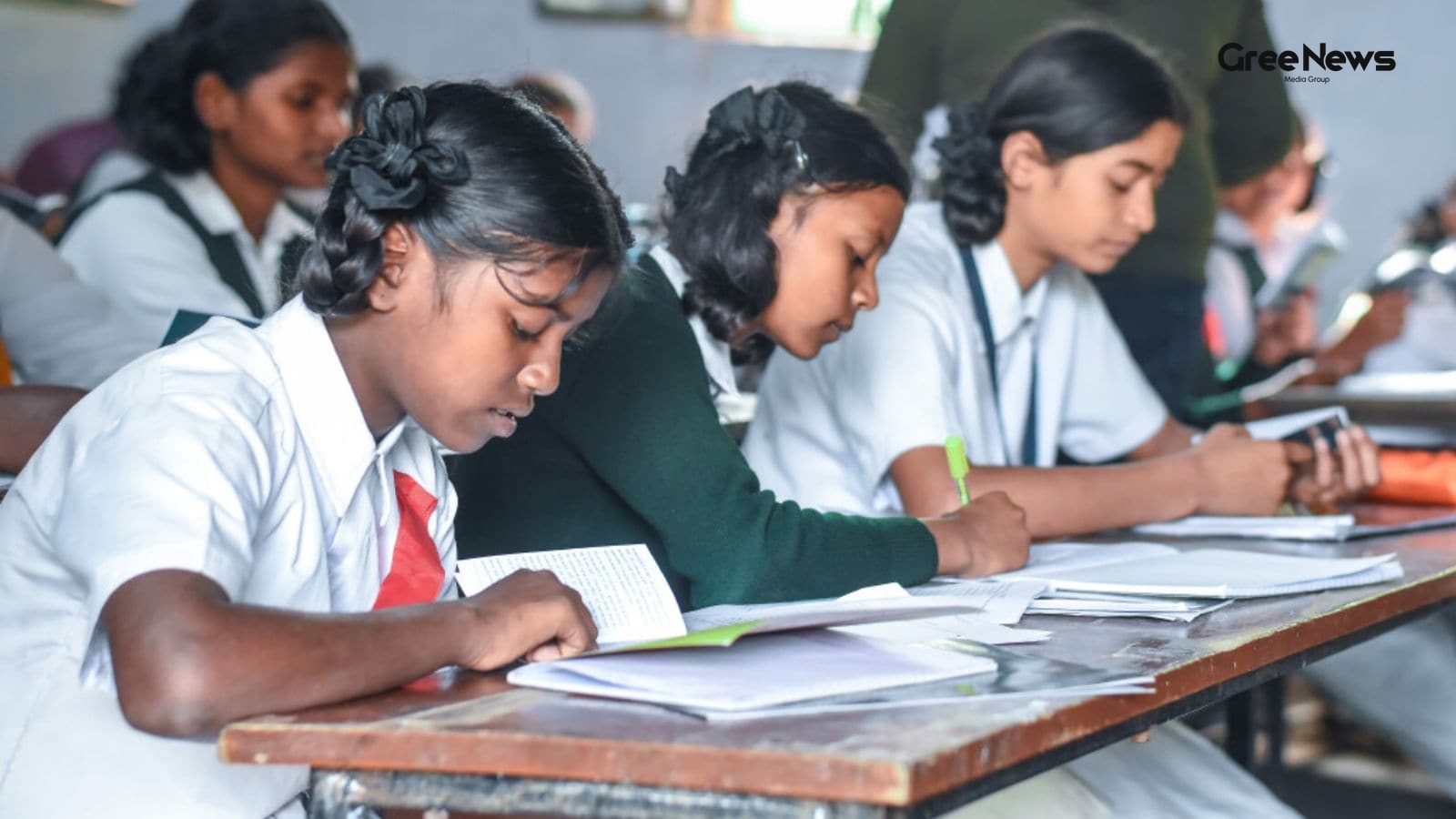
Odisha Textbook Controversy and Government Response
Odisha’s government is saying they’ll sort out those textbooks soon. They dismissed the claims that there were over sixteen hundred mistakes, which came up after people started pointing out spelling errors and wrong references to famous people in books for Classes one through eight. But things are s
Jul 2, 2026 by Gree News Team
Prime Minister Modi and Sanae Takaichi Meet in New Delhi
Prime Minister Modi and his Japanese counterpart Sanae Takaichi met in New Delhi today, July 2nd. It was an Annual Summit-level chat. They talked about cooperation, trying to sort things out across different areas. Takaichi is Japan’s first woman PM. This trip is her very first time visiting India.
Jul 2, 2026 by Gree News Team
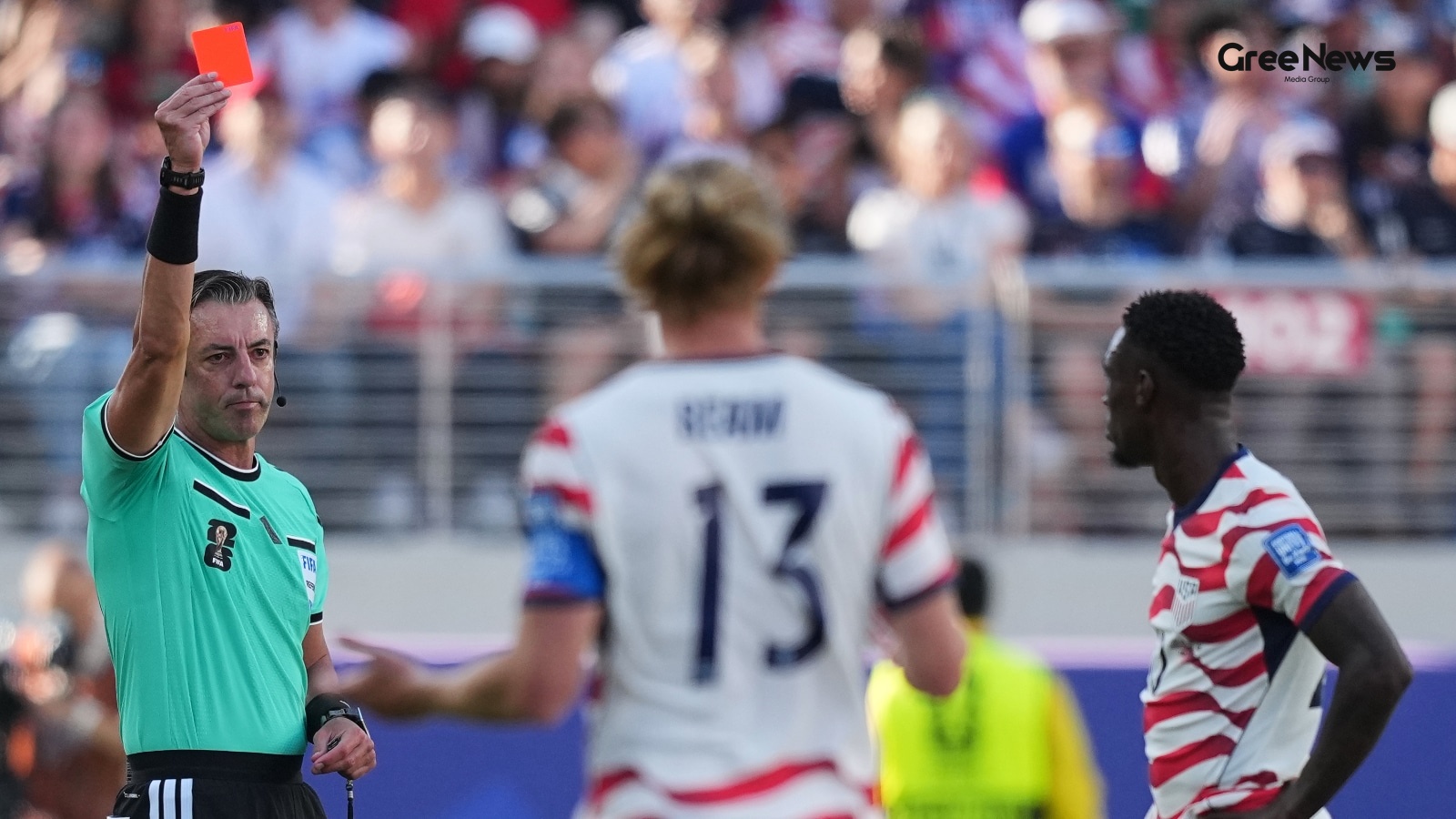
Folarin Balogun and the USMNT Red Card
Folarin Balogun felt everything during that game. You could see it. The US forward just blew the lead at half-time. A fortunate ricochet inside the box kindly enough, it fell right where he needed it to be. His fifth goal in his last six appearances for the USMNT. He was really running up the score
Jul 2, 2026 by Gree News Team