US and Iran Attacks: Conflict, Strikes, and the Strait of Hormuz
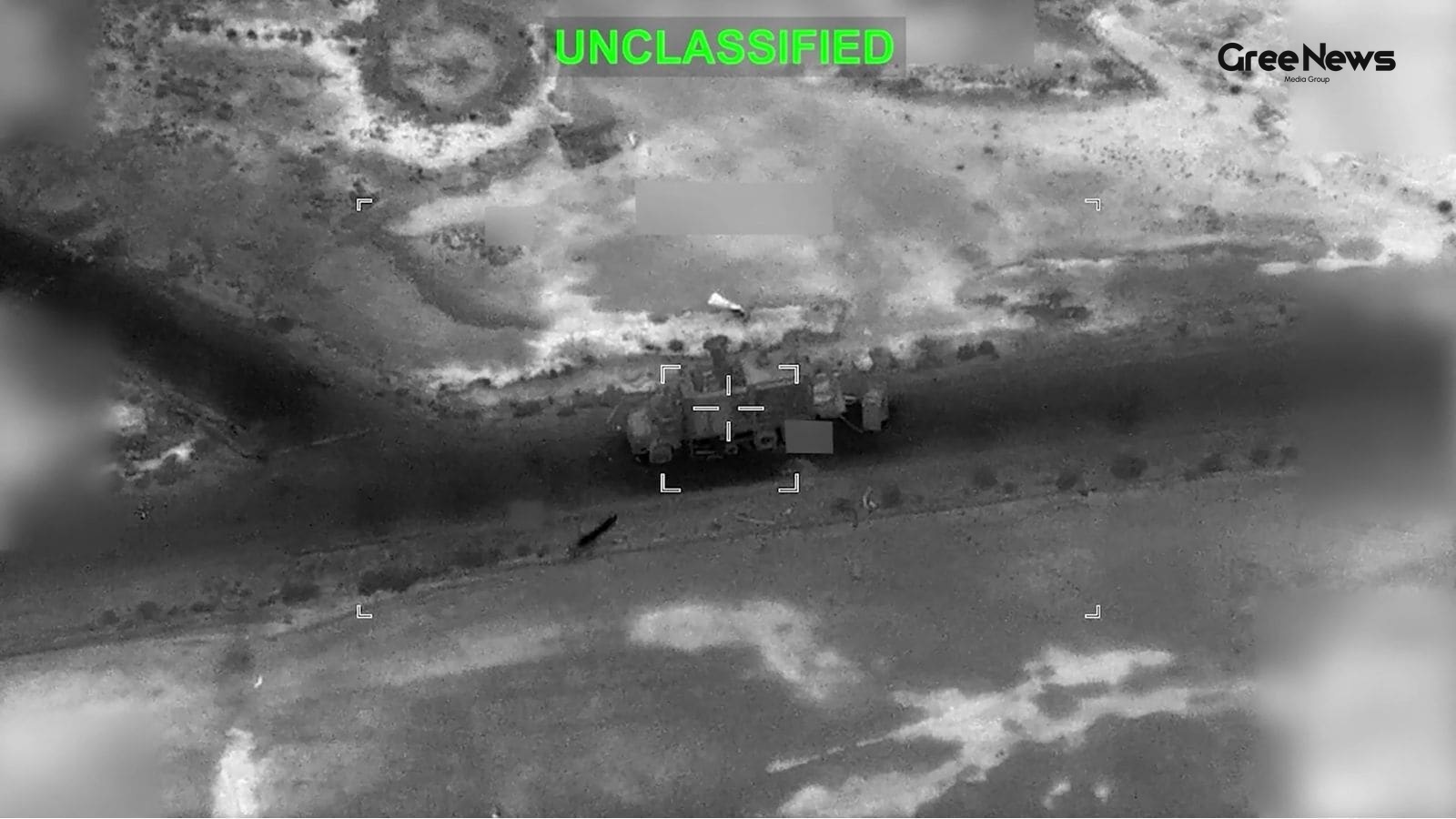
The exchange of attacks between the US and Iran kept going. It was the sixth night straight now. American forces kept hitting Iranian infrastructure bridges, train stations, an airport.
Iranian state television said strikes on road and railway stuff in Hormozgan province killed at least seven people already.
This whole thing kicked off after President Trump made that warning. He said Washington would target things just to push Tehran into easing its grip over the Strait of Hormuz .
Iran threw back missiles and drones. They aimed them at US military spots and allies across the Middle East. They hit bases in neighboring countries, including an air base recently expanded in Jordan. Qatar got hit too. Authorities there told people to get inside after a barrage of Iranian missiles splashed over them.
Qatar has been trying to mediate with Pakistan about ending this Iran war. But talks just aren’t working. It all stalls on who actually controls the Strait of Hormuz. Remember, Iran had already targeted Bahrain and Kuwait when US strikes hit bridges there.
The damage from the recent US strikes was wide across southern Iranian cities and islands. Ahvaz, Qeshm, Bushehr, Dashti, Bostan, Sirik, Bandar-e-Lengeh reports suggested even wider infrastructure damage than before.
In Bandar-e-Khamir, they hit three bridges near the city. Tapeh Allah Akbar in Bandar Abbas was also targeted. An airport in Iranshahr got attacked too. That facility took a beating and lost power. Even Kish Island saw temporary power disruptions, according to Al Jazeera.
The US military’s Central Command CENTCOM said their latest strikes, which wrapped up at dawn Friday, aimed at dozens of Iranian military sites.
They claimed the action involved fighter jets, drones, warships hitting things like coastal surveillance, air defense spots, military logistics, and maritime capabilities. CENTCOM put it out there.
“More than 50,000 US service members are operating across the Middle East and remain vigilant, lethal, and ready,” they said.
Then you have the official line from Tehran. Col Ebrahim Zolfaghari, spokesperson for Khatam al-Anbiya Central Headquarters, warned something else entirely. He said if the US went ahead with those threats to strike Iranian bridges or power plants, Tehran would target infrastructure across the whole region.
He made it clear: “Under no circumstances and in no way will we allow America, as a foreign and extraregional country, to interfere in the Strait of Hormuz .” That was Iran’s red line.
Written by Gree News Team — Senior Editorial Board
Gree News Team covers international news and global affairs at Gree News. Our collective of senior editors is dedicated to providing independent, accurate, and responsible journalism for a global audience.
More from World
View All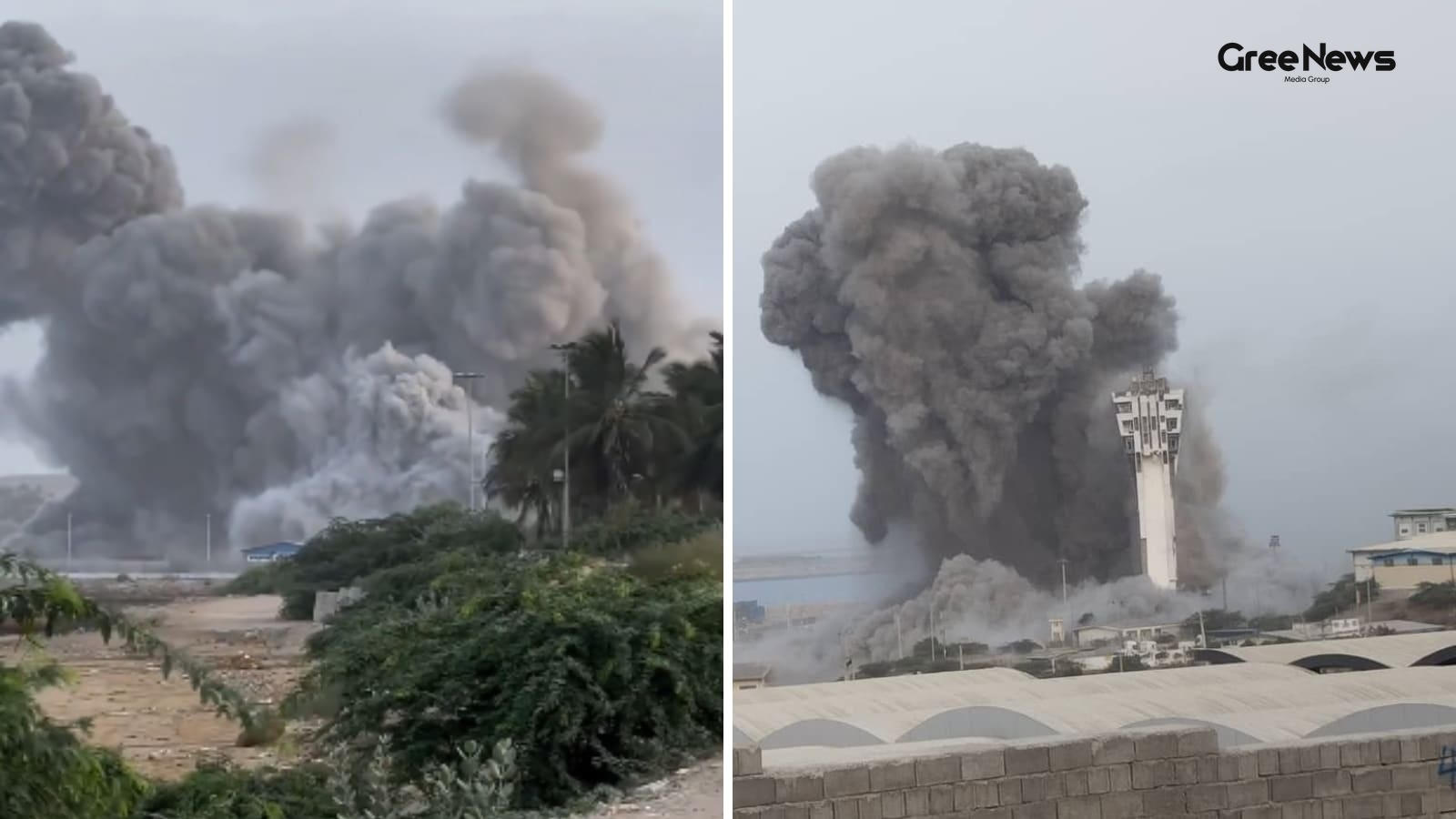
The Chaotic Reality of the US-Iran Standoff
The latest news coming out of the US-Iran standoff is just… chaotic. You see these reports, right? The strikes themselves they kill people. Iranian state television put out that they lost at least seven lives in those recent US airstrikes. That’s what they claim. And it all happened while Washington
Jul 17, 2026 by Gree News Team

New Military Health Initiative: Testosterone Screening for Service Members
Pete Hegseth, the Defence Secretary, dropped a bomb this week about a new military health initiative. It’s pretty direct: active-duty and reserve personnel who are thirty or older will now have testosterone deficiency screened as part of their regular medical checks. That takes effect right away. Th
Jul 16, 2026 by Gree News Team
The Geological Forces Behind Japan's Earthquakes
When an earthquake hits, the world looks to Japan. It’s almost instinctual. The sheer scale of it is insane. They occupy less than a quarter of the Earth's landmass. Yet they endure twenty percent of the planet's most powerful quakes. Magnitude six or higher. Just that kind of brutal reality sitting
Jul 16, 2026 by Gree News Team
Video Claims and Controversy in PoK Protest
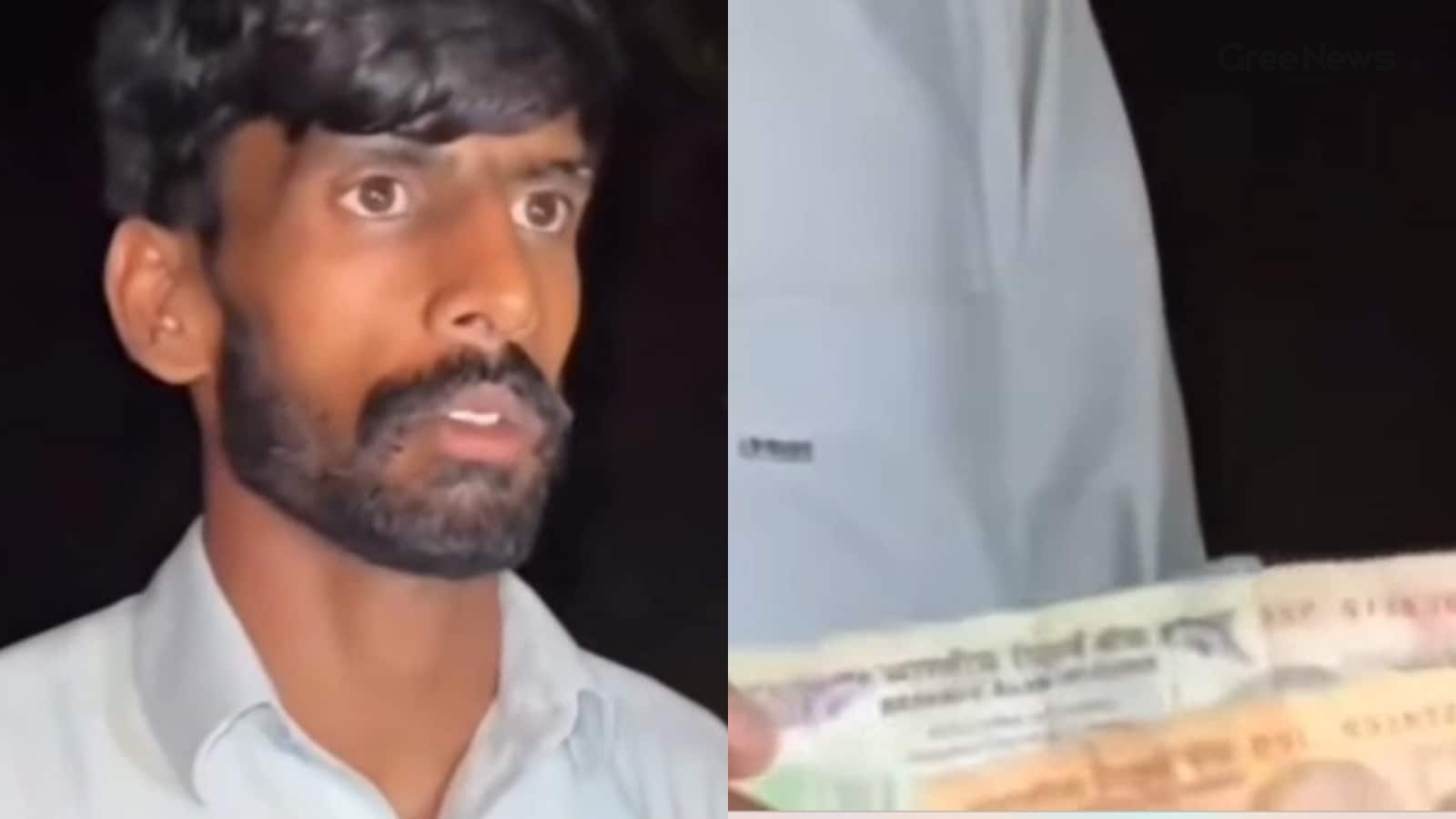
A video is out there now, spinning around social media, causing fresh trouble in PoK. People are claiming they caught an Islamabad police officer trying to sneak Indian currency among demonstrators. It all happened during a protest connected to the Jammu Kashmir Joint Awami Action Committee that civ
Jul 15, 2026 by Gree News Team
Latest Headlines

Controversy involving Lord Krishna, Islam, and Maulana Jarjis Ansari
Lord Krishna Namaz Row. That’s what started it. A controversy blew up after some video surfaced involving cleric Maulana Jarjis Ansari. He allegedly claimed Lord Krishna was Muslim. And that Krishna offered namaz five times a day. It went viral on social media fast. This whole thing immediately trig
Jul 17, 2026 by Gree News Team
Andhra Pradesh Covid-19 Statistics and Management Report
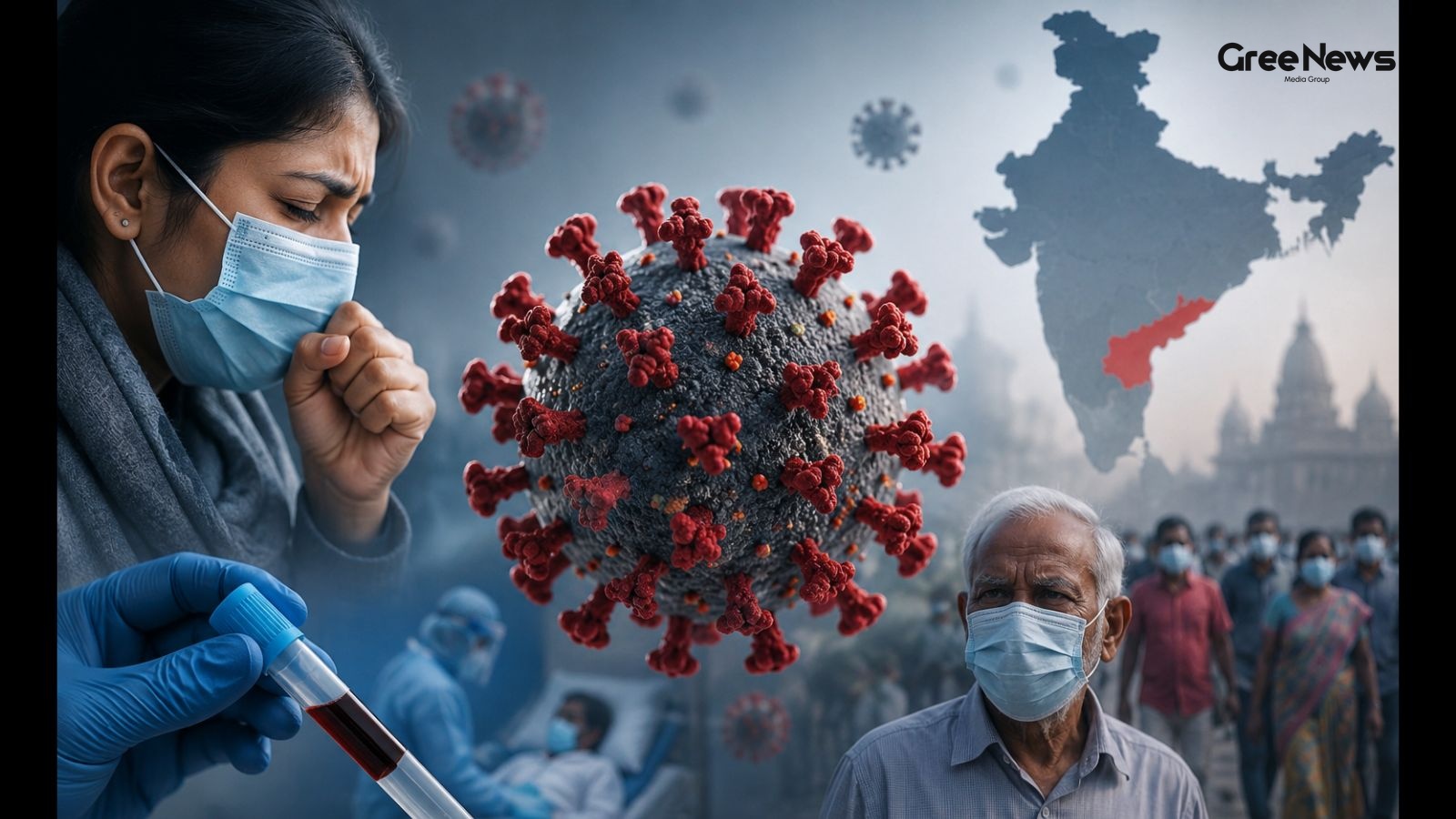
Andhra Pradesh is seeing some grim numbers lately. They clocked twelve Covid-19 infections between June 26 and July 16. And four people died from it. That’s what State Health Commissioner G Veerapandian told them on Thursday. Sporadic cases, he said in a release. Twelve people caught the virus in th
Jul 17, 2026 by Gree News Team

Lipfendra (enlicitide): The New Once-Daily Oral PCSK9 Inhibitor
The FDA just gave the green light for Lipfendra, which is enlicitide. It’s a big deal because it’s the first time we have a once-daily oral PCSK9 inhibitor available for adults dealing with certain types of high cholesterol. Merck developed this pill. It offers a new route. A way around those pesky
Jul 17, 2026 by Gree News Team
IT Stocks Jump After June-Quarter Earnings Release
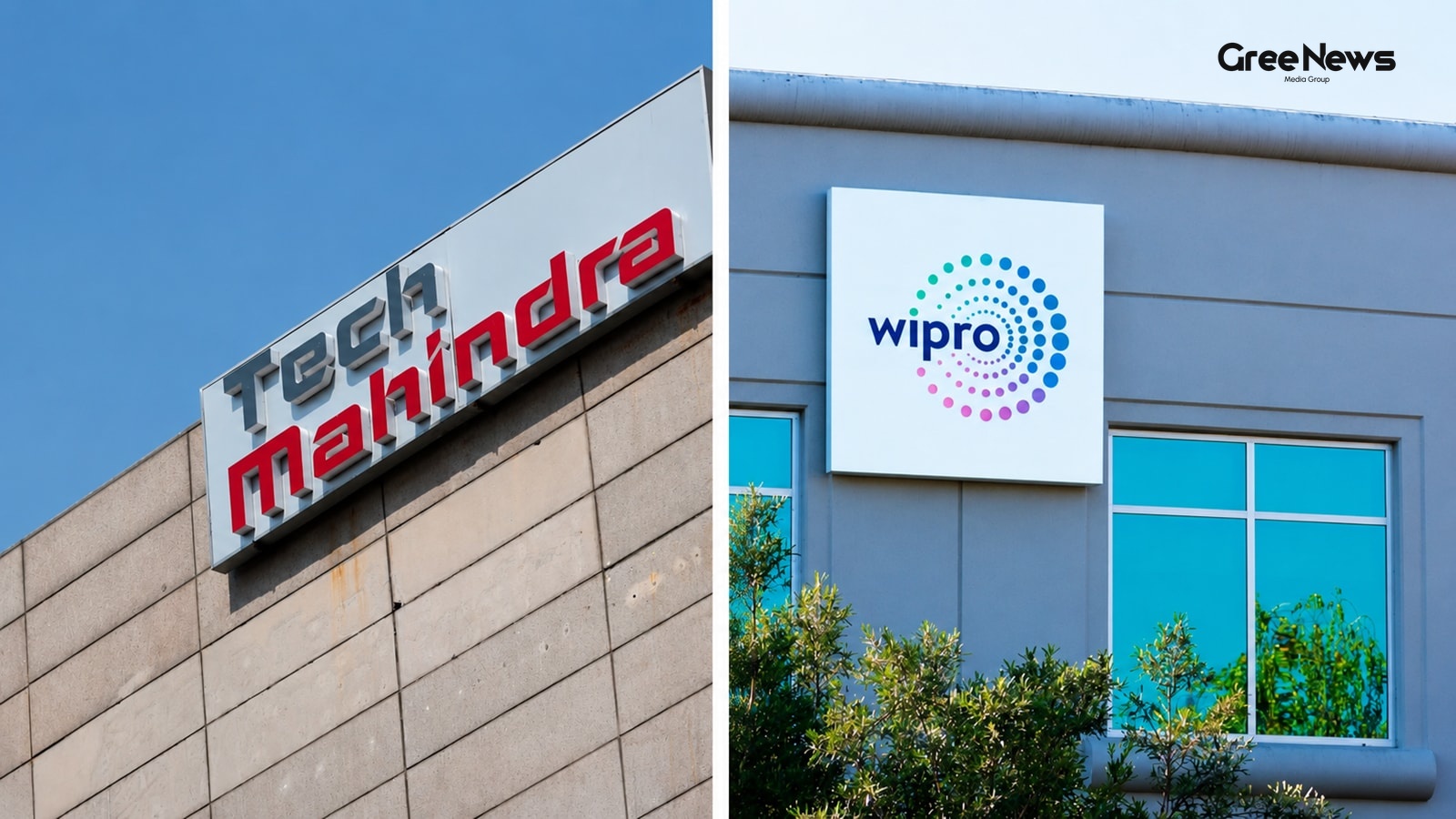
IT stocks generally jumped Thursday after those June-quarter earnings came out. Investors seemed to favor companies that showed better growth, pushing hard on margins and guidance for the ones that fell short. The Nifty IT index ticked up 1.33% in morning trade, hitting 29,103.50. Some large names w
Jul 17, 2026 by Gree News Team
Koel Mallick's Political Shift and West Bengal Politics
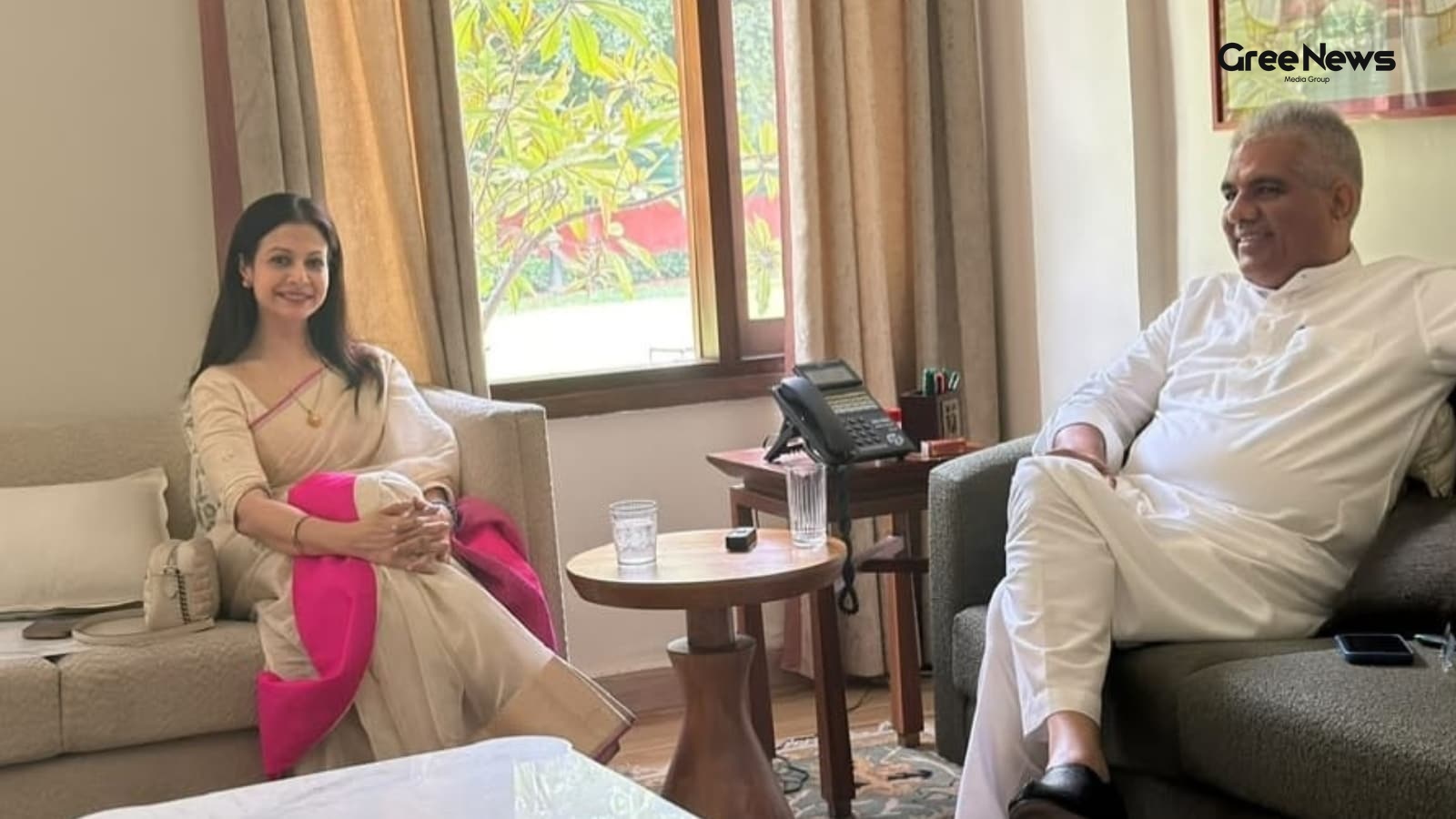
Koel Mallick stepping down from her Rajya Sabha seat without showing up for a single day in Parliament has really stirred things up in West Bengal politics. It’s just… unprecedented stuff, you know? There was chatter immediately about where she might go next. Some folks were talking about joining so
Jul 17, 2026 by Gree News Team

Donation Theft Scandal at Ram Mandir Complex
What started so simply. Finding a suspicious pile of cash tucked away in a washroom inside the Ram Mandir complex in Ayodhya. That little discovery snowballed fast into one of the biggest donation theft scandals ever linked to the temple. It’s unbelievable how that happened. A Times of India report
Jul 17, 2026 by Gree News Team

Domestic Equity Markets, Movers, and Global Factors
The domestic equity markets managed to push some gains this morning Friday. It felt like a brief lift, mostly fueled by buying in those heavyweight sectors IT, banking stocks, and a few big names overall. But you could feel the broader market still dragging a bit. Around ten-ten, things were moving
Jul 17, 2026 by Gree News Team

NEET Results 2026 Analysis and Cutoffs
So, look at these NEET results for 2026. It’s a lot to take in. We’re talking about 11.21 lakh candidates who actually qualified out of a huge pool of twenty lakh applicants. That’s the baseline. And you see some names popping up. Aryan Gupta from Punjab, and Panshul Bansal from Haryana. They snagge
Jul 17, 2026 by Gree News Team

Cab Ride Dispute and Safety Concerns in Pune
Three women were riding in an app cab when everything went sideways. The driver just asked them to make room for his male friend. It all happened late at night, somewhere in Pune, Maharashtra. He gave them two choices: get off right there or deal with his friend. They both refused. They questioned w
Jul 17, 2026 by Gree News Team

BSNL 100Mbps Broadband Plan Details
BSNL has this 100Mbps broadband plan. It’s worth looking at if you’re actually comparing fibre options right now. They say this service is out there almost everywhere, but the real story is how they’re pushing into rural areas with that BharatNet thing. What does the deal actually look like? It cost
Jul 17, 2026 by Gree News Team

Jason Sanjay: The Journey to Directing and the Film *Sigma*
Jason Sanjay, you know, he’s ready for the film world now. But there’s a twist here. He isn't jumping in as an actor. Nope. He’s going in as a director. Making his first feature, *Sigma*. It’s all about getting behind the camera for him. Excitement is building around this project, naturally. And Jas
Jul 17, 2026 by Gree News Team
Panshul Bansal's NEET 2026 Success Story and Study Routine
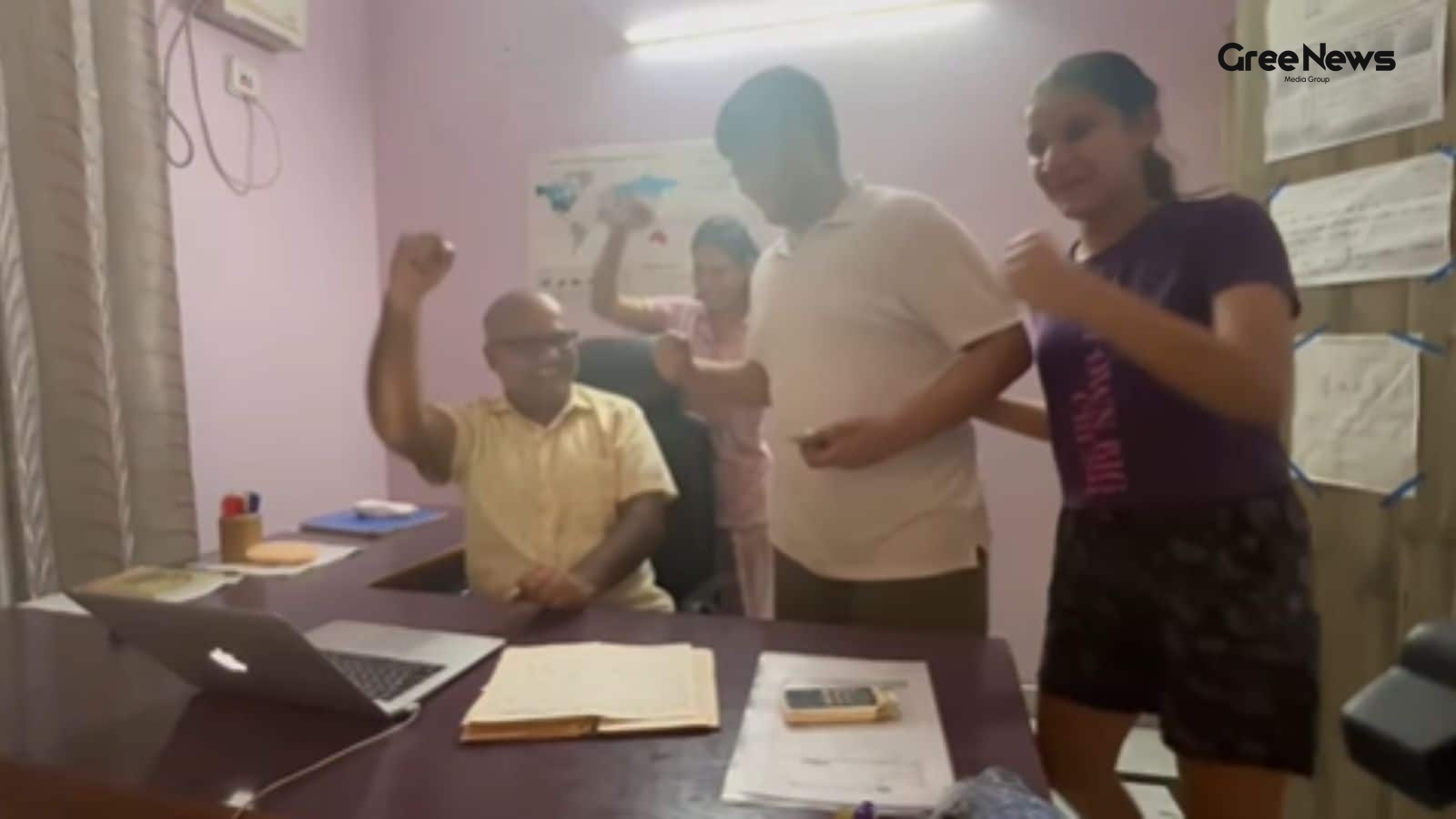
Panshul Bansal just hit the internet hard. Seriously. The moment he found out he snagged All India Rank 2 in NEET 2026 is completely melting hearts right now. It’s all over social media. An Instagram video from Allen Delhi caught the raw emotional celebration happening at home. You see him, sitting
Jul 17, 2026 by Gree News Team

Fight Over Fare Money Between Cab Driver and Passenger Goes Viral
A fight over fare money between a cab driver and a female passenger has blown up online, going viral across the internet. It all started after a ride from Noida to Laxmi Nagar in Delhi ended badly. Both sides spilled different versions of what actually happened once that trip was over. The clip itse
Jul 17, 2026 by Gree News Team
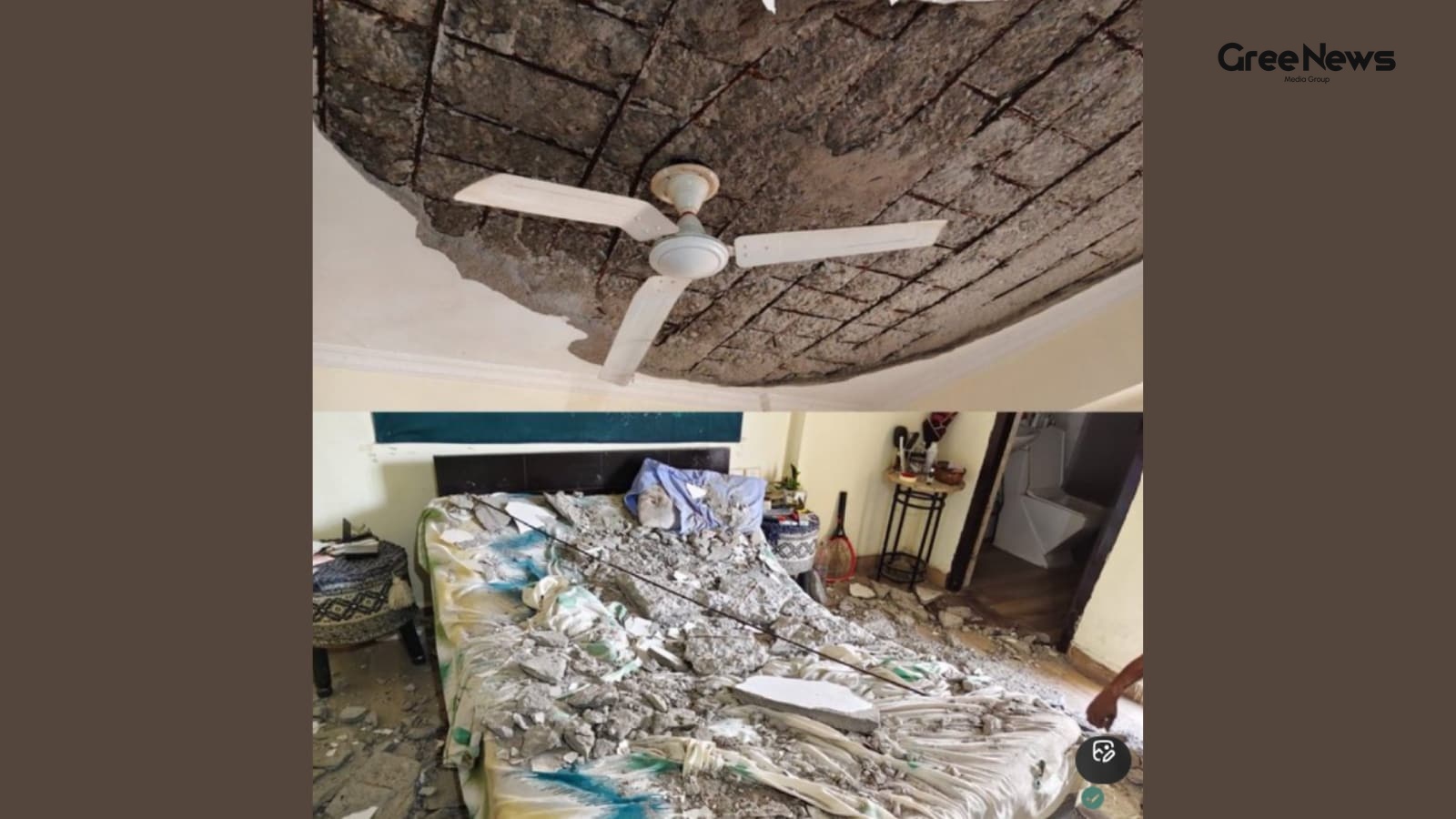
Building Collapse and Construction Quality Issues in Noida’s Gardenia Gateway
Something happened in Noida’s Gardenia Gateway society. A ceiling just came crashing down inside an apartment in Sector 75. It was Thursday, July 16th. No one got hurt. That’s the main thing. The tenant had actually stepped out of the room just moments before the structure gave way. But the aftermat
Jul 17, 2026 by Gree News Team
The Chaotic Reality of the US-Iran Standoff
The latest news coming out of the US-Iran standoff is just… chaotic. You see these reports, right? The strikes themselves they kill people. Iranian state television put out that they lost at least seven lives in those recent US airstrikes. That’s what they claim. And it all happened while Washington
Jul 17, 2026 by Gree News Team