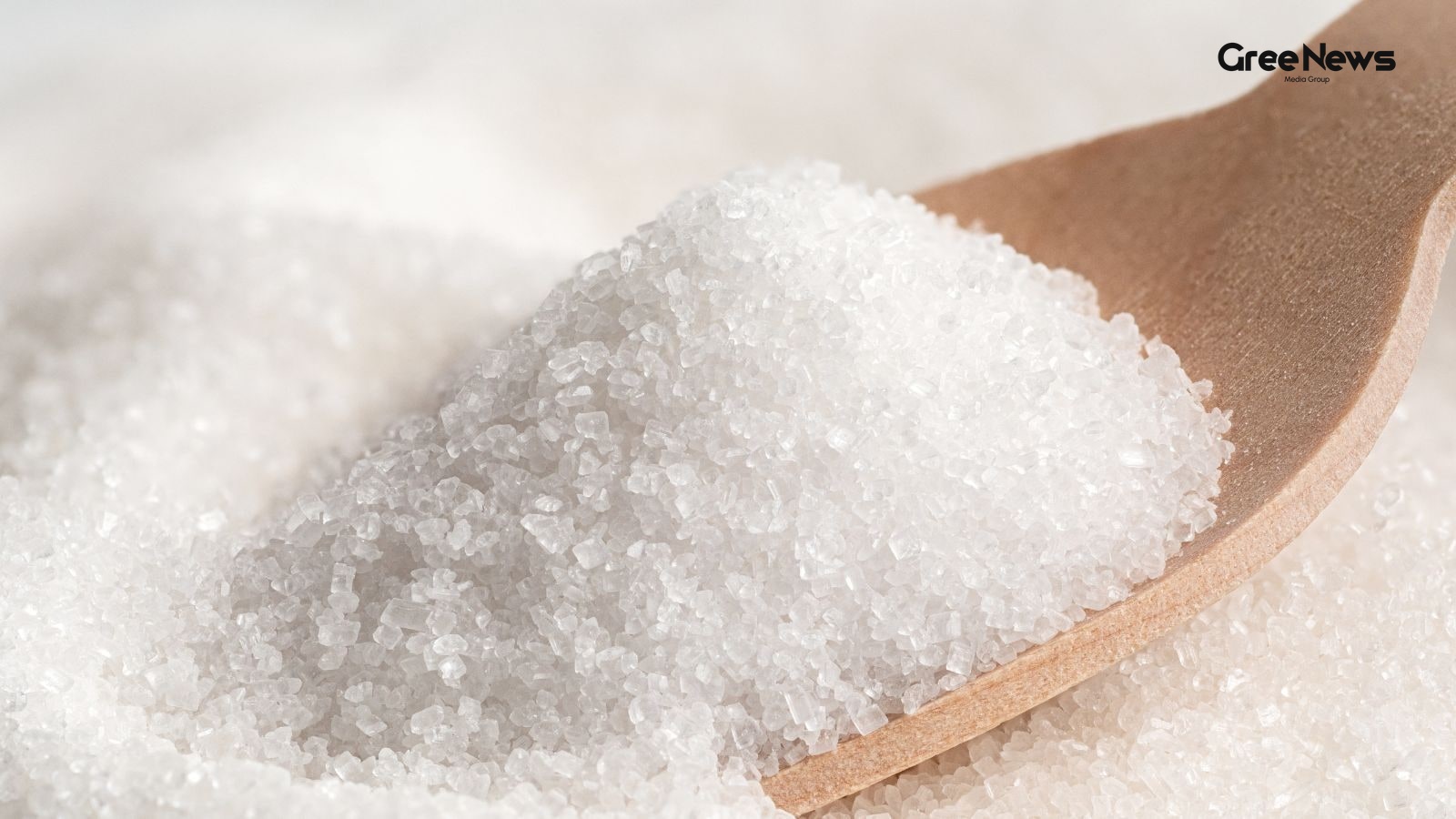
The government just slapped a ban on sugar exports. Immediate effect. It’s going until September 30, 2026, or until they decide something else. All about keeping domestic supplies safe. Food security , that’s the big worry right now, given how much people are talking about production and availability.
This whole thing came out of the Directorate General of Foreign Trade. Ministry of Commerce & Industry announced it. They changed the status of several sugar categories. It’s a switch from “restricted” to “prohibited.”
They hit raw sugar, white sugar, and refined sugar. Those are the ones under those specific ITC codes—1701 14 90 and 1701 99 90.
The official notification itself dated back to May 13th. It made it clear. This change sticks until that date, or further orders. Whichever comes first.
Why the move? Simple enough, really. The primary goal is keeping sugar in India. Keeping prices steady for the next couple of years. India produces a lot of sugar globally, you know? A huge exporter. Stopping the flow, prioritizing what’s inside. Trying to stop retail prices from spiking, that’s the real aim.
Before this, exports were just "restricted." That meant you needed some government sign-off for anything leaving. Now it’s "prohibited." Shipments are basically stopped, unless there are specific exceptions.
But there are exceptions, obviously. They didn't shut everything down completely.
For instance, exports to the European Union and the United States. Those still run under the tariff quota arrangements, like the CXL and TRQ quotas. That part keeps moving.
And don't forget the Advance Authorisation Scheme, the AAS. That still works, according to the Foreign Trade Policy 2023.
There’s also this clause. The government said they might let exports go to certain countries. If those countries formally ask, if they have genuine food security needs. That's an option, they said.
The DGFT did try to help the people already in the pipeline. They provided some relief for consignments that were already on their way out before the notification kicked in.
The ministry detailed the transitional stuff. How things actually happen now. Exports can still move if certain conditions are met.
The approval for loading on those ships? That has to wait. The Port Authority has to confirm berthing or anchoring first. That’s the note they put down.
And there’s the timeline hanging over it. If they don't extend this prohibition past September 30, 2026, things revert. The policy snaps back to "restricted." That means exports could potentially resume later, provided they get the necessary government approval. Unless a fresh order comes down.
It’s a tricky situation. A temporary freeze, aimed at stability, but with these little holes they carved out for specific trade deals and some humanitarian requests. It’s all moving pretty fast.
Written by Gree News Team — Senior Editorial Board
Gree News Team covers international news and global affairs at Gree News. Our collective of senior editors is dedicated to providing independent, accurate, and responsible journalism for a global audience.
More from Economy
View All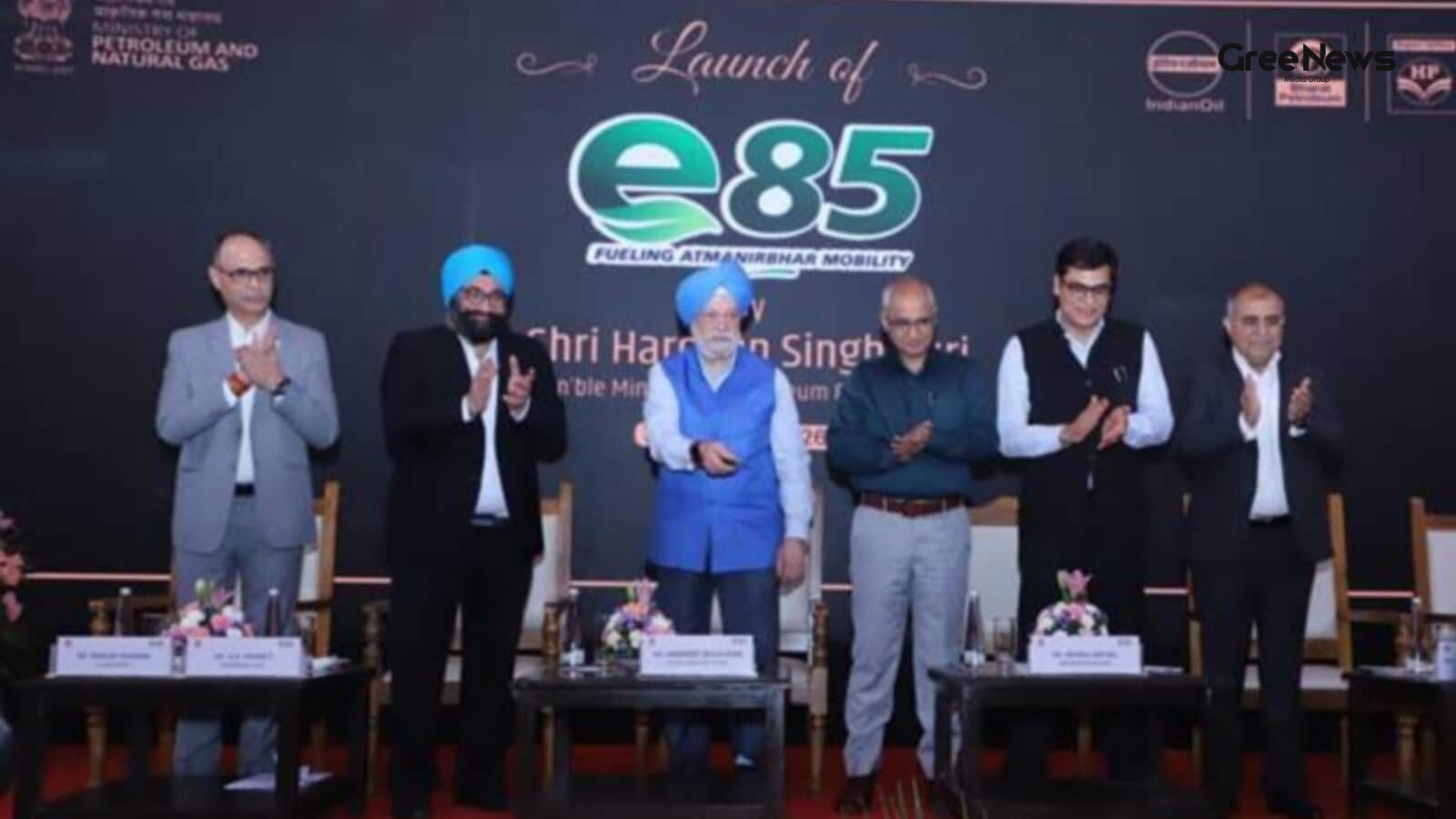
India's E85 Rollout and the Future of Flex-Fuel Vehicles
India just made another move on fuel. They rolled out E85, that high-ethanol petrol blend, specifically for vehicles that can handle flex-fuel systems. It’s about cleaner transport, less reliance on imported crude. Hardeep Singh Puri, the Union Petroleum Minister, formally kicked things off at an In
Jun 8, 2026 by Gree News Team
Crude Oil Prices, Market Jitters, and US Job Data
Crude oil prices jumped four percent Monday. That was because Iran launched more missiles toward Israel, a clear retaliation for what happened in Lebanon. It totally messed up the ceasefire. WTI and Brent crude shot up, hitting over ninety-three and ninety-six dollars a barrel, following all that te
Jun 8, 2026 by Gree News Team
Piyush Goyal on US Tariffs and India-US Trade Negotiations
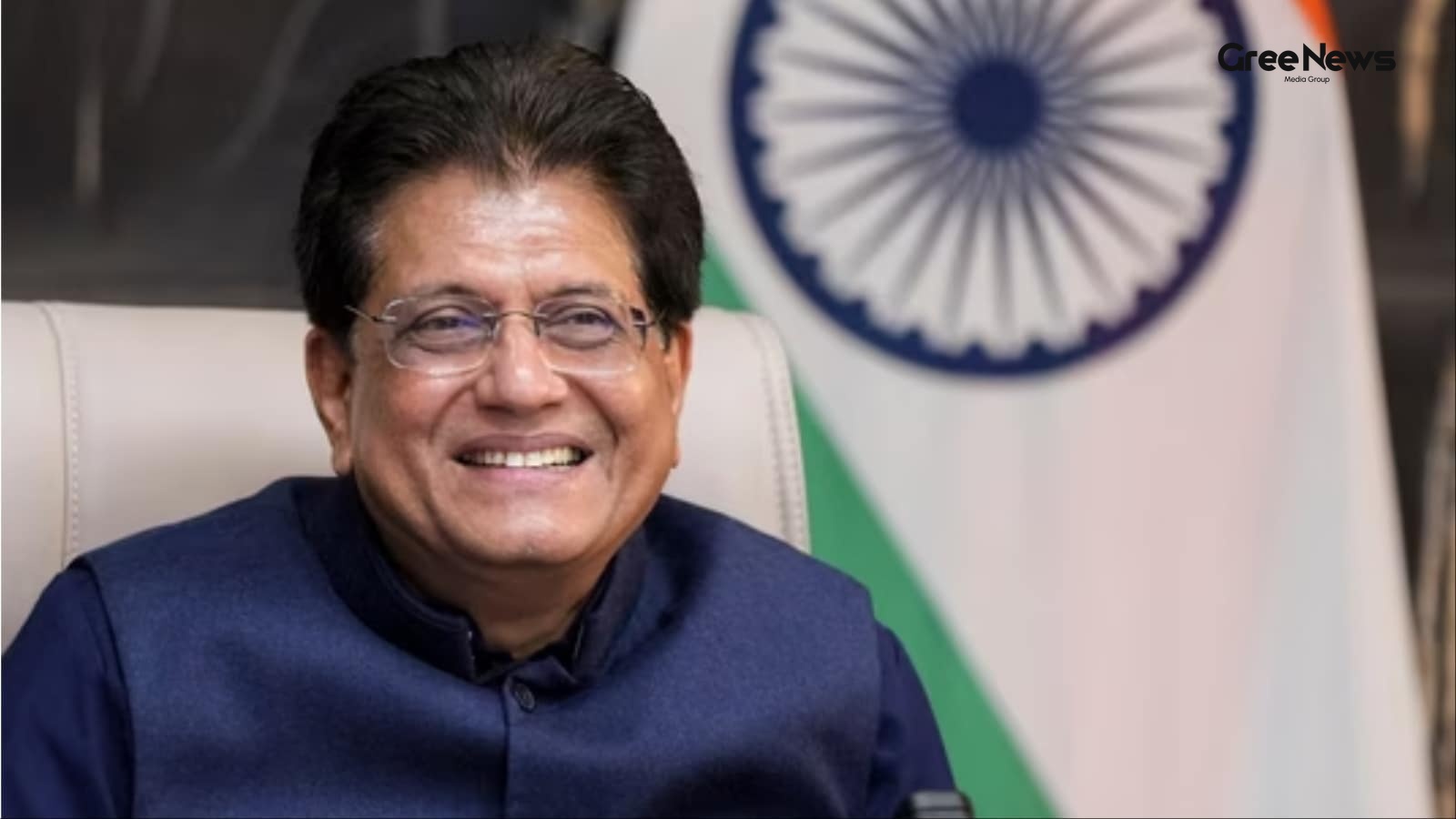
Piyush Goyal, the Commerce Minister, was talking about the US tariffs on India on Sunday. He was trying to ease worries, you know? About that whole Section 301 thing. He basically said New Delhi would handle things, protect its interests, and keep pushing for that trade agreement with Washington. It
Jun 8, 2026 by Gree News Team
India's Economic Picture and GDP Projections
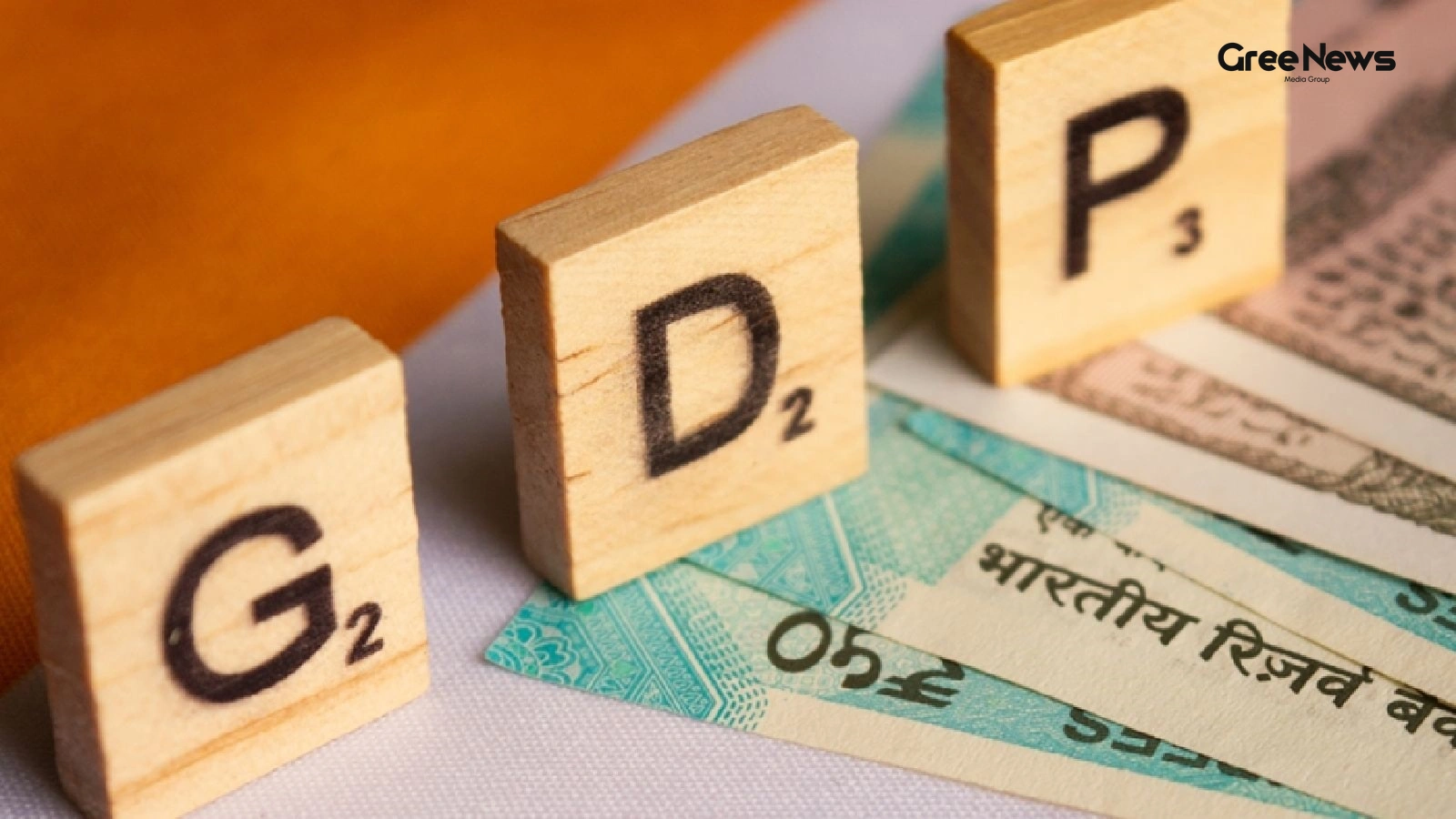
The economic picture for India, right now, is still shifting. We’re looking at the January-March quarter of FY26, and most economists are banking on growth staying solid, hovering somewhere between 6.8 and 7.4 per cent for the GDP expansion. But that’s just the projection. The real moment is Friday,
Jun 5, 2026 by Gree News Team
Latest Headlines

Political Speculation and Internal Turmoil within the TMC
Fresh visuals surfaced of Sushmita Dev meeting Assam Chief Minister Himanta Biswa Sarma. That kind of thing just kicks the speculation into high gear about her next move. It’s all about her potential entry into the BJP, right? This happened right after she stepped down from Rajya Sabha and walked ou
Jun 10, 2026 by Gree News Team

FIFA World Cup 2026: Structure, Geography, and the Official Match Ball
The FIFA World Cup 2026 is really starting to feel imminent now. It’s heading toward North America the USA, Mexico, and Canada are slated to host this massive global spectacle. People are talking about it constantly. It’s not just a standard tournament anymore. This time around, they’re throwing way
Jun 10, 2026 by Gree News Team

Lionel Messi and Argentina's World Cup Journey in Group J
Argentina’s taking on Group J in this new setup USA, Mexico, and Canada it feels like more than just football now. It’s about that farewell, isn't it? Lionel Messi is chasing something special right now, playing out this final chapter with the Albiceleste against Algeria, Austria, and Jordan. There’
Jun 10, 2026 by Gree News Team

Federal Judge Bars Nitrogen Gas Execution in Alabama
A federal judge just slammed the door shut on Alabama’s plan to use nitrogen gas for executing Jeffery Lee. Permanently barred it, ruling the method violated basic constitutional rights about cruel and unusual punishment. This decision dropped like a stone. It came just one day after an appeals cour
Jun 10, 2026 by Gree News Team
Kerala Board Plus One Results 2026 Announcement and Checking Methods
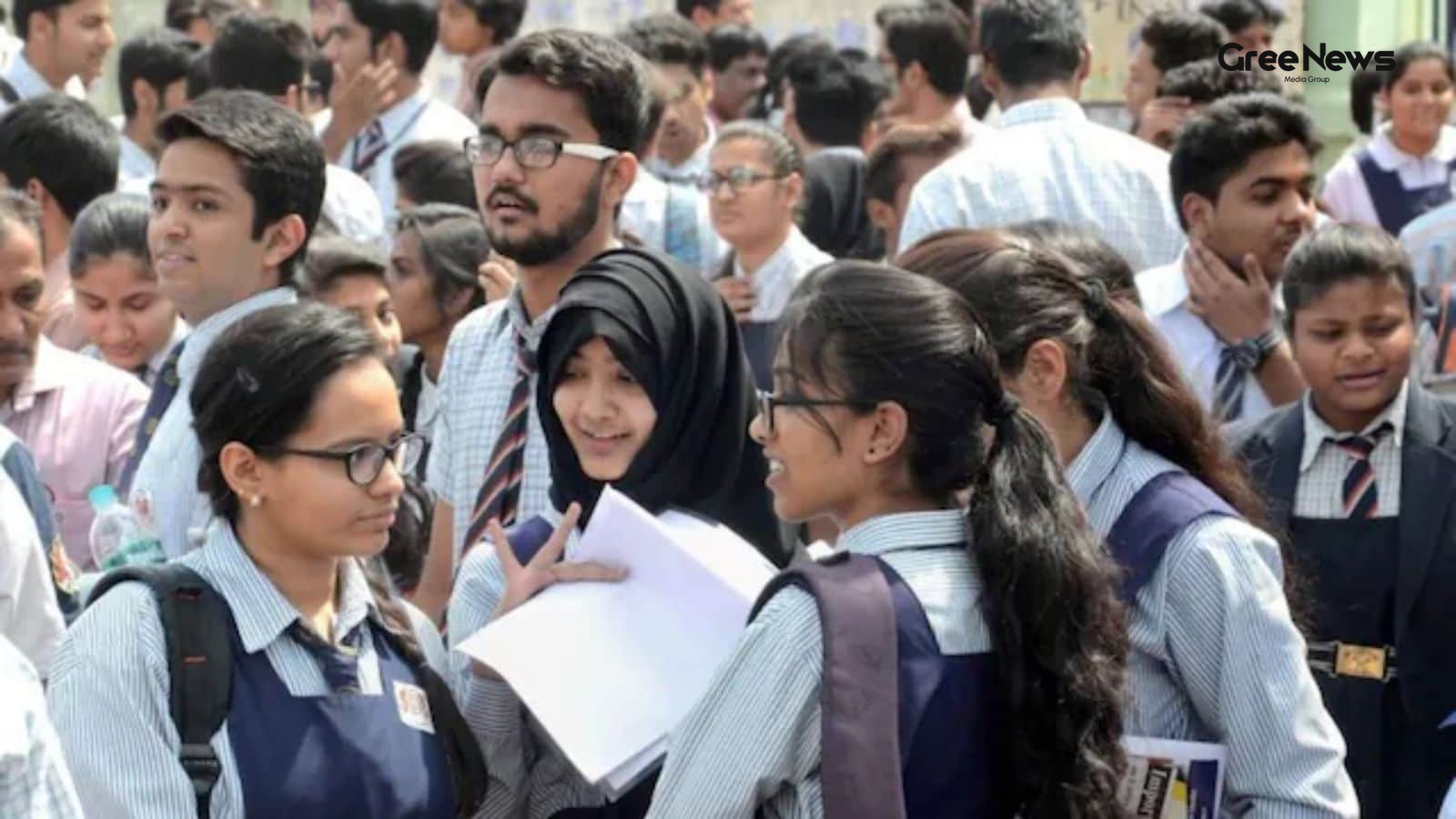
The Kerala Board Plus One results for 2026 are finally coming today, June 10th. That’s when the Directorate of Higher Secondary Education will officially announce everything. Students who took the DHSE Kerala Class 11 exams in 2026 can start checking their scores now. You have a few places to look,
Jun 10, 2026 by Gree News Team
Threats and Intimidation Against Former Judge Justice Gautam Patel
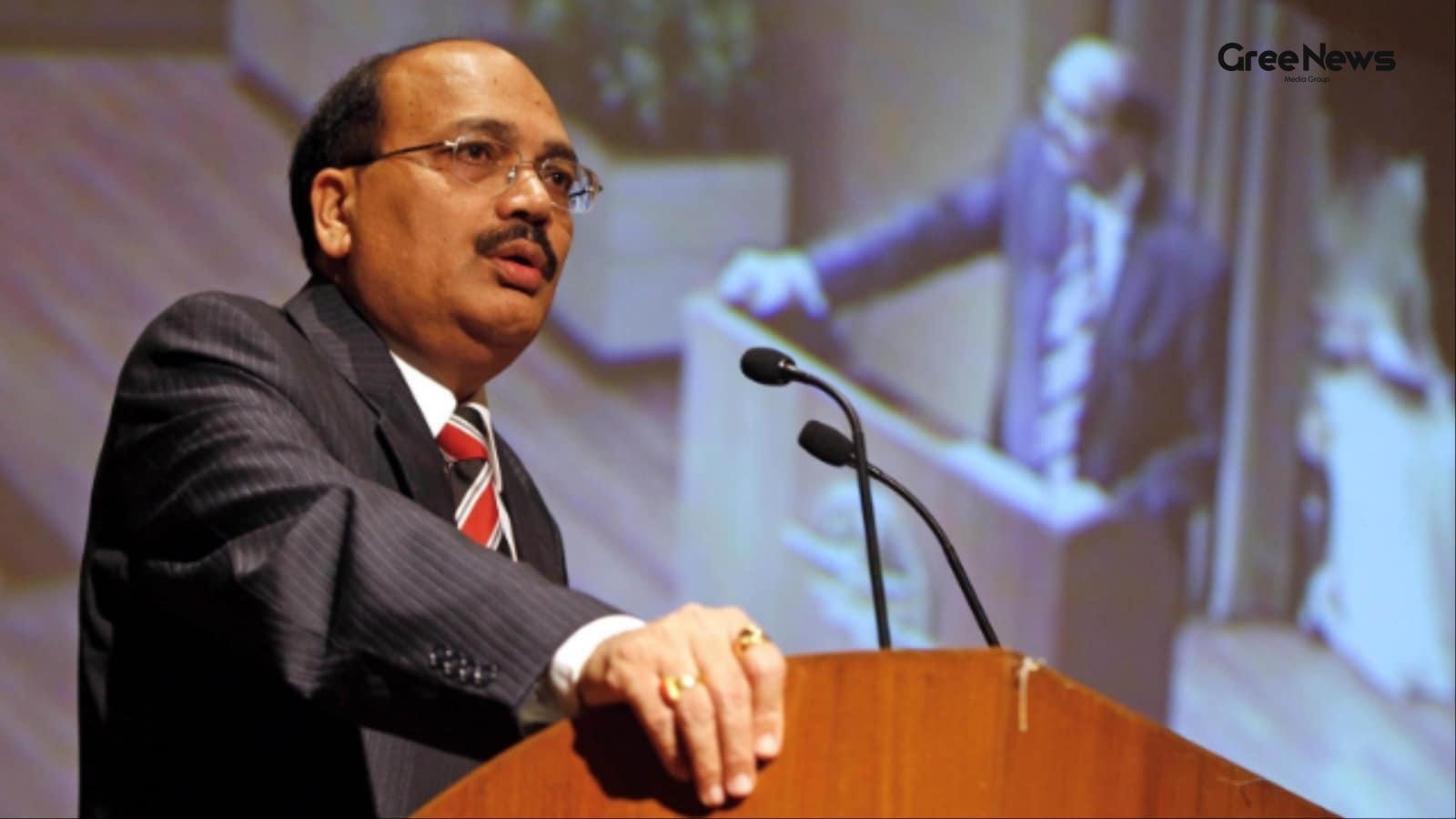
Chief Justice Surya Kant stepped in on the matter involving threats and intimidation aimed at former Bombay High Court judge Justice Gautam Patel. This happened while he was visiting the UK, raising the issue with India’s High Commissioner there. It came out of a report by The Times of India. The wh
Jun 10, 2026 by Gree News Team

Intersection of Art, Politics, and Public Morality at Film Screening
The buzz around the screening for ‘Bharat Bhhagya Viddhaata’ was definitely something special that Tuesday evening in Delhi. It wasn't just about watching a movie; it felt like a convergence a mix of film fans, some political heavyweights, and a surprising amount of high-level government presence. P
Jun 10, 2026 by Gree News Team
The Political Feud: Shivakumar vs. Kumaraswamy and the Vokkaliga Rivalry
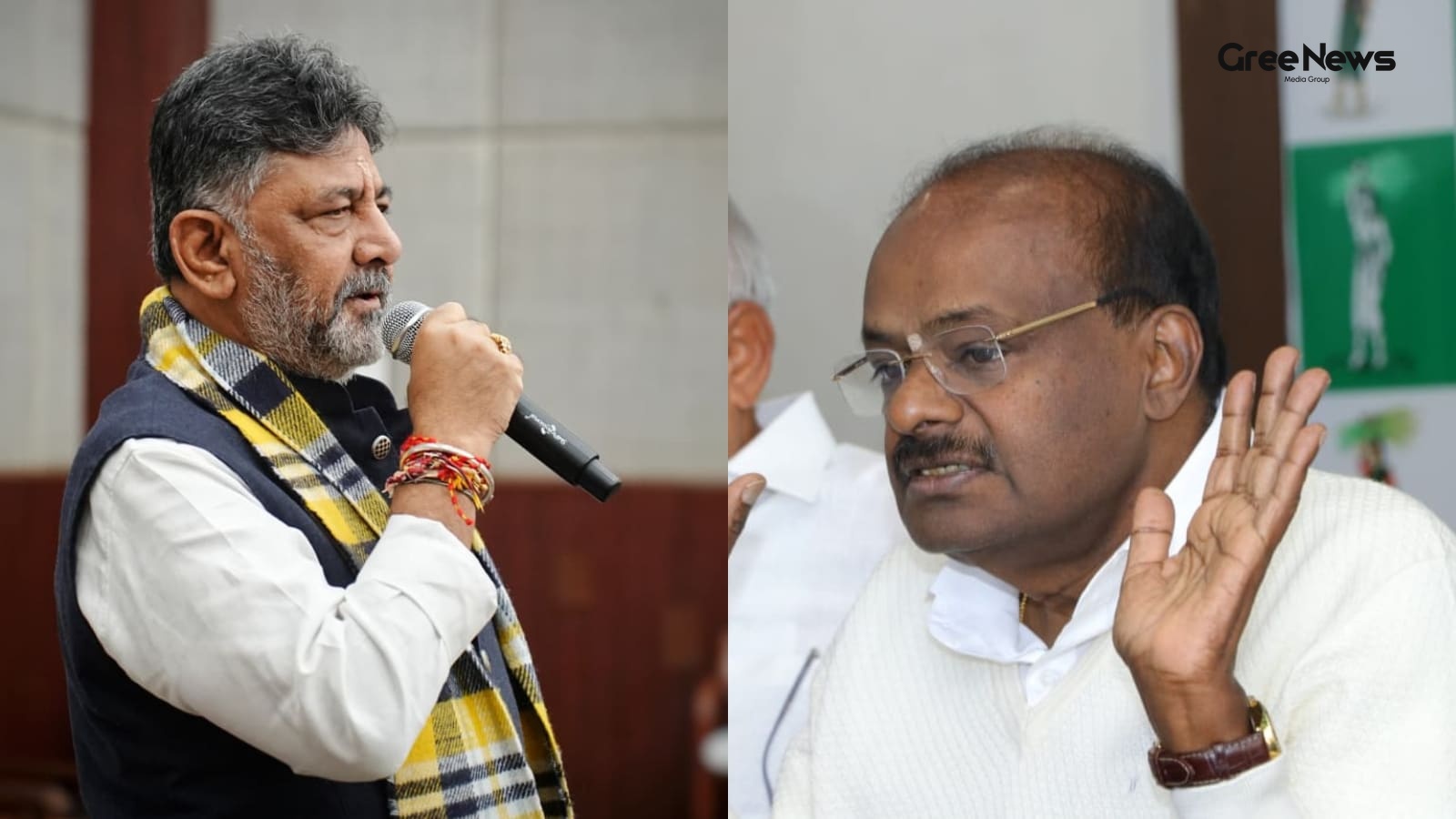
A meeting that hasn't even happened is already sparking political sparring. Karnataka Chief Minister DK Shivakumar and Union Minister HD Kumaraswamy. It just underlines how bitter one of the state’s longest-running rivalries still is. Shivakumar was doing some outreach, a carefully choreographed exe
Jun 10, 2026 by Gree News Team
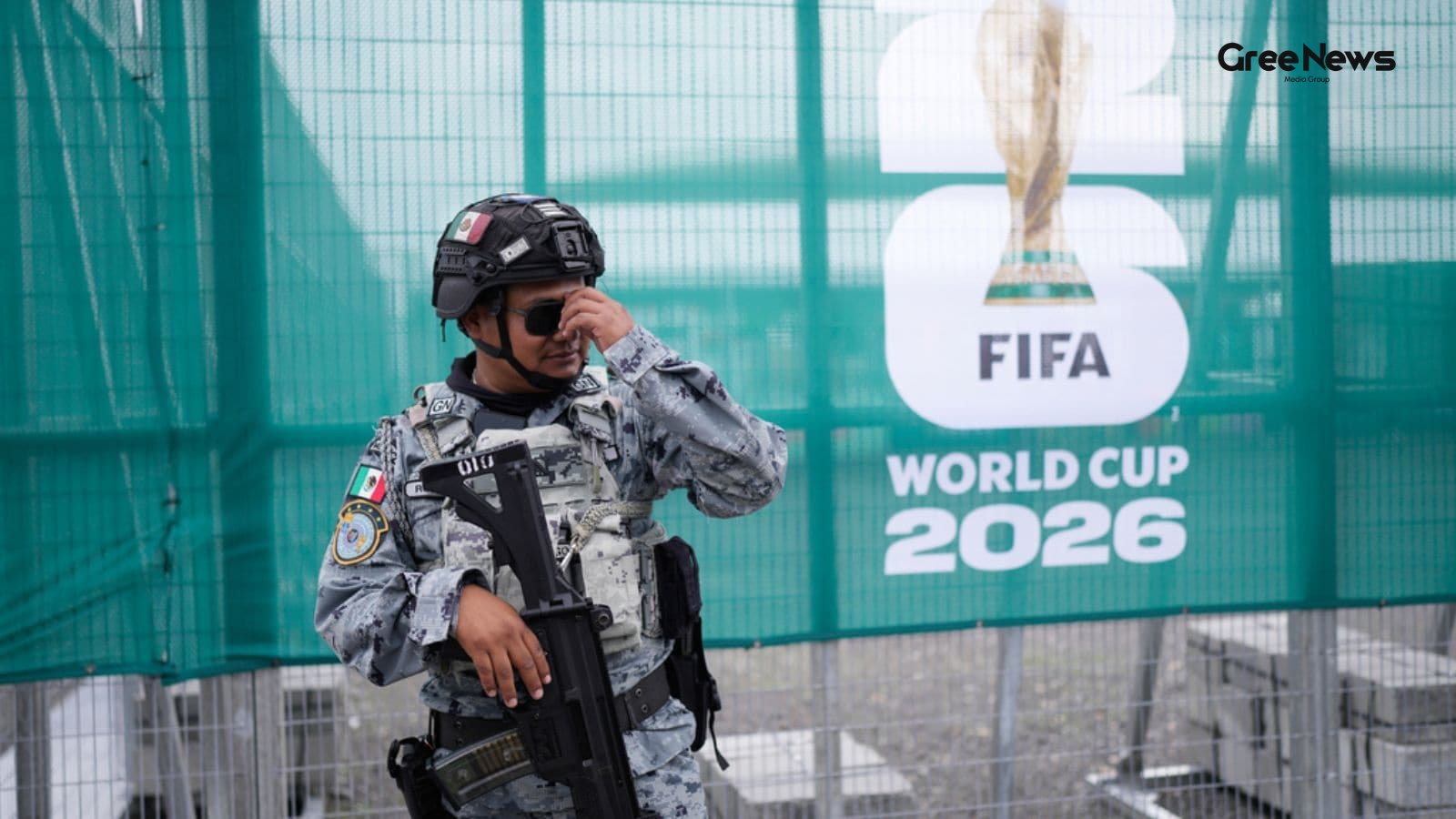
Protest and Political Standoff in Mexico City Before the World Cup
A protest choked off an avenue leading right to Mexico City’s Azteca Stadium for hours on Tuesday. It was just days before that massive World Cup opening match. As football fans started flooding in, all those co-hosts the US, Canada, and Mexico you see the real mess happening back home. Thousands of
Jun 10, 2026 by Gree News Team
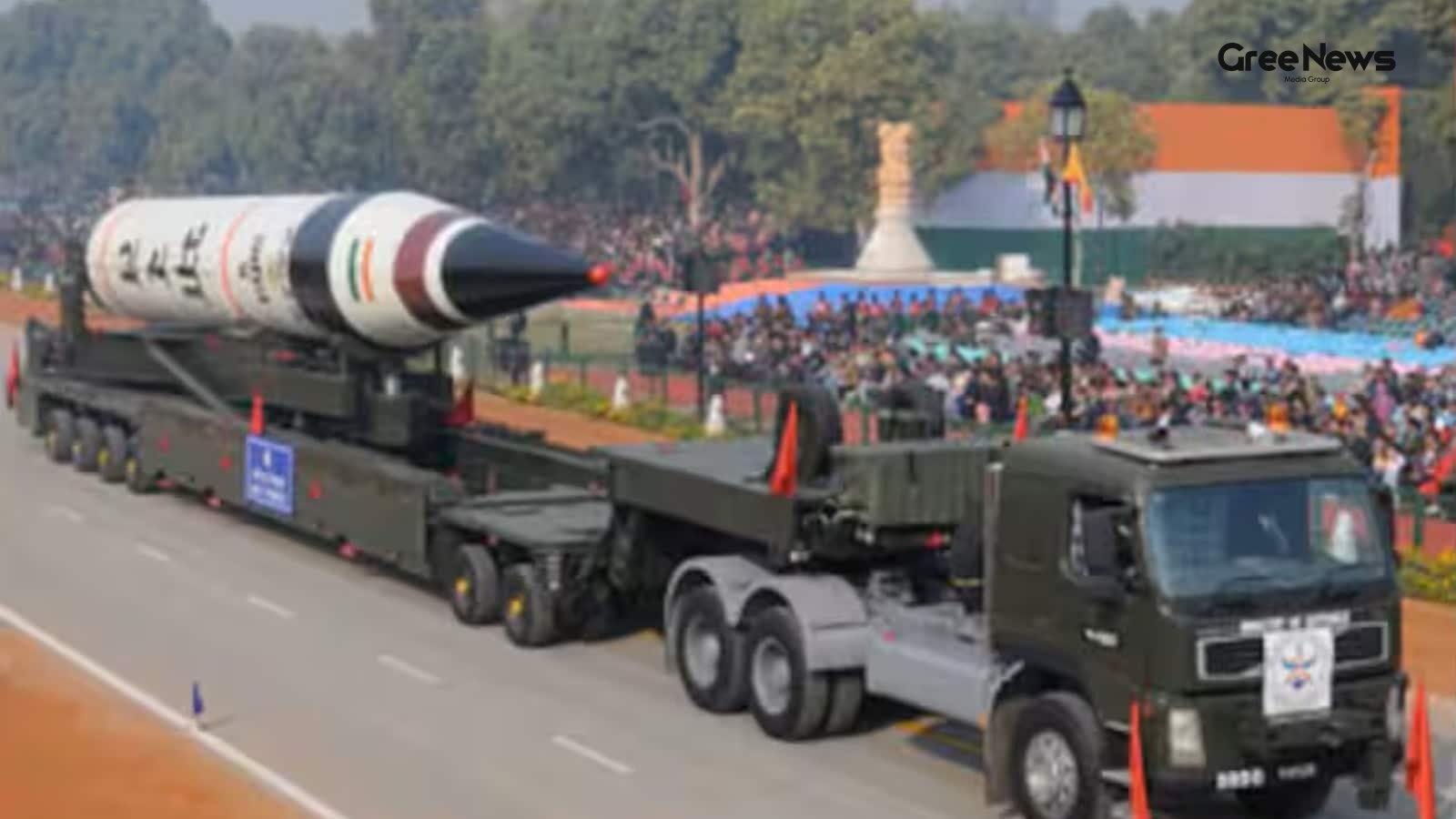
The Global Nuclear Arms Race: Spending, Capabilities, and Future Risks
Nearly eight decades since Hiroshima and Nagasaki. And the world’s nuclear powers aren't slowing down. They keep spending more, modernizing faster, and experts are watching them move weapons out of storage and into potential use. It’s a real arms race happening right now. The nine states that hold n
Jun 10, 2026 by Gree News Team

The Chaos of Cinema: Volume, Competition, and the Shifting Market
The Friday arrived packed. June 12th. It wasn't just another day; it was a collision of cinema. Nine films, all hitting the screens at once. *Main Vaapas Aaunga*, Imtiaz Ali’s directorial effort. Then you had Kangana Ranaut’s *Bharat Bhhagya Vidhaata*. And the horror mixed in Vikram Bhatt’s *Haunted
Jun 10, 2026 by Gree News Team

Stock Market Updates: June 10th Performance and Sector Analysis
Stock market updates today, June 10th. Everything turned sour in late trading Wednesday. Domestic equity markets basically gave up all those gains they managed to hold during the day. Heavy selling hit midcap, smallcap stocks, plus metals, realty, and financial names dragging the main indices into n
Jun 10, 2026 by Gree News Team

Iran Football Team Travel and World Cup Arrangements
Iran’s football team is heading to Los Angeles, apparently. They announced Tuesday that they'll be flying there the day before their first group-stage game against New Zealand. It feels like a lot happening all at once. But where exactly will they be staying? They won't actually be in L.A. for long.
Jun 10, 2026 by Gree News Team

The Impact of Gen AI on Job Applications and Hiring Strategies
When you start looking for a job, everyone builds this whole structure: the résumé, that killer cover letter, tailoring it perfectly. The whole point was always that application could make you jump out from the crowd of hundreds of applicants. But honestly? Recruiters are starting to think that play
Jun 10, 2026 by Gree News Team
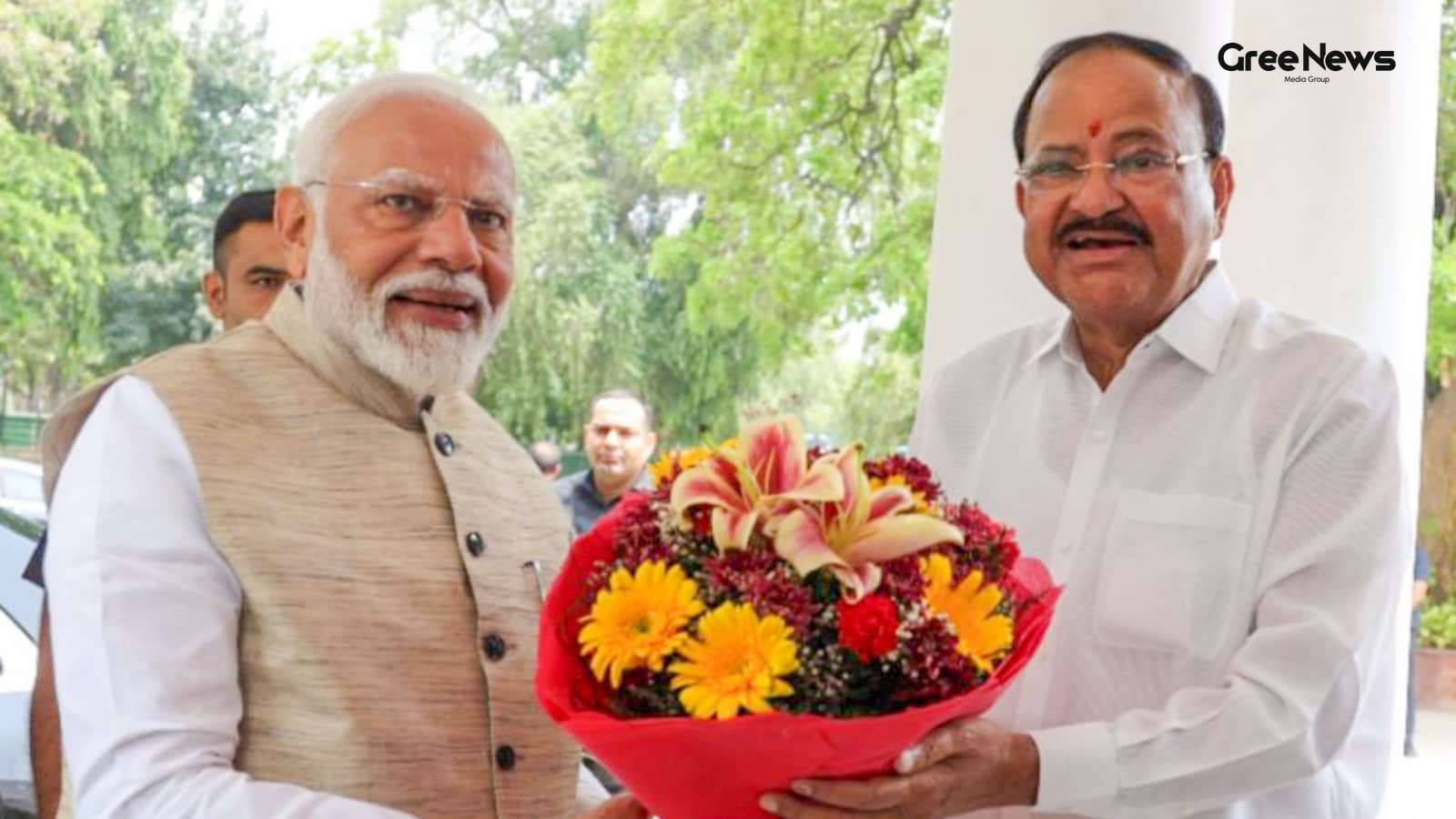
Narendra Modi's Milestone: India's Longest-Serving Prime Minister
Narendra Modi just hit a huge milestone. India’s longest-serving elected Prime Minister. Forty-three hundred ninety-nine days in office now. That beats Nehru's record, which was the first one. Former Vice President Venkaiah Naidu spoke about it. He praised the leadership and everything Modi has done
Jun 10, 2026 by Gree News Team