The Intersection of Petty Scams, Systemic Failure, and National Disillusionment
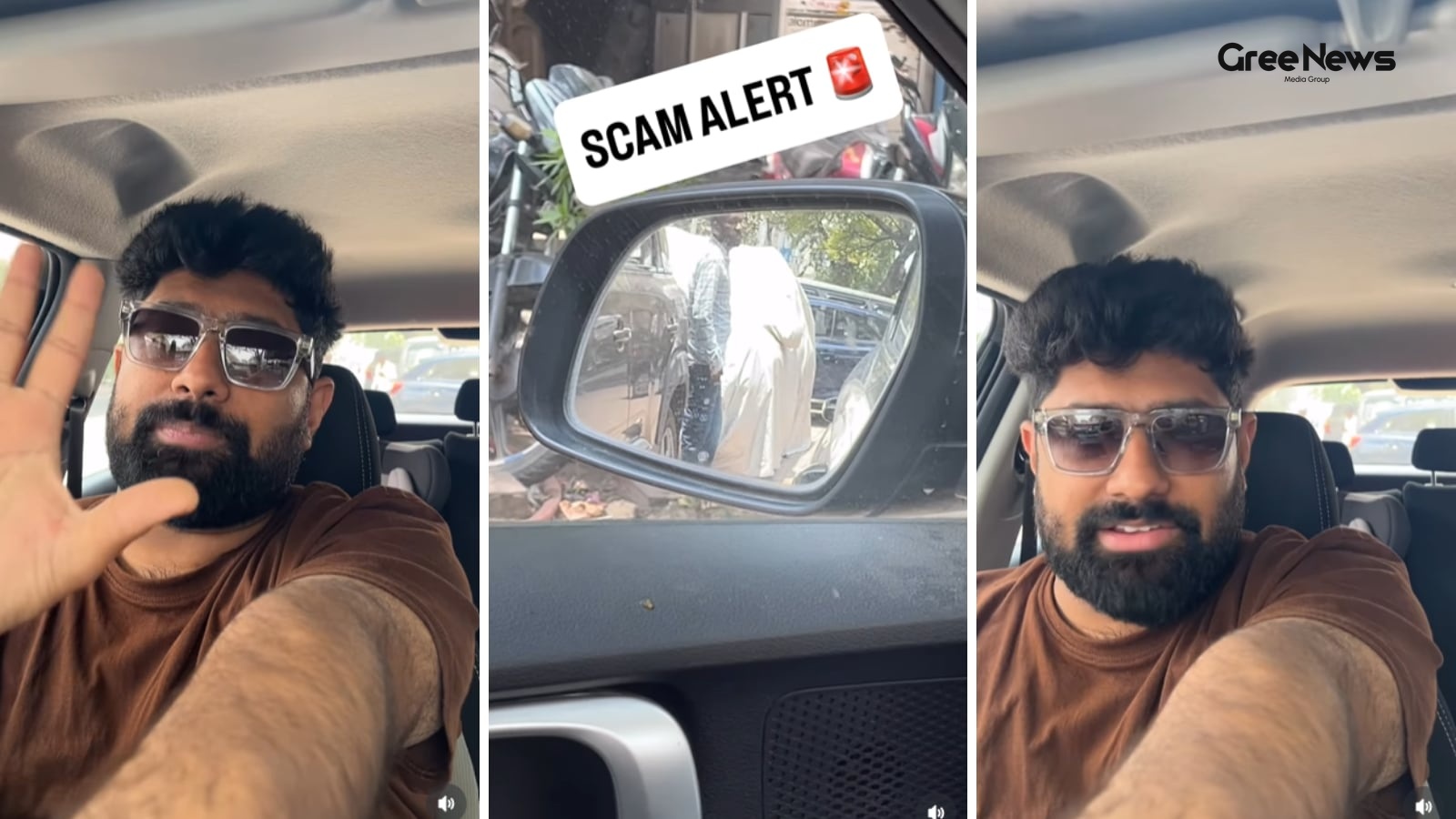
A Delhi man started this whole thing online, you know? Just rambling about what happens on the streets. It wasn't some official police report or anything formal. it was just him talking, trying to explain how these things happen, how people are getting ripped off in the shadows of everyday life.
He posted this video, something shared on Instagram by @carsutraofficial. and the views? crazy. forty million clicks already. that kind of reach… it just pulls you into the mess.
The core of what he was talking about, the actual mechanism of the scam, is disturbingly simple, yet brutal in its execution. It all starts with a setup. Someone spots money, loose change maybe, lying near a parked vehicle. And then, the immediate, instinctive reaction that they exploit. The goal isn't just the cash itself; it’s bypassing security.
He laid out the scenario clearly enough, even if the delivery felt messy. He described how this trick is played out in real-time. It’s about exploiting a moment of distraction. A momentary lapse in caution. That small window is all the thieves need.
“Abhi bhai kisi ne mereko khadkaake bola ki aapke yahan paise gire hue hain,” he said in the video. “Yeh kareeb 100-150 rupees hain, yeh meri gaadi ke paas phek kar gaye hain.” See how casually they frame it? Like this is some sort of accidental discovery.
The implication, that’s what sticks with you, is that people are being manipulated into a position where their own security becomes the vulnerability. The next step, the pivot from finding money to accessing something more valuable that's where the real danger lurks.
“Yeh peeche dekhi banda, yeh khada hai bahut der se meri gaadi ke peeche,” he continued. He paints this picture of patience, waiting. It’s not a sudden grab; it’s calculated positioning. The plan unfolds slowly, deliberately.
Then comes the critical step: unlocking.
He explained that the driver is coaxed, or perhaps tricked, into opening the door. Why unlock? Because in that moment of momentary compliance, the whole environment shifts. It becomes easier for someone else to act.
“Inka plan yeh hai ki jo main yeh gaadi ka gate khol kar 10-10 rupees ke note uthane jaunga, toh dusri taraf se yeh mera laptop utha le.” A laptop. Suddenly, the low-stakes transaction of petty cash escalates into high-value theft. It’s not just about pocket money anymore. It's about property, about digital assets left unsecured inside those vehicles.
He articulated the vulnerability perfectly: unlocking the car creates a window. That freedom allows for rapid action from those waiting in the shadows. He acknowledged his own helplessness at that moment he couldn't stop them then. But he insisted on naming it for what it is: a scam. A calculated, layered deception targeting human trust and momentary inertia.
And this whole observation, viewed through the lens of social media reaction, immediately pulls the thread away from just being a street crime story. It becomes something much heavier.
The comments that flood in afterward are not just about petty annoyance or funny jokes. They start touching on a deeper, almost existential frustration. You see it reflected there. “When it’s about scams, Delhi plays on another level.” That phrase isn't just commentary on local policing; it feels like a reflection of the entire systemic structure. It suggests that in this environment, trust is already fractured.
Then you have the purely cynical takes. “Wow at least scammers are getting creative.” There’s a dark humor there, an acknowledgment that criminality thrives by adapting. They aren't just operating blindly; they are learning how to exploit the specific weaknesses of their surroundings. It’s adaptation as survival.
But then, things pivot into something much more serious, almost political in tone. You see flashes of raw despair mixed with a strangely misplaced sense of historical pride. There was one comment that cut right through the noise: “Isse pta chalta hai humara desh kitna barbaad ho chuka hai.” That’s where the observational quality really sharpens. It’s not just about stolen laptops or petty cash. it's about a perceived failure of governance, a sense that something fundamental has been eroded over time.
And right there, layered on top of that feeling of ruin, came this strange juxtaposition: “And Andhbhakt kehte hai papa ne desh ko Mahan bna diya hai.” It’s an incredibly loaded statement. It brings in a specific cultural and political narrative the idea of a foundational, almost mythic national achievement. But when you read it alongside the reality described by the video scams, theft, perceived systemic failure it creates this jarring dissonance. It forces a confrontation between a grand, idealized history and the messy, insecure present lived on the streets.
It’s that collision of narratives, isn't it? The gap between the official, proud narrative and the lived reality where basic security feels optional.
The reporting rhythm here needs to slow down. You can’t just stack facts anymore. You have to let that feeling linger. The way people react online isn't random noise; it’s an unfiltered reflection of how they process insecurity and perceived injustice. It suggests that the digital space, ironically, becomes a place where these deep societal fractures are exposed, even if the conversation around them is often fragmented and laced with irony.
Think about the nature of trust itself in this context. When you see people discussing how easily things can be taken how quickly an opportunity for theft springs up based on simple psychological manipulation it forces a re-evaluation of the social contract we implicitly aGree to live under. Is that aGreement still valid when vulnerability is so easily exploited?
The transition from the specific mechanics of unlocking doors to the vastness of national disillusionment requires careful handling. It’s not an easy bridge, but it has to be there if you want to capture the full scope of what those reactions imply. The reality on the ground the petty theft and scams is inextricably linked to the larger narrative about governance and national identity. They are two sides of the same broken coin.
The urgency isn't in the immediate danger of one specific car being targeted; it’s in the collective awareness that this vulnerability is systemic. It suggests a breakdown not just in physical security, but in the institutional structures meant to protect citizens from exploitation. The ease with which these scams operate highlights gaps where accountability seems nonexistent.
And that brings us back to the observation of how information flows now. These raw moments, unfiltered by official filters, get amplified immediately. They become shorthand for frustration. The fact that people jump instantly to commentary about the state of the nation, linking a street-level theft story to grander concepts of national decline it shows how quickly context shifts in our collective consciousness. It’s a messy, immediate form of political expression, born from shared experience rather than formal analysis.
The silence around these kinds of observations is deafening. We are left watching the performance of broken systems unfold online, reacting to it with a mix of dark humor and profound sadness about where we stand. It’s an uneven rhythm because there's no clean ending, just more layers of commentary emerging from the chaos.
Written by Gree News Team — Senior Editorial Board
Gree News Team covers international news and global affairs at Gree News. Our collective of senior editors is dedicated to providing independent, accurate, and responsible journalism for a global audience.
More from Top News
View All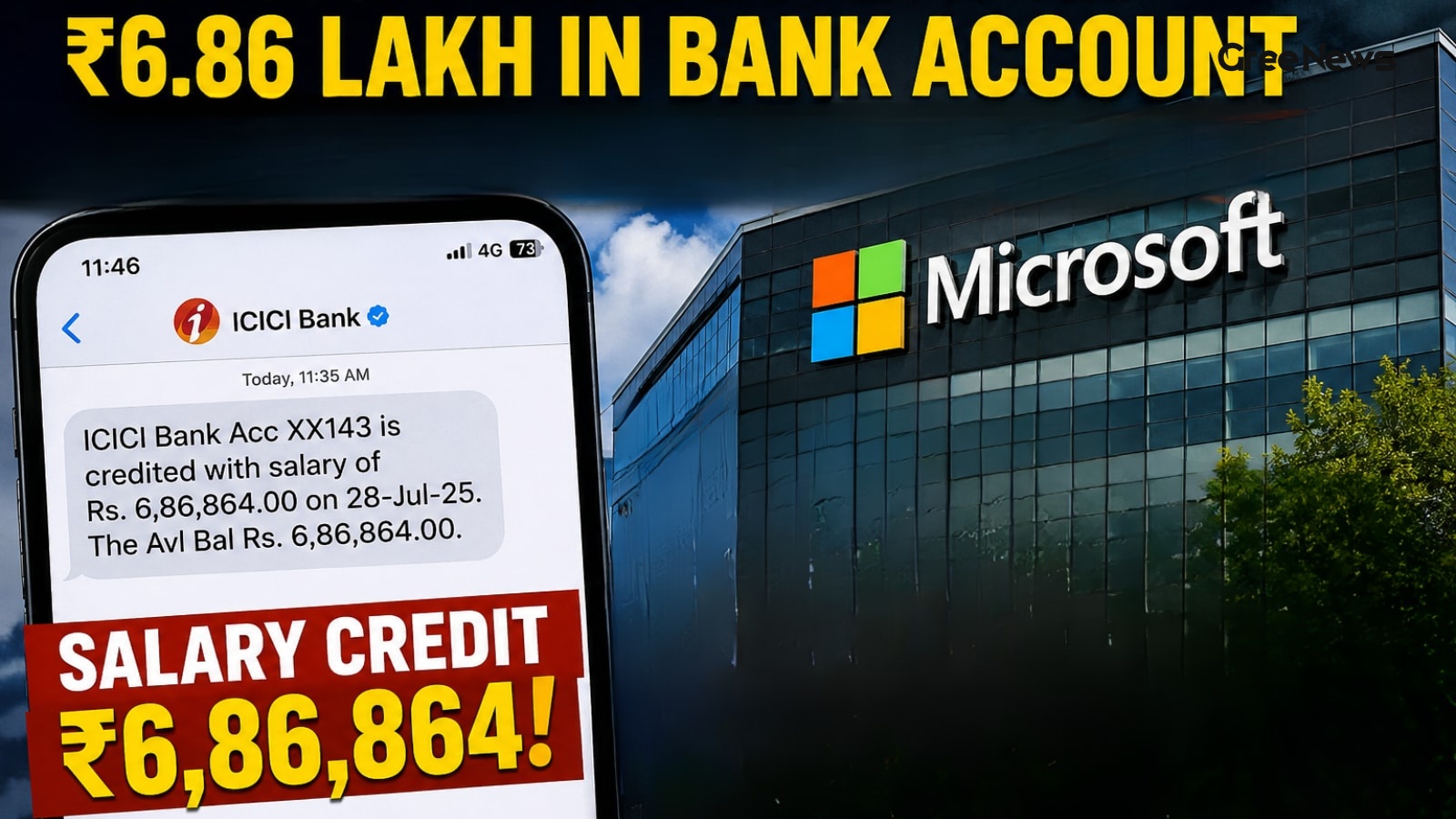
The Reality of Tech Salaries and Social Media Hype
A screenshot surfaced online recently. It was this image that really caught fire across social media. Someone posted it claiming to show a massive salary credit for a fresher who just landed a spot at Microsoft. It immediately started sparking arguments. People were debating the reality of these sta
Jun 10, 2026 by Gree News Team
Accountability and Ethics: The Fallout of a Workplace Controversy
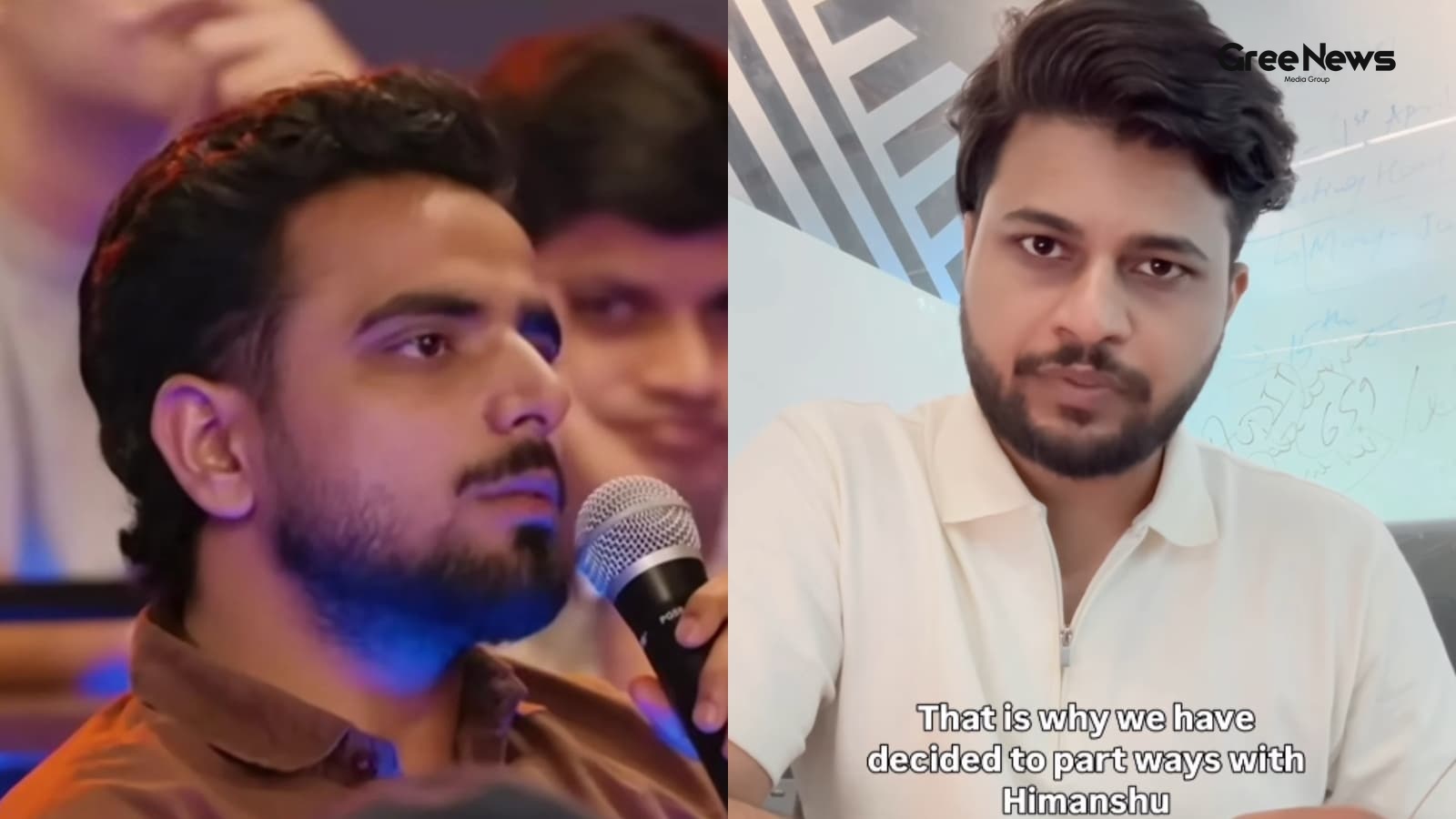
That guy from Gurugram who blew up online over a joke he made on Pranit More’s show is now facing real consequences. Himanshu Jangra was the one involved. He showed up on that episode and brought up some stuff about a date. Apparently, he said he asked for "sexual favours" in return for dinner back
Jun 9, 2026 by Gree News Team
Federal Judiciary Strikes Down Controversial H-1B Visa Fee
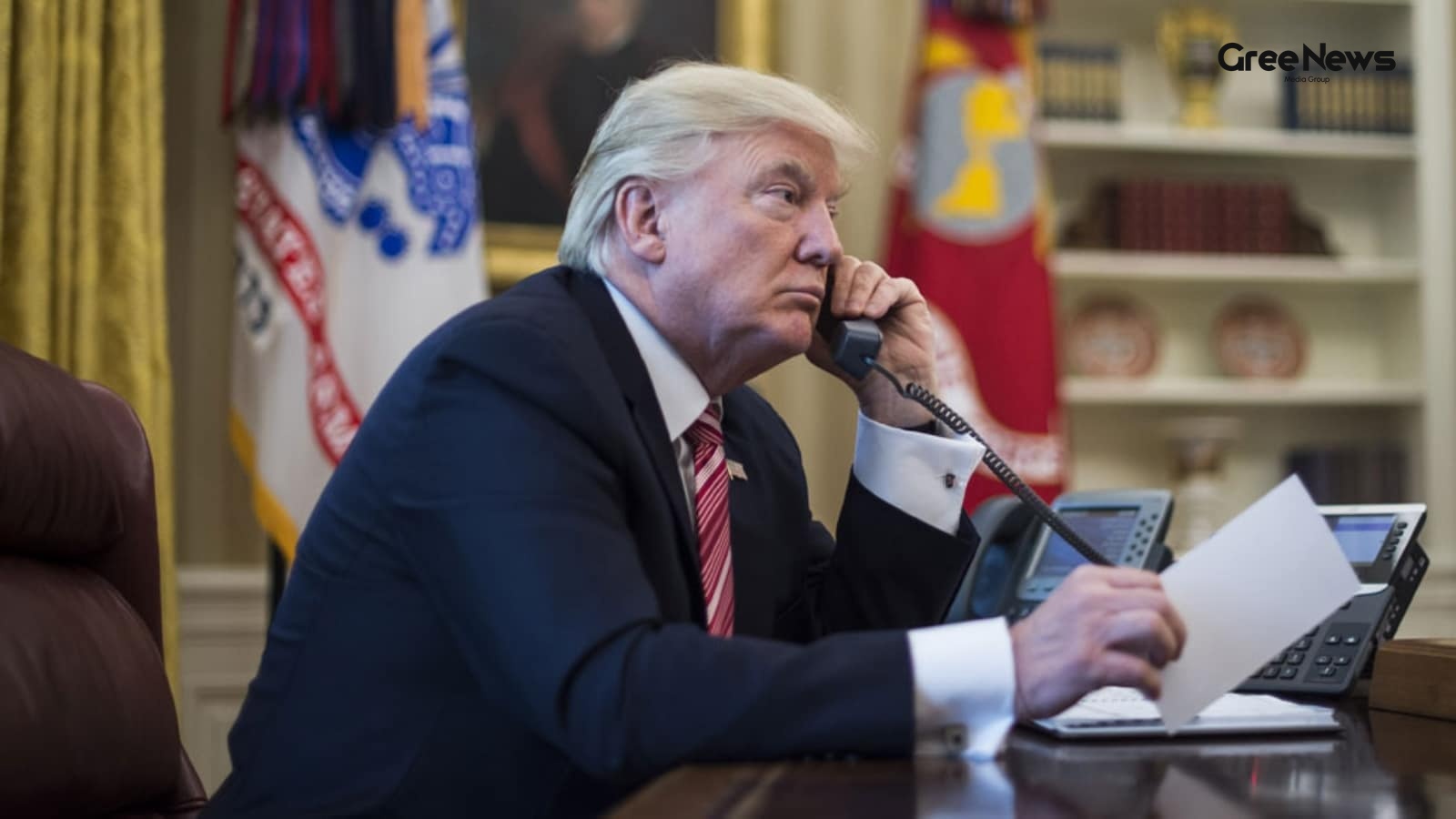
Donald Trump really lashed out at the federal judiciary after some Massachusetts district judge struck down his administration’s controversial $100,000 fee on new H-1B visas. It was a big deal. The ruling immediately caught the attention of immigration advocates and the Indian diaspora community. Ma
Jun 9, 2026 by Gree News Team

Employee Salary Deduction and Labor Policy in Kochi
A guy in Kochi, Kerala. managerial stuff. joined a company there. then he found out his salary got cut for taking approved leave. totally shocked. He dumped it all on social media. asked people what to do about this weird policy. some were already saying, “This is definitely not normal.” He posted h
Jun 9, 2026 by Gree News Team
Latest Headlines
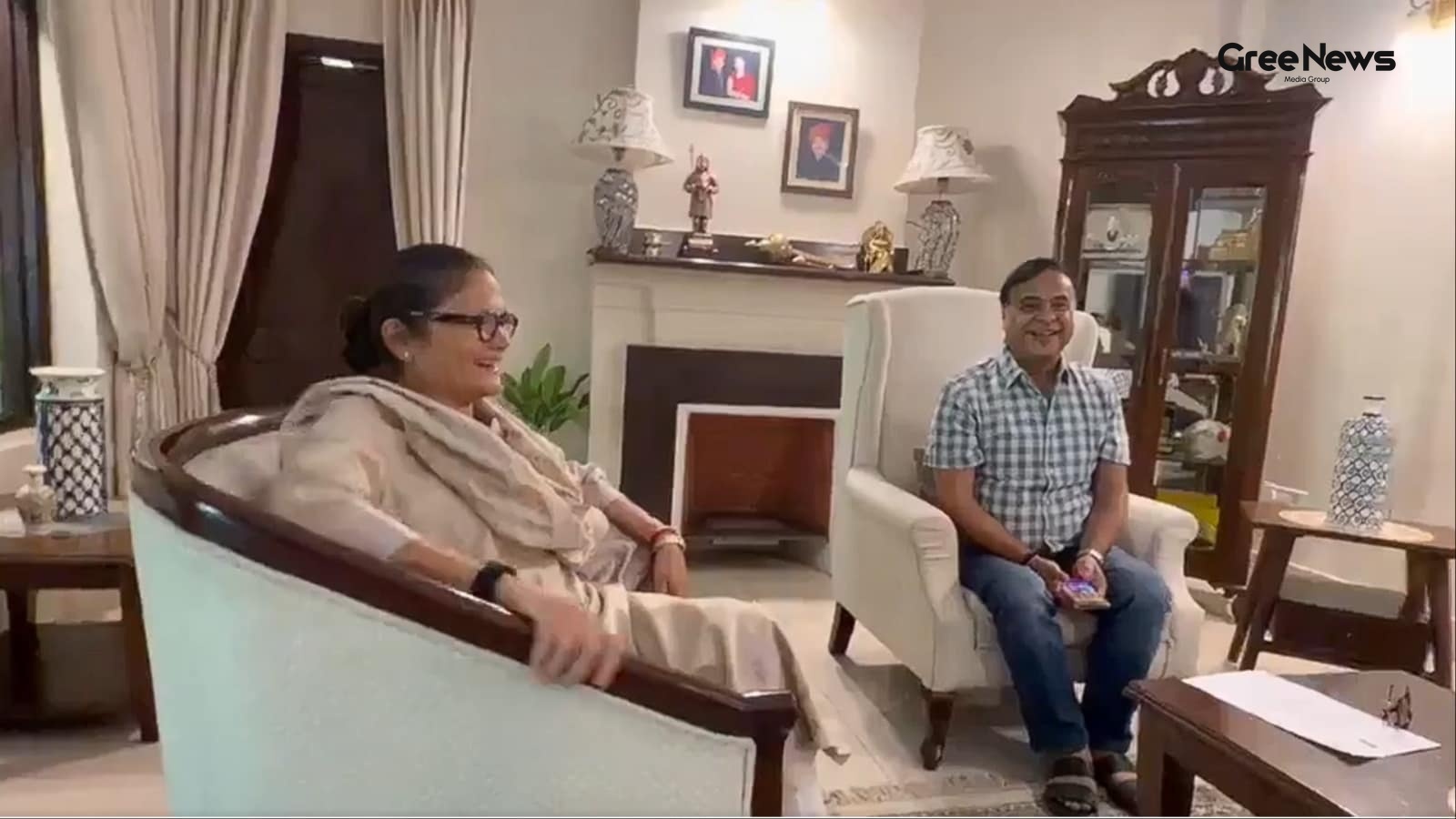
Political Speculation and Internal Turmoil within the TMC
Fresh visuals surfaced of Sushmita Dev meeting Assam Chief Minister Himanta Biswa Sarma. That kind of thing just kicks the speculation into high gear about her next move. It’s all about her potential entry into the BJP, right? This happened right after she stepped down from Rajya Sabha and walked ou
Jun 10, 2026 by Gree News Team
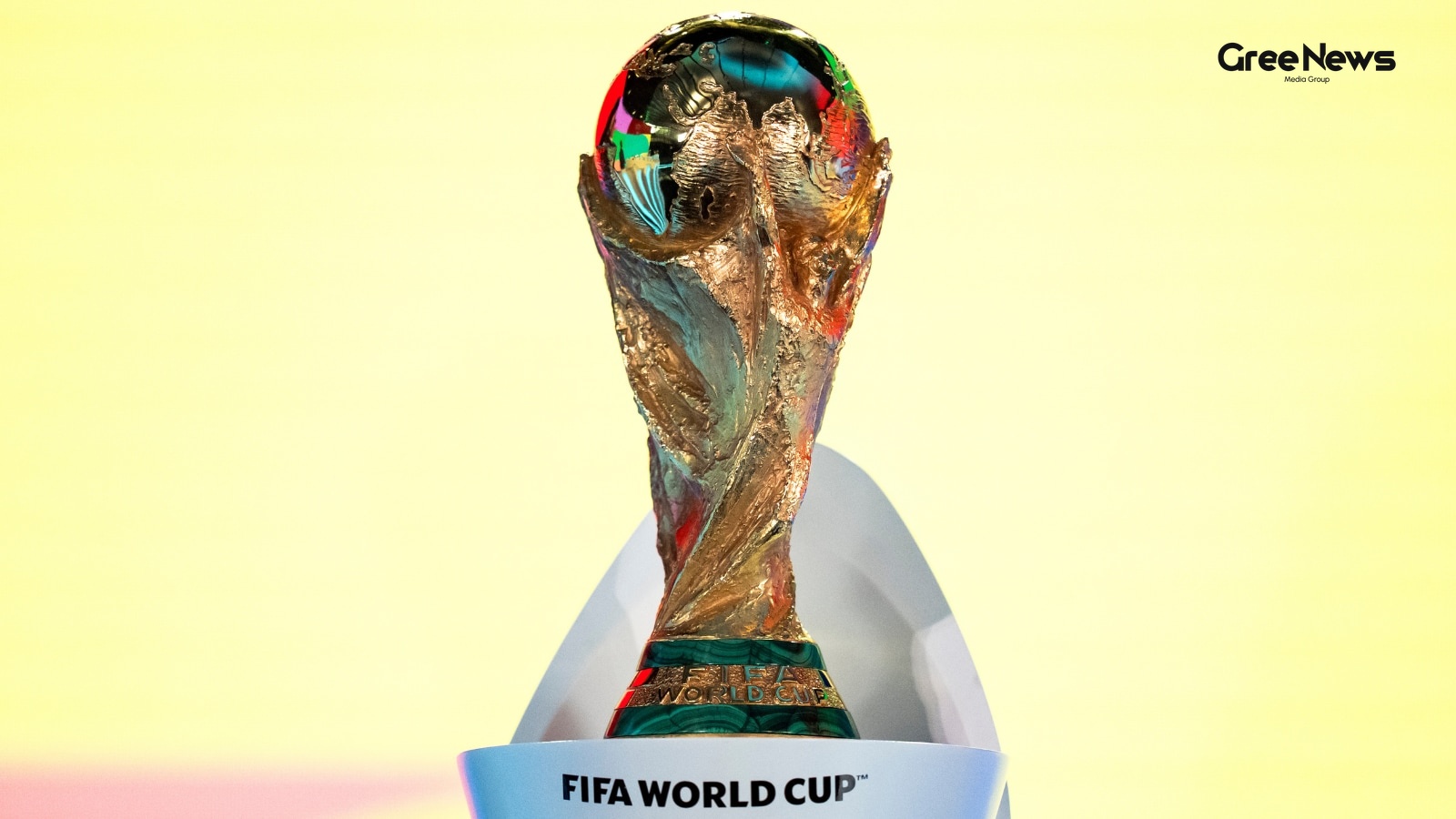
FIFA World Cup 2026: Structure, Geography, and the Official Match Ball
The FIFA World Cup 2026 is really starting to feel imminent now. It’s heading toward North America the USA, Mexico, and Canada are slated to host this massive global spectacle. People are talking about it constantly. It’s not just a standard tournament anymore. This time around, they’re throwing way
Jun 10, 2026 by Gree News Team

Lionel Messi and Argentina's World Cup Journey in Group J
Argentina’s taking on Group J in this new setup USA, Mexico, and Canada it feels like more than just football now. It’s about that farewell, isn't it? Lionel Messi is chasing something special right now, playing out this final chapter with the Albiceleste against Algeria, Austria, and Jordan. There’
Jun 10, 2026 by Gree News Team
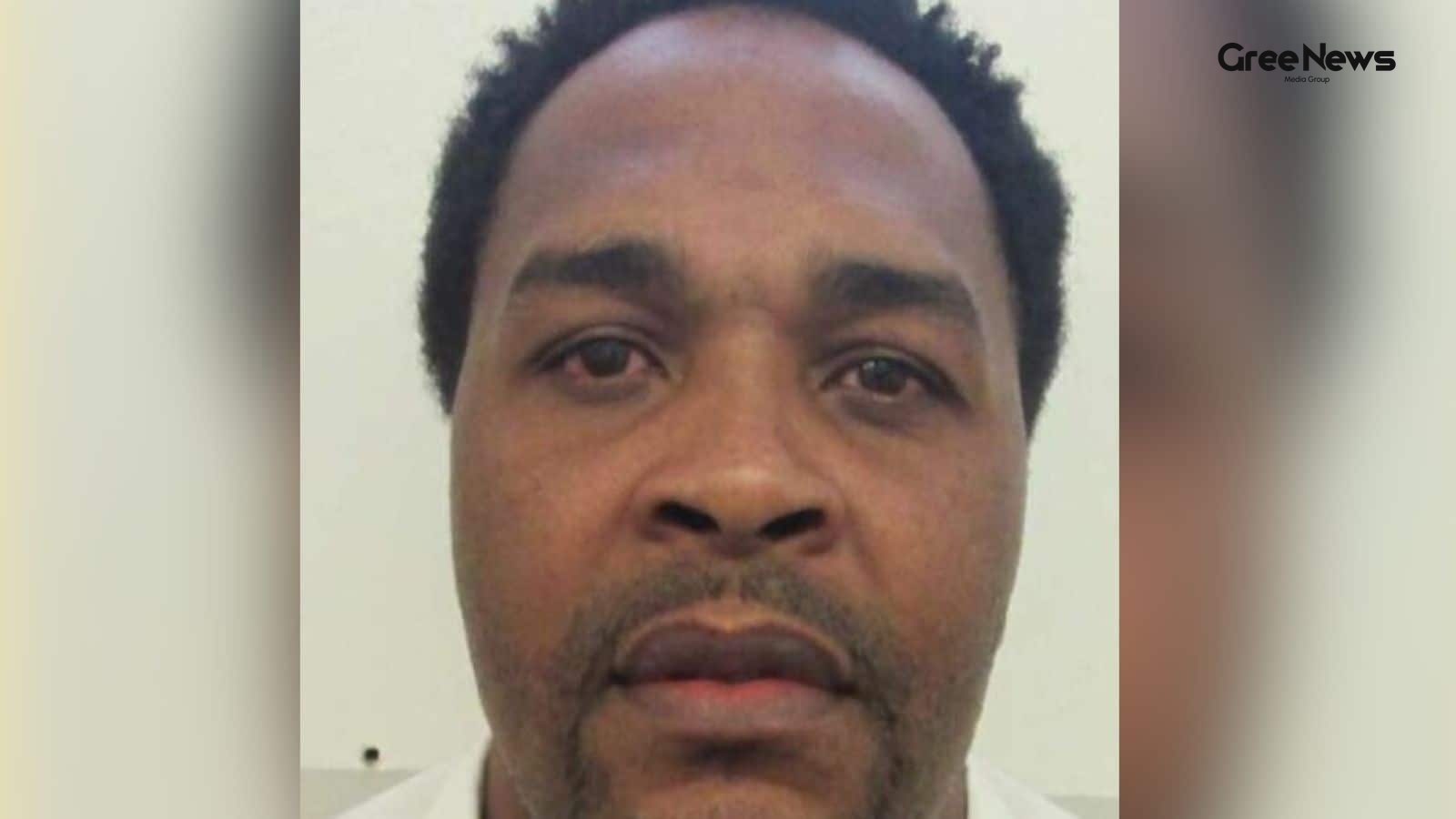
Federal Judge Bars Nitrogen Gas Execution in Alabama
A federal judge just slammed the door shut on Alabama’s plan to use nitrogen gas for executing Jeffery Lee. Permanently barred it, ruling the method violated basic constitutional rights about cruel and unusual punishment. This decision dropped like a stone. It came just one day after an appeals cour
Jun 10, 2026 by Gree News Team
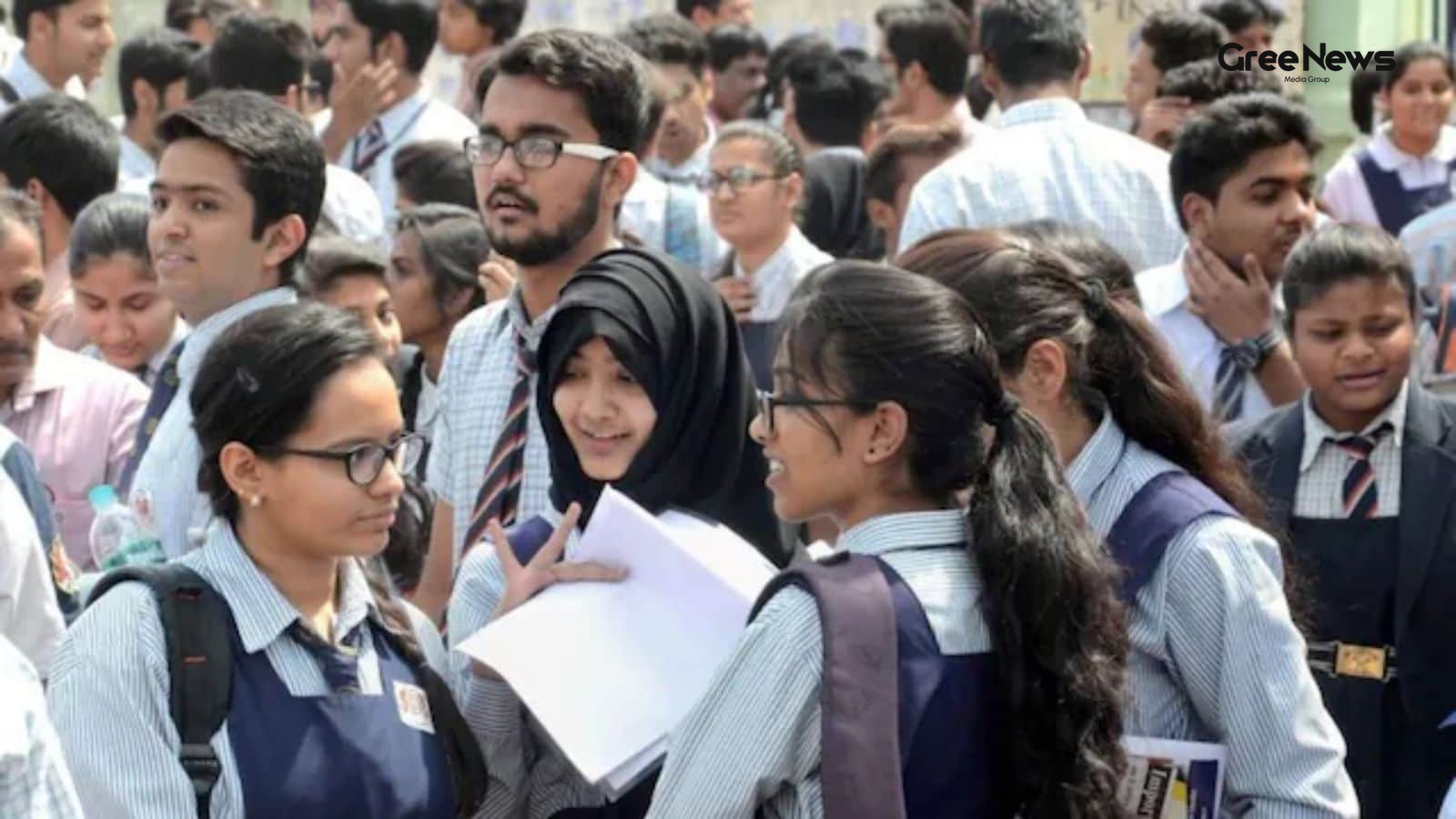
Kerala Board Plus One Results 2026 Announcement and Checking Methods
The Kerala Board Plus One results for 2026 are finally coming today, June 10th. That’s when the Directorate of Higher Secondary Education will officially announce everything. Students who took the DHSE Kerala Class 11 exams in 2026 can start checking their scores now. You have a few places to look,
Jun 10, 2026 by Gree News Team
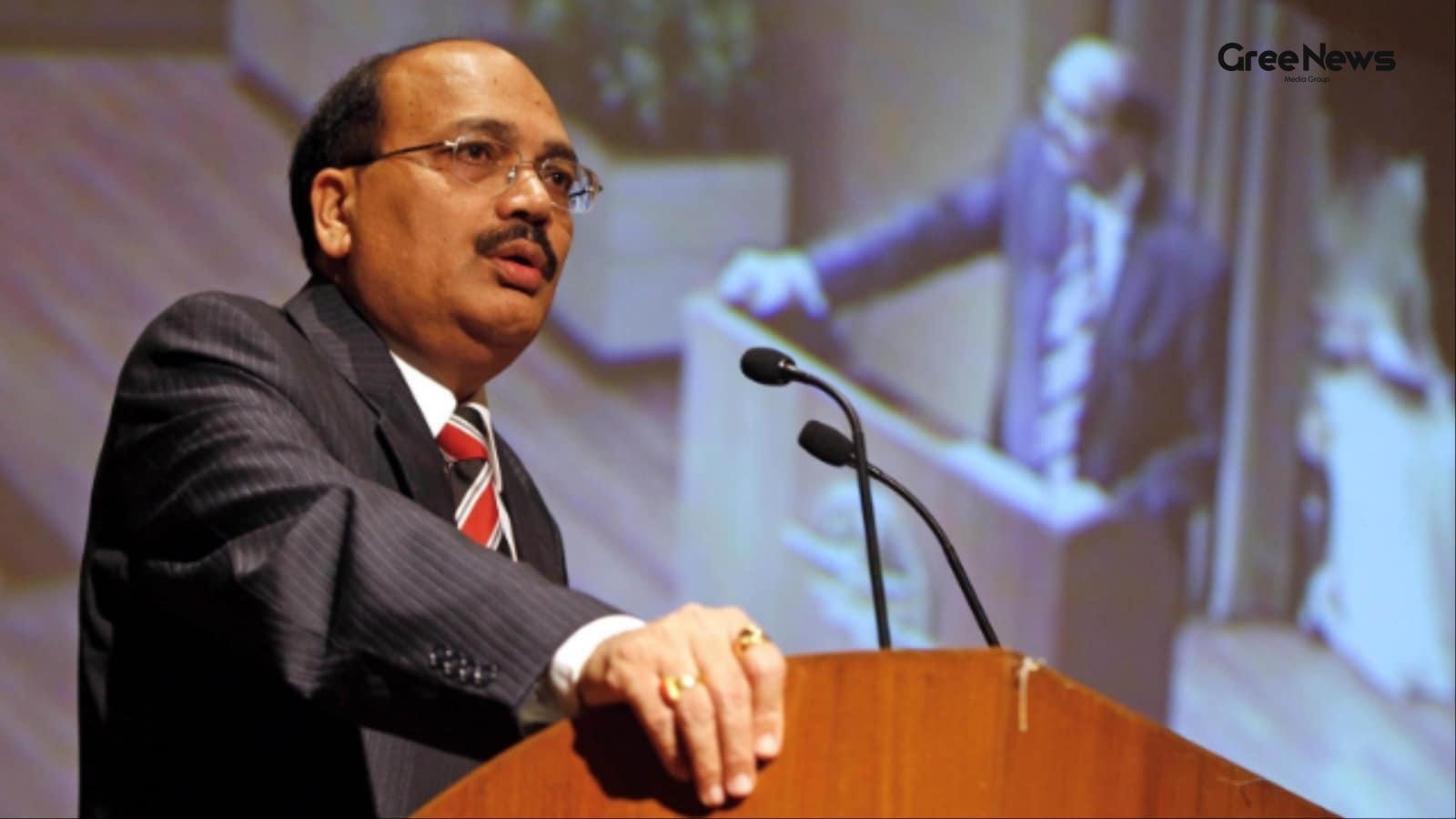
Threats and Intimidation Against Former Judge Justice Gautam Patel
Chief Justice Surya Kant stepped in on the matter involving threats and intimidation aimed at former Bombay High Court judge Justice Gautam Patel. This happened while he was visiting the UK, raising the issue with India’s High Commissioner there. It came out of a report by The Times of India. The wh
Jun 10, 2026 by Gree News Team
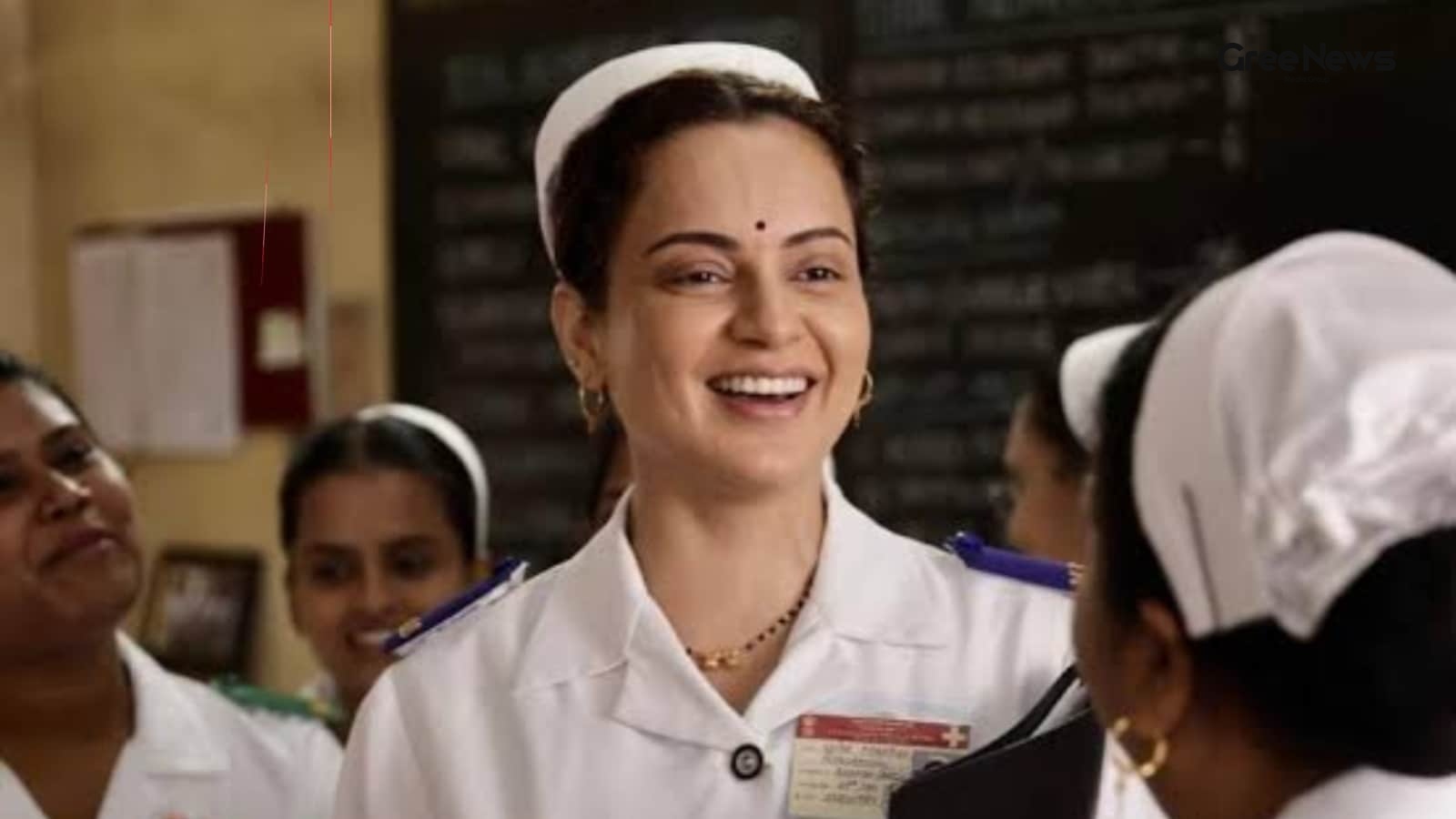
Intersection of Art, Politics, and Public Morality at Film Screening
The buzz around the screening for ‘Bharat Bhhagya Viddhaata’ was definitely something special that Tuesday evening in Delhi. It wasn't just about watching a movie; it felt like a convergence a mix of film fans, some political heavyweights, and a surprising amount of high-level government presence. P
Jun 10, 2026 by Gree News Team
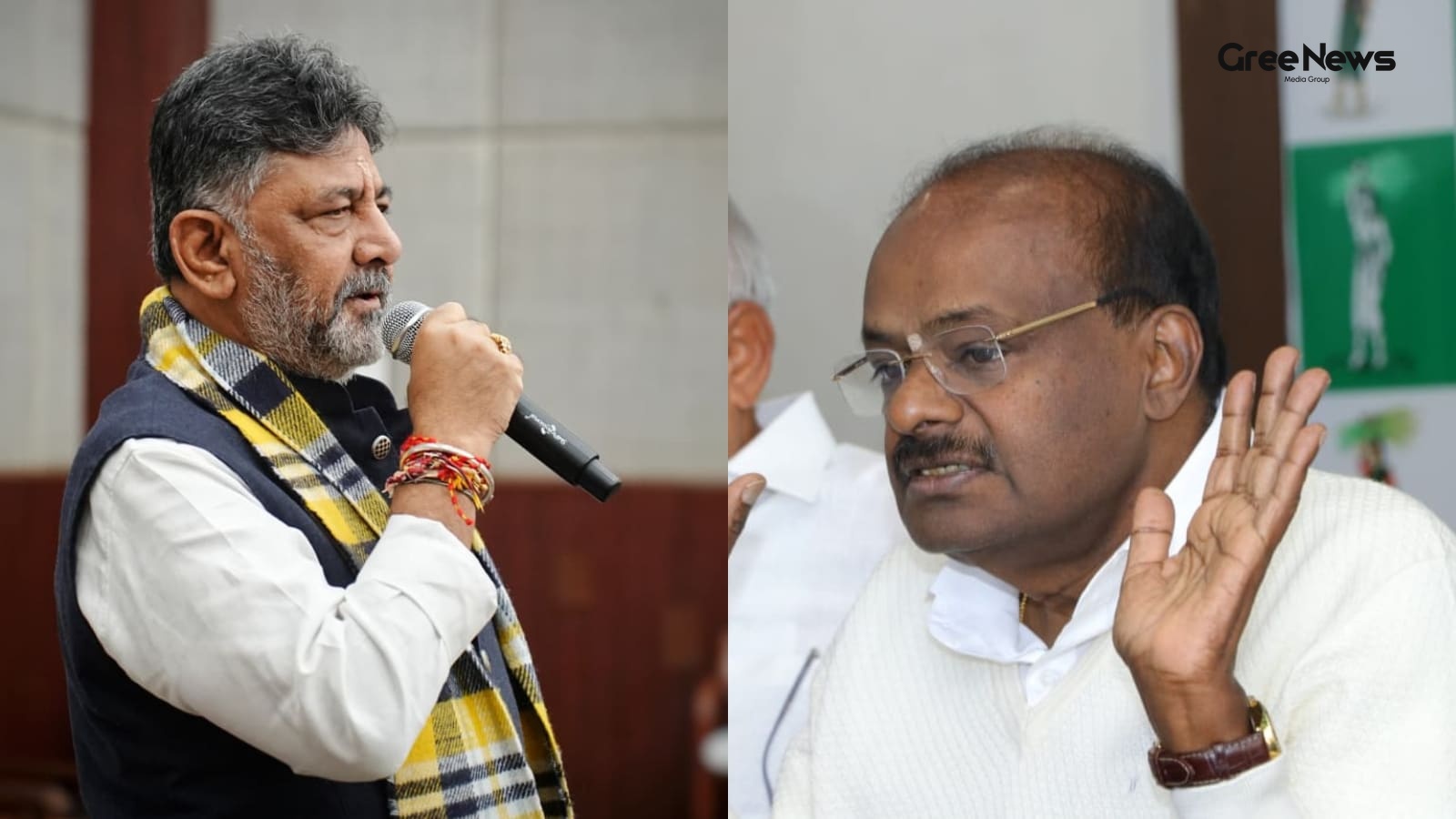
The Political Feud: Shivakumar vs. Kumaraswamy and the Vokkaliga Rivalry
A meeting that hasn't even happened is already sparking political sparring. Karnataka Chief Minister DK Shivakumar and Union Minister HD Kumaraswamy. It just underlines how bitter one of the state’s longest-running rivalries still is. Shivakumar was doing some outreach, a carefully choreographed exe
Jun 10, 2026 by Gree News Team
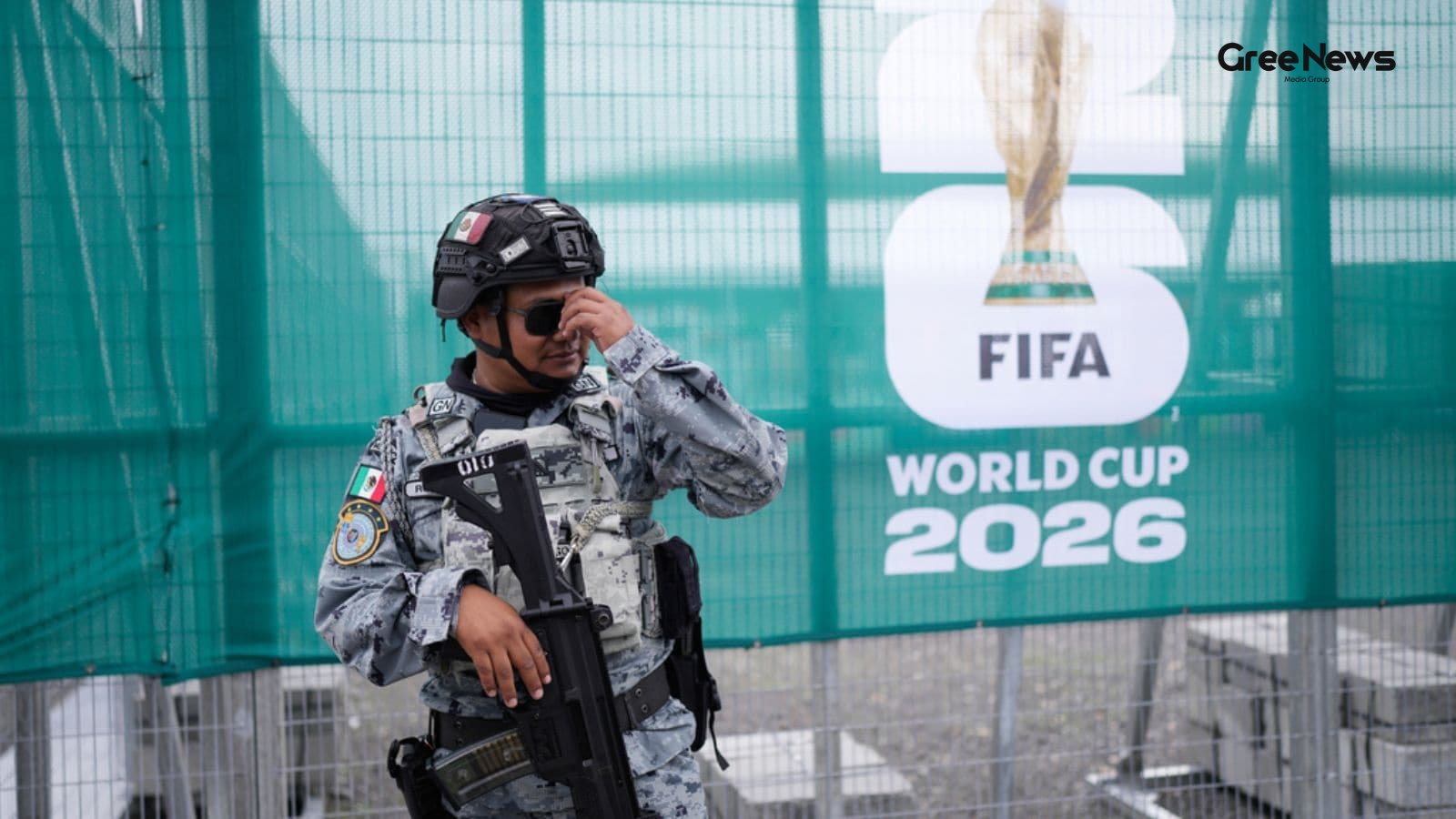
Protest and Political Standoff in Mexico City Before the World Cup
A protest choked off an avenue leading right to Mexico City’s Azteca Stadium for hours on Tuesday. It was just days before that massive World Cup opening match. As football fans started flooding in, all those co-hosts the US, Canada, and Mexico you see the real mess happening back home. Thousands of
Jun 10, 2026 by Gree News Team
The Global Nuclear Arms Race: Spending, Capabilities, and Future Risks
Nearly eight decades since Hiroshima and Nagasaki. And the world’s nuclear powers aren't slowing down. They keep spending more, modernizing faster, and experts are watching them move weapons out of storage and into potential use. It’s a real arms race happening right now. The nine states that hold n
Jun 10, 2026 by Gree News Team
The Chaos of Cinema: Volume, Competition, and the Shifting Market
The Friday arrived packed. June 12th. It wasn't just another day; it was a collision of cinema. Nine films, all hitting the screens at once. *Main Vaapas Aaunga*, Imtiaz Ali’s directorial effort. Then you had Kangana Ranaut’s *Bharat Bhhagya Vidhaata*. And the horror mixed in Vikram Bhatt’s *Haunted
Jun 10, 2026 by Gree News Team

Stock Market Updates: June 10th Performance and Sector Analysis
Stock market updates today, June 10th. Everything turned sour in late trading Wednesday. Domestic equity markets basically gave up all those gains they managed to hold during the day. Heavy selling hit midcap, smallcap stocks, plus metals, realty, and financial names dragging the main indices into n
Jun 10, 2026 by Gree News Team
Iran Football Team Travel and World Cup Arrangements
Iran’s football team is heading to Los Angeles, apparently. They announced Tuesday that they'll be flying there the day before their first group-stage game against New Zealand. It feels like a lot happening all at once. But where exactly will they be staying? They won't actually be in L.A. for long.
Jun 10, 2026 by Gree News Team

The Impact of Gen AI on Job Applications and Hiring Strategies
When you start looking for a job, everyone builds this whole structure: the résumé, that killer cover letter, tailoring it perfectly. The whole point was always that application could make you jump out from the crowd of hundreds of applicants. But honestly? Recruiters are starting to think that play
Jun 10, 2026 by Gree News Team
Narendra Modi's Milestone: India's Longest-Serving Prime Minister
Narendra Modi just hit a huge milestone. India’s longest-serving elected Prime Minister. Forty-three hundred ninety-nine days in office now. That beats Nehru's record, which was the first one. Former Vice President Venkaiah Naidu spoke about it. He praised the leadership and everything Modi has done
Jun 10, 2026 by Gree News Team