The Shift to Mindful Consumption: India's Evolving Economic Reality
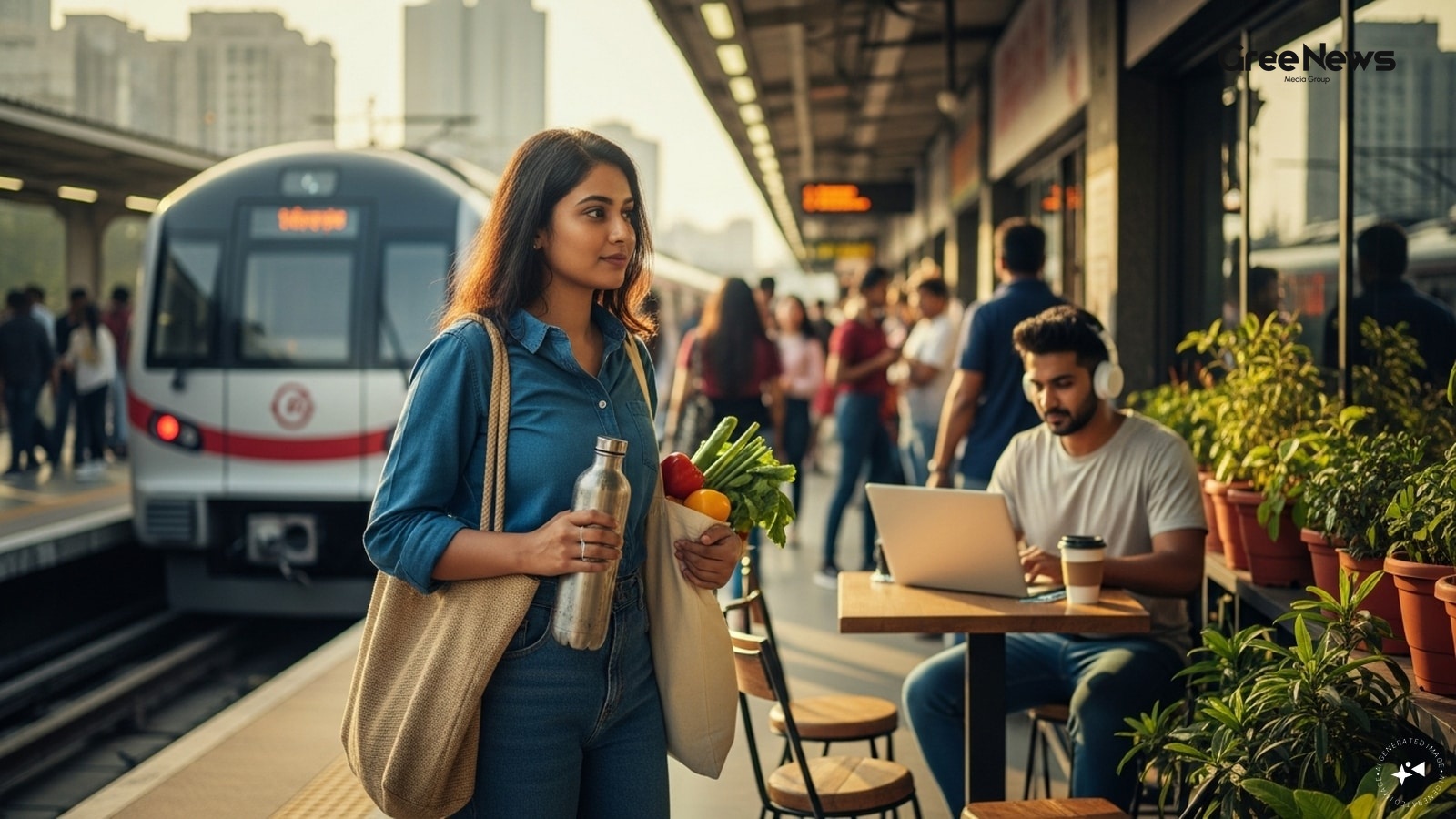
Prime Minister Modi’s recent push—that ‘Nation First’ call asking everyone to cut fuel use, skip unnecessary gold buys, hop on public transport, work from home, and back up local businesses—it’s done more than just stir up political noise. It’s touched something deeper, something about how people actually live.
This appeal mirrors a real shift happening across urban India.
Years ago, the whole economic story felt driven by aspiration. Bigger cars, chasing international travel, luxury spending—that was the symbol of middle-class success. But now? Post-pandemic, the financial uncertainty, the constant rising cost of living, the nagging climate anxiety, and the totally changed work culture are slowly grinding that old mindset down.
It’s not just about spending less. It’s about spending smarter . Spending with real care.
The Rise of Mindful Spending
The urban middle class is dealing with a completely different economic reality now.
So, many urban folks are getting practical with their cash. Consumer studies are showing this. Younger Indians, especially those in their twenties, are prioritizing saving, building emergency funds, and just general financial stability over those impulse buys.
The numbers back this up. The Fin One – Young Indians’ Saving Habits Outlook 2024, put out with Nielsen in November, found that 93% of young adults (the 22 to 25 bracket) regularly save, setting aside twenty to thirty percent of their monthly income.
Deloitte’s Global Consumer Tracker from 2025 noted that Indian consumers remain seriously cautious about discretionary spending, even though the economy is still growing.
Anand Ramanathan, a partner and consumer industry leader at Deloitte South Asia, put it nicely: “Indian consumers are entering a phase of calibrated consumption. They are becoming more mature and resilient, balancing aspiration with financial discipline and intentional decision-making.”
That time seems to have permanently tweaked financial habits for a chunk of city dwellers.
A Capegemini report from early 2026 suggests this is happening.
Minimalism, value shopping, diving into second-hand markets, and that whole "buy less but better" philosophy are popping up everywhere among young professionals in Delhi, Bengaluru, Mumbai, and Pune.
How Daily Choices Hit the Bottom Line
This conscious consumption isn't just about being Green or chasing wellness trends anymore. It’s tied directly to the economics of the country.
Take energy, for instance.
The hybrid work setup, born out of the pandemic, already showed this effect. Fewer commutes meant many urban professionals slashed their monthly fuel bills while gaining flexibility.
Sonica Aron, Founder & Managing Partner at Marching Sheep, a global HR consulting firm, talked about the work dynamic. “Hybrid work created a new rhythm between how we work and our jobs. For most companies, less travel meant less stress and more free time. I’ve seen productivity jump when people control their time. But you have to watch out. If balance isn't there, people can end up just burning out because they feel they have to be ‘always on’ in the future.”
Alekhya Datta, director at TERI’s energy and renewables division in Delhi, points to the bigger picture. Hybrid work can actually help India hit its energy conservation targets, especially in those massive city centers.
“Hybrid work can support India’s fuel conservation and energy security objectives by cutting down on those heavy daily commutes in major metros, particularly for those using private vehicles in the IT and services sectors,” Datta said, quoted by the Business Standard .
Public transport adoption is slowly creeping up too. Metro rail networks are expanding, and car prices are getting steeper. Delhi Metro handles nearly seventy lakh journeys daily. Bengaluru’s Namma Bharat serves almost ten lakh commuters. It’s showing that mass transit is starting to feel like a real economic and practical choice for city residents.
Venkat Lakshminarasimha, Executive Director at Dexian, a global staffing provider, puts it into a broader context. “Every single lifestyle choice made by consumers adds up to a huge economic impact. If more people choose public transit, limit consumption to what they actually need, and support local businesses, that leads to way more efficient resource use. It reduces reliance on imports and eases pressure on energy infrastructure.”
This push to support local stuff links right into India’s goals for manufacturing, growing MSMEs, and reducing import dependence.
Home cooking is booming again, partly because people worry about health and because restaurant bills are getting ridiculous.
Urban Indians are acutely aware of preventive healthcare and lifestyle diseases.
You see these small shifts everywhere. Using thrift platforms. Being more aware of waste.
Travel is also changing.
In retail, the value game is strong.
This behavioral shift has a psychological layer to it. Urban India is constantly bombarded with financial jitters—from layoffs in global tech to crushing EMIs and rising medical bills. It’s created a generation that feels both intensely aspirational and deeply anxious.
This results in a new kind of consumerism. People still want comfort, quality of life, and convenience. But they’re dialing back the aggressive excess that defined urban life before the pandemic.
As awareness and behavior keep growing, consumers can genuinely help drive India’s economic success, pushing for self-reliance and a more inclusive system.
It doesn't mean we stop spending. Consumption is still a huge engine for the economy. But the way we consume is definitely evolving. The emerging urban consumer is trying to balance that pull between wanting a great life and needing financial stability. Balancing aspiration with affordability. Balancing convenience with sustainability. Balancing lifestyle choices with real financial resilience. That’s the new tightrope walk.
Written by Gree News Team — Senior Editorial Board
Gree News Team covers international news and global affairs at Gree News. Our collective of senior editors is dedicated to providing independent, accurate, and responsible journalism for a global audience.
More from Economy
View All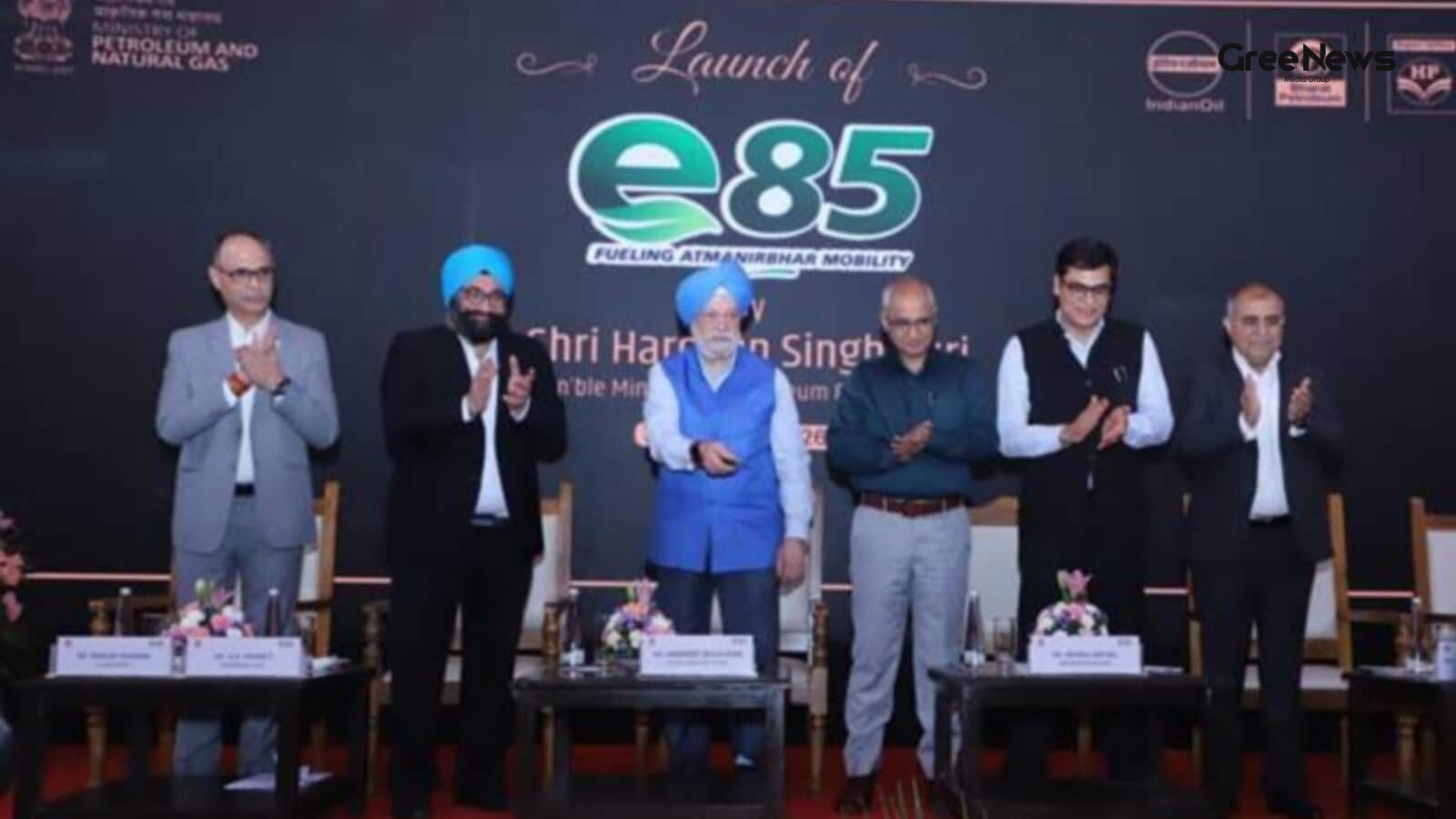
India's E85 Rollout and the Future of Flex-Fuel Vehicles
India just made another move on fuel. They rolled out E85, that high-ethanol petrol blend, specifically for vehicles that can handle flex-fuel systems. It’s about cleaner transport, less reliance on imported crude. Hardeep Singh Puri, the Union Petroleum Minister, formally kicked things off at an In
Jun 8, 2026 by Gree News Team
Crude Oil Prices, Market Jitters, and US Job Data
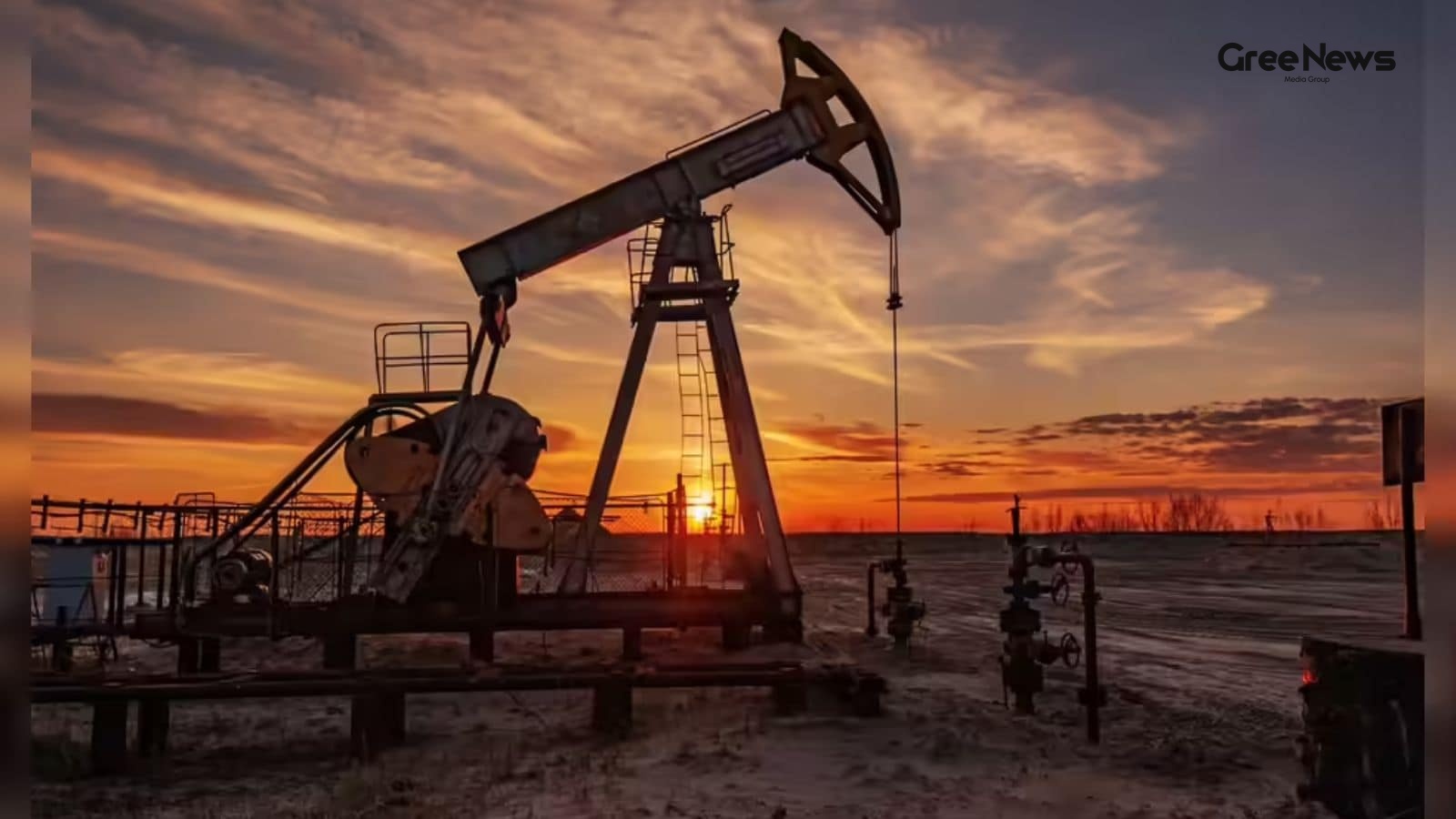
Crude oil prices jumped four percent Monday. That was because Iran launched more missiles toward Israel, a clear retaliation for what happened in Lebanon. It totally messed up the ceasefire. WTI and Brent crude shot up, hitting over ninety-three and ninety-six dollars a barrel, following all that te
Jun 8, 2026 by Gree News Team
Piyush Goyal on US Tariffs and India-US Trade Negotiations
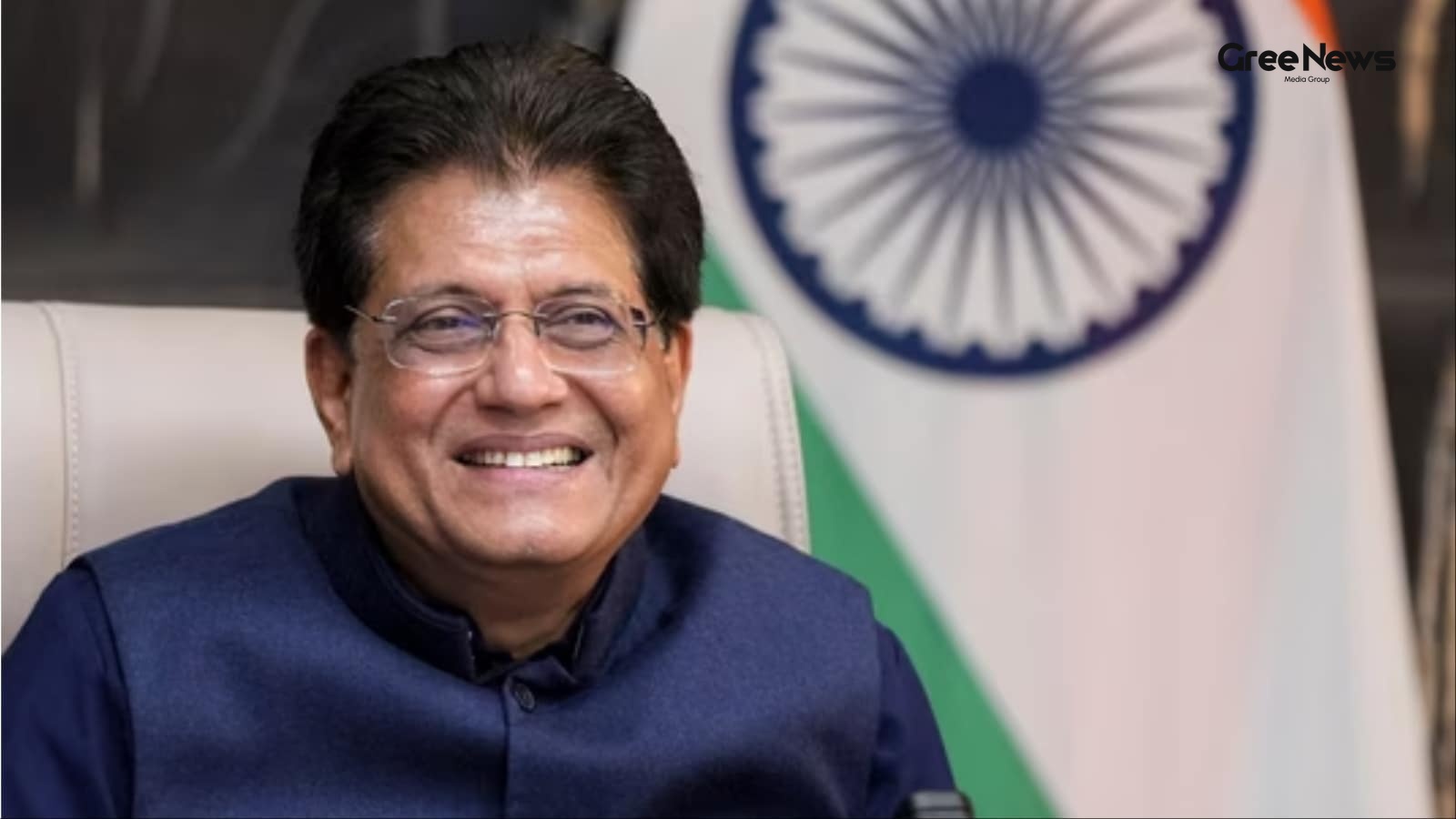
Piyush Goyal, the Commerce Minister, was talking about the US tariffs on India on Sunday. He was trying to ease worries, you know? About that whole Section 301 thing. He basically said New Delhi would handle things, protect its interests, and keep pushing for that trade agreement with Washington. It
Jun 8, 2026 by Gree News Team
India's Economic Picture and GDP Projections
The economic picture for India, right now, is still shifting. We’re looking at the January-March quarter of FY26, and most economists are banking on growth staying solid, hovering somewhere between 6.8 and 7.4 per cent for the GDP expansion. But that’s just the projection. The real moment is Friday,
Jun 5, 2026 by Gree News Team
Latest Headlines
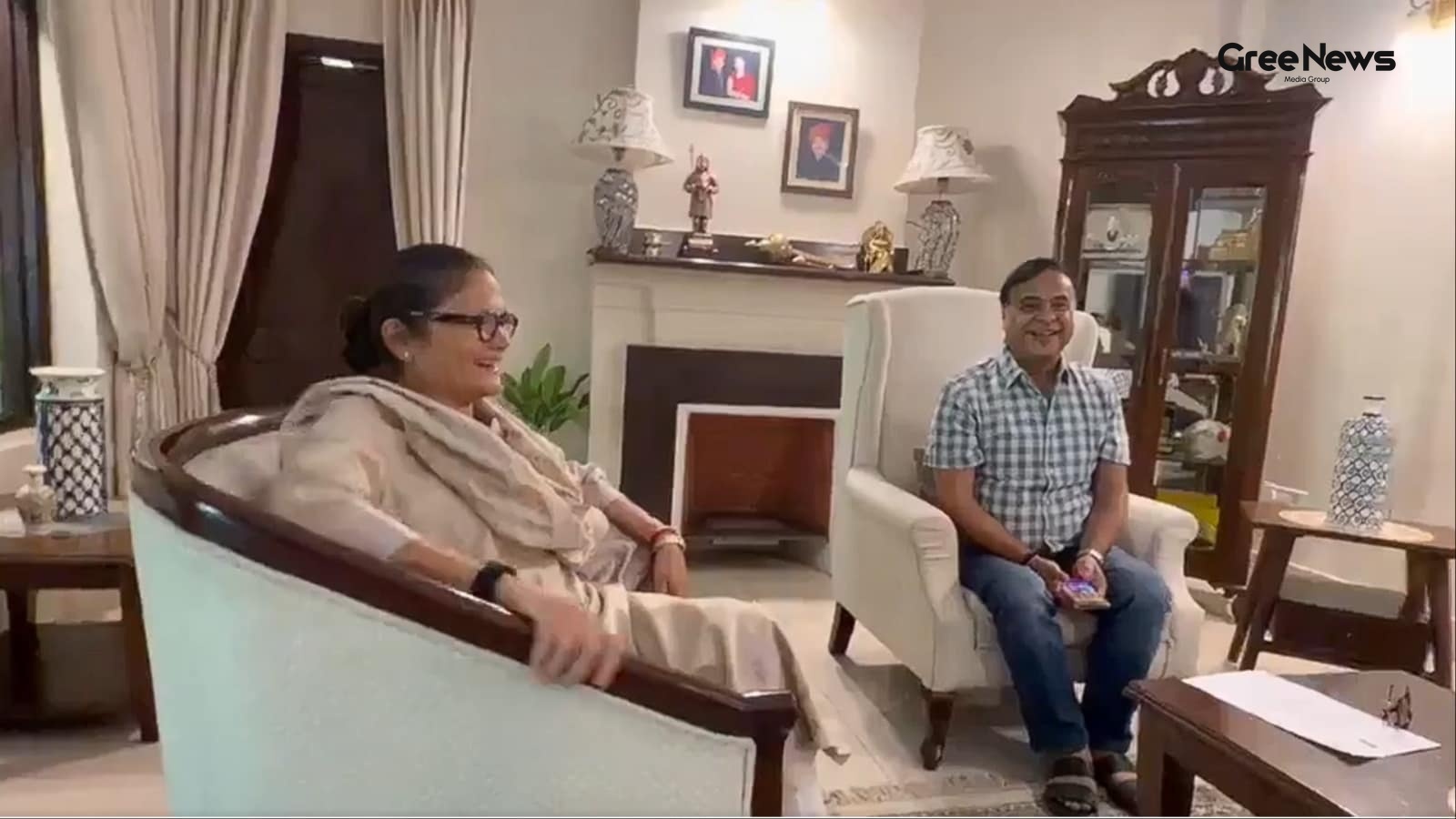
Political Speculation and Internal Turmoil within the TMC
Fresh visuals surfaced of Sushmita Dev meeting Assam Chief Minister Himanta Biswa Sarma. That kind of thing just kicks the speculation into high gear about her next move. It’s all about her potential entry into the BJP, right? This happened right after she stepped down from Rajya Sabha and walked ou
Jun 10, 2026 by Gree News Team

FIFA World Cup 2026: Structure, Geography, and the Official Match Ball
The FIFA World Cup 2026 is really starting to feel imminent now. It’s heading toward North America the USA, Mexico, and Canada are slated to host this massive global spectacle. People are talking about it constantly. It’s not just a standard tournament anymore. This time around, they’re throwing way
Jun 10, 2026 by Gree News Team

Lionel Messi and Argentina's World Cup Journey in Group J
Argentina’s taking on Group J in this new setup USA, Mexico, and Canada it feels like more than just football now. It’s about that farewell, isn't it? Lionel Messi is chasing something special right now, playing out this final chapter with the Albiceleste against Algeria, Austria, and Jordan. There’
Jun 10, 2026 by Gree News Team

Federal Judge Bars Nitrogen Gas Execution in Alabama
A federal judge just slammed the door shut on Alabama’s plan to use nitrogen gas for executing Jeffery Lee. Permanently barred it, ruling the method violated basic constitutional rights about cruel and unusual punishment. This decision dropped like a stone. It came just one day after an appeals cour
Jun 10, 2026 by Gree News Team
Kerala Board Plus One Results 2026 Announcement and Checking Methods
The Kerala Board Plus One results for 2026 are finally coming today, June 10th. That’s when the Directorate of Higher Secondary Education will officially announce everything. Students who took the DHSE Kerala Class 11 exams in 2026 can start checking their scores now. You have a few places to look,
Jun 10, 2026 by Gree News Team
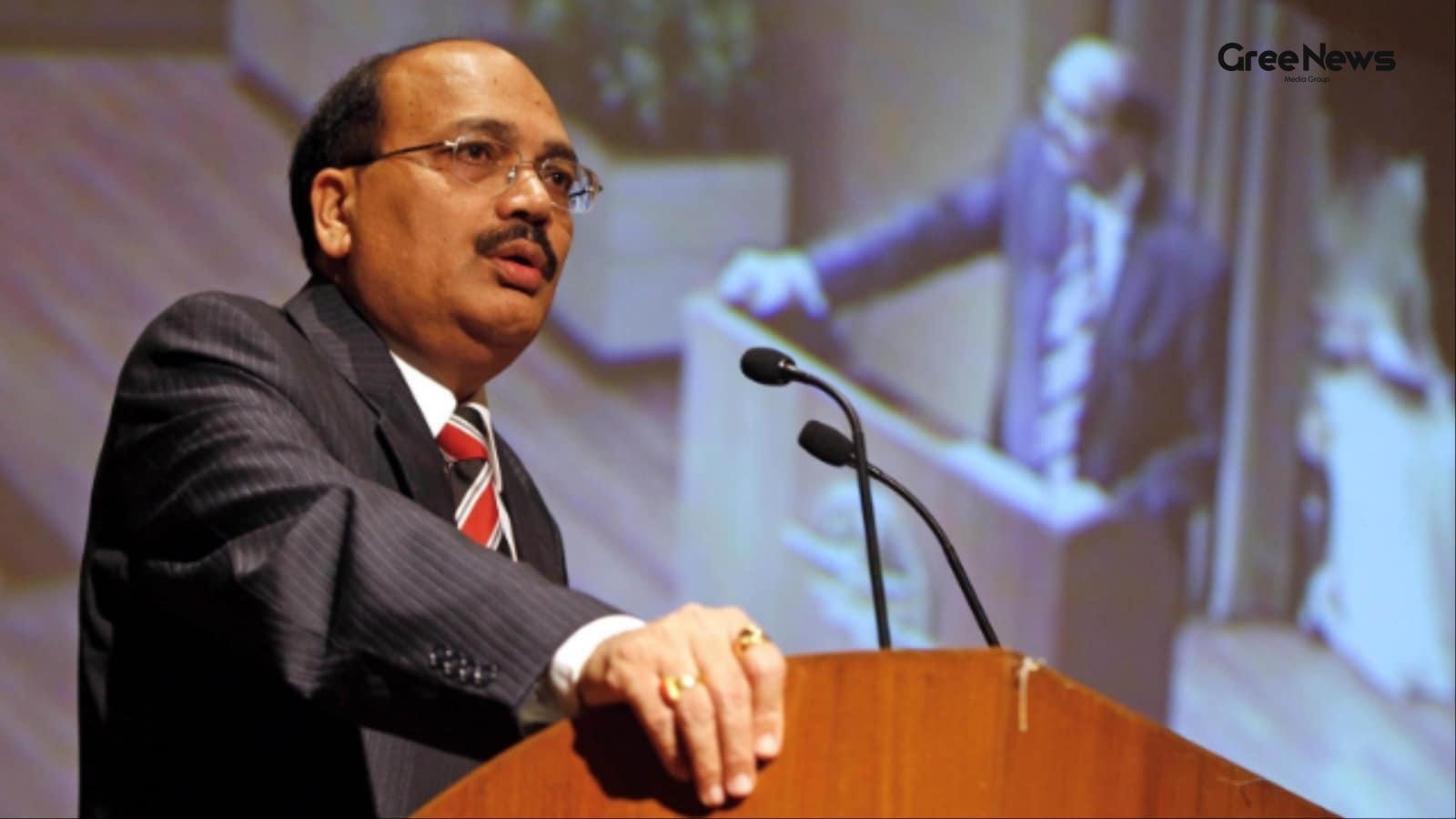
Threats and Intimidation Against Former Judge Justice Gautam Patel
Chief Justice Surya Kant stepped in on the matter involving threats and intimidation aimed at former Bombay High Court judge Justice Gautam Patel. This happened while he was visiting the UK, raising the issue with India’s High Commissioner there. It came out of a report by The Times of India. The wh
Jun 10, 2026 by Gree News Team
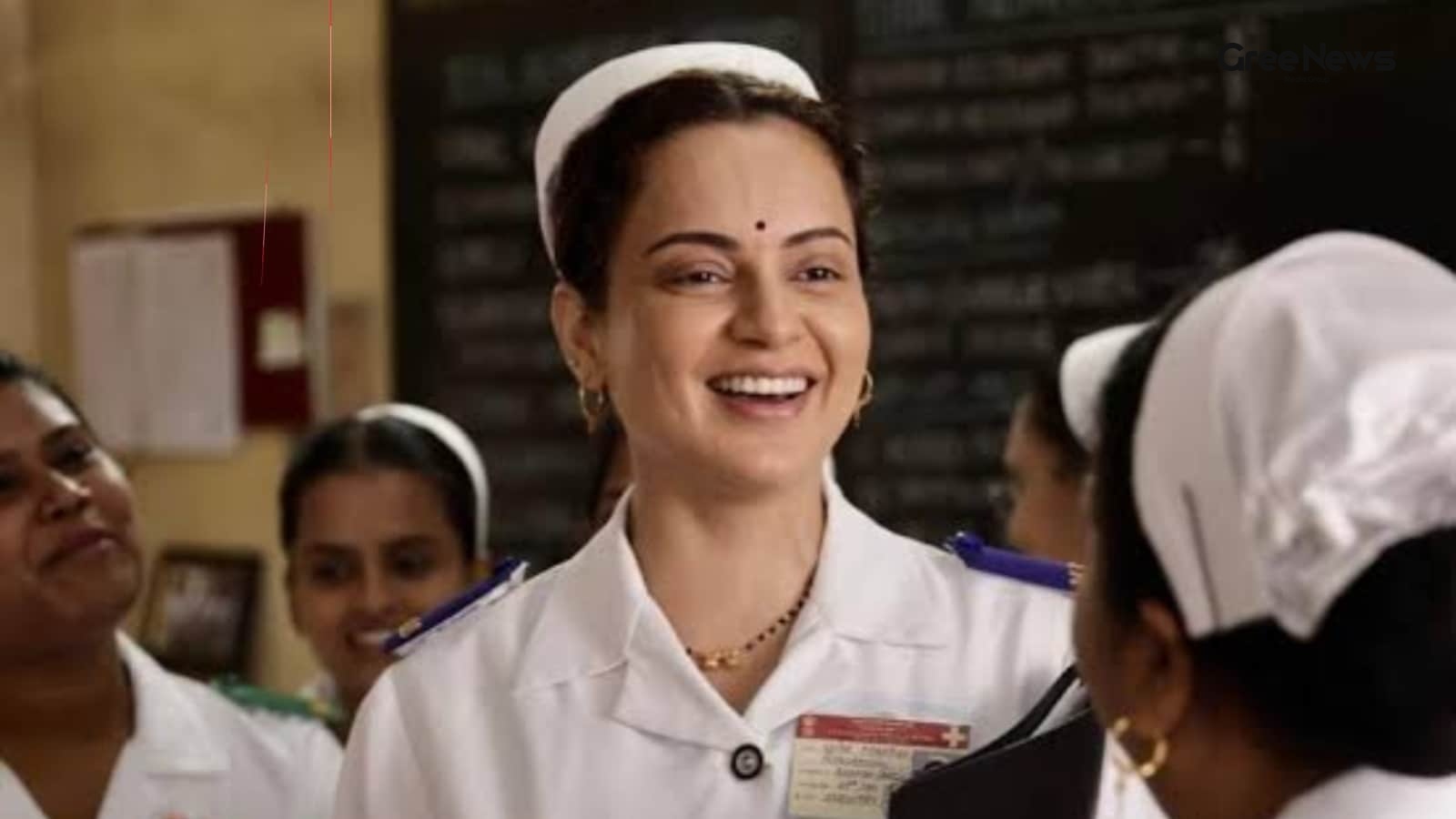
Intersection of Art, Politics, and Public Morality at Film Screening
The buzz around the screening for ‘Bharat Bhhagya Viddhaata’ was definitely something special that Tuesday evening in Delhi. It wasn't just about watching a movie; it felt like a convergence a mix of film fans, some political heavyweights, and a surprising amount of high-level government presence. P
Jun 10, 2026 by Gree News Team
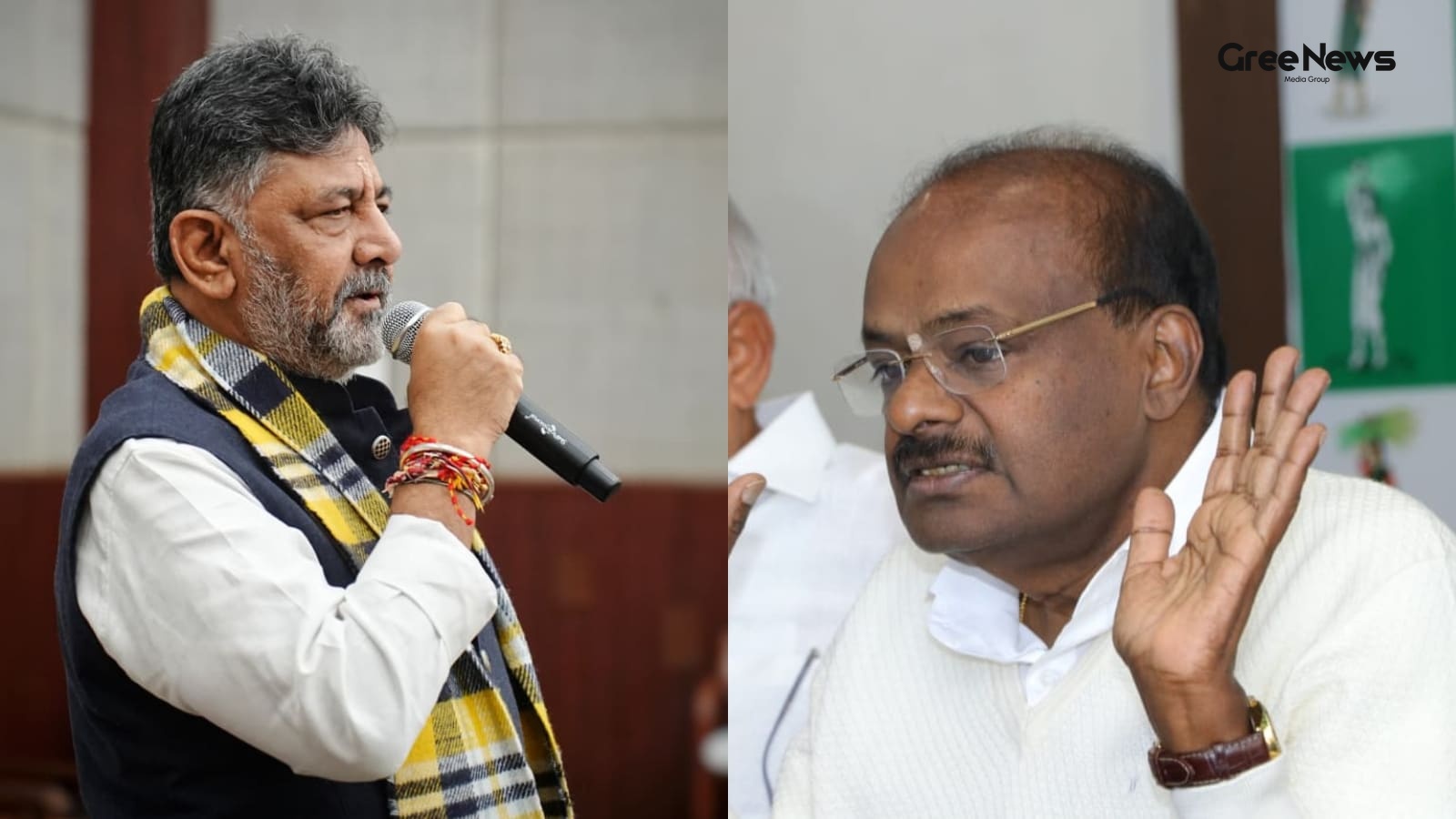
The Political Feud: Shivakumar vs. Kumaraswamy and the Vokkaliga Rivalry
A meeting that hasn't even happened is already sparking political sparring. Karnataka Chief Minister DK Shivakumar and Union Minister HD Kumaraswamy. It just underlines how bitter one of the state’s longest-running rivalries still is. Shivakumar was doing some outreach, a carefully choreographed exe
Jun 10, 2026 by Gree News Team
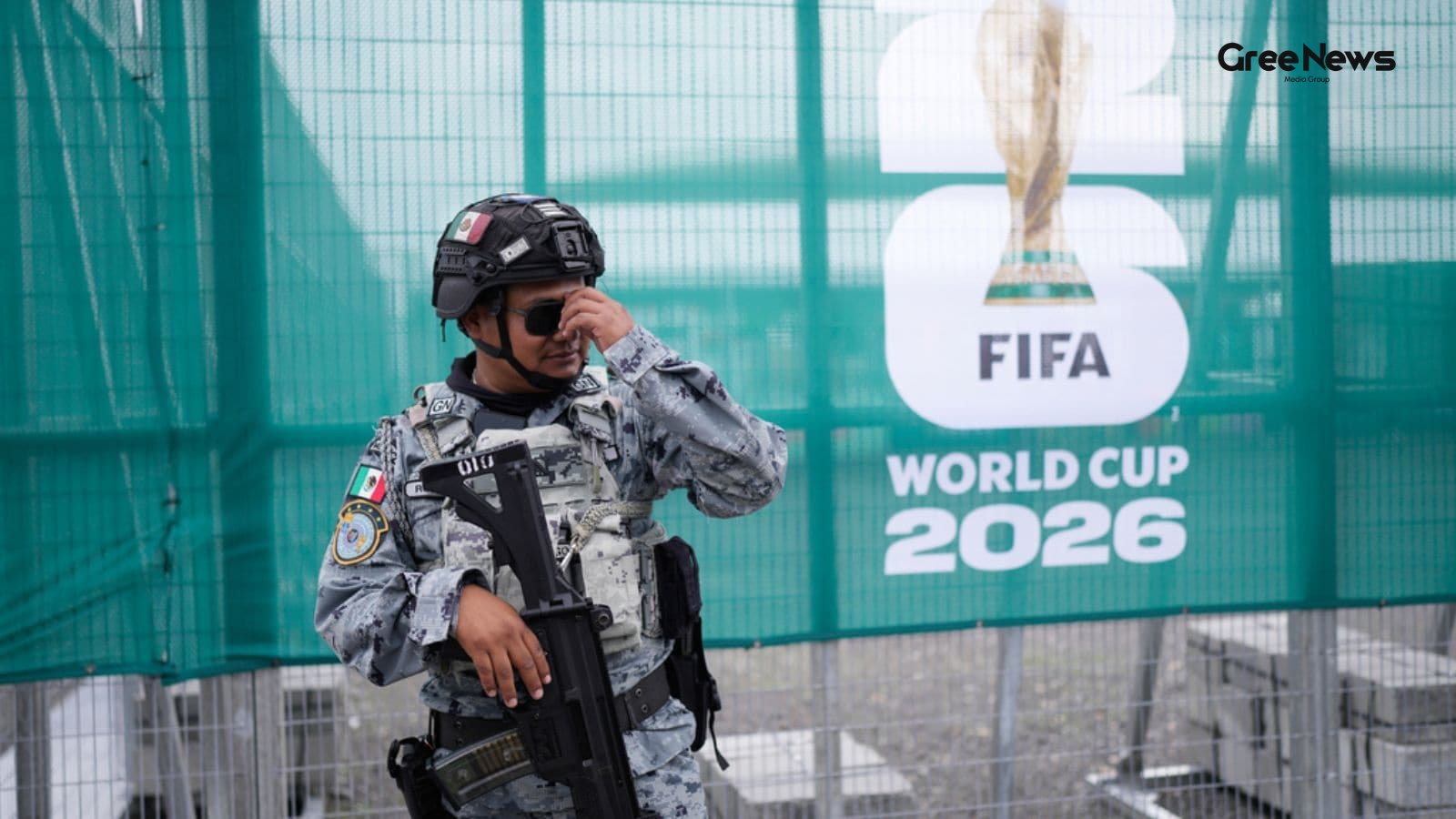
Protest and Political Standoff in Mexico City Before the World Cup
A protest choked off an avenue leading right to Mexico City’s Azteca Stadium for hours on Tuesday. It was just days before that massive World Cup opening match. As football fans started flooding in, all those co-hosts the US, Canada, and Mexico you see the real mess happening back home. Thousands of
Jun 10, 2026 by Gree News Team
The Global Nuclear Arms Race: Spending, Capabilities, and Future Risks
Nearly eight decades since Hiroshima and Nagasaki. And the world’s nuclear powers aren't slowing down. They keep spending more, modernizing faster, and experts are watching them move weapons out of storage and into potential use. It’s a real arms race happening right now. The nine states that hold n
Jun 10, 2026 by Gree News Team
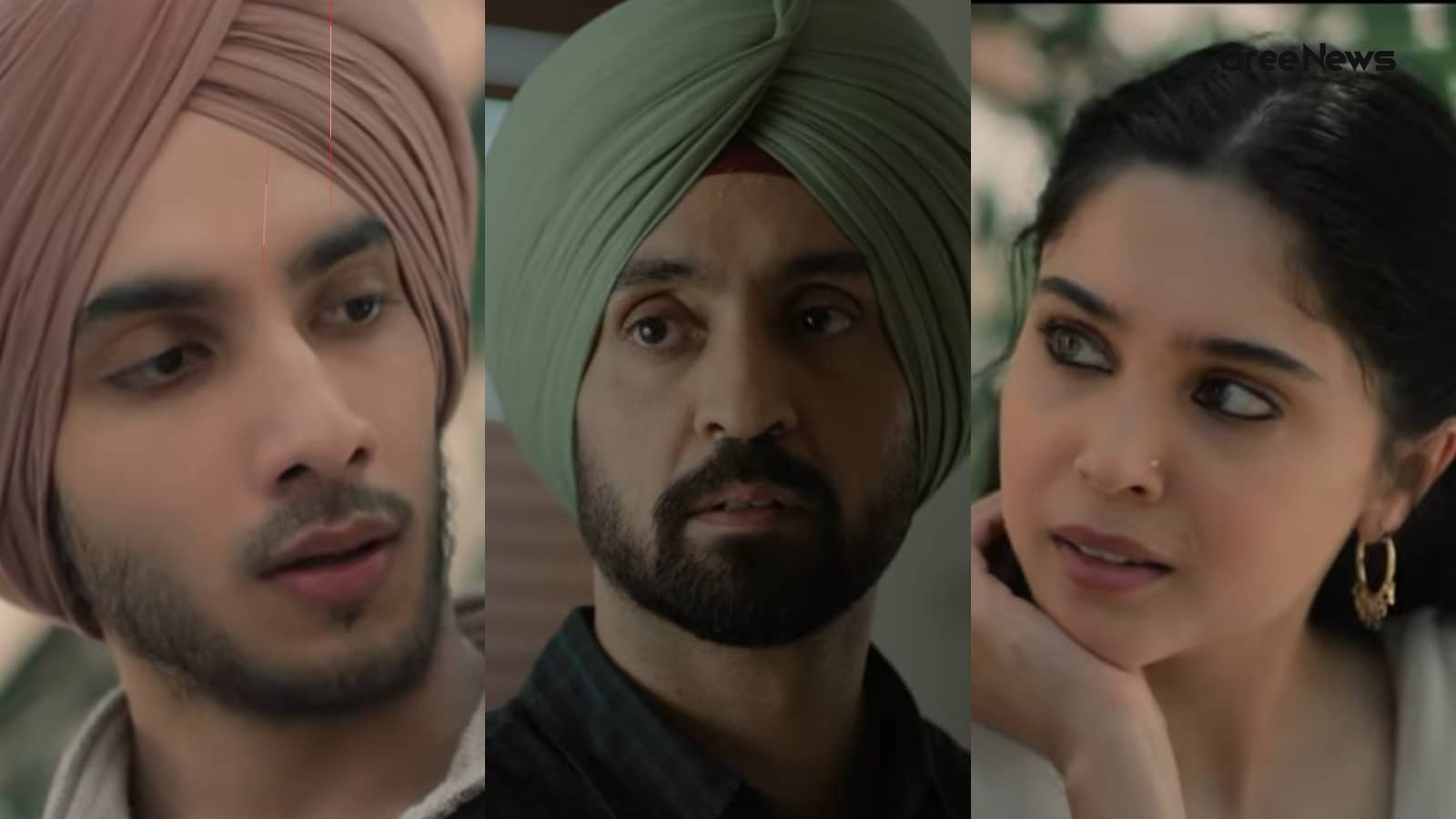
The Chaos of Cinema: Volume, Competition, and the Shifting Market
The Friday arrived packed. June 12th. It wasn't just another day; it was a collision of cinema. Nine films, all hitting the screens at once. *Main Vaapas Aaunga*, Imtiaz Ali’s directorial effort. Then you had Kangana Ranaut’s *Bharat Bhhagya Vidhaata*. And the horror mixed in Vikram Bhatt’s *Haunted
Jun 10, 2026 by Gree News Team
Stock Market Updates: June 10th Performance and Sector Analysis
Stock market updates today, June 10th. Everything turned sour in late trading Wednesday. Domestic equity markets basically gave up all those gains they managed to hold during the day. Heavy selling hit midcap, smallcap stocks, plus metals, realty, and financial names dragging the main indices into n
Jun 10, 2026 by Gree News Team

Iran Football Team Travel and World Cup Arrangements
Iran’s football team is heading to Los Angeles, apparently. They announced Tuesday that they'll be flying there the day before their first group-stage game against New Zealand. It feels like a lot happening all at once. But where exactly will they be staying? They won't actually be in L.A. for long.
Jun 10, 2026 by Gree News Team

The Impact of Gen AI on Job Applications and Hiring Strategies
When you start looking for a job, everyone builds this whole structure: the résumé, that killer cover letter, tailoring it perfectly. The whole point was always that application could make you jump out from the crowd of hundreds of applicants. But honestly? Recruiters are starting to think that play
Jun 10, 2026 by Gree News Team
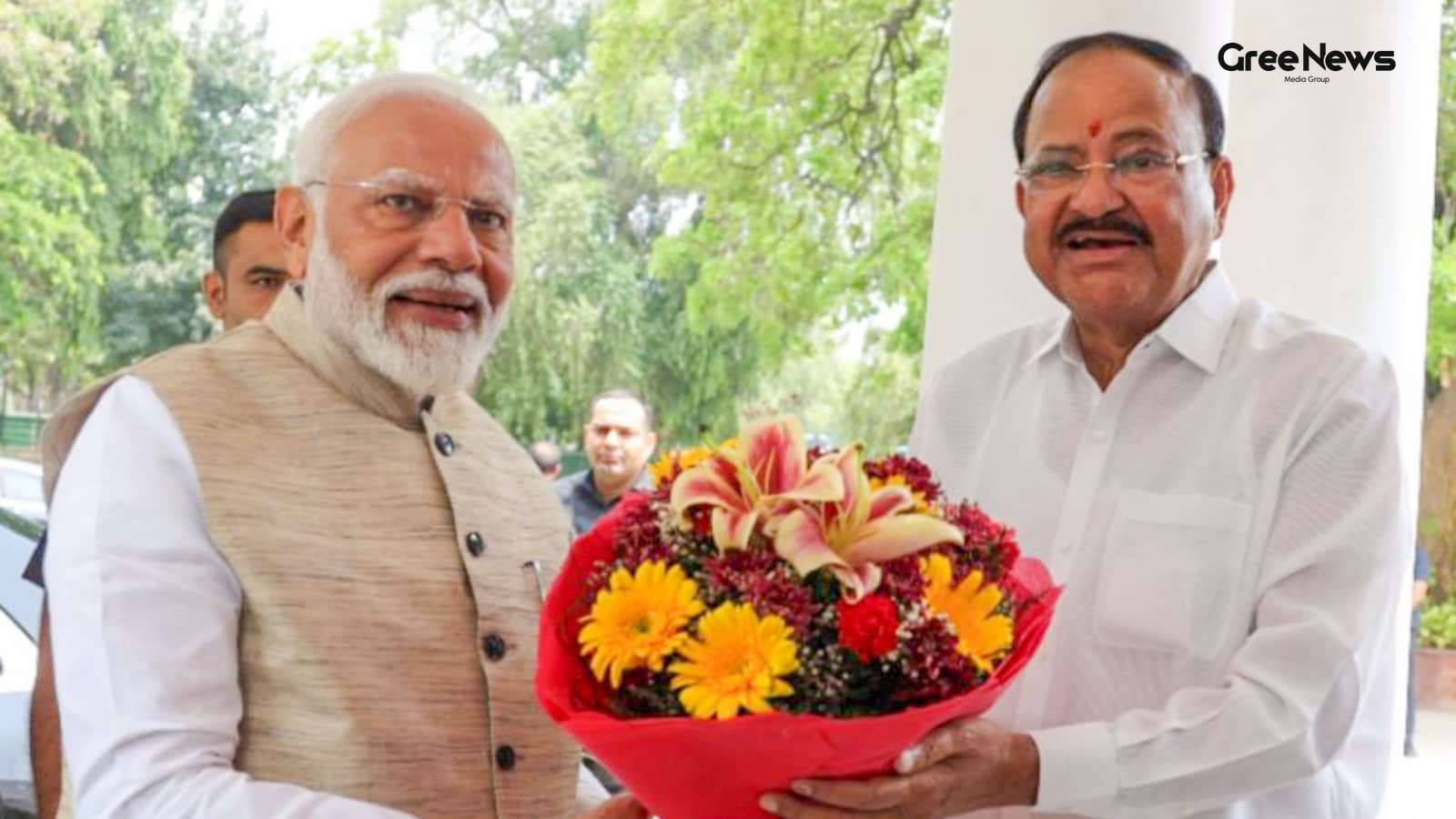
Narendra Modi's Milestone: India's Longest-Serving Prime Minister
Narendra Modi just hit a huge milestone. India’s longest-serving elected Prime Minister. Forty-three hundred ninety-nine days in office now. That beats Nehru's record, which was the first one. Former Vice President Venkaiah Naidu spoke about it. He praised the leadership and everything Modi has done
Jun 10, 2026 by Gree News Team