The Political Fracture in West Bengal: Allegations and Consequences
It was Friday. Just after five thirty in the morning. That’s when the real noise started hitting West Bengal. Not the usual morning chatter. Something sharp.
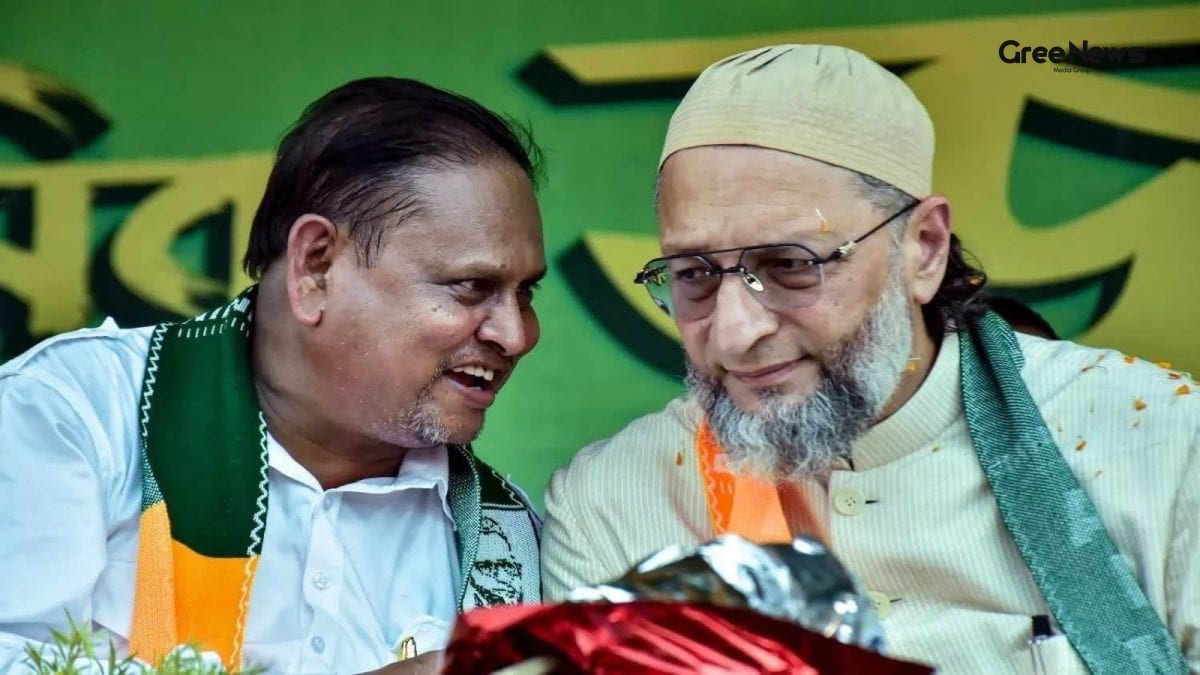
Barely weeks before, they were still talking, still appearing together in Kolkata. They were talking about fighting for minorities in the state against the TMC. That was the public narrative, the shared mission. But that unity shattered fast. It dissolved almost immediately.
Why the split? It all boiled down to a sting operation. The ruling TMC , they claimed, had released some kind of evidence. A supposed “covert” understanding with the BJP . The idea was that Kabir’s party, AJUP , would become the kingmaker in Bengal. In exchange for that power? The Deputy Chief Minister’s post. That’s the core of the drama.
AIMIM , they pulled out. They broke ties with this new Muslim party. Even though Kabir immediately jumped in to deny it all. He insisted the video was fake. He swore up and down it was created with advanced artificial intelligence. He even threatened a massive Rs 2,000-crore defamation case against the TMC if they pushed it.
But the reaction from AIMIM wasn't just legalistic. It was something deeper. They said, and this is where the tone shifted entirely, that Humayun Kabir’s revelations showed something ugly. They pointed to how vulnerable Bengal’s Muslims really are. They claimed Bengal’s Muslims are among the “poorest, neglected and oppressed communities.”
Owaisi’s side made it crystal clear. They wouldn’t just stand by. They wouldn't share the political baggage. They decided they would fight separately.
What does this actual fracture mean for the whole political landscape of Bengal? A huge voting bloc. That foundation is now wobbling.
Owaisi had a different game plan, a different territory to focus on. Bengal, for him, was just a small stepping stone. It was an entry point. You can disaGree with the strategy, sure. It’s a different approach. But there are definitely people in those other states who feel that representation.
He wanted to expand that footprint into West Bengal. He had tied up with Kabir’s party specifically because it tapped into a certain discontent. Discontent felt keenly in districts like Murshidabad and Malda. Two areas heavily Muslim. Places where the feeling of being ignored was palpable.
But now, that leverage is gone. The TMC’s alleged sting operation—whether it’s true or not, that’s the point—it turns Kabir and his party into a liability for AIMIM . It creates uncomfortable questions. A spillover effect. It raises uncomfortable questions across all the places where AIMIM is active. It’s no wonder they cut the cord immediately. They needed to shield their larger political interests.
And that brings us back to the video. Kabir dismissed it as AI garbage. He threatened the TMC with a huge lawsuit. But perception, you know. Politics is rarely about the hard facts alone. It’s about what people believe .
In that purported recording, the former TMC MLA—a figure who’s become quite prominent in the Murshidabad-Malda-Birbhum belt, a region packed with Muslim identity—is seen talking to someone off-camera. Kabir is heard suggesting a deal. A “covert” understanding with BJP leader Suvendu Adhikari. The proposition was clear: if he secured a certain number of seats—seventy to eighty—and the BJP got a similar number of seats in the Assembly polls, then support would be extended in exchange for the Deputy Chief Minister’s position.
Kabir threw the whole thing out. AI fabrication. Total nonsense.
Yet, those past statements, those claims made during election season, they linger. They can feed suspicion. They can be twisted by detractors. They can make some Muslim voters, looking at the whole picture, start to see a different narrative.
Think about it. When Kabir said, “If our party forms the government, then there will be a Muslim chief minister for the first time.” Or, “Even if we don't form the government, we will bring such numbers that no government can be formed without us.” Those lines sounded like typical election rhetoric then. Standard political maneuvering.
But now? Now those same statements can be used to fuel doubt. To suggest that the promises made were perhaps not entirely genuine.
This is where the Muslim vote gets fractured. But that allegiance wasn't absolute. It was complex.
Now, look at those specific districts. These areas. The Muslim vote there is starting to look restless. Increasingly detached from the ruling party. Despite the BJP’s constant, loud allegations over the years about Muslim appeasement. The dynamic is changing.
Kabir, he was a smart operator. He used local emotion. He used land. He took a large tract of private land in Beldanga, Murshidabad—a district where the Muslim population is sixty-six percent. He built a mosque named after Babri. That evoked deep, strong feelings among the local community. It worked. It brought support. He built his party, allied with AIMIM , and got Owaisi’s backing. It was a calculated move based on local sentiment.
But that local bridge, that mutual understanding, it’s now gone. The trust is broken. The voting pattern in these specific regions, which could have shifted towards that alliance, is now in chaos. Voters are genuinely uncertain. Can they trust AJUP now? After all the public drama and the media noise?
AIMIM itself is contesting only a limited number of seats now. They aren't sweeping anything. They are managing a fracture.
And in the middle of all this, there’s the cultural reality. Owaisi , he’s a pan-India figure. He’s a leader. But acceptability in Bengal is a tricky thing. Culture matters. It’s subtle, sometimes it’s huge. Owaisi likes mutton. Bengal’s Muslims, often, prefer fish. He wears a crisp suit. Rural Bengal’s Muslims often wear a lungi.
He needed a local connection. A bridge built on shared, tangible realities. Humayun Kabir was that bridge for him. It was a deal. A mutually beneficial arrangement, at least on the surface.
Now that the arrangement is over, the reality hits. The Muslim voting pattern in those districts—the pattern that could have shifted—is now completely disarrayed. Voters are holding their breath. They are watching where the political lines are drawn.
The real uncertainty isn't just about the split. It’s about where the loyalty lies now. Are they back to the old guard? To the Congress? Or perhaps back to the TMC, for a sense of political security, even if it’s reluctant?
There are four major players vying for that fragmented attention: AJUP , AIMIM , the Left, Congress, and the TMC . There is no clear consolidation yet. No single voice dominates the space.
And that vacuum? That’s where the real political shift happens. Someone who can exploit that uncertainty. Someone like the BJP .
It’s not just about a party breaking up. It’s unpredictable. And it’s happening right in the heart of Bengal.
Written by Gree News Team — Senior Editorial Board
Gree News Team covers international news and global affairs at Gree News. Our collective of senior editors is dedicated to providing independent, accurate, and responsible journalism for a global audience.
More from Politics
View All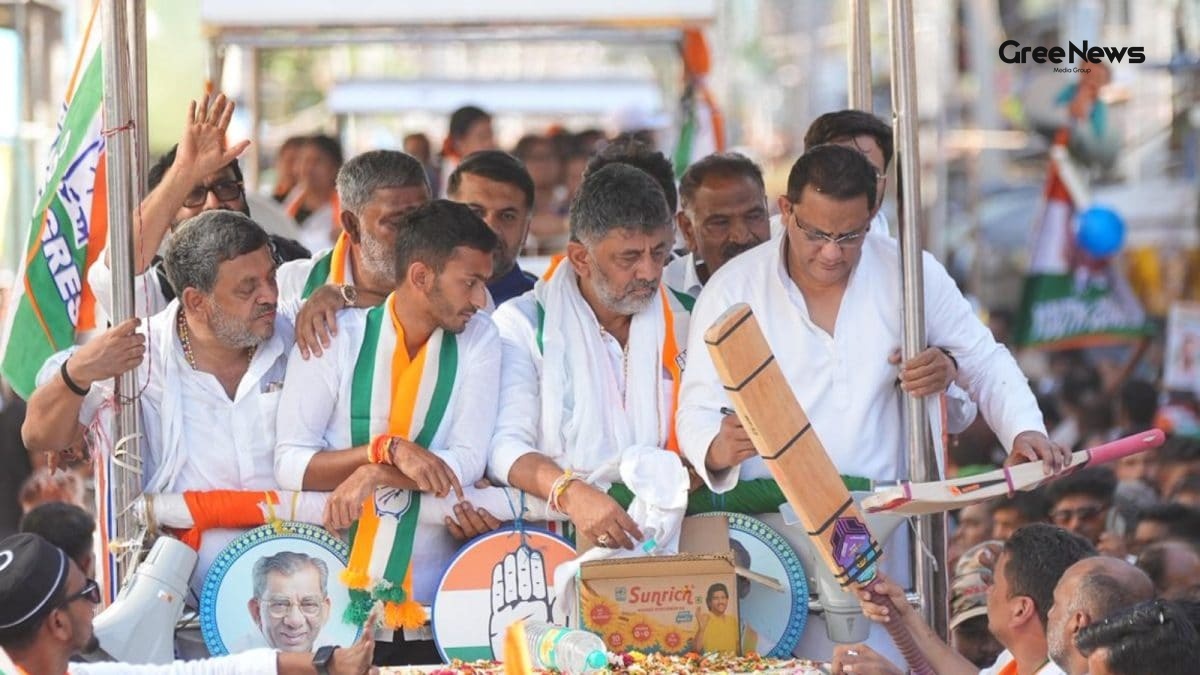
Karnataka Leadership Pushback on Election Commission over Guarantee Schemes
Siddaramaiah and Shivakumar, the Karnataka leadership, launched a real pushback on the Election Commission and the BJP on Tuesday. It all kicked off because the poll body asked for details about the money released under the state’s guarantee schemes while the bypoll period was happening. The Congres
May 10, 2026 by Gree News Team
Nitish Kumar and the Power Shift in Bihar
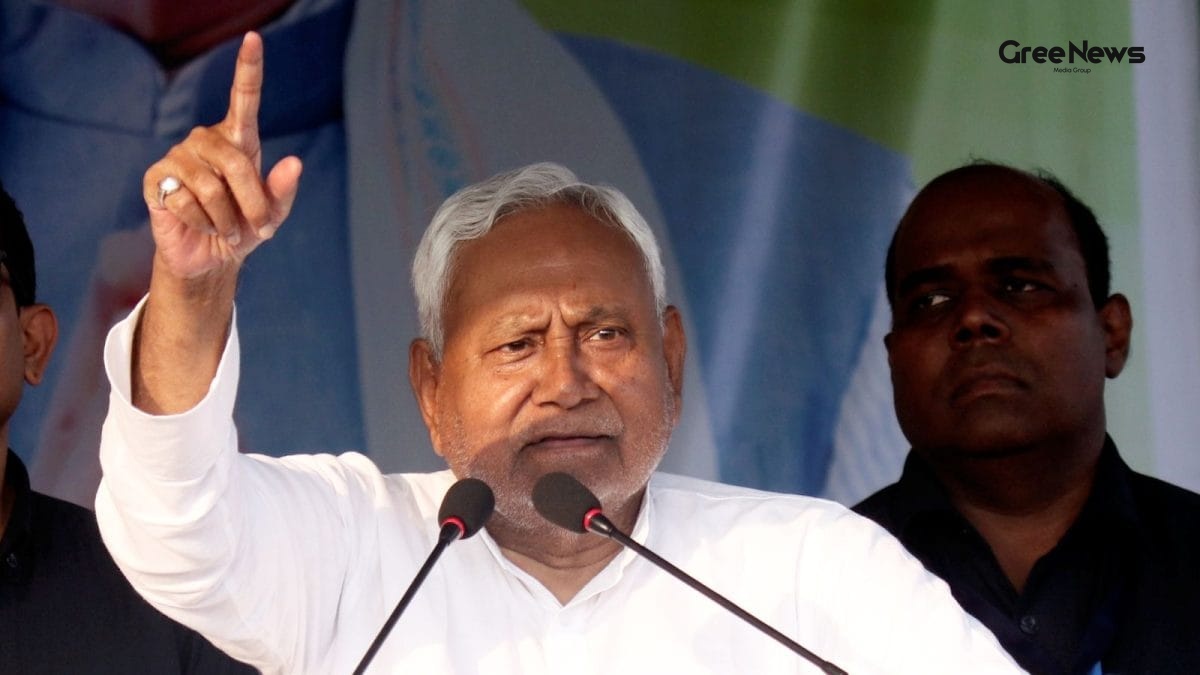
Nitish Kumar. That means a power shift is coming in Bihar. It’s all moving fast. He’s reportedly heading to Delhi today. Then the oath tomorrow, April 10th. Wait, the dates feel a little messy, doesn't it? There’s a cabinet meeting set up from the 13th. All to talk about who’s next. His successor. K
May 10, 2026 by Gree News Team
Political Tension and Moral Conflict in Tamil Nadu
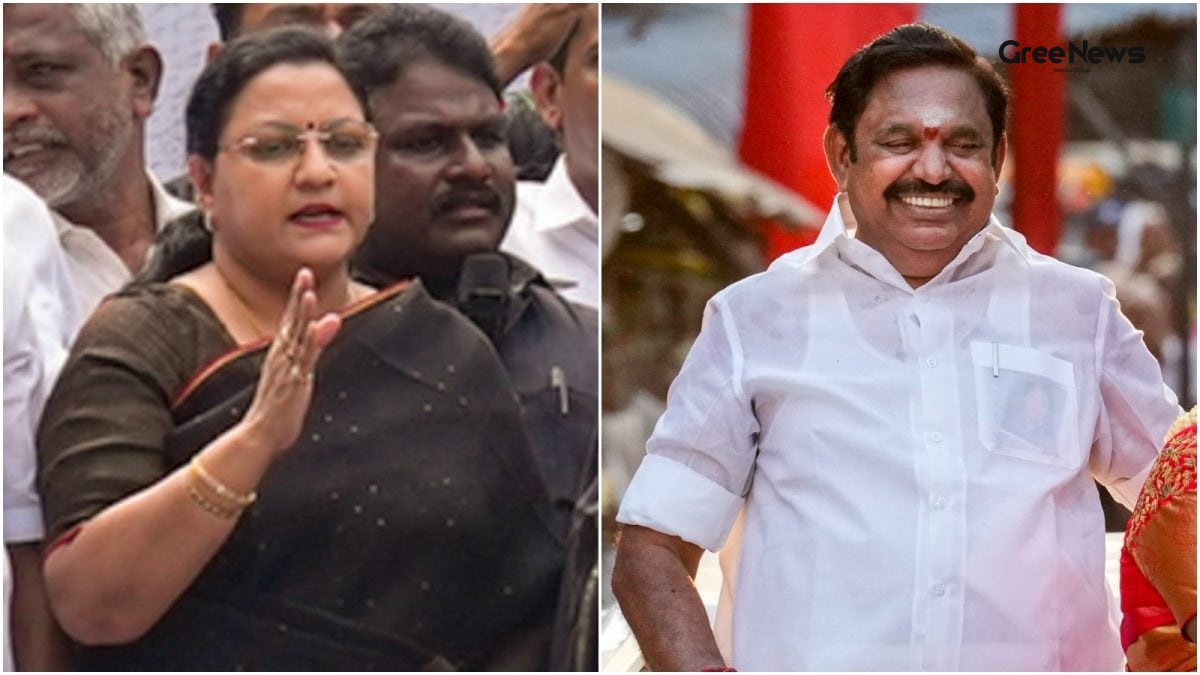
The air in Tamil Nadu politics just got thick. Seriously thick. X, or whatever platform people are throwing their venom onto these days. And what he said? It was designed to sting, to diminish, to try and erase. Palaniswami was speaking at some poll rally, a stage meant for mass appeal, but what cam
May 10, 2026 by Gree News Team
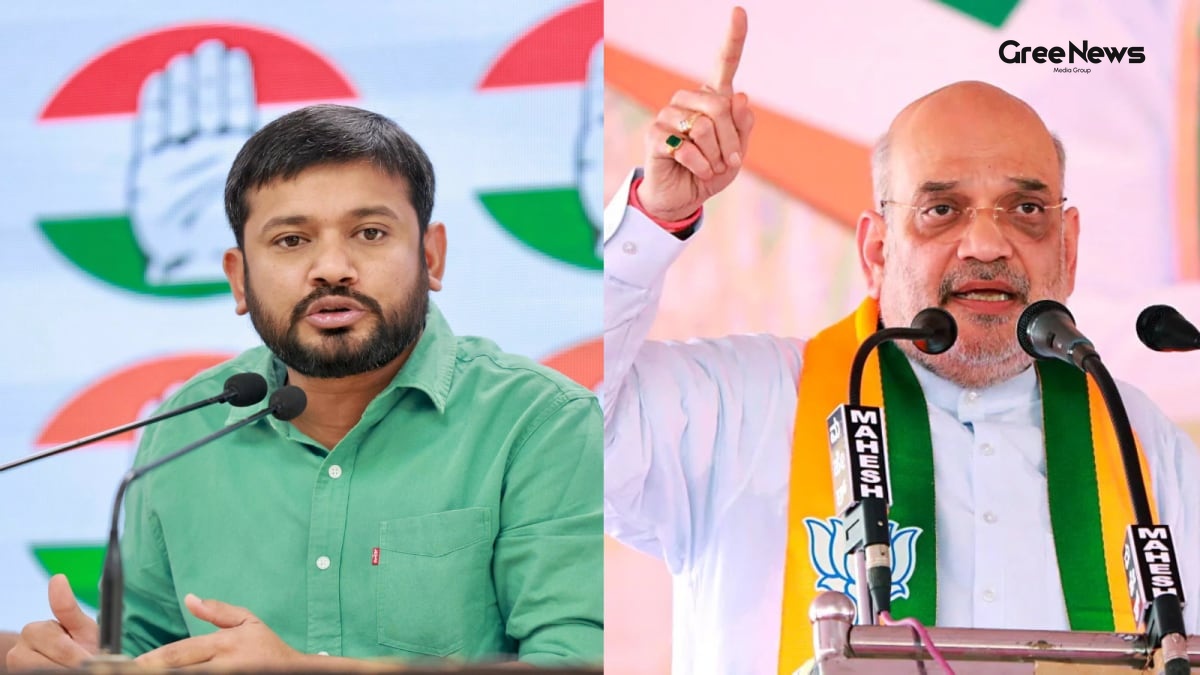
Kanhaiya Kumar Confrontation over Assam Infiltrators
Kanhaiya Kumar, the Congress leader, actually trained guns on Union Home Minister Amit Shah and Assam Chief Minister Himanta Biswa Sarma on Friday. It was all over the BJP’s promise about driving out infiltrators from Assam. He was addressing a crowd in Bongaigaon when he made these moves. “I said t
May 10, 2026 by Gree News Team
Latest Headlines
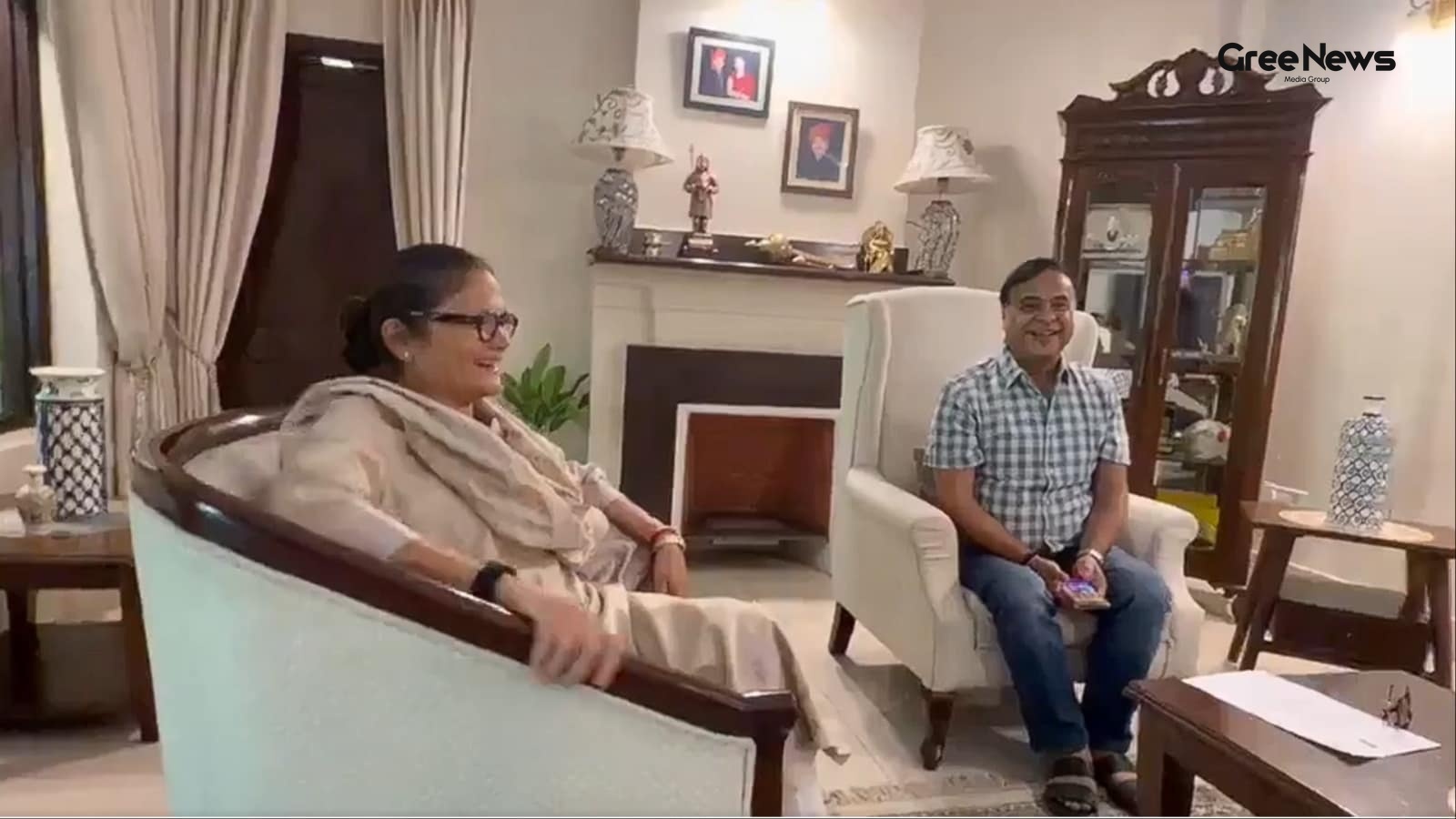
Political Speculation and Internal Turmoil within the TMC
Fresh visuals surfaced of Sushmita Dev meeting Assam Chief Minister Himanta Biswa Sarma. That kind of thing just kicks the speculation into high gear about her next move. It’s all about her potential entry into the BJP, right? This happened right after she stepped down from Rajya Sabha and walked ou
Jun 10, 2026 by Gree News Team

FIFA World Cup 2026: Structure, Geography, and the Official Match Ball
The FIFA World Cup 2026 is really starting to feel imminent now. It’s heading toward North America the USA, Mexico, and Canada are slated to host this massive global spectacle. People are talking about it constantly. It’s not just a standard tournament anymore. This time around, they’re throwing way
Jun 10, 2026 by Gree News Team

Lionel Messi and Argentina's World Cup Journey in Group J
Argentina’s taking on Group J in this new setup USA, Mexico, and Canada it feels like more than just football now. It’s about that farewell, isn't it? Lionel Messi is chasing something special right now, playing out this final chapter with the Albiceleste against Algeria, Austria, and Jordan. There’
Jun 10, 2026 by Gree News Team
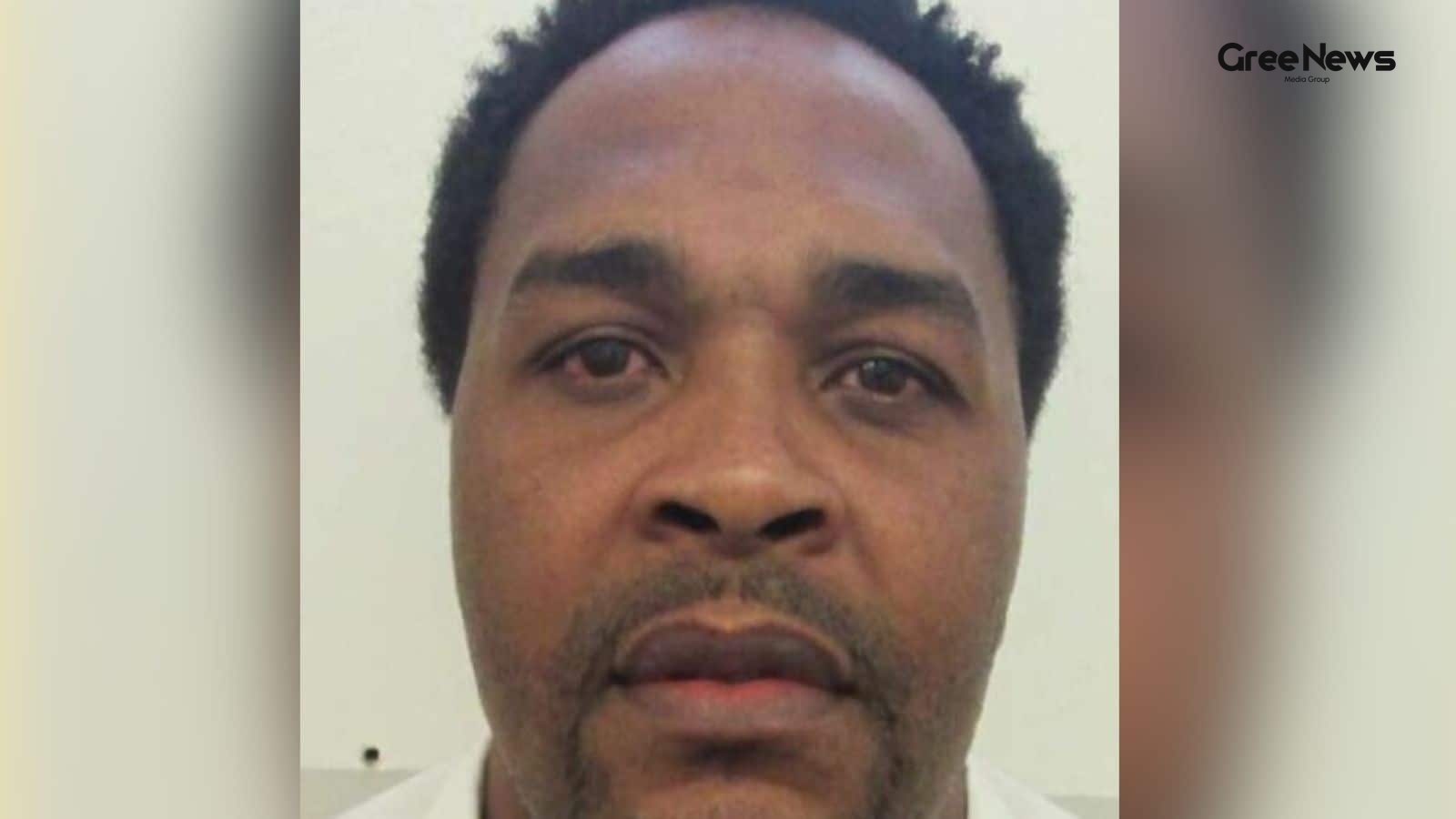
Federal Judge Bars Nitrogen Gas Execution in Alabama
A federal judge just slammed the door shut on Alabama’s plan to use nitrogen gas for executing Jeffery Lee. Permanently barred it, ruling the method violated basic constitutional rights about cruel and unusual punishment. This decision dropped like a stone. It came just one day after an appeals cour
Jun 10, 2026 by Gree News Team
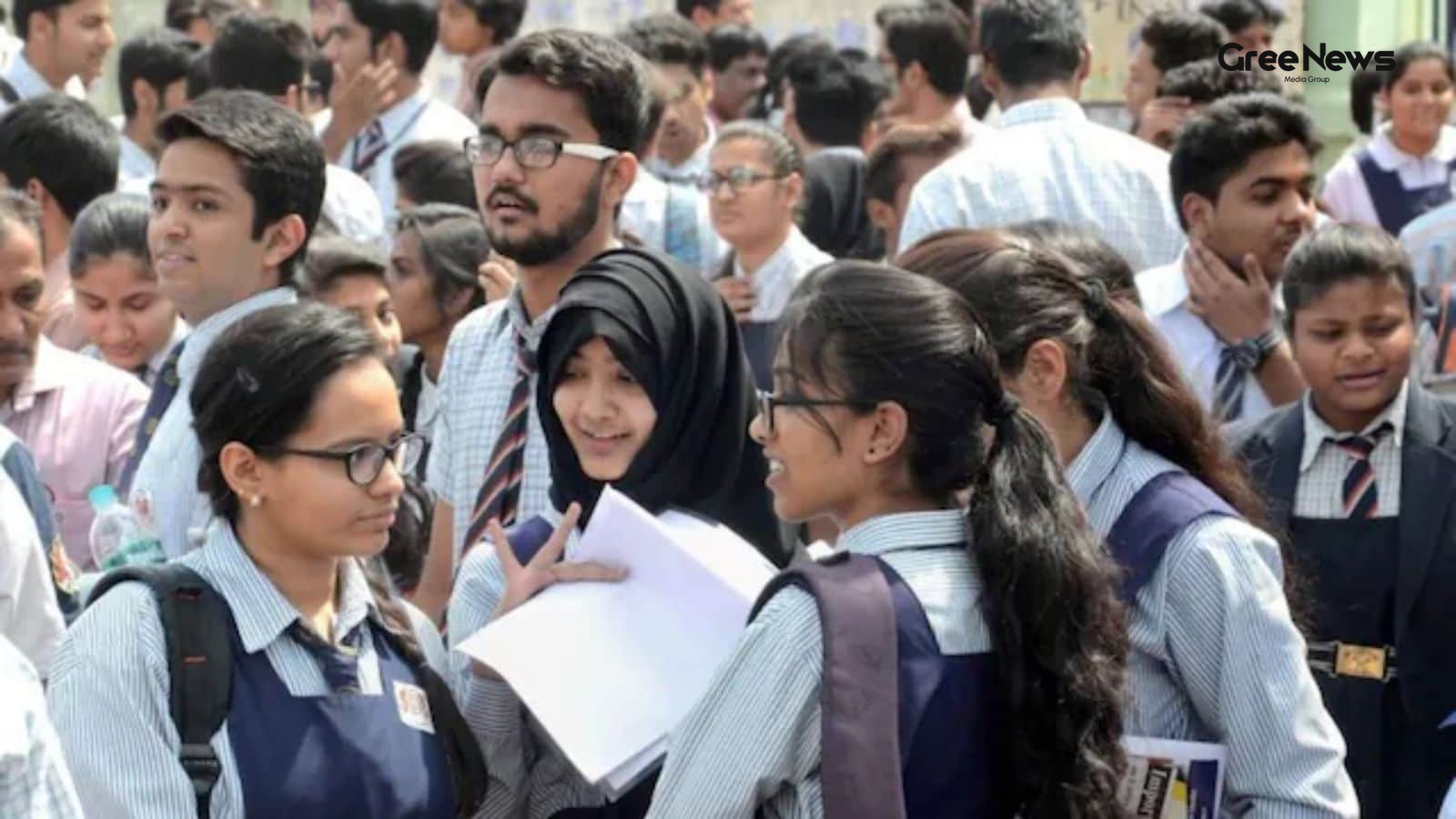
Kerala Board Plus One Results 2026 Announcement and Checking Methods
The Kerala Board Plus One results for 2026 are finally coming today, June 10th. That’s when the Directorate of Higher Secondary Education will officially announce everything. Students who took the DHSE Kerala Class 11 exams in 2026 can start checking their scores now. You have a few places to look,
Jun 10, 2026 by Gree News Team
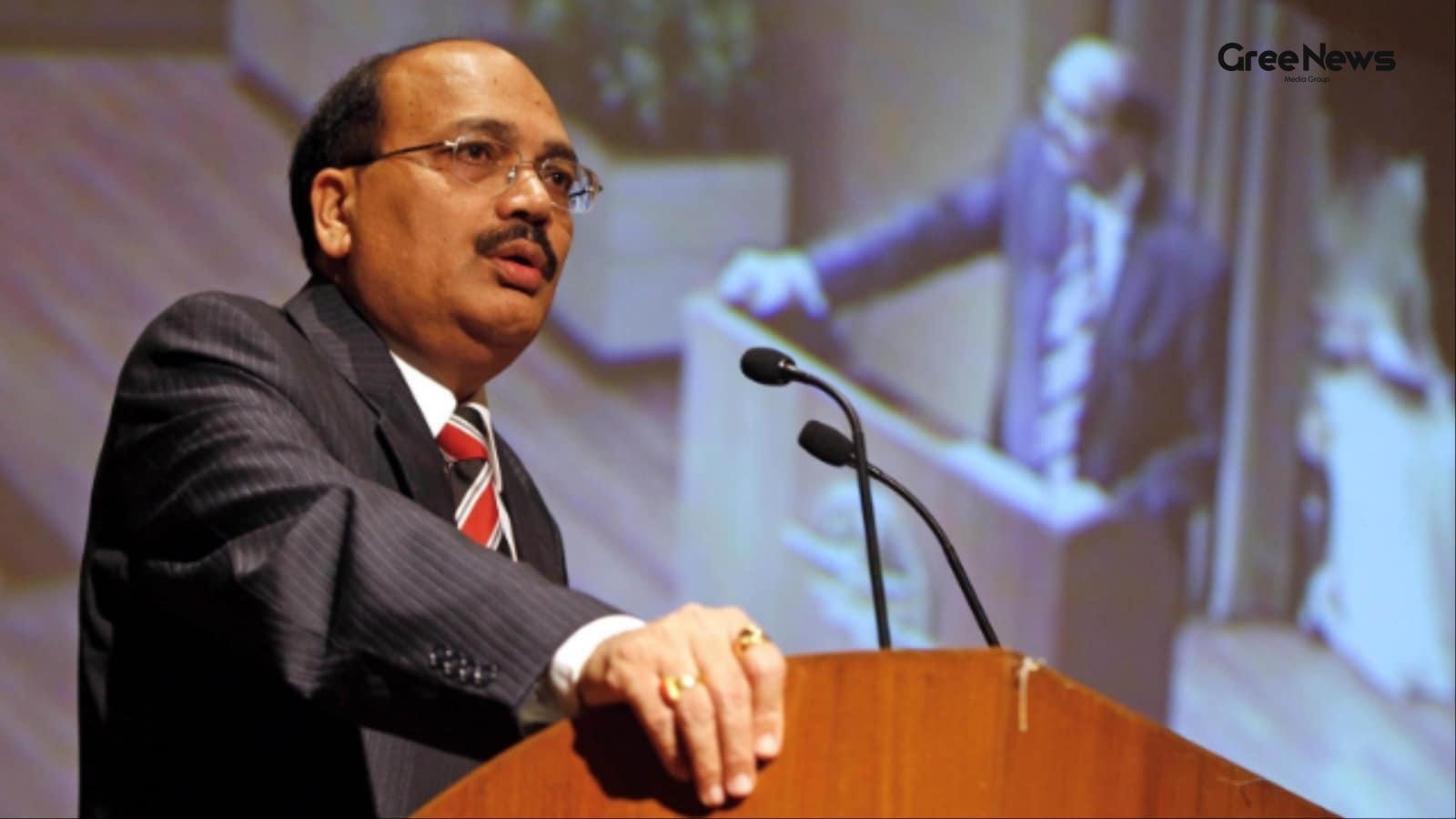
Threats and Intimidation Against Former Judge Justice Gautam Patel
Chief Justice Surya Kant stepped in on the matter involving threats and intimidation aimed at former Bombay High Court judge Justice Gautam Patel. This happened while he was visiting the UK, raising the issue with India’s High Commissioner there. It came out of a report by The Times of India. The wh
Jun 10, 2026 by Gree News Team
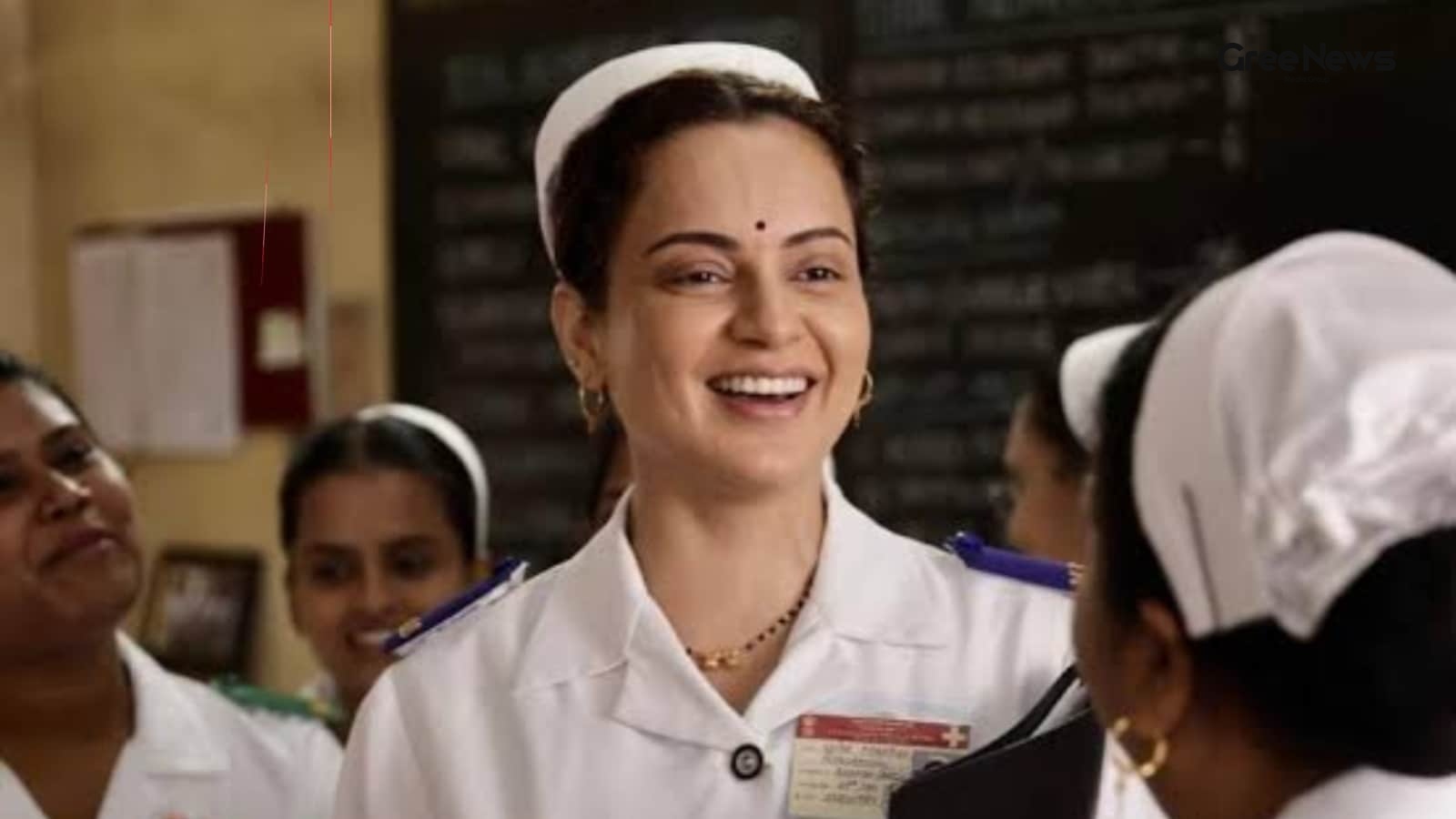
Intersection of Art, Politics, and Public Morality at Film Screening
The buzz around the screening for ‘Bharat Bhhagya Viddhaata’ was definitely something special that Tuesday evening in Delhi. It wasn't just about watching a movie; it felt like a convergence a mix of film fans, some political heavyweights, and a surprising amount of high-level government presence. P
Jun 10, 2026 by Gree News Team
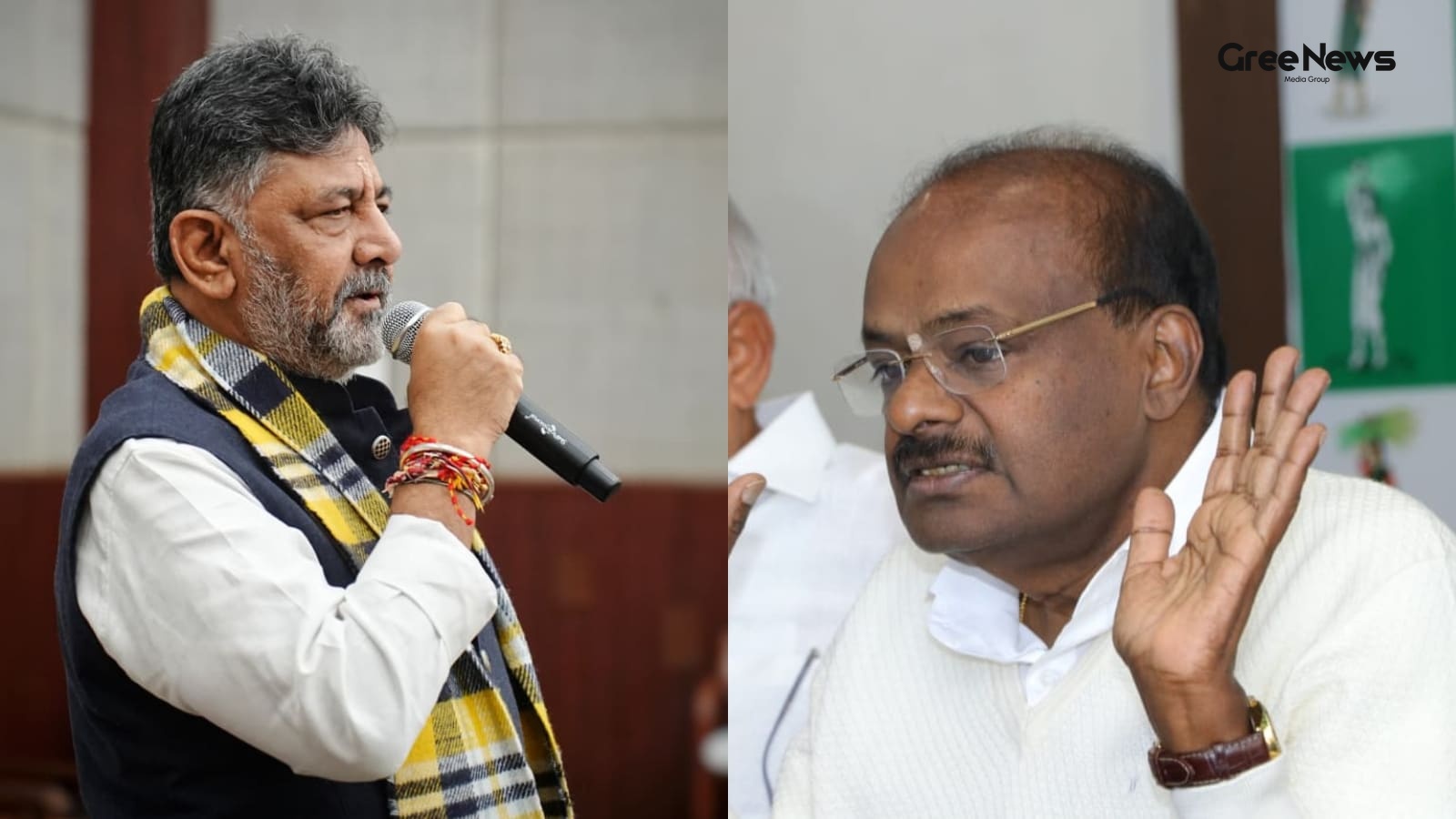
The Political Feud: Shivakumar vs. Kumaraswamy and the Vokkaliga Rivalry
A meeting that hasn't even happened is already sparking political sparring. Karnataka Chief Minister DK Shivakumar and Union Minister HD Kumaraswamy. It just underlines how bitter one of the state’s longest-running rivalries still is. Shivakumar was doing some outreach, a carefully choreographed exe
Jun 10, 2026 by Gree News Team
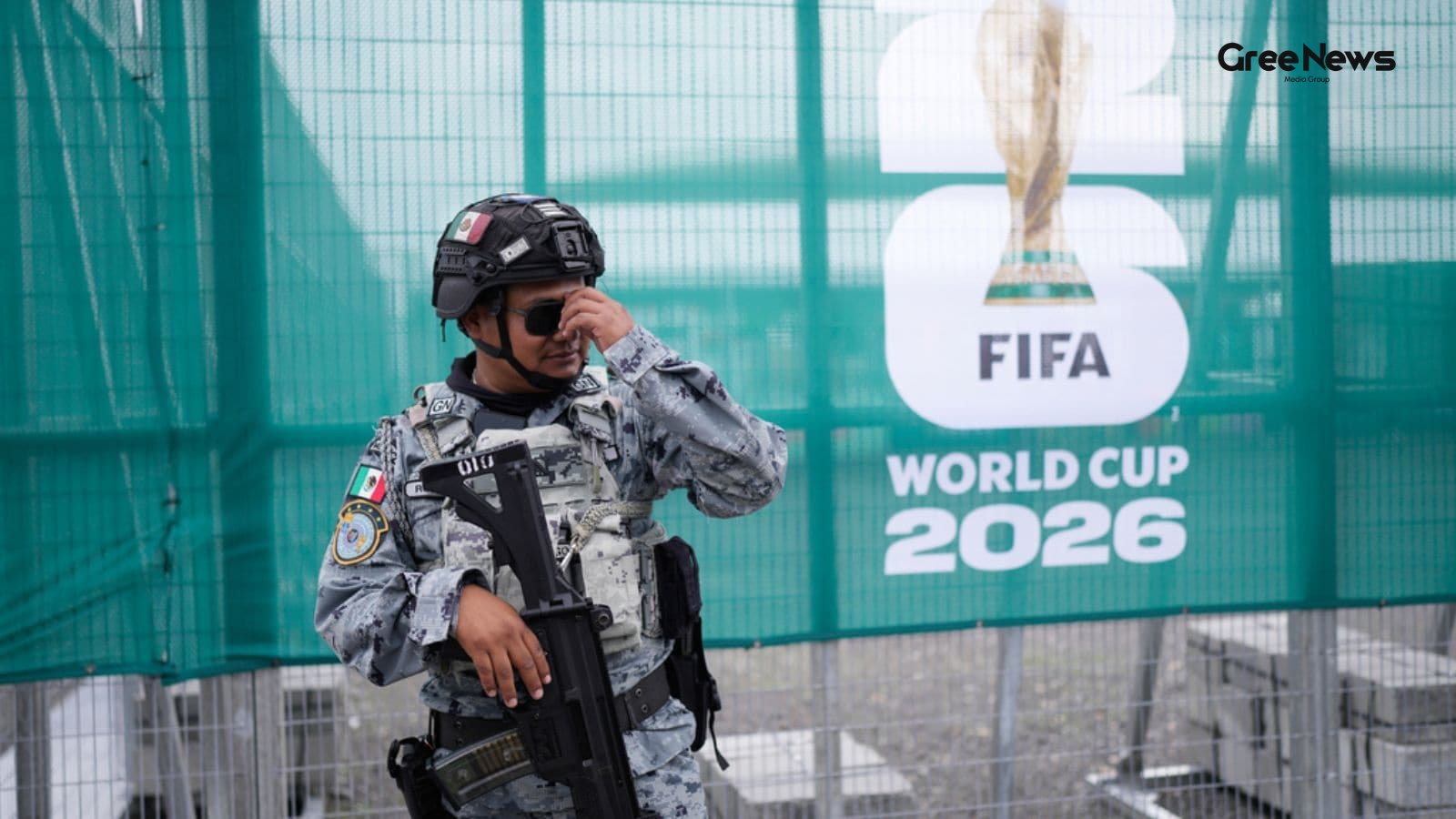
Protest and Political Standoff in Mexico City Before the World Cup
A protest choked off an avenue leading right to Mexico City’s Azteca Stadium for hours on Tuesday. It was just days before that massive World Cup opening match. As football fans started flooding in, all those co-hosts the US, Canada, and Mexico you see the real mess happening back home. Thousands of
Jun 10, 2026 by Gree News Team
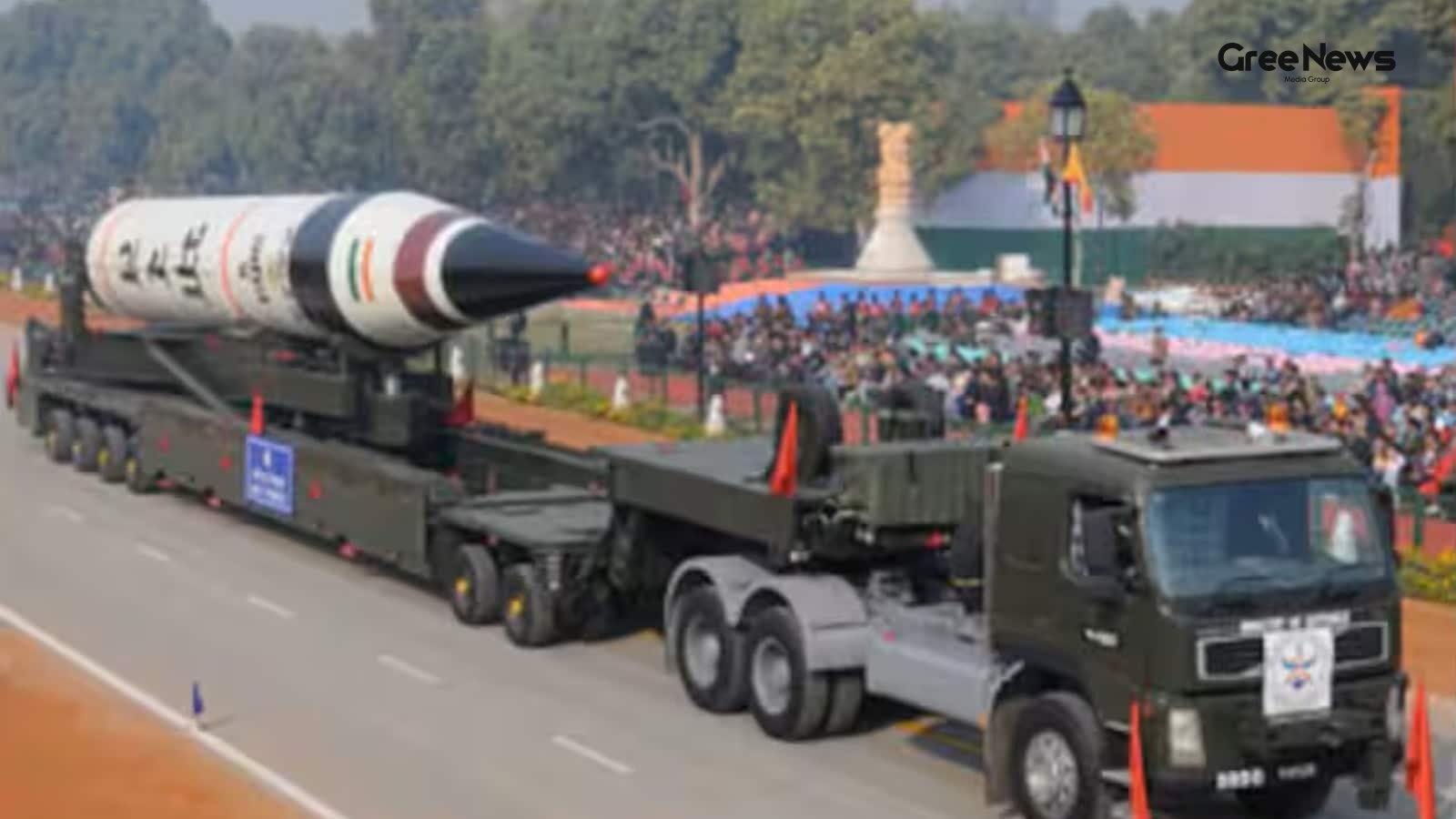
The Global Nuclear Arms Race: Spending, Capabilities, and Future Risks
Nearly eight decades since Hiroshima and Nagasaki. And the world’s nuclear powers aren't slowing down. They keep spending more, modernizing faster, and experts are watching them move weapons out of storage and into potential use. It’s a real arms race happening right now. The nine states that hold n
Jun 10, 2026 by Gree News Team
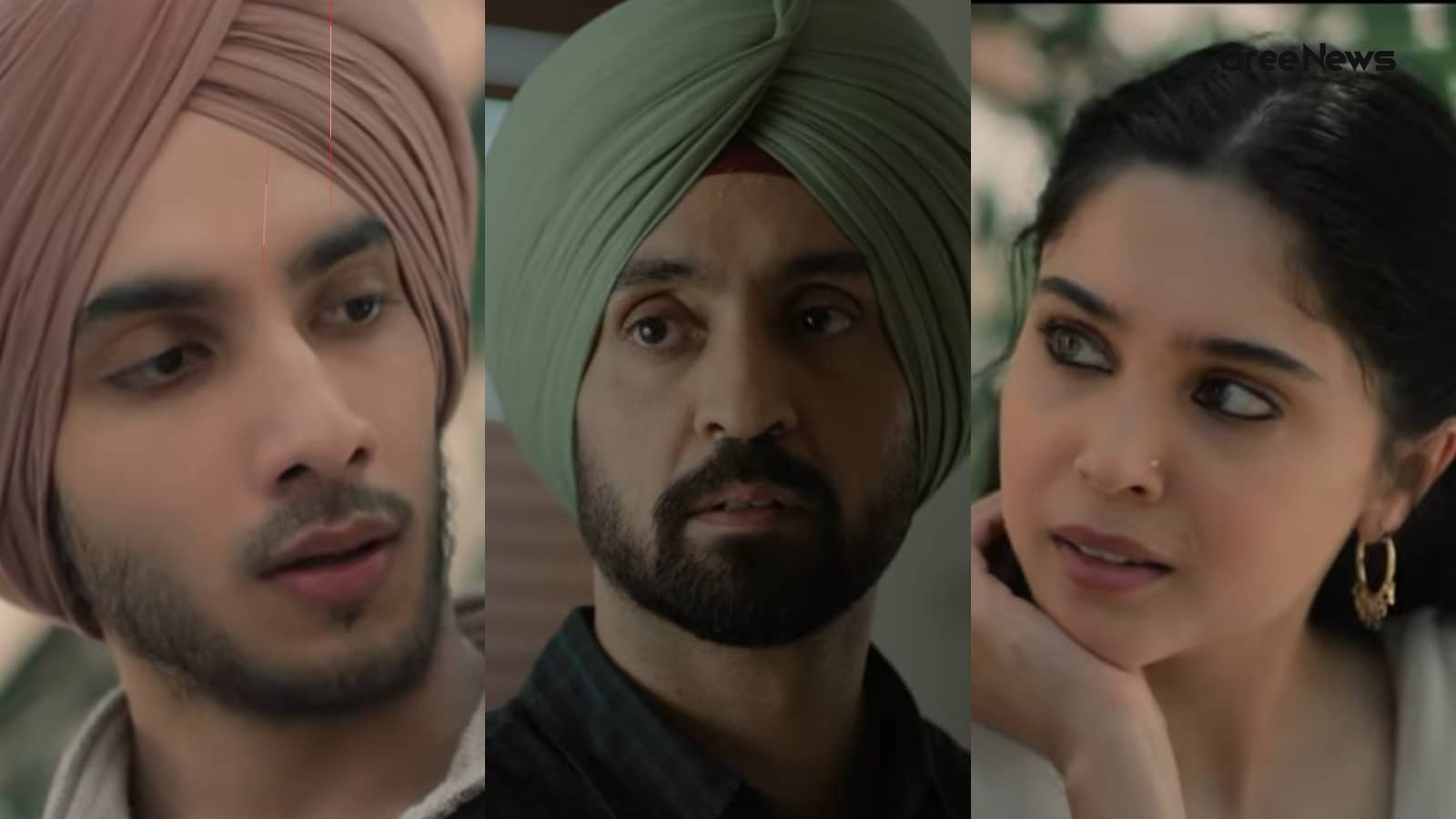
The Chaos of Cinema: Volume, Competition, and the Shifting Market
The Friday arrived packed. June 12th. It wasn't just another day; it was a collision of cinema. Nine films, all hitting the screens at once. *Main Vaapas Aaunga*, Imtiaz Ali’s directorial effort. Then you had Kangana Ranaut’s *Bharat Bhhagya Vidhaata*. And the horror mixed in Vikram Bhatt’s *Haunted
Jun 10, 2026 by Gree News Team

Stock Market Updates: June 10th Performance and Sector Analysis
Stock market updates today, June 10th. Everything turned sour in late trading Wednesday. Domestic equity markets basically gave up all those gains they managed to hold during the day. Heavy selling hit midcap, smallcap stocks, plus metals, realty, and financial names dragging the main indices into n
Jun 10, 2026 by Gree News Team
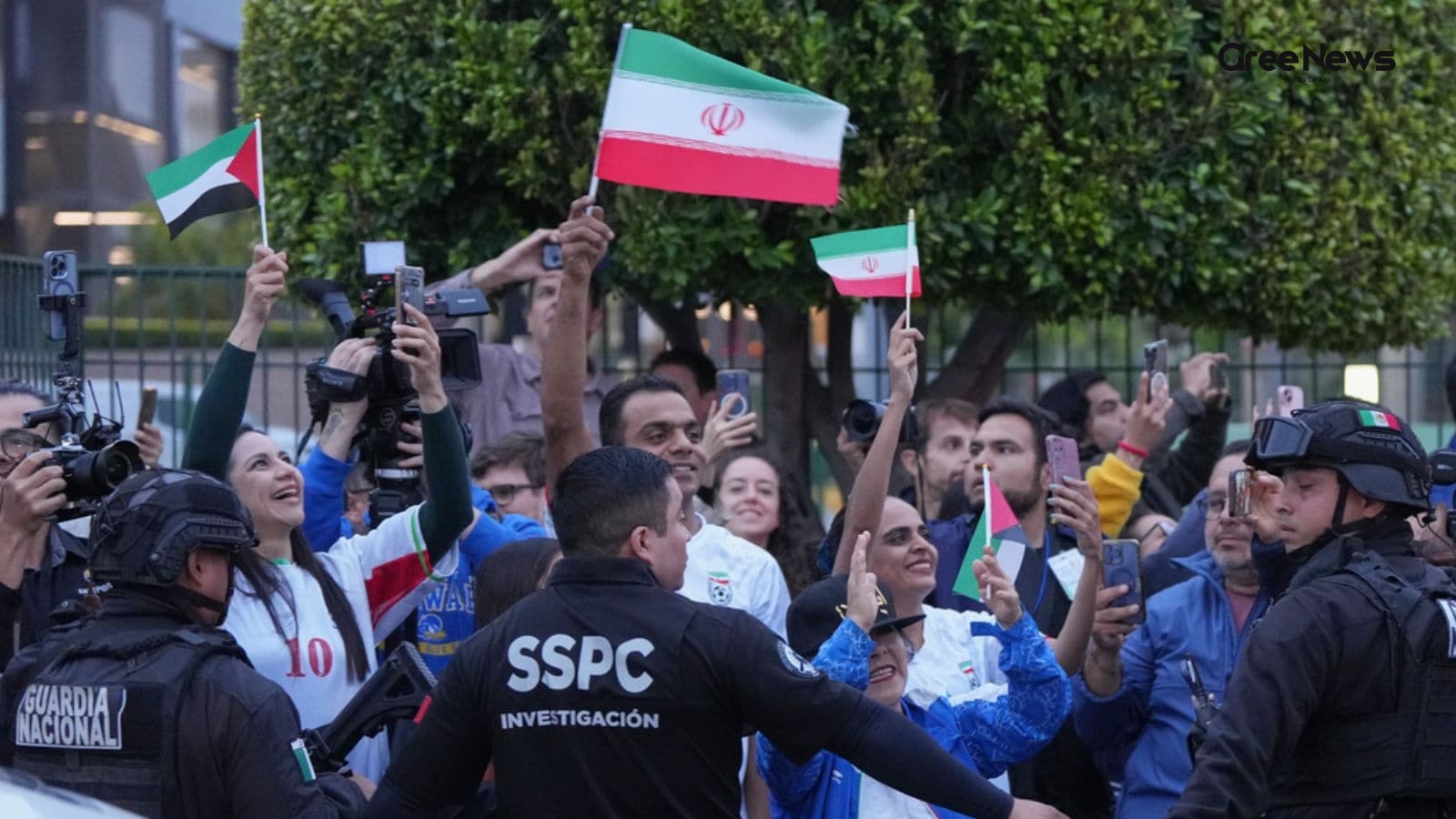
Iran Football Team Travel and World Cup Arrangements
Iran’s football team is heading to Los Angeles, apparently. They announced Tuesday that they'll be flying there the day before their first group-stage game against New Zealand. It feels like a lot happening all at once. But where exactly will they be staying? They won't actually be in L.A. for long.
Jun 10, 2026 by Gree News Team

The Impact of Gen AI on Job Applications and Hiring Strategies
When you start looking for a job, everyone builds this whole structure: the résumé, that killer cover letter, tailoring it perfectly. The whole point was always that application could make you jump out from the crowd of hundreds of applicants. But honestly? Recruiters are starting to think that play
Jun 10, 2026 by Gree News Team
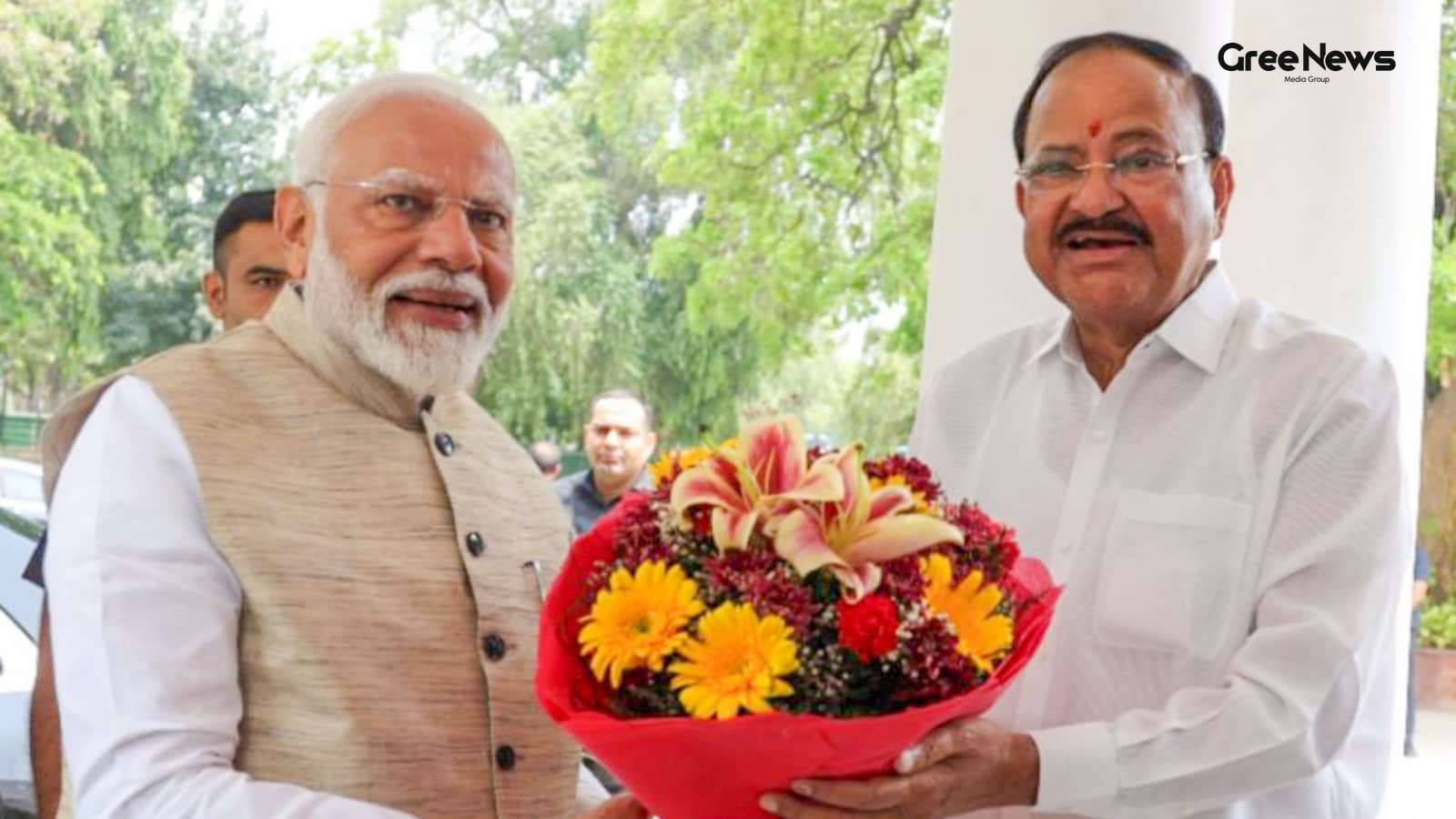
Narendra Modi's Milestone: India's Longest-Serving Prime Minister
Narendra Modi just hit a huge milestone. India’s longest-serving elected Prime Minister. Forty-three hundred ninety-nine days in office now. That beats Nehru's record, which was the first one. Former Vice President Venkaiah Naidu spoke about it. He praised the leadership and everything Modi has done
Jun 10, 2026 by Gree News Team