Monetary Policy Review and Inflation Risks in India
This whole monetary policy review feels incredibly difficult right now. The Reserve Bank of India is just wrestling with a mess of conflicting signals from the global economy. There’s hardly any clear path forward.
Inflation risks are popping up again, which is worrying. That sharp jump in crude oil prices, kicked off by the West Asia conflict, completely reversed that period of calm we had. For India, importing so much oil means that higher crude directly slams fuel costs, transportation, and eventually core inflation. And don't forget the rupee. It’s already slipping past 93 per dollar, which just pumps more imported inflation into the mix.
India’s retail inflation, that CPI number, ticked up to 3.21% in February 2026. That’s a four-month climb.
Soumya Kanti Ghosh, the chief economist at SBI, put it bluntly. He said, “India is not unscathed from the current crisis and is feeling the mercury rising. The rupee is already hovering above 93 per dollar, and crude oil is adamant above USD 100 per barrel, resulting in a jump in imported inflation across states.” He also threw in a note about the projected “super El Nino” messing things up further.
The real problem is the nature of the shock itself. This isn't just domestic demand running wild. It’s largely a supply-side headache , driven by geopolitics and those commodity prices. Interest rate tools? They just don’t cut it for this kind of inflation. It forces the RBI to move with extreme caution.
Meanwhile, the global monetary scene is just as shaky. The US Federal Reserve is dragging its feet on rate cuts. Discussions about hikes are back in the air because inflation there is still sticky. This has strengthened the dollar and squeezed global liquidity. That limits the RBI’s wiggle room entirely. Trying to ease policy too aggressively just risks capital fleeing and putting more pressure on the rupee.
A treasury official at a private sector bank noted something like this: “Even though domestic growth still looks okay, all these external worries—weak global demand, wild capital flows, all the geopolitical tension—they weigh heavily on exports and investment. The RBI has to keep things flexible.”
It’s a genuine trade-off.
Currency management has become a massive headache. That sharp fall in the rupee makes decision-making exponentially harder. They have to juggle controlling inflation against keeping the external situation stable. Policy signaling is now critical. They have to anchor market expectations somehow.
And finally, all those projections. The RBI has to reassess everything under this high uncertainty. Inflation forecasts might need to be pushed higher if crude stays high. Growth estimates could face a dip because of global disruptions. Forward guidance is just tricky now. It’s all moving too fast.
Written by Gree News Team — Senior Editorial Board
Gree News Team covers international news and global affairs at Gree News. Our collective of senior editors is dedicated to providing independent, accurate, and responsible journalism for a global audience.
More from Economy
View All
Shankh Mitra's Massive Compensation and Career at Welltower
Shankh Mitra, an Indian origin executive, has pulled off something massive with his compensation package at Welltower. We’re talking $821 million roughly seven thousand and sixty-one crore rupees. That puts him right behind Elon Musk as the second highest paid executive in the company. He’s the CEO
Jun 23, 2026 by Gree News Team

JAL CEO Faces Pay Cut Over Alcohol Incident and Management Failure
JAL’s CEO is facing some serious fallout right now. He’s getting hit with a thirty percent pay cut for two months because of an alcohol issue that rocked the cabin crew and spilled over into the airline's leadership structure. It all kicked off after some cabin crew members seriously messed up compa
Jun 22, 2026 by Gree News Team
Petrol, Diesel, and CNG Price Update
Petrol, diesel, and CNG prices held steady on Monday, June 22nd. Nothing moved, at least not officially. But behind the scenes, things were definitely shifting. Oil market companies and gas distributors tweak those figures every morning at six, you know? It’s routine, but it signals the underlying p
Jun 22, 2026 by Gree News Team
PM Kisan 23rd Installment: Eligibility, Process, and Roadblocks
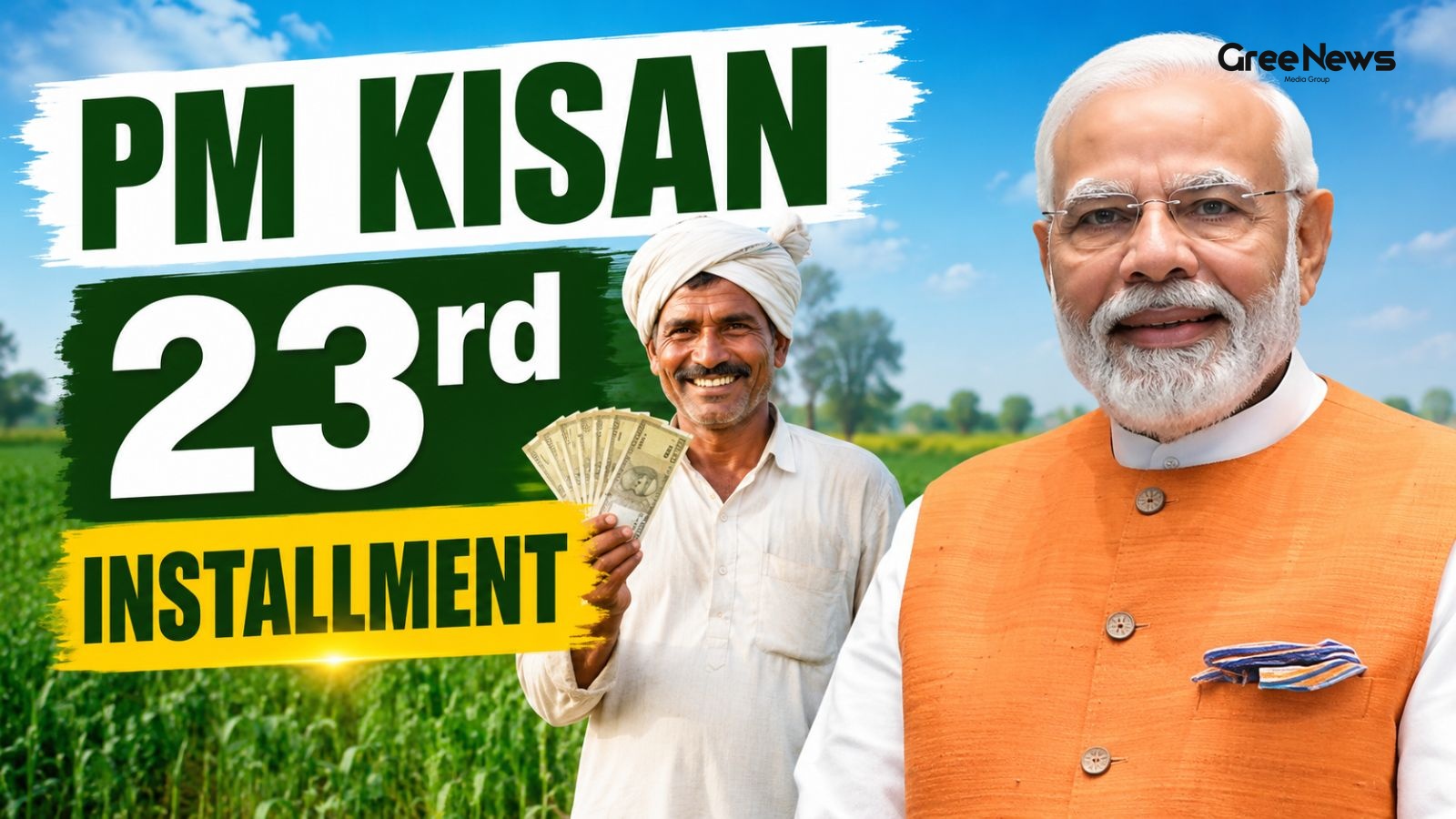
The wait for the 23rd installment of PM Kisan seems to be finally over. Prime Minister Narendra Modi is set to release about eighteen thousand eight hundred eighty crore rupees on Saturday, June 20, 2026. That money is slated for over nine point four four crore farmers. The announcement comes from T
Jun 21, 2026 by Gree News Team
Latest Headlines

Murder and Conspiracy at Lohagad Fort: The Story of Goyal and Chaudhary
Something really disturbing happened in Maharashtra. Pune Rural Police found something sinister behind what everyone thought was just a bad trekking accident at Lohagad Fort. They arrested two people, Siya Goyal and Chetan Chaudhary. They’re accused of planning the murder of Goyal’s fiancé, Ketan Vi
Jun 24, 2026 by Gree News Team
Aashna Doshi's Journey from Google to AI Startup
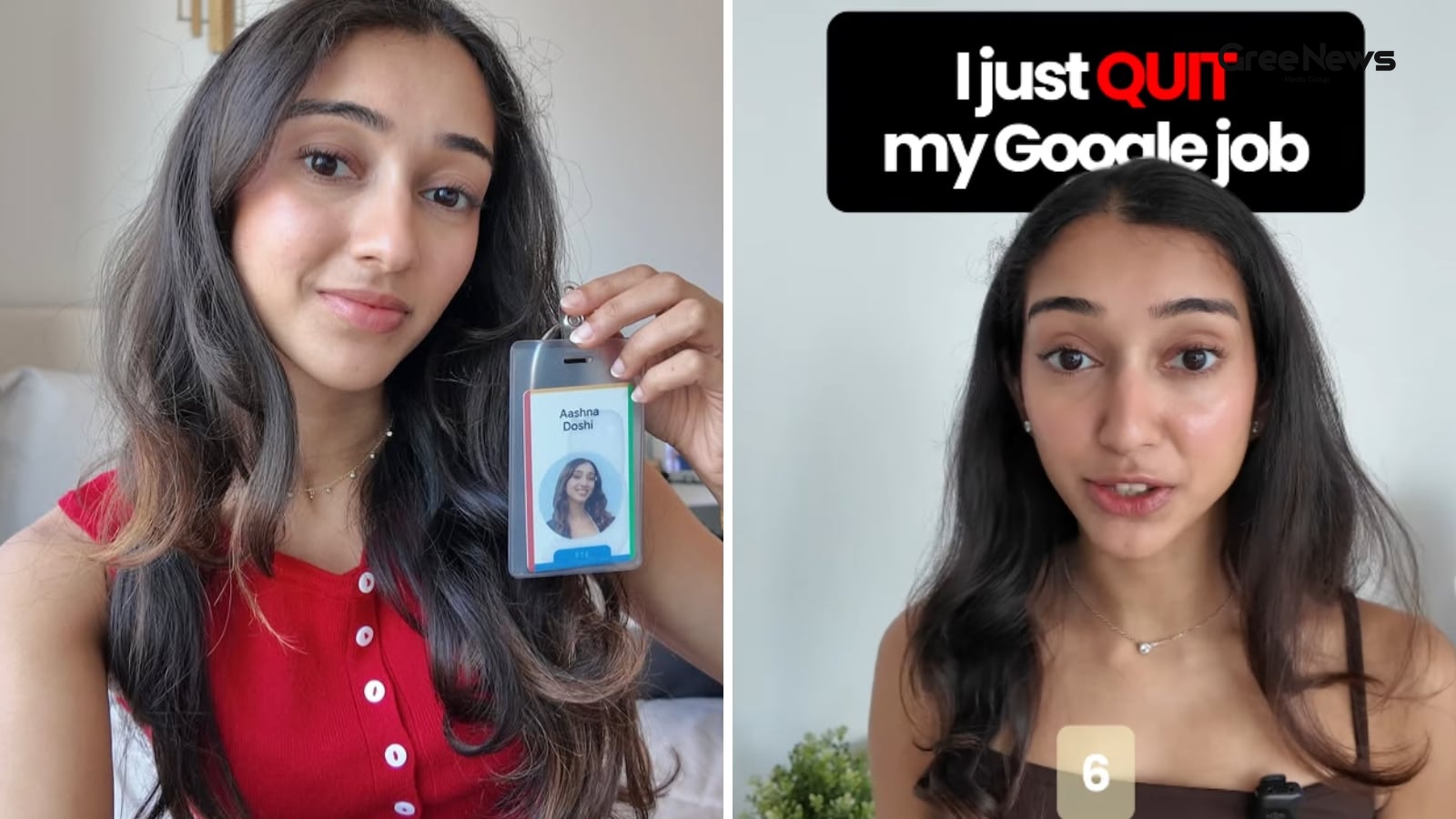
Aashna Doshi, twenty-three years old, used to be a Google engineer. Leaving that job wasn't the hardest thing for her, she admitted. It was staying put, just sitting there in comfort, wondering what else she could have actually built instead of just coding. She shared this story with Business Inside
Jun 24, 2026 by Gree News Team

Tension and Sportsmanship: The Strained Relations Between India and Pakistan
Harmanpreet Singh and his Indian hockey team met their Pakistani counterparts, led by Abu Mahmood, just before a big game in the FIH Pro League. They exchanged greetings, but it felt strained. All the differences that have really soured things across the border? they just kept them quiet. It’s compl
Jun 24, 2026 by Gree News Team
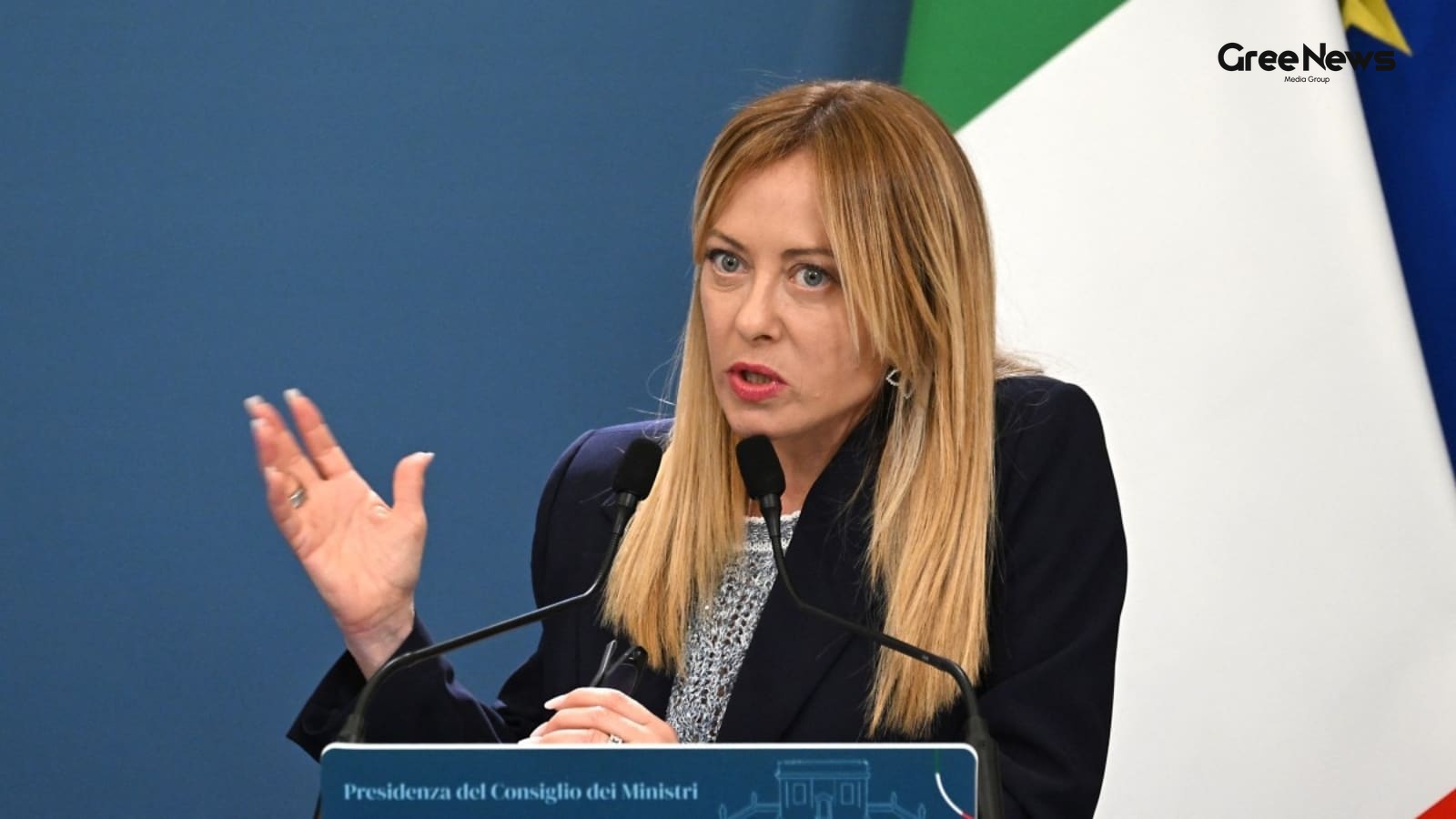
Giorgia Meloni and the Future of Italian Elections
Meloni is looking at calling early elections. April? Months ahead of when they’re supposed to run again in late 2027. That’s what’s swirling around the right wing, Brothers of Italy, reportedly. There’s this worry that dragging things out just won't help her standing at home. The *Bloomberg* report
Jun 24, 2026 by Gree News Team
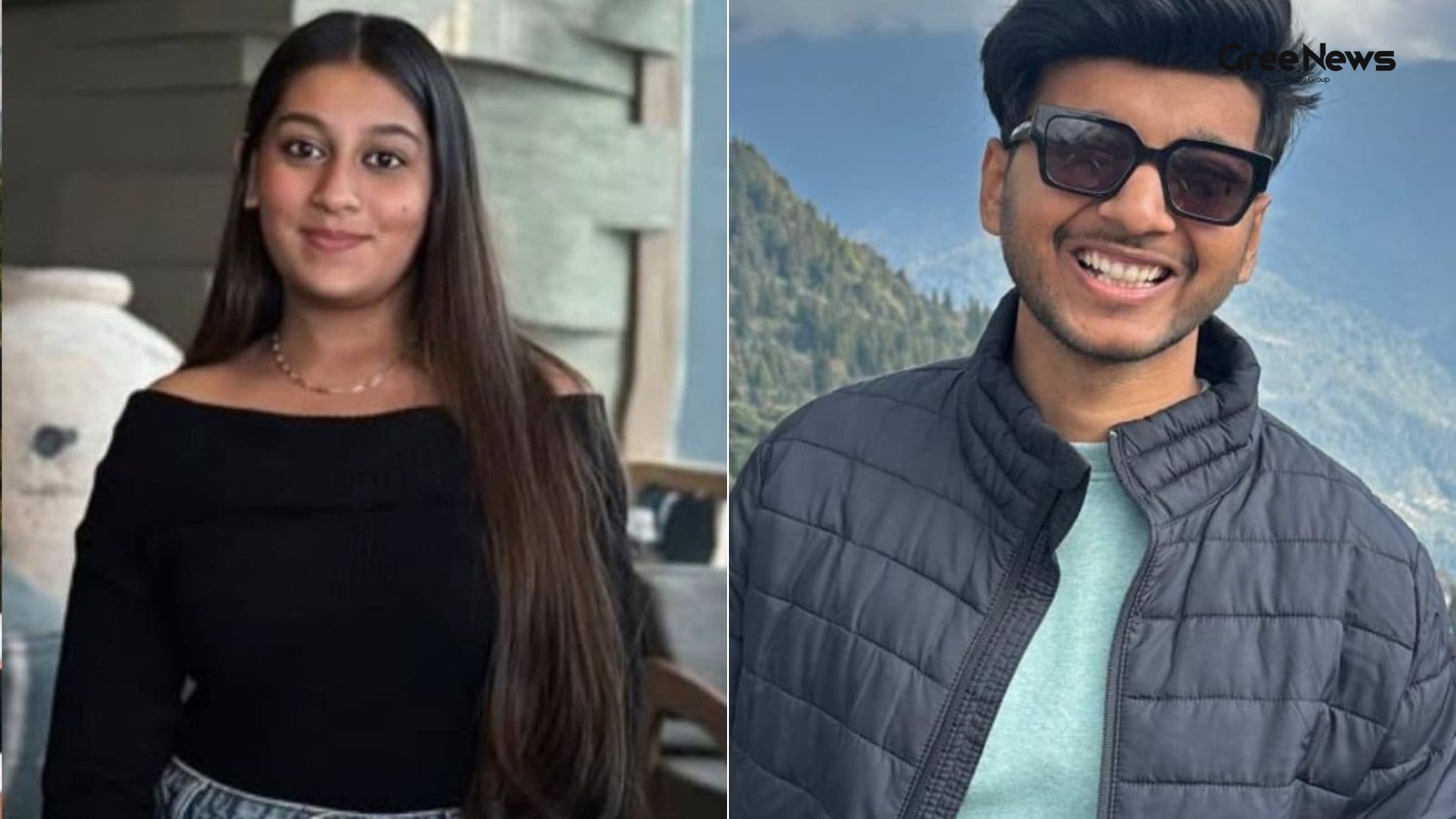
Alleged Murder of Ketan Agarwal and Arrest of Accused
Twelve days before Ketan Agarwal was allegedly killed, he was supposed to head to Bali with his fiancée, Siya Goyal. A pre-wedding photoshoot planned. Things went sideways fast. The trip got cancelled because Ketan’s passport vanished. Poof. Gone. Less than two weeks later, the real trouble started
Jun 24, 2026 by Gree News Team

Work-Life Balance and Work Culture Differences Between India and the US
An Indian man living in the States recently shared some thoughts about his experience working across both India and the US. It really highlighted how different people handle work hours and what happens after the workday ends. He mentioned seeing a huge shift over the years regarding work-life balanc
Jun 24, 2026 by Gree News Team

Borax Poisoning Case in Chhattisgarh
A shopkeeper in Chhattisgarh allegedly used deadly amounts of borax powder to poison eight men over four months. That’s what the police said on Tuesday. The whole thing happened in a village called Kharve, under Kasdol police station limits. The murders stretched out between February and May this ye
Jun 24, 2026 by Gree News Team
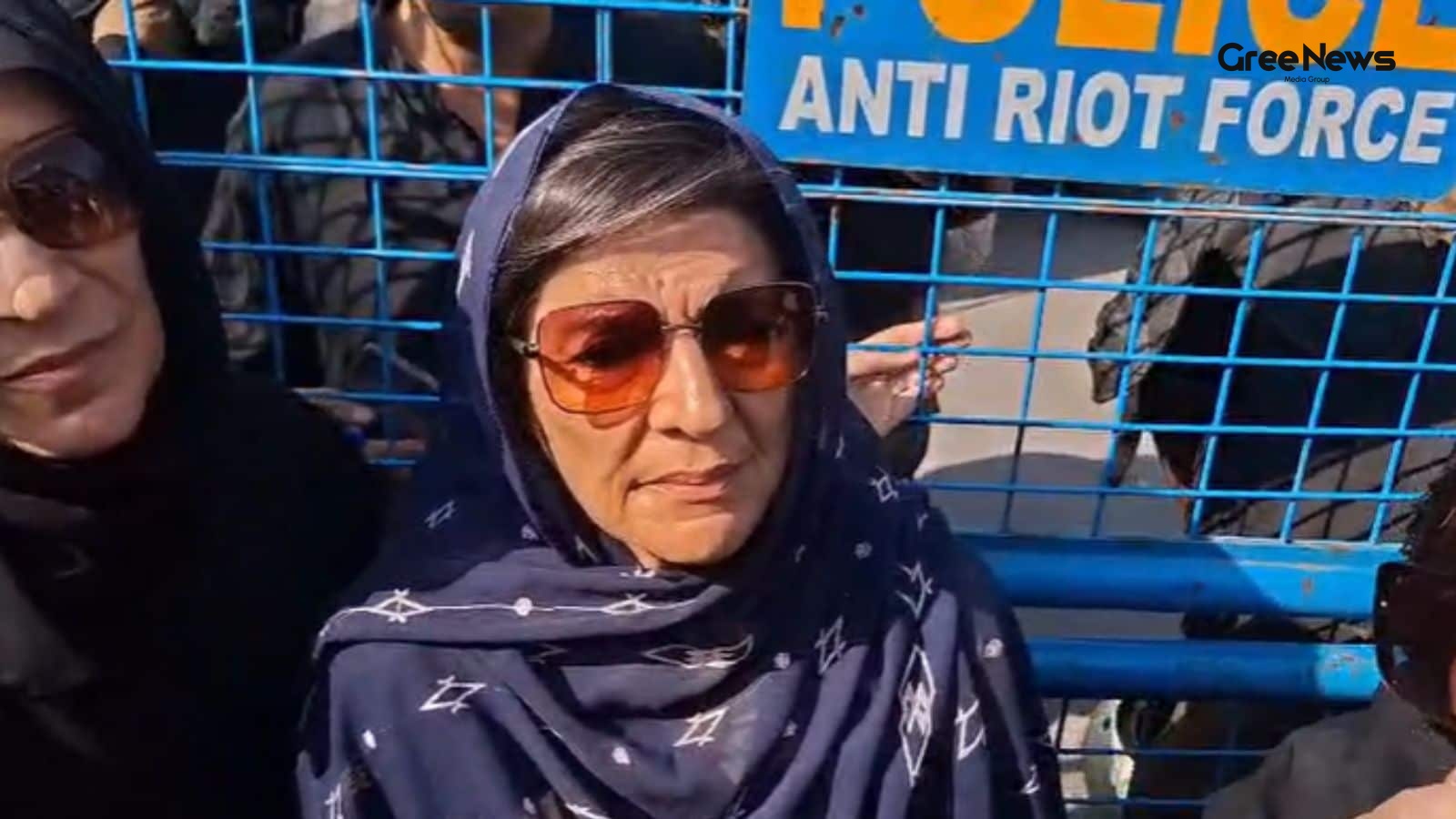
Aleema Khan's Condemnation of Crackdown and the PoK Situation
Aleema Khan, Imran Khan's sister, she really lashed out. She condemned the crackdown happening to people in Pakistan-occupied Kashmir, but she also aimed that anger squarely at Prime Minister Shehbaz Sharif for trying to step in and mediate that whole US-Iran mess. She said Islamabad was just oppres
Jun 24, 2026 by Gree News Team
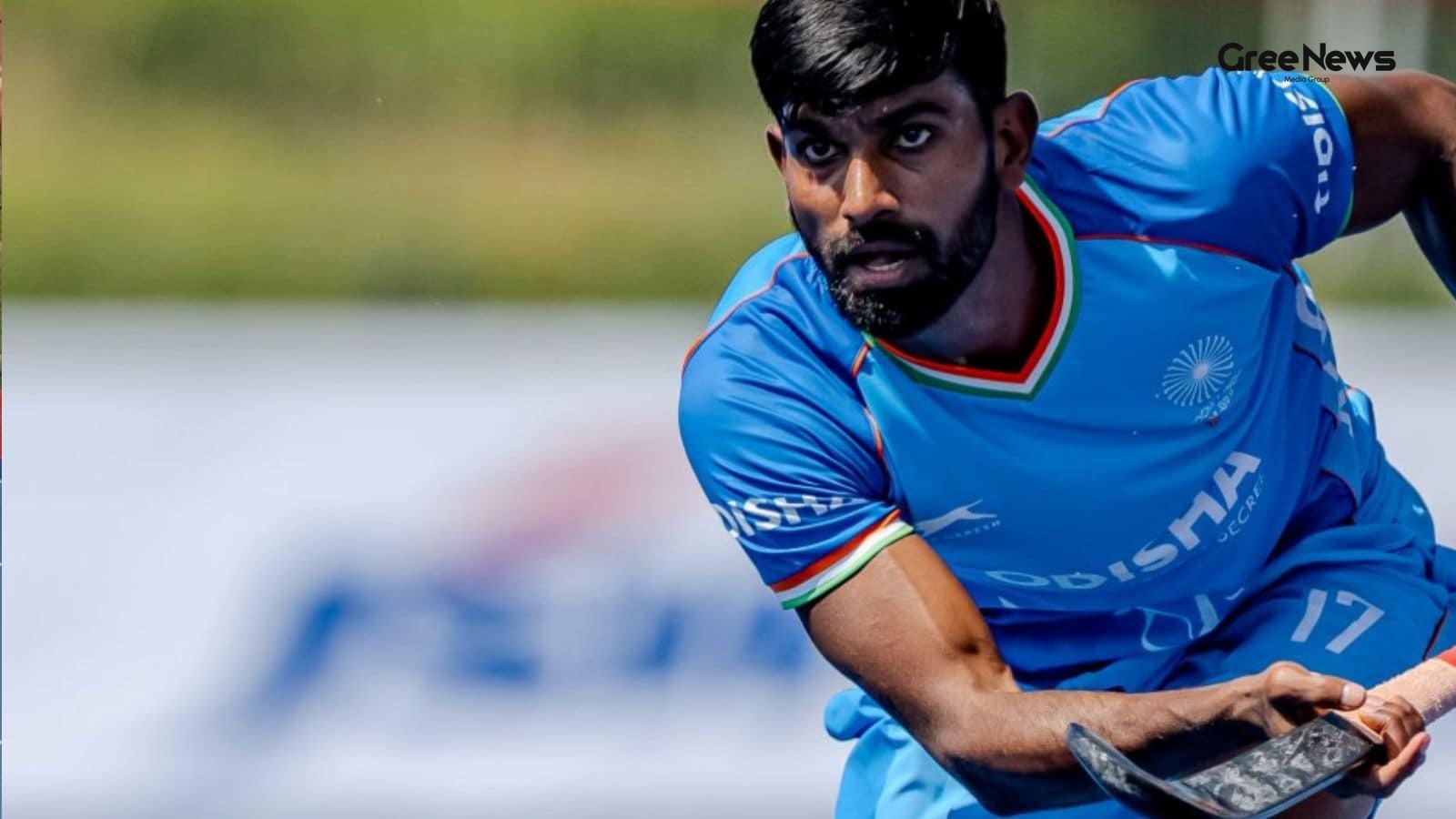
India Edges Out Pakistan 4-3 in Pulsating FIH Pro League Encounter
India edged out Pakistan 4-3 in what was a really pulsating FIH Pro League encounter on Tuesday. It extended their decade-long undefeated run against their arch-rivals in international hockey, and that just carries some weight. The victory itself lifted India to seventh place in the standings. That
Jun 24, 2026 by Gree News Team
Bhagwant Singh Mann's Claims on Punjab Development and Job Creation
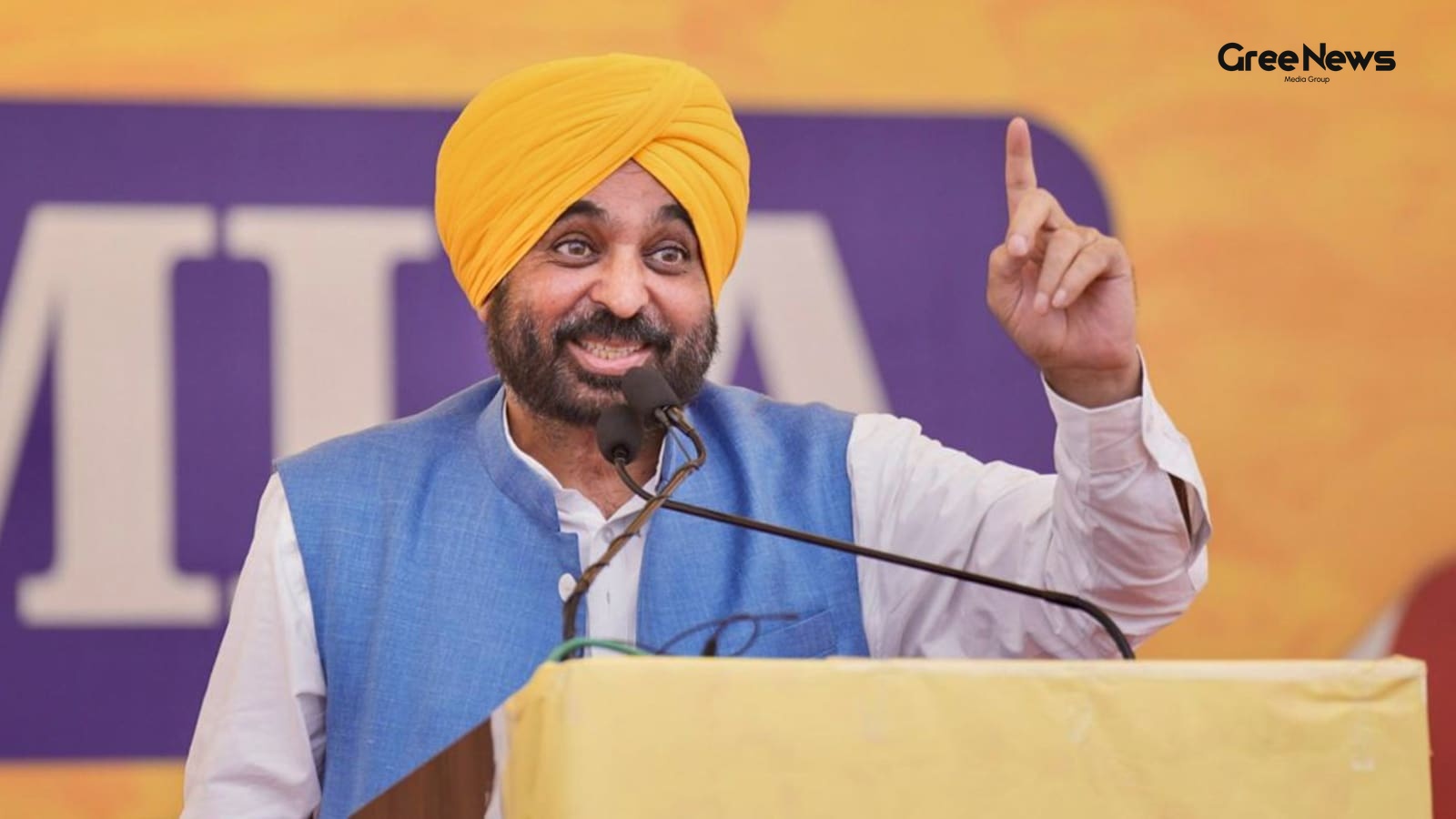
Bhagwant Singh Mann was handing out appointment letters on Tuesday in Bathinda. Sixty-six hundred and sixty-five new spots at PSPCL. He made a claim too that Punjab had given out 68 thousand jobs over four and a half years. He said the recruitment drive is finally over. It ended that old system of c
Jun 24, 2026 by Gree News Team
Donald Trump on Iran, Nuclear Inspections, and Economic Distress
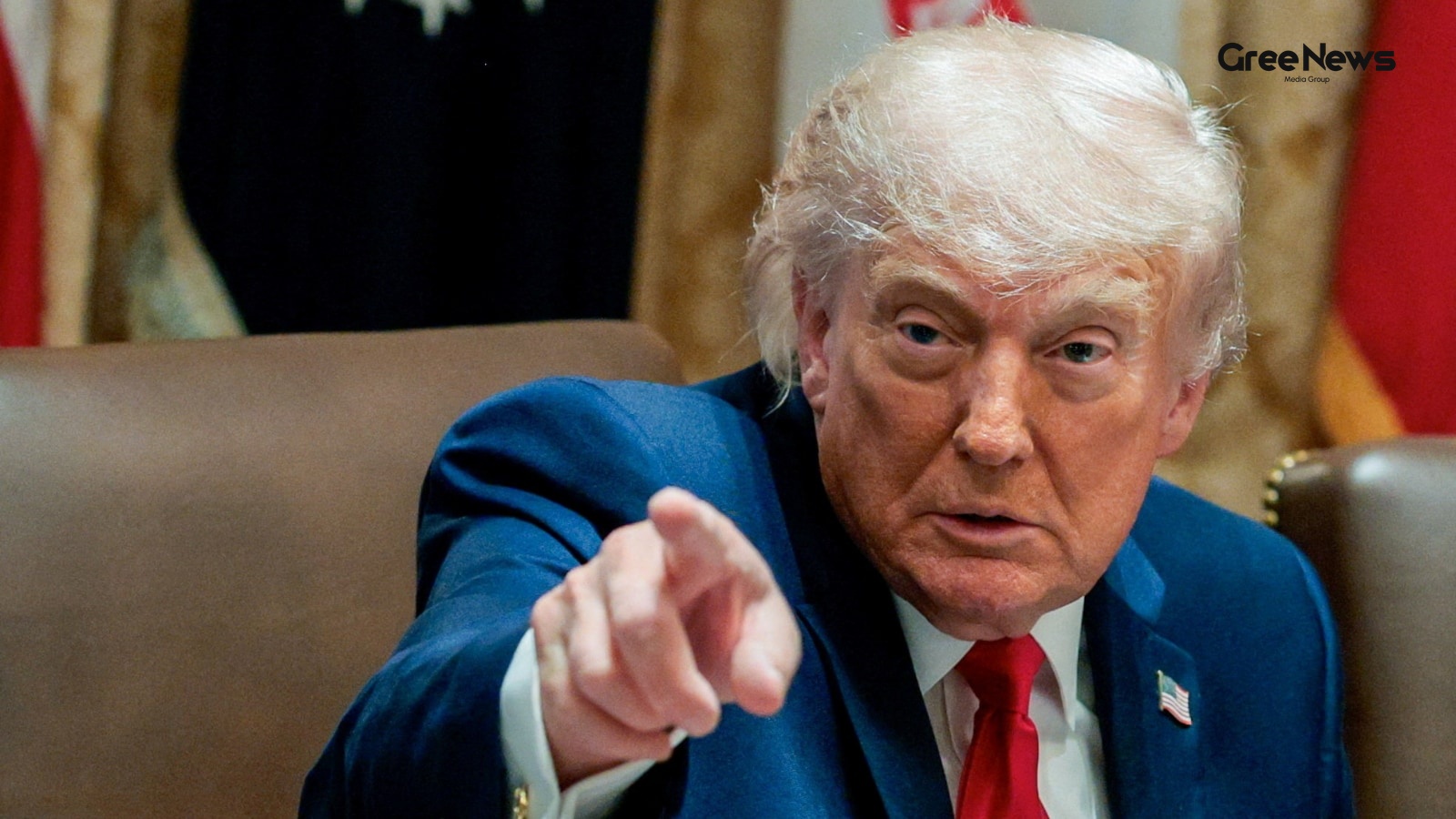
Tuesday. Donald Trump was talking about Iran again. He rejected their claim that no visit was scheduled for IAEA inspectors. Insisting Tehran already agreed to let the UN nuclear watchdog into the country. “They’re wrong, they’re wrong,” he told reporters after landing in Pennsylvania. It was all ab
Jun 24, 2026 by Gree News Team
US-Iran Talks: Agreements, Sticking Points, and Nuclear Disagreements
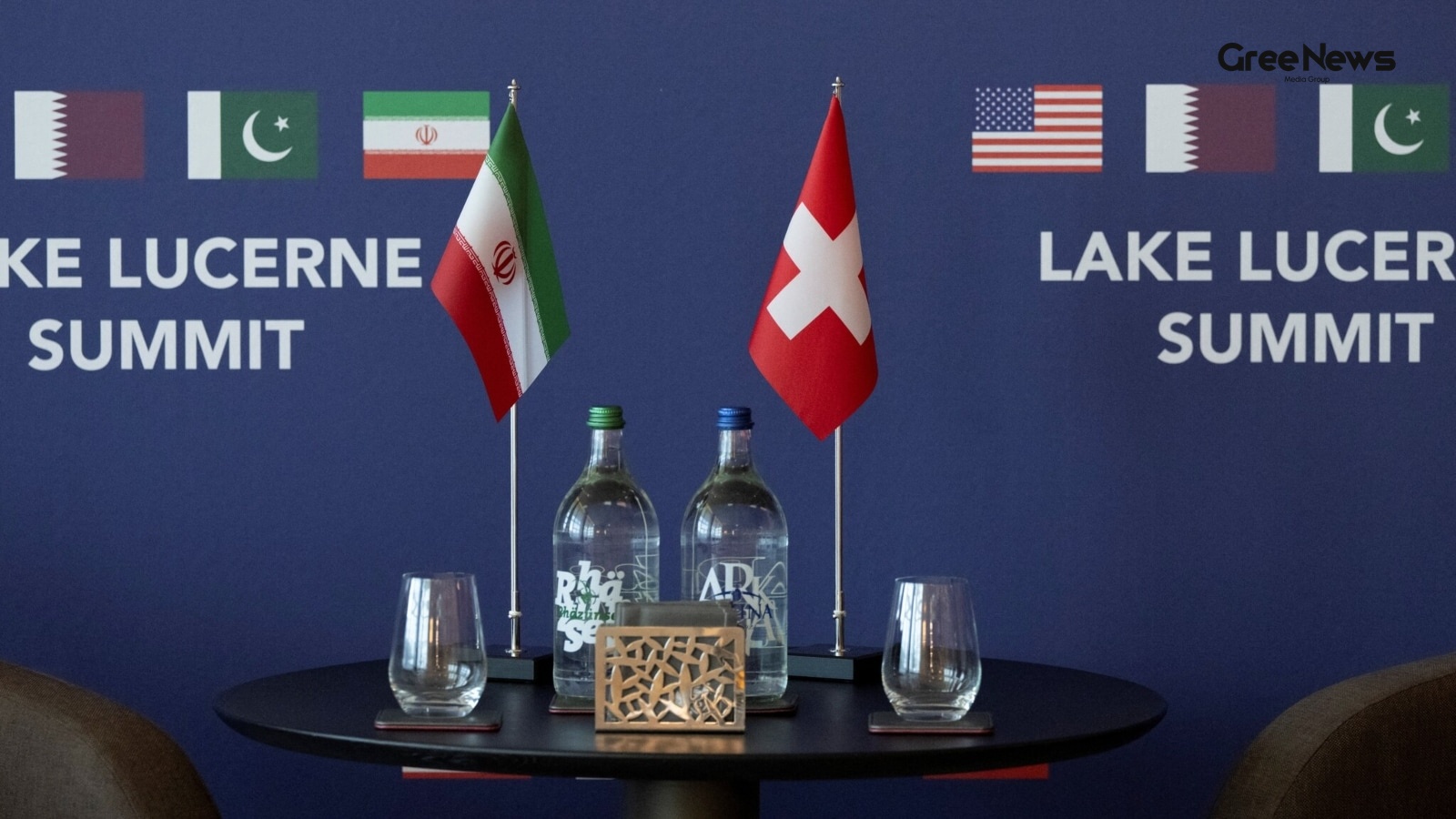
Switzerland hosted the first round of US-Iran talks. It ended up being a real mixed bag some small agreements, but huge sticking points remained unresolved. We’re talking about things like trying to get a short-term sanctions waiver for oil, setting up some new maritime communication routes, and mas
Jun 24, 2026 by Gree News Team
Ronaldo's Historic Performance in Portugal's World Cup Run
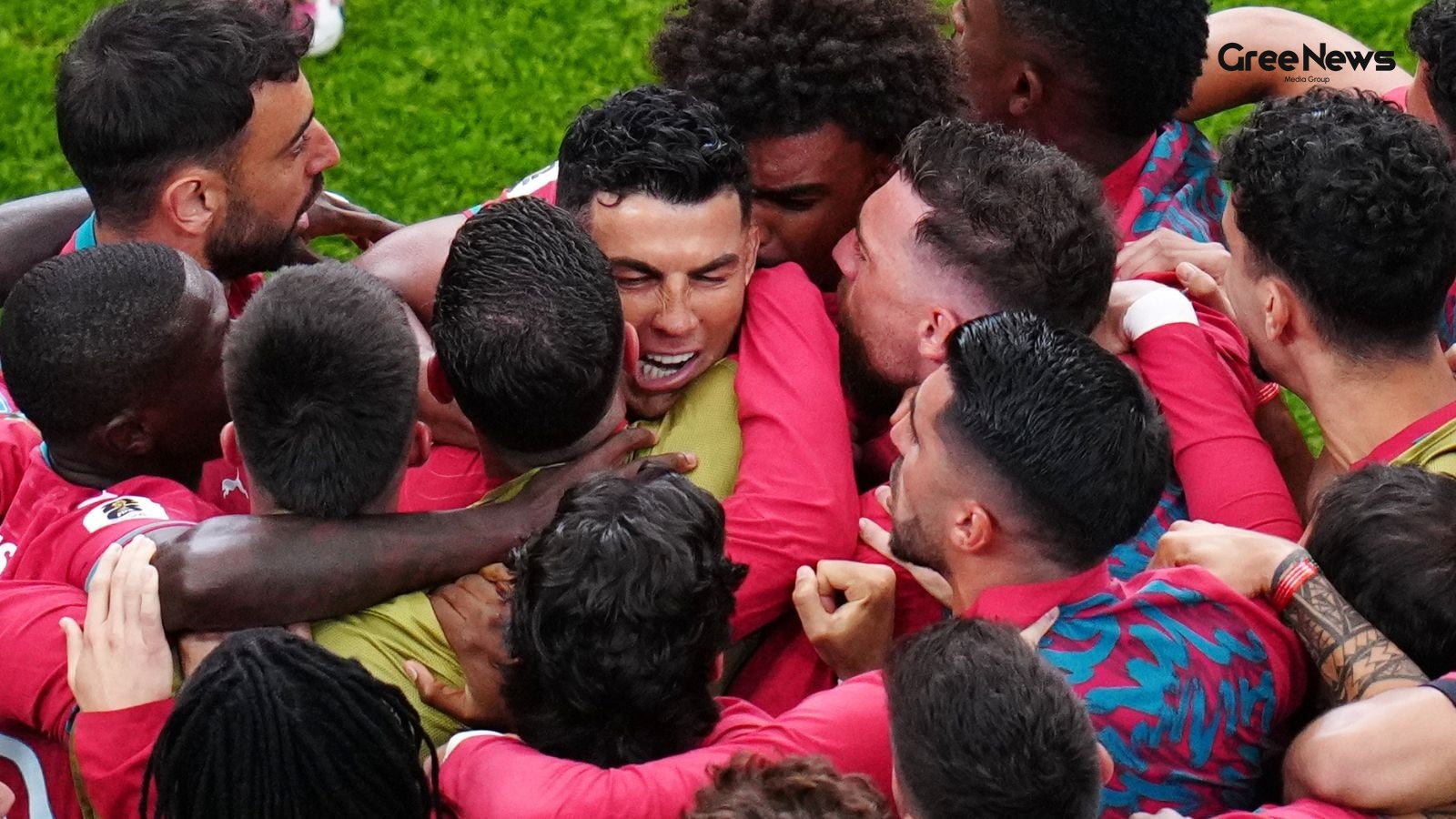
Ronaldo came out swinging against the critics on Tuesday, scoring twice as Portugal absolutely dismantled Uzbekistan five-nil in Houston. They’re now sitting right on the edge of knockout stages for the World Cup. That early strike? It felt historic. He etched his name into something major. First pl
Jun 24, 2026 by Gree News Team
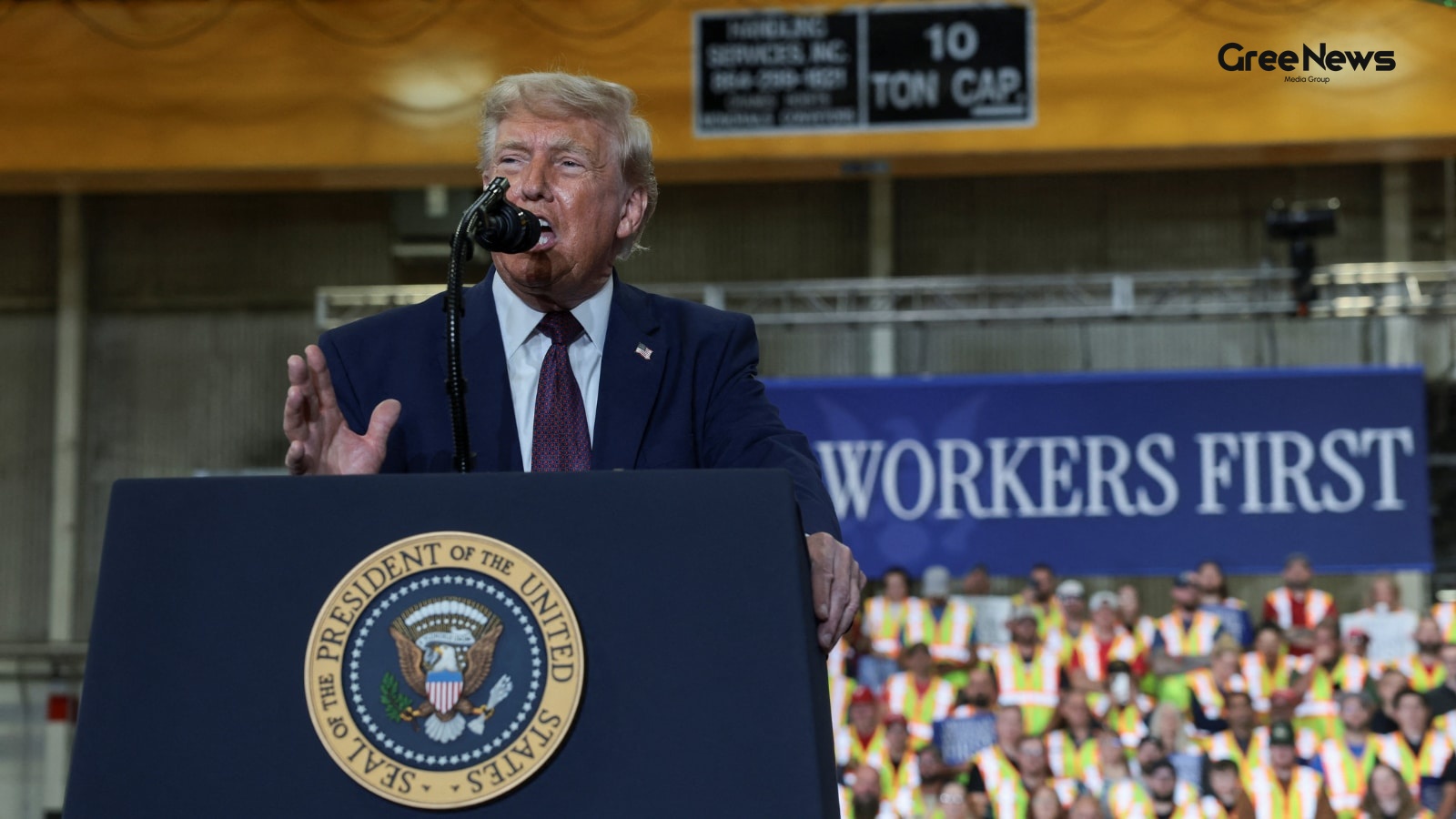
Donald Trump's Statements on Trade, Tariffs, and Foreign Policy
Donald Trump brought up a lot of things Tuesday in eastern Pennsylvania, mostly talking about trade and jobs. He claimed his administration managed the biggest cut in the US trade deficit ever sixty-seven percent, he said. “We have the biggest trade deficit cut in the history of our country. Sixty-s
Jun 24, 2026 by Gree News Team
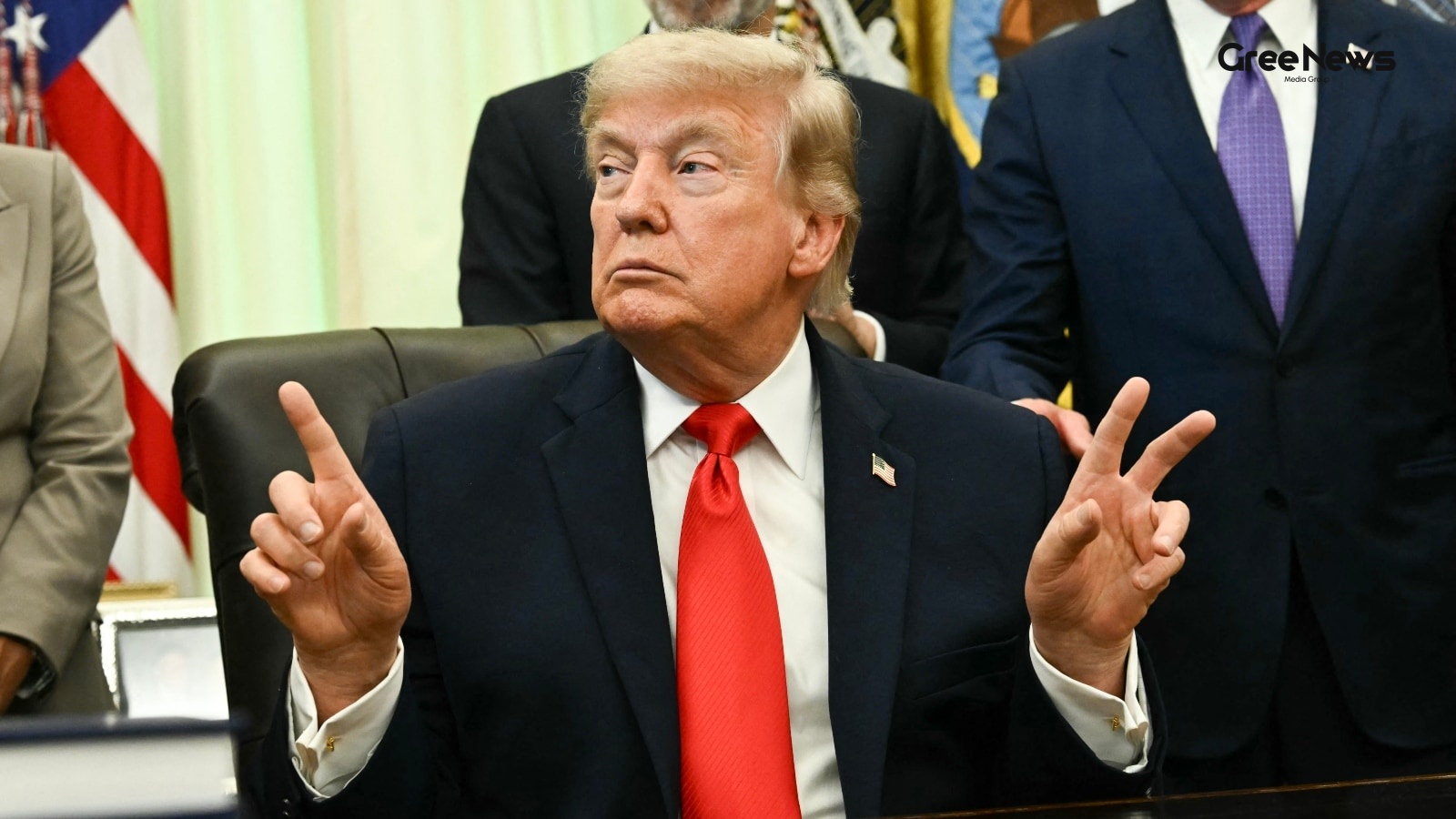
US Military Involvement with Iran: Legal and Political Tensions
The Senate actually managed to pass something Tuesday. A resolution, calling for an end to President Trump’s military involvement with Iran. It was the latest pushback against what the White House is doing this whole dance about trying to negotiate some long-term deal with Tehran through force. Fift
Jun 24, 2026 by Gree News Team