Petrol and Diesel Prices in India: Market Dynamics and Future Outlook
Petrol and diesel prices in India, April 7, 2026—they just stayed put. That’s the headline, despite the whole world going nuts with oil markets.
Global crude oil prices are swinging wildly right now, mostly because of the mess in the Middle East, the Iran-US situation. Things are volatile.
Oil marketing companies, they update those fuel prices daily at 6 AM, trying to keep things transparent, but the real story is how the government is handling the pressure. They’re absorbing some of the volatility, trying to keep the consumer shock at bay.
But you have to remember where that crude comes from. It’s the raw material.
The whole setup is complicated. You look at the global market, the Brent crude hovering around $109 a barrel during this whole conflict, and then you look at India.
And that’s where the real complexity kicks in.
That stability, though, it’s not magic.
It’s a mix of things.
Look, fuel prices aren't just about the barrel cost. They get pulled in a million directions.
You’ve got the exchange rate. India imports a chunk of its oil, so how the rupee fares against the dollar matters a ton. A weaker rupee just makes imports more expensive.
Then there are the taxes. Central excise duty, state VAT. That’s a whole separate layer, and it’s why prices jump around depending on where you are.
Refining costs too. How efficiently the refineries are running, what kind of crude they’re processing—that feeds right back into the retail price.
And then there’s the demand and supply side. How much is being pulled in, how much is flowing.
It’s all tangled up.
But there were specific moves happening, too.
Remember April 1? IndianOil hiked the price on their XP100 petrol—India’s first 100-octane fuel—up by eleven rupees, hitting 160. That stuff is for the fancy cars, the performance stuff, you know? It’s about engine efficiency.
And the premium diesel, the Xtra Green variant, also got a bump, moving up to 92.99 per litre.
Meanwhile, the private retailers started pushing prices too. Shell India and Nayara Energy both moved on April 1, feeling the squeeze from those elevated crude prices hitting their margins.
And the city differences? That’s stark.
Prices shift everywhere because of local taxes.
Diesel saw a sharper jump.
Will regular petrol and diesel see another hike soon?
For now, the oil companies seem to be holding back. They’re avoiding any big move on the widely used fuels because the inflation concerns are too loud.
But the pressure is building. If those international oil prices stay high for a long stretch, it gets harder for BPCL, HPCL, IOCL—the big players—to just absorb the losses anymore. Revising those regular prices is becoming increasingly likely.
Consumers can check what’s happening locally, though. They can get the latest rates by just texting their city. It lets you see the immediate reality without wading through all the macro-economic noise. It’s just how things are moving now.
Written by Gree News Team — Senior Editorial Board
Gree News Team covers international news and global affairs at Gree News. Our collective of senior editors is dedicated to providing independent, accurate, and responsible journalism for a global audience.
More from Economy
View All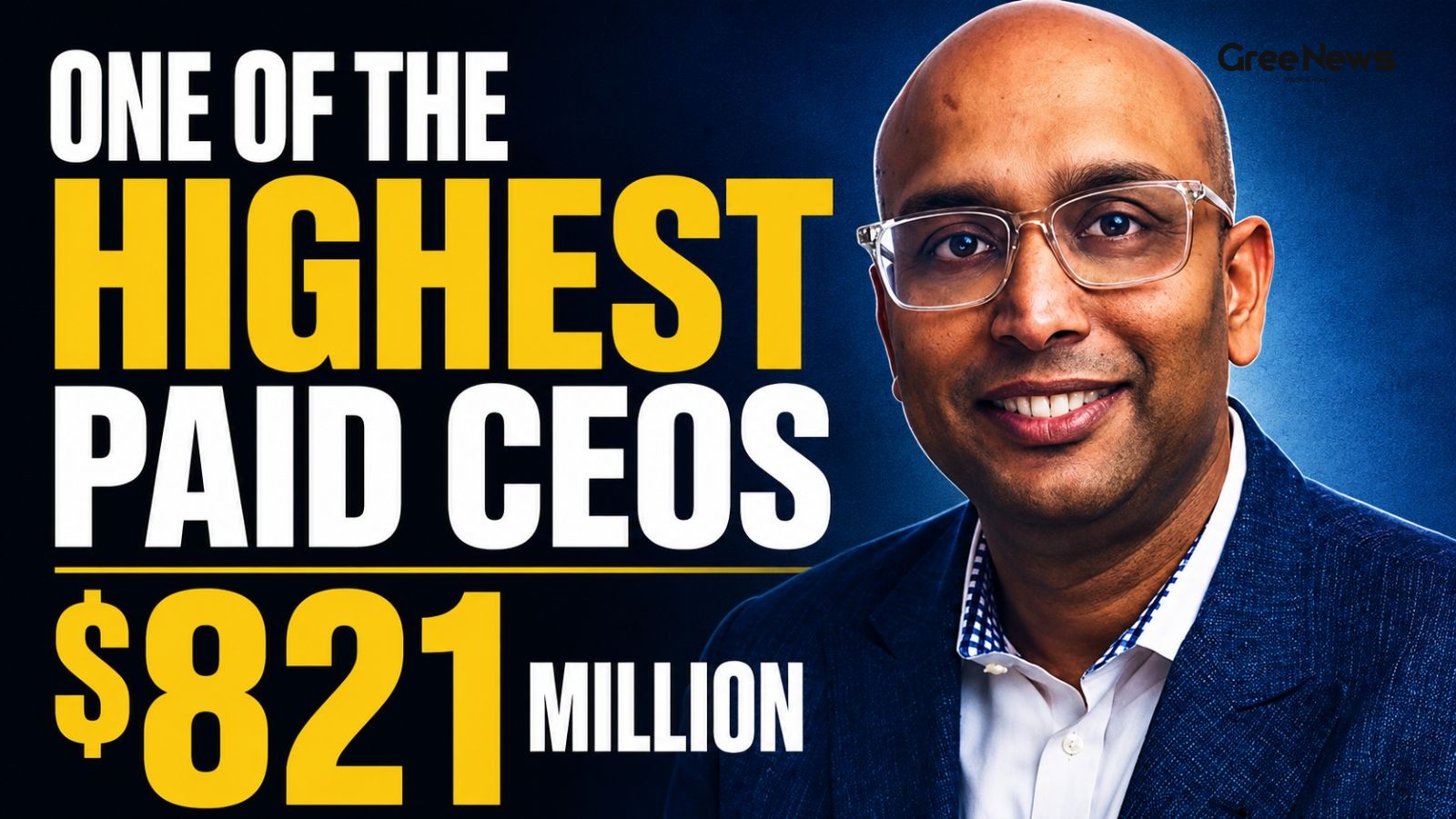
Shankh Mitra's Massive Compensation and Career at Welltower
Shankh Mitra, an Indian origin executive, has pulled off something massive with his compensation package at Welltower. We’re talking $821 million roughly seven thousand and sixty-one crore rupees. That puts him right behind Elon Musk as the second highest paid executive in the company. He’s the CEO
Jun 23, 2026 by Gree News Team

JAL CEO Faces Pay Cut Over Alcohol Incident and Management Failure
JAL’s CEO is facing some serious fallout right now. He’s getting hit with a thirty percent pay cut for two months because of an alcohol issue that rocked the cabin crew and spilled over into the airline's leadership structure. It all kicked off after some cabin crew members seriously messed up compa
Jun 22, 2026 by Gree News Team
Petrol, Diesel, and CNG Price Update
Petrol, diesel, and CNG prices held steady on Monday, June 22nd. Nothing moved, at least not officially. But behind the scenes, things were definitely shifting. Oil market companies and gas distributors tweak those figures every morning at six, you know? It’s routine, but it signals the underlying p
Jun 22, 2026 by Gree News Team
PM Kisan 23rd Installment: Eligibility, Process, and Roadblocks
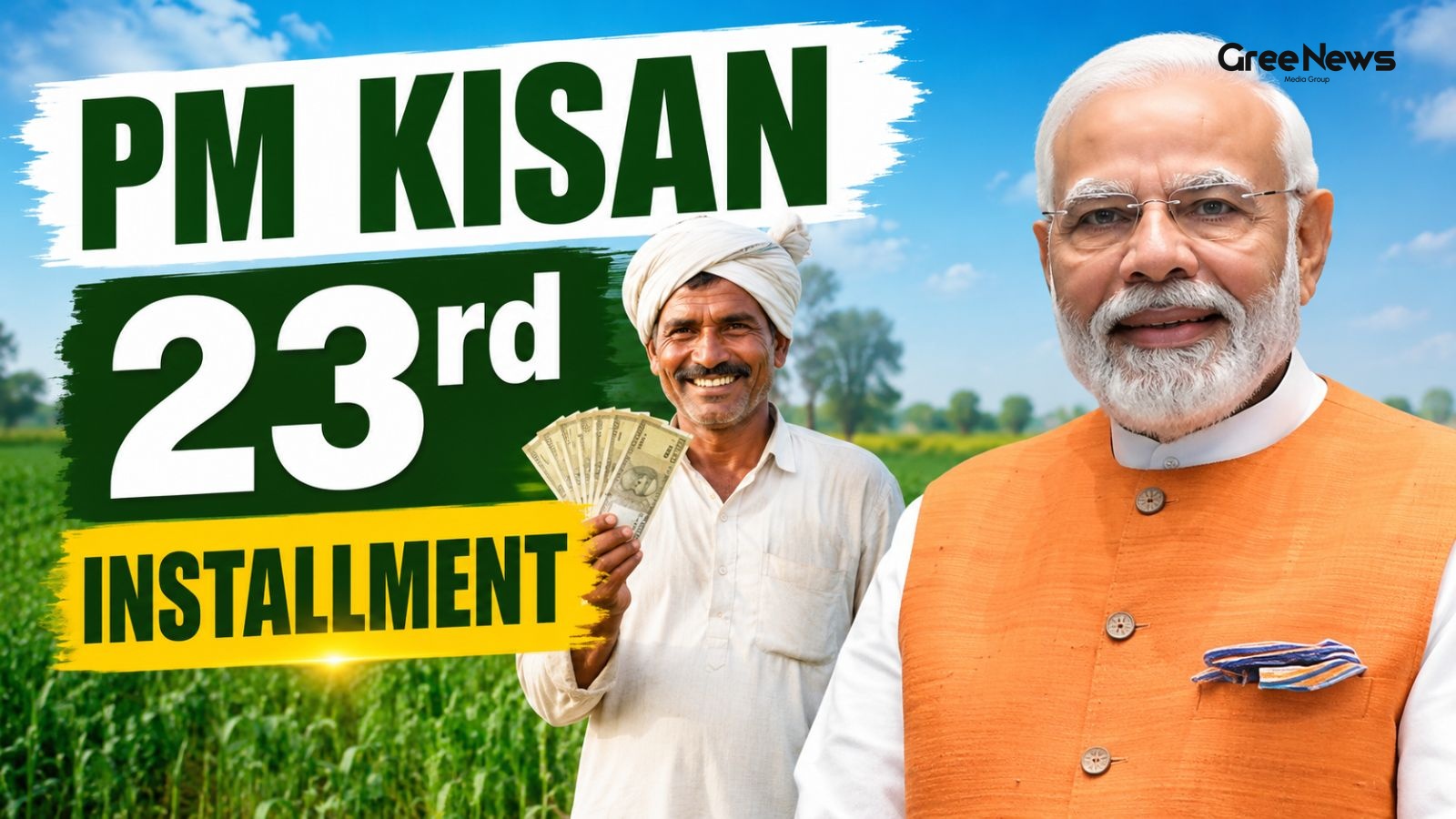
The wait for the 23rd installment of PM Kisan seems to be finally over. Prime Minister Narendra Modi is set to release about eighteen thousand eight hundred eighty crore rupees on Saturday, June 20, 2026. That money is slated for over nine point four four crore farmers. The announcement comes from T
Jun 21, 2026 by Gree News Team
Latest Headlines

The Economic and Social Fallout of Brexit
Keir Starmer stepping down, that was the latest bit of political chaos following weeks of real pressure from Labour MPs. It just throws Britain back into that same murky space we’ve been in for a long time. And you can’t ignore how this all circles right back to Brexit. Ten years gone. Ten years sin
Jun 24, 2026 by Gree News Team
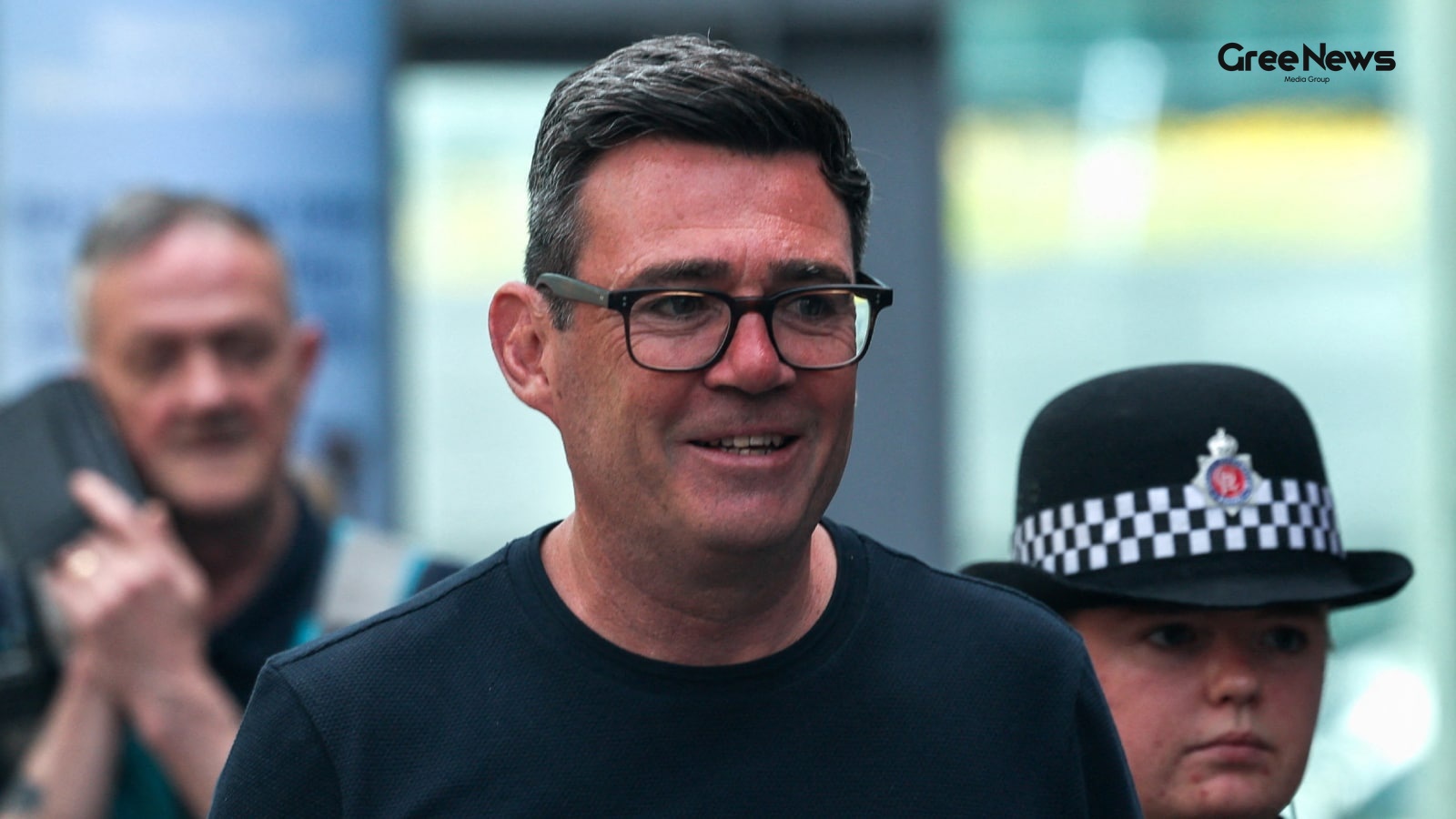
The Political Transition: Momentum, Stability, and the Future of Labour
It’s all just moving, isn't it? That feeling of things shifting under the surface. You look at the headlines and you realize there’s a whole mechanism running behind the scenes, one that decides who sits where, who gets to steer the ship when the waters get rough. And right now, Labour it feels like
Jun 24, 2026 by Gree News Team

House of the Dragon Season 3 Premiere Reaction and Analysis
Nearly two years of waiting. House of the Dragon Season 3 finally dropped on June 22, 2026. The first episode hit India at 6:30 AM IST. It started heavy. Right into the deep end of the Dance of the Dragons the Battle of the Gullet. That opening was pure chaos. Blood. Fire. Shattered fleets. And one
Jun 23, 2026 by Gree News Team
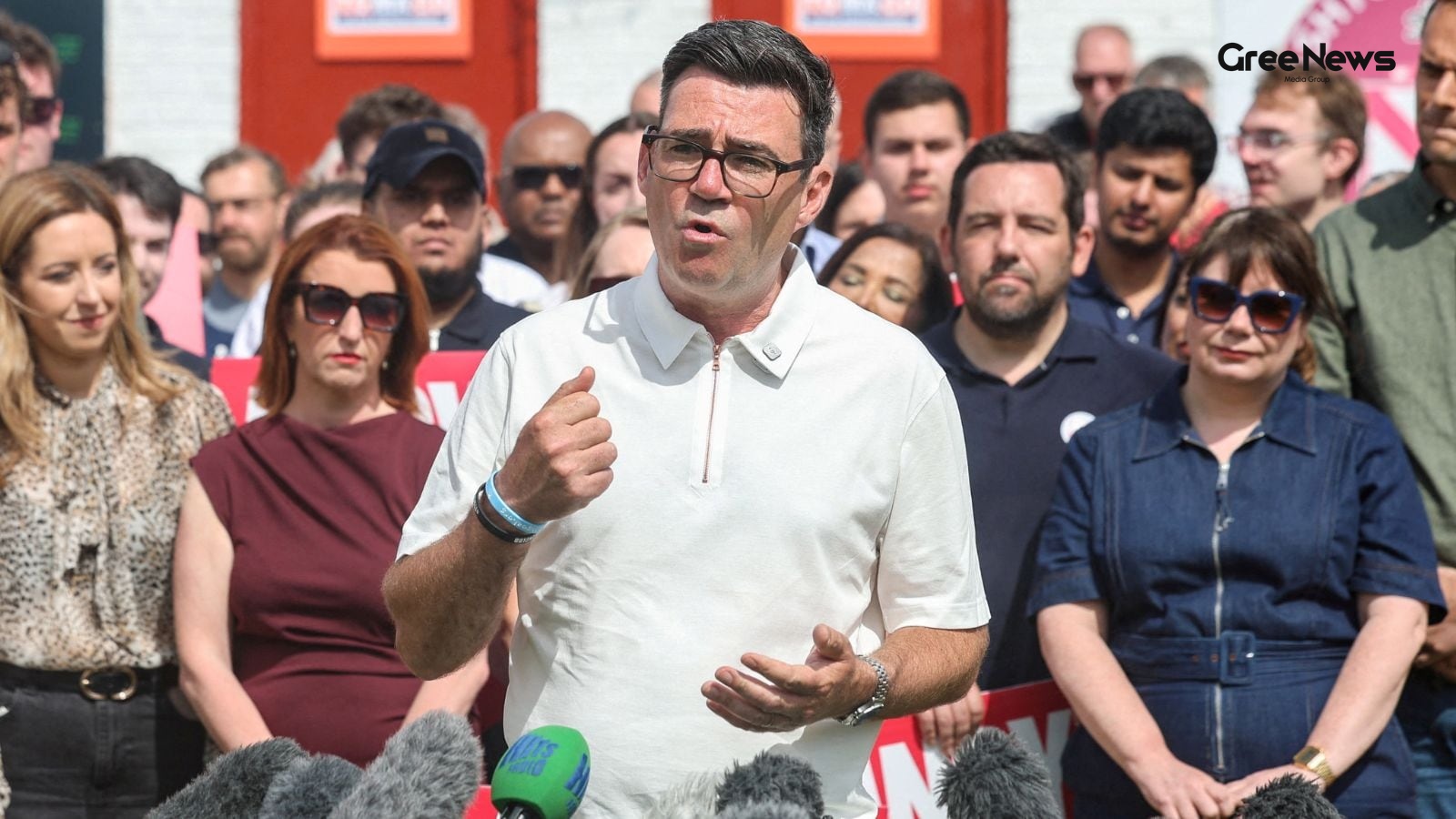
Andy Burnham: Political Journey and the Philosophy of Manchesterism
Andy Burnham stepped forward, Monday. A senior Labour politician who’s managed to carve out some real space for himself, especially after that whole leadership mess with Starmer. He’s the new MP for Makerfield, right? Just another name thrown into the swirling vortex of UK politics. It all kicked of
Jun 23, 2026 by Gree News Team
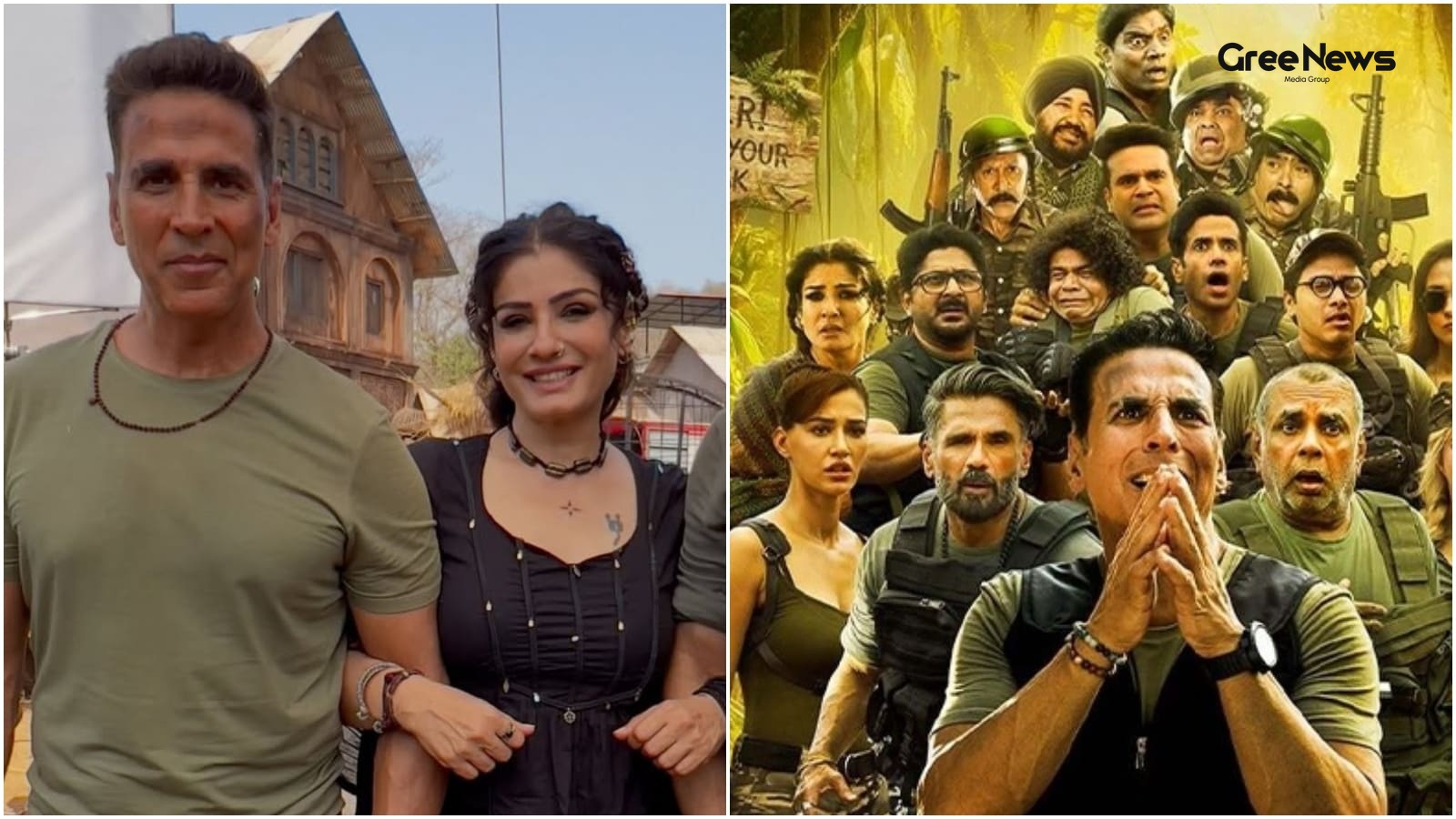
Akshay Kumar and Raveena Tandon: The Friendship Behind Welcome To The Jungle
*Welcome To The Jungle*, starring Akshay Kumar, is finally heading to theaters soon. There’s a lot of noise about it, though. Mostly that reunion. Akshay and Raveena Tandon. After twenty-two years, they’re back on screen for this comedy directed by Ahmed Khan. Ahmed Khan talked about it recently wit
Jun 23, 2026 by Gree News Team
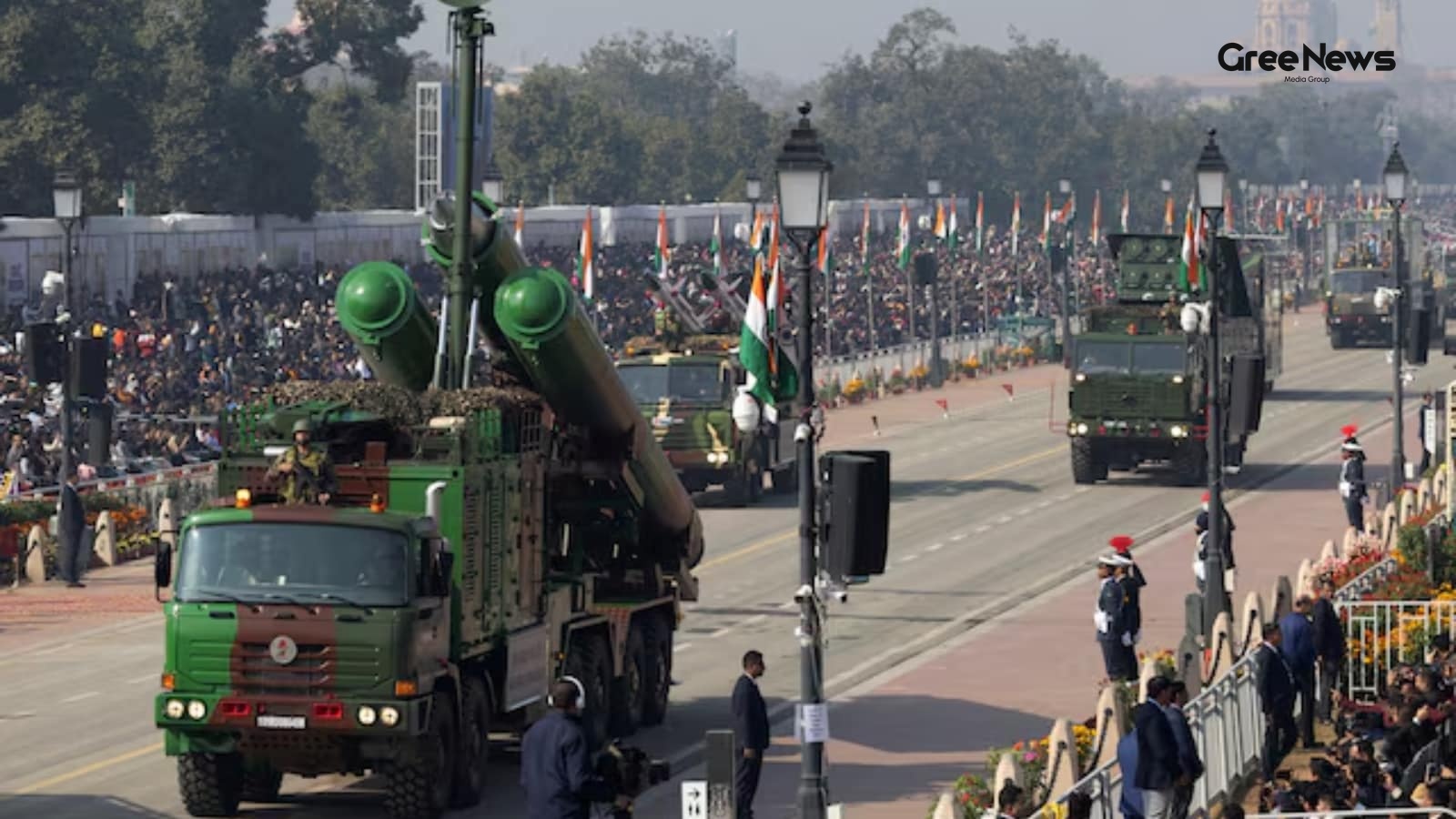
India-UAE Defense Deals and Weapon System Exports
Some chatter is going on between India and the UAE right now about defense deals. Specifically, there are talks happening over exporting some of India's key defense systems. Think stuff like the BrahMos supersonic cruise missile coming up. That’s what Reuters got wind of, based on people who know th
Jun 23, 2026 by Gree News Team
Iran Nuclear Talks and IAEA Agreement
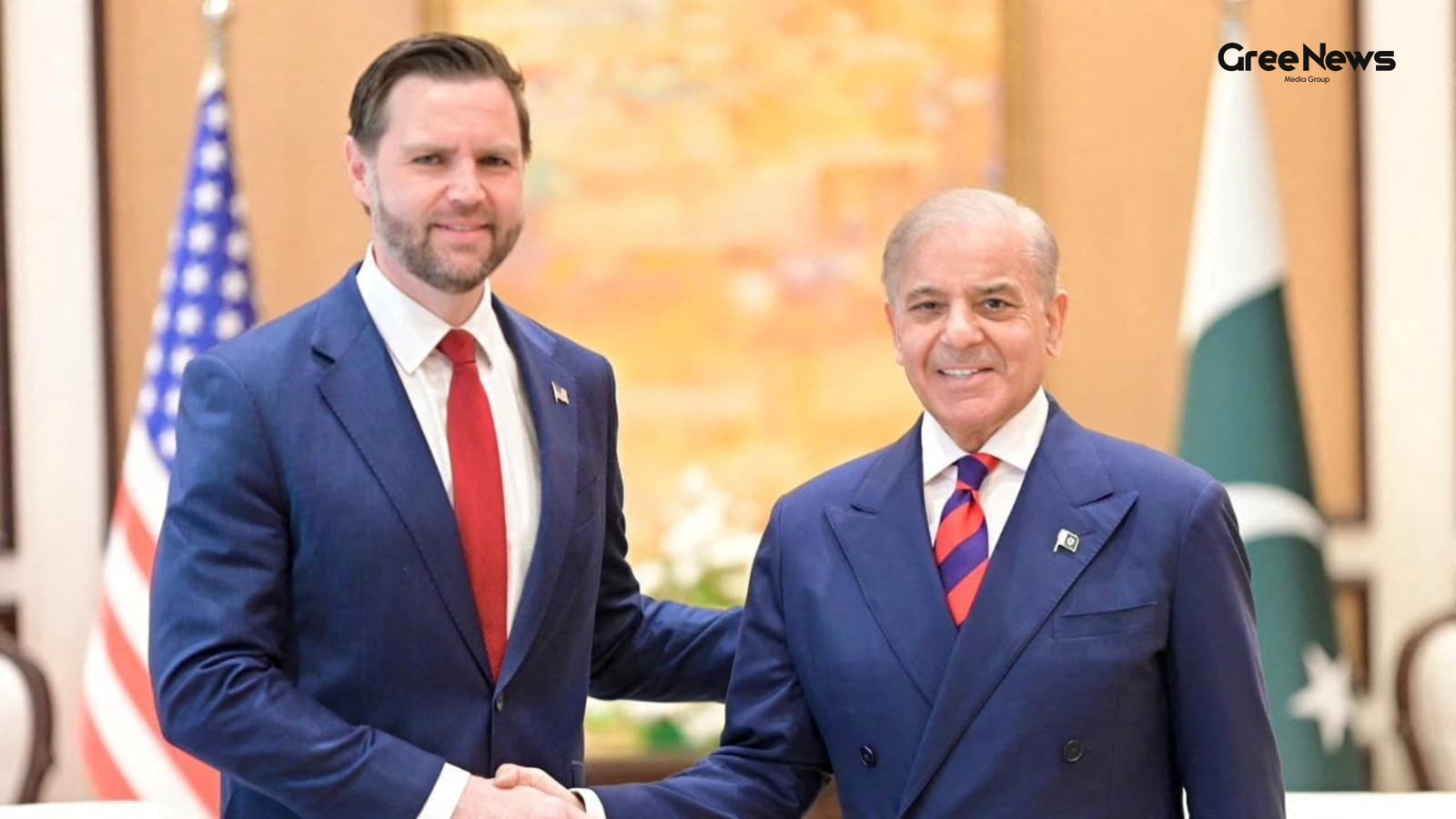
JD Vance said Monday that Iran actually agreed to let the International Atomic Energy Agency inspectors back into the country. It came after eighteen hours of intense talks, held up in Burgenstock, Switzerland. They also managed to sketch out a roadmap for a final deal, something they think is maybe
Jun 23, 2026 by Gree News Team

Enforcement Drive Hits Gurugram: Illegal Constructions and Public Outrage
The enforcement drive hit Gurugram’s DLF Phase-3 hard. It was a major crackdown on illegal constructions and all those unauthorized commercial setups. This wasn't some quiet administrative move; it came straight from the Punjab and Haryana High Court. The Department of Town and Country Planning laun
Jun 23, 2026 by Gree News Team
Toxic Workplace Habits: What Needs to Change in the Office
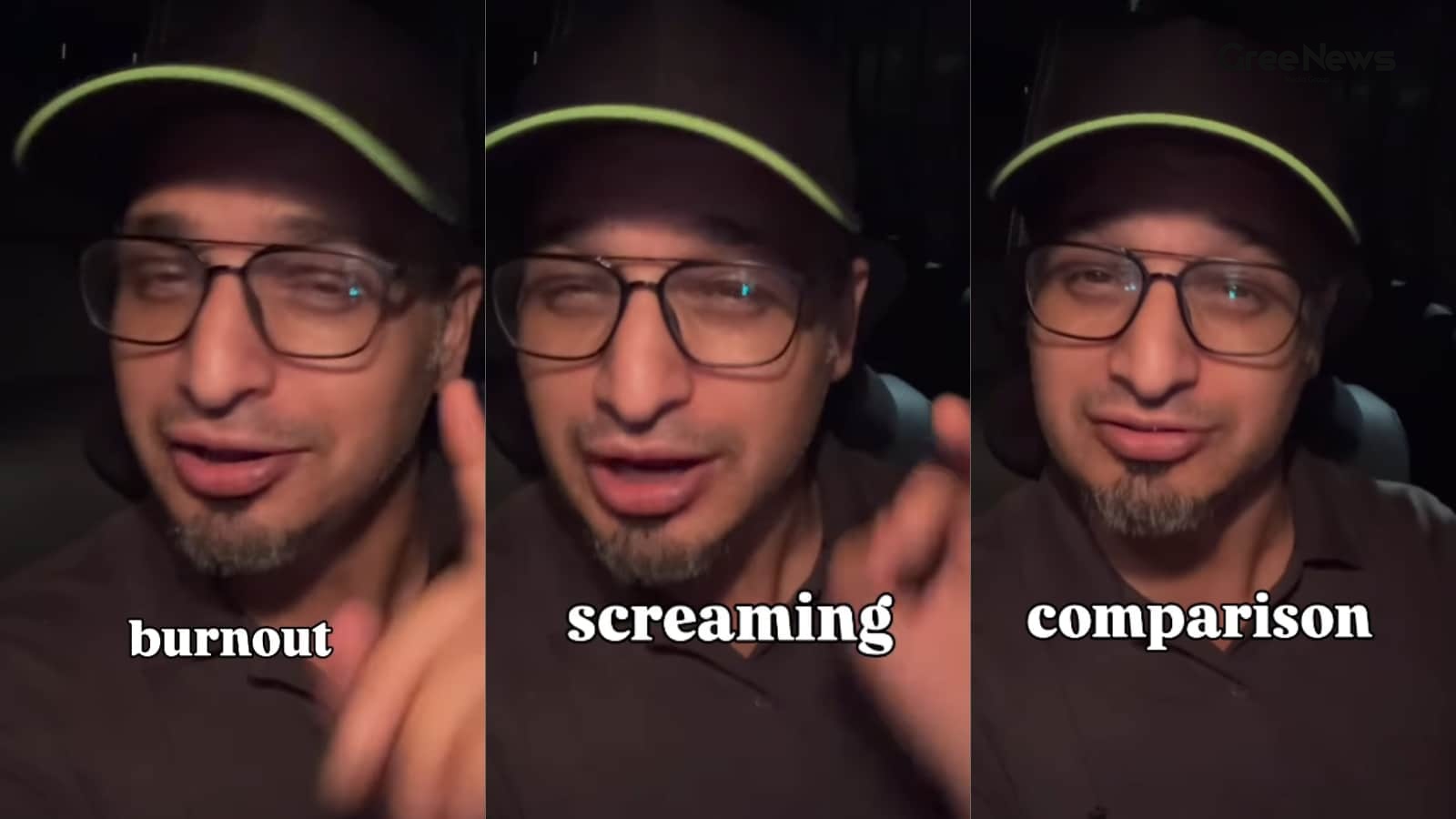
A Mumbai professional recently stirred up a lot of talk about how work actually happens in India. He pointed out some things he thinks have gotten just too normalized in offices across the country. It really hit home for a lot of corporate workers who said, "Yeah, I’ve seen this stuff too." Vijay Ch
Jun 23, 2026 by Gree News Team
Understanding Frozen Shoulders (Adhesive Capsulitis) and Recovery
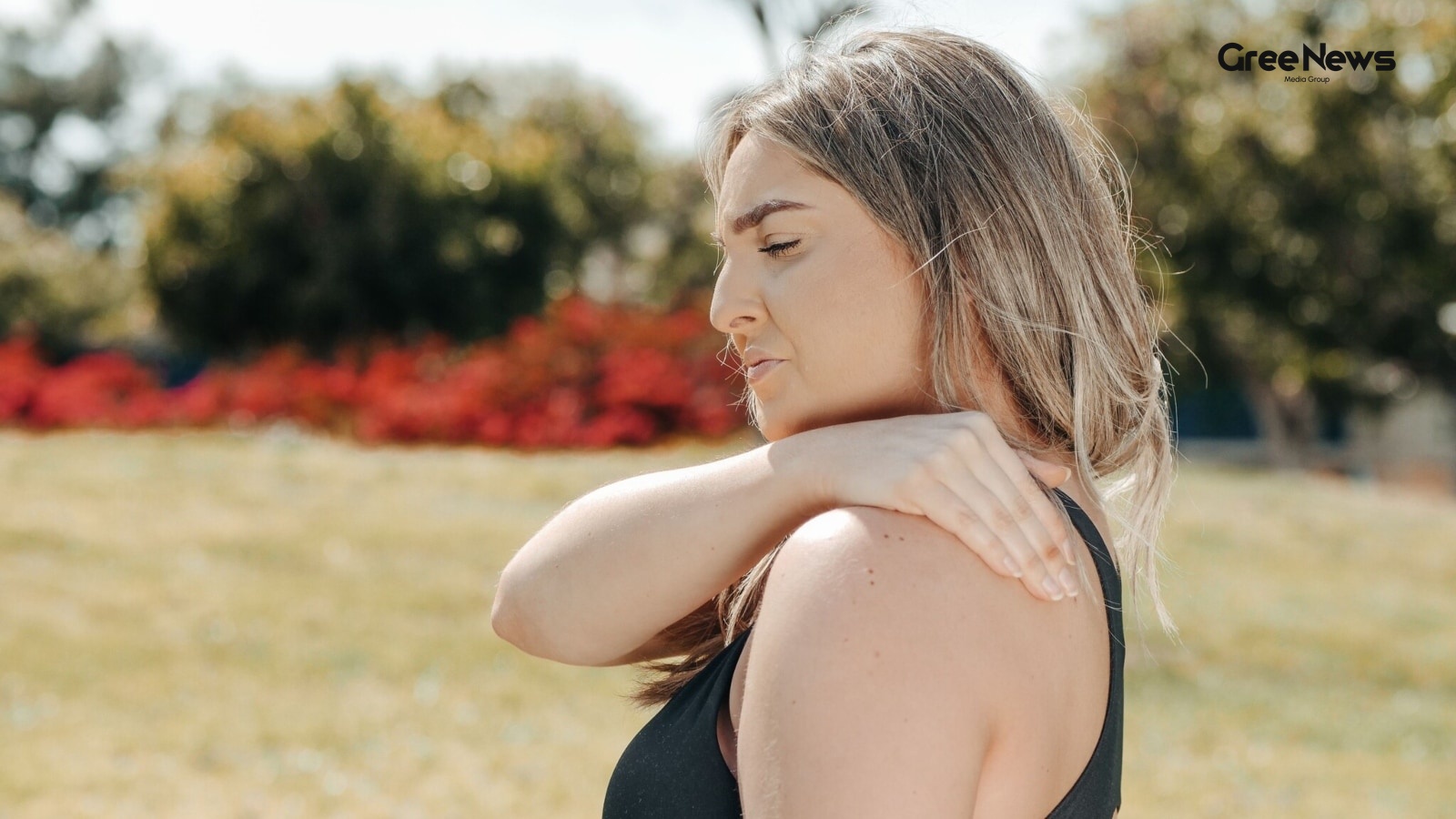
Frozen shoulders. It’s a quiet thief, really. It doesn't announce itself with a bang, but it slowly creeps in, quietly messing up the everyday stuff. Simple things putting on a shirt, reaching for something on a high shelf, even just lifting a bag they start to hurt. The shoulder joint gets this sti
Jun 23, 2026 by Gree News Team
Kunal Shah Named Global Head for WhatsApp After Leading CRED
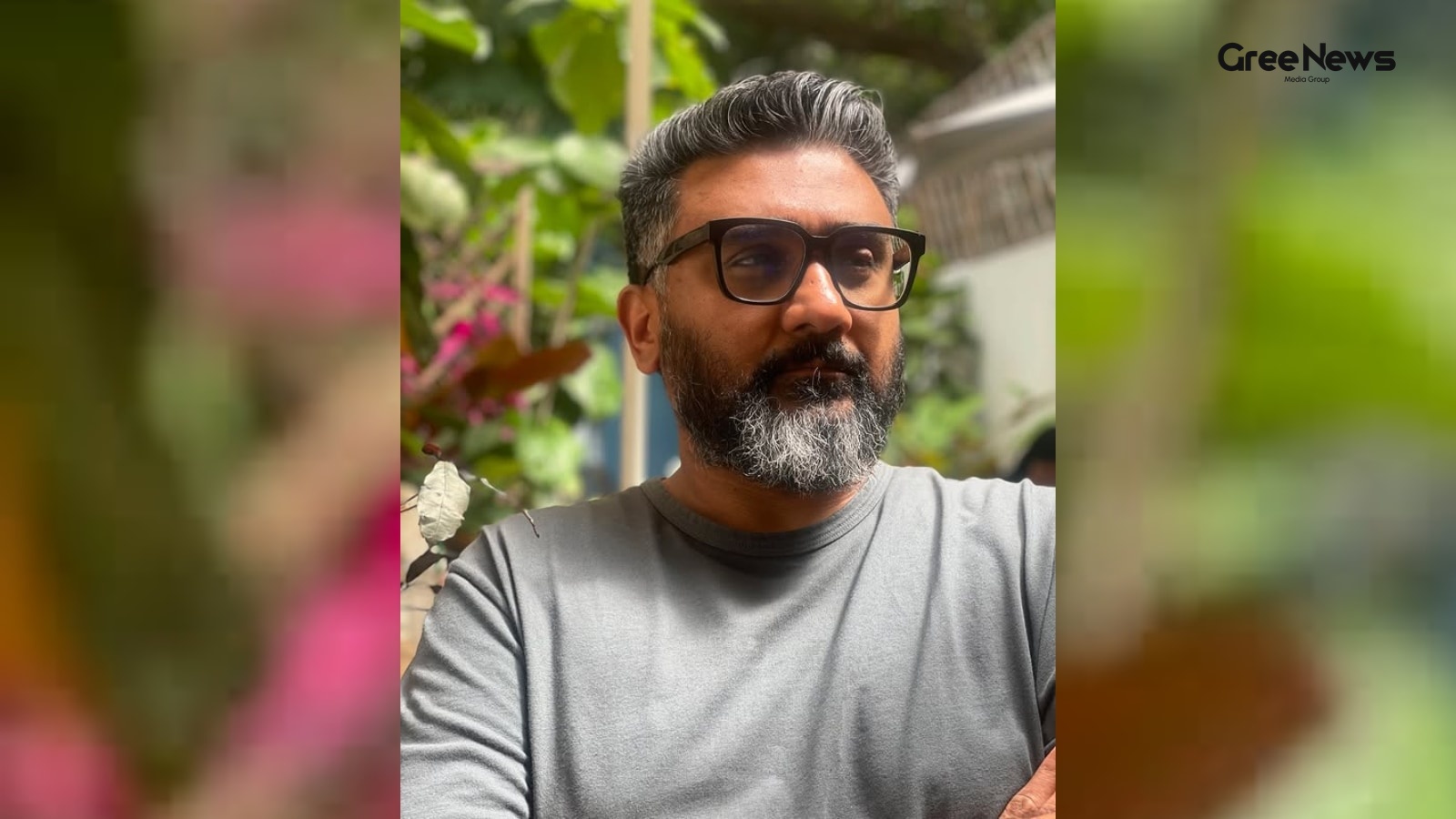
Meta just named Kunal Shah, the founder of that fintech firm CRED, as the new global head for WhatsApp. It’s one of those big appointments, you know? An Indian entrepreneur taking a spot at the top of the technology world. Will Cathcart, who’s been running the messaging platform since 2019, made the
Jun 23, 2026 by Gree News Team
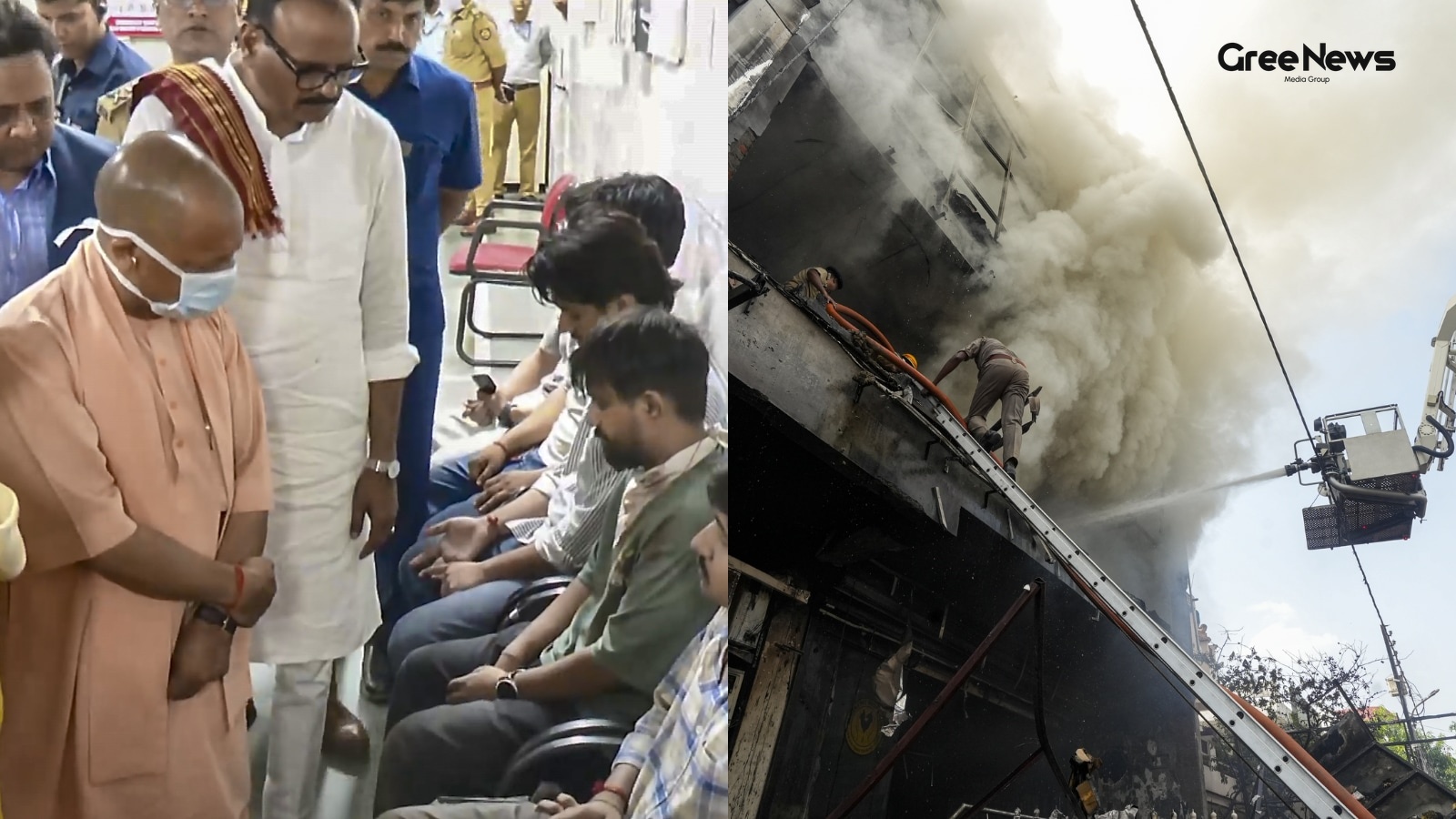
Lucknow Fire Tragedy: CM Reacts, Government Offers Relief
Monday brought a terrible scene in Lucknow. A massive fire tore through a coaching centre, and the cost was horrific at least fifteen lives lost. Chief Minister Yogi Adityanath reacted fast. He announced immediate relief for the victims’ families, handing out an ex gratia of five lakh rupees to the
Jun 23, 2026 by Gree News Team

Hazelnut Chikki and Sandesh Fusion Cake Recipe
Desserts. Seriously. They are pure decadence galore. This thing this chikki fudge cake it’s three layers, you know? It’s this wild fusion. You’ve got the sharp, crunchy delight of hazelnut chikki battling against something rich, velvety, all about dark chocolate and milk sandesh. Two totally beloved
Jun 23, 2026 by Gree News Team
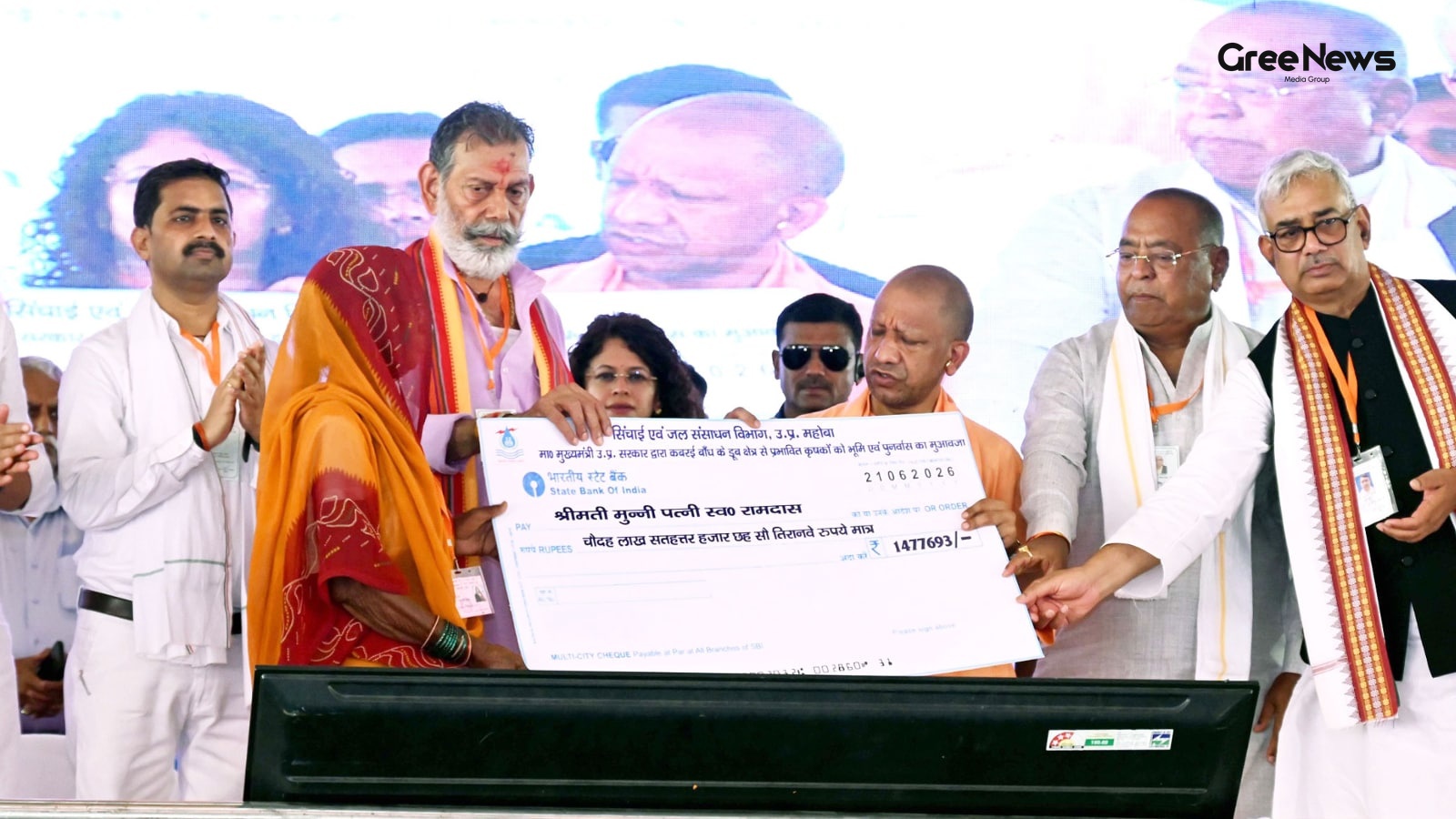
Yogi Adityanath's Development and Vision for Uttar Pradesh
Yogi Adityanath, Chief Minister of Uttar Pradesh, kicked off some big stuff on Sunday in Mahoba. Eight-eight development projects, over six hundred ninety-seven crore rupees worth. It all happened at Modi Gram, during the 12th International Yoga Day. Before getting there though, he was already invol
Jun 23, 2026 by Gree News Team
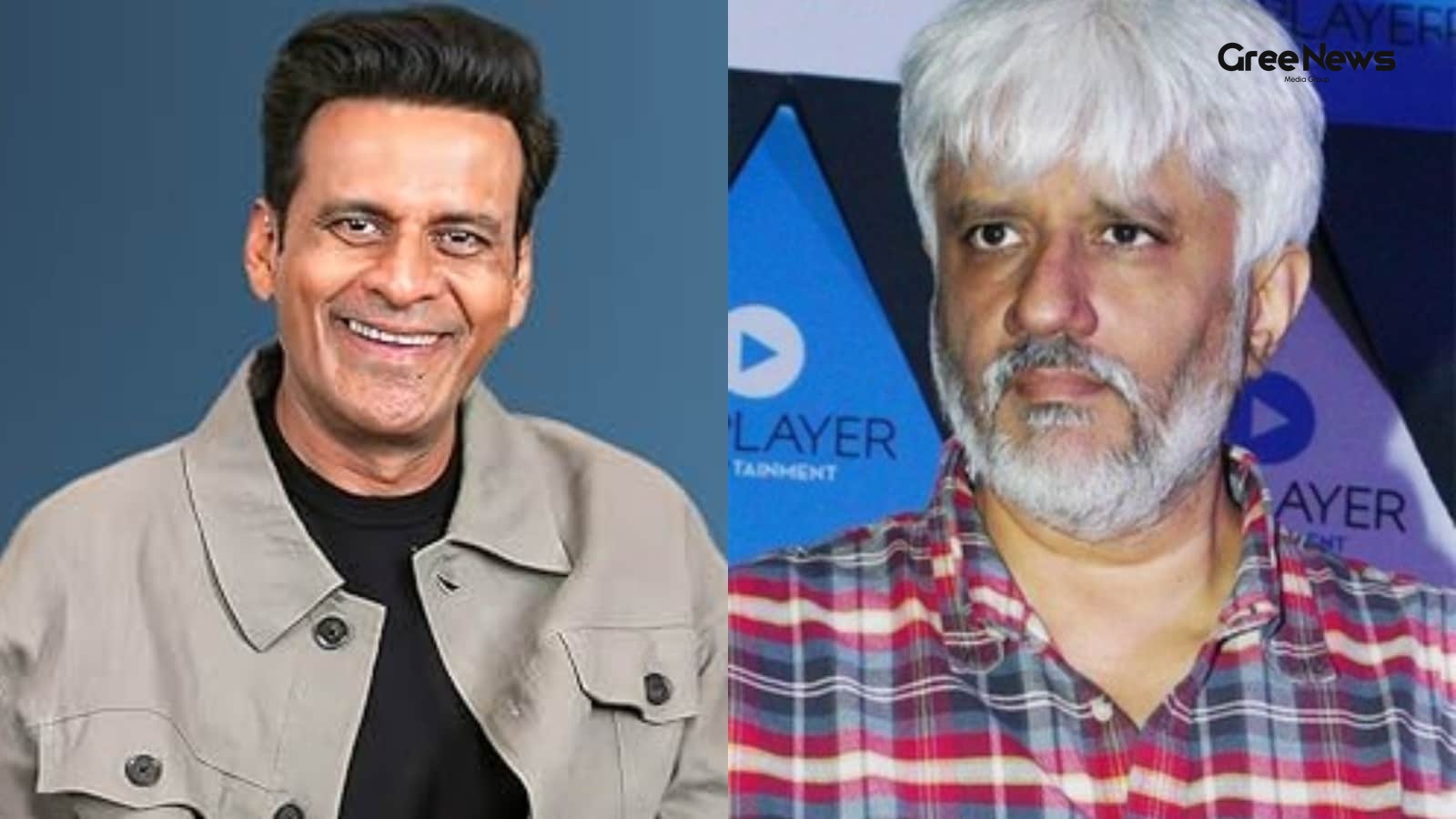
Actor Journeys, Industry Buzz, and Personal Stories
Manoj Bajpayee, you see, he’s one of those actors who just seems to have this massive range in his filmography. But lately, it feels like a shift. He’s been diving deep into independent films now. Not the big commercial blockbusters anymore. He actually opened up about it, saying that his real heart
Jun 23, 2026 by Gree News Team